A Bird Rise quer ajudar a transformar a rotina matinal numa experiência mais calma, com gravações reais de pássaros de diversas espécies e de diferentes partes do mundo.
Lanchester Wines in north-east England uses heat from a disused coalmine to maintain wine temperatures and with 23,000 flooded mines in the UK, there’s huge potential for more businesses and homes to follow its lead
Shove them in a fridge, stash them in a cellar – this is how most people store their favourite bottles of wine. But if you have warehouses full of thousands of vintages, you have to think a little differently.
For the last eight winters, Lanchester Wines has used heat from a disused coalmine to maintain ideal storage temperatures at its facilities in the north-east of England, helping to prevent freezing or spoilage.
In a groundbreaking study poised to redefine our understanding of auditory perception across species, researchers have unveiled strikingly similar auditory perceptual maps in both humans and mice. This discovery not only bridges a crucial gap between animal models and human sensory processing but also offers predictive insight into how perceptual decisions are formed during auditory discrimination learning. The implications ripple across neuroscience, psychology, and artificial intelligence, promising new avenues for studying sensory perception and developing advanced hearing-related technologies.
Auditory perception—the way organisms interpret and make sense of sound stimuli—is a complex process that involves integrating multifaceted sound attributes such as frequency, intensity, and temporal patterns. While mouse models have long been foundational in auditory research due to their genetic malleability and experimental accessibility, skepticism has persisted about the extent to which their perceptual frameworks parallel those of humans. This novel research offers compelling evidence that these frameworks are not only comparable but also exhibit shared underlying structures.
The study employed a sophisticated experimental design in which both human participants and mice were exposed to a wide array of tonal stimuli varying systematically across multiple auditory dimensions. Using advanced computational modeling and neural decoding techniques, the researchers were able to construct perceptual maps—conceptual frameworks representing how different sounds are internally organized within the brain’s auditory space. These maps enabled a quantifiable comparison of perceptual similarity and distance between sounds for both species, revealing a remarkable congruence in their auditory representations.
What makes these findings particularly compelling is the demonstration that these perceptual maps are predictive of behavioral outcomes during discrimination tasks. In other words, the way an individual’s brain groups different sounds predicts how well that individual can distinguish between them in learning scenarios. This link between neural representation and perceptual decision-making underlines a fundamental cognitive mechanism shared across mammalian species, offering crucial insights into the principles guiding sensory learning processes.
Beyond the fundamental science, the implications for translational research are profound. Understanding shared auditory perceptual structures facilitates the development of more accurate animal models for studying hearing impairments and neurological disorders affecting auditory processing. It also guides the design of auditory prosthetics, such as cochlear implants, by informing the algorithms that mimic natural sound perception. By aligning animal and human perceptual frameworks, therapies can be tailored with greater precision and efficacy.
A key technical achievement of the study was the use of multidimensional scaling techniques combined with machine learning algorithms to decode auditory neural responses with unprecedented granularity. The researchers collected high-resolution neural data using electrophysiological recordings in mice and non-invasive neuroimaging in humans. This dual approach allowed cross-species alignment of perceptual space, overcoming previous methodological challenges that hindered direct comparisons between human and rodent sensory processing.
Moreover, the study explored dynamic aspects of perceptual learning by measuring how auditory maps evolve through repeated training sessions. The maps exhibited plasticity reflective of learning-induced changes, emphasizing the adaptive nature of auditory perception. This plasticity was mirrored across both species, suggesting an evolutionarily conserved mechanism for tuning sensory systems based on environmental demands and experience.
One of the study’s most innovative aspects lies in its predictive modeling of discrimination performance. By mapping perceptual distances within the auditory space, the researchers could forecast individual differences in learning speed and accuracy, an advancement that holds enormous promise for personalized auditory training protocols. Such protocols could optimize rehabilitation strategies for individuals with auditory processing deficits by targeting specific perceptual aspects most relevant to their unique neural patterns.
The shared structure of auditory perceptual maps also raises intriguing questions about the evolutionary trajectory of sensory systems. The findings suggest that despite divergent evolutionary paths, fundamental auditory processing architectures remain conserved, supporting efficient sound discrimination necessary for survival and communication. This conservation across species underpins the generalizability of animal research findings to human sensory neuroscience.
Furthermore, these insights pave the way for advancing artificial sensory systems, especially in the realm of auditory artificial intelligence. By modeling computational auditory perception after natural neural maps, engineers can design more sophisticated speech recognition systems and assistive devices that better emulate human-like sound processing. The study’s integrative framework thus acts as a blueprint for creating tonal perceptual algorithms with enhanced contextual understanding.
This research also contributes importantly to theoretical debates surrounding sensory representation. By empirically demonstrating a shared, structured perceptual space, the study challenges views that sensory maps are strictly idiosyncratic or species-specific. Instead, it supports a paradigm that sensory systems leverage common organizational principles, rooted perhaps in fundamental neural coding constraints and environmental pressures shaping auditory perception.
The study’s methodology and results were meticulously detailed in a recent publication, where the authors delineated the computational techniques, behavioral paradigms, and statistical analyses that underscored their conclusions. This transparency fosters reproducibility and invites further interdisciplinary collaboration between computational neuroscientists, experimentalists, and cognitive psychologists aiming to unravel the complexities of sensory perception.
Importantly, these findings hold societal relevance beyond academic circles. Hearing loss and auditory processing disorders affect millions worldwide, often hindering communication and quality of life. Technologies and therapies inspired by a unified perceptual mapping approach could revolutionize auditory rehabilitation, offering hope for more effective interventions grounded in a thorough understanding of perceptual neuroscience.
In conclusion, this pioneering work illuminates the common auditory perceptual code shared by humans and mice, demonstrating that the brain’s representation of sound is not merely a byproduct of species-specific adaptations but a fundamental, conserved neural language. This discovery not only furthers scientific knowledge but also catalyzes innovation in medicine and technology, underscoring the power of cross-species research in unraveling the mysteries of the sensory brain.
As this field develops, future investigations are likely to explore how these perceptual maps interact with other cognitive systems such as memory and attention, and how factors such as age, experience, and pathology modulate the structure and function of auditory perception. With burgeoning advances in neurotechnologies and computational methods, the confluence of cross-species neuroscience and perceptual science promises to unlock new dimensions of understanding sensory experience.
Ultimately, the revelation that humans and mice share auditory perceptual maps that predict learning efficacies serves as a testament to nature’s optimization strategies, propelling a unified framework for deciphering sensory perception. This convergence of biology, computation, and psychology heralds a new chapter in auditory neuroscience with far-reaching implications for science and society alike.
Subject of Research: Auditory perceptual maps and discrimination learning in humans and mice
Article Title: Auditory perceptual maps in humans and mice share common structures and predict perceptual decisions in discrimination learning
Article References:
Seiler, J.PH., Cazzetta, G., Ghobadi, A. et al. Auditory perceptual maps in humans and mice share common structures and predict perceptual decisions in discrimination learning. Commun Psychol 4, 98 (2026). https://doi.org/10.1038/s44271-026-00485-w
French serial entrepreneur and open-source legend Jean-Baptiste Kempf has been building Kyber, an infrastructure layer to control remote devices in real time.
In a groundbreaking study recently published in Scientific Reports, researchers have unveiled the intricate relationship between sleep disturbances, stress levels, and psychological distress among internally displaced persons (IDPs), demonstrating that the duration of displacement plays a pivotal role in shaping these outcomes. As millions worldwide are forced to flee their homes due to conflict, natural disasters, or political upheaval, understanding the complex interplay of mental health factors in this vulnerable population has become a pressing scientific and humanitarian imperative. This new research sheds light on how the protracted nature of displacement can exacerbate or modulate psychological conditions, potentially informing targeted interventions and policy decisions to support these populations more effectively.
Internally displaced persons represent one of the most precarious demographic groups in terms of mental health. Unlike refugees who cross international borders, IDPs remain within their own country, often caught in regions of continued conflict or instability. This paradoxical existence subjects them to an array of chronic stressors: insecure living conditions, loss of community and social support, uncertainty about the future, and the daily struggle for basic necessities. The study by Basishvili, Eliozishvili, Lortkipanidze, and colleagues delves deeply into how these chronic stressors produce different psychological trajectories depending on the length of displacement.
At the core of the research lies the investigation into sleep as both a symptom and a mediator of distress. Sleep disturbances are frequently reported among displaced populations, yet the nuances of how sleep quality changes over time during displacement have been poorly understood. Employing comprehensive psychometric evaluations and sleep quality assessments, the research team conducted a longitudinal study encompassing multiple cohorts of IDPs displaced for varying lengths of time, spanning from several months to multiple years.
The findings reveal a non-linear dynamic: individuals recently displaced exhibited acute sleep disturbances strongly correlated with heightened stress hormone levels and immediate psychological distress. This phase, typified by hyperarousal and vigilance, aligns with the body’s acute stress response, where cortisol and other neurochemical mediators disrupt normal sleep architecture. Paradoxically, those displaced for extended periods demonstrated a paradoxical pattern of gradual diminution in objective stress markers, yet enduring subjective reports of poor sleep and depressive symptoms. This suggests an adaptive but potentially maladaptive physiological adjustment where initial hypervigilance gives way to chronic sleep abnormalities linked with prolonged psychological wear and tear.
Advanced polysomnography and actigraphy data indicate that sleep fragmentation and reduced slow-wave sleep are especially pronounced among long-term displaced persons. Slow-wave sleep, crucial for emotional regulation and memory consolidation, is markedly impaired, offering a potential mechanistic explanation for sustained psychological distress. These alterations exacerbate levels of anxiety, depressive symptomatology, and cognitive deficits, which in turn can worsen social withdrawal and reduce resilience, forming a vicious cycle difficult to break without intervention.
Neuroendocrine assays conducted as part of the study underscore the role of the hypothalamic-pituitary-adrenal (HPA) axis dysregulation as a critical biological underpinning. Elevated cortisol levels were consistently found with short-term displacement, whereas flatter diurnal cortisol slopes characterized those with prolonged displacement, indicating chronic stress dysregulation. These hormonal patterns mirror findings from PTSD and chronic depression literature, supporting the notion that displacement-induced stress elicits a spectrum of overlapping pathophysiological processes.
The researchers also investigated psychosocial moderators such as social support networks, access to healthcare resources, and coping strategies. Notably, individuals with stronger communal ties and better access to counseling services exhibited more stable sleep profiles and reduced psychological distress, regardless of displacement duration. These findings underscore the importance of integrative mental health services and community rebuilding as necessary components to ameliorate the scourge of displacement-induced morbidity.
This complex interplay between biological, psychological, and social factors implies that mental health interventions for IDPs cannot be monolithic. Recent arrivals require acute crisis interventions focusing on immediate stress reduction, sleep restoration, and trauma counseling. Meanwhile, long-term displaced individuals may benefit more from chronic disease management approaches emphasizing resilience building, sleep hygiene education, and pharmacological or behavioral therapies targeting sleep fragmentation and depressive symptoms.
The implications extend beyond clinical practice into public health and policy realms. By quantitatively establishing the bidirectional links between sleep disruptions and stress pathology modulated by displacement duration, the study advocates for time-sensitive resource allocation. Humanitarian agencies and government authorities can leverage these insights to design tiered mental health responses calibrated to the displacement timeline, enhancing efficiency, and outcomes.
Furthermore, the advancement of biomarker-driven diagnostics in this context offers a promising avenue to identify individuals at greatest risk of long-term psychological sequelae. Personalized intervention strategies guided by biological data such as cortisol rhythms and sleep metrics could revolutionize care for displaced populations, where resources are often limited and needs are immense.
The pervasive nature of displacement globally makes this research critically relevant in the current socio-political climate, where conflicts and climate-driven migration show little sign of abating. Integrating these scientific insights into coordinated international action can mitigate the profound mental health toll borne by internally displaced individuals, transforming a global crisis into an opportunity for innovation in humanitarian mental health care.
In sum, the study by Basishvili and colleagues offers a nuanced, detailed exploration of how the length of displacement modulates the interdependent phenomena of sleep disturbances, stress responses, and psychological distress in IDPs. This knowledge not only expands the theoretical understanding of trauma and adaptation but also provides tangible pathways to improve mental health outcomes through temporally tailored interventions. The future of displacement medicine will likely hinge on such integrative, multidisciplinary efforts that unify biology, psychology, and social policy within a coherent framework of care.
This pioneering research continues to underscore the vital importance of sleep health as a cornerstone of psychological resilience, especially under the extraordinary stress conditions faced by displaced populations. As global displacement trends rise, harnessing these insights to catalyze innovative, evidence-based interventions will be paramount in alleviating human suffering and fostering recovery amidst upheaval.
The authors conclude their work with a call to action, emphasizing the need for heightened international collaboration to translate these findings into scalable mental health programs. Such initiatives must prioritize accessible diagnostic tools, culturally sensitive therapeutic approaches, and sustainable community support systems aligned to the evolving phases of displacement. Effectively addressing the mental health crisis within IDP communities represents both a formidable challenge and a profound human opportunity in the coming decades.
Subject of Research: The study investigates the complex interactions between sleep patterns, stress physiology, and psychological distress among internally displaced persons, focusing particularly on how these factors are influenced by the duration of displacement.
Article Title: Relationship between sleep, stress and psychological distress in internally displaced persons depends on the length of displacement.
Article References:
Basishvili, T., Eliozishvili, M., Lortkipanidze, N. et al. Relationship between sleep, stress and psychological distress in internally displaced persons depends on the length of displacement. Sci Rep (2026). https://doi.org/10.1038/s41598-026-57241-7
Com 70 puzzles de física em cinco biomas animados, sete tipos de veículos e materiais variados, como aço, cabos e betão, o Bridge Constructor Studio é um jogo de engenharia criativa que diverte imenso, mesmo quando a ponte acaba por colapsar.
Go's IPO — Japan's biggest so far this year — has done more than provide a much-needed boost to the country's languishing listing season. It has also supplied the taxi-hailing app with the capital required to address an existential issue: Japan's shortage of drivers.
Video game composer and sound designer Bobby Prince has died at age 81 following an illness. Developer id software shared the news. Engadget reports: Prince was perhaps best known for his pioneering work on the Doom series. The Library of Congress inducted his soundtrack for the original game into the National Recording Registry just last month. "Despite the limitations of the 1993-era sound card drivers, Prince composed the perfect riff-shredding accompaniment for the game's demon-slaying journey to hell and back," the Library of Congress stated.
"Taking advantage of his knowledge of MIDI, Prince even worked to ensure that the sound effects he created could cut through the music by assigning them to different MIDI frequencies." Prince also worked on games such as Wolfenstein 3D, Rise of the Triad and Duke Nukem 3D. In 2006, the Game Audio Network Guild honored Prince with a lifetime achievement award.
Spotify sta registrando problemi di funzionamento con segnalazioni in forte aumento su Downdetector. Il servizio di monitoraggio mostra un picco dopo una giornata rimasta sostanzialmente stabile fino al primo pomeriggio.
Il problema sembra riguardare in particolare l'app, indicata dal 56% degli utenti che hanno inviato una segnalazione. Seguono il sito web, al 16%, e la connessione ai server, al 14%. In diversi casi l'app risulta accessibile, ma la riproduzione non parte o si interrompe, un comportamento coerente con le segnalazioni legate allo streaming audio.
Al momento, non ci sono indicazioni chiare sulle cause del disservizio.
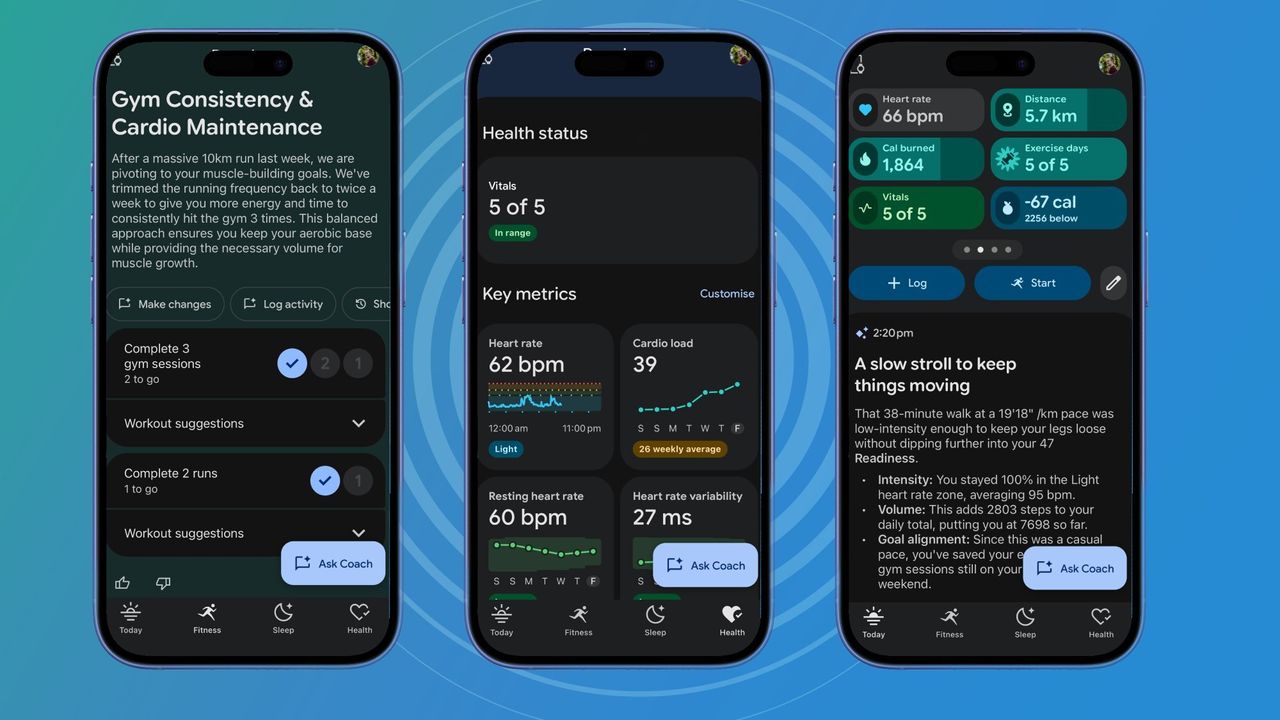
Google rilascia un importante aggiornamento per l’app Health, quella che da quasi un mese, dopo aver “fagocitato” la piattaforma Fitbit, è sostanzialmente l’ecosistema unico per i prodotti della grande G. A ricevere le novità della versione 5.02 sono sia gli utenti Android che coloro che la utilizzano su iOS, con i primi che ne ricevono un po' più dei secondi.
In estrema sintesi, Google Health 5.02 porta maggiori possibilità di personalizzazione, con la possibilità ad esempio di riordinare con un semplice drag and drop le metriche chiave della scheda salute, migliorie per la gestione di cibo e alimenti, una migliore visualizzazione dei pisolini, un’analisi del sonno più accurata e il ritorno dei grafici per l’attività oraria. Alcune delle novità saranno apprezzate da chi si sente "orfano" dell'app Fitbit.
Ecco l’elenco completo dei cambiamenti che riguardano Google Health 5.02 sia per Android che per iOS:
 Login