A new study suggests plague was already a deadly threat 5,500 years ago, striking small hunter-gatherer communities long before cities and agriculture emerged. For centuries, plague has been remembered as the disease that devastated medieval Europe, killing millions and reshaping societies. But new research suggests its deadly history stretches much further back than previously thought. [...]
British archaeologists may have found the remains of a site where people celebrated the solstice thousands of years ago, a few miles from the famed stone circle.
Scientists have uncovered compelling new evidence that early human ancestors, likely Homo erectus, were deliberately bringing fire into Wonderwerk Cave in South Africa as far back as 1.79 million years ago.
Rare charcoal fragments from an ancient lakeshore campsite are offering new clues about fire use, resource management, and the environmental knowledge of some of humanity’s earliest fire users. Long before cities, farms, or written language existed, some of humanity’s ancestors had already discovered a resource that would transform the course of human evolution: fire. But [...]
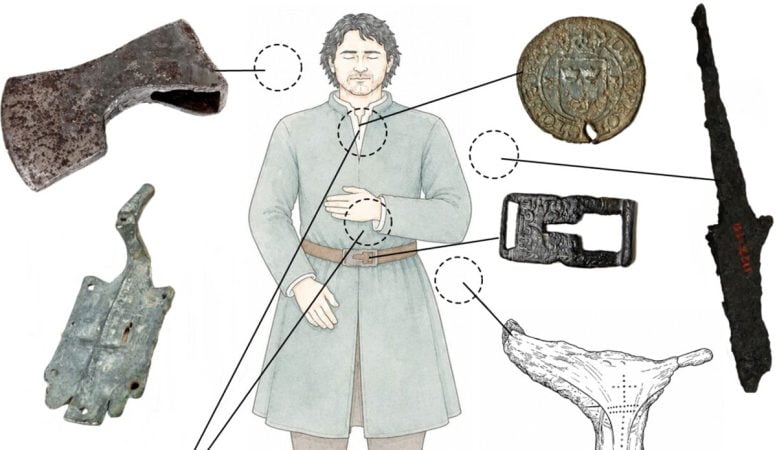
A multidisciplinary study has uncovered new details about a centuries-old burial in northern Finland, revealing genetic links to Sámi populations and evidence of a remarkably mobile life. A new study by the University of Turku and its partners has revealed new details about a man buried near Lake Kitka in Kuusamo, Finland, around the turn [...]
Geochemical analysis of 780,000-year-old stone tools from Israel suggests Acheulean (or Acheulian) hominins repeatedly sought specific basalt sources, revealing sophisticated planning and deep knowledge of their landscape.
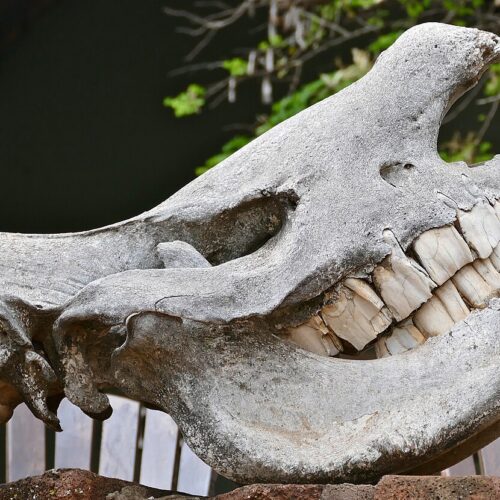
One way archaeologists learn how ancient people, including Neanderthals, did things is to attempt to do those things themselves, a process called experimental archaeology. Normally, that involves making stone tools, butchering deer, or distilling birch tar. But in a new study, it meant doing very destructive things to teeth from one of the world’s most carefully protected animals.
That's because the archeologists suspected that Neanderthals once used rhino teeth as tools. By using the teeth to make stone tools, the researchers demonstrated that Neanderthals probably did the same thing, adding to what we know about the wide range of items in their toolkits.
We need to hit some rhino teeth with rocks for science
Some Neanderthal archaeological sites in Europe and Asia seem to have many more rhinoceros teeth lying around than you’d expect. We know Neanderthals hunted a now-extinct species of rhinoceros in Europe and eastern Asia, but the people who had inhabited these sites looked like they had been collecting rhino teeth for some reason.
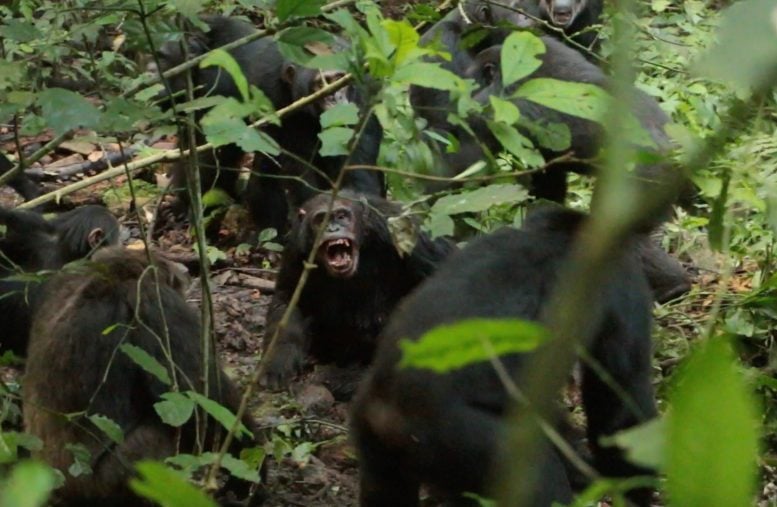
Wild chimpanzees in Uganda split into two separate communities and later engaged in deadly attacks against each other. Researchers believe the conflict shows how social relationships alone can fuel polarization and violence. The world’s largest known community of wild chimpanzees has permanently divided into two separate groups. Researchers from the University of Texas at Austin [...]
Thousands of mysterious containers lie scattered across northern Laos. These “death jars” may have provided a form of communal interment, archaeologists reported.
New research from the University of Oxford and the University of Reading suggests bipedalism and expanding brain size helped drive the overwhelming dominance of right-handedness in humans.

 Login

 A new study suggests plague was already a deadly threat 5,500 years ago, striking small hunter-gatherer communities long before cities and agriculture emerged. For centuries, plague has been remembered as the disease that devastated medieval Europe, killing millions and reshaping societies. But new research suggests its deadly history stretches much further back than previously thought. [...]