❌

Reading view

NRSN2 Deficiency Disrupts Memory via NMDA Impairment

In a groundbreaking study soon to redefine neuroscientific understanding of memory mechanisms, researchers have uncovered the pivotal role played by Neurensin-2 (NRSN2) in regulating hippocampal synaptic plasticity and memory functionality. This newly published research reveals how deficiency in NRSN2 leads to profound impairments in memory, traced back to disrupted excitatory synaptic transmission and weakened long-term potentiation (LTP) within the hippocampus, a brain region critically involved in memory formation and cognitive processing.

The hippocampus serves as the brain’s memory hub, integrating myriad neuronal signals to encode and retrieve information efficiently. Central to this integration is the function of excitatory synapses that employ glutamate receptors, especially the N-methyl-D-aspartate (NMDA) receptor, which plays an essential role in synaptic plasticity—the ability of synapses to strengthen or weaken over time. This plasticity underlies learning and memory. The study elucidates how NRSN2 exerts a regulatory influence on the expression of NMDA receptor subunits, with deficiency in NRSN2 tipping the balance unfavorably and compromising synaptic efficacy.

Utilizing advanced genetic models, the investigators engineered mice lacking NRSN2 to dissect its functional contributions. Behavioral assays showcased a marked decline in memory performance, particularly in spatial and recognition tasks reliant on hippocampal circuits. These deficits were not attributed to developmental anomalies but to disrupted synaptic physiology, signaling a direct role for NRSN2 in maintaining synaptic integrity and plasticity during adult cognition.

At the molecular scale, the absence of NRSN2 triggered a significant downregulation of key NMDA receptor subunits, notably NR1, NR2A, and NR2B. These subunits orchestrate receptor assembly and gating properties critical for calcium influx, a signal cascade necessary for potentiation of synaptic strength. The reduction in their expression correlated tightly with the inhibition of LTP induction, a process considered the cellular analog of memory encoding, confirming the hypothesis that NRSN2 deficiency impairs memory by hampering core synaptic mechanisms.

Electrophysiological recordings from hippocampal slices further substantiated the disrupted synaptic function. In control animals, robust LTP was readily induced by theta burst stimulation—a protocol mimicking physiological neuronal firing during learning. Conversely, hippocampi from NRSN2-deficient mice exhibited significantly weakened potentiation, underscoring the protein’s critical role in modulating synaptic responsiveness. This impairment was not a general defect of synaptic transmission but selectively impacted excitatory plasticity mediated through NMDA receptors.

Delving deeper, the team explored the intracellular cascades influenced by NRSN2, discovering that its absence perturbed the trafficking and surface expression of NMDA receptor complexes. NRSN2 appears to act as a chaperone or scaffold protein, ensuring proper receptor assembly and synaptic localization. Without it, receptor subunits fail to achieve adequate membrane insertion, resulting in diminished postsynaptic sensitivity to glutamate and compromised signal transduction.

This mechanistic insight offers a fresh perspective on how synaptic architecture and molecular composition govern cognition. The study’s integration of molecular biology, electrophysiology, and behavioral neuroscience draws a comprehensive picture of how a single protein’s deficit can destabilize the neural substrates of memory. Such findings not only enrich fundamental neuroscience but also hint at novel targets for cognitive-enhancing therapies.

Intriguingly, alterations in NRSN2 expression and NMDA receptor dysfunction have been implicated in various neuropsychiatric disorders, including schizophrenia and major depressive disorder. By illuminating this molecular nexus within the hippocampus, the research opens doors to understanding disease pathophysiology at a finer scale and may spur development of precision interventions aimed at restoring synaptic balance in affected individuals.

The investigators also examined compensatory mechanisms that might mitigate NRSN2 absence. While some plasticity-related proteins showed upregulation, these changes failed to rescue the deficits in NMDA receptor expression and synaptic potentiation. This highlights the non-redundant and indispensable nature of NRSN2 in maintaining synaptic homeostasis and cognitive function.

Beyond the laboratory findings, the study raises fascinating questions about how synaptic proteins coordinate to sustain the dynamic range of neural connectivity required for adaptive learning. The delicate equilibrium modulated by NRSN2 and NMDA receptors underscores the complexity of neuronal networks and their vulnerability when key molecular elements are compromised—insights that are pivotal as the field seeks to decode the neural basis of memory disorders.

Future research directions spawned by this work include investigating how NRSN2 interacts with other synaptic scaffold proteins and cytoskeletal elements, potentially shaping the three-dimensional organization of the postsynaptic density. Additionally, exploring the developmental timeline of NRSN2 expression could reveal critical periods during which intervention might prevent or reverse memory impairments.

From a translational perspective, the study’s revelations beckon the clinical neuroscience community to consider NRSN2 and its pathways as therapeutic candidates. Pharmacological strategies aimed at upregulating NRSN2 or mimicking its stabilizing effects on NMDA receptors could hold promise for enhancing cognition or slowing neurodegenerative progression in disorders marked by synaptic decline.

In sum, this landmark research defines NRSN2 as a vital regulator of excitatory synaptic plasticity and memory formation. Its deficiency causes a cascade of molecular disturbances culminating in impaired NMDA receptor expression and disrupted LTP, ultimately compromising hippocampal-dependent memory functions. This work not only advances our understanding of the molecular machinery underlying memory but also charts new territory in the quest to ameliorate cognitive dysfunction.

As neuroscience inches closer to mapping the intricate cellular and molecular landscape of cognition, findings such as these underscore the profound impact a single synaptic protein can have on brain function. The compelling evidence presented lays a robust foundation for future explorations into synaptic plasticity and memory, promising strides in both basic science and clinical applications that may soon transform lives burdened by memory loss.


Subject of Research: Impact of Neurensin-2 (NRSN2) deficiency on hippocampal memory functions and synaptic plasticity

Article Title: Impact of NRSN2 deficiency on memory: Altered excitatory synaptic plasticity associated with reduced expression of NMDA receptor subunits and impaired LTP in the hippocampus.

Article References:
Wei, J., Wu, Y., Yi, Y. et al. Impact of NRSN2 deficiency on memory: Altered excitatory synaptic plasticity associated with reduced expression of NMDA receptor subunits and impaired LTP in the hippocampus. Transl Psychiatry (2026). https://doi.org/10.1038/s41398-026-04163-7

Image Credits: AI Generated
DOI: https://doi.org/10.1038/s41398-026-04163-7

  •  

Conheça o Koenigsegg feito com 327.906 peças de Lego que envergonha alguns carros a sério

Com 327.906 peças, mais de 9,400 horas de montagem e 111 km/h de velocidade máxima. Conheça o carro de Lego mais rápido de sempre, o Koenigsegg Sadair’s Spear, que foi construído à escala real, para celebrar o lançamento do novo conjunto 1/8 com 4.104 peças.

The post Conheça o Koenigsegg feito com 327.906 peças de Lego que envergonha alguns carros a sério appeared first on Tek Notícias.

  •  

PER2 Reprograms Cholesterol Synthesis to Block Oral Cancer

In a groundbreaking discovery that could revolutionize the therapeutic approach to oral squamous cell carcinoma (OSCC), researchers have unveiled the intricate role of the circadian gene PER2 in modulating intracellular cholesterol synthesis. This novel mechanistic insight opens new avenues for chronotherapy, particularly enhancing the efficacy of simvastatin, a widely used cholesterol-lowering agent, in combating this aggressive form of cancer.

Oral squamous cell carcinoma remains a significant global health challenge, with limited advancements in effective treatment modalities over the past decades. The cancer’s high propensity for invasiveness and metastasis necessitates innovative strategies that go beyond conventional chemotherapy and radiotherapy. At the cellular level, the adaptation of metabolic pathways, including cholesterol biosynthesis, is increasingly recognized as a hallmark of cancer progression. Cholesterol not only supports membrane biogenesis in rapidly proliferating cancer cells but also acts as a precursor for vital signaling molecules that drive oncogenic pathways.

Central to this study is the circadian clock gene PER2 (Period Circadian Regulator 2), traditionally known for its role in maintaining the body’s biological rhythms. Beyond its canonical function in regulating sleep-wake cycles, PER2 has emerged as a multifaceted regulator of cellular metabolism and tumor suppression. The research team employed a combination of molecular biology techniques, transcriptomic analyses, and in vivo models to delineate how PER2 interfaces with the cholesterol synthesis machinery within cancer cells.

Their findings reveal that PER2 exerts a repressive effect on the mevalonate pathway, the critical metabolic cascade responsible for the generation of cholesterol. Specifically, PER2 downregulates key enzymatic nodes, including HMG-CoA reductase, thereby attenuating the flux of cholesterol precursors. This metabolic reprogramming is pivotal in depriving OSCC cells of essential lipid components required for their malignant behavior, effectively halting tumor growth and invasiveness.

Intriguingly, the study highlights that the endogenous oscillation of PER2 expression within cancer cells aligns with fluctuations in cholesterol synthesis activity. This temporal regulation suggests that the timing of therapeutic intervention could dramatically influence treatment outcomes. Leveraging this insight, the researchers investigated the concept of chronotherapy, administering simvastatin at specific circadian phases to synchronize drug action with the natural troughs in cholesterol biosynthesis dictated by PER2 rhythms.

Experimental paradigms demonstrated a pronounced enhancement in simvastatin’s anticancer efficacy when dosing corresponded with PER2-mediated suppression of cholesterol synthesis. This time-dependent treatment paradigm not only improved tumor regression in preclinical models but also minimized cytotoxic effects on healthy tissues, implying a superior therapeutic index for such chronomodulated regimens.

The implications of these findings extend beyond OSCC treatment, offering a proof-of-concept for integrating circadian biology with metabolic targeting in precision oncology. By harnessing the endogenous biological clock, it may be possible to optimize pharmacodynamics, reduce adverse effects, and overcome resistance mechanisms that have long hindered statin-based anticancer strategies.

Moreover, this research addresses a critical gap in understanding the interplay between clock genes and lipid metabolism in cancer biology. It proposes a cohesive framework where PER2 functions as a metabolic gatekeeper, orchestrating intracellular cholesterol synthesis in a temporally controlled manner that impacts tumorigenicity. The use of simvastatin, a clinically approved HMG-CoA reductase inhibitor, underscores the translational potential of this approach, facilitating rapid clinical adoption and testing in OSCC patients.

The study meticulously dissected the molecular circuitry underlying PER2’s regulatory role, identifying downstream effectors and transcriptional networks that culminate in cholesterol synthesis repression. Through chromatin immunoprecipitation and gene reporter assays, the team uncovered binding sites within promoters of key enzymes, confirming direct transcriptional control. This level of mechanistic detail enriches the conceptual landscape of circadian-metabolic interaction in cancer and provides novel biomarker candidates for therapeutic monitoring.

In vivo experiments employing xenograft models recapitulated the in vitro observations, demonstrating that modulation of PER2 expression modulates tumor growth trajectories. Mice receiving time-tailored simvastatin interventions showed significant tumor volume reduction and improved survival compared to conventional dosing schedules. These data illuminate the potential clinical benefits of integrating circadian timing in cancer drug administration protocols.

Beyond its immediate practical applications, this research invigorates the scientific dialogue around the circadian clock’s influence on cancer metabolism. It challenges researchers to rethink therapeutic strategies by factoring in the temporal dimension of tumor biology. Such chronotherapeutic interventions could ultimately lead to personalized, time-optimized cancer treatments that align with each patient’s molecular circadian profile.

Furthermore, the study invites exploration into combinatorial regimens where PER2 modulation and cholesterol pathway inhibitors act synergistically with immunotherapies or targeted agents. Understanding how circadian regulation interfaces with immune checkpoints and tumor microenvironment dynamics could unlock unprecedented multimodal approaches to OSCC management.

Given the clinical availability and well-characterized safety profile of statins, these findings carry significant translational momentum. Clinical trials designed to evaluate the chronotherapeutic efficacy of simvastatin in OSCC patients are a logical next step, potentially paving the way for novel treatment paradigms that leverage both metabolism and circadian biology.

In summary, this transformative work elucidates a critical metabolic checkpoint governed by the circadian gene PER2, fundamentally altering intracellular cholesterol synthesis and presenting a time-dependent vulnerability in oral squamous cell carcinoma. By aligning pharmacologic intervention with these biological rhythms, the efficacy of simvastatin is markedly enhanced, heralding a new era of chronobiology-informed oncology therapeutics.

As the scientific community continues to unravel the complexities of cancer metabolism and circadian regulation, studies like these underscore the paradigm-shifting potential of integrating diverse biological disciplines. The intersection of chronobiology and cancer metabolism exemplified by PER2’s role may well become a blueprint for future innovations aimed at conquering formidable malignancies such as OSCC.


Subject of Research: The role of the circadian gene PER2 in regulating intracellular cholesterol synthesis and enhancing the chronotherapeutic efficacy of simvastatin in oral squamous cell carcinoma.

Article Title: PER2 reprograms intracellular cholesterol synthesis to inhibit oral squamous cell carcinoma and the chronotherapeutic efficacy of simvastatin.

Article References:
Yin, S., Yang, F., Zhang, Z. et al. PER2 reprograms intracellular cholesterol synthesis to inhibit oral squamous cell carcinoma and the chronotherapeutic efficacy of simvastatin. Cell Death Discov. (2026). https://doi.org/10.1038/s41420-026-03209-5

Image Credits: AI Generated

DOI: https://doi.org/10.1038/s41420-026-03209-5

  •  

Could Humans Regrow Limbs? Scientists Are Closer Than Ever to Unlocking a Hidden Power of Regeneration

Researchers at Texas A&M University report the successful regrowth of skeletal and connective tissues, in what they call a “critical step” toward one day enabling major tissue regeneration in humans.

Throughout time, the regenerative capabilities that, in some cases, can even restore entire lost limbs, have been viewed as an almost miraculous ability that only certain animals, such as salamanders, some reptiles, and other creatures, possess.

However, regenerative science is now unlocking the secrets of this capability, meaning that one day, even humans might be able to tap into one of nature’s most mysterious superpowers.

Awakening Humanity’s Dormant Regenerative Superpower

Current state-of-the-art research at the Texas A&M College of Veterinary Medicine and Biomedical Sciences is revealing a remarkable possibility: that regenerative abilities may not be absent in mammals after all—they may simply be dormant.

This remarkable possibility was detailed in a recent study published in Nature Communications, which details research led by Dr. Ken Muneoka with the school’s Department of Veterinary Physiology & Pharmacology (VTPP), who says he has devoted most of his career to unraveling this possibility.

Now, Muneoka and his team report a two-step treatment they developed, which successfully triggered the regeneration of bone, joint structures, ligaments, and other tissues following amputation—a significant advancement toward unlocking more powerful regenerative capabilities in humans.

“Why some animals can regenerate and others, particularly humans, can’t is a big question that has been asked since Aristotle,” Muneoka says.

Fibrolasts to the Fore

In their research, the team worked with cells that drive the healing processes and scar formation after wounds occur, which are known as fibroblasts.

In species like salamanders, similar cells go to work when injury or limb loss occurs, which begin to form into structures biologists call blastemas. These formative materials are the primary drivers behind the regrowth of tissues in such creatures.

However, unlike salamanders, mammalian cells need a bit more encouragement before they will begin to follow such regenerative pathways.

To help with this process, Muneoka and his team developed a new sequential treatment based on a pair of primary growth factors. Applying fibroblast growth factor 2 (FGF2) in an area where a wound had already healed stimulated the formation of blastema-like formations in mammal cells. Then, after several days, a bone morphogenetic protein 2 (BMP2) was applied, which similarly prompted bone cells to begin rebuilding their lost tissues.

“You first shift the cells away from scarring, and then you provide the signals that tell them what to build,” Muneoka said of this two-step process.

While the regenerated structures were not perfect replicas of the original anatomy, what Muneoka and his team achieved is still nothing short of remarkable: the team says they were able to successfully restore all major components that are typically lost when amputation occurs, including bone, tendons, ligaments, and joints.

“The Capacity is Not Absent”

Also of key significance is the fact that the team’s findings suggest that such hidden powers of regeneration might be accessible without the need for introducing external stem cells.

“You don’t have to actually get stem cells and put them back in,” Muneoka said. “They’re already there—you just need to learn how to get them to behave the way you want.”

Dr. Larry Suva, the recent study’s co-author, said the results challenge long-held assumptions about the limits of mammalian healing.

“The cells that we thought to be unprogrammable, in fact are,” Suva said. “The capacity is not absent—it’s just obscured.”

The Future of Regenerative Science

The team’s work is breaking new ground in the promising field of regenerative science, although what they have achieved so far is still in the earliest stages of what they believe may ultimately be possible.

Soon, such approaches may yield applications that could help significantly reduce scarring and may greatly help with tissue repair. Also, since BMP2 has already undergone the approval process for medical uses, and FGF2 is undergoing evaluation in clinical trials, Muneoka, Suva, and the Texas A&M team believe the path toward future medical applications may be more accessible than entirely new therapies.

“Regenerative failure in mammals can be rescued,” Muneoka said.

“Now we have a model to begin figuring out how,” he added.

The team’s recent study, “Digit regeneration in mice is stimulated by sequential treatment with FGF2 and BMP2,” was published in Nature Communications.

Micah Hanks is the Editor-in-Chief and Co-Founder of The Debrief. A longtime reporter on science, defense, and technology with a focus on space and astronomy, he can be reached at micah@thedebrief.org. Follow him on X @MicahHanks, and at micahhanks.com.

  •  

The first long-duration resident of the ISS, a cosmonaut, has died

Russian cosmonaut Aleksandr Samokutyaev, who served twice as a crew member aboard the International Space Station (ISS), including during the final US space shuttle mission in 2011, has died at the age of 56.

With Samokutyaev's death on Wednesday, he becomes the first former ISS long-duration resident to die in the 26 years that the space station has been a home to 155 other cosmonauts and astronauts as expedition crew members. The cause of his death is unknown.

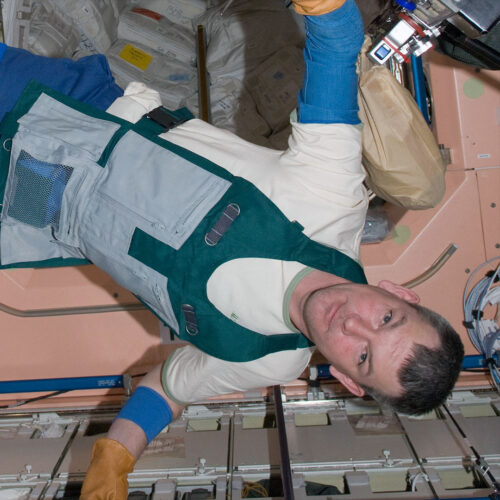
Portrait of cosmonaut Aleksandr Samokutyaev. Credit: Roscosmos
"The leadership and staff of the Roscosmos State Corporation extend their sincere condolences to the family and loved ones of Aleksandr Mikhailovich," officials with Russia's space agency said in a statement.

Read full article

Comments

© NASA

  •  

The first long-duration resident of the ISS, a cosmonaut, has died

Russian cosmonaut Aleksandr Samokutyaev, who served twice as a crew member aboard the International Space Station (ISS), including during the final US space shuttle mission in 2011, has died at the age of 56.

With Samokutyaev's death on Wednesday, he becomes the first former ISS long-duration resident to die in the 26 years that the space station has been a home to 155 other cosmonauts and astronauts as expedition crew members. The cause of his death is unknown.

Portrait of cosmonaut Aleksandr Samokutyaev. Credit: Roscosmos
"The leadership and staff of the Roscosmos State Corporation extend their sincere condolences to the family and loved ones of Aleksandr Mikhailovich," officials with Russia's space agency said in a statement.

Read full article

Comments

© NASA

  •  

-30 % de maladies cardiovasculaires : voici le régime que des experts de Harvard recommandent vraiment

Manger mieux sans rien sacrifier, c'est la promesse tenue du régime méditerranéen. Des études rigoureuses menées sur des dizaines de milliers de personnes le confirment : ce mode alimentaire réduit concrètement le risque de maladies graves. Alors, pourquoi tant de gens ignorent encore ses...

  •  

Lucid Cosmos design revealed in patent filing ahead of 2026 launch

Lucid has registered the design of its upcoming Cosmos with the European Union Intellectual Property Office, giving us the clearest look yet at the sub-$50,000 crossover the automaker is betting its future on.

The filing, published last week, shows the production design of Lucid’s first mass-market EV from every angle, inside and out, months before its expected reveal this summer.

  •  

China conducts 4 launches in 3 days, but silence follows Kuaizhou–11 launch

China continued its accelerated launch pace with a series of missions, but long silence followed liftoff of a Kuaizhou-11 solid rocket Wednesday, suggesting potential issues.

The post China conducts 4 launches in 3 days, but silence follows Kuaizhou–11 launch appeared first on SpaceNews.

  •  

Look Up and Skynopy partner on automated satellite collision avoidance service

Space surveillance venture Look Up plans to use Skynopy’s ground station network to help automate its proposed low Earth orbit collision avoidance service, the French startups announced June 17.

The post Look Up and Skynopy partner on automated satellite collision avoidance service appeared first on SpaceNews.

  •  

Voici combien de cas de maladies en France pourraient être évités chaque année en respectant simplement les normes de l'OMS

La pollution atmosphérique est un fardeau de plus en plus lourd. La dernière étude de Santé publique France pointe les nombreuses maladies chroniques, respiratoires, cardiovasculaires et métaboliques qu'elle provoque, touchant particulièrement les enfants et les personnes vulnérables. Chaque...

  •  

UC Irvine Scientist Awarded Nearly $4 Million NIH Grant to Develop Therapeutic Vaccine Targeting Genital Herpes

University of California, Irvine Innovates Therapeutic Vaccine Strategy to Combat Recurrent Genital Herpes

In a groundbreaking development that could transform the management of genital herpes, UC Irvine immunologist Lbachir BenMohamed has secured nearly $4 million in funding from the National Institutes of Health to advance a novel therapeutic vaccine approach. This ambitious five-year project aims to tackle recurrent genital herpes caused by herpes simplex virus type 2 (HSV-2), a persistent viral infection that affects over 60 million Americans and more than half a billion individuals globally. Despite extensive research efforts historically, no approved therapeutic vaccine exists to date, leaving millions vulnerable to recurrent outbreaks and transmission.

BenMohamed’s research focuses on a next-generation vaccine strategy termed “Prime/Pull/Keep,” designed to establish a robust, localized immune defense precisely at the mucosal sites where HSV-2 resides and reactivates. Conventional vaccines predominantly elicit circulating antibodies, which are insufficient to control HSV-2’s latent reservoirs in the nerve ganglia and mucosal tissues. This innovative approach instead targets tissue-resident memory T cells (TRM), a specialized subset of immune cells critically positioned at the barrier sites to provide immediate defense against viral reactivation.

The Prime/Pull/Keep methodology encompasses a three-step immunization process: initial priming of protective T cells via vaccination, mobilization of these cells to the infected tissue through chemokine signals (pull), and sustained retention and functional maintenance at the site of infection (keep). Together, these steps ensure a sustained population of antiviral T cells, capable of rapid detection and elimination of reactivated virus, potentially curbing recurrent disease manifestations and viral shedding.

Previous investigations by BenMohamed’s team have demonstrated promising results with mRNA-based therapeutic vaccines in preclinical models. These candidates were effective in reducing clinical signs of recurrent genital herpes and enhancing the recruitment of protective T cells within genital mucosal tissues. Additionally, exploring immune-signaling molecules such as chemokines has validated the feasibility of attracting and retaining TRM populations, thereby improving local immune surveillance and long-term antiviral immunity.

The current NIH-funded project intends to rigorously evaluate the safety profile and immunogenic potential of various Prime/Pull/Keep vaccine candidates in preclinical animal models, examining how augmenting the quantity, quality, and durability of TRM cells correlates with protection from HSV-2 reactivation. This represents a critical translational step toward bridging laboratory research and clinical trials, responding to NIH’s strategic priority to develop novel therapeutic interventions for genital herpes.

BenMohamed articulates the significance of this research succinctly: “People living with recurrent genital herpes have long awaited effective therapeutic vaccines. Our innovative immune-based approach not only amplifies protective T cells but directs and maintains them where the virus hides. This could revolutionize prevention strategies for millions affected worldwide.” The team’s vision is to develop a vaccine capable of reducing recurrent outbreaks and viral transmission, substantially improving quality of life for patients.

HSV-2 represents a formidable pathogen due to its ability to establish lifelong latent infection in sensory neurons, periodically reactivating to cause painful genital lesions and facilitating onward transmission. Existing antiviral therapies focus on suppressing viral replication but do not eliminate reservoirs or prevent recurrence. The targeted boosting of tissue-resident immune memory represents a paradigm shift in immunotherapy, promising durable tissue-specific immunity where it is needed most.

The Prime/Pull/Keep vaccination strategy could also circumvent issues faced by traditional systemic vaccines, which often fail to generate sufficient mucosal immunity or induce long-lasting memory T cell populations within genital tissues. By tailoring antigen delivery and immune modulation, this approach aims to enhance the local microenvironment and foster a self-renewing population of sentinel T cells poised to respond immediately to viral reactivation.

As the project advances through preclinical stages, rigorous assessment of immune correlates of protection will inform optimization of vaccine formulations, dosing schedules, and adjuvant combinations. Understanding the mechanisms underpinning TRM cell maintenance and functionality remains an active area of investigation critical to maximizing therapeutic efficacy and durability.

The successful identification of an optimal Prime/Pull/Keep candidate would pave the way for human clinical trials, marking a historic milestone in the fight against genital herpes. Such a vaccine holds the promise not only to alleviate recurrent symptoms but also to significantly curtail viral shedding, thereby decreasing transmission rates and public health burden.

Beyond genital herpes, the conceptual framework underlying Prime/Pull/Keep may inspire novel immunotherapeutic strategies for other persistent viral infections and chronic diseases where localized immune memory is pivotal. Collaborative efforts among immunologists, virologists, and clinical scientists will be essential to translate these findings into effective interventions.

With UC Irvine’s robust infrastructure, cutting-edge facilities, and interdisciplinary expertise, BenMohamed’s laboratory is well-positioned to spearhead this transformative endeavor. The $3.93 million NIH R01 grant underscores the scientific community’s confidence in this pioneering approach and its potential to redefine therapeutic vaccine development for chronic viral infections.

In conclusion, the UC Irvine-led Prime/Pull/Keep vaccine project represents a beacon of hope for millions plagued by recurrent genital herpes, offering a sophisticated and strategic means to harness the immune system’s power at the precise sites of viral latency and reactivation. As research progresses, the scientific world eagerly anticipates the realization of a durable, tissue-targeted therapeutic vaccine capable of changing the landscape of HSV-2 management and prevention.

Subject of Research: Development of a novel therapeutic vaccine to prevent recurrent genital herpes by targeting tissue-resident memory T cells

Article Title: UC Irvine Advances Prime/Pull/Keep Therapeutic Vaccine Strategy to Combat Recurrent Genital Herpes

News Publication Date: June 16, 2026

Web References:
– University of California, Irvine: www.uci.edu
– UC Irvine News: news.uci.edu
– NIH Media Resources: https://news.uci.edu/media-resources/

Keywords: herpes simplex virus type 2, HSV-2, genital herpes, therapeutic vaccine, tissue-resident memory T cells, Prime/Pull/Keep, immunotherapy, mRNA vaccine, viral latency, NIH funding, recurrent infections, mucosal immunity

  •  

Rivian lays off hundreds, under 2% of staff, a week after R2 launch

Rivian laid off hundreds of workers on Tuesday, or less than 2% of its workforce, just one week after it began deliveries of its all-important R2 SUV.

The electric automaker confirmed the cuts hit its service and customer teams, which include sales and marketing, as it tries to claw its way to a profit it has yet to ever post.

  •  

Les Bleus face au Sénégal : pourquoi le fantôme de 2002 plane encore sur ce match

Le 31 mai 2002, c’est l’humiliation pour les Bleus. Presque 25 ans plus tard, ce match contre le Sénégal reste gravé dans les mémoires comme l’un des plus grands upsets du football. Comment une rencontre de Coupe du monde peut-elle ainsi transcender le temps ? La science avance...

  •  

Tianwen-2 makes series of burns on approach to asteroid, according to radio tracking 

China’s Tianwen-2 spacecraft has carried out a series of small propulsive maneuvers following a main burn June 7, setting up an asteroid rendezvous in July.

The post Tianwen-2 makes series of burns on approach to asteroid, according to radio tracking  appeared first on SpaceNews.

  •  

A Chinese rocket breaks apart dangerously close to the Starlink constellation

The upper stage from a commercial Chinese rocket that launched last week has broken apart in space, spreading debris in a heavily trafficked part of low-Earth orbit home to the International Space Station and a significant portion of SpaceX's Starlink broadband network.

The breakup occurred shortly after the Zhuque-2E rocket reached orbit on June 9 with two satellites providing direct-to-cell communications, perhaps around the time the upper stage was expected to perform a disposal burn. The US Space Force confirmed the breakup event in a post on space-track.org, a website used by the military to distribute orbit data to the public.

"The tracked pieces are being incorporated into routine conjunction assessment to support spaceflight safety," the Space Force wrote in an advisory. "There are currently no threats to human spaceflight. Analysis is ongoing."

Read full article

Comments

© Wang Heng/Xinhua via Getty Images

  •  

Molti sintomi comuni come stanchezza, sete eccessiva, fame continua e vista…

Molti sintomi comuni come stanchezza, sete eccessiva, fame continua e vista sfocata possono essere le prime spia del diabete di tipo 2, una malattia molto frequente ma spesso sottovalutata. Non ignorare questi segnali e fare un controllo del glucosio se persistono.
  •  
❌