❌

Reading view

Why Are So Many Whales in Vancouver Waters? A Guide to Legally Spotting Them

In recent years, the coastal waters of Vancouver have witnessed an unprecedented resurgence of whale activity, captivating marine biologists and local observers alike. This renewed presence, not merely anecdotal, stems from a culmination of seasonal patterns, thriving ecosystems, and impactful conservation measures. A comprehensive study led by researchers at the University of British Columbia’s Institute for the Oceans and Fisheries (IOF) has quantitatively confirmed that transient killer whales now inhabit the Salish Sea for more than two-thirds of the year. Alongside these apex predators, humpback and grey whales are increasingly frequenting these waters, signaling a dynamic shift in regional marine biodiversity.

Transient killer whales, known for their elusive nature and specialized diet of marine mammals, particularly seals and sea lions, are now commonly sighted along Vancouver’s shoreline and within the surrounding straits and harbors. Data collected from 2016 to 2023 underscores not only their presence but also their routine exploitation of these rich feeding grounds. This expanded usage correlates strongly with the rebound of pinniped populations, themselves benefiting from decades-old protections that halted their severe culling. The recovery has thus created a robust trophic cascade, enabling transient killer whales to establish a near year-round residency within the inside waters of Vancouver Island.

Humpback whales represent another remarkable comeback story in this region. Historically decimated by intense commercial whaling in the early 20th century, these baleen giants were completely extirpated from British Columbia waters by 1910. Without older generations to transmit migratory and feeding knowledge, their return to ancestral feeding grounds was lost for nearly a century. However, conservation efforts since the 1960s, including international bans on whaling and improved fisheries management, have facilitated a population recovery that now sees substantial numbers of humpbacks returning each summer to feast on abundant krill, herring, and other prey.

The presence of grey whales in areas around Vancouver is comparatively anomalous but increasingly documented. These whales typically forage offshore near Alaska, subsisting on amphipods—small crustaceans dependent on nutrient-rich algae associated with Arctic sea ice. The drastic loss of sea ice due to climate change directly undermines this fundamental food source, causing nutritional stress especially among pregnant and lactating females who must meet extraordinarily high energetic demands during migration and calf-rearing periods. Consequently, some grey whales are observed making unscheduled stops in the Salish Sea, an adaptation that reflects their deteriorating foraging options rather than traditional migratory behavior.

Studies estimate that pregnant grey whales require a daily intake of approximately 1,600 to 1,900 kilograms of prey to sustain both fetal development and energy reserves critical for postnatal care during their long migrations. Following calving, lactating females continue to consume between 1,300 and 1,600 kilograms of prey daily to nourish their calves for several months. Disruptions in prey availability, driven by climate-induced changes in sea ice and associated ecosystem dynamics, are thus placing immense physiological strain on these populations. The unfortunate consequence has been an observed increase in mortality rates, with malnourished grey whales occasionally stranding along the coastline.

This resurgence of whale activity near Vancouver not only highlights the success of targeted conservation policies but also underscores emerging challenges. Increased interactions between humans and whales necessitate rigorous adherence to safe viewing practices. Researchers advocate for maintaining substantial distances from whales—minimum thresholds are typically 200 meters for most killer whales and extend to 1,000 meters for the endangered southern resident killer whales. The regulations also stipulate 100 meters for other cetaceans, increasing to 200 meters when whales are resting or accompanied by calves. These guidelines are critical in minimizing disturbances and preventing collisions, which pose significant risks to these vulnerable animals.

Furthermore, the role of public awareness and responsible recreational boating cannot be overstated. Boaters, kayakers, and paddleboarders are urged to stay vigilant and reduce speeds when whale blowholes are sighted. The unpredictability of whale movements demands a precautionary approach to navigation within whale habitats. Educational initiatives, such as free online whale-safe boating courses offered by organizations like the Marine Education & Research Society (MERS), have proven effective tools in promoting safer human-wildlife coexistence in marine environments.

The broader implications of these findings extend into the realm of ecosystem health and global climate resilience. Whales function as keystone species, their feeding and migratory behaviors facilitating nutrient transport and productivity within marine systems. The return of diverse whale populations to coastal waters symbolizes not just ecological recovery but offers hope for restoring complex marine food webs fractured by human exploitation. Yet, the acute vulnerability of species such as grey whales to climate-driven habitat changes serves as a stark reminder of ongoing environmental threats.

Simultaneously, the study’s revelations about transient killer whales reveal a nuanced predator-prey dynamic finely attuned to regional ecosystem changes over recent decades. The resurgence of pinniped populations has provided these cetaceans with ample sustenance, allowing for sustained presence in traditionally seasonal zones. This trophic realignment invites further studies into the long-term evolutionary and behavioral adaptations of marine mammals in a rapidly changing oceanic milieu.

Whale conservation is, thus, at a critical juncture. While success stories abound, exemplified by humpback recovery, emerging stressors including climate change, ship traffic, and underwater noise pollution complicate the ecological narrative. The scientific community and policymakers must continue fostering adaptive management strategies that address these multifaceted challenges while engaging public participation for effective stewardship.

In conclusion, the intensifying presence of transient killer whales, humpbacks, and grey whales in Vancouver’s coastal waters offers a vivid testament to both nature’s resilience and the pressing need for sustained conservation vigilance. These marine mammals, emblematic of wider ocean health, depend on intact habitats, thoughtful human behaviors, and responsive environmental policies. As our understanding deepens through ongoing research, so too must our commitment to coexistence with these ocean giants, ensuring their survival amidst an era of rapid ecological transformation.


Subject of Research: Marine mammal population dynamics and conservation in Pacific Northwest coastal waters.

Article Title: Rebounding Giants: The Return of Whales to Vancouver’s Coastal Waters

News Publication Date: Not specified in the provided content.

Web References:

References:

  • Taryn Scarff et al., “Transient killer whales in the Salish Sea,” Marine Mammal Science
  • Grey whale energetics and climate impact study, Marine Mammal Science

Image Credits: Julia Adelsheim

Keywords: Whales, Cetaceans, Marine mammals, Transient killer whales, Humpback whales, Grey whales, Conservation, Climate change effects, Salish Sea, Marine ecology, Pinnipeds, Fisheries management
  •  

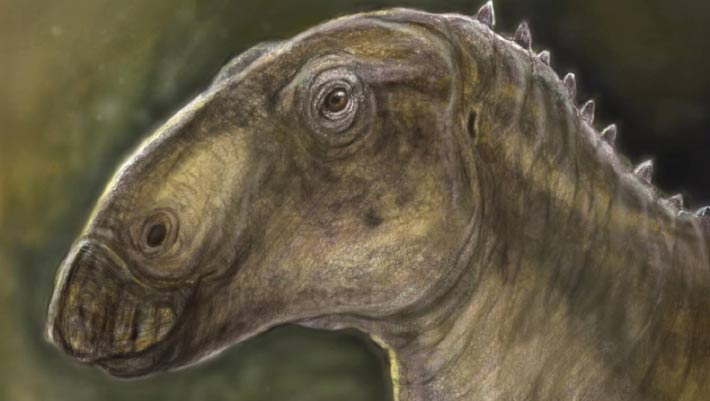
New Duck-Billed Dinosaur Unearthed in Romania

Kryptohadros kallaiae. Image credit: Tibor Pecsics.

An international team of paleontologists from Romania, Hungary and Italy has identified a new genus and species of herbivorous, duck-billed dinosaur from an incomplete skeleton unearthed in the Hațeg Basin, a bowl-shaped depression in the Carpathians of present-day Romania.

The post New Duck-Billed Dinosaur Unearthed in Romania appeared first on Sci.News: Breaking Science News.

  •  

New Species of Walking Shark Discovered off Papua New Guinea

Hemiscyllium dudgeonae, male paratype, Nubwageta, Milne Bay province, Papua New Guinea. Image credit: M.V. Erdmann.

Marine biologists have identified a new species of the shark genus Hemiscyllium in the waters of eastern Papua New Guinea, expanding a remarkable group of reef-dwelling sharks known for using their four fins to ‘walk’ across the seafloor.

The post New Species of Walking Shark Discovered off Papua New Guinea appeared first on Sci.News: Breaking Science News.

  •  

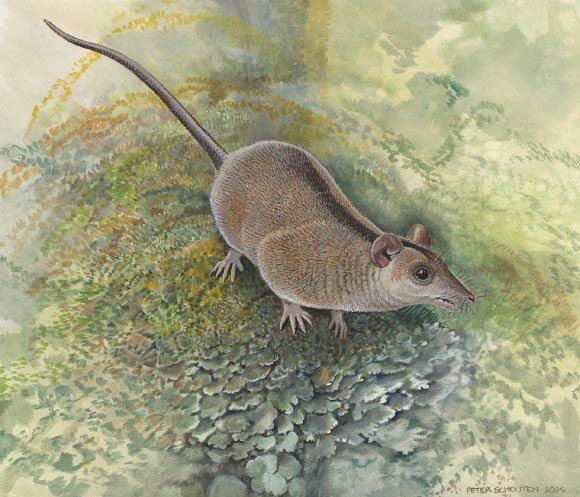
New Marsupial Lineage Emerges from Australian Fossils

Reconstruction of Phantasmodon travouilloni in the Early Miocene rainforests of northwestern Queensland. Image credit: Peter Schouten.

Paleontologists have described a new genus and three new species of small, insect-eating marsupials from the Early Miocene deposits of the Riversleigh World Heritage Area in northwestern Queensland, one of Australia’s richest fossil sites.

The post New Marsupial Lineage Emerges from Australian Fossils appeared first on Sci.News: Breaking Science News.

  •  

Gli scontrini fiscali in carta termica contengono Bisfenolo A (BPA) e Bisfe…

Gli scontrini fiscali in carta termica contengono Bisfenolo A (BPA) e Bisfenolo S (BPS), composti chimici classificati come interferenti endocrini dannosi per il sistema ormonale. La scienza ha dimostrato che queste sostanze vengono assorbite rapidamente attraverso la pelle tramite il semplice contatto fisico, con un effetto moltiplicato se si utilizzano gel igienizzanti per le mani. Il fenomeno solleva forti preoccupazioni per la salute dei consumatori e dei lavoratori della grande distribuzione.
  •  

Portuguesa Bloq.it em destaque entre as tecnológicas que mais crescem na Europa, Médio Oriente e África

Portugal reforçou a sua presença na edição de 2025 do Technology Fast 500 EMEA. com 18 empresas distinguidas. A melhor classificação portuguesa pertence à Bloq.it que ocupa novamente o segundo lugar no ranking da Deloitte.

The post Portuguesa Bloq.it em destaque entre as tecnológicas que mais crescem na Europa, Médio Oriente e África appeared first on Tek Notícias.

  •  

A Hidden Gut Signal May Be Driving Sleep Apnea’s Deadly Heart Risks

Heart Exploding Cardiology Attach DiseaseScientists discovered a surprising gut-heart connection that may help prevent sleep apnea from causing serious cardiovascular damage. Sleep apnea affects millions of people worldwide and is known to raise the risk of serious cardiovascular problems. Now, researchers have identified a potential new treatment target that could help reduce some of the condition’s harmful effects. Findings [...]
  •  

Scientists Capture First-Ever Images of Cozumel Dwarf Fox

This image of a dwarf gray fox (Urocyon sp.) was captured on the island of Cozumel, Mexico: an adult male is shown partially concealed behind foliage before capture by the Fundación de Parques y Museos de Cozumel on September 14, 2023; this represents the first photograph ever taken of the species on the island and the first reported sighting since 2001. Image credit: Rafael Chacón.

Researchers have obtained the first-ever photographs of the Cozumel dwarf fox (Urocyon sp.), an elusive dwarf fox living on the Caribbean island of Cozumel, off Mexico’s Yucatán Peninsula. Captured in September 2023, the images provide the first confirmed evidence since 2001 that the elusive animal still survives on the island.

The post Scientists Capture First-Ever Images of Cozumel Dwarf Fox appeared first on Sci.News: Breaking Science News.

  •  

La science le confirme : le thé peut aider à vivre plus longtemps, mais tout dépend de sa préparation

Et si une simple tasse de thé contribuait à vieillir en meilleure santé ? Selon une nouvelle revue scientifique, cette boisson pourrait aider à protéger le cœur, le cerveau et même les muscles. À condition toutefois de choisir le bon type de thé et d'éviter certains produits qui pourraient en...

  •  

Study: Cave Lions were Distinct Species that Occasionally Bred with Ancestors of Today’s Lions

Cave lions painted in the Chauvet Cave, France.

The extinct Eurasian cave lion (Panthera spelaea) and today’s African and Asian lions (Panthera leo) belong to separate evolutionary lineages that diverged roughly 1.7 million years ago -- far earlier than previously thought, according to an analysis of 12 cave lion genomes spanning more than 100,000 years.

The post Study: Cave Lions were Distinct Species that Occasionally Bred with Ancestors of Today’s Lions appeared first on Sci.News: Breaking Science News.

  •  

People Have Reported Hearing a Mysterious Low-Frequency Hum for Decades—Scientists Now Think They’ve Found the Source


For years, people around the world have reported being disturbed by a low, persistent droning sound of unknown origin.

Often described as more of a vibration than a specific tone, this sound has become widely known as “The Hum,” a phenomenon that is more frequently reported in certain cities and specific areas than others.

Over time, possible explanations have included industrial ventilation systems, military sonar experiments, and, in some online discussions, extraterrestrial signals, although none of these theories are supported by evidence.

However, in a recent study from the Norwegian University of Science and Technology (NTNU), published in PLOS ONE, researchers now offer evidence that, for most people who experience this phenomenon, the source is probably not external, but instead may actually originate within their own auditory system.

From Bristol to Taos and Beyond

Residents of Bristol, England, first widely reported The Hum in the mid-1970s, when the Bristol Evening Post received several reports from people who claimed they experienced hearing a strange, low sound. People initially thought the industrial fans in an area warehouse were responsible, but the hum persisted after the warehouse shut down.

By the 1990s, reports of a similar phenomenon began surfacing in Taos, New Mexico, where residents described a persistent, diesel engine-like rumble. Both state and federal authorities investigated the sound but could not explain it. The Taos Hum became one of the most studied and widely recognized examples of this phenomenon. Since then, similar reports have come from Canada, Australia, New Zealand, South Africa, and several European countries.

As reports grew, people proposed explanations ranging from ocean-generated infrasound to military sonar and CIA transmitters. Some online discussions have even suggested alien technology as a possible cause. In 2012, Canadian teacher Glen MacPherson, who first experienced The Hum on the west coast of British Columbia, created the World Hum Map and Database Project to document cases worldwide. The project has since collected thousands of entries.

Testing Two Hypotheses

To investigate the phenomenon, Professor Markus Drexl at NTNU recruited 28 people in Germany who all reported hearing a persistent, unexplained humming sound. Clinicians refer to this as a low-frequency sound percept, or LFSP. Most participants described the sound as having a frequency around 50 Hz, about the same as a deep mechanical rumble.

The research team tested two main explanations: whether participants had unusually acute sensitivity to low-frequency sound, or whether some were perceiving sounds generated by their own inner ears.

“We know that there are people who hear low-frequency sounds that can actually be measured, even if other people don’t hear them,” Drexl said. “But it’s not so easy to find the source of these sound waves, because it’s a struggle to localize low-frequency sounds.”

What the Ear Produces on Its Own

The cochlea, a spiral-shaped structure in the inner ear that converts sound waves into neural signals, also actively amplifies incoming sounds. This amplification produces faint sounds emitted from the ear, known as spontaneous otoacoustic emissions (SOAEs).

Most people are not aware of these emissions. In rare cases, people perceive SOAEs as tinnitus. Drexl’s team investigated whether people who hear the Hum might be detecting a low-frequency version of this phenomenon.

The results did not support this idea. The team found no low-frequency SOAEs in any participant. The hypothesis of unusually acute low-frequency hearing was also not supported; while a few participants had slightly better low-frequency hearing than average, most did not.

“Even though the group we tested was small, it still means that the hypothesis of having especially good hearing for low-frequency sounds does not hold for most people,” Drexl said.

When the Sound Has No Source

This left a third group: participants who reported hearing something that no external instrument could detect. “Then there are people who hear something that cannot be measured objectively. We believe people in this category have a form of low-frequency tinnitus,” Drexl said.

The Hum differs from typical tinnitus because most people who experience it first believe the sound comes from an external source, sometimes spending years searching for its origin before realizing it is internal. The researchers still have not ruled out external causes completely. In some cases, near industrial sites or coastlines, genuine low-frequency sources may exist. However, researchers identified no external source for most participants in the study.

“Based on our results, although we haven’t ruled out cases of physical external sound sources, we suggest that subjective tinnitus in the low-frequency range is often the cause of hearing pulsations of low-frequency sound perceptions,” Drexl said.

The Blind Spot in Auditory Research

The study also highlights that the low-frequency range of the auditory system remains poorly understood in hearing science.

“What we know about the hearing system is mainly based on how we capture and process sound with higher frequencies. We know less about how the auditory system handles and processes low-frequency sound, or infrasound,” Drexl said.

Although the cause of well-known cases like the Taos Hum remains unresolved, the new findings suggest that many reports of unexplained low-frequency sounds may actually originate from within the auditory system rather than from an external source.

Austin Burgess is a writer and researcher with a background in sales, marketing, and data analytics. He holds an MBA, a Bachelor of Science in Business Administration, and a data analytics certification. His work focuses on breaking scientific developments, with an emphasis on emerging biology, cognitive neuroscience, and archaeological discoveries.

  •  

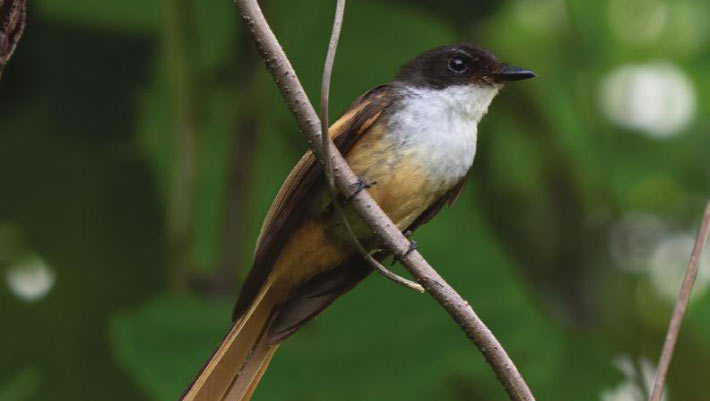
Ornithologists Describe New Bird Species from Remote Indonesian Islands

The cheerful fantail (Rhipidura laguceria) in November 2022. Image credit: James A. Eaton.

A small songbird inhabiting the Babar Islands, in the Banda Sea, Indonesia, has been identified as a new species after a duo of researchers discovered that its distinctive song sets it apart from its closest relative.

The post Ornithologists Describe New Bird Species from Remote Indonesian Islands appeared first on Sci.News: Breaking Science News.

  •  

Das Canárias à Nova Zelândia, estas 25 fotografias mostram uma visão extraordinária da Via Láctea

As imagens são as escolhidas no concurso promovido pela plataforma Capture the Atlas. As fotografias foram destacadas como as mais inspiradoras e trazem uma visão captada em 12 regiões diferentes.

The post Das Canárias à Nova Zelândia, estas 25 fotografias mostram uma visão extraordinária da Via Láctea appeared first on Tek Notícias.

  •  

When Food Runs Short, This Single-Celled Organism Turns into Giant Cannibal to Survive

Euplotes gigatrox. Image credit: Ben Larson & Samuel Lord.

Euplotes gigatrox, a new species of ciliate collected from a seawater filtration system on the Caribbean Island of Curaçao, can transform into a cannibalistic ‘supergiant,’ raising new questions about the complexity of life at the microscopic scale.

The post When Food Runs Short, This Single-Celled Organism Turns into Giant Cannibal to Survive appeared first on Sci.News: Breaking Science News.

  •  

Goodbye CPAP? New Pill Shows Major Promise for Sleep Apnea

Man Snoring Sleep ApneaA large phase 3 clinical trial has revealed promising results for a once-nightly pill designed to treat obstructive sleep apnea by targeting the biological mechanisms that cause airway collapse during sleep. A once-nightly pill significantly improved obstructive sleep apnea (OSA) symptoms in a large phase 3 clinical trial presented at the 2026 ATS International Conference. [...]
  •  
❌