❌

Reading view

UCLA Scientists Uncover Potential Method to Repair Damaged Kidneys

A groundbreaking discovery at the University of California, Los Angeles (UCLA) has unveiled a promising new therapeutic avenue for kidney regeneration, leveraging a drug initially designed to repair heart tissue following myocardial infarction. This drug, known as AD-NP1, targets a specific protein—ENPP1—that plays a critical role in impeding the body’s natural healing processes in injured tissues. The revelation that AD-NP1 can also accelerate kidney repair heralds a significant advancement in regenerative medicine, especially for patients suffering from chronic kidney disease (CKD), a condition that affects millions globally.

The heart of this research revolves around a protein named ectonucleotide pyrophosphatase/phosphodiesterase 1 (ENPP1). When tissues such as the heart or kidney sustain injury, ENPP1 production escalates, initiating a cascade of metabolic disturbances that hinder energy synthesis within cells. This disruption compromises cellular function and ultimately stalls effective tissue regeneration. In the context of the kidney, which is vital for maintaining systemic homeostasis, such impediments can lead to progressive scarring and functional decline, culminating in kidney failure.

Through years of meticulous experiments, the UCLA team delineated the detrimental impact of ENPP1 on the kidney’s reparative capacity. They observed that injured renal tissue upregulates ENPP1 expression, which in turn resets the metabolic landscape of cells in the damaged microenvironment. This altered metabolic signaling disrupts mitochondrial function, thereby curtailing ATP production essential for cell proliferation and repair. By employing genetic knockout models in mice, where ENPP1 expression was inhibited, the researchers documented a striking enhancement in renal recovery post-injury. These mice demonstrated reduced fibrotic scarring and improved renal biomarkers, signaling restored kidney function.

Central to translating these findings into potential clinical interventions is AD-NP1, a sophisticated monoclonal antibody engineered to specifically neutralize ENPP1. Unlike broad-spectrum immunosuppressants or anti-inflammatory agents, AD-NP1 offers targeted therapeutic precision by binding solely to human ENPP1, circumventing off-target effects. Initially conceptualized to mitigate cardiac fibrosis and promote myocardial regeneration following heart attacks, AD-NP1’s mechanism exerts a similar rejuvenating influence on kidney tissues. The antibody effectively halts the ENPP1-induced metabolic sabotage, facilitating an environment conducive to cellular proliferation and tissue repair.

In experimental paradigms, the administration of AD-NP1 in mice subjected to nephrotoxic diets and chemically induced renal injuries yielded compelling outcomes. Within merely seven days of treatment, subjects exhibited marked improvements in kidney function tests and histological assessments showed diminished collagen deposition and scarring. These findings underscore the drug’s potential to transform the management of acute and chronic kidney injuries by reinstating the organ’s intrinsic regenerative programs, which are often stifled in disease states.

Moreover, the team’s translational approach integrated analyses of human kidney biopsies acquired from individuals with chronic kidney disease. These samples consistently manifested elevated ENPP1 levels relative to healthy controls, substantiating the protein’s pathological role in human renal disorders. This correlation not only reinforces the relevance of the preclinical models used but also paves the way for clinical evaluation of AD-NP1’s efficacy in human subjects suffering from renal ailments.

The broader implications of this discovery extend into the metabolic regulation of tissue repair. ENPP1’s role appears multifaceted, orchestrating cellular energy dynamics and intercellular communication networks that dictate regenerative outcomes. Inhibiting this protein intervenes in maladaptive signaling cascades, thereby restoring bioenergetic balance and enabling clonal expansion of healthy cells adjacent to injury sites. This paradigm shift in understanding organ regeneration emphasizes metabolic modulation as a cornerstone of effective healing strategies.

Prior to this research, the therapeutic targeting of ENPP1 was primarily confined to cardiac medicine. The successful repurposing of AD-NP1 for kidney injury illustrates the concept of cross-organ regenerative mechanisms, where molecular pathways governing tissue healing are conserved albeit contextually modulated. This discovery propels the field into a new frontier, advocating for the exploration of shared regenerative targets that can be manipulated across diverse organ systems.

AD-NP1’s journey into clinical trials commenced recently with FDA approval of a Phase 1 safety study in human patients recovering from heart attacks. This milestone reflects the rigorous preclinical validation of the drug’s pharmacodynamics and safety profile. Building on these milestones, ongoing efforts at UCLA aim to extend these trials to include patients with progressive kidney disease, setting the stage for comprehensive evaluation and potential future clinical application.

Underlying this innovative research are substantial investments from the National Institutes of Health, California Institute of Regenerative Medicine, and the U.S. Department of Defense. This underscores the strategic importance and translational potential of regenerative medicine therapies in addressing chronic diseases that impose heavy societal burdens. The interdisciplinary collaboration among cardiovascular scientists, nephrologists, and molecular biologists at UCLA exemplifies the synergy needed to unlock complex biological processes for therapeutic gain.

In summation, the identification of ENPP1 as a metabolic gatekeeper that impedes tissue repair, combined with the development of AD-NP1 to neutralize its effects, represents a significant leap forward in regenerative medicine. The drug’s ability to foster organ regeneration by restoring metabolic and cellular homeostasis offers hope for millions afflicted by kidney disease and opens novel avenues for organ repair strategies. As clinical trials progress, the scientific community eagerly anticipates further validation of these findings, potentially heralding a new era where molecularly targeted therapies can substantially reverse organ damage and restore quality of life.

Subject of Research: Kidney regeneration, metabolic regulation of tissue repair, ENPP1 protein inhibition, monoclonal antibody therapy

Article Title: UCLA Researchers Discover Novel Role for ENPP1 Inhibition in Enhancing Kidney Repair via AD-NP1

News Publication Date: Not specified (based on provided content)

Web References: Cell Stem Cell Journal Article

Keywords: ENPP1, kidney injury, chronic kidney disease, tissue regeneration, monoclonal antibody, AD-NP1, metabolic signaling, renal repair, fibrosis, UCLA, regenerative medicine, Phase 1 clinical trial

  •  

Le plus lointain flamboiement d'un quasar révèle des secrets des trous noirs supermassifs

En cherchant à remonter toujours plus loin dans le temps pour observer les développements précoces des quasars, ces prodigieux phares cosmiques, les astrophysiciens tentent de reconstituer les conditions qui ont permis la formation des premiers trous noirs supermassifs, lesquels ont influencé...

  •  

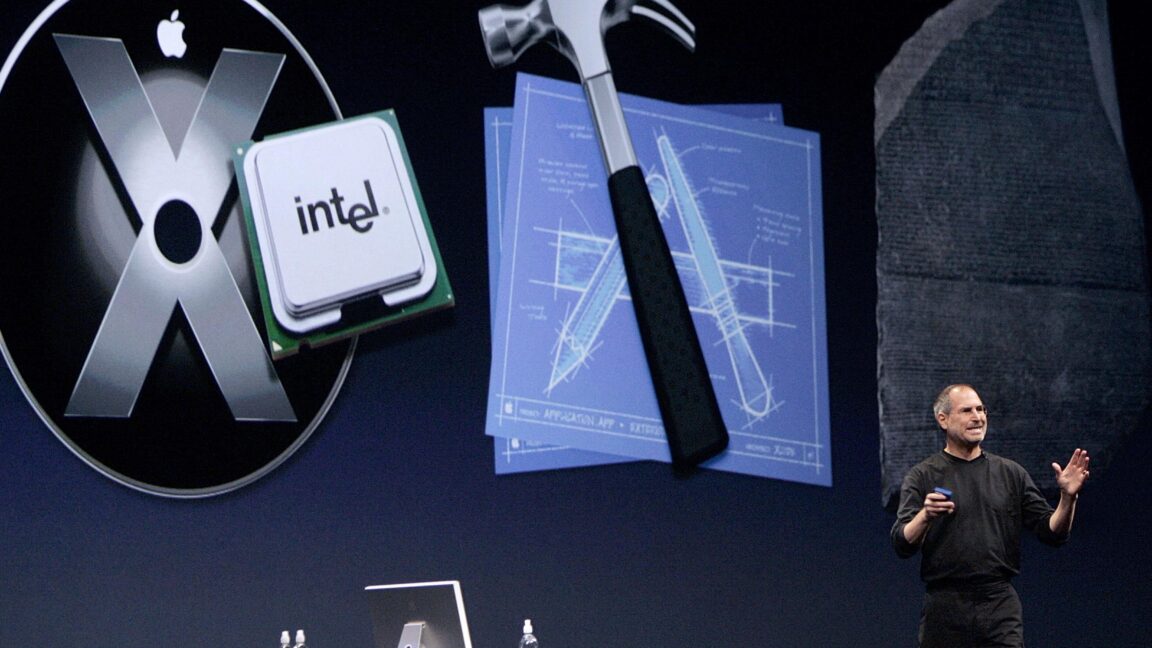
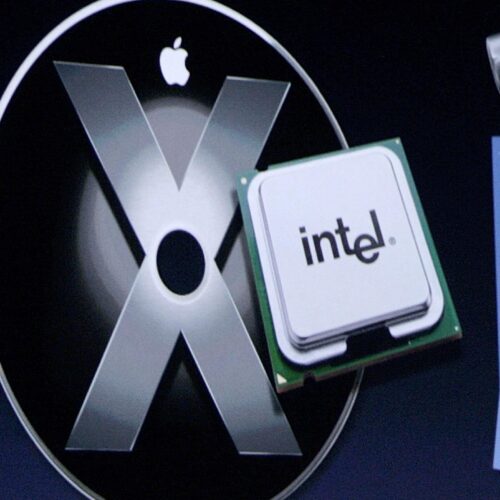
20 years of Intel Macs: Why Apple switched, and why it switched again

The release of macOS 27 later this fall won't quite close the book on the Intel Mac. The last handful of models that could run macOS 26 Tahoe will be eligible for security and Safari updates for two more years, and elements of the Rosetta compatibility layer for running Intel code on Apple Silicon Macs will be with us in some form for some indeterminate amount of time after that.

But macOS 26 is definitely the last chapter of the Intel Mac story. Anything that happens after this is a coda or an epilogue.

Most of our WWDC coverage has been forward-looking, so indulge us if you will in a look backward at the full history of the Intel Mac, a partnership between two companies that made Macs dramatically better, until it started making them worse.

Read full article

Comments

© David Paul Morris/Getty Images

  •  

Coupe du monde 2026 : l’erreur que beaucoup de fans pourraient payer le lendemain

Nuits courtes en perspective... La Coupe du monde de football 2026 va contraindre de nombreux supporters européens à veiller tard pour suivre les matchs en direct. En raison du décalage horaire avec les États-Unis, le Canada et le Mexique, pays hôtes de la compétition, plusieurs rencontres...

  •  

La photo de la semaine : « Elles dansaient et serpentaient en dessous de nous »… une scène qu’ont vue les astronautes

Des rubans verts qui serpentent dans le ciel polaire, des voiles mouvants qui s’étirent sous la Station spatiale internationale (ISS) : Jessica Meir a partagé, il y a quelques jours, un time-lapse d’aurores australes d’une beauté presque irréelle.

  •  

Les scientifiques alertent sur un changement inquiétant chez les requins : l’Homme serait en train de modifier leur manière de survivre

80 millions : c'est le nombre de requins tués chaque année par la pêche mondiale, selon une étude publiée dans la revue Science. Une pression colossale qui ne reste pas sans réponse de la part de ces prédateurs. Dans le golfe du Mexique, les requins s'adaptent, et pas forcément dans le bon sens.

  •  

« Tout s’emboîte » : les scientifiques pensent avoir trouvé ce qui se cache derrière les « points rouges » du télescope James-Webb

Depuis leur découverte par le télescope James-Webb, les « petits points rouges » défient les astronomes. Une nouvelle observation, presque par hasard, pourrait enfin lever le voile sur leur véritable nature.

  •  

VMO2, Mavenir trial tech for hearing-impaired users

UK operator Virgin Media O2 (VMO2) and Mavenir completed a proof-of-concept trial of technology designed to improve call clarity for customers suffering hearing issues without having to make changes on their phone.

Unlike device-based accessibility features or third-party apps, the service works entirely within the operator’s network. This allows participants to make and receive calls without needing to change their device or how they use it.

In the test participants completed a short, automated hearing test to identify how they perceive different sound frequencies. Personalised hearing profiles were then generated and securely linked to their mobile numbers, enabling the network to adapt how speech is delivered to them during calls in real time.

Following the trial, nearly 90% of participants reported improvements in call clarity, with many noting reduced listening effort, fewer misunderstandings and a more natural calling experience.

Jorge Ribeiro, director of core networks at Virgin Media O2, stated the trial was about using intelligence within the network to improve the experience without asking customers to do anything differently.

“We are encouraged by the early results from this proof-of-concept and are excited to explore how this type of technology could support more accessible services for our customers in future,” he said.

While still at an early stage, O2 said it is encouraged by the results and is exploring how the technology could be developed further to support accessible services at scale.

The post VMO2, Mavenir trial tech for hearing-impaired users appeared first on Mobile World Live.

  •  

Southern Lights Seen From International Space Station

The southern lights, also known as the aurora australis, were captured by the NASA astronaut Jessica Meir from the International Space Station on Saturday.
  •  
  •  

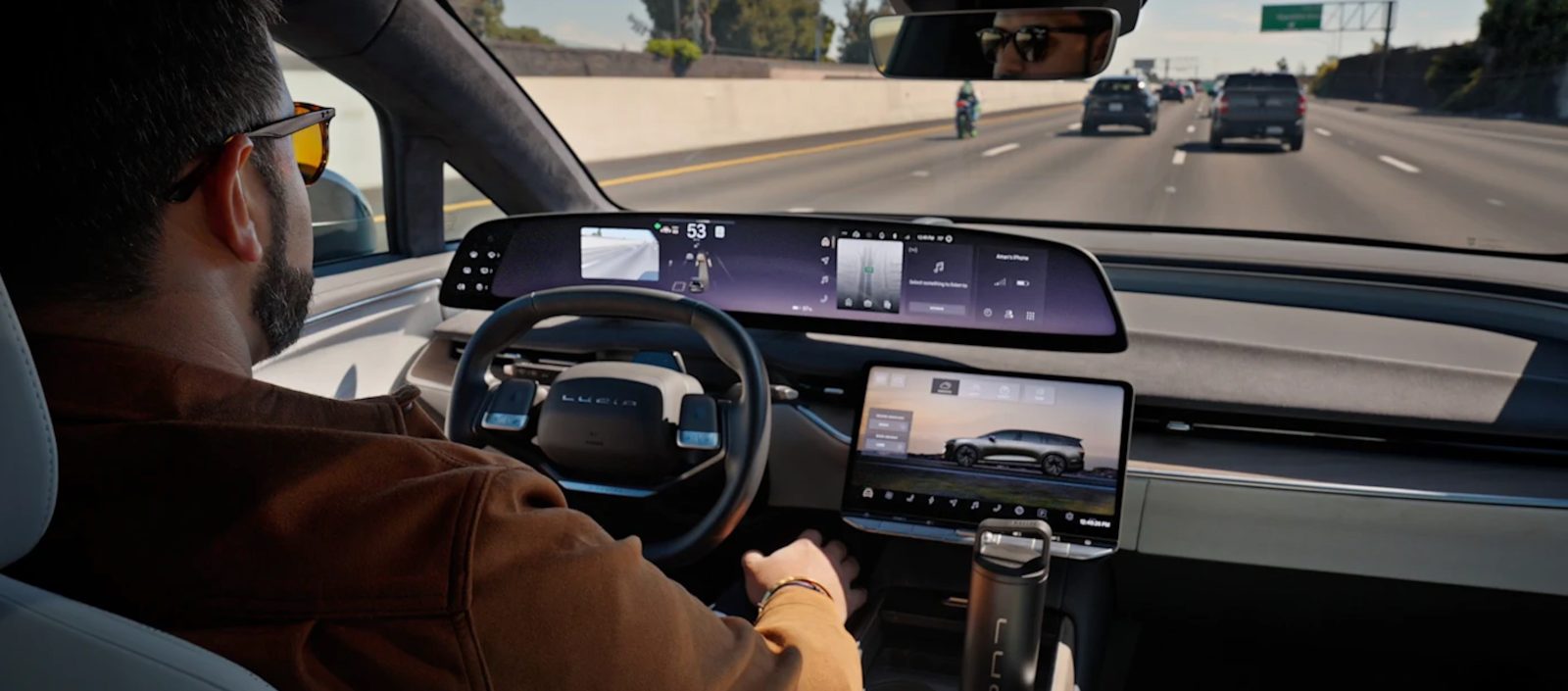
Lucid (LCID) finally adds hands-free driving to the Gravity SUV

Lucid Group (NASDAQ: LCID) announced it has begun rolling out an over-the-air software update that brings hands-free highway driving to the Gravity SUV in North America.

Lucid first promised hands-free driving for its vehicles well over a year ago, but the feature’s actual rollout has been notoriously slow. The Gravity update arrives at a critical time for the EV startup, which is dealing with shareholder lawsuits, a new CEO, and a stock trading near all-time lows.

  •  

L'énigme des vents cosmiques soufflés par le trou noir géant de notre Voie lactée est enfin résolue !

Nous avons bien progressé en ce qui concerne les observations et la théorie des trous noirs supermassifs au cœur des galaxies. Mais celui de notre Voie lactée déroutait les astrophysiciens depuis presque 50 ans en ce qui concerne une énigme avec des vents de matière. L'énigme semble résolue...

  •  

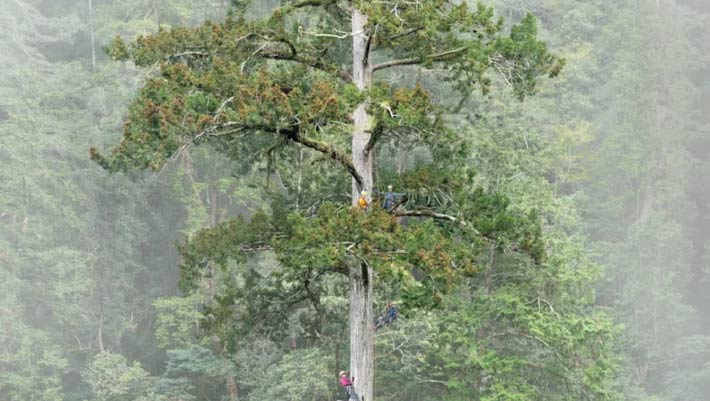
After Decade-Long Hunt, Scientists Find East Asia’s Tallest Tree

The Heaven Sword tree. Image credit: Chia-Chun Hsu et al., doi: 10.3389/ffgc.2026.1746112.

Deep in the mountains of northern Taiwan, a towering Taiwania cryptomerioides -- a large coniferous tree in the cypress family Cupressaceae whose ancestors date back 100 million years -- has been confirmed as the tallest known tree in East Asia.

The post After Decade-Long Hunt, Scientists Find East Asia’s Tallest Tree appeared first on Sci.News: Breaking Science News.

  •  

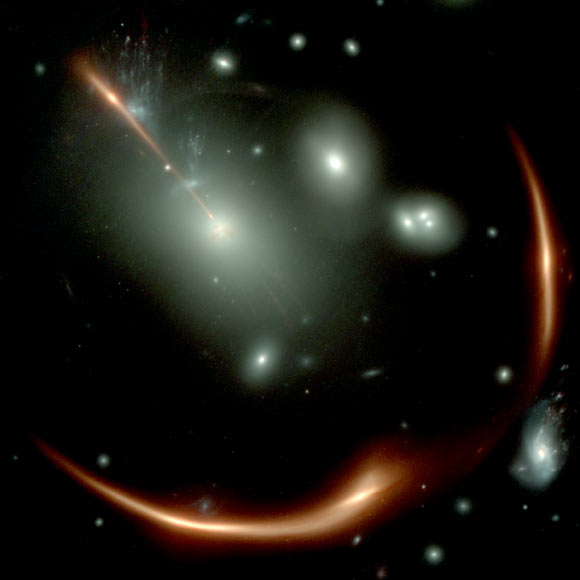
Webb Weighs Most Distant Inactive Black Hole Ever Found

This Webb image shows the highly distorted red galaxy MRG-M0138 seen through a foreground cluster of galaxies (white sources). Image credit: NASA / ESA / CSA / Webb.

A supermassive black hole 6 billion times the mass of the Sun lurks in MRG-M0138, a gravitationally lensed quiescent galaxy seen when the Universe was just 3 billion years old, according to an analysis of data collected by the NIRSpec Integral Field Spectrograph onboard the NASA/ESA/CSA James Webb Space Telescope.

The post Webb Weighs Most Distant Inactive Black Hole Ever Found appeared first on Sci.News: Breaking Science News.

  •  

HASC NDAA markup challenges Space Force on satellite programs

House Armed Services Committee seeks to preserve a missile-warning satellite program the Pentagon wants to cancel. It also criticizes a recent tactical communications satellite procurement and GPS oversight

The post HASC NDAA markup challenges Space Force on satellite programs appeared first on SpaceNews.

  •  

Webb Detects Methane on Interstellar Comet 3I/ATLAS

Hubble captured this image of 3I/ATLAS on July 21, 2025, when the comet was 446 million km (277 million miles) from Earth. Image credit: NASA / ESA / David Jewitt, UCLA / Joseph DePasquale, STScI.

Using the spectral data from the Mid-Infrared Instrument (MIRI) onboard the NASA/ESA/CSA James Webb Space Telescope, astronomers have detected methane on 3I/ATLAS.

The post Webb Detects Methane on Interstellar Comet 3I/ATLAS appeared first on Sci.News: Breaking Science News.

  •  
❌