❌

Reading view

Pourquoi laisser son chat sortir n'est pas sans risque pour toute la famille

Votre chat passe ses journées à explorer le quartier avant de rentrer réclamer sa gamelle et quelques caresses ? Selon une nouvelle étude, ces escapades pourraient aussi l'exposer à de nombreux microbes, parasites et virus susceptibles d'être rapportés jusqu'au foyer.

  •  

Voici la première carte mondiale d’un immense réseau vivant caché sous nos pieds

Sous nos pieds se cache l’un des plus vastes réseaux vivants de la planète. Une nouvelle étude révèle l’ampleur vertigineuse des champignons mycorhiziens, ces alliés invisibles des plantes qui transportent des milliards de tonnes de carbone chaque année et pourraient jouer un rôle clé dans la...

  •  

Voici ce que ce randonneur a surpris dans l'un des plus beaux parcs nationaux et c'est plus grave qu'on ne le croit

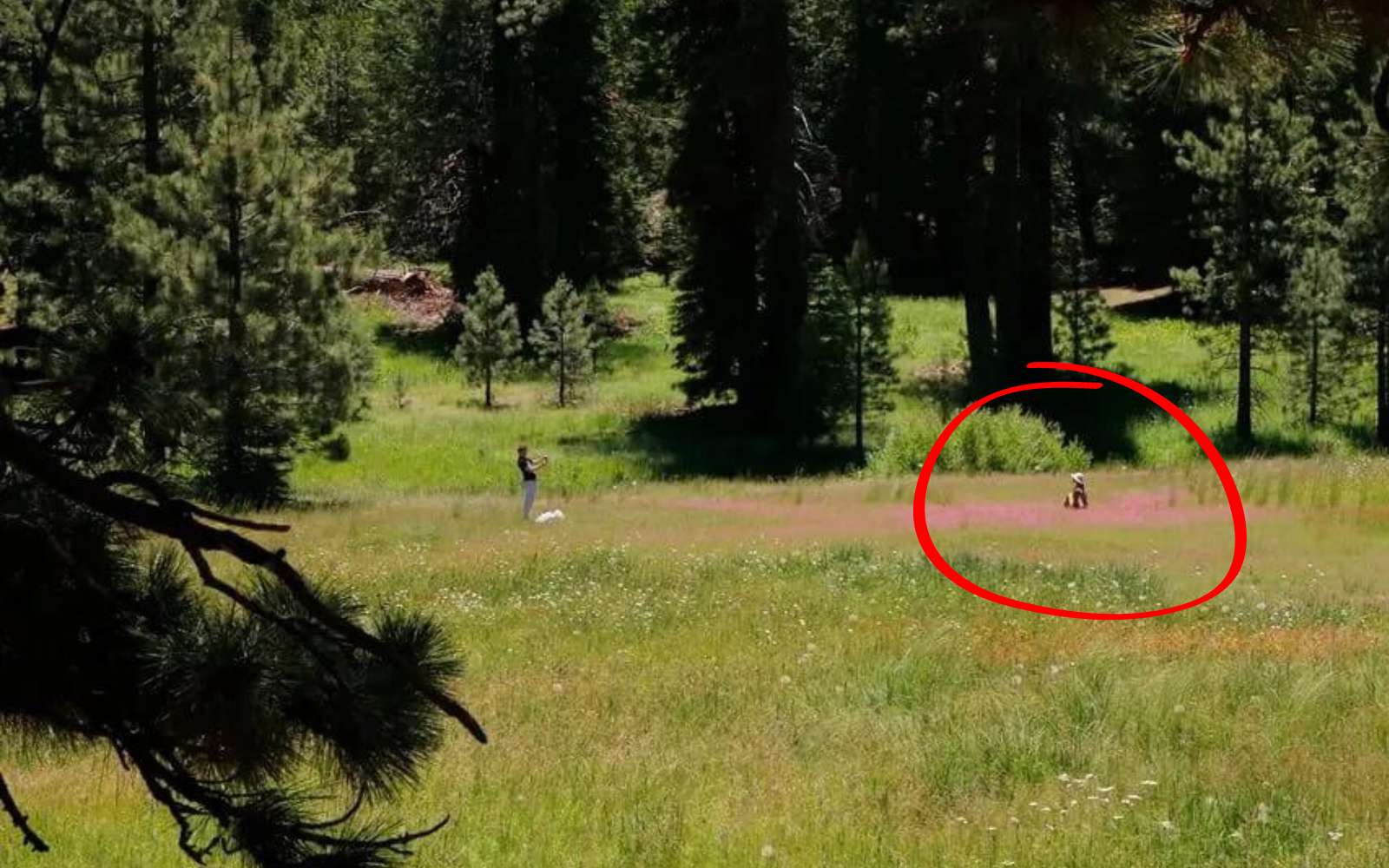
Après sa visite dans les parcs nationaux de Kings Canyon et de Sequoia, en Californie, un randonneur a posté les images de comportements choquants de la part de certains touristes, suscitant la consternation. Vandalisme, irresponsabilité, négligence… Comment inciter les promeneurs au respect et...

  •  

On sait peut-être enfin ce qui a mis un coup d’accélérateur à l’évolution animale il y a 560 millions d'années

Il y a plus de 550 millions d’années, les premiers animaux peuplaient déjà les océans terrestres sous des formes très différentes de celles d’aujourd’hui. Longtemps dominés par des organismes fixés au fond marin et se reproduisant probablement par clonage, ces écosystèmes auraient connu une...

  •  

La science le confirme : le thé peut aider à vivre plus longtemps, mais tout dépend de sa préparation

Et si une simple tasse de thé contribuait à vieillir en meilleure santé ? Selon une nouvelle revue scientifique, cette boisson pourrait aider à protéger le cœur, le cerveau et même les muscles. À condition toutefois de choisir le bon type de thé et d'éviter certains produits qui pourraient en...

  •  

Le spectacle est saisissant : cette plante fait rougir la montagne

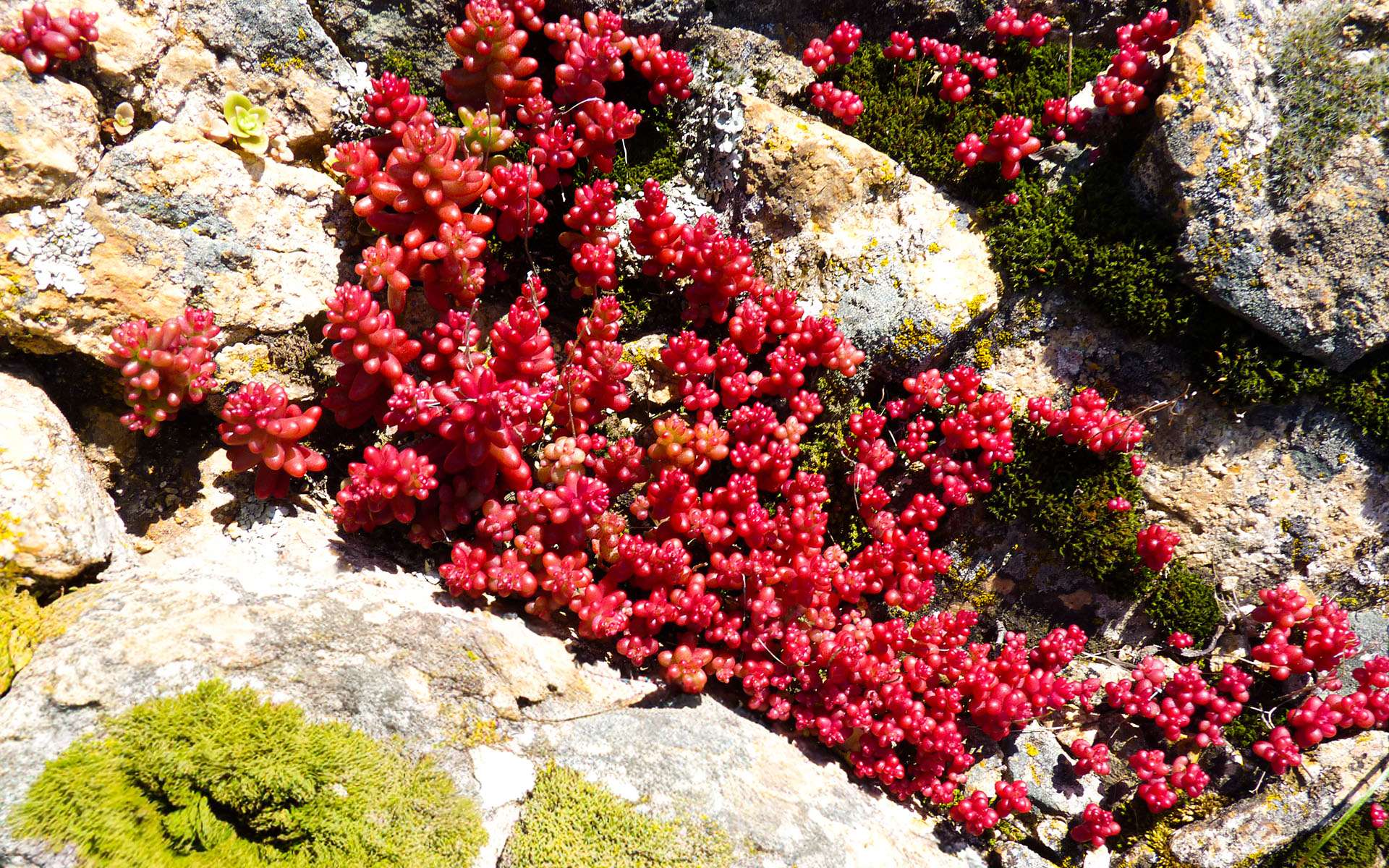
Avec ses feuilles charnues aux teintes allant du vert tendre au rouge flamboyant, le Sedum rubrotinctum, ou « plante haricot », semble éclabousser la roche de pigments naturels. Succulente robuste, elle supporte le soleil ardent et les sols les plus pauvres, transformant les fissures minérales...

  •  

On s'est trompé pendant des décennies sur l'origine de nos chats domestiques selon une nouvelle étude

Et si l’histoire du chat domestique était totalement différente de ce que l’on croyait depuis des décennies ? Une nouvelle étude vient de dévoiler que nos compagnons à moustaches ne seraient pas nés là où les chercheurs l’imaginaient et que leur domestication serait bien plus récente qu’on ne le...

  •  

Un calmar géant nous raconte les abysses, ce monde fragile que les humains découvrent enfin

À des centaines, parfois des milliers de mètres sous la surface, les abysses restent l’un des derniers territoires inexplorés de notre Planète. Avec Mission Neptune, les scientifiques veulent y déployer une flotte de robots et de capteurs pour observer l’océan profond en continu. Une plongée...

  •  

This Ancient Artifact Remained Unidentified for Decades—Now It’s Rewriting the History of One of Japan’s Early Iron Technologies

An iron artifact recovered by archaeologists may be the oldest of its kind ever found in Japan, according to new research.

Recovered during excavations at the Hayashi-Fujishima archaeological site in Fukui, the capital city of Fukui Prefecture, the artifact measures slightly more than an inch and a half across, just under an inch in width, and just a millimeter in thickness.

The presence of tiny, triangular teeth measuring up to 3 millimeters deep indicates the artifact’s use as an early saw, according to investigations by the Fukui Prefectural Archaeological Research Center, which recently announced the discovery.

While similar discoveries have been made in Japan, none are believed to be as old as this saw, which archaeologists have tentatively dated to the late Yayoi Pottery Culture Period, which thrived between the second and third centuries, making it the oldest known in the country.

Tomokatsu Uozu, Deputy Director at the Center, said the age of the discovery indicates the advancement of early iron technologies along the region’s coastal communities during the period.

“The artifact could be an important piece of evidence supporting the advancement of ironware culture along the Sea of Japan coast during the Yayoi period,” Uozu recently told The Asahi Shimbun.

Similar Discoveries in the Ancient East

The saw uncovered at the Hayashi-Fujishima archaeological site bears some similarities to saws from the same period that have been unearthed during past excavations in China.

Such similarities are important, since it is believed that the same iron processing techniques used in the creation of the saw from the Hayashi-Fujishima site originated in China, having been carried across the Korean Peninsula and eventually reaching northern Kyushu, where ancient traders carried it along the Sea of Japan to its eventual arrival at Fukui.

The saw recently showcased by the Fukui Prefectural Archaeological Research Center is only one example of the many artifacts recovered from the Hayashi-Fujishima site.

Identified Decades After Its Discovery

Past work at the site has uncovered additional iron artifacts, as well as stone tools, pottery, distinctive “magatama” and “kudatama” bead varieties, and a range of items during primary excavations, which were conducted during the late 1990s and early 2000s.

The site is believed to also host what remains of an ancient settlement dating to the Yayoi period, a period that was significant for the emergence of organized food production, as well as a unique element associated with the culture: the creation of distinctive, keyhole-shaped burial mounds.

However, it wasn’t until 2021, during restoration work with many of the artifacts retrieved from the site, that researchers first noticed something significant that had gone unnoticed decades earlier at the time of the artifact’s discovery: tiny serrations were present on one of its edges.

Further examination with the help of X-ray CT scan imaging confirmed the artifact’s identity as a triangular or “beak-shaped” saw, similar to other discoveries from later periods. At the time of its use, the complete saw would likely have measured up to five times the length of the remaining fragmentary portion.

Another notable feature of the saw is that the tip of the blade is bent, which archaeologists think may indicate that the saw was used for work involving fine crafting of wooden or stone items.

Breaking Earlier Records for Japan’s Oldest Saw

The discovery now overturns the previous oldest artifact of its kind known from the region, which was uncovered from a third-century burial mound in Hyogo Prefecture. That saw’s association with the Kofun Period, which thrived near the end of the third century, made it the oldest known at the time of its discovery.

Although additional studies are required, the team says that confirmation of the age of the Hayashi-Fujishima site’s saw would extend the timescales once again on the earliest use of such technologies by as much as a century.

  •  

Araignées bleues, papillons à plumes… cette région d’Afrique cachait un monde presque inconnu

Dans une région longtemps restée inaccessible aux scientifiques, une expédition a révélé une biodiversité exceptionnelle. Parmi les trouvailles figurent des dizaines d’espèces potentiellement inconnues de la science, dont une étonnante araignée fluorescente.

  •  

Museu virtual convida a uma viagem pelos computadores “vintage”

Ainda se lembra de usar a linha de comando, e das cores dos sistemas operativos antigos? No Virtual OS Museum pode recuperar a nostalgia dos antigos mainframes e dos primeiros computadores pessoais, mas também dos sistema para telemóveis.

The post Museu virtual convida a uma viagem pelos computadores “vintage” appeared first on Tek Notícias.

  •  

Ce que Le Seigneur des anneaux révèle sur notre rapport à la nature pourrait vous surprendre

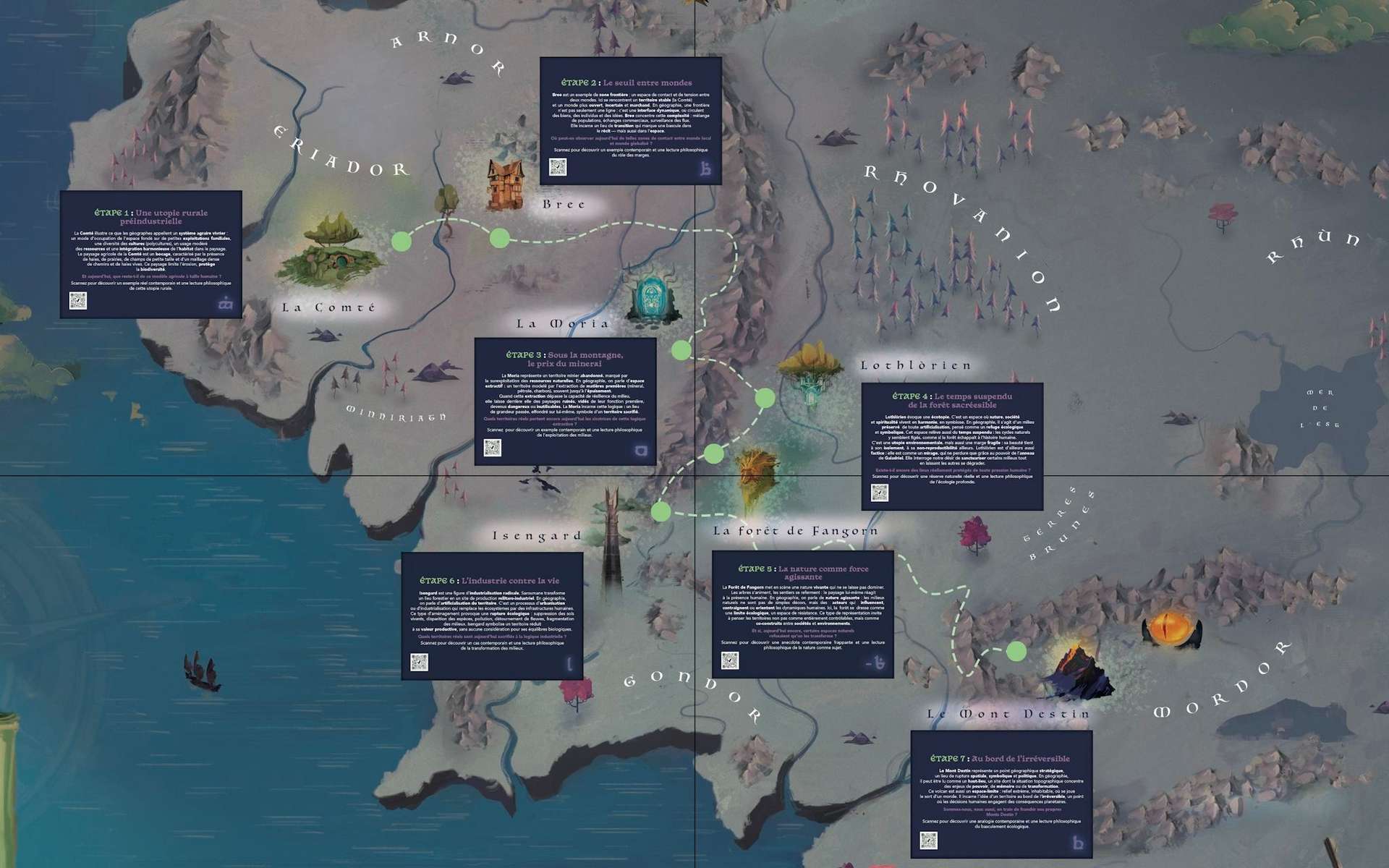
Et si la géographie du Seigneur des anneaux était un miroir nous renvoyant l'image de nos défis environnementaux contemporains ? L'univers de Tolkien, de la Comté au mont Destin, résonne avec les tensions écologiques actuelles et offre une réflexion sur nos façons d'habiter ou de transformer le...

  •  

Kombustíveis: o comparador de preços de combustíveis em tempo real do grupo KuantoKusta

O Kombustíveis é a plataforma do grupo KuantoKusta dedicada à comparação de preços de combustíveis em postos de abastecimento de todo o país, em tempo real. Está disponível em formato web, bem como aplicação para iOS e Android.

The post Kombustíveis: o comparador de preços de combustíveis em tempo real do grupo KuantoKusta appeared first on Tek Notícias.

  •  
❌