A Monster Energy–sponsored MMA show on the White House’s South Lawn was never going to be the height of dignity. But UFC Freedom 250 is failing to clear even the lowest bar.
Researchers from the Université Polytechnique Hauts-de-France have revealed a technique that successfully analyzed several Vincent van Gogh artworks at a microscopic level to correctly identify well-known, previously identified forgeries from recently authenticated ones
The research team behind the pioneering, non-invasive art authentication process said their approach could provide museums, collectors, and art auction houses with a previously unavailable tool with a proven, scientifically based track record for identifying fake or counterfeit art.
Using Microscopic-Level Surface Scans to Foil Art Forgery
According to a press release announcing the successful counterfeit identification tests, art forgery is an increasingly complex problem. However, the traditional approach of expert opinion combined with historical research and invasive pigment analysis has not always proven successful, with the study authors noting that such methods are “often inconclusive,” leaving museums and collectors to shoulder most of the risk for difficult-to-authenticate works.
More recently, collectors and auctioneers have turned to science for answers, including a report showing that AI may have identified as many as 40 counterfeit artworks sold on online marketplaces. Although no counterfeit versions of Van Gogh’s works were found, that same effort identified potentially fake versions of paintings by Monet and Renoir that were indistinguishable from authentic ones.
In 2023, researchers at the University of Sydney announced the development of a cutting-edge microscope capable of surpassing the diffraction limit. In that story, study co-author Professor Boris Kuhlmey noted that the method, which is ideal for identifying microchip irregularities, “could even be used to reveal hidden layers in artwork, perhaps proving useful in uncovering art forgery or hidden works.”
Last month, The Debrief reported the discovery of a mathematical pattern in many famous expressionist artworks, noting that many abstract artists may naturally arrange shapes and patterns in similar ways, even without knowing the mathematics behind them. If correct, this concept could use science and mathematics to separate fake Impressionist works.
Claude Monet painted Impression, Sunrise (Impression, soleil) in 1872, unknowingly giving a name to an art style and movement that science says contains an underlying mathematical pattern. Image credit: Musée Marmottan Monet, Paris.
Now, the Université Polytechnique Hauts-de-France team says their new approach takes modern technology a step further, resulting in an unprecedented level of accuracy.
“Fractal Analysis Gives Us a Measurable Fingerprint of an Artist’s Brushwork”
Unlike the above techniques, the new approach analyzes the texture of a painting’s surface at the microscopic level by converting high-resolution images into three-dimensional surface ‘maps’ of the painting’s upper layers. According to the study authors, the extracted “texture” of a painting allows them to measure an image’s roughness and detail using fractal math. For example, the team said that the subtle patterns of an artist’s brush stroke are so consistent “that they act like a morphological signature unique to that artist.”
“Fractal analysis gives us a measurable fingerprint of an artist’s brushwork without needing to sample or disturb the painting,” explained Francois Berkmans, the study’s lead researcher.
To test their approach, the researchers scanned several artworks attributed to Renaissance artist Vincent van Gogh. The researchers also used their technique to study the mathematical texture of an artwork called The Plowmen, which the team noted is a “well-documented fake.” Last, they used their method to analyze another Vincent van Gogh work, Sunset at Montmajur, which was authenticated in 2013.
Sunset at Montmajour is a landscape in oils painted by the Dutch artist Vincent van Gogh on 4 July 1888, but was not authenticated until 2013. By Vincent van Gogh – 1. twitter.com2. nrc.nl, image, Public Domain, https://commons.wikimedia.org/w/index.php?curid=28169507
After running their microscopic surface analysis, the team’s new system identified The Plowmen as a “strong outlier” compared to the artist’s other works. Conversely, the new method determined that the two newly authenticated paintings “aligned closely with Van Gogh’s known works.”
New Method “Strengthens” Traditional Analysis as a Complimentary Tool
When discussing the study’s results, Berkmans said their technique “can clearly point out genuine artists and reliably detect known forgeries.” Along with identifying fakes and authentic works, the team said that the new approach successfully separated Van Gogh’s stylistic signatures from those of 17th‑century painter David Klöcker Ehrenstrahl, an achievement they heralded as demonstrating the technology’s “wider potential.”
Although the new approach had successes, the team said it is not designed to replace current approaches, including complementary analyses such as the chemical examination of materials. Instead, they said their surface-texture approach should be used as a complementary tool to strengthen authentication, resulting in a multifaceted approach that can reduce risk for collectors, museums, and auction houses alike.
“This approach won’t replace traditional expertise, but it significantly strengthens it.”
Christopher Plain is a Science Fiction and Fantasy novelist and Head Science Writer at The Debrief. Follow and connect with him on X, learn about his books at plainfiction.com, or email him directly at christopher@thedebrief.org.
Archaeologists working with the Israeli Antiquities Authority have announced the discovery and excavation of a cave located just outside the town of Fureidis, which has revealed signs of early human presence dating back to between 250,000 and 400,000 years ago.
The team of researchers behind the ongoing excavation said the fortuitous discovery could represent a “time capsule” that has remained sealed for hundreds of thousands of years, offering researchers an unprecedented glimpse into a critical period in human evolution.
Ancient Cave Contains Evidence of Critical Period in Human Evolution
According to a statement emailed to The Debrief, the ancient cave, which lies south of Haifa, near the Zikhron Ya’akov interchange, likely dates back to sometime between 400,000 and 250,000 years before present. The team notes that the range would mean it was sealed since the time of the Acheulo-Yabrudian culture, a period when ancient human ancestors began to display several complex tool-making skills, including various stone blade designs which were in use by hominins until around 300,000 years ago, marking the end of the Lower Paleolithic period.
Prehistoric handaxes were discovered in the ancient cave. Photo credit: Emil Aladjem, Israel Antiquities Authority.
“The culture we are investigating here was characterized by a variety of advanced methods for producing flint tools, including small sharp handaxes, scrapers, and blades,” explained Dr. Kobi Vardi, head of the Prehistory Branch at the Israel Antiquities Authority and the study’s co-director.
Most archaeologists put the African departure date of the last common ancestor of humans and Neanderthals between 700,000 and 500,000 years ago, and the first genetic interbreeding between the two species around 130,000-1,000,000 years ago. Therefore, finding a sealed cave containing relics from the period between these two critical evolutionary junctures offers the research team an unprecedented opportunity.
More prehistoric handaxes were discovered in the ancient cave, which are consistent in style with the Acheulo-Yabrudian culture. Photo credit: Emil Aladjem, Israel Antiquities Authority.
“We have been fortunate to excavate a unique site of global importance that has been protected from the ravages of time thanks to the exceptional conditions that existed here,” said team member Professor Ron Shimelmitz of the Zinman Institute of Archaeology and the School of Archaeology and Maritime Cultures at the University of Haifa.
Dr. Vardi agreed, noting that “It is very rare to find a site in such a state of preservation.”
“Every prehistorian who visits the site is absolutely thrilled,” he added.
Excavations conducted by the Israel Antiquities Authority and the University of Haifa in the ancient cave. Photo credit: Emil Aladjem, Israel Antiquities Authority.
“The Seeds That Led to the Development of Our Complex Culture”
In that same statement, Prof. Shimelmitz noted that the end of the Lower Paleolithic was a “unique time period” before Neanderthals and modern humans became the dominant hominids of the era and spread across “many regions.”
“Only a handful of sites from this important phase have been uncovered in Israel, and the wider Levant, and most of them are inaccessible for research,” the professor explained, adding that marked changes in human physiology, technology, and social organization “foreshadowed the traits and complex behavioral patterns that developed later and characterize both Neanderthals and modern humans.”
One component that helped facilitate the development of complex culture, highlighted by Prof. Shimelmitz, is the transition from ancient humans living in larger groups. He also emphasized the advent of human ancestors “spending longer periods at the same sites.”
Early excavations have already uncovered evidence of what the researcher termed “intensive use of fire.” These early forays have also found signs of prolonged human activity. Prof Shimelmitz said these signs suggest a “complex and rich camp life.”
Dr Vardi said that the ongoing excavation is uncovering animal bones, including ancient specimens of fallow deer, gazelle, and an ancient variety of horse.
Ancient fallow deer tooth. Photo Credit: Emil Aladjem, Israel Antiquities Authority
Dr. Vardi also noted that these finds were discovered “alongside evidence of the presence of water,” which he suggests may have made the ancient cave an attractive location for hunter-gatherer groups inhabiting the region at the time.
High Resolution Studies of How Ancient Humans Lived
When discussing the implications of their findings, Prof. Shimelmitz first expressed the team’s appreciation for the financial support and enthusiasm shown by the project’s sponsor, the Ayalon Highways Company, “in enabling us to undertake the excavation.”
As for the scientific value of their initial discoveries and the potential for further insights into this period in human history, the professor noted that findings to date are typically associated with “the development of social cooperation and the transmission of knowledge, as part of the processes of human evolution.”
Excavations conducted by the Israel Antiquities Authority and the University of Haifa in the ancient cave could fill in some of the blanks in the story of human evolution. Photo credit: Emil Aladjem, Israel Antiquities Authority.
Dr. Vardi echoed those sentiments, while also noting that the ancient cave’s archaeological value “is no less important” than that of the well-known Nahal Me’arot site from the same evolutionarily critical period.
“(This site) will allow us to study in high resolution how humans lived at that time,” the researcher added.
Given the importance the research team put on the site, which included co-leader Amit Gabbay, the Israel Antiquities Authority and the University of Haifa are already putting forth what they describe as a “large-scale research program that seeks to reconstruct how humans lived, adapted to their environment, and developed new lifestyles and technologies over the course of human evolution.”
From right to left: researchers Prof. Ron Shimelmitz of the University of Haifa, Dr. Kobi Vardi, and Amit Gabay of the Israel Antiquities Authority. Photo credit: Emil Aladjem, Israel Antiquities Authority.
Along with heralding the site’s scientific value, the researchers highlighted its cultural importance by declaring their goal to make the site “open and accessible to all: to the residents of Fureidis, students at the nearby school, and anyone interested in the prehistory of the region,” once the formal excavations are completed.
Christopher Plain is a Science Fiction and Fantasy novelist and Head Science Writer at The Debrief. Follow and connect with him on X, learn about his books at plainfiction.com, or email him directly at christopher@thedebrief.org.
Just like snowflakes, no two TikTok For You pages look alike. And that is intentional. The social media site’s highly personalized—and black box-like—recommendation algorithm has long been considered its “secret sauce,” after all. But how much control do the platform’s billion-plus daily users have over the topics that show up on their feed? The social […]
Previous landmark scientific discoveries like the Higgs boson provide a better template for what it will take to confirm whether aliens have made contact with Earth.
Even in blue states, nonreligious tech entrepreneurs and CEOs are increasingly asking for “traditional” and “conservative” women, matchmakers tell WIRED.
FIFA announced agreements with platforms such as TikTok and YouTube that include the participation of dozens of international influencers to generate content in the three host countries.
For decades, the possibility of discovering extraterrestrial intelligence has captured the imagination of scientists, sci-fi enthusiasts, filmmakers, and the public alike.
In line with such efforts, the IAA SETI Committee and the uNHIdden Foundation, two separate not-for-profit organizations, have recently released updated rules for evaluating and disclosing detections, and preparing for public preparedness in the event of potential disclosure of extraterrestrial intelligence.
With the release of director Steven Spielberg’s new alien film Disclosure Day, nearly coinciding with the recent release of the government records from the Department of War related to UAP, it seems a growing number of individuals, from the film industry to the science community, have extraterrestrials and “disclosure” on their minds.
The IAA SETI Committee Rules
In June 2026, the International Academy of Astronautics (IAA) approved a major update to the protocols governing the evaluation, verification, and communication of evidence related to extraterrestrial intelligence. The revised guidelines were designed to address a modern information environment shaped by social media, artificial intelligence, and the rapid pace of the 24-hour news cycle.
Professor Michael Garrett, Sir Bernard Lovell Chair of Astrophysics, led the international effort to revise the long-standing post-detection protocols used by researchers engaged in the search for extraterrestrial intelligence. The updated guidelines have since been formally ratified by the IAA.
“The information environment we operate in today is vastly more complex than it was in 2010,” said Garrett, Chair of the IAA SETI Committee, in a statement. “In an era of deepfakes, automated misinformation, and instant global connectivity, a single unverified claim could trigger confusion or panic. These new protocols ensure that scientists maintain the highest standards of evidence before making announcements to the world.”
The revised declaration reflects the broader scope of modern SETI and technosignature research. Since the previous guidelines were adopted in 2010, advances in technology have enabled scientists to investigate the entire electromagnetic spectrum, including excess infrared heat signatures that could indicate megastructures, optical laser emissions, and even multi-messenger signals.
The updated framework also addresses modern challenges, including protections for researchers who may face harassment, doxxing, or intense media scrutiny. It further emphasizes the importance of distinguishing verified scientific data from viral rumors, hoaxes, or terrestrial interference.
“The last significant update was more than 15 years ago, and the world has changed a lot since then,” Andrew Siemion, Ph.D., Astrophysics and Director of SETI Research, said an email to The Debrief. “With the tremendous renaissance we are seeing in the technosignature field, and the advent of incredibly powerful AI tools, the prospect for a discovery of extraterrestrial intelligence has sharpened considerably.”
“In recognition of these developments, the IAA SETI Committee undertook a multiyear expansive effort to work with scientists across the world and across disciplines to present the most up-to-date guidelines possible to the community,” Siemeon said.
New Contact Rules at SETI
At the heart of the new guidelines is a familiar scientific principle: extraordinary claims require extraordinary evidence.
Under the revised protocols, no public announcement should be made until a signal or artifact has been rigorously verified by independent organizations using different instruments and methodologies.
“We do not shout ‘alien’ the moment we see a strange blip,” said Garret in a statement. “The scientific method demands we check, check again, and then ask others to check. Only when we have reached a consensus that a signal is credible do we bring it to the world.”
While the protocols explain how to share discovery news, they make one rule clear: no reply should be sent.
“The threshold for ‘extraordinary evidence’ is subjective,” Siemion says. “Because of the vast diversity of modalities in which a technosignature might manifest, it is impossible to state explicitly the criteria that would meet this threshold under all circumstances.”
“In the case of a coherent electromagnetic signal, like a narrowband carrier or a series of laser pulses, an example of ‘extraordinary’ would be if we repeatedly detected the signal at the same location with multiple independent observatories,” Siemion adds.
He also noted that, for a transient signal, compelling evidence might include multiple lines of data indicating that it traveled through interstellar space. Determining whether a phenomenon truly originated from extraterrestrial technology would likely be a lengthy process, with evidence presented, challenged, and reassessed over time.
The declaration reinforces that any response to extraterrestrial intelligence would be a decision for all humanity and should only occur following international consultation, particularly through the United Nations.
With the updated declaration now ratified by the IAA Board, it will be shared with stakeholders, including the United Nations. A formal presentation of the protocols is scheduled for the International Astronautical Congress (IAC) in Türkiye later this year.
“The release of these updated rules and protocols marks an important step in acknowledging both the radically different media landscape that science functions within today, and the vastly expanded efforts in terms of technology and resources being deployed in the search for intelligent life beyond Earth,” said Bill Diamond, President and CEO of the SETI Institute and IAA SETI Committee member. “We applaud Prof Garrett’s leadership in developing these new protocols and the IAA for their ratification.”
First Contact and Humanity’s Mental Health
Another nonprofit organization has taken a different approach, focusing on the potential psychological and public-health implications of disclosure. The uNHIdden Foundation, whose mission is to support mental health related to Unidentified Anomalous Phenomena (UAP), recently released a preparedness framework addressing the societal impact of a paradigm-shifting discovery.
If governments prepare for natural disasters, pandemics, and other low-probability, high-impact events, should humanity also consider preparing for the possibility of contact with another intelligent civilization?
On June 8, uNHIdden Foundation Founder and Chairman John Priestland, alongside clinical spokesperson Dr. Martin Abbas, launched what they describe as the first public-health preparedness framework focused on disclosure-related scenarios.
Developed by healthcare practitioners, physicians, clinical psychologists, and public-health specialists, “Preparing for Disclosure: A Public Health Framework for Paradigm-Shifting Revelations” examines how society might reduce harm, build resilience, and support individuals processing a profound shift in humanity’s understanding of its place in the universe.
“This report is not a prediction. It is a preparedness exercise,” Priestland says. “Governments prepare for all kinds of low-probability, high-impact events.”
“Our view is that if a paradigm-shifting disclosure were ever to occur, we should at least have thought about the human consequences in advance,” Priestland added.
The report suggests that certain groups could be more vulnerable to disclosure-related distress, including individuals with pre-existing mental health conditions, those facing socioeconomic hardship, UAP experiencers, highly religious individuals, and some STEM professionals. The authors emphasize that the report neither predicts disclosure nor attempts to judge future discoveries; rather, it argues that preparedness is a prudent response to the possibility of transformative new information.
David Whitehouse, former BBC Science Correspondent, wrote the report’s foreword, arguing that planning is essential should such a discovery ever occur.
The new framework proposes several practical actions to be taken, which include:
Reducing stigma surrounding anomalous experiences and disclosure-related concerns
Building public resilience and psychological flexibility
Developing trusted sources of information and support
Creating community conversation groups and peer-support networks
Strengthening mental health preparedness and triage capability
Encouraging collaboration between healthcare professionals, researchers, government, and civil society
The report argues that stronger community resilience, clearer communication during periods of uncertainty, and improved mental-health support would be critical not only during a disclosure event but during any large-scale societal disruption.
Ultimately, the question remains whether humanity is truly prepared—or whether a globally coordinated framework is still lacking. Voices ranging from the UAP community to figures within the U.S. government have argued that the public is ready. However, only time will tell what the result may be if confirmation of extraterrestrial intelligence were to arrive—and how humanity will collectively respond to the discovery.
Chrissy Newton is a PR professional and the founder of VOCAB Communications. She currently appears on The Discovery Channel and Max and hosts the Rebelliously Curious podcast, which can be found on YouTube and on all audio podcast streaming platforms. Follow her on X: @ChrissyNewton, Instagram: @BeingChrissyNewton, and chrissynewton.com. To contact Chrissy with a story, please email chrissy @ thedebrief.org.
In a blog post running more than 3,100 words, Microsoft vice chair and president Brad Smith addressed the recent spate of viral clips from graduation ceremonies, like former Google CEO Eric Schmidt getting an earful at the University of Arizona, or the speaker in Florida who seemed surprised when students booed at the mention of AI as "the next industrial revolution." The videos speak to a broader societal sentiment around AI - the technology is deeply unpopular even as technology compani …
Why did the Metropolitan Police attend a UCL bar to kick out our group of conservative-minded students over our views on transgenderism, asks Samiksha Bhattacharjee.
In the mountain villages of Guatemala’s Western Highlands, farmers are combining ancient Maya knowledge with modern sustainable farming techniques to protect their crops from pests and disease. Smallholders are creating homemade biopesticides using plants with strong smells and flavors to deter pests on their family plots. This is helping to cut back on the use of increasingly expensive agrochemicals, many of which have been labeled as dangerous to human health and linked to soil degradation. About 60 Guatemalan communities in the Western Highland departments of Sololá and Huehuetenango, as well as Chiquimula in the east, are working to revive these traditional techniques with support from the international development organization World Neighbors. Their focus is to restore and strengthen traditional knowledge, combining it with agroecological practices that help families produce surplus food they can sell to boost household incomes. “Traditional farming techniques are becoming popular because they are simple practices to apply, use local resources, and have proven to be effective,” Dayani Roche, a program associate at World Neighbors, told Mongabay via email. Rather than a single ancient recipe, farmers are using “a living combination of ancestral knowledge, local experimentation and more recent agroecological practices,” he said, which are “safer for families, soil, water and biodiversity than many chemical alternatives.” The Maya civilization, which once stretched across modern-day Central America, had a rich history of farming dating back to 2000 B.C.E. Its most celebrated agriculture system is the milpa, a form of intercropping that involves a mix of maize, beans and…This article was originally published on Mongabay
A University of Oxford professor has cancelled a series of lectures discussing gender law after pro-trans activists interrupted the first two talks and hurled abuse at him.
If you’ve been injured through someone else’s negligence, filing a personal injury claim is your legal right. But having the right to file and being ready to file are two different things. Rushing into a claim without preparation is almost as costly as waiting too long to file one. Here are some of the things […]
Online entertainment platforms come in many shapes and target varied audiences with distinct objectives. Some aim to deliver a traditional international casino atmosphere, while others develop multifaceted ecosystems highlighting local player interests. BigBunny Casino and GameZone serve as prime examples, each providing digital gaming but offering divergent experiences. Recognizing their differences offers players guidance in […]
A newly identified pest is raising concerns for North Carolina’s blueberry industry. What began as a mystery beneath North Carolina’s blueberry fields has now been traced to a surprising culprit: a giant root-feeding beetle never before confirmed attacking blueberries anywhere else in the United States. Researchers at North Carolina State University have identified the insect [...]
Brown rot is a common fungal disease in the Southeastern United States that affects stone fruits like peaches, cherries, and plums. Monilinia fructicola is a tan, fuzzy fungus that grows on tree flowers, twigs, and fruit, and is the most common cause of brown rot. Once brown rot infects a tree, the damage is irreversible, causing significant crop losses in commercial orchards. Farmers try to control the spread of M. fructicola by applying chemical sprays, called fungicides, to fruit trees in the spring.
In M. fructicola, a biosynthesis gene named MfCYP51 encodes a major protein critical to the fungi’s survival. Certain fungicides, called demethylation inhibitor (DMI) fungicides, stop M. fructicola from growing by targeting this protein. Over the last 20 years, DMI fungicides have become less effective against brown rot as M. fructicola becomes more resistant.
Living microorganisms and their metabolites can control fungal diseases as an alternative to chemical fungicides, known as biofungicides. Many bacteria produce compounds like hydrogen cyanide and pyrrolnitrin that damage fungal cells. However, scientists have not found a biofungicide suitable for commercial production. A group of researchers at Clemson University in the USA and Huazhong Agricultural University in China set out to test whether the soil bacteria Pseudomonas chlororaphis and Bacillus subtilis could be effective biofungicides against brown rot.
The researchers performed an incubation experiment to analyze how the fungal cells make their critical protein from the MfCYP51gene, a process called gene expression, under different fungicide treatments. They used 3 M. fructicola strains sensitive to traditional DMI fungicides and 3 resistant strains. They tested these with 5 different fungicide treatments: a DMI fungicide, a mixture of P. chlororaphis metabolites, a mixture of living B. subtilis cells, a DMI fungicide + P. chlororaphis metabolites, and a DMI fungicide + B. subtilis cells. They also set up a control treatment with sterile water instead of fungicide.
After 6 hours, the researchers extracted the molecule that measures gene expression, called RNA, from the fungi. They found that both the P. chlororaphis treatment and the DMI fungicide + P. chlororaphis treatment substantially reduced MfCYP51 expression in both the sensitive and resistant isolates compared to the controls. In contrast, the DMI fungicide, B. subtilis, and DMI fungicide + B. subtilis treatments increased MfCYP51 expression in the resistant isolates. The researchers concluded that P. chlororaphis has a unique ability to reduce gene expression, unlike other biofungicides.
To further investigate how the biofungicide treatments work, the team tested whether P. chlororaphis and B. subtilis produced the anti-fungal metabolite pyrrolnitrin. They added 1 milliliter of each treatment to a machine that separates and identifies liquid compounds using high pressure, called a high-performance liquid chromatograph. They found that the P. chlororaphis treatment contained pyrrolnitrin, so they hypothesized that it was responsible for reducing gene expression.
Additionally, the researchers tested their 5 treatments on brown rot in fruit. For each treatment, they took 10 Gala apples, washed and sterilized their surfaces, and sprayed them with the fungicides. After 24 hours, they poked holes in the apples with toothpicks and added 20 microliters of liquid containing M. fructicola cells to the poked holes. They placed the apples in a humid chamber for 5 days and measured the number and size of brown rot spots that developed on their surfaces.
Despite decreasing MfCYP51 expression, the researchers found that P. chlororaphis treatment alone didn’t reduce brown rot disease compared to the control, but the DMI fungicide and B. subtilis treatments did. The mixed treatments of DMI fungicide + P. chlororaphis and DMI fungicide + B. subtilis both reduced brown rot disease compared to the control, but only the DMI fungicide + P. chlororaphis treatment prevented it.
The researchers concluded that although biofungicides may not be fully effective on their own, commercializing them could allow farmers to use less DMI fungicide. They explained that scaling back the use of DMI fungicides would slow M. fructicola resistance. Finally, they proposed that future researchers test biofungicide mixtures containing pyrrolnitrin in the field to observe real-world effects on stone fruit trees.
In our increasingly dystopian world, who wouldn’t want to at least be open to a utopian antidote? The Global Justice Report, published on Thursday, outlines how to build a prosperous, equitable world within safe planetary boundaries. It’s a push from the modern eco-socialist left in a global battle for ideas that will shape the future.
Based on past social achievements and future energy transformation, it indicates that the overwhelming majority of people on the planet could, by the end of the century, work less and earn more – while keeping temperatures down and avoiding much of the current destruction of nature. It is an ambitious, comprehensive and upbeat plan, and a stronger argument around which to build a political campaign than abstract goals of net zero or decarbonisation.
 Login





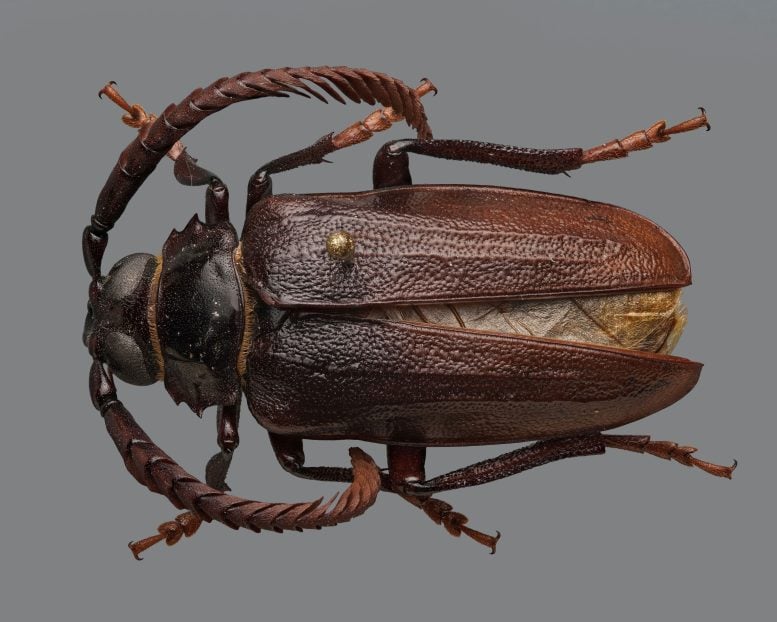 A newly identified pest is raising concerns for North Carolina’s blueberry industry. What began as a mystery beneath North Carolina’s blueberry fields has now been traced to a surprising culprit: a giant root-feeding beetle never before confirmed attacking blueberries anywhere else in the United States. Researchers at North Carolina State University have identified the insect [...]