❌

Reading view

Robotic Spacecraft for Swift Boost Mission Arrives at NASA Wallops
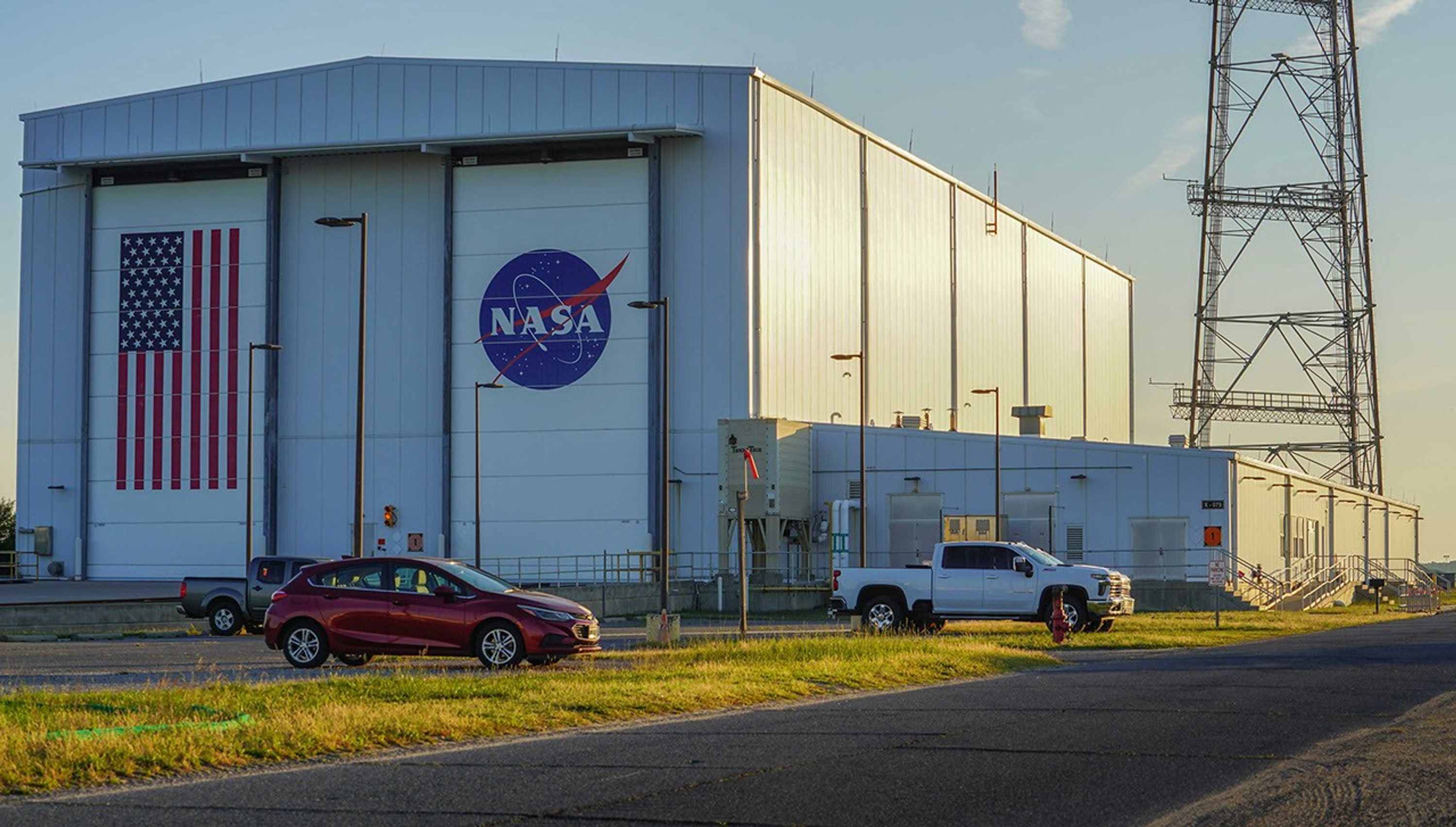
Photograph of a large hangar
Northrop Grumman will load the LINK robotic servicing spacecraft from Katalyst Space into a Pegasus XL rocket at the Horizontal Integration Facility at NASA’s Wallops Flight Facility in Virginia, shown here. LINK arrived at Wallops on June 5, 2026, to begin integration.
NASA/Ron Beard

The LINK robotic servicing spacecraft, built by Katalyst Space and designed to capture and boost NASA’s Neil Gehrels Swift Observatory arrived at the agency’s Wallops Flight Facility in Virginia on Friday, June 5.

Inside NASA Wallops’ Horizontal Integration Facility, Northrop Grumman engineers will install the satellite into one of the company’s Pegasus XL rockets ahead of launch.

All spacecraft in low Earth orbit experience drag caused by our planet’s atmosphere. As a result, satellites without propulsion systems to counteract this effect gradually lose altitude and fall toward Earth.

Recent increased solar activity magnified the impact of atmospheric drag on Swift, causing it to sink faster than anticipated.

NASA contracted Katalyst to boost the 21-year-old observatory back to a higher altitude, pioneering a new servicing capability for the nation’s spacecraft fleet and allowing Swift to resume science observations.

After loading LINK into the Pegasus XL, Northrop Grumman will attach the rocket to the bottom of Stargazer, the company’s modified L-1011 aircraft.

Stargazer will deploy Pegasus XL from above Kwajalein Atoll, part of the Republic of the Marshall Islands in the South Pacific Ocean, later this month. The rocket will deliver the LINK spacecraft to an orbit where it can reach Swift.

As activities on the ground have raced to get LINK to Swift, the observatory team has been continuouslyΒ making Swift’s orientation more aerodynamic to preserve altitude.

Learn more about the Swift mission at:

https://science.nasa.gov/mission/swift/

By Jeanette Kazmierczak
Goddard Space Flight Center, Greenbelt, Md.

The post Robotic Spacecraft for Swift Boost Mission Arrives at NASA Wallops appeared first on NASA Science.
  •  

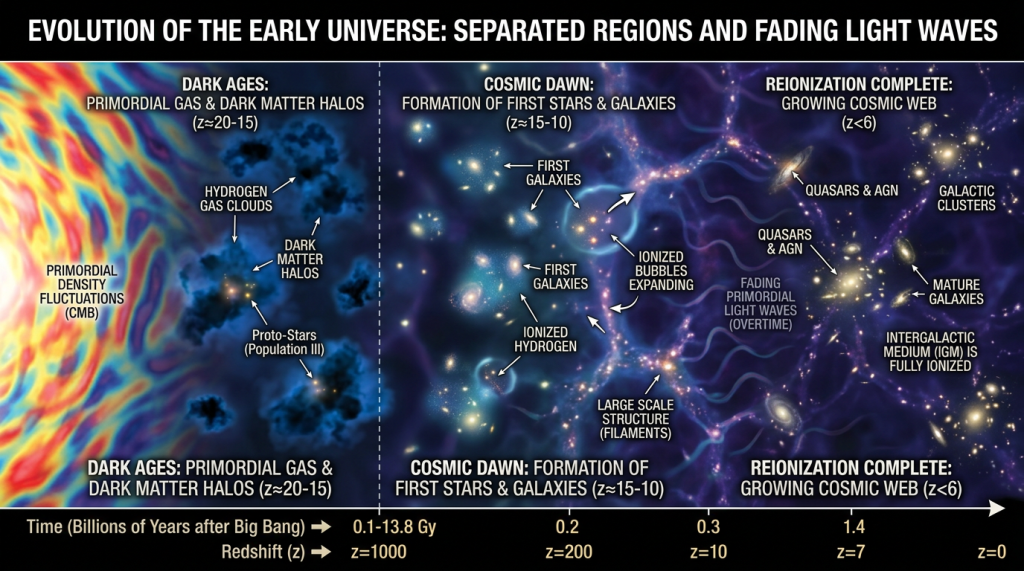
Causality and the Arrow of Time Are Big Bang Problems for Cosmic Story-Telling

The big bang has causality issues, particularly the "horizon problem." I critique suggested solutions like cosmic inflation and negentropy, arguing that they require unproven concepts. The Creator, as described in the Bible, provides a coherent explanation without causality violations, in contrast with those scientific storytelling fairy tales for adults.

  •  
  •  

More Than 50% US Evangelical Christians Do Not Believe in the Genesis History of Creation

I contrast two views on the origin of the universe: the big bang theory and the Genesis creation account. I highlight how many evangelicals now support the big bang, reflecting a shift in beliefs rejecting the historical Genesis narrative on concepts like original sin and redemption.

  •  

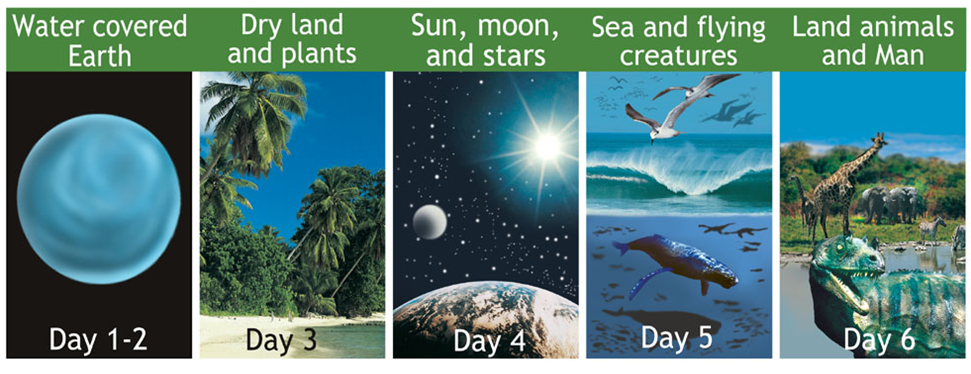
The Physics of Creation | Day 1

God created all space, time, and energy over six ordinary days less than 8,000 years ago. I discuss the physics of the Day 1 of that, with the earth formed from a sphere of water and the creation of all light, including the thermal radiation called the cosmic microwave background.

  •  

Liquid Water Providentially Provided by the Creator to Support Life

Water is essential for life, existing in solid, liquid, and gas states, primarily due to its unique molecular structure (H2O) and the angle of its hydrogen bonds. Found in the habitable zone around stars, Earth’s water supports diverse life and is used by the Creator to explain eternal life.

  •  
❌