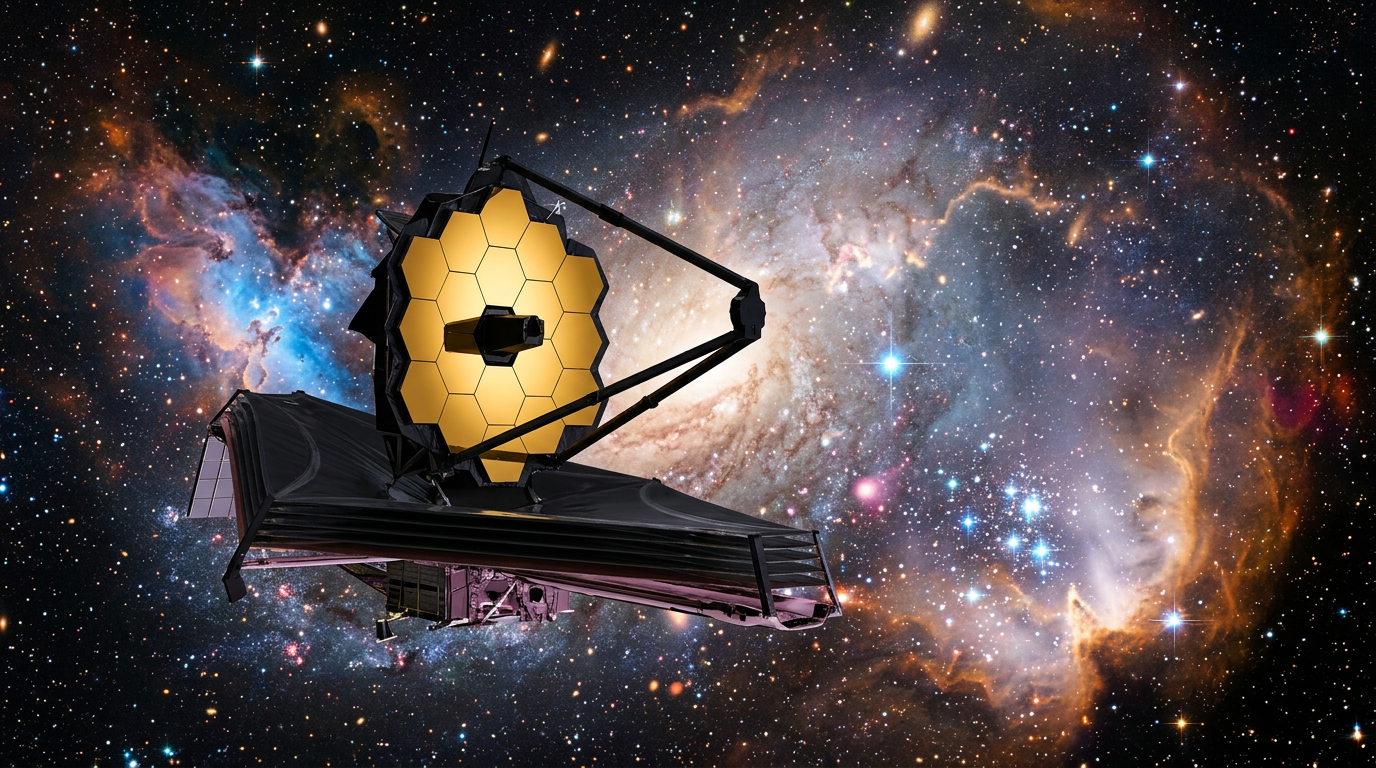
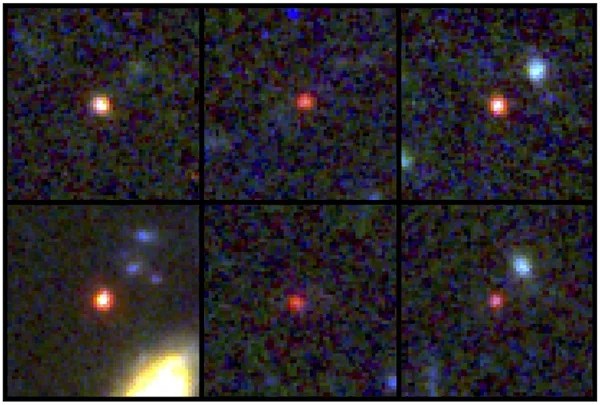
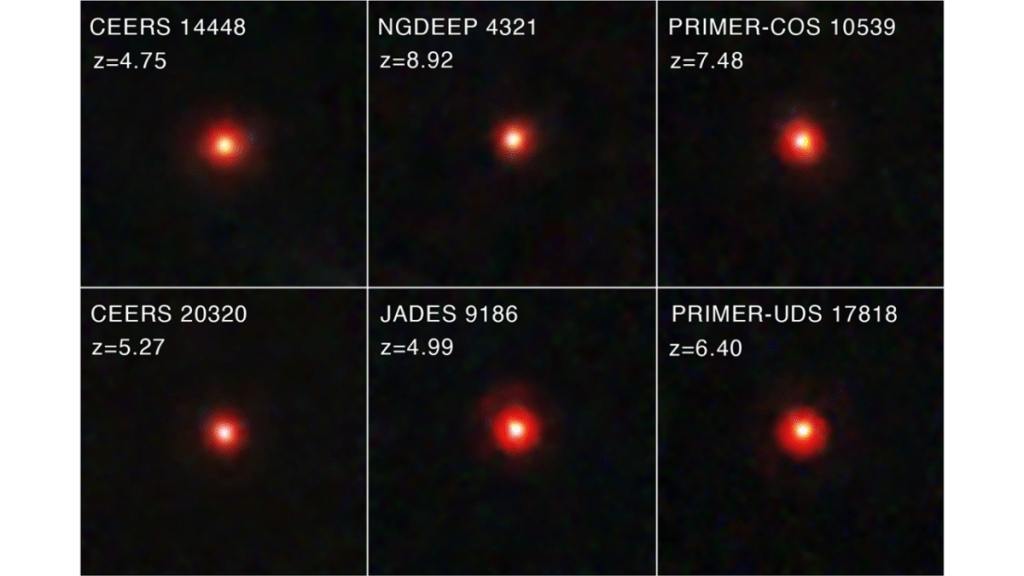
The James Webb Space Telescope (JWST) has observed what appear to be very distant red galaxies challenging the standard big bang theory. Misidentifying some Brown Dwarf stars within our Milky Way as these red distant galaxies brings into question the existing cosmological models.
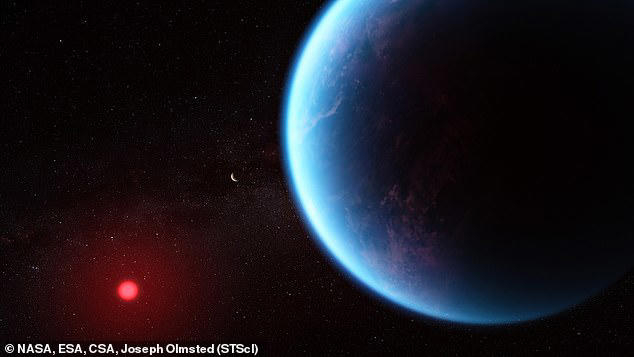
An article claims scientists found evidence of biological activity on exoplanet K2-18b, citing detected molecules linked to microbial life. However, this overstates findings, because some other chemical processes may explain the results. The inordinate desire to find extraterrestrial life reflects a rejection of the Creator.
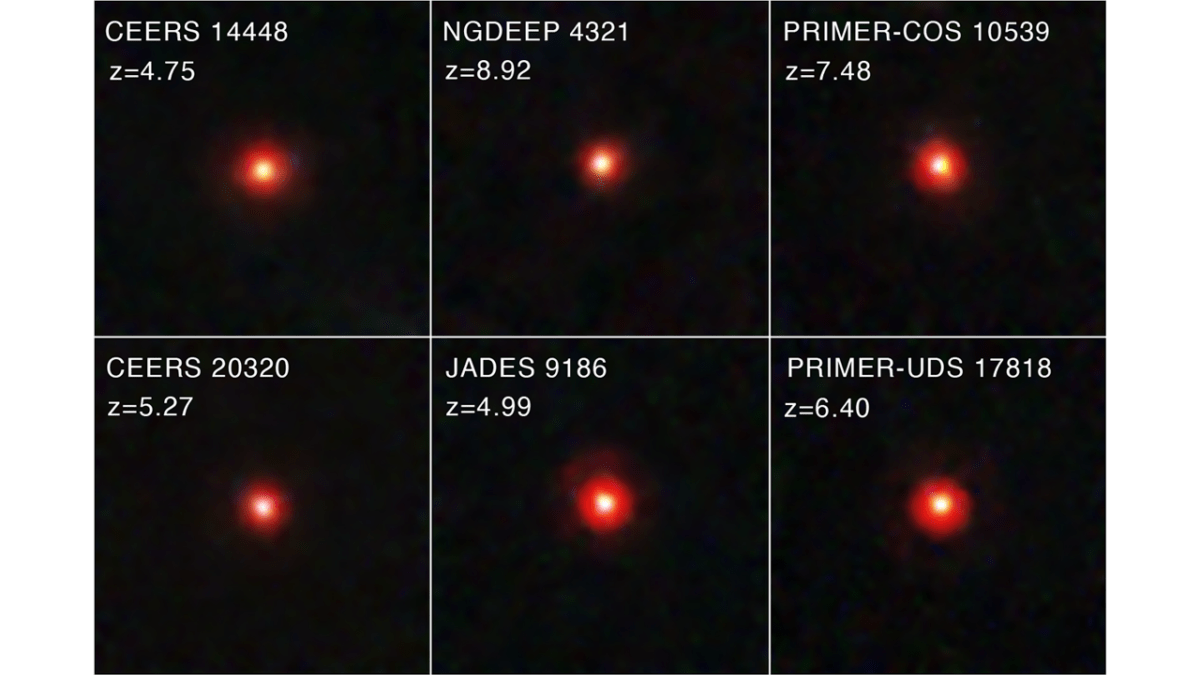
In 2022, the James Webb Space Telescope discovered six massive Little Red Dot galaxies dated 500–800 million years post-Big Bang. Their presence challenges the ΛCDM cosmological model, as they contain unexpectedly high stellar masses. Recent findings have increased their count to 341, raising questions about galaxy formation and the validity of current theories.

 Login