 Login

Dopo l'ipotesi di un terremoto, a fare chiarezza ci hanno pensato gli esper…
Dopo l'ipotesi di un terremoto, a fare chiarezza ci hanno pensato gli esperti dell’American Meteor Society


© Nikada / Getty Images
Earth Oddities • Strange Weather Phenomena • Desert Ecosystems • Go back to Strange Sounds Death Valley is experiencing a rare superbloom, a spectacular desert event in which vast numbers of wildflowers suddenly bloom across the valley floor after rare rainfall. This is the best flowering desert phenomenon in the driest place in North America […]
The post Death Valley Superbloom Explained: Why the Desert Suddenly Explodes With Wildflowers appeared first on Strange Sounds.
Earth Oddities • Strange Weather Phenomena • Global Dust Transport • Go back to Strange Sounds A massive Saharan dust plume has drifted across parts of Europe, hazing alpine views and coloring sunsets across the continent. But the most surprising part of the story is how the dust gets into the sky in the first […]
The post Saharan Dust Cloud Over Europe: How Desert Thunderstorms Launch Millions of Tons of Dust Into the Atmosphere appeared first on Strange Sounds.
Volcano Hazards • Lahars • Rain + Ash = Mudflow • Go back to Strange Sounds Heavy rain on Mount Merapi triggered a “cold lava” flood — a lahar — surging downriver, killing people and dragging vehicles. When intense rainfall hits ash-covered slopes, loose volcanic debris turns into a fast-moving slurry that can carry boulders, […]
The post Mount Merapi “Cold Lava” Flood: What a Lahar Is and Why Rain Makes Volcano Slopes Deadly (Mar 2026) appeared first on Strange Sounds.
Space & Beyond • Astronomical Event • Skywatching Alert • Related: Meteor, Fireballs and Comets Tonight, a total lunar eclipse turns the full Moon a deep copper-red — a classic “blood moon”. Despite the dramatic look (and dramatic naming), eclipses are recurrent, measurable, and predictable astronomy events, not omens. This post explains what’s happening, when […]
The post Total Lunar Eclipse Tonight: Blood Moon Timing, Visibility & Why Eclipses Aren’t Omens appeared first on Strange Sounds.
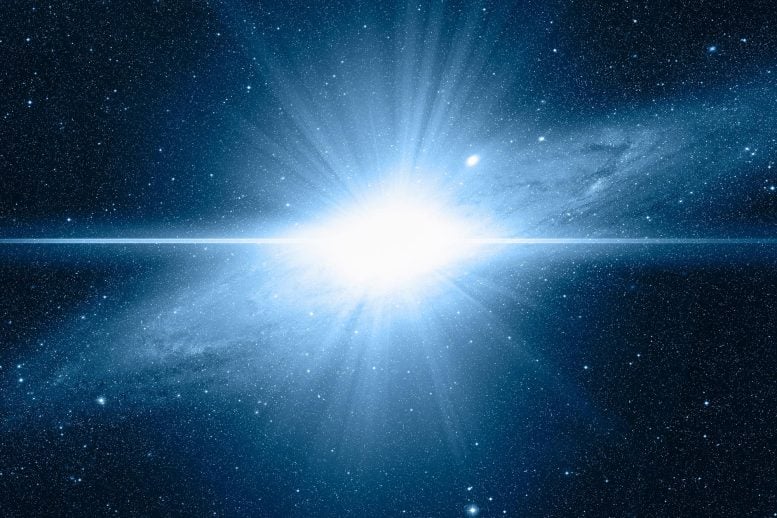 A new method could improve cosmology research by analyzing supernovae together with the galaxies that host them. An international collaboration led by scientists at the Institute of Cosmos Sciences of the University of Barcelona (ICCUB) has created a new approach that may sharpen what researchers can learn about how the Universe expands and what dark [...]
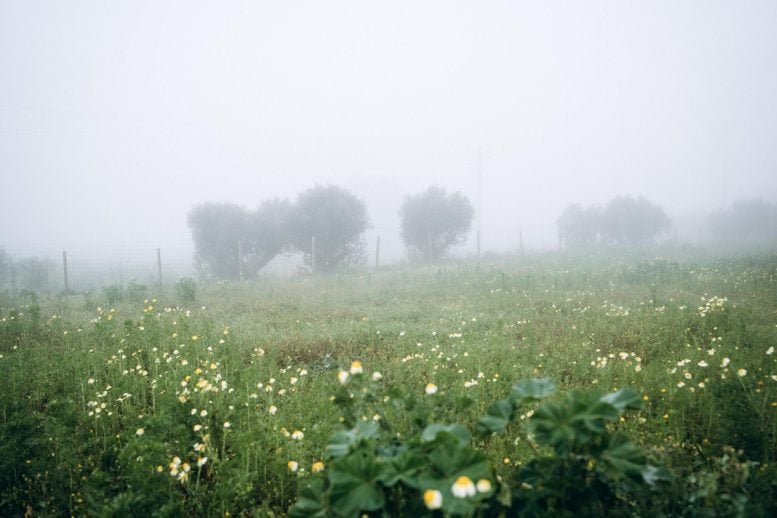 Scientists discovered that fog droplets can host living bacteria that grow and help remove harmful pollutants from the atmosphere, revealing fog as a surprisingly active microbial environment. Every breath you take may contain microscopic hitchhikers floating through the atmosphere. Scientists have known for years that bacteria drift through clouds and air currents, but new research [...]

© Dreamstime_Arsenii_Palivoda_264032656

© Dreamstime_Andriiza-Strozhnov_208804289
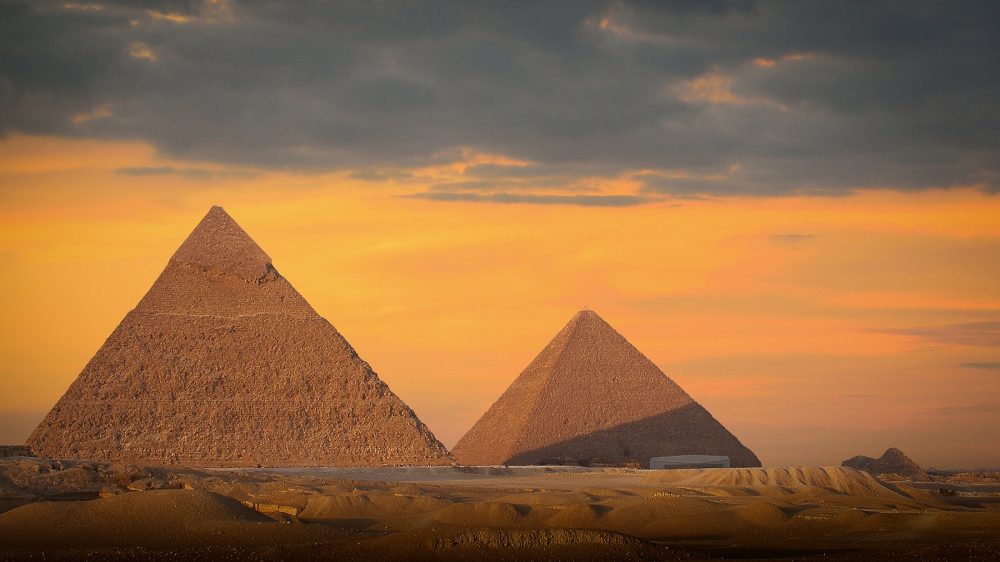
António Ambrósio, an independent researcher who describes himself as trained in Egyptology through Barcelona’s Institut d’Estudis del Pròxim Orient Antic at the Universitat Autònoma de Barcelona, is promoting a claim that the pyramids of Giza were not built for the pharaohs traditionally linked to them. In a short, non–peer-reviewed essay posted online as The Pyramids […]
The post This research paper claims Giza pyramids are 12,000 years old appeared first on Curiosmos.
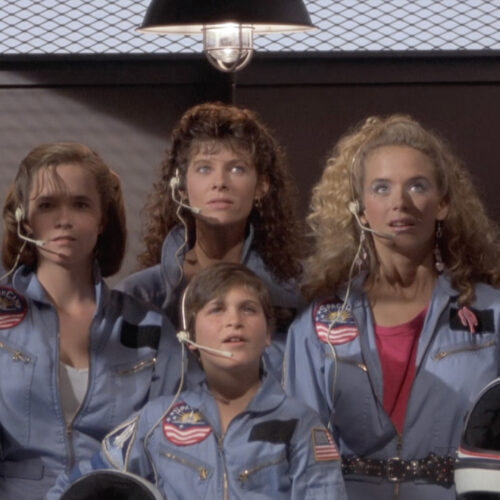
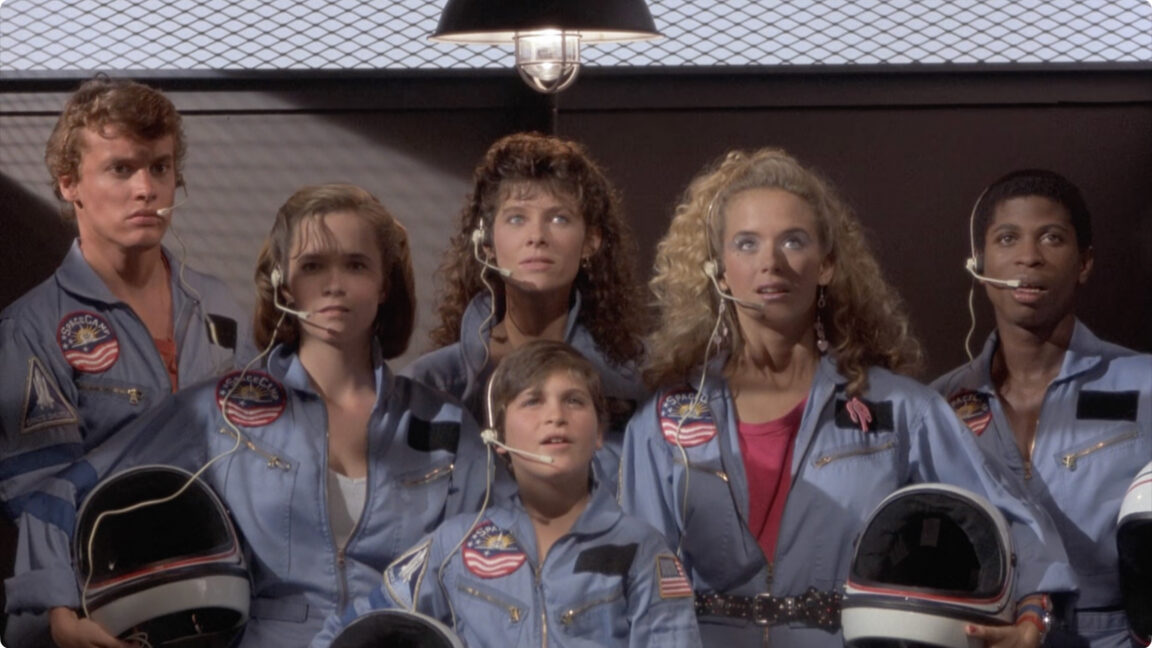
Forty years ago, the future seemed just around the corner—and the vehicle that was going to take us there was NASA's Space Shuttle. Originally envisioned as part of a larger integrated space transportation system, the shuttle was billed as a fully reusable vehicle, totally unlike the one-and-done capsules of the fading Apollo era, capable of making monthly (and perhaps even weekly) ferry flights to low Earth orbit.
The shuttle, it was hoped, would transform human space flight from extraordinary to mundane. Brands like Coke and Pepsi were quick to hop aboard and expand the Cola Wars into space, and there were even plans to blast Sesame Street's Big Bird into orbit.
The loss of Challenger in January 1986—carrying educator Christa McAuliffe, who would have been the first private citizen in space—put the kibosh on all of that. The shuttle, while fantastically advanced, would never be the vehicle to help humankind slip all of our surly bonds, so to speak. Even operating at its most frantic peak in 1985 just before Challenger's loss, the shuttle hardware managed a maximum of nine flights in one calendar year; for most of the 1990s, it performed at five or six flights per year. Civilians in space—to say nothing of Big Bird—would have to wait.
© 20th Century Fox
