Women with unusually enlarged breast tissue may face a higher likelihood of several health problems, including chronic migraine, neck pain and sleep apnea, according to new research. The condition, medically known as macromastia, is often discussed in terms of discomfort or appearance. However, researchers from Wake Forest University School of Medicine say it may be […]
A night’s sleep may seem like a quiet break from the day, but the brain remains busy. While we sleep, it sorts through new information, strengthens some memories and prepares us to learn again when we wake up. That nighttime work becomes especially important as people get older. Many older adults notice that the small […]
Many people are familiar with melatonin, a hormone that helps ready the body for sleep. But there's another, lesser-known chemical in the brain, called orexin, that tips the scale in the other direction: waking the body up.
In 1999, two scientists independently uncovered the function of orexin and published papers about it. Dr. Masashi Yanagisawa, a molecular biologist and physician now at the University of Tsukuba in Japan, came across orexin while studying the interaction of receptors and chemicals in the brain. Dr. Emmanuel Mignot, now the director of the Stanford Center for Narcolepsy, homed in on orexin while studying narcoleptic dogs. (His Chihuahua, named Watson, has narcolepsy, and he previously had another dog with the condition, named Bear.)
This year, the pair of researchers won the coveted Albert Lasker Basic Medical Research Award for this fundamental finding that helped reshape our understanding of sleep. Their work has since led to the development of drugs for insomnia and narcolepsy.
Yanagisawa told Live Science that, at the start of his research career, he didn't expect to end up studying sleep. Mignot, on the other hand, had an early interest in understanding narcolepsy so that better treatments for the neurological disorder could be developed. Live Science spoke with Mignot about the discovery of orexin and how the field might progress in the future.
Nicoletta Lanese: What initially drew you to studying narcolepsy?
Dr. Emmanuel Mignot: There were three things that attracted me to narcolepsy: Number one, it was a human problem. It was already known [at the time] that it was not super rare. I'm not saying it's super common, but 1 person per 3,000, 0.03% — it's reasonably common. And nobody cared about it. I would talk to neurologists and they'd say, "Oh, I've never seen one case in my entire life." So I would say, "Yes, of course; you miss them all." That was the state of the play at the time.
Number two, was what this was a quintessential sleep disorder [in which sleep itself is disrupted]. I thought that if we found the cause of this disease, we could potentially discover something totally new about sleep — a fantastic entry point to a mystery.
The third thing that made me ready to go there was that it was tractable. A lot of problems are not tractable.
NL: Why did you start working with the dogs with narcolepsy?
EM: I studied the pharmacological basis because I was trained in pharmacology, and as a psychiatrist, and I discovered how this drug modafinil [a stimulant-based narcolepsy treatment] was working. But quickly, I realized I'm not going to find the cause by doing pharmacology. I'm only going to explore what's known.
That's when I started to fall in love with genetics, even though I was not trained as a geneticist. I said, "We have to find this gene in the dogs." It looks like they have all the symptoms. It was a huge bet, and it took me 10 years because I was definitely … overoptimistic. But it was worth the price at the end.
After narcolepsy was described — the dog gene — suddenly narcolepsy became much more famous.
NL: And scientists already knew about narcolepsy in dogs at that time?
EM: The guy at Stanford that started the sleep program was called Dr. [William] Dement. He was a graduate student in Chicago in the 1950s, when [Eugene] Aserinsky and [Nathaniel] Kleitman discovered REM sleep. He had the foresight to understand that this was an important discovery.
[Later], he discovered that narcolepsy was really a disorder where people go into REM sleep and have this very abnormal dreaming. He came in 1970 to Stanford, and the first thing he did after his medical school was to start a clinic to see patients with narcolepsy. Around then, he spoke at an American Medical Association conference in San Francisco, and he discussed different sleep disorders, including narcolepsy. And then there was someone in the audience that said, "Oh my god; I have a dog with your disease. Every time it gets excited — boom — it collapses. And it sleeps all the time."
That dog had already been euthanized, but it still gave him the idea that these dogs have narcolepsy — maybe we should try to get some. So he went to a lot of veterinarians to talk to them about it, and they identified a whole series of dogs, including the first poodle, Monique, who had narcolepsy. And they started this little colony of dogs. Initially, they tried to breed them, but most cases of narcolepsy are actually not genetic. Then, in 1977, they got a whole litter of Dobermans, and then Labradors, that had some form that was genetic.
So when I arrived, it was in 1987. They already had the dog colony. I came to study the pharmacology, to try to find a better treatment for narcolepsy. But I did stand on the shoulders of giants.
NL: At that time, it's not like you had a complete dog genome. Did that make studying their genetics challenging?
EM: It was crazy. A couple of human genes had been isolated, and mouse genes, but it was a handful. We didn't even have the full genome map in humans. And meanwhile, dogs — no pun intended — were in no man's land. Very little was known.
It took me 10 years. I had times where some people didn't believe that the dogs had narcolepsy. There were a few depressing moments, but I was convinced that was the right thing to do.
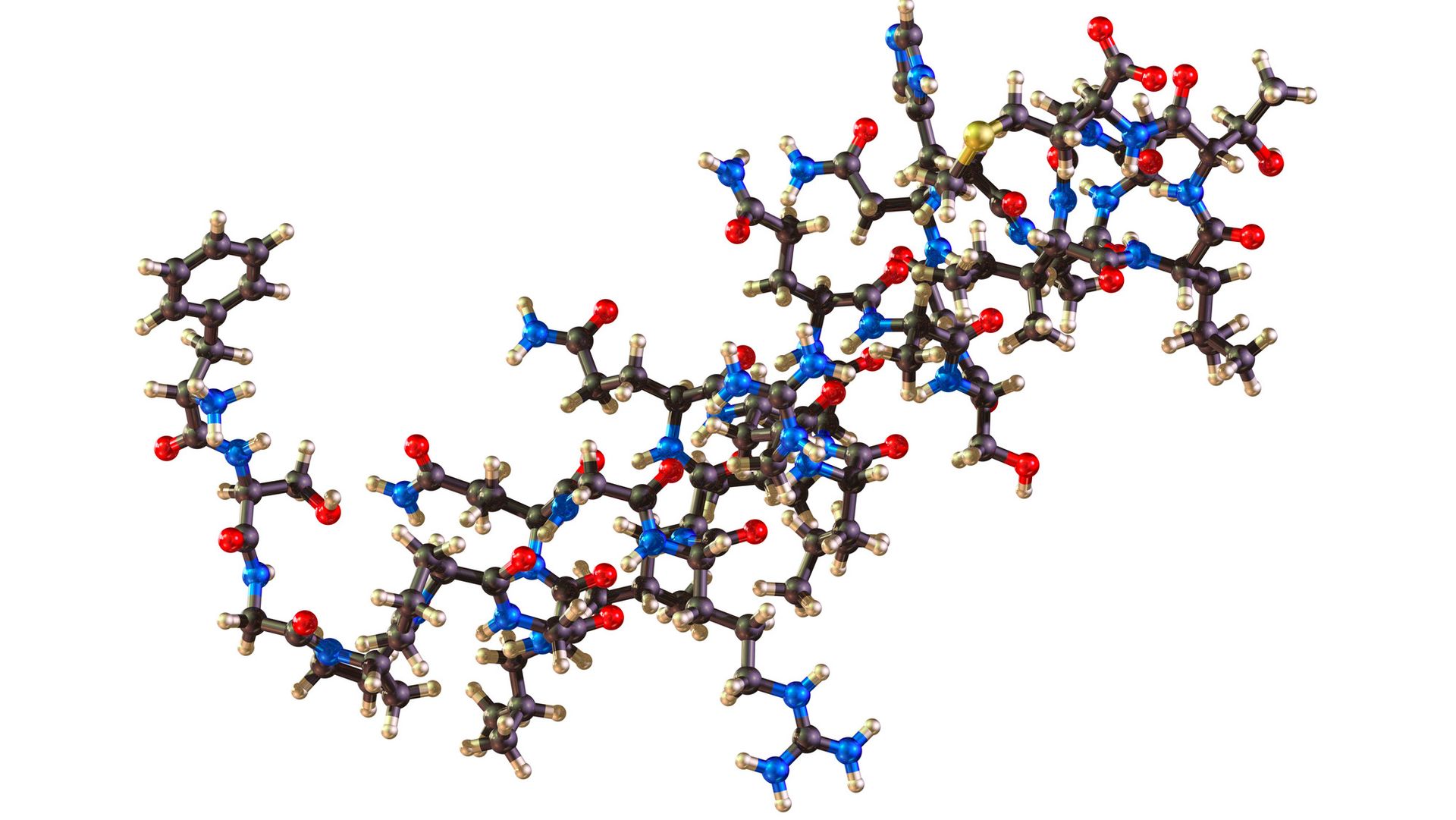
Orexin (pictured) is a peptide in the brain that promotes wakefulness. (Image credit: theasis via Getty Images)
NL: When you ultimately found the receptor for orexin, did it surprise you? It strikes me as surprising that there would be a discrete "switch" in the brain that controls wakefulness.
EM: I was lucky. Honestly, I had no idea. I got enamored with genetics because what I love [about it] is you can find something without any hypothesis. You just search for it, and what you find tells you what it is. You have no prerequisite for knowing what you would find.
I could have found something much less significant. That was a dream, to find a GPCR [G-protein coupled receptor, a protein on the outside of cells]. Can you imagine? A drug target.
Then, it turned out to be immediately applicable to humans. That, too, was a lot of luck; let's be honest. I was just trying to find the cause of one thing and one step at a time; it could have been something very complicated. It turned out to be simple.
Was I surprised? No, because I was not expecting one or another.
NL: Do you recall what the reception was like when the initial finding was published?
EM: It had an immediate effect, for several reasons. For example, I was seeing a lot of patients with narcolepsy at the time, but they were all old folks that had had narcolepsy forever. A lot of people would tell me, "I think I had it from when I was born, because I don't remember." We were never seeing children.
But after narcolepsy was described — the dog gene — suddenly narcolepsy became much more famous. And what happened is that people started to pay attention to narcolepsy, and we started to see kids. In kids, the picture is so much different. They gain an enormous amount of weight; it's very abrupt. It's a little bit different than what you see in adults, where they have adapted to it.
That was, I think, a practical consequence of the discovery. It really put narcolepsy on the map.
The second thing that happened is, all the drug companies started to develop hypnotics [sleeping pills], trying to block the orexin. They developed hypnotics relatively quickly, and they are very effective. They are probably safer than benzos [benzodiazepines] and so forth.
NL: Is it considered safer because the orexin blockers better replicate natural sleep?
EM: We know that the orexin definitely drops during sleep, so blocking it is definitely a way to recapitulate that drop; that's true. It's an awake-promoting system, so if you remove something that makes you more awake, it's safer than inducing sleep by shutting down the brain.
NL: As you moved to studying narcolepsy in humans, you found evidence that there might be an autoimmune response involved; it's been suggested that such a response may be harming the cells that make orexin in the brain. Was there suspicion that the condition had an autoimmune element previously?
EM: It's not something I 100% discovered. In 1983, before I came to study narcolepsy, there was a guy in Japan who I met, called Yutaka Honda. [Editor's note: Honda's research linked narcolepsy to the human leukocyte antigen (HLA) region of the genome, which helps regulate immune responses.]
The HLA is the way the immune system sees the world. That had just been discovered as very important for transplantation, because it's very polymorphic [takes on different forms] from one person to the next. They [Honda's group] found that all narcoleptics had a particular genetic variant, called HLA-DR2. This was a total surprise.
When I came, that was already known. But then people really looked and tried to see if the disease was autoimmune, but they couldn't find anything — no autoantibody, nothing. It was all negative.
I did a study with African Americans, and in African Americans, I found that this DR2 marker was not the best marker for narcolepsy. It was a gene just next to it that was called DQB1*06:02. [Editor's note: That HLA variant is now recognized as a strong risk factor for narcolepsy, particularly for narcolepsy type 1 (which involves a symptom called cataplexy).]
I'm very proud of that study because I think it's the first time that people used human diversity to actually map down a genetic factor more precisely, which now is used commonly. It's called transethnic mapping.
NL: New treatments that target orexin have just been approved. Do you see those therapies as an extension of your earlier findings?
EM: Of course. I was trained as a pharmacologist originally, so obviously, I do a lot of clinical trials. I see my patients totally transformed by this medication. It's just amazing. I'm so fortunate. How could you get a better reward than seeing your patients totally transformed by this medication?
It's going to have a lot of other applications [beyond narcolepsy]. Some people think it's going to be very helpful for ADHD; some people think it could be very helpful for depressed people with excessive sleepiness. We don't know, really; there's a lot of possibilities.
Another thing I'm excited about is that I have a few patients with [both] narcolepsy and schizophrenia. You cannot give them stimulants. If you give them modafinil or another dopamine stimulant [for narcolepsy], they have even more hallucinations. Often, they are sedated by their medication, and we are very poor at making people more motivated and active. These [orexin-activating] drugs seem to have effects beyond just waking people up. They seem to increase motivation.
You don't know until you try, but I'm sure it's going to have other applications.
This interview has been condensed and edited lightly for clarity. It is for informational purposes only and is not meant to offer medical advice.
Asahi Linux now officially supports Macs with an M3 series SoC!
Linux support for M3 series SoCs and the machines powered by them is now in a state where almost
everything supported on the M1 and M2 series machines just works. This includes the webcam, internal
microphones, USB (up to the hardware limit of USB 3 10 Gb/s), hardware
accelerated video decoding including support for AV1, WiFi, Bluetooth, and much more! The only major
exceptions remain full DCP support and the GPU, which we will have more news on in the
coming months.
[…]
Sleep currently does not work due to limitations with the firmware-provided framebuffer.
This will be addressed once full DCP support is wired up for M3.
[…]
Although MacBooks and iMacs are supported (M3, M3 Pro and M3 Max), the Mac Studio (M3 Ultra) is not yet supported.
If you’re one of the many people chowing down on melatonin gummies to help get to sleep, you may want to check out this study.
A new piece of research published by the American Heart Association made an alarming discovery about long-term use of melatonin supplements, an over-the-counter sleep aid used by tens of thousands. Basically, those who use melatonin over a year or more had a 90 percent higher risk of developing congestive heart failure over a five-year period.
Before you go flush your gummies down the toilet, there are a few caveats. For starters, the findings weren’t based on a clinical trial, but on data from a large database of anonymous health records. Researchers drew from data on chronic insomniacs, specifically, splitting them into two groups: those who have dosed the sleep-regulating hormone over a period of 12 months or more, and those who suffer without.
Still, the results are clearly worrisome. Overall, the study found that 4.6 percent of the melatonin group went on to develop heart failure, compared to 2.7 percent for the control group.
That wasn’t the only data point suggesting it may be time to wean off the ‘tone. A secondary analysis performed by the researchers found that melatonin users were nearly 3.5 times more likely to be hospitalized for heart failure than those in the other group, with hospitalization rates of 19.0 and 6.6 percent, respectively.
“Melatonin supplements are widely thought of as a safe and ‘natural’ option to support better sleep, so it was striking to see such consistent and significant increases in serious health outcomes, even after balancing for many other risk factors,” Ekenedilichukwu Nnadi, the study’s lead author and chief resident in internal medicine at SUNY Brooklyn, said in a press release.
While more in-depth research is needed to confirm the study’s results, the early findings indicate that melatonin use comes with some serious risks in the long-term.
“Melatonin supplements may not be as harmless as commonly assumed,” as Nnadi explained. “If our study is confirmed, this could affect how doctors counsel patients about sleep aids.”
Researchers at Charité – Universitätsmedizin Berlin have demonstrated the potential for using THC, the psychoactive component in cannabis, to treat or even eliminate debilitating nightmares associated with post-traumatic stress disorder (PTSD).
The researchers behind the findings said that THC did not reduce other PTSD symptoms, such as the condition’s severity or depression. However, they plan to further explore its ability to treat nightmares, including the potential safety and efficacy associated with long-term use.
PTSD Nightmares Cause Sleep Deprivation and Fear of Going to Sleep
According to a statement from the Charité team, people who survive or witness extreme experiences such as abuse, war, disasters, or other acts of violence can become overwhelmed and unable to consciously process their experience. As a result, many experience what researchers term an “echo,” where the subconscious tries to process the trauma. The more common term for the experience is post-traumatic stress disorder, or PTSD.
People suffering from this condition often report nightmares as one of the most persistent and debilitating symptoms. Along with the horror associated with continuously reliving their traumas, sometimes on a nightly basis, sufferers also experience severe sleep deprivation. These problems are then compounded by a fear of going to sleep and experiencing nightmares repeatedly.
Attempts to treat PTSD related nightmares have found mixed results. For example, some doctors have prescribed antidepressants or blood pressure-lowering medications to treat the symptoms. However, the research team notes that pharmacological treatments are only partially effective, and “often fail to adequately relieve” PTSD-related nightmares.
There is one medication specifically approved for treating PTSD-induced nightmares. However, the team notes, it is not yet widely available, including in Germany where the study was performed.
Exploring Alternative Treatments
To explore alternative treatment solutions, Prof. Stefan Röpke, who conducts research on trauma-related disorders at the Department of Psychiatry and Neurosciences on the Benjamin Franklin Campus of Charité, and colleagues designed experiments around tetrahydrocannabinol, or THC.
Although widely used for recreational purposes, cannabis has shown some promise for treating a wide variety of medical and psychological conditions. Still, until recently, the drug’s legal status has limited its medical applications, offering researchers a potentially untapped source of PTSD nightmare relief.
For this study, Professor Röpke and colleagues were interested in THC’s established interactions with the human body’s endocannabinoid system. That’s because this system plays a role in sleep regulation, stress, and the processing of emotional memories.
For example, the professor explained, some evidence suggests that THC reduces activity during REM sleep. Known as the dream state, REM sleep is an intense dream phase during which “the brain processes experiences and regulates emotions.
“THC reduces dream activity and thereby alleviates nocturnal stress responses,” the professor explained.
More Than a Third Report Complete Elimination of Nightmares
To start, the team enlisted more than 170 study participants. Critically, all participants suffered from PTSD and intense nightmares, resulting in sleep deprivation and a fear of going to sleep. Instead of smoking cannabis, the researchers administered a form of cannabis-derived THC drops called Dronabinol. As a legal medication, this form of THC is considered clinically safe.
During the ten-week study period, each participant was instructed to take the drops before bedtime. Half of the participants received THC drops, while the others received cannabis-flavored placebo drops. To maintain double-blind study integrity, neither the participants nor the researchers knew who received which treatment.
After the trial period finished, the researchers discovered several positive results. Most notably, the THC group reported a significant decrease in nightmares compared to the placebo group.
According to the study authors, when ranking a participant’s “nightmare burden” on a scale of zero to eight points, participants’ scores dropped by an average of 3.7 points. For comparison, the placebo group experienced an average drop of 2.2 points.
Perhaps even more significant, Professor Röpke said that “more than a third” of the THC patients reported a complete absence of nightmares after the ten-week period concluded. The professor also noted that 21 percent of the study participants reported that their nightmare burden had been at least cut in half. Finally, the professor said that five out of six study participants in the THC group “felt their health had markedly improved.”
Exploring the Safety and Efficacy of Long-Term THC Use
Although the study results offer some possible hope for relief from nightmares and improved sleep, the researchers said the THC treatments did not affect all PTSD symptoms. For example, they observed that a participant’s PTSD severity and any accompanying depression “did not change conclusively.”
No severe side effects were reported by the THC group. However, the researchers did observe some minor complaints, such as headaches, dizziness, or increased appetite. Participants did not report any withdrawal symptoms after the cessation of the treatment period.
Moving forward, the team will explore the safety and effectiveness of long-term nightly THC treatments. They also hope to explore whether patients develop a tolerance to THC’s nightmare-abating effects over time.
Christopher Plain is a Science Fiction and Fantasy novelist and has spent the last six years as Associate News Editor and Head Science Writer at The Debrief. Follow and connect with him on X, learn about his books at plainfiction.com, or email him at christopher@thedebrief.org
A poop transplant — otherwise known as a fecal microbiota transplant (FMT) — may help adults with long-term insomnia sleep better, a small study suggests.
After the transplant, study participants' gut bacteria became more diverse than an untreated group of people with insomnia. Their sleep efficiency, meaning the percentage of time they spent asleep while in bed, also increased, researchers reported July 22 in the Journal of Internal Medicine.
If future studies confirm that FMT is safe and effective for the treatment of insomnia, it could become another tool against the sleep disorder, joining sleeping pills and cognitive behavioral therapy (CBT).
The findings "are aligned with a recent body of work over the last five years indicating that the gut microbiome may play a role in sleep-wake regulation," said Dr. David Gozal, a pediatric sleep specialist at Marshall University in West Virginia who wasn't involved in this study.
However, "these results should be regarded as promising proof-of-concept evidence rather than confirmation that FMT is ready for routine treatment of insomnia," Kenji Hashimoto, a forensic mental health researcher at Chiba University in China who wasn't involved with the study, told Live Science in an email.
Improving sleep with "poop pills"
The study included 80 adult women and men with chronic insomnia from seven hospitals in China; the participants did not have other health problems, such as migraine or obstructive sleep apnea, that could interfere with the results.
Half of the participants took antibiotics for two days to clear out some of their existing gut bacteria. Then, they swallowed 60 FMT capsules chockfull of gut bacteria from healthy donors who had been confirmed to be good sleepers. These bacteria were isolated from fecal samples from the donors. Two weeks later, this group took a booster dose of 20 capsules.
The other half of the participants instead took placebo pills in place of the antibiotics and FMT capsules.
The researchers used an overnight sleep assessment called a polysomnography, which records brain waves, eye movements, heart rate, oxygen levels and breathing patterns, to assess the participants. The results showed that sleep efficiency in the FMT group jumped from 79% before the transplant to 93% one month after treatment, on average. The placebo group's sleep efficiency barely changed, shifting from about 85% to 87%.
Additionally, the treated group woke up less throughout the night. Their time spent awake after initially falling asleep fell from 79 to 17 minutes, while the same metric increased from 37 to 42 minutes in the placebo group.
On questionnaires, the FMT group continued reporting better sleep from two all the way to six months after treatment.
It is "encouraging" that FMT treatment seemed to improve sleep not only on objective tests, but also in how the participants themselves rated their insomnia, added Harriët Schellekens, a neuroscientist and microbiome researcher at University College Cork in Ireland, who wasn't involved in the work.
Based on several metrics, the sleep of the treated group improved more than the untreated group in the trial. (Image credit: Kilito Chan via Getty Images)
Gut-sleep connection
The results also suggest that the treatment is safe. In the FMT group, only three out of 40 participants had side effects, and they were mild, such as nausea and transient fever.
However, experts noted several caveats. The trial was small and limited to relatively healthy adults in China, so the results may not apply broadly. Sleep was measured only once after treatment, at the one‑month mark, Hashimoto said. And because the treatment combined antibiotics with FMT, it's unclear how much of the benefit came from the donor microbes alone, Schellekens and Hashimoto noted.
Hashimoto added that the study focused exclusively on the gut microbiota. "Microbial communities in other body sites, particularly the oral and nasal cavities, may also influence sleep regulation through immune, metabolic, and neural pathways and through oral-gut-brain or nasal-gut-brain communication," he said.
The gut and brain communicate in various ways, including via chemicals made by gut microbes that travel to the brain via the bloodstream, Hashimoto explained. These chemicals may steer inflammation, stress responses and the body's sleep-wake control.
Shifts in certain microbes can alter these gut chemicals and gut barrier function in ways that ripple out to the brain and change sleep patterns, Gozal said. Conversely, disrupted sleep can reshape the microbiome. "The question is, what came first?" he said — a disordered microbiome driving insomnia, or insomnia reshaping the microbiome and worsening symptoms.
In the study, the mix of gut microbes in the FMT group shifted between the start and end of the study, but the placebo group's microbiomes stayed the same. Several types of bacteria became more abundant after FMT, while others decreased, suggesting that FMT reshapes the gut microbiome.
Not everyone responded to the treatment, and they mostly differed in what their gut microbiota looked like before FMT, not after. That suggests that a person's initial microbial makeup may help determine how well they respond to the treatment.
Gozal said he would have liked the study to measure the chemicals made by gut microbes before treatment and then show how those same chemicals changed after FMT.
More research is needed to understand the biological mechanisms underlying the improvements, Schellekens said. For now, "FMT remains an experimental approach for insomnia and is not something that should be used outside carefully controlled clinical studies."
The study's researchers did not respond to a request for comment by the time of publication.
This article is for informational purposes only and is not meant to offer medical advice.
How much do you know about sleep and dreams? Find out with our sleep quiz!
Scientists have discovered that the sleep problems seen in Alzheimer’s disease may not be caused directly by harmful protein plaques as previously believed. Instead, the brain’s own immune system may be playing a much larger role, opening the door to new treatment possibilities. Sleep problems are one of the earliest and most common symptoms of […]
More light at the day’s end comes at a price: much later winter sunrises across much of the U.S. Scientists have documented consequences for public health and the economy.
New research from Columbia University found that adults who cut their sleep by about 80 minutes for six weeks packed on a pound (0.45 kg) and moved less during the day.
I've been going around in circles writing this Oura Ring 5 review. On the one hand, I find the health insights equally fascinating and motivating just like the best smart rings, and its discreet design is without a doubt comfortable to wear all day long.
But it's worth noting that Oura has been facing increasing backlash after deepening its partnership with the Department of Defense in the US last year, which is something ethically-conscious buyers may want to look into before purchasing.
That said, its ability to track more than 50 health and wellness metrics, such as sleep quality and stress levels, is undeniably enticing for anyone wanting to be more aware of their body — and the launch of this newest model brought a whole host of new insights.
What I will say is that the Oura app does try to include a lot of context about how these measurements can be interpreted and how they contribute to‚ for example, determining how prepared your body is for the day ahead based on a range of metrics, which Oura calls your 'Resilience Score'. But, again, this only scratches the surface of understanding how your body actually functions.
The best example of these assessments triggering misguided concern was when I got warnings from a feature called 'Symptom Radar', which tracks your respiratory rate and body temperature to flag signs of strain. What it didn't take into account was that a woman's body temperature naturally rises after ovulation, making its assessment unnecessarily worrying for anyone who didn't know that.
I can't deny that its claim to be the world's smallest smart ring at launch really does hold up — its lightness makes it disappear on your finger, making it ideal for everyday wear. With six stylish finishes and an even more scratch-resistant titanium surface, it's no wonder it's made headlines in the wearable tech space, with plenty of influencer reviewers fawning over the all-new Oura Ring 5.
By now you've definitely noticed my to-ing and fro-ing as I work through every side of the Oura Ring 5 to reach an honest and fair review. I won't say it's the most perfect smart ring on the market — that would be ignoring too much — but I will say it comes close. I can't argue with its premium build and the level of tech packed into those tiny sensors, which manage to achieve high levels of accuracy. That's impressive in itself, and
Oura has been facing increasing backlash after deepening its partnership with the Department of Defense in the US last year, although it doesn't use data from any of its users other than specific military personnel as part of this arrangement. It's also worth keeping in mind that there have been studies raising concerns about 'health data anxiety', and Oura's attempt to bring new biomarkers into play have given us a whole new category to worry about. But at the end of the day, I'm a sucker for brilliant tech — which the Oura Ring 5 definitely is.
Oura Ring 5: Price and availability
(Image credit: Future)
$399 / £399 / AU$649 (each) for two base finishes
$499 / £499 / AU$799 (each) for four premium styles
$5.99 monthly subscription (priced in USD across all regions)
$99 / £99 / AU$159 for the Oura Ring 5 travel case
The Oura Ring 5 costs an extra $50 / £50 / AU$80 — or $100 / £100 for a premium finish — compared with the Oura Ring 4, which launched in 2024. (Australian pricing doesn't appear to carry the same premium finish gap.)
Beyond the high-gloss gold and silver finishes, you're paying an extra $100 / £100 / AU$150 for any of the four premium styles: a softer gold, brushed silver, matte black, and — the color I tried — deep copper rose.
Add the $5.99 monthly subscription, and you're looking at up to $670 / £670 / AU$1,029.88 to own an Oura Ring 5 for a year, if you go for the most expensive finish plus the travel case.
That's no small sum when most smart rings on the market cost less and many don't require a recurring subscription. There are also plenty of wearable alternatives that track the same health vitals, which makes this very much a luxury purchase.
Value score: 2/5
Oura Ring 5: Design
(Image credit: Future)
The closest a smart ring has come to looking like luxury jewellery
Extremely low-profile and light, making it comfortable to wear all day
An easy-to-use companion app with a clean UI
By far the best justification for the Oura Ring 5's high price tag is that it could easily pass for a piece of jewellery. That's largely down to a 40% decrease in size from the previous model, the result of Oura redesigning the entire core.
That freed up space to drop multiple sensors, but it hasn't made the Ring 5 any less accurate — Oura has increased the efficiency of the remaining sensors to offset the loss. The titanium surface is also more scratch-resistant; I can't compare it directly to a previous model, but it hasn't picked up a nick yet.
What I can say is that the Oura Ring 5 is significantly smaller than the Ring 4. Holding it up against a previous-generation ring (admittedly the bulkier ceramic finish), I was shocked at how noticeable the size difference is. It's lighter and far more comfortable to wear, since it doesn't protrude — and therefore doesn't rub against — my finger as much.
That same design ethos carries through to the Oura app, which has a minimalist interface that isn't cluttered with numbers and graphs. Instead, data is presented as scores with percentages and ratings for each health vital. It's easy to use, though it's worth noting that the app needs a certain amount of data to establish your health baseline, so you won't have access to every feature right away.
Design score: 5/5
Oura Ring 5: Features
(Image credit: Future)
Tracks vitals including body temperature, heart rate, and respiratory rate
AI wellness assessments for sleep, stress, resilience, and more
Activity tracking lags behind more dedicated fitness wearables
After two weeks of wearing the Oura Ring 5, I've unlocked most features — sleep, resilience, and activity scores — which now populate what was once a fairly bare home screen.
The Oura app works best with more data, so it's constantly prompting you to add new "tags" to your day's timeline. Some are automatic, like detecting exercise, while others — what you ate, or what kind of activity you did — require manual logging.
The app's other three main sections cover your vitals, a health assessment area, and an LLM chatbot you can talk to about your data. That last part matters, because as I mentioned above, there's plenty of room for misleading interpretations if you don't understand the many factors behind your body's vitals.
I got a lot out of learning more about my sleep quality and general heart health (the app has a neat feature that lets you feel your heartbeat throughout the day via your phone's haptic feedback), but what I'm most interested in unlocking next are the new women's health features, such as Hormonal Birth Control, which builds on the existing Cycle Insights dashboard with what Oura calls a "first-of-its-kind" view into how biometrics shift across hormonal and hormone-free days.
While I find the wellness insights genuinely useful, the ring is nowhere near as practical as a dedicated fitness tracker. Without GPS — it relies on a paired device for location — and limited to activities compatible with wearing jewellery on your hand (so no weightlifting without a third-party silicone band over the top), it falls short, even with the addition of real-time tracking — which, again, you can only view through a paired device).
Features score: 4/5
Oura Ring 5: Performance
(Image credit: Future)
Battery life has increased to seven days
Automatic activity tracking has been accurate
Sleep and heart rate tracking data is in line with our benchmark device
One of the biggest improvements that the Oura Ring 5 brings over the Ring 4 is that has managed to squeeze out a whole extra day of battery life, despite the ring itself being redesigned to be 40% smaller.
During my testing, I found it lasted a whole seven days on one full charge. But I was more impressed with was how quickly you can charge the smart ring. From a fully drained battery, it took less than an hour until it was all way back up to 100%, which means it's very easy to top it up throughout the week whenever you're, say, washing dishes or having a shower.
For the most part, I kept the Oura Ring 5 on throughout the day, allowing it to track my vitals as I moved from home to work to seeing friends, exercising and cooking, which it does very well. Most of the automated tracking suggestions were accurate, allowing me to quickly confirm all of the day's activities when I next checked into the app.
This same accuracy extends to the sleep data, which is the absolute highlight of the Oura Ring 5's feature set. I found the insights both enlightening and motivating, especially after getting my first sleep score as (like any gamification effect) I began trying to reach a new higher level. My testing also confirmed this when my readouts for my average heart rate managed to be within 3 BPM of the Polar H10 chest strap, which is the gold standard for consumer heart rate and workout accuracy as it uses actual ECG (electrocardiogram) technology.
Average heart rate
Oura Ring 5
115
Polar H10
112
037.575112.5150
Average heart rate Data
Product
Value
Oura Ring 5
115
Polar H10
112
Performance score: 5/5
Oura Ring 5: Scorecard
Category
Comment
Score
Value
An extremely luxury smart ring compared to others on the market.
2/5
Design
The most discreet and comfortable smart ring to wear all day.
5/5
Features
Stacked on the wellness front, but not when it comes to fitness.
4/5
Performance
A whole week's worth of battery, with accurate sleep tracking.
5/5
Oura Ring 5: Should I buy?
(Image credit: Future)
Buy it if...
You want wellness tracking From stress to sleep, you can turn your health vital's raw data into useful insights.
You want a smart ring that looks like jewellery The smart ring manages to be stylish, small and light, and comfortable.
Don't buy it if...
You don't want to spend more than you need to You can find smart ring alternatives that deliver the same benefits for a lot less.
You want a fitness tracking wearable There are far more feature-rich fitness trackers available at a more affordable price.
Also consider
Component
Oura Ring 5
Samsung Galaxy Ring
Price
From $399 / £399 / AU$649
$399 / £399 / AU$699
Colors
Gold, Silver, Brushed Silver, Premium Gold, Stealth Black, Rose Gold
Black, Titanium Gold, Titanium Silver
Material
Titanium
Titanium
Weight
Between 2 (size 6) and 2.6g (size 13)
2.3g (size 5) 3.0g (size 13)
Battery life
Up to 7 days
Up to 7 days (ring), up to 6 charges (cradle)
Connectivity
Bluetooth 6.0
Bluetooth 5.4
Sensor array
Updated Smart Sensing array
PPG, accelerometer, skin temperature
Water resistance
IP68
IP68
GPS?
No
No
How I tested
I wore the Oura Ring 5 for two weeks, draining the battery completely (despite the app advising against letting it go below 30%). I have some gaps in my data from forgetting to put it back on, but I mostly didn't take it off. I tested the ring's heart rate monitoring accuracy against the Polar H10 chest strap, and compared its design to a ceramic Oura Ring 4.
Experiments exploring the effects of missing a night’s sleep on the human brain have found indications that a sleepless night actually increases connections between brain cells instead of impeding growth. However, the lack of sleep could also create brain “fatigue” and pressure, resulting in burnout.
The Forschungszentrum Jülich Institute of Neuroscience and Medicine team behind the discovery said that their findings might support the idea that sleep plays an important role in restoring the brain’s cellular balance.
Missing a Night’s Sleep Could Disrupt Cellular Balance
In a statement announcing the surprising discovery, study leader David Elmenhorst and colleagues note that scientists still are not in complete consensus about why humans and other animals need sleep. One proposal involves restoring synaptic connections between brain cells during certain stages of sleep, helping the brain maintain a form of cellular ‘homeostasis.’
For example, previous research has shown that synaptic connectivity increases during wakefulness. This increased activity also increases energy consumption, potentially resulting in problematic protein buildup. Conversely, scientists suspect that sleep helps restore baseline synaptic connections and protein levels, thereby maintaining a healthy cellular balance.
“Sleep is essential for synaptic homeostasis, a proposed mechanism whereby wakefulness leads to synaptic potentiation, and sleep facilitates synaptic down-selection,” the research team explains in a recently published study.
Although previous studies suggest that missing a night’s sleep could disrupt this balance, the team notes that there is very little experimental data to support these conclusions.
Study Reveals Elevated Synaptic Activity After 28 Hours Awake
To explore the role of sleep in cellular homeostasis in the human brain, the researchers used an advanced brain-scanning technology called positron emission tomography (PET). According to the team’s statement, this tool can scan the human brain for signs of synaptic vesicle glycoprotein 2A (SV2A), which they describe as a “marker” of brain synapses.
The team started by enlisting 40 study volunteers. Next, each volunteer was given a PET scan to establish baseline marker levels. After their first scan, 20 of the volunteers were told to get a normal night’s sleep. According to the study authors, the second half were assigned to “the sleep deprivation condition,” where they were told to miss a night’s sleep.
The next day, the team used the PET scan to search for telltale brain synapse markers. As hoped, the scans revealed a distinct difference between the two groups. Where the normal sleep group’s levels were within expected ranges, the synapse markers of the volunteers who had missed a night’s sleep were elevated.
A closer analysis found that once people passed 28 hours of continued wakefulness, their SV2A markers were higher “in several brain regions.” Notably, these increased markers were detected in the hippocampus, which plays an important role in memory, and in the thalamus, which is critical for information relay within the brain.
“Sleep deprivation led to significant increases in synaptic vesicle glycoprotein 2A binding in multiple brain regions, including the thalamus (+4.6%), hippocampus (+5.6%), and parietal cortex (+3.2%), whereas no changes were observed in controls,” the study authors write.
Sleep Deprivation Causes Fatigue and CHanges Neural COnnections
When discussing the study’s limitations, the authors note that the SV2A marker used is a “proxy” for connections between brain cells, not a direct measure. They also note that the observed changes after a missed night’s sleep “were relatively small.” Still, they add, the results in several regions across several study participants “suggest a biological connection between the need for sleep and the buildup of cell connections.”
“During sleep deprivation, the brain remains awake longer and continues to process stimuli and information,” they write. “Our study shows that after approximately 28.5 hours of wakefulness, a marker for synaptic density increases in several brain regions. This suggests that sleep deprivation not only causes fatigue but is also accompanied by measurable changes in neural connections.”
Christopher Plain is a Science Fiction and Fantasy novelist and Head Science Writer at The Debrief. Follow and connect with him on X, learn about his books at plainfiction.com, or email him directly at christopher@thedebrief.org.
In a groundbreaking study recently published in Scientific Reports, researchers have unveiled the intricate relationship between sleep disturbances, stress levels, and psychological distress among internally displaced persons (IDPs), demonstrating that the duration of displacement plays a pivotal role in shaping these outcomes. As millions worldwide are forced to flee their homes due to conflict, natural disasters, or political upheaval, understanding the complex interplay of mental health factors in this vulnerable population has become a pressing scientific and humanitarian imperative. This new research sheds light on how the protracted nature of displacement can exacerbate or modulate psychological conditions, potentially informing targeted interventions and policy decisions to support these populations more effectively.
Internally displaced persons represent one of the most precarious demographic groups in terms of mental health. Unlike refugees who cross international borders, IDPs remain within their own country, often caught in regions of continued conflict or instability. This paradoxical existence subjects them to an array of chronic stressors: insecure living conditions, loss of community and social support, uncertainty about the future, and the daily struggle for basic necessities. The study by Basishvili, Eliozishvili, Lortkipanidze, and colleagues delves deeply into how these chronic stressors produce different psychological trajectories depending on the length of displacement.
At the core of the research lies the investigation into sleep as both a symptom and a mediator of distress. Sleep disturbances are frequently reported among displaced populations, yet the nuances of how sleep quality changes over time during displacement have been poorly understood. Employing comprehensive psychometric evaluations and sleep quality assessments, the research team conducted a longitudinal study encompassing multiple cohorts of IDPs displaced for varying lengths of time, spanning from several months to multiple years.
The findings reveal a non-linear dynamic: individuals recently displaced exhibited acute sleep disturbances strongly correlated with heightened stress hormone levels and immediate psychological distress. This phase, typified by hyperarousal and vigilance, aligns with the body’s acute stress response, where cortisol and other neurochemical mediators disrupt normal sleep architecture. Paradoxically, those displaced for extended periods demonstrated a paradoxical pattern of gradual diminution in objective stress markers, yet enduring subjective reports of poor sleep and depressive symptoms. This suggests an adaptive but potentially maladaptive physiological adjustment where initial hypervigilance gives way to chronic sleep abnormalities linked with prolonged psychological wear and tear.
Advanced polysomnography and actigraphy data indicate that sleep fragmentation and reduced slow-wave sleep are especially pronounced among long-term displaced persons. Slow-wave sleep, crucial for emotional regulation and memory consolidation, is markedly impaired, offering a potential mechanistic explanation for sustained psychological distress. These alterations exacerbate levels of anxiety, depressive symptomatology, and cognitive deficits, which in turn can worsen social withdrawal and reduce resilience, forming a vicious cycle difficult to break without intervention.
Neuroendocrine assays conducted as part of the study underscore the role of the hypothalamic-pituitary-adrenal (HPA) axis dysregulation as a critical biological underpinning. Elevated cortisol levels were consistently found with short-term displacement, whereas flatter diurnal cortisol slopes characterized those with prolonged displacement, indicating chronic stress dysregulation. These hormonal patterns mirror findings from PTSD and chronic depression literature, supporting the notion that displacement-induced stress elicits a spectrum of overlapping pathophysiological processes.
The researchers also investigated psychosocial moderators such as social support networks, access to healthcare resources, and coping strategies. Notably, individuals with stronger communal ties and better access to counseling services exhibited more stable sleep profiles and reduced psychological distress, regardless of displacement duration. These findings underscore the importance of integrative mental health services and community rebuilding as necessary components to ameliorate the scourge of displacement-induced morbidity.
This complex interplay between biological, psychological, and social factors implies that mental health interventions for IDPs cannot be monolithic. Recent arrivals require acute crisis interventions focusing on immediate stress reduction, sleep restoration, and trauma counseling. Meanwhile, long-term displaced individuals may benefit more from chronic disease management approaches emphasizing resilience building, sleep hygiene education, and pharmacological or behavioral therapies targeting sleep fragmentation and depressive symptoms.
The implications extend beyond clinical practice into public health and policy realms. By quantitatively establishing the bidirectional links between sleep disruptions and stress pathology modulated by displacement duration, the study advocates for time-sensitive resource allocation. Humanitarian agencies and government authorities can leverage these insights to design tiered mental health responses calibrated to the displacement timeline, enhancing efficiency, and outcomes.
Furthermore, the advancement of biomarker-driven diagnostics in this context offers a promising avenue to identify individuals at greatest risk of long-term psychological sequelae. Personalized intervention strategies guided by biological data such as cortisol rhythms and sleep metrics could revolutionize care for displaced populations, where resources are often limited and needs are immense.
The pervasive nature of displacement globally makes this research critically relevant in the current socio-political climate, where conflicts and climate-driven migration show little sign of abating. Integrating these scientific insights into coordinated international action can mitigate the profound mental health toll borne by internally displaced individuals, transforming a global crisis into an opportunity for innovation in humanitarian mental health care.
In sum, the study by Basishvili and colleagues offers a nuanced, detailed exploration of how the length of displacement modulates the interdependent phenomena of sleep disturbances, stress responses, and psychological distress in IDPs. This knowledge not only expands the theoretical understanding of trauma and adaptation but also provides tangible pathways to improve mental health outcomes through temporally tailored interventions. The future of displacement medicine will likely hinge on such integrative, multidisciplinary efforts that unify biology, psychology, and social policy within a coherent framework of care.
This pioneering research continues to underscore the vital importance of sleep health as a cornerstone of psychological resilience, especially under the extraordinary stress conditions faced by displaced populations. As global displacement trends rise, harnessing these insights to catalyze innovative, evidence-based interventions will be paramount in alleviating human suffering and fostering recovery amidst upheaval.
The authors conclude their work with a call to action, emphasizing the need for heightened international collaboration to translate these findings into scalable mental health programs. Such initiatives must prioritize accessible diagnostic tools, culturally sensitive therapeutic approaches, and sustainable community support systems aligned to the evolving phases of displacement. Effectively addressing the mental health crisis within IDP communities represents both a formidable challenge and a profound human opportunity in the coming decades.
Subject of Research: The study investigates the complex interactions between sleep patterns, stress physiology, and psychological distress among internally displaced persons, focusing particularly on how these factors are influenced by the duration of displacement.
Article Title: Relationship between sleep, stress and psychological distress in internally displaced persons depends on the length of displacement.
Article References:
Basishvili, T., Eliozishvili, M., Lortkipanidze, N. et al. Relationship between sleep, stress and psychological distress in internally displaced persons depends on the length of displacement. Sci Rep (2026). https://doi.org/10.1038/s41598-026-57241-7
A stroke happens when blood flow to part of the brain is blocked or when a blood vessel in the brain bursts. Without enough oxygen and nutrients, brain cells begin to die within minutes. Stroke is one of the leading causes of disability and death around the world. Even when people survive, many are left […]
Growing evidence suggests that sleep may play a major role in protecting the brain as we get older. Scientists have known for years that poor sleep is linked to memory problems, difficulty concentrating, and a higher risk of dementia. Now, a new study from the University of Arizona suggests that several common sleep habits may […]

 Login