❌

Reading view

Tesla brings Cybercab to China, rules out sale and robotaxi service
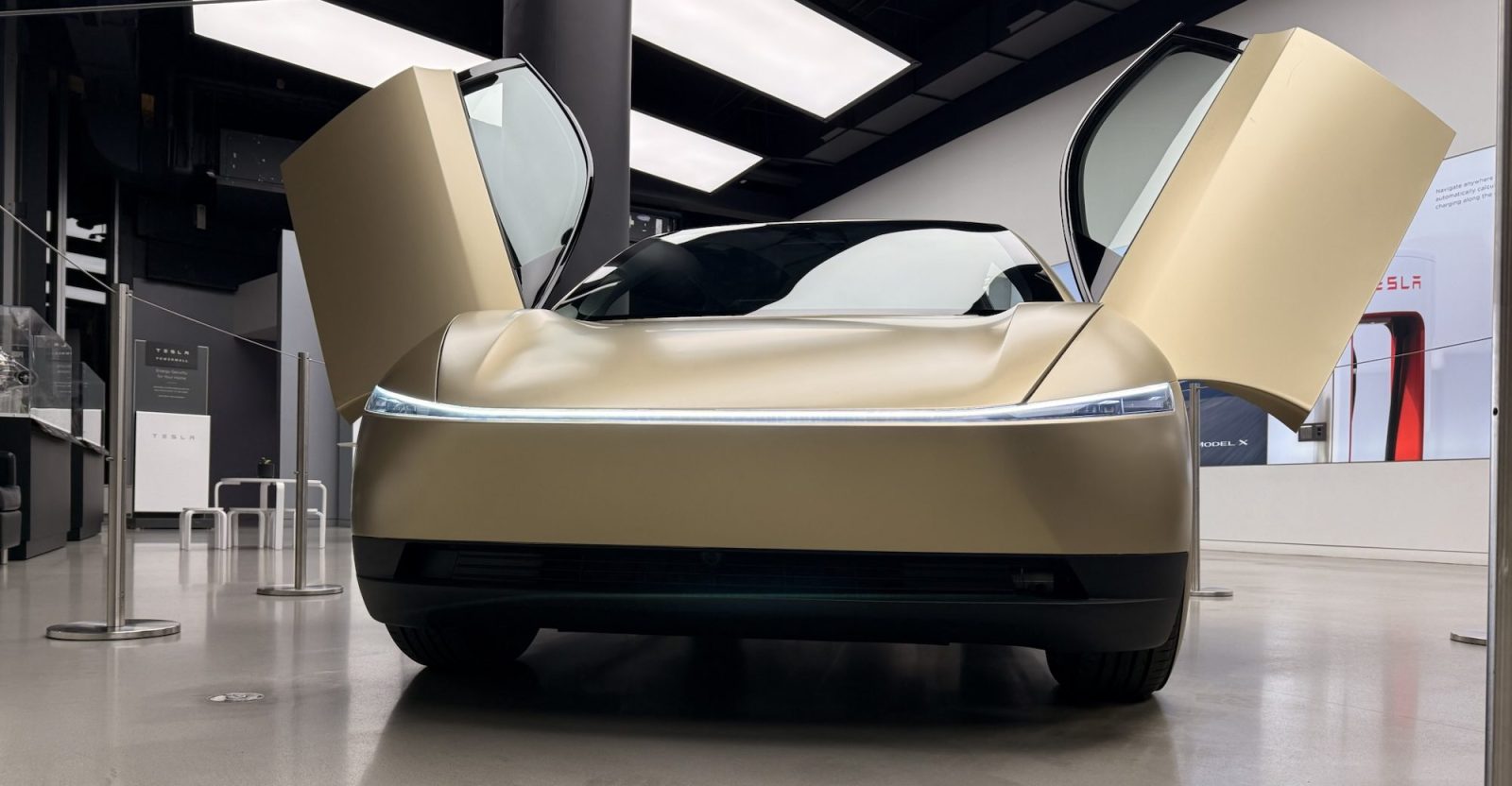
Tesla is putting its Cybercab on public display in China this week, but the company wants to be clear about one thing it isn’t: a vehicle it plans to sell there.

Tesla China said the showcase “does not involve” selling the Cybercab in the Chinese market or launching a driverless ride-hailing service — even as China’s own robotaxi operators run paid rides at scale.

more…
  •  

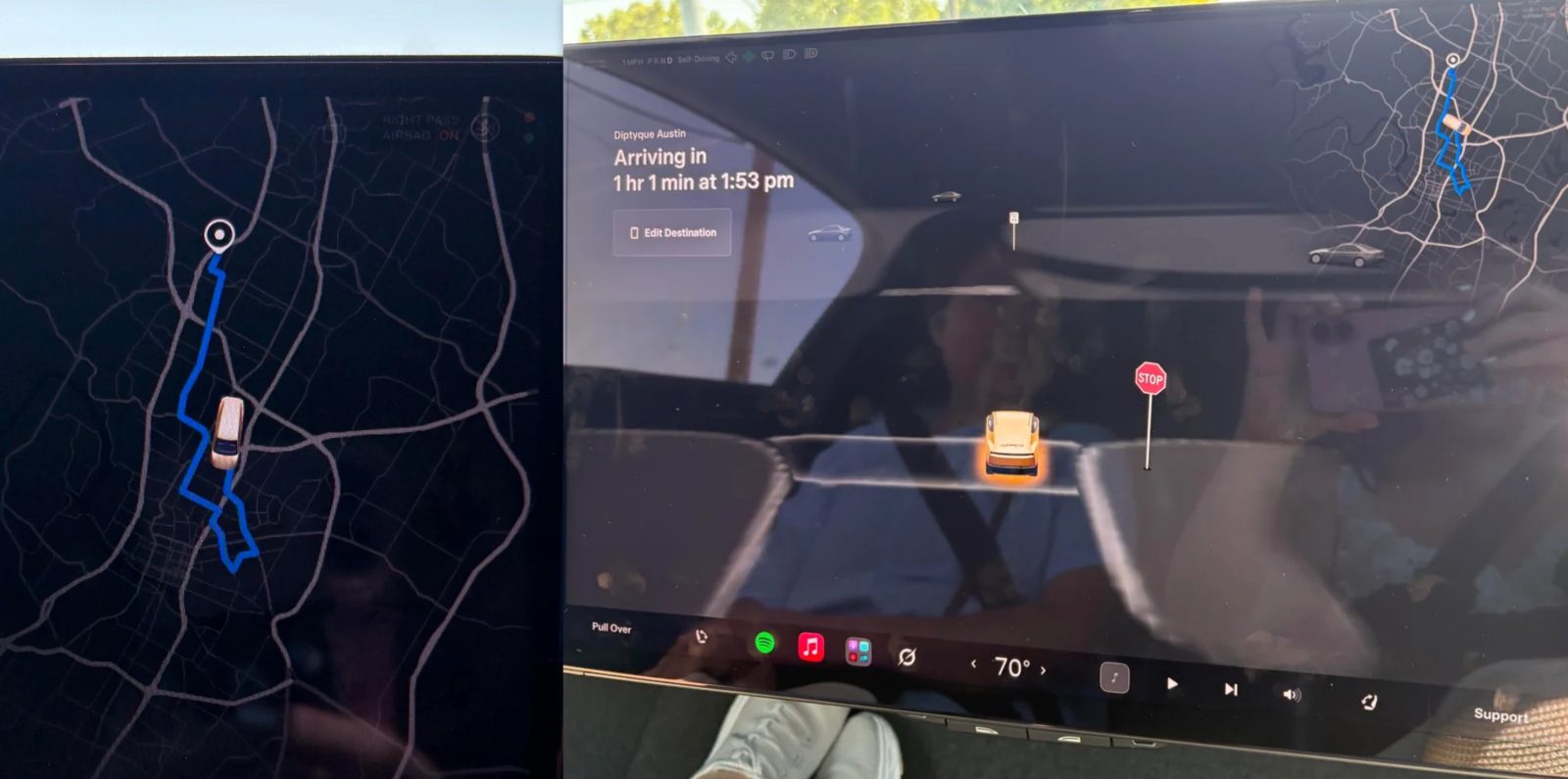
Tesla Cybercab turns 10-minute Austin trip into 70-minute detour

A Tesla Cybercab rider in Austin says a 10-minute trip turned into a 70-minute ordeal after the driverless taxi took a long detour across the city.

The reason is a limitation Tesla still hasn’t solved. Its robotaxis can’t drive on highways, so a quick hop that a human would take up the freeway becomes a winding surface-street tour.

more…
  •  

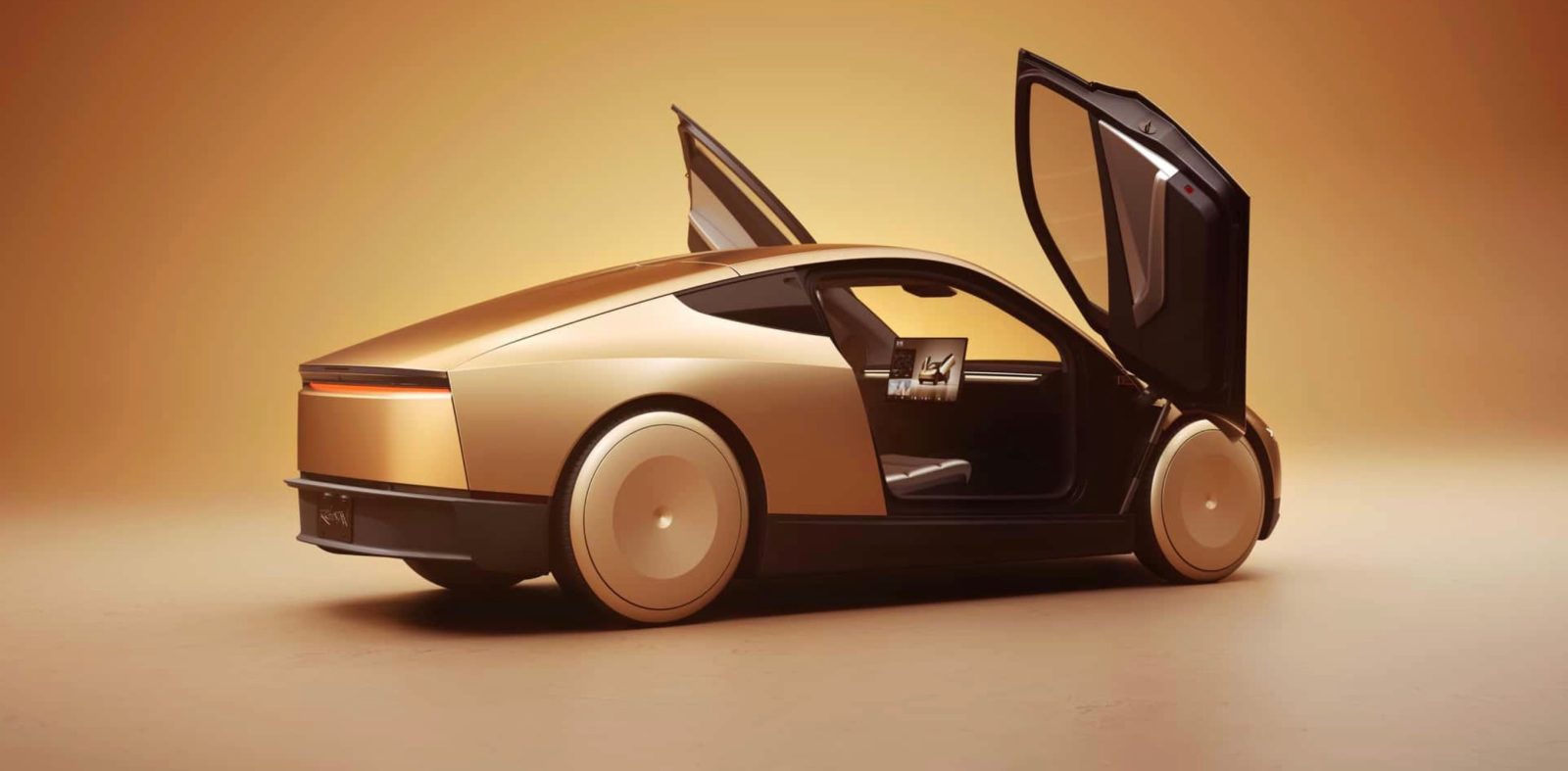
First look at Tesla Cybercab’s steering: a Cybertruck wheel bolted on

A pre-production Tesla Cybercab was spotted parked on a street in Berkeley, California, and it gives us the clearest look yet at how Tesla puts a steering wheel into a car it designed to have none.

The photos, shared with Electrek by reader Adam Machacek, show a Cybertruck steering wheel mounted on an exposed steering column that has been bolted into the two-seat robotaxi.

more…
  •  

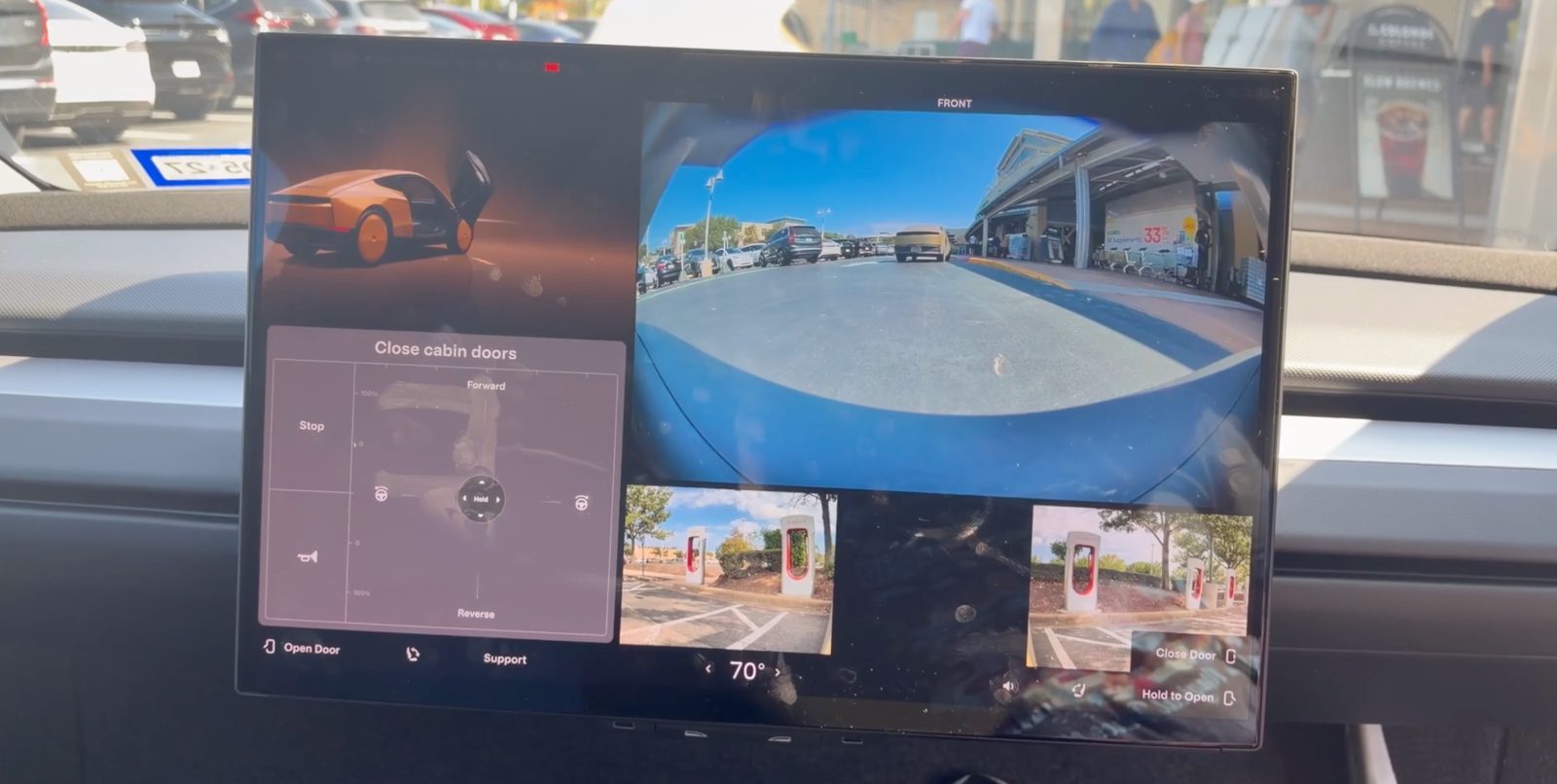
Tesla Cybercab has a hidden virtual joystick to drive it manually

A Tesla Cybercab rider found something in the robotaxi: a manual driving mode. When he got in, the touchscreen was showing a virtual joystick to drive the car by hand.

Tesla built the Cybercab with no steering wheel and no pedals. But it apparently still has a way to drive it manually, and you do it by dragging a finger across a screen.

more…
  •  

If a Tesla Cybercab fleet were profitable, Tesla wouldn’t sell you one

Tesla is now asking businesses whether they’d like to buy and operate their own fleets of Cybercab robotaxis on its network. It’s the same pitch Elon Musk has been making since 2019: buy the cars, put them to work, and earn money while you sleep.

There’s one problem with it. And it never happened, and you shouldn’t fall for it now. If running a fleet of Cybercabs were actually profitable, Tesla wouldn’t sell you a single one.

more…
  •  

Tesla Cybercab is already under NHTSA investigation after launch

Tesla’s Cybercab is already under federal investigation. NHTSA opened an audit into how Tesla certified the vehicle the same day the company started putting passengers in it in Austin.

The probe targets the exact thing that makes the Cybercab unusual: it has no steering wheel, no pedals, and no mirrors, and Tesla certified it as road-legal anyway.

more…
  •  

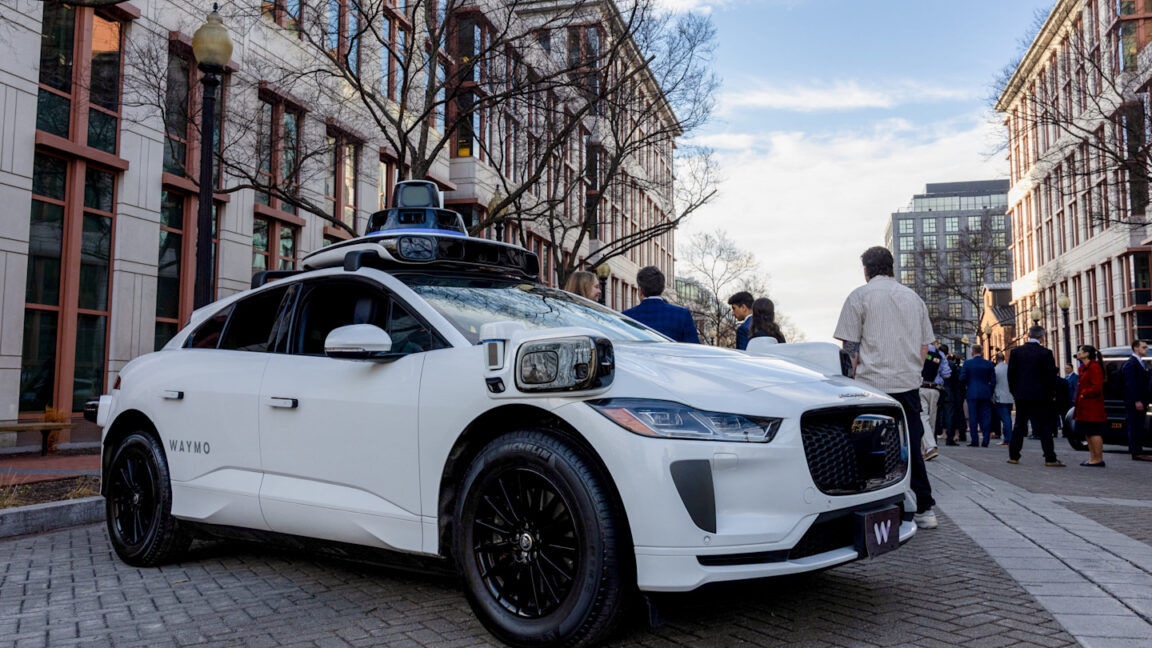
Waymo doubles spending on lobbying in robotaxi battle with Uber

Waymo has sharply increased its lobbying spending as it seeks to persuade US regulators to clear a path for fully autonomous taxi services, intensifying its battle with rival Uber over the future of robotaxis.

The Alphabet-owned company spent more than $1 million between April and June on lobbying the federal government, more than double its outlay a year earlier, according to filings. That put Waymo’s spending close to Uber’s and well ahead of rivals including Amazon’s Zoox and Tesla.

The rise in lobbying comes as Waymo and Uber push competing visions for the future of ride-hailing. Waymo wants a faster route to fully driverless commercial services, while Uber is advocating a staggered rollout in which robotaxis operate alongside human drivers.

Read full article

Comments

© Alex Kent, Bloomberg

  •  

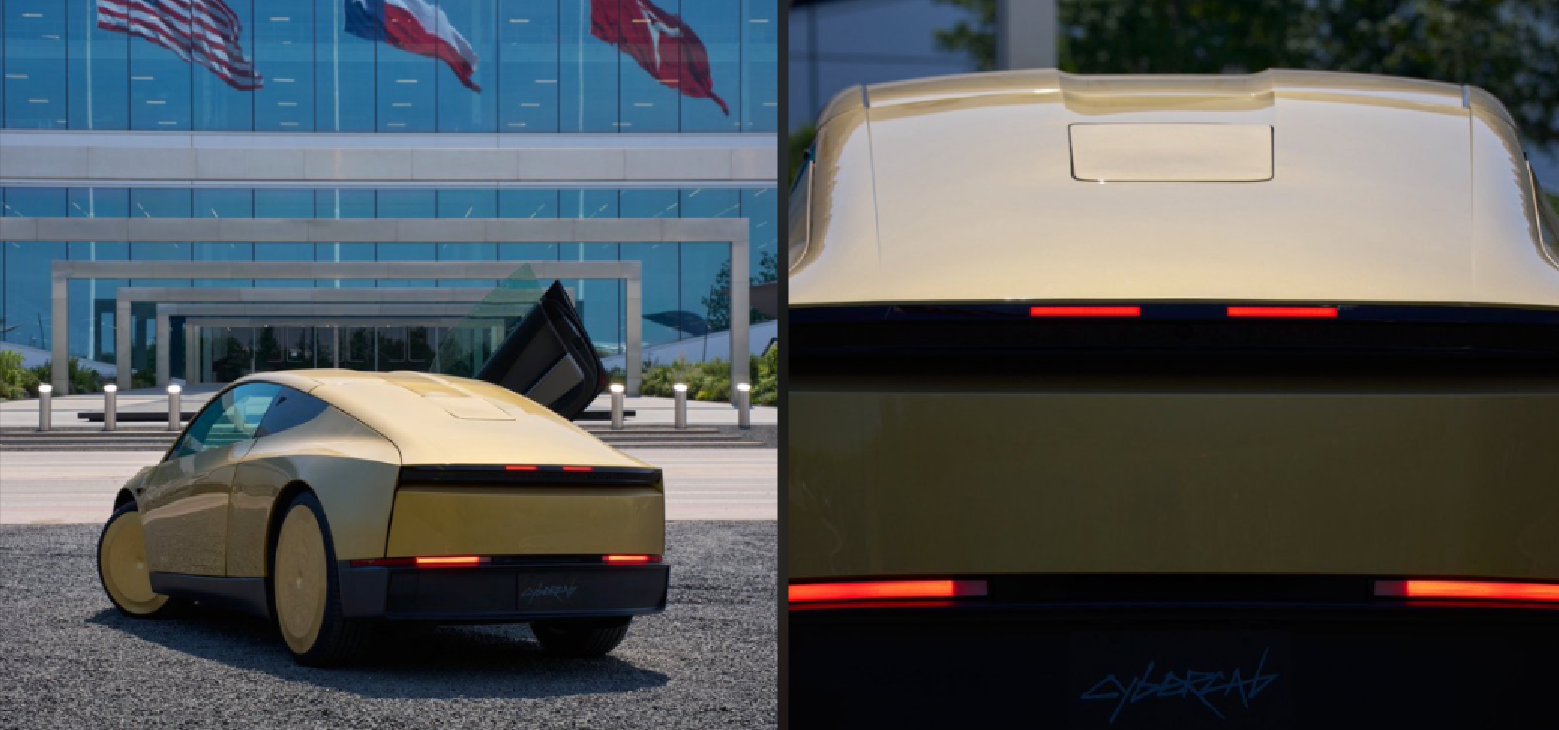
Tesla unveils first Cybercab with Starlink antenna integrated

Tesla’s robotaxi account posted photos today of what it’s calling the first Cybercab with a Starlink antenna built into the vehicle.

The pictures show a gold Cybercab parked at Gigafactory Texas, with a low-profile satellite antenna integrated into the roof. It’s the physical version of an integration Tesla teased with a diagram last month.

  •  

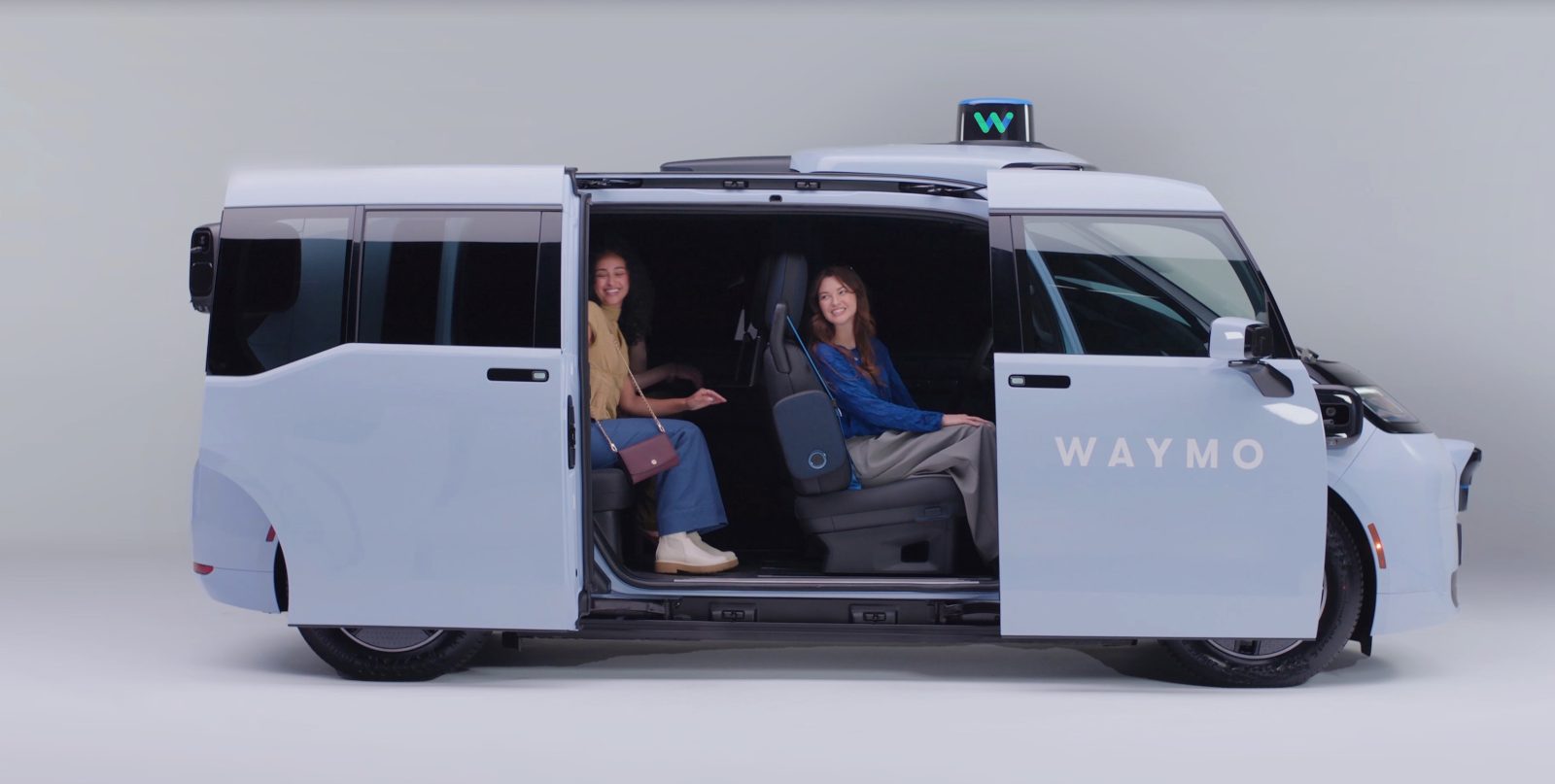
Waymo adds Google’s Gemini AI assistant and new UI to Ojai robotaxi

Waymo is putting Google’s Gemini AI assistant inside its robotaxis for the first time, alongside the first major redesign of its rider interface in years.

Both features are launching in the Ojai, Waymo’s purpose-built vehicle, as the company gets ready to open the car up to more public riders.

  •  

Tesla self-driving manager describes scary conditions in robotaxi testing

A former Tesla manager who ran the company’s “Full Self-Driving” test fleet in Houston says the operation was so understaffed that its cars became “rolling hazards on public streets,” according to a lawsuit.

The manager, Javier Medrano, filed the wrongful-termination complaint in Houston federal court, and its contents were reported this week. He oversaw the fleet before Tesla launched its driverless “Robotaxi” in the city.

  •  

Baidu’s Apollo Go begins London robotaxi testing with Uber and Lyft

Baidu’s Apollo Go started robotaxi road testing in London today, and it’s doing it with both of ride-hailing’s biggest names at once — Uber and Freenow by Lyft.

The launch lands days after Apollo Go ran the first fully driverless trial in any right-hand-drive market, in Hong Kong. Two milestones in one week, on opposite ends of the world.

  •  

Tesla (TSLA) crashes 12%, sheds $140B as Elon Musk’s ‘just trust me’ doesn’t hold anymore

Tesla stock is down more than 12% today, wiping out over $140 billion in market value, after the automaker’s Q2 2026 earnings missed on profit and free cash flow turned negative.

The slide got worse during the earnings call, when Elon Musk repeated the same robotaxi and Optimus promises he’s been making for years.

  •  

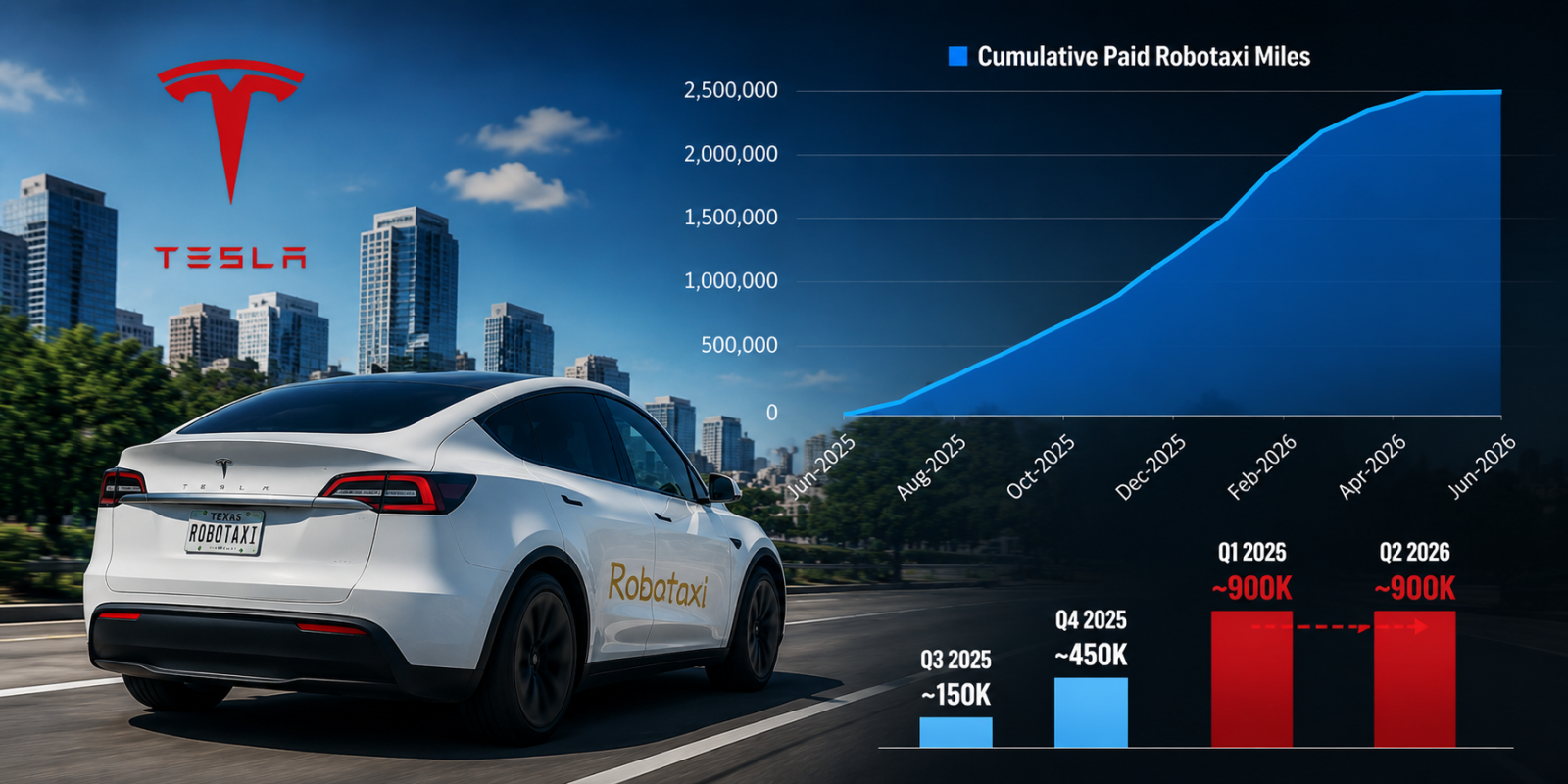
Tesla says ‘Robotaxi’ is expanding — its own chart shows it’s not

Tesla told shareholders this week that its Robotaxi service is expanding. The company’s own chart proves it isn’t.

In its Q2 2026 update, Tesla leaned on a cumulative “paid Robotaxi miles” chart climbing past 2.4 million miles as its headline proof of momentum. But break that curve into quarters and the growth flatlines: Robotaxi added roughly 900,000 paid miles in Q2 2026, the same as it did in Q1.

  •  

Tesla adds Robotaxi in Tampa and Orlando as Austin stalls at 17 cars

Tesla switched on its “Robotaxi” service in Tampa and Orlando on Monday, adding two Florida cities to a driverless network that still runs on a couple dozen cars. The company’s @robotaxi account announced it in a four-word post: “Robotaxi now in Tampa & Orlando!”

The timing isn’t subtle. Tesla reports second-quarter earnings on Wednesday, and Robotaxi is the story Elon Musk keeps selling to investors. Two new city names the day before make for a nice slide. The fleet behind them tells a different story.

  •  

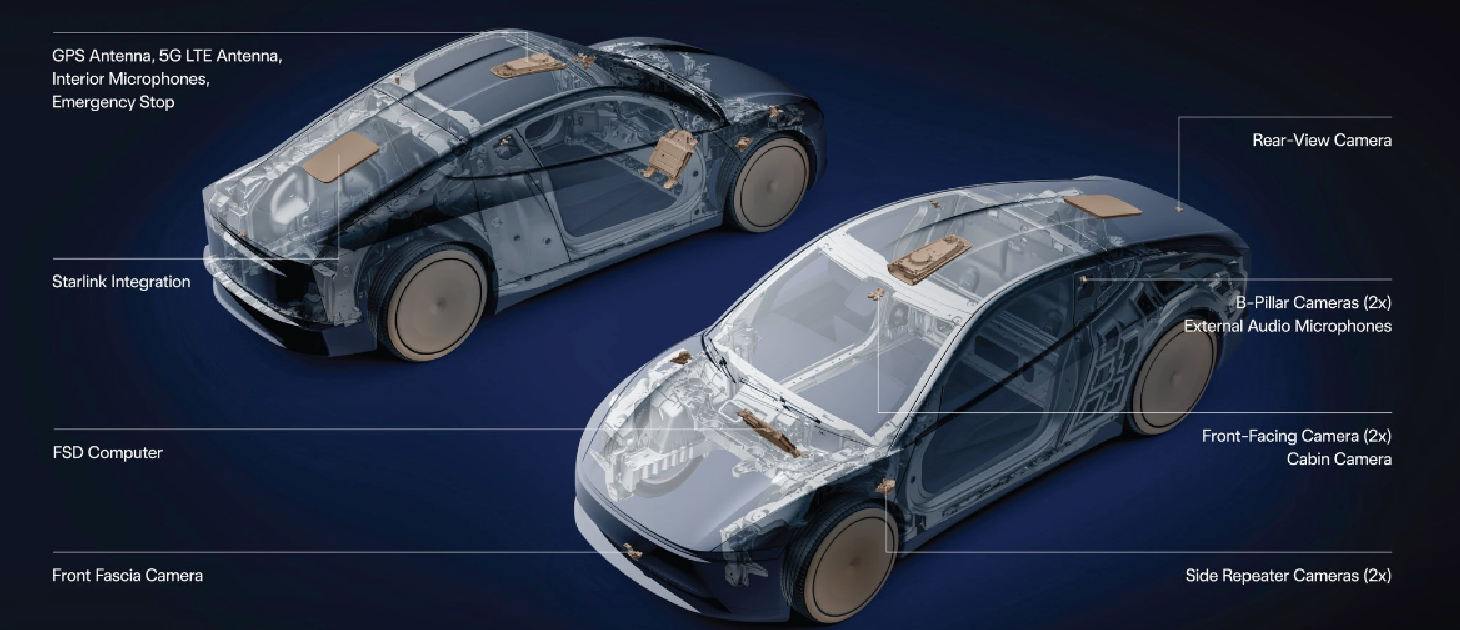
Tesla puts Starlink antenna in Cybercab

Tesla and Starlink say SpaceX’s satellite internet is now “directly integrated” into the Cybercab, Tesla’s dedicated robotaxi.

The reveal came through a pair of posts on X on Monday, with a cutaway diagram showing a Starlink antenna sitting in the vehicle’s roof. Neither company explained why a car that drives itself on its own computer needs internet from space.

  •  

Tesla remote operator crashed a ‘Robotaxi’ in Houston, NHTSA data shows

Tesla has filed four new “Robotaxi” crash reports with NHTSA, and the most revealing one involves a Tesla remote operator driving the vehicle into a tree stump in Houston.

It’s the third crash Tesla has now reported involving a human operating the car remotely caused the collision — and the first one Tesla has formally coded as remote operation in its filing.

  •  

Tesla (TSLA) shareholders are begging Musk to explain missed goals

Tesla shareholders have flooded the company’s Q2 2026 earnings Q&A portal with questions, and the most-upvoted ones tell a bleak story: retail investors are now demanding that Elon Musk explain why the company keeps missing its own short-term goals.

The tone has shifted from asking about Tesla’s grand vision to asking why almost none of it is showing up on schedule — on robotaxi, “Full Self-Driving,” and Optimus.

  •  
❌