Login

Apple “Pro and Tell” Event Set for 28 October 2026
Apple has scheduled another product launch event with the tagline “Pro and tell.” Following last week’s consumer-focused launch, rumors point to high-end touchscreen MacBooks.


Apple is preparing to host its second media gathering of the month. Members of the press recently received invites for a special Apple event scheduled for Wednesday, October 28 at 10 a.m. PT. Greg Joswiak teased the announcement on social media using the clever tagline Pro and tell. This upcoming showcase in Los Angeles will […]
The post Apple Confirms The Pro And Tell Special Event For October 28 appeared first on The Mac Observer.
O que era esperado foi confirmado hoje! A Apple acaba de convidar a imprensa para o seu segundo evento especial do mês, que acontecerá na quarta-feira da semana que vem (28 de outubro), às 10h pelo horário de Cupertino (14h em Brasília; 17h em Lisboa).
A expectativa gira em torno do lançamento de novos Macs, especialmente um novo MacBook (até agora chamado de “MacBook Ultra”), que possivelmente contará com uma tela OLED 1Organic light-emitting diode, ou diodo emissor de luz orgânico. sensível ao toque e será bem mais leve que os Pros atuais. Além dele, porém, são aguardados um novo MacBook Pro de 14 polegadas e um iMac, ambos equipados com o chip M6, bem como um novo iPad mini (também com tela OLED).
Can’t wait to pro and tell next week. pic.twitter.com/3wUkxwq35i
— Greg Joswiak (@gregjoz) October 19, 2026
Como falamos, trata-se do segundo evento do mês da Apple, após o lançamento do HomeView, da nova Apple TV 4K e do HomePod mini 2 na semana passada.
O esquema deverá ser bem similar ao da semana passada, que ocorreu em Nova York, sem keynote transmitida ao vivo; o próximo, por sua vez, será em Los Angeles:
Apple event invite just hit for October 28th. I think this one's pretty clear. Macbook Pro update incoming pic.twitter.com/UfSpr2s7py
— Marques Brownlee (@MKBHD) October 19, 2026
Sobre os lançamentos do próximo evento, como noticiamos hoje mais cedo, é bem provável que eles cheguem ao mercado no dia 6 de novembro.
Fim de ano cheio de novidades da Maçã, hein! 😅


Apple has barely finished unveiling the iPhone Duo, iPhone 18 Pro lineup, AirPods 5, and new Apple Watches, but the company already has a much larger pipeline queued up for late 2026 and the first half of 2027, according to Bloomberg News‘ Mark Gurman.
The coming products are part of what new CEO John Ternus has internally described as Apple’s most ambitious product road map yet. Many of the devices are designed to spread Siri AI more widely across the lineup and close some of the gap with rivals in artificial intelligence. As always, dates can slip and products can be delayed or canceled.
Later this yearGurman reports that Apple is preparing several updates before year-end:
• HomePod mini with Siri AI — Same familiar design as the 2020 model, but with a new chip to power the overhauled assistant.
• Apple TV with Siri AI — Another look-alike refresh, this time with a faster chip for navigation and the new Siri experience.
• Smart-home hub — A square display that can sit on a speaker base or mount on a wall. It will run a new operating system, support video calls, and use facial recognition to personalize what it shows. Apple had considered showing it at last week’s event and is now aiming as early as October, though the timeline remains fluid after repeated delays.
• Touch-screen MacBooks — The biggest MacBook Pro change since 2021, adding OLED panels and touch screens for the first time, with M5 Pro and M5 Max chips.
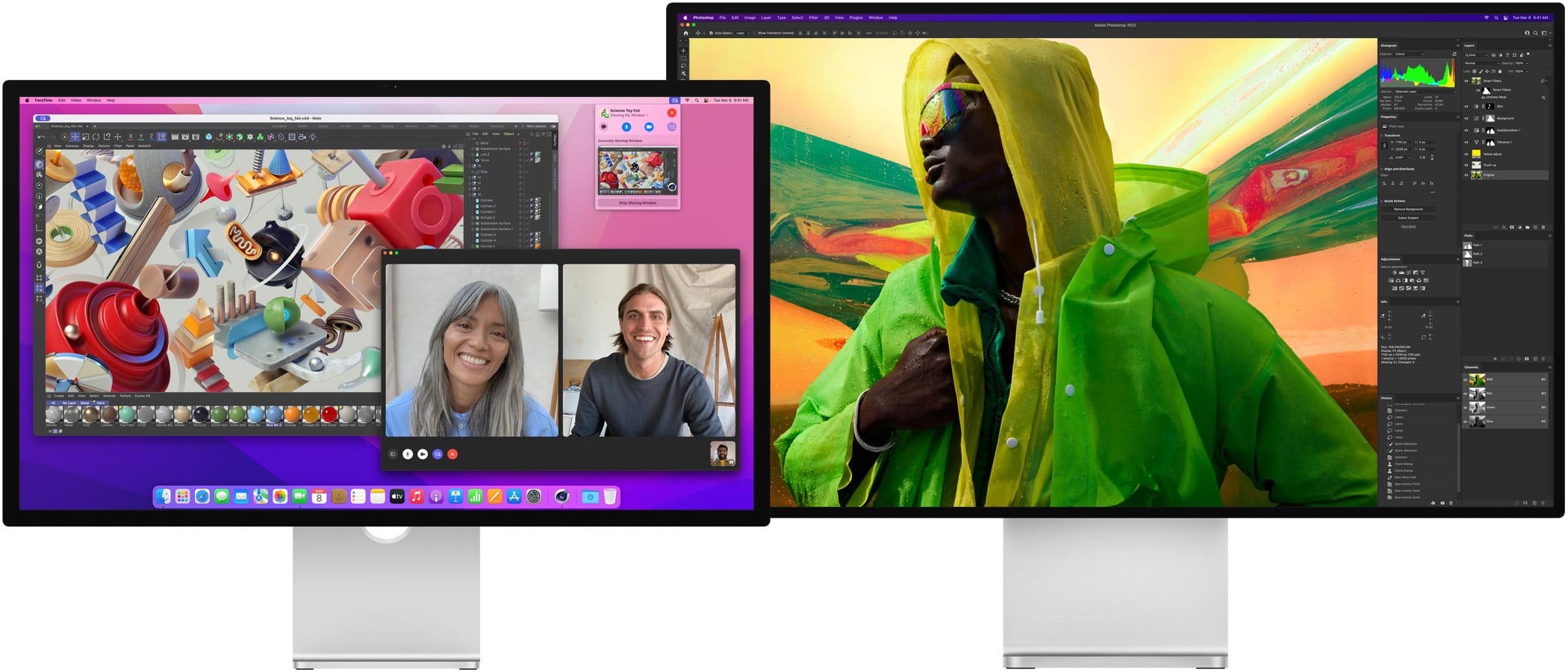
• Entry-level 14-inch MacBook Pro — Current design, updated with the M6 chip.
• iMac — New colors and an M6 processor.
• iPad mini — One of the line’s biggest upgrades, adding an OLED display.
The HomePod mini and Apple TV are already being tested with iOS 27. The new Macs are running macOS 27.1 internally, and the iPad mini is on iPadOS 27.1. Both of those software updates are expected late next month.
First half of 2027
The spring and early summer slate is heavier on refresh cycles than radical redesigns:
• MacBook Air — Same 13-inch and 15-inch designs, moving to the M6 chip.
• MacBook Neo — Follow-up model with an A19 Pro chip and more memory.
• Entry-level iPad — Faster chip so the cheaper tablet can run Apple Intelligence and Siri AI.
• iPad Pro — Chip upgrade plus vapor-chamber cooling similar to the iPhone 18 Pro.
• iPad Air — First OLED screens in that line, plus a new chip.
• iPhone 18 — Largely an A20 chip upgrade, with the notable change that the standard model is shifting from fall to spring.
• iPhone 18e — Another chip-focused update; Apple will need to make clear how it differs from the regular iPhone 18.
• iPhone Air 2 — More substantial: a 2-nanometer A20 Pro chip, better battery life, and a second rear camera for ultrawide shots.
• Apple Pencils — New Pencil Pro and USB-C models timed with the iPads; the iPhone Duo will support the stylus as well.
Looking further ahead
The second half of 2027 is expected to get more ambitious still, Gurman writes, with M7 updates to MacBooks, smart glasses, camera-equipped AirPods, a home security system, a redesigned Apple Watch, Twentieth Anniversary iPhones, and a second-generation foldable iPhone Duo.
MacDailyNews Take: Taken together, the road map suggests Apple is trying to do two things at once: push Siri AI onto more affordable and living-room devices, and finally refresh categories that have languished for years. Whether October brings a full event or quieter waves of launches, the next 12 months look unusually crowded with product launces!
Please help support MacDailyNews — and enjoy subscriber-only articles, comments, chat, and more — by subscribing to our Substack: macdailynews.substack.com. Thank you!
Support MacDailyNews at no extra cost to you by using this link to shop at Amazon.
The post Apple’s next wave: touch-screen MacBooks, a smart-home hub, and 14 more products appeared first on MacDailyNews.

Apple has already put the M5 Ultra in a machine: the new Mac Studio, announced in late August with a first-of-its-kind quad-die UltraFusion design, up to a 36-core CPU, up to an 80-core GPU, and as much as 512GB of unified memory. That should have closed the book on where the chip would land. It hasn’t.
Earlier this year, software identifiers in an iOS beta pointed to both M5 Max and M5 Ultra silicon in contexts that looked a lot like upcoming MacBook hardware. Apple’s internal naming has long been consistent: “C” for Max, “D” for Ultra. Those codes were enough for some analysts to float a once-unthinkable idea: an M5 Ultra MacBook Pro.
That rumor never became the official plan. Bloomberg News’ Mark Gurman has since reported that Apple’s first OLED, touchscreen high-end laptop — widely expected to be branded MacBook Ultra rather than another MacBook Pro — will ship with the existing M5 Pro and M5 Max chips, not the Ultra and not the skipped high-end M6 parts. A follow-up with M7 Pro and M7 Max is already in testing for late 2027.
So why keep talking about an M5 Ultra MacBook Pro?
Because the engineering and product logic hasn’t fully gone away. Apple skipped an M4 Ultra entirely. It built the M5 Ultra anyway, then put it in a compact desktop that can swallow the heat and power. A laptop version would be a different problem: more dies, far higher memory bandwidth (Apple cites 1.2TB/s on the Studio chip), and a thermal envelope that the current 14- and 16-inch MacBook Pro chassis was never designed to hold. Battery life would suffer unless Apple cut clocks, limited cores, or redesigned the cooling stack from scratch.
That last option is exactly what the rumored MacBook Ultra is supposed to be — a thinner, redesigned chassis with OLED, a touchscreen, and a Dynamic Island. The first models are slated for late 2026 or early 2027 and are expected to stay on M5 Pro and M5 Max so Apple doesn’t have to wait for M7. Putting a true Ultra in that body would be the most aggressive move Apple has made with portable silicon since the original M1 Max.
There is still a narrow path where an M5 Ultra laptop appears. Apple could treat it as a limited, top-of-line SKU rather than the volume product. It could use a derated Ultra configuration. Or the early beta strings were simply leftover desktop code that happened to sit next to laptop identifiers. The safer read, based on the latest reporting, is that the Ultra stays on the desk for this generation and the new laptop line differentiates itself with display, input, and industrial design instead of raw die count.
Even so, the combination of an announced M5 Ultra, older software leaks that named it alongside MacBook-class chips, and a high-end laptop that Apple is clearly treating as a new flagship is why the rumor won’t die.
MacDailyNews Take: If Apple is testing an M5 Ultra MacBook Pro, it would be the first time the company has tried to put its biggest fused SoC in a notebook. That would be a statement product — and a thermal engineering marvel.
Please help support MacDailyNews — and enjoy subscriber-only articles, comments, chat, and more — by subscribing to our Substack: macdailynews.substack.com. Thank you!
Support MacDailyNews at no extra cost to you by using this link to shop at Amazon.
The post Apple may be prepping an M5 Ultra MacBook Pro powerhouse appeared first on MacDailyNews.
Há dois meses, falamos aqui sobre o RetinaDesk, um site muito bacana que ajuda você a escolher o melhor monitor externo para o seu Mac, levando em conta todas as especificidades dos computadores da Apple.
Pois bem, recentemente, a ferramenta ficou ainda mais completa com a adição de uma página que ajuda você a descobrir, de maneira extremamente intuitiva, a quantidade máxima de displays externos suportados pela sua máquina.
O banco de dados da ferramenta cobre todos os Macs com Apple Silicon lançados até hoje, bem como suas respectivas variantes — detalhe que joga o total de computadores listados pelo RetinaDesk para nada menos que 53.
Encontrar essa página é fácil: basta acessar o site do RetinaDesk, clicar na aba “Tools” na parte de cima da tela e, depois, selecionar a opção “Mac External Display Support by Chip” — ou simplesmente acessar esse link. Feito isso, é só selecionar o modelo do seu Mac na seção “Which Mac is it?” e, em seguida, sua respectiva variante — indicada pelo chip e o ano de lançamento (e, às vezes, o número de portas do computador) — em “Step 2”.

Uma vez que você indicar o modelo do seu Mac, o número máximo de monitores externos ao qual ele pode ser conectado deverá aparecer à direita da tela, junto de uma ilustração do seu “setup máximo” — ou seja, com o maior número de monitores possível.
A nova página, no entanto, não para por aí, já que ela também conta com outra seção a qual ajuda você a montar setups com diferentes combinações de monitores, os quais podem ter resoluções e taxas de atualização distintas — sempre levando em conta, é claro, as limitações do seu computador. Ela também é uma boa forma de descobrir se o seu Mac suporta uma resolução ou uma taxa de atualização (ou uma combinação dessas duas coisas) específica.

A seção “What each built-in port can drive”, por sua vez, exibe com quais resoluções/taxas de atualização cada porta do seu computador é compatível, além de revelar a sua versão (se é Thunderbolt 4 ou 5, por exemplo). Logo abaixo, temos a seção “How you can arrange the displays” que, como seu nome indica, mostra todas as combinações possíveis de monitores para a sua máquina.
Por fim, a ferramenta também deixa você comparar um Mac qualquer com outro modelo da sua escolha, checar se sua máquina precisa estar no modo clamshell para suportar um setup específico e aprender sobre soluções alternativas e suas respectivas concessões.

Assim como o resto das ferramentas do RetinaDesk, essa nova página é totalmente gratuita, com o único “porém” sendo o fato de que ela não está disponível em português — problema que, é claro, pode ser facilmente remediado com a ajuda das ferramentas de tradução dos navegadores atuais.
Muito útil, não? 🖥️

A Satechi revelou ontem uma nova versão do seu carregador de mesa ChargeView, agora com seis portas USB-C e uma potência total de 240W. Ele conta com uma tela LCD 1Liquid crystal display, ou display de cristal líquido. semelhante à do primeiro modelo da linha (lançado em abril), capaz de exibir a potência liberada em cada uma das portas em utilização, além de contar com a tecnologia GaN 2Gallium nitride, ou nitreto de gálio..
As portas C1 e C2 contam com suporte a uma potência de 140W cada com a tecnologia USB Power Delivery (PD) 3.2, que conta com o Extended Power Range (EPR) e Adjustable Voltage Supply (AVS) para carregamento via USB-C (o protocolo de carregamento rápido do iPhone 17).
As portas C3 e C4 fornecem 100W de potência cada, enquanto a C5 e a C6 estão limitadas a 30W de carregamento cada. Além disso, essas quatro últimas fazem uso da tecnologia USB PD 3.0 com suporte ao Programmable Power Supply (PPS).
Em matéria de acabamento, ele possui uma parte em metal fosco e uma cobertura brilhante para a tela. Sua cor, Space Black, foi pensada para combinar com o ecossistema de computadores da Apple, com destaque para o MacBook Pro e o Studio Display. O carregador é acompanhado ainda de um suporte, o qual permite que ele seja utilizado tanto na horizontal quanto na vertical em sua mesa de trabalho.
O ChargeView 240W Desktop Charger está disponível na loja oficial da Satechi e na Amazon dos Estados Unidos por US$150.
NOTA DE TRANSPARÊNCIA: O MacMagazine recebe uma pequena comissão sobre vendas concluídas por meio de links deste post, mas você, como consumidor, não paga nada mais pelos produtos/serviços usando os nossos links de afiliado.


O macOS é o sistema operacional que equipa os computadores da Apple, os Macs.
Para receber os novos recursos e estar sempre protegido contra ataques ou brechas de segurança, é recomendável manter o seu dispositivo atualizado para a última versão disponível.
Veja como conferir qual versão do sistema seu Mac está usando! 👨💻
Posts relacionados
Abra os Ajustes do Sistema (System Settings). Em seguida, clique em “Geral” (na barra lateral esquerda) e vá em “Sobre”.

Você também pode ver essa informação clicando no logo da Apple (na barra de menus) e depois em “Sobre Este Mac”.
Simples, né?



NOTA DE TRANSPARÊNCIA: O MacMagazine recebe uma pequena comissão sobre vendas concluídas por meio de links deste post, mas você, como consumidor, não paga nada mais pelos produtos/serviços usando os nossos links de afiliado.


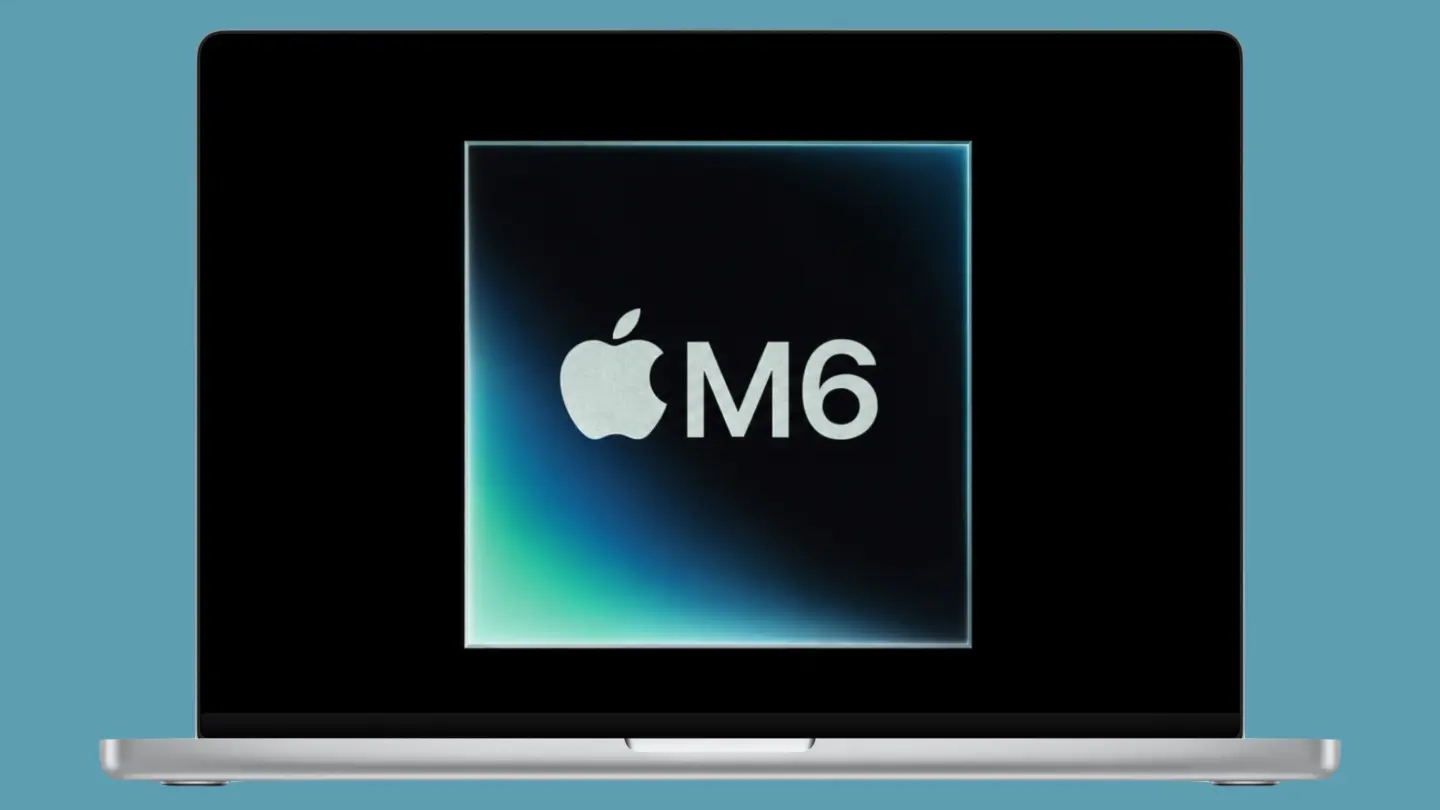
The upcoming M6 MacBook Pro promises enhanced performance in a time-tested design. Here's what to expect... including the price.
(via Cult of Mac - Your source for the latest Apple news, rumors, analysis, reviews, how-tos and deals.)

Apple’s new Upgrade leasing program lets you pay a low monthly fee for an iPhone, Mac, iPad, or Watch instead of the full price upfront. Max Tech creator Vadim Yuryev ran the numbers on a $2,999 MacBook Pro and claims that leasing, buying out the residual, and reselling can leave you hundreds ahead of purchasing outright — with zero interest. Here’s how the math works (and the caveats that still apply).
Chance Townsend for Mashable:
In a post on X in response to Bloomberg’s Apple expert Mark Gurman, Yuryev walked through the math, using a $2,999 MacBook Pro as an example.
Explained this in today’s YouTube video. If you lease a $2,999 Mac, you pay $58 a month for 36 months. At the end, you owe $911 to pay it off or return it.
However, Apple gives you 6 more months to decide. Meanwhile, you continue paying monthly payments of $53.
You now have 6… https://t.co/ZFm37Bnc5t pic.twitter.com/hH45E2rWvg
— Vadim Yuryev (@VadimYuryev) August 2, 2026
He said a 36-month lease would run $58 per month, leaving a $911 balance due at the end — though Apple gives lessees six additional months to decide, during which payments drop to $53 per month. Yuryev argued that paying off that final balance makes sense because the device could then be resold for “$1,500+ on eBay or Facebook marketplace,” rather than the customer simply losing the amount paid in over the life of the lease.
Yuryev emphasized that “you never pay more” than the device’s MSRP, since Apple Upgrade carries no interest or lease fees. He added that the primary risk is failing to keep up with payments or falling short on the final balance, and noted that once a device is paid off, users can start a new lease while keeping the original one.
MacDailyNews Take: While, as AAPL shareholders, we wish Apple every success with their Apple Upgrade program via Klarna, in an age of zero-interest financing, “buy now, pay later,” and glossy leasing schemes dressed up as smart upgrades, a simple truth keeps getting buried (caution, soap box sermon ahead):
The surest way to build lasting wealth is to avoid debt entirely, buy only what you can afford outright, and live within your means.
Leasing expensive hardware, stretching payments over years, may feel painless month to month. It is still debt. You are paying for the privilege of using something you do not fully own, often while assuming residual balances, credit checks, and the risk that the used-market value collapses when everyone else is dumping the same leased devices. The math can be made to look attractive on a YouTube whiteboard. Reality is less forgiving.
Paying cash for what you can actually afford forces discipline. It prioritizes value over status. It eliminates interest, fees, and the quiet stress of monthly obligations. When the device eventually ages, you own it free and clear — you can sell it, keep it, or pass it on without a lender’s permission. That freedom compounds.
Financial success is not about maximizing monthly cash flow or chasing the newest model every two years. It’s not about keeping up with The Joneses. It is about keeping more of what you earn, avoiding the traps that turn consumers into lifelong renters, and building genuine ownership over time.
Debt is easy. Discipline is harder. The latter is the only reliable route to real financial independence.
Please help support MacDailyNews — and enjoy subscriber-only articles, comments, chat, and more — by subscribing to our Substack: macdailynews.substack.com. Thank you!
Support MacDailyNews at no extra cost to you by using this link to shop at Amazon.
[Thanks to MacDailyNews Reader “Fred Mertz” for the heads up.]
The post Apple Upgrade: Paying monthly for a MacBook Pro might actually save you hundreds of dollars appeared first on MacDailyNews.
Na edição mais recente da newsletter “Power On” (da Bloomberg), o jornalista Mark Gurman tratou da disponibilidade de estoque dos MacBooks Air, que contam com prazos de entrega cada vez maiores. Para ele, o motivo não poderia ser outro: a crise de memórias que a indústria da tecnologia atravessa no momento.
Inicialmente, a limitação da disponibilidade era restrita ao Mac mini e ao Mac Studio, mas agora ela já afeta os notebooks mais populares da Maçã. Segundo as fontes de Gurman ligadas ao varejo, percebe-se uma maior dificuldade por parte da Apple em manter o estoque previsto, e também mais limitação no fornecimento de novas unidades.
Also in Power On: Major shortages hit the MacBook Air amid the memory and silicon crunch, with many new orders now not arriving until September. Apple appears to be prioritizing sales now of the entry level MacBook Pro. https://t.co/3aouZVsmsg
— Mark Gurman (@markgurman) August 2, 2026
A hipótese não parece difícil de atestar: para quem opta por adquirir os notebooks agora, seja em uma Apple Store física ou online, o prazo de entrega para novos modelos pode se estender até setembro em casos de personalização (cor, tela e memória) ou até o final de agosto para configurações básicas.
Ele afirmou que isso se deve em parte à priorização da aquisição de novas memórias para o MacBook Pro de entrada (modelo de 14 polegadas), que poderá ganhar em breve uma atualização com o chip “M6” durante o outono do hemisfério norte (nossa primavera — isto é, entre setembro e dezembro).
Por fim, o jornalista observou que, tanto em seus sites quanto nas lojas físicas, o MacBook Pro básico ganhou mais destaque do que os MacBooks Air, um feito possivelmente inédito. Em alguns casos, a Apple chega a incluir um aviso de que a linha Air está sujeita à disponibilidade de estoque.
NOTA DE TRANSPARÊNCIA: O MacMagazine recebe uma pequena comissão sobre vendas concluídas por meio de links deste post, mas você, como consumidor, não paga nada mais pelos produtos/serviços usando os nossos links de afiliado.
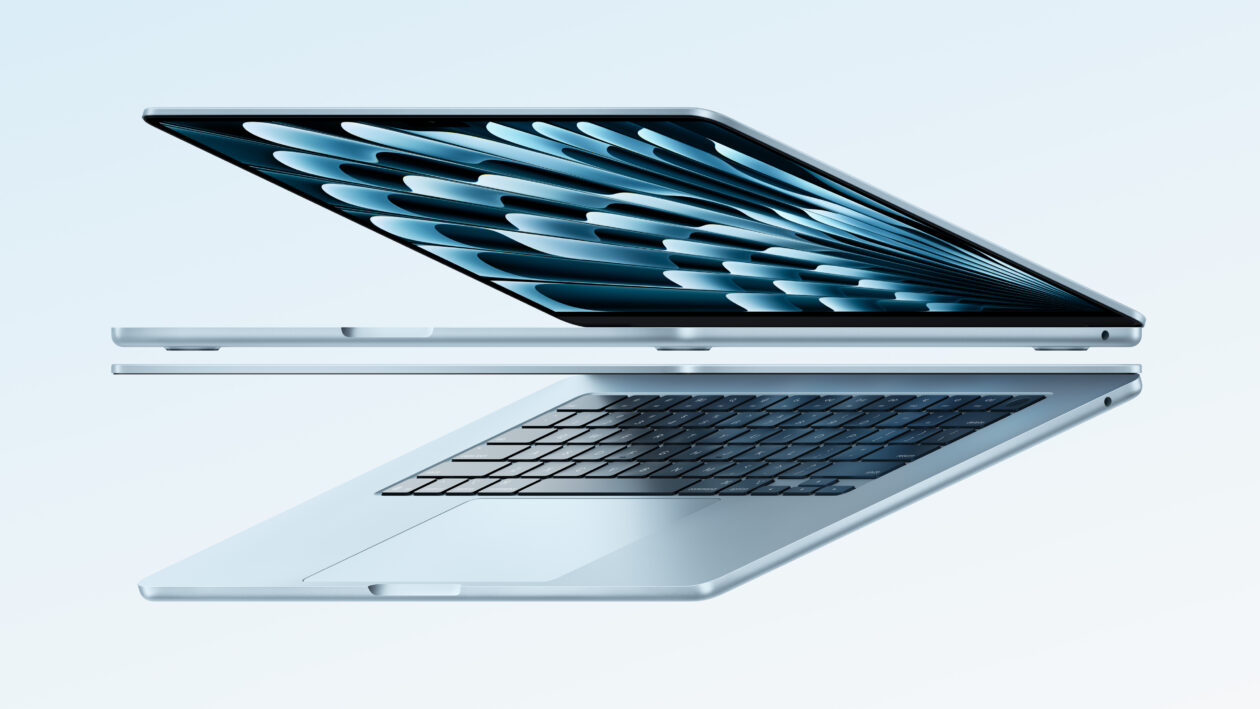

Many MacBook Air, MacBook Pro, and MacBook Neo owners have noticed something curious; their MacBook battery stops charging at 80% when plugged in. To add to the confusion, even if they leave their MacBook plugged in overnight, the battery seems to be stuck at 80% and will not charge any further. Because this is not ... Read More
The post Why MacBook Stops Charging at 80% and How to Fix It appeared first on OS X Daily.

Apple promises there’s no Apple Upgrade restricted mode, meaning missed lease payments won’t nerf your iPhone, iPad, Mac or Apple Watch.
(via Cult of Mac - Your source for the latest Apple news, rumors, analysis, reviews, how-tos and deals.)


Apple makes it easier to keep up with the latest hardware with the launch of Apple Upgrade, a new subscription-style leasing program.
(via Cult of Mac - Your source for the latest Apple news, rumors, analysis, reviews, how-tos and deals.)


Explore the latest rumors about the touchscreen MacBook with so many new features it's a potential game changer for Apple.
(via Cult of Mac - Your source for the latest Apple news, rumors, analysis, reviews, how-tos and deals.)

Para a estreia das telas OLED 1Organic light-emitting diode, ou diodo emissor de luz orgânico. e do suporte ao toque em computadores com o suposto “MacBook Ultra”, a Apple poderá recorrer exclusivamente à Samsung Display como fornecedora dos painéis.
A informação partiu do site sul-coreano The Elec, o qual afirmou que, segundo as suas fontes relacionadas à cadeia de suprimentos, cerca de 250 mil unidades de painéis OLED de 14 e 16 polegadas (8,6ª geração) da Samsung foram encomendadas, com previsão de produção em massa para o mês de agosto.
A Apple não teria cogitado a LG Display e tampouco a BOE para o desenvolvimento dessas telas, devido a questões de rendimento, tornando a Samsung a única fornecedora viável.
De acordo com uma série de leakers, analistas e jornalistas, especulava-se que o “MacBook Ultra” tivesse o seu lançamento entre o final deste ano e o início do ano que vem, mas devido à crise de memória é possível que ele de fato chegue às lojas somente em 2027.
Segundo o jornalista Mark Gurman (da Bloomberg), tal Mac deverá ser equipado com os chips M5 Pro e M5 Max, com o conjunto (design, construção e tela) posicionando-o acima dos MacBooks Pro.
NOTA DE TRANSPARÊNCIA: O MacMagazine recebe uma pequena comissão sobre vendas concluídas por meio de links deste post, mas você, como consumidor, não paga nada mais pelos produtos/serviços usando os nossos links de afiliado.
via MacRumors


MacBook Ultra traz a primeira tela OLED e suporte a toque na linha Apple, com design leve e recursos avançados.
O post MacBook Ultra chega com design inovador, tela OLED e touch screen em 2026 apareceu primeiro em Blog do Edivaldo - Informações e Notícias sobre Linux.
A Receita Federal disponibilizou mais um edital (0900100/000009/2026) para leilão com produtos apreendidos, nesta ocasião em Curitiba (PR). De um total de 178 lotes disponíveis, pelo menos 13 deles contam com produtos da Apple, como iPhones, MacBooks, iPads e acessórios.
As propostas poderão ser enviadas a partir do dia 17 de agosto, às 8h, com o encerramento previsto para o dia 24/8, às 21h. Aquelas que forem selecionadas serão convidadas a participar do pregão online previsto para o dia 25/8, às 10h.
Relembramos que esses produtos podem vir acompanhados de itens de outras empresas, além de possivelmente não contarem com garantia ou acessórios e de apresentarem estados de conservação dos mais variados.
Vamos aos lotes?
| Lote | Produto(s) da Apple | Lance mínimo |
|---|---|---|
| 2 | 12x iPad (9ª geração) 8x iPad mini (6ª geração) 3x iPad (11ª geração) 3x iPad (10ª geração) 1x iPad Air (M3) 1x iPad Air (M2) 5x iPad Air (5ª geração) 2x Magic Trackpad (USB-C) 2x Apple Pencil Pro 4x Apple Watch SE (2ª geração) de 40mm 1x Apple Watch Ultra (1ª geração) de 49mm 2x Apple Watch Series 9 de 41mm 1x MacBook Air (modelo não informado) 1x MacBook Air (M2) 1x MacBook (modelo não informado) | R$150.000 |
| 3 | 1x iPad (modelo não especificado) 2x Mac mini (M4) 1x iPad mini (11ª geração) 2x Magic Mouse | R$152.000 |
| 5 | 13x Apple Pencil Pro | R$126.000 |
| 6 | 1x MacBook Air (M3) | R$112.000 |
| 16 | 48x iPhone 17 Pro Max 2x iPhone 17 1x iPhone 16 Pro Max 16x iPhone 16 5x iPhone 15 | R$745.000 |
| 17 | 84x iPhone 17 Pro Max 25x iPhone 17 Pro 66x iPhone 17 87x iPhone 16 40x iPhone 15 | R$485.000 |
| 20 | 16x iPhone 17 Pro Max 8x iPhone 17 Pro 17x iPhone 17 16x iPhone 16 | R$230.000 |
| 21 | 46x iPad (A16) 10x iPad Air (M3) 5x iPad mini (A17 Pro) 30x Apple Watch Series 11 de 42mm 7x Apple Watch Series 11 de 46mm 2x Apple Watch Series 10 de 46mm 2x Apple Watch SE (3ª geração) de 40mm 2x Apple Watch SE (2ª geração) de 44mm 3x Apple Watch SE de 44mm 2x Apple Watch SE de 40mm 4x iPad (modelo não especificado) 1x iPad Air (M3) | R$75.000 |
| 24 | 3x Mac mini (M4) 3x Mac mini (modelo não especificado) 1x Mac mini (M2) | R$27.000 |
| 139 | 2x iPad (A16) 17x iPad (10ª geração) 1x iPad Air (5ª geração) 6x MacBook Air (M1) 4x MacBook Air (M2) 2x MacBook Air (M3) 1x MacBook Air (M4) 6x MacBook Air (modelo não especificado) 1x Apple Watch (modelo não especificado) 1x AirPods Max 1x MacBook de 13” (modelo não especificado) 1x MacBook Pro 14” (modelo não especificado) 1x MacBook Pro 16” (modelo não especificado) 1x MacBook Pro (M4 Pro) 1x AirPods Pro (2ª geração) 17x Apple Watch Series 9 de 45mm 8x iPad (9ª geração) 1x Apple Watch Series 10 de 46mm 1x Apple Watch SE (2ª geração) de 44mm 2x Apple Watch SE (2ª geração, GPS) de 40mm 2x Apple Watch SE (2ª geração, GPS) de 44mm 4x Apple Watch Series 8 de 41mm 5x Apple Watch Series 8 de 45mm 2x Apple Watch SE de 44mm 1x Apple Watch Ultra 2 (GPS + Cellular) de 49mm 1x Apple Watch Ultra 2 de 49mm 1x Apple Watch Ultra de 49mm 2x Magic Mouse 2x MacBook Pro (M3) de 14” 1x MacBook Pro (modelo não especificado) 1x iPad Pro (6ª geração) 1x iPad Air (modelo não especificado) 2x iPad Pro de 11” (modelo não especificado) 1x iPad (modelo não especificado) 2x Apple Pencil (modelo não especificado) 1x Apple Watch Ultra (GPS + Cellular) de 49 mm 2x Mac mini (modelo não especificado) 1x Magic Keyboard para o iPad Pro de 13” | R$80.000 |
| 145 | 2x tela LCD para o MacBook Air (M1) | R$55.000 |
| 148 | 4x AirTags (pacote de 4 unidades) 3x Apple Pencil (USB-C) | R$48.000 |
| 175 | 1x cabo USB | R$135.000 |
Se algum desses lotes lhe interessou, para participar é necessário possuir um CPF válido e um certificado digital válido obtido pelo acesso ao Centro Virtual de Atendimento ao Contribuinte (e-CAC).
Os lotes estão disponíveis para lances tanto de pessoas físicas quanto de pessoas jurídicas.


Osmond Chia (Hacker News, 9To5Mac, Engadget):
Apple plans to raise the prices of its products as the cost of the memory chips it uses has surged, the technology giant’s boss has said.
Tim Cook, Apple’s outgoing chief executive, told the Wall Street Journal (WSJ) that price increases were “unavoidable” as the situation around memory chips had become “unsustainable”.
During its holiday quarter, Apple’s profit margin on hardware was 40.7%; in its most recent quarter, that dropped to 38.7% — a remarkable figure for physical products. It is these high margins that led to analysts like Ming-Chi Kuo to claim Apple would keep prices more-or-less stable and offset the additional costs through its even higher-margin — 76.7% — services business.
Winkler suggests in his summary that Apple has absorbed the cost increases so far because it has always treated memory and storage upgrades as profit centers. That’s no surprise to the Apple community, which has long chafed at Apple’s premium prices for memory and storage. But now, for instance, the price of standalone internal flash storage is closer to and sometimes even higher than Apple’s upgrade prices.
[…]
Obviously, Apple could absorb such costs and more if it were to accept dramatically lower gross margins. But as high-minded and customer-focused as Apple is, the company is still in business to maximize profit.
I was recently looking to add another SSD and a few hard drives to my setup. Normally, prices go down over time, but currently it SSDs are about double the price I paid last year, and large hard drives are almost triple.
Apple, to my recollection, has never before issued a warning about price increases. Keep in mind that Apple deals with prices in a very different way from its competitors. For Apple, prices are part of a product’s brand, so they don’t fluctuate with component costs.
Chance Miller (Hacker News, MacRumors, Mac Power Users):
Apple has raised prices across the board for many of its products today. MacBook Neo now starts at $699 (up from $599), while MacBook Air now starts at $1299 (up from $1099). Other impacted products include MacBook Pro, iPad, iPad Air, and many more. iPhone, Apple Watch, and AirPods pricing is unchanged.
Earlier this week, I outlined three reasons for agreeing with Mark Gurman that the Apple price increases could be imminent, and that indeed proved to be the case.
iPhones have escaped the increases, but they are otherwise both broad-reaching and pretty dramatic. But perhaps the most surprising thing is that the MacBook Neo has been included …
Apple today increased the starting price of the Mac mini with M4 Pro chip by $200, taking the higher-tier model up to $1,599 on its online store.
[…]
Apple had already raised the Mac mini’s effective starting price in May by discontinuing the $599 configuration with 16GB of RAM and a 256GB SSD, leaving the $799 model with a 512GB SSD as the new entry-level option. Interestingly, the 16GB RAM / 256GB storage option has now been reinstated, but the $799 starting price remains.
Stephen Hackett has a table of the old and new prices.
Pre-announce it with a small delay, thus giving you a temporary sales boost as people scramble to get their orders in at current prices, and to soften the blow when the increases hit.
I also can’t help but see that “we need to begin raising prices on a number of products, including today’s increases for iPad and Mac,” statement as implying more increases are coming. The iPhone price increase seems inevitable, and my money is on it starting with the new models in September.
Micron CEO, president and chairman Sanjay Mehrotra explained the SCAs in prepared remarks delivered during the company’s Q3 earnings call. He explained that Micron has signed 16 SCAs, most of them covering 2026 to 2030, and that they involve a commitment to buy a certain quantity of product and pay for it in a pricing band that has a floor and a ceiling price. The floor price covers the historically high gross margins mentioned above, and the ceiling price means those who commit to an SCA are insulated if memory prices go even higher.
Previously:
Update (2026-06-26): Hartley Charlton:
Micron’s chief business officer has hinted, without calling it out by name, that Apple’s tough supplier negotiations contributed to the conditions behind the global memory shortage.
For years, Apple has been able to dominate and dictate to their suppliers thanks to their scale. But the Asian operations which Tim Cook so famously set up, have been upended, like most everything else, by AI. From TSMC on down, Apple is no longer the customer dictating terms for the entire industry, it’s now the company which has taken over the mantle as the most valuable one in the world: NVIDIA.
Apple’s stock price dropped 6% on the day — its largest single-day loss since April 2025.
Here’s a table with most of the base models whose prices increased[…]
[…]
iPad prices mostly went up 20–25%, but the hardest hit was the no-adjective base model, which rose almost 30%, from $350 to $450. That’s a big increase for a product meant to appeal to buyers for whom price is obviously their biggest concern.
Anyone who purchased a MacBook Neo for $600 (or $500 with education discount) between March and this morning purchased the lowest-price MacBook Apple has ever sold — and perhaps the lowest-price MacBook they ever will sell.
Apple’s full statement:
The consumer electronics industry is facing an unprecedented challenge. The rapid expansion of AI data centers has created an extraordinary surge in demand for memory and storage. We have never seen a component price increase this much, this quickly. We have shielded our customers from these increases so far, but we have now reached a point where we need to begin raising prices on a number of products, including today’s increases for iPad and Mac. We know this is not welcome news, and we are working tirelessly to find solutions.
[…]
Apple indicating that it needs to “begin” raising prices suggests that additional price increases might occur later.
“and we are working tirelessly to find solutions.”
I find this to be the most confusing part. Do we believe this to be a genuine effort? Even if so, how would a “solution” actually work? Would they actually lower prices if a solution were to be found?
They also just said they “will continue working” on bringing Siri AI to the EU right before saying in a different venue that they’d stopped working on it.
In a statement about the price increases, Apple said, “We can no longer shield customers from our 39% gross margin.”
Like, truly laughable. $200 for a 64GB Apple TV 4K that is almost 4 years old?
But even setting aside the prices of competing devices, it just feels wrong to hike prices this much for four-year-old hardware running five-year-old pre-AI silicon. The higher-end model’s price went up 67 percent!
The only way this makes sense is if these prices are really meant for the upcoming new hardware, and those new models are more ambitious home hubs that warrant $200–250 prices.
Previously:
Update (2026-06-29): Zac Hall:
The Financial Times reports that Apple is seeking clearance from the Trump administration to purchase memory chips from a blacklisted Chinese company. The move would help it meet demand for product manufacturing during the ongoing global memory supply shortage.
Perhaps this is the “working tirelessly” that Apple was referring to.
Apple previously sought permission from the Biden administration to do the same thing back in 2022, and that did not go well – despite promising to use the chips only for iPhones sold in China …
Something happens — outside the company’s control — that causes those essential components to rise in price significantly.
[…]
What you cannot do is hold a philosophically consistent logically coherent view where your answer to how a company should respond in such a scenario is contingent on what the “something happens” is that caused component prices to rise.
Maybe—but that’s only relevant if you accept the premise that it was out of Apple’s control. I don’t know the details of the deals, but there’s an argument that the rising costs to Apple are to some extent Apple’s “fault.” If Tim Cook gets credit for helping suppliers expand capacity and locking in contracts for memory at low prices over the past two decades, doesn’t the same logic apply in reverse? The AI-driven shortages were foreseeable—and publicly discussed years ago. If you believe Micron that Apple chose to prioritize its own past numbers rather than securing its future supply, doesn’t that make today’s situation different from, say, a tsunami that unexpectedly wiped out a bunch of factories? I don’t know exactly how the increased costs should be apportioned, but I think the reasons for the costs are relevant, and I don’t think they’re fully exogenous.
sid:
If Apple has the balls to raise the prices of their products, they should also have the balls to increase trade-in values for older devices.
Update (2026-06-30): Kif Leswing:
But while tech giants like Apple and Microsoft, which both announced price hikes this week, have a hefty cash cushion, supply chain leverage and customers numbering in the millions or billions, a much wider swath of businesses face potentially dire straits. Most consumer electronics companies have little margin to spare and can’t confidently raise prices in an economy already grappling with inflationary pressures.
GoPro, the struggling maker of action cameras, warned this month that it might go out of business after memory costs shot up between 80% and 115% at the end of the first quarter. And shares of speaker maker Sonos are down 23% this year as memory prices pressure margins.
Update (2026-07-06): Basic Apple Guy:
Below you’ll find a bunch of charts chronicling the current state of RAMmaggedon, the global memory-chip crisis we currently find ourselves in.
Update (2026-07-22): Tim Hardwick:
Apple’s principal chipmaker TSMC plans to raise prices by as much as 10 percent starting in 2027, according to a new report from Nikkei Asia.
Os próximos meses têm tudo para ser extremamente movimentados quando o assunto são novos Macs, com a Apple preparando uma série de atualizações para os MacBooks Pro e Air, duas novas versões do iMac e até mesmo Macs mini e Studio atualizados, segundo informações da Bloomberg.
De acordo com o veículo, a Apple já encerrou o desenvolvimento de um novo MacBook Pro de 14 polegadas, o qual deverá ser um dos primeiros dispositivos a contar com o chip “M6”. De codinome J804, ele deverá contar com o mesmo design do modelo de entrada atual, que vem equipado com o chip M5.
Outro Mac que já estaria prestes a passar por atualizações é o iMac, que deverá ganhar não só uma, mas duas novas versões, sendo que uma delas ainda receberá uma tela OLED 1Organic light-emitting diode, ou diodo emissor de luz orgânico.. Com os codinomes J833 e J834, eles também serão equipados, é claro, com chips mais recentes — embora o modelo com o display mais avançado demore mais tempo para chegar ao mercado do que o primeiro.
E por falar em telas OLED, também teremos novos MacBooks Pro de 14″ e 16″ que, além de contar com essa tecnologia, também deverão ter painéis sensíveis ao toque, inaugurando esse método de interação entre os Macs. Com os codinomes K114 e K116, respectivamente, eles deverão ser lançados entre o fim deste ano e o início de 2027. No momento, eles estão sendo testados pela Apple com uma versão preliminar do macOS Golden Gate 27.1, cujo lançamento é aguardado para outubro próximo.
Ao contrário do modelo de entrada, no entanto, esses seguirão “presos” na família de chips M5, contando com o M5 Pro e o M5 Max dos MacBooks Pro atuais. Novas versões com os chips “M7 Pro” e “M7 Max”, porém, já estão planejadas para algum momento entre o fim de 2027 e o início de 2028.
Por falar no MacBook Pro de entrada, uma versão do modelo com um design completamente novo — baseado nos modelos com OLED — já estaria sendo desenvolvida pela Apple. Ele deverá vir ainda com o chip “M7” e conta com o codinome K104.
Já os MacBooks Air deverão ganhar novos modelos no início do ano que vem. Com os codinomes J913 (modelo de 13″) e J915 (15″), eles seguirão com o design atual. Vale lembrar, no entanto, que modelos com telas OLED já estão no forno há alguns anos e com lançamento previsto para o início de 2028.
Caçula da família, o MacBook Neo, também já conta com uma nova versão no horizonte, a qual deverá contar com o chip A19 Pro e mais memória integrada — provavelmente 12GB, ante aos 8GB do modelo atual.
Por fim, temos os dois desktops mais tradicionais da Apple: o Mac mini e o Mac Studio. Segundo Mark Gurman, o modelo em testes do primeiro usa os chips M5 Pro e “M6”, enquanto o segundo é empurrado pelos processadores M5 Max e “M5 Ultra”. Não há, no entanto, uma previsão de quando esses computadores chegarão ao mercado — cortesia da atual crise no mercado de memórias.
Haja computador novo, hein?! 😮💨
NOTA DE TRANSPARÊNCIA: O MacMagazine recebe uma pequena comissão sobre vendas concluídas por meio de links deste post, mas você, como consumidor, não paga nada mais pelos produtos/serviços usando os nossos links de afiliado.