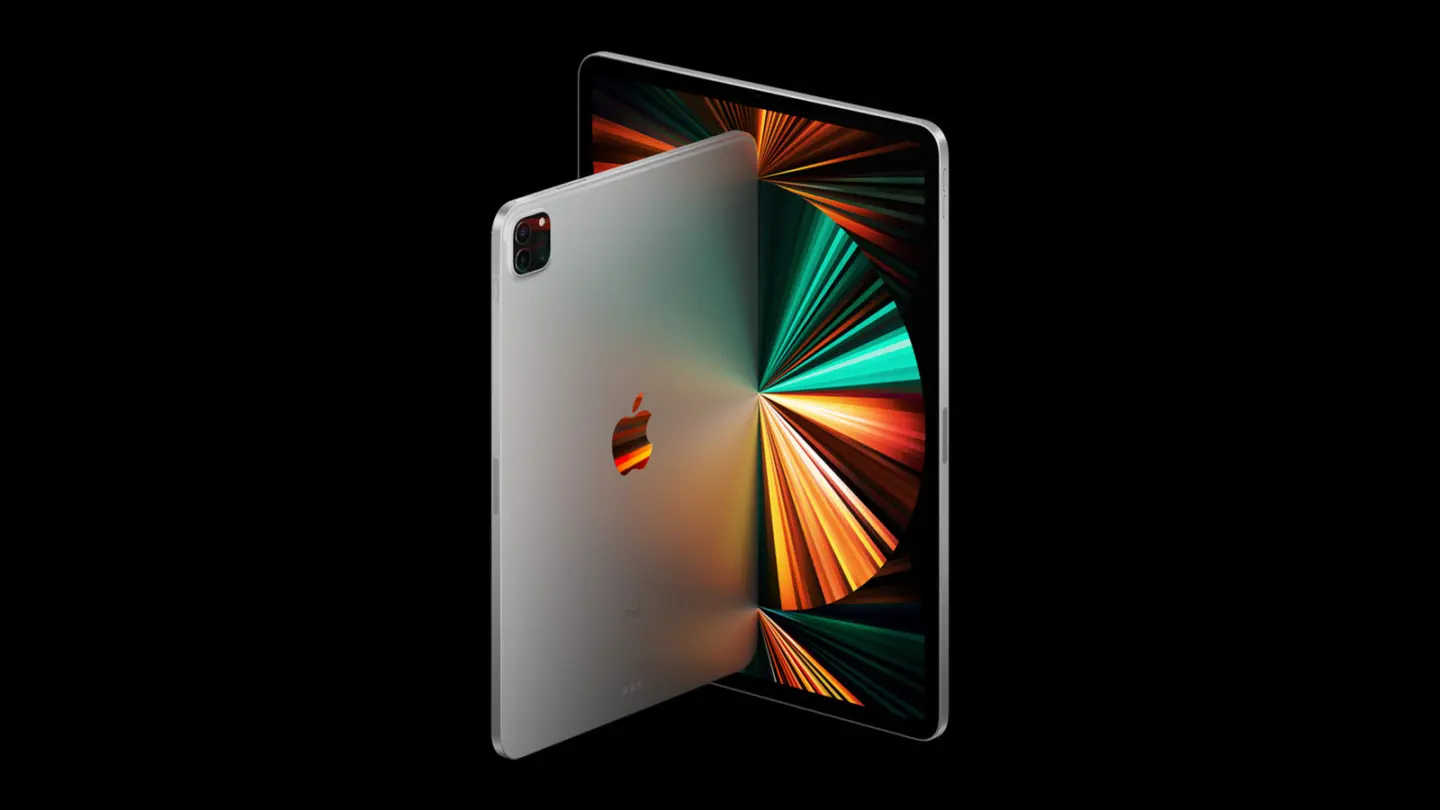
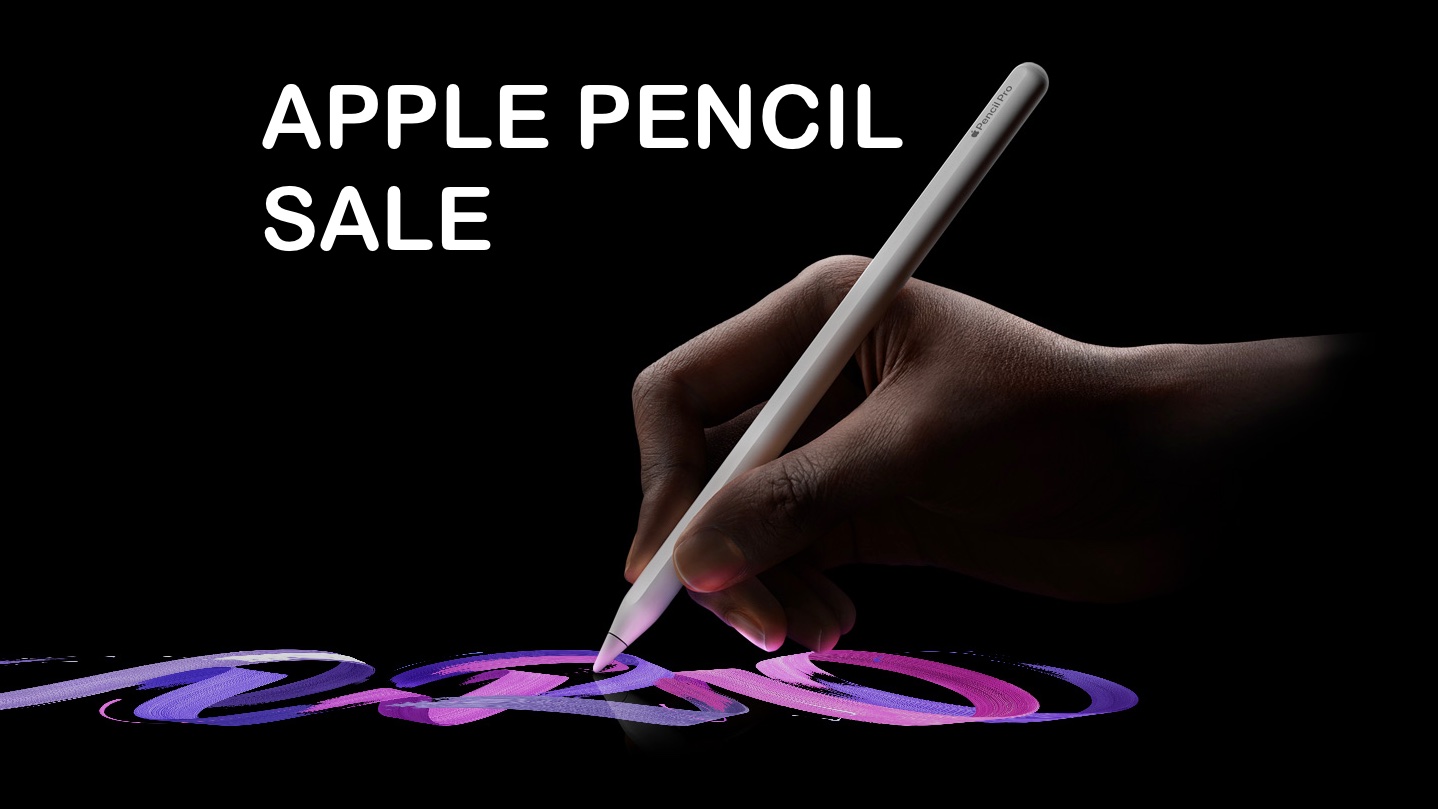
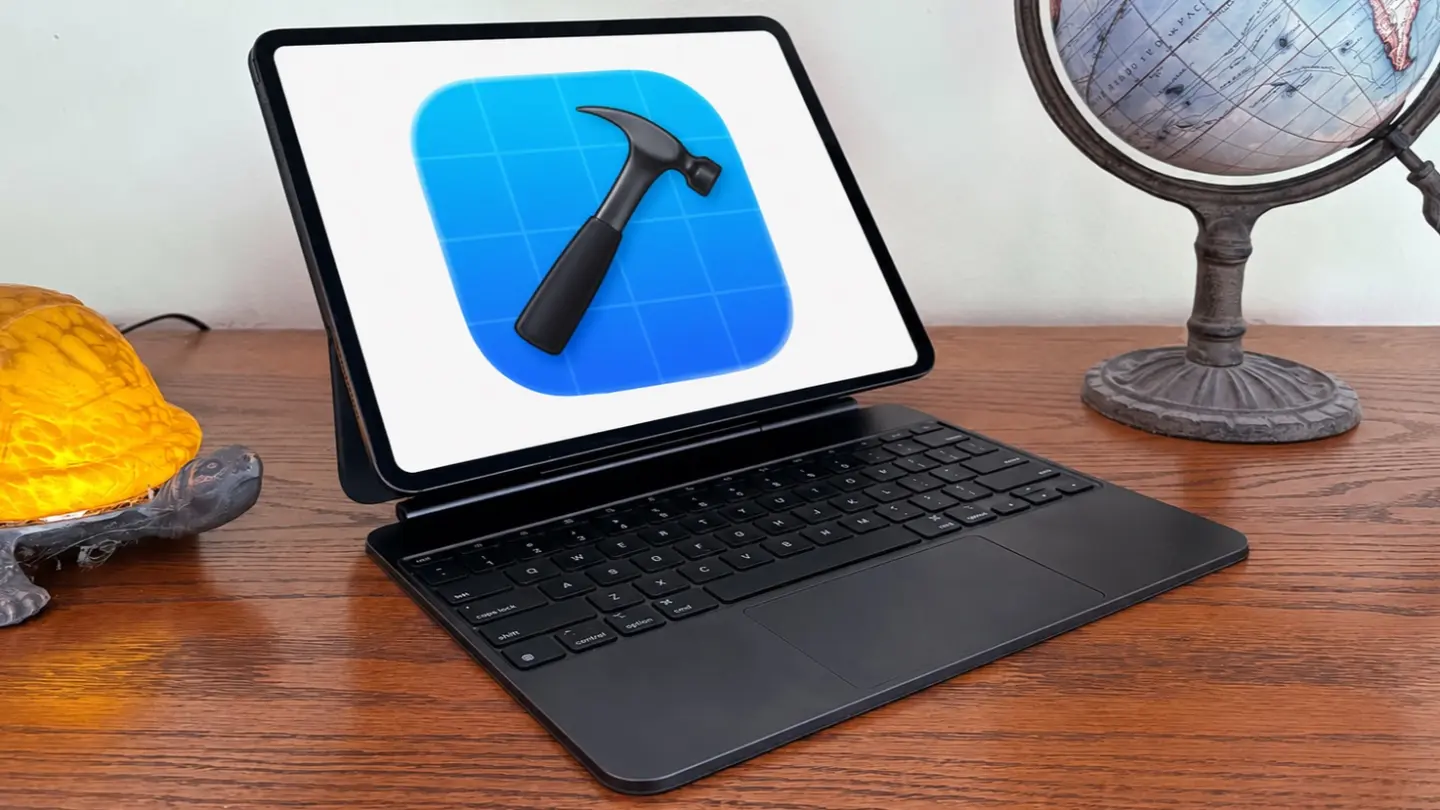
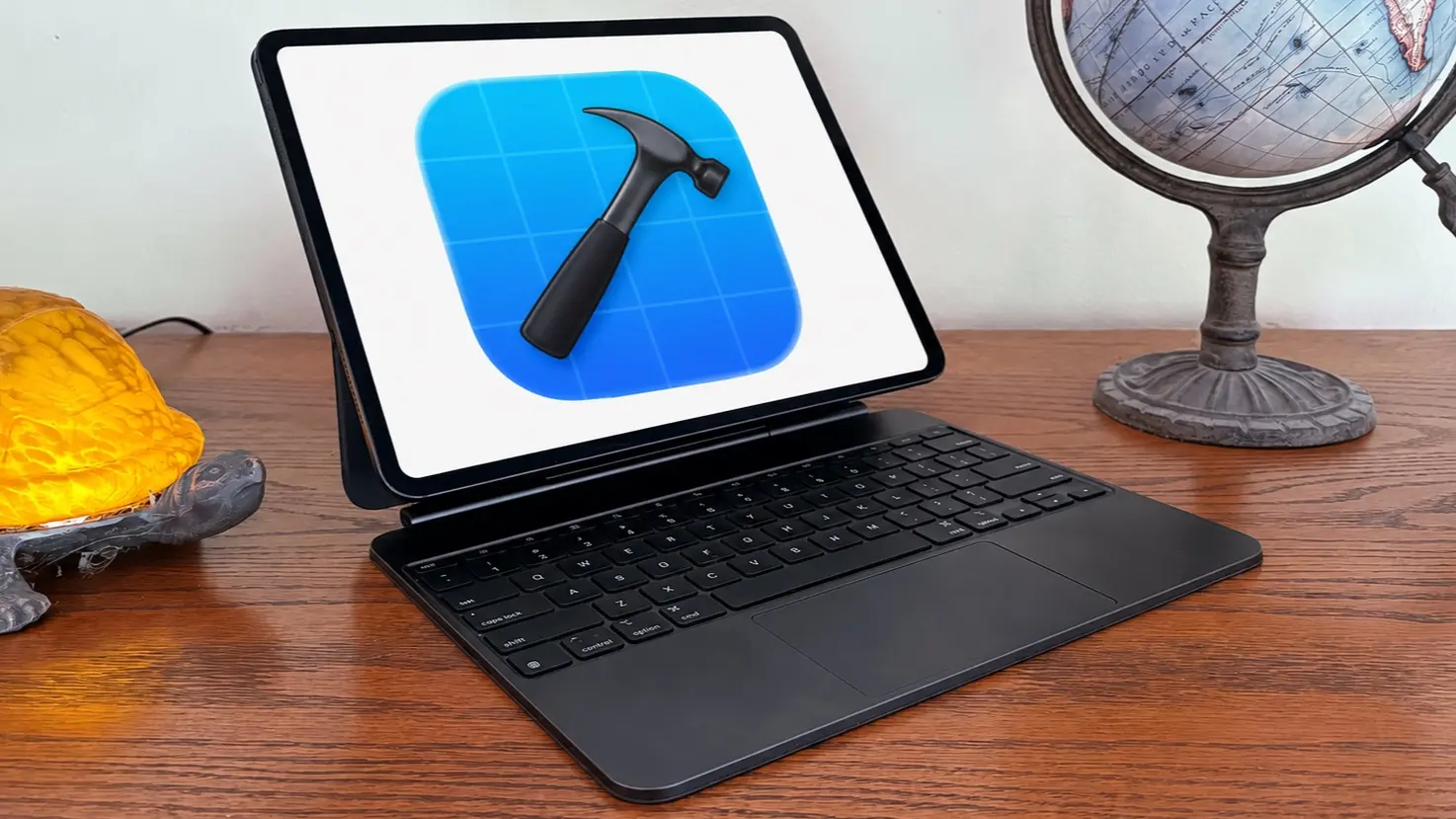
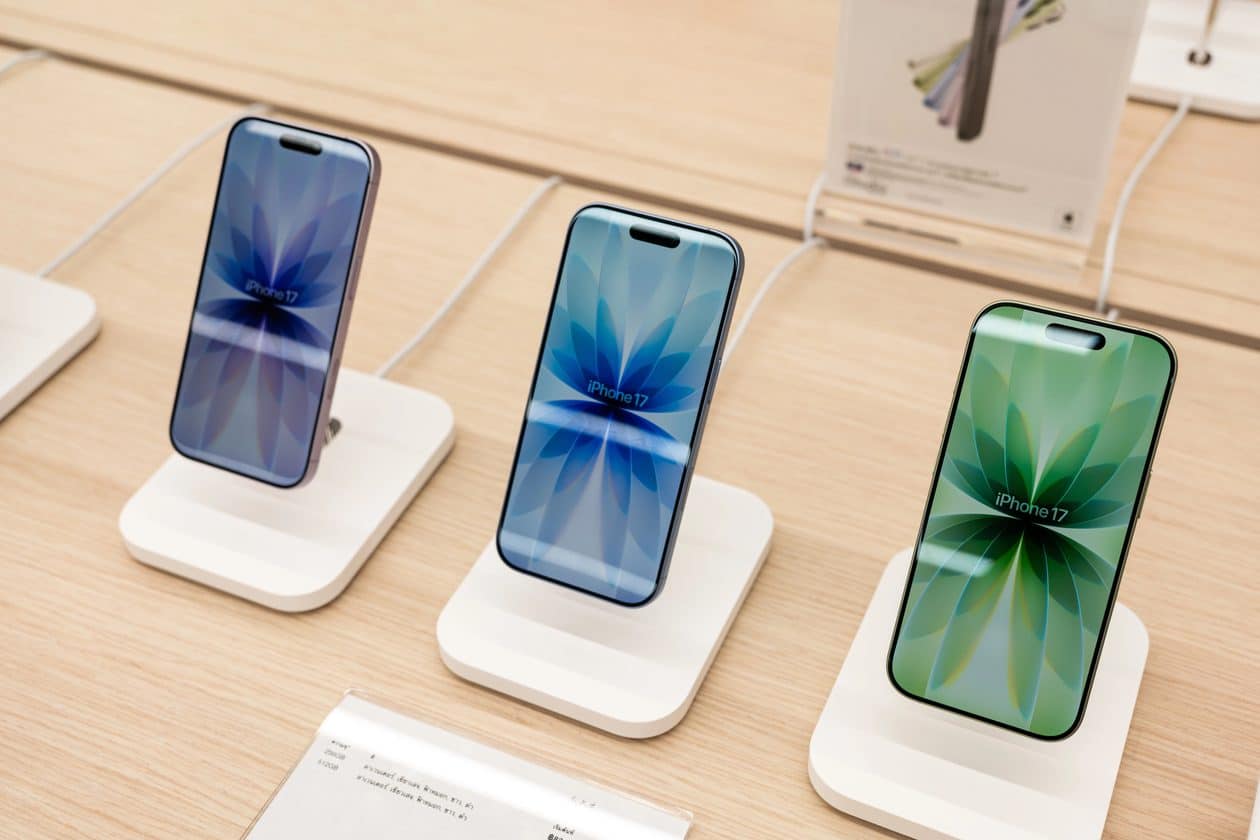
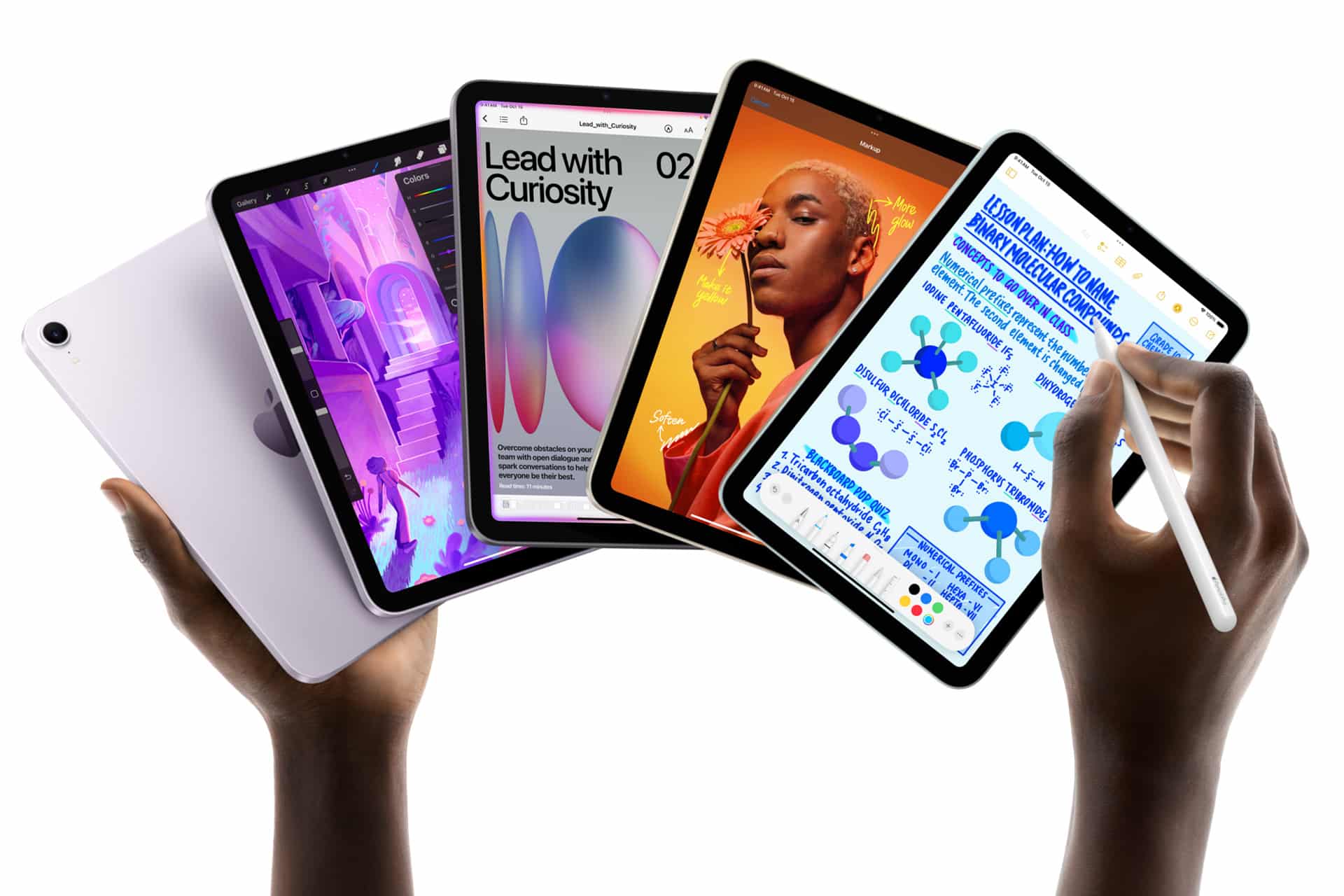
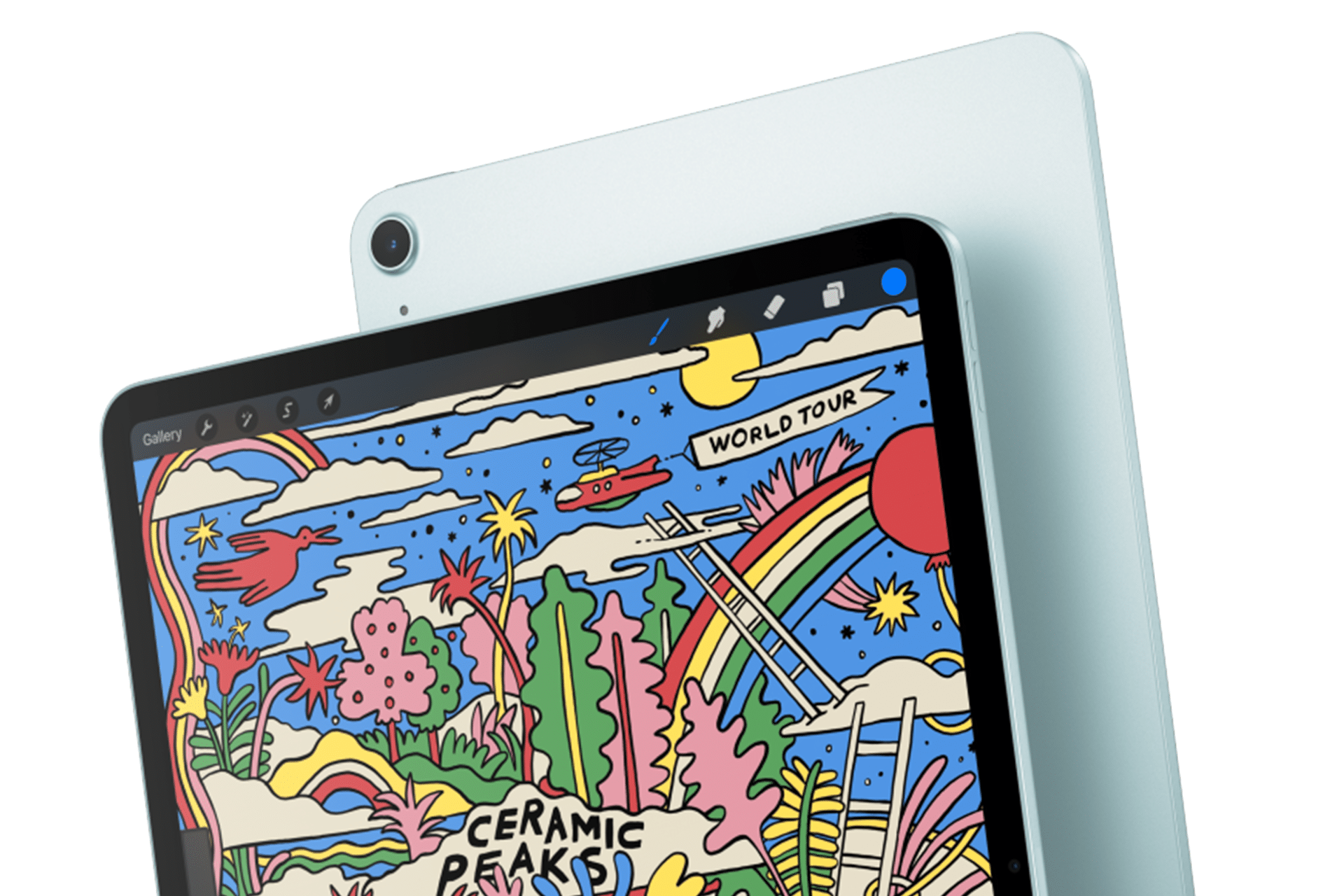
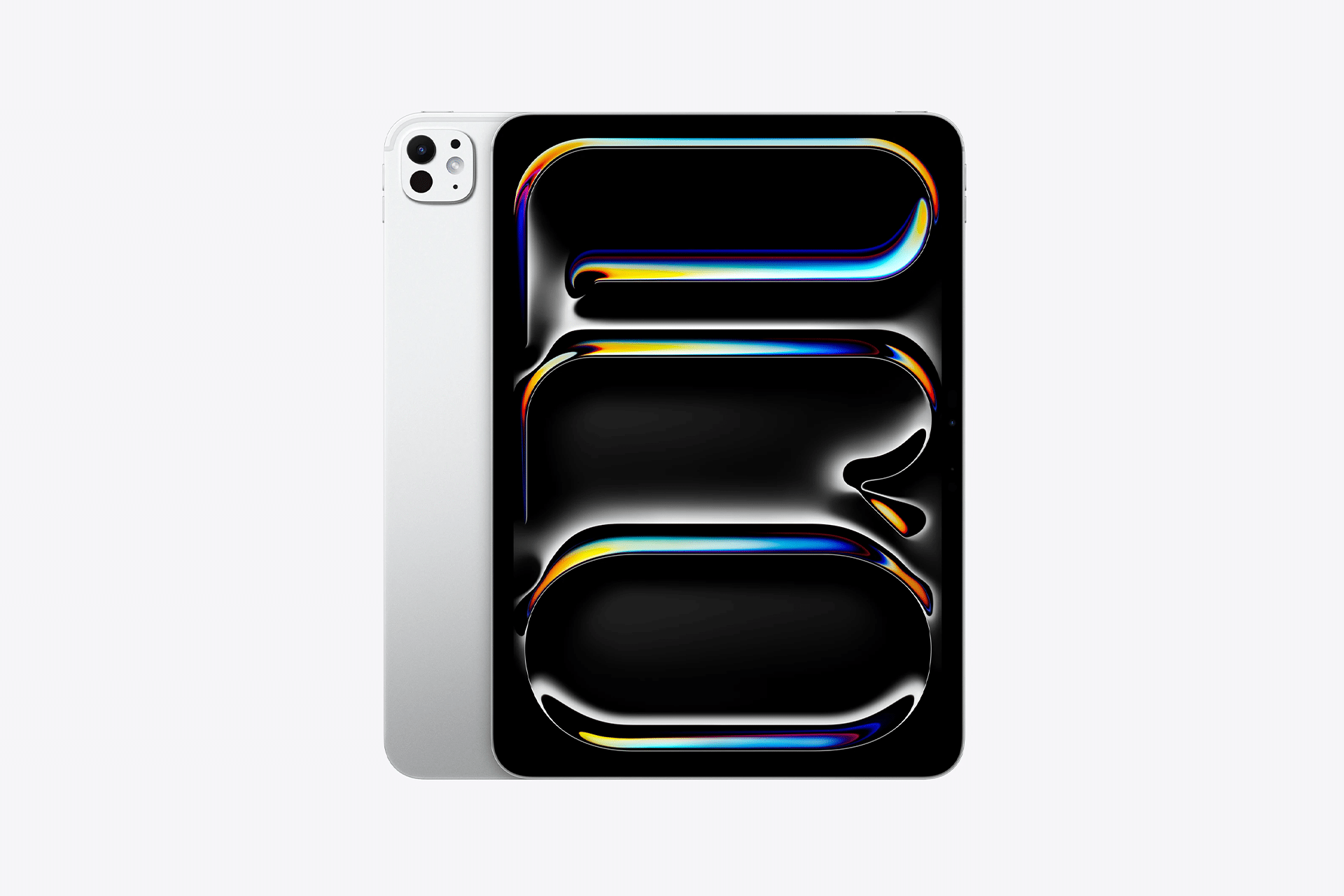
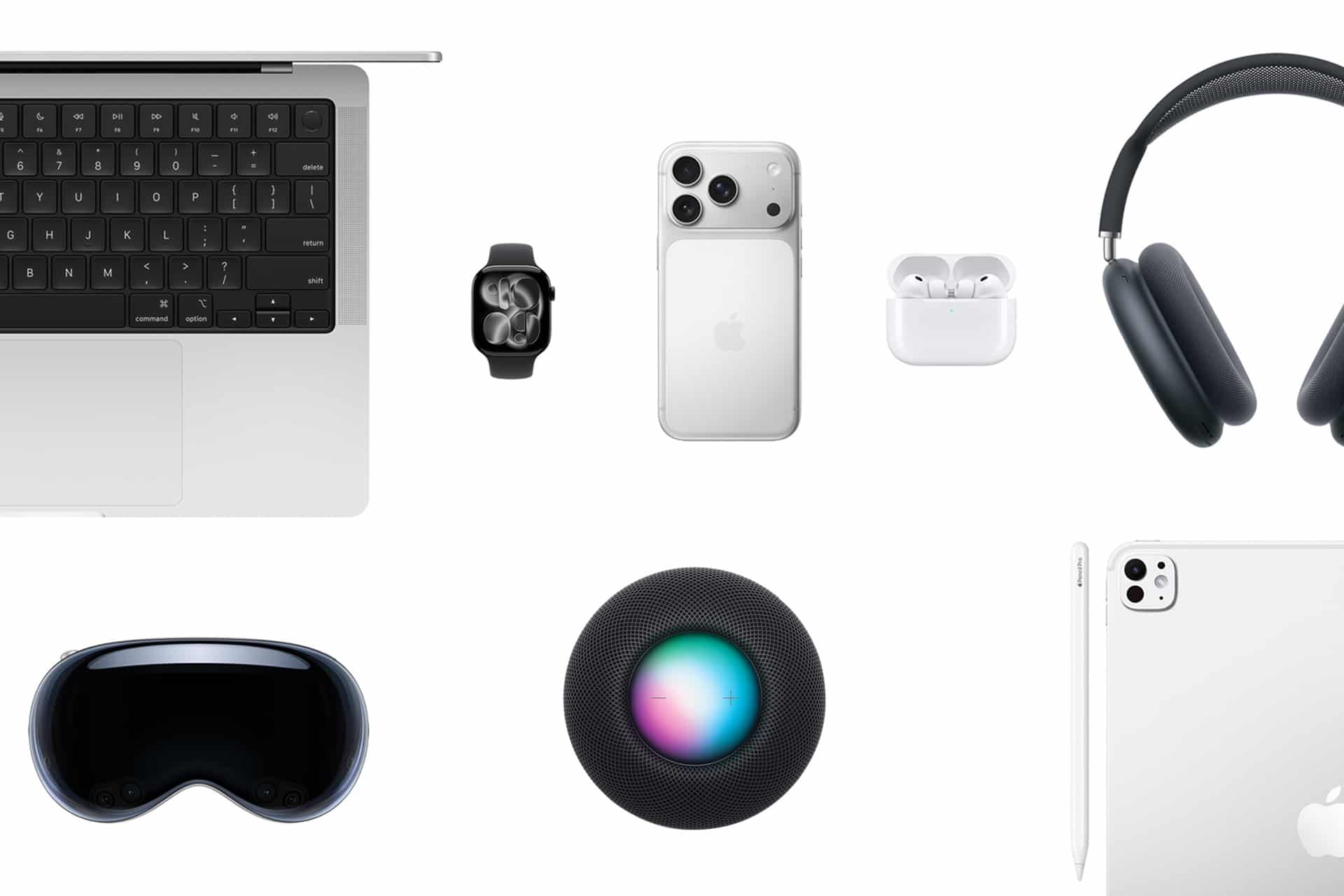
Les Benjamins designer Bünyamin Aydın designed his new collection, “From Earth to Sky,” on iPad Pro with Apple Pencil Pro, and filmmaker Neels Castillon shot the brand’s Cappadocia fashion show on iPhone 18 Pro Max, Apple said in an October 14, 2026 story. The show marks 15 years of the Istanbul-based lifestyle brand and is […]
Apple has barely finished unveiling the iPhone Duo, iPhone 18 Pro lineup, AirPods 5, and new Apple Watches, but the company already has a much larger pipeline queued up for late 2026 and the first half of 2027, according to Bloomberg News‘ Mark Gurman.
The coming products are part of what new CEO John Ternus has internally described as Apple’s most ambitious product road map yet. Many of the devices are designed to spread Siri AI more widely across the lineup and close some of the gap with rivals in artificial intelligence. As always, dates can slip and products can be delayed or canceled.
Later this yearGurman reports that Apple is preparing several updates before year-end:
• HomePod mini with Siri AI — Same familiar design as the 2020 model, but with a new chip to power the overhauled assistant.
• Apple TV with Siri AI — Another look-alike refresh, this time with a faster chip for navigation and the new Siri experience.
• Smart-home hub — A square display that can sit on a speaker base or mount on a wall. It will run a new operating system, support video calls, and use facial recognition to personalize what it shows. Apple had considered showing it at last week’s event and is now aiming as early as October, though the timeline remains fluid after repeated delays.
• Touch-screen MacBooks — The biggest MacBook Pro change since 2021, adding OLED panels and touch screens for the first time, with M5 Pro and M5 Max chips.
• Entry-level 14-inch MacBook Pro — Current design, updated with the M6 chip.
• iMac — New colors and an M6 processor.
• iPad mini — One of the line’s biggest upgrades, adding an OLED display.
The HomePod mini and Apple TV are already being tested with iOS 27. The new Macs are running macOS 27.1 internally, and the iPad mini is on iPadOS 27.1. Both of those software updates are expected late next month.
First half of 2027
The spring and early summer slate is heavier on refresh cycles than radical redesigns:
• MacBook Air — Same 13-inch and 15-inch designs, moving to the M6 chip.
• MacBook Neo — Follow-up model with an A19 Pro chip and more memory.
• Entry-level iPad — Faster chip so the cheaper tablet can run Apple Intelligence and Siri AI.
• iPad Pro — Chip upgrade plus vapor-chamber cooling similar to the iPhone 18 Pro.
• iPad Air — First OLED screens in that line, plus a new chip.
• iPhone 18 — Largely an A20 chip upgrade, with the notable change that the standard model is shifting from fall to spring.
• iPhone 18e — Another chip-focused update; Apple will need to make clear how it differs from the regular iPhone 18.
• iPhone Air 2 — More substantial: a 2-nanometer A20 Pro chip, better battery life, and a second rear camera for ultrawide shots.
• Apple Pencils — New Pencil Pro and USB-C models timed with the iPads; the iPhone Duo will support the stylus as well.
Looking further ahead
The second half of 2027 is expected to get more ambitious still, Gurman writes, with M7 updates to MacBooks, smart glasses, camera-equipped AirPods, a home security system, a redesigned Apple Watch, Twentieth Anniversary iPhones, and a second-generation foldable iPhone Duo.
MacDailyNews Take: Taken together, the road map suggests Apple is trying to do two things at once: push Siri AI onto more affordable and living-room devices, and finally refresh categories that have languished for years. Whether October brings a full event or quieter waves of launches, the next 12 months look unusually crowded with product launces!
Please help support MacDailyNews — and enjoy subscriber-only articles, comments, chat, and more — by subscribing to our Substack: macdailynews.substack.com. Thank you!
Razer change de stratégie avec la Prio. Après avoir multiplié les manettes mobiles imposantes, la marque de périphériques de jeux lance un modèle qui mise tout sur la compacité. Une fois pliée, la Razer Prio tient dans un espace à peine plus grand qu’une carte bancaire. Une idée séduisante pour...
Apple has increased its estimated trade-in values for most current iPhone, iPad, Mac, and Apple Watch models in the United States. The adjustments give customers slightly more credit toward a new device, although some older Apple hardware and several Android phones have moved in the opposite direction.
The updated values are maximum estimates rather than guaranteed payments. Apple calculates the final credit after confirming the model and inspecting its condition. A damaged display, enclosure problems, missing functionality, or an inaccurate description can reduce the amount offered.
Most of the increases are modest, but they arrive across several of Apple’s largest product categories at the same time. Recent iPhones receive between $10 and $25 more, every iPad category listed in Apple’s summary gains value, and several popular Macs receive larger increases.
The revisions also reinforce the role of trade-ins within Apple’s retail operation. Credit can reduce the cost of a regular purchase, be delivered through an Apple Gift Card, or lower payments at the beginning of an eligible Apple Upgrade lease.
Image Credit: Apple Inc.
Trade-In Values Rise Across iPhone and iPad
Every iPhone 16 model included in the update receives a higher maximum estimate. The iPhone 16 Pro Max moves from $685 to $695, retaining the highest listed value among the affected iPhones.
The iPhone 16 Pro increases from $550 to $560, while the iPhone 16 Plus moves from $455 to $465. The standard iPhone 16 receives the largest increase within the family, rising by $25 from $435 to $460.
These changes narrow the difference between the standard iPhone 16 and the larger Plus model. The Pro models retain substantially higher estimates, reflecting their higher original prices and stronger position in the used-device market.
An additional $10 or $25 will not transform the cost of an upgrade, but it can offset part of a case, charger, AppleCare plan, or storage upgrade. The difference also becomes more relevant for customers comparing Apple’s direct program with a third-party reseller offering a similar amount.
Apple’s iPad adjustments are more consistent. The maximum estimate for an iPad Pro rises from $670 to $690, an increase of $20. The iPad Air moves from $445 to $460, while the standard iPad rises from $220 to $235.
The iPad mini also gains $15, moving from a maximum of $250 to $265. That means every current iPad category displayed in Apple’s trade-in summary receives a higher estimate.
Apple’s direct trade-in values are generally lower than the prices an owner might obtain through a private sale. The program instead emphasizes convenience: the device can be returned at an Apple Store or sent using Apple’s online process, with the credit connected directly to a new purchase.
A private sale can produce a better return, especially for a recent device in excellent condition. It also requires the owner to set a price, find a buyer, manage payment, and handle the transfer independently. Apple’s program trades some resale value for a simpler exchange.
Mac and Apple Watch Changes Are Less Consistent
Mac trade-in values receive some of the largest increases, but the category also includes notable reductions.
The MacBook Air rises from a maximum of $485 to $520, adding $35. The Mac mini receives the same increase, moving from $340 to $375. The MacBook Pro changes only slightly, increasing from $685 to $690.
Apple leaves the current iMac estimate unchanged at $355. The Mac Studio receives a larger increase from $975 to $1,045, reflecting the higher value retained by recent desktop configurations.
Older professional desktops move in the other direction. The iMac Pro falls from $325 to $315, while the top Mac Pro estimate declines from $2,090 to $2,045.
That $45 reduction at the top of the Mac range means Apple’s maximum Mac trade-in offer decreases even though several mainstream models receive more credit. The changes appear more closely connected to the resale position of individual product families than to a uniform increase across every computer.
Mac estimates can vary considerably because one model name can cover different years, processors, memory configurations, storage capacities, and physical designs. Apple asks for a serial number before producing a more specific estimate for a Mac.
The Apple Watch adjustments are similarly mixed. Apple Watch Ultra 2 rises from $295 to $305, while Apple Watch Series 9 increases from $120 to $130.
Apple Watch Series 10 remains unchanged at a maximum of $150. The original Apple Watch Ultra falls from $215 to $205, losing $10.
Wearable trade-in values can decline quickly because watches receive frequent updates and are exposed to greater physical wear than many computers or tablets. Battery condition, display damage, case wear, and working buttons can influence whether the device receives the estimated credit.
Apple also accepts devices that no longer qualify for monetary value. Those products can be returned for recycling, including older hardware and accessories that would otherwise remain unused.
Image Credit: Apple Inc.
Android Offers Face Several Reductions
Apple accepts selected smartphones from Samsung, Google, and other manufacturers when customers move to an iPhone. The latest revisions are less favorable to several Android devices.
The maximum Android estimate across Apple’s displayed range decreases from $370 to $360. Individual changes vary by model.
The Samsung Galaxy S23 Ultra drops from $230 to $200, a $30 reduction. Google’s Pixel 8 Pro declines from $170 to $165.
Other devices remain unchanged. The standard Galaxy S23 continues to carry an estimated value of up to $125, while the OnePlus 12 remains at up to $200.
Apple’s Android offers are primarily designed to remove friction for people moving to the iPhone. They do not necessarily match the amount available from the manufacturer, a carrier promotion, or a private buyer.
Carrier promotions can advertise considerably higher trade-in credits than Apple, particularly around a new iPhone launch. Those offers commonly require an eligible unlimited plan, a new line, monthly bill credits, or a commitment lasting two or three years.
Apple’s direct credit is easier to understand because it is tied to the assessed value of the device rather than a long carrier agreement. The best choice depends on whether the customer values flexibility, immediate credit, or the largest possible promotional discount.
A Higher Estimate Is Not the Final Offer
Apple’s published figures represent the maximum available for qualifying devices in suitable condition. The online estimate is based on the answers supplied before the product is inspected.
After receiving the device, Apple or its trade-in partner verifies its identity and checks whether it powers on, functions properly, and matches the reported condition. A difference can produce a revised offer.
Customers can accept or reject a lower revised value. Rejecting it cancels the trade-in and returns the device, although the payment arrangement for the accompanying purchase may also be adjusted. If the inspected value is higher than the original estimate, Apple says it automatically increases the credit.
The way the credit is delivered depends on the purchase. When a customer pays in full for a new iPhone, iPad, Mac, or Apple Watch, the confirmed value can be returned to the original payment method up to the price of the new product. Any remaining amount can be issued through an Apple Gift Card.
With an eligible monthly payment arrangement, the estimated credit can be applied directly to the new device’s purchase price. Under Apple Upgrade, a qualifying trade-in owned by the customer can reduce payments across the initial lease term. Another device cannot be traded in each time the customer exercises the lease’s upgrade option.
Values also differ between countries and can change without a product announcement. The revised dollar amounts apply to Apple’s United States program, while local market prices, available models, currencies, and trade-in partners determine estimates elsewhere.
Anyone considering an exchange should obtain a fresh estimate shortly before purchasing. Apple requires the trade-in device to arrive within the specified return period and says an online estimate is generally protected for 14 days after the customer receives the new product.
A Receita Federal disponibilizou mais um edital (0900100/000009/2026) para leilão com produtos apreendidos, nesta ocasião em Curitiba (PR). De um total de 178 lotes disponíveis, pelo menos 13 deles contam com produtos da Apple, como iPhones, MacBooks, iPads e acessórios.
As propostas poderão ser enviadas a partir do dia 17 de agosto, às 8h, com o encerramento previsto para o dia 24/8, às 21h. Aquelas que forem selecionadas serão convidadas a participar do pregão online previsto para o dia 25/8, às 10h.
Relembramos que esses produtos podem vir acompanhados de itens de outras empresas, além de possivelmente não contarem com garantia ou acessórios e de apresentarem estados de conservação dos mais variados.
Vamos aos lotes?
Lote
Produto(s) da Apple
Lance mínimo
2
12x iPad (9ª geração) 8x iPad mini (6ª geração) 3x iPad (11ª geração) 3x iPad (10ª geração) 1x iPad Air (M3) 1x iPad Air (M2) 5x iPad Air (5ª geração) 2x Magic Trackpad (USB-C) 2x Apple Pencil Pro 4x Apple Watch SE (2ª geração) de 40mm 1x Apple Watch Ultra (1ª geração) de 49mm 2x Apple Watch Series 9 de 41mm 1x MacBook Air (modelo não informado) 1x MacBook Air (M2) 1x MacBook (modelo não informado)
R$150.000
3
1x iPad (modelo não especificado) 2x Mac mini (M4) 1x iPad mini (11ª geração) 2x Magic Mouse
R$152.000
5
13x Apple Pencil Pro
R$126.000
6
1x MacBook Air (M3)
R$112.000
16
48x iPhone 17 Pro Max 2x iPhone 17 1x iPhone 16 Pro Max 16x iPhone 16 5x iPhone 15
R$745.000
17
84x iPhone 17 Pro Max 25x iPhone 17 Pro 66x iPhone 17 87x iPhone 16 40x iPhone 15
R$485.000
20
16x iPhone 17 Pro Max 8x iPhone 17 Pro 17x iPhone 17 16x iPhone 16
R$230.000
21
46x iPad (A16) 10x iPad Air (M3) 5x iPad mini (A17 Pro) 30x Apple Watch Series 11 de 42mm 7x Apple Watch Series 11 de 46mm 2x Apple Watch Series 10 de 46mm 2x Apple Watch SE (3ª geração) de 40mm 2x Apple Watch SE (2ª geração) de 44mm 3x Apple Watch SE de 44mm 2x Apple Watch SE de 40mm 4x iPad (modelo não especificado) 1x iPad Air (M3)
R$75.000
24
3x Mac mini (M4) 3x Mac mini (modelo não especificado) 1x Mac mini (M2)
R$27.000
139
2x iPad (A16) 17x iPad (10ª geração) 1x iPad Air (5ª geração) 6x MacBook Air (M1) 4x MacBook Air (M2) 2x MacBook Air (M3) 1x MacBook Air (M4) 6x MacBook Air (modelo não especificado) 1x Apple Watch (modelo não especificado) 1x AirPods Max 1x MacBook de 13” (modelo não especificado) 1x MacBook Pro 14” (modelo não especificado) 1x MacBook Pro 16” (modelo não especificado) 1x MacBook Pro (M4 Pro) 1x AirPods Pro (2ª geração) 17x Apple Watch Series 9 de 45mm 8x iPad (9ª geração) 1x Apple Watch Series 10 de 46mm 1x Apple Watch SE (2ª geração) de 44mm 2x Apple Watch SE (2ª geração, GPS) de 40mm 2x Apple Watch SE (2ª geração, GPS) de 44mm 4x Apple Watch Series 8 de 41mm 5x Apple Watch Series 8 de 45mm 2x Apple Watch SE de 44mm 1x Apple Watch Ultra 2 (GPS + Cellular) de 49mm 1x Apple Watch Ultra 2 de 49mm 1x Apple Watch Ultra de 49mm 2x Magic Mouse 2x MacBook Pro (M3) de 14” 1x MacBook Pro (modelo não especificado) 1x iPad Pro (6ª geração) 1x iPad Air (modelo não especificado) 2x iPad Pro de 11” (modelo não especificado) 1x iPad (modelo não especificado) 2x Apple Pencil (modelo não especificado) 1x Apple Watch Ultra (GPS + Cellular) de 49 mm 2x Mac mini (modelo não especificado) 1x Magic Keyboard para o iPad Pro de 13”
R$80.000
145
2x tela LCD para o MacBook Air (M1)
R$55.000
148
4x AirTags (pacote de 4 unidades) 3x Apple Pencil (USB-C)
R$48.000
175
1x cabo USB
R$135.000
Como participar do leilão?
Se algum desses lotes lhe interessou, para participar é necessário possuir um CPF válido e um certificado digital válido obtido pelo acesso ao Centro Virtual de Atendimento ao Contribuinte (e-CAC).
Os lotes estão disponíveis para lances tanto de pessoas físicas quanto de pessoas jurídicas.
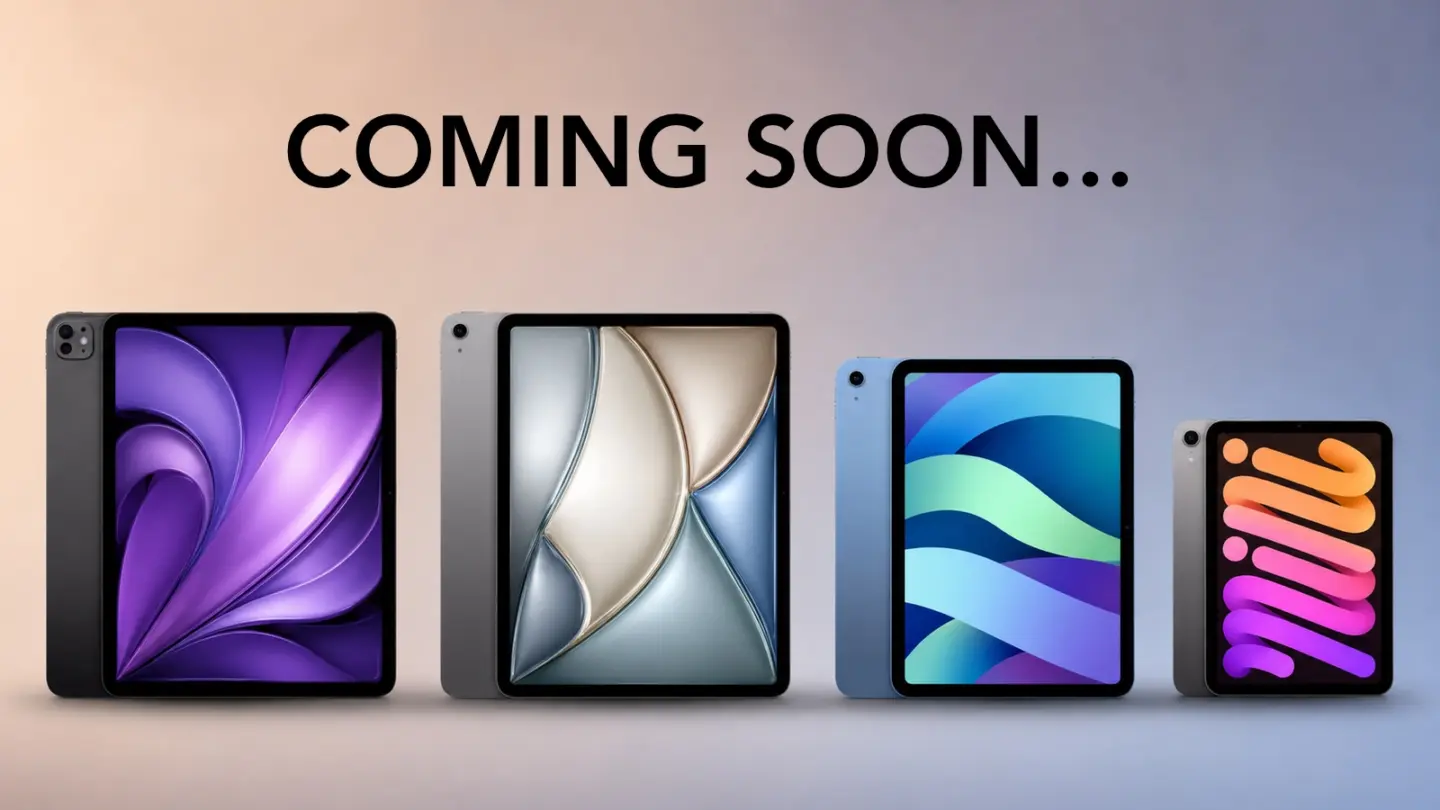
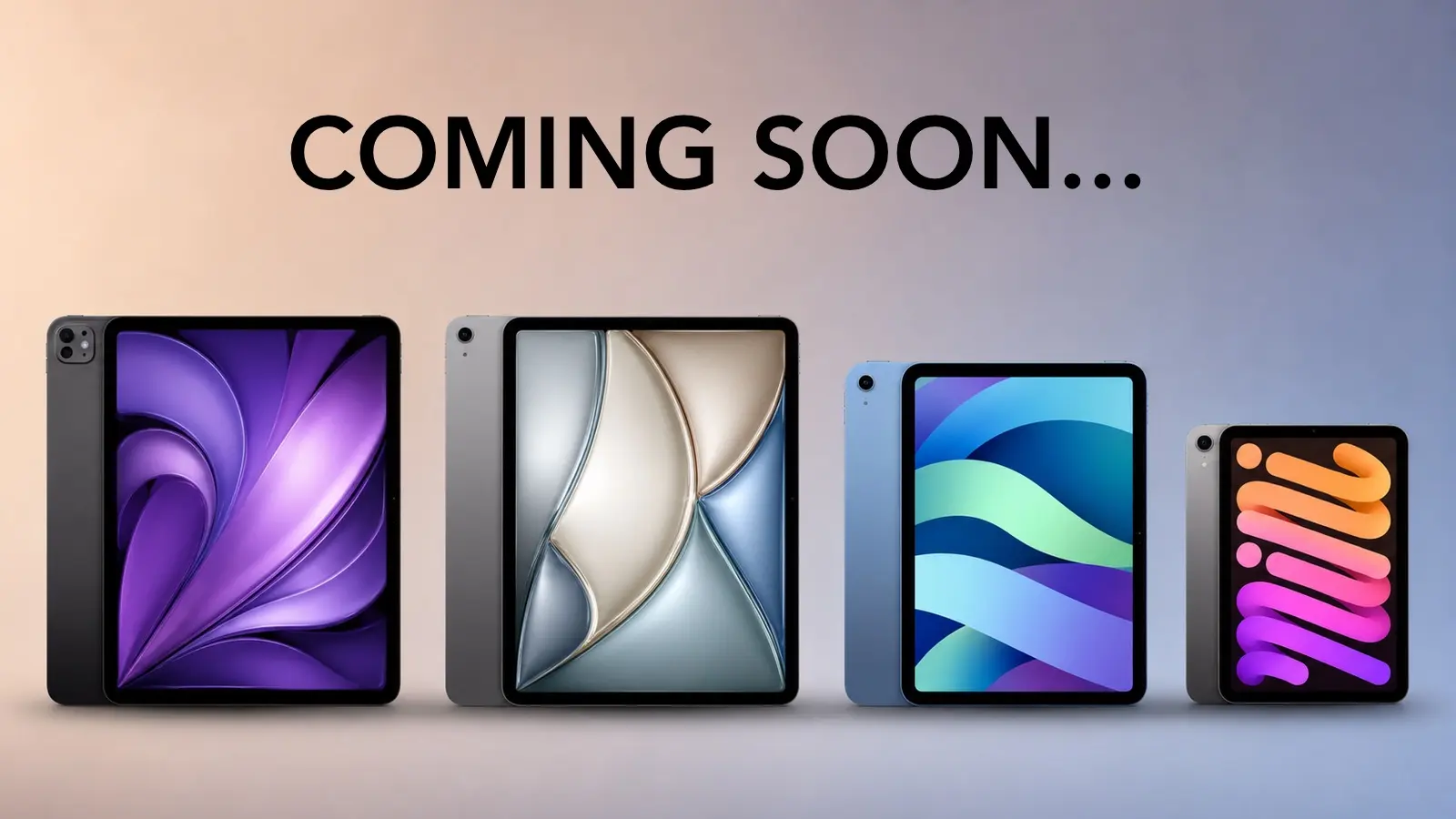
Apple’s next iPad lineup refresh could begin this fall with a new iPad mini, followed by updates across the rest of the tablet family during 2027. The reported schedule would give Apple a rolling series of launches rather than one event covering every iPad at once.
Bloomberg’s Mark Gurman reports that Apple is preparing replacements for the iPad mini, entry-level iPad, iPad Air and iPad Pro. The compact model is expected to arrive first, potentially as early as October, while the remaining tablets would follow over the next several months.
Apple has not announced any of the devices, and release timing can change. The report nevertheless gives prospective buyers a clearer picture of where each current model sits in its cycle. The first update could also bring one of the most requested display improvements to Apple’s smallest tablet.
iPad Lineup Refresh Starts With the Mini
The iPad lineup refresh is expected to begin with the iPad mini, which has received fewer updates than Apple’s larger tablets. The current design remains popular because it offers an 8.3-inch screen in a device small enough to hold comfortably with one hand, place in a small bag or use as a portable reading and note-taking tool.
The next model is reportedly moving to an OLED display. That would give the iPad mini deeper black levels, stronger contrast and more vivid color than its current LCD panel. OLED would be particularly noticeable when reading in dark environments, watching video or working with images.
The new display is expected to measure approximately 8.4 inches without producing a major change to the overall design. Apple may retain a 60Hz refresh rate rather than bringing the 120Hz ProMotion technology used by the iPad Pro. That could disappoint buyers hoping the mini would become a compact Pro model, but OLED alone would represent a visible upgrade.
Reports have also pointed to an A19 Pro chip. That would give the smaller tablet more performance for games, creative apps, Apple Intelligence and longer-term software support. The current iPad mini already occupies an unusual position between a reading device and a compact professional tool. A stronger chip and OLED screen would push it further toward the second category.
Price may become the less attractive part of the update. Apple could raise the starting cost as display and memory expenses increase. Buyers interested mainly in portability may accept a higher price, but the iPad mini would need to avoid moving too close to the iPad Air.
The Entry-Level iPad May Stay Familiar
Apple’s least expensive iPad is expected to receive a more modest update in early 2027. The company reportedly plans to preserve the current design while replacing the processor with a newer chip.
That would fit the role of the entry-level model. Apple uses it for education, families, basic productivity, streaming, games and first-time tablet buyers. A dramatic redesign could increase the cost without improving the tasks most customers use it for.
The processor update could bring Apple Intelligence compatibility, depending on the chip and memory configuration Apple chooses. The current model’s position outside some advanced AI features creates an increasingly visible separation from the rest of the lineup.
A newer chip would also extend the useful life of the device. Entry-level iPads are often kept for several years, passed between family members or deployed in schools and businesses. Long software support can be more valuable in that segment than a thinner body or new camera arrangement.
Anyone considering the current base iPad should decide whether price or longevity has greater value. The current model remains suitable for ordinary use, particularly when discounted. Buyers who want the longest possible support window may prefer to wait.
iPad Air Could Receive the Larger Display Upgrade
The iPad Air is also expected to receive an update in 2027, with OLED display technology reportedly planned for the range. That would narrow one of the most obvious visual differences between the Air and the iPad Pro.
Apple currently positions the Air as the balanced choice: stronger than the entry model, less expensive than the Pro and available in 11-inch and 13-inch sizes. It supports Apple Pencil Pro and Magic Keyboard while offering M-series performance for demanding apps.
An OLED display would make that value proposition more aggressive. The Air could offer improved contrast and image quality without requiring buyers to move to the Pro tier. Apple would still have several ways to distinguish the Pro, including ProMotion, brighter displays, thinner hardware, advanced cameras and newer processors.
The processor is likely to receive another M-series upgrade as well, though the exact chip remains uncertain. For most users, the Air already has far more processing power than routine tablet work demands. The screen may provide the stronger reason to wait.
The risk for Apple is pricing. OLED panels could push the Air upward, especially in the 13-inch configuration. If the gap between Air and Pro becomes too narrow, buyers may move directly to the flagship. Apple will need to preserve a convincing middle tier.
iPad Pro May Focus on Power and Accessories
The next iPad Pro is reportedly planned for spring 2027. Apple may use a new M-series processor while leaving the current thin design largely intact.
That would make the Pro refresh more evolutionary than transformative. The current generation already includes OLED displays, high-end performance, Face ID, ProMotion and support for Apple Pencil Pro and Magic Keyboard.
Apple is also reportedly preparing two updated Apple Pencil models. Those accessories could arrive alongside the next iPad Pro, with changes potentially related to battery design and regulatory requirements.
The larger question is what additional processor power will do for the tablet. iPadOS 27 has expanded multitasking and window management, but buyers continue to evaluate the Pro against MacBook models at similar prices. A faster chip alone will not settle that comparison.
Apple may rely more heavily on AI, professional applications and accessory integration to justify the update. The Pro has become a platform for illustration, video editing, music production, 3D work and specialized enterprise apps. New hardware needs to strengthen those uses rather than simply win another benchmark.
Should Buyers Wait?
The answer depends on the model. Prospective iPad mini buyers have the strongest reason to pause because the reported fall update could introduce a substantially better display within months.
Entry-level buyers can still consider the current iPad when pricing is attractive. Its expected replacement appears focused on performance rather than design. Waiting becomes more sensible for anyone who wants Apple Intelligence support or maximum longevity.
The current iPad Air remains a capable option, particularly for users who need a tablet now. OLED would improve the experience, but a 2027 release leaves a longer wait. The same logic applies to the iPad Pro. Its successor may be faster, though the existing model already covers demanding work comfortably.
Apple’s gradual schedule could keep the iPad in the hardware conversation from fall through spring. It also means there will be no single perfect moment when every model is equally new.
The iPad mini may open the cycle because it has the most obvious opportunity for visible improvement. After that, Apple can use the base iPad for reach, the Air for broader OLED adoption and the Pro for its latest silicon and accessories.
The tablet lineup is not expected to change all at once. It may instead evolve model by model, giving buyers repeated reasons to reconsider which iPad fits their needs.
AppleCare+ pricing has gone up for new Mac and iPad customers, adding another small cost increase to the Apple ownership equation. According to Bloomberg, Apple has raised monthly and annual AppleCare+ rates for new Mac and iPad plans, with the change applying to new coverage rather than existing plans already active on customer devices.
The increase is modest on paper. Reports indicate Apple has raised monthly AppleCare+ rates by 50 cents and annual plans by $5 for affected Mac and iPad products. For example, AppleCare+ for the 13-inch MacBook Air is now listed at $7.99 per month or $79.99 per year, up from $7.49 per month and $74.99 per year. The Mac mini now starts at $4.49 per month or $44.99 per year, while the 16-inch MacBook Pro costs $15.99 per month or $159.99 per year.
The numbers are not dramatic alone. The context is harder for buyers. Mac and iPad prices have already been under pressure from component costs, financing changes and longer upgrade cycles. AppleCare+ is optional, but for many customers buying expensive laptops and tablets, it is part of the real purchase price.
AppleCare+ Pricing Adds to the Ownership Cost
AppleCare+ pricing is one of those costs many buyers do not fully consider until checkout. The device price gets attention first. Then come storage upgrades, cellular connectivity, keyboard accessories, Apple Pencil, taxes, financing, software subscriptions and protection coverage.
For a MacBook Air, an extra 50 cents per month may not change the decision. For a MacBook Pro, iPad Pro or a family buying multiple devices, the increases add up over time. Annual plans rising by $5 also signal that Apple is comfortable nudging protection costs higher even when the change is small enough to avoid a major backlash.
AppleCare+ remains valuable for users who carry devices daily or depend on them for work. Macs and iPads are portable, expensive and often used in places where accidents happen: classrooms, coffee shops, airports, offices, studios, kitchens and family rooms. A cracked iPad screen or damaged MacBook display can be expensive without coverage.
Apple’s pitch is convenience as much as insurance. AppleCare+ includes priority support, battery service when capacity drops below Apple’s threshold, and reduced service fees for accidental damage. For iPad, AppleCare+ can also cover Apple-branded keyboard accessories and Apple Pencil damage under service-fee terms.
That makes the plan attractive. It also makes the higher price easier for Apple to defend.
Image Credit: Apple Inc.
New Customers Feel the Change First
The latest increase applies to new Mac and iPad AppleCare+ customers. Existing customers with active plans are not the immediate target of the reported change. That distinction helps Apple avoid angering subscribers who already signed up at previous rates, while still lifting revenue from new device buyers.
This approach fits Apple’s broader shift toward recurring coverage. Apple has been moving AppleCare+ further into monthly and annual subscription-style plans, with AppleCare One offering a bundled option for multiple products. The protection plan is no longer only a one-time add-on at purchase. It is increasingly part of Apple’s services layer.
That matters because Apple’s services business depends on recurring payments. AppleCare+ may not get the same attention as iCloud, Apple Music or Apple TV, but it is another way Apple extends the customer relationship beyond the hardware sale. A Mac or iPad purchase becomes not only a device transaction, but also a support and repair subscription.
The price increase strengthens that pattern. A small rise across a large base of new buyers can support services revenue without changing the product lineup.
Mac Buyers Should Compare Plans
Mac buyers now have more reason to compare AppleCare+ options before adding coverage. Apple’s Mac plans vary by model because repair risk and device cost vary. A Mac mini plan starts lower because the device is stationary and less likely to face drops or screen damage. A 16-inch MacBook Pro costs more because it is a high-value portable machine with expensive components.
For a buyer choosing a MacBook Air, AppleCare+ may be easier to justify if the laptop travels daily. Students, journalists, consultants, photographers, editors and business travelers are more exposed to accidental damage than someone who leaves a Mac mini on a desk.
For MacBook Pro buyers, the decision often depends on work dependency. If the Mac is the primary income tool, AppleCare+ can be less about repair math and more about reducing downtime. Access to Apple support and lower repair costs can be worth the subscription if the device is central to daily work.
Still, users should compare the plan cost with their own risk. A careful desktop Mac user may not need the same coverage as a frequent traveler. AppleCare+ is useful, but it should not be automatic for every buyer.
iPad Buyers Face a Different Calculation
iPad AppleCare+ has its own logic because iPads are more physically exposed than Macs in many homes. They are passed between family members, used by children, carried around the house, taken to school, placed in bags and paired with accessories that raise the total cost of ownership.
For iPad Pro and iPad Air buyers, AppleCare+ can make sense because screen repairs and accessory damage can be costly. Apple’s current AppleCare+ terms for iPad include service fees for screen damage, other accidental damage and covered accessories. That can make the plan appealing for users who buy Magic Keyboard, Apple Pencil Pro or a high-end iPad Pro.
The decision becomes more complicated for entry-level iPad buyers. A lower-cost iPad may not justify years of coverage for every user, especially if it stays mostly at home. Families, however, may see the protection differently. An iPad used by children faces more risk than a laptop used carefully by one adult.
The new pricing does not change the core question. It makes the answer slightly more expensive.
AppleCare Products | Warranty Check
AppleCare One Becomes More Relevant
AppleCare One gives Apple another way to soften individual plan increases. The bundle starts at $19.99 per month for up to three eligible products, with additional devices available for $5.99 per month each. It includes AppleCare+ benefits and adds theft and loss coverage for eligible iPhone, iPad and Apple Watch products.
For users with only one Mac or one iPad, AppleCare One may not be the best fit. For users with multiple devices, it can become more attractive as individual plans rise. A person with an iPhone, iPad and Mac may compare three separate AppleCare+ plans against the bundle and find the monthly difference easier to justify.
That is likely part of the strategy. Apple can raise individual plan prices modestly while giving heavier ecosystem users a bundled option. The company has used similar logic across services with Apple One, where the value increases as users subscribe to more Apple products.
The same principle now applies to protection. The deeper a customer is inside Apple’s hardware ecosystem, the easier it becomes to turn support coverage into a monthly bundle.
Small Increase, Larger Signal
AppleCare+ pricing increases may be small, but they arrive during a period when Apple is asking customers to absorb more costs across the ecosystem. Device prices, component pressure, cellular financing, AI hardware demands and service subscriptions all affect the total ownership picture.
The AppleCare+ change fits that pattern. Apple is not dramatically changing the service. It is raising the price slightly while keeping the value proposition intact: lower repair costs, battery service, accidental damage coverage and Apple support.
For buyers, the best response is not panic. It is math. Compare the plan price with the device cost, repair risk, usage pattern and whether multiple Apple products would make AppleCare One more efficient. Someone buying a MacBook Pro for travel may want the protection. Someone buying a Mac mini for a desk may not. A family iPad may be a stronger candidate than a carefully handled personal tablet.
AppleCare+ remains a useful safety net. It is just a slightly more expensive one for new Mac and iPad buyers, and that makes the real cost of the device a little higher than the number on the product page.
Donnez vie à vos projets, échangez, jouez ou profitez de vos contenus multimédias dans d’excellentes conditions grâce à la puissance de l’Apple iPad Pro M4. Lancée en 2024, cette tablette fine et facile à transporter bénéficie actuellement d’une baisse de prix importante chez Rakuten, avec plus...

 Login