 Login

How to turn on the new Sound Glow feature on HomePod
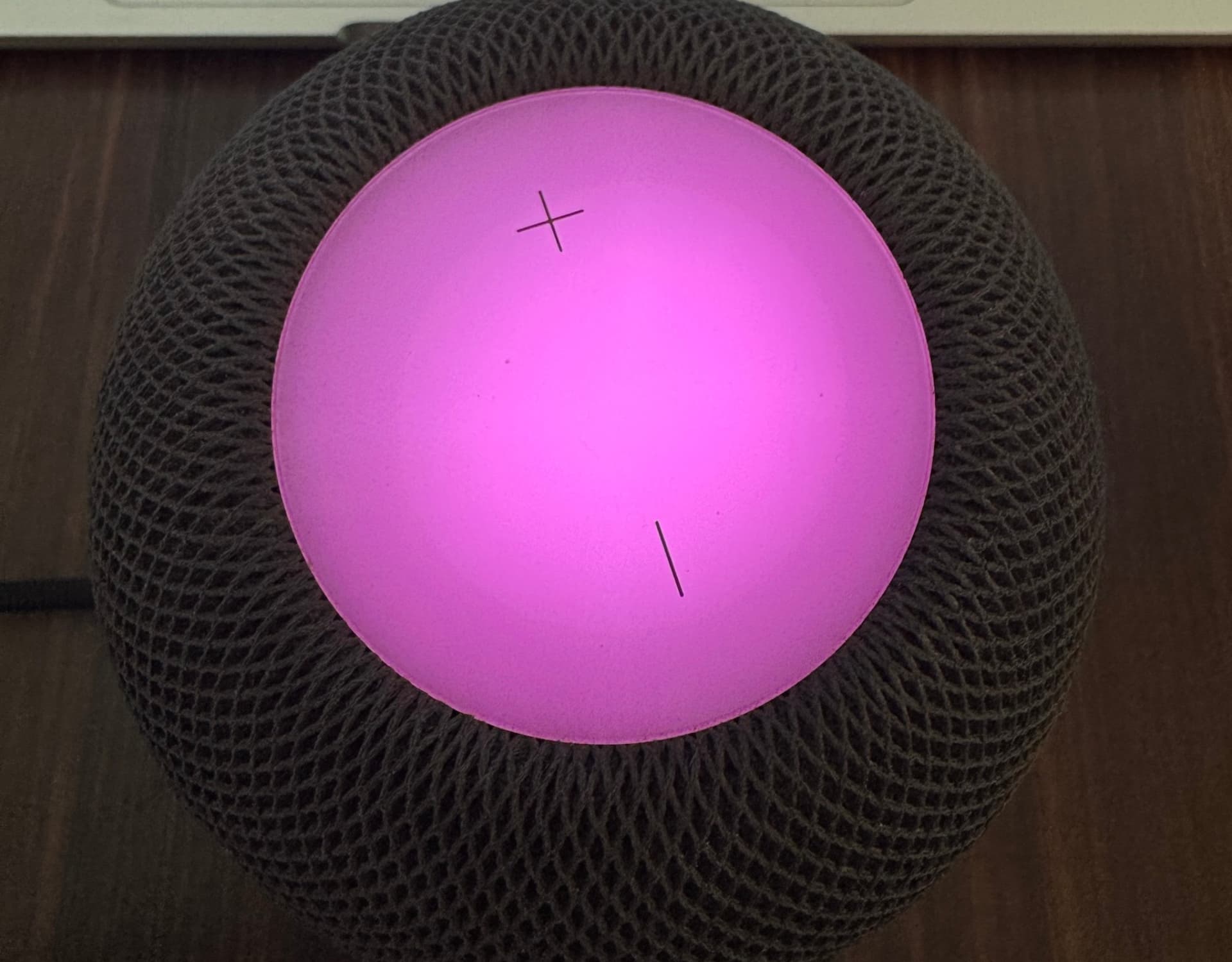

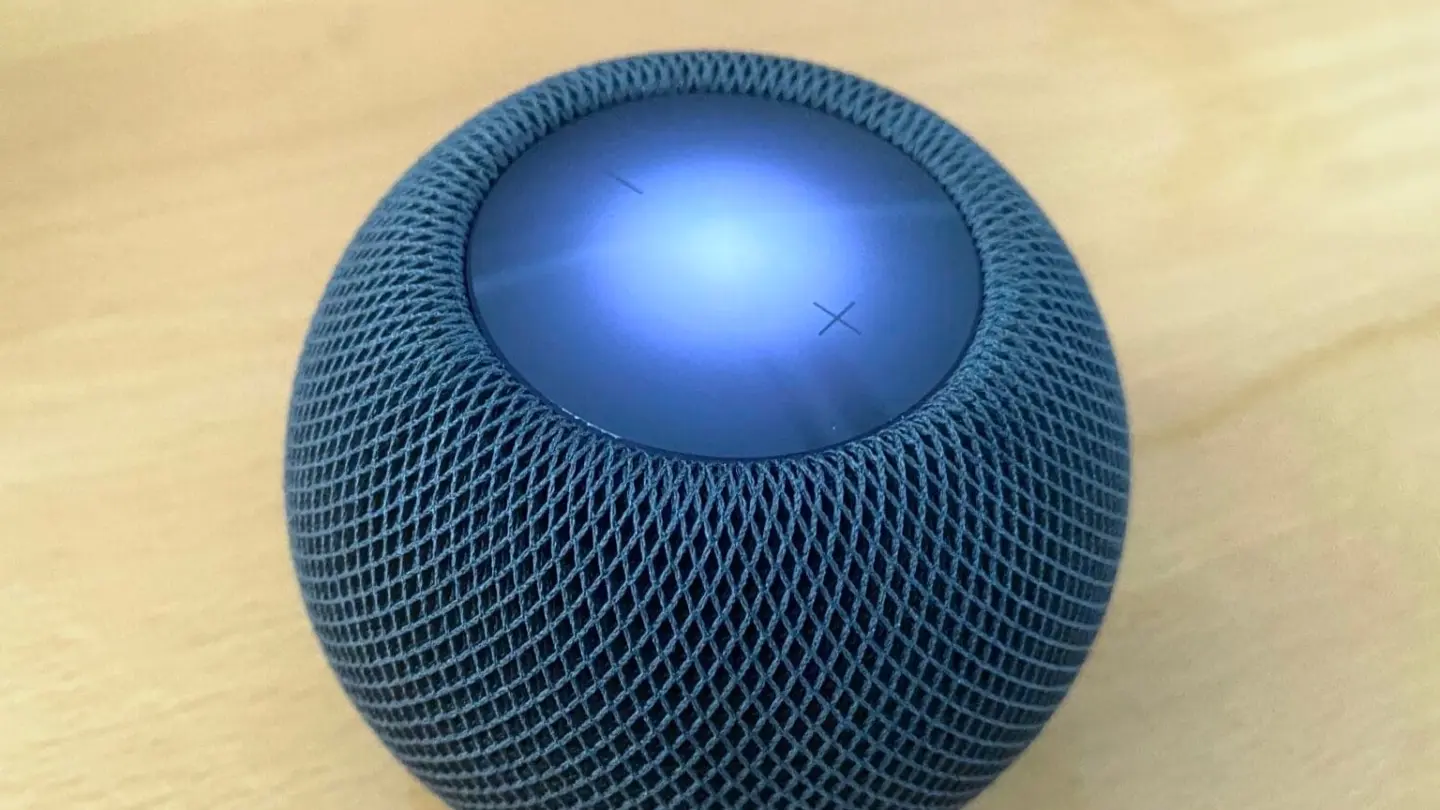
HomePod Software 27.2 brings Sound Glow light effects to older HomePod models, plus new touch controls and better Mac speaker support.
(via Cult of Mac - Your source for the latest Apple news, rumors, analysis, reviews, how-tos and deals.)
The latest hardware release from Apple is bringing a major upgrade to home theater setups. The new fourth-generation Apple TV 4K now officially connects with up to four wireless speakers at the same time. This means users can finally position devices in the front-left, front-right, rear-left, and rear-right corners of their viewing area. This layout […]
The post New Apple TV 4K Model Allows For a Four Speaker Audio Layout appeared first on The Mac Observer.
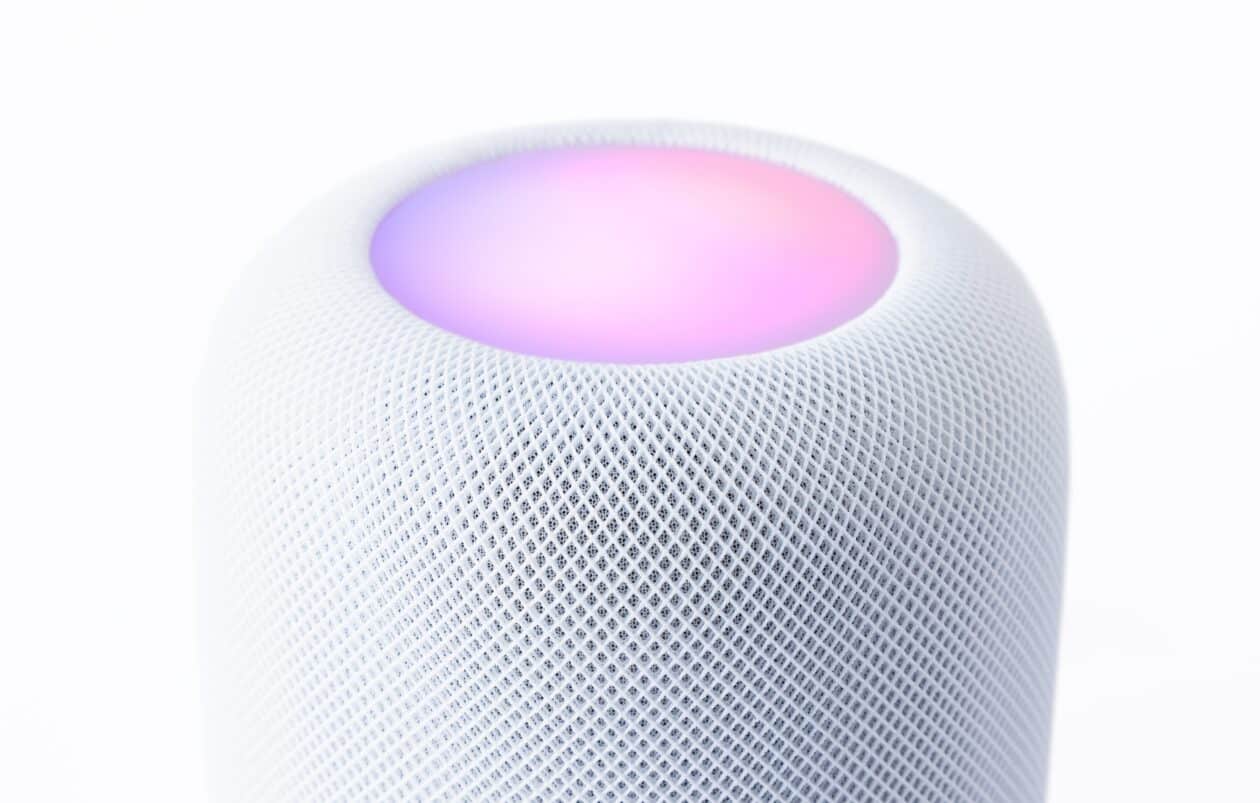
Apple is rolling out a software update that gives your smart speaker a bit more personality. The new Sound Glow feature turns the top touch surface of your Apple HomePod into a colorful light show based on whatever music or podcast you are playing. Instead of a basic white light, the speaker now pulls two […]
The post Apple HomePod Gets a New Sound Glow Feature in the Latest Update appeared first on The Mac Observer.
The original HomePod mini won't get Siri AI, leaving owners stuck with classic Siri. Here's what older Apple speakers can still do.
(via Cult of Mac - Your source for the latest Apple news, rumors, analysis, reviews, how-tos and deals.)
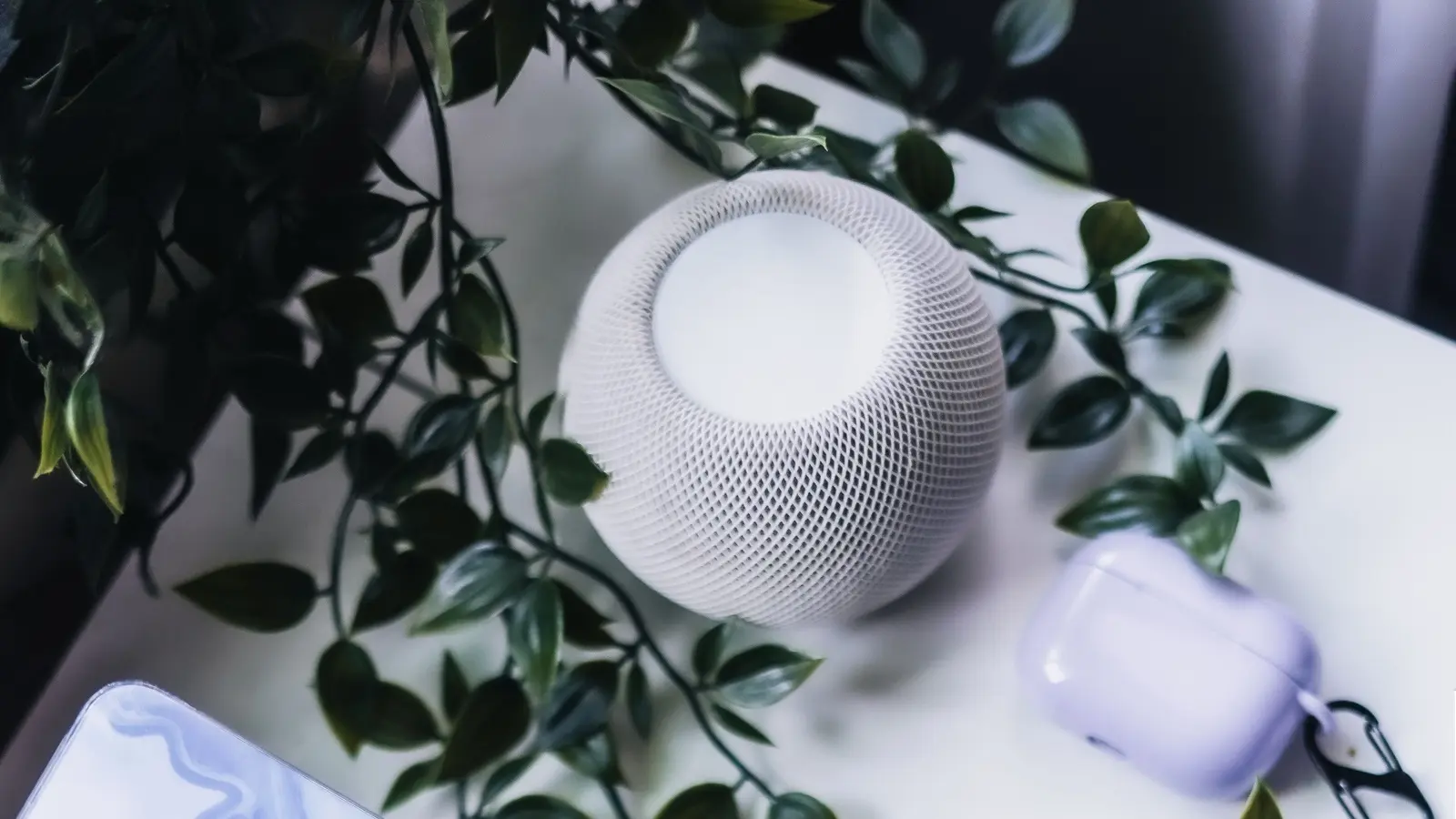
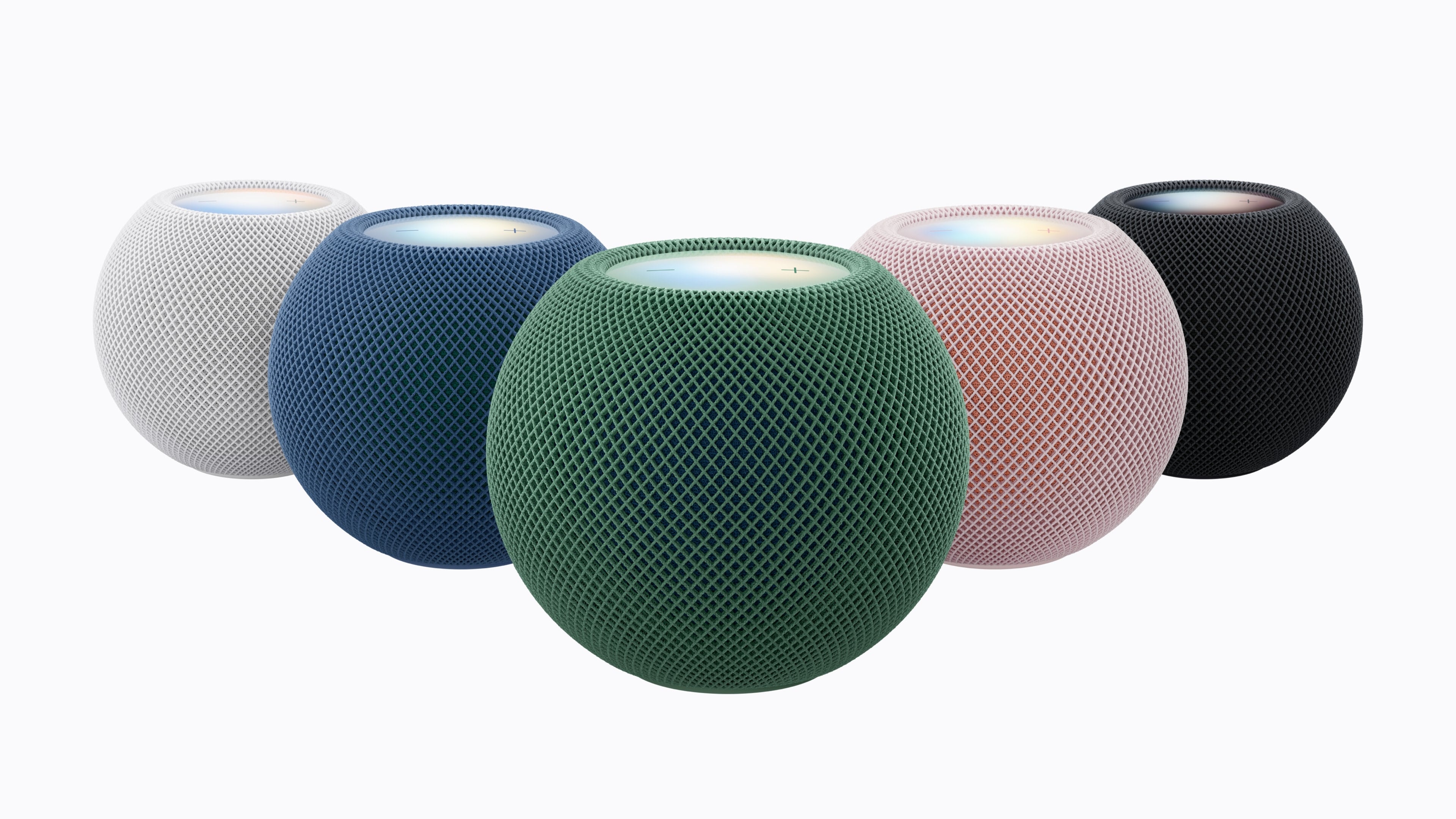
As part of today’s announcements related to Home (including the brand new HomeView, which we’ve covered here), Apple also announced HomePod mini 2, an update to its popular line of diminutive speakers for the home first launched in 2020. The new HomePod mini comes in new colors, will support Siri AI in select markets with a future software update, has a new ‘Sound Glow’ top panel that intelligently adapts colors shown to match what is playing, and offers more integrations with the Apple TV 4K and Mac – all while delivering improved and richer sound compared to the first-generation model.
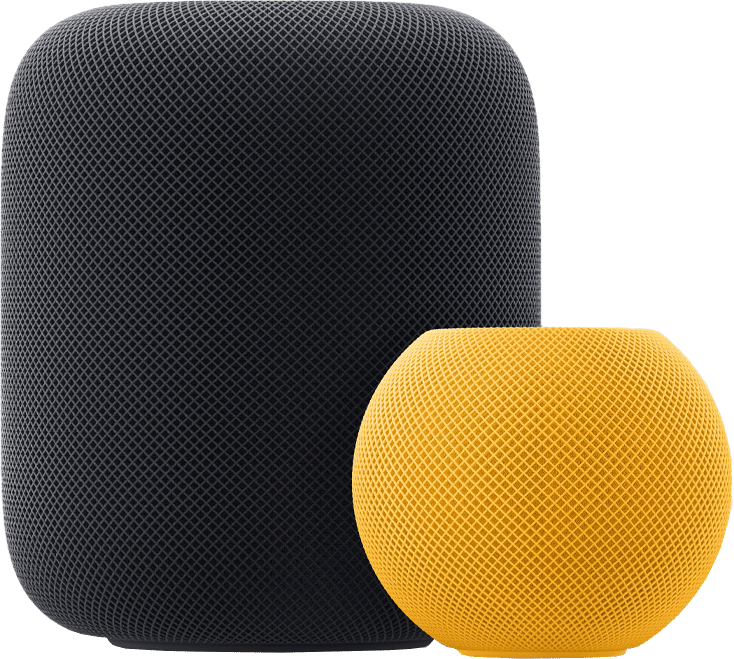
First, the look. The HomePod mini 2 looks nearly identical to its predecessor, except for the aforementioned Sound Glow and the new colors: pink, green, blue, white, and midnight. From the photos we’ve seen so far, they look really nice, and I’m personally a fan of the green and pink options.
Sound Glow is the most apparent hardware-related innovation here: the top panel has been re-engineered to become “a visual canvas that glows and pulses in sync with the music”. The panel reacts in real time to bass and treble, adjusting its animation accordingly, but it also borrows from the Music app’s Now Playing screen: the colors displayed on Sound Glow will be subtly color-matched to the artwork of the audio that’s playing now. According to Apple, Sound Glow will also play custom animations when a soundscape like ‘Rain’ is activated, although a footnote on Apple’s website suggests that the feature will require an iPhone with Apple Intelligence enabled.
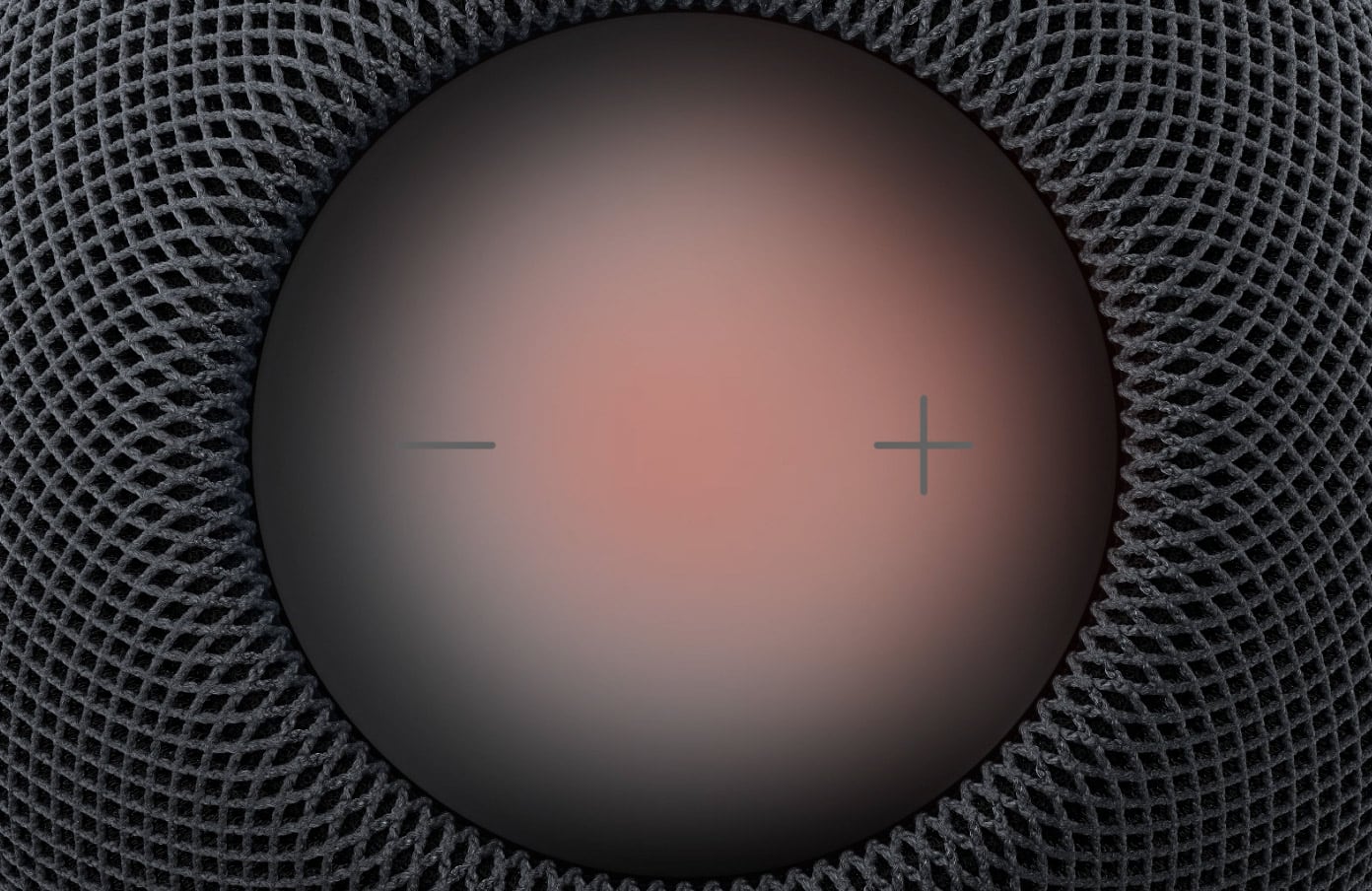
Sound Glow.
The real-time music analysis capabilities of the HomePod mini are made possible by the upgraded chip inside the device, the S10 previously seen on the Apple Watch. (The original HomePod mini had an S5.) In addition to dynamically adapting to sound in real time, the S10 is behind the HomePod mini 2’s ability to run Siri AI (more on this below) as well as to become part of a four-speaker surround group when combined with the also-new fourth-generation Apple TV 4K.
When four speakers are grouped, they can coordinate with an Apple TV to recognize each other’s position in a room and calibrate audio levels and timings to match what is playing. As someone who used for several years a two-HomePod mini pair with an Apple TV in my old apartment, I’m very intrigued by the potential of four little units carefully placed in my larger living room. As detailed by Apple, surround sound requires four HomePod mini 2 or HomePod (2nd generation) speakers in matching pairs front and center, so you can’t mix and match HomePod and HomePod mini 2 at the back of your couch, for instance.
In addition to Apple TV, the HomePod mini 2 can also act as a default speaker for the Mac now. This potentially creates even more purchasing problems for me because, while I have a Sonos Move speaker at my desk, I dislike that I cannot set it as a default sound destination for my Mac mini, so I may even have to consider new speakers for my desk now. Ouch.

I love this look. I need this setup (but not in pink).
In its announcement today, Apple touts the work that has gone into computational audio powered by the S10 and aspects such as “Apple-designed force‑cancelling passive radiators” to improve the HomePod mini’s bass extension; those are things that we can only evaluate with an actual hands-on (ears-on?) with the product. What we can judge today is the Siri AI announcement: HomePod mini 2 will support Siri AI with a future software update, which means the assistant will be able to draw from the user’s context from a paired Apple device (Apple mentions “device”, not “iPhone”, meaning that iPad and Mac should work, too?) and offer personalized suggestions. You can read more about Siri AI in my review from last month here. In an interesting detail, however, Apple notes that even if you have Apple Intelligence disabled on a paired device, you’ll still get access to Siri AI’s newfound world knowledge features when Siri AI becomes available on HomePod mini 2:
Once Siri AI is enabled on a supported HomePod mini speaker, even users without an Apple Intelligence-enabled iPhone or iPad will benefit from Siri AI’s broad world knowledge; its ability to have rich, natural conversations; and its improved music discovery.
Notice how the quote above mentions “iPhone or iPad”, which makes the role of the Mac a little unclear.
That’s about it for the HomePod mini 2. It costs $149, which seems fair given the product’s features, and is available for pre-order today in the U.S. and 23 other countries. It launches on October 30, presumably without Siri AI given Apple’s “future software update” wording. It’s available in Italy, and I’m leaning toward pre-ordering two of them.
Anunciado na semana passada, o HomePod mini 2 traz algumas novidades bastante interessantes, como o suporte à Siri AI e um processador atualizado. Ainda assim, como ele se parece bastante com o seu antecessor (principalmente em termos de design), é possível que algumas pessoas ainda estejam confusas quanto às melhorias promovidas pela Apple.
Se você é uma delas, saiba que está no artigo certo! A seguir, vamos passar por todas as diferenças entre o HomePod mini de primeira geração e o HomePod mini 2 — assim, você poderá decidir qual dos dois modelos comprar ou se vale a pena trocar o seu.
Aqui você vai encontrar mais semelhanças do que diferenças entre as duas gerações da caixa de som inteligente, que contam com o mesmo visual geral, introduzido em 2020, com novas cores adicionadas em 2021 e posteriormente em 2024.

Com um corpo esférico envolto por uma malha colorida, ambos os modelos têm 84,33mm de altura e 97,9mm de largura, com diferença apenas no peso, menor no HomePod mini 2: 335g (ante os 345g do modelo de primeira geração).
Como dito, as cores do HomePod mini de primeira geração já foram atualizadas algumas vezes, e o modelo chegou a ser vendido nas opções branca, amarela, laranja, azul e meia-noite. O HomePod mini 2, por sua vez, pode ser adquirido nas cores branca, rosa, verde, azul e meia-noite.


Ambos os modelos seguem vindo com uma superfície circular retroiluminada com botões de “+” e “-” para ajuste rápido de volume.
A Apple disponibilizará o recurso Brilho do Som (Sound Glow), que faz essa superfície pulsar e brilhar em tempo real de acordo com a música que está tocando, para todos os modelos do HomePod mini e para o HomePod de segunda geração.
Nesse quesito temos algumas mudanças bem curiosas de uma geração para a outra, embora pouco tenha mudado do ponto de vista de hardware.
O que ambos os modelos têm:
O que apenas o HomePod mini 2 tem:


Em termos de hardware de áudio, o HomePod mini de primeira geração leva vantagem em apenas um item: o número de microfones. Enquanto o modelo mais antigo vem com quatro microfones embutidos “para Siri em distâncias grandes”, o HomePod mini 2 vem com “apenas” três.
É possível, no entanto, que a Apple esteja compensando a ausência de um microfone no novo modelo com as novas capacidades de software viabilizadas pelo chip S10, bem mais moderno do que o S5 do HomePod mini de primeira geração.
Aqui, nada mudou. Ambos os modelos podem reproduzir áudio das seguintes fontes:
Também é possível controlar a reprodução ao:
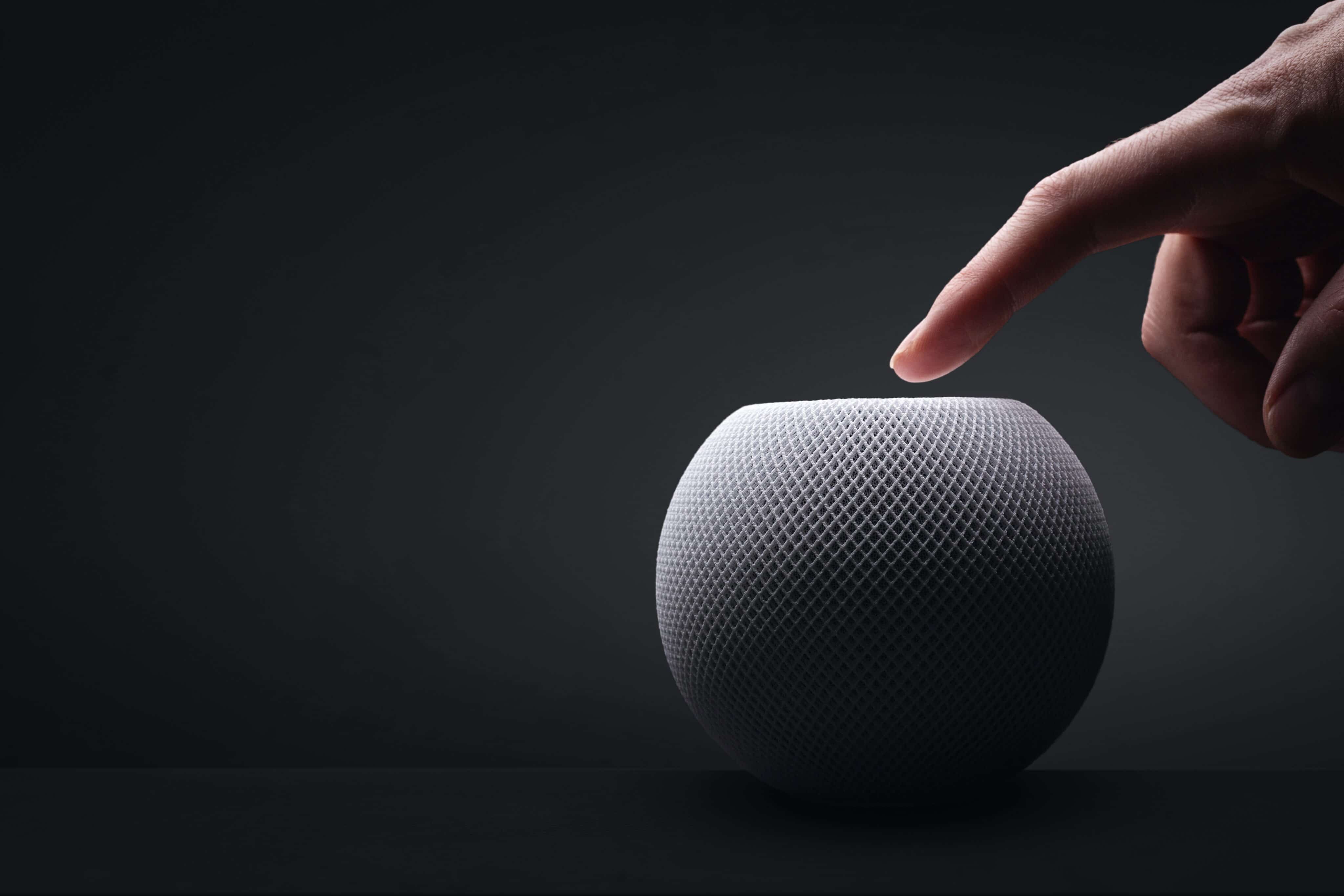
O HomePod mini 2 vence com facilidade nesse quesito: é o único compatível com a versão “turbinada” da assistente virtual da Apple, a Siri AI.
De acordo com a Apple, além de ajudar em tarefas mais simples como enviar mensagens, controlar a reprodução e configurar lembretes, a Siri AI também pode conversar mais naturalmente, responder dúvidas sobre o mundo real com base em buscas na web e recomendar músicas de maneira mais precisa. Ela ainda leva mais o contexto em conta e processa a maioria das solicitações no próprio dispositivo.
O HomePod mini de primeira geração segue com a versão antiga da Siri, capaz de lidar com comandos mais básicos.
Tanto o HomePod mini de primeira geração quanto o HomePod mini 2 são compatíveis com descoberta ponto a ponto, para acesso fácil de convidados, e com redes Thread, além de contarem com um chip de banda ultralarga para recursos que dependem da proximidade de outros aparelhos, como iPhones.
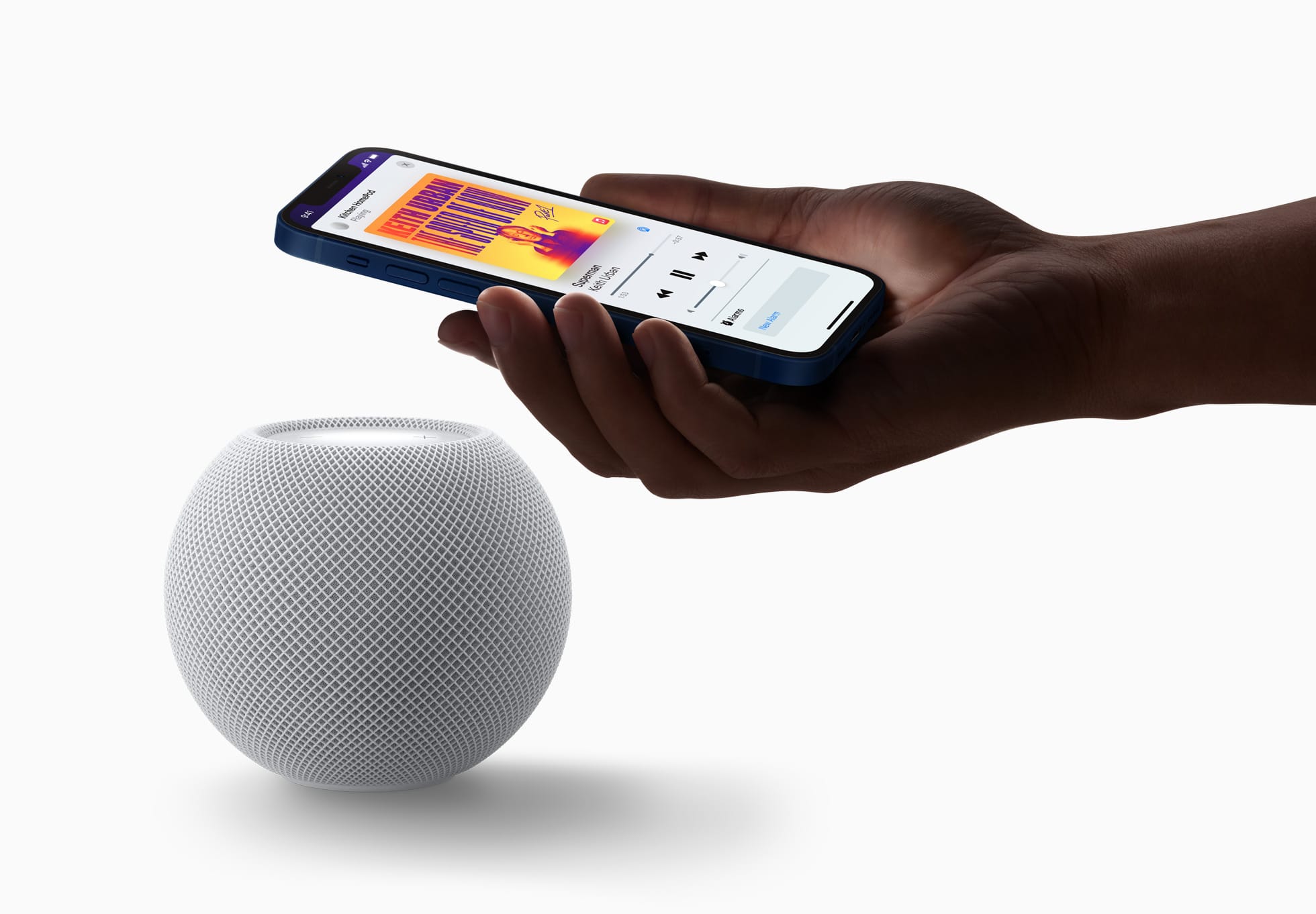
Já o modelo mais antigo tem Wi-Fi 4 (802.11n) e Bluetooth 5, enquanto a nova versão conta com Wi-Fi 6E (802.11ax) e Bluetooth 6. Ambos os modelos vêm com sensores de temperatura e umidade.
Já disponível em pré-venda, o HomePod mini 2 será lançado em 30 de outubro por US$150 (US$20 a mais do que o modelo anterior) nos Estados Unidos e em outros países selecionados.
Assim como seu antecessor, o novo HomePod mini também segue sem uma previsão de lançamento no Brasil ou em Portugal — quem sabe isso mude com o lançamento dos sistemas 27.2 e com a chegada da Siri AI em português.

Ambos os HomePods mini vêm com um cabo USB-C e um adaptador bivolt de 20W na caixa, além da documentação regulamentar, é claro.

NOTA DE TRANSPARÊNCIA: O MacMagazine recebe uma pequena comissão sobre vendas concluídas por meio de links deste post, mas você, como consumidor, não paga nada a mais pelos produtos/serviços ao usar os nossos links de afiliado.


Conforme informamos ontem, a Apple liberou as Release Candidates das versões 27.2 dos seus sistemas operacionais, incluindo algumas reformulações visuais e novidades.
Vamos conferir o que chegou para os sistemas da Maçã?
No caso da RC do iOS 27.2, há uma série de pistas sobre implementações de recursos futuros, além de integrações com outros sistemas: é o caso da adição do código de configuração do som surround com quatro HomePods e a nova Apple TV 4K (quarta geração):
iOS 27.2 RC adds setup code for surround sound with 4 HomePods and Apple TV 4K (4th gen).
— pdfu (@itspdfu) October 19, 2026
The code was already included in the iPhone Duo 27.2 simulator runtime. https://t.co/LXuYyOxBQi pic.twitter.com/0FqZnZN1qb
Um indício deixado no sistema para um recurso futuro é a não contabilização de conversas silenciadas na contagem das notificações de mensagens não lidas no app Mensagens (Messages):
iOS 27.2 RC indicates that Apple is working on a feature to exclude muted chats from the unread count in the Messages app
— Aaron (@aaronp613) October 19, 2026
O código do sistema também apresenta vestígios do MacBook Pro com tela sensível ao toque (também chamado de “MacBook Ultra”) para o recurso Sidecar:
iOS 27.2 once again likely references the upcoming MacBook Pro with a touchscreen
— Aaron (@aaronp613) October 19, 2026
The code for SideCar adds a new mention of "touch display" pic.twitter.com/KWwMwqo0hm
Outro achado no sistema foi uma menção ao iOS 28, que deverá chegar aos aparelhos no ano que vem:
iOS 27.2 RC already references iOS 28 pic.twitter.com/oAJ2aBulGq
— Aaron (@aaronp613) October 19, 2026
Às vésperas da chegada do HomePod mini 2, o software dos alto-falantes inteligentes da Apple ganhou algumas novidades que se aplicam aos demais modelos compatíveis com a atualização (para ser mais exato, o HomePod mini de primeira geração e o HomePod de segunda geração), como o Sound Glow (que exibe luzes ambientes no topo do alto-falante de acordo com o som que está sendo reproduzido) e o bloqueio dos controles de toque:
Sound Glow will work on HomePod mini 1, HomePod mini 2 and HomePod (2nd generation)!
— pdfu (@itspdfu) October 19, 2026
In HomePod Software 27.2 RC, the LightShowCapability check is “productType > 1,” so only the original HomePod is unsupported. https://t.co/KwMrrAx7rf
All HomePod models will support the Lock Controls setting, according to HomePod software 27.2 RC.
— pdfu (@itspdfu) October 19, 2026
You should see the setting in the Home app after updating both HomePod and iPhone. https://t.co/lAPVuRg3av
O leaker pdfu [@itspdfu] confirmou ainda que o Party Mode (“Modo Festa” em tradução direta) é um modo de renderização “difuso” secundário para som surround, o que significa que, para aproveitá-lo, será necessário ter uma Apple TV 4K de quarta geração:
audioOS 27.2 confirms that Whole Room Audio (Party Mode) is a secondary “diffuse” rendering mode for surround sound, so you’ll need the new Apple TV 4K.
— pdfu (@itspdfu) October 19, 2026
The feature has an interesting implementation: it gives diagonally opposite HomePods the same L/R stereo role.
Front left →… pic.twitter.com/2uPCGrjPks
Ainda sobre o som surround com HomePods na Apple TV, será possível ajustar o modo dos alto-falantes, o ganho de surround e o funcionamento do som estéreo:
You’ll get new audio controls when you set up four HomePods with the new Apple TV.
— pdfu (@itspdfu) October 19, 2026
Speaker Mode: Surround Sound or Whole Room Audio.
Specifically for Surround Sound:
• Spatialize Stereo: Control whether to play a spatially processed mix for video and music. As reported in… pic.twitter.com/KDzUeu3VpU
A nova versão do sistema também permite a exibição aleatória de protetores de tela personalizados com Memórias, Apresentações de Slides ou Retratos:
tvOS 27.2 allows you to shuffle through available Screen Savers throughout the day.
— pdfu (@itspdfu) October 19, 2026
You can also set up Memories & Slideshows or Portraits screen savers on iPhone or iPad without sharing your whole library.
The features were announced in the Apple TV 4K press release. pic.twitter.com/1VNsCBzymi
Bastante coisa, né?


NOTA DE TRANSPARÊNCIA: O MacMagazine recebe uma pequena comissão sobre vendas concluídas por meio de links deste post, mas você, como consumidor, não paga nada a mais pelos produtos/serviços ao usar os nossos links de afiliado.


Apple is bringing a big audio upgrade to your living room. The company just pushed out the iOS 27.2 release candidate alongside several other device updates. Among these new changes, the latest tvOS 27 testing version quietly adds support for a four-speaker surround sound setup. Once this software goes public, you can connect multiple HomePod […]
The post Apple Prepares Four-Speaker Surround Sound for HomePod in tvOS 27.2 appeared first on The Mac Observer.
HomePod mini 2 arrives October 30 at $149 (U.S.), and Apple says you will need an iPhone or iPad to get it running. “You can’t set up HomePod with a Mac,” Apple’s support guide states, and the device must be updated to the latest version of iOS or iPadOS first. The setup itself is short. […]
The post How to set up HomePod mini 2: an iPhone or iPad on the latest iOS, not a Mac appeared first on The Mac Observer.

Apple TV 4K and HomePod mini orders are showing extended delivery estimates in the U.S., while the orange HomePod mini is currently unavailable to order from Apple’s online store. The reported estimates apply to the U.S. online store at the time of the check and can change without an announcement. A color being unavailable online […]
The post Apple TV Shipping Delays Continue as Orange HomePod mini Goes Unavailable appeared first on The Mac Observer.

Apple has barely finished unveiling the iPhone Duo, iPhone 18 Pro lineup, AirPods 5, and new Apple Watches, but the company already has a much larger pipeline queued up for late 2026 and the first half of 2027, according to Bloomberg News‘ Mark Gurman.
The coming products are part of what new CEO John Ternus has internally described as Apple’s most ambitious product road map yet. Many of the devices are designed to spread Siri AI more widely across the lineup and close some of the gap with rivals in artificial intelligence. As always, dates can slip and products can be delayed or canceled.
Later this yearGurman reports that Apple is preparing several updates before year-end:
• HomePod mini with Siri AI — Same familiar design as the 2020 model, but with a new chip to power the overhauled assistant.
• Apple TV with Siri AI — Another look-alike refresh, this time with a faster chip for navigation and the new Siri experience.
• Smart-home hub — A square display that can sit on a speaker base or mount on a wall. It will run a new operating system, support video calls, and use facial recognition to personalize what it shows. Apple had considered showing it at last week’s event and is now aiming as early as October, though the timeline remains fluid after repeated delays.
• Touch-screen MacBooks — The biggest MacBook Pro change since 2021, adding OLED panels and touch screens for the first time, with M5 Pro and M5 Max chips.
• Entry-level 14-inch MacBook Pro — Current design, updated with the M6 chip.
• iMac — New colors and an M6 processor.
• iPad mini — One of the line’s biggest upgrades, adding an OLED display.
The HomePod mini and Apple TV are already being tested with iOS 27. The new Macs are running macOS 27.1 internally, and the iPad mini is on iPadOS 27.1. Both of those software updates are expected late next month.
First half of 2027
The spring and early summer slate is heavier on refresh cycles than radical redesigns:
• MacBook Air — Same 13-inch and 15-inch designs, moving to the M6 chip.
• MacBook Neo — Follow-up model with an A19 Pro chip and more memory.
• Entry-level iPad — Faster chip so the cheaper tablet can run Apple Intelligence and Siri AI.
• iPad Pro — Chip upgrade plus vapor-chamber cooling similar to the iPhone 18 Pro.
• iPad Air — First OLED screens in that line, plus a new chip.
• iPhone 18 — Largely an A20 chip upgrade, with the notable change that the standard model is shifting from fall to spring.
• iPhone 18e — Another chip-focused update; Apple will need to make clear how it differs from the regular iPhone 18.
• iPhone Air 2 — More substantial: a 2-nanometer A20 Pro chip, better battery life, and a second rear camera for ultrawide shots.
• Apple Pencils — New Pencil Pro and USB-C models timed with the iPads; the iPhone Duo will support the stylus as well.
Looking further ahead
The second half of 2027 is expected to get more ambitious still, Gurman writes, with M7 updates to MacBooks, smart glasses, camera-equipped AirPods, a home security system, a redesigned Apple Watch, Twentieth Anniversary iPhones, and a second-generation foldable iPhone Duo.
MacDailyNews Take: Taken together, the road map suggests Apple is trying to do two things at once: push Siri AI onto more affordable and living-room devices, and finally refresh categories that have languished for years. Whether October brings a full event or quieter waves of launches, the next 12 months look unusually crowded with product launces!
Please help support MacDailyNews — and enjoy subscriber-only articles, comments, chat, and more — by subscribing to our Substack: macdailynews.substack.com. Thank you!
Support MacDailyNews at no extra cost to you by using this link to shop at Amazon.
The post Apple’s next wave: touch-screen MacBooks, a smart-home hub, and 14 more products appeared first on MacDailyNews.
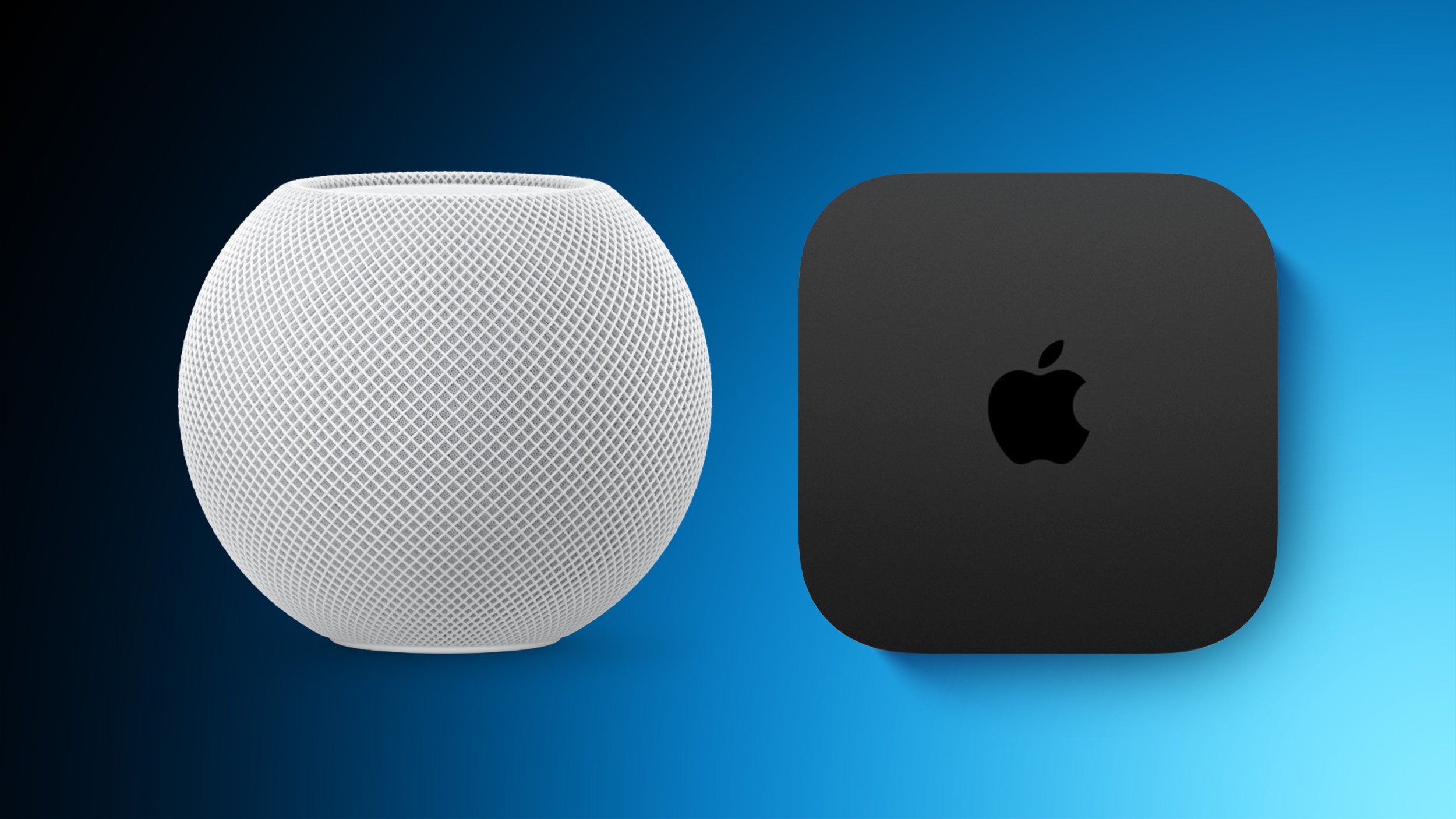 Apple TV and HomePod mini orders continue to face extended shipping delays on Apple's online store in the U.S., amid endless rumors about new models coming later this year. These shortages have been occurring on and off for more than a year.

Apple is preparing a dedicated home-security product line and a companion monitoring service, according to Bloomberg News’ Mark Gurman, as the company maps a broader expansion of its smart-home business beyond next week’s iPhone event.
In a Sept. 4 report on Apple’s product pipeline under new Chief Executive Officer John Ternus, Gurman said the company is working on an in-home security sensor and system slated for 2027. The device is described as a privacy-centric camera and automation accessory that would use artificial intelligence to watch a room’s environment rather than continuously storing traditional video footage. That hardware, he wrote, is expected to tap into a new Apple home-security and monitoring service.
The framing is consistent with earlier Gurman reporting that Apple has been developing battery-powered security hardware — previously discussed as a camera and later as a small sensor, internally associated with the J450 project — that can recognize people, use infrared sensing, and trigger automations such as lights or music when a household member enters or leaves a room. Apple has also been said to be exploring a wider lineup that could eventually include additional cameras and a facial-recognition doorbell aimed at rivals such as Amazon’s Ring and Google’s Nest.
A service layer would be a notable shift. Apple already offers HomeKit Secure Video through iCloud, but Gurman’s latest account points to a more complete security and monitoring offering — the kind of recurring product that could sit alongside Apple’s other subscription businesses. Industry coverage of the same Bloomberg report has noted that such a service could later be bundled into Apple One, though Apple has not announced pricing, professional monitoring, or how much processing would stay on-device.
The security push is part of a larger home reset. Gurman and other reports have said Apple is first rolling out refreshed living-room hardware, including a new Apple TV 4K, an updated HomePod mini, and a screen-equipped home hub often referred to as a HomePad, before the 2027 security system arrives. The company has long lagged Amazon and Google in connected-home hardware even as it has marketed privacy as a differentiator. An AI-first sensor that avoids constant video recording would be an attempt to turn that brand position into a product category.
Apple has not publicly confirmed the devices or the service. Details on design, battery life, outdoor coverage, emergency dispatch, and whether video would still be captured after an AI alert remain unreported. What Gurman’s reporting does make clear is that Apple now sees home security as both a hardware line and a services opportunity — and that the company is targeting 2027 to bring them to market together.
MacDailyNews Take: This will be great – as long as it works with our Eufy cameras!
Please help support MacDailyNews — and enjoy subscriber-only articles, comments, chat, and more — by subscribing to our Substack: macdailynews.substack.com. Thank you!
Support MacDailyNews at no extra cost to you by using this link to shop at Amazon.
The post Apple preps privacy-first home security cameras and monitoring service appeared first on MacDailyNews.
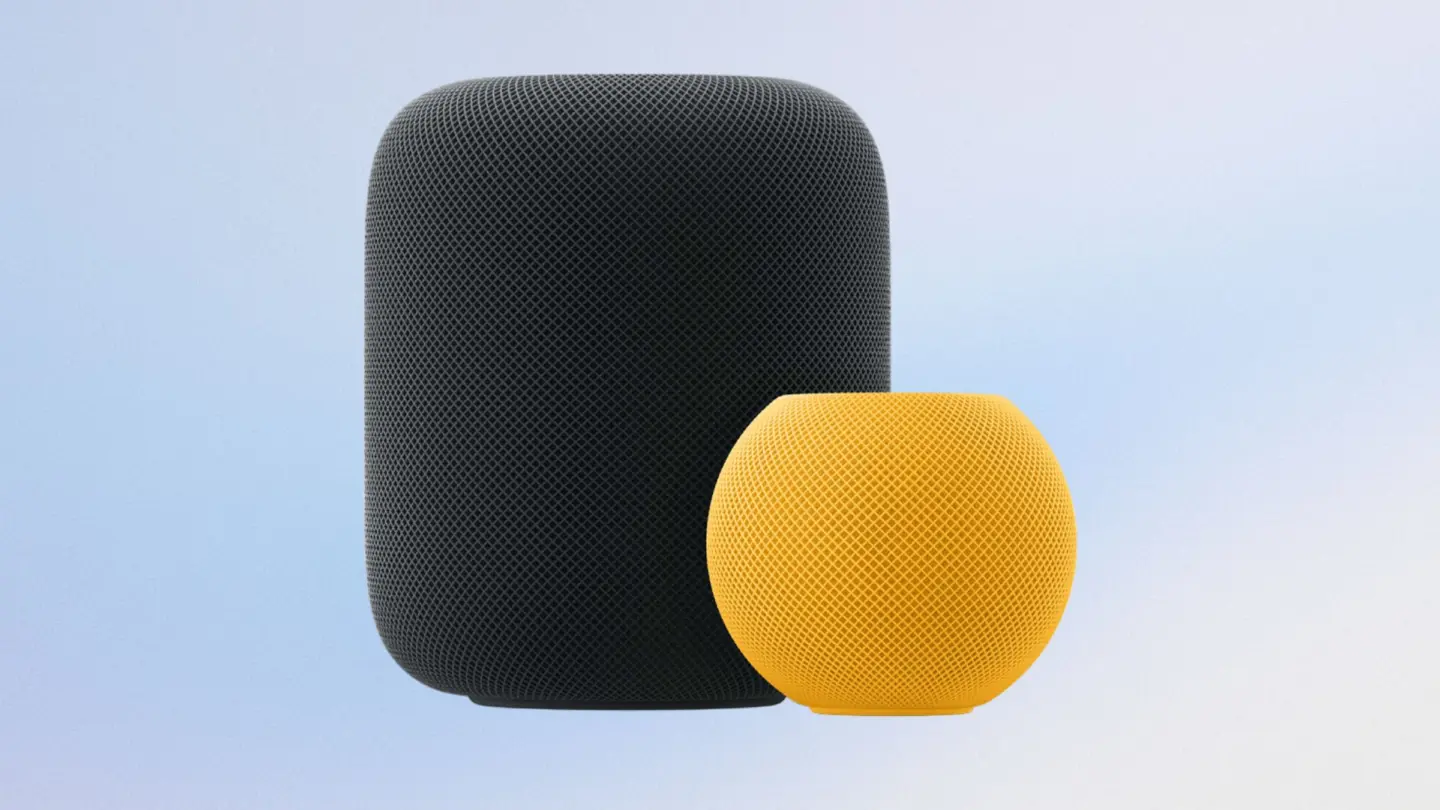
Hidden audioOS 27 code hints at HomePod surround sound through a four-speaker home theater setup. And a new Party Mode too!
(via Cult of Mac - Your source for the latest Apple news, rumors, analysis, reviews, how-tos and deals.)
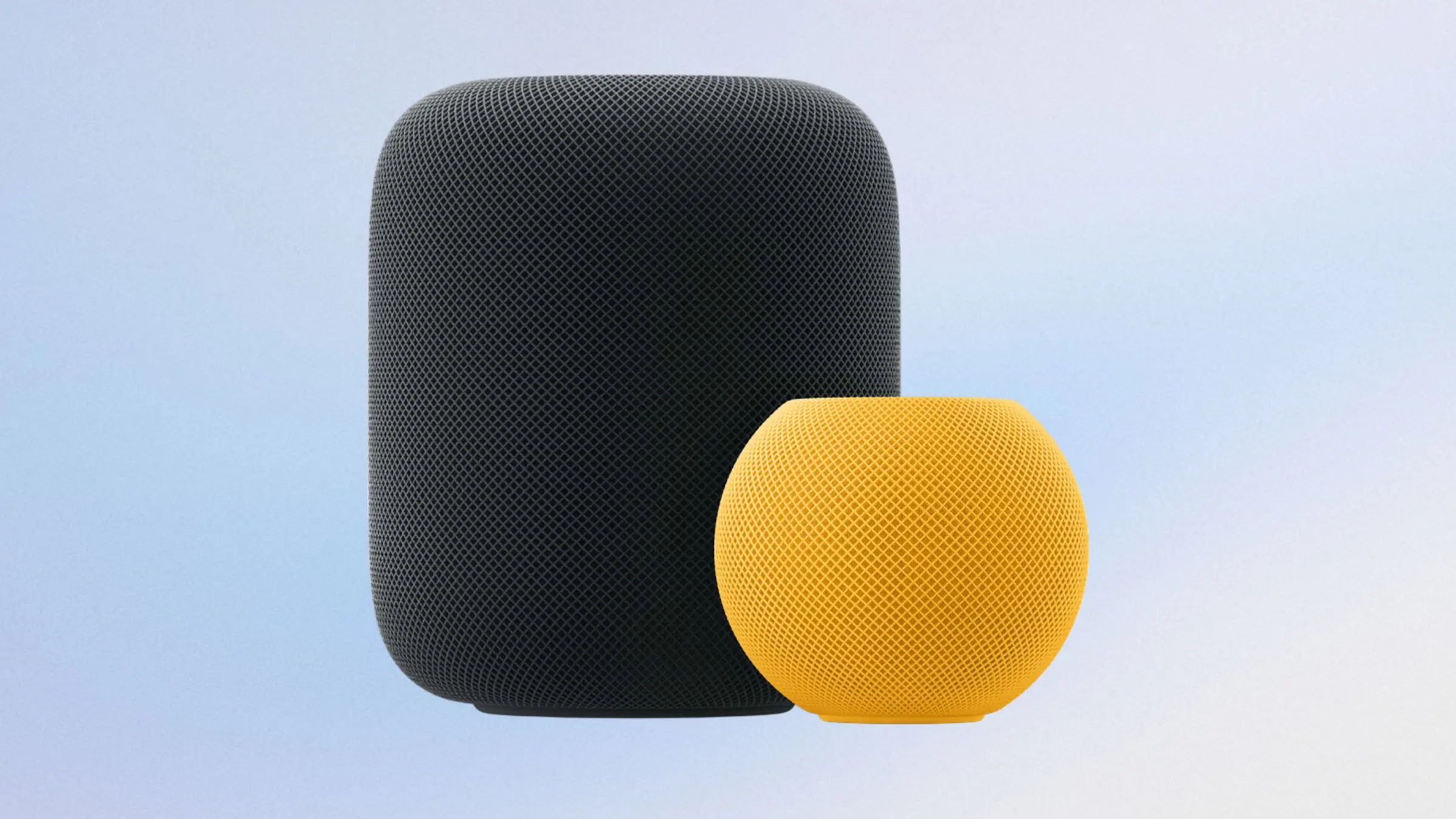
O HomePod e o HomePod mini não são lá um grande sucesso, mas isso não significa que eles sejam produtos ruins. A má fama deles se deve, em parte, à incapacidade da Siri de realizar muitas tarefas que outras assistentes teoricamente fazem com mais facilidade.
Se você possui um desses dispositivos, é importante saber qual a versão do software que eles estão rodando no momento. Assim, você pode usufruir de novos recursos e de correções de brechas de segurança.
Veja como conferir! 🔊
Posts relacionados
Abra o app Casa (Home), toque em cima do card do HomePod por alguns segundos e vá em “Ajustes do Acessório”. Você também pode chegar a essa mesma tela tocando em cima do card e depois no botão dos ajustes (uma engrenagem).

Feito isso, role a página até o fim e veja a versão do software.
No computador, também no app Casa, clique com o botão direito do mouse em cima do card do alto-falante e vá em “Ajustes do Acessório”. Novamente, você pode chegar a essa mesma tela clicando no card e depois no botão dos ajustes.
Depois, é só rolar a página até o fim.
NOTA DE TRANSPARÊNCIA: O MacMagazine recebe uma pequena comissão sobre vendas concluídas por meio de links deste post, mas você, como consumidor, não paga nada mais pelos produtos/serviços usando os nossos links de afiliado.


Apple released tvOS 26.6 and HomePod Software 26.6 on July 27, 2026, as part of a broader wave of point updates that also included iOS 26.6, iPadOS 26.6, macOS Tahoe 26.6, watchOS 26.6, and visionOS 26.6.
These are maintenance releases rather than feature-packed upgrades. With the major tvOS 27 and HomePod Software 27 updates already in beta and expected in the fall, Apple focused the 26.6 cycle on under-the-hood refinements: bug fixes, performance and stability improvements, and a substantial set of security patches. No significant new user-facing features were identified during the beta period for either platform.
tvOS 26.6
tvOS 26.6 is available for the Apple TV HD and all Apple TV 4K models. It arrives roughly two months after tvOS 26.5 and continues the pattern of incremental polish for the 26 series, which introduced the Liquid Glass design language and other enhancements in fall 2025.
Apple’s developer release notes highlight only a small number of resolved issues (such as specific HealthKit statistics query problems and StoreKit testing behavior in the simulator). The public-facing emphasis is on general reliability and security. The security content document lists dozens of fixes across frameworks including Accounts, App Store, Kernel, CoreAudio, ImageIO, and others—addressing potential issues like user fingerprinting, data access, denial-of-service conditions, and memory corruption.
Notably, tvOS 27 is expected to drop support for the Apple TV HD and the first-generation Apple TV 4K. Owners of those models will remain on the tvOS 26.x line (including future minor updates after 26.6) for as long as Apple continues to support them.
How to update:
On your Apple TV, open Settings > System > Software Update. Devices with automatic updates enabled should receive it without manual intervention.
HomePod Software 26.6
HomePod Software 26.6 (build 23L773) rolls out to the original HomePod, HomePod mini, and later models. Like the concurrent tvOS release, it carries no new headline features. Apple has not published detailed public release notes beyond the standard language of performance and stability improvements, which has been typical for most 26.x point releases after the initial HomePod Software 26 launch (that version added Crossfade for Apple Music and AirPlay refinements).
The update shares the same late-cycle focus on reliability and security hardening as the rest of the 26.6 family. It is installed automatically on most HomePods unless the feature has been disabled; manual installation is available through the Home app on iPhone, iPad, or Mac (Home Settings > Software Update).
These releases represent the late-stage maintenance phase of the 26-generation operating systems. Engineering attention has largely shifted to the 27 series unveiled at WWDC 2026, which is currently in public beta and slated for a fall launch. That upcoming generation is expected to bring more substantial changes, including further Siri and Apple Intelligence integration (particularly relevant for future HomePod and Apple TV hardware) and other refinements.
MacDailyNews Take: Both tvOS 26.6 and HomePod Software 26.6 deliver a quieter, but useful round of fixes and security updates. Installing them keeps your Apple TV and HomePod devices running smoothly and better protected while the bigger fall upgrades take shape.
Please help support MacDailyNews — and enjoy subscriber-only articles, comments, chat, and more — by subscribing to our Substack: macdailynews.substack.com. Thank you!
Support MacDailyNews at no extra cost to you by using this link to shop at Amazon.
The post What’s new in tvOS 26.6 and HomePod 26.6 appeared first on MacDailyNews.

Version 26.6 is out, so it's time to check your HomePod Software update status. Here’s how to ensure your smart speaker is up to date.
(via Cult of Mac - Your source for the latest Apple news, rumors, analysis, reviews, how-tos and deals.)

