 Login

How Much Should Students Use AI? Preferably Not at All
New York City recently announced a moratorium on AI use in K-12 classes for the 2026-2027 school year.

Thirty years after a small group of European professors of geriatric medicine first warned that the continent’s fastest-growing population was being cared for by physicians who had never been formally trained to care for them, the program they created to fix the problem is marking its anniversary with a scientific milestone of its own. A new special article published in European Geriatric Medicine documents the research output of the most recent graduating cohort of the European Academy for Medicine of Ageing, or EAMA, and in doing so offers a rare longitudinal measure of how a structured, pan-European leadership program in geriatric medicine translates into scholarly productivity, professional advancement and, ultimately, better care for older people.
The new paper, titled “‘Highlights of latest EAMA’: generation research outputs of the 30-year anniversary cohort,” was authored by Thomas Münzer of the Geriatric Clinic St. Gallen in Switzerland, Hannes B. Stähelin of Basel, and Barbara van Munster of the University of Groningen Medical School in the Netherlands, writing on behalf of the EAMA Board. It arrives at a moment when the demographic arithmetic of Europe has made the question of geriatric capacity more urgent than ever: the proportion of people over 65 continues to climb, multimorbidity, frailty and polypharmacy have become the daily reality of hospital medicine, and health systems across the continent still struggle to recruit and retain physicians trained specifically in the medicine of ageing. The article’s premise is simple but rarely examined with this degree of rigor — if you invest systematically in the education of mid-career geriatricians, what do you get back?
To understand the significance of the anniversary cohort’s research output, one has to go back to the early 1990s, when the group of European Professors in Medical Gerontology published a stark assessment in the journal Age and Ageing. Writing in 1994, Stähelin and colleagues documented that medical gerontology was taught unevenly, and in many countries not at all, in European medical schools. Geriatric medicine, despite being one of the few specialties whose patient population was guaranteed to expand every single year, was frequently a subordinate unit within internal medicine, staffed by physicians who had acquired their expertise on the job rather than through dedicated training. The professors’ conclusion was that Europe needed not merely more geriatricians but a new cadre of academic leaders — clinicians who could teach, publish, shape curricula and advocate for the specialty within their national health systems.
That diagnosis led, in 1995, to the founding of the European Academy for Medicine of Ageing, an intensive postgraduate program deliberately modeled on leadership academies rather than conventional continuing medical education. EAMA’s structure has remained remarkably stable across its three decades: a small, competitively selected cohort of physicians, typically already experienced clinicians, is brought together for a series of residential courses spread over roughly two years, interspersed with mentored projects that require participants to produce original scholarly work. The curriculum spans the full breadth of the medicine of ageing — from the biology of ageing and the physiology of frailty, through geriatric syndromes such as falls, delirium, incontinence and sarcopenia, to the organizational science of acute geriatric units, nursing home medicine, rehabilitation and end-of-life care. Crucially, faculty are drawn from across Europe, exposing participants to radically different national models of geriatric care and building a professional network that persists long after the formal courses end.
The “reloaded” reform of the program, described in a 2018 paper by Roller-Wirnsberger and colleagues in European Geriatric Medicine, formalized what three decades of experience had taught the academy’s faculty. That paper set out explicit competencies and standards for a European leadership program in geriatric medicine, defining what a graduate of EAMA should be able to do: not just diagnose and treat, but design services, lead multidisciplinary teams, mentor juniors, conduct and critique research, and represent the specialty at institutional and governmental levels. The competency framework aligned the academy with modern medical-education theory, in which learning objectives are specified in advance and assessed rather than assumed. It is against this framework that the anniversary cohort’s performance, as documented in the new article, can be read as an evaluation of the program itself.
The central finding of the new special article is that the latest cohort of EAMA graduates has generated a substantial body of research output — the “generation research outputs” of the title — spanning peer-reviewed publications, presentations and ongoing projects in geriatric medicine. Each participant in the program is expected to develop a scholarly project under faculty mentorship, moving from a research question through protocol design, data collection and analysis to presentation and, ideally, publication. For the 30-year anniversary cohort, the academy compiled and highlighted these outputs, creating what the authors describe as the “Highlights of latest EAMA” — a curated snapshot of what a single generation of emerging European geriatric leaders produced during and immediately after their training.
Why does this matter beyond the individual careers involved? The technical answer lies in how research capacity compounds. A single published paper changes one evidence base marginally; a cohort of trained researchers who continue publishing changes the trajectory of an entire specialty. Geriatric medicine has historically been under-represented in high-impact clinical research relative to the burden of disease it manages. Conditions such as delirium, frailty and multimorbidity were for decades excluded from major trials or treated as confounders rather than outcomes, precisely because the specialty lacked enough investigator-trained clinicians to insist on their inclusion. Programs like EAMA attack that bottleneck at its root: every graduate who learns to design a study, secure a mentor and navigate the publication pipeline becomes a node through which clinical questions from the bedside can flow into the literature and back.
The pedagogical machinery behind that outcome is worth examining, because it explains why the anniversary cohort’s productivity is treated by the authors as more than a curiosity. EAMA’s residential courses are built around case-based, small-group learning in which participants bring real clinical and organizational problems from their home institutions and work them through with international faculty. The mentored projects between courses impose deadlines and accountability — the two ingredients that, as anyone who has supervised doctoral students knows, most reliably convert good intentions into submitted manuscripts. The academy also functions as a peer-review incubator: draft papers are critiqued by senior European geriatricians before submission, giving participants exposure to the standards of international journals at a stage of their careers when feedback is most formative.
The anniversary article also carries a personal and institutional poignancy. Hannes B. Stähelin, one of the co-authors, is identified in the publication as deceased; he was among the founding professors whose 1994 analysis launched the academy, and his presence on the author line of a paper published in 2026 spans the full thirty-year arc of the program. The continuity from the GEPMG position paper through the 2002 retrospective review of the academy’s first years, published in Gerontology, through the 2018 competency framework, and now to this documentation of cohort research output, constitutes something rare in medical education: a thirty-year, multi-generation audit trail of a single intervention in specialty training, documented by the people who built it.
For health systems, the implications are concrete. Europe’s national models of geriatric care differ enormously — from the fully established departments of the United Kingdom and the Netherlands to countries where geriatrics is still fighting for recognition as an independent specialty. EAMA’s cohorts deliberately mix these national traditions, so that a geriatrician from a country without an acute geriatric unit model trains alongside colleagues who run such units daily. The research outputs of the anniversary cohort, the authors suggest, function as a form of technology transfer: projects conceived in one system are published in international journals and become adaptable blueprints for colleagues elsewhere. In an era when the European Union explicitly tracks health-workforce capacity, an academy that reliably produces clinicians who can lead services and generate evidence is a strategic asset, not a professional courtesy.
The article is also, implicitly, an argument about how educational interventions should be evaluated. Medical education research is notoriously dominated by satisfaction surveys and self-reported confidence measures, which correlate weakly with actual performance change. Research output — publications generated, projects completed, academic positions attained — is a harder, more objective endpoint, and the EAMA Board’s decision to compile and publish the anniversary cohort’s outputs signals a commitment to accountability by measurable results. It is a methodology other postgraduate leadership programs in medicine, from palliative care to rural health, could plausibly adopt: define the competencies, train against them, and then report what the trainees actually produced.
The publication timeline of the article itself — received in December 2025, revised in April 2026, accepted in June and published on 6 July 2026 in European Geriatric Medicine, the journal of the European Geriatric Medicine Society — places it squarely in the anniversary year it commemorates. As Europe’s population ages at a pace with no historical precedent, the question the founding professors asked in 1994 — who will teach the teachers, and who will lead the specialty? — has an answer that can now be pointed to in print: thirty years of EAMA cohorts, and a newest generation whose scholarly work is documented, highlighted and, the academy clearly hopes, replicated by the cohorts to come.
Article Title: “Highlights of latest EAMA”: generation research outputs of the 30-year anniversary cohort
Article References: Münzer, T., Stähelin, H. B., van Munster, B., & the European Academy for Medicine of Ageing (EAMA) Board (2026). “Highlights of latest EAMA”: generation research outputs of the 30-year anniversary cohort. European Geriatric Medicine. https://doi.org/10.1007/s41999-026-01536-5
Image Credits: AI Generated
DOI: 10.1007/s41999-026-01536-5
Keywords: European Academy for Medicine of Ageing, EAMA, geriatric medicine, medical education, research output, leadership program, ageing, Europe, geriatric care, anniversary cohort, lifelong learning
Even years after the acute phase of the COVID-19 pandemic faded from daily headlines, one of its most stubborn legacies continues to shadow millions of working adults: post-COVID conditions, the cluster of persistent symptoms now broadly known as long COVID. A new cross-sectional study from Taiwan, published in BMC Psychology, offers a sobering snapshot of what these conditions mean for mental health and the capacity to work, even among people who were highly vaccinated and infected predominantly during the milder Omicron era. The findings challenge a lingering assumption that vaccination and less virulent variants have fully neutralized the long-term occupational and psychological costs of SARS-CoV-2 infection.
The research, led by Jhe-Ping Lin of the Department of Occupational Medicine at Linkou Chang Gung Memorial Hospital in Taoyuan City, together with Chia-Cheng Chang, Chen-Chang Yang, Ting-An Yang and corresponding author Yu-Chung Tsao, set out to answer a question that has become increasingly urgent for occupational health practitioners worldwide: how do employed adults who report persistent post-COVID symptoms differ, in measurable psychological and functional terms, from infected peers who consider themselves fully recovered? Much of the existing long COVID literature emerged from populations infected with earlier viral variants, before widespread vaccination, and focused heavily on physical sequelae. Relatively less is known about the psychological and occupational footprint of post-COVID conditions under contemporary epidemiological conditions, which is precisely the gap the Taiwanese team sought to fill.
The study design was straightforward but methodologically deliberate. Employed adults with prior confirmed SARS-CoV-2 infection were recruited through clinical and occupational-health channels using non-probability sampling, a practical approach for reaching workers with documented infection histories. All participants completed a battery of validated questionnaires assessing four core domains: health-related quality of life, fear of COVID-19, insomnia severity and work ability. The investigators then divided the cohort into two groups based on whether participants reported persistent symptoms consistent with post-COVID conditions, and statistically compared the two groups on every psychological and occupational measure. This symptom-based categorization mirrors the approach increasingly favored internationally, since no single laboratory biomarker can yet reliably define long COVID.
The results were striking in their consistency. Participants reporting post-COVID conditions demonstrated significantly lower quality of life, with a mean difference of 13.9 points on the quality-of-life instrument compared with fully recovered peers. They also scored higher on the Fear of COVID-19 Scale, a validated measure of pandemic-related anxiety, and reported greater insomnia severity, suggesting that disturbed sleep is a common companion of persistent post-viral illness. Perhaps most consequential for employers and policymakers, the post-COVID group showed reduced scores on the Work Ability Index, a well-established instrument that quantifies how well a worker perceives themselves able to meet the physical and mental demands of their job. The mean difference of 3.3 points on this index may sound modest, but in occupational medicine research, shifts of this magnitude on the Work Ability Index are considered clinically meaningful and are associated with elevated risks of reduced productivity, prolonged sickness absence and early exit from the labor force.
To appreciate why these numbers matter, it helps to understand what each instrument measures. Health-related quality-of-life scales capture how illness erodes daily functioning across physical, emotional and social dimensions; a 13.9-point deficit represents a substantial perceived deterioration in wellbeing, not a marginal statistical blip. The Fear of COVID-19 Scale taps illness-related anxiety that can itself become disabling, feeding avoidance behaviors and hypervigilance. Insomnia severity indices quantify difficulties falling asleep, staying asleep and feeling restored by sleep, and chronic insomnia is strongly linked to depression, impaired concentration and workplace accidents. The Work Ability Index synthesizes a worker’s self-assessed physical and mental capacity, diagnosed illnesses and resources relative to job demands, making it one of the most predictive single measures available for future work disability. That all four domains moved in the same negative direction among the post-COVID group paints a coherent picture of a population under compounding psychological and functional strain.
Crucially, these associations emerged within a population that reflects the current reality of the pandemic rather than its early, pre-vaccine chapter. Taiwan maintained exceptionally high vaccination coverage, and the overwhelming majority of infections in the study cohort occurred during the Omicron-dominant period, when the variant itself was generally associated with less severe acute disease. The persistence of measurable psychological and occupational burden under these comparatively favorable conditions suggests that the risk of long-term impairment has been reduced but not eliminated. For the millions of workers globally who have been infected with Omicron-lineage viruses despite vaccination, the Taiwanese data imply that lingering symptoms remain a genuine occupational health concern rather than a relic of earlier pandemic waves.
The authors are careful about what their study can and cannot claim. Because the design is cross-sectional, capturing participants at a single point in time, causal relationships cannot be inferred. It remains possible, for instance, that pre-existing anxiety, poor sleep or low work ability influenced how participants recalled and reported persistent symptoms, rather than the symptoms driving the psychological burden. The non-probability recruitment strategy, while effective for reaching the target population, also limits generalizability; workers who chose to participate in an occupational health study may differ systematically from those who did not. Self-reported symptom status, the standard for long COVID research given the absence of a definitive diagnostic test, introduces additional subjectivity. The researchers openly acknowledge these constraints and call for longitudinal studies to clarify recovery trajectories and functional outcomes over time, which would allow investigators to determine whether reduced work ability precedes, follows or merely co-occurs with post-COVID symptomatology.
Even with those caveats, the study carries practical implications that extend well beyond Taiwan. The authors argue that mental health assessment deserves a central place in post-COVID follow-up care, not as an afterthought but as a routine component of clinical evaluation. This recommendation aligns with a growing body of international evidence linking long COVID to depression, anxiety and sleep disorders, and it reframes post-COVID conditions as a psychosomatic and occupational problem in equal measure with a physical one. For occupational physicians, the message is that a worker presenting with persistent fatigue or brain fog should not only be evaluated for physical sequelae but also screened for insomnia, pandemic-related fear and diminished work capacity. For employers, the findings underscore the value of graded return-to-work programs, workplace accommodations and access to psychological support, since untreated mental health burdens may prolong functional impairment even after physical symptoms begin to subside.
The policy stakes are considerable. Post-COVID conditions affect a substantial fraction of infected individuals worldwide, and because the condition disproportionately impairs the ability to sustain full-time work, its economic ripple effects touch social insurance systems, disability programs and national productivity. Studies conducted in vaccinated, Omicron-era populations are especially valuable for forecasting the forward-looking burden, since they describe the risk profile relevant to new infections rather than historical ones. By demonstrating a 13.9-point quality-of-life deficit and a 3.3-point reduction in work ability under exactly these modern conditions, the Taiwanese study provides quantitative anchors that health economists and policymakers can use to model the ongoing costs of long COVID in the workforce.
The research also highlights the importance of studying long COVID outside the Europe-North America axis, where much of the literature has concentrated. Taiwan’s pandemic trajectory, characterized by early containment followed by a large, late Omicron wave in a highly vaccinated population, offers a distinct natural experiment. The fact that measurable occupational and psychological impairment still emerges in this setting strengthens the argument that post-COVID conditions are a global phenomenon requiring coordinated surveillance, standardized assessment tools and sustained investment in rehabilitation services. The study received no external funding and was approved by the Institutional Review Board of the Chang Gung Medical Foundation, with all participants providing informed consent under protocols compliant with the Declaration of Helsinki.
For now, the study’s central contribution is to quantify, with validated instruments, the invisible toll that persistent post-viral symptoms exact on working adults: poorer perceived health, greater fear, worse sleep and a weakened sense of capacity to meet job demands. As health systems worldwide transition from emergency response to long-term management of COVID-19’s aftermath, evidence of this kind, gathered under the most favorable epidemiological conditions yet seen, serves as a reminder that the pandemic’s occupational and psychological dimensions are far from over. The authors’ call for longitudinal follow-up is the natural next step, and its findings will help determine whether the burdens documented here fade with time or harden into chronic disability for a vulnerable segment of the working population.
Article Title: Mental health and work ability among employed adults with post-COVID conditions in Taiwan: a cross-sectional study
Article References: Lin, J.-P., Chang, C.-C., Yang, C.-C., Yang, T.-A., & Tsao, Y.-C. (2026). Mental health and work ability among employed adults with post-COVID conditions in Taiwan: a cross-sectional study. BMC Psychology. https://doi.org/10.1186/s40359-026-05575-2
Image Credits: AI Generated
DOI: 10.1186/s40359-026-05575-2
Keywords: Post-COVID conditions, Long COVID, Mental health, Insomnia, Work ability, Quality of life, Fear of COVID-19, Occupational health, Omicron, Vaccination, Taiwan, Cross-sectional study
A research team in Japan has won a US$1 million Milestone 2 award in the XPRIZE Healthspan competition for developing engineered “super exosomes,” microscopic biological delivery vehicles designed to target aging and damaged cells. Led by Professor Keisuke Goda of Tohoku University’s SiRIUS Institute of Medical Research and Graduate School of Medicine, in collaboration with researchers from the University of Tokyo’s Department of Chemistry, the team was selected from more than 600 competitors worldwide.
XPRIZE Healthspan is a seven-year international competition focused on extending the period of life people spend in good health. Participating teams are challenged to develop treatments capable of restoring muscle, cognitive, and immune function in adults between 50 and 90 years old. The competition sets a minimum target of reversing at least 10 years of biological decline, while the most ambitious goal is a 20-year improvement within one year or less of treatment. Goda’s team is now moving forward after receiving recognition for results obtained in aged animal studies.
At the center of the research are exosomes, naturally occurring nanoparticles released by cells. These membrane-bound vesicles normally transport proteins, lipids, messenger RNA, and other molecular signals between cells, functioning as part of the body’s communication network. Because exosomes can carry biological cargo and interact with specific tissues, scientists have been investigating them as potential alternatives to synthetic drug-delivery systems. However, naturally produced exosomes often lack sufficient targeting precision, limiting their ability to reach the cells most relevant to a disease or aging process.
The Tohoku-led group attempted to solve that problem by chemically modifying the surface of exosomes with lanthanide ions. Lanthanides are a family of metallic elements with distinctive electronic and chemical properties. According to the researchers, attaching these ions changes the surface behavior of the exosomes and substantially improves their ability to recognize and bind to senescent cells. The resulting particles have been named “super exosomes,” a term that reflects their enhanced targeting and delivery capabilities rather than a new biological category.
Cellular senescence is one of the major biological processes associated with aging. Senescent cells have generally stopped dividing because of accumulated damage or stress, but they do not necessarily disappear. Instead, some remain metabolically active and release inflammatory molecules, growth regulators, and other signals that can disrupt nearby tissues. This collection of secreted factors, often called the senescence-associated secretory phenotype, can contribute to chronic inflammation, impaired tissue repair, and the deterioration of organs. Precisely influencing these cells has therefore become a major objective in longevity research.
The proposed super-exosome platform is designed to deliver regenerative molecular cargo directly to aging tissues after attaching to senescent cells. Potential cargoes include growth factors, messenger RNA, and other genetic materials capable of altering cellular behavior. Rather than distributing such molecules broadly throughout the body, a targeted exosome could concentrate them near damaged or dysfunctional tissue. In theory, this approach could promote repair while reducing unwanted effects in healthy cells, although the degree of targeting and the durability of the response will need to be confirmed in human studies.
In preclinical experiments involving several groups of aged mice, the researchers reported statistically significant improvements in frailty, physical performance, and multiple functional measures associated with aging. They also described the treatment’s safety profile as excellent in the studies conducted so far. The team says the overall benefit corresponds to more than 15 additional healthy human years when estimated using cross-species lifespan scaling. Such calculations can help compare biological effects between species, but they are not evidence that a mouse treatment will extend human life by a specific number of years. Human biology, dosing, immune responses, and long-term risks could differ substantially.
The award will support the next stage of development: clinical studies planned in collaboration with Tohoku University Hospital and the Tohoku University Healthspan Research Center. These studies will need to establish how the particles behave in humans, how efficiently they reach senescent cells, what cargoes are most effective, and whether the treatment produces measurable improvements in strength, cognition, immunity, or other healthspan indicators. Researchers will also have to monitor possible immune reactions, unintended effects on healthy tissues, changes in tumor risk, and the persistence of engineered exosomes in the body. These questions are essential before claims of age reversal can move beyond the laboratory.
The platform could eventually be investigated for conditions involving muscle decline, cognitive impairment, immune dysfunction, hair loss, skin aging, and reproductive health. The team plans to commercialize the technology through NanoTitan, with the aim of developing scalable manufacturing and international distribution for exosome-based therapeutics produced in Japan. “Advancing to the XPRIZE Healthspan finals is an important milestone, but our ultimate goal is to translate this technology into therapies that allow people to lead healthy, independent, and active lives longer,” Goda said. The research now enters its most demanding phase: determining whether an impressive result in aged mice can become a safe, reproducible, and clinically meaningful treatment for people.
Subject of Research: Engineered “super exosomes” designed to target senescent cells and deliver regenerative molecular cargo for healthy aging.
Article Title: Japanese Research Team Wins US$1 Million XPRIZE Award for “Super Exosome” Aging Technology
Web References: https://mediasvc.eurekalert.org/Api/v1/Multimedia/673c8fb3-268a-4a90-93b4-a0d531624a52/Rendition/low-res/Content/Public
Image Credits: Goda Lab
Keywords: Super exosomes, exosomes, cellular senescence, healthy aging, longevity research, XPRIZE Healthspan, regenerative medicine, Tohoku University, lanthanide ions, aged mice, healthspan, nanomedicine
Falls among older adults often begin with changes too subtle to be noticed during an ordinary walk. A person may still appear steady while moving through a familiar environment, yet struggle when asked to divide attention between walking and another task. A new study by researchers Dong, Hu, Guo and colleagues examines whether machine-learning techniques can identify this hidden vulnerability in community-dwelling older adults by analyzing how gait changes during dual-task walking. Published in BMC Geriatrics in 2026, the research focuses on a potentially powerful combination of digital movement measurement and artificial intelligence: spatiotemporal gait parameters recorded while people walk and perform a second mental or motor activity.
Walking is not a single, automatic action. It requires continuous coordination between the brain, muscles, sensory systems and balance mechanisms. When a person walks while counting backward, answering questions or carrying an object, the nervous system must distribute attention between locomotion and the competing task. This is known as dual-task walking. Older adults who have limited cognitive or physical reserve may respond by slowing down, shortening their steps, widening their base of support or becoming more irregular in their timing. These adaptations can provide clues about fall susceptibility that may remain invisible during conventional clinical walking tests.
The study’s central idea is that gait should be evaluated under realistic cognitive pressure rather than only in ideal, distraction-free conditions. Spatiotemporal gait parameters describe measurable features of movement across time and space, including walking speed, stride length, step time, cadence, stance duration and the variability between consecutive steps. In a dual-task setting, researchers can also examine the degree to which these variables change compared with normal walking. This difference, often called dual-task cost, can reveal how much a person’s mobility is affected when attention is divided. A larger cost may indicate reduced ability to manage competing demands while remaining stable.
Machine learning offers a way to analyze these patterns simultaneously. Traditional clinical assessment may focus on one or two measurements, such as walking speed or the number of previous falls. A machine-learning model can process many variables at once and search for combinations associated with elevated risk. Depending on the model design, the system may learn from labeled examples, in which participants’ gait data are linked to fall-related outcomes, and then estimate risk for new individuals. Algorithms can detect nonlinear relationships that are difficult to capture with conventional statistical methods, although their usefulness depends heavily on the quality, size and representativeness of the data used for training.
The community setting is especially important. Many studies of balance and falls are conducted in hospitals or specialist laboratories, where participants may be healthier, more closely supervised or less representative of the broader older population. Community-dwelling adults live independently and encounter the complex conditions that make falls more likely: distractions, uneven surfaces, hurried movement, household obstacles and the need to perform several tasks at once. By focusing on this group, the research addresses a practical question for preventive medicine: can accessible gait testing identify people who appear independent but may require additional support before a serious fall occurs?
A potential advantage of this approach is its ability to move fall-risk assessment toward objective, repeatable measurement. Gait sensors, pressure-sensitive walkways, wearable devices or camera-based systems can convert movement into numerical data. Those data may be more sensitive than a brief visual observation, particularly when they capture step-to-step variability and changes induced by a secondary task. In the future, similar measurements could potentially be collected in clinics, rehabilitation centers or even at home. However, a prediction tool would need to be tested across different ages, health conditions, walking environments and technology platforms before it could be trusted for widespread use.
The research also highlights the technical challenges behind apparently simple predictions. Falls are influenced by numerous factors, including muscle strength, vision, medication use, reaction time, fear of falling, neurological disease and environmental hazards. Gait features alone cannot explain every incident. A machine-learning model may also perform impressively on the data used to develop it but less reliably on people from another population, a problem known as limited generalizability or overfitting. For clinical adoption, researchers must therefore evaluate calibration, sensitivity and specificity, test the model on independent datasets and make its decisions understandable to health professionals and patients.
Although the citation identifies the study’s objective and methodology, it does not provide detailed numerical findings such as sample size, predictive accuracy or the specific algorithm used. Those results will determine how close this technology is to practical deployment. Even so, the study reflects a broader shift in geriatric care: fall prevention is increasingly being treated as a problem of measurable, dynamic performance rather than a simple checklist of past incidents. By combining dual-task gait analysis with machine learning, the researchers are investigating whether the body’s response to distraction can serve as an early warning signal—one that could eventually help clinicians intervene before a dangerous fall changes an older person’s independence.
Subject of Research: Fall-risk prediction in community-dwelling older adults using machine learning and dual-task spatiotemporal gait parameters.
Article Title: Machine learning-based fall risk prediction in community-dwelling older adults using dual-task spatiotemporal gait parameters.
Article References: Dong, G., Hu, H., Guo, Y. et al. “Machine learning-based fall risk prediction in community-dwelling older adults using dual-task spatiotemporal gait parameters.” BMC Geriatrics (2026). https://doi.org/10.1186/s12877-026-07998-3
Image Credits: AI Generated
DOI: 10.1186/s12877-026-07998-3
Keywords: machine learning, fall risk prediction, older adults, community-dwelling older adults, dual-task walking, gait analysis, spatiotemporal gait parameters, geriatric medicine, balance, mobility.
As populations age, scientists are looking more closely at a hidden biological process that may help explain why some older adults remain mobile and independent while others experience a rapid decline in strength, balance, and endurance. A systematic review by A. Boshnjaku, R. Obërtinca, M. Hoxha, and colleagues examines whether five inflammation-related biomarkers—CRP, high-sensitivity CRP, interleukin-6, interleukin-10, and tumor necrosis factor-alpha—are linked to physical performance in older adults living in the community. Published in BMC Geriatrics, the review focuses on a question with major implications for healthy aging: can signals circulating in the blood reveal who is at greater risk of losing physical function?
The study centers on chronic, low-grade inflammation, a biological condition often associated with aging and commonly described as “inflammaging.” Unlike the intense inflammation triggered by an infection or injury, inflammaging can persist quietly over years. It may be influenced by immune-system changes, excess body fat, physical inactivity, chronic disease, and cellular stress. Although inflammation is essential for repairing tissue and fighting pathogens, prolonged activation can affect muscle metabolism, blood-vessel function, nervous-system signaling, and energy production. These changes could, in theory, make everyday movements such as walking, rising from a chair, or climbing stairs increasingly difficult.
C-reactive protein, or CRP, is one of the most widely used indicators of systemic inflammation. It is produced primarily by the liver in response to inflammatory signals, especially interleukin-6. Standard CRP testing is useful for detecting relatively pronounced inflammatory activity, while high-sensitivity CRP, known as hs-CRP, can measure much lower concentrations. That distinction matters in research on older adults, where subtle inflammatory differences may exist even when there is no obvious acute illness. However, neither CRP nor hs-CRP identifies a single disease or proves that inflammation itself caused a decline in physical ability.
The review also considers three signaling proteins known as cytokines. Interleukin-6, or IL-6, can promote inflammation but also participates in muscle adaptation and energy regulation, making its effects highly dependent on timing, tissue, and physiological context. Tumor necrosis factor-alpha, or TNF-α, is a potent inflammatory mediator that can influence muscle protein breakdown and interfere with insulin signaling. Interleukin-10, or IL-10, generally acts as an anti-inflammatory regulator, helping restrain excessive immune activation. Examining these markers together offers a more nuanced picture than relying on a single laboratory value.
Physical performance is a crucial measure of aging because it reflects how effectively multiple systems work together. Muscle strength alone does not determine whether a person can remain independent. Walking speed, repeated chair stands, balance, grip strength, endurance, and composite tests such as the Short Physical Performance Battery can reveal the combined effects of the muscular, cardiovascular, neurological, and skeletal systems. For people living outside hospitals and care facilities, these measures may also provide a practical snapshot of resilience in everyday life. A small difference in performance can translate into a major difference in fall risk, mobility, and the ability to manage daily activities.
By bringing together evidence from studies of community-dwelling older adults, the authors address an important gap between laboratory research and real-world aging. Older people living independently are not a uniform group: some have multiple chronic conditions, while others remain highly active; some take anti-inflammatory medications, and others do not. Diet, smoking, obesity, socioeconomic conditions, sleep, recent infections, and exercise can all alter cytokine levels and physical performance. A systematic review can help determine whether associations between biomarkers and function appear consistently across this complex population or whether they vary substantially from one study to another.
The review’s importance lies not only in asking whether inflammatory markers are associated with poorer performance, but also in highlighting the limitations of interpreting such relationships. A high biomarker level may be a consequence of frailty, reduced activity, obesity, or an undiagnosed illness rather than the original cause of decline. Conversely, a single blood sample may fail to capture fluctuations in inflammation over time. Differences in laboratory methods, cutoff values, participant health, medication use, and performance tests can make studies difficult to compare. These issues are central when translating population-level associations into decisions about an individual patient.
The findings may ultimately support a broader approach to healthy aging in which inflammation is considered alongside strength, nutrition, cardiovascular health, cognition, and social environment. The biomarkers discussed in the review are not presented as standalone tests that can predict the future with certainty. Instead, they may help researchers understand why physical function changes and identify biological pathways that could be targeted through exercise, weight management, treatment of chronic disease, or other interventions. The study also underscores the need for longitudinal research capable of separating cause from consequence and for standardized testing that can connect laboratory signals with meaningful improvements in daily life.
For now, the review places a spotlight on the immune system as a possible contributor to the physical changes associated with later life. Its focus on CRP, hs-CRP, IL-6, IL-10, and TNF-α reflects the growing recognition that aging is not simply the result of muscles becoming weaker, but of interconnected changes across the body. Understanding how these inflammatory signals relate to mobility could help scientists develop more precise strategies for preserving independence—while reminding clinicians and the public that a blood test is most informative when interpreted together with a person’s functional ability, medical history, and lived environment.
Subject of Research: The relationship between inflammatory biomarkers and physical performance in community-dwelling older adults.
Article Title: What is the impact of CRP, hs-CRP, IL-6, IL-10, and TNFα in physical performance in community-dwelling older adults: a systematic review.
Article References: Boshnjaku, A., Obërtinca, R., Hoxha, M. et al. What is the impact of CRP, hs-CRP, IL-6, IL-10, and TNFα in physical performance in community-dwelling older adults: a systematic review. BMC Geriatrics (2026). https://doi.org/10.1186/s12877-026-08080-8
Image Credits: AI Generated
DOI: 10.1186/s12877-026-08080-8
Keywords: aging, older adults, inflammation, CRP, hs-CRP, IL-6, IL-10, TNF-α, physical performance, inflammaging, systematic review
Chronic pain is often treated as a medical problem that can be measured with scales, prescriptions, and clinical guidelines. For older adults, however, the experience of pain is also shaped by mobility, memory, sleep, mood, independence, and the ability to communicate with health professionals. A new study published in BMC Geriatrics places that lived experience at the center of the discussion, examining how older adults perceive chronic pain management in primary care settings.
The article, authored by P. Gopal, A. Kagarmanova, E. Staab and colleagues, focuses on a point where many long-term health decisions are made: the primary care clinic. Primary care clinicians are often the first professionals to evaluate persistent pain and the people most likely to coordinate treatment over months or years. This makes the setting especially important for older patients, who may be managing several chronic diseases and taking multiple medications at the same time.
Chronic pain is generally defined as pain that persists or recurs for longer than the expected period of tissue healing, commonly described as three months or more. It may arise from osteoarthritis, neuropathy, spinal disorders, previous injuries, cancer, or several conditions acting together. Unlike acute pain, which can serve as a warning signal, chronic pain involves complex changes in the nervous system. Repeated signals can increase the sensitivity of pain pathways, a process known as central sensitization, meaning that pain may continue even after the original injury has stabilized.
For older adults, treating this type of pain is rarely a matter of simply choosing a stronger drug. Age-related changes in kidney and liver function can alter how medicines are absorbed, processed, and eliminated. This can increase the risk of side effects from opioids, sedatives, anti-inflammatory drugs, and other treatments. At the same time, many older patients live with hypertension, heart disease, diabetes, dementia, or depression, conditions that can influence both the perception of pain and the safety of available therapies.
The study’s focus on perceptions is scientifically significant because clinical success cannot be judged only by changes in a numerical pain score. Two people who report the same intensity on a ten-point scale may have very different levels of disability, fear, sleep disruption, or confidence in their treatment. Older adults may value the ability to walk to the shops, sleep through the night, remain socially active, or avoid dependence on family members more than achieving complete elimination of pain. Understanding these priorities can help clinicians define treatment goals that are meaningful in everyday life.
Primary care also presents a distinctive communication challenge. Appointments may be brief, while chronic pain is influenced by physical, psychological, and social factors that require time to explain. Some patients may hesitate to report pain because they fear being dismissed, appearing demanding, or being prescribed medications they do not want. Others may assume that pain is an unavoidable part of aging. When these assumptions remain unspoken, clinicians can underestimate the burden of pain or recommend plans that patients cannot realistically follow.
A patient-centered approach attempts to address this gap by combining clinical evidence with the individual’s preferences, circumstances, and goals. In practice, that may involve medication review, physical therapy, exercise adapted to ability, occupational strategies, psychological support, sleep interventions, and education about pain biology. The technical principle is multimodal care: different treatments target different mechanisms and consequences of pain, potentially reducing reliance on any single intervention. For older adults, coordinated care can also help identify harmful drug interactions and prevent avoidable loss of function.
The research is arriving as health systems confront a rapidly aging population and growing demand for long-term pain care. Chronic pain affects quality of life, physical activity, and healthcare use, yet treatment remains inconsistent across communities. Access to physiotherapy, behavioral health services, specialist pain clinics, and transportation can vary sharply. These structural factors matter because a treatment plan may be clinically sound but ineffective if a patient cannot afford it, reach appointments, understand the instructions, or obtain help at home.
By examining older adults’ views, the paper contributes to a broader shift in pain research: away from treating patients as passive recipients of medical decisions and toward recognizing them as experts in their own daily experience. Their perspectives can reveal whether treatment goals are understandable, whether risks are being communicated clearly, and whether care plans fit real lives. Such information may help primary care teams design more responsive conversations about benefits, harms, uncertainty, and acceptable trade-offs.
The publication does not make the patient’s voice a decorative addition to pain medicine; it treats that voice as evidence relevant to clinical quality. As the medical community searches for safer and more individualized ways to manage chronic pain, the central question is increasingly practical: does the treatment help an older person live better, function more safely, and retain control over daily life? The study by Gopal, Kagarmanova, Staab and colleagues brings that question into primary care, where many of the most important decisions about persistent pain are made.
Subject of Research: Older adults’ perceptions of chronic pain management in primary care settings
Article Title: Perceptions of older adults on chronic pain management in primary care settings
Article References: Gopal, P., Kagarmanova, A., Staab, E. et al. “Perceptions of older adults on chronic pain management in primary care settings.” BMC Geriatrics (2026). https://doi.org/10.1186/s12877-026-08000-w
Image Credits: AI Generated
DOI: 10.1186/s12877-026-08000-w
Keywords: Older adults, chronic pain, pain management, primary care, patient perspectives, geriatrics
A new study reported in BMC Geriatrics spotlights cognitive reserve—the brain’s lifelong ability to adapt—as a potential resilience factor for how older adults experience frailty. The research frames frailty not as a fixed state, but as a dynamic process that can worsen or improve over time, with cognition playing a key role in that trajectory.
Frailty affects mobility, independence, and health outcomes, and clinicians increasingly treat it as something that evolves. Yet, why some people regain strength after health setbacks while others decline remains an open question. Zhao, Liau, Ma and colleagues investigate whether individuals who build stronger cognitive reserve across their lifespan may be better protected.
The team examines frailty progression and recovery in later life using longitudinal data, allowing participants to move between clinical frailty states rather than being categorized once and followed as static cases. This design is crucial for capturing real-world resilience, where improvement can occur after hospitalization, illness, or functional decline.
Cognitive reserve is often linked to differences in brain structure and function, as well as to lifelong experiences such as education, complex work, and engagement in mentally demanding activities. In the study’s framing, higher cognitive reserve may support more efficient neural processing and compensatory mechanisms, even when aging-related changes begin to accumulate.
Technically, the analysis explores associations between cognitive reserve measures and the odds of frailty worsening or recovering across follow-up. By considering longitudinal changes, the authors aim to isolate whether cognitive reserve is correlated with healthier trajectories, not merely with baseline health.
If validated, these findings could reshape how risk is assessed in geriatrics. Instead of focusing solely on current impairments, clinicians may consider cognitive reserve as part of a broader resilience model that includes cognitive health alongside physical function.
The implications extend beyond individual prediction. Cognitive reserve is influenced by modifiable factors, suggesting that public health strategies promoting lifelong learning and cognitively stimulating environments might contribute to better aging outcomes.
With its 2026 publication in BMC Geriatrics, the study adds to a growing evidence base connecting cognitive aging with systemic vulnerability. The authors argue that resilience is not only physical—brain adaptability may also buffer older adults against the downward cycle of frailty.
Finally, the study offers a viral-science-friendly takeaway: your brain’s “practice” over decades may help determine whether frailty becomes a chronic decline or a condition with room for recovery.
Subject of Research: Frailty progression and recovery in later life; cognitive reserve as a resilience factor.
Article Title: Lifelong cognitive reserve as a resilience factor for frailty progression and recovery in later life.
Article References: Zhao, M., Liau, S.J., Ma, X. et al. Lifelong cognitive reserve as a resilience factor for frailty progression and recovery in later life. BMC Geriatrics (2026). https://doi.org/10.1186/s12877-026-07919-4
Image Credits: AI Generated
DOI: 10.1186/s12877-026-07919-4
A new study highlights what shapes how older adults choose dental services, offering insights that could help clinicians and policymakers make care more reachable for aging populations. Published in BMC Geriatrics, the research examines preferences from the perspective of elderly people, focusing on the practical and psychological drivers behind where they seek treatment.
Researchers report that dental service choice is not determined by clinical need alone. Instead, older participants weigh multiple factors, including perceived quality, trust in providers, and the comfort they expect during visits. Such preferences can influence whether seniors present early for care or delay until symptoms become more severe.
The analysis also underscores the role of access-related conditions. Transportation difficulties, scheduling constraints, and the overall convenience of clinics can strongly affect whether elderly adults follow through on appointments. In practice, even when dental services are available, logistical friction can reduce uptake.
Cost perception emerges as another key theme. The study points to the way affordability, expected out-of-pocket expenses, and insurance-related clarity can shape willingness to seek preventive services. When costs feel uncertain, older adults may prioritize only urgent needs rather than routine checkups.
Beyond logistics and economics, communication quality matters. Participants appear to value providers who explain procedures clearly, demonstrate patience, and treat them with respect. For many seniors, feeling heard can improve satisfaction and reinforce continued engagement with dental care.
The findings also suggest that health-related experiences influence preference. Prior dental outcomes, fear of pain, and past interactions with the healthcare system can steer individuals toward specific service settings. This is particularly relevant for older adults who have accumulated years of unmet needs or negative impressions.
Importantly, the study frames these determinants as modifiable targets. By improving appointment accessibility, strengthening patient-provider communication, and ensuring transparent pricing, dental programs could better align services with senior expectations.
As populations age worldwide, these behavioral insights may help reduce barriers to oral healthcare. The research calls for strategies that address both the measurable elements of service delivery and the lived concerns of older adults deciding where to go for treatment.
Subject of Research: Factors influencing elderly preferences for dental services
Article Title: Factors related to the preference for dental services from the perspective of the elderly
Article References: Shirzadi, Z., Moeini, M., Shojaei Barjoei, N. et al. BMC Geriatrics (2026). https://doi.org/10.1186/s12877-026-07982-x
Image Credits: AI Generated
A recent groundbreaking study unveils the complex landscape of unmet medical needs among the global aging population, offering new insights that could reshape healthcare policy and delivery. The research, published in a leading geriatrics journal, meticulously analyzes data drawn from a comprehensive national health service survey, revealing both the distribution patterns and deep-rooted inequalities affecting older adults’ access to medical care.
As the world’s population ages, the demand for healthcare services tailored to older adults is rising dramatically. Yet, this study reveals that many older individuals face significant barriers that prevent them from receiving timely and adequate medical attention. Utilizing advanced statistical models and large-scale population data, researchers identified critical demographic and socioeconomic factors linked with these unmet needs.
The findings highlight that unmet medical needs are not uniformly distributed but vary substantially across different segments of the elderly population. Income disparity emerges as a predominant determinant, with lower-income groups disproportionately affected. These individuals often encounter limited access to healthcare facilities, affordability challenges, and reduced availability of specialized geriatric services.
Furthermore, geographic location plays a decisive role. Older adults living in rural or underserved regions exhibit much higher rates of unmet medical needs compared to their urban counterparts. The scarcity of healthcare providers and transportation difficulties exacerbate these disparities, underscoring the urgent necessity for targeted interventions in healthcare infrastructure.
Another critical element revealed by the study is the influence of social support structures. Elderly individuals with limited family support or social networks experience greater hurdles in managing chronic conditions and accessing preventive care. This dimension adds a nuanced layer to understanding the intersectionality of healthcare inequalities among seniors.
Technological and systemic barriers also contribute significantly. Despite advancements in telemedicine and digital health platforms, a considerable portion of the older population remains digitally excluded, preventing them from leveraging these new modes of healthcare delivery. This technological divide further entrenches existing healthcare inequalities.
The research team employed rigorous analytical techniques to control for confounding variables, thereby isolating the independent effects of various risk factors. Their approach not only quantifies the scope of unmet medical needs but also provides actionable insights for policymakers, healthcare providers, and social services.
In a call to action, the study emphasizes the importance of multidimensional strategies that address economic, geographic, social, and technological determinants simultaneously. Tailoring interventions to these complex factors is paramount in ensuring equitable healthcare access for older adults and ultimately enhancing their quality of life.
As global demographics shift, this study serves as a critical resource for stakeholders striving to promote health equity among the aging. The detailed evidence underscores an urgent need to rethink current healthcare models by incorporating comprehensive measures that bridge gaps and dismantle barriers to care.
Subject of Research:
Unmet medical needs and associated inequalities among older adults based on national health survey data.
Article Title:
Distribution, inequalities and associated factors of unmet medical needs among older adults: evidence from the national health service survey.
Article References:
Deng, Q., Yang, Y., Qiao, J. et al. Distribution, inequalities and associated factors of unmet medical needs among older adults: evidence from the national health service survey. BMC Geriatr (2026). https://doi.org/10.1186/s12877-026-07948-z
Image Credits: AI Generated
DOI: 10.1186/s12877-026-07948-z
Keywords:
Unmet medical needs, older adults, healthcare inequalities, geriatric health, socioeconomic factors, rural healthcare access, health services distribution
In the rapidly aging global population, mild cognitive impairment (MCI) has emerged as a critical area of focus for researchers dedicated to understanding and mitigating the progression of cognitive decline in older adults. Recent groundbreaking research has illuminated promising interventions, and among the most compelling is the application of Cognitive Control and Reasoning Training (CCRT). The latest study, conducted by Tan, Ping, Zhang, and colleagues, presents robust evidence that CCRT can notably improve cognitive function and modulate blood biomarkers in community-dwelling older adults experiencing MCI, offering a beacon of hope for preventative strategies in geriatric cognitive health.
At its core, Cognitive Control and Reasoning Training is a targeted, intensive cognitive exercise regimen designed to enhance executive functions—the brain’s system for managing attention, problem-solving, and flexible thinking. The new study rigorously quantifies the impact of CCRT through a multidimensional approach, combining neuropsychological assessments with advanced biomarker profiling from blood samples. This integrative methodology provides unprecedented insight into how cognitive training not only improves mental agility but also induces measurable physiological changes associated with brain health and neuroplasticity.
One of the most compelling aspects of this research is its focus on community-dwelling older adults rather than institutionalized populations, emphasizing real-world applicability and accessibility of CCRT interventions. By centering on MCI, a condition characterized by noticeable but not debilitating cognitive decline, the study targets a critical window of opportunity where intervention can potentially halt or even reverse the trajectory toward dementia. This shift in clinical focus is crucial, as it aligns with precision medicine’s broader goal of early detection and personalized intervention.
Methodologically, the study implemented a longitudinal design encompassing a sizeable cohort subjected to a structured CCRT protocol over several months. Participants underwent repeated evaluations using standardized cognitive batteries that assess memory, executive function, attention, and processing speed. Concurrently, blood samples were meticulously analyzed to detect variations in neuroinflammatory markers, neurotrophic factors such as brain-derived neurotrophic factor (BDNF), and markers indicative of oxidative stress. The dual assessment strategy enabled a holistic evaluation of both cognitive and systemic effects induced by the training.
The findings reveal statistically significant improvements in global cognitive scores among those exposed to CCRT, notably in domains linked to working memory and executive control—areas crucial for everyday function and independence. More intriguing, however, were the concomitant changes in blood biomarker profiles, suggesting that cognitive training may exert its benefits through systemic modulation of neurobiological processes. For example, elevated levels of BDNF, a key molecule involved in synaptic plasticity and neuronal survival, were observed post-intervention, signaling enhanced neuroadaptive capacity.
Another striking discovery was the reduction of pro-inflammatory cytokines in the participants’ blood samples following CCRT, underscoring the interplay between cognitive health and immune regulation. Chronic low-grade inflammation has been implicated in the pathogenesis of neurodegenerative diseases, and the ability of targeted cognitive training to attenuate these inflammatory pathways positions CCRT as a multidisciplinary therapeutic tool. Such biomolecular insights offer mechanistic explanations bridging behavioral improvements with underlying neurophysiology.
The implications of this study extend well beyond individual cognitive enhancement, challenging long-held notions about the irreversibility of age-related cognitive decline. The bi-directional relationship between brain function and peripheral biomarkers captured herein supports an emerging paradigm in neuroscience: that cognitive training is not merely a psychological exercise but a biologically rooted intervention capable of reshaping brain-body interactions. This realization paves the way for future integrated treatment strategies combining behavioral therapies with pharmacological approaches targeting neuroinflammation and neurotrophic support.
Importantly, the research team also addressed the sustainability of the cognitive and biological gains induced by CCRT. Follow-up assessments conducted several months post-intervention demonstrated that while some decline in measured benefits occurred, trained individuals retained significantly better cognitive functioning and biomarker profiles compared to control groups. This longevity suggests that CCRT programs may induce lasting neuroplastic changes, albeit emphasizing the need for continuous or booster sessions to maintain optimally enhanced cognitive states.
In parallel, the study highlights the feasibility of implementing CCRT in community settings, utilizing digital platforms and remotely supervised protocols, thereby overcoming traditional barriers such as mobility constraints and access to specialized care. By democratizing cognitive health interventions, this research heralds a new era where preventative cognitive maintenance can be integrated into routine elderly care, dramatically shifting public health strategies aimed at aging populations.
Moreover, the data illuminate potential predictive biomarkers that could be employed for precision targeting of cognitive interventions. Individuals who exhibited greater baseline neuroinflammatory markers and lower BDNF benefitted disproportionately from CCRT, suggesting that biomarker screening might inform patient selection and customization of training programs. Future clinical trials exploring dose-response relationships and personalized adjustments of training complexity are underway to optimize efficacy.
From a broader societal perspective, these findings carry substantial implications for reducing the global dementia burden. With populations aging rapidly worldwide, scalable interventions like CCRT could alleviate healthcare pressures by preserving functional independence and delaying institutionalization. Furthermore, the intersection of cognitive neuroscience and immunology as demonstrated here invites cross-disciplinary collaborations aimed at holistically addressing aging-related cognitive challenges.
While the study’s innovations are groundbreaking, the authors acknowledge several limitations requiring further exploration. The relatively short trial duration and modest sample size warrant larger, multicenter studies to validate and expand upon these results. Additionally, disentangling the specific cognitive components or mechanisms of CCRT responsible for biomarker modulation remains an open question, inviting sophisticated neuroimaging and molecular studies.
Nevertheless, this pioneering research reinforces the hopeful narrative that cognitive decline is not an inevitable consequence of aging but a modifiable condition amenable to targeted, science-backed interventions. The synthesis of behavioral training and biomarker tracking sets a new gold standard for developing interventions grounded in mechanistic understanding, moving cognitive health management toward a future where personalized, preventative care is the norm rather than the aspiration.
As public health systems grapple with the mounting challenges of neurodegenerative diseases, findings like these imbue the scientific community, clinicians, and caregivers with renewed optimism. By harnessing the brain’s inherent plasticity through methods like CCRT, we can envision a future in which older adults maintain cognitive vitality longer, enriching quality of life and sustaining autonomy well into advanced age.
This study by Tan et al. will undoubtedly spark extensive dialogue and inspire subsequent research into multifaceted cognitive therapies. As the field evolves, integrating cognitive training with nutritional, pharmacological, and lifestyle interventions could forge comprehensive, multimodal treatments. Such innovations promise to transform the landscape of brain aging, shifting the narrative from inevitability to empowerment.
In summary, the intersection of cognitive training and biomarker science elucidated by this study marks a monumental step in geriatric cognitive health. The compelling evidence for CCRT’s efficacy positions it as a cornerstone in emerging strategies designed to combat cognitive decline, offering scientific validation to a therapeutic approach that is accessible, scalable, and deeply rooted in our understanding of brain and body biology. The potential societal benefits underscore the urgency of expanding this research frontier to realize the promise of healthier cognitive aging for millions worldwide.
Subject of Research: Effects of Cognitive Control and Reasoning Training (CCRT) on cognitive function and blood biomarkers in community-dwelling older adults with Mild Cognitive Impairment (MCI).
Article Title: A study on the effects of CCRT on cognitive function and blood biomarkers in community-dwelling older adults with MCI.
Article References:
Tan, Z., Ping, J., Zhang, H. et al. A study on the effects of CCRT on cognitive function and blood biomarkers in community-dwelling older adults with MCI. BMC Geriatr (2026). https://doi.org/10.1186/s12877-026-07730-1
Image Credits: AI Generated
In the evolving landscape of anesthetic management for elderly patients, the impact of anesthetic agents on cognitive outcomes remains a critical area of investigation. Recent research published in BMC Geriatrics in 2026 has provided new insights into the differential effects of desflurane and propofol on perioperative neurocognitive disorders (PND) in older adults undergoing major urological surgeries. This randomized, controlled trial extends our understanding of how anesthetic choices may influence postoperative cognitive trajectories, a subject of immense importance given the increasing aging population and prevalence of complex surgeries in this demographic.
Perioperative neurocognitive disorders encompass a spectrum of cognitive impairments that arise in the perioperative period, including delirium and longer-lasting cognitive decline. Older adults are particularly susceptible due to age-related neurodegenerative changes, comorbidities, and the physiological stresses induced by anesthesia and surgery. Establishing whether specific anesthetics can exacerbate or mitigate these neurocognitive phenomena has significant implications for optimizing perioperative care and improving long-term functional outcomes for elderly patients.
The study under discussion rigorously compared desflurane, a volatile inhaled anesthetic known for its rapid onset and recovery, with propofol, an intravenous sedative-hypnotic agent valued for its favorable safety profile and neuroprotective properties observed in preclinical studies. The trial enrolled a robust cohort of older individuals scheduled for extensive urological procedures, randomizing them to receive either desflurane or propofol-based anesthesia. Cognitive function was meticulously assessed preoperatively and at multiple postoperative intervals using standardized neuropsychological tests sensitive to subtle cognitive changes, allowing for detailed temporal mapping of cognitive trajectories.
Findings from this investigation demonstrated notable differences between the two anesthetic regimens regarding the incidence and severity of perioperative neurocognitive disorders. Patients anesthetized with desflurane exhibited a higher frequency of early postoperative delirium and more pronounced cognitive decline at follow-ups compared to those who received propofol. These results resonate with emerging evidence suggesting that volatile anesthetics may contribute to neuroinflammation and neuronal stress, mechanisms hypothesized to underlie PND, whereas propofol’s antioxidative and anti-inflammatory effects potentially confer neuroprotection.
Critically, the study employed strict methodological standards to minimize bias and confounding, including blinding of outcome assessors and adjustment for variables such as baseline cognitive status, comorbidity burden, and surgical complexity. This rigorous approach increases confidence that the observed differences in cognitive outcomes stem from the anesthetic agents themselves rather than extraneous factors. Furthermore, the trial’s focus on major urological surgeries — procedures that are often lengthy and physiologically demanding — adds clinical relevance, as these patients typically face heightened risks of adverse neurocognitive sequelae.
The implications of these findings extend beyond a mere comparison of anesthetic efficacy and safety. They invite a reevaluation of perioperative protocols for elderly patients, advocating for anesthetic strategies that prioritize cognitive preservation alongside hemodynamic stability and analgesia. Propofol’s apparent advantage in attenuating PND risk may encourage clinicians to tailor anesthesia plans more judiciously, potentially integrating adjunctive measures such as enhanced monitoring of cerebral oxygenation and inflammation markers.
Mechanistically, the differential impact of desflurane and propofol on cognitive outcomes may relate to their interactions with neuronal glutamate receptors, modulation of synaptic plasticity, and influence on the blood-brain barrier permeability. Desflurane, despite its rapid elimination, has been associated with increased production of reactive oxygen species and microglial activation in animal models, processes that can trigger neuroinflammation and synaptic dysfunction. In contrast, propofol’s chemical structure facilitates scavenging of free radicals and suppression of pro-inflammatory cytokines, suggesting a neuroprotective milieu during the vulnerable perioperative period.
Additionally, this study sheds light on the critical period immediately after surgery, where interventions targeting delirium prevention could be best leveraged. The higher delirium rates observed with desflurane highlight the necessity for vigilant postoperative cognitive assessments and early rehabilitative efforts in patients exposed to volatile anesthetics. Conversely, the more favorable cognitive profile seen with propofol might translate into shorter hospital stays, reduced postoperative complications, and better quality of life trajectories, outcomes that remain to be explored in subsequent longitudinal research.
Beyond the direct effects on cognition, the choice of anesthetic also influences systemic physiological responses including hemodynamic fluctuations and respiratory function, which can indirectly affect brain perfusion and oxygenation. This study’s comprehensive monitoring protocols provide a nuanced framework for balancing these considerations while still focusing on optimizing neurological outcomes in frail and complex surgical populations.
The authors acknowledge certain limitations such as the single-center design and the need for larger-scale multicenter studies to validate these results across diverse patient populations and surgical contexts. Nonetheless, this investigation constitutes a significant advancement in the personalized management of anesthesia in elderly patients, framing future research priorities that integrate neurocognitive outcomes as central endpoints in anesthesiology trials.
In conclusion, this landmark trial delineates a clear divergence in neurocognitive outcomes based on the anesthetic agent used, favoring propofol over desflurane in terms of mitigating perioperative neurocognitive disorders in older adults undergoing major urological surgery. These insights compel a paradigm shift towards individualized anesthetic regimens that prioritize cognitive health, thereby enhancing recovery trajectories and long-term well-being in the vulnerable aging population. As the global burden of neurocognitive disorders grows, such targeted perioperative strategies stand poised to transform clinical practice and elevate standards of geriatric surgical care profoundly.
Subject of Research: Effects of anesthetic agents on perioperative neurocognitive disorders in elderly patients undergoing major urological surgery.
Article Title: Effect of desflurane versus propofol on perioperative neurocognitive disorders in older adults undergoing major urological surgery: a randomized trial.
Article References:
Somnuke, P., Siriussawakul, A., Pongraweewan, O. et al. Effect of desflurane versus propofol on perioperative neurocognitive disorders in older adults undergoing major urological surgery: a randomized trial. BMC Geriatr (2026). https://doi.org/10.1186/s12877-026-07823-x
Image Credits: AI Generated
In the evolving landscape of geriatric health research, the intricate relationships among physical frailty, depression, and multimorbidity have surfaced as critical domains needing deeper understanding. An illuminating new study from Lima, Peru, conducted by Flores-Flores, Zevallos-Morales, Pollard, and colleagues, dives into these complex intersections, providing fresh insights into how these conditions coalesce and impact older adults in urban settings. This comprehensive cross-sectional investigation sheds light on the multifaceted vulnerabilities faced by the elderly, emphasizing the necessity for integrated care strategies tailored to their unique needs.
Physical frailty, a clinical condition marked by diminished strength, endurance, and physiological function, often predicts adverse health outcomes among older populations. Impaired mobility, increased risk of falls, and functional dependence are common sequelae, culminating in escalated healthcare utilization and mortality. The Peruvian study meticulously quantifies the prevalence of frailty within its cohort, uncovering how it interacts with psychological states and multiple chronic diseases, known collectively as multimorbidity.
Multimorbidity, the coexistence of two or more chronic conditions, poses an amplified threat to health resilience in aging individuals. Its management remains a formidable challenge for clinicians, as standard treatment protocols designed for singular diseases may overlook the cumulative burden posed by concurrent illnesses. By focusing on a sample representative of Lima’s elderly urban demographic, the researchers provide a culturally pertinent lens on multimorbidity’s role as a harbinger of frailty and mental health decline.
Depression, widely recognized as a common yet underdiagnosed affliction among older adults, further complicates the clinical picture. The emotional and cognitive burdens of depressive disorders compound the physiological vulnerabilities imposed by frailty and multimorbidity, often resulting in a downward spiral of functional capacity and quality of life. The study’s exploration of depression’s prevalence and its interplay with physical health outcomes underscores the bidirectional nexus between mind and body in geriatric well-being.
Utilizing a robust cross-sectional design, the research deploys validated instruments to assess frailty phenotypes, depressive symptomatology, and comprehensive comorbidity profiles. Such methodological rigor facilitates an accurate snapshot of health status within the sampled population, generating data of high relevance for both clinical application and public health policymaking. The results illuminate not only the individual prevalence rates but also the synergistic patterns that exacerbate vulnerability.
One of the startling revelations is the extent to which multimorbidity compounds the risk of physical frailty, emphasizing a cumulative pathophysiological burden. Chronic diseases such as diabetes, hypertension, and cardiovascular disorders—pervasive in aging populations—create systemic inflammation and metabolic disruptions. These processes accelerate sarcopenia and other degenerative changes, thereby eroding physical robustness and functional independence.
Depression emerges as both an independent and interconnected factor intricately woven into the frailty narrative. Beyond mood disturbances, depressive symptoms influence appetite, motivation for physical activity, and adherence to medical regimens. The study’s findings elucidate how depression can act as a catalyst, accelerating the progression from robust health to frailty, especially within the context of multimorbidity.
These intertwined conditions not only affect individual trajectories but also impose significant burdens on healthcare systems, particularly in middle-income countries like Peru. Limited resources, fragmented care models, and disparities in healthcare access amplify the challenges posed by these geriatric syndromes. This research punctuates the urgent need for integrated care frameworks that holistically address physical, psychological, and chronic disease dimensions.
The importance of early identification and intervention cannot be overstated. Screening programs capable of detecting frailty, depressive symptoms, and multimorbidity in primary care settings could enable timely mitigation strategies. Personalized interventions involving nutritional support, physical rehabilitation, mental health counseling, and optimized chronic disease management may collectively forestall the decline and improve outcomes.
Furthermore, socio-cultural factors uniquely shape the experience and management of these conditions. In the Peruvian context, family dynamics, community support structures, and traditional beliefs influence health behaviors and treatment engagement. Understanding these cultural nuances is paramount for developing culturally sensitive interventions and health promotion campaigns that resonate deeply with the target populations.
On a scientific level, the research opens avenues for mechanistic explorations into the biological underpinnings linking multimorbidity, frailty, and depression. Pathways involving neuroendocrine dysregulation, chronic systemic inflammation, and mitochondrial dysfunction are promising targets for future investigations. Disentangling these mechanisms will enhance the precision of diagnostic criteria and therapeutic innovations.
Public health ramifications extend beyond clinical settings. Urbanization, socioeconomic inequalities, and environmental exposures contribute to the health status of older adults, influencing the prevalence and interplay of frailty, depression, and multimorbidity. Urban planning and social policy reforms aimed at age-friendly environments are crucial adjuncts to medical interventions in fostering healthy aging.
The study also underscores the value of multidisciplinary collaboration in geriatric care. Incorporating geriatricians, psychiatrists, primary care providers, social workers, and rehabilitation specialists into cohesive teams can optimize management strategies. Training and resources must evolve to equip healthcare workers with skills necessary for navigating the complexities of multimorbidity and mental health amidst frailty.
Limitations inherent to the cross-sectional study design, such as the inability to establish causality, are acknowledged by the authors. Nevertheless, the rich associations outlined provide a foundation for longitudinal studies that track health trajectories and intervention impacts over time. Such prospective research is vital for developing evidence-based guidelines that adapt dynamically to aging populations’ needs.
Importantly, this investigation elevates the discourse on healthy aging within Latin America, a region undergoing rapid demographic shifts. The projected increase in the elderly proportion demands proactive strategies grounded in region-specific data, rather than extrapolated models from high-income countries. The Lima cohort study represents a significant stride toward localized understanding and responsive healthcare policy formation.
In conclusion, the intertwining phenomena of physical frailty, depression, and multimorbidity in the elderly represent a triad that shapes health outcomes profoundly. The Lima-based research elucidates critical interdependencies, advocating for integrative approaches that transcend siloed healthcare paradigms. As the global population ages, such nuanced perspectives are indispensable for crafting interventions that enhance longevity with quality, dignity, and resilience.
Subject of Research: Physical frailty, depression, and multimorbidity among older adults in Lima, Peru
Article Title: Physical frailty, depression and multimorbidity among older adults in Lima, Peru: a cross-sectional study
Article References:
Flores-Flores, O., Zevallos-Morales, A., Pollard, S.L. et al. Physical frailty, depression and multimorbidity among older adults in Lima, Peru: a cross-sectional study. BMC Geriatr (2026). https://doi.org/10.1186/s12877-026-07850-8
Image Credits: AI Generated
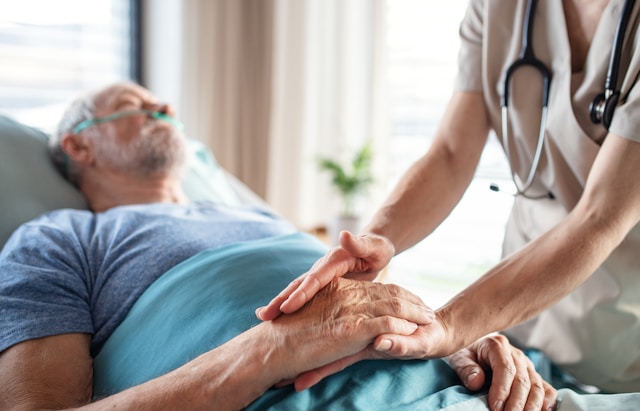
When older adults undergo surgery, doctors often focus on complications such as infections, bleeding, or heart problems. Yet one of the most common complications affects the brain. Known as postoperative delirium, this condition can cause sudden confusion, disorientation, memory difficulties, and changes in behavior. Many families assume that delirium is temporary. In some cases, symptoms […]
The post This Health Issue After Surgery Can Predict Cognitive Decline in Older Adults appeared first on Knowridge Science Report.
In recent years, the accessibility of healthcare services among aging populations worldwide has emerged as a critical issue demanding comprehensive investigation. A groundbreaking study focusing on older adults in Türkiye sheds new light on the complex factors contributing to perceived difficulties in accessing healthcare among this demographic. As the global population ages, understanding the barriers and facilitators to healthcare access becomes imperative to crafting policies that ensure equitable and efficient delivery of medical services to the elderly.
The study, conducted by Çebi Karaaslan, K., Diğer, H., Ağgül, S., and their colleagues, employed rigorous methodological approaches to evaluate the multifaceted determinants influencing older adults’ perceptions of healthcare accessibility in Türkiye. Utilizing a combination of quantitative data analyses and comprehensive surveys, the research delineated socioeconomic, geographical, and systemic contributors that hinder timely and effective healthcare utilization by elderly individuals.
One of the study’s pivotal revelations concerns the socioeconomic disparities that accentuate healthcare access challenges. Older adults with lower income levels, limited educational backgrounds, and insufficient social support networks were found to face significantly greater obstacles when attempting to obtain healthcare services. These findings highlight that financial constraints and information inequity intertwine to exacerbate feelings of exclusion and helplessness toward healthcare systems.
Geographical factors also play a formidable role in shaping healthcare access perceptions. The research data indicated that older adults living in rural and remote regions of Türkiye encountered amplified difficulties, ranging from prolonged travel distances to healthcare facilities to reduced availability of specialized medical practitioners. The infrastructural deficits and transportation inadequacies endemic to these areas consequently intensify barriers to prompt and quality medical care.
Moreover, the healthcare system’s structural characteristics further compound access issues. Fragmentation of services, limited appointment availability, and bureaucratic complexities emerged as critical deterrents for older adult patients. Such systemic inefficiencies not only delay critical interventions but also erode trust and satisfaction with healthcare providers, potentially discouraging future utilization.
The psychological dimension of perceived healthcare difficulty was another focus of this rigorous inquiry. The researchers underscored that negative past experiences, coupled with cultural stigmas and fears surrounding aging, illness, and disability, substantially influence older adults’ willingness and confidence in seeking medical help. These psychosocial factors, often overlooked in policy formulations, represent a subtle but powerful layer shaping healthcare engagement.
In addition to identifying barriers, the study illuminated coping strategies employed by the elderly to navigate healthcare constraints. Many participants reported reliance on informal caregiving networks, utilization of traditional remedies, and selective postponement of medical consultations. These adaptive behaviors, while serving as temporary buffers, can inadvertently lead to unmet healthcare needs and exacerbation of chronic conditions.
An essential technical highlight of the research was its multi-level analytical model that integrated individual, community, and system-level variables to comprehensively capture the healthcare access landscape. This approach allowed for nuanced understanding of how micro and macro factors interact dynamically to shape perceptions and behaviors concerning healthcare among older adults.
The findings carry profound implications for public health policy and healthcare system reform in Türkiye and analogous aging societies. Tailored interventions, such as enhancing transportation services in rural zones, providing financial subsidies for low-income seniors, and streamlining healthcare administrative procedures, are critical to mitigate the access disparities unearthed by this study.
Furthermore, reinforcing healthcare workforce capacities, especially in geriatric specialties, and instituting culturally sensitive outreach programs can foster an environment that is both accessible and responsive to the unique needs of the elderly. Emphasizing patient-centered care models and empowering older adults through education and community engagement serve as pivotal steps toward dismantling the attitudinal and psychosocial barriers identified.
This research also calls attention to the urgent necessity of integrating technology-driven solutions to bridge healthcare gaps. Telemedicine, mobile health applications, and digital health literacy initiatives present promising avenues for expanding the reach of healthcare services and circumventing logistical hurdles faced by older populations, particularly in underserved areas.
The methodological rigor and comprehensive scope of this study set a new benchmark for geriatric healthcare access research. By systematically dissecting the intricate web of factors influencing healthcare perceptions, the authors provide actionable insights that pave the way for inclusive, equitable, and sustainable healthcare frameworks adaptable to diverse demographic settings.
The insights from this study resonate beyond Türkiye’s borders, offering valuable lessons for international stakeholders grappling with similar demographic shifts and healthcare challenges. As nations worldwide confront the implications of a rapidly aging populace, research such as this becomes instrumental in guiding evidence-based, empathetic, and innovative healthcare reforms.
In summary, this landmark investigation transcends traditional assessments by elucidating the nuanced, multi-dimensional barriers older adults face in accessing healthcare services in Türkiye. Its blend of empirical rigor and practical relevance catalyzes vital discourse on optimizing health equity and improving quality of life for elderly populations amid global aging trends.
Ultimately, fostering accessible healthcare for older adults demands a concerted, multi-sectoral effort informed by such robust empirical evidence. Policymakers, healthcare providers, and community organizations must collaborate intensely to translate these research findings into meaningful strategies that transform healthcare experiences and outcomes for aging individuals everywhere.
As the world navigates the complexities of demographic aging, studies like this chart a hopeful course toward a future where healthcare systems are not only technically proficient but also profoundly attuned to the voices and needs of their most vulnerable citizens.
Subject of Research: Factors influencing perceived healthcare access difficulties among older adults in Türkiye.
Article Title: Factors associated with perceived healthcare access difficulties among older adults in Türkiye.
Article References:
Çebi Karaaslan, K., Diğer, H., Ağgül, S., et al. Factors associated with perceived healthcare access difficulties among older adults in Türkiye. BMC Geriatr (2026). https://doi.org/10.1186/s12877-026-07866-0
Image Credits: AI Generated
In the landscape of global aging populations, the issue of falls among older adults has emerged as a critical public health challenge. Recent research by Nonsa-ard, Khodseewong, Wongprachum, and colleagues shines a spotlight on preventive behaviors that correlate with fall incidence among elderly individuals residing in rural communities of Thailand. This study, published in BMC Geriatrics in 2026, advances our understanding of fall risk factors and the multifaceted strategies that can mitigate such risks in resource-limited settings.
Falls among older adults frequently result in severe physical injuries, psychological distress, and subsequent functional decline, often culminating in reduced independence and quality of life. The rural Thai context presents unique socio-economic and environmental variables that influence fall risks, distinct from urban or high-income country settings. The researchers undertook a meticulous cross-sectional analysis to unravel how specific preventive behaviors contribute to the complex epidemiology of falls in these communities, offering insights that could shape tailored public health interventions.
The study strategically sampled older adults living in rural villages, recognizing that rurality often entails limited access to healthcare, lower socioeconomic status, and environmental hazards such as uneven terrain, inadequate lighting, and traditional housing structures that may elevate fall risks. By utilizing structured interviews and observational assessments, the authors collected comprehensive data on participants’ living conditions, health status, mobility patterns, and engagement in preventative behaviors.
One core focus was the identification of modifiable behaviors linked to fall incidence. These behaviors encompassed physical activity levels, medication adherence, home environment modifications, and community engagement. The study found that older adults who maintained regular physical activity and performed balance-strengthening exercises were significantly less likely to experience falls. This aligns with biomechanical theories emphasizing muscular strength and proprioceptive function as pivotal in maintaining postural stability.
Medication management emerged as another critical factor. Polypharmacy, or the use of multiple medications, is common among elderly populations and can exacerbate fall risk due to side effects such as dizziness or orthostatic hypotension. The research highlighted that older adults who actively managed their medication regimens, often through caregiver support or routine medical consultations, exhibited reduced fall incidence. This points to the necessity of coordinated healthcare approaches that prioritize medication review and patient education.
Environmental modifications within the home and immediate surroundings were also integral to fall prevention. Participants who implemented simple adjustments, such as installing handrails, improving floor surface grip, and decluttering pathways, demonstrated a notable decline in fall rates. These findings underscore the importance of ergonomic interventions tailored to rural settings, where structural home improvements can be constrained by financial and material limitations.
Community-based preventive behaviors, including participation in health education sessions and social support networks, were positively correlated with lower fall incidence. Social engagement not only contributes to mental well-being but also facilitates the dissemination of fall prevention knowledge and promotes adherence to safety practices. The interplay between social determinants of health and behavior adoption is particularly salient in rural communities, where traditional norms and collective values shape health behaviors.
The researchers employed advanced statistical modeling to control for confounding variables such as age, gender, comorbidities, and functional status. Their rigorous analysis validated that the identified preventive behaviors independently predicted fall outcomes, enhancing the robustness of the conclusions. Such methodological precision is crucial to distinguish causal pathways from mere associations in epidemiological research.
Importantly, the cross-sectional design affords a snapshot of behaviors and fall incidents but also imposes limitations regarding temporal causality. The authors acknowledged this constraint, advocating for future longitudinal studies to unravel how preventive behaviors evolve over time and their sustained impact on fall risk. Nonetheless, their findings establish an empirical foundation for immediate community health interventions aimed at fall prevention.
This research contributes to the burgeoning discourse on healthy aging by contextualizing fall prevention within the socio-cultural and environmental realities of rural Thailand. It advocates for integrative strategies that encompass physical conditioning, medication management, environmental safety, and social empowerment. Such comprehensive approaches resonate with World Health Organization guidelines that emphasize multifactorial fall prevention programs tailored to local contexts.
Moreover, the study’s implications extend beyond Thailand, offering valuable lessons for global rural health initiatives. As many low- and middle-income countries grapple with similar demographic shifts and infrastructural challenges, the insights into culturally and economically feasible preventive behaviors are universally relevant. This alignment bolsters the potential for international knowledge exchange and collaborative policy formulation.
The research also spotlights the critical role of primary healthcare providers and community health workers in identifying at-risk individuals and facilitating behavior change. Training these frontline actors to deliver personalized fall risk assessments and education can amplify the reach and effectiveness of prevention programs. In addition, leveraging local community organizations to foster peer support and collective action emerges as a promising avenue.
Technological innovation may further augment fall prevention efforts in rural settings. Emerging tools such as wearable sensors and mobile health applications could provide real-time monitoring and feedback to older adults, enhancing adherence to physical exercises and environmental safety practices. However, such technological interventions must be designed with sensitivity to literacy levels, cultural preferences, and access constraints prevalent in rural communities.
In sum, the study by Nonsa-ard and colleagues delineates a nuanced portrait of preventive behaviors that significantly reduce fall incidence among older adults in rural Thailand. By integrating behavioral science, epidemiology, and gerontology, the research charts a path towards sustainable, community-centered fall prevention frameworks. As populations age globally, embracing such evidence-based strategies is essential to safeguard the independence and dignity of older adults.
As the global demographic shift towards older populations continues unabated, integrating multifaceted preventive behaviors into rural health systems will be paramount to curbing the cascading impacts of falls. This work not only enriches the scientific literature but also galvanizes actionable public health efforts, underscoring that even in resource-limited settings, informed behavioral modifications hold transformative potential.
Subject of Research: Preventive behaviors and fall incidence among older adults in rural Thailand
Article Title: Preventive behaviors associated with fall incidence among older adults living in rural communities of Thailand: a cross-sectional study
Article References:
Nonsa-ard, R., Khodseewong, S., Wongprachum, K. et al. Preventive behaviors associated with fall incidence among older adults living in rural communities of Thailand: a cross-sectional study. BMC Geriatr (2026). https://doi.org/10.1186/s12877-026-07830-y
Image Credits: AI Generated
DOI: 10.1186/s12877-026-07830-y
Keywords: fall prevention, older adults, rural health, Thailand, preventive behaviors, gerontology, public health
As global temperatures continue to rise at an alarming rate, the intersection of climate change and mental health has emerged as a critical area of concern, especially for vulnerable populations such as older adults. Recent research spearheaded by Liu, Zheng, Yang, and their colleagues sheds new light on the pivotal role that preventive health services utilization plays in safeguarding the mental well-being of older adults against the adverse effects of heat exposure. Their groundbreaking study, soon to be published in BMC Geriatrics, presents a comprehensive analysis that underscores the protective capacities afforded by healthcare interventions in mitigating heat-related depressive symptoms in aging populations.
The study begins by contrasting the escalating frequency and intensity of heatwaves worldwide with the growing demographic segment of older adults, who are physiologically and socially predisposed to the detrimental consequences of prolonged heat exposure. While the direct physiological impacts of heat on mortality and morbidity among the elderly have been well established, the researchers delve into a less explored yet profoundly significant domain: the influence of heat events on mental health, particularly depression. This focus addresses a critical knowledge gap in geriatric public health and climate adaptation strategies.
Employing an extensive dataset that integrates meteorological records, health service utilization patterns, and mental health assessments among older adults, the research team employs advanced statistical modeling to elucidate the complex interplay between heat exposure and mental health outcomes. Their methodological approach moves beyond correlation, venturing into causal inference by leveraging longitudinal data that tracks changes in depressive symptoms relative to heatwave durations and intensities, while accounting for confounding variables such as socioeconomic status, pre-existing health conditions, and social support networks.
One of the most striking revelations from the study is the demonstrable efficacy of preventive health services in diminishing the risk and severity of heat-induced depression. Preventive health services here include routine health check-ups, mental health screenings, access to cooling resources, and educational outreach about heat risk management. The researchers highlight that older adults who consistently engage with these services show a statistically significant reduction in the onset and exacerbation of depressive symptoms during and after heatwave periods, compared to their counterparts with limited or no engagement with preventive care.
The biological underpinnings of this protective effect are multifaceted. Heat stress has been implicated in disrupting circadian rhythms, elevating systemic inflammation, and altering neurotransmitter dynamics—all contributing factors to the pathophysiology of depression. Preventive health services facilitate early detection and management of these physiological disturbances through medication adjustments, psychosocial support, and proactive lifestyle guidance tailored to individuals’ needs during heatwaves.
Moreover, the study affirms that preventive health services extend beyond mere clinical interaction; they foster social connectedness and behavioral resilience, which act as crucial buffers against the psychological toll of environmental stressors. Regular contact with healthcare providers and community health programs enhances health literacy, empowers older adults to implement adaptive behaviors—such as hydration strategies and temperature regulation—and reduces feelings of isolation, which is a known risk factor for depression in aging populations.
In addition to individual-level benefits, the research contextualizes the broader public health implications. The integration of preventive health services into climate resilience frameworks presents a scalable, cost-effective strategy to combat the mental health impacts of extreme heat in aging societies. By embedding these services within primary care and community health infrastructures, policymakers can ensure equitable access for high-risk groups, thereby mitigating disparities exacerbated by social determinants of health and geographic vulnerabilities.
The findings also bear important implications for the design of digital health technologies and telemedicine platforms. These tools can enhance the reach and efficacy of preventive services by facilitating remote monitoring, delivering personalized health education, and enabling timely interventions during heatwave alerts. The researchers advocate for the incorporation of climate-sensitive modules into existing healthcare protocols to address the nuanced needs of older adults facing climate-related stressors.
Furthermore, the study underscores the necessity of multidisciplinary collaboration between climatologists, geriatricians, mental health specialists, and public health strategists to develop holistic interventions that encompass environmental, physiological, and psychosocial dimensions. The authors argue that traditional siloed approaches are ill-equipped to address the complex challenges posed by climate change-induced health risks and that integrated policies are paramount.
Another key contribution of this research is its emphasis on the heterogeneity within older adult populations. The analysis reveals that factors such as age stratification, comorbidities, and socio-economic status modulate the degree of vulnerability and responsiveness to preventive interventions. Tailoring preventive health services to these nuances enhances their effectiveness, highlighting the value of precision public health approaches in the era of climate change.
This study also broadens the scientific discourse by framing depression as a significant climate-sensitive health outcome that demands urgent attention from the global health community. While much focus has been placed on cardiorespiratory and heat stroke-related illnesses, mental health outcomes often remain overshadowed, despite their pervasive impact on quality of life and functional independence in older adults. Elevating mental health in the climate-health agenda is a profound step forward underscored by this work.
Additionally, Liu and colleagues offer methodological innovations by integrating environmental exposure metrics with validated geriatric depression scales and health service utilization records. Their analytical techniques—including the use of time-series analyses and mediation modeling—set new standards for rigor in environmental mental health research. Such methodological advancements facilitate the detection of subtle intervention effects that could be overlooked in conventional epidemiological studies.
The research also addresses potential barriers to the effective uptake of preventive services among older adults. Issues such as healthcare accessibility, cultural perceptions of mental health, and educational disparities are examined as critical factors influencing utilization rates. The findings suggest targeted outreach and culturally sensitive programming are essential components to optimize service delivery and engagement.
Importantly, the implications extend beyond immediate health outcomes, touching on broader societal challenges posed by an aging global population amid accelerating climate change. Mental health stability in older adults is linked to decreased healthcare costs, reduced caregiver burden, and sustained community participation—all vital components for maintaining social cohesion and economic vitality in heat-impacted regions.
The study concludes with a call for urgent action to embed preventive health services within climate adaptation policies and health systems strengthening frameworks worldwide. The authors stress that timely investment in such services not only safeguards mental health but also embodies a proactive approach to safeguarding human dignity in the face of unprecedented environmental changes.
In sum, this pioneering research by Liu et al. provides an indispensable evidence base highlighting preventive health services as a vital defense mechanism against heat-related depressive risks in older adults. Its insights pave the way for innovative, evidence-driven interventions that can transform the climate resilience landscape, ensuring the psychological well-being of our elders as they confront the relentless challenges of a warming world.
Subject of Research: The role of preventive health services utilization in protecting older adults from heat-related depressive risks.
Article Title: Uncovering the role of preventive health services utilization in protecting older adults from heat-related depressive risks.
Article References: Liu, S., Zheng, J., Yang, F. et al. Uncovering the role of preventive health services utilization in protecting older adults from heat-related depressive risks. BMC Geriatr (2026). https://doi.org/10.1186/s12877-026-07828-6
Image Credits: AI Generated
In the continually evolving field of anesthesiology, recent research spearheaded by Liu, Shi, Hu, and colleagues has unveiled compelling evidence that challenges and potentially reshapes traditional approaches to anesthesia in older adults undergoing surgery for hip fractures. Their retrospective study, published in BMC Geriatrics in 2026, meticulously examines the efficacy and safety profile of unilateral epidural anesthesia specifically tailored for geriatric patients with hip fractures—a demographic notoriously susceptible to complications during and after surgery.
Hip fractures in the elderly represent a significant clinical challenge worldwide, characterized by high morbidity and mortality rates. Managing pain effectively while minimizing systemic side effects from anesthesia remains a crucial concern for anesthesiologists and surgeons alike. Traditional modalities often involve bilateral epidural or general anesthesia; however, these methods can carry notable risks, including hemodynamic instability and prolonged motor blockade. This study shifts the spotlight onto unilateral epidural anesthesia, a targeted anesthetic technique designed to provide localized nerve blockade on the operative side only.
Unilateral epidural anesthesia distinguishes itself by confining the anesthetic effect predominantly to the surgical side, thereby reducing sympathetic nervous system disruption contralaterally. This precision results in better hemodynamic stability, which is particularly advantageous in older patients frequently burdened by cardiovascular comorbidities. The retrospective analysis conducted by Liu et al. rigorously evaluates patient outcomes, highlighting that unilateral epidural anesthesia may significantly diminish perioperative complications without sacrificing analgesic efficacy.
The study’s methodology encompasses a comprehensive evaluation of clinical records, encompassing various parameters including hemodynamic changes, pain scores, motor function recovery, and incidences of postoperative delirium—a common and serious complication in the elderly. Quantitative data reveal that patients receiving unilateral epidural anesthesia experienced a more stable intraoperative blood pressure profile and reduced incidence of postoperative cognitive dysfunction, underscoring the approach’s beneficial role beyond pain control alone.
Technically, the procedure involves the careful placement of an epidural catheter at thoracolumbar levels corresponding to the surgical site, followed by administration of low-concentration local anesthetics. This approach fosters segmental blockade, sparing contralateral nerve roots and thereby encouraging earlier mobilization and reduced nursing care needs post-surgery. The pharmacodynamics of this anesthetic technique emphasize minimizing systemic absorption and maximizing localized action, which collectively contribute to the observed safety profile.
Another compelling aspect underscored in the research is the opioid-sparing effect of unilateral epidural anesthesia. Opioid analgesics, although effective, carry risks of respiratory depression, constipation, and delirium—ailments especially precarious for the elderly. By reducing opioid requirements, unilateral epidural anesthesia could potentially curtail these adverse effects, enhancing postoperative recovery trajectories and overall patient satisfaction.
Moreover, Liu and colleagues discuss the implications of unilateral epidural anesthesia on resource utilization within healthcare settings. The technique’s association with fewer hemodynamic disturbances reduces the need for advanced cardiovascular monitoring intraoperatively and in the intensive care environment. This efficiency gain could translate into shorter hospital stays and decreased healthcare expenditure, a critical consideration in systems strained by aging populations.
The retrospective nature of the study, while inherently limiting causal inferences, nonetheless offers a robust foundation for future prospective randomized trials. Such investigations could further illuminate the mechanistic underpinnings responsible for the favorable outcomes observed and refine patient selection criteria to optimize individualized anesthesia care in orthogeriatrics.
Technical challenges associated with unilateral epidural anesthesia are not overlooked. Precise catheter placement requires skilled practitioners well-versed in fluoroscopic or ultrasound-guided techniques to ensure unilateral spread and minimize inadvertent bilateral blockade. The study underscores the necessity for comprehensive training and corroborative imaging to maximize the procedure’s efficacy and safety.
From a physiological standpoint, the selective sympathetic blockade innate to unilateral epidural anesthesia not only stabilizes hemodynamics but also mitigates neuroinflammatory cascades triggered by surgical trauma. Emerging evidence suggests that blunting this inflammatory response could reduce the risk of postoperative cognitive decline, an area ripe for further interdisciplinary research bridging anesthesia, neurology, and geriatrics.
Complementary to these clinical insights, the study also revisits pharmacological considerations. The choice of local anesthetics, concentration gradients, and adjuvants such as clonidine or dexmedetomidine are deliberated, emphasizing the balance between achieving adequate sensory blockade and preserving motor function. This pharmacological fine-tuning is pivotal for enabling early postoperative mobilization—a key determinant of successful rehabilitation in elderly hip fracture patients.
Patient-centric outcomes encapsulated in the study extend beyond clinical parameters to patient-reported pain and satisfaction scores. The positive feedback corroborates that unilateral epidural anesthesia not only suits physiological and logistical needs but also aligns with patient comfort and quality of life goals, reinforcing its clinical appeal.
Given the growing incidence of hip fractures globally, driven principally by demographic shifts toward older age groups, the implications of this study are profound. It advocates for a paradigm shift in orthopedic anesthesia, promoting a minimally disruptive approach aligned with geriatric physiology and tailored to reduce perioperative risk, thus potentially setting a new standard of care.
The findings of Liu et al. resonate particularly in the context of value-based healthcare, where interventions delivering superior outcomes with cost-effectiveness are paramount. The integration of unilateral epidural anesthesia into clinical pathways could redefine perioperative protocols for vulnerable populations, fostering enhanced recovery and reduced healthcare burden.
In conclusion, this pivotal retrospective study paves the way for enhanced anesthetic strategies that prioritize safety without compromising efficacy. The promise of unilateral epidural anesthesia for older adults with hip fractures represents not just an incremental advance but a stride toward precision medicine in anesthesiology. Continued research and clinical adoption stand poised to transform surgical care paradigms, ultimately improving the lives of millions of elderly patients worldwide.
Subject of Research: The application and outcomes of unilateral epidural anesthesia in elderly patients undergoing hip fracture surgery.
Article Title: A retrospective study on the application of unilateral epidural anesthesia in older patients with hip fracture.
Article References:
Liu, P., Shi, X., Hu, J. et al. A retrospective study on the application of unilateral epidural anesthesia in older patients with hip fracture. BMC Geriatr (2026). https://doi.org/10.1186/s12877-026-07859-z
Image Credits: AI Generated
A groundbreaking study led by researchers at the USC Mark and Mary Stevens Neuroimaging and Informatics Institute has unveiled critical nuances in how amyloid pathology correlates with cognitive impairment and genetic risk factors across diverse populations. By leveraging advanced neuroimaging datasets from over 17,000 participants, including a substantial subset of Hispanic individuals, the team shed light on population-specific differences in Alzheimer’s disease biology that challenge prevailing assumptions. Their findings, recently published in Alzheimer’s & Dementia: The Journal of the Alzheimer’s Association, underscore the importance of inclusive research approaches for unraveling Alzheimer’s heterogeneity and guiding precision therapeutics.
Amyloid-beta protein accumulation in the brain, manifesting as plaques, is a hallmark pathological feature of Alzheimer’s disease. Traditionally, the burden of amyloid deposition has been closely linked to clinical symptoms of cognitive decline and to the presence of the APOE ε4 allele—a potent genetic risk factor for late-onset Alzheimer’s. However, the USC-led study reveals that these relationships manifest differently in Hispanic populations compared to non-Hispanic whites. Despite having cognitive impairment or carrying APOE ε4, Hispanic participants generally showed lower amyloid levels, suggesting alternative or additional mechanisms may contribute to dementia risk and progression in this group.
Central to this study’s success was the innovative use of the Global Alzheimer’s Association Interactive Network (GAAIN), a powerful data-sharing platform developed at Stevens INI. GAAIN enables researchers worldwide to harmonize and analyze large-scale Alzheimer’s datasets, overcoming longstanding barriers posed by heterogeneity in imaging technology, tracers, and data acquisition methods. The platform facilitated the integration of amyloid PET imaging data standardized using the Centiloid scale—an analytical tool designed to normalize amyloid burden measurements across different scanners and imaging protocols—allowing for unprecedented cross-cohort comparisons.
The research consortium amalgamated data from five prominent sources, including the Anti-Amyloid Treatment in Asymptomatic Alzheimer’s Disease study, the Alzheimer’s Disease Neuroimaging Initiative, and the Health and Aging Brain Study–Health Disparities among others. This meta-analytic approach enabled comprehensive examination of amyloid burden across a racially and ethnically diverse sample, encompassing a wide clinical spectrum from normal cognition to dementia. The depth and breadth of this database allowed for refined statistical analyses that accounted for confounding factors such as age, sex, level of education, and cognitive performance.
Investigators utilized the Centiloid scale as a unifying metric to quantitatively assess amyloid load. This scale transforms heterogeneous imaging data into standardized units, facilitating direct comparisons across multi-site studies that previously lacked uniformity. By employing such quantitative rigor, the team demonstrated that while amyloid positivity correlated strongly with cognitive impairment overall, Hispanic individuals displayed a distinct profile characterized by comparatively lower amyloid deposition at equivalent levels of cognitive deficit, even when carrying the APOE ε4 allele.
Genetic analyses further illuminated the complexity of disease risk. Although APOE ε4 status increased amyloid positivity in both Hispanic and non-Hispanic white participants, the strength of this association was markedly attenuated in Hispanic cohorts. Specifically, non-Hispanic white carriers had over a fourfold increased likelihood of amyloid pathology, whereas this risk was approximately two and a half times in Hispanic carriers. These differential risks suggest that genetic and environmental contexts modulate Alzheimer’s pathophysiology in a population-specific manner.
Importantly, the study cautions against simplistic interpretations that lower amyloid levels imply lower dementia risk in Hispanic populations. In fact, epidemiological data shows that Hispanic adults experience a disproportionate burden of dementia. The researchers propose that the pathogenesis in these populations may be driven by a confluence of factors beyond amyloid accumulation, including vascular comorbidities, social determinants of health, and potentially other as-yet-unidentified biological processes. This underscores the need for multi-dimensional investigative frameworks.
As anti-amyloid therapies emerge as frontline interventions in Alzheimer’s management, understanding population-level variability in amyloid pathology is paramount. Treatments targeting amyloid may yield differential efficacy, and precision medicine approaches must account for the heterogeneity elucidated by this study. Tailoring interventions based on nuanced biomarker profiles and genetic backgrounds could enhance therapeutic outcomes and equity in clinical care.
The study authors emphasize the necessity for further research with larger, more detailed Hispanic cohorts. Granular data on Hispanic ancestry and longitudinal follow-up will be critical to decipher the dynamics of amyloid deposition and cognitive decline. Additionally, incorporating assessments of vascular health and other metabolic factors may clarify contributors to the divergent amyloid-cognition relationships observed.
Stevens INI director Arthur W. Toga highlights the transformative potential of open data platforms like GAAIN for accelerating Alzheimer’s research across historically underrepresented populations. By fostering collaboration and data integration, these resources enable scientists to capture the biological complexity of dementia and propel the development of innovative, inclusive treatment paradigms.
In summary, this extensive meta-analysis not only challenges conventional paradigms regarding amyloid pathology and genetic risk in Alzheimer’s disease but also advocates for a broader, more inclusive scientific lens. As the global population ages and diversifies, such insights will be essential to addressing the multifaceted challenges of dementia care and research.
Subject of Research: People
Article Title: Association of cognitive impairment and APOE ε4 with Centiloids in Hispanic and non-Hispanic White cohorts
News Publication Date: 11-Jun-2026
Web References: https://ini.usc.edu, https://gaain.org
References: Alzheimer’s & Dementia: The Journal of the Alzheimer’s Association, DOI: 10.1002/alz.71586
Image Credits: Stevens INI
Keywords: Alzheimer disease, Neuroscience, Genetics, Aging populations
In a groundbreaking study set to reshape our understanding of aging, researchers have delved into the intricate relationship between insulin-like growth factor-1 (IGF-1) and various aspects of gait dynamics in older adults. This pioneering investigation leverages wearable sensor technology to decode how IGF-1 influences gait vigor, symmetry, and stability—parameters crucial to mobility and fall prevention in aging populations. As the global demographic shifts towards an older average age, insights like these are not only timely but carry profound implications for enhancing quality of life and reducing healthcare burdens associated with age-related mobility decline.
IGF-1, a hormone structurally similar to insulin, plays a pivotal role in growth and development, muscle function, and neuroprotection. Its significance extends beyond mere biochemical pathways; it acts as a linchpin connecting endocrine health to physical capability in later years. The scientific community has long speculated about the hormone’s potential role in preserving or enhancing motor functions, but empirical evidence directly relating IGF-1 levels with gait characteristics in older adults has remained scarce until now.
This study distinguishes itself through the innovative use of wearable sensor arrays, marking a shift from traditional laboratory-based gait analysis to more ecologically valid, real-world assessments. These sensors capture subtle variations in gait patterns, including vigor, which refers to the intensity and power behind each step; symmetry, the evenness of movement between left and right limbs; and stability, the ability to maintain balance and resist destabilizing forces. Such metrics provide a multidimensional view of an individual’s mobility profile, transcending simplistic measures like walking speed.
Collecting data from a robust cohort of older adults, the researchers meticulously correlated circulating levels of IGF-1 with recorded gait parameters. What emerged was a nuanced portrait revealing that higher IGF-1 concentrations were generally associated with greater gait vigor and improved symmetry, suggesting that this hormone might underpin both the muscular strength and neuromuscular coordination essential for efficient walking. Conversely, diminished IGF-1 corresponded with compromised gait performance, potentially flagging individuals at risk for mobility-related complications.
One of the most striking findings centers on gait stability, a critical factor in fall prevention among seniors. Falls constitute a leading cause of injury and mortality in the elderly population, often triggered by instability during locomotion. The study’s data indicated that participants with elevated IGF-1 exhibited enhanced stability metrics, inferring a protective role for this hormone in maintaining balance and preventing falls. This connection not only advances scientific understanding but also lays groundwork for targeted interventions.
The implications of the study extend into clinical practice, where wearable sensor technology could be harnessed alongside biomarker profiling to develop personalized mobility enhancement strategies. This dual approach holds promise for early detection of decline in motor function and proactive management through tailored exercise regimens or pharmacological modulation of IGF-1 pathways. Such innovations resonate strongly with the burgeoning field of precision medicine in geriatric care.
Moreover, the study casts fresh light on the complex interaction between endocrine health and musculoskeletal performance, hinting at underlying mechanisms that may involve IGF-1’s influence on muscle mass maintenance, neuroplasticity, and even cognitive function related to motor planning. This holistic perspective suggests that interventions aimed at modulating IGF-1 could yield multifaceted benefits, from physical mobility gains to mental well-being enhancements.
Future research inspired by these findings is poised to explore longitudinal impacts of IGF-1 modulation and its potential synergistic effects when combined with lifestyle modifications such as resistance training or nutritional optimization. The integration of wearable sensor data streams with longitudinal biochemical assays could unlock predictive models for decline and recovery patterns, setting a new standard in aging research methodologies.
Importantly, this study also exemplifies the transformative power of wearable technology in health sciences, shifting the paradigm towards continuous monitoring and real-time feedback. Such technologies empower individuals and clinicians alike with actionable insights, fostering a proactive approach to aging gracefully and independently.
In summary, this research elucidates a pivotal hormonal link influencing the subtle dynamics of gait, a vital indicator of overall health and autonomy in older adults. By marrying cutting-edge sensor technology with biochemical analytics, it opens avenues for innovative diagnostic and therapeutic tools that hold great promise for mitigating age-associated mobility challenges.
As the population ages globally, findings like these not only offer hope but also a scientific roadmap to extend the healthspan of older adults, promoting not just longer life but better quality of movement and function. This convergence of endocrinology, biomechanics, and wearable tech heralds an exciting era in gerontological research and care.
The study’s authors advocate for a multidisciplinary approach, integrating endocrinologists, biomechanists, geriatricians, and data scientists to fully harness the potential of these insights. The convergence of expertise is paramount to translating molecular findings into tangible health outcomes for the elderly demographics worldwide.
In closing, the exploration of insulin-like growth factor-1 as a biomarker intimately linked with gait parameters embodies a critical frontier in aging research. With wearable sensors providing real-world data granularity, the path is paved to innovate not only diagnostics but comprehensive management strategies to preserve mobility and independence, core facets of human dignity and quality of life.
Subject of Research: Associations of insulin-like growth factor-1 (IGF-1) with gait vigor, symmetry, and stability metrics in older adults using wearable sensor technology
Article Title: Associations of insulin-like growth factor-1 with gait vigor, symmetry, and stability metrics measured by wearable sensors in older adults
Article References: Zhang, C., Liu, Y., Zhang, Y. et al. Associations of insulin-like growth factor-1 with gait vigor, symmetry, and stability metrics measured by wearable sensors in older adults. BMC Geriatr (2026). https://doi.org/10.1186/s12877-026-07822-y
Image Credits: AI Generated
