Senator Elissa Slotkin (D-MI) says she’s hearing rumors that President Trump is preparing to let Chinese cars be sold in the US as part of a broader deal with China.
She raised the claim Wednesday, tying it to Trump’s upcoming meeting with Chinese President Xi Jinping in Washington, which she said is coming “in just a few weeks.” There are many reasons to doubt these rumors.
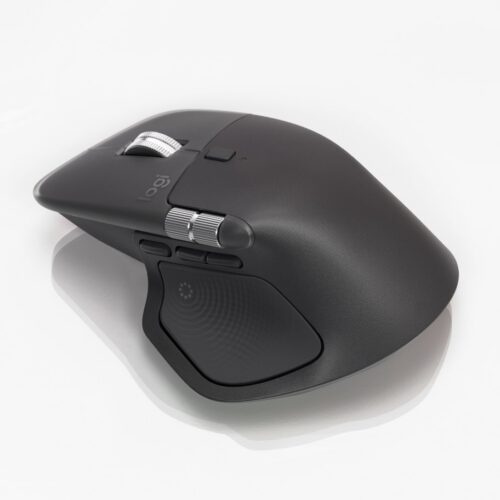
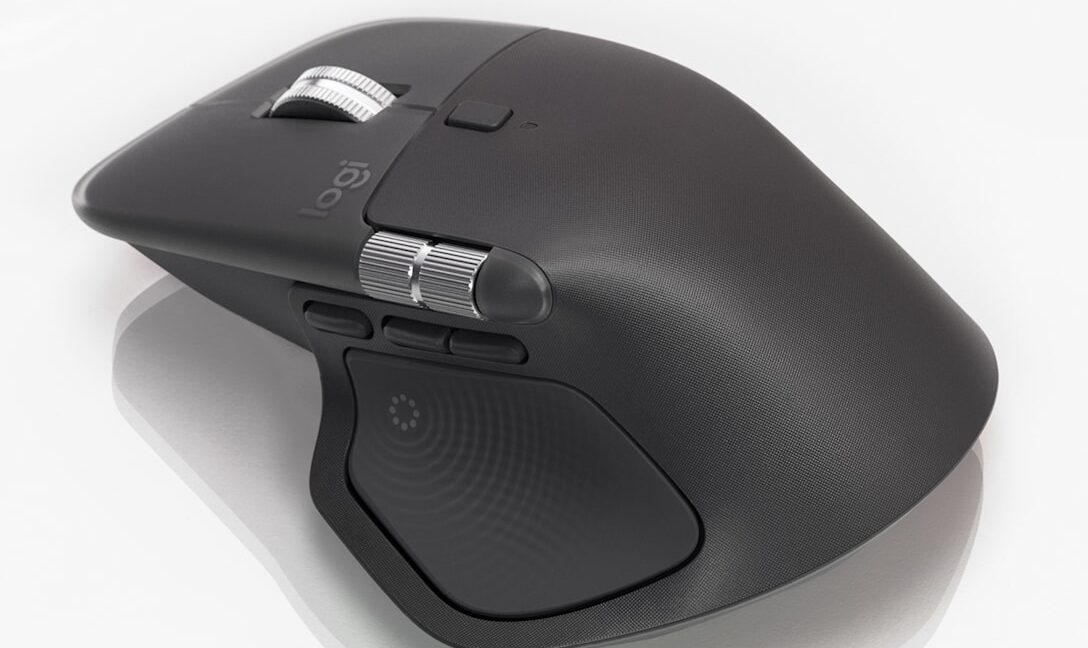
Logitech is facing a proposed class action lawsuit for not giving customers tariff refunds.
In April 2025, Logitech raised the prices on 51 percent of its portfolio, with some prices increasing by as much as 25 percent.
The complaint seeks to “recover monies that Logitech extracted from American consumers as offset for import tariffs that the United States Supreme Court has since declared unlawful, tariffs for which Logitech now stands to be reimbursed by the federal government. This is all while Logitech retained every dollar of the corresponding price increases it charged its customers due to the illegal tariffs.”
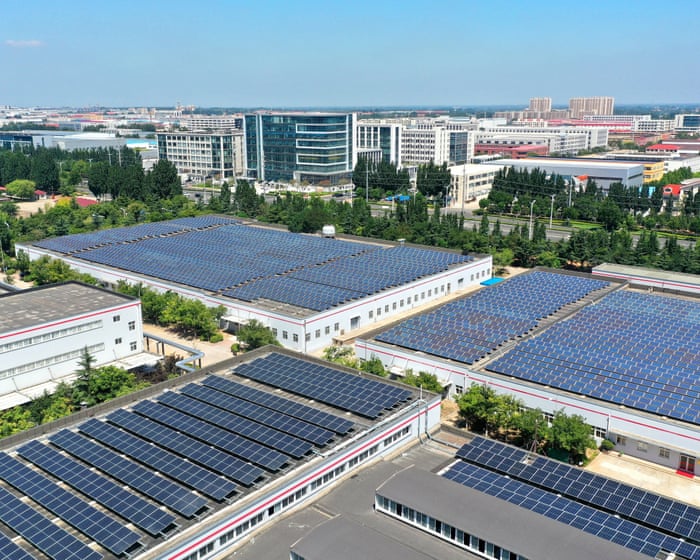
Move to raise levy on goods made with polysilicon aims to protect domestic US supply chains from China, the major producer
Donald Trump has ordered a new 15% tariff on imported products made of polysilicon, an important ingredient in microchip manufacturing that is primarily produced by China.
The new tariff, which will take effect on 4 December, is aimed at supporting US chip and solar panel supply chains to compete with Beijing on artificial intelligence and energy.
President Donald Trump holds a signed executive order on tariffs, in the Rose Garden at the White House in Washington, D.C., April 2, 2025.
A group of 25 U.S. lawmakers has sent a letter to President Trump calling on his administration to confront the European Union’s digital regulations, which they describe as discriminatory policies aimed at American technology giants.
In the letter, obtained by Reuters, the Republican lawmakers – including key members of the House trade subcommittee – urged the president to consider launching Section 301 investigations under U.S. trade law. Such probes could pave the way for tariffs or other retaliatory measures against the EU if talks fail to resolve the issues.
The central target of the complaint is the EU’s Digital Markets Act (DMA), which designates major U.S. companies – including Amazon, Apple, Google, Meta, Microsoft, and Booking Holdings – as “gatekeepers” subject to strict behavioral rules. Lawmakers argue the rules unfairly burden American firms while sparing European and Chinese competitors.
Key concerns raised in the letter:
• Cloud services: The likely inclusion of Amazon Web Services and Microsoft’s cloud business under DMA oversight would impose “unprecedented regulatory burdens” not faced by European or Chinese rivals.
• Google fines: An expected European Commission fine against Google this week for alleged DMA violations ignores the company’s significant changes to its search services.
• Inconsistent enforcement: Apple, Meta, and Amazon have been labeled gatekeepers based on user numbers in Europe, while Chinese platforms like Temu and AliExpress have been excluded.
“We write to bring to your attention the many ways the EU continues to pursue anti-competitive acts, policies, and practices as a tool of economic extraction and regulatory coercion against American firms,” the letter states. It warns that EU access to the U.S. market “is not guaranteed” if the discriminatory practices continue.
The European Commission has not yet responded to the letter. It maintains that its rules apply neutrally to promote fair competition and do not single out any country.
This latest congressional push aligns with President Trump’s long-standing criticism of EU digital policies and could signal a more aggressive U.S. trade posture toward Brussels in the coming months. Lawmakers emphasized that dialogue should be attempted first, but “all available tools” – including tariffs – remain on the table if needed.
The move highlights ongoing transatlantic tensions over technology regulation, data privacy, and market access that have persisted for years and are now poised to test the new Trump administration’s approach to international trade.
MacDailyNews Take: Good. The DMA does far more harm than good.
The European Union arose because the Europeans couldn’t compete on their own with the rest of the world, so they each lined up to surrender their national sovereignty, unique cultures, and dignity for an undemocratic, opaque, wasteful, bloated, bureaucratic quasi-governmental blob – and, even with the EU’s thumbs all over the scale, they still can’t compete. – MacDailyNews, March 4, 2024
Please help support MacDailyNews — and enjoy subscriber-only articles, comments, chat, and more — by subscribing to our Substack: macdailynews.substack.com. Thank you!
For months I’ve been trying to receive my FIT payment, which should be more than £1,000
I moved into my new house 14 months ago, and soon afterwards applied to ScottishPower, with whom the solar panels are registered for a feed-in tariff (Fit), for transfer of ownership of the panels and the tariff.
After many emails back and forth, I got a response saying they had all the information required.
Since President Trump's tariff announcement on April 2, 2025, global stock markets have declined, while gold emerged as a safe haven, still rising 14.5% in the past 3 months despite overall market losses, challenging its "pet rock" label.

 Login