❌

Reading view

Strength Training May Be the Secret to Healthy Aging

Human Health Boost Strength LongevityStrength training helps protect independence in aging by preserving the muscle needed for daily movement, balance, and resilience. Healthy aging means staying independent, moving well, and continuing to take part in daily life as the years pass. For many people, the most meaningful signs of good health are practical ones: standing up from a chair [...]
  •  

Trying To Quit Smoking? One Method Outperformed Nicotine Patches and Gum

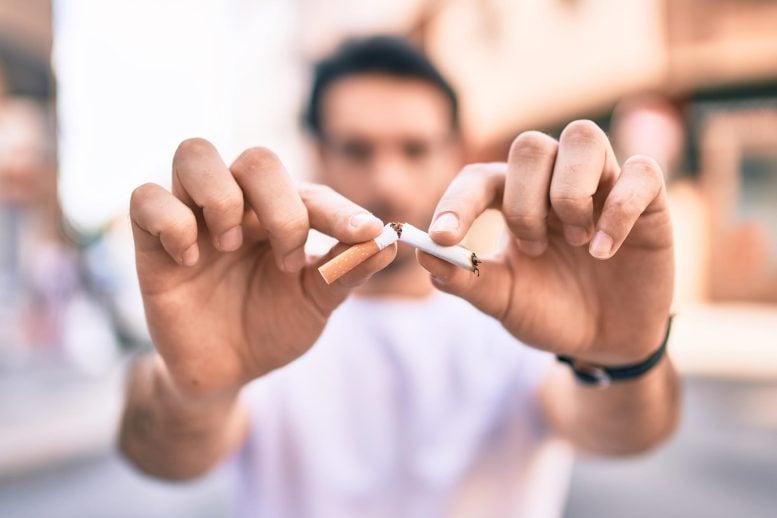
Quit Smoking Young Man Breaking Cigarette OutsideSmokers who want to quit are most likely to succeed when they use nicotine e-cigarettes, according to a new Cochrane review. For someone trying to leave cigarettes behind, the method they choose can make a measurable difference. An updated Cochrane review finds that nicotine e-cigarettes help more people stop smoking than several widely used approaches, [...]
  •  

BCM Team Wins Inaugural Burroughs Wellcome Fund Grant for Climate-Health Research

A multidisciplinary team from Baylor College of Medicine, Rice University and the University of Texas School of Public Health has received the inaugural Climate + Health Excellence award from the Burroughs Wellcome Fund. The five-year, $10 million award will support FORECAST, an ambitious program designed to investigate how climate change, extreme weather and environmental disruption influence the emergence and spread of infectious diseases. Led by infectious disease researcher Dr. Anthony Maresso, the project will combine wastewater surveillance, metagenomic sequencing, climate science, epidemiology and public education to create an early-warning system for pathogen activity across Texas.

FORECAST will build on Texas’s expanding wastewater-monitoring infrastructure, including the Texas Wastewater Environmental Biomonitoring Network, or TexWEB. The statewide network samples sewage from 15 Texas cities and analyzes biological material shed by communities. Unlike clinical surveillance, which depends on people seeking medical care and receiving diagnostic tests, wastewater epidemiology captures population-level signals from entire communities. Viral genetic fragments, bacterial DNA and other biological markers can appear in sewage before hospitals and clinics register a rise in patients, providing public health officials with valuable time to investigate and respond.

The program will use metagenomic surveillance, a technique that examines genetic material recovered from environmental samples rather than searching only for a predetermined pathogen. In conventional testing, laboratories typically use targeted molecular assays designed to detect a known virus or bacterium. Metagenomic sequencing can survey a much broader range of organisms, including variants and potentially unfamiliar pathogens. Researchers can then compare these signals with clinical data, geographic information and environmental measurements to determine whether changes in temperature, rainfall, flooding, drought or other conditions are associated with shifts in infectious disease activity.

The scientific goal is not simply to identify pathogens after they appear, but to uncover relationships between microbes and the environmental conditions that help them enter or circulate within human populations. Climate change can influence disease transmission through several pathways. Warmer temperatures may expand the geographic range or seasonal activity of mosquitoes and other vectors. Heavy rainfall and flooding can overwhelm sanitation systems and redistribute contaminants, while drought can alter water use and concentrate biological material. Changes in human behavior, animal movement and ecosystems may create additional opportunities for pathogens to cross species boundaries.

Maresso and his colleagues demonstrated during the COVID-19 pandemic that SARS-CoV-2 signals in wastewater could precede increases in clinically diagnosed infections. Viral RNA released in feces entered sewage systems, where researchers tracked changes in concentration over time. Although wastewater measurements cannot determine which individuals are infected, they can reveal whether pathogen activity is increasing or declining within a catchment area. The approach has since been extended to a wider range of targets, including avian influenza, measles, HIV and viruses associated with cancer. FORECAST aims to develop this surveillance capacity into a predictive climate-health platform.

Rice University climate scientist Dr. Sylvia Dee will help connect pathogen observations with weather and climate data. The team plans to examine whether specific environmental patterns consistently occur before increases in particular infectious agents. Such models could eventually function like a public health weather report, indicating when conditions are becoming more favorable for disease transmission. The researchers emphasize that predictive systems will require careful validation because the presence of pathogen genetic material does not necessarily indicate infectious virus, active transmission or a future outbreak. Interpreting the signal will require laboratory studies, clinical evidence and knowledge of local infrastructure.

The project will also investigate diseases transmitted by vectors such as mosquitoes. Dr. Peter Hotez and colleagues at the National School of Tropical Medicine will focus on vector-borne pathogen transmission and the growing health risks associated with changing climate conditions. Texas is particularly relevant for this work because it contains diverse ecological regions and experiences heat waves, hurricanes, flooding and rapid urban growth. These factors can affect mosquito habitats, human exposure and the movement of pathogens across communities. Integrating wastewater findings with vector surveillance could help reveal connections that would remain hidden if either system were used alone.

Education and public communication will form a central part of FORECAST. The team plans to create a “Middle to Medical” climate-health education track extending from middle school through medical training and professional development. Dr. Nancy Moreno, who developed Baylor’s BioEd online program, will lead educational efforts with Rice University’s Dr. Joseph Campana, director of the university’s Center for Environmental Studies and EcoStudio. The curriculum will explain how pathogens spread, how climate conditions alter disease risk and how scientific evidence can guide decisions by students, clinicians, policymakers and communities.

The award is particularly significant because FORECAST was selected as the sole funded project from 161 applications submitted to the new CHEX program. The initiative is intended to strengthen research, education and public engagement at the intersection of climate change and human health. Dr. Eric Boerwinkle, dean of the UT School of Public Health and a project co-investigator, will contribute access to large clinical datasets that can be used to evaluate wastewater and environmental signals against reported illnesses. The investigators say the work could improve outbreak preparedness while advancing the still-developing field of wastewater science.

By combining environmental sequencing with climate modeling and health education, FORECAST seeks to shift infectious disease surveillance from a largely reactive system toward earlier detection and prevention. Its findings may help officials recognize emerging threats before they produce widespread clinical disease, while also clarifying how environmental changes shape viral evolution, transmission and geographic spread. The researchers describe wastewater as an unusually candid public health resource: it aggregates biological information from a population without requiring individual testing. As climate pressures intensify, they argue, that collective signal could become an essential tool for protecting communities and preparing the next generation of scientists.

Subject of Research:
Climate-driven infectious disease emergence, wastewater epidemiology, metagenomic pathogen surveillance and climate-health education.

Article Title:
Texas Researchers Launch FORECAST Program to Link Climate Change With Emerging Viral Threats

Web References:
Baylor College of Medicine; Rice University; University of Texas School of Public Health; Burroughs Wellcome Fund; Texas Wastewater Environmental Biomonitoring Network (TexWEB).

References:
Information provided in the source news release concerning the FORECAST project, the Climate + Health Excellence award and TexWEB wastewater surveillance activities.

Keywords:
Wastewater epidemiology, viral surveillance, metagenomic sequencing, climate change, infectious diseases, pathogen emergence, public health, Texas, SARS-CoV-2, avian influenza, measles, vector-borne disease, climate health, epidemiology, wastewater science

  •  

Industrial Chicken Farming Is Supercharging the Spread of a Dangerous Foodborne Bacterium

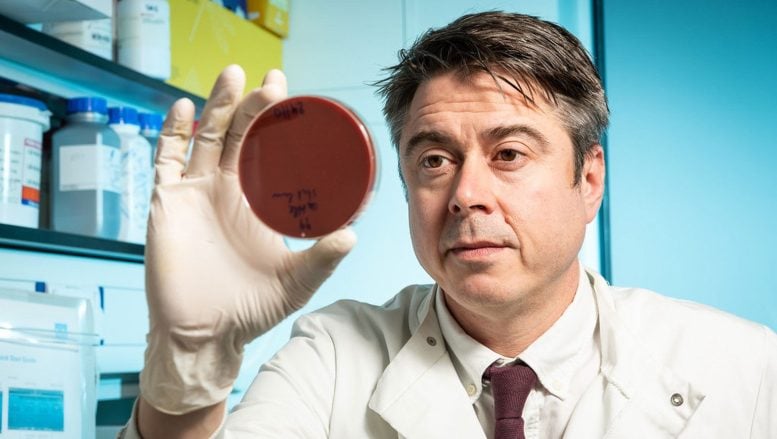
Professor Samuel Sheppard Holding Culture PlateThe global expansion of chicken farming has created conditions that allow Campylobacter to spread, mix and adapt more readily. Commercial poultry farms now hold billions of chickens, creating a vast habitat where bacteria can move, mix and adapt. An analysis from the Ineos Oxford Institute for Antimicrobial Research at the University of Oxford found that [...]
  •  

Belly Fat and Low Vitamin D May More Than Double the Risk of Early Death

Vitamin D Pills SunlightA study of more than 5,500 people suggests that monitoring hormone levels and managing weight may help reduce the risk of premature death. For adults over 50, excess abdominal fat and low vitamin D levels may form a particularly dangerous combination. A study of more than 5,500 people found that participants with both conditions had [...]
  •  

Is Sparkling Water Bad for Your Teeth? A New Study Has Answers

Young Happy Woman Pointing at Smile TeethA study found that unsweetened sparkling water lowers oral pH less than soda sweetened with sugar. A sip of sparkling water briefly makes the mouth more acidic, but not nearly as much as sugar-sweetened soda, according to a comparison of several common beverages. The findings suggest that choosing an unsweetened carbonated drink instead of soda [...]
  •  

Researchers Warn Women About Viral Exercise Myths

Happy Smiling Young Woman Sports Exercise Fitness BeachWomen may benefit more from simple, evidence-based exercise and nutrition habits than from rigid social media advice. Social media is filled with detailed rules telling women when to eat protein, how much water to drink, and whether exercising without food is harmful. Researchers at the University of Otago – Ōtākou Whakaihu Waka argue that most [...]
  •  

Researchers Warn Rising CO₂ May Already Be Changing Human Blood Chemistry

Red Blood DropletsA population study suggests the human body may already be responding to changes in the composition of the atmosphere. The air outside may be leaving a subtle signature in human blood. Researchers have identified gradual changes in a key carbon dioxide-related blood marker and warn that it could approach the upper limit of its healthy [...]
  •  

Global Cancer Cases Could Surge 67% by 2050, New Report Warns

Biological Cancer Cells RenderingNew data reveal major geographic disparities and highlight the urgent need for global action on prevention, early detection, and equitable access to treatment. For roughly one in five people worldwide, cancer will become part of their lifetime. Global Cancer Statistics, 2026 estimates that nearly 21 million people were diagnosed with cancer in 2024 and 9.8 [...]
  •  

A Deadly Ebola-Like Virus Is Spreading. Are We Ready?

Ebola Virus Artist's ConceptBU virologist Nancy Sullivan says the Bundibugyo outbreak in the Democratic Republic of the Congo underscores the need for broader outbreak preparedness. The death of a nurse marked the moment health officials recognized that something dangerous was spreading. The illness was Bundibugyo virus, a rare but potentially deadly infection now driving a growing outbreak in [...]
  •  

Two Drinks a Day May Be Riskier Than Many Americans Think

Doctor Rejecting Wine AlcoholAlcohol risk appears to increase beyond one drink per day, even at levels often described as moderate. Alcohol is often treated as a routine part of social life, but a new analysis suggests that even levels many Americans consider moderate carry measurable health risks. The study links drinking with a higher chance of death, disability, [...]
  •  

A Troubling Breast Cancer Trend Is Emerging in Asian American Communities

Breast Cancer Cells Dividing IllustrationBreast cancer patterns are shifting rapidly in several Asian American communities. Breast cancer has long been considered less common among Asian American women than among white women in the United States. A new UC San Francisco-led study suggests that this pattern is changing quickly, especially among younger women and in some aggressive forms of the [...]
  •  

8 Science-Backed Ways To Sleep Better in Hot Weather

Young Woman Good SleepStruggling to sleep in the heat? The good news is that a handful of easy cooling tricks can help your body stay comfortable and make hot nights far more bearable. When temperatures rise, sleep often suffers. Hot nights can make it harder to fall asleep, increase waking during the night, and leave people feeling less [...]
  •  

Popular Childhood Drinks Linked to Higher Blood Pressure Later in Life

Toddler Boy Finishing DrinkNot all sources of dietary sugar appear to affect cardiovascular health in the same way, and one common drink may be less harmless than many assume. A child’s everyday drink choices may leave a cardiovascular imprint that lasts for decades. A long-term study of more than 25,000 people found that frequent consumption of sugar-sweetened beverages [...]
  •  

Sunscreen Misinformation Attracts High Engagement on TikTok, Study Finds

New findings published in PLOS Digital Health highlight the challenges public health experts face in combating misleading health information on social media, particularly amid ongoing debates over whether sunscreen is truly beneficial.

To investigate how sunscreen is portrayed online, researchers at the University of Alberta analyzed 971 of the most-viewed TikTok videos associated with five popular sunscreen-related hashtags: #sunscreen, #sunscreenviral, #spf, #sunscreenreview, and #sunprotection.

The researchers examined how sunscreen was represented in the videos and measured audience engagement through views, likes, shares, and comments.

“Sunscreen misinformation may attract disproportionate attention,” says Alessandro Marcon of the University of Alberta, Canada, and colleagues in a statement.

The findings showed that most of the TikTok videos analyzed promoted sunscreen use, accounting for 86.8% of the content. Only 6% contained health-related criticism, including claims that sunscreen is harmful (1.5%) or that it interferes with the benefits of sun exposure, such as vitamin D production (1.2%). Despite representing only a small fraction of the content, these videos attracted disproportionately high levels of engagement, receiving more likes, shares, and comments on average than pro-sunscreen videos.

“Sunscreen misinformation on TikTok constitutes an area of concern not for the total sum of overarching influence in terms of content production but rather in how strongly some sunscreen misinformation ideas resonated among particular audiences,” adds Marcon.

The researchers suggest that the elevated engagement may be driven by the controversial and attention-grabbing nature of the content, which can help videos spread more widely on social media platforms.

They also found that even videos promoting sunscreen often omitted key public health messaging. Most focused on beauty and skincare benefits rather than health outcomes, with only 6% specifically mentioning sunscreen’s role in reducing skin cancer risk.

“Our analysis showed TikTok is not necessarily flooded with sunscreen misinformation, but TikToks that dangerously claim that sunscreen is harmful or unnecessary receive comparatively high levels of audience engagement. TikTok content creators commonly promoted sunscreen as part of skincare regimens where sunscreen benefits were more commonly related to beauty rather than health,” said Marcon.

“It was surprising to see so many TikToks promoting sunscreen use without specifically mentioning the important role it plays in cancer prevention. Only 6% of the TikToks analyzed explicitly mentioned the benefits of reducing the risk of skin cancer.”

The study suggests that misinformation can spread widely not because it is more common, but because it is often more controversial and attention-grabbing. It also highlights a broader communication gap, as many creators emphasize sunscreen’s cosmetic benefits while overlooking its well-established role in preventing skin cancer.

Chrissy Newton is a PR professional and the founder of VOCAB Communications. She currently appears on The Discovery Channel and Max and hosts the Rebelliously Curious podcast, which can be found on YouTube and on all audio podcast streaming platforms. Follow her on X: @ChrissyNewton, Instagram: @BeingChrissyNewton, and chrissynewton.com. To contact Chrissy with a story, please email chrissy @ thedebrief.org.

  •  

Scientists Discover Troubling Link Between Processed Foods and Preschool Behavior

Young Child Eating Fast FoodEarly childhood diets higher in ultra-processed foods were associated with more behavioral and emotional challenges two years later. The preschool years are a critical period for both brain development and the formation of lifelong eating habits. New research led by the University of Toronto suggests that what children eat during this window may be associated [...]
  •  

Daily Cannabis Use May Greatly Harm Mental Health

Cannabis has become more widely accepted in many parts of the world in recent years. Some countries and regions have legalized its use for medical or recreational purposes, and many young people believe it is a relatively harmless drug. Social media often portrays cannabis as a natural way to relax, improve sleep, or deal with […]

The post Daily Cannabis Use May Greatly Harm Mental Health appeared first on Knowridge Science Report.

  •  

The Surprising Reason Swimming Could Be Better for Your Heart Than Running

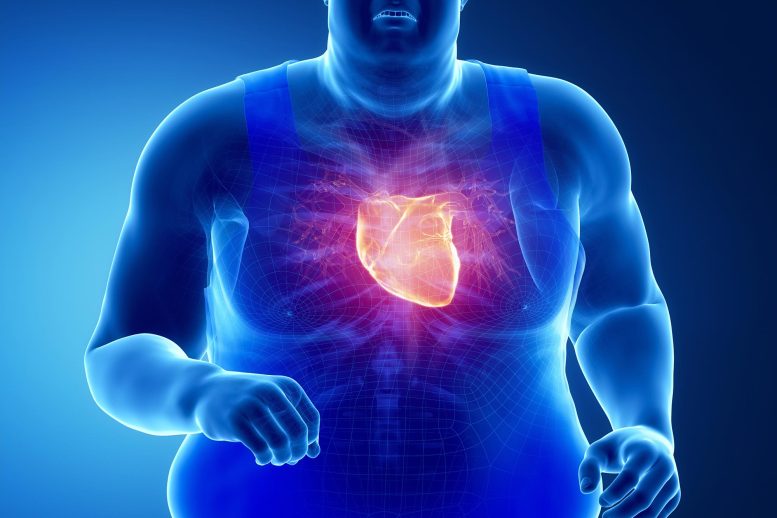
Obese Man Exercise Heart Attack IllustrationSwimming matched running for fitness gains but delivered greater heart growth and more favorable molecular changes, making it potentially more beneficial for cardiovascular health. For decades, swimming and running have been considered two of the best forms of aerobic exercise for cardiovascular health. But new research suggests they may not strengthen the heart in exactly [...]
  •  

Huge Study Links E-Cigarettes to Higher Lung Cancer Risk

For many years, e-cigarettes and vapes have been promoted as a safer alternative to traditional cigarettes. Because they do not burn tobacco, many people assumed they were far less harmful than smoking. Their fruity flavors, modern designs, and marketing campaigns reinforced the idea that vaping was a cleaner and healthier choice. Some health experts even […]

The post Huge Study Links E-Cigarettes to Higher Lung Cancer Risk appeared first on Knowridge Science Report.

  •  

Can Family Conversations Reduce Teen Alcohol Use?

A groundbreaking study at The University of Texas at Arlington is poised to transform how families address adolescent alcohol use through innovative, technology-enhanced communication strategies. With a new five-year, $3.33 million federal grant, researchers are expanding their efforts to develop a family-based intervention program targeting early discussions between parents and teens about alcohol consumption and its social media influences.

Underage alcohol use remains a pressing public health issue in the United States, with nationwide surveys indicating that over 12 million individuals aged 12 to 20 have consumed alcohol at least once. Despite decades of research and intervention programs, the persistence of early alcohol experimentation underscores the need for novel approaches that account for the evolving digital landscape. Social media platforms profoundly shape adolescents’ perceptions and attitudes toward alcohol, often normalizing its consumption through peer influences and targeted advertising.

The UT Arlington project, led by the Studying Alcohol and Related Risks (STARR) Lab, harnesses multidisciplinary expertise spanning adolescent behavioral health, web-based intervention design, social work, and digital media studies. Principal investigator Dana Litt highlights that the initiative integrates years of collaborative research to craft a robust community resource that tackles the complex interplay between adolescent substance use and online social environments. By engaging families in effective communication, the program aims to instill critical thinking and awareness about alcohol-related risks before youths initiate use.

Previous intervention models often focused on older adolescents already experimenting with alcohol, but this study innovatively targets younger teens aged 12 to 17. This demographic shift is grounded in recent findings that pre-exposure attitudes toward substances significantly predict future use patterns. Early intervention that fosters open dialogue about alcohol and its portrayal on social media can disrupt these trajectories by equipping families with tools for informed conversations well before exposure escalates.

Co-principal investigator Melissa Lewis elaborates on the urgency of addressing alcohol use factors earlier in adolescent development due to the omnipresence of alcohol content on platforms such as Instagram, TikTok, and Snapchat. Studies reveal that repeated exposure to alcohol-related visuals and narratives subtly shapes normative beliefs, leading teens to underestimate the risks and overestimate peer approval. By facilitating early parent-teen discussions, the program leverages critical windows of neurocognitive development to build resilience against these influences.

An integral feature of the intervention is its bilingual accessibility, offering both English and Spanish versions tailored to the diverse communities in the Dallas-Fort Worth area. This linguistic inclusivity acknowledges the demographic realities and aims to bridge cultural gaps that often hinder engagement with prevention programs. By customizing content to resonate with multiple communities, the project enhances its potential for implementation and scalability.

The research team emphasizes the program’s flexibility as a dynamic communication tool that parents can adapt to address not only alcohol use but also emerging concerns such as vaping and other substance-related behaviors. This adaptability responds to the multifaceted nature of adolescent risk factors and the rapidly evolving social media landscape, promising long-term relevance and utility across different contexts and substances.

In developing this intervention, the STARR Lab collaborates with several local organizations, including Challenge of Tarrant County, SMART Arlington, Lena Pope, Recovery Resource Council, and JPS Health Network. These partnerships ensure that the tool is grounded in community needs and practical realities, facilitating its adoption as a trusted, no-cost resource for families. This community-engaged research model exemplifies a bidirectional flow between academic inquiry and real-world application.

The effort aligns with UTA’s broader mission to produce high-impact research that transcends academia and delivers tangible societal benefits. By positioning the university as a central hub for reliable information and support around adolescent health issues and social media influences, the project fosters a sustained infrastructure for preventive interventions that can evolve with technological trends and public health priorities.

Beyond its immediate aims, the research holds promise for significantly reducing underage drinking rates by addressing the root mechanisms through family dialogue and critical media literacy. This preventive focus contrasts with traditional approaches that often intervene post-initiation, offering a proactive paradigm shift. If effective, these models could also be adapted to mitigate other behavioral health challenges driven by digital media exposure.

The scientists behind the study bring methodological rigor by integrating behavioral theories, communication science, and digital evaluation metrics to assess intervention efficacy. The multidisciplinary team, including colleagues from UTHealth Houston School of Public Health, the University of Washington, and the University of North Texas Health Science Center, exemplifies comprehensive expertise essential to tackling a complex public health issue at multiple ecological levels.

Ultimately, this study represents a strategic nexus of research innovation, community partnership, and public health advocacy aimed at empowering families to navigate the often opaque and pernicious world of adolescent substance use amplified by digital media. Its success could redefine prevention frameworks nationwide, offering scalable, culturally sensitive tools for healthier youth development amid an increasingly interconnected social landscape.

Subject of Research: Adolescent alcohol use prevention through family-based communication interventions addressing social media influences

Article Title:
[Not provided in the original content]

News Publication Date:
[Not provided in the original content]

Web References:
[Not provided in the original content]

References:
[Not provided in the original content]

Image Credits:
[Not provided in the original content]

Keywords:
Social work, adolescent substance use, underage drinking, alcohol prevention, social media influence, family-based intervention, digital health, public health, bilingual program, adolescent behavior, substance use research, community partnership

  •  
❌