❌

Reading view

What Really Disappears When You Lose Weight on GLP-1 Drugs?

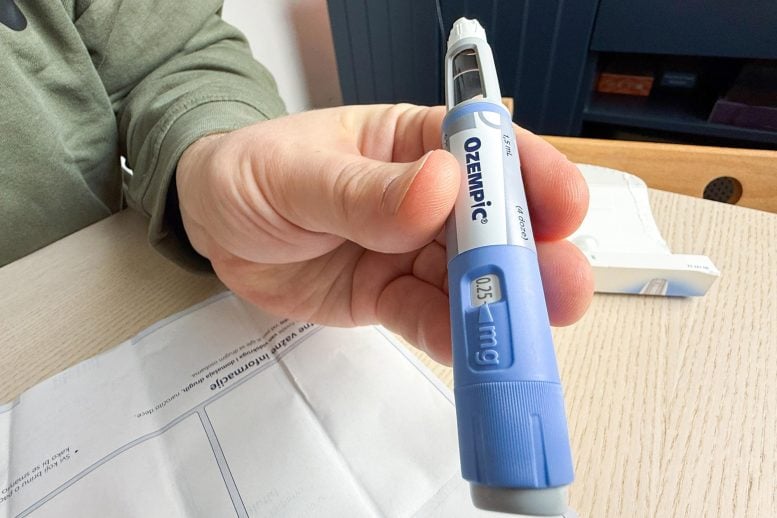
Hand Holding Blue GLP-1 Semaglutide Ozempic Pen Close UpMost weight lost with GLP-1 obesity drugs came from fat, while relative muscle mass was largely preserved. GLP-1 obesity drugs can lead to substantial weight loss, but an important question is what the body is actually losing. New research presented at the European Congress on Obesity (ECO2026) suggests that 80-85% of weight lost during treatment [...]
  •  

Belly Fat and Low Vitamin D May More Than Double the Risk of Early Death

Vitamin D Pills SunlightA study of more than 5,500 people suggests that monitoring hormone levels and managing weight may help reduce the risk of premature death. For adults over 50, excess abdominal fat and low vitamin D levels may form a particularly dangerous combination. A study of more than 5,500 people found that participants with both conditions had [...]
  •  

Oral Weight Loss Pill Helps Patients Lose up to 12% of Body Weight

Young Woman Obesity Weight Loss Before and AfterAn oral GLP-1 drug showed promising weight loss results in a phase II trial. A pill-based approach to GLP-1 treatment helped adults with obesity or overweight lose as much as 12 percent of their body weight over 36 weeks, according to a randomized phase II clinical trial published in Nature Medicine. The study tested aleniglipron, [...]
  •  

This Common Sleep Habit Could Be Making You Gain Weight

Young Woman Snooze Cell Phone AlarmEven modest sleep loss may quietly lead to weight gain and raise the risk of chronic disease over time. People who reduced their nightly sleep by about 80 minutes for six weeks gained an average of one pound and spent more time being sedentary, according to researchers at Columbia University Vagelos College of Physicians and [...]
  •  

Scientists Say Eating One Avocado a Day May Lower Heart Disease Risk

Holding Avocado PointingIn a six-month study, people with obesity who ate an avocado each day lowered their blood levels of “bad” cholesterol particles. Adding one avocado to a person’s daily diet may modestly improve a blood marker linked to heart disease. In a study of adults with obesity, researchers at the Penn State Department of Nutritional Sciences [...]
  •  

The Ancient Survival Mechanism Making Weight Loss So Difficult

Belly Fat Weight Loss Woman Measuring Waist Tape MeasureBiological defenses make losing weight and keeping it off unusually difficult. Better treatments, healthier environments, and sustainable habits may support long-term health more effectively than willpower alone. For years, weight loss has been framed as a simple test of discipline: consume fewer calories and exercise more. Modern research, however, shows that body weight is regulated [...]
  •  

Natural Supplement May Boost Cancer-Fighting Immunity

Natural Killer NK Destroying Cancer CellA natural supplement strengthened lasting anticancer immune responses in obese mice. Weight loss can improve many aspects of health, but the immune system may not recover as quickly. Obesity can leave behind long-lasting changes in the bone marrow, where immune cells are formed, potentially weakening the body’s ability to respond to cancer even after excess [...]
  •  

Losing Even 80 Minutes of Sleep a Night Linked to Weight Gain

The study sheds new light on the link between sleep deprivation and obesity. Image credit: Sweet Briar College.

New research from Columbia University found that adults who cut their sleep by about 80 minutes for six weeks packed on a pound (0.45 kg) and moved less during the day.

The post Losing Even 80 Minutes of Sleep a Night Linked to Weight Gain appeared first on Sci.News: Breaking Science News.

  •  

Exercise and Liraglutide Boost Vascular Health, Reduce Inflammation

In the ongoing battle against obesity and its associated cardiovascular risks, new scientific insights are shedding light on the complex interplay between weight loss strategies and vascular health. Recent research from the S-LiTE trial, presented in a landmark study by Sandsdal et al., unfolds groundbreaking findings on how exercise and the GLP-1 receptor agonist liraglutide profoundly influence vascular function and systemic inflammation during weight loss maintenance. This investigation not only advances our understanding of therapeutic approaches but also charts a promising path for improving cardiovascular outcomes in individuals struggling with obesity.

Obesity, recognized as a critical driver of cardiovascular disease, involves pathological alterations in the vascular system and chronic low-grade inflammation. These pathological changes elevate the risk of atherosclerosis, hypertension, and ultimately, heart failure. Consequently, effective weight loss maintenance after initial reductions is paramount for sustaining vascular benefits and mitigating long-term health risks. Despite existing weight loss regimens, relapse rates are high, and how these interventions impact vascular integrity during the maintenance phase remains incompletely understood. The S-LiTE trial rigorously targeted this knowledge gap, merging pharmacological and lifestyle components for a nuanced examination.

Exercise has been universally endorsed as a cornerstone intervention in weight management and cardiovascular disease prevention. Its benefits extend beyond simple calorie expenditure, encompassing modulation of endothelial function, arterial stiffness, and inflammatory profiles. Liraglutide, a glucagon-like peptide-1 (GLP-1) receptor agonist, has garnered attention for its potent weight-lowering effects through appetite regulation and metabolic improvements. However, the independent and combined vascular effects of exercise and liraglutide during the maintenance phase after weight loss had yet to be elucidated prior to this study.

The S-LiTE trial meticulously randomized participants who had achieved significant weight reduction to either an exercise program, liraglutide treatment, a combination of both, or placebo, allowing for a comprehensive comparison across groups. Over the course of the trial, vascular health parameters such as carotid artery compliance, endothelial function assessed via flow-mediated dilation, and systemic inflammatory markers including C-reactive protein (CRP) and interleukins were closely monitored. The multidimensional assessment unveiled striking differences attributable to intervention modalities.

Exercise alone was associated with notable improvements in arterial compliance and a favorable reduction in markers of vascular inflammation. The mechanical stimuli generated during physical activity promote shear stress on vessel walls, which in turn enhance nitric oxide bioavailability and endothelial repair mechanisms. These physiological adaptations are critical for maintaining vascular elasticity and preventing atherogenic processes. This study underscores the indispensable role of exercise not just in weight regulation but as a direct modulator of vascular integrity.

Liraglutide, beyond its appetite-suppressant and glycemic control effects, demonstrated intrinsic vascular benefits. The study highlighted liraglutide’s capacity to enhance endothelial function independently of exercise, potentially through GLP-1 receptor-mediated pathways that reduce oxidative stress and inhibit pro-inflammatory signaling cascades. This offers compelling evidence supporting the use of GLP-1 receptor agonists as adjunct therapies in cardiovascular risk reduction within the obese population.

Intriguingly, the combination of exercise and liraglutide yielded additive benefits, with participants exhibiting the most pronounced improvements in vascular compliance and the greatest suppression of inflammatory cytokines. This synergistic effect suggests that the pharmacological and mechanical influences converge on complementary pathways, amplifying the overall vascular protective effect. Such findings advocate for integrative treatment frameworks that leverage both lifestyle and pharmacotherapy in obesity management.

Delving deeper, the study’s prespecified secondary analysis elucidated how these interventions influenced various immune cell populations that are pivotal contributors to vascular inflammation. It was evident that the combined approach modulated monocyte and macrophage activation states, steering them towards anti-inflammatory phenotypes. This immune modulation is instrumental in curbing chronic inflammation and subsequent endothelial dysfunction, which are foundational in the pathogenesis of vascular disease.

Beyond the vascular sphere, the inflammatory milieu impacts insulin sensitivity and adipose tissue dynamics, central to metabolic health. The study posits that improvements in vascular health might interplay with metabolic regulation, facilitating a virtuous cycle of weight loss maintenance and cardiovascular risk attenuation. This holistic perspective on obesity interventions highlights the interconnected nature of metabolism, immunity, and vascular function.

Crucial to real-world applicability, the study design mirrored long-term maintenance conditions, providing practical insights for clinicians. The sustainability of vascular improvements with continued exercise and pharmacological support affirms the need for ongoing adherence and monitoring. Moreover, the tolerability profile and patient-centered outcomes reported provide a realistic framework for incorporating such regimens in routine care.

This research not only emphasizes the potent vascular benefits tied to weight loss maintenance but also brings to light the nuanced biological effects of different modalities. The implications extend beyond cardiovascular disease prevention, touching on broader aspects of healthy aging and quality of life, as vascular health is integral to multiple organ systems. Hence, the S-LiTE trial’s findings hold substantial promise for shaping future clinical guidelines.

In the broader context of obesity treatment paradigms, these insights challenge the notion that weight loss alone is sufficient. Instead, they advocate for multidimensional interventions addressing vascular function and inflammation, which are crucial mediators of obesity-related morbidity. Such transformations in therapeutic strategies could pivot the field towards more personalized and mechanistically informed approaches.

While the study is robust, the authors acknowledge limitations including the homogeneity of the cohort and potential confounders inherent to lifestyle interventions. Future investigations are warranted to explore molecular signaling pathways in greater detail, diverse populations, and longer-term cardiovascular outcomes. Additionally, integrating imaging modalities and biomarker profiling could refine our understanding of treatment impacts at the microvascular level.

On a scientific and societal level, the S-LiTE trial represents a milestone in conceptualizing weight loss maintenance not simply as weight stabilization but as an active process with profound systemic effects. Public health strategies might evolve to promote combined regimens, potentially alleviating the healthcare burden posed by obesity-related vascular diseases. This research, therefore, stands at the confluence of basic science, clinical innovation, and health policy.

The findings from Sandsdal and colleagues’ work resonate with an emerging narrative in metabolic medicine: holistic, multimodal approaches yield superior benefits than isolated interventions. With obesity prevalence continuing to climb globally, translating these findings into accessible, scalable solutions remains both a challenge and an imperative. The S-LiTE trial ignites hope for more effective, durable solutions to one of the most pressing health crises of our time.

In summary, the S-LiTE trial reveals that exercise and liraglutide individually and synergistically improve vascular health and reduce inflammation during weight loss maintenance. This study offers compelling evidence for the inclusion of GLP-1 receptor agonists alongside structured exercise programs to sustain cardiovascular health in individuals maintaining weight loss. These innovative insights redefine obesity treatment and open new avenues for reducing the global burden of cardiovascular disease through integrated, targeted therapeutic strategies.


Subject of Research: Effects of exercise and GLP-1 receptor agonist liraglutide on vascular health and inflammation during weight loss maintenance.

Article Title: Effects of exercise and liraglutide on vascular health and inflammation during weight loss maintenance: a prespecified secondary analysis of the S-LiTE trial.

Article References:
Sandsdal, R.M., Holt, J., Alkhefagie, H.G.A. et al. Effects of exercise and liraglutide on vascular health and inflammation during weight loss maintenance: a prespecified secondary analysis of the S-LiTE trial. Nat Metab (2026). https://doi.org/10.1038/s42255-026-01554-4

Image Credits: AI Generated

DOI: https://doi.org/10.1038/s42255-026-01554-4

  •  

Trump may be mystery patient in odd case of 79yo getting experimental obesity drug

In an extremely odd case, a single 79-year-old patient was granted early access to Eli Lilly's powerful, still-experimental obesity drug retatrutide through the Food and Drug Administration's "compassionate use" program—raising immediate questions if that sole patient is President Donald Trump, according to a report by Stat News.

Lilly's retatrutide is a highly anticipated next-generation obesity drug that targets GIP and glucagon hormones in addition to GLP-1. It is currently in late-stage trials to treat obesity, diabetes, sleep apnea, and other conditions. Data from a Phase 3 trial that Lilly released in May indicates that patients with obesity (but without diabetes) who took the drug for 80 weeks lost 28 percent of their weight, an amount comparable to bariatric surgery.

Millions of Americans with obesity are eager to get the drug, with options being limited so far to enrolling in a clinical trial or trying to obtain it by dodgy methods.

Read full article

Comments

© Getty | Aaron Schwartz

  •  

Inflammation and Metabolism Trigger Early Puberty in Obese Kids

In a groundbreaking study published in Pediatric Research on June 21, 2026, researchers led by Wang, Yan, and Liu have unveiled critical insights into how metabolic, hormonal, and inflammatory pathways intertwine to accelerate precocious puberty in children suffering from obesity. This pioneering research uncovers the complex biological dialogue that propels early pubertal onset among obese youth, a phenomenon that has raised alarm bells worldwide due to its profound health implications.

Puberty, the process marking the transition from childhood to sexual maturity, is classically regulated by a symphony of endocrine signals, with the hypothalamic-pituitary-gonadal (HPG) axis as the conductor. However, the timing of this process is increasingly disrupted in obese children, leading to precocious puberty—defined as puberty occurring before age 8 in girls and 9 in boys. The new study delves deeply into the serum profiles of obese children to unravel the mechanistic underpinnings of this hastened developmental timeline.

Central to the pathophysiology elucidated by the researchers is the role of systemic inflammation, a hallmark of obesity. The team identified a distinctive inflammatory signature characterized by elevated levels of cytokines and acute phase reactants that converge on the HPG axis. This pro-inflammatory milieu is postulated to trigger neuroendocrine alterations that prematurely activate gonadotropin-releasing hormone (GnRH) neurons, thereby advancing pubertal initiation.

Complementing the inflammatory dimension are metabolic dysregulations that obesity engenders. The study meticulously profiles alterations in insulin and leptin dynamics—two pivotal hormones intimately linked to energy homeostasis and reproductive function. Elevated insulin levels, common in obese states due to insulin resistance, were found to potentiate GnRH neuronal activity. Meanwhile, hyperleptinemia, reflective of adipose tissue abundance, appears to modulate hypothalamic circuits governing puberty, providing a metabolic ‘green light’ for sexual maturation.

The research team employed high-throughput serum profiling techniques alongside advanced statistical modeling to choreograph the intricate interplay of metabolic and inflammatory mediators. This comprehensive approach allowed them to construct a predictive biochemical tableau correlating specific serum markers with rapid pubertal progression. Crucially, these findings bridge the gap between clinical observations of precocious puberty and the molecular pathways that orchestrate it in obesity.

Beyond identifying biomarkers, the study explores potential mechanistic pathways. It proposes that chronic low-grade inflammation potentiates neuronal sensitization within the hypothalamus, thereby lowering the threshold for GnRH secretion. Concurrently, metabolic hormones such as leptin may amplify neuroendocrine responsiveness, creating a synergistic environment favoring early puberty onset. This dual-hit model of inflammation and metabolic disturbance advances our understanding of the biological complexity underlying pubertal acceleration.

Furthermore, the research highlights the nuanced hormonal crosstalk influencing gonadal maturation. Upregulation of adrenal and gonadal steroidogenesis appears to be downstream of the altered serum milieu, fostering a hormonal cascade that further catalyzes secondary sexual characteristic development. This insight underscores the multifactorial nature of obesity-driven puberty alterations, extending beyond central neuroendocrine changes to peripheral endocrine feedback loops.

One of the notable technical innovations in this study is the longitudinal analysis of serum samples from a diverse pediatric cohort. This enabled the researchers to pinpoint temporal shifts in inflammatory and metabolic markers relative to pubertal milestones. The temporal dynamics revealed suggest potential windows for therapeutic intervention that could recalibrate aberrant biological signals before irreversible pubertal advancement occurs.

The implications of these findings are profound, particularly as precocious puberty is linked to increased risks of psychosocial stress, metabolic syndrome, and certain cancers later in life. By elucidating the biological signatures that accelerate puberty in obese children, the study opens avenues for early diagnostic screening and targeted therapeutics aimed at mitigating long-term health impacts.

Medical professionals and endocrinologists stand to gain new tools for assessing pubertal risk by integrating serum inflammatory and metabolic profiles into routine evaluations of obese pediatric patients. This could transform clinical practice by enabling proactive management strategies tailored to individual biochemical risk landscapes, rather than relying solely on phenotypic assessments.

From a public health perspective, the study amplifies the urgency of addressing childhood obesity not only for its well-known metabolic complications but also for its disruptive influence on normal developmental timing. Interventions that reduce systemic inflammation and restore metabolic balance might delay unwanted precocious puberty, improving both physical and mental health outcomes.

Looking forward, the researchers advocate for expanded studies to explore therapeutic modulation of the identified pathways. Immunomodulatory agents, metabolic enhancers, or lifestyle interventions targeting systemic inflammation and hormone regulation could serve as novel strategies to realign pubertal timing in susceptible children. Such approaches hold promise for personalized medicine frameworks in pediatric endocrinology.

This investigation also raises important questions about environmental and genetic factors that may interact with inflammatory and metabolic signals to influence puberty. Understanding how external exposures or inherited susceptibilities modulate these biochemical networks could refine predictive models and prevention efforts in diverse populations.

In conclusion, Wang, Yan, Liu, and colleagues have charted an unprecedented map of the intersecting biological forces accelerating precocious puberty in obese children. Their integrative analysis of inflammatory and metabolic serum markers fundamentally shifts our comprehension of childhood development, offering hope for interventions that could recalibrate the endocrine clock disrupted by obesity. As the obesity epidemic continues to burden global health, studies like this provide crucial scientific foundations to mitigate its far-reaching consequences on human growth and maturity.


Subject of Research: The interplay of metabolic, hormonal, and inflammatory factors in precocious puberty and obesity in children.

Article Title: Serum inflammatory and metabolic signatures accelerate precocious puberty in obese children.

Article References:

Wang, L., Yan, H., Liu, J. et al. Serum inflammatory and metabolic signatures accelerate precocious puberty in obese children.
Pediatr Res (2026). https://doi.org/10.1038/s41390-026-05214-x

Image Credits: AI Generated

DOI: 21 June 2026

  •  

More Weight Loss, Fewer Fractures? New Study Points to Semaglutide

Happy Attractive Slender Woman Weight Loss Success Thumbs UpSemaglutide was linked to greater weight loss and a 15% lower fracture risk in people with type 2 diabetes, raising the possibility of an unexpected bone health benefit. People with type 2 diabetes who took semaglutide experienced greater weight loss and a lower risk of bone fractures than those using several other weight-loss medications, according [...]
  •  

Adults Over 65 Lost Massive Amounts of Weight With Ozempic

Happy Middle Aged Woman Oversized Pants Weight LossSemaglutide delivered dramatic weight loss and health benefits in adults over 65, offering new hope for healthier aging. A new analysis of data from the STEP clinical trial program suggests that semaglutide remains both effective and generally safe for older adults living with obesity. The research, conducted by Prof. Luca Busetto of the University of [...]
  •  

New Insights into PPARγ Regulation and Metabolic Disorders

Metabolic disorders such as obesity and type 2 diabetes mellitus (T2DM) have escalated into a global health crisis, posing unprecedented challenges for medical science and public health policy alike. Both conditions disrupt fundamental biological processes, culminating in severe systemic complications and heightened mortality risks worldwide. At the molecular level, peroxisome proliferator-activated receptor gamma (PPARγ) emerges as a pivotal regulator, overseeing lipid metabolism, insulin sensitivity, and adipocyte differentiation. This critical role underscores PPARγ as a prime therapeutic target in the ongoing battle against metabolic syndromes.

The classical pharmacological approach to modulating PPARγ activity involves thiazolidinediones (TZDs), compounds that exert potent insulin-sensitizing effects by binding primarily to the receptor’s ligand-binding domain (LBD). While effective, these agents have repeatedly encountered clinical hurdles due to significant adverse effects, including undesirable weight gain, fluid retention, and exacerbated cardiovascular risk profiles. Consequently, the quest for safer, more selective PPARγ modulation strategies has intensified, driving innovative research toward dissecting the receptor’s structure-function relationship and regulatory mechanisms with extraordinary precision.

Recent advances have unveiled a complex, multi-layered regulatory network governing PPARγ activity. Among these, the modulation of post-translational modifications—specifically the phosphorylation of serine 273 (Ser273)—has attracted substantial attention. Selective PPARγ modulators (SPPARMs) that target this phosphorylation event strategically preserve the metabolic benefits of PPARγ activation without engaging the full spectrum of activity triggered by TZDs. This nuanced receptor engagement mitigates off-target effects and may revolutionize treatment paradigms in metabolic disease management.

A groundbreaking integration of the long non-coding RNA (lncRNA) Snhg9 into the PPARγ regulatory landscape marks a new frontier in understanding gene expression control in metabolic homeostasis. The recently characterized Snhg9-CCAR2-SIRT1-PPARγ axis exemplifies a sophisticated RNA-mediated regulatory mechanism influencing PPARγ function. This regulatory cascade suggests that lncRNAs may serve as potent modulators of metabolism, potentially enabling RNA-based therapeutic strategies that transcend classical small-molecule pharmacology.

Beyond ligand-dependent regulation, the DNA-binding domain (DBD) of PPARγ has emerged as a promising, yet underexplored, target for gene-selective modulation. This evolving paradigm challenges the current LBD-centric therapeutic design by emphasizing the possibility of fine-tuning receptor activity at the level of gene-specific transcriptional control. Manipulation of the DBD may enable precision targeting of specific metabolic pathways, offering an unprecedented level of therapeutic specificity and efficacy.

The intersection of molecular biology and pharmacology in PPARγ research underscores the critical need for comprehensive structural and functional analyses. High-resolution crystallographic studies have shed light on conformational dynamics within PPARγ domains, illuminating how subtle structural modifications dictate receptor activation states and downstream target gene expression. These insights inform the rational design of modulators capable of exploiting unique allosteric sites with therapeutic benefits.

An intricate balance exists between PPARγ phosphorylation states and the recruitment of coregulators such as CCAR2 and SIRT1, modulators that orchestrate epigenetic and transcriptional machinery. SIRT1, a NAD+-dependent deacetylase, interacts intricately within this axis to regulate metabolic gene programs by modulating PPARγ acetylation and activity. This interplay suggests potential synergies between metabolic control mechanisms and cellular energy sensing pathways, which could be harnessed therapeutically.

The discovery of lncRNAs as key regulatory nodes in metabolic control systems elevates the importance of non-coding genomic elements. Snhg9, in particular, has been implicated in modulating PPARγ’s transcriptional repertoire through its interactions with cofactors, altering chromatin accessibility and the receptor’s response to endogenous ligands. Such findings delineate a novel class of epigenetic regulators, spotlighting RNA as a powerful switch in metabolic gene networks.

Clinical translation of these mechanistic insights depends heavily on the development of SPPARMs that not only modulate Ser273 phosphorylation but also integrate with lncRNA-mediated pathways. Such compounds hold the promise of robust insulin sensitization while bypassing the adverse events that have plagued TZDs. The future of metabolic therapeutics likely hinges on these dual-targeting molecules that couple protein conformation control with RNA-regulatory axis modulation.

Emerging technologies in RNA therapeutics offer an extraordinary toolkit for manipulating lncRNA functions in vivo. Antisense oligonucleotides, RNA interference, and CRISPR-Cas systems could potentially modulate the expression or function of Snhg9, thereby indirectly regulating PPARγ activity. These approaches raise hopeful prospects for personalized metabolic treatments grounded in gene regulation rather than merely receptor agonism.

PPARγ’s pivotal position in adipocyte differentiation links it intimately with lipid homeostasis and energy storage, fundamental processes derailed in obesity and T2DM. Understanding how selective modulation of PPARγ influences adipogenesis at the transcriptional level could redefine therapeutic goals from symptomatic control to addressing root causes of metabolic dysregulation. This shift would be transformative for millions affected worldwide.

The newly recognized hierarchy within the PPARγ regulatory framework beckons a strategic roadmap toward next-generation therapies. This roadmap involves integrated targeting of receptor phosphorylation, lncRNA interaction networks, cofactor recruitment, and domain-specific modulation, all underpinned by cutting-edge molecular insights. The multi-dimensional approach promises enhanced efficacy with minimized side effects, offering a viable path beyond the limitations of current therapeutic agents.

Exciting possibilities also arise from exploring how SPPARMs interface with other nuclear receptors and metabolic pathways, which could reveal combinatory or synergistic effects beneficial in polygenic diseases. Such multidrug or multifunctional agents could revolutionize treatment regimens by addressing the complex etiology of metabolic disorders more holistically.

In summary, recent advances position PPARγ at the nexus of a sophisticated, multi-layered regulatory system with immense therapeutic potential. The dual focus on selective receptor modulation and lncRNA-mediated regulation heralds a paradigm shift in metabolic disease treatment. As research continues to unravel these complex mechanisms, the prospect for innovative, effective, and safer therapies to combat obesity and T2DM grows more tangible than ever before.


Subject of Research: Regulation of Peroxisome Proliferator-Activated Receptor Gamma (PPARγ) in metabolic disorders including obesity and type 2 diabetes mellitus, focusing on selective modulation strategies and the role of long non-coding RNAs.

Article Title: Novel perspectives on PPARγ regulation: from SPPARMs to the emerging role of lncRNAs in metabolic disorders.

Article References:
Qin, H., Wang, Y., Yang, Y. et al. Novel perspectives on PPARγ regulation: from SPPARMs to the emerging role of lncRNAs in metabolic disorders. Int J Obes (2026). https://doi.org/10.1038/s41366-026-02128-w

Image Credits: AI Generated

DOI: 17 June 2026

  •  

CKM Syndrome: The Hidden Link Between Obesity, Diabetes, Heart Disease and Kidney Disease

Cardiovascular-kidney-metabolic syndrome, often called CKM syndrome, is a relatively new term that many people have never heard of. Yet health experts believe it may become one of the most important health concepts of the coming decades. CKM syndrome is not a single disease. Instead, it describes the close connection between excess body fat, diabetes, heart […]

The post CKM Syndrome: The Hidden Link Between Obesity, Diabetes, Heart Disease and Kidney Disease appeared first on Knowridge Science Report.

  •  

Scientists Unveil Powerful New Diabetes Pill That Cuts Weight and Lowers Blood Sugar

Weight Loss Scale ConceptA large international study found that an experimental oral diabetes medication produced significant improvements in both glucose control and weight loss. For millions of people with type 2 diabetes, GLP-1 drugs have transformed treatment by helping lower blood sugar while also promoting weight loss. But many of the most effective options still require injections, creating [...]
  •  

Doctors Changed One Thing and Weight Gain Stopped

Happy Slim Black Woman Showing Old Oversize Jeans After Successful Weight Loss DietAn endocrinologist’s new weight-care system halted population-level weight gain and could reshape obesity treatment across America. For years, endocrinologist Leigh Perreault, MD, believed there had to be a more effective way to help people manage their weight than simply advising them to eat healthier and exercise more. “There was a moment I put my face [...]
  •  

This Simple Drink Could Help Calm the Inflammation Behind Many Diseases

Fresh Tomato Juice With Basil GlassesScientists found that a tomato-soy juice rich in plant-derived compounds altered inflammation-related signals in healthy adults with obesity. A new study found that drinking tomato-soy juice rich in health-promoting plant compounds reduced levels of inflammatory proteins in healthy adults with obesity after four weeks. The results suggest the beverage could serve as a functional food [...]
  •  

Doctors May Be Overlooking the Real Cause of Persistent Arthritis Pain

Hands Holding Knee Pain Degenerative ArthritisA new study suggests that lingering rheumatoid arthritis symptoms are not always caused by ongoing inflammation. For people with rheumatoid arthritis, lingering pain and fatigue are often assumed to be signs that inflammation remains active. But new research suggests the real culprit may sometimes lie elsewhere. Researchers at Semmelweis University report that sleep disorders, depression, [...]
  •  
❌