❌

Reading view

Longitudinal airflow suppresses train power-arc drift at low pressure

Longitudinal airflow can sharply suppress the drifting and ablation of the electrical arc formed between a train’s pantograph and overhead contact wire, according to a modeling and experimental study of pantograph–catenary systems under low-pressure conditions. The researchers built a magnetohydrodynamic model that coupled electric, magnetic, thermal, fluid and arc-motion dynamics, then tested the method in a vacuum chamber with copper and carbon electrodes. In experiments conducted at atmospheric pressure, increasing the airflow to 45 metres per second reduced the measured arc drift height from 27.6 millimetres to zero and shortened the arc-root distance from 51.3 to 3.9 millimetres. The same airflow setting also produced progressively less carbon-electrode damage, supporting the proposal as a possible current-collection control method for railways operating at high altitude.

The need for such control arises because the pantograph–catenary system carries the electrical energy used by electric trains, while the stability of its contact strongly affects operating safety and efficiency. Lower atmospheric pressure presents a particularly difficult environment. The study notes that reduced air density and breakdown-field strength can lower the ignition threshold for pantograph–catenary arcs, increase their frequency and duration, and enlarge the region affected by arcing. Repeated arcing can cause irreversible high-temperature ablation and electrical wear on contact wires and pantograph strips. It can also generate broad-band electromagnetic interference that may affect onboard signalling and traction-control systems, with potential consequences including insulator flashover and disruption of the traction network. These background risks motivate efforts to understand and restrain the spatial movement of arcs in plateau environments.

Existing arc models include the Cassie and Mayr black-box approaches, which support analysis of interactions between arcs and traction-network circuits but do not represent an arc’s changing spatial shape. Magnetohydrodynamic models offer a more physical alternative by coupling electromagnetic, flow and thermal fields. Previous work represented crosswind effects on pantograph–catenary arcs and examined how decreasing pressure affects arc-root jumping, in which the root forms at a new location after the elongated column reaches a critical length. Other studies have shown that magnetic fields can stabilize welding and switching arcs. Airflow regulation, however, has been investigated more extensively in welding than in pantograph–catenary systems, whose dissimilar electrodes, high operating speed, open environment, changing electrode gap and constrained vehicle installation space make their arc dynamics more complicated.

The new model represents an arc initially 6 millimetres long and 2 millimetres in diameter between a copper anode and a carbon cathode. It includes the surrounding air, both electrodes and a central longitudinal-airflow channel beneath the copper electrode, including a 1.5-millimetre control-airflow inlet. A separate inlet represents train-induced airflow and was set to 40 metres per second. Calculations covered pressures of 101, 80 and 60 kilopascals, longitudinal airflow from zero to 80 metres per second and a total simulation time of 25 milliseconds. Air properties were adjusted with pressure, while the electrodes were assigned distinct densities, resistivities, thermal conductivities and heat capacities. The governing equations represented electrical potential and current, magnetic-vector potential, mass and momentum conservation, energy conservation, viscous dissipation, Joule heating and net volumetric radiation.

The calculations use several explicit simplifications. Arc ignition is omitted, and the plasma is treated as being in local thermodynamic equilibrium. Flow in the air and arc domains is assumed laminar and incompressible, while metal vapour generated by electrode evaporation and phase change is excluded. These assumptions make it possible to examine large-scale arc motion and temperature distribution but prevent the simulation from directly calculating electrode mass loss, crack width or crater area. Copper was assigned the anode and carbon the cathode; a Gaussian distribution represented current entering through the copper electrode, and the bottom of the carbon electrode was grounded. The air boundary was treated as magnetically insulated, and the initial temperatures were set to 300 kelvin for the air and electrodes and 5,000 kelvin for the arc domain. The experimental apparatus was separate from the numerical model and provided direct physical measurements of damage.

Without longitudinal airflow, the simulated arc passed through two stages. During the first 10 milliseconds, its column elongated continuously, bent under airflow influence, and developed greater drift height and arc-root distance. From 10 to 25 milliseconds, the column and root distance fluctuated through repeated shortening and elongation. The authors associate this behaviour with the electrical and mechanical limits of the arc: once a column reaches a critical length, the voltage and energy available between the electrodes may no longer sustain continuous burning, and a shorter path of lower resistance may form on the electrode surface. The resulting root “jump” shortened the column before airflow stretched it again. Arc development became faster and both drift height and root distance increased as pressure fell. Temperature briefly exceeded 10,000 kelvin and reached a maximum within roughly two to three milliseconds before fluctuating, while arc voltage rose as the column lengthened and resistance increased.

Longitudinal airflow changed these trajectories in the simulations. As speed increased, drift height, root distance and temperature all declined, with the greatest reductions occurring at lower airflow speeds before the curves began to level off. At 101 kilopascals, the calculated drift height fell from 37.5 millimetres without control airflow to zero at 45 metres per second, while root distance decreased from 57.3 to 3.7 millimetres and temperature dropped from 12,900 to 8,650 kelvin. The airflow needed to eliminate drift was 45, 40 and 35 metres per second at pressures of 101, 80 and 60 kilopascals, respectively; speeds required to bring root distance below 5 millimetres were 45, 40 and 30 metres per second. The authors attribute the stronger response at lower pressure to reduced plasma density, which weakens the arc’s inherent rigidity, Lorentz force and thermal buoyancy, allowing airflow load to become a more dominant influence on its motion.

The temperature response also revealed a practical plateau. The researchers defined the optimal airflow speed as the point after which increasing speed by 5 metres per second changes arc temperature by less than 3 per cent. At atmospheric pressure this occurred at 40 metres per second, compared with 30 metres per second at 60 kilopascals. The reported temperature reduction was 33.8 per cent at 101 kilopascals and 38.1 per cent at 60 kilopascals. Airflow strengthened convective heat removal, which lowered plasma temperature and, in turn, increased deionization and reduced Joule heating. Once thermal exchange approached saturation and the minimum temperature required for self-sustaining arc combustion was approached, further increases in speed produced little additional cooling. The model therefore indicates that the airflow speeds required for control decline as ambient pressure falls.

Laboratory testing used a vacuum chamber capable of controlling pressure with an accuracy of plus or minus 100 pascals, a constant-current supply rated from zero to 150 amperes, an arc igniter, a fan with continuously adjustable airflow from zero to 60 metres per second, a high-speed camera and an oscilloscope. Airflow at the electrode outlet was measured with an anemometer accurate to plus or minus 0.5 metres per second. The camera operated at 6,400 frames per second with an exposure of five microseconds, while each two-second arc test was repeated five times and the mean was reported. Tests at 101 kilopascals used airflow speeds of zero, 20, 30 and 45 metres per second. Without control airflow, high-speed images showed increasing arc drift. At 45 metres per second, drift was virtually absent during the final development phase and root distance was substantially shortened, with observed morphologies broadly consistent with the numerical results.

The experiments also found reductions in carbon-electrode ablation that increased with airflow speed. Microscopy showed shorter ablation areas, smaller craters and narrower crack propagation as the controlled airflow rose. The maximum crack width was 66.7 micrometres without airflow and decreased at higher speeds, while analytical weighing showed progressively less mass loss from the carbon electrode. The proposed mechanism is that stronger airflow promotes arc-root slippage, shortening the time the root remains at one point, while convective cooling lowers temperature and local energy density. These are experimental observations rather than direct outputs of the simulation: because the model omits electrode evaporation and metal-vapour transport, it cannot quantitatively predict ablation rates or near-electrode energy balances. The study therefore demonstrates reduced damage under its controlled laboratory conditions, not a complete first-principles calculation of all processes responsible for electrode wear or a proven field performance level in operating plateau railways.

Subject of Research: Experimental and numerical evaluation of airflow control of pantograph–catenary arcs at low pressure.

Article Title: Research on regulation method for suppression of pantograph-catenary arc by airflow in low-pressure environment

Article References: Xu, Z., Wang, S., Dong, K., & Gao, G. (2026). Research on regulation method for suppression of pantograph-catenary arc by airflow in low-pressure environment. iScience, 29(11), Article 117951. https://doi.org/10.1016/j.isci.2026.117951

Image Credits: AI Generated

DOI: 10.1016/j.isci.2026.117951

Keywords: pantograph–catenary systems, railway electrification, electric arcs, low-pressure environments, longitudinal airflow, magnetohydrodynamic modelling, electrode ablation, high-speed rail, plateau railways, arc suppression, Research, regulation


  •  

Puncture-site closure linked to early wound events after vertebroplasty

A retrospective study of 1,307 patients undergoing elective percutaneous vertebroplasty for osteoporotic vertebral compression fractures found that 136, or 10.4%, had a puncture-site wound event within two weeks of surgery. The composite outcome included erythema or swelling, bleeding or exudate, subcutaneous hematoma, and infection. After adjustment for patient and procedural factors, suture closure was associated with more than twice the risk of the composite outcome, while diabetes, mildly elevated international normalized ratio, and multilevel treatment were also associated with higher risk.

The findings come from consecutive patients treated at Ningde Municipal Hospital in China between January 2022 and June 2026. Patients were excluded if they underwent surgery for a new fracture, had uncontrolled coagulation disorders, received concomitant open spinal surgery, required an intraoperative incision at the puncture site, had malignant tumors or abnormal immune status, or lacked key clinical or follow-up information. The analysis therefore describes elective vertebroplasty performed within one hospital system, rather than all fracture patients or all puncture wounds treated after other forms of spine surgery.

Researchers extracted information from electronic medical records, operative and anesthesia records, laboratory reports, dressing-change notes, wound-clinic assessments, and documented telephone follow-up. All puncture sites were covered with waterproof dressings and assessed within two weeks through inpatient observation, clinical review, or telephone follow-up. A wound event was counted only when explicitly documented in the records. Erythema, swelling, bleeding, exudate, hematoma, and infection were combined into one patient-level outcome, counted once even if a patient experienced several types of event, while individual components were also summarized separately.

Closure was not assigned through a randomized comparison. The operating physician selected nonsuture or suture closure according to intraoperative bleeding, exudation, skin condition, wound tension, and routine practice. Sutured wounds were typically closed with one 3-0 Vicryl Rapide stitch. Among the 1,307 patients, 774 received nonsuture closure and 533 received sutures. An early event was recorded in 53 nonsuture cases, or 6.8%, and in 83 sutured cases, or 15.6%. The crude risk ratio for any event was 2.27, with a 95% confidence interval of 1.64 to 3.15 and a P value below 0.001.

After the researchers adjusted for closure method, diabetes, INR above 1.2, age, sex, body mass index, and multilevel treatment, the association with suturing remained. The adjusted risk ratio was 2.24, with a 95% confidence interval of 1.59 to 3.16 and P below 0.001. Diabetes was associated with an adjusted risk ratio of 1.57, with a 95% confidence interval of 1.11 to 2.21 and P equal to 0.010. An INR above 1.2, defined using the hospital laboratory’s upper reference limit, was associated with an adjusted risk ratio of 1.66, with a 95% confidence interval of 1.08 to 2.57 and P equal to 0.022. Multilevel treatment had an adjusted risk ratio of 1.73, with a 95% confidence interval of 1.03 to 2.89 and P equal to 0.038.

The component findings were concentrated in relatively common superficial manifestations rather than infection. Erythema or swelling occurred in 4.1% of patients with nonsuture closure and 10.9% of those with sutures, producing a crude risk ratio of 2.63, with a 95% confidence interval of 1.73 to 3.99. Bleeding or exudate occurred in 2.7% and 5.8% of the respective groups, with a crude risk ratio of 2.14 and a 95% confidence interval of 1.25 to 3.69. Subcutaneous hematoma was uncommon, affecting two nonsuture cases and three sutured cases, and its wide confidence interval included no difference. Infection was documented in one nonsuture case and no sutured cases, too few events to model infection separately.

Age, sex, and body mass index were not independently associated with the composite outcome in the primary adjusted model. Each additional decade of age had an adjusted risk ratio of 1.15, with a 95% confidence interval of 0.94 to 1.41 and P equal to 0.186. Female sex had an adjusted risk ratio of 0.96, with a 95% confidence interval of 0.66 to 1.39 and P equal to 0.829, while each 1 kg/m² increase in body mass index had an adjusted risk ratio of 1.07, with a 95% confidence interval of 0.99 to 1.17 and P equal to 0.091. These estimates mean that the study did not find clear independent associations for those demographic and anthropometric measures, not that they have no relationship to wound events in every clinical setting.

The suture result is particularly notable because the design cannot establish that suturing caused the additional events. The authors excluded several conditions that could make closure decisions unusual, including uncontrolled coagulation disorders, concomitant open surgery, and wounds requiring an intraoperative incision. Even so, surgeons may have selected sutures for locally difficult wounds, bleeding, exudation, poor skin condition, or excessive tension. Those unrecorded features could confound the comparison, while the fact that sutured patients may have had more wound checks or suture-removal visits could also increase the likelihood that mild redness or exudate was noticed and recorded. The finding should therefore be interpreted as an adjusted observational association rather than proof that sutures themselves produce wound inflammation or other complications.

Several other constraints limit what the study can establish. Follow-up was retrospective and varied among inpatient observation, wound-clinic examination, and telephone reporting, so assessment intensity and recording thresholds were not standardized. Very mild redness or transient bleeding may have been missed, and the records did not consistently capture event duration, patient discomfort, additional care, revisits, or hospitalization. The composite endpoint improved capture of local findings but combined conditions with different causes and severities. Only one infection occurred within two weeks, preventing meaningful analysis of surgical-site infection or later infections. The single-center design and the selected elective population also limit generalizability to open spine surgery, malignant disease, immunosuppression, or puncture sites requiring remedial closure.

Overall, the study identifies four factors associated with the short-term local wound status after elective vertebroplasty: suture closure, diabetes, elevated INR, and multilevel treatment. Its practical signal is that early observation may be especially relevant for patients with these characteristics, although the findings do not establish a clinical rule or a preferred closure technique. Because closure was clinician-selected, follow-up was not standardized, and the endpoint combined mild events with rare infection, the results point to priorities for further prospective research rather than definitive guidance. Within those limits, the observed 15.6% event rate after suturing compared with 6.8% after nonsuture closure provides the clearest signal in the cohort, while the observational design makes the mechanism unresolved.

Subject of Research: Factors associated with early puncture-site wound events after percutaneous vertebroplasty for osteoporotic vertebral compression fractures

Article Title: Factors associated with early puncture-site wound events after percutaneous vertebroplasty for osteoporotic vertebral compression fractures: a retrospective cohort study

Article References: He, X., Huang, C., Zheng, B., Wu, X., Huang, C., Lu, S., Huang, Y., Chen, J., Huang, J., & Li, B. (2026). Factors associated with early puncture-site wound events after percutaneous vertebroplasty for osteoporotic vertebral compression fractures: a retrospective cohort study. Frontiers in Medicine, 13, Article 1988843. https://doi.org/10.3389/fmed.2026.1988843

Image Credits: AI Generated

DOI: 10.3389/fmed.2026.1988843

Keywords: Percutaneous vertebroplasty, Osteoporotic fractures, Puncture-site wounds, Suture closure, Diabetes, Coagulation, Multilevel treatment, Retrospective cohort, Postoperative care, Factors, associated, early

  •  

Meta Earnings Show Increased A.I. Spending, Even as Cash Pressures Grow

The spending has hurt the Silicon Valley giant’s cash flow, which turned negative. Meta said it would issue a new class of stock to help it raise more money.
  •  
  •  

Amazon's brand-new and improved Fire TV Stick 4K just dropped to its lowest price ever

Amazon recently launched a new version of its Fire TV Stick — and the popular streaming device has already got a huge 50% discount, dropping it to a record-low price. That means you can now get the updated Amazon Fire TV Stick 4K on Amazon for $29.99 (was $59.99).

• Browse all of the latest deals on Amazon

Whether you want to upgrade an old TV with smart streaming features, or prefer the Amazon interface over your current TV's app setup, the Fire TV Stick is regularly one of the cheapest and most convenient options.

As for why it's worth upgrading to this newest model, you get access to all of the biggest and most popular streaming apps with high-end 4K resolution support, speedy performance that makes navigating these apps a lot smoother, direct power from the TV so a separate AC adapter is no longer required, and an improved remote with built-in voice controls.

Overall, for $30, it's a very affordable streaming stick that comes with all of the essential features you need.

New Fire TV Stick — record-low price

Fire TV Stick 4K: was $59.99 now $29.99
Amazon's newest 4K streaming stick is already down to its lowest-ever price — only two months after launch. Considering it's only slightly more expensive than the basic HD version, you might as well pay for the upgrade to get a fancy new remote and access to higher-resolution streaming — as long as you have a 4K TV. It lacks a few premium features found in the more expensive Plus and Max models, such as improved Wi-Fi and Dolby Atmos, but this is more than enough to cover general everyday use.View Deal

When Amazon originally announced the new Fire TV Stick 4K, it promised speed increases when loading apps of up to 40% compared to other streaming sticks, as well as a slick and slimmer new design.

An new version of the Fire TV remote comes in this package, too, which is more ergonomic and smartly designed so that you can identify and reach key buttons in an instant.

  •  

It’s Time to Tell a Better Story About Britain

Britain's history has been trashed by ideologues with an agenda, undermining the nation’s patriotism and cohesion. It's time to tell a better story about Britain, say Nigel Biggar and Robert Tombs.

The post It’s Time to Tell a Better Story About Britain appeared first on The Daily Sceptic.

  •  

When will SpaceX and Blue Origin fly to the moon? NASA reveals lunar lander timelines (and an Artemis III update)

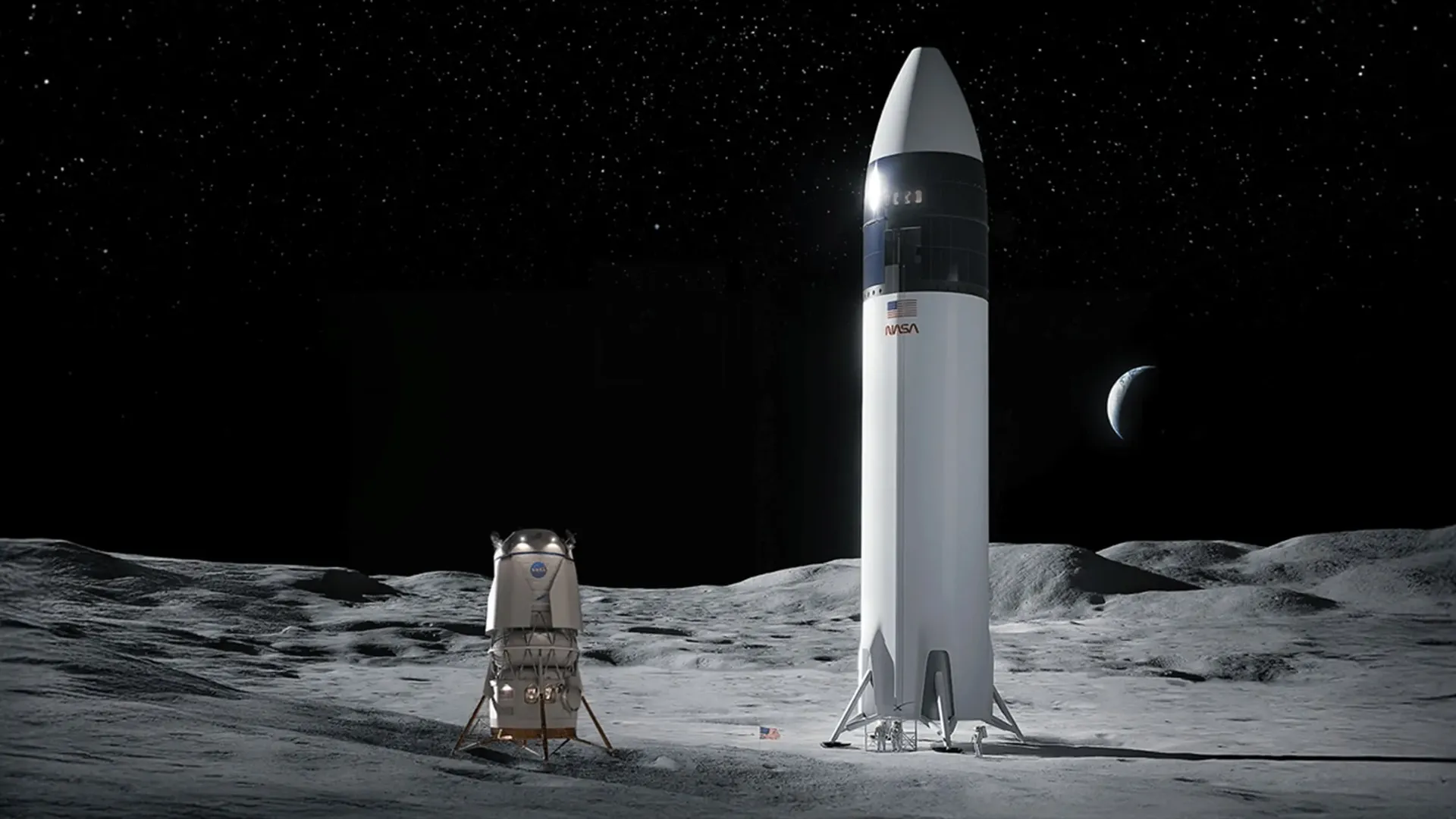
NASA has revealed new details about its plans to return astronauts to the surface of the moon, outlining a series of upcoming milestones for SpaceX and Blue Origin as both companies race to ready their lunar landers for the agency's Artemis program.

During an Oct. 5 presentation at the Astronautical Congress (IAC) in Antalya, Türkiye, Steve Creech, acting manager of NASA's Human Landing System (HLS) Program, laid out development timelines for both spacecraft, with key demonstrations planned through early 2028 that include orbital refueling and uncrewed lunar landing tests to qualify the vehicles to fly astronauts to the surface of the moon.

A more pressing deadline, however, is NASA's Artemis III mission, which is targeted for the third quarter (Q3) of 2027. Artemis III will launch four astronauts aboard NASA's Orion spacecraft to low Earth orbit (LEO), where they will rendezvous and dock with test versions of both companies' landers for interoperability checkouts. Those demonstrations will help inform NASA's determination about which lander the agency will choose to carry astronauts to the moon's surface on Artemis IV, targeted for early 2028.

SpaceX and Blue Origin were both awarded NASA contracts to develop HLS vehicles — Starship and Blue Moon, respectively — and have spent the past several years refining their respective lunar lander designs and dealing with various delays along the way. In the face of those delays, and in an effort to better structure its mission progression for success, NASA overhauled its Artemis program architecture in February to maintain its goal of landing astronauts on the moon by the end of 2028 and establish a more regular cadence of uncrewed landings in the meantime.

As part of that shakeup, Artemis III, previously the program's first crewed lunar landing mission, was moved up a year and repurposed for the lunar lander vehicle tests the agency is preparing to fly to LEO next year. The program's first moon landing remains scheduled for 2028, but was shifted to the manifest for Artemis IV.

Between now and then, both SpaceX and Blue Origin have more than a dozen test demonstrations and vehicle milestones to achieve, including success during Artemis III and flights afterward. This will all lead up to a key decision NASA must make: Which vehicle will carry out the first crewed landing on the surface of the moon since the Apollo program ended in 1972?

Starship reached for the first time on its most recent test flight, which occurred on Sept. 28 from SpaceX's Starbase site in South Texas. NASA lists several other important goals for the vehicle to achieve in 2026, including (in the order listed during the IAC presentation) the first return and catch of the rocket's upgraded Version 3 (V3) booster at its launch pad; the first-ever return and catch of a Ship upper stage; the first Starship launch from one of SpaceX's launch pads still under construction on Florida's Space Coast; and, possibly, the first V3 booster reflight.

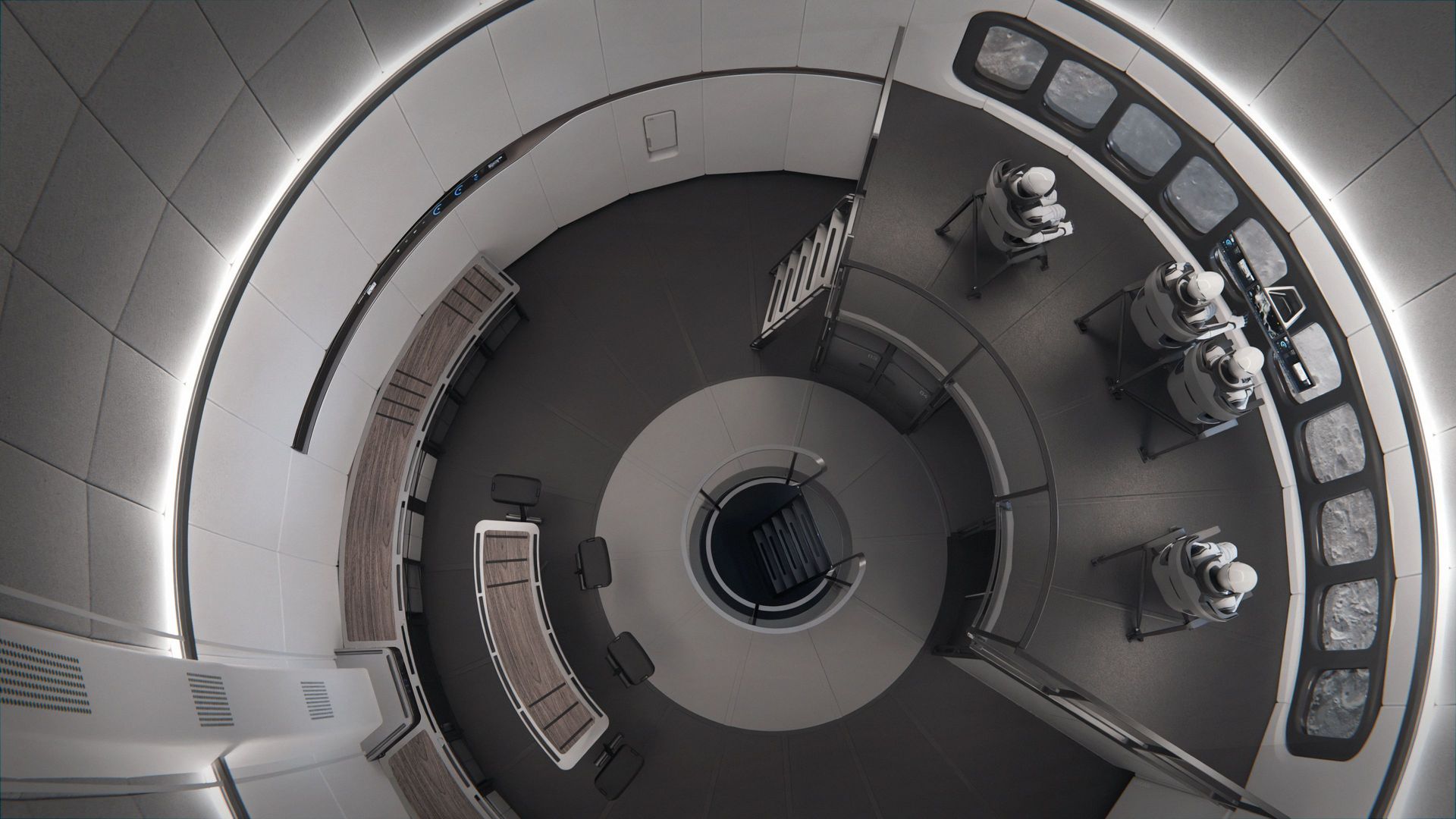
NASA also expects SpaceX to complete the initial build of the crew cabin for its lunar lander Starship variant. SpaceX released renders of Starship's interior last year, as well as images of the test elevator astronauts are using to train for Starship egress on the lunar surface, but little else has been made public about the progress the company has made on the cabin's design.

Artist's rendering of the cabin of SpaceX's Starship vehicle during an Artemis moon mission for NASA.

Artist's rendering of the cabin of SpaceX's Starship vehicle during an Artemis moon mission for NASA. (Image credit: SpaceX)

Should the cabin's initial build wrap up by the end of the year, as NASA's presentation suggested, SpaceX will use Q1 2027 to complete integration of the systems that Starship will need to communicate with Orion during Artemis III, and deliver a cabin simulator for astronauts to train on leading up to the mission. SpaceX plans to continue Starship test flights through Q2 of next year, complete a landing leg demonstration and begin crew cabin airlock tests.

Blue Origin's lunar lander mockup is ready for NASA Artemis astronaut training

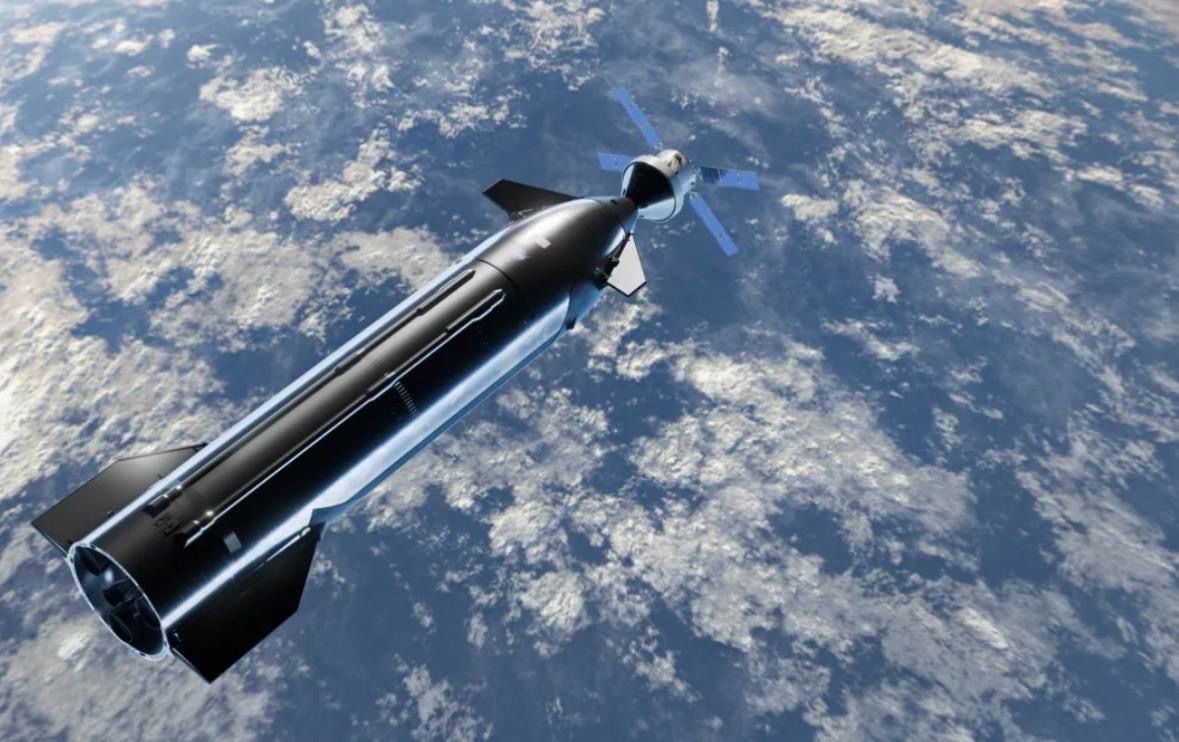
For Artemis III, SpaceX plans to fly one of its existing V3 Starship upper stages, with some slight modifications. Starship and Orion will dock as part of Artemis III but the SpaceX vehicle won't be equipped with a crew cabin for the mission's astronauts to enter. Between the end of this year and the beginning of the next, SpaceX is expected to complete the addition of a docking system and nosecone cover to the Artemis III Starship vehicle, which, NASA documents suggest, has already completed its mechanical fit checks.

A giant chrome rocket and a small space capsule dock in low Earth orbit.

Render of SpaceX Starship and Orion docked in low Earth orbit. (Image credit: SpaceX)

Other notches on SpaceX's checklist leading up to Artemis III include the first propellant transfer demonstration with Starship in orbit. As the first-ever launch vehicle and spacecraft designed for full reusability, Starship's fuel constraints require that its tanks be topped off in order to fly beyond LEO. For a moon landing mission, this could mean up to a dozen launches of SpaceX's Starship "tanker" spacecraft to an orbiting fuel depot, which the moon-bound Starship will visit. To pull that off, though, SpaceX has to show it can successfully transfer those cryogenic fuels on orbit, and also store them effectively enough to prevent too much boil-off.

Starship won't require any refueling flights to complete its objectives for Artemis III, but SpaceX is expected to launch its first Starship tanker vehicle within a few months of that mission as it gears up for the Artemis IV moon landing mission. To that end, a launch of an uncrewed Starship lunar lander variant is targeted sometime toward the end of Q3/beginning of Q4, with an uncrewed lunar landing mission carried out before the end of 2027.

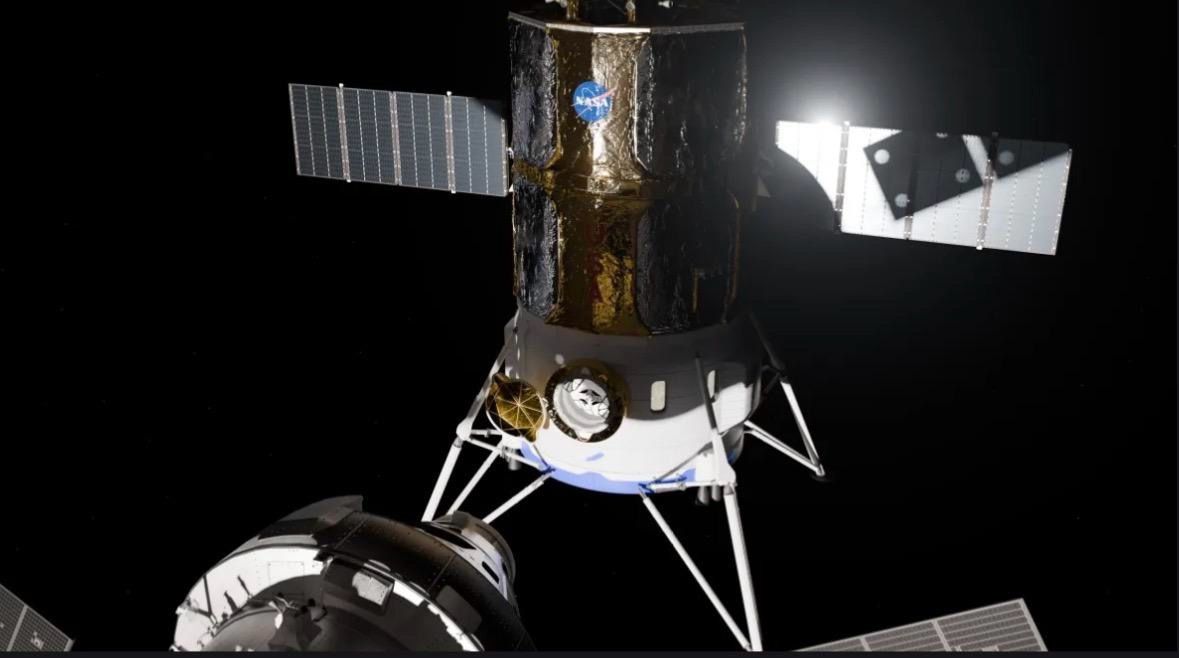
Blue Origin, meanwhile, has its own set of milestones to meet as it develops its Blue Moon Mark 2 (MK2) lander — a 52-foot-tall (16 meters) spacecraft powered by three BE-7 engines. Unlike the bare-bones V3 Starship that SpaceX will launch on Artemis III, Blue Origin plans to fly a completed test vehicle, incorporating the crew cabin, partial life-support, flight software and other systems needed to allow astronauts to enter the lander from Orion during their time docked in LEO. Astronauts will be able to enter Blue Moon from Orion to get a feel for the lander in zero-g and test some of its systems.

A lunar lander rendezvous with Orion in space.

Render of Blue Origin's Blue Moon lander and Orion prior to docking in low Earth orbit. (Image credit: Blue Moon)

NASA's timeline shows the company working to complete a series of manufacturing and testing milestones in the last few months of 2026, including continued BE-7 testing and qualification of Blue Moon's BT-7 maneuvering thrusters. The company also faces its Artemis III interim design review and a critical design review for an upcoming landing demonstration mission in 2028.

Blue Origin is also working to restore its pad at Cape Canaveral Space Force Station's Launch Complex-36 (LC-36) to operation and return its New Glenn rocket to flight, following an explosion of the rocket in May that caused extensive damage to the facility. NASA's presentation places that milestone in Q4 2026, a timeline the company has also been very vocal about maintaining. A recent Reuters report, however, suggests that may not happen until early 2027.

By early 2027, the company expects to complete the spacecraft's communications systems and finalize its flight software, with assembly, integration and testing continuing into Q2. Q1 2027 is also when Blue Origin's Blue Moon MK1 lander (a smaller, uncrewed version of its MK2 successor) will launch to the lunar surface as a part of NASA's Commercial Lunar Payload Services (CLPS) program of robotic moon missions.

During Q2 2027, as the Artemis III mission approaches, Blue Origin is expected to complete integration of its test lander with New Glenn and conclude qualification of its BE-7 engine. Throughout next year, the company plans to continue construction and refurbishments at its launch facilities and hopes to have a new launch pad ready to support the upgraded, more powerful New Glenn 9x4 rocket l by the end of Q3. The first flight of that rocket variant is scheduled for Q4 2027, alongside a second MK1 lunar mission and the launch of an uncrewed MK2 demonstration lander.

That spacecraft is expected to attempt its own uncrewed lunar landing in Q1 2028, around the same time Blue Origin has scheduled a third MK1 flight. Like SpaceX, Blue Origin will need to demonstrate that its lander can safely reach the moon's surface,operate there and return to lunar orbit before NASA clears it to carry astronauts on a future Artemis mission.

NASA's overall timeline remains the same as it has been since the February revamp, with Artemis III expected to launch in mid-2027, followed by a crewed lunar landing on Artemis IV in 2028, and possibly another on Artemis V that same year. There may be changes on the horizon, though. NASA will host a press conference on Friday (Oct. 23) with Administrator Jared Isaacman and Associate Administrator Amit Kshatriya, as well as Artemis program director Jeremy Parsons. During the event, which you'll be able to watch here at Space.com, they will discuss the status of the upcoming moon missions and an "Artemis acceleration."

SpaceX and Blue Origin still face tight schedules to complete their respective uncrewed landing demonstrations before Artemis IV. With SpaceX targeting Q4 2027 and Blue Origin Q1 2028, both are pushing the margins against NASA's hopes to return astronauts to the lunar surface that same year. Which company ultimately gets the green light for that first landing mission will depend on the progress each makes between now and then, and whether their landers can demonstrate the readiness that NASA requires to safely carry astronauts to the surface of the moon and back again.

  •  

4 cheap headphones and earbuds we've tested to avoid 'headphone dodger' fines — they're all cheaper than the £100 you'll pay if you're caught

  • UK government cracks down on people who annoy others with phone music
  • Fines of up to £100 for those people
  • It's cheaper to just buy these headphones

People who play music, TikTok videos or out-loud video calls on public transport probably aren't self-aware enough to know how annoying it is, but apparently the UK government does, because it's finally cracking down on so-called "headphone dodgers".

From next Monday, transport authorities will be allowed to fine rule-breakers by up to £100 if they're causing a nuisance. Prime Minister Andy Burnham is fronting the campaign, after previous governments toyed with the idea.

It's a good idea, but the success is dependent on enforcement, as transport safety officers and not drivers are expected to hand out the fines. Given how minimally-staffed most public transport services are, some (me) are dubious that the rules will make a difference.

However if you've been a 'headphone dodger' and you want to turn a new leaf (good on you), it'd make sense to buy a pair of headphones that cost much less than the £100 penalty fare.

And naturally, we've tested a few that we can recommend…

Sennheiser CX 80U

Sennheiser CX 80U earbuds on block

(Image credit: Future)

Starting with something nice and cheap, we've got some wired earbuds, which you can easily plug into the USB-C port on a phone and keep bundled up in your pocket the rest of the time. No Bluetooth dropouts, no losing a bud as you board the bus, no apps, none of that.

The Sennheiser CX 80U sound great, block surrounding noise quite well, and offer a nice simple design. We gave them 4.5 stars out of 5 in our review, only knocking them for some missing features of pricier buds.

Best of all, though, they're really cheap. They launched for $39.95 / £34.99 in January this year, but you can find them even a little cheaper than that on Amazon.

Sony WH-CH530 (or even the Sony WH-CH730N)

Sony WH-CH530N headphones in different colors, arranged in a circle to form a flower shape, on a gray floor

(Image credit: Sony)

If you want great-value headphones, you can't go wrong with a pair from Sony, and its recently-released Sony WH-CH530N are really affordable at $69 / £50.

We haven't yet finished testing these on-ears, they're that new, but their predecessors the WH-CH520 got 4.5 stars in our review. We praised the balanced sound and long-lasting battery, and the newer pair will likely bring improvements.

As you can see in the picture, they come in a wide range of colors, and also have noise cancellation, which isn't something you can say about all options at this price point.

Prefer over-ears? Go for the just-reviewed, all-new Sony WH-CH730N: a solid four stars and they're just under that £99 (or equivalent, in your country of residence) fine line, if you'll pardon the pun…

JLab JBuds Mini ANC

JLab JBuds Mini ANC earbud outside the case

(Image credit: Future)

Last, but not least, let's look at some standard wireless noise-cancelling earbuds, which we got to try earlier this year.

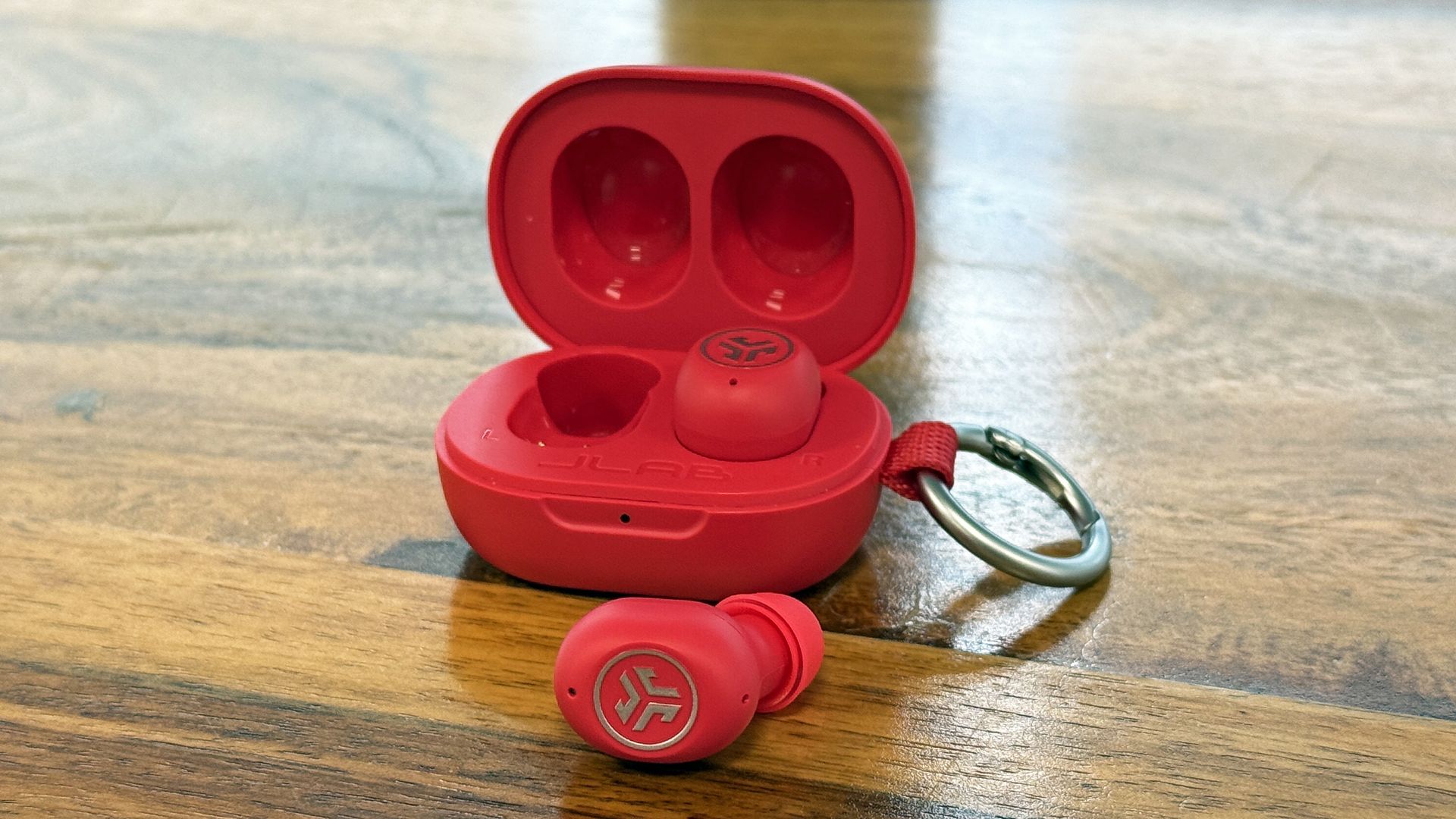
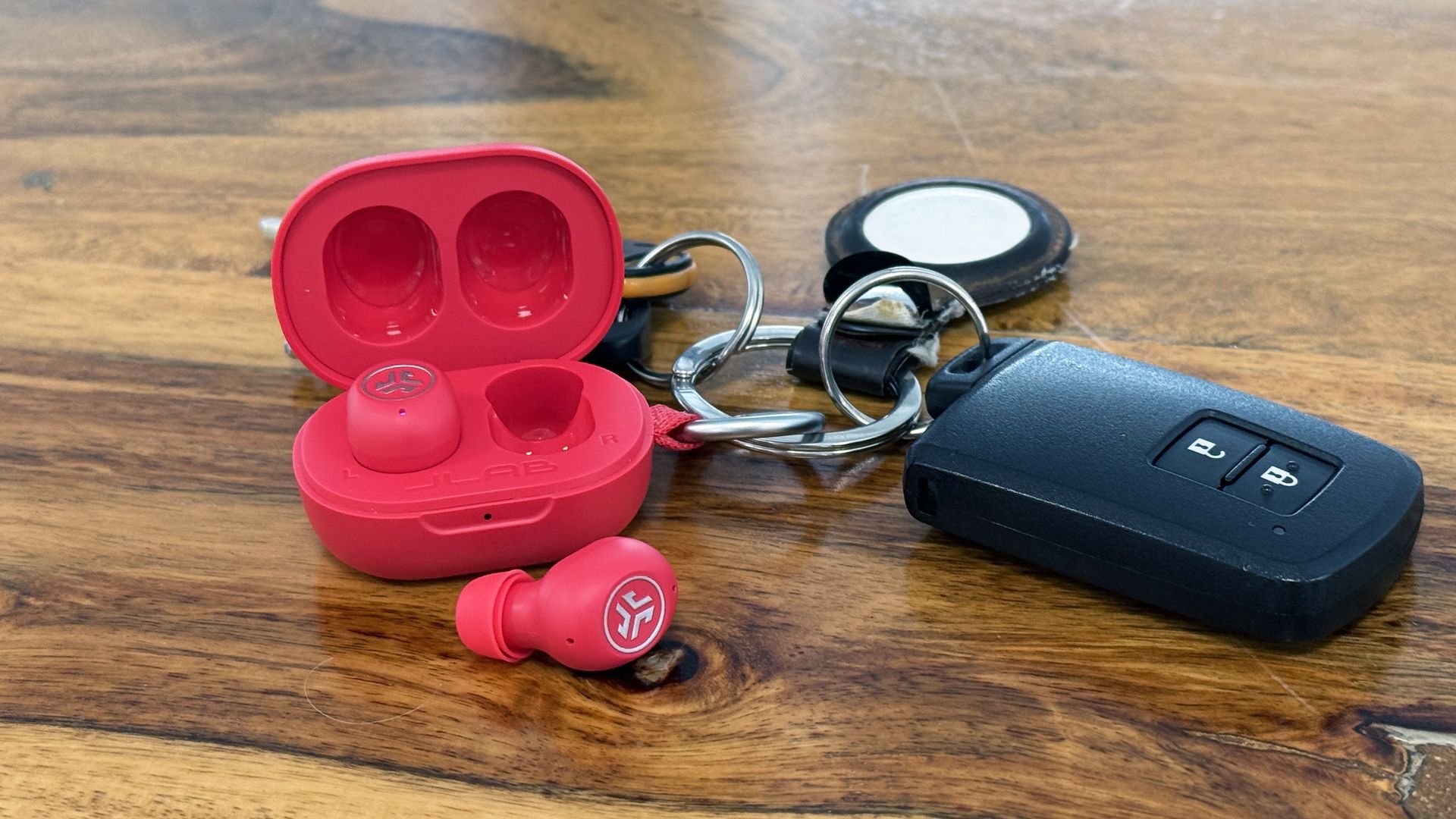
The JLab JBuds Mini ANC are tiny — you can even clip the case onto your keyring — so you've got no excuse for not having buds on the bus. At $49.99 / £49.99 they won't break the bank either.

We enjoyed the non-ANC JLab JBuds Mini too, when they came out three years ago, and they're ideal for people who want lightweight buds.

Have further thoughts? Drop us a comment — or better yet, fill out the poll below this text and then add your comment!

  •  

« Pourquoi je stresse autant ? » : des chercheurs ont repéré un point commun chez ceux qui gardent leur calme

Vous avez l’impression de perdre vos moyens au moindre imprévu ? Et si votre résistance au stress se jouait aussi dans des gestes aussi banals que votre premier repas de la journée ? Une étude menée auprès de 400 étudiants révèle des liens surprenants entre certaines habitudes de vie et la...

  •  

Netflix Is Great at Making Money. Its Problem Is Keeping Viewers Hooked.

The streaming service reported a 12 percent increase in quarterly revenue, but acknowledged that stagnant viewership, particularly in the U.S. and Canada, was a major concern.
  •  

Astronauts on the Moon could shelter from radiation, micrometeoroids and extreme temperatures inside a lava tube, and NASA is sending a suite called GIMLI to scan beneath the Marius Hills Pit to see whether the pit opens into one

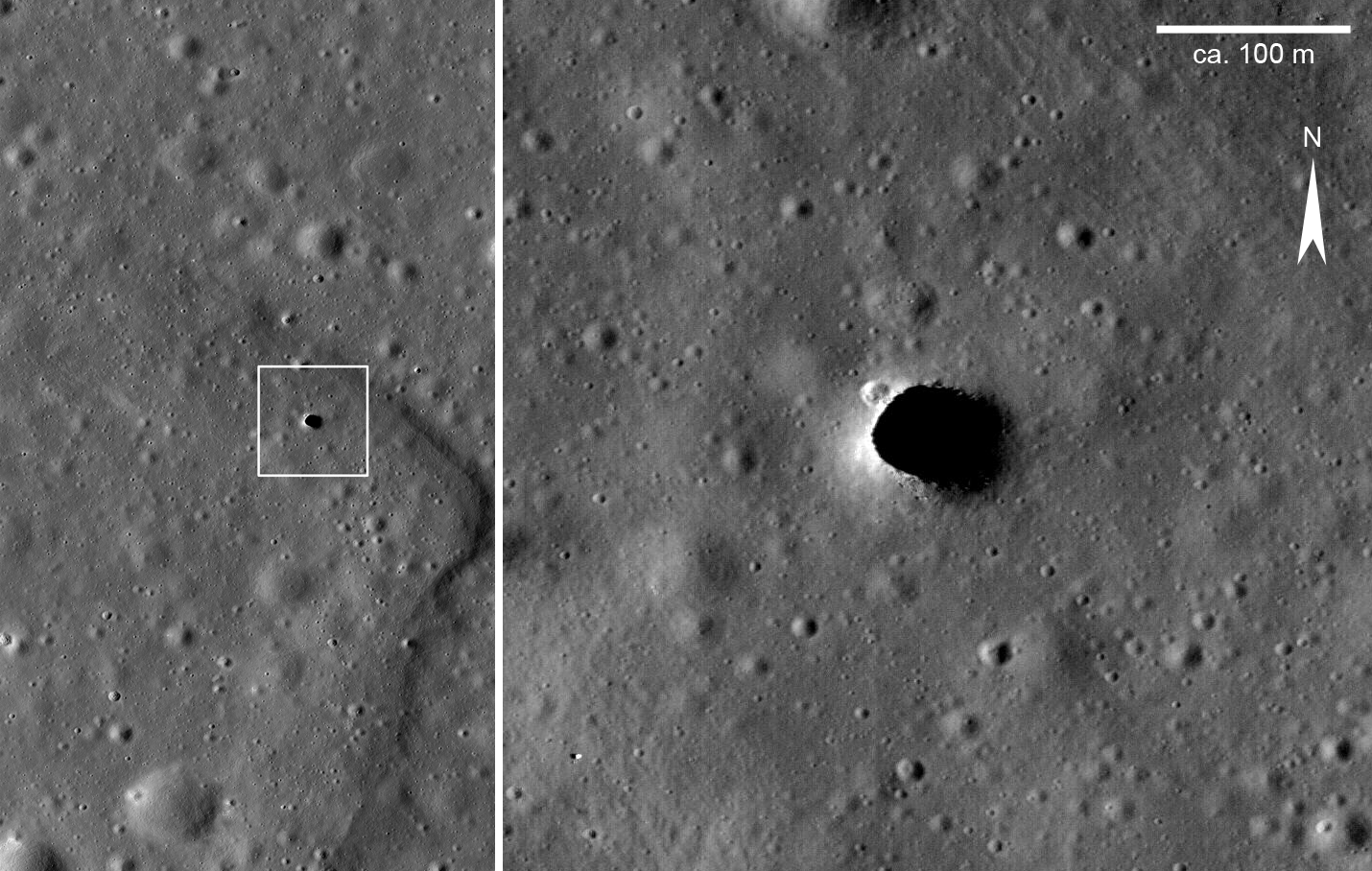
Orbital image of the Marius Hills pit, a dark hole in a lunar rille, with a magnified inset

WASHINGTON, NASA has selected a radar, seismic, gravity and camera suite called GIMLI to be deployed at the Marius Hills Pit and test from the surface whether the pit opens into a lava tube.

The agency named GIMLI on 30 September 2026 as one of three payload suites chosen under its PRISM programme for the Moon Base effort, to fly on a commercial lander under the Commercial Lunar Payload Services scheme. No launch date and no lander vendor have been named. The principal investigator is Nathaniel Putzig of the Planetary Science Institute.

The pit lies in the Marius Hills, an ancient volcanic region. In 2017 a team using the Lunar Radar Sounder on Japan’s Kaguya spacecraft reported echoes near the pit that it interpreted as an intact lava tube, and candidate tube sites line up with mass deficits in gravity maps from the GRAIL spacecraft, the Japanese space agency said. None of that has shown whether the hole leads anywhere.

“Readers should not conclude that the pit is an opening to a lava tube,” Gareth Morgan, GIMLI’s deputy principal investigator at the institute, told Space Daily in an email on 19 October 2026.

High-resolution images from NASA’s Lunar Reconnaissance Orbiter show the pit walls “form an overhang above a subsurface void space that is wider than the diameter of the pit itself”, Morgan said. The size of that void is unknown, and so is whether it is an isolated cavity or part of a larger cave system.

Similar pits exist in volcanic terrain on Earth, Morgan said. “Sometimes they are skylights into lava tubes, but in other cases they are isolated shafts/cavities caused by volcanic-tectonic activity,” he said. “GIMLI has been designed to differentiate between the two scenarios.”

“It has long been speculated that lava tubes, which on Earth are remnants of drained lava flows, exist on the Moon, but this has never been definitively confirmed,” Morgan said. “GIMLI will enable us to address this for the first time.”

“Confirming these void spaces now could shift future habitat planning, offering natural, ready-made shelters that provide crucial thermal stability and shielding from deadly ionizing radiation and micrometeoroid bombardment,” the agency said in its 30 September 2026 release.

GIMLI’s ground-penetrating radar is supplied by the Norwegian Space Agency, according to the institute. Honeybee Robotics, a Blue Origin company, is building the active-source seismic system, the gravimeter and the cameras, and is managing the project.

Each instrument should respond to a tunnel in its own way, Putzig told Space Daily in an email on 19 October 2026. “With the ground-penetrating radar, we would expect a strong reflection from the top of the lava tube back to the antenna, due to the high dielectric contrast between rock and the vacuum within the lava tube,” he said.

“For the active-source seismic, we would expect strong reflected and refracted acoustic waves from the perimeter of the lava tube, but the acoustic waves will not pass through the void space,” Putzig said. “For the gravimeter, we would expect to see a strong, negative gravity anomaly when passing over the lava tube, as it represents a locally reduced mass in what is otherwise dense rock.”

“If we see all of these effects, it will represent very strong evidence that the pit does in fact represent a collapse feature into a much more extensive lava tube,” he said.

Elevator and sealed walls

Published figures for the pit’s depth disagree. NASA’s description of the orbiter’s images puts the pit at about 34 metres deep. The Lunar Reconnaissance Orbiter Camera team gives 40 metres in a 2017 update. Putzig put the drop at about 60 metres.

“There’s a sharp drop of about 60 m between the pit rim and the floor of the pit, so while first explorations could be done by flying or rappelling into the pit, it may become necessary to install an elevator to move people and equipment in and out of a shelter,” Putzig said.

“Creating a shelter would require walling off either end of a portion of the lava tube and pressurizing the interior, but cross-cutting fractures could make it necessary to seal off the tube walls as well to avoid leaks,” he said.

In July 2022 NASA reported that Diviner data from the orbiter and computer modelling showed shaded locations within some lunar pits “always hover around a comfortable 63 F (about 17 C)”. Radiation shielding inside the Marius Hills Pit has not been measured on site.

Morgan said a null result would still be useful. “If we don’t find evidence of a cave system at our Marius Hills landing site, our measurements will still allow us to test alternative hypotheses for lunar pit formation, which in turn will provide new insights into volcanic activity, such as localized volcanic-tectonic processes,” he said.

The pit walls also expose layers of rock. The suite’s camera mast “will be used to inspect these outcrops (from a safe distance) to measure the number, thickness and origin of the layers”, Morgan said, with the results compared against the geophysical surveys to reconstruct the site’s sequence of eruptions.

Sources:

The post Astronauts on the Moon could shelter from radiation, micrometeoroids and extreme temperatures inside a lava tube, and NASA is sending a suite called GIMLI to scan beneath the Marius Hills Pit to see whether the pit opens into one appeared first on Space Daily.

  •  

Start-Up Claims to Use A.I.-Created Viruses to Treat a Patient

Certain viruses attack bacteria and can sometimes clear antibiotic-resistant infections. Researchers said they had tailored a virus to attack one patient’s illness.
  •  
❌