❌

Reading view

AMD could be working on an Nvidia DLSS 5 rival, but it'll be for next-gen RDNA 5 GPUs β€” and I've a feeling that may be too late

  • AMD is rumored to be working on its own version of DLSS 5
  • A leaker says that the neural rendering tech will be launched with next-gen RDNA 5 GPUs
  • That means we could be waiting until late 2027 or 2028 to see this debut, which might leave AMD lagging behind Nvidia considerably

AMD could be working on its own take on Nvidia's DLSS 5, and apparently this alternative attempt at neural rendering will be for its next-gen RDNA 5 graphics cards.

VideoCardz spotted that a known leaker in the GPU field, Kepler L2, posted on the Anandtech forum in a discussion around RDNA 5 speculation to say that: "AMD will have their own version of 'Neural Lighting' like DLSS5 next-gen."

Kepler then clarified that he didn't mean a version of Ray Reconstruction, but a take on DLSS 5 (neural rendering), and that next-gen RDNA 5 GPUs would be required because "this stuff is pretty heavy" (as in resource-intensive).

In a further post, Kepler elaborated: "There's a lot of issues with Nvidia's approach [with DLSS 5], but it's possible to have a version of this with minimal hallucinations and 'AI slop' look."

He then suggests a way that AMD could work its version to improve on DLSS 5, including giving the AI "direct access to 3D game data such as geometry, ray data, depth buffers, materials, etc so it doesn't have to guess and can accurately know how each object in a scene should interact with light."

Kepler's outline of a proposed alternative for AMD would have a separate model (AI) for lighting improvements, and another different model solely for the shading of complex surfaces. DLSS 5 bundles these together with its neural rendering system, and adds color-grading on top β€” to adopt what the AI judges as more natural colors β€” which Kepler advises that AMD should dispense with entirely.

Analysis: a race against time – or a chance to get it right?
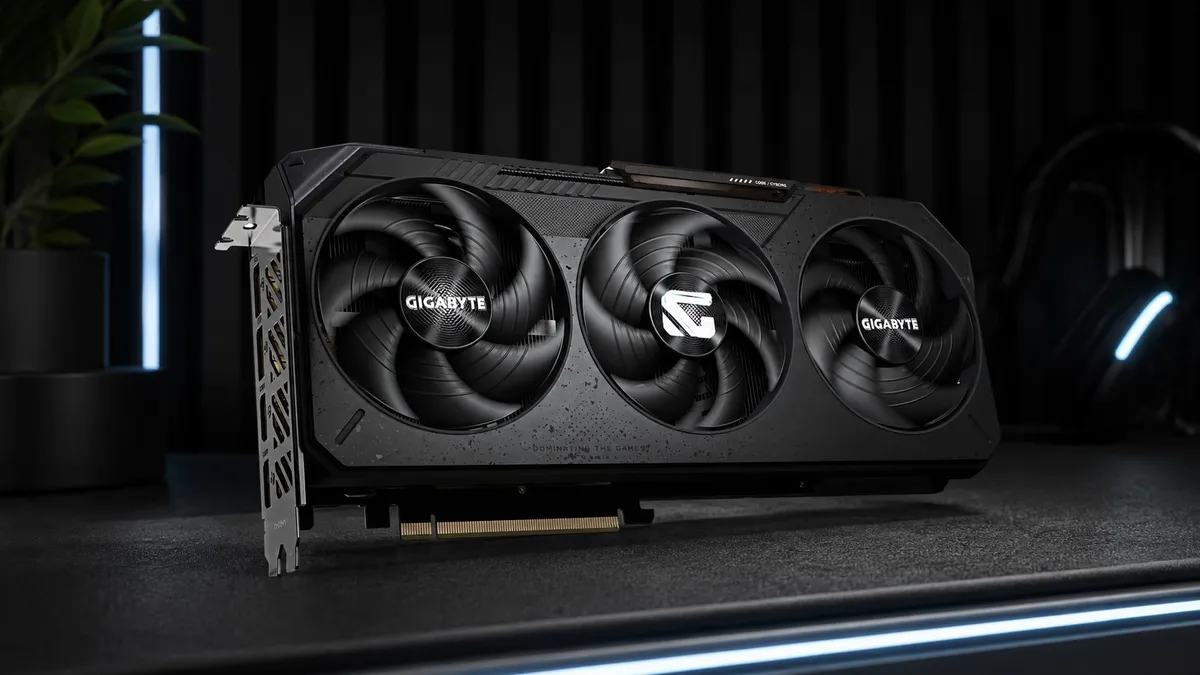
GIGABYTE Radeon RX 9070 GRE GPU

(Image credit: Gigabyte)

I won't pretend to be able to critique what Kepler is suggesting as an alternative for AMD and the technical nuances therein, except to say that the idea is clearly to achieve a result that looks less like it's been 'messed' about with by AI and minimizes any 'slopification' therein β€” preserving more of the original artistic intent.

And that seems a laudable goal, of course, and it also brings up how AMD is in an interesting position here in lagging behind Nvidia with its graphics tech (which has, of course, been the case from the start, with FSR following DLSS β€” version 2.0 of Nvidia's upscaling tech was already in play, in fact, when FSR 1.0 arrived). Team Red can sit back for now and see how DLSS 5 plays out, as more games emerge that use it, and gauge the reaction of gamers, and forge its own neural rendering tech to tackle any perceived weaknesses.

The performance hit will be an obvious area to target, and if AMD can bring that down β€” it's substantial with DLSS 5 as it is now β€” that will obviously be a big win. That said, I'd expect Nvidia will be working with some haste to make DLSS 5 more performant, and as with DLSS 1, the tech will be improved considerably by the time Team Red has its own version out.

This is the other side of the equation here, where Nvidia could win out. With RDNA 5 GPUs not expected to arrive for at least a year, and quite possibly longer (the RAM crisis isn't helping), there's quite a lengthy timeframe on any AMD rival to DLSS 5. By the time it arrives, DLSS 5.5 may be in town with considerable improvements in tow. There's already been a notable turnaround in the perception of DLSS 5 with its official launch (compared to Nvidia's sneak preview earlier this year).

This is, of course, assuming AMD is indeed working on its own neural rendering technology, but I'd be surprised if this wasn't the case. For now, though, the word of a single leaker needs to be thoroughly seasoned, as ever, even though it's believable enough that Team Red would be aiming to use this on RDNA 5 graphics cards.
  •  

DDR5 RAM pricing appears to be spiralling out of control even more β€” it's 5.5x pricier than before the memory crisis, and 2027 could get worse

  • DDR5 RAM has hit a new pricing high in the German market
  • It's now 544% up on the price it was before the RAM crisis began
  • This inflation backs up predictions of the memory shortage worsening, and Dell has just hiked the price of one of its popular laptops, too

If you wanted a telling example of how bad the cost of RAM is getting, the latest report on DDR5 pricing makes it crystal clear – and it reaches us as Dell moves to hike the price of its affordable XPS 13 laptop (in a roundabout way).

I'll come back to the ins-and-outs of what's happening with Dell, but first the DDR5 price jump, which has happened over in Germany.

3D Center keeps tabs on the monthly pricing of DDR5 memory in the German retail market – some 20 products are covered in this largest market in Europe – and as Wccftech flagged, the report for September shows this RAM is now 544% up on the price it was in July 2025 (the baseline level before the crisis began).

This is a big leap from 486% where the DDR5 price index sat in August, and since June, when it was at 419% having remained flat for much of the year. This obviously represents a depressingly hefty additional toll on the wallets of PC buyers or those upgrading their memory.

Meanwhile, as Mashable noticed, Dell has effectively upped the price of its XPS 13 laptop in the US, without actually increasing the baseline cost – instead of doing that, the laptop maker has introduced a new entry-level model with less storage.

So, previously the XPS 13 started from $699 in the US for the model with 8GB of RAM and 512GB of storage. What Dell has done is brought in a new model with 256GB of storage at that $699 level, so while technically the cheapest XPS 13 is still at that price, you're getting a lower spec for the money.

The old baseline model with 8GB RAM and a 512GB SSD is now $799, so it's been hiked by $100 – a pretty nasty bump in cost that moves this notebook into a distinctly less affordable price bracket.

If you want the XPS 13 with 16GB of system memory (and 512GB of storage), that's also gone up $100 so it's now at $999. Do note that these are student-targeted laptops, and students get a $100 discount on the XPS 13, so you will pay less in that case. However, while $599 (with $100 off) remains a tempting price in this climate, 256GB storage is cutting it thin.

Analysis: as predicted, 2026 is turning much nastier with RAM

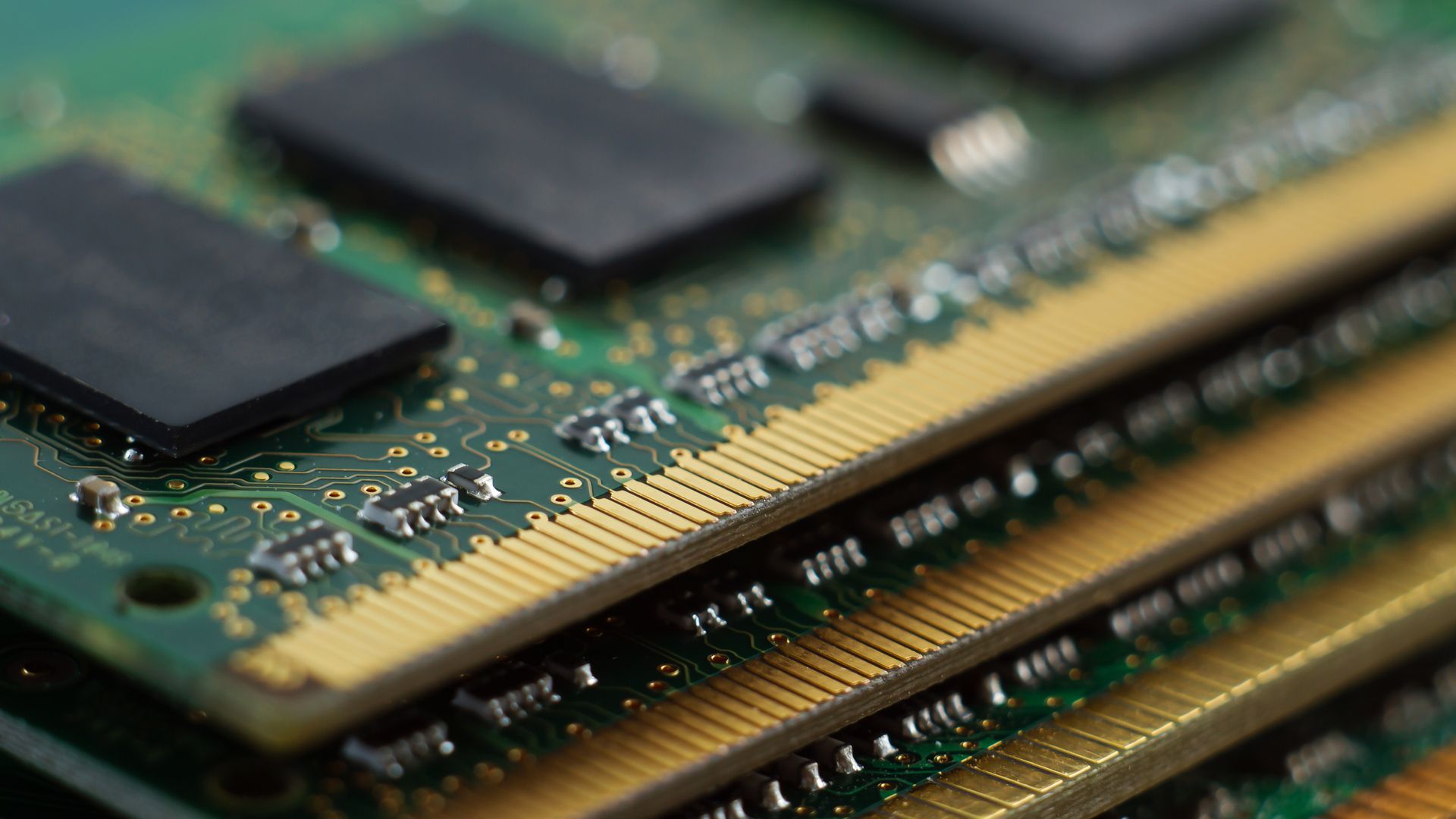
RAM sticks stacked on top of each other

(Image credit: Shutterstock)

The DDR5 price spike is truly worrying in my opinion, simply because it's an acceleration of an already worsening picture. Yes, it's only one retail market and a snapshot of the overall landscape as such, but the same pattern is seen elsewhere. Just look at Tom's Hardware's price tracker that shows 32GB of DDR5-5600 RAM in the US is now $409 (at the time of writing) compared to $72, which was the lowest price seen before the memory crisis.

That's over a 5.5x price increase in the US market (mirroring the German level of RAM inflation in this particular case). The end result is that what used to be a no-brainer of future-proofing any desktop PC – particularly a gaming rig – with 32GB of RAM is now a difficult choice to make, as sticking with 16GB is saving you $200 (or the regional equivalent). Bearing in mind that you're battling all sorts of other component inflation if you're building a new PC, too (most notably with the likes of SSDs and increasingly GPUs).

We were told that the second half of 2026 would see more RAM price misery, and these German market figures illustrate exactly that. Since June, buyers in the country have witnessed an effective 30% increase in the cost of DDR5 (when it was already hugely overinflated). It's worse than I imagined it could get, frankly, and I fear that the most pessimistic predictions – which also forecast a very rough 2027 – are very much on the money.

All these RAM price hikes are eventually reflected in the cost of laptops, of course, and the Dell XPS 13 provides an apt illustration here. Interestingly enough, I recently wrote about Dell's revelation of its new 14S laptop – which was shown off at IFA, but without any price tag being attached – saying that this made me nervous about how much the notebook might cost.

Given this XPS 13 hike, it's easy to see why Dell was hesitant, and to be fair to the company, it isn't the only manufacturer that's reticent to pin launch prices on incoming devices. This is becoming a trend because the memory shortage, and its knock-on effects, are making life difficult for all device makers.

  •  

Nvidia RTX 5090 GPU prices skyrocket to $9,000 β€” as fresh RTX 6000 rumor suggests a 2027 launch that fills me with dread

  • Nvidia's RTX 5090 is now over $9,000 in the US
  • A new rumor suggests that RTX 6000 gaming GPUs are coming in 2027, maybe in the first half of the year
  • If true, the price tag that's attached to the RTX 6090 will likely be colossal, and lower-tier GPUs could be pricey too

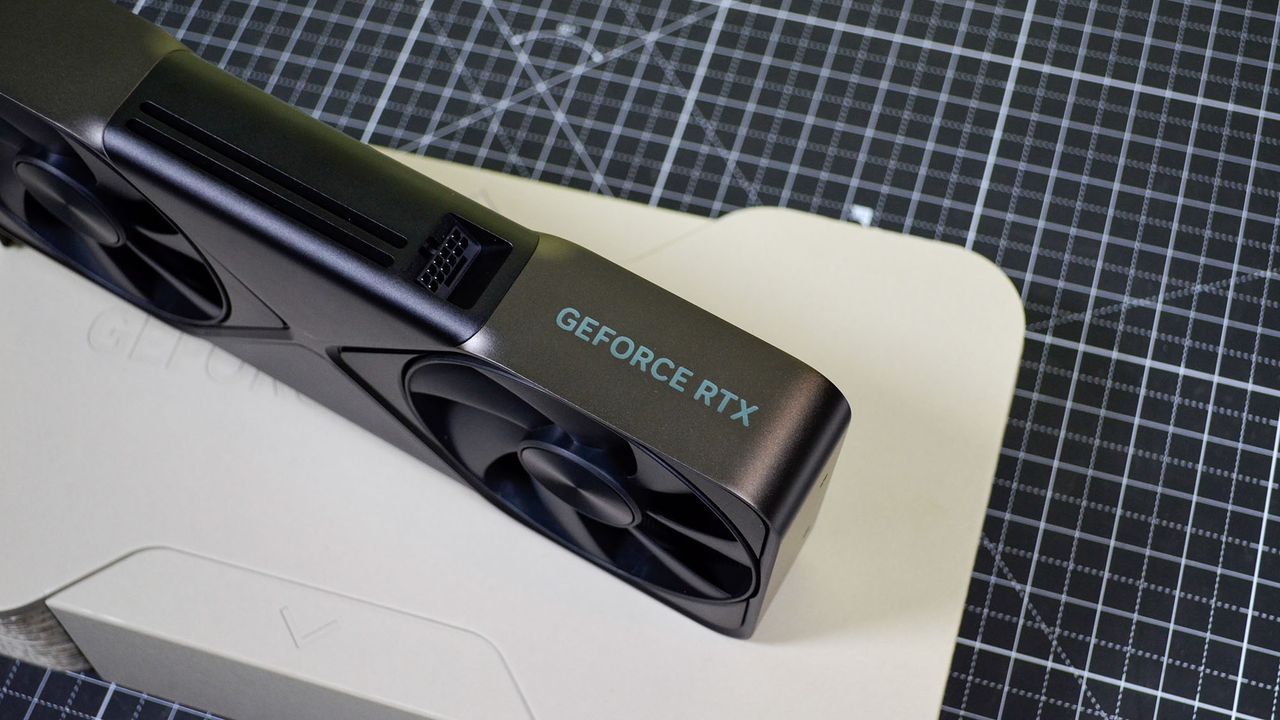
Nvidia's RTX 5090 flagship has hit new heights in terms of ridiculous asking prices, just as a new rumor suggests that RTX 6000 (Rubin) GPUs are coming in 2027 β€” earlier than anticipated, and to say the price of those next-gen offerings is a worry given the current climate is a huge understatement.

A Redditor pointed out the current state of RTX 5090 prices, which are close to commanding $10,000 in the US for some models. Notably, the Asus ROG Astral RTX 5090 will set you back a princely $9,659 on Newegg US, although that's not sold directly by the retailer.

Indeed, none of the big retailers have any stock of the RTX 5090 anymore, and the only graphics cards you can buy are from third-party marketplace sellers, often shipping from Asia (that ROG Astral GPU comes from Hong Kong).

You can find more expensive RTX 5090s than that if you want to get the gold-plated version (Dhahab Edition) of the ROG Astral, which is now $11,999. The very cheapest RTX 5090 that I could find at the time of writing is an MSI Ventus model that's priced at $6,549 on Newegg.

What about outside of the US? Price inflation is rampant in other countries too. If we take the UK as an example, you can pick up an RTX 5090 for around Β£4,500 on Overclockers UK, which is still an eye-watering asking price. (And those are the cheapest GPUs β€” they go up in price from there to Β£6,600 for the aforementioned Asus ROG Astral RTX 5090).

It's an alarming situation, and one that heaps worries on top of a new rumor about the RTX 6000 launch as aired by Moore's Law is Dead (MLID) on YouTube (via TweakTown).

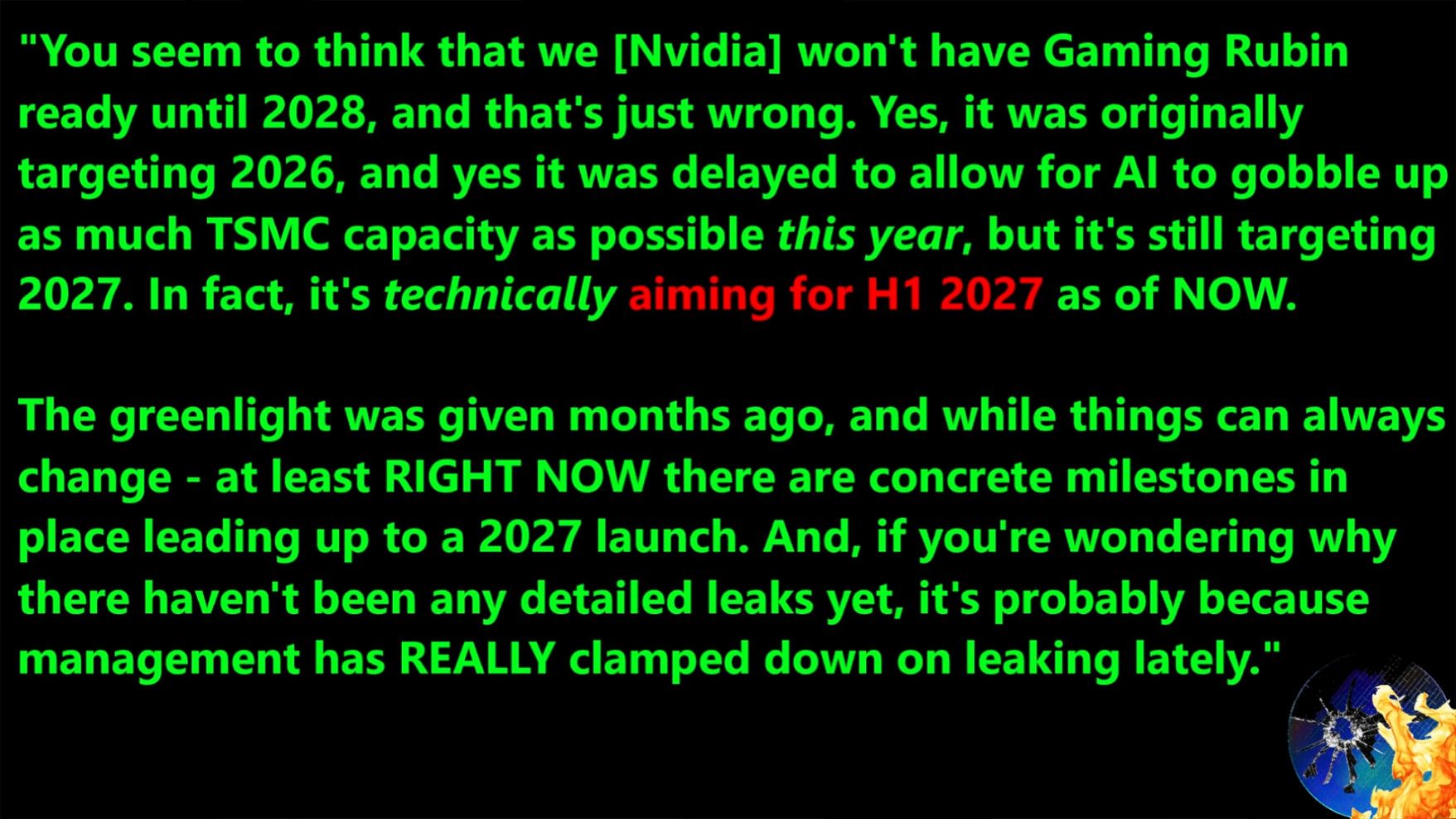
Previous rumors have contended that Nvidia's looking at 2028 for the arrival of its next-gen GeForce graphics cards, but a source at the firm told MLID that this is incorrect, and Team Green is aiming for a 2027 launch. Moreover, the current plan is still to get the RTX 6000 ball rolling for PC gamers in the first half of next year, meaning within the next nine months.

There's an obvious sticking point here, though: if the RTX 6000 generation is this close, how come we haven't had much in the way of leaks yet, and nothing of any real substance? The source claims that this is due to Nvidia's management successfully clamping down on leaks with the next-gen products.

The first offering will presumably be the RTX 6090 (or maybe an RTX 6080 as well), and it's going to have some kind of interesting spin on the design β€” though we aren't told what. It could have beefed up hardware to better cope with running DLSS 5, perhaps, as that would make sense β€” something to help deal with the performance hit of neural rendering would clearly be very welcome.

Nvidia RTX 6000 leak slide

(Image credit: Moore's Law is Dead on YouTube)

Analysis: house deposit or GPU?

There are obvious problems with a possible RTX 6000 launch next year, if we take this rumor at face value. As noted, the RTX 5090 is now being sold for beyond ridiculous prices β€” and so how much is an RTX 6090 going to run? The fiscal equivalent of an ultramarathon, presumably, and with AI demand likely coming into play with this GPU, the next-gen flagship could be 'unobtainium,' as the disgruntled gamers out there are already predicting.

When you consider that the RAM crisis is going to get worse next year, going by the more recent forecasts from analysts and industry insiders, video RAM is going to be more problematic β€” and how much of the stuff will be on an RTX 6090? β€” it all adds up to a frightening prospect for an MSRP. And the likely reality is that the price to actually buy the next-gen Rubin gaming flagship will blow well past that towering recommended cost. (The RTX 6080 won't likely be much different, either.)

For all these reasons, I find it difficult to believe that Nvidia will go ahead and launch the RTX 6000 series next year. Surely it makes sense to wait longer, although what Team Green may know is that 2028 isn't going to be any better for RAM price inflation, and so perhaps that's why next year is greenlit for next-gen GeForce graphics cards to arrive. It's a sobering thought. As one Redditor observed: "Can't wait to decide if I want a down payment on a house or an Nvidia GPU."

  •  

'The memory chip market is heading toward a severe shortage': analyst firm believes RAM crisis could get far worse in 2027 β€” and you can blame AI ramping up

  • A new report from KB Securities gets very gloomy about the RAM crisis
  • We're told the "memory chip market is heading toward a severe supply shortage" in 2027
  • AI demand has ramped up massively with infrastructure investments up 60% year-on-year to $1.3 trillion, creating even more demand for memory as fuel for that rise

If you thought the RAM crisis was going to get worse next year, you're very probably right β€” but apparently we might suffer an even more severe shortage than some analysts already expect.

Wccftech flagged up an article from Business Korea (translated from Korean), which suggests that the RAM squeeze is tightening its grip on two of the biggest memory chip makers.

Citing a report from KB Securities, the rumor is that Samsung and SK Hynix are now down to fewer than 10 days of memory inventory, which is very close to running dry.

This has caused concerns that available memory supplies could dwindle and be depleted in 2027, with analysts believing that the "memory chip market is heading toward a severe supply shortage" (again, bear in mind this is a translation, but the message is clear enough).

KB Securities notes that the AI boom is what's causing this, as memory chip manufacturers struggle to meet demand for HBM4 memory in AI data centers. Infrastructure investments for AI development have been revised upwards to $1.3 trillion for 2027, we're told, which is a 60% year-on-year increase.

Kim Dong-won, head of research at KB Securities, told Business Korea that: "AI servers will absorb demand for not only HBM but also server DDR5 and enterprise SSDs, potentially leading to a historic shortage."

There's a brighter spot of news from laptop maker Framework though, which, as VideoCardz reports, has taken an unusual step in reducing the price of some of its products. As you may recall, Framework has been hiking laptop prices due to the increased cost of RAM (as have other notebook manufacturers), but the company just announced that it has secured some fresh memory modules at a lower price.

This means that some of its current Framework Laptop orders will be knocked down in price, and the company said on X that it's "retroactively reducing prices for orders that shipped at higher price" too.

Analysis: there's a historic level of gloom, that much is certain

Hand holding two DDR5 RAM memory modules in front of gaming computer with RGB lighting

(Image credit: vlado85rs / Getty)

It's impressive to see Framework acting in the best interests of its customers, particularly seeing as the firm could have (theoretically) kept quiet about bagging a batch of cheaper memory chips, and just kept the difference itself.

While that's commendable, it's a pretty small (but still welcome) bone we're being thrown in the face of the bad news for the RAM crisis here. Talk of a "historic shortage" is worrying, and it feels like this is an escalation of the recent chatter about global memory supply woes which has already turned highly negative.

While this latest report talks about server DDR5 RAM (and HBM), this will obviously have a bearing on consumer products, too. Those less profitable memory sticks are going to end up sidelined even further.

With rumors about GPU price hikes again coming to the fore this week, it's difficult to catch a breath between the bouts of bad news. We can hope that the pessimism is overblown here, but I can't shake the feeling that this seems unlikely.

  •  

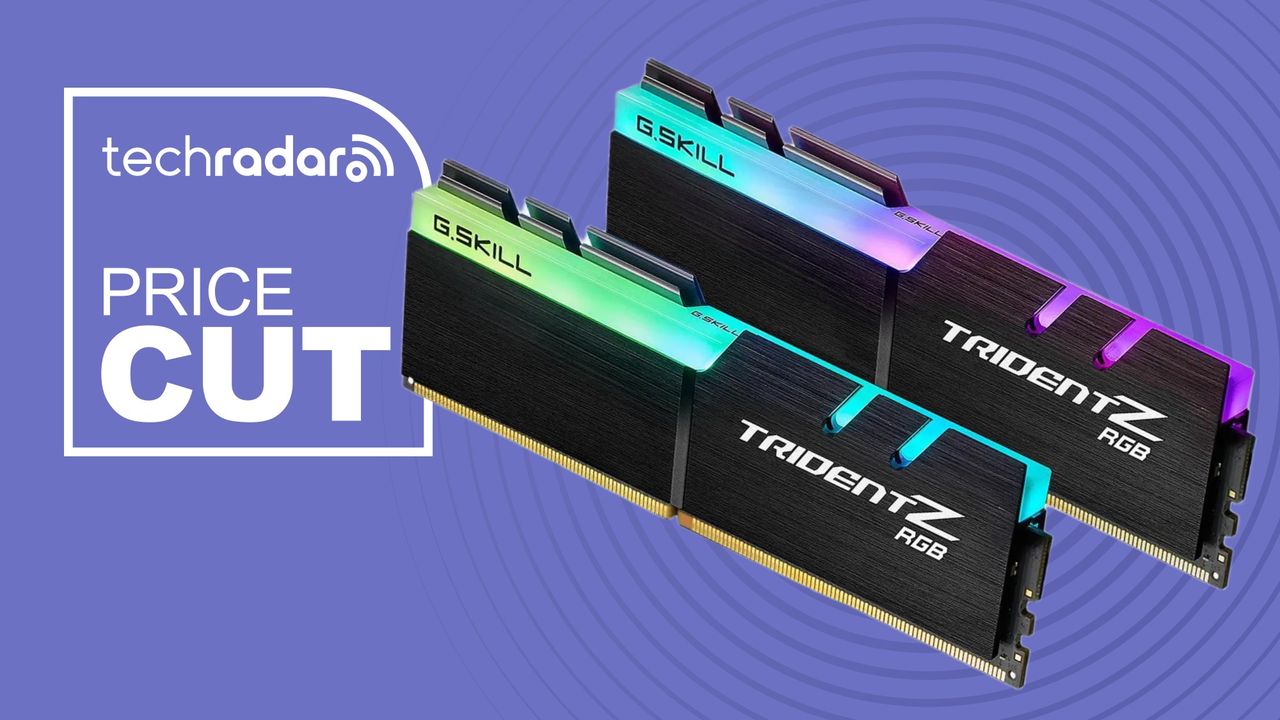
This 32GB G.Skill Trident Z RGB DDR4-3600 RAM kit deal is down to just $215 using a special coupon at Newegg

DDR5 might be the memory standard for newer PCs, but it costs far more than DDR4, especially when you're shopping for faster or higher-capacity kits.

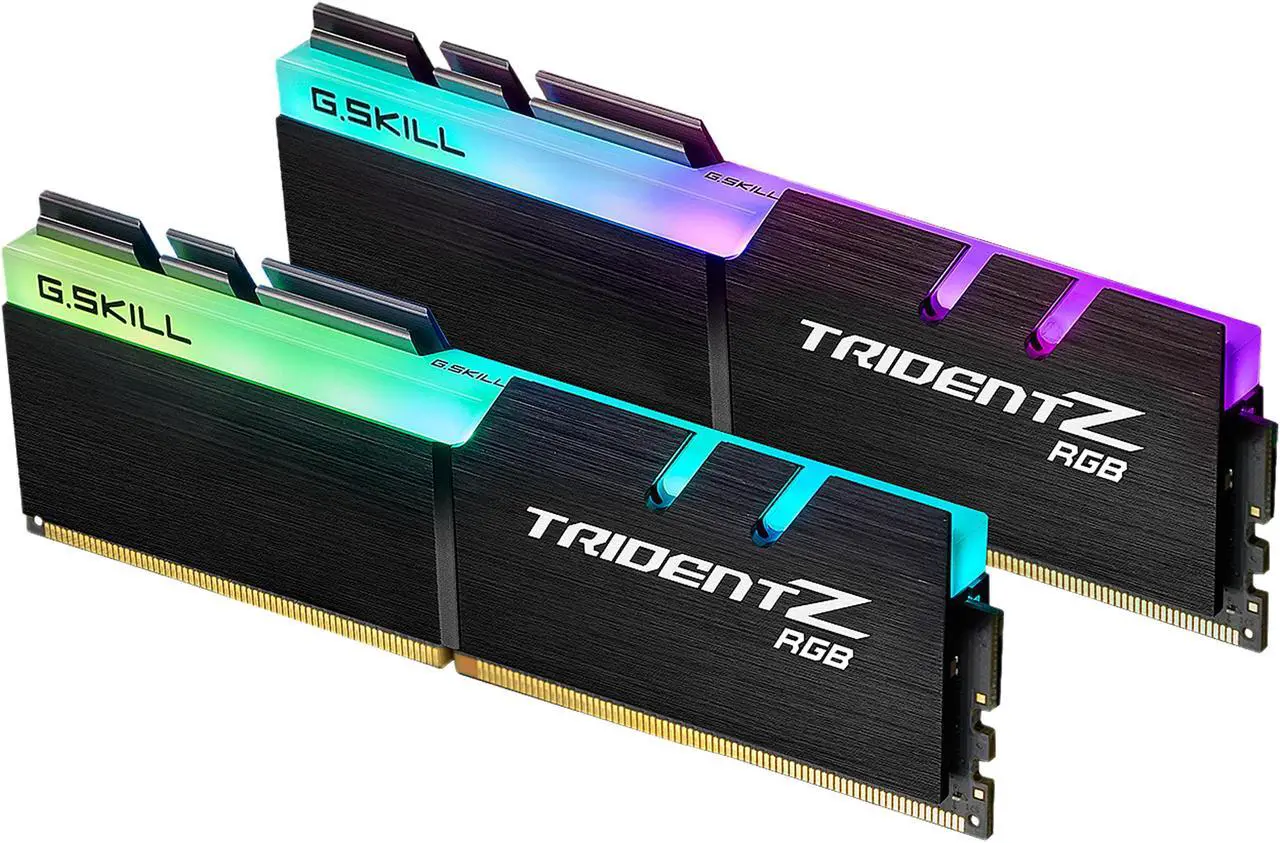
If you're upgrading a DDR4 system, I've found a terrific deal on the G.Skill 32GB Trident Z RGB for $215 (was $258) at Newegg when you use code LUYRF222.

For your money, you get two 16GB DDR4-3600 modules with CL18 timings, aluminum heat spreaders, customizable RGB lighting and Intel XMP 2.0 support.

Today's best DDR4 RAM deal

32GB TridentZ RGB Series DDR4 3600 RAM: was $257.49 now $214.99
This memory kit provides 32GB of dual-channel DDR4-3600 RAM across two 16GB modules, with CL18 latency, 18-22-22-42 timings, aluminum heat spreaders, RGB lighting and XMP 2.0 support. For the full discount, use code LUYRF222View Deal

Why we recommend it

32GB is enough memory for demanding multitasking, gaming and creative applications. The DDR4-3600 speed is also a good fit for compatible DDR4 systems, particularly if you're upgrading an older machine that's currently running slower or lower-capacity memory.

The two matched 16GB modules provide a dual-channel configuration, with timings of 18-22-22-42 at 1.35V.

G.Skill's Trident Z design adds aluminum heat spreaders and customizable RGB lighting, making this a good choice if your PC has a windowed case and you want your memory to complement other RGB components.

Price context & historical value

Newegg sells the 32GB Skill Trident Z RGB kit for $257.49, and it's currently available for $249.99. Using coupon code LUYRF222 brings the final price down to $214.99.

While that's a decent price in today's inflated memory market, it's worth remembering just how much cheaper DDR4 used to be. Newegg sold this exact G.Skill kit for just $69.99 in August 2023, less than a third of its current discounted price.

Unfortunately, it's unlikely to drop down to that level again, so the current deal is worth considering if you need to upgrade your DDR4 system now.

Should you buy it?

βœ… Buy the 32GB G.Skill Trident Z RGB kit if...

You have a compatible DDR4 desktop and want to increase its memory capacity without replacing your motherboard and processor to move to DDR5. The combination of 32GB capacity and DDR4-3600 speed makes it a solid upgrade for an older system.

❌ Skip the 32GB G.Skill Trident Z RGB kit if...

You're building a completely new PC around a recent processor and motherboard. In that situation, I'd seriously consider DDR5 instead, as you'll be investing in the newer memory standard rather than spending more than $200 on DDR4 that you won't be able to carry over to a future platform.

The Catch: What to know before you buy

You'll need to enable XMP, DOCP or A-XMP in your BIOS to reach the kit's advertised DDR4-3600 speed on compatible hardware. Otherwise, the memory will initially run at its default SPD speed.

Compatibility is also important. G.Skill recommends checking its motherboard QVL, and it specifically warns against mixing separate memory kits, even when their specifications appear identical, as doing so can cause stability problems.

  •  

'It's only 4x the price it should be' β€” Amazon's latest DDR5 RAM deal isn't convincing buyers, but it could get worse

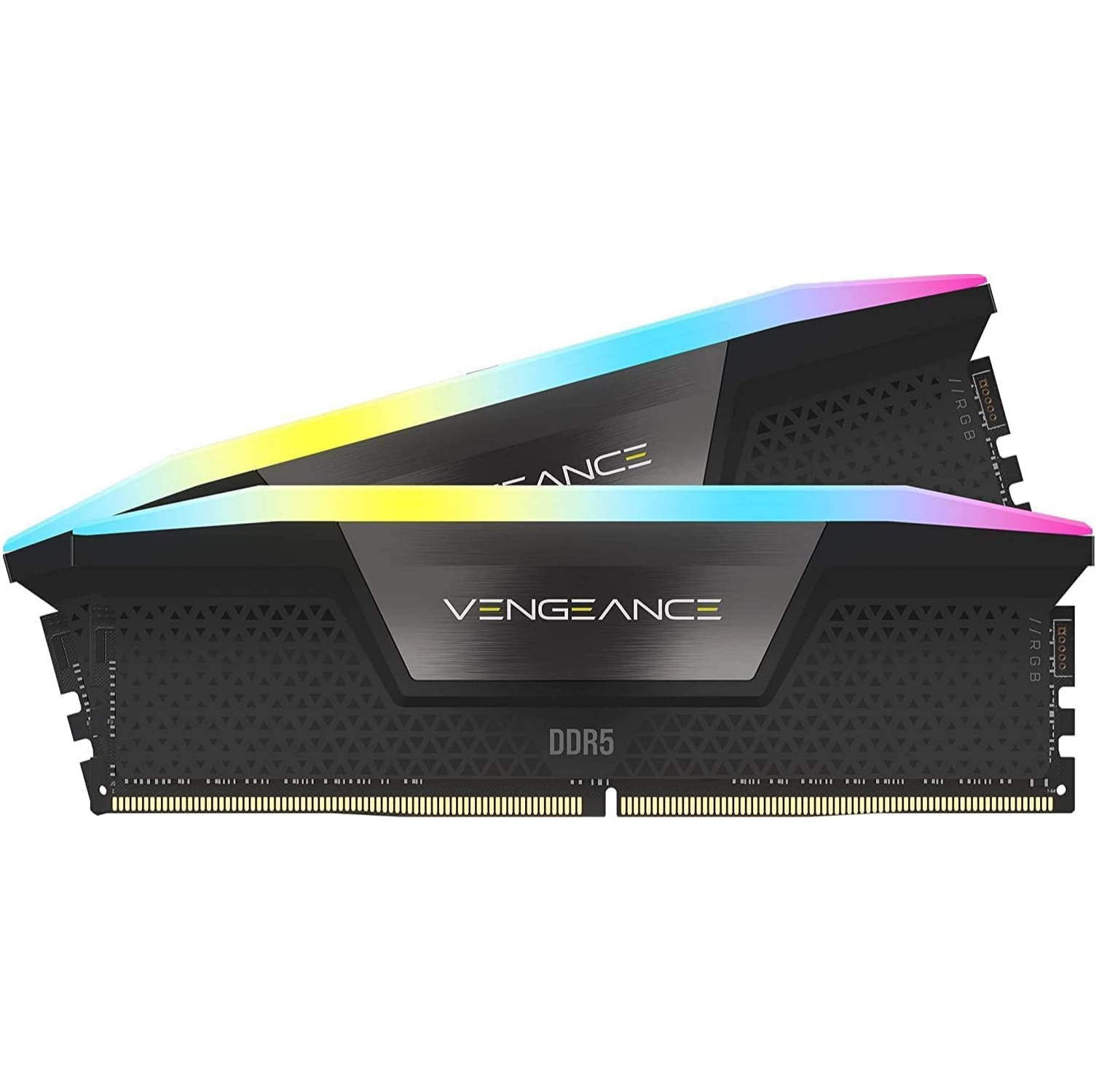
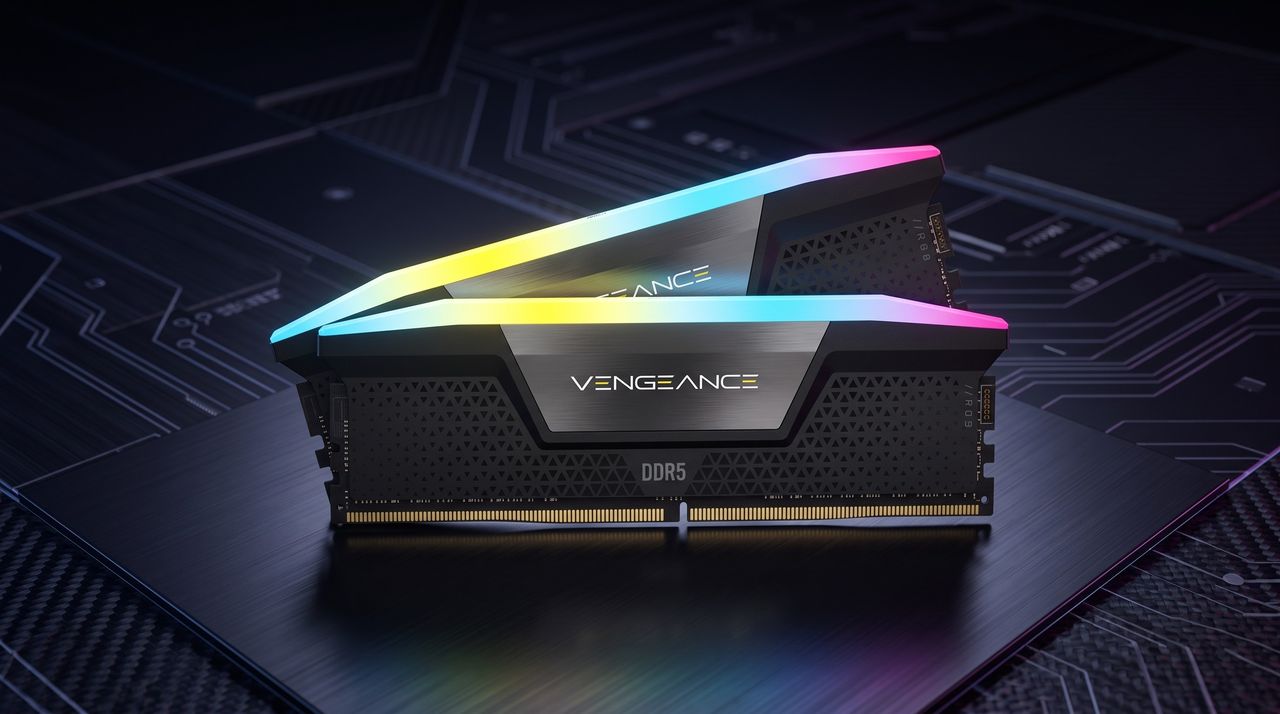
Seeing the red 'limited-time deal' banner on some DDR5 RAM at Amazon should elicit some excitement given the rarity of price cuts lately. But when you click through and see the price for this 32GB Corsair Vengeance kit, you'll wonder if there's genuinely a deal here at all β€” and other wannabe buyers aren't wholly convinced, either.

"It's 'only' 4x the price it should be," wrote one user named Technikal on HotUKDeals, a community that shares deals from across the web and asks the community to vote whether they think they are hot or cold. "The current average is 5x," he continues, "so, in that sense it's a good deal...I guess."

A muted response, that's for sure. And while it may be true that the deal price of the RAM kit is technically one of the lowest prices available right now, it's so far from the much lower prices we saw before the RAM crisis turned buying memory for your PC into a depressing exercise.

"Blimey, just checked my receipt for mine from 2 years ago - cost Β£85..." says another HotUKDeals user named Jacko_1975.

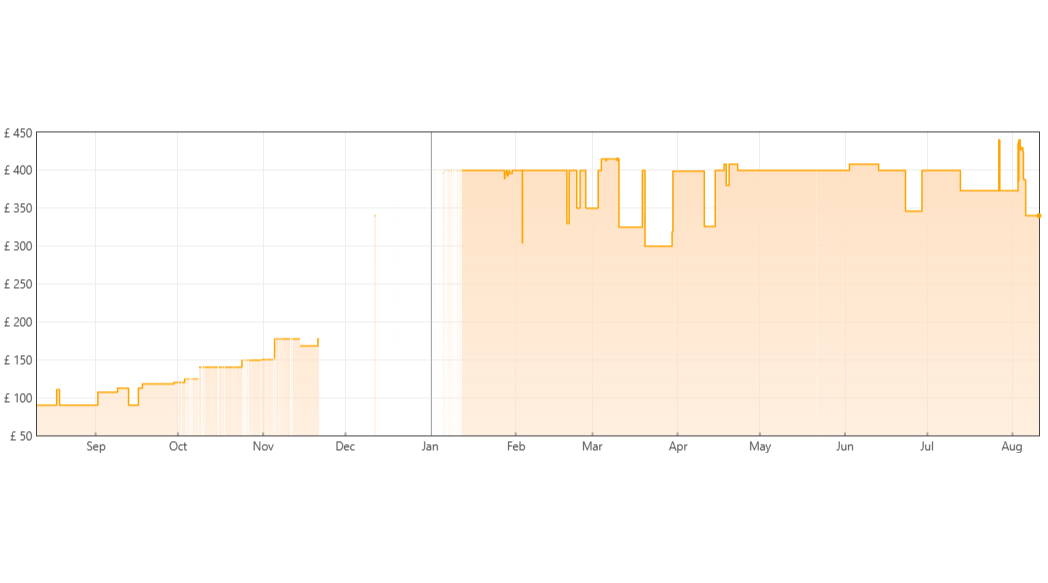
Graph from Keepa showing the price history for the Corsair Vengeance DDR5 RAM over the last 12 months

The price for this specific RAM kit has increased dramatically over the last 12 months at Amazon. (Image credit: Future / Keepa)

In fact, even just a year ago, this very same RAM kit was available for Β£99.99 when it wasn't even on sale, according to price history information from Keepa.

Given that, it's no surprise that shoppers have reacted negatively to Amazon's flash deal. Unfortunately, though, it doesn't look like things are getting any better when it comes to RAM prices. A report from Samsung suggests the RAM crisis is just getting started, and it could extend to other components in the near future.

If you're looking at these deals and are trying to convince yourself to purchase any RAM in the near future, we've got a PC gaming expert delivering advice on what to do if you're considering buying memory, a GPU, or other components.

Sadly, the news is grim, and these prices could be with us for a while yet. So, yes, it may be difficult to feel happy about seeing supposed RAM deals like this, but from what I'm seeing and hearing, I don't think they're going to get any better, either.

Amazon has launched a limited-time deal on a set of much-sought-after Corsair Vengeance 32GB DDR5 6000MHz CL36 RAM β€” the sweet spot for most PC gaming builds. Even though you could technically argue this is a deal, as it's the lowest price we've seen in months, it's still astronomically more expensive than the record-lows of under Β£100 from last year. However, with the ongoing PC component price crisis showing no signs of ending, this is likely one of the better offers we'll see for some time.View Deal

  •  

The RAM crisis just hit a new low β€” here's my advice on what to do based on 30 years of writing about GPUs, memory and PC components

It appears that the RAM crisis is getting worse than ever as we head further into 2026. I've been closely watching and reporting on memory price hikes β€” which were soon followed by other PC component cost increases β€” since this crisis first began, and the worrying thing is, I can't recall a gloomier stream of negative news than I've witnessed over the past few weeks.

That includes Samsung recently declaring that the RAM crisis is going to become more severe in 2027, and rumors that even mighty Apple is floundering in its attempt to secure new RAM supplies from China (as other notebook makers consider this alternative route to the three main memory chip giants: Micron, Samsung and SK Hynix).

Previous to that, we saw laptop maker Framework break news of a truly eye-opening cost increase for mobile RAM, just as one gauge of DDR5 pricing saw it jump in price to a new all-time high (after plateauing earlier this year). On top of that, the boss of SK Hynix voiced the opinion that 2027 will be the worst year in the RAM industry's history, and that the crisis is likely to be drawn out to the next decade.

This isn't just about RAM, of course, but other components, including CPU price rises, and devices themselves β€” PCs and laptops (and phones). But most notably over the past month it's been graphics cards in the crisis limelight. We've witnessed the resurrection of old GPUs to try to bolster stock levels of more affordable cards, and more recently we've been subjected to what seems like an endless parade of negativity about imminent price hikes.

Apparently, Gigabyte is set to increase the price tags of its graphics card to the tune of 20% to 40% in Japan, and MSI is going to jack up prices of Nvidia GPUs in China by 20% or more. Asus is supposedly preparing a similar 20% hike (as Wccftech reported).

Another recent gloom nugget is the assertion that Nvidia RTX 5000 models will get hikes of 30% in South Korea this month, and all of this pain is mainly rooted in the increased price of video RAM, of course. (Those cost increases are the reason the RTX 5000 Super refreshes have been delayed, according to the grapevine, as those rumored cards are packed with VRAM).

While a good deal of this is individual pieces of regional activity with GPU pricing, it's obvious that these hikes are happening as part of a concerted shift, one that will surely be reflected globally β€” it's not like Asian markets are in a bubble of their own.

The overarching theme is a worsening of price hike misery, and that the pricing storm is likely to intensify this year, and probably in 2027, too. While previously the RAM crisis has been more of a light-and-shade affair, now it feels like the depression has been turned up a notch. Whereas before, there was certainly more darkness than light, we've had notable spots of relief where an exec in the memory industry stepped forward and theorized that maybe things aren't as bad as we think. But lately those embers of optimism appear to have burned out.

To me, it feels like there's a shift underway towards a full acknowledgement that we really are going to experience a lot more pricing pain in the foreseeable future. If it's so bad that even Apple is purportedly scrambling to secure RAM supplies, and is having trouble doing so, I think it's time to turn up the worry meter by a notch or two.

What should you do?

An Nvidia GeForce RTX 5070 being held in a hand

(Image credit: Future / John Loeffler)

Here's my advice on the current landscape with PC components and hardware (season it appropriately). Obviously, worrying isn't going to help you, but awareness of what might be sensible upgrades or purchases to make now will, based on the likelihood of hikes (we could call it the 'hike-lihood' – or maybe not). Nothing is certain about the future of components, of course, but it does feel like there's a clear area in which the potential price hikes are a bigger threat: GPUs.

As I discussed above, there's a lot of recent evidence that graphics card pricing is going up. Yes, it's a collection of rumors in the main, but there's a lot of it all pointing in a very similar direction β€” and a video RAM toll was always going to be exacted in the end. We've seen it already with higher-end graphics cards, and now I believe we're going to see it in the mid-range, and even budget models. Indeed, top-end GPUs are likely to get even more expensive as well.

If you're thinking about a GPU upgrade for this year or next, given all this, I think now really is the time to buy β€” especially with a lower-tier model, as you can still get more affordable graphics cards at their MSRP. Ditto for mid-rangers, although it's tougher to recommend higher-end Nvidia boards when they are already so expensive.

As noted, though, that could get worse. And granted, you may still want to wait for Black Friday β€” it's not that far off, and there might be some GPU deals then. However, I wouldn't bank on anything hugely compelling (or discounts that aren't offset by the price rises which are predicted to take hold in the next few months).

So, if there's one PC component that I think you should buy now, it's a graphics card. I think the signs are pretty clear on that (and see here for my recommendations on different models to consider). By extension, higher-end gaming laptops could also be a wise move for purchasing sooner rather than later. That's for the same reason, really β€” they have beefy (mobile) GPUs (with plenty of VRAM in some cases).

I don't think it's a bad move to buy any laptop, by the way, gaming or not (away from the higher-end), come your earliest window of opportunity. I think we'll see further price rises here, too, and RAM is going to cause more upward pricing pressures for notebooks β€” just look at Framework's recent revelation as mentioned.

Acer Nitro V16 gaming laptop

(Image credit: Peter Hoffmann)

What about RAM and SSDs themselves? While system memory kits and storage have already seen huge price rises, it now looks like there's worse to come (somehow).

On the other hand, there's a ceiling as to how expensive this stuff can get before buyers withdraw from what they see as an increasingly unrealistic and out-of-touch market. This is a much more difficult call to make, but if you can find something that looks relatively reasonably priced, I don't think you'll regret the purchase in the next couple of years. But that said, I can't recommend a RAM upgrade in particular at current pricing levels, unless it's unavoidable, frankly.

Above all, though, consider a GPU upgrade if you're in the market for a new card, or you think you'll need one in the next couple of years (yes, I think it's wise to be looking quite far down the road here).

The other thing to bear in mind is that there's a danger there will be a rush for GPUs, a flurry of buying that puts further strain on supply and therefore prices. As VideoCardz reports, one Japanese retailer has warned of Nvidia RTX 5000 graphics card sales increasing "sharply", even just with the news of rumored price increases β€” let alone the confirmation. Prices are already rising and restocks of the RTX 5070 Ti and RTX 5080 are already being labelled as "unstable", hinting that inventory could start to dry up quickly.

That's just one report, of course, and it pertains to the high-end of the market, so it's not something to start panicking about yet. But it does make some sense that if pricing begins to creep up, more PC owners may start to act on GPU upgrades. I wouldn't blame them, frankly.

  •  

Nvidia GPU prices might be on the rise again β€” and it makes RTX 3090 dual-GPU setups like this more appealing than ever

  • A recent report suggests Nvidia has informed its partners of GDDR6 and GDDR7 memory kit price increases
  • This means retailers may increase the prices for RTX GPUs using GDDR6 and GDDR7 memory
  • The potential price hike and one user's dual-GPU setup both highlight the importance of hardware preservation

The RAM crisis continues to impact PC manufacturers, with rising memory prices and shortages β€” ultimately leading to increased retail prices for consumers β€” and the trend may be set to continue with Nvidia.

According to a report on Benchlife, Nvidia is rumored to be planning an increase for prices of its GDDR6 and GDDR7 memory kits for RTX GPUs, and has informed AIB (Add-In Board) partners such as Asus, MSI, and Gigabyte, who make their own versions of Nvidia's GPUs. Unsurprisingly, the price increase for these memory kits is cited as a result of the ongoing RAM crisis.

While RTX GPU price hikes aren't guaranteed for consumers, because this will directly impact AIB partners who manufacture the GPUs, eventual retailer price increases are unfortunately likely. It's a trend we've seen with recent PC hardware.

Notably, Valve's Steam Machine was initially supposed to cost less than its eventual $1,049 / Β£879 / AU$1,609 price tag, which could now also be at risk of a price increase, based on hints from a Steam Machine engineer (as reported by Bloomberg). New handheld gaming PCs are also now often launching for more than $1,000, and the price of RAM and storage certainly plays a part.

A woman being blown away by an Asus RTX 3060 graphics card

(Image credit: Roman Samborskyi / Asus)

Consumer struggles

The RAM crisis is a sad state of affairs for consumers and underlines the importance of PC hardware preservation. GPUs aren't cheap by any means, especially with recent suggestions that AMD would also be increasing prices of memory kits for its own AIB partners.

We've also recently seen the return of the RTX 3060, due to Nvidia's attempt to help consumers with more options amid a rough PC hardware market. However, if these price hike reports are legitimate, the RTX 3060 will likely be subject to higher prices at retailers.

That's exactly why GPU setups like one Reddit user's RTX 3090 and RTX 3050 dual-GPU rig matter now more than ever. In this case, the RTX 3050 is responsible for allowing frame generation via Lossless Scaling to function.

My dual GPU Setup from r/losslessscaling

A game then utilizes the RTX 3090's power for high-quality visuals and performance, with the two GPUs teaming up. The user states it resulted in 144fps at a 4K resolution over the initial 71fps without frame generation.

Frankly, a dual-GPU setup isn't exactly common, nor is it actually recommended for gaming, since modern games are only designed for single-GPU rendering (even though the frame generation use case is noteworthy).

Users would also need a beefier power supply, depending on the GPUs used, and likely a new motherboard with another compatible PCIe lane.

However, what I feel is more important here is that's it's a great example of why hardware preservation is so important, serving as backup in case GPUs melt or end up faulty, or for experiments like the one I've outlined above. With no end of the RAM crisis in sight, repurposing older hardware might be one way through this.

  •  

Nvidia RTX 5000 Super GPUs rumored to be ready β€” but they're on hold, and the reason why makes me nervous about pricing

  • Nvidia's RTX 5000 Super models are being readied, and board makers have the chips, a new rumor reckons
  • However, these graphics cards are 'on hold' due to the high price of VRAM
  • The Super refreshes pack a lot of VRAM, and so that cost could have an unfortunate impact on MSRPs – and none of this sounds particularly comforting for would-be buyers

Nvidia's RTX 5000 Super refreshes are apparently being readied, but they're on hold for now – and the reason why makes me even more nervous about the pricing of these GPUs when (well, if) they finally emerge.

Of course, these RTX Super models are still rumors – albeit so persistent at this point, there must be at least some validity to them – and the latest assertion comes from VideoCardz.

The tech site has apparently spoken to a source at one of Nvidia's board-making partners who claims that their company has already received 'graphics cards', which presumably refers to GPU chips (which is what Nvidia supplies, along with VRAM, to partners that make the boards).

At any rate, while this board maker supposedly has at least some of the necessary chips, it has been told by Nvidia that the RTX 5000 Super refreshes are now 'on hold'.

Why? Apparently, the delay is down to the price of the video RAM, specifically the new 3GB GDDR7 modules that are required (as per previous rumors) for the refreshed graphics cards.
Compared to the 2GB GDDR7 modules currently in use with Nvidia RTX 5000 models, the 3GB memory chips are around three times more expensive right now. Ouch.

Analysis: Super stumble?

An Nvidia GeForce RTX 5080 sitting on its retail packaging

(Image credit: Future)

This presents an obvious stumbling block because, due to these Super variants being packed with VRAM, the total cost of materials gets expensive quite quickly.

Remember that the grapevine believes that the RTX 5080 Super and RTX 5070 Ti Super will bristle with 24GB of VRAM, and even the RTX 5070 Super will have a weighty 18GB on board. Gamers are going to love the latter as an upgrade to the lean 12GB of the vanilla version – but not if it pushes the price of the GPU through the roof.

Going by what VideoCardz tells us about pricing in US dollars as the market currently stands, in the case of the RTX 5070 Super, the greater quantity of RAM, and more expensive modules, would mean 18GB costs in the order of $360 (maybe a bit more), versus $120 for the current RTX 5070's 12GB loadout, whacking an extra $240 on the price (or the regional equivalent elsewhere).

These graphics cards were already expected to be pricey, but that kind of additional premium lumped on top, this could make them real wallet-worriers.

The good news for those hoping for new GPUs from Nvidia is that at least these RTX 5000 Super models do seem to be happening. It's just that we may have to wait some time for them yet – although another recent rumor did suggest they were due this year. The latter speculation also theorized that an RTX 5060 Super 12GB model was incoming, but that didn't make a lot of sense, and I note that it isn't mentioned in this latest rumor. As ever, don't go lightly with the seasoning on all this.

  •  

RAM crisis prompts further RTX 3060 GPU resurrections as Palit launches new 12GB model β€” I just hope pricing makes more sense than it has done so far

  • Palit has launched a new RTX 3060 model with 12GB of VRAM
  • This continues a recent theme of old GPUs being resurrected
  • These GPUs may pack 12GB of video RAM at a relatively affordable price, but they don't make sense compared to current-gen pricing

We might not have seen any new graphics cards so far from Nvidia this year β€” and no RTX 5000 Super refreshes are in sight (although there are rumors again) β€” but we're continuing to witness the resurrection of some old GeForce GPUs, with Palit officially revealing a new RTX 3060.

That popular workhorse of a gaming GPU has already made something of a comeback, returning to the shelves of retailers like Newegg as an alternative budget graphics card in a RAM-starved climate where prices of many of these current-gen boards are being hiked up (alongside other PC components, of course).

As flagged by VideoCardz, Palit has trumpeted the launch of its new GeForce RTX 3060 Infinity 2 OC graphics card as "the return of a classic", which is certainly one way of putting it.

Although to be fair, even today, the RTX 3060 remains a very popular GPU, ranking second on the Steam hardware survey for June 2026 (behind only the RTX 4060 laptop GPU in a rather bizarre twist I won't get into here).

Palit observes: "Combining a massive 12GB GDDR6 memory capacity with a clean, all-black dual-fan shroud, the Infinity 2 delivers honest, dependable performance without the premium price tag."

Analysis: let's hope for a Palit-able price tag, but so far, RTX 3060 pricing has been out of whack

Palit GeForce RTX 3060 Infinity 2 OC graphics card shown at an angle

(Image credit: Palit)

The key selling point for these RTX 3060 models is that they're loaded with 12GB of video RAM (VRAM), as Palit emphasizes with this new Infinity 2 OC model. Where this is side-stepping the RAM crisis (to some extent) is that these past-gen Nvidia cards use GDDR6 VRAM, a different memory supply to tap than the GDDR7 used in RTX 5000 graphics cards (except the RTX 5050, which goes with GDDR6, but that's the outlier here).

This means Nvidia can get its partners to produce graphics cards that have 12GB of GDDR6 VRAM (a loadout a good few gamers put a priority on securing), but sit at the cheaper end of the market. Due to cost issues, these days it's a lot less tenable to sell lower-end GPUs which stack up the GDDR7 VRAM (like the RTX 5060 Ti with 16GB).

It's sad that the RAM crisis has forced us to this point, but that's the reality of the GPU world at the moment. What's also problematic for me here is that the RTX 3060 might have 12GB of VRAM at a relatively affordable price point, but looking at current pricing in the US as an example, it's not meaningfully cheaper than the RTX 5060 with 8GB.

Yes, you're getting a lean RAM configuration with the latter current-gen graphics card, but it's still a much faster GPU β€” one that benefits from DLSS 4, too β€” and only just over 5% more expensive (at the time of writing). At this kind of price differential, the RTX 3060 12GB doesn't make a lot of sense.

If these RTX 3060 models were a lot cheaper, then there might be more of an argument. To be fair to Palit, we don't have a price tag on this new offering yet, but pricing needs to be a lot more compelling than what I'm seeing right now (especially in the UK, where the RTX 5060 8GB is actually cheaper than the 3060 at some retailers, although there isn't much stock of the latter).

  •  

Yes, the bad news on the RAM crisis has been relentless lately β€” but Asus and SK Hynix just gave us glimmers of hope that some relief could be on the horizon

  • Price hikes on Asus products will be much reduced in the second half of 2026
  • This is over in Taiwan, but should be reflected to an extent globally
  • There's also a report that SK Hynix, a big memory chip maker, is set to slow AI memory production in favor of conventional RAM

There's been a pretty relentless string of bad news with the RAM crisis of late, but we're now hearing some more positive nuggets for a change (though temper your optimism, as this is all relative).

Firstly, VideoCardz spotted that the Economic Daily News in Taiwan published a report in which the general manager of Asus, Liao Yi-hsiang, noted that as of May 2026, the price hikes on some Asus products in that country amounted to nearly 30% (compared to Q4 of 2025).

The executive then confirmed that Asus would be raising prices further in the second half of 2026 due to the component crisis, but that the increase should only be a single-digit affair. Under 10% is quite a drop compared to knocking on the door of 30%, of course.

Liao said that price rises would be milder because the cost of memory and storage had recently decreased, and also that consumers are increasingly unlikely to buy if more large hikes are heaped onto Asus products. Especially given that there was quite a lot of buying activity early in 2026, as consumers in Taiwan acted earlier than they would have otherwise, with a view to securing purchases before heftier price increases made themselves felt.

The other nugget of positivity is that, as Trading View informs us, there have been some interesting rumblings about SK Hynix, one of the big three memory chip makers (alongside Micron and Samsung).

There are reports that "SK Hynix may slow the expansion of AI memory-chip production and increase its focus on conventional DRAM products."

This apparent shift away from making HBM (the mentioned AI memory) to conventional RAM modules (the ones in consumer electronics) unsettled investors, and led to shares in SK Hynix tumbling over 12%. (Samsung followed suit with a 12% drop, and a wider tech share slide was witnessed, particularly for companies linked to the world of AI.)

What's bad news for investors is good news for consumers though; if this report is on the money, SK Hynix reallocating assembly lines to produce more DDR5 RAM could be the beginning of the end of the memory crisis.

Analysis: is the AI bubble ready to pop? I doubt it…

A woman out of focus in the background touches the word AI, lit up in glowing yellow light, in the foreground. The woman is wearing smart glasses

(Image credit: Getty Images)

You could leap to some big conclusions here, and the rumor around SK Hynix is a potential move that could have a significant impact for consumers. With some folks talking about the end of the 'AI bubble' in recent times β€” which feels like hopeful chatter indeed β€” it could be read as another indicator in that respect, too. However, it's way too early to make that kind of call (and I don't personally think we're seeing that by any means).

What we don't know is the extent of the apparent shift away from HBM, and anyway, the move could partly be about DRAM being so pricey now that it represents a tempting enough diversification in terms of SK Hynix's overall memory strategy (a theory raised in some quarters).

We should also remember that the chairman of SK Group (the parent company of SK Hynix), Chey Tae-won, has previously predicted that the RAM shortage may not be over until 2030 (a forecast more recently echoed by Nvidia's CEO). So, as noted, temper any optimism, but this is at least a positive sign from the big chip maker, as is the price prediction from Asus.

Regarding Asus, again there's a caveat β€” namely that it's an analysis for the Taiwanese market only. But if price rises in H2 2026 are only (roughly) a third of what they effectively were in the first half of the year, that'll surely be reflected to some extent globally. Also, it's very true that consumers everywhere will refuse to buy if pricing goes higher too quickly, which is something I've pointed out a few times before. This isn't something unique to Taiwan.

Finally, it's also worth noting that earlier this month, we heard some more positive news on the RAM crisis from David McAfee, AMD's VP and general manager of Ryzen CPU and Radeon GPUs.

As PC Gamer reported, McAfee said: "There is an enormous amount of capacity that is being built by the memory manufacturers to bring more production online, and that more production online is going to focus on DDR, LPDDR, HBM, like the newer memory technologies."

He added: "I don't expect a lot of DDR4 production to come back into the world, but those newer memory technologies, a significant amount of capacity is coming online. I think we'll start to see by the end of next year and into 2028 that that ramp really starts to take hold, and then it's just a factor of the forces of supply and demand, and how that affects memory prices."

OK, so this is really just a reminder of what we've already been told, but it's still worth bearing in mind that the expectation for some remains a considerable easing of the crisis by 2028.

  •  

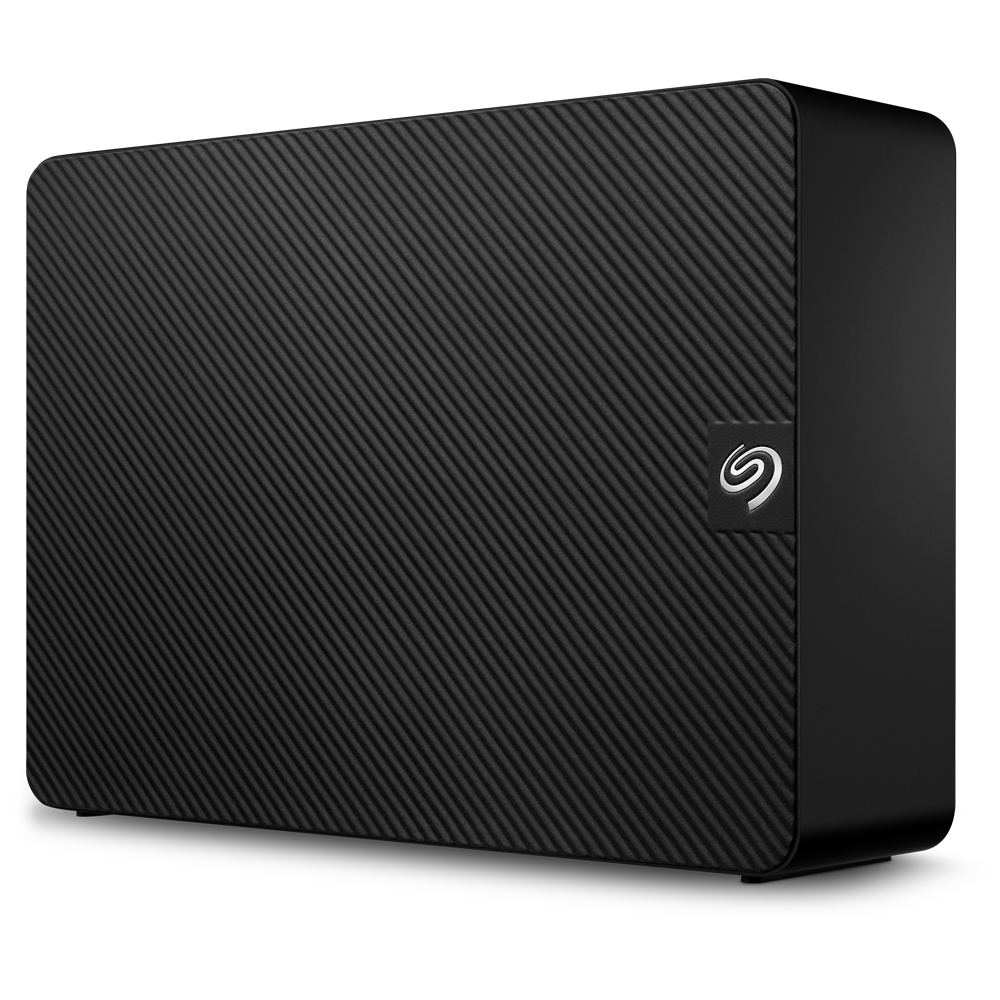
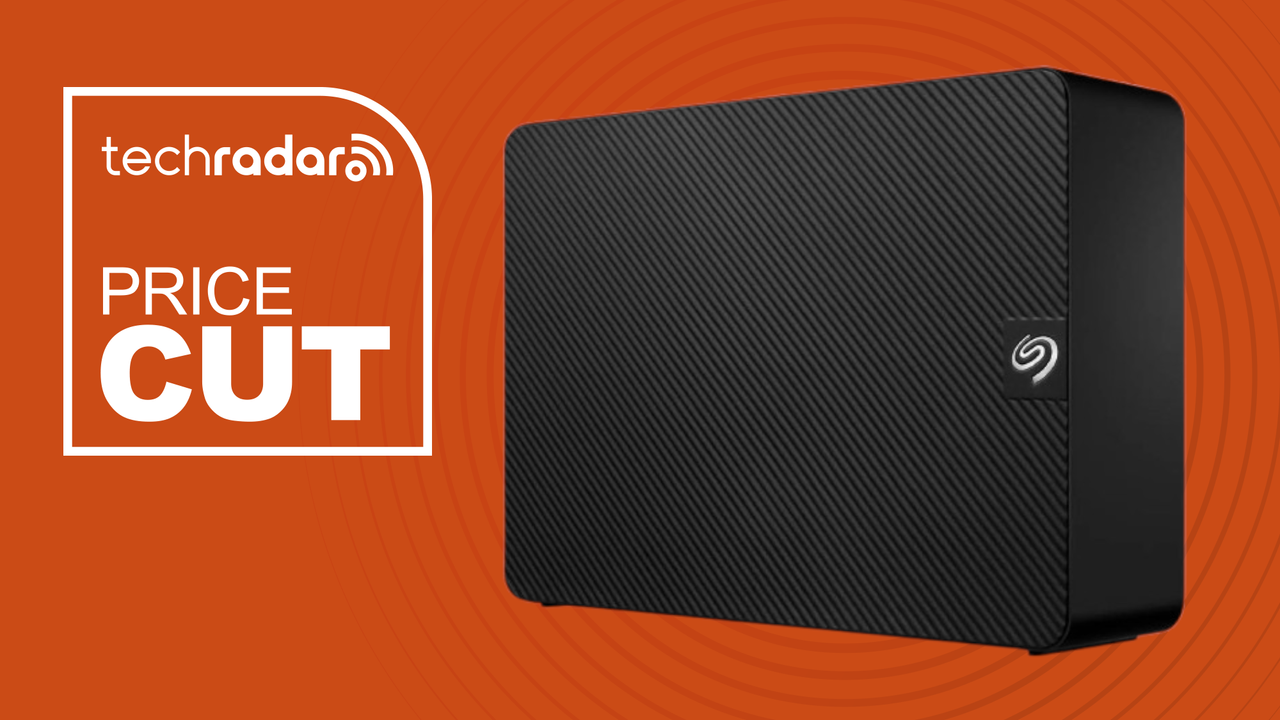
Forget storage anxiety with this 20TB Seagate external hard drive β€” it's one of our favourites and it's 32% off

I’m sure this scenario is familiar to you β€” you buy an external hard drive for a certain capacity, thinking that it would have more than enough space to store all your current files, and many more in the future β€” but then you soon realise that you’ve filled it up in no time. You’re then forced to delete some files to make enough room for new ones that you need to back up or archive. And so it goes.

I can definitely relate, having filled up a couple of hard drives ranging from 2TB to 6TB containing photo libraries, videos and Steam game backups, then later finding myself auditing those files more often than I’d like to clear up storage space.

If you’re in the same boat as me, Amazon has discounted the 20TB Seagate Expansion Desktop external hard drive by 32% to AU$623.73. That price averages to around 3 cents per gigabyte, which is brilliant value for a backup drive that’s also fast enough to be used regularly. I don't know about you, but it would certainly cure my storage anxiety woes.

This deal can also benefit those who work with large files regularly, like content creators, video editors, data professionals, graphic artists and more, where they can focus on their work and not constantly worry about storage.

This listing is from Amazon Germany, so you may have to wait until at least early next month for delivery to Australia, but this is so far the lowest price we’ve seen for EOFY. The Seagate Expansion Desktop has USB 3.0 file transfers, Windows and Mac support (with automatic recognition for easy setup) and access to a data recovery service for that extra peace of mind.View Deal

In our best external hard drives buying guide, our reviewer called the Seagate Expansion Desktop the best-performing HDD they'd tested thanks to the read and write speeds of 242 MB/s and 237 MB/s, respectively, and for its relatively compact size compared to others in this category.

The main downsides the tester mentioned were the hard drive’s external power requirement β€” which is something I would certainly live with for a capacity of this size β€” and the expensive RRP, which this 32% discount handily takes care of.

While you can invest in some network attached storage (NAS) devices for your growing storage needs, the Seagate Expansion Desktop is an easier plug-and-play solution that won’t require much fiddling to set up β€” it’s as easy as plugging the drive in and moving files to it via Windows Explorer or macOS Finder. Plus, this deal is a much cheaper alternative as the NAS devices themselves without drives cost around the same or even more in some cases.

On the other hand, this external drive can be used in a NAS device (or your PC, even) through β€œshucking”, or removing the external casing and installing the bare drive into a hard drive bay to add more storage for redundancy or otherwise. Do note that this will void the drive’s warranty.

In any case, a deal like this in a period of storage component shortages is hard to pass up for anyone in need of extra storage space for backups, archiving or any work that involves large file sizes.

  •  
❌