Um tópico aberto recentemente no fórum de suporte da Withings indica que a empresa adotou uma estratégia no mínimo questionável no que se refere à sincronização automática de dados obtidos por seus dispositivos com o aplicativo Saúde (Health), da Apple.
Desde o dia 13 deste mês, qualquer nova conta da Withings precisa de uma assinatura do serviço Withings+ (que custa nada menos que R$50/mês ou R$500/ano) para realizar essa sincronização — algo que foi confirmado ao usuário pelo time de suporte da empresa.
“Qualquer conta criada depois de 13 de outubro precisará de uma assinatura do Withings+ para exportar dados”, disse o suporte da empresa, que justificou a mudança alegando “motivos de segurança” e a existência de um conector de inteligência artificial.
Como bem observado pelo usuário que fez a reclamação, sincronizar dados com o app Saúde é algo que acontece localmente no dispositivo com uma chamada básica de API 1Application programming interface, ou interface de programação de aplicações. e não requer qualquer custo com servidores ou conectores de IA para a empresa responsável.
Embora os usuários ainda possam exportar manualmente seus dados em um arquivo CSV, convenhamos que isso não é nada prático para quem está chegando agora ao ecossistema da Withings — a contrapartida é ser obrigado a pagar bem caro por algo que pode ser implementado de maneira simples.
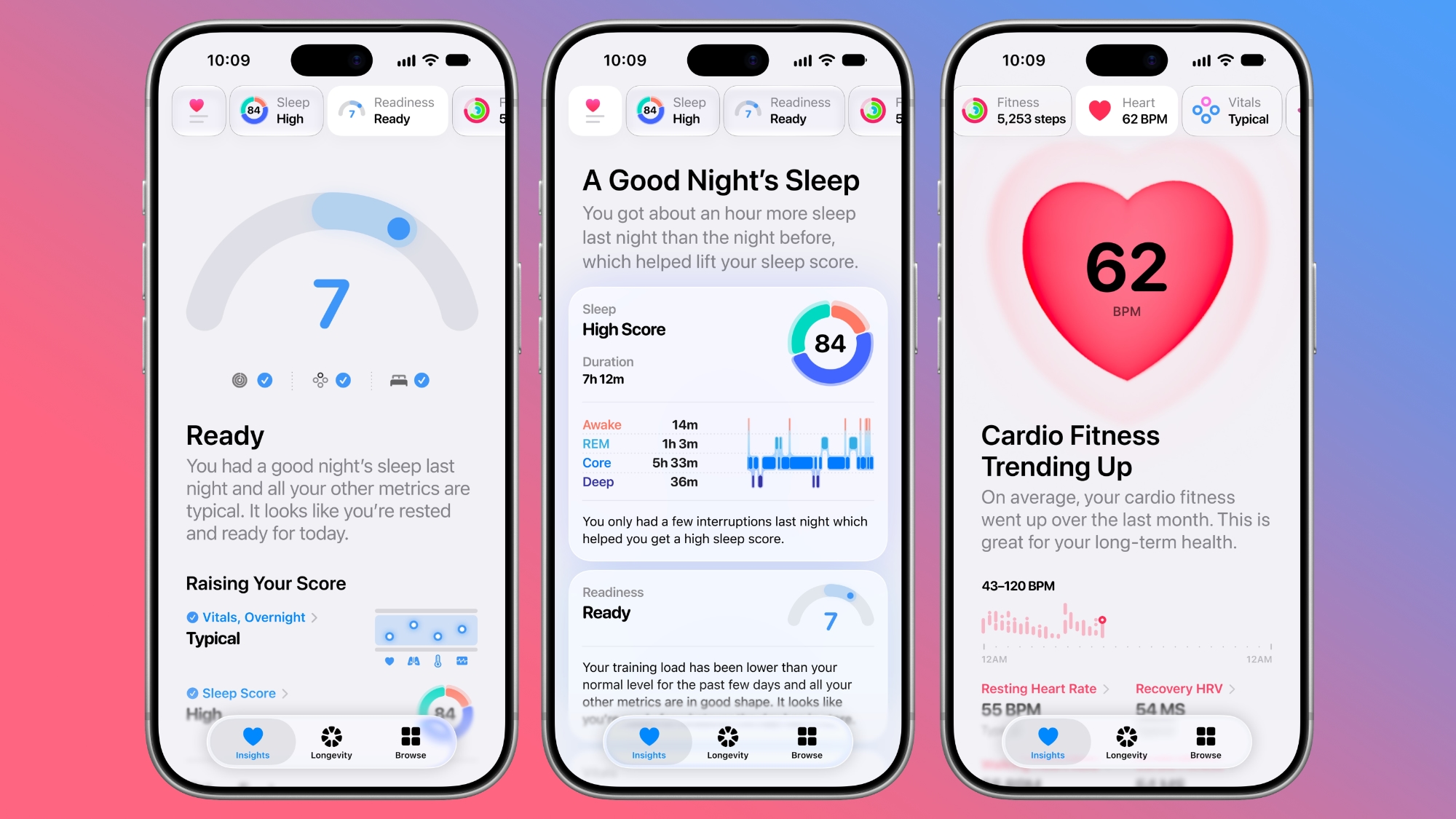
Apple is planning a major redesign of the Health app on iPhone and iPad, with a long list of new features set to be added. Apple announced the Health app changes at yesterday's iPhone event.
The Health app is getting an update because Apple overhauled the sensors in the Apple Watch Series 12 and Apple Watch Ultra 4. There's a Health Sensing System with three main improvements: increased electrode surface area for better skin contact during ECG readings, redesigned photodiodes arranged in a ring to capture light more efficiently for optical sensing, and power-efficient green LEDs for capturing continuous heart rate data.
The new watches take heart rate readings every five seconds throughout the day, and more frequently measure heart rate variability (HRV). All of the data collected is sent to the Health app on iPhone. Apple says in a head-to-head study against other wearables using an ECG chest strap as reference, the new Apple Watch had the most accurate heart rate sensing.
Apple Intelligence Guidance
The Health app will turn the data and metrics that it collects into personalized guidance thanks to Apple Intelligence integration. There are several new sections coming to the Health app.
Insights - The Insights tab offers an Apple Intelligence-generated summary of timely information like your latest sleep metrics or a new peak in VO2 max. There are options to get custom advice on readiness, fitness, heart health, and more in the For You section.
Personal Guidance - Personal guidance is part of the Insights tab. It knows what's important to you, and will make relevant suggestions. Apple says if you're working on your cardio, you might see a suggestion to incorporate intervals into your morning run. Recommendations adapt to each user and their data.
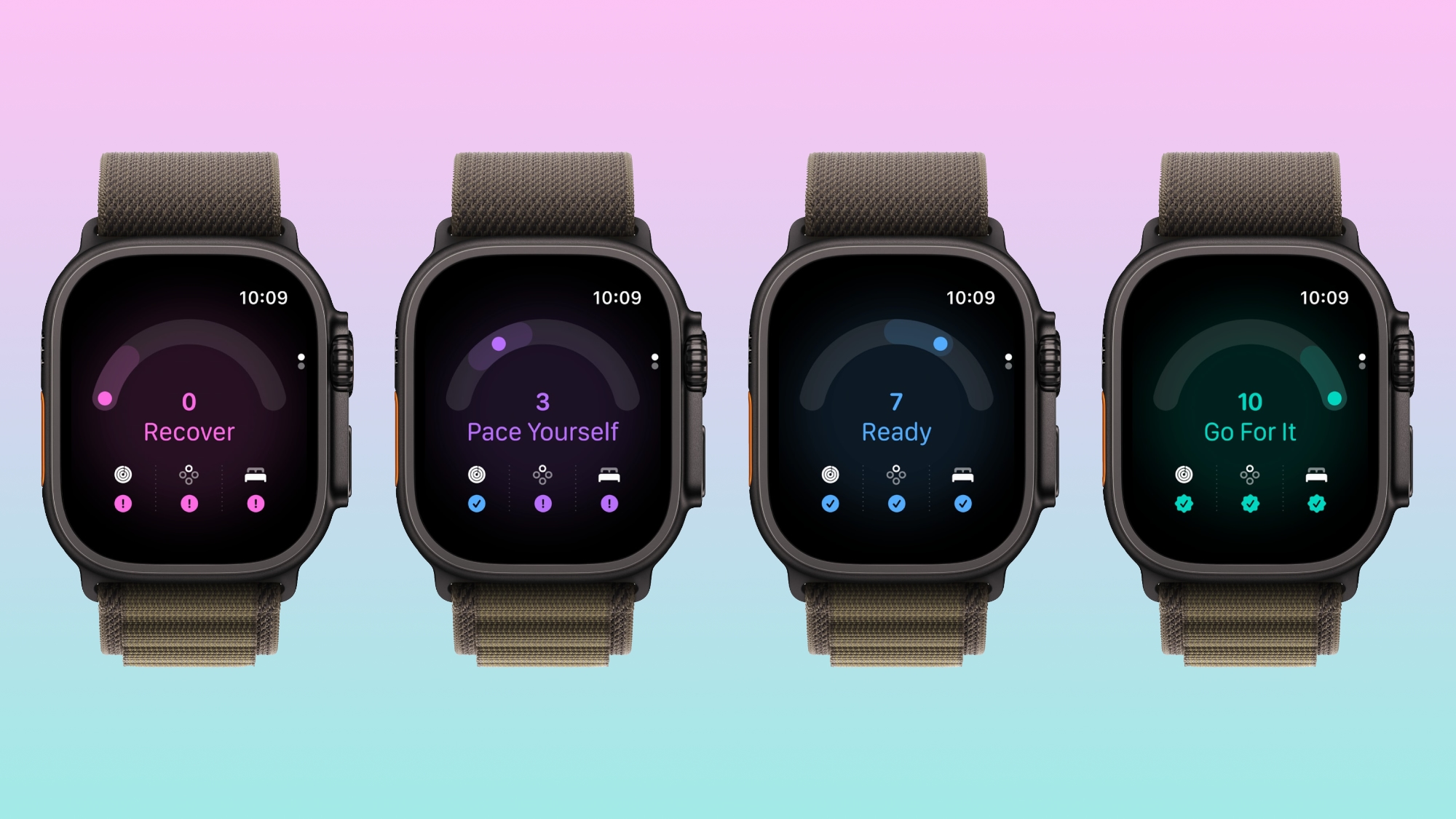
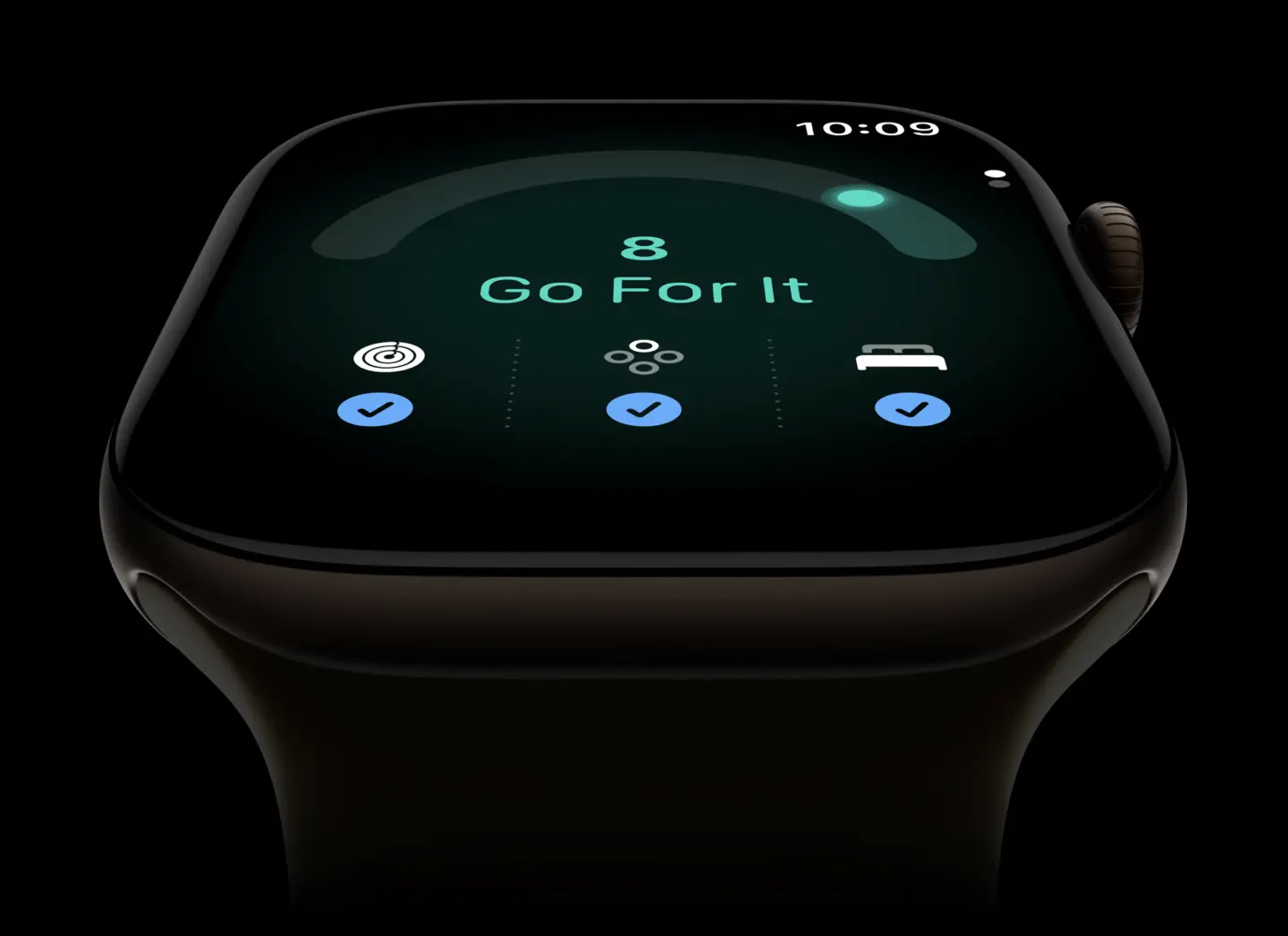
Readiness - The new Apple Watch models calculate a readiness score that takes into account recent activity, vitals, and sleep score. It gives a 0–10 score with recommendations on activity level. Readouts include Recover, Pace Yourself, Ready, or Go For It. Info is shown on the watch, in the Fitness app, and in the Health app's Insights tab.
Fitness - Insights incorporates your daily activity and it updates throughout the day.
Vitals - The Vitals option in the Health app has new overnight views and daytime views. HRV is incorporated as a metric, offering a better look at your ability to recover from stress. It measures overall HRV and recovery HRV.
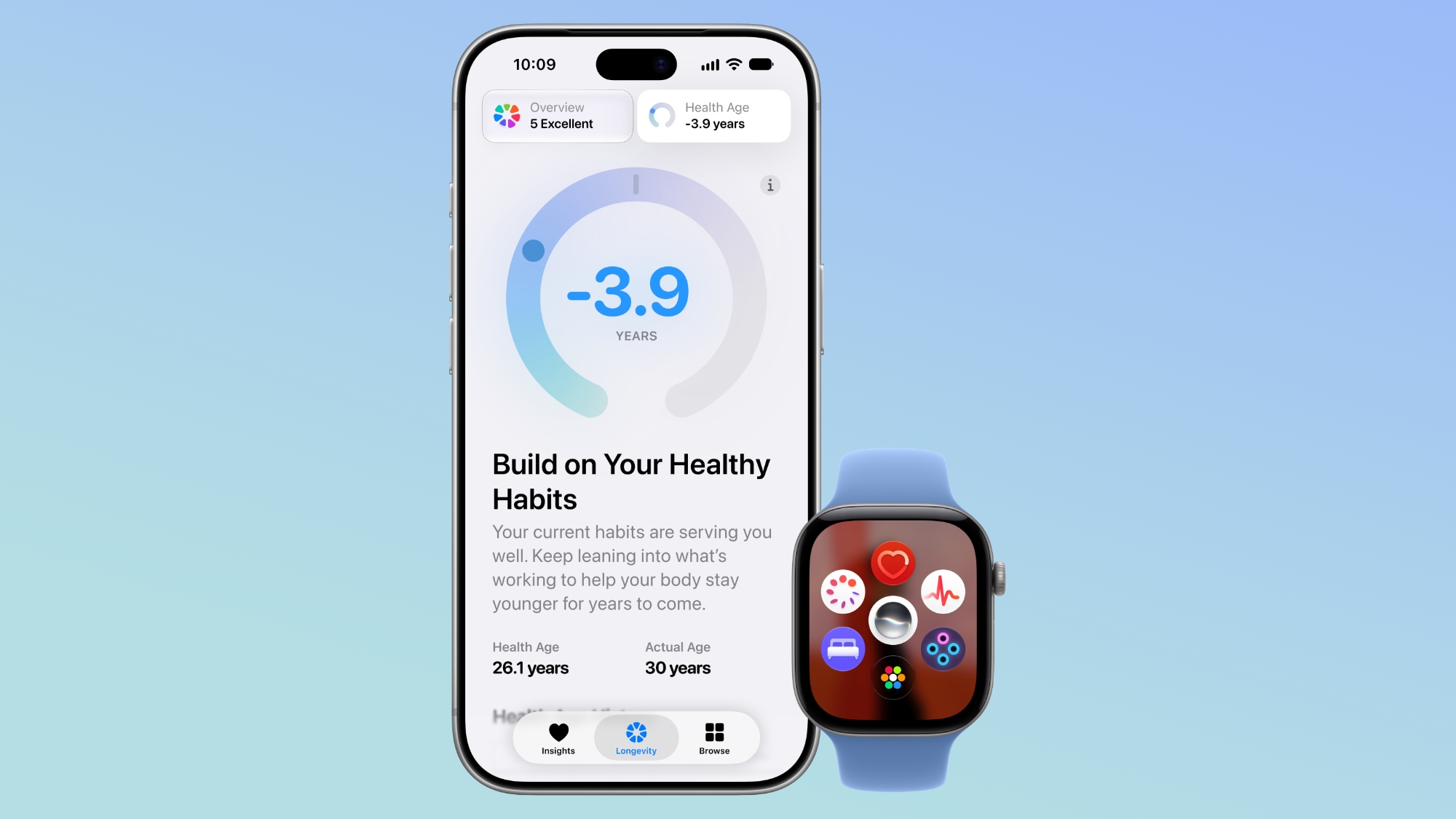
Longevity - There is a new Longevity tab in the Health app. It uses metrics from your iPhone and Apple Watch to assess overall health across heart health, sleep, mental wellbeing, movement health, metabolic health, hearing, and nutrition. The section shows you how well you're doing in each category, and how each metric is classified against the latest clinical guidance.
Health Age - Health Age is part of the Longevity tab. It uses metrics like VO2 max, resting heart rate, HRV, sleep, and biomarkers from blood work to determine how your health metrics compare to your actual age. It will help you figure out what habits make the biggest impact on your health, and how you can improve.
Lab Results
Health Age and Longevity can be more useful with lab results. Users can upload lab results manually or sync medical records.
Apple has also partnered with Quest to offer U.S. users an option to buy a full bloodwork panel that covers more than 50 biomarkers. The test is priced at $119, and users will be able to buy it right in the Health app. It'll require a visit to a Quest lab location, and results are combined with data from the Apple Watch and analyzed on iPhone. Apple says users will get videos from clinical experts related to their results.
According to Quest, the panel delivers preventive health insights and includes biomarkers for assessing cardiometabolic health and organ function. It also includes biometric readings that measure blood pressure, height, weight, and waist and hip circumferences. Since the test isn't available in the Health app yet, a full list of what's included isn't known.
Apple competitor Oura offers a similar testing option through Quest. The $99 test checks more than 50 biomarkers, and Oura runs discounts.
Quest has approximately 2,000 locations across the U.S. Results appear in the Health app shortly after testing.
Movement Evaluations
Apple is adding new at-home health assessments you can complete, such as a VO2 max test. The test uses the iPhone camera to track your movements as you follow moves and instructions from a trainer. The tests offer real-time audio and visual feedback.
There are in-depth physical assessments for measuring flexibility, strength, balance, and movement mechanics in addition to VO2 max.
Apple says the tests are useful to see how well your body is moving or to track your progress recovering from an injury. Tests run on device with no video recorded or stored, and users get an exercise plan after completing a test.
Cycle Tracking
Apple is adding perimenopause and menopause support to Cycle Tracking in the Health app.
Device Requirements
Apple Watch users with an Apple Intelligence-capable iPhone will get the updated Health app when it launches, but readiness, more frequent heart rate readings, and more frequent HRV readings require a Series 12 or Ultra 4.
Launch Date
Apple says the new Health app is coming in late 2026, but the company did not give a specific launch date. It will be available in U.S. English at launch, with more languages to follow.
A novidade pode ser considerada uma expansão da sincronização limitada que já existia entre os dois aplicativos, e que permitia enviar dados já consolidados do aplicativo da Apple para o do Google — mas não o contrário.
Segundo o site, agora é possível compartilhar dados gravados com o Fitbit Air — como registros de exercícios, de sono e de passos — diretamente para o app da Maçã, sem usar qualquer gambiarra ou apelar para o registro manual.
Para isso, basta tocar no ícone de perfil dentro do app do Google, selecionar “Apps parceiros” e depois escolher o Apple Health entre as opções. Aí, é só conceder as permissões para a sincronização ser completada.
De acordo com o site Droid Life, no entanto, a sincronização ainda não funciona para a variabilidade da frequência cardíaca (HRV), uma vez que as duas empresas calculam essa métrica usando fórmulas diferentes.
ChatGPT Health is returning with substantially wider access, giving more iPhone users the option to connect information from Apple Health directly to the AI assistant.
The expansion follows a limited test introduced in January. OpenAI is now gradually making the dedicated Health experience available to eligible ChatGPT Free, Go, Plus and Pro users in the United States who are at least 18 years old.
Despite the close Apple connection, this is not a feature created by Apple or built directly into the Health app. OpenAI operates the service through ChatGPT, while Apple Health serves as one of the sources users can voluntarily connect.
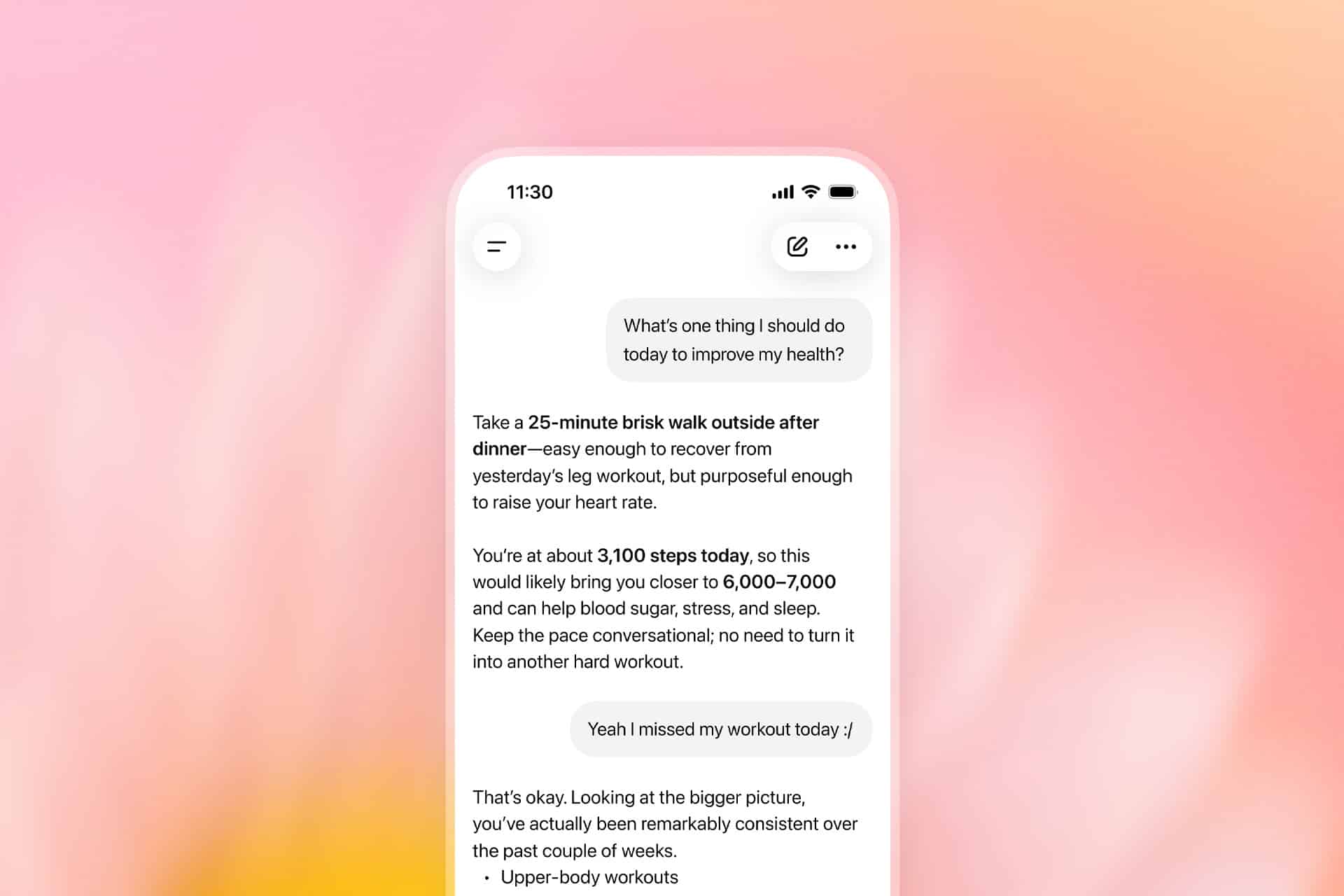
Once permission is granted, ChatGPT can examine selected health and fitness information stored on iPhone, including activity, sleep, workouts and other measurements collected by compatible apps and devices. Users can then ask questions about changes over time without manually exporting records or uploading screenshots during every conversation.
Image Credit: OpenAI
ChatGPT Health Reaches More iPhone Users
ChatGPT Health originally appeared as a limited early-access experience for a small group of testers. The expanded rollout replaces that narrow availability with support for eligible adult users across the United States, although OpenAI says access may take several weeks to reach every account.
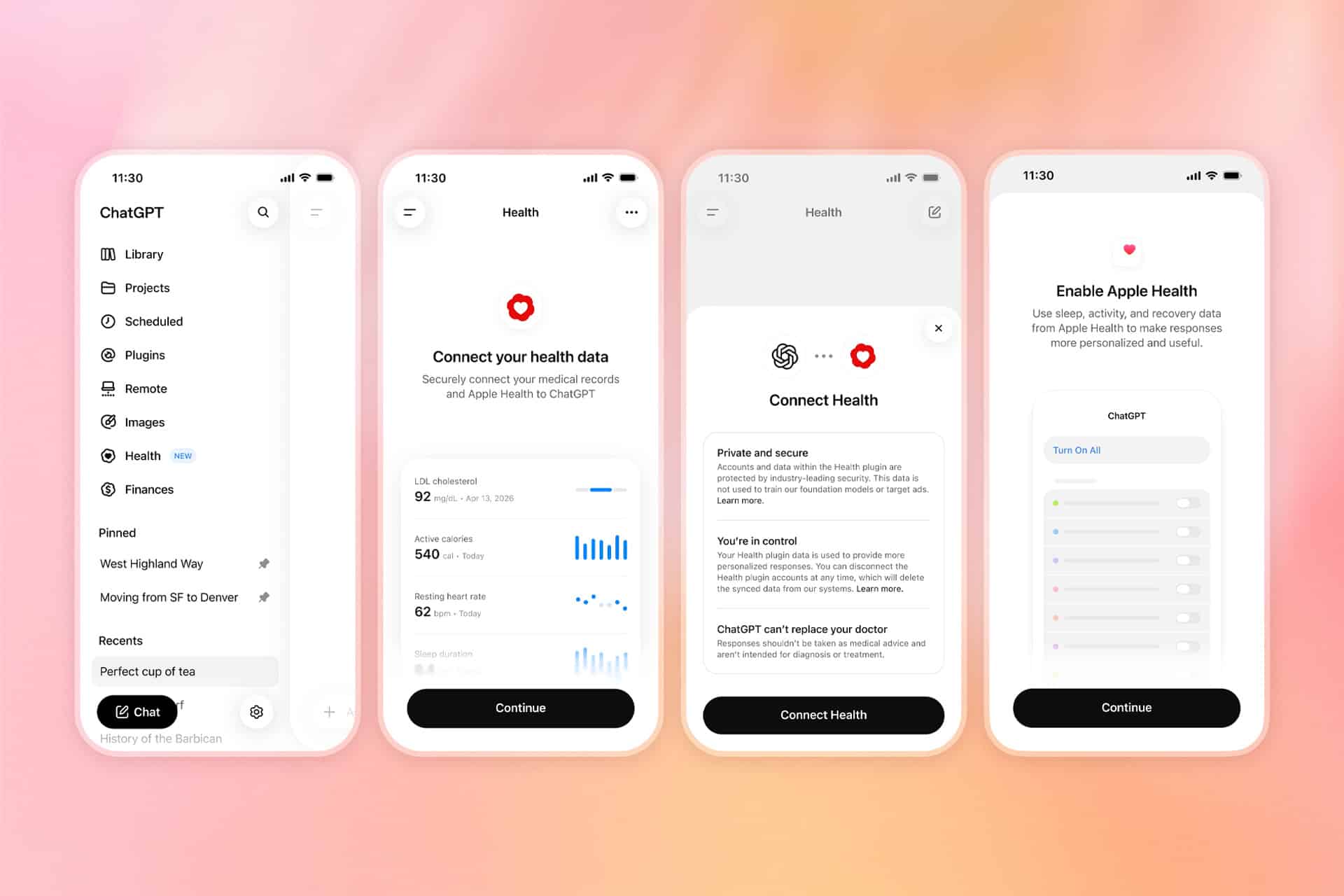
The feature works on the ChatGPT website and iOS app, but connecting Apple Health requires an iPhone. Users also need a recent version of the ChatGPT app before the Health option appears in the sidebar or More menu.
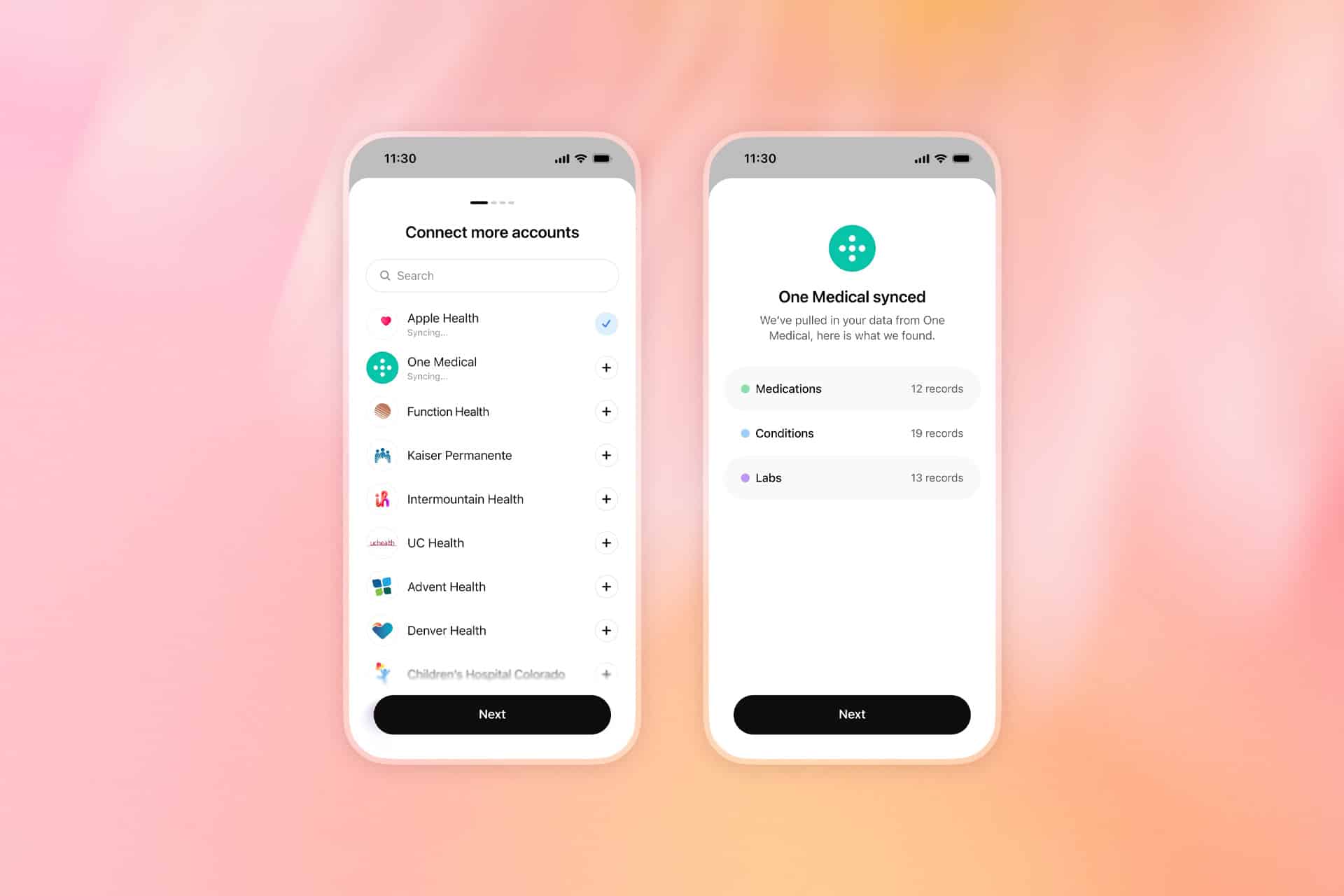
Apple Health is only one part of the system. ChatGPT can also connect to supported medical-record portals, One Medical and Function Health. Bringing those sources together allows the assistant to answer questions using a broader personal context than activity data alone.
A user could ask how sleep duration has changed across several weeks, whether workout frequency declined after a schedule change or how recent laboratory results compare with earlier tests. ChatGPT can also help organize questions before a medical appointment or summarize changes found across connected records.
Information from third-party fitness services can reach ChatGPT through Apple Health when those apps already share their data with the iPhone database. That may include measurements from platforms such as Garmin, Oura, Whoop, Strava and MyFitnessPal, depending on which categories each service makes available.
Not every proprietary score transfers. An app may calculate its own readiness, recovery or sleep score without writing that exact result into Apple Health. ChatGPT can only use the information made available through the connected source and approved by the user.
After synchronization, health information can inform responses throughout ChatGPT rather than remaining limited to conversations opened from the Health tab. The assistant normally asks for permission before using connected information, and users can also add “@Health” to a prompt when they specifically want a response based on their records.
Image Credit: OpenAI
Apple Health Data Gains a Conversational Layer
The appeal of the integration comes from turning a large collection of measurements into questions expressed in ordinary language.
Apple Health can already organize trends, highlights, medications, laboratory results and activity records. ChatGPT adds a conversational layer capable of comparing those categories or explaining them in a more personalized format.
Someone preparing for an annual physical could ask for a summary of meaningful changes since the previous appointment. A runner might request a comparison between training volume, sleep and resting heart rate. Another user could ask which information deserves discussion with a clinician after receiving new laboratory results.
That does not make ChatGPT a doctor. OpenAI says the feature is intended to support medical care rather than diagnose conditions or recommend treatment. Urgent symptoms and emergencies still require professional assistance.
The distinction is especially important because health data can appear more conclusive than it is. A change in heart rate, sleep or activity may have several explanations that cannot be determined from an iPhone record alone. Wearables can identify patterns, but they do not automatically reveal the medical cause behind them.
ChatGPT may help users notice relationships and prepare better questions. It should not be treated as the final authority on whether a symptom is harmless, whether medication should change or whether professional care is unnecessary.
The service is also read-only. ChatGPT can examine approved Apple Health information but cannot alter the original records stored on iPhone. It cannot add a diagnosis, change a medication list or write new measurements back into the Health app.
Users retain control over which Apple Health categories are shared. Someone may allow access to steps, workouts and sleep while withholding reproductive health, medications or other sensitive information.
That selective approach may be more appropriate than approving every category simply because the option is available. A useful response does not always require a complete health history.
Image Credit: OpenAI
Privacy Becomes the Central Decision
Connecting Apple Health to ChatGPT creates a different privacy relationship from using health features entirely within the Apple ecosystem.
Apple designs the Health app around on-device protections and user-controlled permissions. ChatGPT Health requires selected information to synchronize with OpenAI systems so the company can analyze it and generate personalized responses.
OpenAI says connected Apple Health data, medical records and conversations using that information are not used to train its foundation models or target advertising. The company also applies additional encryption and isolation protections to health information.
Users can disconnect Apple Health at any time. OpenAI says synchronized data from the disconnected source will be deleted from its systems within 30 days.
Previous conversations are handled separately. Information already included in ChatGPT conversation history remains until those chats are deleted, even after the Apple Health connection is removed.
Memory introduces another consideration. Conversations using Health can create memories when ChatGPT memory is enabled, although OpenAI says memories are not generated directly from synchronized health data. Temporary Chat or separate project memory can reduce how much personal context continues across future conversations.
The new Health experience should also not be confused with the existing ChatGPT integration inside Apple Intelligence. Siri and Writing Tools can use ChatGPT for certain requests without requiring the dedicated ChatGPT app or a connected account.
ChatGPT Health is a separate OpenAI service with its own account, permissions, privacy controls and health-data connections. Using ChatGPT through Siri does not automatically give OpenAI access to Apple Health.
That separation gives users a meaningful choice. They can continue keeping health information inside Apple apps, share only selected categories with ChatGPT or connect medical records for a more comprehensive view.
The expanded rollout makes one of the most personal databases on iPhone available to conversational AI. Its usefulness will depend not only on the quality of the answers, but also on whether users understand exactly which information they are sharing and where it goes after leaving the device.
The Health in ChatGPT feature that integrates medical records and Apple Health data is rolling out to ChatGPT users in the United States as of today.
OpenAI announced plans for a health feature that used data from Apple Health and other sources back in January, but it was in beta and was not made widely available.
Health in ChatGPT can draw on health information connected by the user to compare lab test data, summarize changes since a prior appointment, track medications, and explore how sleep, activity, and workouts impact health.
With your permission, ChatGPT can consider relevant information you have connected, such as medications, lab results, recent visits, sleep, and activity, alongside the goals and context you share. This added context can make everyday conversations more useful. For example, ChatGPT can consider a dietary restriction when helping you choose a restaurant, or a recent injury when planning lower-impact weekend activities with your family. You can ask follow-up questions, add context, or correct information that is incomplete or out of date.
OpenAI says the feature is meant to help users understand their health information in context and keep track of what's changed over time. Users can get to the Health section from the ChatGPT sidebar.
Connected medical records and Apple Health information are not used to train OpenAI's models or target ads, nor are conversations that use health data. ChatGPT will ask for permission before using connected medical records and Apple Health information to personalize a response.
For users who would prefer not to connect health records, the Health section in ChatGPT works without them and can answer health-related questions.
Health is rolling out to logged-in ChatGPT users who are 18 years and older in the U.S. on web and iOS. The feature is available to Free, Go, Plus, and Pro plans.

 Login