❌

Reading view

The battlefield now extends all the way to the moon, U.S. military's highest-ranking officer says

The U.S. military must be ready to engage the enemy farther from home than ever before, according to its highest-ranking officer.

"Today's modern battlefield operates from the seabed to cislunar space," Gen. Dan Caine, the chairman of the Joint Chiefs of Staff, said Wednesday (Sept. 16) during a keynote address at the Air & Space Forces Association's Air, Space & Cyber Conference in National Harbor, Maryland.

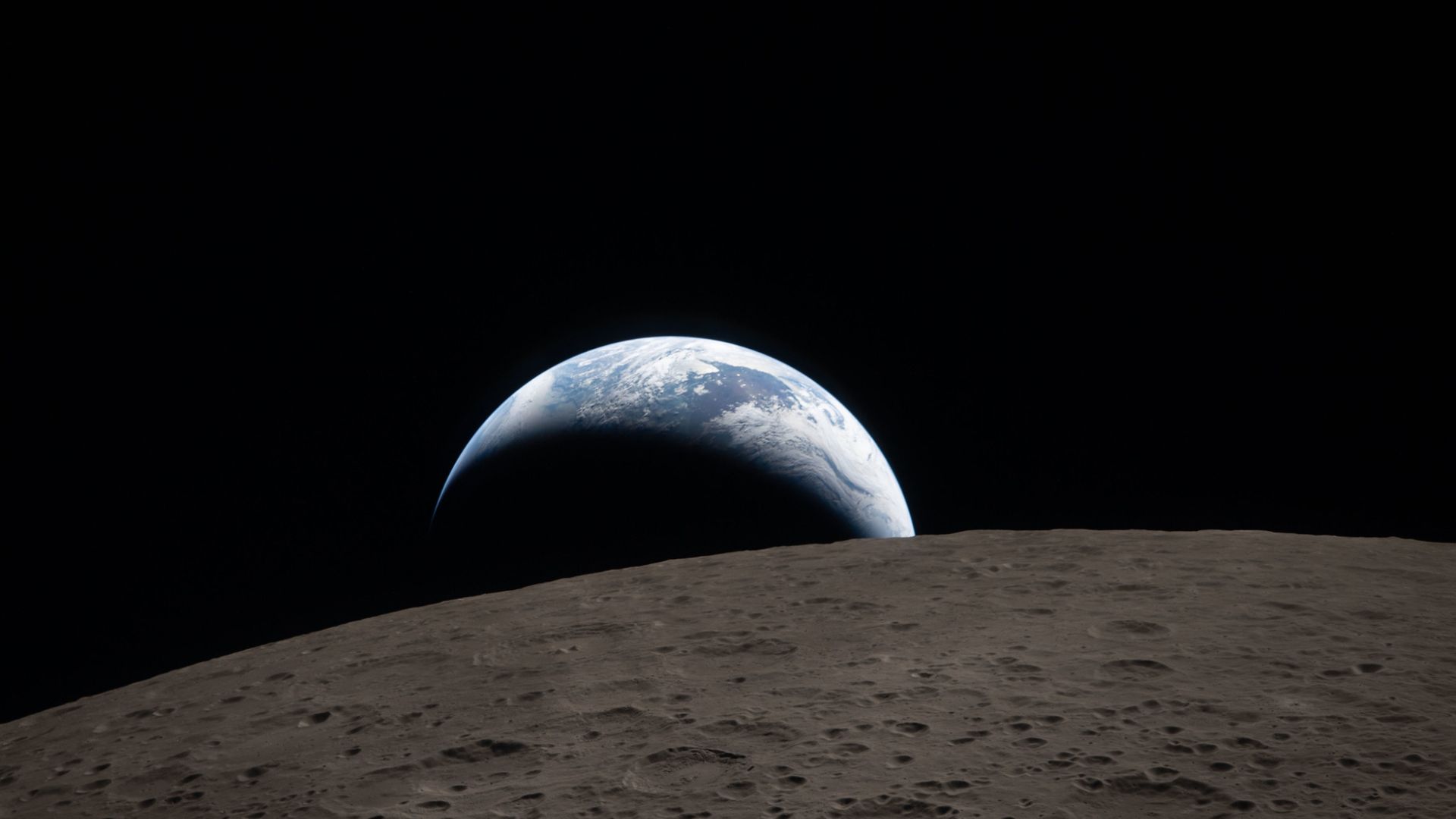
Cislunar space extends from Earth all the way out to the orbit of the moon and includes the lunar surface. For several years now, military officials have been stressing the strategic importance of this huge region, which could get quite a bit busier in the next decade or so.
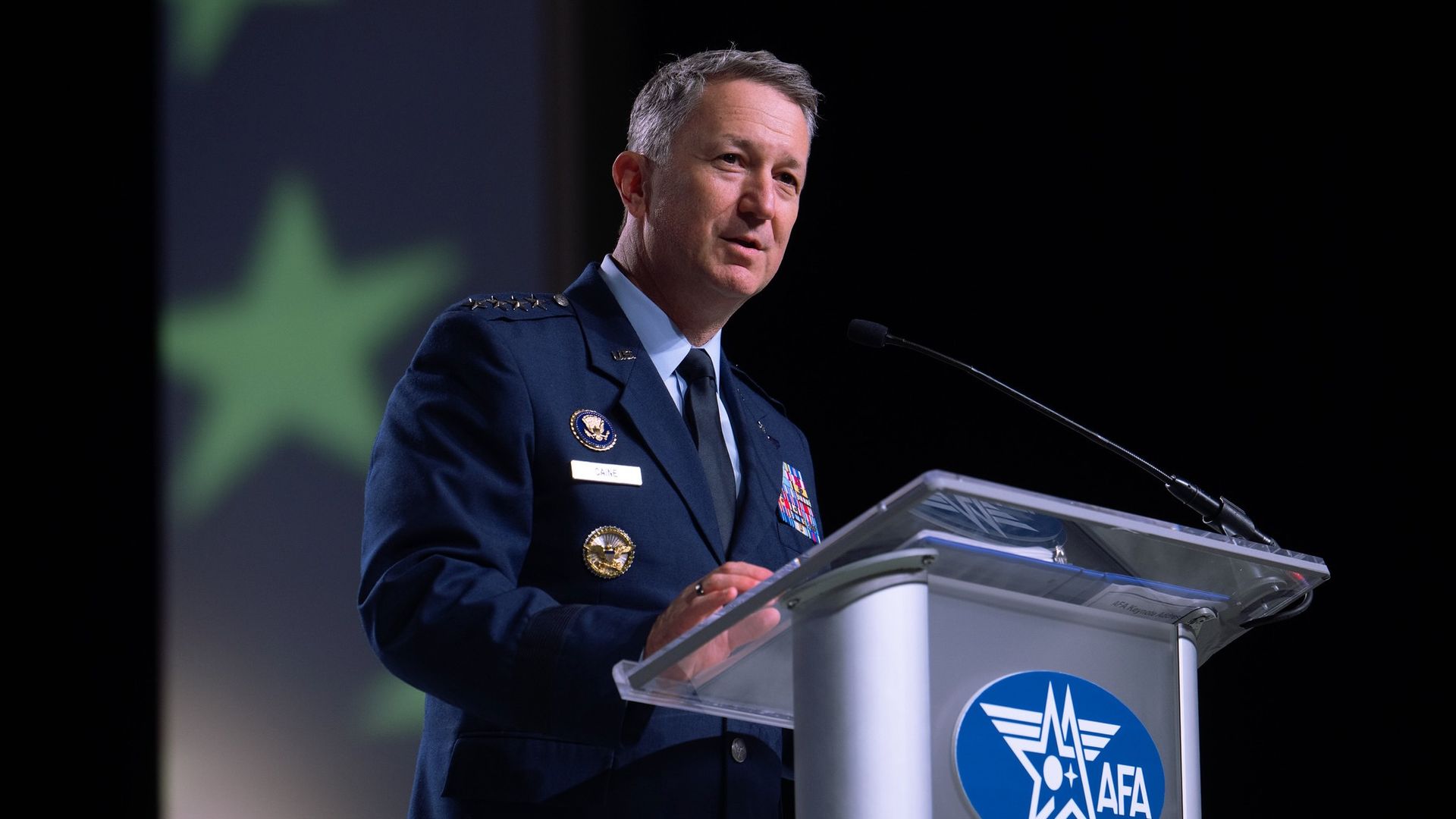
a military man in a blue uniform speaks at a silver lectern

Gen. Dan Caine, chairman of the Joint Chiefs of Staff, speaks at the Air & Space Forces Association’s Air, Space & Cyber Conference in National Harbor, Maryland, on Sept. 16, 2026. (Image credit: Craig Hudson, for Air & Space Forces Association)

For example, both the United States and China plan to build bases near the moon's south pole, which is thought to harbor large amounts of water ice. Winning this new moon race is critical, U.S. officials have stressed, because whoever does so will be able to establish norms of behavior on and around Earth's nearest neighbor.

China has already demonstrated impressive capabilities in the lunar sphere. In 2019, the nation's robotic Chang'e 4 mission pulled off the first-ever soft landing on the moon's mysterious far side. In 2024, Chang'e 6 returned far-side samples to Earth β€” another first.

Caine didn't cite such missions or even mention China by name. And he provided no details about what conflict on the cislunar battlefield might look like (though presumably it would be entirely robotic, with satellites seeking to take out adversary craft via jamming or blinding).

But he invoked the cislunar battlefield twice and noted that U.S. military branches cannot assume continued dominance of their various domains.

"Future conflicts will demand that we operate without the assumptions of uncontested access, secure rare areas or uninterrupted or uncontested sustainment," Caine said. "Our task, my friends, is to adapt right now, so the joint force is prepared to fight, endure and win in global contested environments, from the seabed to cislunar space."

The United States' long-held advantage in the final frontier will be key to securing such victories, he added.

"We must continue to ensure that the United States of America can strike anywhere on the globe at the time and place of our choosing, and sustain that force," Caine said. "Our United States Space Force must provide unrivaled space superiority and sustain the associated networks, domain awareness [and] data advantage that the joint force needs to win in space, both now and in the future."

We now know that part of the Space Force's strategy for maintaining that crucial superiority is the operation of weapons in Earth orbit. The branch's chief, Gen. Douglas Schiess, admitted as much during an address at the same conference on Tuesday (Sept. 15).

"Let me be crystal clear: Today, guardians operate on-orbit weapons that can defend the joint force against space-enabled attacks,” Schiess said during his speech. ("Guardian" is the official name for a member of the Space Force, just as members of the U.S. Navy are called sailors and members of the Army are soldiers.)

Schiess provided few details about these weapons but, later in the speech, implied that they are electromagnetic rather than kinetic in nature. That is, they're probably designed to knock out key systems of adversary satellites rather than destroy the entire spacecraft (which would create a cloud of potentially troublesome debris).

It's no surprise the U.S. possesses and employs such technology; the newsworthy bit is that a top official said it so openly. The nation's chief rivals in the space domain, China and Russia, possess advanced counterspace technologies as well. For example, both have destroyed defunct satellites with missiles and conducted close approaches of spacecraft with "inspector" vehicles.
  •  

SpaceX Falcon 9 rocket-landing team gets 1st-ever Neil Armstrong Space Prize

The winners of the first-ever Neil Armstrong Space Prize just got their hardware.

Those awardees β€” the people who developed and mastered the famous landing capability of SpaceX's Falcon 9 rocket β€” were announced in April. But they didn't actually receive the prize until Tuesday night (Sept. 15), when it was bestowed during a ceremony at the Cosmos Club in Washington, D.C.

And it was richly deserved, according to Purdue University, which created the international award and named it after perhaps its most famous alumnus. (Purdue is known as the "cradle of astronauts," because 30 of its graduates have flown in space or been selected as NASA astronaut candidates.)

"Neil Armstrong's achievement rested on extraordinary engineering, teamwork and the courage to attempt what had never been done before," Mark Lundstrom, the John A. Edwardson Dean of the College of Engineering at Purdue, said in a statement on Tuesday.

"The Falcon 9 Booster Landing Team carries that spirit forward," he added. "By making rocket reuse practical at unprecedented scale, they changed the economics of spaceflight and opened new possibilities for science, exploration and commerce. It is especially fitting that they are the first recipients of the Neil Armstrong Space Prize."

Purdue wants the annual prize to become a sort of Nobel for space science and exploration. The inaugural honorees are five SpaceX employees, who represent the much larger Falcon 9 landing team:

  • Lars Blackmore, senior principal Mars landing engineer
  • Shana Diez, senior director of Starship reliability
  • Jon Edwards, senior vice president of Falcon & Dragon projects
  • Yoshiaki Kuwata, principal guidance, navigation and control engineer
  • Eduardo Velazquez, director of Crew Starship engineering

The two-stage Falcon 9 debuted in June 2010. The rocket was always envisioned to have a reusable first stage, though making that happen took a while.

"On a simple hand calc, I thought, 'Oh, this would work,'" said Kuwata, who joined SpaceX in 2012.

"But then the difficult part is going from this hand calculation to the reality, and there are a lot of nuances that we learned on the way," he told Space.com. "And on paper, I think it would have been done in like six months. But it took like three, four years to actually get it to work."

The milestone moment occurred on Dec. 21, 2015, on the 20th Falcon 9 flight to date: The rocket's first stage came back to Earth for its first-ever vertical touchdown, landing at Florida's Cape Canaveral Air Force Station (now known as Cape Canaveral Space Force Station) after sending 11 satellites to orbit for the company Orbcomm.

The Falcon 9 ticked another big box on April 8, 2016, acing a touchdown on a SpaceX "drone ship" stationed in the Atlantic Ocean.

These eye-popping sights have now become commonplace; to date, SpaceX has landed boosters more than 650 times during orbital missions. And these rockets don't stay on the ground for long. Six different Falcon 9 first stages now have more than 30 launches and landings under their belt, led by Booster 1067, which has flown a whopping 37 times.

Such extensive reuse has helped make the Falcon 9 the dominant rocket flying today. In 2025, the vehicle flew 165 missions β€” about half of the global total β€” and all of them were successful.

This success has inspired copycats. For example, two different Chinese rockets have landed successfully in the past few months, one of which employs foldable landing legs just like a Falcon 9 first stage.

But the imitation doesn't bother Velazquez.

"I think this is great," he told Space.com. "I mean, we didn't start from scratch, right? If you look at a cross section of our engines and the engines from the '60s, they're all very similar. So we're all kind of cribbing from the same place. But the fact that we are able to advance the bar so that everybody else is landing first stages is just great. I think we all move forward together, and we need more entrants in the field to really have a big kind of spacefaring economy and civilization."

a large silver rocket comes in for a landing on its launch pad near the sea

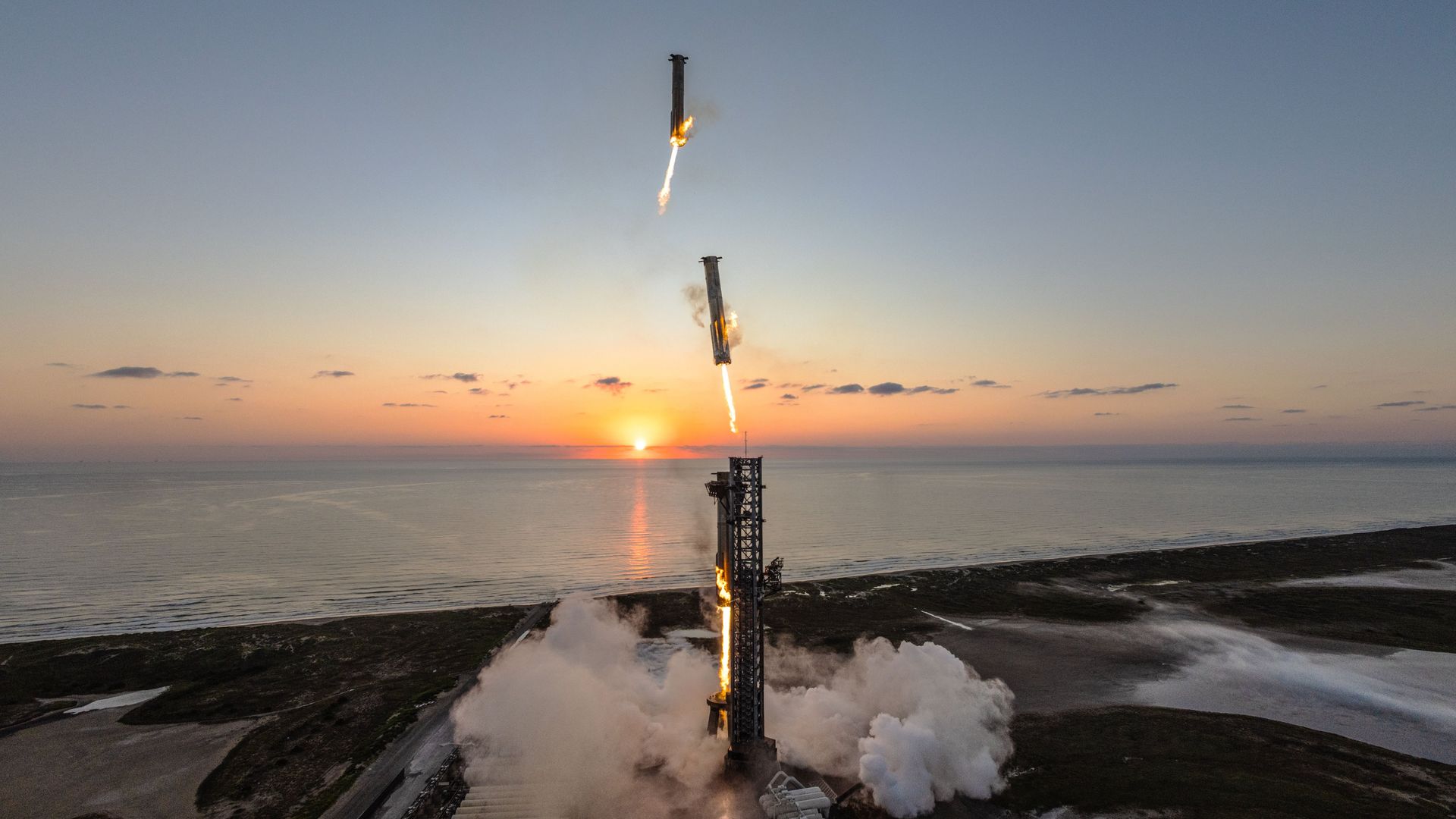
Composite photo showing the Super Heavy booster of SpaceX's Starship megarocket coming in for a landing on the launch mount on Oct. 13, 2024. (Image credit: SpaceX via X)

SpaceX is planning to sunset the Falcon 9 in the relatively near future in favor of Starship, the fully reusable megarocket it's developing to help humanity settle the moon and Mars, among other exploration tasks.

Starship has flown 13 test flights to date, all of them suborbital. SpaceX has already successfully recovered the giant vehicle's Super Heavy first stage on three occasions, catching the booster with the "chopstick" arms of the launch tower at its Starbase site in South Texas.

Such success follows quite naturally from the experience the company built up with the Falcon 9 (and its cousin the Falcon Heavy). But landing and reflying Starship's upper stage, known as Ship, is a different animal. (Falcon upper stages are expendable.)

"The bigger step change for Starship is the stage two β€” Ship upper stage β€” reusability," Kuwata said.

"In Monte Carlo simulations, [Ship landings] work well," he added. "And then we kind of demonstrated that pinpoint landing, precision landing, on the ocean many times. But I feel we will find out more things along the way by trying many times."

"Yeah, the 'trying many times' I think is kind of key," Velazquez said. "And I think we're getting pretty close to to catching a Ship."

  •  

Russia launches Progress 96 with 3 tons of cargo to the space station (video)

Russia launched a cargo mission toward the International Space Station today (Sept. 16), delivering the freighter spacecraft to orbit for a three-day rendezvous journey.

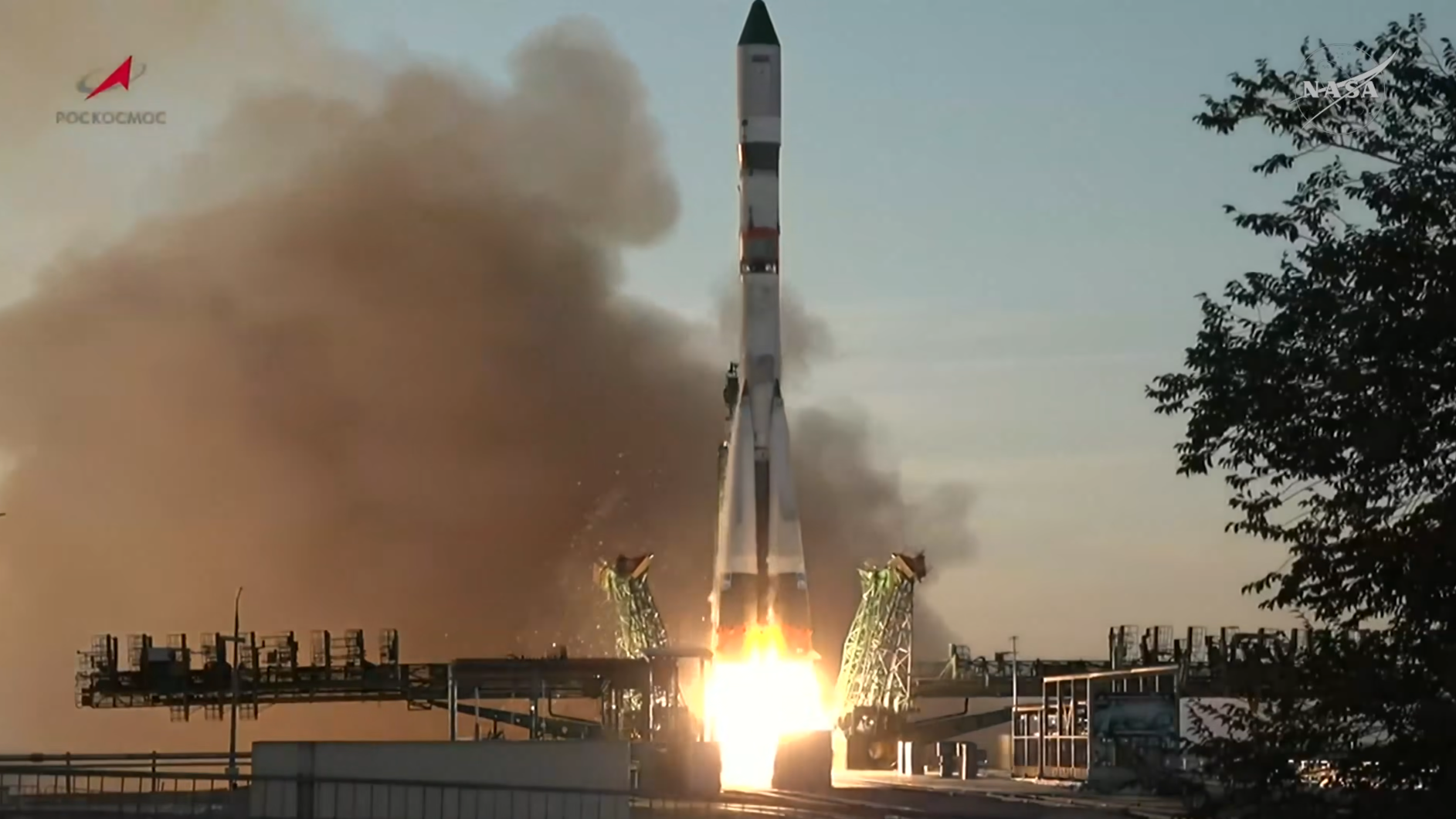
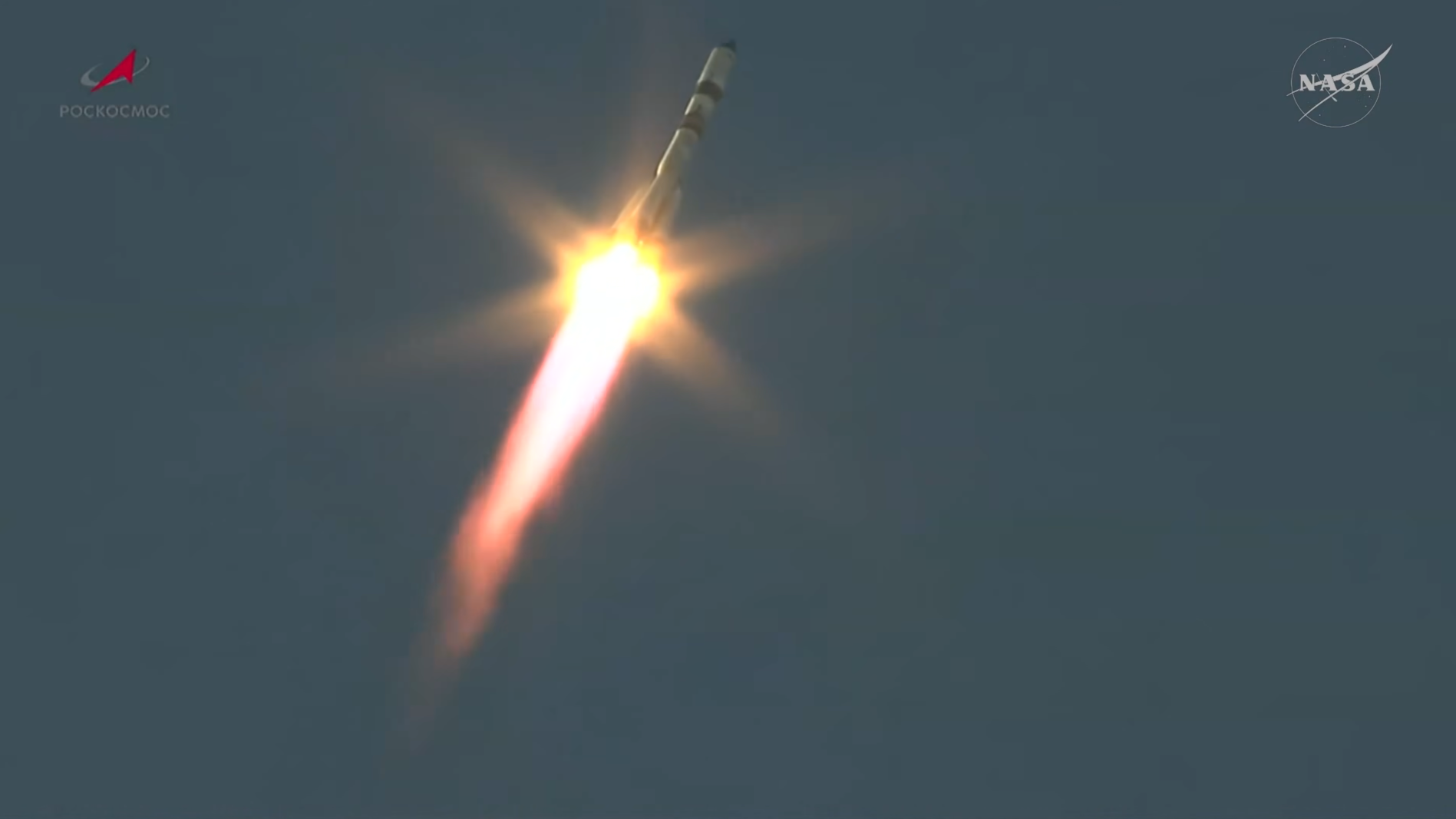
The robotic Progress 96 spacecraft lifted off atop a Soyuz rocket from the Russian-run Baikonur Cosmodrome in Kazakhstan today at 9:33 a.m. EDT (1333 GMT).

From engine ignition through solar array deployment on the spacecraft, the Progress 96 launch was completely nominal. It was "a flawless launch," said NASA's Rob Navias during the mission's livestream this morning, with "an excellent climb to orbit by the Soyuz booster."

A soyuz rocket launches from the Baikanour Cosmodrome.

Roscosmos' Progress 96 cargo spacecraft launches from the Baikanour Cosmodrome on a Soyuz rocket on Sept. 16, 2026. (Image credit: NASA)

Progress 96 is loaded with about 3 tons of food, propellant and other supplies for the astronauts aboard the International Space Station (ISS). The freighter will deliver this cargo three days after launch, if all goes according to plan. You'll be able to watch rendezvous and docking activities when the time comes.

The freighter will remain docked to the orbiting lab for about five months. It will then be loaded up with trash and sent down to a fiery death in Earth's atmosphere over the Pacific Ocean.

The Progress 94 spacecraft met this fate on Sept. 7, departing from ISS' Poisk module to make room for Progress 96.

A soyuz rocket launches from the Baikanour Cosmodrome.

(Image credit: NASA)

Progress is one of four spacecraft that fly operational cargo missions to the ISS these days, along with Japan's HTV-X, SpaceX's Dragon capsule and Northrop Grumman's Cygnus. All but Dragon are expendable, burning up in our air when their time in orbit is up.

There are currently seven people living aboard the ISS β€” NASA astronauts Jack Hathaway, Jessica Meir and Anil Menon; the European Space Agency's Sophie Adenot, who last month became the first French woman ever to perform a spacewalk; and Pyotr Dubrov, Andrey Fedyaev and Anna Kikina of the Russian space agency Roscosmos.

Editor's note: This story was updated at 10 a.m. ET on Sept. 16 with news of successful launch.

  •  

SpaceX's next Starship launch will lift off on Sept. 22 and aim to reach orbit for 1st time

We now have a launch date for Starship's most ambitious mission to date.

SpaceX announced today (Sept. 15) that it's targeting Sept. 22 for the first orbital flight of Starship, the fully reusable megarocket that the company is developing to help humanity settle the moon, Mars and more.

Liftoff, from SpaceX's Starbase site in South Texas, will occur during a 75-minute window that opens at 8:15 a.m. EDT (1215 GMT and 7:15 a.m. local Texas time). You can watch it live here at Space.com when the time comes.

SpaceX's Starship megarocket launches on its 12th test flight, on May 22, 2026.

SpaceX is targeting Sept. 22 for Starship's first-ever orbital launch, a landmark flight that will deploy 26 Starlink satellites and last about 10 hours. (Image credit: SpaceX)

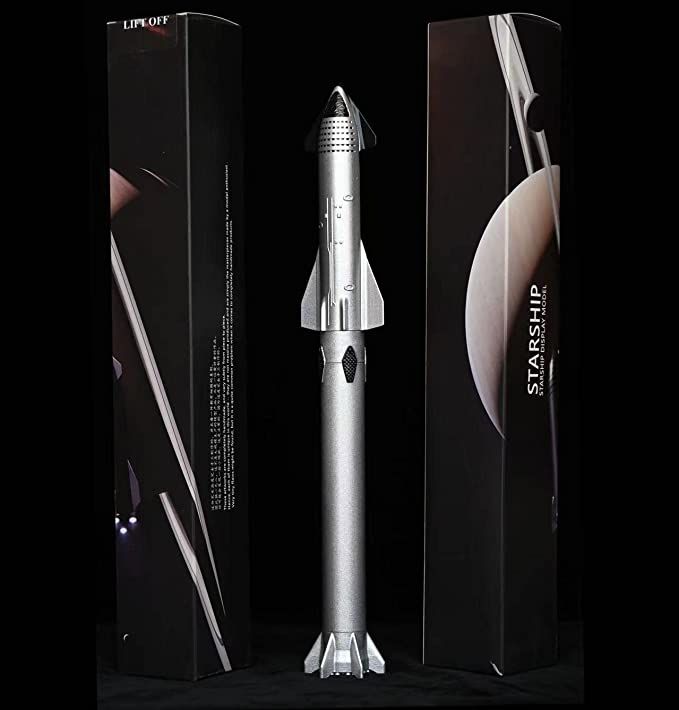
Starship Die Cast Rocket Model Was $47.99 Now $39.99 on Amazon.

Even if you can't see SpaceX's Starship in person, you can score a model of your own. Standing at 13.77 inches (35 cm), this is a 1:375 ratio of SpaceX's Starship as a desktop model. The materials here are alloy steel and it weighs just 225g.View Deal

The upcoming flight will be the 14th overall for Starship, which debuted in April 2023 and has flown twice so far in 2026. But the 408-foot-tall (124-meter-tall) vehicle's first 13 jaunts were all suborbital, so Flight 14 will be a landmark.

"By going to orbit, the next phase of developing Starship to be fully and rapidly reusable can begin," SpaceX wrote in a Flight 14 mission description.

"This will also mark the first time we plan to deploy Starlink V3 satellites into the constellation, delivering a payload that will dramatically expand connectivity speeds and reliability around the world," the company added.

Starlink, SpaceX's network of broadband satellites in low Earth orbit, currently consists of more than 11,000 active spacecraft. None of those are the larger, more capable V3 version, which are designed to launch on Starship.

Flight 14 will carry up 26 of these next-gen craft β€” the first of many, if all goes to plan. SpaceX founder and CEO Elon Musk has said the company wants the Starlink megaconstellation to eventually consist of 100,000 V3 satellites.

Three of the Starlink craft launching on Flight 14 have been outfitted with cameras and will photograph the heat shield on Starship's upper stage, known as Ship, after deployment. SpaceX will use this imagery to study and potentially improve the heat shield, which protects Ship during its return trip through Earth's atmosphere.

If all goes according to plan on Sept. 22, the 171-foot-tall (52-m-tall) Ship will complete six orbits of Earth at an altitude of about 171 miles (275 kilometers). The vehicle will then maneuver its way to a splashdown in the Pacific Ocean west of Chile about 10 hours after launch, SpaceX wrote in the mission description.

That's a very different plan than previous Starship flights. On those suborbital missions, Ship stayed aloft for just 65 minutes or so, did not complete an orbit of Earth and came down in the Indian Ocean, off the coast of Western Australia.

But Flight 14 will be more of the same for Starship's first-stage booster, known as Super Heavy. If all goes to plan, the giant rocket will splash down in the Gulf of Mexico about seven minutes after liftoff, as it has done on a number of previous flights.

So there will be no catch β€” of either Ship or Super Heavy β€” by the "chopstick" arms of Starbase's launch tower on Flight 14. SpaceX has pulled off tower catches of Super Heavy on three occasions to date but has never done so with Ship. This recovery method will eventually be the norm on Starship flights, leading to faster and more efficient reuse of the vehicle, Musk has said.

So, while Flight 14 aims to check a very big box β€” reaching orbit β€” other milestones will be reserved for future flights. A Ship tower catch will be among the most anticipated, along with refueling the vehicle in orbit, something that will be required for missions to the moon, Mars and beyond.

  •  

SpaceX launches 2nd classified mission for US Space Force in less than a week (photos)

SpaceX launched its second classified mission for the U.S. Space Force in less than a week tonight (Sept. 16).

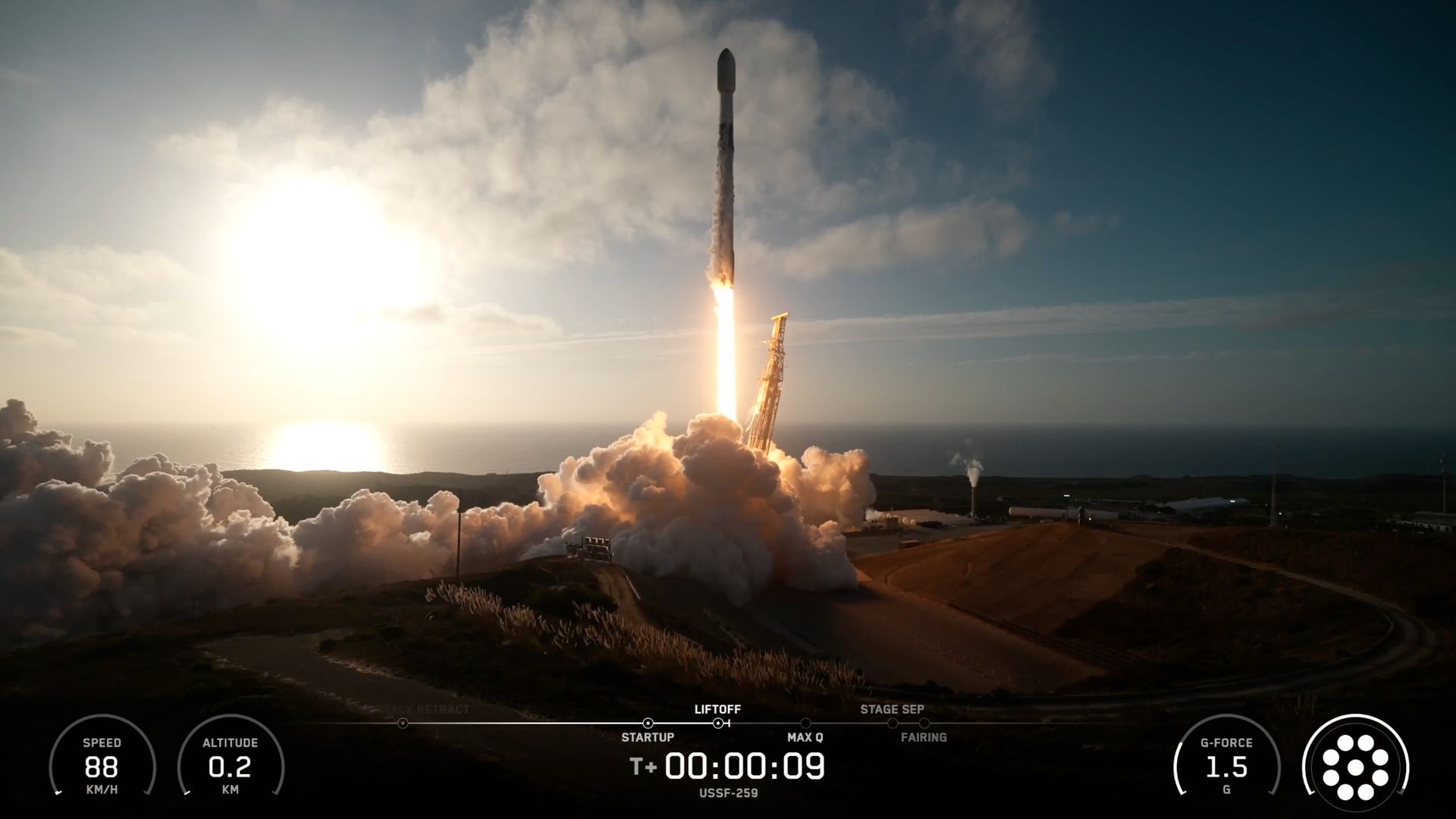
A Falcon 9 rocket lifted off from California's Vandenberg Space Force Base today at 9:07 p.m. EDT (6:07 p.m. local California time; 0107 GMT on Sept. 17).

We don't know much about tonight's mission, which was called USSF-259. SpaceX's webcast didn't shed any light of note; it ended shortly after the Falcon 9's first stage returned to Earth for a landing in the Pacific Ocean atop a drone ship about 8.5 minutes after launch.

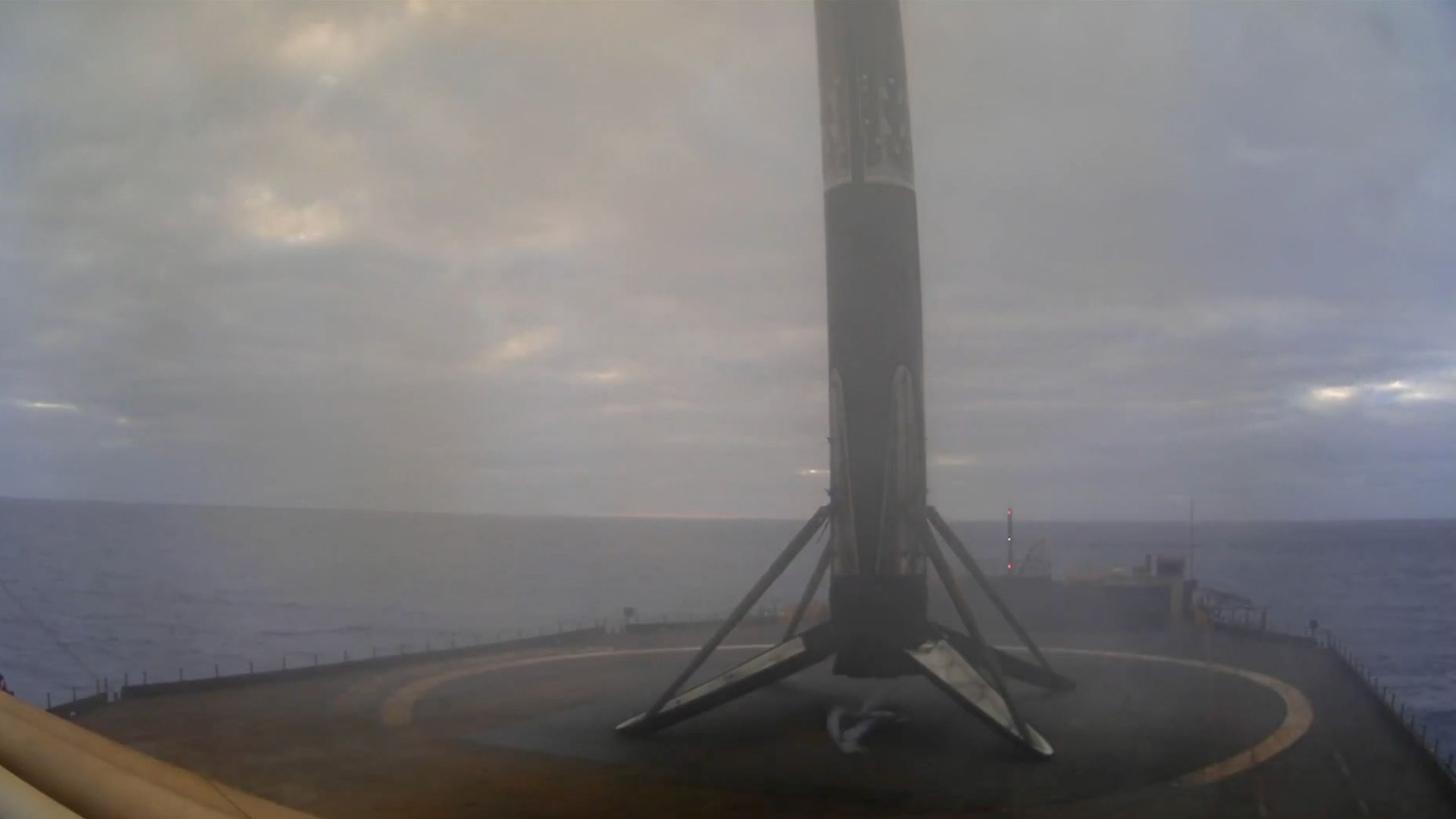
a rocket rests on the deck of a ship at sea

The Falcon 9's first stage rests on the deck of a drone ship shortly after launching the USSF-259 mission for the U.S. Space Force on Sept. 16, 2026. (Image credit: SpaceX)

That touchdown was the 13th for this particular booster, which is designated 1097. One of the booster's previous landings was a big milestone for SpaceX. This past April, B1097 pulled off SpaceX's 600th touchdown of an orbital-class rocket, during a launch that sent 25 of the company's Starlink internet satellites to low Earth orbit.

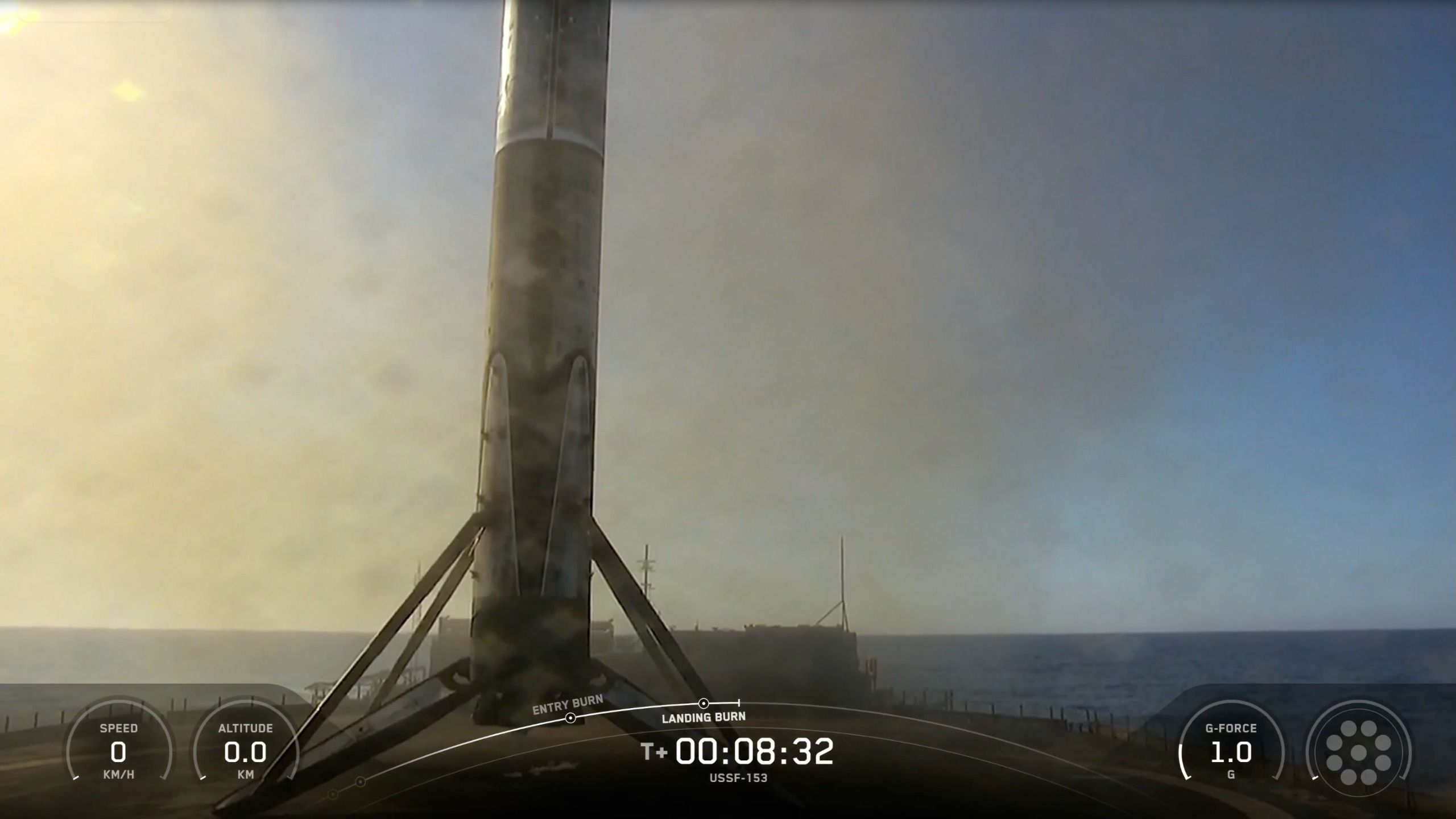
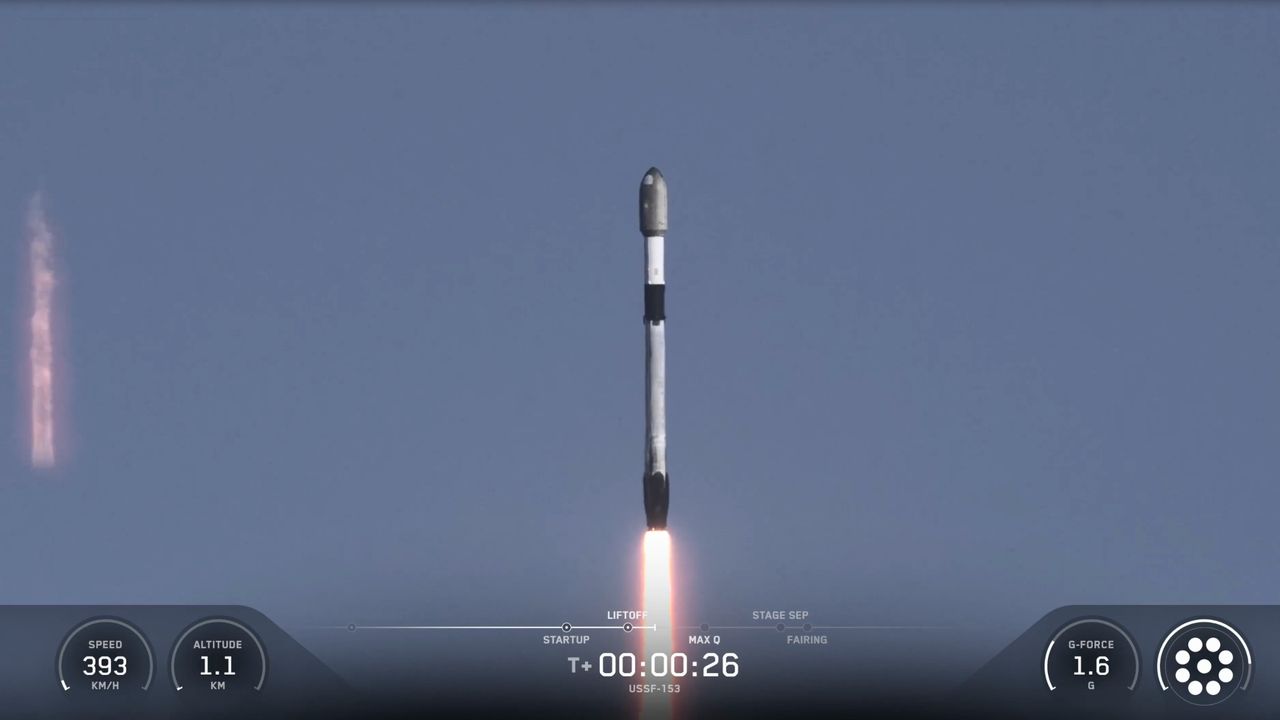
Tonight's mission was the second that SpaceX has flown for the U.S. Space Force in a six-day span: A Falcon 9 launched the similarly classified USSF-153 from Vandenberg on Sept. 10.

Previous Booster 1097 missions

Sentinel-6B | Twilight | NROL-172 | Transporter-17 | 8 Starlink missions

Tonight's launch was SpaceX's 110th of 2026. The vast majority of the company's flights so far this year β€” 106 of them, in fact β€” have been performed by the workhorse Falcon 9.

The powerful Falcon Heavy has launched twice in 2026, as has SpaceX's next-gen megarocket, Starship. Both Starship liftoffs this year have been suborbital test flights. The next Starship launch, which is expected to occur in the next two weeks, will apparently take the vehicle orbital for the first time.

Editor's note: This story was updated at 11:50 p.m. ET on Sept. 15 with the new launch date of Sept. 16. It was updated agai at 9:28 p.m. ET on Sept. 16 with news of successful launch and rocket landing.

  •  

Vega C rocket launches 2 European Earth-observing satellites to orbit from South America (video)

Two European Earth-observing spacecraft lifted off from South America tonight (Sept. 14).

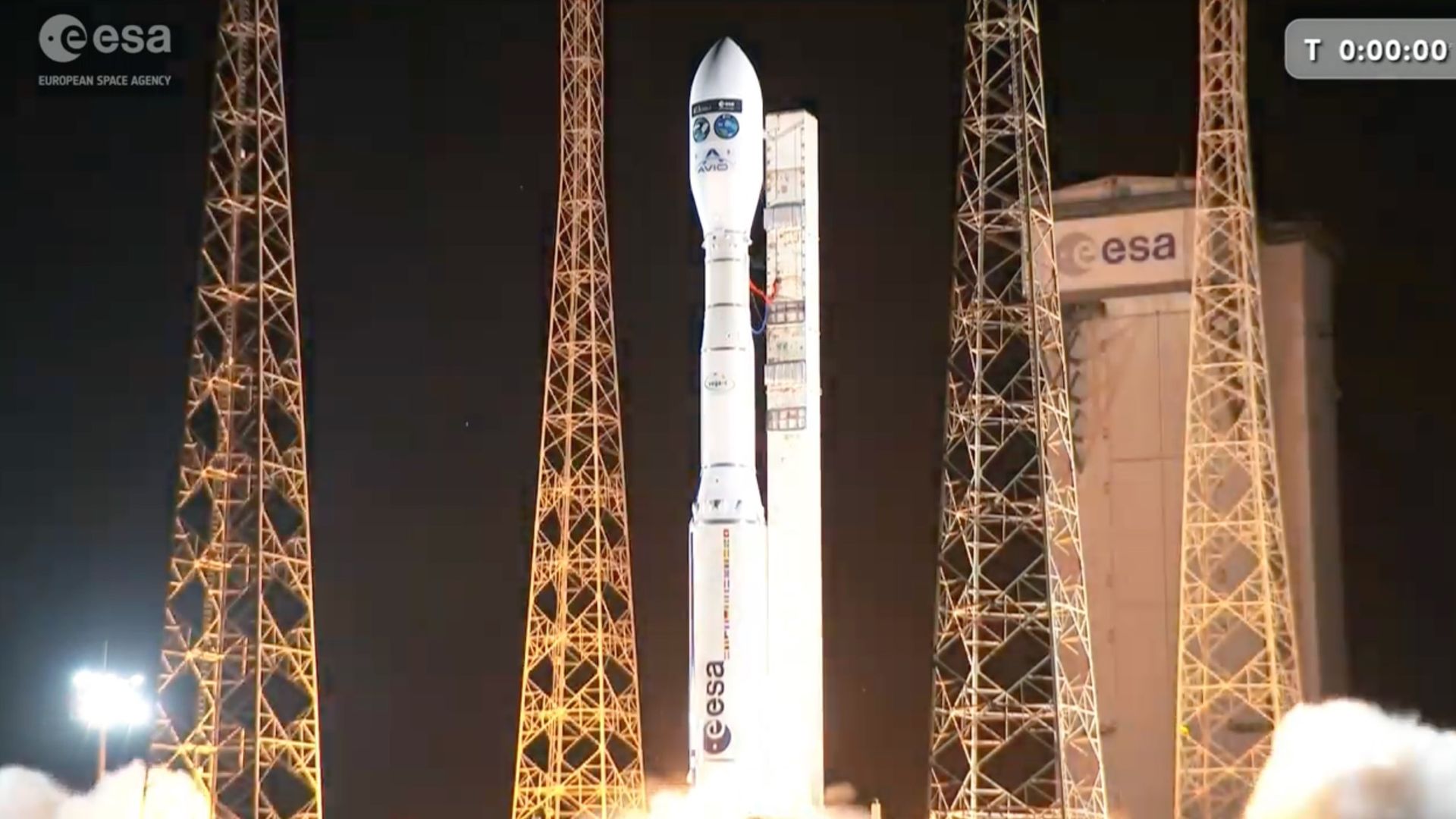
A Vega C rocket carrying the FLEX and Copernicus-3C satellites launched from Europe's Spaceport in Kourou, French Guiana at 9:21 p.m. EDT (10:21 p.m. local time in Kourou and 0121 GMT on Sept. 15).

Both FLEX and Sentinel-3C were deployed as planned. They were released at an altitude of about 509 miles (820 kilometers), and both were flying freely by 116 minutes after launch.

A Vega C rocket launches the FLEX and Sentinel-3C Earth-observation satellites to Earth orbit from Kourou, French Guiana on Sept. 14, 2026.

A Vega C rocket launches the FLEX and Sentinel-3C Earth-observation satellites to Earth orbit from Kourou, French Guiana on Sept. 14, 2026. (Image credit: ESA/Avio)

The 875-pound (397-kilogram) FLEX will detect and monitor vegetation fluorescence, which explains its name (a shortening of "Fluorescence Explorer"). By doing so, it will map plant photosynthetic activity β€” something no satellite can do at the moment, according to ESA.

FLEX's data will be important not only "for a better understanding of the global carbon cycle, but also for agricultural management and food security," ESA wrote in a FLEX mission desription. "This is of particular relevance due to demand the growing world population is placing on the production of food."

Sentinel-3C is part of the European Union's Copernicus Earth-observation program. The 2,520-pound (1,1143-kg) satellite will continue the Sentinel-3 line, which is aging but still going strong in low Earth orbit; Sentinel-3A and Sentinel-3B, which launched in 2016 and 2018, respectively, remain active.

"Like its two older siblings in orbit, Sentinel-3C carries a suite of cutting-edge instruments that measure systematically Earth’s oceans, land, ice and atmosphere to monitor and understand large-scale global dynamics," ESA wrote in a Sentinel-3C description. "It provides essential information in near-real time for ocean and weather forecasting."

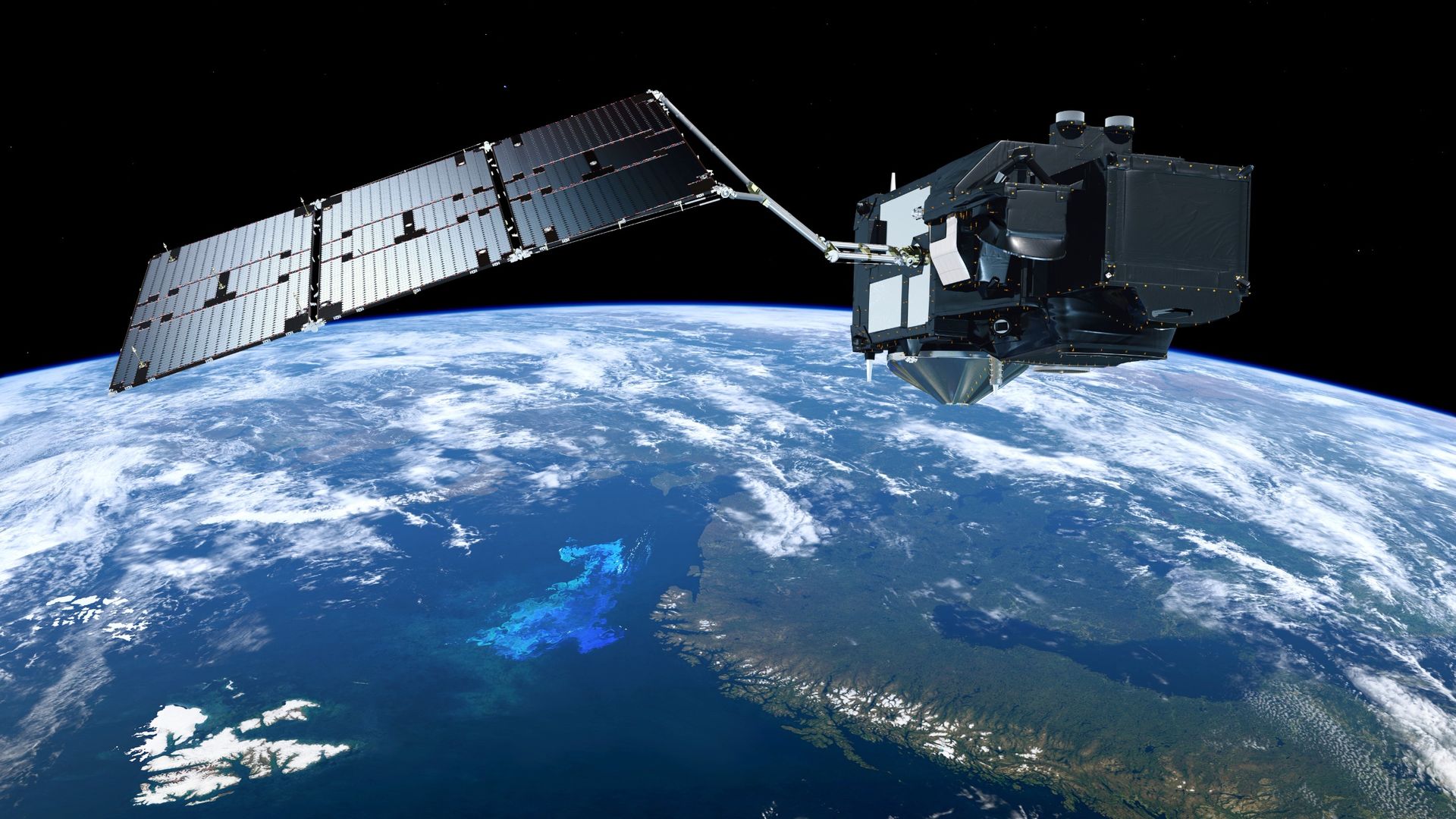
illustration of a boxy silver satellite flying over earth

Artist's illustration of a Sentinel-3 satellite in orbit. (Image credit: ESA/ATG medialab)

The 115-foot-tall (35-meter-tall) Vega C debuted in July 2022 and had seven flights under its belt before today, six of them successful.

The rocket was developed by the European Space Agency and originally operated by the France-based company Arianespace. The Italian outfit Avio now runs the vehicle's liftoffs, however; today's launch was the second Avio has managed.

Editor's note: This story was updated at 9:35 p.m. ET with news of successful liftoff, then again at 1:10 a.m. ET with news of successful satellite deployment.

  •  

SpaceX launches 3 telecom satellites to orbit on 700th Falcon mission of all time (video)

SpaceX lofted three telecom satellites to orbit today (Sept. 13) on a milestone mission for the company.

A Falcon 9 rocket lifted off from Florida's Cape Canaveral Space Force Station today at 2:49 p.m. EDT (1849 GMT), carrying the final three satellites for Luxembourg-based SES' O3b mPOWER constellation.

It was the 700th mission to date for SpaceX's Falcon rocket family, according to the company. That family first spread its wings in March 2006 when the Falcon 1 debuted. The Falcon 1 flew a total of five times, twice successfully, before giving way to the workhorse Falcon 9 in 2010. The Falcon 9 has conducted the vast majority of the family's flights; the only other member, the still-active Falcon Heavy, has launched 13 times to date.

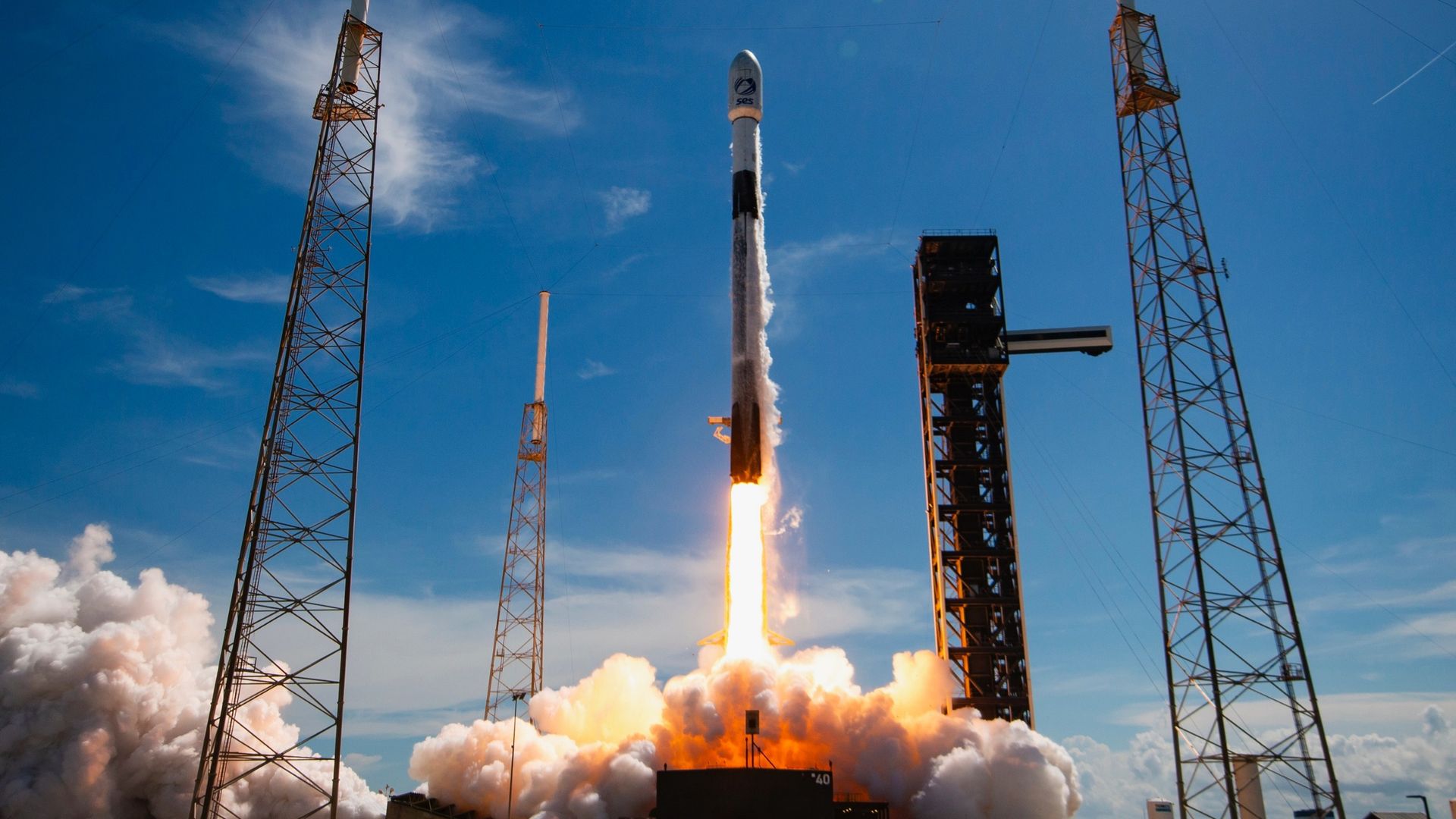
A SpaceX Falcon 9 rocket launches three O3b mPOWER satellites for the telecom company SES from Florida on Sept. 13, 2026.

A SpaceX Falcon 9 rocket launches three O3b mPOWER satellites for the telecom company SES from Florida on Sept. 13, 2026. (Image credit: SpaceX)

The Falcon 9's first stage came back to Earth a little less than nine minutes after launch today, landing in the Atlantic Ocean on the SpaceX drone ship "A Shortfall of Gravitas." It was the 29th flight for this particular booster, which is designated B1080.

The rocket's upper stage, meanwhile, continued hauling the O3b mPOWER trio to medium Earth orbit (MEO). The satellites were deployed as scheduled, being released at an altitude of 5,000 miles (8,000 kilometers) over a 14-minute span starting roughly 33.5 minutes after launch.

SES already operates 10 O3b mPOWER satellites in MEO. The spacecraft that went up today will complete the constellation, which is "purpose-built to deliver predictable low latency, exceptional throughput and unprecedented flexibility for industries where uptime isn’t optional," according to the company.

"It transforms how networks operate by pairing advanced software defined satellites with an intelligent ground and software ecosystem β€” ensuring guaranteed performance, even as global bandwidth demands surge," the company wrote.

The O3b mPOWER satellites, which are built by Boeing, weigh about 3,750 pounds (1,700 kilograms) apiece. SpaceX has launched all of them, on six Falcon 9 launches beginning in December 2022.

Previous Booster 1080 missions:

Ax-2 | Euclid | Ax-3 | CRS-30 | SES ASTRA 1P | NG-21 | 22 Starlink missions

Today's launch was SpaceX's 107th orbital mission of the year. The Falcon 9 has performed 105 of those flights, with the Falcon Heavy conducting the other two.

SpaceX has also launched two suborbital test flights of its Starship megarocket in 2026 and is gearing up for the third, which apparently will take the giant vehicle orbital for the first time.

  •  

Rocket Lab protests NASA's decision to award Blue Origin $700 million Mars orbiter contract

Rocket Lab still holds out hope that it can build NASA's next Mars orbiter.

The agency picked Blue Origin for that job earlier this month, awarding Jeff Bezos' spaceflight company $700 million to develop, launch and operate the Mars Telecommunications Network (MTN).

Today (Sept. 11), however, Rocket Lab announced that it has challenged that decision, filing a formal protest with the Government Accountability Office (GAO).

Rocket Lab has filed a formal protest with the Government Accountability Office challenging NASA’s award decision for the Mars Telecommunications Network.NASA’s award decision appears to be inconsistent with the eligibility criteria mandated by Congress. In addition, the… pic.twitter.com/g48AWgiIoRSeptember 11, 2026

"NASA's award decision appears to be inconsistent with the eligibility criteria mandated by Congress. In addition, the agency’s punitive review of Rocket Lab's technical volume was inconsistent, making incorrect assertions and conclusions," Rocket Lab said today in an X post that laid out its argument.

"Procurement standards exist to ensure fair competition and protect public investment," the California-based company added. "We are pursuing this review to ensure those standards are upheld for critical infrastructure that will underpin American exploration at Mars for decades to come."

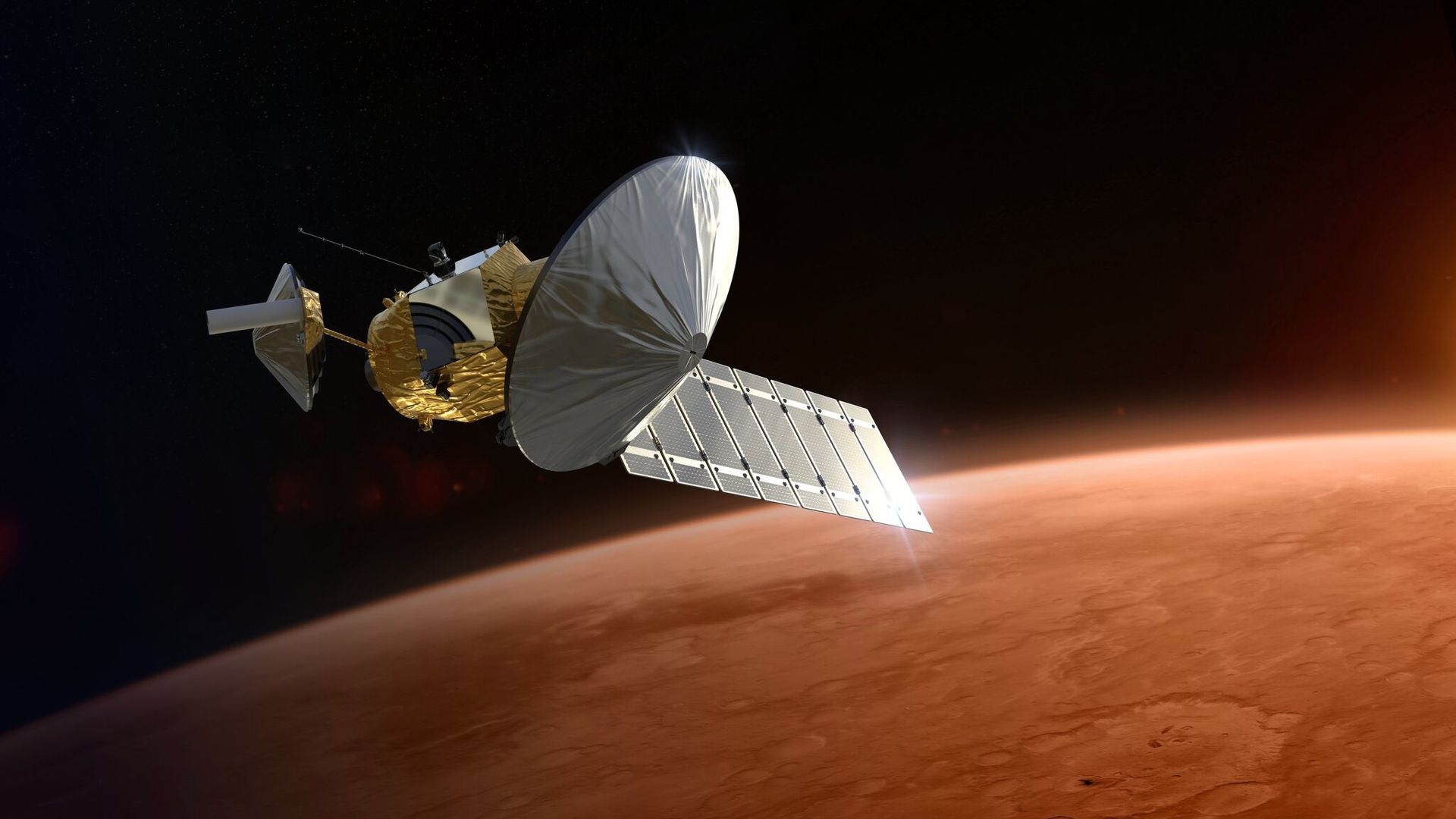
As its name suggests, the MTN orbiter will serve as a communications link between mission controllers here on Earth and other NASA spacecraft studying the Red Planet. Just two agency orbiters fulfill that relay role these days, and both are quite old: Mars Odyssey launched in 2001, and the Mars Reconnaissance Orbiter lifted off in 2005.

NASA had been eyeing a new Mars telecom orbiter for years and finally got Congressional funding for it in July 2025 β€” $700 million, to be precise. The agency issued a request for proposals this past May, drawing considerable interest from the private sector.

Blue Origin and Rocket Lab were widely considered the front-runners, and NASA ended up going with Blue. The award calls for the company to deliver MTN (which, despite the "network" in its name, is a single spacecraft) to NASA no later than Dec. 31, 2028. It's expected to be up and running at the Red Planet by 2030.

Blue Origin has been in Rocket Lab's shoes before, and has behaved similarly. Bezos' company filed a protest with the GAO in 2021 after NASA picked SpaceX to provide the first crewed moon lander for the agency's Artemis program.

The GAO denied the protest in July of that year. Blue Origin then sued NASA but lost in court in November 2021. The story has a happy ending for the company, however: NASA decided to select a second Artemis lander as well, and Blue Origin won that contract in 2023. We'll see how this story plays out for Rocket Lab...

  •  

Rocket Lab launches mystery satellite to orbit for secret customer (photo)

Rocket Lab just launched a mystery mission to orbit.

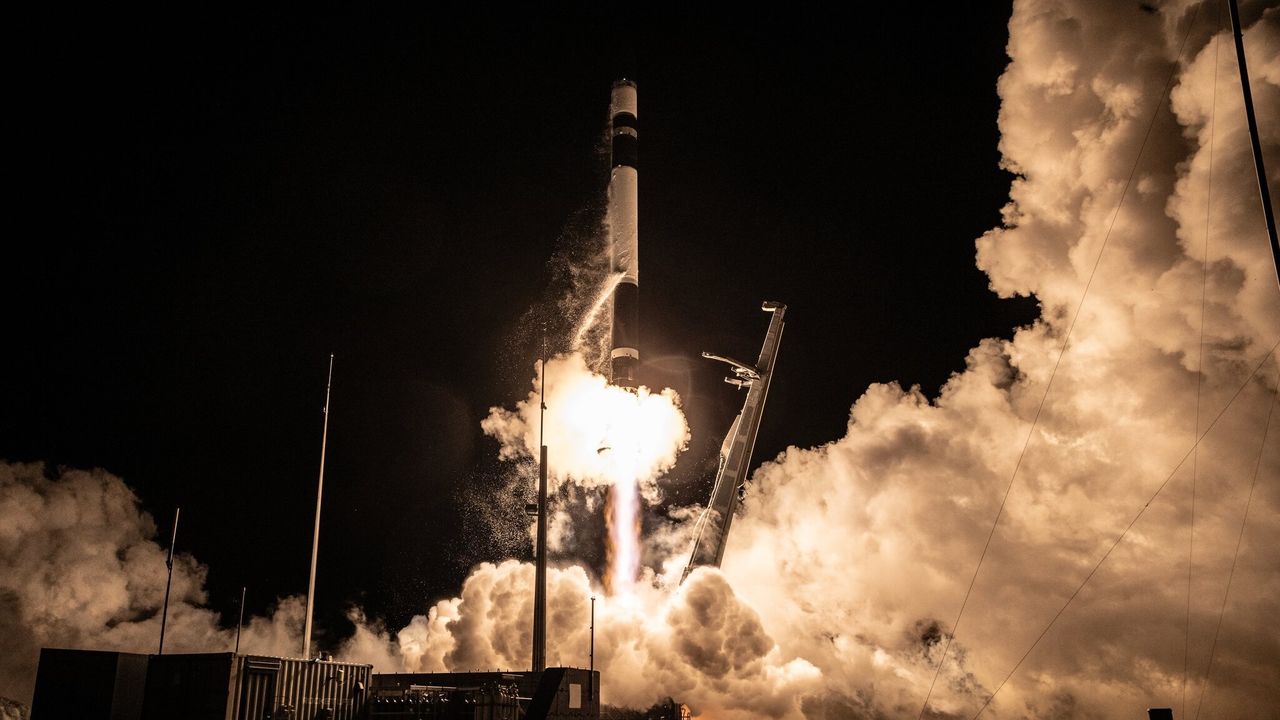
An Electron rocket lifted off from Rocket Lab's New Zealand site on Thursday (Sept. 10) at 11:28 p.m. EDT (0328 GMT and 3:28 p.m. local New Zealand time on Sept. 11).

The launched kicked off a mission the company called "Happily Ever Faster," which we know little about.

'Happily Ever Faster' to orbit 🌌✨ Today we launched our 95th Electron at 3:28 pm NZST and deployed a single Earth observation satellite to a 500km LEO for a confidential customer - our 16th mission of the year with 100% mission success. pic.twitter.com/xAsy30uyNPSeptember 11, 2026

Rocket Lab did not livestream the mission or reveal who booked it, saying only that it aimed to loft "a single commercial satellite to a 500 km low Earth orbit." That did indeed happen successfully, the company announced via X about 80 minutes after launch.

Speculation has worked to fill the information vacuum, as it generally does. For example, some outside observers think "Happily Ever Faster" carried up a "Gen-3" satellite for the geospatial intelligence company BlackSky.

These spacecraft are powerful Earth observers, capable of resolving features as small as 14 inches (35 centimeters) on our planet's surface. Rocket Lab has launched BlackSky Gen-3 satellites before, so this is a pretty good bet β€” especially since, in that post-launch X post, the company revealed that the deployed payload was an Earth-observing craft.

"Happily Ever Faster" was Rocket Lab's 16th launch of 2026, and the 13th involving the 59-foot-tall (18 meters) Electron, which gives small satellites dedicated rides to space.

The company has also launched three missions this year with HASTE, a suborbital version of Electron that tests customer equipment in a hypersonic flight environment. All 16 launches in 2026 have been successful.

  •  

2 private spacecraft zoom within 650 feet of each other to showcase 'advanced capabilities' in orbit (photos)

A pair of private spacecraft just showed off some impressive maneuverability high above Earth.

The two probes β€” Mira satellites operated by the California startup Impulse Space β€” zoomed within 650 feet (200 meters) of each other in low Earth orbit (LEO) recently. The rendezvous demonstrated skills that could be useful to a variety of customers down the road, according to the company.

"These types of dynamic, agile maneuvers are how we unlock full access to space after launch and create new mission possibilities," Tom Mueller, CEO and founder of Impulse Space (and, prior to that, the first person Elon Musk ever hired at SpaceX), said in a statement on Tuesday (Sept. 8). "Our teams that design, build and operate Mira are leading the way toward a true space age, and customers across all sectors will be the beneficiaries."

photo of a cube-shaped satellite in deep space, taken from a distance by another satellite

The LEO-3 Mira vehicle, taken from a distance of approximately 700 meters (2,300 feet) by a camera onboard LEO-2. (Image credit: Starfish Space/Impulse Space)

Mira is an orbital transfer vehicle β€” a spacecraft designed to deliver customer payloads to precise locations in Earth orbit or beyond. The dishwasher-sized Mira can carry up to 660 pounds (300 kilograms) of gear and is highly maneuverable, as the recent rendezvous showed.

The operation involved Mira satellites that launched in January 2025 and November 2025, on missions that Impulse calls LEO Express 2 (LEO-2) and LEO Express 3 (LEO-3), respectively.

a white cube on a black background

Impulse Space's LEO-2 Mira vehicle, as seen from a telescope onboard LEO-3 from a distance of approximately 5,000 meters (16,400 feet). (Image credit: HEO/Impulse Space)

The action began this past February, when the LEO-2 Mira conducted a lengthy engine burn to close in on its counterpart. LEO-2 performed additional, smaller burns throughout the spring and summer, coming into orbital alignment with LEO-3.

"Then in July, LEO-2 executed a series of close approaches to LEO-3, starting at about 820 meters [2,690 feet] apart and subsequently moving closer to LEO-3," Impulse Space wrote in the Tuesday update. "Ultimately, for the closest approach, LEO-2 maneuvered to within about 200 meters of LEO-3."

Both Miras chronicled the rendezvous, snapping photos of each other with onboard camera gear. Two other companies, Starfish Space and HEO, worked with Impulse Space to pull off this orbital photo shoot.

Two Miras β€” less than 200 meters apart! Our LEO Express 2 and LEO Express 3 spacecraft recently met for a family reunion in orbit, following a series of carefully coordinated maneuvers that brought the two vehicles within approximately two football fields of each other.The… pic.twitter.com/XoHgOzjuaLSeptember 8, 2026

Impulse has worked with Starfish before. The duo collaborated late last year on a rendezvous between LEO-2 and the first space-flown Mira, which launched on the Leo Express 1 mission in November 2023.

On that operation, called Remora, LEO 2 used Starfish Space navigation software to get within 4,100 feet (1,250 m) of LEO 1.

"We're showcasing some of the advanced capabilities that set Mira apart from other vehicles," Drew Damon, vice president of spacecraft programs at Impulse, said in Tuesday's statement. "Twice now, we've demonstrated that Mira has the agility and propulsion to support a new class of dynamic operations on orbit, and our team is excited to continue tackling the mission sets Mira is uniquely qualified to handle."

Impulse is not alone in developing and demonstrating orbital maneuverability. Such skills are a key priority of national governments, which want to service and upgrade their own satellites β€” and keep tabs on the activities of adversary craft. For example, earlier this year, two Russian spacecraft got within a mere 10 feet (3 m) of each other high above Earth.

  •  

25 years ago, a NASA astronaut witnessed the tragic 9/11 attacks from space. Here's what he saw.

Frank Culbertson had a birds-eye view of one of the most memorable and tragic events in American history.

The NASA astronaut was the only American off of Earth on Sept. 11, 2001. He was circling the planet aboard the International Space Station (ISS) when terrorists flew commercial jets into the twin towers of the World Trade Center in New York City, killing more than 2,700 people.

The ISS passed over New York shortly after the attacks took place, so Culbertson saw the devastation from an eerie remove. He shared his thoughts with Mission Control at NASA's Johnson Space Center in real time, chronicling the tragedy like no one else could.

satellite photo of a large city on a bay, with a river running through it and smoke rising from the center of the city

The aftermath of the 9/11 attacks on the World Trace Center in New York City, as seen by the astronauts onboard the International Space Station on Sept. 11, 2001. (Image credit: NASA)

"We could see New York City and the smoke from the fires," Culbertson said. "Our prayers and thoughts go out to all the people there and everywhere else here β€” I'm looking up and down the East Coast to see if I can see anything else β€” and to the people in Washington."

Terrorists hijacked four commercial planes on 9/11, flying two of them into the World Trade Center and one into the Pentagon in Washington, D.C. Passengers on the fourth plane overpowered the hijackers, forcing it to crash in a field in Pennsylvania rather than hit the terrorists' intended target, which was likely the U.S. Capitol building or the White House.

"I hope that the people responsible are caught and brought to justice as soon as possible," Culbertson added. "But first, our prayers and condolences to all involved. And I just wanted the folks to know that their city still looks very beautiful from space. I know it's very difficult for everybody in America right now, and I know folks are struggling very hard to to deal with this and recover from it. But the country still looks good, and, for New Yorkers, your city still looks great from up here."

Culbertson gave a more complete accounting of his thoughts in an open letter, which he published a day after the attacks.

"The world changed today. What I say or do is very minor compared to the significance of what happened to our country today when it was attacked," he wrote.

"It's horrible to see smoke pouring from wounds in your own country from such a fantastic vantage point," Culbertson added. "The dichotomy of being on a spacecraft dedicated to improving life on the Earth and watching life being destroyed by such willful, terrible acts is jolting to the psyche, no matter who you are."

a man floats in zero gravity holding a camera in each hand

NASA astronaut and ISS commander Frank Culbertson on Sept. 17, 2001 aboard the International Space Station. (Image credit: NASA)

Culbertson arrived at the ISS on Aug. 12, 2001 aboard the space shuttle Discovery along with cosmonauts Vladimir Dezhurov and Mikhail Tyurin. The trio comprised Expedition 3, the third-ever crewed mission to the orbiting lab, which ran through December of that year.

We're now up to Expedition 75, and there have been no breaks: The ISS has been continuously staffed by rotating astronaut crews since November 2000.

Expedition 3 was Culbertson's third and final spaceflight. He retired from NASA in August 2002 and went to work in the private sector. Among other roles, he led human spaceflight efforts at Orbital Sciences Corp., which built the Cygnus ISS resupply spacecraft. Cygnus still flies today, for the aerospace giant Northrop Grumman, which bought Orbital Sciences in 2018.

Culbertson, 77, retired from Northrop Grumman in 2018. He currently serves on the board of directors of the nonprofit Space Foundation, among other roles.
two male astronauts hold up a bag full of small american flags inside a spacecraft

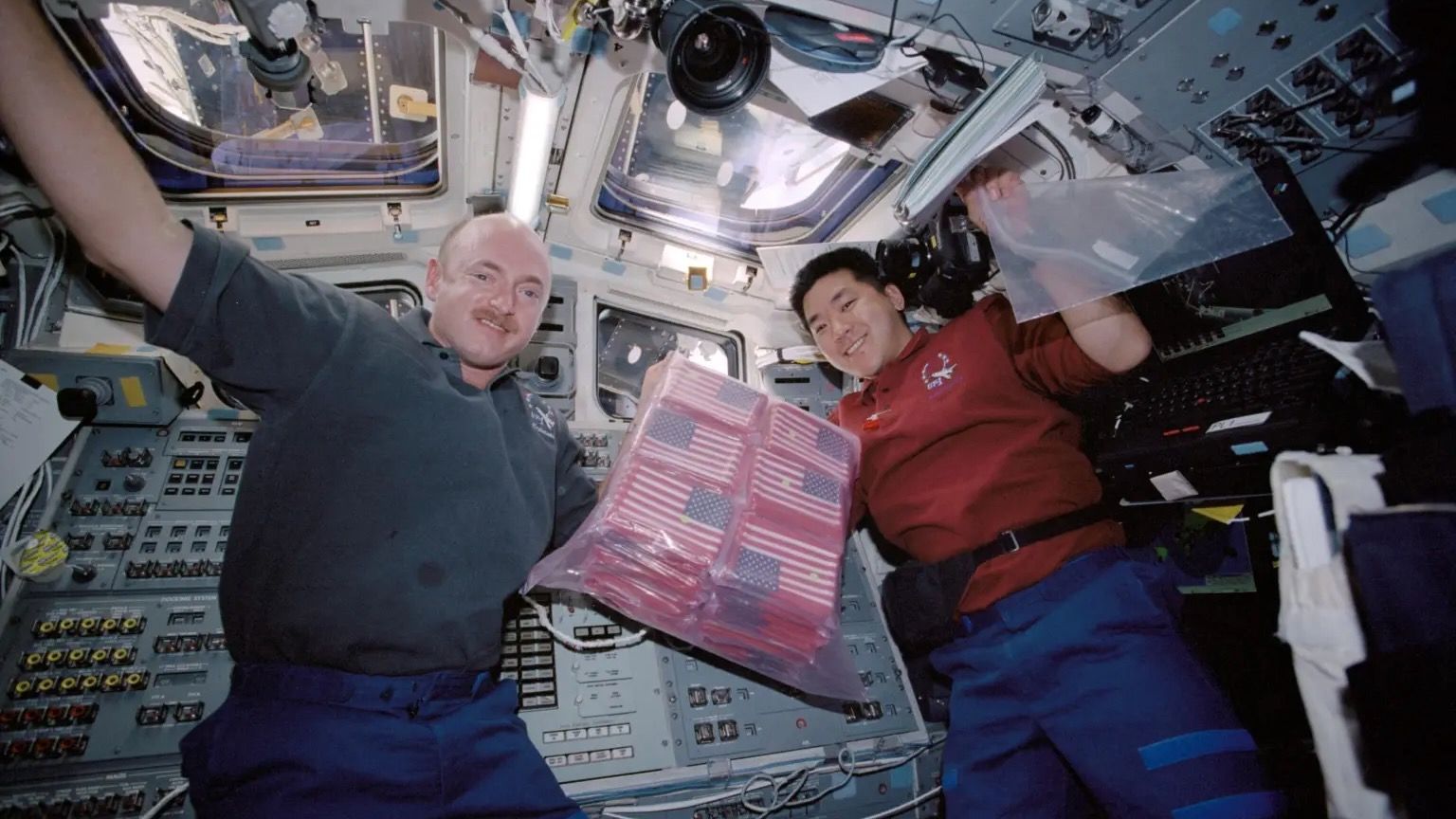
NASA astronauts Mark Kelly (left) and Dan Tani hold a bag of American flags on the flight deck of the space shuttle Endeavour. The flags carried on the shuttle included 6,000 small U.S. flags, one U.S. flag that was recovered from the debris of the World Trade Center, a Marine Corps flag that was retrieved from the Pentagon, and an American flag from the State of Pennsylvania. (Image credit: NASA)

You can read more about Culbertson's experiences on NASA's dedicated 9/11 page. That page also outlines how the agency helped emergency managers assess the damage in New York City just after the attacks and discusses some of the ways NASA has honored 9/11 victims and their families over the years.

For example, NASA flew nearly 6,000 small American flags on the STS-108 mission of the space shuttle Endeavour, which launched on Dec. 5, 2001 and landed 12 days later.

"Students working out of Johnson Space Center in Houston assembled commemorative packages that included the space‑flown flags, which were then presented to victims' families," NASA officials wrote about the project. "Distribution began on June 14, 2002 β€” National Flag Day β€” during a ceremony at the American Museum of Natural History’s Rose Center for Earth and Space in New York."

  •  

SpaceX launches classified mission for the US Space Force from California (video)

SpaceX launched a secret mission for the U.S. Space Force today (Sept. 10) from California's central coast.

A Falcon 9 rocket lifted off from Vandenberg Space Force Base today at 11:42 a.m. EDT (1542 GMT; 8:42 a.m. local time), kicking off a mission called USSF-153.

The rocket's first stage came back to Earth about 8.5 minutes later, landing in the Pacific Ocean atop the SpaceX drone ship "Of Course I Still Love You." It was the 27th flight for this particular booster, which is designated B1801. The record for a SpaceX rocket is 37, set last month during a launch of the company's Starlink internet satellites.
a black and white rocket rests on the deck of a ship at sea

The first stage of a SpaceX Falcon 9 rocket rests on the deck of a drone ship after launching the USSF-153 mission from Vandenberg Space Force Base in California on Sept. 10, 2026. (Image credit: SpaceX)

USSF-153 is a classified mission, so little is known about its payloads β€” what they are or where exactly they're headed. We didn't get much clarity from the webcast, which ended shortly after the Falcon 9's first stage landed.

However, the location of that touchdown provided some potentially useful information about USSF-153, according to NextSpaceflight.com.

The mission might be carrying "a batch of classified LEO [low Earth orbit] satellites for a U.S. government entity based on SpaceX's Starshield satellite bus, based on locations of rocket stage drop zones being exact fits with previous Starlink Group 15 launches," the outlet wrote.

"Starshield leverages SpaceX's Starlink technology and launch capability to support national security efforts," SpaceX wrote in a description of the Starshield program.

Previous Booster 1081 launches

Today's launch was the 104th Falcon 9 mission of 2026. Eighty of the rocket's flights this year have been dedicated to building out the Starlink megaconstellation, which currently consists of more than 11,000 active spacecraft.

Editor's note: This story was updated at 11:55 a.m. ET on Sept. 10 with news of successful launch and rocket landing.

  •  

Labor Day in space: NASA astronauts get the holiday off

Like most of their compatriots here on terra firma, the three Americans living off Earth will get to put their feet up today (Sept. 7).

NASA astronauts Jack Hathaway, Jessica Meir and Anil Menon will get Labor Day off aboard the International Space Station (ISS), the agency said on Friday (Sept. 4). European Space Agency astronaut Sophie Adenot, the first French woman ever to perform a spacewalk, will also be off duty.

However, the three Russian cosmonauts living on the ISS will have to clock in as usual.

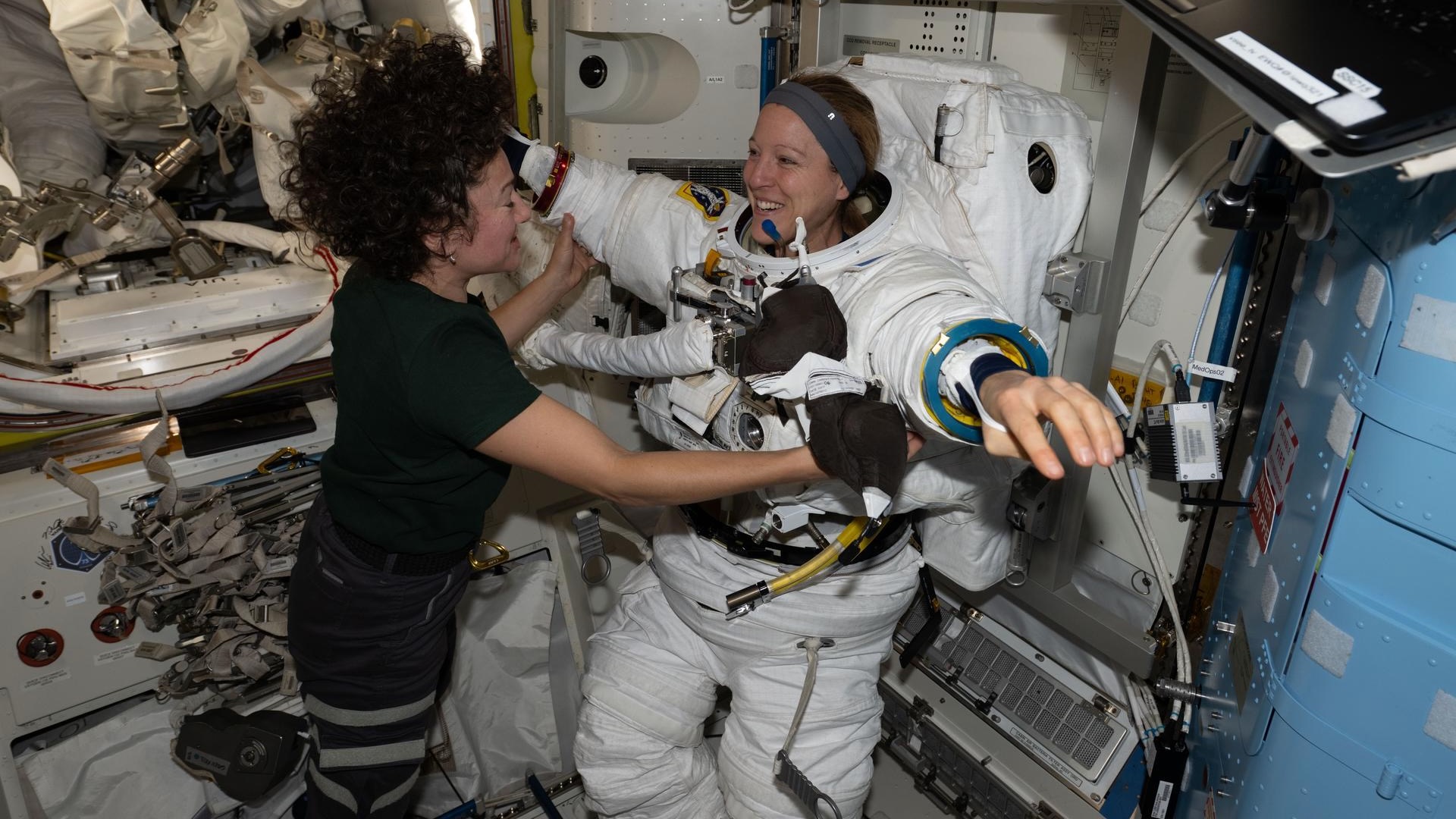
a woman in a black polo shirt helps a smiling woman put on a white spacesuit aboard the space station

NASA astronaut Jessica Meir (left) and the European Space Agency's Sophie Adenot work together inside the International Space Station’s Quest airlock during spacesuit fit and leak checks. (Image credit: NASA)
The trio β€” Pyotr Dubrov, Andrey Fedyaev and Anna Kikina β€” "will be busy monitoring the Progress 94 resupply spacecraft when it undocks on Monday, packed with trash and obsolete gear, from the Poisk module," NASA officials said in an update on Friday.
"It will be replaced by the Progress 96 resupply spacecraft after it launches from Kazakhstan's Baikonur Cosmodrome on Sept. 9 for an automated docking two days later to Poisk’s vacated port," they added.

Adenot, Feyaev, Hathaway and Meir arrived at the ISS in mid-February on SpaceX's Crew-12 mission. Dubrov, Kikina and Menon are relative newcomers, reaching the station aboard a Russian Soyuz spacecraft on July 14.

NASA astronauts on long-duration missions to the ISS generally work a relatively normal schedule, getting weekends and major holidays off. Such downtime is crucial to mission success, as it helps the spaceflyers stay happy, healthy and productive.

They may not be able to mark the holidays in exactly the same ways we do here on Earth, however. For example, the astronauts won't be grilling any hamburgers or hot dogs today, as open flames are verboten on the ISS.

As today's schedule shows, international crewmates do not always have the same days off in orbit. But they try to celebrate major holidays like Christmas together, both to cement the bonds that exist between them and to take the sting out of being so far away from family and friends.

  •  

SpaceX Falcon 9 rocket launches 27 Starlink satellites, lands on ship at sea (video)

SpaceX launched 27 more of its Starlink internet satellites to orbit today (Sept. 6).

The spacecraft rode to low Earth orbit (LEO) atop a Falcon 9 rocket, which lifted off from California's Vandenberg Space Force Base at 10:26 a.m. EDT (1426 GMT; 7:26 a.m. local California time). The Falcon 9 rose into blue morning skies β€”Β something of a rarity for California's central coast, which is often cloaked in fog.

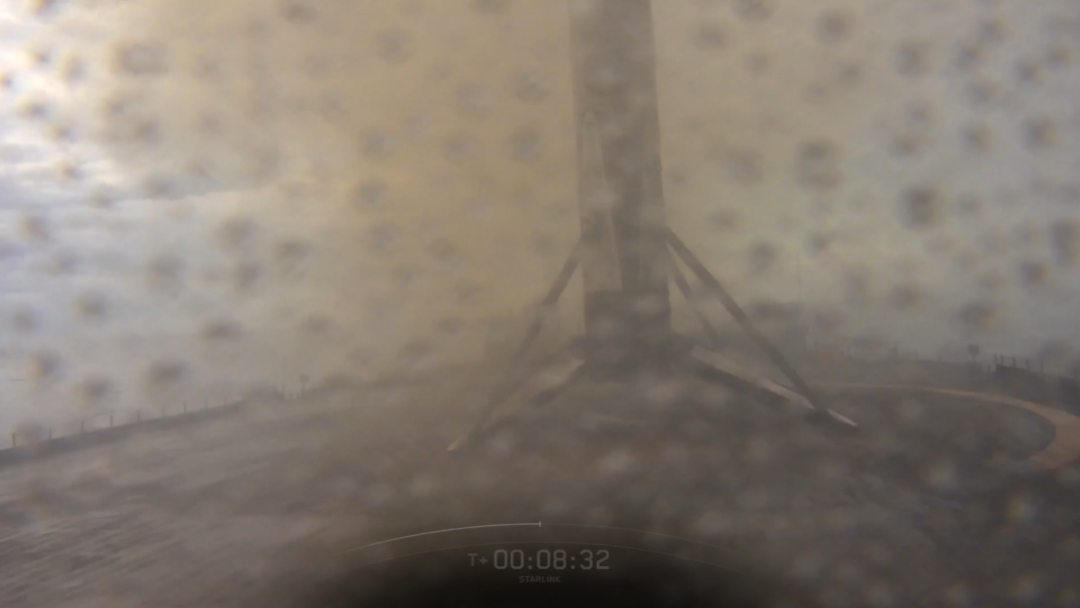
The Falcon 9's first stage came back to Earth as planned 8.5 minutes later, landing in the Pacific Ocean on the SpaceX drone ship "Of Course I Still Love You."

A black and white SpaceX satellite launches Starlink satellites from a seaside launch pad.

A SpaceX Falcon 9 rocket launches 27 Starlink satellites into orbit from Vandenberg Space Force Base in California on Sept. 6, 2026. (Image credit: SpaceX)

It was the 19th flight for this particular booster, which is designated B1088. This marks about the halfway point to the SpaceX record of 37 flights, which was set by B1067 during a Starlink launch on Aug. 25.

The Falcon 9's upper stage, meanwhile, carried the 27 Starlink satellites to LEO, deploying them on schedule 62 minutes after launch.

A sooty SpaceX rocket stands on an ocean drone ship platform after landing

SpaceX's sooty Falcon 9 rocket first stage on the drone ship Of Course I Still Love You in the Pacific Ocean after a successful launch and landing on Sept. 6, 2026. (Image credit: SpaceX)
Previous Booster 1088 launches

NROL-126 | Transporter-12 | SPHEREx | NROL-57 | 13 Starlink missions

Today's launch was the 103rd Falcon 9 mission of 2026. Eighty of those flights have been dedicated to building out the Starlink megaconstellation, by far the largest satellite network ever assembled. It currently consists of more than 11,000 active spacecraft, according to astronomer and satellite tracker Jonathan McDowell.

Starlink missions fly exclusively out of Vandenberg these days. SpaceX used to launch them from Florida as well, but the company recently put those missions on hold until it gets its Starship megarocket up and running on the Space Coast.

SpaceX will rely on Starship to launch its next-gen Starlink V3 satellites, which are bigger and more capable than the current V2. The company wants to assemble a network of about 100,000 Starlink V3s in LEO, Elon Musk has said.

  •  

Private German rocket makes history, reaches orbit from European soil

No rocket had ever reached orbit from Western European soil β€” until today.

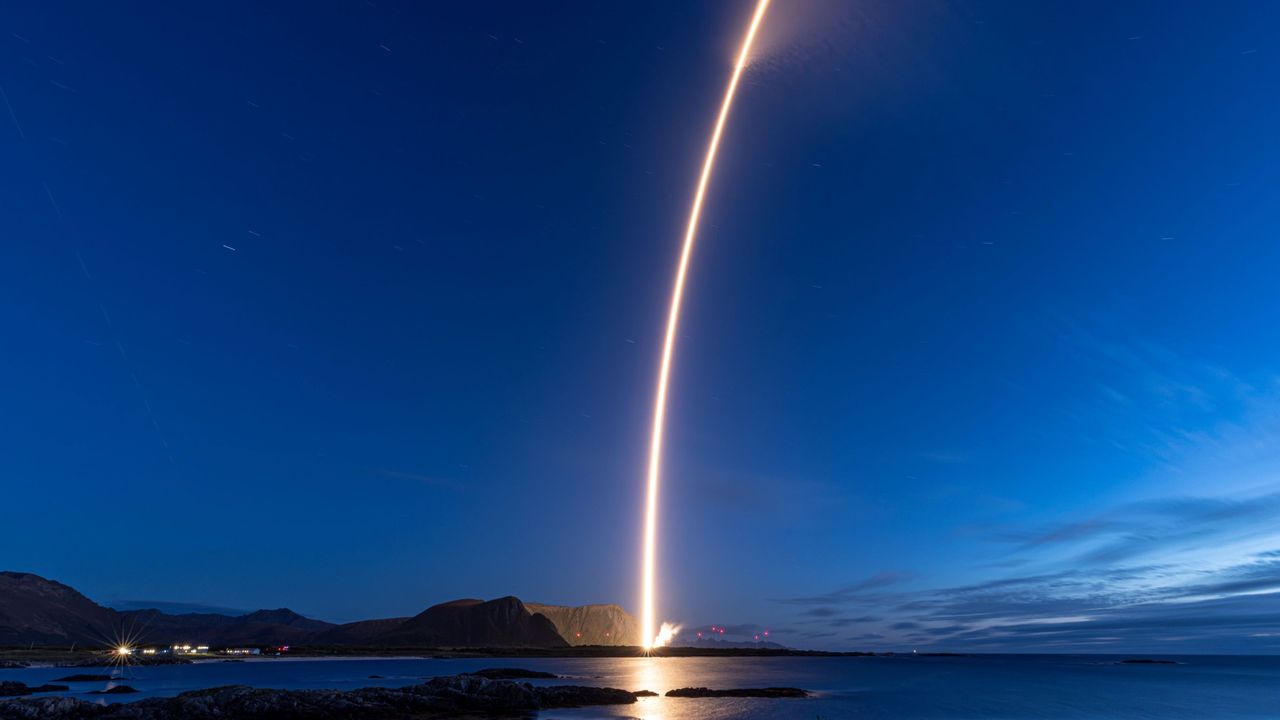
The German company Isar Aerospace launched its Spectrum rocket from AndΓΈya Space Center in northern Norway today (Sept. 5) at 4:12 p.m. EDT (2012 GMT; 10:12 p.m. local time in Norway). A little over seven minutes later, it etched its name into the record books, settling into an elliptical path around our planet.

"This is right now making history β€” making history for Spectrum, making history for Isar, making history for Europe,” Nikolaos Perakis, Spectrum chief engineer at Isar, said during today's launch webcast, which the company produced in collaboration with NASASpaceflight. "I'm incredibly proud of this massive achievement."

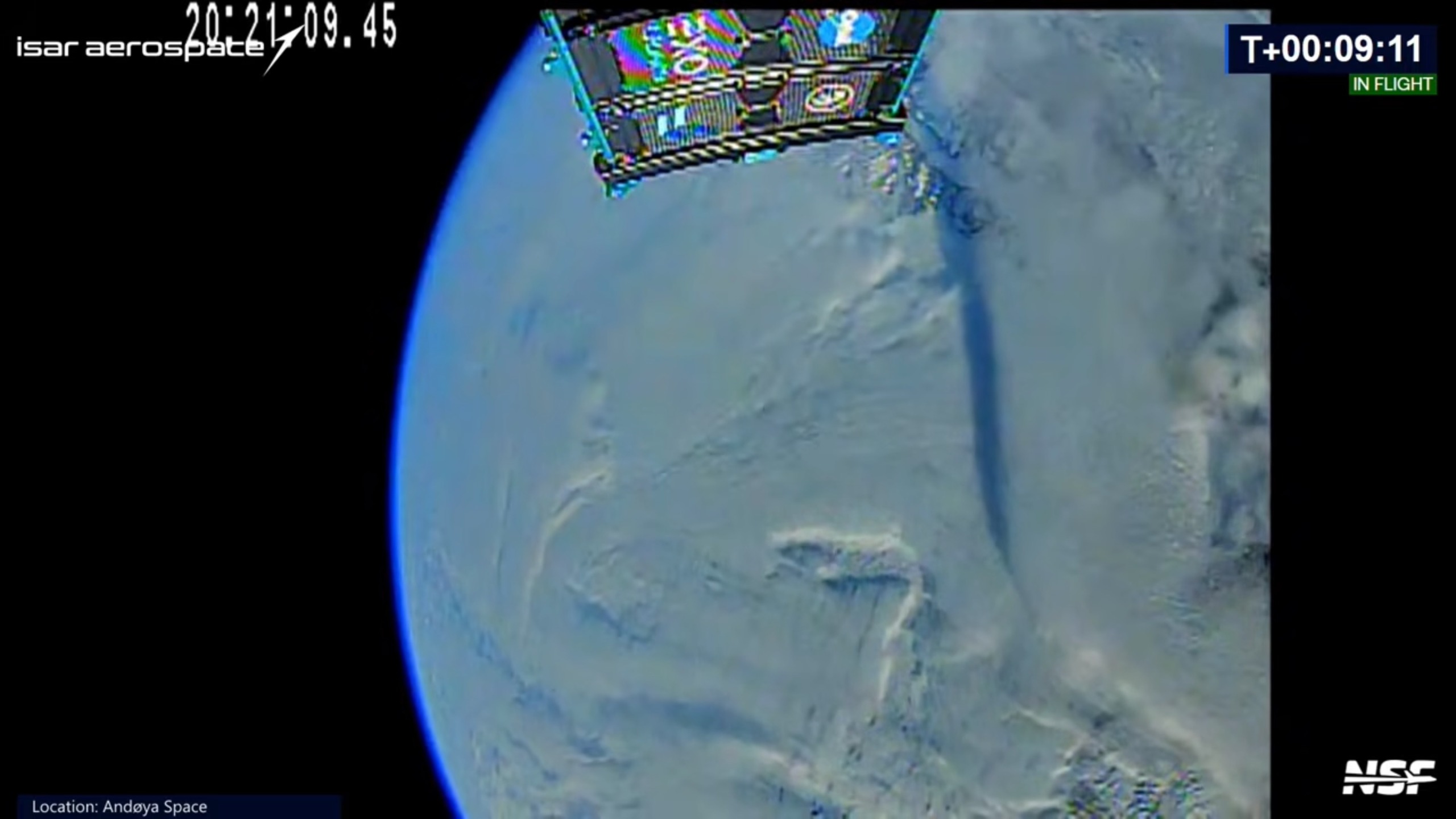
view from a rocket stage looking down at a cloudy earth

The view from the second stage of Isar Aerospace's Spectrum rocket after it reached orbit on Sept. 5, 2026. (Image credit: Isar Aerospace/NASASpaceflight)

This was Spectrum's second bite at the apple: The two-stage, 95-foot-tall (28-meter-tall) rocket first flew in March 2025, lifting off from AndΓΈya on a flight Isar called "Going Full Spectrum." But, as often happens on debut missions, Spectrum suffered an anomaly that day; it came crashing back to Earth less than a minute after launch.

"A comprehensive investigation was completed within two months of the launch," Isar wrote in a September 2025 update. "The findings identified an unintended opening of the vent valve and a loss of attitude control at the start of the roll maneuver as the initiating events that led to the in-flight failure."

The company took the lessons learned that day and geared up for flight number two, "Onward and Upward," which was originally supposed to launch in January.

An issue with a pressurization valve nixed that plan, however, pushing the flight to March. Bad weather and an intruding boat scuttled multiple attempts that month, and an April 9 try was scrubbed due to a leak in a composite overwrapped pressure vessel.

Isar next tried to fly on June 15 but stood down after "detecting off-nominal behavior in the vehicle's fluid systems," according to a company update that day on X. But the company got that issue under control, rolling Spectrum back to the pad for today's launch.

"We had some delays, obviously," Petrakis said during the webcast. "We had some setbacks, but we came back stronger from them. And it validates this tremendous amount of engineering across all the teams, and that's what brings us into orbit."

Spectrum didn't carry viable payloads on its debut flight, but it did today: Five cubesats and one non-deployable scientific experiment went up on "Onward and Upward."

Spectrum's upper stage needed to deploy those payloads before Isar could declare full mission success. And deployment couldn't occur until after the rocket performed a circularization burn to get out of its initial elliptical orbit, which was estimated to feature a closest approach to Earth of 112 miles (180 kilometers) and a farthest-away point of 311 miles (500 km).

Spectrum was able to check those boxes, ultimately deploying the payloads as planned, Isar announced via X about two hours after launch.

So today was a very big day for Isar, which is thinking big with Spectrum. The company sees the rocket β€” which can haul about 2,200 pounds (1,000 kilograms) of payload to low Earth orbit β€” becoming a workhorse launcher of small to medium-size satellites down the road, and its infrastructure supports that vision. Isar says its manufacturing facility near Munich can churn out more than 30 of the rockets per year.

β€œFlight 2 is a big, big milestone, big success," Petrakis said. "But this is just the beginning. So I'm really looking forward to the next steps."

Spectrum is the first rocket to reach orbit from Western Europe, but others have long flown from a different part of the continent β€” the Russian part. For example, Plesetsk Cosmodrome has hosted orbital launches for about six decades now. (About 25% of Russia lies in Europe, with the rest classified as part of Asia.)

Editor's note: This story was updated at 4:45 p.m. ET with news of successful launch and orbital insertion, then again at 8:35 p.m. ET with news of payload deployment.

  •  

'Launching anywhere, anytime and without compromise': Rocket Lab unveils new 'GHOST' portable spaceport system

Rocket Lab plans to start launching even more frequently and flexibly, thanks to a new portable spaceport system called "GHOST."

GHOST β€” short for "Global Hypersonic & Orbital Spaceport Technology" β€” turns the company's "Electron and HASTE rockets into a launch-anywhere, launch-anytime capability for multi-launch flight campaigns and critical national security missions," Rocket Lab representatives said in a statement today (Aug. 10).

"Packaged entirely within standard shipping containers, GHOST deploys complete rockets, launch infrastructure, ground support and range control systems anywhere in the world," they added.

Electron is Rocket Lab's workhorse orbital rocket, giving small satellites dedicated rides to the final frontier. The expendable 59-foot-tall (18-meter-tall) launcher debuted with a test flight in 2017 and has 83 missions under its belt to date.

As its full name suggests, HASTE ("Hypersonic Accelerator Suborbital Test Electron") is a suborbital version of Electron that customers use to test various technologies in the hypersonic flight environment. HASTE first flew in June 2023 and has flown nine times to date, most recently in June of this year.

Rocket Lab currently flies from two different launch sites β€” one on the North Island of company founder and CEO Peter Beck's native New Zealand and one at Wallops Island in Virginia. But the company recently announced plans to fly out of Alaska's Pacific Spaceport Complex as well, and GHOST will expand its launch footprint even further.

"Electron and HASTE revolutionized small orbital launch and hypersonic testing. Now we're making it easier to deploy them wherever they're needed most, whether that's for missile defense testing or sovereign orbital launch capability," Beck said this afternoon during Rocket Lab's second-quarter 2026 earnings call.

"We've mastered the art of building launch sites," he added. "Now we're making them deployable worldwide."

Rocket Lab intends to deploy its two planned pads at the Pacific Spaceport Complex using GHOST, Beck said during the call. The company was inspired to develop the portable spaceport system, he added, to meet the needs of a HASTE customer, who expressed a desire for Rocket Lab to be "a little bit more mobile than we are."

Rocket Lab currently flies out of two pads at its New Zealand site and one at Wallops, though it has built a second pad at the Virginia facility to accommodate launches of its coming Neutron rocket.

Neutron will be bigger and more powerful than Electron, and partially reusable as well; its first stage is designed to come back to Earth for recovery and reflight, like SpaceX's Falcon 9.

Rocket Lab originally wanted to fly Neutron for the first time in 2024, but the new launcher has yet to leave the ground. Such delays aren't uncommon in the case of new rockets, and the company is making considerable progress with Neutron, according to Beck.

"Every part of the vehicle has now seen significant testing," he said during today's call. "As with any complex development program, we've had to tweak a few things along the way, but we're moving now into final checkout and assembly of all of our flight hardware before integrating them at the pad."

The company is on target to deliver the first Neutron to that Wallops pad in the fourth quarter of this year, Beck added.

  •  

Japanese H3 rocket launches 10,800-pound navigation satellite to high Earth orbit (video)

Japan's H3 rocket flew for the ninth time ever this afternoon (Aug. 10).

The H3 lifted off from Tanegashima Space Center today at 3:23 p.m. EDT (1923 GMT; 4:23 a.m. on Aug. 11 local time), carrying the Michibiki 7 navigation satellite aloft.

The H3's upper stage deployed Michibiki 7 into its target orbit 29 minutes later, eliciting cheers from the folks in mission control.

closeup of the bottom third of a rocket in flight at night, riding into a dark sky atop a pillar of bright yellow-orange exhaust

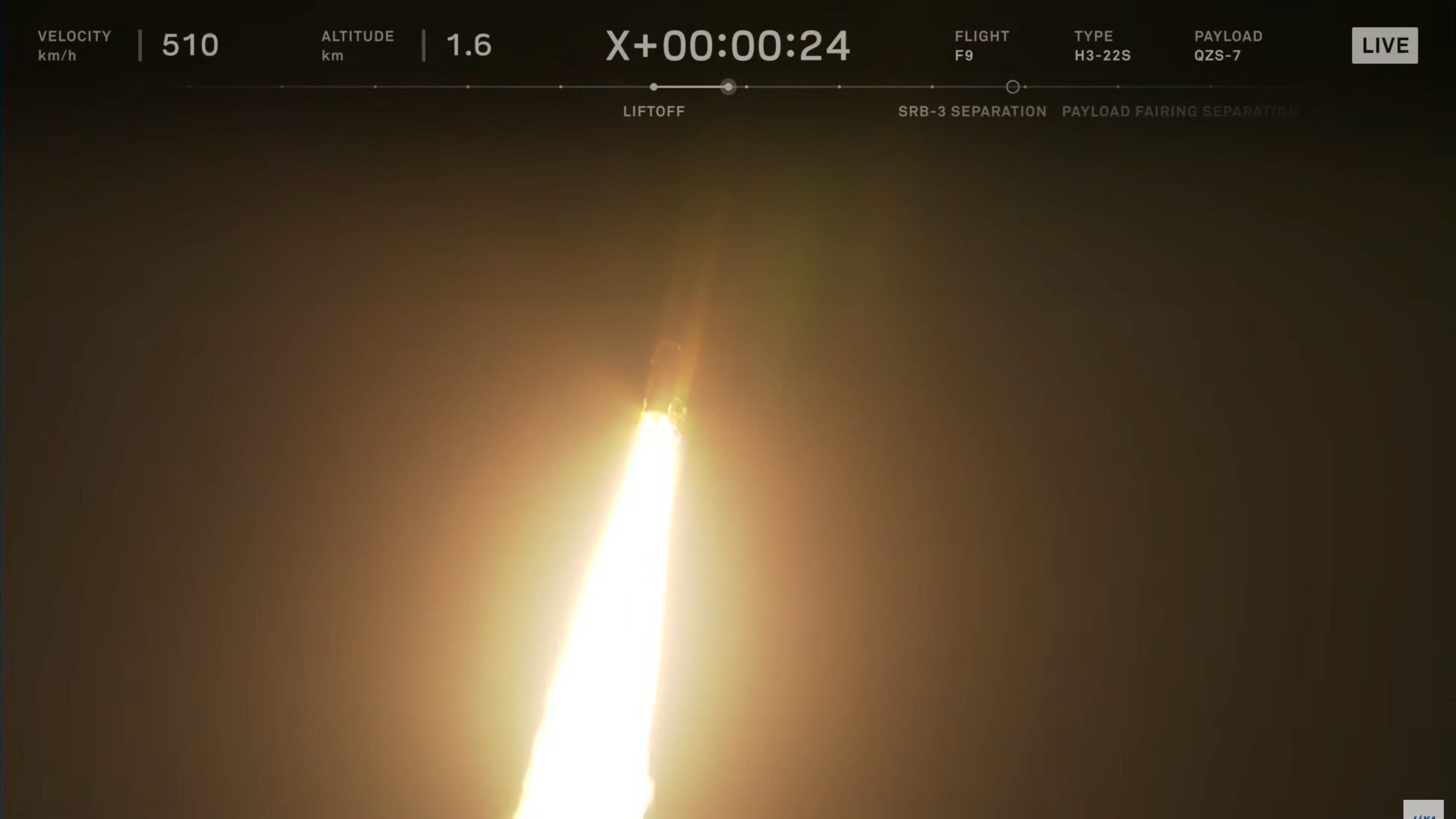
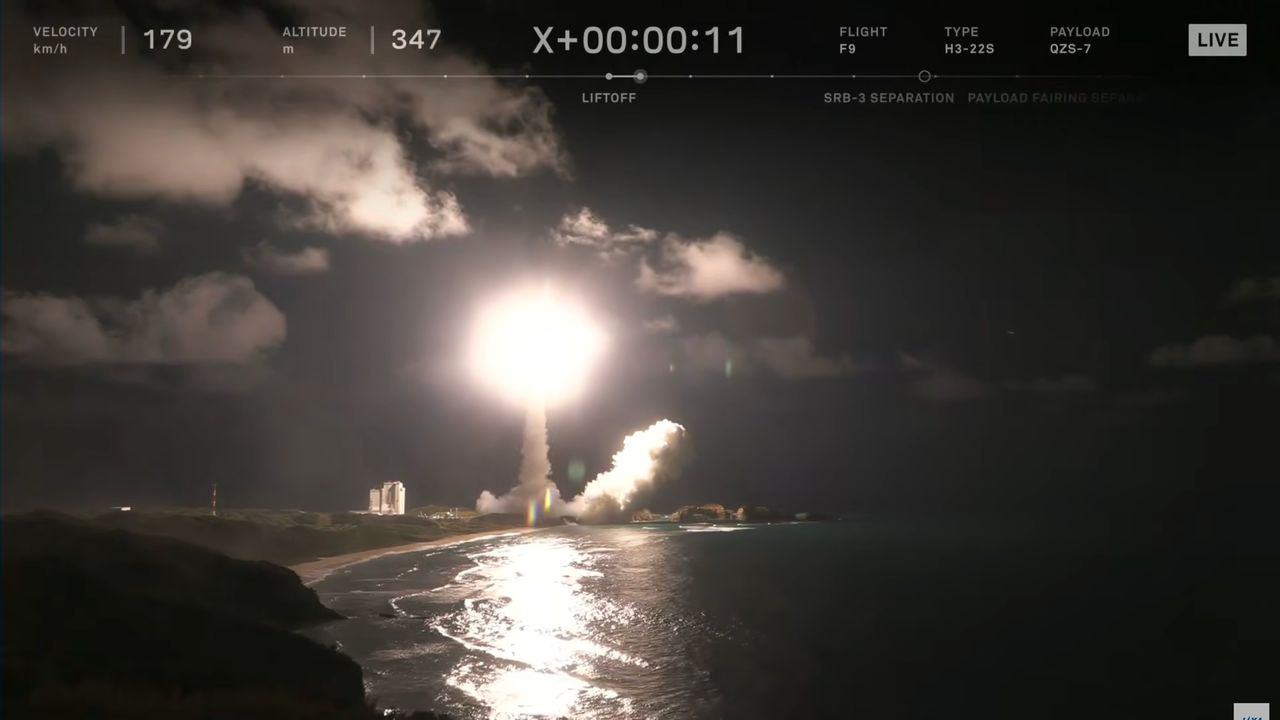
A closeup of the H3's first stage powering the rocket to orbit on Aug. 10, 2026. (Image credit: JAXA)

The two-stage H3 is the successor to Japan's workhorse H-2A rocket, which retired last year after a total of 50 flights.

The H3 β€” which stands 187 feet or 207 feet (57 or 63 meters) tall, depending on what type of payload fairing it employs β€” debuted in March 2023 and had eight liftoffs under its belt before today.

Two of those eight were failures β€” the debut flight and the launch of Michibiki 5 in December of last year. But the H3 bounced back from that latter anomaly two months ago, successfully delivering six satellites to orbit on June 11.

Michibiki 7 will be part of Japan's Quasi-Zenith Satellite System (QZSS), a homegrown navigation system that operates high above Earth in geosynchronous orbit.

"This system is compatible with GPS satellites and can be utilized with them in an integrated fashion," Japanese officials wrote in a description of the QZSS project. "QZSS can be used even in the Asia-Oceania regions with longitudes close to Japan, so its usage will be expanded to other countries in these regions as well."

The QZSS network will eventually consist of 11 satellites, if all goes according to plan. There are five such spacecraft operating in orbit at the moment.

Michibiki 7 is carrying a payload for the United States as well — the Situational Awareness Camera Hosted Instrument (SÃCHI), which was developed for the U.S. Space Force by the MIT Lincoln Laboratory. This is the second of two SACHIs to go up on a QZSS satellite; Michibiki 6, which launched atop an H3 in February 2025, hosts the other one. (Yes, Michibiki 6 launched before Michibiki 5.)

"This program will allow the United States to monitor satellite behavior within the GEO belt over a very interesting part of the world," Mark Huber, a technical staff member in the Lincoln Laboratory's Space Systems and Technology Division, said in a statement in December 2020.

"It is also a pathfinder in several ways," he added. "The U.S. team is blueprinting methods to allow sensitive data sharing between the United States and Japan."

Editor's note: This story was updated at 3:55 p.m. ET on Aug. 10 with news of successful launch and satellite deployment.

  •  

SpaceX launches 24 Starlink satellites to orbit from California (video)

SpaceX launched another batch of its Starlink broadband satellites to orbit today (Aug. 8) from California's scenic central coast.

A Falcon 9 rocket lifted off from Vandenberg Space Force Base today at 12:35 p.m. EDT (1635 GMT; 9:35 a.m. local time), carrying 24 of the internet-beaming spacecraft to low Earth orbit (LEO).

The rocket's first stage returned to Earth as planned about 8.5 minutes later, landing in the Pacific Ocean atop the SpaceX droneship "Of Course I Still Love You." It was the 16th flight for this particular booster, which is designated B1093.

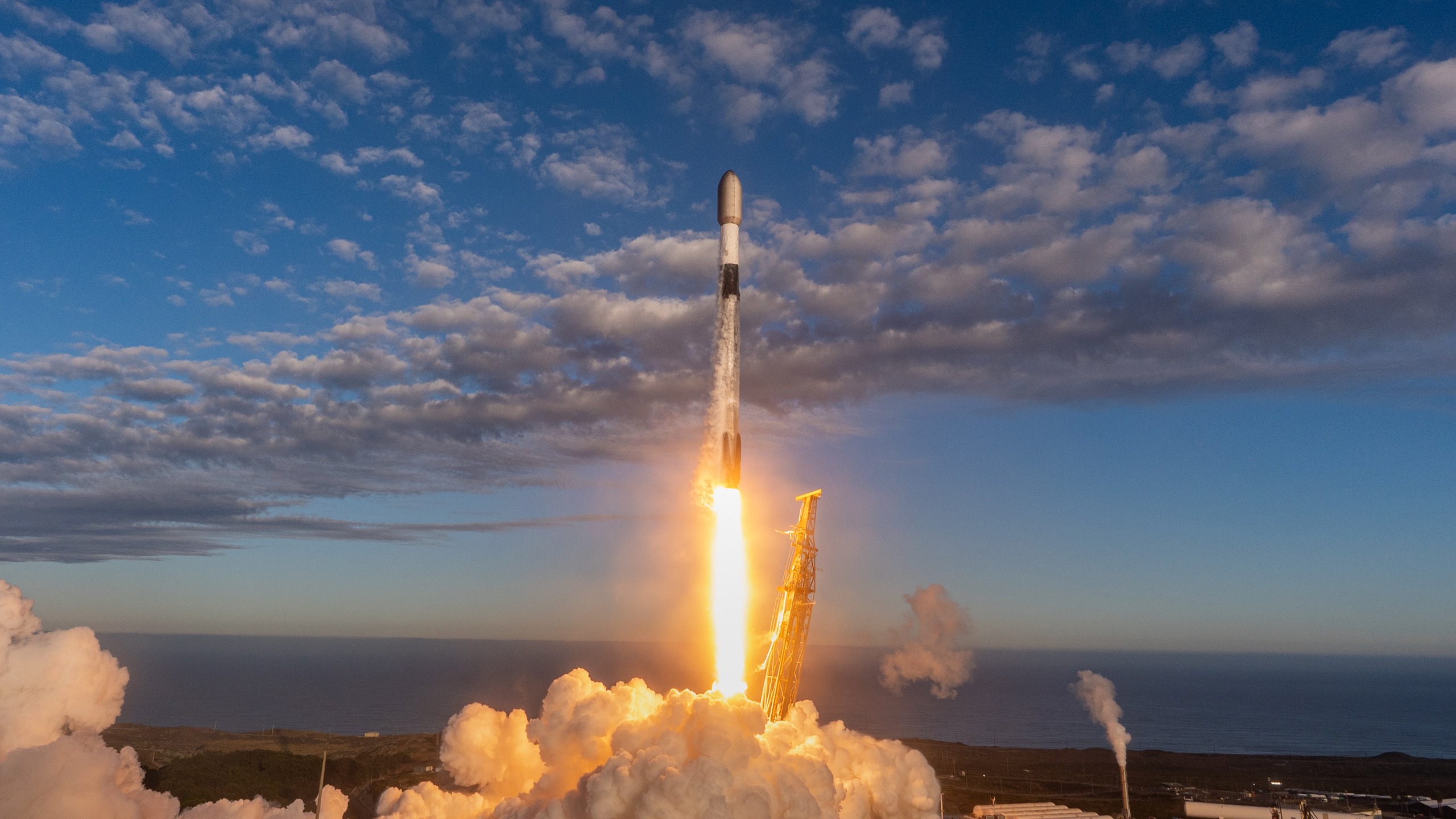
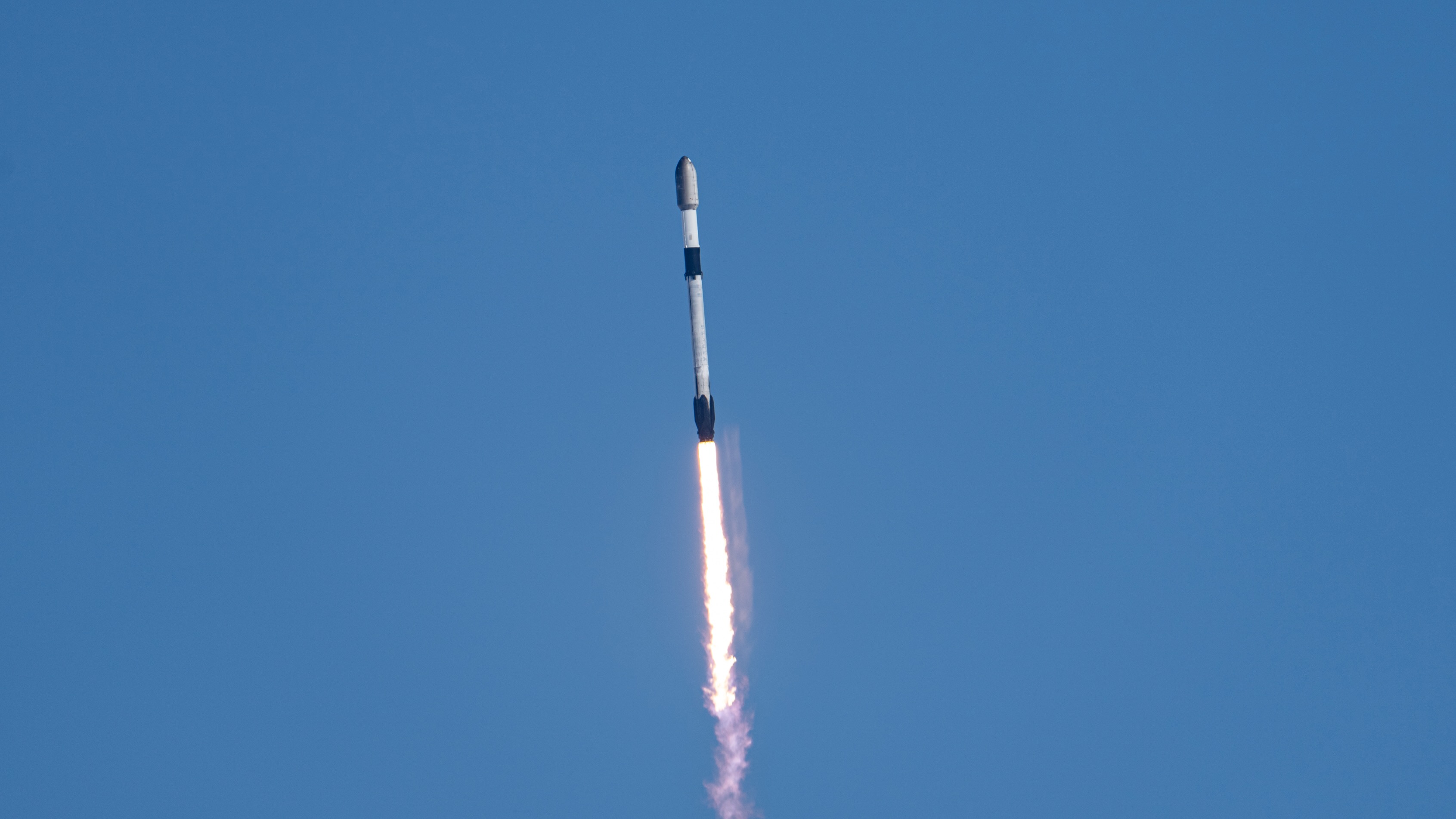
a black-and-white spacex falcon 9 rocket launches into a blue sky.

A SpaceX Falcon 9 rocket launches 24 Starlink internet satellites from California's Vandenberg Space Force Base on Aug. 8, 2026. (Image credit: SpaceX)

B1093's most recent flight before today was on July 14, when it launched 27 Starlink satellites to LEO from Vandenberg.

Meanwhile, the Falcon 9's upper stage continued carrying the 24 Starlink satellites toward LEO today, deploying them about 61 minutes after liftoff as planned.

Previous Booster B1093 launches

SDA-T1TL-B | SDA-T1TL-C | Transporter-16 | 12 Starlink missions

Today's launch was the 92nd Falcon 9 liftoff of 2026, and the 71st of the year devoted to building out the Starlink megaconstellation.

Starlink, by far the largest orbiting network ever assembled, currently consists of more than 10,900 active satellites β€” and it's growing all the time.

  •  

SpaceX serious about building factories on the moon: 'It’s going to happen,' Elon Musk says

As usual, SpaceX is dreaming big.

The company plans to build factories on the moon, using robots to do much of the heavy lifting, Elon Musk said on Tuesday (Aug. 4) during SpaceX's first-ever quarterly earnings call.

"We are going to land a lot of tonnage on the moon," he said. "We're going to build the factories on the moon. The robots will be helpful with that."

This is not a newly revealed vision; Musk first laid it out in February, in a blog post that announced SpaceX's purchase of xAI, a company that the billionaire entrepreneur founded in 2023. But Musk doubled down on it this week, showing investors that off-Earth manufacturing is very much front-of-mind for SpaceX.

The factories in question will build SpaceX's Starmind AI satellites, if all goes according to plan. The company aims to operate a million-strong Starmind constellation in Earth orbit in the coming years, and then go farther afield with the craft after that.

Eventually, SpaceX wants to launch locally made Starmind satellites off the lunar surface using electromagnetic mass drivers β€” basically, extremely powerful rail guns.

"Using robots on the moon to scale up manufacturing on the moon β€” which, I know it sounds, like, super sci-fi right now, but it's going to happen β€” will enable us to build the mass accelerator on the moon," Musk said.

"And if you have a mass accelerator on the moon, and you have solar and radiator production on the moon, you can β€” I know this sounds totally nuts β€” but you can you can probably scale to 1,000 times the economy of Earth in terms of intelligence launched to space, but probably, you know, maybe even a million times," he added.

"Solar and radiator production" refers to the manufacture of key Starmind satellite components: solar panels to power them and radiators to dump the large amounts of heat they'll produce into the vacuum of space.

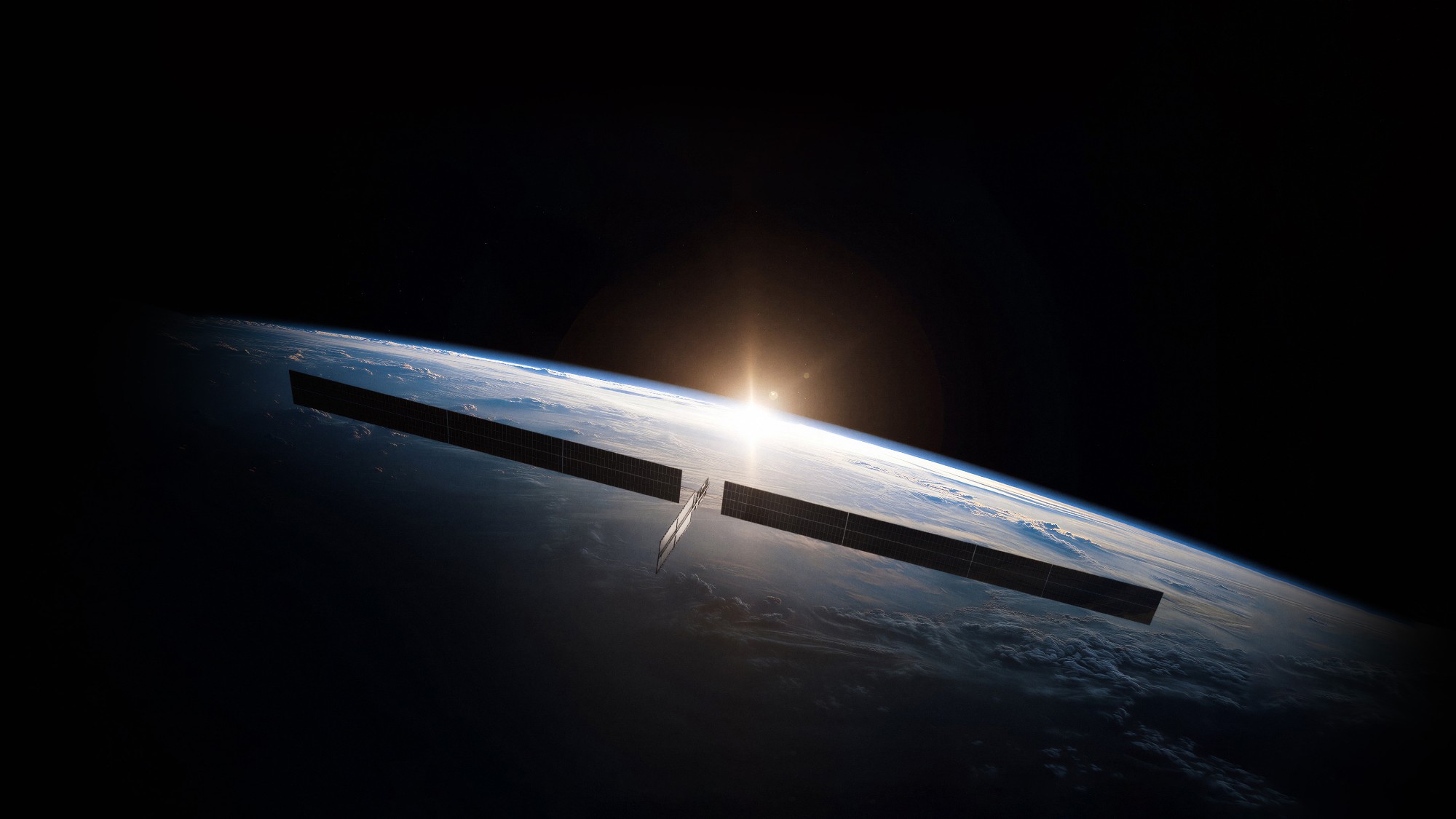
A rendering of one of SpaceX's planned

A rendering of one of SpaceX's planned "Starmind" AI satellites in orbit. (Image credit: SpaceX)

Musk didn't provide details about the robotic lunar labor force. But he's presumably counting on Optimus, a humanoid robot built by another one of his companies, the carmaker Tesla. Musk has previously said that SpaceX will launch some Optimus units to Mars in the near future, to help pave the way for human settlement of the Red Planet.

Those robots will fly on Starship, SpaceX's fully reusable next-gen megarocket, which is currently gearing up for its 14th test flight. Indeed, Starship is key to most of the company's plan's both in Earth orbit and beyond.

"Starship aims to quadruple payload capacity and reduce launch costs by 10 times compared to our Falcon 9 rocket, unlocking significant capabilities across all of our business segments," SpaceX Chief Financial Officer Bret Johnsen said during Tuesday's earnings call.

"We continue to make progress building the infrastructure required to support thousands of Starship launches per year, including accelerating Raptor and launch vehicle production, the buildout of our gigabays, and making significant progress towards activating multiple launch pads at Starbase and in Cape Canaveral at Pad 39A and Pad 37," he added. (Raptor is the engine that powers Starship, and Starbase is SpaceX's South Texas site, which serves as the current hub of Starship manufacturing, testing and launch activities.)

Tuesday's call was a landmark for SpaceX β€” its first as a publicly traded company. Musk founded SpaceX as a private concern in March 2022 and took it public this past June, via the richest IPO in history.

The IPO raised $86 billion and valued SpaceX at $1.77 trillion. Only six American companies had higher market capitalizations at the time β€” NVIDIA, Apple, Alphabet (Google), Microsoft, Amazon and the semiconductor manufacturer Broadcom. (Market caps fluctuate all the time, going up and down with companies' stock prices.)

The main point of Tuesday's call was to discuss SpaceX's first-ever earnings report, which covered the second quarter of this year. The company's revenue over that stretch was $7.8 billion, a 92% increase over the same period in 2025, according to the report. SpaceX lost more money than it made during Q2 2026, but the shortfall was considerably smaller than in Q2 2025 β€” $541 million versus $1.0 billion.

  •  

'Not looking good right now': Starship likely to be lost at sea 2 weeks after epic 13th test flight, Elon Musk says

It looks like Starship's two-week-long ocean adventure won't have a happy ending.

The SpaceX megarocket conducted its 13th test flight on July 24, lifting off from the company's Starbase site in South Texas. Things went pretty well on Flight 13, especially for Starship's 171-foot-tall (52 meters) upper stage, known as Ship, which splashed down as planned in the Indian Ocean off the coast of Western Australia.

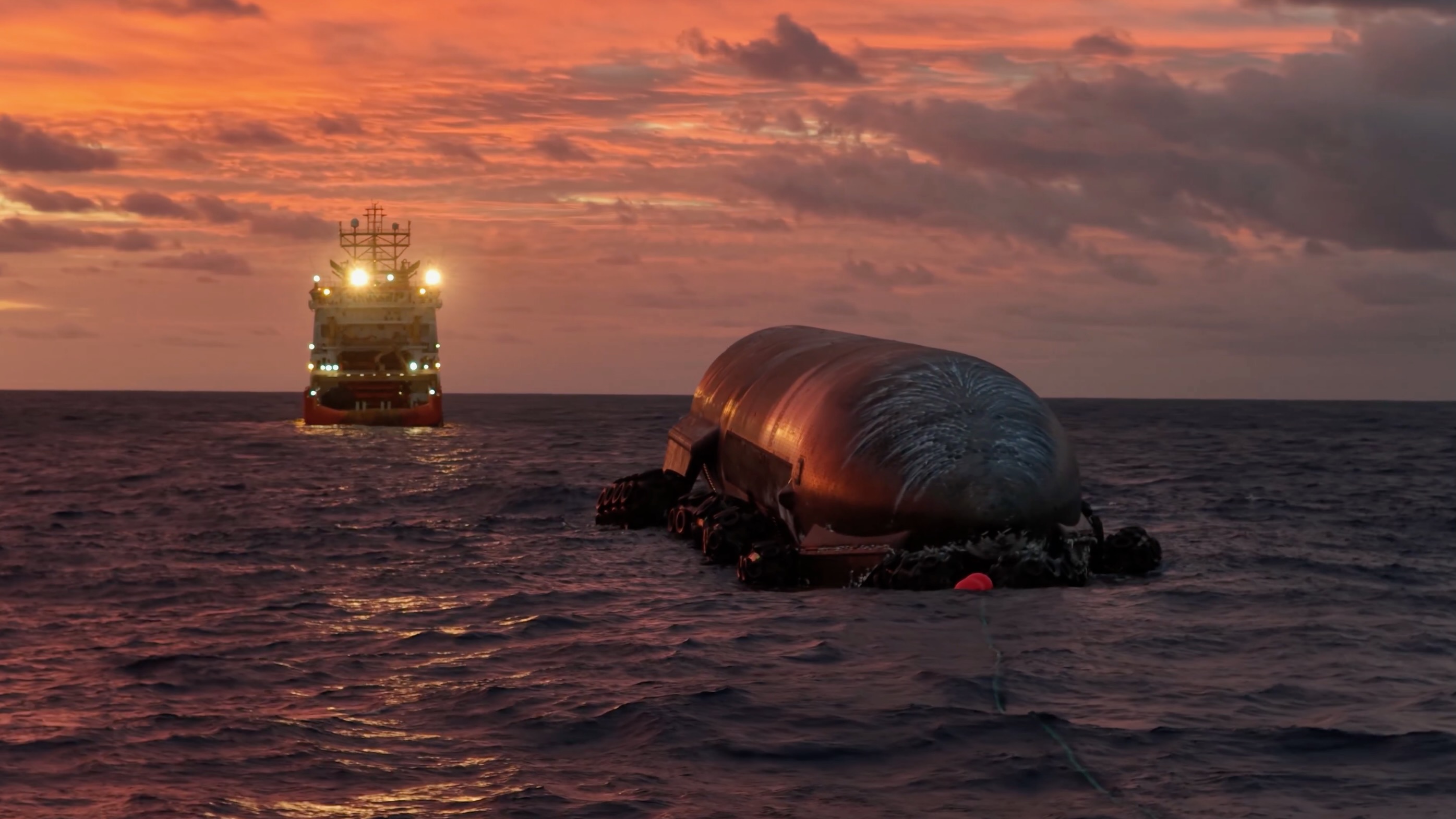
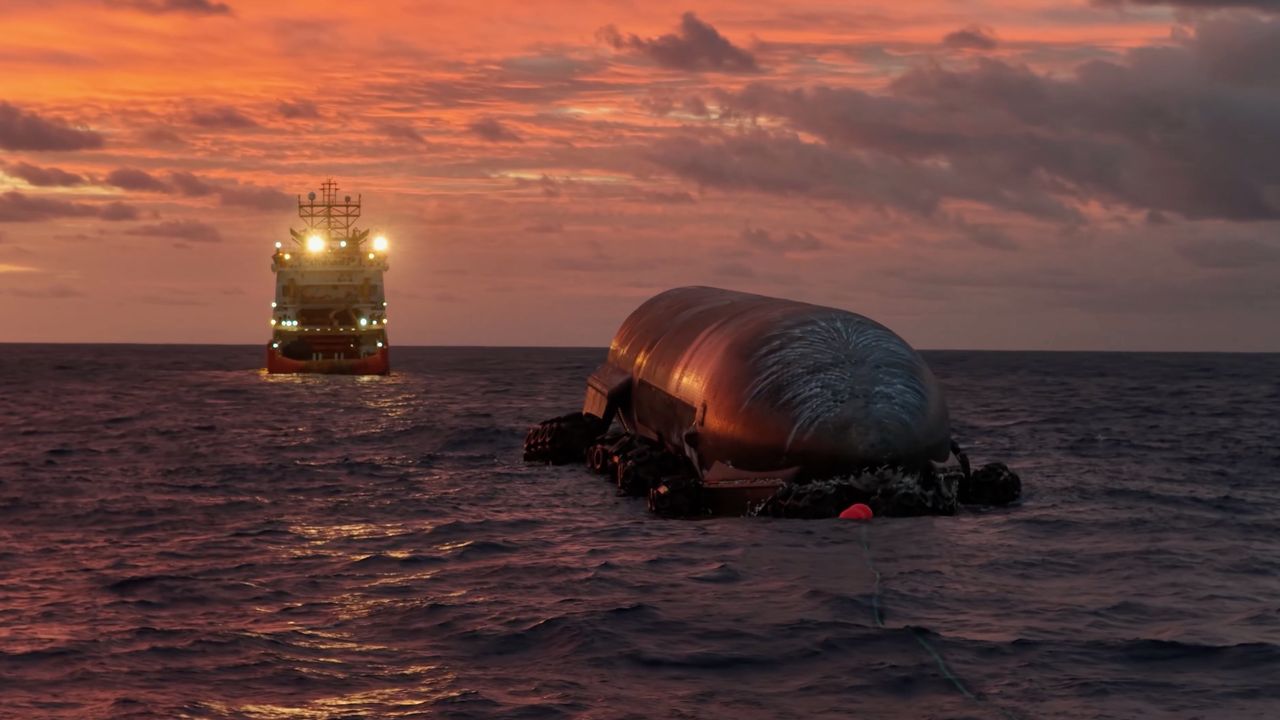
In an unexpected first, Ship survived that homecoming, staying in one piece even after toppling over and hitting the waves. It remains intact still, and SpaceX is towing it toward shore in Western Australia to get a better look. But the ambitious effort is unlikely to succeed, SpaceX founder and CEO Elon Musk told us today (Aug. 7).

SpaceX works to get the upper stage from Starship's 13th test flight to shore from its Indian Ocean splashdown site. This is a screenshot from a video the company posted on X on Aug. 7.

SpaceX works to get the upper stage from Starship's 13th test flight to shore from its Indian Ocean splashdown site. This is a screenshot from a video the company posted on X on Aug. 7. (Image credit: SpaceX)

"Unfortunately, ship recovery is not looking good right now. Nonetheless, we were able to obtain close-up photos of critical regions of the heat shield and engines for future upgrades," Musk wrote this afternoon via X, the social media site he owns.

He was responding to a SpaceX post from an hour or so earlier, which provided an update about the recovery effort and shared two photos and a video of the activities.

The recovery team has "been overcoming challenging conditions and increasingly rough seas as they attempt to guide the 52m long spacecraft to port," SpaceX wrote in the post.

The SpaceX Recovery team is still working to recover Flight 13’s Starship from the Indian Ocean. They’ve been overcoming challenging conditions and increasingly rough seas as they attempt to guide the 52m long spacecraft to port pic.twitter.com/ECT5FyCvr7August 7, 2026

Starship is the biggest and most powerful rocket ever built, standing about 408 feet (124 meters) tall when stacked. Both of its stages β€” Ship and the Super Heavy booster β€” are designed to be fully and rapidly reusable, a breakthrough that SpaceX thinks will revolutionize spaceflight.

A key enabler of rapid reuse is Ship's heat shield, which protects the vehicle during its downward trips through Earth's atmosphere. Musk has described heat shield development as perhaps the biggest challenge on Starship's road to operational flight β€” but that challenge may now be in the rearview mirror.

"I don't want to jinx it or anything, but I think I'd consider the heat shield problem solved at this point," Musk said on Tuesday (Aug. 4), during SpaceX's first-ever quarterly earnings call.

It's no surprise that Starship and Flight 13 came up in that call. The megarocket is key to SpaceX's ambitious future plans, which include assembling and operating a million-satellite AI constellation in Earth orbit.

Flight 13 was similar to previous Starship test missions; it was a suborbital jaunt that ended with Super Heavy coming down in the Gulf of Mexico and Ship landing in the Indian Ocean.

There was a big milestone, however, in addition to Ship's unexpected transition to seagoing vessel: During its time in space, the upper stage deployed 20 functional Starlink V3 satellites, the bigger, next-gen variant of SpaceX's broadband spacecraft.

These satellites quickly came back down to Earth on July 24, but Flight 13 was a vision of the future nonetheless. SpaceX wants to operate a constellation of 100,000 or so Starlink V3s, and this network will be lofted by Starship.

  •  
❌