❌

Reading view

For the first time, the US military confirms it has deployed weapons in orbit

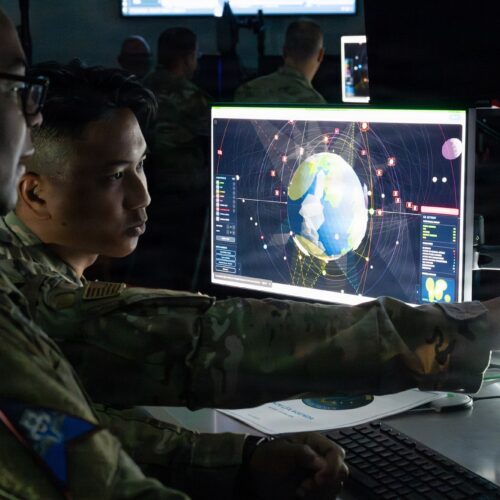
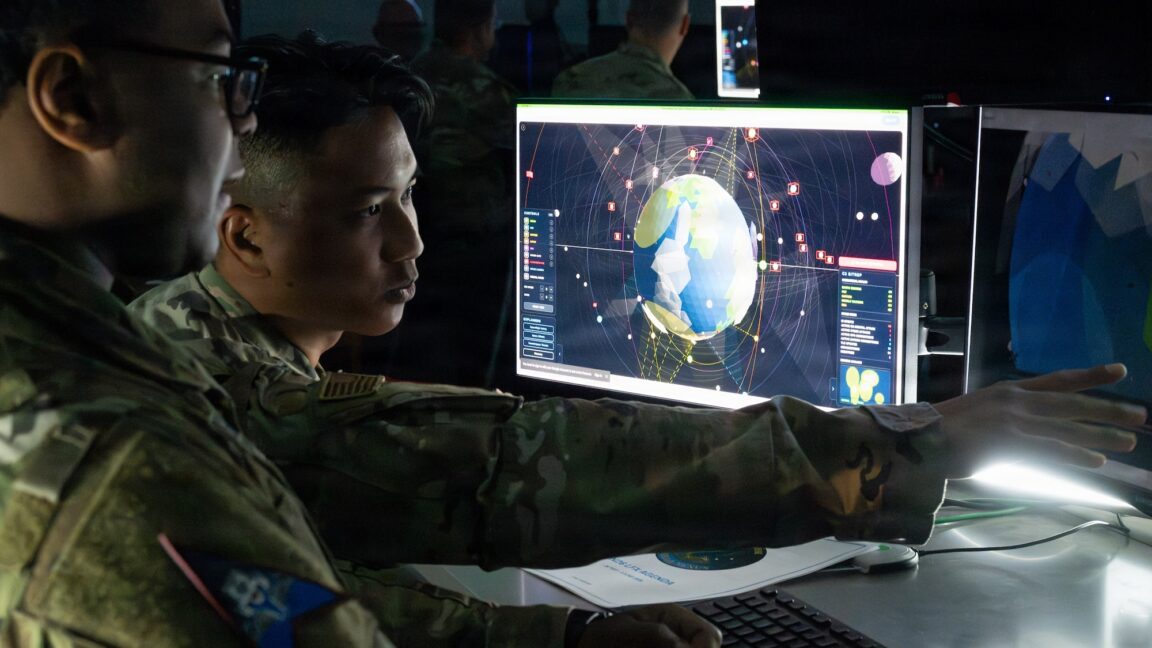
Air Force Secretary Troy Meink made the first public declaration Monday that the United States has placed "space control weapons" in orbit, an announcement that will surely reverberate in the power centers of Beijing and Moscow.

Space Force officials have previously expressed their interest in acquiring space-based weapons, and Pentagon leaders have become more open to discussing space warfare in recent years. Therefore, Meink's announcement Monday at the Air and Space Forces Association's annual Air, Space & Cyber Conference near Washington, DC, was not entirely unexpected.

β€œToday, we continue to ensure we remain ready to meet the challenges of evolving threats, wherever they exist. This is why the United States now has on-orbit space control weapons capable of defending the joint force against hostile adversary action,” Meink said in prepared remarks.
Read full article

Comments

Β© US Space Force/David Dozoretz
  •  

Some satellite companies still have an appetite for boutique launch services

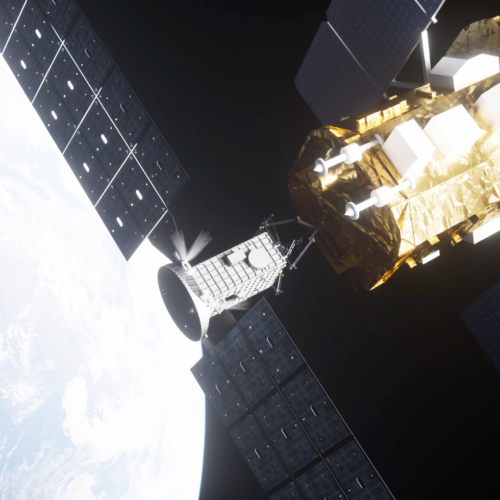
If you ask most satellite companies aside from SpaceX, they will tell you the world doesn't have enough capacity for launching payloads into orbit. This is despite the blistering launch cadence we've seen around the world in recent years, led by SpaceX's Falcon 9 rocket.

Customers in any sector will, of course, usually welcome competition. Theoretically, competition will lead to lower prices and allow the best to rise to the top. It seems like the customers buying launch services were right. SpaceX is dialing back its Falcon 9 launch program, and there is no certainty about when SpaceX's reusable next-generation super-heavy-lift rocket, Starship, will carry anything to orbit besides the company's own Starlink satellites.

So it's no surprise satellite operators are cheering the success of a new launch provider. This was especially the case a few days ago, when Germany's Isar Aerospace reached orbit for the first time with its Spectrum rocket. The launcher delivered a batch of CubeSats to low-Earth orbit from a spaceport in northern Norway, and Isar tasted success after its first test flight ended in failure last year.

Read full article

Comments

Β© Isar Aerospace

  •  

German company becomes first in Europe to launch fully commercial orbital rocket

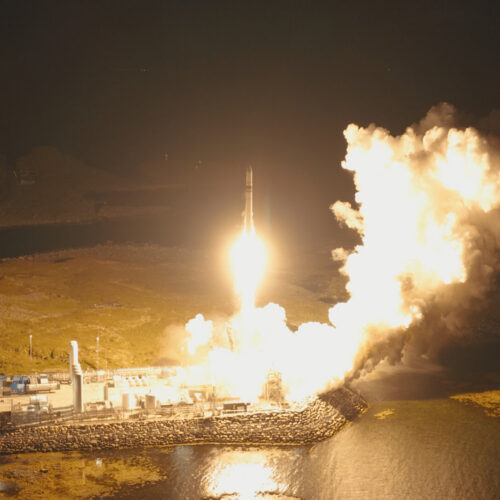
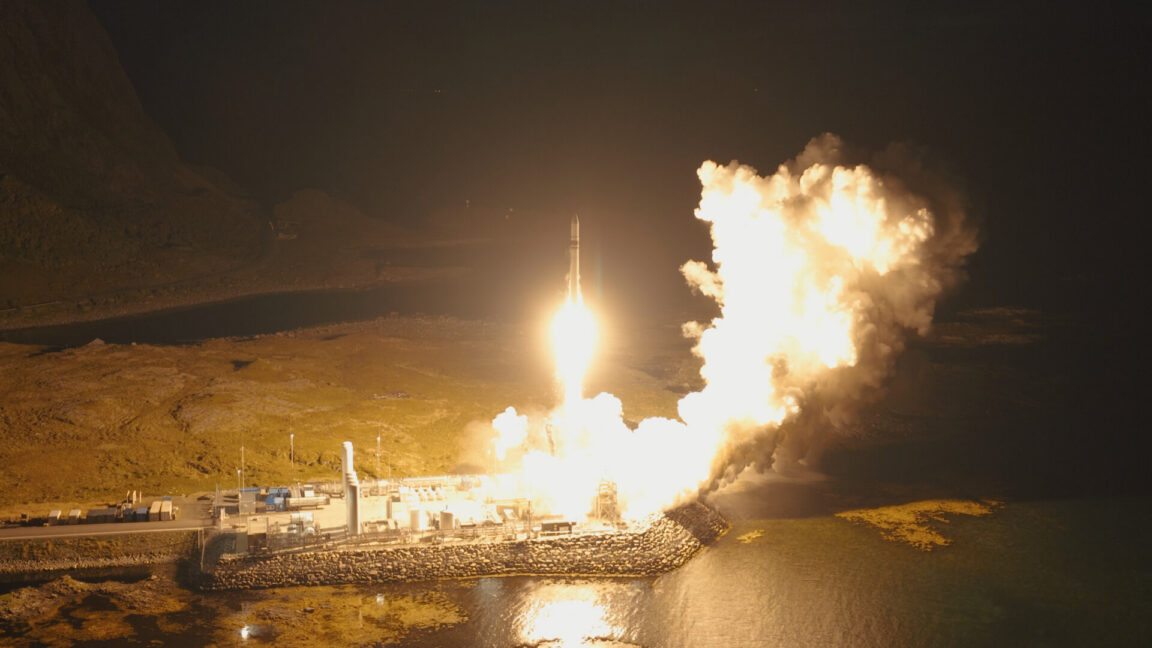
Isar Aerospace, founded in 2018 by three students at a German university, successfully launched a privately developed rocket into low-Earth orbit Saturday from a Norwegian spaceport inside the Arctic Circle.

The two-stage rocket, named Spectrum, became the first fully commercial launch vehicle in Europe to reach orbit. With Saturday's success, Isar is the clear leader among a pack of several European launch startups vying to inject some competition into Europe's stagnant launch market.

Isar's 92-foot-tall (28-meter) Spectrum rocket lifted off at 4:12 pm EST (20:12 UTC) Saturday from AndΓΈya Spaceport in northern Norway, where it was 10:12 pm local time and the final bluish hues of daylight faded from the late summer sky. Seven minutes later, the rocket was in orbit.

Read full article

Comments

Β© Isar Aerospace

  •  

Without new landers or rovers, it's helicopters or bust for NASA's Mars program

For the first time in more than 30 years, NASA has no firm plans to send any new landers or rovers to Mars. Instead, the agency's near-term focus at the red planet is on aerial drones, a pioneering mode of exploration that didn't seem realistic until a few years ago.

The first real use of drones for science at Mars will come with the SkyFall mission, a fleet of three helicopters set for launch as soon as late 2028. SkyFall's helicopters will ride to the red planet with NASA's Space Reactor-1 "Freedom" mission, which has the primary objective of demonstrating nuclear electric propulsion in deep space.

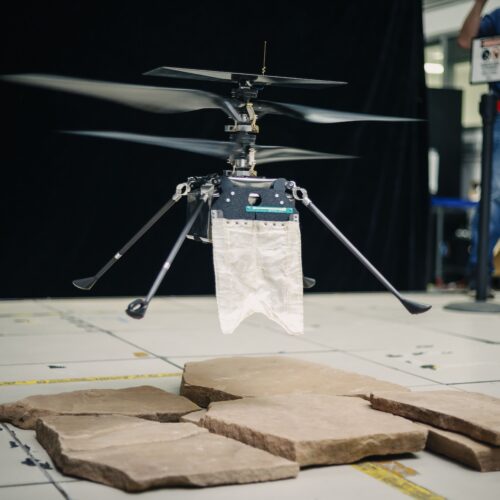
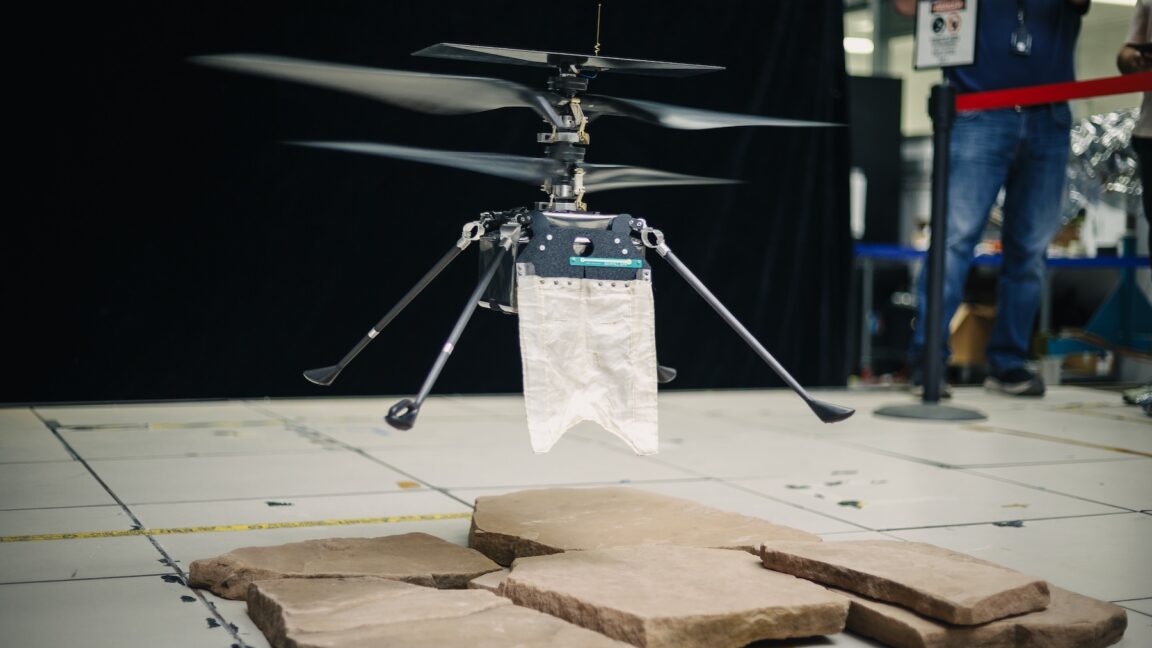
The launch schedule is aggressive for SR-1 Freedom and SkyFall, projects that didn't even exist in NASA's portfolio six months ago. NASA's plan for the SR-1 Freedom mission, estimated to cost $2.1 billion, calls for repurposing the core module of the canceled Gateway lunar space station into a testbed for nuclear electric propulsion. SkyFall will build on NASA's success with the Ingenuity helicopter, an experimental vehicle that became the first rotorcraft to fly on another world in 2021.

Read full article

Comments

Β© AeroVironment

  •  

NASA's next "great observatory" begins mission to widen our view of the Universe

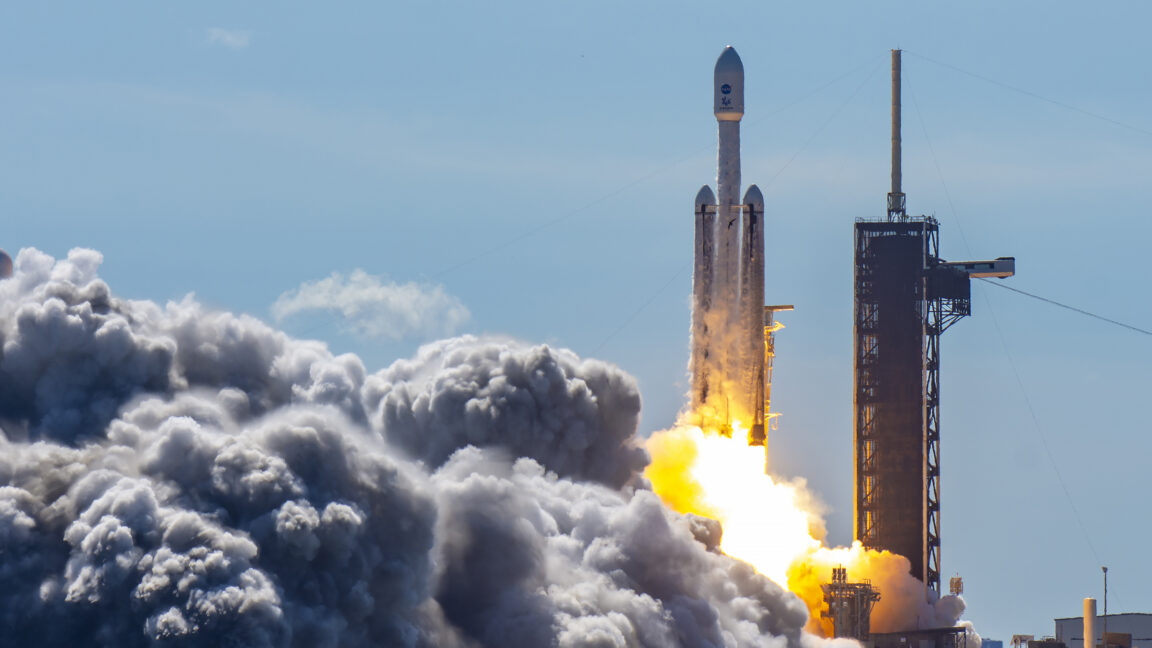
NASA's $4.3 billion Nancy Grace Roman Space Telescope, equipped with a 300-megapixel camera sighted through a refurbished spy mirror, launched Sunday from Kennedy Space Center in Florida on a mission to reveal the mysterious forces driving the Universe.

The new mission will extend the vision of NASA's other famous observatories, providing a field of view 100 times wider than the Hubble Space Telescope and complementing the groundbreaking work of the James Webb Space Telescope. Roman is just the second NASA-led astrophysics mission to launch this century, following the launch of Webb in 2021.

Unlike Webb, which suffered many years of delays before reaching space, Roman arrived at the launch pad nine months before NASA's commitment to send it skyward by May 2027.

Read full article

Comments

Β© SpaceX

  •  

Here's how engineers plan to save the satellite sent to save NASA's Swift mission

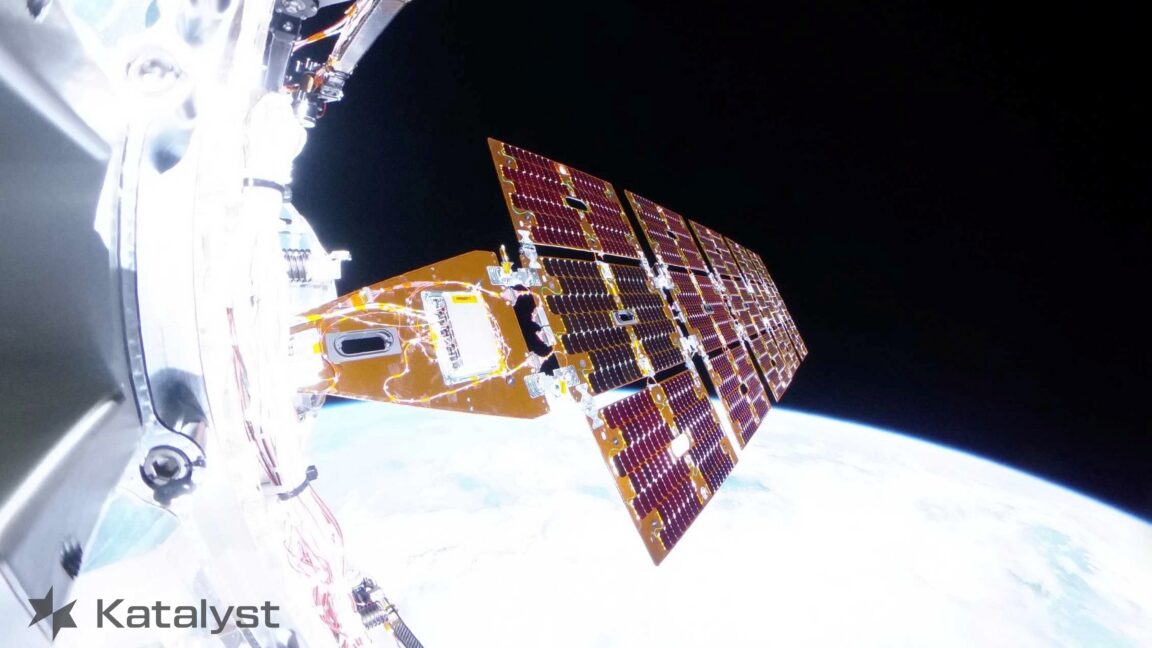
One week ago, more than 200 miles above the Earth, a refrigerator-size satellite making its way toward an attempted rescue of NASA's $500 million Swift gamma-ray observatory suddenly spun out of control.

It didn't look good. The spacecraft, named Link, was rotating on multiple axes, rendering it unable to maintain a reliable communications link with the ground and complicating efforts to arrest the spin. Two of the satellite's three reaction wheels, used for pointing, also stopped working. Through sporadic radio contact, engineers discovered a problem with some of the spacecraft's cold gas thrusters used for finer attitude control.

The Link satellite is built, owned, and operated by Katalyst Space Technologies, a satellite servicing startup that won a $30 million contract from NASA to fly up to the Swift observatory, grab onto it, and boost its orbit before succumbing to aerodynamic drag and burning up in the atmosphere.

Read full article

Comments

Β© NASA

  •  

Space Force-backed mission does its best impression of Top Gun in orbit

An ongoing military exercise happening hundreds of miles above Earth hasβ€”for the first time in an unclassified settingβ€”demonstrated how future satellites might evade and pursue one another in a future conflict.

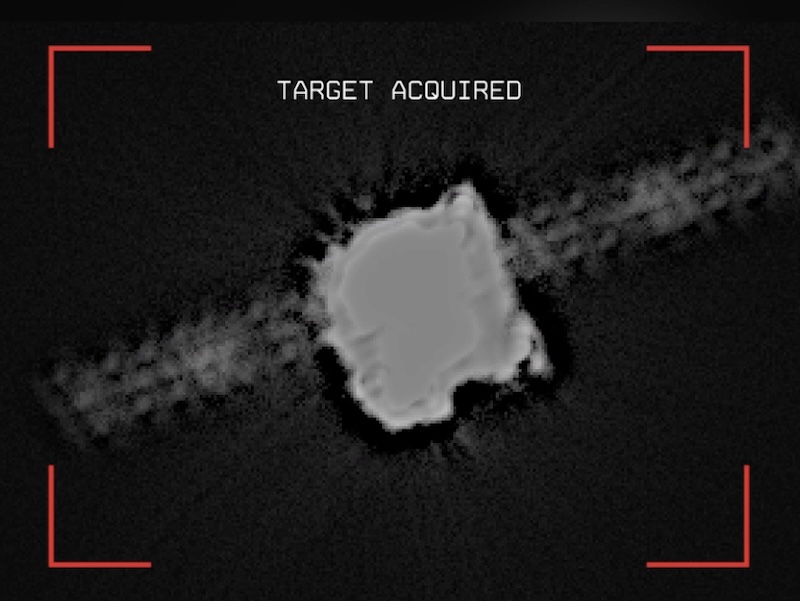
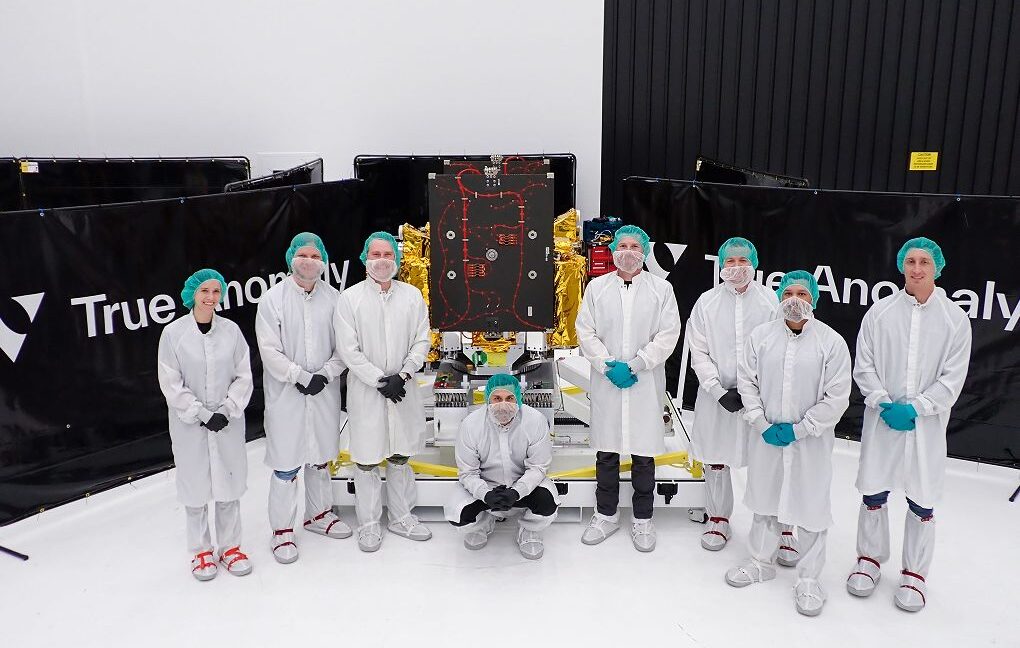
That was the announcement Wednesday from True Anomaly, one of the companies involved in the exercise. True Anomaly's Jackal satellite, also known as Panther, played the cat-and-mouse game with another spacecraft named Puma, based on Rocket Lab's Pioneer satellite platform.

"This is what we've really been building towards for the past four years," said Even Rogers, True Anomaly's co-founder and CEO.

Read full article

Comments

Β© Rocket Lab

  •  

Attitude control issues leave Swift rescue mission spinning in orbit

Nearly a month since its launch, a first-of-its-kind commercial satellite built to save NASA's Swift gamma-ray telescope from a fiery reentry is having problems of its own, the agency announced Tuesday.

The Link satellite developed by Katalyst Space Technologies "experienced issues with attitude control" over the weekend, NASA said, causing the spacecraft to spin and resulting in sporadic communications.

"Preliminary investigation shows that two of Link's three reaction wheels currently are not operable, and there is some loss of functionality in its cold gas thruster system," NASA said.

Read full article

Comments

Β© Katalyst Space Technologies

  •  

SpaceX eyes tower catch for next Starship after auspicious end to 13th flight

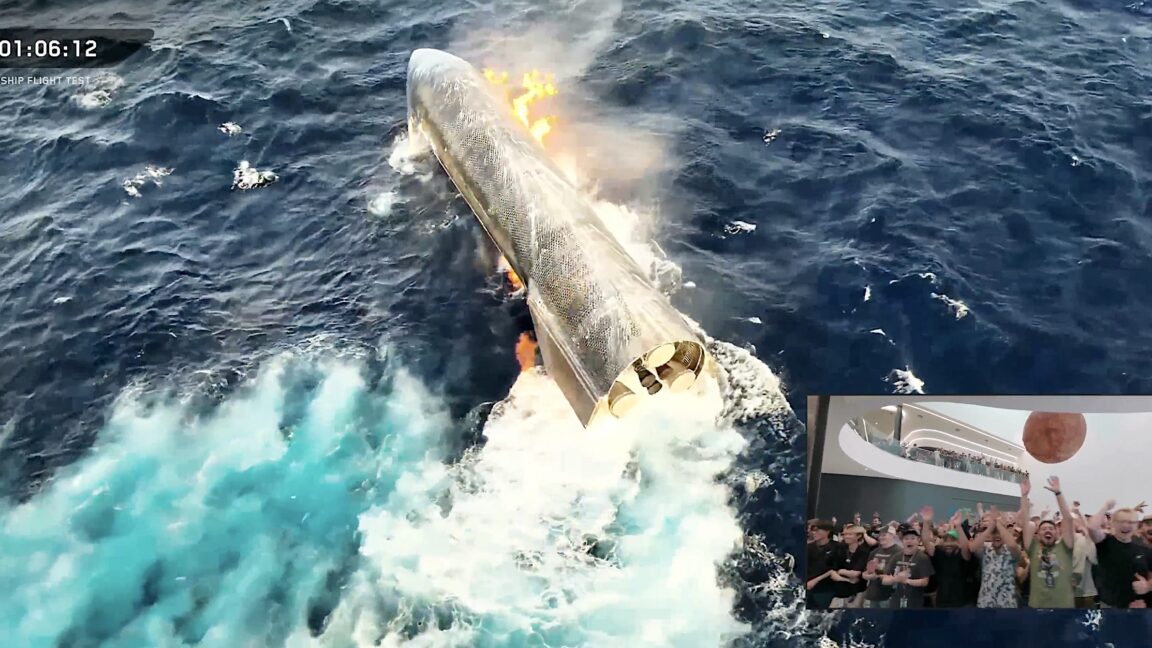
SpaceX was more than lucky Friday, sending its 13th full-scale Starship test flight halfway around the world from South Texas to an on-target, intact splashdown in a remote section of the Indian Ocean.

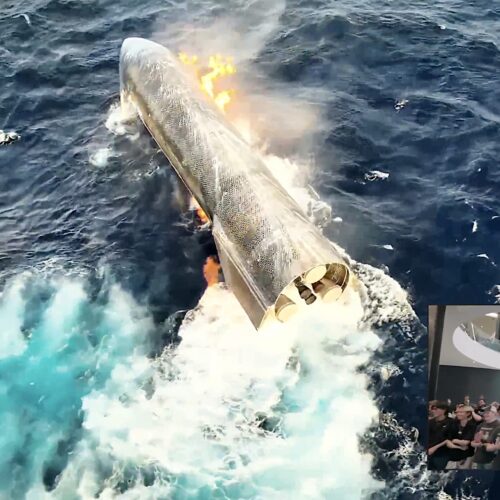
Starship has made precise splashdowns before. This time, however, the ship gently tipped over and came to rest floating in a remote stretch of ocean west of Australia. Previous splashdowns ended with conflagrations, an outcome SpaceX officials have come to expect with each water landing of Starship.

The buoyant Starship looked to be in fine shape after reaching the Indian Ocean. SpaceX engineers flew drones over the vehicle to inspect its heat shield, getting their best look yet at how more than 18,000 ceramic tiles insulating the ship's stainless steel airframe weathered the trip to space and back. The tiles withstood temperatures up to 2,600Β° Fahrenheit (1,430Β° Celsius) as Starship streaked back into the atmosphere at the end of its hourlong flight from Starbase, Texas.

Read full article

Comments

Β© SpaceX

  •  

This is the world's most advanced robotic servicing satelliteβ€”that we know about

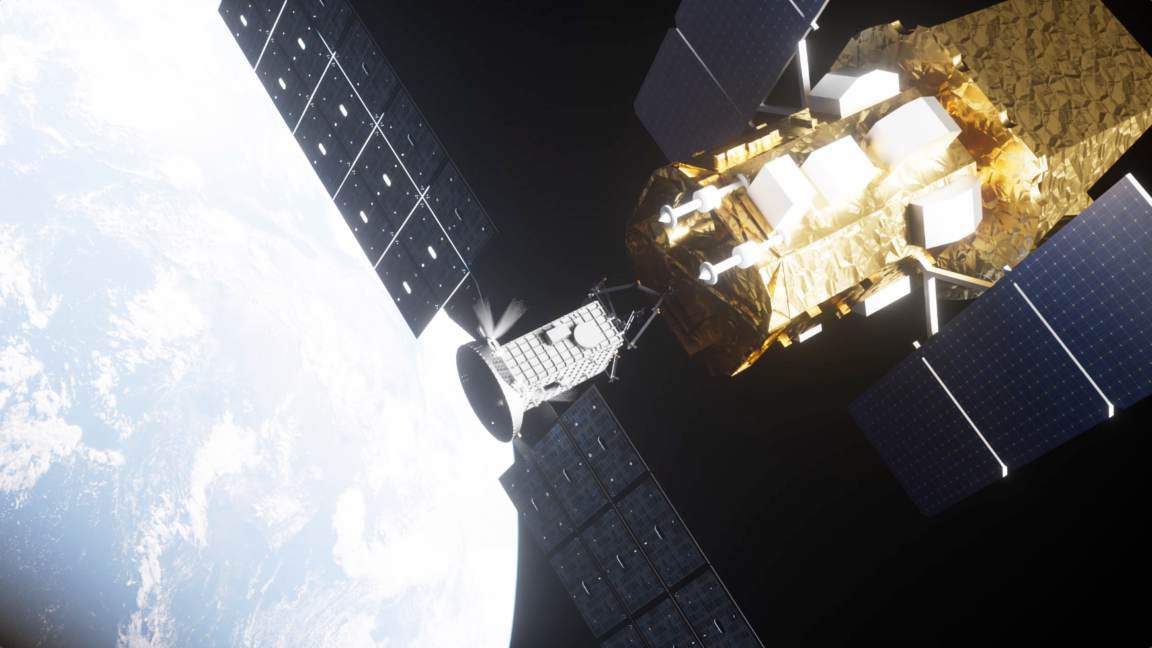
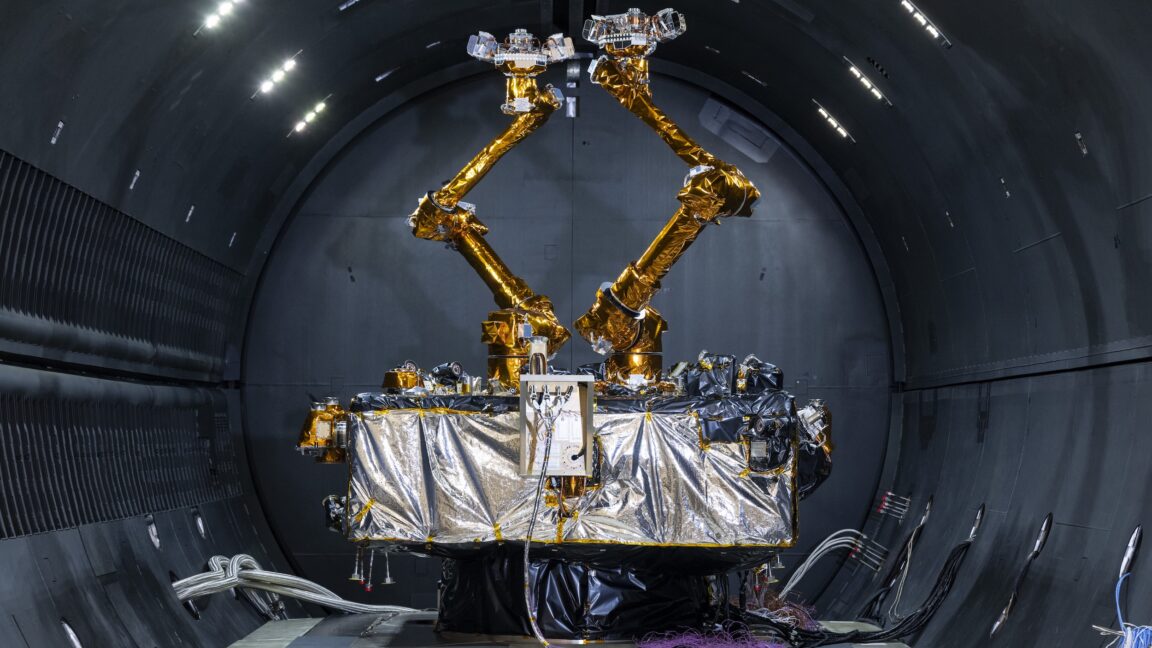
A spacecraft fitted with two flexible robotic arms is on the way to geosynchronous orbit after launching earlier this week on a SpaceX Falcon 9 rocket, kicking off a planned decade-long mission to open new frontiers in satellite servicing.

The Mission Robotic Vehicle, owned and built by Northrop Grumman, rocketed into orbit from Cape Canaveral Space Force Station in Florida on Tuesday. Three small propulsion pods, each functioning as standalone spacecraft, accompanied the MRV aboard the Falcon 9 rocket.

The Falcon 9 deployed all four payloads within about an hour of liftoff. It will take about a year for the satellites to maneuver from their initial elliptical drop-off orbit into a circular orbit more than 22,000 miles (nearly 36,000 kilometers) over the equator. At this altitude, the MRV and the three Mission Extension Pods (MEPs) will travel in lockstep with Earth's rotation, operating in the same kind of orbit as numerous civilian and military communications satellites, missile warning platforms, and a growing number of spy satellites.

Read full article

Comments

Β© US Navy/Sarah Peterson

  •  

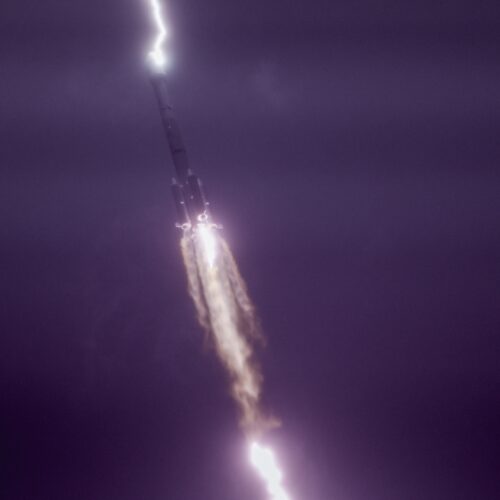
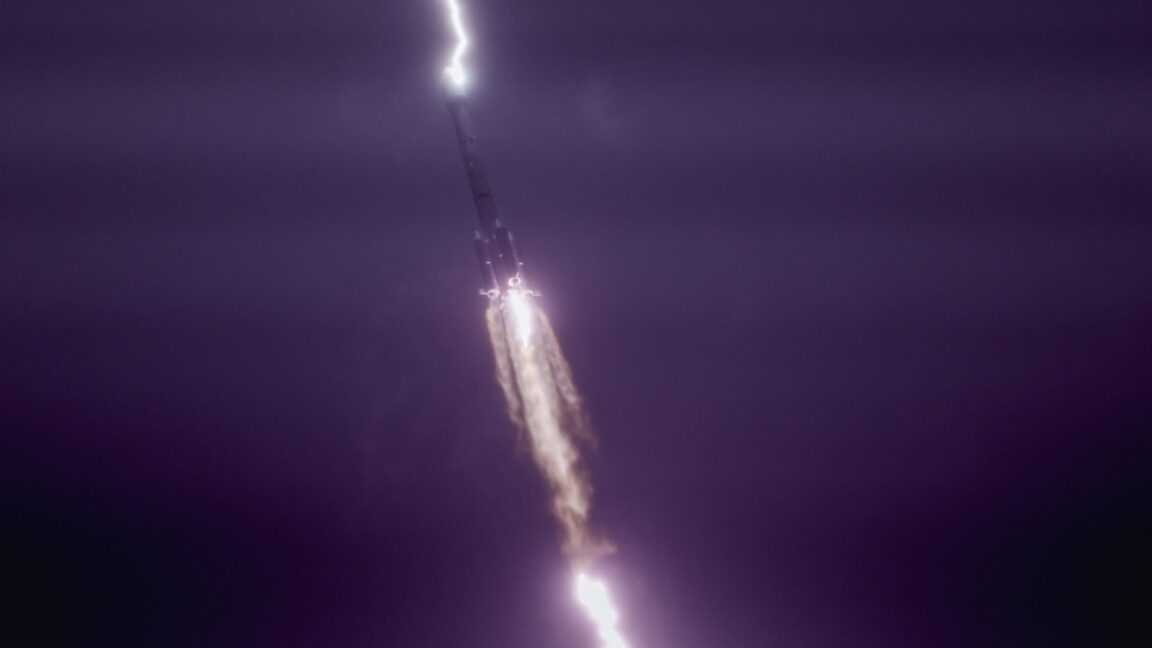
Rocket Report: Lightning strikes in China; Starship launch on deck

Welcome to Edition 9.04 of the Rocket Report! We've had to wait an extra week for SpaceX to get its 13th Starship test flight off the ground. A last-second abort on July 16 led engineers to roll the booster back to its hangar in South Texas to swap out engines. Starship is now back on the launch pad. Liftoff is set for Friday evening. A flawless launch and reentry will put SpaceX on the cusp of an orbital flight later this year. Ars will have a comprehensive recap story after the completion of the test flight.

As always, we welcome reader submissions. If you don't want to miss an issue, please subscribe using the box below (the form will not appear on AMP-enabled versions of the site). Each report will include information on small-, medium-, and heavy-lift rockets, as well as a quick look ahead at the next three launches on the calendar.

India's first private rocket reaches orbit. Indian space officials celebrated the debut flight of Skyroot Aerospace’s Vikram-1 rocket, India’s first fully commercial satellite launcher, as a β€œgrand success” Saturday after an on-target climb into a 280-mile-high orbit following liftoff from an island spaceport in the Bay of Bengal, Ars reports. The Vikram-1 lifted off from India’s primary spaceport on Sriharikota Island around midday local time. The launch was delayed more than a half-hour to resolve a last-minute technical problem. The countdown resumed, culminating in the command to ignite Vikram-1’s solid-fueled first stage booster to propel the rocket off the launch pad.

Read full article

Comments

Β© Zhou Quan/VCG via Getty Images

  •  

The Space Force is now seeking to buy up to $30 billion in rocket launches

It seems as though $5.6 billion wasn't enough. That was the news from the US Space Force on Friday, when military officials announced they were tripling the maximum value of one of the service's National Security Space Launch contracts to $17 billion.

The expansion of the Space Force's National Security Space Launch (NSSL) Phase 3 contract comes as the Pentagon signals rising demand for military satellite launches. The NSSL program is set up to allow Space Systems Command, which oversees the Space Force's launch program, to select from a pool of launch providers for individual missions to deliver the military's satellites to orbit.

The NSSL program has two parts. Lane 1 covers the Space Force's more risk-tolerant missions, such as medium-lift launches with experimental payloads or rideshare missions carrying satellites for the Pentagon's surveillance or data relay constellations. Lane 2 includes higher-priority strategic missions, like the government's largest and most expensive spy satellites, or radiation-hardened communications satellites designed to survive a nuclear war.

Read full article

Comments

Β© SpaceX

  •  

India's first privately developed rocket reaches orbit on dramatic debut launch

Indian space officials celebrated the debut flight of Skyroot Aerospace's Vikram-1 rocket, India's first fully commercial satellite launcher, as a "grand success" Saturday after an on-target climb into a 280-mile-high orbit following liftoff from an island spaceport in the Bay of Bengal.

The Vikram-1 lifted off from India's primary spaceport on Sriharikota Island at 1:35 am EDT (06:35 UTC) Saturday, around midday at the launch base along India's southeast coast. The launch was delayed more than a half-hour to resolve a last-minute technical problem. The countdown resumed, culminating in the command to ignite Vikram-1's solid-fueled first stage booster to propel the rocket off the launch pad.

Vikram-1 is modest in size compared to India's larger workhorse rockets. Skyroot's rocket stands about 72 feet (22 meters) tall, with the capability to place payloads of up to 770 pounds (350 kilograms) into low-Earth orbit. This makes Vikram-1 somewhat larger than the Electron launch vehicle developed by Rocket Lab, the world's most successful dedicated small satellite launcher.

Read full article

Comments

Β© R. Satish Babu/AFP via Getty Images

  •  

Could China and Russia really destroy Starlink? Only with a boomerang.

One week ago, three widely respected European news outlets published the results of an investigation into what they described as a "joint plan" by China and Russia to "defeat Elon Musk's Starlink."

The story was the product of a long-running inquiry by The Insider, Der Spiegel, and Le Monde. Reporters at those publications said they reviewed a cache of documents detailing growing military cooperation between China and Russia. The documents covered discussions between the nuclear powers on integrated air and missile defense systems, autonomous "swarm" loitering munitions, next-generation armored vehicles, and military aviation, the report said.

According to the papers, the investigation found evidence of a partnership between China and Russia in the field of space weapons far deeper than either country has acknowledged. One particular focus for China and Russia has been developing strategies to counter SpaceX's Starlink satellite broadband network.

Read full article

Comments

Β© SpaceX

  •  

SpaceX is gearing up for Starship's 13th test flight later this week

The next test flight of SpaceX's Starship spacecraft and Super Heavy booster could take off as soon as Thursday, and much of the hour-long mission will look a lot like the last Starship flight in May.

But there are a few key differences for this launch, set to occur during a launch window that opens at 5:45 pm CDT (22:45 UTC) on Thursday. The most notable change is the inclusion of real, functioning Starlink satellites inside Starship's cargo bay. SpaceX previously tested the ship's payload deployment mechanism using simulators mimicking the mass and dimensions of the company's next-generation Starlink Version 3 broadband satellites.

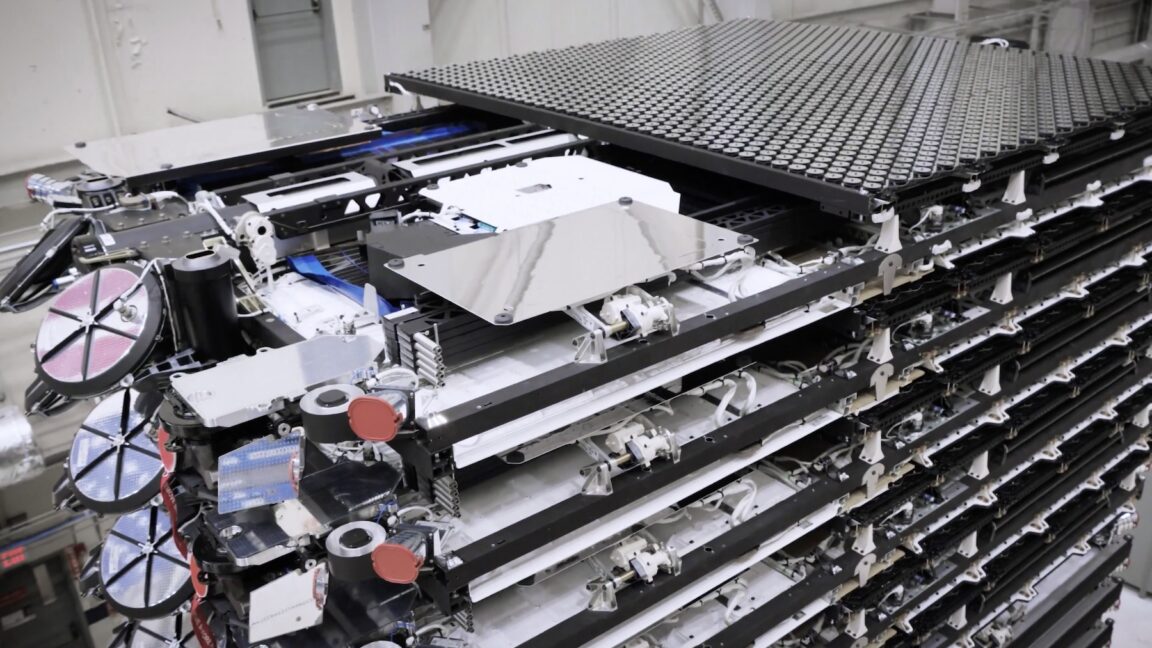
This timeβ€”Starship's 13th full-scale test flight and the second to use SpaceX's newest version of Starshipβ€”technicians have installed 20 Starlink V3 satellites into the ship's deployer, a system of pulleys and cables designed to eject a stack of satellites one at a time through an opening on the side of the spacecraft. The satellites will not be part of SpaceX's operational network, but engineers will attempt to briefly establish laser communication links between the Starlink V3s and other spacecraft flying in low-Earth orbit. If successful, these links will validate Starlink V3's interoperability with SpaceX's previous generation of Starlink satellites.

Read full article

Comments

Β© SpaceX

  •  

Payloads used to dictate the terms of launch. That's finally changing.

It wasn't easy to find anyone outside of SpaceX clamoring for a rocket like Starship just 10 years ago. Today, the space industry can't wait for Starship to finally deliver.

With a payload capacity of more than 100 metric tons (220,000 pounds) to low-Earth orbit, SpaceX's new rocket is changing the thinking of just about everyone in the space industry. With the unrealized but potentially game-changing benefits of refueling, Starship could carry the same amount of payload to higher orbits, the Moon, or Mars.

It's important to note that Starship is still very much in its experimental phase, far from proving Elon Musk's loftiest claims about what it can do. Still, NASA and the US military are considering novel ways to use Starship to fly to the Moon or transport cargo to far-flung war zones. Scientists are eager to use its enormous volume to launch giant space telescopes. Competitors are taking notice. China, the strongest strategic adversary America has ever faced, is looking for its own Starship. Now, some US satellite manufacturers are adapting for the substantial capacity of the world's most powerful rocket.

Read full article

Comments

Β© SpaceX

  •  

Miami-based City Labs achieves a first for commercial nuclear power in space

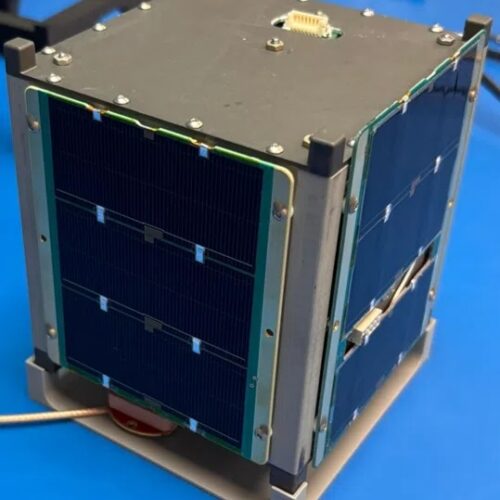
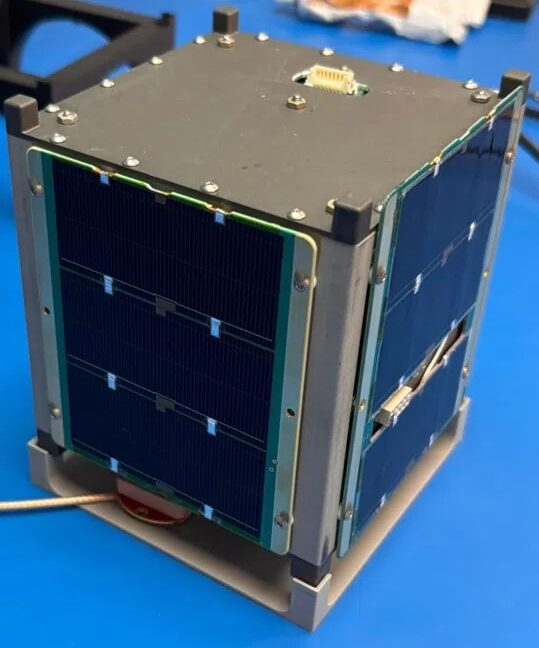
The proliferation of nuclear power in space got a little more real Tuesday with the launch of a small satellite developed by a Florida-based company specializing in nuclear micro-power technology.

It's a long way from launching a bona fide nuclear reactor, a breakthrough that could help power a permanent Moon base and efficiently drive rockets throughout the Solar System. But you have to start somewhere.

The satellite from Miami-based City Labs is named BOHR, short for Betavoltaic Orbital High-Reliability, and it launched on a SpaceX rideshare mission Tuesday alongside 80 other payloads. SpaceX's Falcon 9 rocket released the BOHR satellite into an orbit between 350 and 400 miles (nearly 600 km) in altitude.

Read full article

Comments

Β© City Labs

  •  

Katalyst's satellite rescue mission is now in pursuit of NASA's Swift

High above the remote Pacific Ocean, about halfway between Hawaii and the northernmost part of Australia, an air-launched rocket fired into space on Independence Day weekend to kick off a weekslong pursuit of a NASA astronomy satellite perilously close to falling out of orbit.

The endeavor to rescue NASA's Swift satellite is the first mission of its kind. NASA put out a call for commercial companies less than a year ago to propose how they could rapidly build and launch a small satellite to latch onto the Swift spacecraft and boost its altitude so that it doesn't come down in a few months.

Katalyst Space Technologies responded with the best offer. NASA awarded the company a contract last September to build and launch a mission to rescue Swift. A little more than nine months later, Katalyst's nearly half-ton Link satellite is safely in orbit. For anyone who follows the space industry, building, testing, and launching a functioning first-of-its-kind satellite of that size in less than a year is a remarkable achievement; it would usually take several years.

Read full article

Comments

Β© Northrop Grumman

  •  

With Starfall, SpaceX eyes an edge in global cargo delivery from orbit

A SpaceX Falcon 9 rocket lifted off on Tuesday to test a new reentry vehicle designed to deliver cargo anywhere in the world from low-Earth orbit.

The company developed the new saucer-shaped reentry pod, called Starfall,Β under a veil of secrecy. Its purpose is to support the "transport and delivery of goods through space," according to an environmental assessment published by the Federal Aviation Administration last month.

The first demonstration of the Starfall vehicle began at 6:53 am EDT (10:53 UTC) with liftoff aboard a Falcon 9 rocket from Cape Canaveral Space Force Station, Florida. At least one Starfall reentry pod rode to orbit on the Falcon 9, perhaps alongside another undisclosed payload. After circling the planet two times, the Falcon 9's upper stage was expected to release Starfall for atmospheric reentry, targeting a parachute-assisted splashdown in the Pacific Ocean around 800 miles west of California.

Read full article

Comments

Β© SpaceX

  •  

A US military exercise in space got underway with barely anyone noticing

Rocket Lab quietly launched a small satellite from New Zealand on Friday in a high-flying military exercise to test the US Space Force's ability to rapidly respond to a crisis in low-Earth orbit.

The launch was scarcely announced in advance. The only public indication of an impending launch was the release of a warning for pilots and sailors to steer clear of the rocket's flight path. Rocket Lab did not provide a livestream of the launch, as it does for most of its missions. As of Monday morning, officials from Rocket Lab and the Space Force had not acknowledged the launch in any official public statements.

But the US military's catalog of space objects was updated over the weekend to reflect the launch. A new satellite, designated Victus Haze Puma, showed up in the catalog with a launch date of Friday from Rocket Lab's privately run spaceport at Māhia Peninsula in New Zealand. The Space Force cataloged the spacecraft in a polar orbit ranging between 215 miles and 286 miles (347-by-461 km), with an inclination of about 97.5 degrees from the equator.

Read full article

Comments

Β© True Anomaly

  •  
❌