Login

Cybercriminals claim breach of Oracle PeopleSoft servers at 100-plus organizations
The ShinyHunters hacking gang claims to have compromised the Oracle PeopleSoft servers of more than 100 organizations, including many universities.


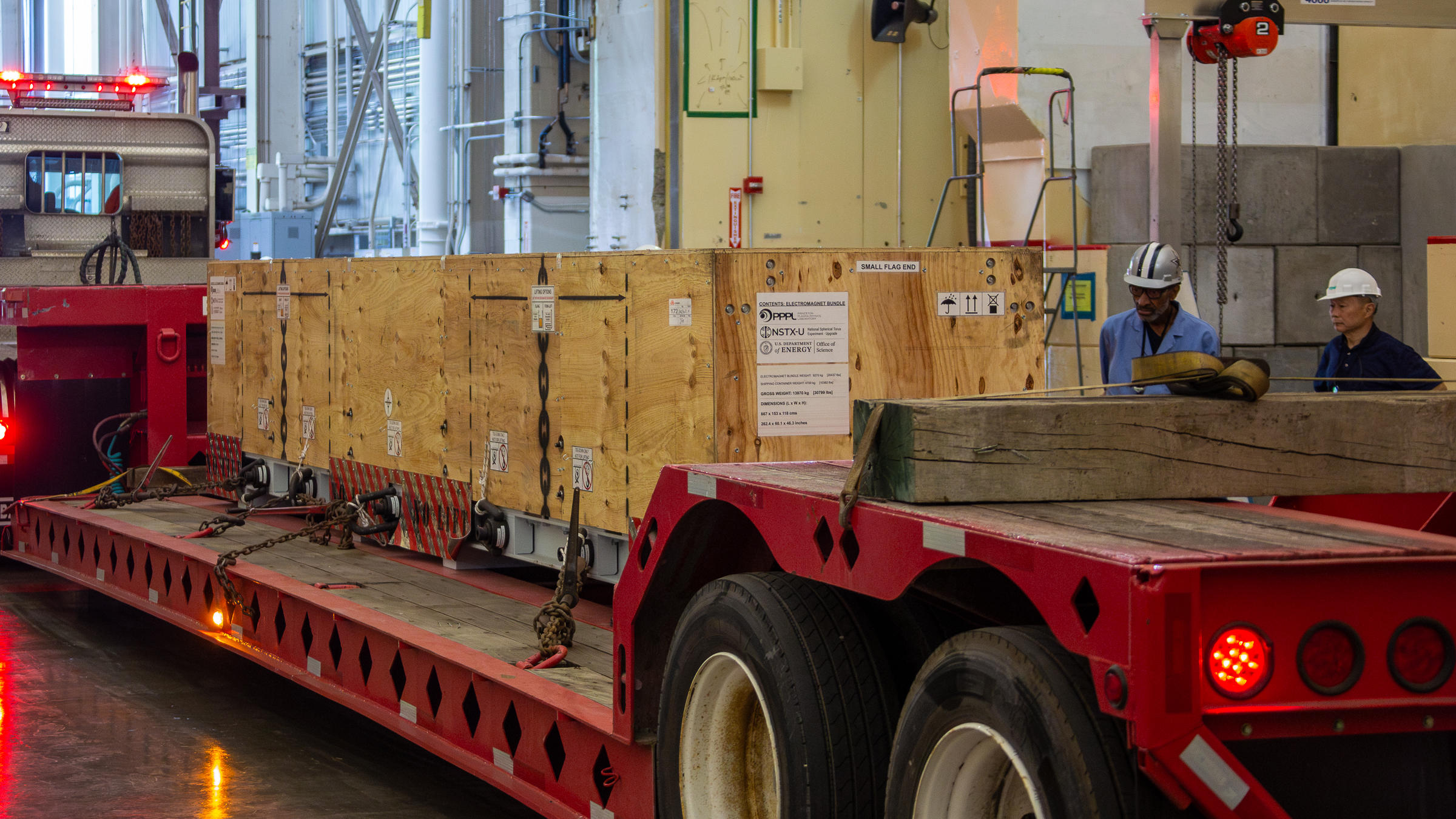
A massive magnet that crossed the Atlantic Ocean has brought one of America’s most ambitious fusion projects a step closer to reality. The U.S. Department of Energy’s Princeton Plasma Physics Laboratory recently received the central magnet bundle for its upgraded spherical tokamak, a compact fusion system designed to test technologies that could shape future power plants.
The delivery marks a critical milestone for the machine’s return to operation. Engineers now enter the final stages of assembly before experiments resume in 2027.
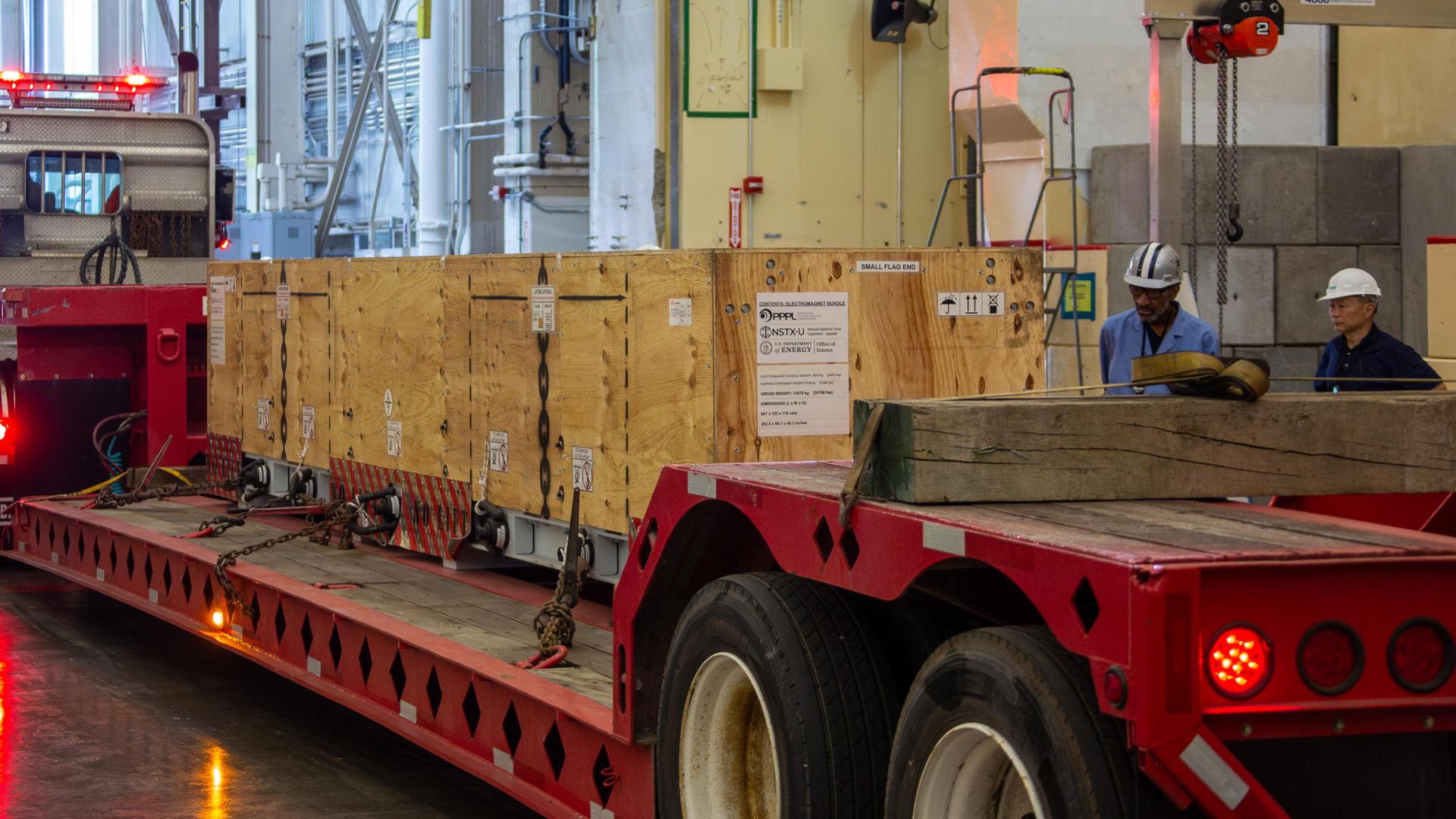
Manufactured by Spain-based Elytt Energy, the component traveled from Bilbao to New Jersey aboard a cargo aircraft before making its final trip by flatbed truck to Princeton. Weighing 23,000 pounds and stretching roughly 20 feet long, the bundle ranks among the most important pieces of the fusion device.
Dave Micheletti, associate laboratory director for engineering and project director, called the arrival “a truly momentous occasion.” He said the team will now focus on completing assembly and preparing the system for scientific use.
The central bundle combines two critical magnet systems into a single structure. The toroidal field magnets generate the primary magnetic fields that confine the plasma. Meanwhile, the ohmic-heating system drives electrical current through the plasma to raise temperatures and support confinement.
Building the assembly required a complex manufacturing process. Technicians joined 36 copper conductors, each measuring 19 feet long, using fiberglass tape, resin, and vacuum-pressure impregnation techniques.
Engineers then wrapped additional copper coils around the structure to create the ohmic-heating system. They sealed the completed assembly with insulating resin to withstand demanding operating conditions.
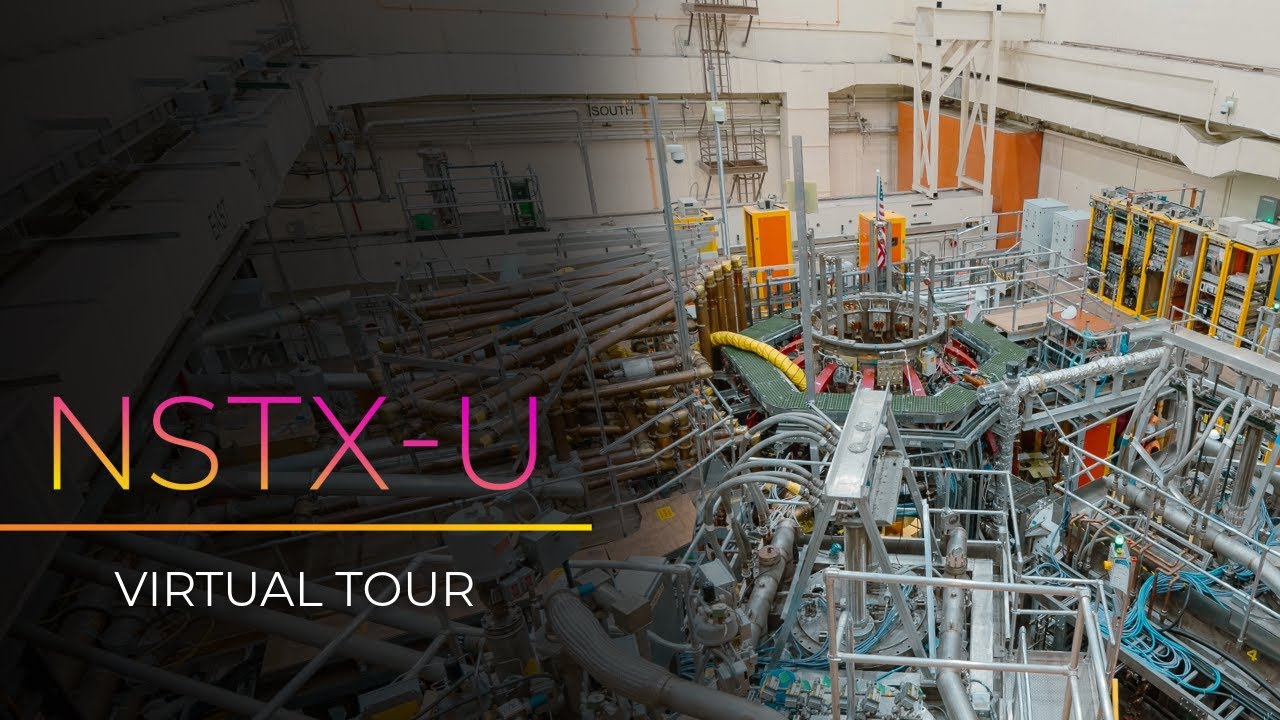
Once installed, the magnets will create two magnetic field configurations inside the apple-shaped vacuum vessel. Together, they stabilize and heat the plasma needed for fusion experiments.
Researchers believe spherical tokamaks could offer advantages over conventional designs. Their compact shape may improve efficiency while reducing construction and replication costs. The upgraded system will help scientists evaluate whether the approach can support future commercial fusion plants.
The machine also supports broader national goals. Researchers plan to gather operational data that could train artificial intelligence tools capable of improving fusion performance and control strategies.
Jonathan Menard, the laboratory’s deputy director for research, said the facility will provide new opportunities for scientists and engineers entering the field. He encouraged researchers worldwide to use the platform to advance fusion science.
Engineers have already positioned the magnet bundle near the fusion device using heavy-duty cranes. Over the coming months, teams will rotate the structure upright and prepare it for installation. Workers will lower protective shielding around the assembly before placing it inside the machine’s interior.
Technicians must still connect dozens of flexbus components, cooling lines, and internal systems. They will also complete bakeout procedures and commissioning tests to verify that all systems operate together safely.
Steven Cowley, the laboratory’s director, said the upgraded machine possesses capabilities unavailable elsewhere. He noted that the project could play an important role in determining the future direction of commercial fusion research.
If the remaining work proceeds as planned, the upgraded facility could begin experiments in 2027, giving American researchers a powerful new platform to explore the promise of fusion energy.


Researchers in South Korea have developed a new electrolyte additive that significantly improves the lifespan and capacity of aqueous batteries, a technology widely viewed as a safer and lower-cost alternative to lithium-ion batteries.
The team, led by Professor Hoseok Park from Sungkyunkwan University (SKKU), found that adding a small amount of a specially designed zwitterionic material to the electrolyte helped overcome key problems that have long limited the commercialization of aqueous battery systems.
Unlike lithium-ion batteries, aqueous batteries use water-based electrolytes, making them less flammable, more environmentally friendly, and potentially cheaper to manufacture. However, their performance has been hindered by unstable zinc deposition and unwanted reactions between zinc electrodes and water during charging and discharging.
These issues can lead to corrosion, uneven metal buildup, and rapid capacity loss, reducing battery life and limiting large-scale deployment.
To tackle the problem, the researchers developed a zwitterionic additive known as C10. Zwitterions contain both positive and negative charges within the same molecule, allowing them to interact with surrounding ions in unique ways.
When added to the electrolyte, C10 molecules spontaneously assembled into nanostructures measuring about 3.77 nanometers in diameter. These structures served two functions simultaneously.
First, they guided zinc ions to deposit more evenly across the electrode surface, reducing the formation of irregular zinc structures that can damage batteries. Second, they formed a thin protective layer over the zinc metal, shielding it from direct contact with water and limiting corrosion-causing side reactions.
The combined effect produced substantial performance gains.
Aqueous batteries using the modified electrolyte maintained stable operation for more than 2,800 hours. The cells also achieved an areal capacity of 8.10 mAh cm⁻², which the researchers describe as world-leading performance among aqueous battery systems reported to date.
“We have demonstrated that the performance of aqueous batteries can be substantially enhanced through a simple approach of adding a small amount of material to the electrolyte, without the need for expensive materials or complex fabrication processes.”
Improving both cycle life and storage capacity has been a longstanding challenge for aqueous battery developers. Many previous approaches improved one metric at the expense of the other.
The new electrolyte strategy appears to address both issues simultaneously while avoiding costly manufacturing changes.
The researchers believe the technology could be useful for large-scale energy storage applications, where safety, cost, and durability are critical factors.
“Beyond renewable energy storage, this technology holds potential for application in large-scale energy storage systems (ESS) for AI infrastructure and data centers, which are experiencing explosive growth.”
Demand for energy storage is expected to rise alongside the expansion of renewable power generation and the rapid growth of AI computing infrastructure, both of which require reliable methods to store and distribute electricity.
Because the new approach relies on a simple electrolyte modification rather than redesigning the battery architecture, it may offer a practical path toward improving the commercial viability of aqueous battery systems.
The findings were published in the journal Nano-Micro Letters.


Transforming NASA’s trusted Earth science into powerful business intelligence
NASA Earth science data, tools, and expertise drive economic innovation by providing industry with trusted insights to accurately forecast risk, optimize operations, and advance next-generation business solutions. By connecting, informing, and partnering with businesses, NASA’s Private Sector Engagement Office unlocks new opportunities to reinforce the use of Earth observations in existing markets and broaden adoption across emerging industry sectors, empowering organizations to build powerful and resilient solutions for the future.
Get the latest industry-relevant news and information direct to your inbox.
We will never share your email address.

INNOVATE is NASA’s innovation funding program designed to accelerate the translation of Earth science into real-world applications. Selected teams receive access to NASA funding, data, and expertise to develop solutions that address commercial and societal challenges. This opportunity is open through August 31, 2026.
Investigators & Partners: NASA Goddard Space Flight Center; University of Wisconsin-Milwaukee; University of Colorado; University of Wisconsin-Madison; University of Connecticut; Swiss Re; Munich Re; Eversource
Investigators & Partners: NASA Goddard Space Flight Center; Universities Space Research Association; Meta; Uptime Institute; Open-IX
Investigators & Partners: National Science Foundation; National Center for Atmospheric Research; Mercury Insurance
Investigators & Partners: Space Science Institute; Chapman University; World Food Program; Microinsurance Catastrophe Risk Organization
Investigators & Partners: NASA Jet Propulsion Laboratory; OpalAI; Pacific Gas & Electric; Los Angeles Department of Water & Power
Investigators & Partners: NASA Goddard Space Flight Center; University of Maryland; Science Systems and Applications Inc.; Chainparency
How NASA supports agribusiness
Every day, farmers, food companies, and agricultural producers rely on timely, trusted information to manage their crops, land, water, and supply chains. NASA develops technology and missions to observe agricultural landscapes from space, informing optimal time and location for planting, monitoring of plant growth, best times for harvest, and market readiness assessments. U.S. and international partners use this information to support food security, stabilize markets, and strengthen productive farming.
From space, NASA tracks soil moisture, groundwater, crop condition, water use, heat stress, precipitation, and land change, while also supporting field-level tools and trusted partnerships with producers and agricultural organizations. By transforming satellite data into practical insights, NASA helps agribusiness to anticipate challenges, improve productivity, manage vital resources, and safeguard food systems.

How NASA helps energy & utility companies
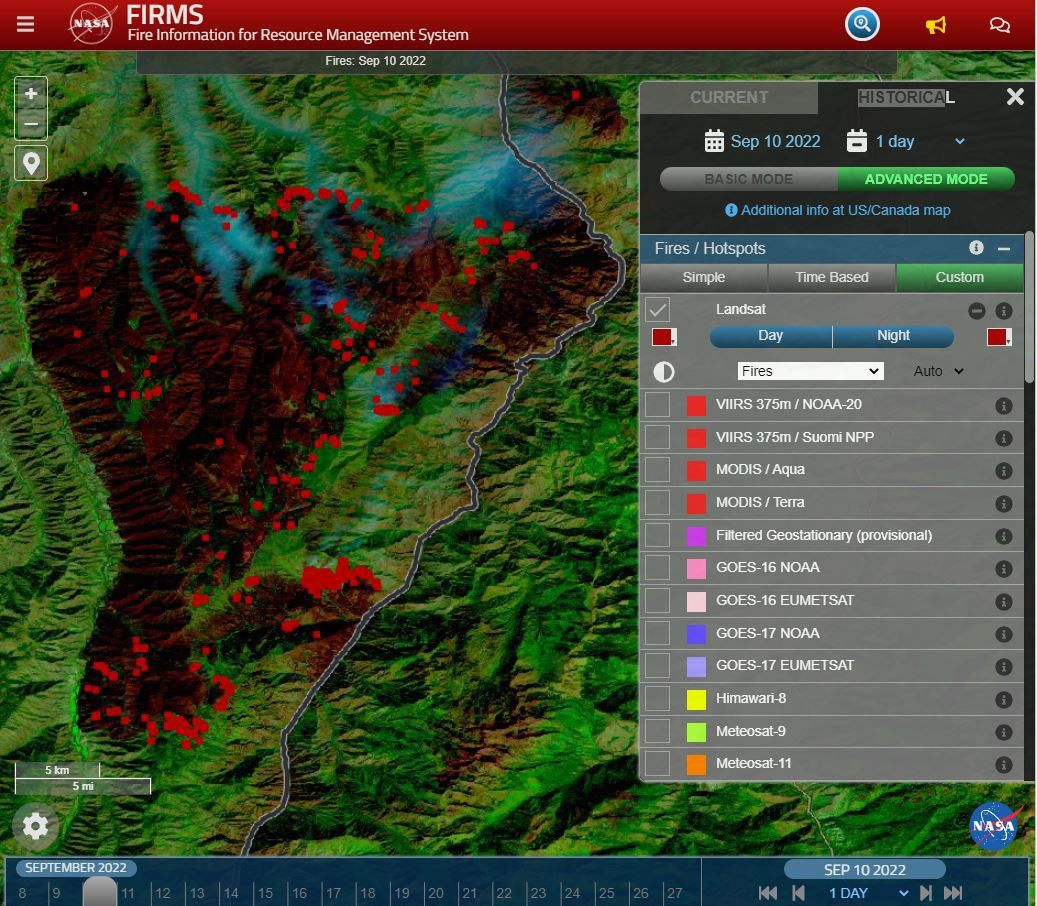
Energy providers, utilities, and infrastructure operators need trusted Earth information to plan for demand, protect assets, and keep essential services reliable. NASA Earth science supports decisions related to solar and meteorological resources, extreme heat, wildfire, air quality, flooding, drought, and land movement.
The Prediction Of Worldwide Energy Resources (POWER) project provides solar and meteorological data used by energy, building, and infrastructure communities. NASA Earth insights also help utility companies understand risks to grids, water systems, pipelines, and other critical assets and the Agency engages with partners such as the Center for Weather Innovation, Smart Energy and Resilience to advance Earth observation capabilities for the energy sector. Through data, training, stakeholder engagement, and partnerships, NASA equips energy and utility leaders with trusted information to strengthen resilience and support reliable operations.
How NASA supports insurance & reinsurance
Insurance and reinsurance organizations depend on trusted information to understand hazards, price risk, support claims, and plan for changing risk exposure. NASA Earth science provides observations, models, and long-term records that help characterize events such as wildfire, flood, heat, drought, storms, land change, and infrastructure impacts.
NASA is engaging with the insurance and reinsurance community to better understand where Earth observations can support underwriting, catastrophe modeling, parametric products, claims response, and resilience planning. By participating in pre-competitive industry coalitions like the Center for Innovation in Risk, Catastrophes, and Decisions, as well as sector trainings and industry engagement, NASA helps insurers and reinsurers connect trusted Earth science with the decisions that shape risk, affordability, and recovery.

How NASA helps the finance sector
Financial institutions, investors, and analysts need reliable information to understand physical risk, market exposure, and long-term change. NASA Earth science provides trusted data and models that help organizations to assess risk across assets, portfolios, and supply chains, including wildfire, heat, flood, land change, and infrastructure impacts.
NASA’s engagement with the finance sector focuses on helping users move from awareness to application, identifying relevant datasets, understanding uncertainty, and connecting Earth observations to real business decisions. Through training, collaborative sessions, and sector partnerships, NASA is working to make Earth science more accessible to financial decision-makers seeking trusted, science-based insights.
How NASA helps mining and exploration
Mining and exploration companies rely on trusted geoscience information to understand landscapes, manage risk, and make decisions across the mineral resource life cycle. NASA Earth science observations can support characterization of terrain, land cover, water resources, surface change, environmental conditions, operational risks, and long-term landscape dynamics.
NASA is engaging with the mining and exploration community to better connect Earth observations with industry needs, from early exploration and resource assessment to operations, closure, and reclamation. Through participation in pre-competitive industry efforts such as the Center to Advance the Science of Exploration to Reclamation in Mining, as well as broader technical exchange and stakeholder engagement, NASA helps bring trusted data, models, and Earth system science into decisions that support responsible resource development.

The NASA Earth Science Industry Summit, hosted by the U.S. Chamber of Commerce on February 2, 2026, served as a strategic forum to explore how NASA’s Earth Science enterprise contributes to the engines of the American economy and how public and private sectors can work together to unlock greater opportunities in Earth observation.
Explore the summary report for key reflections and takeaways, representing the perspectives of more than 180 participants across finance, insurance, agriculture, energy, utilities, and more.
Image Credit: U.S. Chamber of Commerce
Earthdata is your gateway to find, access, visualize, and download NASA Earth science data. Browse the data catalog, search by topic, discover learning resources including tutorials and trainings, and more.
Explore
NASA's Applied Remote Sensing Training Program (ARSET) teaches users how to use remote sensing data for a range of applications. ARSET trainings are available for all levels of experience at no cost, both in person and online.


NASA offers 60 years of experience in advanced engineering and testing capabilities, cutting edge research and technology development, as well as unique assets such as land, facilities and laboratories for use by commercial industries, academic institutions, U.S. government agencies and international entities.

Discover how NASA works with industry, academic, and non-profit partners to advance mutual goals through through strategic, non-procurement partnerships.
The NASA Technology Transfer program ensures that innovations developed for exploration and discovery are broadly available to the public.
NASA Solicitation and Proposal Integrated Review and Evaluation System (NSPIRES) is the official system to submit and manage research proposals.
Eligible organizations that incorporate NASA data into their products, services, or research can gain significant value by displaying the NASA Data Insignia.
| Nima Pahlevan | Program Manager |
| Janelle Heslop | Project Manager |
| Rachel Vershel | Operations Officer |
About NASA’s Earth Science Division

Within a decade, NASA will advance and integrate Earth science knowledge to empower humanity to create a more resilient world.
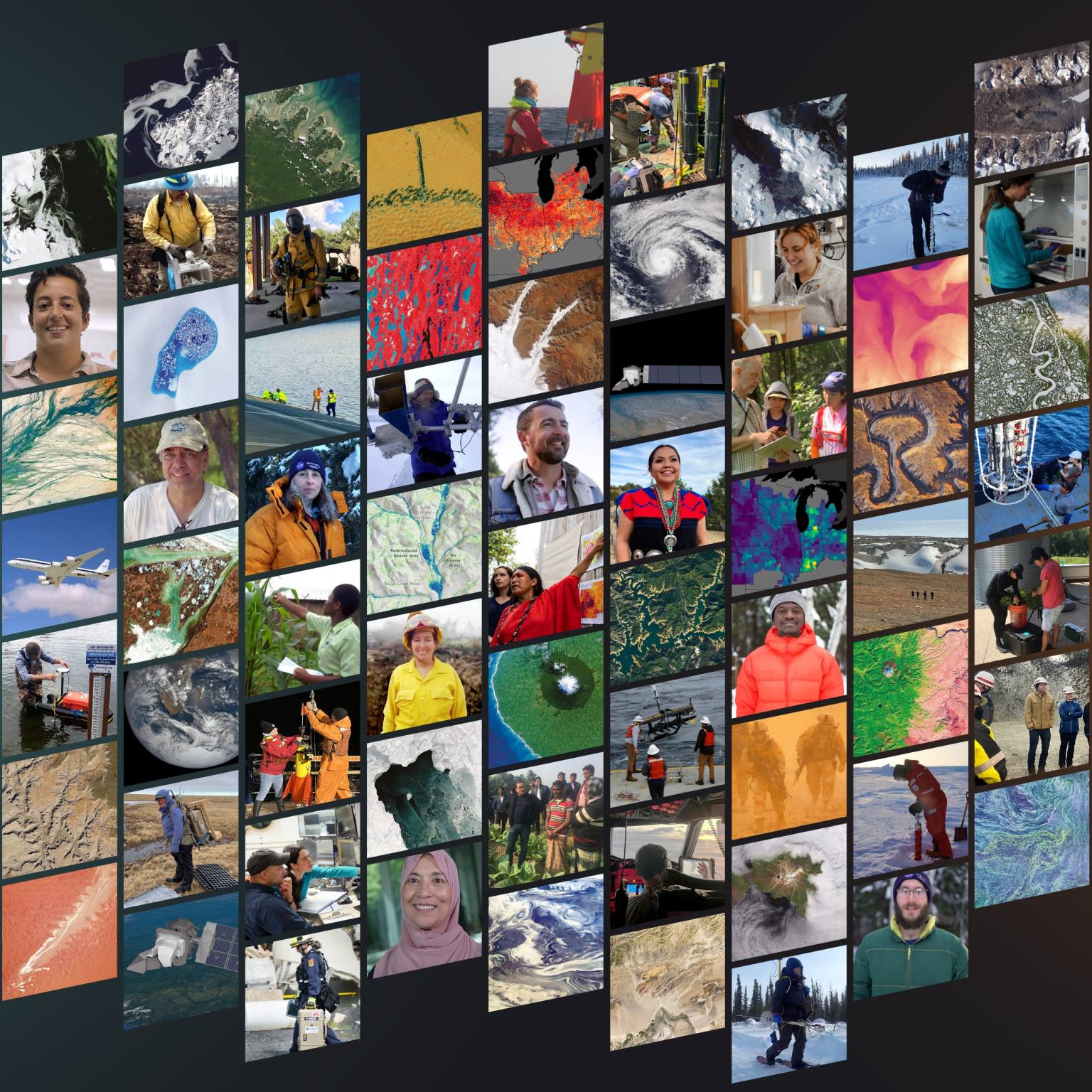
NASA is our nation’s engine of innovation in space, pioneering new technologies and measurements that enable American businesses to grow…

Open access to NASA’s archive of Earth science data

The post Private Sector Engagement appeared first on NASA Science.
There is a pattern found in nature. It is indeed the largest pattern there is. It is so vast that it spans the universe, filling up its observable volume. The pattern is made of individual units in the same way your body is made of cells — if each of your cells were a galaxyContinue reading "Untangling the cosmic web"
The post Untangling the cosmic web appeared first on Astronomy Magazine.


Eight endangered Asiatic lions recently died at a national park in India, with officials initially suspecting a tick-borne parasitic disease that had previously plagued the area. However, the Gujarat government later revealed the true culprit: extreme heat. This tragic incident highlights a growing crisis as rising temperatures threaten wildlife populations across the globe.
The lion deaths underscore the urgent need for better protection strategies as climate change intensifies heat stress on vulnerable species. Animals face numerous challenges during extreme heat events, from dehydration and heat stroke to habitat disruption and food scarcity. Endangered species are particularly at risk, as their already small populations cannot afford significant losses.
In response to this mounting threat, scientists have developed a new forecasting tool designed to predict heat-related risks to wildlife months in advance. The system aims to provide early warnings that could help conservation managers take preventive measures, such as providing additional water sources, creating shade structures, or temporarily relocating animals to cooler areas.
While this technological advancement represents a promising step forward in wildlife conservation, significant questions remain about its practical implementation and effectiveness. The challenge lies not just in predicting dangerous conditions, but in having the resources and infrastructure to act on these forecasts quickly enough to save lives at scale. As extreme heat events become more frequent and severe, protecting vulnerable wildlife populations will require both innovative tools and coordinated conservation efforts.
The post New Heat Forecasting Tool Aims to Prevent Wildlife Deaths as Extreme Temperatures Kill Endangered Animals first appeared on EnviroLink Network.

China’s Belt and Road Initiative, the world’s largest infrastructure development program, is generating enormous greenhouse gas emissions that threaten global climate goals. Two comprehensive new studies reveal that more than half of the program’s carbon footprint comes from a single source: steel production, with the vast majority manufactured within China itself.
The Belt and Road Initiative spans over 130 countries and involves massive construction projects including highways, railways, ports, and power plants across Asia, Africa, and Europe. While these infrastructure developments promise economic growth and connectivity, the environmental cost is staggering. The steel required for bridges, buildings, and transportation networks carries an enormous carbon burden, as steel production is one of the most energy-intensive and polluting industrial processes.
The research highlights a critical challenge in global climate action: even as countries commit to reducing emissions, mega-infrastructure projects continue pumping massive amounts of carbon dioxide into the atmosphere. Steel manufacturing typically relies on coal-fired furnaces and generates substantial emissions both from energy consumption and chemical processes that release CO2 directly from raw materials.
Addressing this climate impact will require fundamental changes in how infrastructure projects approach materials and manufacturing. The studies emphasize that stronger environmental regulations and major investments in cleaner steel production technologies are essential. Without these shifts toward low-carbon manufacturing methods, large-scale construction projects will continue undermining global efforts to limit temperature rise and avoid the worst impacts of climate change.
The post China’s Massive Infrastructure Program Creates Climate Crisis Through Steel-Heavy Construction first appeared on EnviroLink Network.

A striking contradiction has emerged in American environmental policy: while domestic marine protections face systematic rollbacks, the United States is actively policing illegal fishing operations in international waters with unprecedented vigor.
Last month, the State Department imposed visa restrictions on 26 foreign nationals caught engaging in illegal fishing activities worldwide. The targeted individuals include a former Argentine official allegedly connected to an illegal Patagonian toothfish harvesting scandal, highlighting the administration’s willingness to take concrete action against international marine crimes.
This enforcement represents a significant escalation in how America projects its conservation authority globally. The visa restrictions demonstrate that the US is prepared to use diplomatic tools to combat illegal fishing operations that threaten marine ecosystems thousands of miles from American shores. These actions suggest robust international environmental standards are being upheld through direct consequences for violators.
However, this aggressive international stance creates a puzzling policy paradox. The same administration implementing these overseas conservation measures has simultaneously pursued the systematic dismantling of marine protection frameworks within US territorial waters. Domestic environmental regulations that have safeguarded American marine ecosystems for decades are being reduced or eliminated entirely.
This dual approach raises fundamental questions about environmental policy consistency and priorities. While foreign fishing fleets face meaningful penalties for conservation violations, domestic marine environments appear to be losing long-established protections. The contrast highlights how geopolitical considerations may be driving conservation policy more than consistent environmental principles.
The post US Enforces Marine Conservation Abroad While Weakening Protections at Home first appeared on EnviroLink Network.

At nearly 80 years old, retired Texas shrimper Diane Wilson had every reason to stay home. Instead, she embarked on an extraordinary 8,000-mile journey to Taiwan as part of a bold environmental activism campaign targeting one of Asia’s largest petrochemical corporations.
Wilson joined two other Gulf Coast environmentalists in traveling to Formosa Plastics Corporation’s annual shareholder meeting in Taipei, bringing their fight against industrial pollution directly to the company’s doorstep. The retired shrimper, who has only a high school education but decades of experience witnessing environmental degradation along the Texas coast, agreed to make the grueling international trip as part of what she calls a strategy of being “relentless” in holding polluters accountable.
The confrontation represents a growing trend of grassroots environmental activists taking their local battles to global corporate headquarters. For Wilson and her fellow activists, the Taiwan trip symbolizes the international nature of environmental challenges, where pollution generated by multinational corporations affects communities across continents. Their presence at the shareholder meeting aimed to give voice to Gulf Coast residents who live with the daily impacts of petrochemical industry operations.
This David-and-Goliath story highlights how ordinary citizens are increasingly willing to go extraordinary lengths to demand corporate environmental responsibility, crossing oceans to ensure their voices are heard in boardrooms where crucial decisions about industrial operations are made.
The post Texas Shrimper Travels 8,000 Miles to Taiwan to Confront Petrochemical Giant at Shareholder Meeting first appeared on EnviroLink Network.

A chemical repackaging and distribution company in Durham, North Carolina is being sued by the state for allegedly polluting a local creek with dangerous chemicals for decades. State regulatory documents reveal that Brenntag has discharged high levels of toxic substances including acetone, ethanol, and 1,4-dioxane, along with unidentified materials described as “mucilaginous goo,” into the waterway.
The contaminated creek flows directly behind an elementary school and winds through a public park located in a predominantly Black neighborhood, raising serious environmental justice concerns. The pollution has exposed children and community members to potentially harmful chemicals through their local water system and recreational areas.
The contamination issue has been ongoing, with Durham city officials taking enforcement action against the company. Since 2023, Brenntag has been fined $157,000 for water contamination violations, indicating the persistence and severity of the pollution problem.
This case highlights the broader issue of industrial facilities operating near schools and residential areas, particularly in communities of color that often bear a disproportionate burden of environmental hazards. The lawsuit represents an escalation in efforts to hold the company accountable for the environmental damage and protect public health in the affected neighborhoods.
The post Durham Chemical Company Faces Lawsuit for Decades of Toxic Creek Contamination Near Elementary School first appeared on EnviroLink Network.