❌

Reading view

Tea Drinkers May Have Fewer Heart and Blood Vessel Problems, Large Study Finds
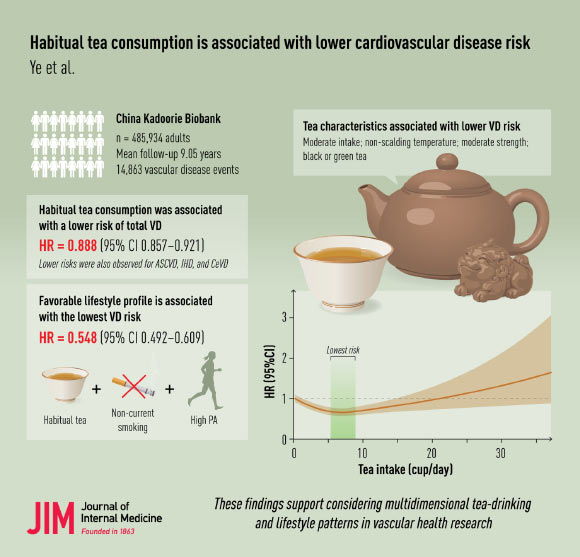
Ye et al. found an 11% lower risk of vascular disease among regular tea drinkers. Image credit: Ye et al., doi: 10.1111/joim.70172.

People who drink tea regularly appear less likely to develop heart and vascular disease than people who don’t, according to a new study published today in the Journal of Internal Medicine.

The post Tea Drinkers May Have Fewer Heart and Blood Vessel Problems, Large Study Finds appeared first on Sci.News: Breaking Science News.

  •  
  •  

Early Cambrian Fossil Rewrites Starfish Family Tree

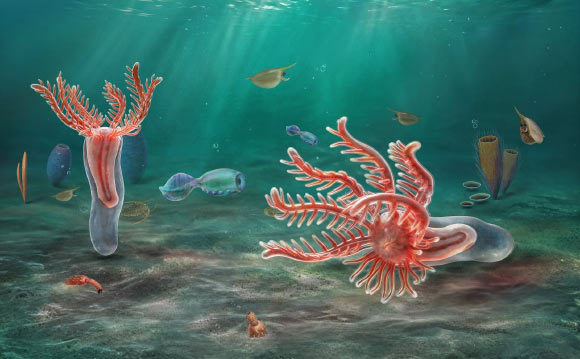
An artist’s impression of Yujingia glutenotunica. Image credit: He et al., doi: 10.1016/j.cub.2026.08.053.

A 518-million-year-old ambulacrarian fossil from China suggests that the common ancestor of starfish and their relatives was not a burrowing worm; it was probably a tentacled animal that fed from the water around it.

The post Early Cambrian Fossil Rewrites Starfish Family Tree appeared first on Sci.News: Breaking Science News.

  •  
  •  

Single Vertebra Hints at Oldest Known Iberian Dinosaur

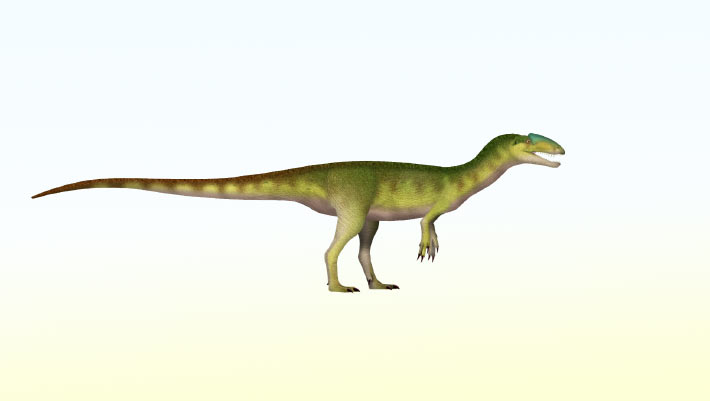
An artist’s impression of Sarcosaurus. Image credit: TotalDino / CC BY 4.0.

A fossil theropod vertebra about the length of a thumb, found in the Algarve region in southern Portugal, may be the oldest dinosaur remains ever discovered on the Iberian Peninsula.

The post Single Vertebra Hints at Oldest Known Iberian Dinosaur appeared first on Sci.News: Breaking Science News.
  •  

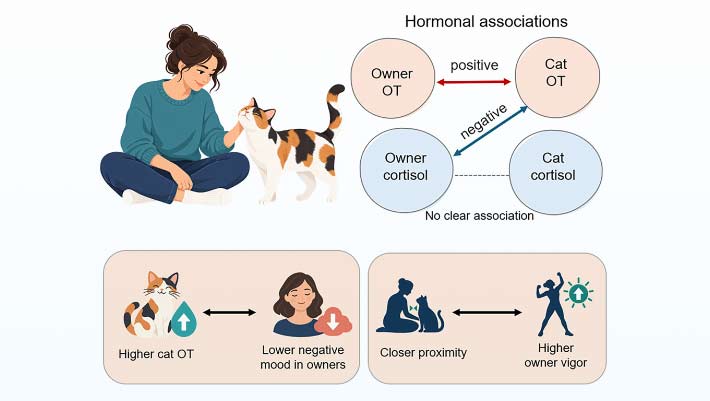
Cat Hormones and Owner Moods Appear to Move Together: Study

Higher cat oxytocin linked to lower owner cortisol and negative mood. Image credit: Takagi et al., doi: 10.1016/j.isci.2026.117934.

The β€˜love hormone’ oxytocin may rise and fall in tandem in cats and the people who live with them, according to a new study published in the journal iScience.

The post Cat Hormones and Owner Moods Appear to Move Together: Study appeared first on Sci.News: Breaking Science News.
  •  

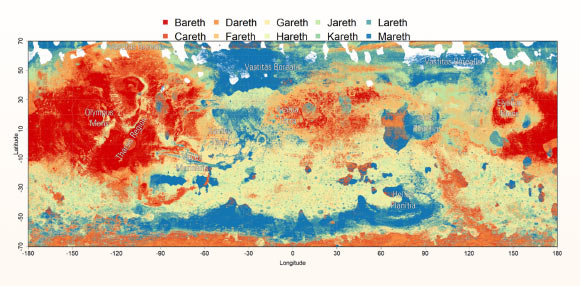
Planetary Scientists Create Classification System and Map of Martian Soils

Classification of realms across the Martian surface. Image credit: McBratney et al., doi: 10.1016/j.catena.2026.110649.

Planetary researchers at the University of Sydney have proposed a new way to classify the soils of Mars, along with a new word for them: areth (the name comes from Ares, the Greek name for Mars).

The post Planetary Scientists Create Classification System and Map of Martian Soils appeared first on Sci.News: Breaking Science News.
  •  

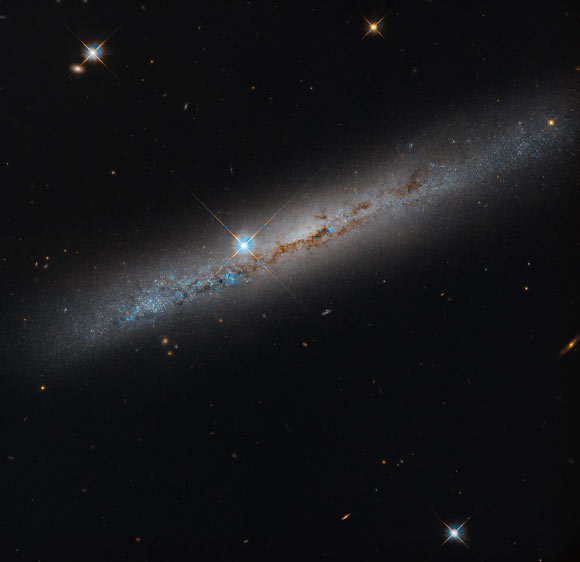
Hubble Space Telescope Spots Dusty Spiral Galaxy: NGC 1827

This Hubble image shows the edge-on, intermediate spiral galaxy NGC 1827. Image credit: NASA / ESA / Michael Jones, California Institute of Technology / Gladys Kober, NASA / Catholic University of America.

Astronomers using the NASA/ESA Hubble Space Telescope have captured a new view of NGC 1827, an intermediate spiral galaxy seen edge-on in the constellation Columba.

The post Hubble Space Telescope Spots Dusty Spiral Galaxy: NGC 1827 appeared first on Sci.News: Breaking Science News.
  •  

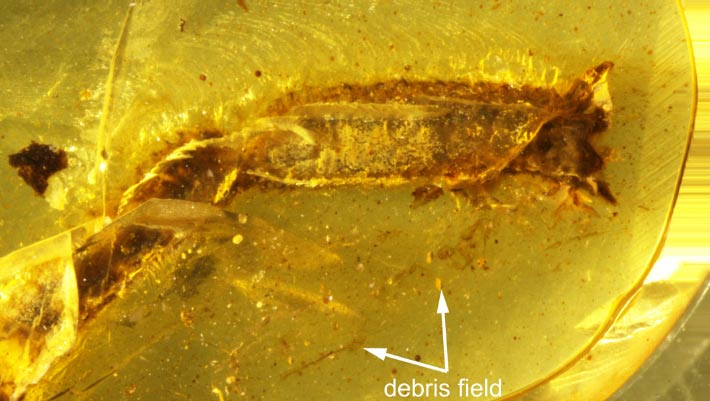
Lizard Dropped Its Tail 99 Million Years Ago, Amber Preserved Evidence

General view of the amber piece from Myanmar, arrows highlighting the debris stuck to the initial resin flow at the level of the ventral surface of the tail. Image credit: Fabrikant et al., doi: 10.26879/1706.

A tiny piece of amber from Myanmar has captured a defensive maneuver that lizards still use today: shedding part of their tail to escape a predator.

The post Lizard Dropped Its Tail 99 Million Years Ago, Amber Preserved Evidence appeared first on Sci.News: Breaking Science News.
  •  

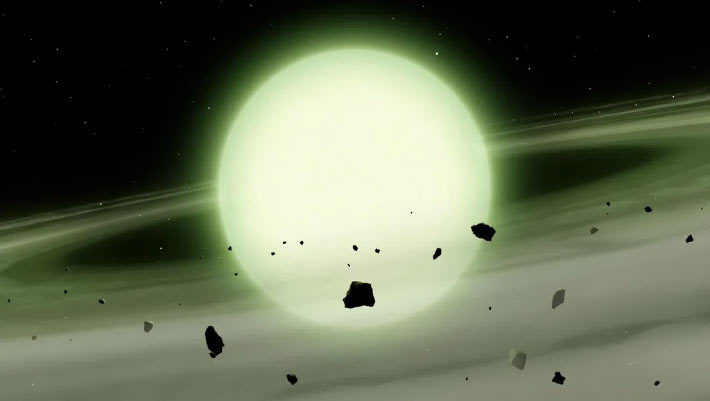
White Dwarfs Really are White, But Few are Green, Pink or Vivid Blue

The cool white dwarf WD J1330+6435 has accreted sodium-rich rocky material from its planetary system into its atmosphere; the immense atmospheric density causes the sodium to absorb light over broad range of yellow, orange, and red wavelengths, giving the WD J1330+6435 a ghostly green appearance. Image credit: Mark A. Garlick / University of Warwick.

A team of astronomers led by University of Warwick’s Dr. Mark Hollands has converted white dwarf spectra into the colors a human eye would perceive.

The post White Dwarfs Really are White, But Few are Green, Pink or Vivid Blue appeared first on Sci.News: Breaking Science News.
  •  

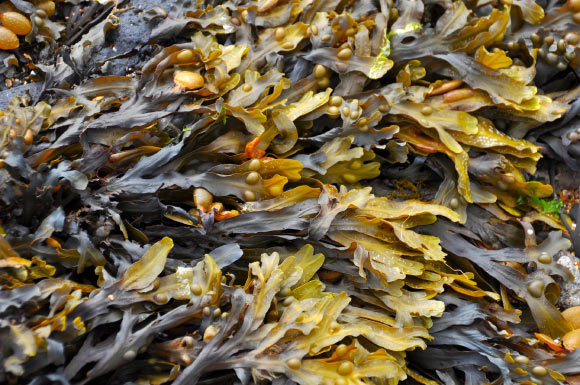
Seaweed Compounds Show Promise against Cell Damage

Fucoidans are structurally diverse, fucose-rich, sulfated polysaccharides derived mainly from brown seaweeds. Image credit: Ronile.

Fucoidans -- compounds found in the cell walls of brown seaweed -- could one day help treat diseases driven by oxidative stress, though the substances are far from the pharmacy shelf.

The post Seaweed Compounds Show Promise against Cell Damage appeared first on Sci.News: Breaking Science News.
  •  
  •  

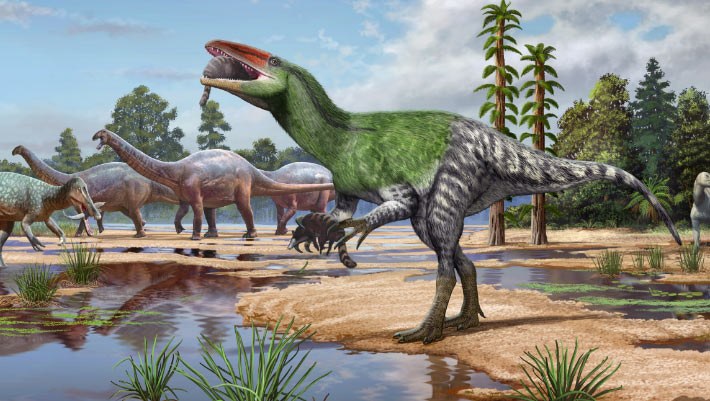
New Species of Predatory Dinosaur Identified in UK

Artists’ rendition of Invictibellatrix amberina with contemporary fauna in the lower part of the Wessex Formation. Image credit: Sergey Krasovskiy / Pedro Salas.

A fossilized braincase that sat in in the collection of the Natural History Museum in London for a century has been identified as Europe’s first megaraptoran dinosaur, a lineage once thought to have flourished mainly in the southern hemisphere.

The post New Species of Predatory Dinosaur Identified in UK appeared first on Sci.News: Breaking Science News.
  •  
  •  

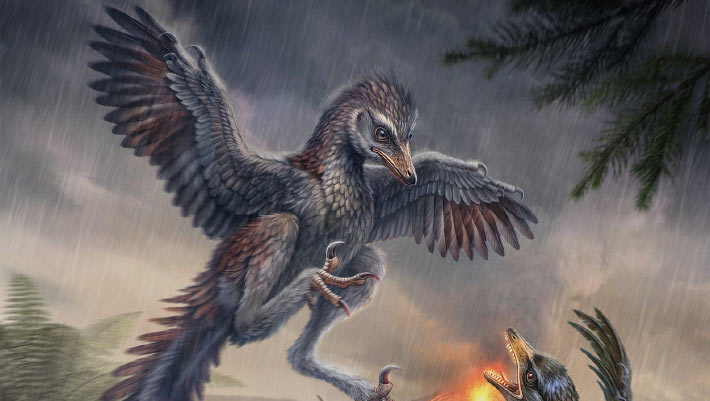
Small Raptors Likely Feasted on Fallen Tyrannosaur, Fossil Bite Marks Suggest

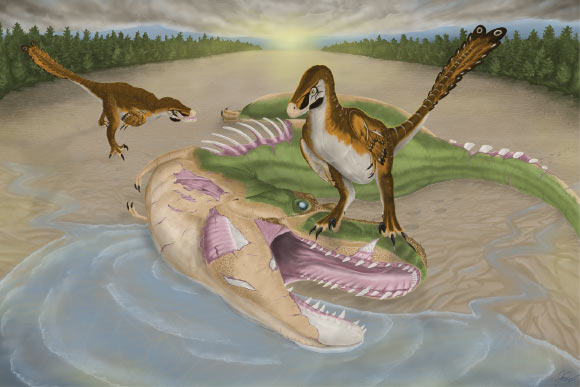
Atrociraptor scavenge the carcass of Albertosaurus along the edge of a river floodplain. Image credit: Joshua Adam Doyon.

Tyrannosaurs sit at the top of the food chain in the popular imagination, but a newly described fossil from Alberta, Canada, suggests that a much smaller predator may have fed on the carcass of Albertosaurus sarcophagus, a tyrannosaur relative.

The post Small Raptors Likely Feasted on Fallen Tyrannosaur, Fossil Bite Marks Suggest appeared first on Sci.News: Breaking Science News.
  •  

Perseverance Becomes Farthest-Traveling Vehicle on Another World

This artist’s concept depicts NASA’s Perseverance rover. Image credit: NASA / JPL-Caltech.

On October 11, 2026, NASA’s Perseverance rover reached 45.22 km (28.1 miles), edging past the 45.16 km (28.06 miles) logged by NASA’s Opportunity rover, which explored Mars from 2004 to 2018.

The post Perseverance Becomes Farthest-Traveling Vehicle on Another World appeared first on Sci.News: Breaking Science News.
  •  

Vanillin Shows Promise for Treating Chronic Wounds

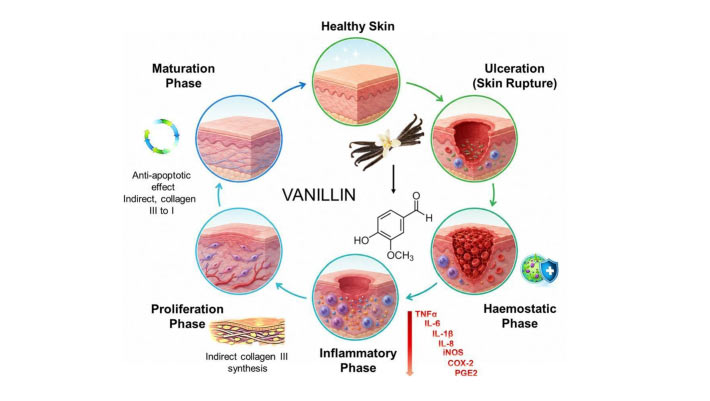
Vanillin has pronounced antioxidant, anti-inflammatory and antibacterial properties. Image credit: Stoilov et al., doi: 10.1016/j.ijpharm.2026.127263.

Vanillin, the compound that gives vanilla its familiar taste, may have a future in treating wounds that refuse to heal, according to a review paper published in August 2026 in the International Journal of Pharmaceutics.

The post Vanillin Shows Promise for Treating Chronic Wounds appeared first on Sci.News: Breaking Science News.
  •  
❌