Scientists have recently harnessed artificial intelligence (AI) to build "aging clocks" that aim to estimate a person's true biological age.
While a person's chronological age reflects the number of years they've been alive, their biological age is intended to capture how well their bodily systems are functioning. The idea is that people with older biological ages have a higher risk of age-related diseases — such as cancer, heart disease or dementia — while younger biological ages come with less risk. Some aging clocks even aim to predict people's impending risk of death.
Others posit that the data the clocks are based on is too noisy, and thus, there's potential for drawing faulty conclusions about what they're measuring. They say, for example, that we don't know if the clocks are measuring the downstream effects of aging or its underlying causes. And in any case, we don't currently have any treatments to "wind back" the clocks.
What do you think? Would you use these AI tools to measure your biological age? Let us know in the poll below, and explain your reasoning and additional thoughts about the technology in the comments.
Mpox is an infectious disease caused by a poxvirus, meaning a virus in the same family as smallpox. The infection was formerly known as monkeypox.
Historically, mpox was endemic to Africa, and the virus consistently spread in the continent's central, eastern and western regions. In 2022, an unprecedented global outbreak spurred the widespread transmission of mpox in places that had seen only sporadic cases in the past.
Today, many countries affected by that outbreak — including Germany, Portugal and the United States — are still contending with local mpox transmission. Here's what to know about the virus, how it spreads and how to prevent infection.
What to know about mpox in the U.S.
Mpox is still spreading at low levels in the United States and may soon be considered endemic to the country. While case counts have fallen dramatically since the peak of the global outbreak in summer 2022, some people are still advised to get vaccinated against the virus.
Who should get vaccinated for mpox?
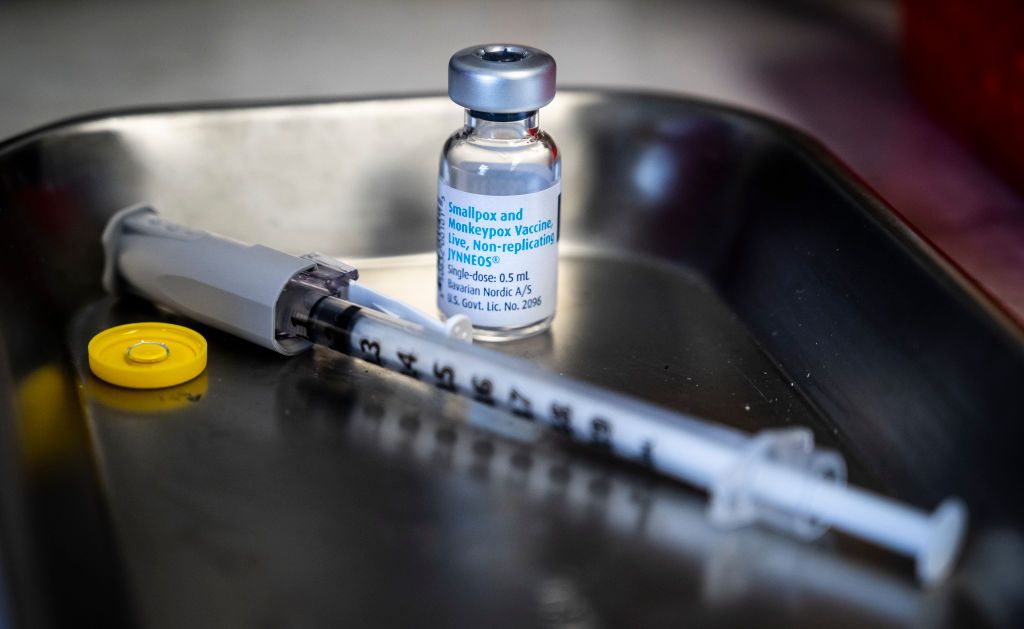
The mpox vaccine currently used in the U.S. is called JYNNEOS. One dose is about 35% to 86% effective, while the complete two-dose series is 66% to 90% effective. (The effectiveness varies, in part, because some studies include people with HIV and people without HIV, and inadequately treated HIV can undermine the body's response to vaccines.)
The JYNNEOS vaccine is not currently recommended for routine use in the general population because, beyond vulnerable groups, the risk is not high enough to warrant a universal vaccination strategy. The current outbreak is primarily affecting men who have sex with men, and those sexual networks are the primary targets for JYNNEOS vaccination.
However, not all men who have sex with men need to be vaccinated, according to the Centers for Disease Control and Prevention (CDC). Instead, vaccination is recommended for a specific subset of the group, including those who, in the last six months, have had more than one sex partner, have had sex at commercial sex venues, or have been diagnosed with other sexually transmitted diseases.
Nonbinary and transgender people with these risk factors are also recommended to get two doses of JYNNEOS, as are any sexual partners of anyone in the above groups.
"For those who are eligible and have not yet completed vaccination, now is a good time to talk with a healthcare provider about getting protected," Dr. Demetre Daskalakis, chief medical officer of Callen-Lorde, an LGBTQ+ community health center in New York City, told Live Science in an email.
With the exception of laboratory researchers who work with mpox, people who have received two doses of JYNNEOS are fully vaccinated and do not need a booster, he said. And if a person has caught mpox in the past and recovered, they do not need to get a vaccine, he added.
Individuals who are recommended to get vaccinated against mpox should get two doses of the JYNNEOS vaccine. (Image credit: PATRICK T. FALLON/AFP via Getty Images)
About the virus
The poxvirus family also includes smallpox, which has been eradicated worldwide. Mpox and smallpox cause some similar symptoms, but mpox tends to be far milder than smallpox. However, the viruses are closely related enough that vaccines designed to prevent smallpox can also protect against mpox.
Mpox was initially named monkeypox because the virus behind the disease was discovered in captive monkeys in Denmark. But monkeys are not the main hosts of the virus in the wild; rodents and small mammals mostly found in West and Central Africa likely are. Health officials changed the name to mpox in 2022.
There are two major branches of the mpox family tree, called clade I and clade II. These clades were historically thought to have very different death rates, with clade I being the deadlier of the two. The case-fatality rate (CFR) of clade I has been estimated to range from 1.4% to over 10%, depending on the outbreak, while the CFR for clade II has been estimated at between 0.1% and 3.6%.
However, as both clades have spread beyond Africa, data suggests that the CFR for clade I may be lower than once thought, said Joel Wertheim, a professor of medicine in the Division of Infectious Diseases and Global Public Health at the University of California, San Diego.
The features of a given outbreak — such as the surrounding health infrastructure, patients' access to timely medical care, and the population's underlying risk factors for severe disease — likely play a big role in determining the virus's death toll, Wertheim told Live Science. In short, rather than being an immutable feature of the virus itself, the CFR is dependent on the underlying health of and resources available to a given population.
How mpox spreads
Mpox can spread from infected animals to humans through the animals' bites or scratches. Additionally, people can get the virus when they come into close contact with animals and/or their bodily fluids during hunting, skinning, trapping, cooking, eating animals or handling carcasses, the World Health Organization (WHO) notes.
The virus also spreads from person to person, primarily through very close contact, including intimate contact during sex. The virus typically enters the body through broken skin, the respiratory tract or mucous membranes (thin tissues found in the eyes, nose, mouth, anus and genitals), spreading via bodily fluids such as spit, mucus or blood. People can also pick up the virus via objects, such as clothing or linen, that are contaminated with the bodily fluids of an infected person.
The virus can spread through small respiratory droplets expelled during speaking or breathing. However, this is thought to be a less-common transmission route than close contact. There is also evidence that asymptomatic spread sometimes occurs, though it's unclear how frequently that happens.
Mpox can spread from mother to baby during pregnancy or birth. This route of infection can result in pregnancy loss, stillbirth, death of the newborn, or complications for the mother.
Symptoms of mpox
Centers for Disease Control and Prevention, National Center for Emerging and Zoonotic Infectious Diseases (NCEZID), Division of High-Consequence Pathogens and Pathology (DHCPP)Centers for Disease Control and Prevention, National Center for Emerging and Zoonotic Infectious Diseases (NCEZID), Division of High-Consequence Pathogens and Pathology (DHCPP)
Symptoms of mpox typically appear within a week of a person being exposed to the virus, but they can sometimes take up to 21 days to develop. Once they emerge, symptoms last about two to four weeks, although the illness can linger longer in people with weakened immune systems.
Common symptoms include rash (see images), fever, sore throat, headache, muscle aches, back pain, swollen lymph nodes and low energy. Often, mpox rashes first appear on the face and then spread to other parts of the body; however, if a person becomes infected during sex, the rash may instead start around their genitals. The rashes begin as flat, discolored patches of skin and then progress into raised bumps, blisters, and large, pus-filled pimples that eventually scab over and fall off.
Some people with mpox develop painful swelling of the rectum (proctitis), while others have pain and difficulty when peeing (dysuria) or when swallowing.
Mpox rashes can make people vulnerable to bacterial skin infections, which can cause abscesses or other serious skin damage. Additional complications of the illness include pneumonia, infection of the cornea that can cause vision loss, and vomiting and diarrhea that causes dehydration or malnutrition. Mpox can also lead to blood infections, the intense immune reaction sepsis and, rarely, brain infections (encephalitis) or heart inflammation (myocarditis).
Children, pregnant people, and people with weakened immune systems, including from HIV infection, have a higher risk of serious illness and death from mpox.
Mpox prevention measures
Beyond vaccination, other strategies to decrease the risk of mpox infection include washing hands frequently, avoiding contact with contaminated objects and materials used by people with mpox, avoiding contact with other people's scabs or rashes, and using condoms, although they may only reduce, not eliminate, the risk of mpox exposure during sex.
Mpox treatment
Mpox treatment aims to manage a person's rashes and pain while also preventing complications. "Early and supportive care is important to help manage symptoms and avoid further problems," according to the WHO.
There is no antiviral drug approved for use in mpox, although some are available for emergency use in various countries. For example, the U.S. allows the use of certain smallpox medicines for mpox.
Severe mpox infections also may be treated with vaccinia immune globulin intravenous, which contains antibodies taken from the blood of people who were immunized against smallpox.
People who have recently been exposed to mpox can be given an mpox vaccine to reduce the severity of their symptoms or to prevent the illness altogether. This approach is known as post-exposure prophylaxis, or PEP.
"Post-exposure vaccine should be given as soon as possible, ideally within 4 days of exposure; administration 4 through 14 days after exposure may still provide some protection against monkeypox," the CDC states.
Mpox spread across the world in 2022, triggering tens of thousands of cases in countries where the infection was once rarely seen. Although the disease has since fallen out of news headlines, mpox (formerly called monkeypox) continues to circulate. Now, recent data suggests that the viral illness may soon be endemic to the United States, meaning it will circulate in the country consistently.
Previously, mpox cropped up sporadically in the U.S. via travelers who had visited African countries where the disease is endemic, as well as imported, infected animals that spread the virus to people. Cases have fallen substantially since the peak of the outbreak in 2022, but they haven't disappeared. A report published in August found that there were 2,800 cases in 2024 and over 2,500 in 2025, with only a small fraction being tied to travel. Nearly all of the viral samples analyzed were descendants of the strain that sparked the 2022 outbreak. In short, once the virus arrived, it never went away.
"There's no set threshold for what constitutes endemicity of monkeypox virus (MPXV) in the United States," Ryan Standford, an epidemiologist in the Centers for Disease Control and Prevention's (CDC) Poxvirus and Rabies Branch and co-author of the report, told Live Science in an email. "But each year provides further evidence of this transition."
Why is mpox still spreading in the U.S., and what can be done to snuff it out? It's likely that too few people have received two doses of the mpox vaccine JYNNEOS, which together are 66% to 90% effective. But beyond low vaccination, there may be other, less-understood factors that are contributing to the continued spread, experts told Live Science.
"We don't quite know how it's able to persist at such low numbers across the entire country," said Joel Wertheim, a professor of medicine in the Division of Infectious Diseases and Global Public Health at the University of California, San Diego.
At the same time, public health efforts around mpox have dwindled. Without a sustained effort on that front, it's unlikely the disease will be eliminated from the U.S.
"We have vaccines, testing, and a much stronger understanding of the disease than we did in 2022," Dr. Demetre Daskalakis, chief medical officer of Callen-Lorde, a LGBTQ+ community health center in New York City, told Live Science in an email. "Our focus now should be making sure those tools remain accessible, especially for communities that continue to face ongoing risk," said Daskalakis, who coordinated the nation's mpox response during the previous presidential administration.
"People at increased risk should know that mpox has not disappeared."
Who is at risk of mpox in the U.S.?
In the U.S., mpox is predominantly affecting men who have sex with men, and current vaccine recommendations are aimed at this group and their sexual partners. Mpox mostly spreads from person to person through close contact, and transmission during sex is playing a major role in the ongoing spread in the U.S.
Men who have sex with men are not more prone to mpox infection than anyone else. Rather, this transmission pattern stems from the outbreak beginning within a specific sexual network and then continuing to persist within the same network. "The mpox virus rediscovered the same transmission network that HIV had explored decades earlier," Wertheim said.
In a paper published in 2025, Wertheim and colleagues described the transmission dynamics of mpox in New York City during the 2022 outbreak. Similar to how HIV previously spread, mpox triggered "densely connected" clusters of infection. Then, as people in the network gained immunity via infection and vaccination, the cases petered out, decreasing to the persistent trickle we see now.
Wertheim noted that he's not surprised that mpox has remained largely confined to the same network, rather than leaping into new groups.
"From an evolutionary, ecological perspective, it's not hugely successful," Wertheim said. "It's sort of barely hanging on as an STI."
Centers for Disease Control and Prevention, National Center for Emerging and Zoonotic Infectious Diseases (NCEZID), Division of High-Consequence Pathogens and Pathology (DHCPP)Centers for Disease Control and Prevention, National Center for Emerging and Zoonotic Infectious Diseases (NCEZID), Division of High-Consequence Pathogens and Pathology (DHCPP)
Why is mpox still circulating?
So if mpox is not hugely successful and we have a vaccine, how has the virus continued to circulate? One big factor is that too few at-risk people have been vaccinated, experts said.
The CDC's Center for Forecasting and Outbreak Analytics has crunched the numbers to see what percentage of that at-risk group needs to have immunity to stop mpox transmission, Daskalakis said. The at-risk group is estimated by counting the men who have sex with men who are either taking HIV-preventing medicines or have HIV, and then adding 25% to that total to account for additional people in the same sexual network. That estimate comes out to about 2 million people.
To prevent an outbreak bigger than the one in 2022, between 21% and 35% would have to have immunity through vaccination or a past infection. If over 50% of the group had immunity, that would mean there's a "very small probability" of sustained local transmission, the CDC's modeling suggested.
The current case counts suggest we haven't hit the 50% mark, or a total of roughly 1 million complete vaccinations or past infections.
Data from the August report on mpox seems to support the idea that too few people are vaccinated. That said, information about vaccination status was missing for about 62% of the reported cases. Among the remaining cases, 76% were unvaccinated, while 10% had gotten one dose and 14% had gotten two.
In a subset of 860 cases, the effect of vaccination was striking: Unvaccinated people had nearly 10 times higher odds of hospitalization due to mpox than fully vaccinated people did.
As the emergency phase faded from public attention, awareness and risk perception may have declined.
Dr. Demetre Daskalakis, chief medical officer of Callen-Lorde
Waning public health attention
It's difficult to pin down exactly how many at-risk people are vaccinated, given that that data is no longer tracked at the national level. "My understanding is that there's no mandatory reporting on mpox vaccination data," Wertheim said.
The CDC previously monitored national vaccination trends, comparing the number of people vaccinated to the overall at-risk population. But that tracking stopped in early 2024, when about 23% of the at-risk population had been fully vaccinated.
Some states, such as New York, previously mandated that clinicians provide their state health department data on the number of people given mpox vaccines. But that reporting is now voluntary, a spokesperson for the New York State Department of Health told Live Science in an email.
People recommended to get the JYNNEOS vaccine need two doses to be maximally protected from mpox. (Image credit: MediaNews Group/Orange County Register via Getty Images )
Meanwhile, "as the emergency phase faded from public attention, awareness and risk perception may have declined," Daskalakis said. Public health messaging about the virus and vaccination has also waned.
"In recent weeks, HHS [the Department of Health and Human Services] has pulled down some of the plain-language guidance, which is not helpful in supporting messaging," Daskalakis noted. This decision to remove online resources about mpox reflects the federal government's current stance against addressing issues that affect LGBTQ+ health, he told Live Science.
Complicating factors
Although JYNNEOS substantially lowers the risk of severe mpox infection, the vaccine is not perfect, said Rachel Roper, a professor of microbiology and immunology at East Carolina University.
The virus typically enters the body through broken skin, the respiratory tract or mucous membranes (thin tissues found in the eyes, nose, mouth, anus and genitals). The mpox vaccine is good at generating systemic immunity, but it's not as good at guarding against the virus's immediate effects at those mucous membranes, said Roper, who studies poxviruses and vaccines against them.
Because mpox is largely spreading through sexual contact that involves those membranes, that slight gap in protection may also help to explain some of the ongoing spread, she suggested.
Plus, "there are also some data supporting asymptomatic infection as a possible route of transmission, making it more difficult to eliminate local transmission of mpox," Daskalakis said.
What can be done?
Given that mpox is already well established within some sexual networks in the U.S., "preventing endemicity entirely may be increasingly difficult," Standford told Live Science.
And notably, some federal funding cuts could undermine efforts to address mpox, Daskalakis said. These include cuts to Medicaid, mental-health services, housing programs, and HIV services such as the Ryan White HIV/AIDS Program.
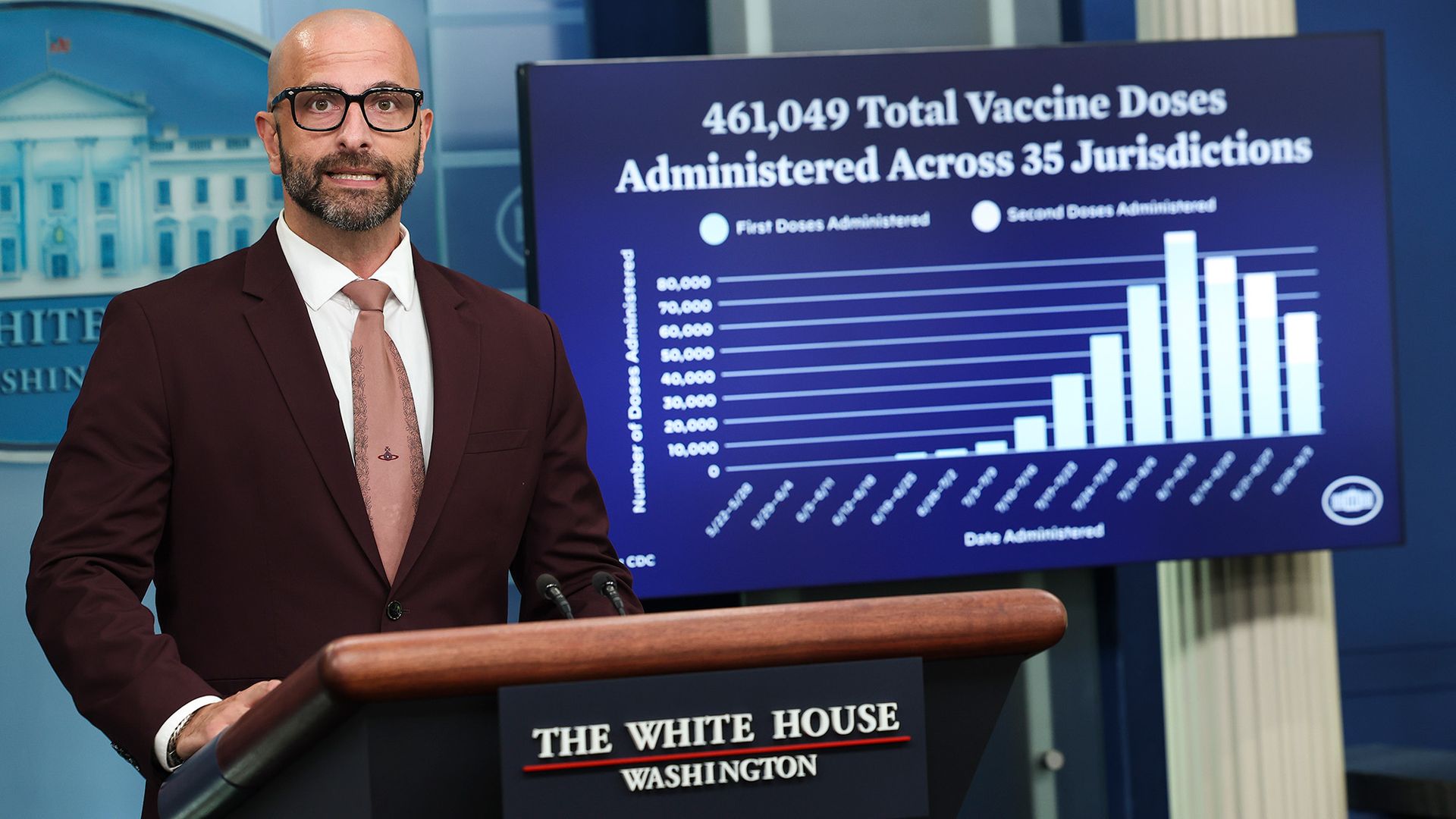
Dr. Demetre Daskalakis speaking at the White House on Sept. 7, 2022, when he provided an update on the administration's response to the ongoing mpox outbreak. (Image credit: Kevin Dietsch via Getty Images)
Thankfully, looking at current mpox trends, "there's no indication we're returning back to 2022 levels," Wertheim told Live Science. So far in 2026, just under 1,000 mpox cases have been reported, according to the CDC. Month over month, the number of cases is generally trending downward. So, at a glance, the current situation seems better than it was in 2025, he said.
"We sort of seem to be on this razor's edge between endemicity and extinction," he said. "And it's not really clear which way it'll go."
Tipping the virus toward extinction will require healthcare providers to be informed and equipped to spot and manage cases, Daskalakis said. And communicating the importance of vaccination is key.
"One lesson from 2022 was that trusted messengers matter," he said. "We [at Callen-Lorde] work closely with LGBTQ+ communities and make information and vaccination opportunities available in settings where people already receive care." The clinic integrates conversations about mpox vaccination into routine health visits, sexual health services, HIV prevention programs and community outreach activities.
Beyond vaccinating at-risk populations, educating patients about how mpox spreads and how to reduce their risk is also key, Standford noted. "Vaccination coverage is a very important factor, but it is not the only one," he said.
Tipping mpox toward extinction will also require enough investment to maintain the disease surveillance, vaccination, testing and treatment capacity that the federal government helped to expand in 2022, Daskalakis said. The vaccine itself is now commercially available to clinics and in adequate supply, he emphasized.
"The fact that we're seeing ongoing circulation underscores the need for sustained prevention efforts rather than viewing mpox as a resolved public health issue," he said. "Infectious diseases don't disappear simply because public attention shifts."
This article is for informational purposes only and is not meant to offer medical advice.
Could a psychedelic drug help the brain recover from mild injuries? New research suggests that psilocybin, the mind-bending ingredient in magic mushrooms, might protect the brain from the damage caused by minor head impacts.
Even mild head impacts that don't count as concussions can raise the risk of neurodegenerative disorders such as chronic traumatic encephalopathy (CTE), so finding an effective treatment for these blows could be useful for warding off debilitating conditions down the line.
The new research, published in the journal Communications Biology, included only lab rats, so there's more work to be done to translate the findings to humans. But the early results hint at a new application for psilocybin — a drug that's already been explored for a range of other conditions, including depression, PTSD and anorexia.
Live Science spoke with study co-author Argel Aguilar-Valles, an associate professor of neuroscience at Carleton University in Ontario, about the new study and how the research might eventually translate to treatments for repetitive head injuries.
Nicoletta Lanese: In this new study you focus on mild head trauma. Why does that minor level of injury still raise concern?
Argel Aguilar-Valles: This work was spearheaded by our collaborator, Dr. Craig Ferris at Northeastern University in Boston. The idea was to focus on the cumulative effect of those milder head hits, or injuries, that happen quite commonly; a lot of children and older adults can have repeated instances of these events of head trauma, and it doesn't necessarily lead to any immediate treatment or hospitalizations because they are considered fairly mild.
But over time, there's evidence that this can lead to cumulative and long-term effects that can affect the health outcomes of these individuals, particularly as we age. It's a risk factor for several forms of dementia. So the idea was to try to model this with a milder version of head injury [in lab rats].
So it's repeated — it's three hits — they're controlled, they're fairly mild. And they produce some alterations in the brain networks that are evident in using either MRI [which looks at the brain's structure] or functional MRI [which analyzes brain activity] analysis.
NL: So these are head impacts that don't come with the symptoms associated with concussions?
AAV: It's always difficult to compare [what a rat is experiencing] to what a human might experience, especially here. One good way to put it is that there's no loss of consciousness — so in those instances where the hits happen but you don't black out.
Mild head injuries can cause cumulative harm if a person experiences multiple over time, evidence suggests. (Image credit: Shutterstock)
NL: Is there anything available now to manage and treat these mild impacts?
AAV: Well, as far as I'm aware, there's not really an intervention. I've experienced this secondhand with my children. Sometimes, they will come back from school and then they [the teachers] say, "OK, they had a hit on the head; there's a bump, but they didn't lose consciousness or anything."
Then sometimes, you go to the doctor concerned and typically you're told, "OK, just keep them under observation." If there's no vomiting, nausea, if there was no loss of consciousness, typically they just send you home and say keep an eye. Put some ice on it. Maybe don't overexert yourself in the next few days — and that's about it.
There is no intervention — for instance, if we do this [treatment], it's going to prevent you from developing dementia 50 years down the line. There's obviously nothing like that, particularly when you have repeated instances and the effects are cumulative.
NL: What made psilocybin seem like a potentially promising treatment for head trauma?
AAV: My group specifically has had an interest in testing the ability of molecules collectively known as psychoplastogens. We didn't coin the term, but it basically refers to all of these drugs that produce these brain-plasticity effects [changes in the brain's structure and activity]. These include serotonergic psychedelics [such as psilocybin and LSD, which affect serotonin receptors], and also things like ketamine or even MDMA.
We observe changes in cultured neurons in response to these drugs, in terms of dendritic complexity and increased synaptic spine density [changes in neurons' incoming and outgoing wires]. Andin vivo [in live animals], you also observe functional reorganization of networks. All of these drugs have the ability to trigger these mechanisms. They do it through different pharmacological targets, but they all converge on some of these plasticity effects.
There are deficits in this plasticity in psychiatric illnesses, but also, obviously, in neurological disorders and even neurodegenerative disorders, where these plasticity mechanisms are completely nonfunctional.
So, we wanted to test the limit of the ability of these molecules to rescue, or to provide some therapeutic relief, in conditions where you have physical damage or neurodegenerative pathological mechanisms underlying the disorders. We observed — and not only us, but several other labs have also observed — that some of these molecules do seem to provide some level of therapeutic relief. [Editor's note: The current study looked only at physical trauma, but other labs have started to explore psilocybinfor neurodegenerative disorders.]
It's still unclear if they're disease-modifying, in the sense they could provide lasting changes that can modify the course of the disorder. But so far, the evidence indicates that they can at least help to ameliorate some of the negative consequences of either neurodegeneration models or physical trauma, like in this case.
We don't know the limits of these drugs yet. I'm not trying to imply that they don't have limits; what I'm trying to say is that our knowledge is incomplete.
NL: Psychedelics have been more thoroughly studied for conditions like depression. In both depression and head trauma, could similar mechanisms explain the drug's potential benefits?
AAV: Some of the cellular effects might be similar. But the underlying condition can look quite different. Even if you think of two cases of depression, they can look very, very different. The drugs are going to be engaging similar mechanisms, but also the context in which these mechanisms are occurring will probably affect the outcome. What is remarkable about these drugs is that they seem to be working in both cases, so they're certainly tackling something that might be common in both situations.
We don't know the limits of these drugs yet. I'm not trying to imply that they don't have limits; what I'm trying to say is that our knowledge is incomplete. We don't know when they will work better than other potential treatment options.
I feel that will come when their clinical use is more widespread and we have a better idea of how they work in the heterogeneous populations that clinicians have in real life. In our animal models, conditions are very, very controlled and homogeneous, so they respond in a certain, similar way, whereas in the clinic, you observe huge disparity [in responses].
NL: Is there reason to think that psilocybin would be more promising than other psychoplastogens?
AAV: I think a lot of the focus on psilocybin has been because it's one of the psychedelics that's been more widely tested both in clinic and preclinical settings.
I'm not a clinician, but one of the reasons why psilocybin is favored over others is the length of the psychedelic trip. It's a few hours. If you go with something like LSD, it will last much longer. While the person is under the influence of the drug and undergoing the trip, there needs to be clinical supervision, so it becomes really challenging logistically to arrange sessions with psychedelics that last a long time.
That's also motivated preclinical research, like ours, to focus on this drug, as opposed to others that may have similar effects. From a potential translational perspective, it might be a safer bet to study this drug.
NL: In clinical trials of psychedelics, scientists often use a very small dose to try to avoid triggering strong hallucinogenic effects. Was that a goal with the rats?
AAV: No, they're probably experiencing something — this is a relatively high dose. A lot of people use 1 milligram of psilocybin per kilogram of body weight. In this case, they were using 3 milligram per kilogram, and it was based on previous imaging studies where they looked at the effects of this drug.
One measure we use is the "head twitch response," which is a behavioral measure that we commonly use in rodent work to test the hallucinogenic potential of a drug. This is a very rapid head movement that occurs in response to the serotonergic psychedelics. It's a behavioral response that correlates with hallucinogenic potential, and not perfectly.
For psilocybin, it's been very well characterized in the sense that it's mediated by the serotonin 5-HT2A receptor [in rodents], which is the same receptor that mediates hallucinations and the psychedelic trip in humans.
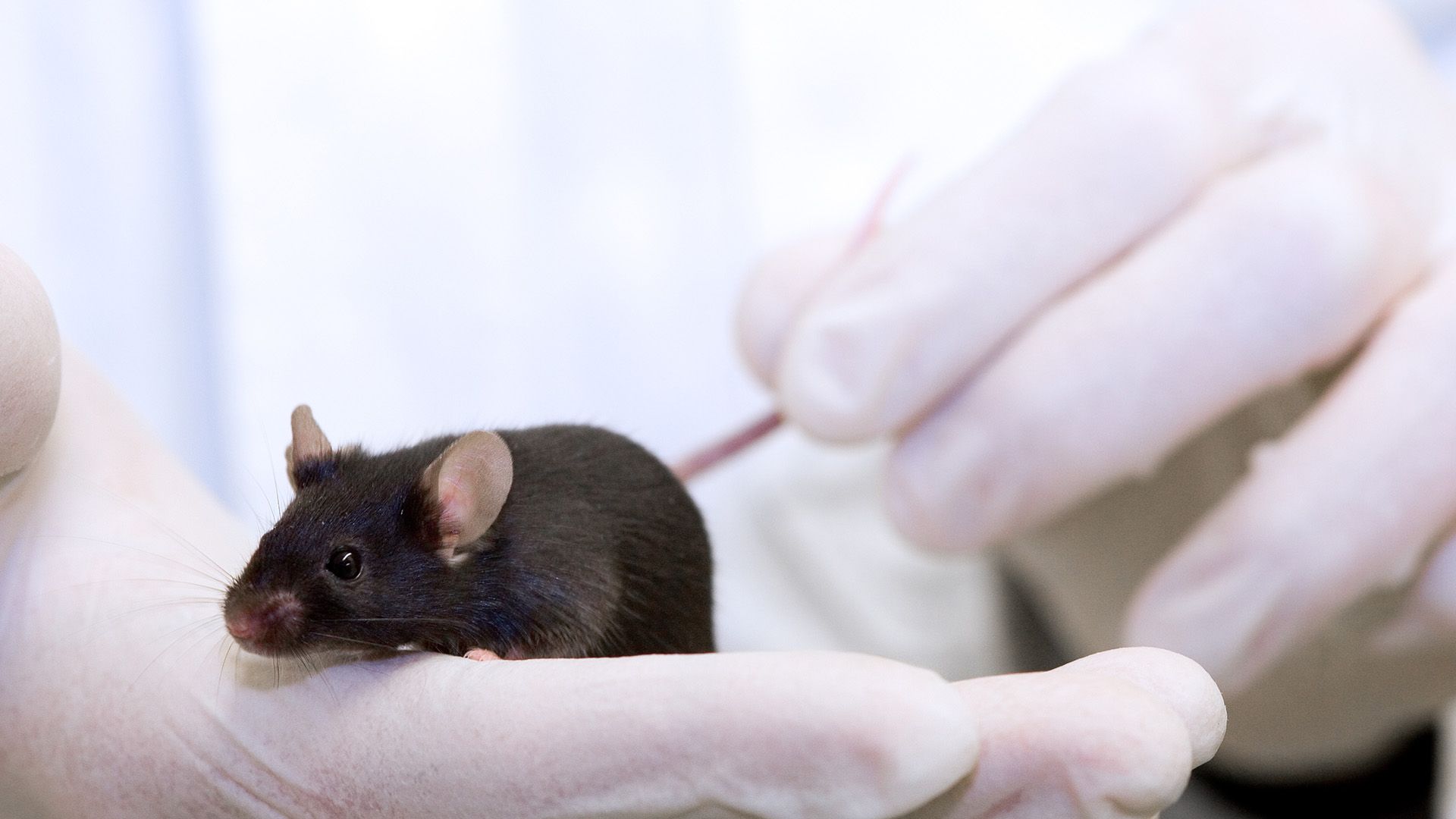
The new study that Aguilar-Valles co-authored looked only at rats. More work is needed to understand if psilocybin could be useful for humans with head injuries. (Image credit: dra_schwartz via Getty Images)
NL: What notable changes did you see in the rats in this study?
AAV: The measurements were done nearly three weeks after the injury. It's relatively short if you think of a human, but for a mouse, things happen much faster metabolically and physiologically. There was at least evidence of increased phosphorylation of tau [changes in a specific brain protein tied to Alzheimer's], and that was reversed by the treatment with psilocybin. That was certainly one surprising finding, and it's worth following up, I believe.
But also the hyperconnectivity — the brain's functional connectivity was really dramatically affected in the treated rodents with the head hits. They not only recovered but went to higher levels than the control-group animals.
We don't really know what the meaning of that is, but certainly it's quite remarkable how the networks became hyperconnected. And hopefully that means something positive for the animals. But it was certainly surprising, the level of recovery of that particular measure.
NL: And these effects were seen throughout the brain?
AAV: There were effects in a lot of brain regions — the thalamus, the hippocampus, the basal ganglia, and all different parts of the cortex, etc. One of the things that stands out from this study was the connectivity of dopaminergic nuclei [hubs of dopamine production in the middle of the brain]. Their connectivity is really fundamentally changed by the hits and then by the treatment with psilocybin.
These modulatory regions, the dopaminergic regions, are concentrated in one part of the brain, but they affect overall brain function because they have these widespread connections. So they're really crucial for a lot of functions, and we're seeing effects in these regions — that's really intriguing.
NL: Is it known whether the strength of the psychedelic trip has anything to do with the degree of benefit?
AAV: It is currently a hotly debated topic in the psychedelic field, whether the intensity of the psychedelic experience has anything to do with the beneficial effects or not. You can envision situations like psychological trauma, as opposed to physical trauma, where that trip might be part of the therapeutic mechanisms. It becomes evident in the debriefing sessions after psychedelic treatment, where it seems like in some cases, the psychedelic experience is fundamental.
But these are fairly correlative measures — if the two happen at the same time, it doesn't mean that they are linked together causally. So that's something that is being tested actively. One of the ways is the development of these non-hallucinogenic analogues that seemingly trigger similar plasticity mechanisms as their psychedelic counterparts do [without causing a trip].
I don't think we've had the first clinical trial with these drugs yet. Some of them may have undergone Phase I clinical trials just for safety, but I believe none of them have been tested in Phase II trials yet [in which their effectiveness is explored for specific conditions].
NL: Given this work is in rats, what are the next steps to translate this into a treatment for people?
AAV: Extending the observations, like other groups have done — looking at what happens if you do give this treatment months after the events. It's still unclear to me if, with this model we have, you will have effects months later.
We have some correlative measures that potentially BDNF expression [a gene for brain-derived neurotrophic factor, which helps neurons grow connections] is increased, and also the levels of its receptor, called TrkB. That is a possibility that needs to be further investigated, trying to find out whether these neurotrophic factors are crucial for the effects that we're seeing.
And obviously, the psychedelic trip is still a potential issue. But testing whether these non-hallucinogenic derivatives have the same lasting effects as their hallucinogenic counterparts do — that will be crucial and that can, in some cases, potentially facilitate the translation [into treatments]. Because not every person reacts the same way to these hallucinogenic compounds, and not everybody has the same risks.
NL: I assume the non-psychedelic options might be better for children, for instance?
AAV: We don't know what the consequences [of psychedelic use] are in a developing brain. There's not enough data. That will be obviously a big thing to sort out before recommending the use of these drugs, and maybe some of those non-hallucinogenic derivatives may hold the answer for that — for those cases where you really don't want to induce a full-on psychedelic experience.
There's also schizophrenia and a bunch of other psychiatric diagnoses with psychosis associated with them — from bipolar or psychosis-like events or episodes — where you might not want to apply a serotonergic psychedelic.
NL: Looking ahead to the next five to 10 years, what do you hope to see in the field?
AAV: There's a lot of enthusiasm in the field and a lot of push to try to characterize and understand better these drugs, from a basic perspective or a cellular level up to a brain wave level and then also the psychological effects. So there are a lot of different disciplines implicated in studying these drugs, and I think that's really exciting. That will hopefully lead to a wealth of knowledge about these drugs — not only their effects but also their limitations and their potential risks.
Hopefully we will have a balanced approach as scientists, to be able to really tease apart in which cases it [psychedelic treatment] will be really useful and in which cases the risks outweigh the benefits. That will be crucial to understand.
There's a lot of potential there, but we should proceed with caution.
This interview has been condensed and edited lightly for clarity. This article is for informational purposes only and is not meant to offer medical advice.

 Login