❌

Normal view

Genetic insights point toward druggable targets underlying suicide risk

9 September 2026 at 17:46

In one of the most comprehensive investigations of its kind, researchers have taken a major step toward untangling the biology underlying suicide risk, moving the field beyond long-standing debates about whether suicidal behavior is simply a consequence of psychiatric illness. By integrating large-scale genetic data with cutting-edge approaches that map how genes act in specific brain cells and circuits, an international team has identified shared genetic liability that cuts across psychiatric diagnoses while also pinpointing druggable biological pathways that could one day inform prevention strategies. The study, published in Translational Psychiatry, offers a sweeping synthesis of how inherited risk factors may translate into molecular vulnerabilities, and it does so with a level of resolution that previous candidate-gene approaches could never achieve.

Suicide remains one of the leading causes of death worldwide, claiming more than 700,000 lives each year according to global health estimates. Despite decades of research, clinical prediction remains stubbornly imprecise, and biological models of suicidal behavior have historically been hampered by small sample sizes, inconsistent findings, and a tendency to conflate suicide risk with the psychiatric disorders with which it so often co-occurs. Major depression, bipolar disorder, schizophrenia, and substance use disorders all carry elevated suicide risk, yet most people with these conditions never attempt suicide, while some individuals who die by suicide have no diagnosed psychiatric illness at all. This paradox has long suggested to researchers that suicidal behavior may possess partially distinct biological underpinnings, and the new study set out to test that hypothesis with unprecedented statistical power.

At the heart of the work lies genome-wide association study methodology, or GWAS, which scans hundreds of thousands to millions of genetic variants spread across the entire genome in very large groups of people, comparing individuals who have experienced suicidal thoughts or behaviors with those who have not. Each variant is tested for statistical association with the outcome, and the results can be combined into polygenic risk scores, numerical summaries of a person’s inherited liability based on the cumulative small effects of thousands of variants. Because no single common variant exerts a large effect, the field depends on aggregating data across massive biobanks and cohorts, a strategy that has only become feasible in the past decade as datasets containing hundreds of thousands of individuals became available.

The research team took particular care to address a central confound: psychiatric disorders themselves are highly heritable, and any genetic signal linked to suicide could simply reflect inherited liability to depression or schizophrenia rather than to suicide specifically. To disentangle this, the investigators applied sophisticated statistical techniques, including genetic correlation analysis and conditional modeling, which allow researchers to ask how much genetic overlap remains between suicidal behavior and psychiatric conditions after accounting for their shared heritability. Their findings revealed a complex architecture. Substantial genetic correlations confirmed that suicide risk shares a meaningful fraction of its inherited basis with major psychiatric disorders, supporting the idea of a common pool of genetic liability. Yet the analyses also uncovered signals that persisted beyond what could be explained by those disorders, pointing to biological mechanisms that may be more specific to the emergence of suicidal thoughts and actions.

A key conceptual innovation of the study is its framing of “shared genetic liability” as a bridge between diagnoses. Rather than treating suicide as an epiphenomenon of any single disorder, the researchers modeled it as a transdiagnostic phenomenon, one whose risk emerges partly from inherited vulnerabilities that cut across diagnostic categories. This perspective aligns with a growing movement in biological psychiatry that emphasizes symptom dimensions and mechanisms over traditional diagnostic boundaries. From this vantage point, the genetic variants that raise risk for depression, PTSD, and schizophrenia may do so partly because they converge on shared molecular pathways, and those same pathways may govern an individual’s threshold for suicidal crises regardless of which diagnosis they carry.

Identifying genetic variants, however, is only the first step. A GWAS signal typically points to a genomic region rather than a specific causal gene or mechanism, since many associated variants fall in non-coding stretches of DNA that regulate gene activity from a distance. To translate statistical associations into biological insight, the team deployed a battery of functional genomics approaches. Transcriptome-wide association studies, known as TWAS, integrate gene expression data to identify genes whose genetically predicted expression levels are linked to suicide risk. Tissue and cell-type enrichment analyses then ask whether the implicated genes are unusually active in particular organs or cell populations. The results converged strikingly on brain tissue, and more specifically on neuronal populations, providing support for the idea that inherited suicide risk is mediated largely through gene regulation within the central nervous system.

The study’s most clinically provocative findings concern druggable biology. Using databases that catalog the protein targets of approved and investigational medications, the researchers examined whether genes implicated in suicide risk were over-represented among known drug targets. The analysis identified several classes of candidate targets, including components of neurotransmitter signaling systems, ion channels, and intracellular signaling cascades that are already the focus of pharmacological development for other conditions. This “druggable genome” approach, which has gained traction in genetics research across many diseases, offers a pragmatic shortcut for translational science: rather than waiting decades for entirely new therapeutic classes to be invented, researchers can prioritize existing or in-development compounds whose molecular targets intersect with genetically implicated pathways.

Among the pathways receiving attention in the analysis were those involving glutamatergic and GABAergic neurotransmission, the primary excitatory and inhibitory systems of the brain, which have repeatedly surfaced in studies of mood disorders and stress response. The endocannabinoid system and inflammatory signaling pathways also appeared in the convergent analyses, consistent with a broader literature linking immune dysregulation and allostatic load to suicidal ideation. Importantly, the authors emphasize that these findings identify hypotheses rather than ready-made treatments. Genetic association with a drug target does not guarantee that modulating that target will reduce suicide risk, and any therapeutic application would require extensive preclinical validation and carefully designed clinical trials. Nevertheless, the work provides a principled, data-driven map for where to look, replacing decades of largely failed candidate-gene speculation with a genome-wide evidence base.

The methodological rigor underpinning the study deserves emphasis, because the genetics of suicidal behavior has a troubled history. Early candidate-gene studies, which typically examined a handful of variants in genes related to serotonin signaling, produced findings that largely failed to replicate and in some cases were later shown to reflect statistical artifacts, small samples, and publication bias. The field has since undergone a reckoning, and modern efforts adhere to far stricter standards: preregistered analyses, very large and ancestrally diverse cohorts, replication in independent samples, and conservative multiple-testing corrections that demand genome-wide significance thresholds on the order of five times ten to the negative eighth power. The new study reflects these lessons, applying sensitivity analyses to guard against confounding from psychiatric comorbidity and examining whether findings generalize across ancestral groups, an issue of considerable importance given that most genetic discovery to date has been conducted in populations of European ancestry.

The implications for clinical practice, while still distant, are worth considering. Polygenic risk scores for suicide-related outcomes currently explain only a small fraction of individual differences in risk, far too little to be used as stand-alone screening tools, and their predictive performance is degraded in populations not represented in the discovery data. Researchers in the field are careful to stress that genetic risk is not destiny: suicidal behavior arises from an intricate interplay of inherited vulnerability, mental illness, trauma, substance use, social isolation, access to lethal means, and the availability of support. What genetics offers is not a crystal ball but a window into mechanism, and mechanistic knowledge is the raw material from which better biomarkers, risk stratification tools, and ultimately targeted interventions are built. In the near term, the druggable pathway findings are most valuable as a guide for laboratory science, directing neurobiologists toward molecular systems whose manipulation might alter suicide-relevant phenotypes in animal models and cellular assays.

Looking forward, the study signals where the field must go next. Sample sizes for suicide-specific genetic analyses remain smaller than those for major psychiatric disorders, and expanding representation across ancestries is essential if the benefits of this research are to be shared equitably. Integrating genetic data with longitudinal measures of life stress, neural imaging, and digital phenotyping may eventually allow researchers to model how inherited liability interacts with environmental triggers across the lifespan. Functional experiments in induced pluripotent stem cell-derived neurons and brain organoids could test whether the implicated genes genuinely alter stress-response circuitry or resilience. And randomized trials in patients carrying high genetic liability, though ethically and logistically complex, represent the logical endpoint of the druggable-target approach.

What the study ultimately delivers is a reframe. Suicide risk, in this analysis, is not an amorphous clinical outcome but a measurable, partly heritable trait whose genetic architecture is now being resolved with the same tools that have transformed our understanding of heart disease, diabetes, and schizophrenia. By demonstrating that shared genetic liability links suicide risk across diagnostic boundaries and by mapping that liability onto specific, pharmacologically tractable biology, the researchers have converted a long-standing clinical puzzle into a concrete research agenda. The path from genetic correlation to effective prevention is long, and no genetic finding will soon replace the human work of crisis intervention, connection, and care. But for a problem that has defied biological explanation for generations, the identification of shared, druggable mechanisms represents a genuine and hard-won advance, one that may shape suicide research for years to come.

Subject of Research: Shared genetic liability and druggable biological pathways underlying suicide risk across psychiatric disorders

Article Title: From shared genetic liability to druggable biology in suicide risk

Article References: Yao, K., Zhuo, C., Chen, X., Li, C., Song, H., Zou, J., & Tian, H. (2026). From shared genetic liability to druggable biology in suicide risk. Translational Psychiatry. https://doi.org/10.1038/s41398-026-04428-1

Image Credits: AI Generated

DOI: 10.1038/s41398-026-04428-1

Keywords: suicide risk, genetic liability, genome-wide association study, polygenic risk score, druggable genome, transdiagnostic psychiatry, TWAS, brain gene expression, glutamatergic signaling, psychiatric genetics, Translational Psychiatry

NIH to use part of its budget to pay for Department of Defense research

8 September 2026 at 21:06

Late last week, word started leaking that the National Institutes of Health (NIH) had reached an agreement with the Department of Defense that would see part of the NIH's budget used to fund research at the Department of Defense. So, on the Friday just prior to a US holiday weekend, the Department of Defense released a copy of the agreement and confirmed that it had been signed roughly a month earlier. The move is striking for a number of reasons, ranging from the existing budget disparities between the two parties involved to the fact that the money would be used for projects that the current NIH leadership has explicitly rejected.

The agreement itself sets up a system where the NIH would transfer money to the Department of Defense to fund staff and projects that would "support the advanced development of medical countermeasures against pandemic influenza, chemical, biological, radiological, and nuclear (CBRN) threats, and emerging infectious diseases." The money would come out of the budget for the NIH's National Institute of Allergy and Infectious Diseases, or NIAID, to which Congress has allocated $6.6 billion in 2026. The agreement is set to run for a decade.

Left unspecified is just how much of the NIAID budget will be spent on Defense projects. Reporting by Nature suggests that the Department of Defense was looking for up to a third of its total budget but was being told to settle for about 10 percent. There's obviously an enormous disparity between the budgets of these two agencies, given that the 2026 Defense budget is roughly $1 trillion. That budget is under considerable strain, however, due to the open-ended nature of the conflict with Iran. The deal has also been announced at a time when the NIH has been struggling to issue sufficient grants to use the money that Congress allocated to it.

Read full article

Comments

© Artem Onoprienko

Scientists Discover a Bacterial Molecule That “Disarms” a Dangerous Fungus

8 September 2026 at 14:15
Fluffy Spores Moldy Fungus FoodA bacterial molecule called gladiolin can disarm invasive Candida albicans and strengthen the effects of a major antifungal drug. Candida albicans usually lives harmlessly in the human body, but under the wrong conditions it can transform into an invasive form capable of damaging tissue and causing life-threatening infection. Researchers from Monash University and the University [...]

IA et devoirs : cette peur pousse des parents à payer, même lorsqu’ils doutent de ses bénéfices

8 September 2026 at 04:27
Avec l’intelligence artificielle qui s’invite désormais dans les devoirs des collégiens et lycéens, de nombreuses familles font face à un dilemme : faut-il en limiter l’usage ou, au contraire, permettre à son enfant de suivre le mouvement ? Une étude révèle à quel point les pratiques des autres...

Machine Vision Joins Apple’s U.S. Factory Training Push

5 September 2026 at 21:32

Machine vision is becoming a practical part of Apple’s U.S. factory training strategy, giving smaller manufacturers access to techniques that help production systems inspect what they make. The recent opening of the Houston manufacturing training center extends that effort into a working electronics production campus, while courses developed with Michigan State University introduce businesses to image analysis, machine learning, and automated quality checks.

For a manufacturer, the attraction can be straightforward: finding a missing component before a product leaves the line, identifying a surface defect before more material is added, or recognizing an assembly error while it can still be corrected cheaply.

These are manageable problems with measurable costs. They also offer an accessible starting point for businesses interested in AI but unsure where it belongs inside their operations.

Machine Vision Enters the Manufacturing Curriculum

The Apple Manufacturing Academy’s current course catalog includes Machine Learning with Vision, a course introducing machine learning and deep learning through practical activities using Apple devices. It sits alongside instruction in automation, quality fundamentals, manufacturing data, maintenance, and process improvement.

That placement gives the subject useful context. A camera can produce an image, but a factory needs a decision: accept the part, flag it for review, check its position, or investigate a process that may be drifting out of tolerance.

Machine vision connects image capture to those operational decisions. Some applications use established rules to measure dimensions or identify patterns. Others use machine learning to recognize acceptable variations and defects that are difficult to describe through fixed rules.

The academy’s public description confirms introductory activities with Apple devices. It does not identify a particular iPhone, Mac configuration, software framework, or industrial camera package that every participant must use.

For smaller businesses, the educational value is learning how to define an inspection problem before purchasing equipment. A company that understands what it needs to detect can have a much more productive conversation with an automation supplier.

A woman in a pink smartwatch uses Visual Look Up on her smartphone to snap a photo of her food at a wooden table, with plates of rice, salad, and grilled meat in front of her.

Houston Brings Training Closer to Production

Apple opened its 20,000-square-foot Advanced Manufacturing Center on August 13. According to the Houston opening announcement, the free program offers small and medium-sized businesses instruction in advanced manufacturing, interactive labs, and experience with representative production equipment.

The first cohort worked with machine learning for quality control and advanced automation. Participants also explored production challenges, used a holographic table, and assembled and laser etched a product.

The location adds context: the center occupies the same Houston facility that builds advanced AI servers and is scheduled to begin Mac mini manufacturing this year. Its teaching program includes final assembly principles and design considerations for printed circuit board assembly.

Houston is the company’s second U.S. manufacturing learning site, following the Detroit academy established with Michigan State University in August 2025. By the Houston opening, Apple said the academy had helped nearly 1,000 workers, students, and entrepreneurs.

That figure measures people reached through the program. It should not be interpreted as 1,000 factories already operating AI inspection systems.

A diagram titled "Adapters" displays various blue bars labeled Summarization, Proofreading, Mail replies, Tone adjustment, Role Playing, Query handling, Friendly, and Urgency. Below these bars is an icon representing a neural network structure powered by Apple Intelligence Servers.
Apple Machine Learning Adapters

A Useful Inspection Starts With a Specific Problem

Imagine a small business assembling control panels. Each panel needs the same set of connectors, positioned correctly before the enclosure closes. A machine vision station could check for a missing connector while the assembly remains accessible.

The value comes from catching that error at the right moment. Discovering it after packaging creates extra handling and rework. Discovering it after delivery may involve a return, a service visit, and an unhappy customer.

A useful pilot would therefore begin with that single inspection point. The business could compare the existing process with the assisted one, recording missed defects, unnecessary rechecks, inspection time, and the cost of correcting mistakes.

The camera is only part of the exercise. Workers must agree on what constitutes a defect, collect representative examples, and decide what happens when the result is uncertain.

Those decisions draw heavily on experience already present on the factory floor. An operator may know that an unusual mark is harmless, while a barely visible change in alignment predicts a later assembly problem. Turning that knowledge into consistent inspection criteria is valuable work in its own right.

These are examples of how manufacturers could apply the training, rather than projects Apple has announced for individual participants.

Teaching Machine Vision to Handle Ordinary Variation

A demonstration can look impressive when every part arrives clean, centered, and evenly lit. Production introduces variation: different surface finishes, reflections, changing positions, and batches that look slightly different while remaining within specification.

The inspection system must distinguish those acceptable differences from actual failures. Otherwise, it can reject good products or allow defective ones to continue.

Industrial vision supplier Cognex’s deployment guidance recommends validating systems across product models, defect types, and manufacturing lines. It also describes an approach in which automated inspection handles preliminary checks while experienced inspectors review borderline cases.

For a business learning machine vision, that offers a realistic way to introduce the technology. Employees can compare its decisions with their own, investigate disagreements, and determine whether the results justify extending its role.

An inspection system also needs an owner after installation. Someone must understand when a product change requires new examples, when equipment needs attention, and when performance has slipped. Training that responsibility into the workforce helps prevent an initially successful project from becoming an unreliable fixture.

Smaller Manufacturers Are Already Applying the Training

The academy’s reach extends beyond companies producing consumer electronics. In its May update on participating manufacturers, Apple highlighted Block Imaging, a Michigan business that services and refurbishes medical imaging equipment.

The company hosted visitors during the academy’s Spring Forum and described applying techniques learned from Apple engineers and Michigan State experts to its operations. Apple reported that the academy had supported more than 150 American businesses at that point.

The announcement did not identify a particular machine vision deployment at Block Imaging or publish a percentage improvement attributable to visual inspection. It does provide an example of the training reaching businesses whose work differs substantially from building an iPhone.

That wider participation could benefit Apple indirectly. More capable domestic manufacturers can support equipment maintenance, tooling, components, and specialized production services. Participation itself does not establish a supplier relationship, but the skills can be used across customers and industries.

Access Without a Large Training Budget

The academy’s participation information says eligible small and medium-sized U.S. manufacturers can take courses free of charge. Online learning includes on-demand materials and interactive modules, while in-person sessions add workshops and more personalized instruction.

Digital badges are available for different topics, and completed course materials remain accessible for review. That gives a business room to train an employee around existing production commitments and return to the material when an actual project begins.

Free instruction does not remove the eventual cost of cameras, lighting, integration, maintenance, or employee time. It can help a manufacturer understand those costs before committing to a system.

The first proposal brought back to the factory might be modest: inspect one recurring defect at one station and record the results for several weeks. A supervisor can then weigh the time saved against the extra reviews, maintenance, and mistakes. That is the kind of evidence a business owner can use when deciding whether to install a second station.

A lineup of Apple devices—a Vision Pro headset, iPad, MacBook, iPhone, and Apple Watch—displays colorful swirling dot patterns on their screens against a white background, highlighting seamless Apple Account recovery across the entire ecosystem.
Image Credit: Apple Inc.

The post Machine Vision Joins Apple’s U.S. Factory Training Push appeared first on AppleMagazine.

The CDC Is Now Denying That Specific Children Died From Measles, in a Scandal Potentially Beyond Anything in Its History

5 September 2026 at 18:01

After health officials in Pennsylvania found that two young children died from measles, the Centers for Disease Control and Prevention is refusing to count their deaths as being caused by the deadly virus.

“This week’s measles outbreaks update will not include the two measles-associated deaths reported by the Pennsylvania Department of Health on Aug. 25,” the CDC posted on its website, in a high unusual announcement.

It’s a precedent shattering action. The New York Times called it an “extraordinary move for the CDC,” breaking with the agency’s long-standing procedure of accepting data shared by states.

The challenge by the CDC comes amid a political showdown between health secretary Robert F. Kennedy Jr, who oversees the CDC, and Pennsylvania’s Democratic governor Josh Shapiro.

At a news conference last week, Shapiro announced the deaths of the two children from measles and condemned Kennedy for spreading vaccine misinformation, saying that “there’s real life consequences for spreading misinformation.”

RFK Jr responded on social media by accusing Shapiro of taking “giddy delight” in their deaths and even suggested he may even “fabricated” them. The CDC’s own announcement that it would not be counting the deaths as measles related came just days after the public spat.

According to the latest reporting, one of the deceased was a newborn with a ruptured spleen, and the other was a child of unknown age. Both were unvaccinated and tested positive for measles, the Pennsylvania Health Department said, per the NYT. They came from Lancaster County, the center of a measles outbreak where 242 people have been infected with the disease so far, the most in the state.

Conflicting information over the children’s deaths gave rise to the heated controversy.

Though the state’s health department said both deaths were due to measles, Lancaster County coroner Stephen Diamantoni, a Republican, said that his office’s pathologist determined that the newborn — which was born infected with virus which it inherited from its mother — died of a ruptured spleen, not measles.

But some top medical experts have pushed back against Diamontoni. Measles can enlarge a baby’s spleen and make them prone to rupturing during birth,  wrote Paul Offit, a renowned vaccine and pediatric infectious disease expert at Children’s Hospital of Philadelphia, in a widely reported essay on Substack. Once the spleen ruptures, it’s difficult to determine if it was enlarged after the fact.

Offit called on Diamontoni to provide more details surrounding the newborn’s death — and that, if it wasn’t measles, to offer an alternative explanation for the baby’s ruptured spleen. Since ruptured spleens in newborns is exceedingly rare and can be caused only by a handful of disorders or infections, he said, if one of those conditions wasn’t found in the child, then the “only obvious cause left would be measles.”

None of this explains why the CDC also refused to count the other child’s death, few details on whom have been released ot the public.

The Department of Health and Human Services, which oversees the CDC, defended its decision in a statement.

“The two measles-associated deaths announced by Pennsylvania have not been confirmed based on the information currently available to CDC,” it said, per the NYT.  “The information currently posted reflects the best available information and our commitment to transparency and telling the American people the truth — a foundational principle of the Trump administration.”

More on viruses: Authorities Alarmed When Person With Measles Spends Entire Day Frolicking Around Universal Studios

The post The CDC Is Now Denying That Specific Children Died From Measles, in a Scandal Potentially Beyond Anything in Its History appeared first on Futurism.

University at Buffalo adds electric buses to Stampede Fleet

5 September 2026 at 02:01

The University at Buffalo is celebrating the deployment of eight new 40-foot electric transit buses, which are now quietly transporting students, staff, and campus visitors per day. The buses are the first in UB’s Stampede fleet to ditch diesel, kicking off a four-year effort to electrify the university’s campus transportation system.

more…

How to keep your mission-critical cloud workloads running

3 September 2026 at 10:00

Entrusting mission-critical workloads in the cloud puts a lot of pressure on IT operations to build resilience into data infrastructure they don’t even own — to make sure that when an incident happens elsewhere, the lights stay on at home. Fortunately, savvy CIOs are learning they can architect their systems for resilience and high availability to keep mission-critical cloud workloads running when disaster strikes.

When designing for resilient, highly available cloud workloads it is critical to understand the details of your cloud provider’s service level agreement (SLA) and recognize that providers operate on a shared responsibility model. That means there are many things the provider is responsible for, but the workloads you’ve got running on their infrastructure are not among them. With that in mind, we’ll need to focus on three core goals essential to building and maintaining highly available, resilient cloud workloads:

  1. Identify and eliminate single points of failure
  2. Close or mitigate conditions leading to recovery gaps, and
  3. Overcome operational complexity.

Remember, everything fails

Designing for application-level resilience and high availability is predicated on recognizing that everything fails. That’s not pessimism, but realism, and embracing this fact gives you a leg up in architecting resilient IT. Hardware breaks down, disasters occur, mistakes are made, software incompatibilities are common, and limits are exceeded that result in loss of service. There are four categories of failure that need to be taken into consideration when designing for resilience and high availability:

  1. Single point of failure: As the term suggests, this describes a non-redundant device, route, or point of connectivity that results in zero fault tolerance in the event of an incident involving that choke point.
  2. Excessive load: Exceeding the throughput or memory limits of a device or service can result in latency, service degradation, or failure affecting service level agreements (SLA) and service level objectives (SLO).
  3. Misconfigurations and bugs: Perhaps the most common source of failure, these breakdowns often occur during installation, maintenance, and patching leading to the incorrect execution of code.
  4. Shared fate: This type of failure is like non-redundant connectivity. When you rely on third-party services and there is an incident beyond your control affecting a partner, it can result in downtime or service degradation.

Having identified the primary challenges to maintaining service uptime and continuity, let’s explore an approach to achieving resilience through high availability, disaster recovery, and the process of continuous improvement.

Working toward continuous improvement

High availability is often thought of as measured by “X Nines,” representing the percentage of time a service is operational over the course of a specified time frame, usually a year. Six nines of availability, for example, means that a service can be expected to run 99.9999% of the time, or 8759.99 hours out of 8760 in a year. That sounds good until a disaster happens. Then we shift to disaster recovery, or the ability to restore a service and its associated data quickly and correctly when things go wrong. Disaster recovery is often measured and evaluated by a recovery point objective (RPO), which is the maximum acceptable amount of data loss, and a recovery time objective (RTO), which is the maximum acceptable amount of time a service can be down.

By learning from our mistakes, incidents, and the ongoing process of testing, observing, and evaluating IT operations, we apply new information in the goal of continuous improvement to get peak performance out of our investments in IT. But because we’re addressing resilience and high availability in the context of workloads operating in the cloud, we should understand the shared responsibility model that most cloud service providers use. Details may differ from provider to provider, but the shared responsibility model of cloud services is your vendor’s statement of responsibility for maintaining its infrastructure and ability to deliver storage and compute capacity in a region and availability zone where you have a need. In return, you accept responsibility for the configuration, maintenance, availability and operation of the workloads you choose to run on your vendor’s cloud.

Infoworld - Shared Responsibility

SIOS Technology

A cloud service provider will typically operate and maintain physical infrastructure in different areas around the world, with multiple availability zones in each area. Each availability zone will have one or more data centers with its own power, cooling, and other operational support. Data centers are typically located far enough from each other to minimize the chance that a natural or regional disaster will affect multiple data centers, but close enough that they can operate as a single, logical data center — thereby maximizing bandwidth and throughput, while minimizing latency. This is redundancy at scale that eliminates a single point of data center failure.

Designing for application high availability and disaster recovery

To build out or retrofit your infrastructure for application-level resilience and high availability, there are four things you must have: clustering, data replication, failover, and disaster recovery. Let’s look at each and how to architect for them.

Clustering

Clustering is the practice of connecting like and complementary systems to improve availability and reliability. Think of it as putting into practice the maxim “the whole is greater than the sum of its parts.” Traditionally, clustering was achieved using hardware, specifically storage area networks (SAN), to connect and support systems in a physical data center. However, in the cloud age, hardware-based clustering has proven to be expensive and inflexible. Software-based SANless clustering with products such as SIOS LifeKeeper delivers all the benefits of the traditional approach while also working better in cloud and hybrid environments.

Infoworld - SAN vs. SANless

SIOS Technology

SANless clusters enable the configuration of nodes based on the organization’s operational priorities and work easily for enterprises running geographically distributed data centers or cloud availability zones. Because SIOS LifeKeeper supports single-site, multi-site, cloud, or mixed environments, and affords real-time access to operational data during incidents requiring failover, it is ideal when mission-critical workloads are distributed across multiple providers. LifeKeeper clusters create redundancy and eliminate single points of failure, both of which are necessary for achieving high availability. For enterprises operating hybrid or multi-cloud infrastructure, this enables you to shift to secondary resources should your primary service experience an outage.

Data replication

IT operations and your mission-critical applications rely on data, so it’s vital to keep data in sync between nodes in real time, whether synchronously or asynchronously, depending on the application. When working to achieve high availability, it’s important to monitor the health of infrastructure elements and the applications you’re running. This ensures that downtime affecting the application and any downstream dependencies is detected so that failover and recovery to a standby node can occur automatically. When everything is in sync and data replication is happening, this ensures complete readiness; there’s no need to rebuild a database or for any manual operations. And with SANless clusters using SIOS DataKeeper, this will happen across availability zones, regions, and to or from on-premises, cloud, or multi-cloud resources in hybrid environments.

Infoworld - Data Replication

SIOS Technology

What’s important here is that the software you use for SANless clustering be application aware. That’s SIOS LifeKeeper. Because high availability and resilience mean not just failing over to standby infrastructure resources, but for properly failing over mission-critical workloads (think SQL Server, SAP, Postgres, or industry-specific applications like Meditech), the software needs to understand how those applications work so that they can recover and restart cleanly. Otherwise, when failover occurs, there’s a good chance that workload is not going to be available, or it could be out of sync. When your software is application-aware, failover and recovery is fast and predictable with no API dependencies or last-minute provisioning.

Failover

With SIOS SANless application-aware clustering and replication in place, you can automate real-time failover and achieve the goal of high availability and resilience. Because we’ve chosen a software-based approach, failover occurs in the data plane, so there’s no need to spin up a new instance following an incident. Everything is already running, in sync, and ready. Furthermore, failover is immediate and it’s predictable. That is what you need when dealing with mission-critical workloads. Consider that many of the mission-critical applications you use were not designed to operate in the cloud, so even if your infrastructure is resilient, the application itself represents a single point of failure. Without replication, application monitoring, and real-time failover automation, you risk loss of revenue, security degradation, or worse.

Infoworld - HA Clustering

SIOS Technology

Depending on the size of your enterprise and the industry in which it operates, an hour of downtime can cost $1 million or more, and 90% of organizations report costs of at least $300,000 per hour. Beyond that simple loss of revenue are soft costs associated with reputation damage, lost productivity, missed transactions, and more. Revenue protection is only part of the equation; it is about protecting the business.

Disaster recovery

Any design for high availability and resilience must also take into consideration the risk of a non-IT disaster that disrupts operations. Natural disasters like fires, earthquakes, and floods, or disasters caused by humans like the accidental severing of a trunkline or an act of sabotage conspire to bring operations to a sudden halt. Clustering, replication, and failover all play into disaster recovery, but there are additional considerations that must be addressed. For disaster recovery (DR), you’re going to want geographic distance between your primary site and your DR site to minimize the risk that a regional event doesn’t affect both. That means you’re going to want asynchronous (or near real-time) data replication.

Infoworld - Disaster Recovery

SIOS Technology

Asynchronous replication is typically only a second or less behind synchronous replication, so it is de facto real-time, but that delay allows you to replicate across higher-latency networks and across longer distances. And because replication is happening continuously, even if you have a local failover between node one and node two, replication to the DR node doesn’t stop. Instead, when node two comes online it becomes the source of the mirror replicating to the DR site and back to node one once it is restored.

Patching and planned maintenance

Beyond the simplicity and cost advantages that come from taking a software-based approach to designing your cloud and hybrid infrastructure for high availability there is another big benefit. You are also better prepared to respond to the increased pressure on rapid implementation of software updates and security patches. No one wants to be the person responsible for taking too long to patch for a vulnerability, but every time you touch a system, you’re introducing the risk of error. That risk is greater when dealing with the cloud where you have less control over the underlying infrastructure, more abstraction, and a lot more moving parts.

In short, patches can break things as well as fix them. They have thus become a significant contributing factor as a cause of downtime. With SANless clusters you’re able to minimize that risk by enabling rolling updates, meaning you can patch a secondary server, verify that the patch didn’t break anything, and then patch the original server where the primary application is still running. If something does break on the secondary server, the primary is unaffected and you can quickly recover to the previous state while you figure out what went wrong. This simplifies the process of executing ad hoc patches and performing planned maintenance, mitigating the associated risks.

An investment in cloud and hybrid infrastructure and services doesn’t have to put IT operations at the mercy of a third party. With the right approach, you can design for high availability and resilience and keep your mission-critical workloads running in the cloud even when things outside of your control go wrong.

—

New Tech Forum provides a venue for technology leaders—including vendors and other outside contributors—to explore and discuss emerging enterprise technology in unprecedented depth and breadth. The selection is subjective, based on our pick of the technologies we believe to be important and of greatest interest to InfoWorld readers. InfoWorld does not accept marketing collateral for publication and reserves the right to edit all contributed content. Send all inquiries to doug_dineley@foundryco.com.

I rented a car, and within hours, my driver's license was for sale

2 September 2026 at 21:32

Not long ago, I rented an SUV from a well-known car rental company. Within hours of an employee scanning my driver's license, a high-resolution scan of my ID was available for sale on the dark web.

An exposé published Tuesday by KrebsOnSecurity reports that my license was one of more than 153 million that were available through Nexus, the name of the new ID theft service. Like other driver's licenses available there—including some belonging to journalist Brian Krebs, his mother, an FBI assistant director, and several security researchers—my license was purported to include multiple image files showing both the front and back of the ID. Besides a basic image scan, the files also captured the images in the infrared and ultraviolet spectrums. Presumably, the additional formats may allow cloned-based counterfeit IDs to pass hologram tests.

Growing by the day

Besides advertising the availability of driver's licenses, Nexus offered to sell a bevy of other forms of ID. They included:

Read full article

Comments

© Nexus

'It's in the realm of possibility': Climate change is spurring a reemergence of yellow fever, and the US could face future threats

1 September 2026 at 10:00

Yellow fever is appearing in regions that haven't seen cases of the disease in years, largely as a result of climate change.

Historically, the virus ravaged cities across the Americas, Europe and Africa, until a vaccine was introduced in 1937 and its range shrunk significantly. But now, as climate change creates favorable conditions for virus-carrying mosquitoes, scientists are seeing outbreaks in unexpected areas.

"Yellow fever is a highly deadly disease," Dr. Joelle Ivy Rosser, an infectious-disease researcher at Stanford University, told Live Science, "so any environmental pressures that increase the likelihood of future yellow fever virus outbreaks … is highly concerning."

How is climate change contributing to this pattern, and could it get worse in the future?

How rising temperatures impact yellow fever

Yellow fever is a mosquito-borne disease caused by the Orthoflavivirus flavi virus, better known as yellow fever virus (YFV). The infection causes fever, muscle aches, headaches and vomiting. About 15% of cases become severe, with patients showing jaundiced skin and eyes, bleeding from the mouth, eyes, nose and stomach, or organ failure.

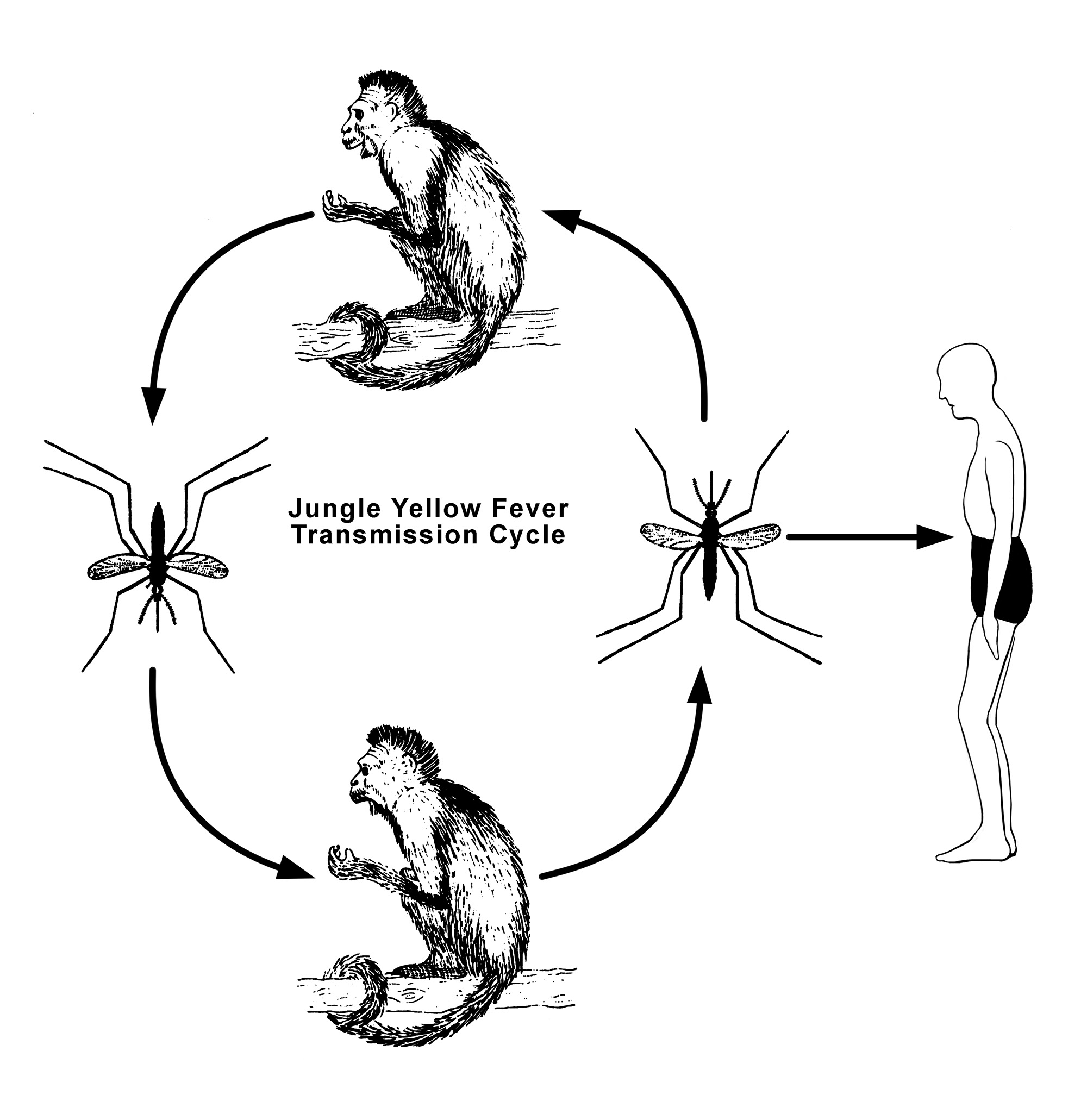
A diagram showing how yellow fever passed from mosquitos to monkeys to man

Primates, such as howler monkeys, carry the yellow fever virus, which then gets picked up mosquitoes that bite the monkeys and later spread the germ to humans. (Image credit: CDC)

Devastating yellow fever epidemics spread in the 17th to 19th centuries, before the development of a vaccine. Nowadays, an estimated 31,000 to 82,000 yellow fever deaths occur each year; severe cases have an estimated fatality rate of 20% to 50%.

Most yellow fever infections are a result of spillover from nonhuman primates; mosquitoes bite monkeys that carry the virus, such as howler monkeys, and then the infected mosquitoes bite humans. Several types of mosquitoes carry the virus, but the species Aedes aegypti is the main vector for yellow fever in cities, where high population density can make outbreaks especially severe.

Although there is an effective vaccine for yellow fever, cases have been on the rise in the past three decades. This led the World Health Organization (WHO) to set out a strategy in 2017 for eliminating yellow fever epidemics by 2026 through outbreak prevention and containment.

Climate-change-driven warming and extreme weather events may have heightened yellow fever risk over the past few decades, experts say. Rising temperatures make mosquitoes bite more because heat makes their metabolisms more active, said Dr. Seth Judson, an infectious-disease physician-scientist at UCLA. Warming also cuts down the virus's extrinsic incubation period, meaning the time it takes for the virus to replicate in a newly infected mosquito and then get passed on to another person, he told Live Science.

Weather patterns and deforestation

Changing weather patterns play a role, too. In 2017-2018, Brazil saw its first yellow fever outbreak in a city in almost a century. That outbreak, primarily in Belo Horizonte and São Paulo, was likely a result of drought, according to one study.

Extremes of weather in either direction can exacerbate mosquito-borne disease transmission

Dr. Joelle Ivy Rosser, infectious-disease researcher at Stanford University

While heavy rainfall creates a breeding ground for mosquitoes, in this case, drought pushed forest-based mosquitoes — as well as YFV carriers like marmosets and howler monkeys — closer to cities as the animals searched for water. Drier conditions can also prompt dehydrated mosquitoes to bite more as they search for fluids, study co-author Jamie Caldwell, a disease ecologist at Princeton University, told Live Science.

"Extremes of weather in either direction" — very wet or very dry — "can exacerbate mosquito-borne disease transmission," Rosser said.

Parts of Africa and South America that were considered low-risk for yellow fever have already been seeing new outbreaks, Judson said, so maps of yellow-fever-affected areas have had to be updated. In research that's been released as a preprint but not peer-reviewed yet, Judson found that yellow fever is reemerging in an area of the Colombian Andes where it hadn't been reported since 1940.

Experts are paying particular attention to the edges of cities, where urban centers meet the forest. The risk of yellow fever transmission from monkeys to humans via mosquitoes is rising at these edges due to both climate change and deforestation.

"Humans are expanding the agricultural frontier and encroaching on forests where yellow fever mosquitoes … are found," Gabriel Parra-Henao, a biologist with the WHO, told Live Science in an email. "[This] results in more people being exposed to their bites."

Similar patterns have been seen with other mosquito-borne infections, such as malaria.

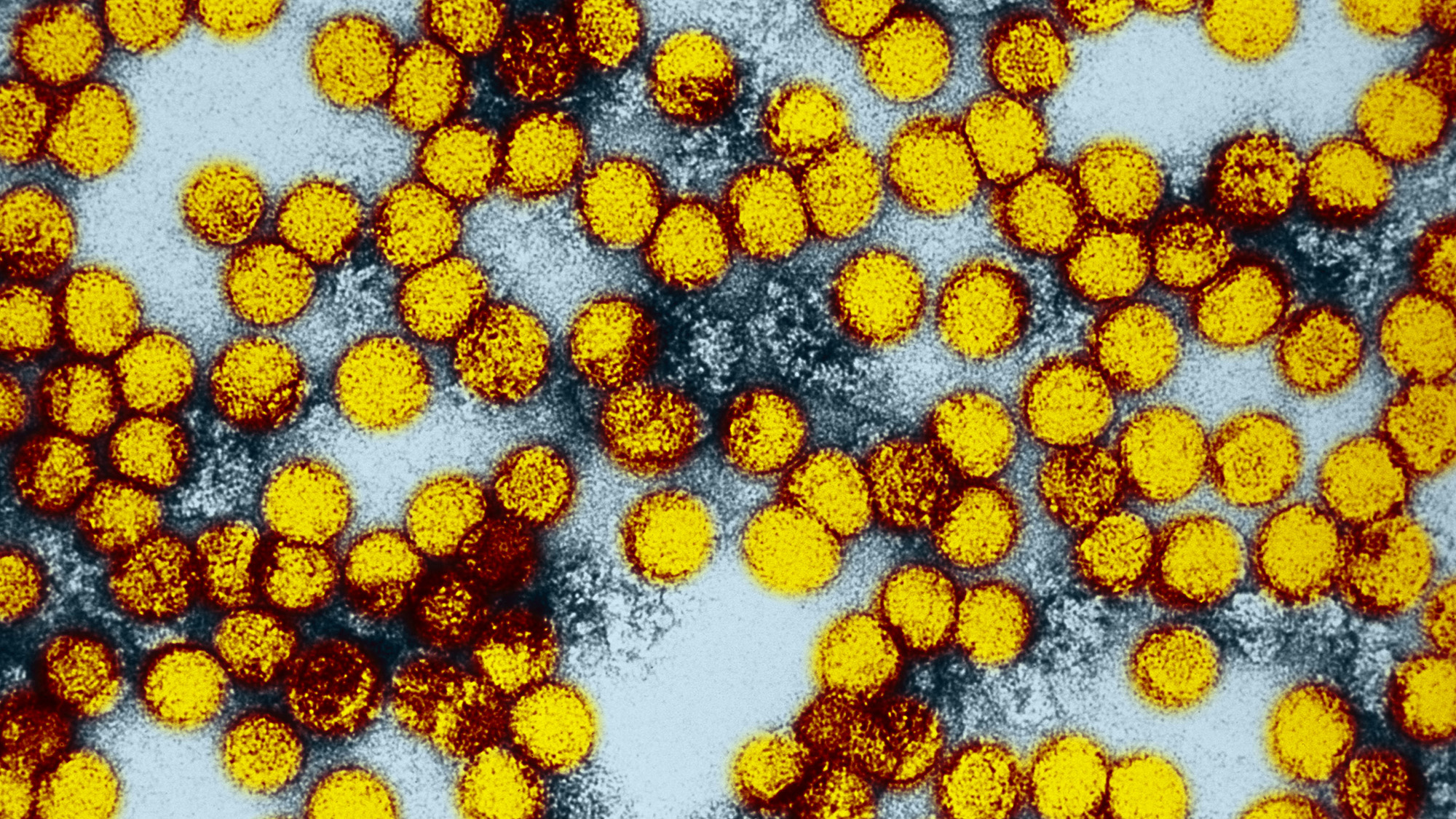
A series of yellow, spherical virus particles against a white background

The yellow fever virus (pictured) is in the family Flaviviridae, which also includes the dengue and Zika viruses. (Image credit: BSIP via Getty Images)

Could yellow fever return to the U.S.?

Climate change is expected to bring yellow fever to new areas. One study predicts that, under the most severe climate change scenario, nearly a billion people could face their first exposure to the mosquitoes that can carry YFV in the next century. While that worst-case scenario may not be the most likely, the mosquitoes' ranges are still expected to expand under less-severe conditions.

Europe is predicted to face the largest increase in exposure to Ae. aegypti mosquitoes compared to the rest of the world, and the U.S. and Canada are predicted to see increases too. In the U.S., the mosquito species already lives in a number of states, including Florida, Mississippi, Arizona and New Mexico. However, warming would increase the chances of mosquitoes surviving in locations further north, such as Philadelphia and New York, which suffered major yellow fever outbreaks in the past. One model predicts Ae. aegypti could spread as far north as Chicago by 2050.

I think many people don't realize that we're still seeing significant yellow fever outbreaks.

Dr. Seth Judson, infectious-disease physician-scientist at UCLA

Although the mosquito lives in the U.S. already, yellow fever cases are exceedingly rare within the country because the virus is not present in local populations. That's because of an international campaign that the U.S. spearheaded in the 20th century, which involved researching YFV, eradicating mosquito breeding grounds, and vaccinating people widely.

"If yellow fever virus reestablished itself in our local Aedes aegypti population, then that would be very concerning," Rosser said.

One way yellow fever could return to the U.S. would be via people carrying the virus home with them after traveling to regions where the disease regularly circulates. Local mosquitoes could then catch the virus by biting those infected people, and then pass it on to others.

For local transmission to take hold, "there needs to be significant numbers of infections [passed to locals], and infections among travelers," Judson said. "But … it's in the realm of possibility."

With climate change driving resurgences of yellow fever in more places, and more regions of the U.S. becoming hospitable to the mosquitoes, that reintroduction scenario may become more likely. But some scientists think that even if North American cities saw yellow fever outbreaks, the outcome would likely not be devastating. Infrastructure in wealthier cities could be the difference between a disaster and a manageable health concern.

"There's access to medicines and vaccines; we pipe water to our homes, so we don't have standing water around," Caldwell said. "So it is a concern, but it's never going to be the next COVID."

Other experts noted that diligent surveillance of yellow fever infections can help public health officials prepare. In places where yellow fever is circulating in forest primates, forest conservation can limit contact among humans, wildlife and the mosquitoes that spread diseases among them. It's also crucial to make vaccines widely accessible to people who live in the virus's endemic regions and to travelers who visit those regions.

The WHO's yellow fever campaign is set to conclude at the end of this year, and its next steps are unclear. There's ongoing discussion of what comes next, Judson said, with questions about whether the control of yellow fever outbreaks will rely more on national strategies than on international coordination via the WHO.

Whatever happens, this is a time for heightened awareness of the virus, Judson said.

"We think of yellow fever as this historic disease," he said. "I think many people don't realize that we're still seeing significant yellow fever outbreaks. … It's really important to be aware of the risks and think about how we prepare for that."

This article is for informational purposes only and is not meant to offer medical advice.

Common DNA damage could cause neurodegenerative diseases

31 August 2026 at 12:00

Diseases that cause nerve cells in the brain to die over time are known as neurodegenerative diseases. These cells, known as neurons, are vulnerable to DNA damage because they are highly active cells that require large amounts of energy. Neural DNA damage is a normal part of aging as changes to the DNA sequence, called mutations, build up over time. 

Previous scientists have shown that neurons from people with the neurodegenerative diseases Alzheimer’s disease (AD), frontotemporal dementia (FTD), and amyotrophic lateral sclerosis (ALS) accumulate unusually high numbers of changes in the DNA sequence, called somatic mutations. However, researchers don’t know what causes the high number of mutations or whether the same process causes them in all 3 diseases. 

To answer these questions, researchers at Boston Children’s Hospital and Harvard Medical School analyzed brain tissue from people who died with and without AD, FTD, or ALS. They compared the processes that cause DNA mutations in the 3 diseases by first accessing the DNA inside individual neurons from healthy and diseased postmortem brain tissue. 

To do this, they broke apart the brain tissue and added a fluorescent marker that identified the center of each neuronal cell where DNA is housed, called its nucleus. They used a sorting machine to separate the nuclei from the rest of the cell material to access the neuron’s DNA. Using a DNA sequencing method called single-cell whole genome sequencing, the team then sequenced each neuron’s DNA to identify mutations. 

They analyzed 159 neurons from people with AD, 61 neurons from people with FTD, 77 neurons from people with ALS, and 232 neurons from healthy individuals. This allowed the team to compare the number and types of DNA mutations between diseased and control (non-diseased) neurons. The researchers found that compared to the control neurons, which typically accumulate only 200 to 300 mutations over an 80-year lifespan, neurons from all 3 diseases contained an unusually high number of 2-base-pair deletions, often exceeding 1,000 mutations per cell. 

When a biological process damages DNA, it leaves behind its own unique signature. By identifying these signatures, scientists can identify the biological process that likely caused the damage. Since these 2-base-pair deletions were so frequent in diseased neurons, the researchers wanted to know whether they were left behind by a biological process. The researchers used a machine learning algorithm to scan DNA sequences for recurring mutation patterns and identified a signature in neuronal DNA, which they named ID-4.

When the researchers compared the ID-4 signature with a database of previously characterized signatures, they found that it was associated with a DNA repair protein called TOP1. TOP1 temporarily cuts and rejoins DNA to relieve the tension that builds up during normal cellular activity. TOP1 typically detaches from the DNA after completing this process. However, if TOP1 fails to detach, it breaks one of the two DNA strands. 

To test whether abnormal TOP1 activity was breaking the DNA, the researchers isolated DNA from control and diseased neurons. They visualized the DNA on a gel, where intact DNA forms bands while broken DNA spreads out into smears. The more fragmented the DNA is, the more intense the smear appears. Using a machine that quantified the intensity of smears, the researchers found that DNA from diseased neurons produced smears that were up to 3.2 times more intense than those from control neurons. They also found that neurons with more DNA fragmentation had more ID-4 signatures. 

Based on these findings, the researchers concluded that abnormal TOP1 activity created frequent single-strand DNA breaks. They proposed that some of these breaks are repaired incorrectly, eventually leading to widespread DNA breaks in all 3 neurodegenerative diseases.

Overall, the researchers found that neurons from these 3 neurodegenerative diseases accumulated excessive DNA mutations despite differences in the disease symptoms and underlying causes. Their findings also provided evidence that abnormal TOP1 activity contributes to this mutation accumulation. Based on these findings, they stated that preventing TOP1 from becoming trapped on DNA, or improving the DNA repair process that removes trapped TOP1, could be a promising way to treat a wide range of neurodegenerative diseases.

The post Common DNA damage could cause neurodegenerative diseases appeared first on Sciworthy.

AI agents meant to replace Meta workers made “large-scale, disruptive actions”

26 August 2026 at 22:25

Earlier this year, Meta created a “plan” to reduce some of its teams by as much as 60 percent to make the company “AI native,” Reuters reported today, citing two people familiar with Meta’s internal affairs.

Reuters’ report highlights the challenges organizations face when analyzing the best uses for AI and determining when the technology is a better fit for certain tasks than employees.

Meta confirmed to Reuters that the plan, reportedly codenamed Project OT (short for organization transformation), explored scenarios in which Meta reduced some team headcounts by 60 percent and that the plan called for two rounds of layoffs. Meta wouldn’t confirm which teams Project OT affected.

Read full article

Comments

© Getty

Colliding molecules reveal their ‘cone of reaction’

21 August 2026 at 09:00

For a chemical reaction to occur, atoms and molecules need to collide. However, not every collision produces a reaction. If the atoms and molecules are not favourably aligned with each other, nothing will happen. The “point of impact” of the colliding entities is also important, and it is hard to control because it requires confining the reactants along precise paths.

A team at the University of Graz, Austria, has now shed fresh light on this question by observing molecular coupling reactions on a single-crystal surface. “For the first time, we have been able to directly observe in real space and with single molecules which collision geometry must be met for a successful reaction,” explains Leonhard Grill, a physicist at Graz who co-led the study with post-doctoral researcher Matthew Timm. “Importantly, our experiment covers all geometric aspects of a reaction, namely, the precise location at which the reactants ‘touch’ each other upon collision, the ‘impact parameter’ (that is, how far the collision is from the reactants’ centre of mass) and the orientation of the reactants.”

Based on these observations, the researchers concluded that reactions only occur within a so-called “cone of reaction” that is defined by the colliding particles contacting at a specific point and a certain angle. This finding could lead to a better understanding of chemical reactions at the atomic scale and, ultimately, to ways of controlling and optimizing them.

Control of impact parameters

Grill and Timm used a scanning tunnelling microscope (STM) to project a molecule of difluorocarbene (CF2) onto a target radical (BTFyl) anchored to a copper surface. This set-up enabled them to control the impact parameter by launching the CF2 molecules directly and in a straight line along different atomic rows on the surface. They were also able to control the orientation of the BTFyl target by rotating it around its anchor point.

The researchers observed that reactions mainly occur when the CF2 approaches the BTFyl target on the same copper row to which the target is bound. This didn’t happen often. In fact, only six of the 79 collisions they observed – corresponding to a narrow range of impact parameters – resulted in a chemical reaction, and reactions did not happen at all when the orientation of the CF2 and the BTFyl deviated by more than 15 °.

“Controlling the impact parameter was for a long time considered to be the ‘forbidden fruit’ of reaction dynamics because of the technical difficulties to control it,” explains Grill. “The main challenge for us was how to do such experiments with relatively large molecules, which can have many adsorption orientations on the surface.”

A new view of collisions

Grill believes that the study’s findings could change the way we view collisions between reactants. “The new picture we have gleaned concerns not only the impact parameter, so where one reactant has to collide with another, but also the orientation of the involved compounds,” he tells Physics World. “If the reactants become larger and also have various side groups, understanding the cone of reaction might become even more important to understand, control and predict reaction rates.”

The researchers, who detail their work in Science, say they are already studying similar systems to assess whether the behaviour they observed can be generalized. In a related article, Jonas Björk of Linköping University, Sweden, suggests that further measurements could reveal how molecular structure, reactive sites and environment shape reaction pathways, enabling more predictive control of surface chemical transformations. “They could also enable single-molecule studies of how chirality influences chemical reactivity by directly controlling the handedness and orientation of reactants,” he adds.

The post Colliding molecules reveal their ‘cone of reaction’ appeared first on Physics World.

❌