You would think, post-COVID, that we would all understand the importance of frequent and thorough handwashing. And yet, spend any time in a public restroom and you’ll see an alarming number of people who still see it as optional.
We know it can help curb the spread of illness when you’re sick, but on an average day, just how gross is it to not wash your hands?
“Your hands have a microbial flora that is always present. These are mostly good bacteria that help protect your skin,” Allison Pappas, PhD, Director of Business Development at Gillson Sciences, tells Popular Science. “On unwashed hands, your normal flora is going to be the most abundant group of inhabitants and they’re nothing to worry about. If you’re not washing your hands, they won’t become overgrown by deadly bacteria. However, your hands will accumulate an increasing number of pathogenic bacteria and viruses from your environment.”
Pappas explains that eating a sandwich or wiping your nose after exposure to these pathogenic bacteria are quick ways to then introduce those germs into your body. She describes it as a “tug-of-war,” with germs pulling one way and handwashing your only way to tug in the opposite direction. There are also physical characteristics that come into play as well. People with longer fingernails or rough, coarse skin give bacteria more places to hide. And it’s not always visible. As Pappas puts it: “Your hands can look clean but be utterly disgusting from a microbial perspective.”
“It’s extremely gross, but assume you’ve got poop on your hands,” says Pappas. “That sounds crazy, but studies have found fecal bacteria on children’s hands and toys and on the hands of 28 percent of commuters in the UK. Even if you don’t have a child and don’t commute via subways, you’re still touching all the same door handles and common utensils as the people who do. That poop is transferring to your hands, you just can’t see it.”
So how gross is not washing your hands? It’s “you have poop on your hands” gross.
Recent studies suggest that most people wash their hands too briefly to actually kill germs. So, if you want to avoid getting sick and spreading illness, it’s time to forget everything you thought you knew, and follow these instructions for proper hygiene:
Wet your hands with water at a comfortable temperature. You can’t actually get the water hot enough to kill microbes without burning your skin, so just do what feels nice. The CDC actually recommends shutting the tap off while you lather your soap to conserve water.
Lather your hands with soap. Don’t worry about buying something with anti-microbial ingredients; research shows that outside of a hospital setting, these additives don’t provide a significant benefit, and their use contributes to the rise of antibiotic resistance.
Make sure you lather the backs of your hands, between your fingers, and under your nails, as dangerous microbes can lurk on any part of your skin.
Continue scrubbing for 20-30 seconds before you start rinsing. It’s longer than you think. One study showed that most adults lather for just six seconds. Try singing “Happy Birthday” twice in your head (or out loud, if you’re feeling fun) to help keep time.
Turn the tap back on and rinse. The CDC notes there’s little evidence that using a paper towel to turn the tap on and off after washing will improve your health.
Dry your hands with a clean towel if possible, or with an air dryer. The CDC says that wet hands more easily transfer microbes. Plus, you don’t want to walk around with clammy hands all day.
In the mid-1970s, Linnda Caporael was a college student facing a seemingly mundane decision.
A science major at U.C. Santa Barbara, she needed a humanities course to graduate. The course she chose, on women in American history, came with a term paper, and she had to pick a topic.
Caporael’s first choice—Lydia Wardell, a Quaker woman who protested Puritan persecution by walking naked into a meeting house in the 1660s—was intriguing, but already taken. So Caporael instead settled on her second choice: Ann Putnam, one of the accusers in the 1692 Salem witch trials. In doing so, Caporael reshaped the way millions of people view a nearly 300-year-old chapter of American history.
Caporael’s paper introduced the theory that the visions, convulsions, and distress the “afflicted” girls reported might not have been supernatural after all. Instead, she proposed, they could be explained by ergot, a fungus that grows on rye grain and produces a hallucinogenic toxin. In other words, blame moldy bread.
The ergot theory, despite being debunked within a year of being published, has continued to spread and thrive like fungus on rye. As recently as 2023, comedian-turned-podcasting-juggernaut Joe Rogan discussed the theory enthusiastically on his show, effectively reanimating a story that seems destined to never fully die.
“It’s sexy,” says historian Margo Burns about the enduring appeal of Caporael’s ergot theory. “It’s about drugs. It’s about witches. It’s about killing people. Also, we like to think that when there’s an unjust sentence or execution, there’s someone or something to blame.”
Burns, a Salem scholar who has spent years tracing how the ergot theory took hold and persisted, says she rarely gets through a talk on the trials without someone in the audience bringing up moldy bread.
It was long thought that Ann Putnam, one of the primary accusers during the Salem witch trials, had grown up in this house, but historians now know this house was built much later, around 1891, near the Putnams’ original home location. Image: Public Domain
How a term paper went viral
The fact that a single undergraduate college paper could have such a lasting and wide-ranging impact on our understanding of the Salem witch trials seems bizarre, but it can be explained in part by a thoroughly modern phenomenon: virality. Although the World Wide Web was still decades away, Caporael’s paper found a way to spread fast through newspaper wire services.
After she started graduate school, Caporael submitted the paper to Science, which, to her surprise, published it in April 1976. That alone might have kept the theory confined within academic circles. Instead, newspaper editors saw a story with mass appeal.
“Editors and newspapers just grabbed it, saying, ‘Oh, here’s a human interest thing,’” Burns says. “And when they put it in their papers, like The Washington Post, The New York Times, The Boston Globe, it got syndicated. And the syndication of those articles went through the whole country and Canada within a matter of weeks.”
Caporael, who had explored the topic through the lens of the scientific method, wasn’t claiming to know what had happened at Salem. At the suggestion of a pre-med friend, she began looking into ergot poisoning as a possible explanation, not a definitive answer.
According to Burns, who has spoken with Caporael directly, she was only testing whether ergot could be ruled out. Working from the limited sources available to her, Caporael determined that she couldn’t rule it out. Even then, though, she called her own findings “suggestive,” not conclusive.
But that nuance didn’t survive exposure to the public, which in 1976 was already fixated on LSD and what it might do to young people. The press coverage essentially retrofitted 1692 with the anxieties of 1976, recasting the Salem girls as teenagers on a bad trip.
“You give that to the American public, which doesn’t understand there’s a difference between scientific inquiry and historical storytelling, and it’s just so compelling,” Burns says.
Debunked, but far from dead
Not all the viral attention was positive, though. Within that same year, researcher Nicholas Spanos and graduate student Jack Gottlieb published a rebuttal in Science, dismantling Caporael’s argument point by point. By their reckoning, various aspects of the Salem girls’ symptoms did not add up.
“There are a couple of different kinds of ergot poisoning, and one of them is gangrenous, so people’s fingers would start rotting,” Burns says. “And they would have gastrointestinal problems, and we don’t have any instances in the records that either of those things happened.”
This 1880 print shows Martha Corey and her prosecutors in Salem, Massachusetts, during the witch trials. Martha Corey was accused of witchcraft, found guilty, and executed by hanging. Her husband, Giles, who defended Martha against the allegations, was also put to death. Image: Print Collector / Contributor / Getty Images
The problems for the theory didn’t end there. Ergot poisoning was thought to hit hardest among people with vitamin A deficiencies, but Salem’s residents had dairy cows and the sea nearby, and likely plenty of vitamin A. (Ironically, Burns notes, that the vitamin A argument was itself based on a discredited 1930s source that relied on circumstantial evidence and has never been replicated.) And while whole families ate from the same supply of rye, usually only one or two people per household fell ill.
The rebuttal, though methodical and logical, was little more than a momentary speed bump for the runaway popularity of the psychedelic bread story. In fact, it may have helped.
Arguing with a claim, however insubstantial, implies that it’s worth arguing about, and a formal rebuttal in Science can make a student’s term paper look like one side of a valid scientific debate.
“It’s really hard to refute something,” Burns says. “If anything, it just sort of nails it and makes it more permanent.”
“They were eating their own”
Whatever was causing young women in Salem to convulse, the atrocities that followed are much harder to grasp. By the time the panic ended, 152 people had been formally accused, 19 had been hanged, and one man, Giles Corey, had been pressed to death with stones for refusing to stand trial. Several more died in jail.
“The people who were responsible were the adults in the room,” Burns says.
To the modern eye, this looks like lunacy. To most people in 1692, though, witchcraft wasn’t superstition. It was an accepted fact, part of an invisible world in which Satan and his agents wreaked havoc on everyday life. Conflict with Indigenous peoples on the Maine frontier had sent traumatized refugees into the region, relating horror stories of attacks on their homes. Many colonists thought Satan engineered those attacks, too.
In a way, the people of Salem did exactly what Americans would do nearly 300 years later, when the psychedelic era latched onto the ergot theory: They explained strange behavior through the lens of what frightened them most.
In such a charged social climate, suspicion could fall on just about anyone, and it did. The accused weren’t just outcasts, Burns says. Many were fully covenanted members of the Puritan church.
“We’re not talking about going after ‘The Other,’” she says. “They were eating their own.”
Someone to blame
Burns knows the cost of Salem’s betrayals about as well as anyone. An associate editor of Records of the Salem Witch-Hunt, the definitive collection of the trials’ legal records, she is also the 10th-generation great-granddaughter of Rebecca Nurse, who was hanged on the charge of witchcraft in 1692.
The Rebecca Nurse Farmstead still stands and is open to the public in Danvers, Massachusetts. Image: Fletcher / CC BY 4.0
Nurse, a respected member of the church in Salem Town, was tried and found not guilty. But Chief Justice William Stoughton refused to accept the verdict. He sent the jury back to reconsider a remark Nurse had made when confessed witches Deliverance Hobbs and her daughter, Abigail, were brought in to testify against her: She had said the two were “of our company.” Nurse meant that they had been jailed together, but the court heard that they were fellow witches.
When jurors asked her what she meant, the courtroom was in such an uproar that Nurse didn’t hear the question. At the time, failing to answer an accusation was treated as a confession, and the jury returned a guilty verdict. In a later appeal, Nurse wrote that she was “something hard of hearing, and full of grief,” and didn’t realize she was being asked to explain herself.
It was the kind of injustice no mere fungus could cause.
“[Chief Justice] Stoughton was singularly, individually responsible for her execution,” Burns says.
The question of who is to blame is rarely so straightforward, though. Which might be part of the ergot theory’s appeal; it offers “one silver bullet” that tidily explains everything.
“There are just so many reasons that all came together,” Burns says.
But when pressed on why she thinks it happened, she offers an answer that’s part joke, part harsh reality: “People are mean.”
In That Time When, Popular Science tells the weirdest, most surprising, and little-known stories that shaped science, engineering, and innovation.
The Ojai Raptor Center released the final necropsy results for Jackie, an internet-famous bald eagle mother who was in their care this summer. Jackie was brought into the bird rehabilitation center weak and dehydrated following an altercation with another eagle in July.
Officially designated as Patient 26-519, Jackie’s necropsy revealed a “complex and unusual disease process involving severe, chronic inflammation and ulceration of the stomach, persistent internal bleeding, anemia and secondary bacterial sepsis.” She was also diagnosed with Highly Pathogenic Avian Influenza (HPAI) commonly called bird flu, which was behind severe stomach ulceration. Raptors (eagles, hawks, falcons, owls, etc.) are highly susceptible to the virus
All of these medical complications developed over time and ultimately contributed to her death on August 10.
“These findings have helped connect many of the pieces we were seeing throughout her hospitalization and provided a better understanding of the challenges she faced,” the Ojai Raptor Center wrote. “We are grateful to the many veterinary specialists, laboratories, wildlife agencies and partner organizations who worked alongside our team to understand her illness and provide her with the best possible care. Caring for her was an extraordinary privilege for our entire team.”
The full report can be read in Jackie’s veterinary medical journal. The necropsy was preformed by veterinary pathologists at the San Diego Zoo Wildlife Alliance.
Friends of Big Bear Valley (FOBBV), the non-profit organization that runs the live cameras where viewers from all over the world watched Jackie and her partner Shadow, said that they will follow up with their thoughts once their team has had time to process the report.
“The story of the Big Bear bald eagle reflects the powerful connection people feel to these iconic birds,” California Department of Fish and Wildlife Director Meghan Hertel added. “We’re grateful to everyone who cared for her and worked to support her well-being. Understanding the results of these tests is an important part of learning from this case and can help inform the care and treatment of other eagles and wildlife in the future.”
Jackie on a perch at the Ojai Raptor Center in July. Image: Ojai Raptor Center.
Jackie’s story
Jackie was born, raised, and lived in Big Bear Valley in Southern California. Prior to the 2011-2012 nesting season, no bald eagle chicks were known to have ever hatched in Big Bear Valley. Then came Jackie, named after a forest ranger and born to parents Ricky and Lucy in 2012.
During the 2016-2017 nesting season, Jackie took over a nest where Friends of Big Bear Valley (FOBBV) had a camera stationed. In 2018, she had two chicks named Stormy and Big Bear Baby (or BBB) with her first mate, Mr. B.
Her long-time partner Shadow entered the picture in summer 2018. He showed up at the nest and would not leave. FOBBV called the new male Shadow because he appeared so determined to stay in the nest, and the team initially believed he was one of Jackie’s siblings, also named Shadow. The eagle’s plumage indicated he was one year older than the other Shadow and not Jackie’s sibling, but the name stuck.
Shadow continued to hold his ground and Mr. B gave up and eventually left. Jackie then accepted Shadow as her new mate.
Wildlife cameras documented Jackie and Shadow’s life together, offering viewers a direct look into the brutality and beauty of nature. The pair successfully raised chicks in 2019 (Cookie and Simba) and 2022 (Spirit). The pair’s eggs failed to hatch in 2023 and 2024. In 2025, Jackie laid three eggs that all hatched in early March. However, a strong snowstorm dumped up to two feet of snow and battered the nest with strong wind and only two of the chicks (Sunny and Gizmo) survived.
In January, Jackie laid two eggs in the nest, but ravens destroyed them. She later laid two more eggs that hatched in April and named Luna and Sandy. The name Sandy is in honor of FOBBV’s former executive director Sandy Steers who died from cancer in February.
Jackie, Luna, and Sandy on their nest in May 2026. Image: Friends of Big Bear Valley.
Jackie’s injury and death
On July 17, Jackie was found injured on the ground near Dana Point Park, California. Cell phone video from a witness confirmed that she had an altercation with two other subadult eagles. She successfully fended off the other eagles by turning over and using her talons, but could not fly far away.
She was transferred to the Ojai Raptor Center, where she was diagnosed with severe anemia. Her anemia worsened during the first week of August, the Ojai Raptor Center said that she was in unstable condition on August 9. Her packed cell volume (PCV) fell below percent, before rising to nine percent.
On July 17, Jackie was found injured on the ground near Dana Point Park, California. Cell phone video from a witness confirmed that she had an altercation with two other subadult eagles. She successfully fended off the other eagles by turning over and using her talons, but could not fly far away.
She was transferred to the Ojai Raptor Center for care, where she was diagnosed with severe anemia. Her anemia worsened during the first week of August, the Ojai Raptor Center said that she was in unstable condition on August 9. Her packed cell volume (PCV) fell below percent, before rising to nine percent.
Jackie died early in the morning on August 10. The necropsy did not reveal a single cause of death, and instead pointed to several factors including severe anemia, blood clots in her wing and one kidney, and liver and lung abnormalities.
Human T cell leukemia virus type 1, the first human retrovirus ever identified, infects an estimated 5 to 10 million people worldwide, a figure extrapolated from surveys covering only about one-seventh of the global population. The virus inserts a DNA copy of its RNA genome into the chromosomes of host T cells, establishing a lifelong infection that can drive a spectrum of diseases, including adult T cell leukemia/lymphoma, HTLV-1-associated myelopathy, and HTLV-1-associated uveitis, a chronic inflammation inside the eye that is particularly common in endemic regions such as Japan. Despite the scale of the problem, coordinated global action has been slow; the World Health Organization only published technical reports aimed at reducing HTLV-1-related morbidity and mortality in 2021, and no broadly effective intervention has emerged in decades of research.
Current treatment for the ocular disease relies heavily on corticosteroids, delivered as topical drops, injections into the eye, or oral prednisone. This approach has serious shortcomings. Studies indicate that 30 to 60 percent of patients with HTLV-1-associated uveitis experience recurrent episodes, and long-term steroid exposure can trigger cataracts, glaucoma, macular edema, epiretinal membranes, retinal degeneration, optic nerve atrophy, and bullous keratopathy. Most importantly, corticosteroids suppress inflammation without reducing the number of virus-infected cells or halting disease progression. Newer molecular targeted agents, including the anti-CCR4 antibody mogamulizumab and the immunomodulatory drug lenalidomide, have been explored, but treatment-related inflammation and adverse effects remain significant obstacles. This therapeutic gap motivated a team led by Yaru Zou and Koju Kamoi of Tokyo Medical and Dental University to investigate whether an epigenetic drug already approved for blood cancer could address the root of the ocular inflammation.
The drug in question is valemetostat, marketed as EZHARMIA, a dual inhibitor of the enzymes EZH1 and EZH2 that was approved in 2022 for adult T cell leukemia/lymphoma. Both enzymes are the catalytic components of polycomb repressive complex 2, a molecular machine that silences genes by adding three methyl groups to lysine 27 on histone H3, producing the repressive chromatin mark known as H3K27me3. Previous work had shown that EZH1 and EZH2 are overexpressed, and H3K27me3 deposition increased, in ATL cells and in cells expressing the viral oncoprotein Tax. Dual EZH1/2 inhibitors have also been reported to curb the spontaneous proliferation and exaggerated immune responses of HTLV-1-infected cells in patients with HTLV-1-associated myelopathy. What remained unknown was whether such inhibition could benefit the inflamed eye.
To find out, the researchers built a series of laboratory models centered on ARPE-19 cells, a human retinal pigment epithelial cell line chosen because the retinal pigment epithelium forms the outer blood-retinal barrier and governs retinal immune homeostasis. They exposed these ocular cells to three kinds of T cells: MT-2 cells, which carry transcriptionally active HTLV-1 and express the viral protein Tax; TL-Om1 cells, an ATL-derived line in which the virus is largely silent and Tax is low or absent; and Jurkat cells, which are uninfected and served as controls. In parallel, they treated the T cell lines themselves. Western blotting and quantitative PCR revealed that HTLV-1 infection drove significant upregulation of both EZH1 and EZH2, along with elevated H3K27me3, in infected retinal pigment epithelial cells and in MT-2 cells, with EZH1 protein rising roughly 2.5-fold in infected ocular cells and six-fold in MT-2 cells. This was the first demonstration that HTLV-1 infection induces polycomb-mediated epigenetic changes in retinal cells.
The team then treated the models with valemetostat at 0.01, 0.1, and 1 micromolar for 96 hours, concentrations selected in preliminary experiments because they harmed infected T cells while leaving normal ocular cells, including primary human trabecular meshwork cells, unaffected below 10 micromolar. The results were strikingly dependent on the model. In co-cultures of retinal cells with Tax-positive MT-2 cells, and in retinal cells directly infected with HTLV-1, the drug produced modest but statistically significant reductions in cell viability at the highest dose, accompanied by small increases in late-stage apoptosis. No such effects appeared in co-cultures with TL-Om1 or Jurkat cells. Crucially, the absolute magnitude of apoptosis remained limited, typically only 1 to 3 percent above baseline, indicating that valemetostat is not broadly toxic to retinal cells, an important safety consideration given their role in maintaining vision.
The virological findings were equally nuanced. Valemetostat did not significantly reduce the HTLV-1 proviral load in co-culture systems or in directly infected retinal pigment epithelial cells. However, in MT-2 cells themselves, 1 micromolar valemetostat significantly lowered proviral load and suppressed the messenger RNA levels of both Tax and HBZ, the two hallmark transcripts of the virus. Because MT-2 cells represent the transcriptionally active, highly infectious state of HTLV-1, while TL-Om1 represents latency, the results suggest that the drug’s antiviral effect is gated by the transcriptional status of the infected cell. Within the four-day treatment window, the authors conclude, valemetostat’s benefit to the ocular environment is likely indirect, acting primarily by quieting the most virally active cells rather than by eradicating provirus everywhere.
The most clinically relevant effects emerged in the inflammatory readouts. HTLV-1-infected T cells recovered from the eyes of patients with uveitis are known to secrete copious interleukin-6, interleukin-8, and interleukin-10, all implicated in disease. In the new study, valemetostat produced a dose-dependent increase in the anti-inflammatory cytokine IL-10 in MT-2-containing conditions, significant at 1 micromolar in the co-culture system and across all doses in MT-2 cells. This fits a mechanistic expectation: blocking EZH1/2 removes H3K27me3 marks that repress the IL-10 gene, and prior genetic studies showed that loss of EZH2 directly activates IL-10 transcription in several CD4-positive T cell subsets. Meanwhile, pro-inflammatory signals fell in a context-dependent pattern. IL-12p70 and the chemokine CXCL-10 dropped in co-cultures, IL-6 and IL-8 declined mainly in MT-2 cells, and CCL-2 fell at low doses in the MT-2 co-culture, whereas the chemokine CCL-5 was unchanged in every model.
The drug’s influence on NF-kappaB, the central inflammatory pathway that Tax hijacks to drive both viral replication and cytokine production, was more subdued. Valemetostat modestly reduced NF-kappaB p65 phosphorylation in the MT-2 co-culture at the lowest dose and slightly decreased the nuclear-to-cytoplasmic ratio of p65 in retinal cells stimulated with TNF-alpha, but it did not abolish nuclear translocation. The authors attribute this to the overwhelming strength of Tax-driven NF-kappaB activation, which a 96-hour course of EZH1/2 inhibition may be insufficient to counteract, and to the fact that NF-kappaB and cytokine networks are regulated by many factors beyond polycomb complexes. Immunofluorescence confirmed that valemetostat significantly lowered H3K27me3 in retinal cells exposed to MT-2 cells or directly infected, but not in cells co-cultured with TL-Om1 or Jurkat cells, again underscoring the model dependence of the epigenetic response.
The study also carries a cautionary note about IL-10. Although the cytokine is anti-inflammatory, it can promote the survival of HTLV-1-infected T cells and facilitate immune evasion by impairing dendritic cell antigen presentation and downregulating MHC class I molecules, and patients with aggressive ATL often show abnormally elevated IL-10. The authors therefore suggest that combining EZH1/2 inhibition with IL-10 pathway blockade could prove more effective, noting evidence that IL-10 neutralization sensitizes ATL cells to standard therapies. In the TL-Om1 model of ATL-related ocular infiltration, valemetostat failed to reduce H3K27me3, proviral load, or NF-kappaB activation within the malignant cells, yet it suppressed TL-Om1-induced CXCL10 secretion and induced dose-dependent apoptosis, pointing to a benefit mediated through the inflammatory microenvironment rather than direct tumor killing.
The authors are candid about the limitations. The work relied entirely on in vitro co-cultures and established cell lines, which cannot reproduce the blood-retinal barrier, retinal architecture, or local immune regulation of a living eye, and the intraocular pharmacokinetics of valemetostat after systemic administration remain undefined. Sex as a biological variable could not be assessed because donor-defined primary cells were not used. Even so, the findings establish a proof of concept that an approved epigenetic therapy can counteract HTLV-1-induced chromatin changes in retinal cells, dampen viral transcription in the most active infected cells, and reshape the cytokine milieu that sustains uveitis. Longer treatment studies, in vivo models, and patient-derived systems will be needed to determine whether these modest, context-dependent effects can be translated into a genuine steroid-sparing therapy for one of the most burdensome manifestations of a virus that medicine has long neglected.
Subject of Research: EZH1/2-targeted epigenetic therapy with valemetostat for HTLV-1-associated uveitis
Article Title: Dual impact of EZH1/2-targeted therapy in HTLV-1-associated inflammation: Direct and indirect mechanisms
Article References: Zou, Y., Kamoi, K., Yang, M., Zong, Y., Zhang, J., & Ohno-Matsui, K. (2026). Dual impact of EZH1/2-targeted therapy in HTLV-1-associated inflammation: Direct and indirect mechanisms. iScience, 29(11), Article 117775. https://doi.org/10.1016/j.isci.2026.117775
The viruses that gave rise to SARS-CoV-2 have been circulating in horseshoe bats and related mammals across Asia for millennia, and most of them have never spilled over into people. Yet a small number of these bat sarbecoviruses clearly can infect humans, as the COVID-19 pandemic demonstrated. A central question for pandemic preparedness has therefore been whether scientists can look at the properties of a newly discovered bat coronavirus and make an evidence-based judgement about how dangerous it might be. A new study published in PLOS Biology suggests that one measurable property, the breadth of species whose ACE2 receptor a virus can use, may be a surprisingly informative signal, predicting not only which animals a virus can infect but also how closely related it is to SARS-CoV-2 in the eyes of the human immune system.
Sarbecoviruses, the subgenus of coronaviruses that includes SARS-CoV and SARS-CoV-2, attach to their host cells through the receptor-binding domain, or RBD, of the Spike protein. This domain grips the angiotensin-converting enzyme 2 receptor, ACE2, on the surface of host cells, and it is also the principal target of neutralising antibodies. That dual role creates an intimate link between host range and antigenicity: the same molecular surface that determines which species’ receptors a virus can engage also determines how well antibodies raised against one virus recognise another. The research team, led by scientists at The Pirbright Institute together with collaborators including researchers at King’s College London, set out to map that relationship systematically across a diverse collection of bat sarbecoviruses.
The experimental strategy combined three complementary approaches. First, the researchers used binding assays to test whether the Spike proteins of different sarbecoviruses could attach to ACE2 proteins from a wide panel of mammalian species. Second, they used pseudotype-entry assays, in which harmless lentiviral particles are decorated with each coronavirus Spike protein, to test whether receptor binding actually translates into cell entry. Third, they measured how sera from SARS-CoV-2 convalescent individuals and monoclonal antibodies from vaccinated people who had experienced breakthrough infections neutralised the different viruses. By running the same viruses through all three assays, the team could directly correlate receptor usage with antigenic behaviour.
The results revealed a striking pattern. Sarbecoviruses in clade 1, the group that contains SARS-CoV-2 itself and the BANAL viruses isolated from bats in Laos, tended to be generalists. Their Spike proteins could productively engage ACE2 receptors from many different bat species, indicating that they are not finely tuned to a single host. In contrast, viruses from clade 3, exemplified by RhGB07, and clade 5, exemplified by Rc-o319, behaved as specialists, using a much narrower range of ACE2 receptors. Rc-o319, which was previously known to be unable to use human ACE2 efficiently, fits this specialist profile, whereas the BANAL viruses, which can use human ACE2, sit firmly in the generalist camp alongside SARS-CoV-2.
To understand the structural basis of this specialism, the team solved a novel structure of the RhGB07 Spike protein. The structure allowed them to identify specific residues within the RBD that are associated with the restricted receptor usage of this clade 3 virus. These residues presumably shape the receptor-binding interface in ways that favour particular bat ACE2 variants while excluding others. Such structural insights are valuable because they point to the molecular features that distinguish viruses capable of flexible receptor engagement from those locked into narrow host ranges, and they may help predict the properties of newly discovered sarbecoviruses from sequence data alone.
When the researchers extended their receptor panel beyond bats to include more diverse mammalian ACE2 proteins, the generalist phenotype largely held. Clade 1 viruses could bind and enter cells expressing ACE2 from humans, non-human primates, livestock, and rodents, as well as from species considered potential intermediate reservoir hosts, such as civets, raccoon dogs, and pangolins. This is significant because intermediate hosts are thought to have played a role in previous coronavirus spillovers, including the emergence of SARS-CoV in 2002. A virus that can already use the receptors of many species faces fewer barriers on the path from bat to human. The specialist viruses, by contrast, showed wider phenotypic diversity across this expanded panel, with RhGB07 exhibiting a more idiosyncratic pattern of receptor usage that did not simply mirror its bat-host profile.
The study also examined how SARS-CoV-2’s ongoing evolution in humans has changed its receptor preferences. Comparing variants that have emerged during the pandemic, the researchers found an expanding and, in some cases, shifting pattern of generalism, particularly for Omicron and its many sub-lineages. Omicron’s Spike has accumulated numerous mutations in the RBD, and these changes appear to have broadened or reconfigured the range of ACE2 molecules the virus can engage. This observation underscores that receptor usage is not a fixed property of a virus but a dynamic trait that can evolve under immune pressure and changing transmission landscapes, with potential consequences for which animal species might serve as new reservoirs for human-derived variants.
The antigenic side of the analysis produced equally important findings. When convalescent sera from people who had recovered from COVID-19 were tested against the panel of bat sarbecoviruses, clade 1 viruses, being phylogenetically closest to SARS-CoV-2, were antigenically the most similar. There was robust evidence for cross-neutralisation of these viruses, meaning that immunity generated against SARS-CoV-2 offers meaningful protection against its closest bat relatives. Importantly, however, the team also found evidence for limited cross-neutralisation across the entire subgenus, suggesting that even the more distantly related specialist viruses are not completely invisible to immunity primed by SARS-CoV-2 infection. This graded pattern of cross-reactivity maps closely onto the phylogenetic and receptor-usage relationships the researchers had established.
Using monoclonal antibodies derived from COVID-19 vaccinees who subsequently experienced breakthrough infections, the researchers were able to pinpoint which classes of antibody epitopes are responsible for the broader neutralisation observed across the sarbecovirus panel. Because antibodies recognise specific structural features of the RBD, identifying the epitope classes that mediate cross-neutralisation provides a rational basis for designing vaccines and therapeutics with deliberately broad coverage. Antibodies directed against more conserved features of the receptor-binding interface, rather than those specific to SARS-CoV-2’s particular configuration, appear to underpin the wider neutralising activity.
Taken together, the study delivers a unifying message: generalist ACE2 usage, phylogenetic proximity to SARS-CoV-2, and antigenic similarity travel together. A bat sarbecovirus that can flexibly use receptors from many mammalian species is likely to be a close relative of SARS-CoV-2 and likely to be partially neutralised by existing human immunity. This constellation of traits offers surveillance teams a practical framework for triage. When a new sarbecovirus is discovered, characterising its receptor-binding breadth through binding and pseudotype assays could provide an early, laboratory-based assessment of both its zoonotic potential and the degree to which current vaccines and antibodies might protect against it. As bat habitats are disturbed and human-wildlife interfaces expand, such tools for distinguishing the generalists from the specialists among the thousands of circulating bat coronaviruses could prove essential for anticipating, and perhaps preventing, the next spillover.
Subject of Research: ACE2 receptor usage breadth as a predictor of host range and antigenic relatedness across bat sarbecoviruses
Article Title: Breadth of ACE2 receptor usage predicts host range and antigenic relatedness across bat sarbecoviruses
Article References: Thakur, N., Newman, J., Ni, D., Seow, J., Hay, A. L., Lee, Y., Upadhyay, A., Ekundayo, B. E., Hammond, J. A., Peacock, T. P., Lau, K., Doores, K. J., & Bailey, D. (2026). Breadth of ACE2 receptor usage predicts host range and antigenic relatedness across bat sarbecoviruses. PLOS Biology, 24(10), e3003944. https://doi.org/10.1371/journal.pbio.3003944
Flu season is off to an early start in some parts of the U.S., data shows.
In a typical year, U.S. flu activity starts building in late fall — typically in October or November — and peaks between December and February. This year, flu activity is currently low but rising nationwide: During the week ending Sept. 26, 3.4% of respiratory samples tested by clinical labs were positive for flu, according to Centers for Disease Control and Prevention (CDC) data.
That's about seven times the rate that was seen at the same point last year. About 0.5% of samples tested positive during the week ending Sept. 27, 2025.
"This particular year, it appears to be starting early — like right now," Dr. William Schaffner, a professor of preventive medicine and infectious diseases at Vanderbilt Health in Tennessee, told Live Science. Patients at clinics in his area are already testing positive for flu, he said.
The early uptick in flu is mostly unfolding in Western states, including Washington, California and Arizona. In Washington, for example, the share of emergency department visits diagnosed as flu climbed from 0.25% in the week ending Aug. 29 to 1.34% in the week ending Oct. 3, according to CDC emergency department data. That's a more than fivefold increase over six weeks.
Where the flu took off first isn't a warning sign in itself, Schaffner noted.
"There's nothing unusual about flu starting in the West Coast and moving east," he said. Recent seasons have more often begun in the Southeast or Midwest, he noted, but "it can start almost anywhere."
Leading with H1N1
Nowadays, seasonal flu is caused by three subtypes of flu viruses: two subtypes of influenza A, called H1N1 and H3N2, and the Victoria lineage of influenza B. (A second subtype of influenza B used to circulate but is now thought to be extinct.)
Last season, a fast-spreading version of H3N2 known as subclade K dominated. The CDC classified the 2025-2026 season as highly severe for children, as at least 195 children died of flu-related causes.
Schaffner likens influenza A and B to siblings. "They're very related, but they each have their own individual characteristics," he said. Influenza A strains usually cause the biggest outbreaks early in the season, while influenza B strains "kind of smolder along" and account for most cases toward the end, he noted.
This year, H1N1 has taken the initial lead. Of the influenza A samples that public health labs subtyped during the week ending Sept. 26, 96% were identified as H1N1, according to CDC data. That doesn't mean H1N1 will continue to dominate throughout the season; it just gives a snapshot of what's happening now.
The dominant strain matters because flu is "a moving target," said Dr. Paul Offit, director of the Vaccine Education Center at Children's Hospital of Philadelphia. The virus constantly mutates — especially hemagglutinin, the protein on the virus's surface that it uses to latch onto human cells. Hemagglutinin is the main target of flu vaccines.
An early start to the season doesn't guarantee it'll be a severe one, either. In its 2026-2027 season outlook, the CDC projected that this season will likely be moderate, although it has only low-to-moderate confidence in that forecast.
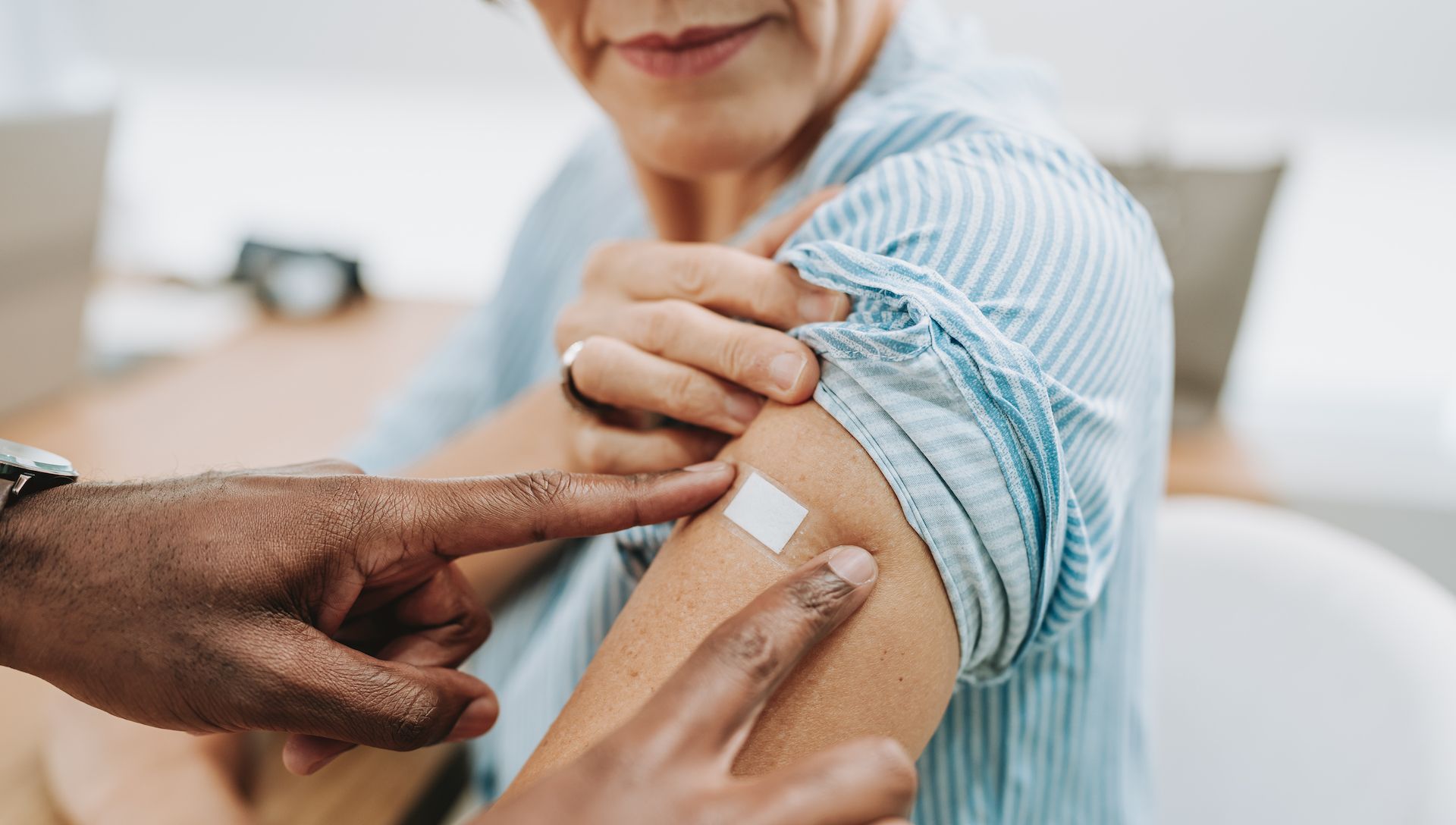
Everyone ages 6 months and older is recommended to get a flu shot, and older adults have several options, including high-dose, adjuvanted and mRNA vaccines. (Image credit: andreswd via Getty Images)
Influenza is especially dangerous for children under 5, adults 65 and older, people with chronic health conditions and pregnant people, as these groups are more prone to severe infections. Serious cases of flu can lead to complications such as pneumonia, sepsis, and brain or heart inflammation, and in some cases, they can be deadly. Tens of thousands of people die of flu each season in the U.S.
For flu vaccination, timing matters. The CDC generally doesn't recommend vaccination in July or August for most adults, because the shot's protection can wane over the course of a season. But with flu arriving early, "October is the ideal time to get vaccinated, and even more so right now," Schaffner said.
When circulating strains' features differ from those captured in the vaccine, "that usually predicts a more difficult season," Offit said. That said, it's too early to know if this year's flu shots are a good match for the circulating flu viruses.
Protection begins building right after you get the shot, but it takes up to about two weeks to reach full strength.
How much protection a flu vaccine offers varies by season, depending partly on how well its formulation matches the strains that circulate. Offit said that protection against symptomatic illness varies by age group and that the vaccines are "a little more effective" at preventing more severe illness. In terms of flu cases that prompt people to seek medical care, the shot has been 29% to 56% effective over the past decade, the CDC estimates.
While the vaccines are less reliable at preventing mild cases of flu, Schaffner said, they work best at "keeping you out of the hospital, keeping you out of the intensive care unit, and keeping you out of the cemetery."
The CDC's2026-2027 guidance keeps its recommendation of an annual flu vaccine for everyone 6 months and older, with high-dose and adjuvanted shots preferred for adults 65 and older. (Adjuvanted shots contain an extra ingredient to help rev up the immune system.)
There's also a new option: In August, the Food and Drug Administration approved mFlusiva, the first mRNA flu vaccine, for adults 50 and older. (You can find out where mFlusiva shots are available near you using Moderna's vaccine finder.) With the mRNA shot, "you're less likely to get symptomatic disease," Offit told Live Science.
Traditional flu shots contain purified pieces of the virus itself, Schaffner explained. With mRNA, the vaccine contains a "blueprint" of those proteins — essentially a set of genetic instructions that the body's cells then use. In mFlusiva's case, those instructions code for hemagglutinin (the protein on the virus's surface that it uses to latch onto human cells) from each of three flu subtypes, Offit said. The mRNA then breaks down in the body, Offit noted. It "cannot influence human genetic material," Schaffner emphasized.
Whether this early start gives way to a heavy flu season should become clearer in the coming weeks, as the CDC's weekly surveillance reports will show whether cases keep climbing beyond the West.
This article is for informational purposes only and is not meant to offer medical advice.
Cases of dengue fever are surging in Florida, spurring several counties to declare a state of emergency.
The state has seen497 reported cases so far this year. Of those, 252, or about 51%, were caught locally, rather than brought to the state by travelers. The Florida Department of Health confirmed one woman's death from dengue fever in early September, marking the state's first known dengue death in almost a century.
Prior to the past few years, most dengue cases reported in Florida were the result of travel. In other words, people caught the disease in other countries and then traveled to Florida, where their case was then diagnosed. At 245, the number of travel-related cases reported this year is not unusually high, Caroline Waddell, a public health researcher at the University of Florida, told Live Science in an email. However, the number of cases caught from local mosquitoes is more than five times higher than at this point in the year compared with any of the previous four years, she said.
Why are local dengue cases especially high this year? Live Science spoke with experts to find out.
A growing global health concern
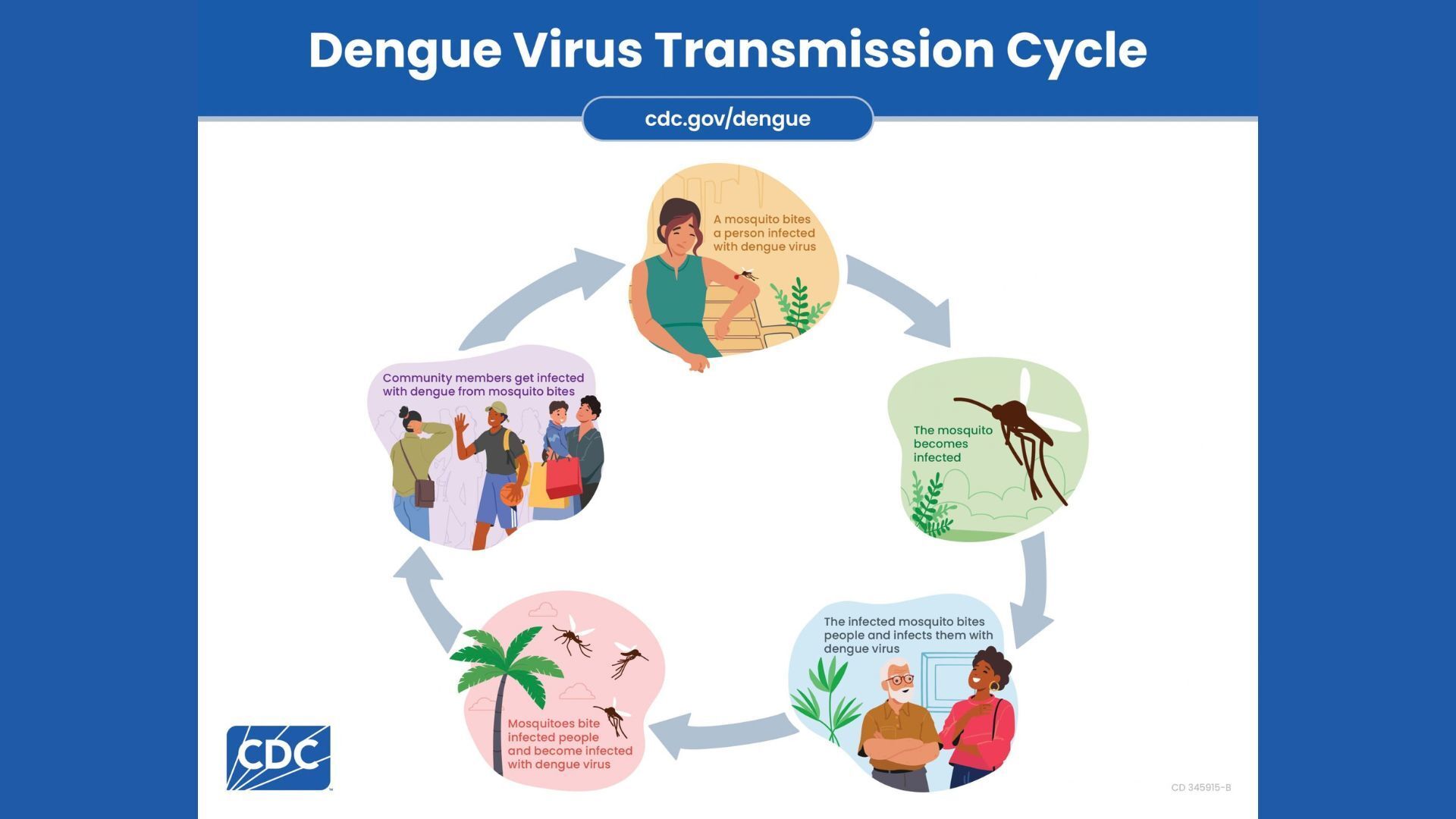
Dengue fever is caused by the virus Orthoflavivirus denguei, which spreads from mosquitoes to people through the pests' bites; it doesn't spread from person to person. Aedes aegypti andAedes albopictusmosquitoes transmit the virus to humans, and the same species can also carry the viruses behind yellow fever, Zika and chikungunya.
Mosquitoes capable of carrying dengue pick up the virus from people and then spread it to additional people via their bites. (Image credit: Centers for Disease Control and Prevention)
About 100 million to 400 million dengue infections happen annually worldwide, with about 800 cases reported in the U.S. historically, although that number has increased recently. Only about 1 in 4 people exposed to the dengue virus develop symptoms, which can include fever, headache, body aches, nausea and rash. About 1 in 20 cases become severe, and immunocompromised people, children, older adults and pregnant people are especially susceptible to these serious infections.
Severe symptoms can include abdominal pain, vomiting, difficulty breathing and bleeding of the gums or nose. The most severe forms of the infection can lead to leaky blood vessels, severe bleeding, shock, organ dysfunction and death. There is no specific treatment for dengue, so care focuses on managing symptoms and maintaining patients' vital signs.
Dengue has escalated as a global health concern in the past few decades. Between 2000 and 2019, global cases of dengue increased tenfold; between 1990 and 2021, dengue-related deaths doubled. Scientists say this surge is likely driven by climate change, since rising temperatures expand Ae. aegypti mosquitoes' range, in turn exposing more people to the insects' bites. Plus, warmer conditions speed up mosquitoes' life cycles and the dengue virus's replication rate, thereby boosting transmission.
International travel also factors into these rising case counts. In 2023, dengue spikes around the world were attributed to the resurgence of global travel following the COVID-19 pandemic.
Zooming in on Florida
As the global picture has worsened, dengue cases in the U.S. have also increased.
Since approximately 75% of dengue infections are asymptomatic, the virus can circulate within a community without being readily detected for some time.
Keira Lucas, deputy executive director of the Collier Mosquito Control District
Each year, Florida experiences dengue outbreaks in the southernmost parts of the state, such as Miami and the Florida Keys, Panpim Thongsripong, a disease ecologist at the University of Florida, told Live Science. Historically, outbreaks in Miami typically totaled around 50 or fewer cases. But then a 2019 outbreak resulted in over 200 cases, and from 2022 to 2024, outbreak totals have ranged from about 500 to 675 cases.
The outbreak currently unfolding in Florida centers on Hillsborough County, which is farther north and includes Tampa. This is unusual, Thongsripong said, as this region of the state normally sees just a few sporadic cases. Hillsborough County has reported 223 of the state's 252 locally acquired cases this year, and it's where the one dengue-related death took place.
Florida's health department regularly traps mosquitoes and tests them for viruses. So far this year, 20 pools of mosquitoes have tested positive for dengue across seven counties, and 19 of those positive pools were sampled from the greater Tampa area. In 2025, only four mosquito pools throughout the state tested positive, and in 2023, one mosquito pool did.
"Finding positive mosquito pools is rare in Florida because dengue is not endemic to the state," said Keira Lucas, deputy executive director of the Collier Mosquito Control District. "In many ways, it can be like looking for a needle in a haystack," she told Live Science.
Routine mosquito trapping is a relatively inefficient method for detecting viruses, though, Lucas said. As such, detecting dengue-positive mosquito pools may indicate that a large amount of transmission is already unfolding. "Since approximately 75% of dengue infections are asymptomatic, the virus can circulate within a community without being readily detected for some time," Lucas explained.
In addition to Hillsborough, neighboring Pasco and Pinellas counties have declared local states of emergency over dengue.
An unlucky combination of factors
So what's driving the unusual dengue activity this year?
In the past, Florida's local dengue outbreaks tended to be concentrated in the South, which saw moderate rainfall, warmer temperatures and more travel-related dengue cases compared with the rest of the state, according to a 2022 study in the journal Insects. With the outbreak concentrated farther north this year, that could suggest changing climatic patterns are making additional parts of the state especially hospitable to mosquitoes and the virus. That wouldn't necessarily explain why Tampa is seeing more local cases than Miami this year, but it could nonetheless be a factor in the overall trend.
For the virus to persist in local mosquitoes, dengue still needs to be reintroduced periodically through travel-related cases. Because the virus is not yet endemic to the state, it doesn't regularly circulate in local mosquitoes; however, a somewhat predictable "dengue season" has been emerging that coincides with upticks in international travelers carrying the virus to Florida.
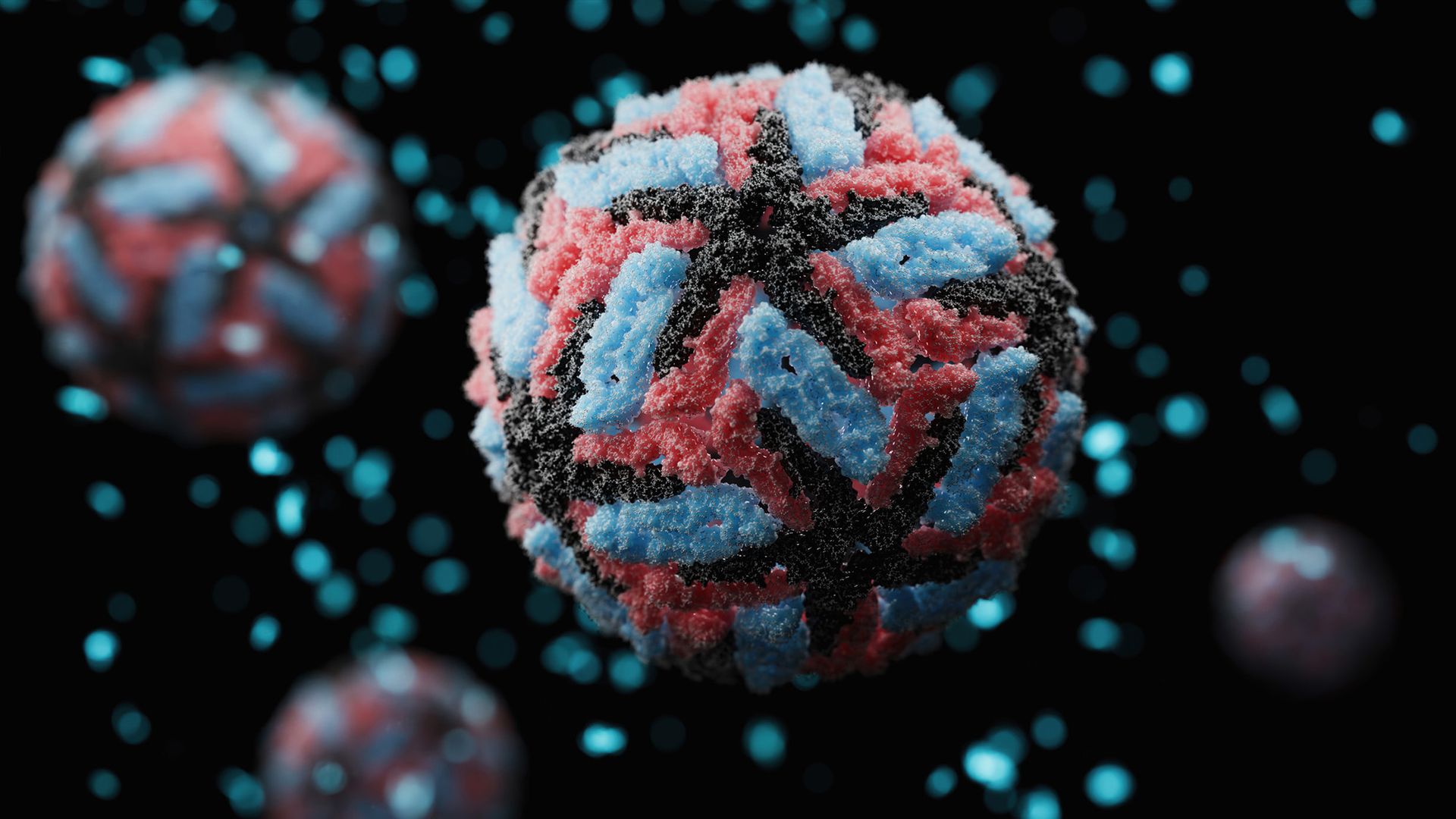
The dengue virus is a member of the Flaviviridae family, meaning it's closely related to the Zika virus and yellow fever virus. (Image credit: koto_feja via Getty Images)
This year, though, the high number of locally acquired dengue cases suggests a shift from predominantly imported infections toward outbreaks spurred by local Florida mosquitoes. Scientists hypothesize that climate change could increase local transmission in Florida even more in the future.
This year, Florida has also been enduring its most intense drought in over a decade. In theory, that might be expected to limit mosquito populations because the pests need water to breed, Lucas said. However, when it's dry, people tend to run their sprinklers more, creating mosquito breeding grounds when puddles form or containers fill up, she noted. This could bring mosquitoes closer to people, as it creates opportunities for them to breed.
Ae. aegypti mosquitoesare especially well adapted to living alongside humans, as they prefer to breed in human-made containers. Droughts can also drive dehydrated mosquitoes to bite more as they hunt for fluids.
"It's almost like an unlucky [combination]," Thongsripong said. "Everything coming together at the right time and right place, and boom, you have the conditions for an outbreak to occur."
The true number of dengue cases may be even higher than reported, Waddell said. The cases captured in the data include infected individuals who went to a doctor to get tested. Because many infections are mild or asymptomatic, additional people may have contracted the virus but never got counted.
What can be done
It's too early to definitively say what factors have increased Florida's dengue cases this year, Thongsripong said, as scientists are still gathering information. Despite the unknowns, she thinks the health and housing infrastructure in the U.S. will stop dengue from becoming too dangerous here.
To get dengue under control, it's key for government-level mosquito control efforts to coordinate and for the public to be aware of the virus, Lucas said. The mosquito control district coordinates with the health department for the latest data to best target where to spray larvicide, which kills mosquito offspring before they can bite people, she said.
It's important for people to use mosquito repellent when going outside, Thongsripong said, as well as to empty water from objects that can collect water and become a mosquito breeding ground, such as pets' water bowls, plant saucers, buckets or discarded tires.
Due to this year's strong El Niño, Florida is expecting a rainier winter, which could mean even more mosquitoes than usual, Lucas noted. That, in turn, could fuel additional dengue cases.
"Cases with September onsets are still being reported," Waddell said, "so we're not out of the woods."
This article is for informational purposes only and is not meant to offer medical advice.
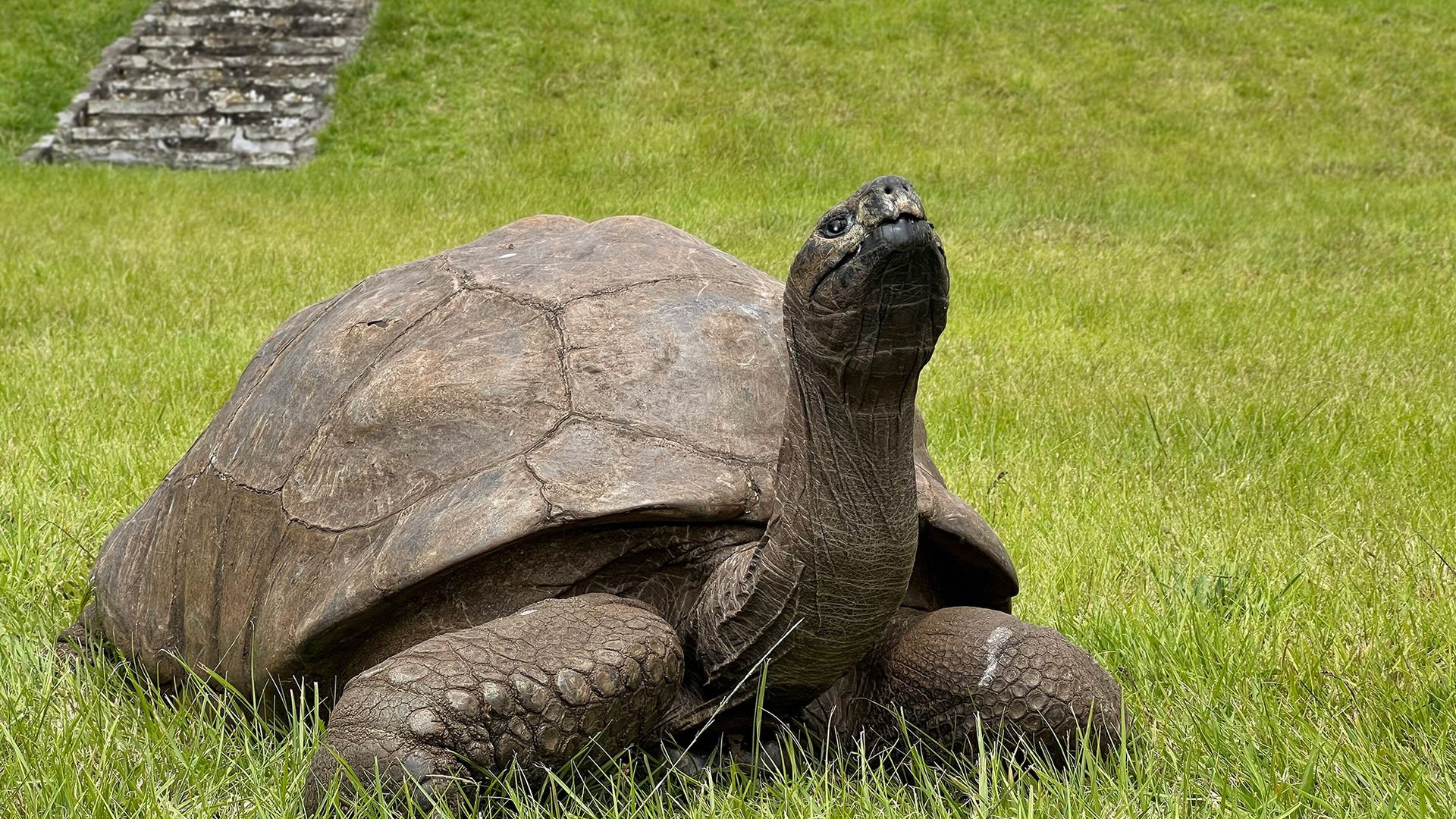
The remote south Atlantic island of St. Helena boasts an international celebrity: the tortoise Jonathan, the oldest living land animal. At 194 years old, he has outlasted the expected lifespan for an Aldabra giant tortoise (Aldabrachelys gigantea) by about a century. Now, scientists have identified a range of unique genetic and epigenetic traits that may hold the key to this longevity.
The new research zoomed in on Jonathan's genes, as well as the chemical tags that sit on top of DNA molecules, known as "epigenetic markers." These markers help control which genes are activated and to what degree. The analysis finds that Jonathan's genes associated with mitochondrial function are in great shape, epigenetically speaking, which suggests that they've played a big role in the tortoise's success.
While mitochondrial function has long been linked to longevity and mitochondrial dysfunction has been tied to disease, Jonathan offers fresh insight into that dynamic, said study co-author Stephen Clark, chief scientist of the Kallel Foundation, a nonprofit in Nashville researching drug targets to promote human longevity.
Clark and colleagues published their findings Wednesday (Oct. 7) in the journal Science Advances.
Decoding Jonathan's secrets to long life
Nearly a decade ago, the researchers enlisted Joe Hollins, the vet tasked with Jonathan's care, to collect samples from the record-setting animal. Island authorities forbade the vet from drawing the tortoise's blood, fearing the risk of an infection.
"I didn't want to be the doctor that killed Jonathan," Clark told Live Science. Hollins collected samples via cheek swab instead.
When the samples arrived in the U.S., the researchers sequenced them, but when their computers kept crashing, they discovered that the DNA had been isolated from bacteria in Jonathan's mouth rather than the tortoise's own cells.
Clark "had to go back and beg" for permission to collect more data, he said. The vet then sent cheek scrape samples, which are collected with a slightly different tool than cheek swabs. This time, the DNA was in fact from Jonathan.
The DNA isolated from those cheek tissue samples was more fragmented than it would have been in a blood sample, so the researchers filled in the gaps using an existing reference genome from a 36-year-old Aldabra tortoise named Tank. They also compared Jonathan's DNA to that of a Galápagos tortoise (Chelonoidis abingdoni) named Lonesome George, who was believed to be over 100 years old at the time of his death in 2012.
The team found that, compared to Tank and Lonesome George, Jonathan carried 287 unique variants of genes that had previously been linked to aging-related pathways. These included genes involved in DNA repair and the function of telomeres — the protective tips at the end of chromosomes that tend to shorten with age.
These pathways are also related to aging processes in humans, highlighting a "broader signature of aging" across species, Greer Dolby, an assistant professor of biology at The University of Alabama at Birmingham, who was not involved with the study, told Live Science.
The researchers also looked at epigenetic changes, including DNA methylation, which is when a chemical tag called a methyl group binds the DNA. Certain patterns of DNA methylation can function as a "clock" in that they reflect an organism's biological age; scientists have recently harnessed these patterns in the study of human aging. In this case, the team compared the DNA methylation across Jonathan's genome to that of young and old Aldabra tortoises.
Researchers compared DNA from Jonathan (pictured) to that of other Aldabra giant tortoises. (Image credit: Kevin Gepford, CC BY-SA 4.0)
The methylation patterns were more disordered in the older tortoises, reflecting random changes acquired over time, the researchers found. Scientists call this phenomenon "methylation entropy." For most genes, Jonathan's DNA methylation patterns were more disordered than those of the young tortoises. But in a suite of genes tied to mitochondrial function — specifically the bits of those genes that switch them "on" — Jonathan had more organized methylation patterns. That might keep expression of these genes consistent over time, the researchers theorized.
Mitochondria produce energy that cells need to function properly, repair themselves and reduce further damage to DNA. "Keeping the entropy low in these mitochondrial genes, or keeping pristine mitochondria, is likely to be a contributor to longevity," Clark said.
However, the authors couldn't determine a causal relationship — they didn't run any tests that could definitively prove that Jonathon's lack of entropy in these genes explains his long life. Clark argued that additional experiments on a blood sample from Jonathan could offer a more comprehensive view of his genome.
Jonathan's full genetic profile can't be known until after the tortoise's death, when researchers can collect DNA from more tissues, said Vincent Lynch, a professor of biology at the University at Buffalo, who was not involved with the study.
"Some organs are more susceptible to different diseases of old age than other ones, and that happens because mutations accumulate over time," he told Live Science. "We would ideally like to know what those mutations are in those specific tissues."
Furthermore, Lynch questioned whether entropy was a useful characterization of age-related DNA methylation patterns, as methylation can be unpredictable. That said, he agreed that the genes flagged in the study offer helpful data for future work on longevity.
More experiments are needed to determine whether these mitochondrial genes actually play a role in longevity across all Aldabra tortoises, let alone in other animals, or if Jonathan is just an outlier.
"Maybe Jonathan is just really good at being old," Lynch said.
Mpox is an infectious disease caused by a poxvirus, meaning a virus in the same family as smallpox. The infection was formerly known as monkeypox.
Historically, mpox was endemic to Africa, and the virus consistently spread in the continent's central, eastern and western regions. In 2022, an unprecedented global outbreak spurred the widespread transmission of mpox in places that had seen only sporadic cases in the past.
Today, many countries affected by that outbreak — including Germany, Portugal and the United States — are still contending with local mpox transmission. Here's what to know about the virus, how it spreads and how to prevent infection.
What to know about mpox in the U.S.
Mpox is still spreading at low levels in the United States and may soon be considered endemic to the country. While case counts have fallen dramatically since the peak of the global outbreak in summer 2022, some people are still advised to get vaccinated against the virus.
Who should get vaccinated for mpox?
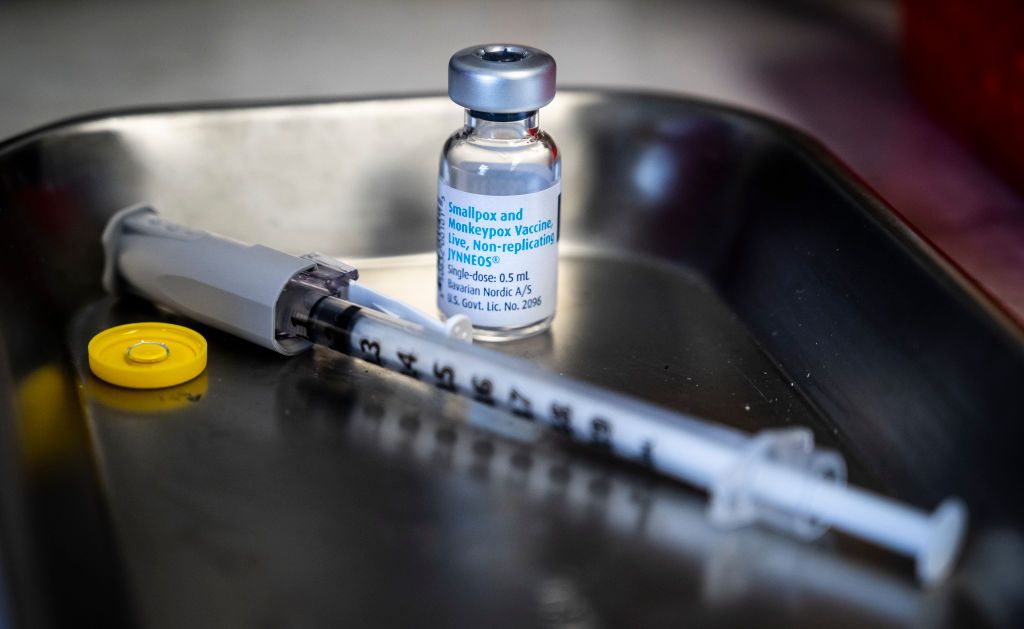
The mpox vaccine currently used in the U.S. is called JYNNEOS. One dose is about 35% to 86% effective, while the complete two-dose series is 66% to 90% effective. (The effectiveness varies, in part, because some studies include people with HIV and people without HIV, and inadequately treated HIV can undermine the body's response to vaccines.)
The JYNNEOS vaccine is not currently recommended for routine use in the general population because, beyond vulnerable groups, the risk is not high enough to warrant a universal vaccination strategy. The current outbreak is primarily affecting men who have sex with men, and those sexual networks are the primary targets for JYNNEOS vaccination.
However, not all men who have sex with men need to be vaccinated, according to the Centers for Disease Control and Prevention (CDC). Instead, vaccination is recommended for a specific subset of the group, including those who, in the last six months, have had more than one sex partner, have had sex at commercial sex venues, or have been diagnosed with other sexually transmitted diseases.
Nonbinary and transgender people with these risk factors are also recommended to get two doses of JYNNEOS, as are any sexual partners of anyone in the above groups.
"For those who are eligible and have not yet completed vaccination, now is a good time to talk with a healthcare provider about getting protected," Dr. Demetre Daskalakis, chief medical officer of Callen-Lorde, an LGBTQ+ community health center in New York City, told Live Science in an email.
With the exception of laboratory researchers who work with mpox, people who have received two doses of JYNNEOS are fully vaccinated and do not need a booster, he said. And if a person has caught mpox in the past and recovered, they do not need to get a vaccine, he added.
Individuals who are recommended to get vaccinated against mpox should get two doses of the JYNNEOS vaccine. (Image credit: PATRICK T. FALLON/AFP via Getty Images)
About the virus
The poxvirus family also includes smallpox, which has been eradicated worldwide. Mpox and smallpox cause some similar symptoms, but mpox tends to be far milder than smallpox. However, the viruses are closely related enough that vaccines designed to prevent smallpox can also protect against mpox.
Mpox was initially named monkeypox because the virus behind the disease was discovered in captive monkeys in Denmark. But monkeys are not the main hosts of the virus in the wild; rodents and small mammals mostly found in West and Central Africa likely are. Health officials changed the name to mpox in 2022.
There are two major branches of the mpox family tree, called clade I and clade II. These clades were historically thought to have very different death rates, with clade I being the deadlier of the two. The case-fatality rate (CFR) of clade I has been estimated to range from 1.4% to over 10%, depending on the outbreak, while the CFR for clade II has been estimated at between 0.1% and 3.6%.
However, as both clades have spread beyond Africa, data suggests that the CFR for clade I may be lower than once thought, said Joel Wertheim, a professor of medicine in the Division of Infectious Diseases and Global Public Health at the University of California, San Diego.
The features of a given outbreak — such as the surrounding health infrastructure, patients' access to timely medical care, and the population's underlying risk factors for severe disease — likely play a big role in determining the virus's death toll, Wertheim told Live Science. In short, rather than being an immutable feature of the virus itself, the CFR is dependent on the underlying health of and resources available to a given population.
How mpox spreads
Mpox can spread from infected animals to humans through the animals' bites or scratches. Additionally, people can get the virus when they come into close contact with animals and/or their bodily fluids during hunting, skinning, trapping, cooking, eating animals or handling carcasses, the World Health Organization (WHO) notes.
The virus also spreads from person to person, primarily through very close contact, including intimate contact during sex. The virus typically enters the body through broken skin, the respiratory tract or mucous membranes (thin tissues found in the eyes, nose, mouth, anus and genitals), spreading via bodily fluids such as spit, mucus or blood. People can also pick up the virus via objects, such as clothing or linen, that are contaminated with the bodily fluids of an infected person.
The virus can spread through small respiratory droplets expelled during speaking or breathing. However, this is thought to be a less-common transmission route than close contact. There is also evidence that asymptomatic spread sometimes occurs, though it's unclear how frequently that happens.
Mpox can spread from mother to baby during pregnancy or birth. This route of infection can result in pregnancy loss, stillbirth, death of the newborn, or complications for the mother.
Symptoms of mpox
Centers for Disease Control and Prevention, National Center for Emerging and Zoonotic Infectious Diseases (NCEZID), Division of High-Consequence Pathogens and Pathology (DHCPP)Centers for Disease Control and Prevention, National Center for Emerging and Zoonotic Infectious Diseases (NCEZID), Division of High-Consequence Pathogens and Pathology (DHCPP)
Symptoms of mpox typically appear within a week of a person being exposed to the virus, but they can sometimes take up to 21 days to develop. Once they emerge, symptoms last about two to four weeks, although the illness can linger longer in people with weakened immune systems.
Common symptoms include rash (see images), fever, sore throat, headache, muscle aches, back pain, swollen lymph nodes and low energy. Often, mpox rashes first appear on the face and then spread to other parts of the body; however, if a person becomes infected during sex, the rash may instead start around their genitals. The rashes begin as flat, discolored patches of skin and then progress into raised bumps, blisters, and large, pus-filled pimples that eventually scab over and fall off.
Some people with mpox develop painful swelling of the rectum (proctitis), while others have pain and difficulty when peeing (dysuria) or when swallowing.
Mpox rashes can make people vulnerable to bacterial skin infections, which can cause abscesses or other serious skin damage. Additional complications of the illness include pneumonia, infection of the cornea that can cause vision loss, and vomiting and diarrhea that causes dehydration or malnutrition. Mpox can also lead to blood infections, the intense immune reaction sepsis and, rarely, brain infections (encephalitis) or heart inflammation (myocarditis).
Children, pregnant people, and people with weakened immune systems, including from HIV infection, have a higher risk of serious illness and death from mpox.
Mpox prevention measures
Beyond vaccination, other strategies to decrease the risk of mpox infection include washing hands frequently, avoiding contact with contaminated objects and materials used by people with mpox, avoiding contact with other people's scabs or rashes, and using condoms, although they may only reduce, not eliminate, the risk of mpox exposure during sex.
Mpox treatment
Mpox treatment aims to manage a person's rashes and pain while also preventing complications. "Early and supportive care is important to help manage symptoms and avoid further problems," according to the WHO.
There is no antiviral drug approved for use in mpox, although some are available for emergency use in various countries. For example, the U.S. allows the use of certain smallpox medicines for mpox.
Severe mpox infections also may be treated with vaccinia immune globulin intravenous, which contains antibodies taken from the blood of people who were immunized against smallpox.
People who have recently been exposed to mpox can be given an mpox vaccine to reduce the severity of their symptoms or to prevent the illness altogether. This approach is known as post-exposure prophylaxis, or PEP.
"Post-exposure vaccine should be given as soon as possible, ideally within 4 days of exposure; administration 4 through 14 days after exposure may still provide some protection against monkeypox," the CDC states.
Mpox spread across the world in 2022, triggering tens of thousands of cases in countries where the infection was once rarely seen. Although the disease has since fallen out of news headlines, mpox (formerly called monkeypox) continues to circulate. Now, recent data suggests that the viral illness may soon be endemic to the United States, meaning it will circulate in the country consistently.
Previously, mpox cropped up sporadically in the U.S. via travelers who had visited African countries where the disease is endemic, as well as imported, infected animals that spread the virus to people. Cases have fallen substantially since the peak of the outbreak in 2022, but they haven't disappeared. A report published in August found that there were 2,800 cases in 2024 and over 2,500 in 2025, with only a small fraction being tied to travel. Nearly all of the viral samples analyzed were descendants of the strain that sparked the 2022 outbreak. In short, once the virus arrived, it never went away.
"There's no set threshold for what constitutes endemicity of monkeypox virus (MPXV) in the United States," Ryan Standford, an epidemiologist in the Centers for Disease Control and Prevention's (CDC) Poxvirus and Rabies Branch and co-author of the report, told Live Science in an email. "But each year provides further evidence of this transition."
Why is mpox still spreading in the U.S., and what can be done to snuff it out? It's likely that too few people have received two doses of the mpox vaccine JYNNEOS, which together are 66% to 90% effective. But beyond low vaccination, there may be other, less-understood factors that are contributing to the continued spread, experts told Live Science.
"We don't quite know how it's able to persist at such low numbers across the entire country," said Joel Wertheim, a professor of medicine in the Division of Infectious Diseases and Global Public Health at the University of California, San Diego.
At the same time, public health efforts around mpox have dwindled. Without a sustained effort on that front, it's unlikely the disease will be eliminated from the U.S.
"We have vaccines, testing, and a much stronger understanding of the disease than we did in 2022," Dr. Demetre Daskalakis, chief medical officer of Callen-Lorde, a LGBTQ+ community health center in New York City, told Live Science in an email. "Our focus now should be making sure those tools remain accessible, especially for communities that continue to face ongoing risk," said Daskalakis, who coordinated the nation's mpox response during the previous presidential administration.
"People at increased risk should know that mpox has not disappeared."
Who is at risk of mpox in the U.S.?
In the U.S., mpox is predominantly affecting men who have sex with men, and current vaccine recommendations are aimed at this group and their sexual partners. Mpox mostly spreads from person to person through close contact, and transmission during sex is playing a major role in the ongoing spread in the U.S.
Men who have sex with men are not more prone to mpox infection than anyone else. Rather, this transmission pattern stems from the outbreak beginning within a specific sexual network and then continuing to persist within the same network. "The mpox virus rediscovered the same transmission network that HIV had explored decades earlier," Wertheim said.
In a paper published in 2025, Wertheim and colleagues described the transmission dynamics of mpox in New York City during the 2022 outbreak. Similar to how HIV previously spread, mpox triggered "densely connected" clusters of infection. Then, as people in the network gained immunity via infection and vaccination, the cases petered out, decreasing to the persistent trickle we see now.
Wertheim noted that he's not surprised that mpox has remained largely confined to the same network, rather than leaping into new groups.
"From an evolutionary, ecological perspective, it's not hugely successful," Wertheim said. "It's sort of barely hanging on as an STI."
Centers for Disease Control and Prevention, National Center for Emerging and Zoonotic Infectious Diseases (NCEZID), Division of High-Consequence Pathogens and Pathology (DHCPP)Centers for Disease Control and Prevention, National Center for Emerging and Zoonotic Infectious Diseases (NCEZID), Division of High-Consequence Pathogens and Pathology (DHCPP)
Why is mpox still circulating?
So if mpox is not hugely successful and we have a vaccine, how has the virus continued to circulate? One big factor is that too few at-risk people have been vaccinated, experts said.
The CDC's Center for Forecasting and Outbreak Analytics has crunched the numbers to see what percentage of that at-risk group needs to have immunity to stop mpox transmission, Daskalakis said. The at-risk group is estimated by counting the men who have sex with men who are either taking HIV-preventing medicines or have HIV, and then adding 25% to that total to account for additional people in the same sexual network. That estimate comes out to about 2 million people.
To prevent an outbreak bigger than the one in 2022, between 21% and 35% would have to have immunity through vaccination or a past infection. If over 50% of the group had immunity, that would mean there's a "very small probability" of sustained local transmission, the CDC's modeling suggested.
The current case counts suggest we haven't hit the 50% mark, or a total of roughly 1 million complete vaccinations or past infections.
Data from the August report on mpox seems to support the idea that too few people are vaccinated. That said, information about vaccination status was missing for about 62% of the reported cases. Among the remaining cases, 76% were unvaccinated, while 10% had gotten one dose and 14% had gotten two.
In a subset of 860 cases, the effect of vaccination was striking: Unvaccinated people had nearly 10 times higher odds of hospitalization due to mpox than fully vaccinated people did.
As the emergency phase faded from public attention, awareness and risk perception may have declined.
Dr. Demetre Daskalakis, chief medical officer of Callen-Lorde
Waning public health attention
It's difficult to pin down exactly how many at-risk people are vaccinated, given that that data is no longer tracked at the national level. "My understanding is that there's no mandatory reporting on mpox vaccination data," Wertheim said.
The CDC previously monitored national vaccination trends, comparing the number of people vaccinated to the overall at-risk population. But that tracking stopped in early 2024, when about 23% of the at-risk population had been fully vaccinated.
Some states, such as New York, previously mandated that clinicians provide their state health department data on the number of people given mpox vaccines. But that reporting is now voluntary, a spokesperson for the New York State Department of Health told Live Science in an email.
People recommended to get the JYNNEOS vaccine need two doses to be maximally protected from mpox. (Image credit: MediaNews Group/Orange County Register via Getty Images )
Meanwhile, "as the emergency phase faded from public attention, awareness and risk perception may have declined," Daskalakis said. Public health messaging about the virus and vaccination has also waned.
"In recent weeks, HHS [the Department of Health and Human Services] has pulled down some of the plain-language guidance, which is not helpful in supporting messaging," Daskalakis noted. This decision to remove online resources about mpox reflects the federal government's current stance against addressing issues that affect LGBTQ+ health, he told Live Science.
Complicating factors
Although JYNNEOS substantially lowers the risk of severe mpox infection, the vaccine is not perfect, said Rachel Roper, a professor of microbiology and immunology at East Carolina University.
The virus typically enters the body through broken skin, the respiratory tract or mucous membranes (thin tissues found in the eyes, nose, mouth, anus and genitals). The mpox vaccine is good at generating systemic immunity, but it's not as good at guarding against the virus's immediate effects at those mucous membranes, said Roper, who studies poxviruses and vaccines against them.
Because mpox is largely spreading through sexual contact that involves those membranes, that slight gap in protection may also help to explain some of the ongoing spread, she suggested.
Plus, "there are also some data supporting asymptomatic infection as a possible route of transmission, making it more difficult to eliminate local transmission of mpox," Daskalakis said.
What can be done?
Given that mpox is already well established within some sexual networks in the U.S., "preventing endemicity entirely may be increasingly difficult," Standford told Live Science.
And notably, some federal funding cuts could undermine efforts to address mpox, Daskalakis said. These include cuts to Medicaid, mental-health services, housing programs, and HIV services such as the Ryan White HIV/AIDS Program.
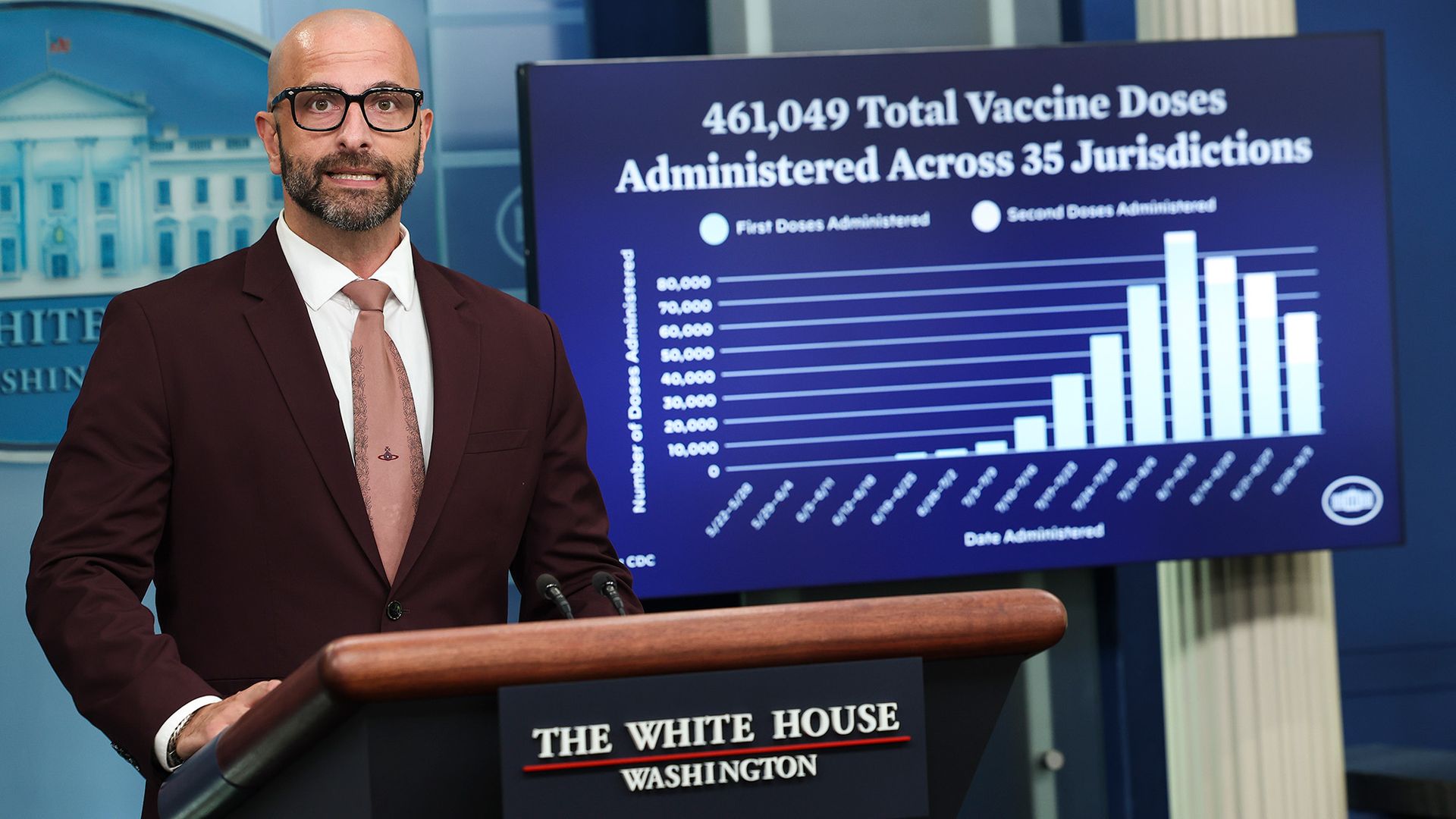
Dr. Demetre Daskalakis speaking at the White House on Sept. 7, 2022, when he provided an update on the administration's response to the ongoing mpox outbreak. (Image credit: Kevin Dietsch via Getty Images)
Thankfully, looking at current mpox trends, "there's no indication we're returning back to 2022 levels," Wertheim told Live Science. So far in 2026, just under 1,000 mpox cases have been reported, according to the CDC. Month over month, the number of cases is generally trending downward. So, at a glance, the current situation seems better than it was in 2025, he said.
"We sort of seem to be on this razor's edge between endemicity and extinction," he said. "And it's not really clear which way it'll go."
Tipping the virus toward extinction will require healthcare providers to be informed and equipped to spot and manage cases, Daskalakis said. And communicating the importance of vaccination is key.
"One lesson from 2022 was that trusted messengers matter," he said. "We [at Callen-Lorde] work closely with LGBTQ+ communities and make information and vaccination opportunities available in settings where people already receive care." The clinic integrates conversations about mpox vaccination into routine health visits, sexual health services, HIV prevention programs and community outreach activities.
Beyond vaccinating at-risk populations, educating patients about how mpox spreads and how to reduce their risk is also key, Standford noted. "Vaccination coverage is a very important factor, but it is not the only one," he said.
Tipping mpox toward extinction will also require enough investment to maintain the disease surveillance, vaccination, testing and treatment capacity that the federal government helped to expand in 2022, Daskalakis said. The vaccine itself is now commercially available to clinics and in adequate supply, he emphasized.
"The fact that we're seeing ongoing circulation underscores the need for sustained prevention efforts rather than viewing mpox as a resolved public health issue," he said. "Infectious diseases don't disappear simply because public attention shifts."
This article is for informational purposes only and is not meant to offer medical advice.
About 1 in 8 cancer cases are caused by infections with viruses, bacteria or parasites, a new study finds, suggesting that one of the most effective ways to reduce cancer rates might be to prevent common infections.
In a new analysis published Sept. 28 in the journal The Lancet Oncology, researchers mapped the global impact of 12 cancer-causing pathogens. They estimate that infections drove about 2.3 million new cancer cases in 2024, or about 12% of all cancer cases diagnosed that year.
The study highlights that a large fraction of cancer cases could be avoided if these underlying infections were prevented, Dr. Prashant Mathur, director of India's National Centre for Disease Informatics and Research, who was not involved in the study, told Live Science in an email.
"When combined with other risk factors such as tobacco use, alcohol consumption, appropriate diet, physical activity, and environmental pollution, it is estimated that about 50 to 60 percent of all cancers in India are avoidable," he said. Past studies suggest that similar figures hold on a global scale.
In the new study, the researchers used the Global Cancer Observatory's GLOBOCAN database, which combines data from various cancer registries to estimate that about 20 million new cancer cases were diagnosed in 2024. The team combined that information with other published data examining the prevalence of different infections in people with specific cancers. This enabled them to estimate how many cases were attributable to each infection.
Their analysis focused on 12 pathogens tied to cancer, including human papillomavirus (HPV), hepatitis B and C, HIV and Epstein-Barr virus (EBV), the virus behind mononucleosis. The resulting breakdown revealed that just four pathogens accounted for roughly 92% of the cancer cases caused by infections.
A bacterium called Helicobacter pylori, which infects the gastrointestinal tract, accounted for 760,000 cases, primarily gastric cancers. The other three leading cancer triggers were viruses. HPV accounted for 750,000 cases, including cervical, penile, throat and mouth cancers. The liver-attacking hepatitis B virus was responsible for 360,000 cases and EBV drove 260,000 cases. (EBV is known to increase the risk of throat cancers, as well as certain lymphomas and stomach cancers.)
The scale of the burden contrasts with gaps in prevention. In 2024, just 31% of eligible adolescent girls worldwide received at least one dose of the HPV vaccine, well below the 90% target, the World Health Organization reports. The degree of protection provided by the vaccine is striking in countries that have achieved higher coverage.
"We have now achieved the critically important milestone of cervical cancer starting to disappear in countries that quickly achieved vaccination rates of over 80 percent," said Dr. Rebecca Perkins, an obstetrician-gynecologist at Tufts University School of Medicine who was not involved in the study. "Research from Australia, England, and Finland have shown zero cases of HPV-related cancers or deaths in young adults who received vaccination by age 13," Perkins told Live Science in an email.
But these successes are concentrated in wealthy nations. The Lancet study found that low- and middle-income countries bear 77% of the global infection-driven cancer burden. For example, about 81% of HPV-linked cancers occurred in these countries.
Perkins pointed out that shifting from the standard two-dose HPV vaccine series to a single-dose regimen using the same vaccines could make mass campaigns easier worldwide by lowering costs and eliminating the need to track patients for follow-ups. The single-dose approach has been backed by recent trials.
As with HPV, there is a highly effective vaccine for hepatitis B that can help prevent both the infection and related cancers. (Image credit: BSIP via Getty Images)
In the U.S., progress has been uneven across states with some boasting high vaccination rates and others lagging behind. One barrier is that some children's caregivers feel the shots are unnecessary or that their kids are too young to receive it."The biggest misconception from families is that the HPV vaccine is not needed or that it can wait," Perkins noted. "The reality is that you can't vaccinate too early, only too late."
There is also a highly effective vaccine for hepatitis B, and health officials recommend giving children their first dose as soon as possible after birth. (The U.S. Centers for Disease Control and Prevention recently made the decision to stop recommending universal vaccination at birth, which experts say could raise the country's rates of hepatitis B infections and related cancers.)
While the challenge with HPV and hepatitis B is getting their vaccines into widespread use, there isn't an approved vaccine for EBV yet.
"The biggest hurdle has been the complexity of the virus," said Claire Shannon-Lowe, a tumor virologist at the University of Birmingham in the U.K. who was not involved in the study. "Unlike many other viruses that use just one or two virus proteins to enter cells, EBV uses multiple proteins ... and it hides inside cells for our entire lifetime."
Epstein-Barr infections are also incredibly common, with up to 95% of people infected by adulthood; most people infected with the virus don't develop a related cancer, but it's still a major contributor to the global cancer burden. The germ has also been tied to several autoimmune diseases, which may help spur the development of a vaccine, Shannon-Lowe suggested.
"With the increased impetus following EBV's association with multiple sclerosis and lupus, we may finally have a potential vaccine in sight that could not only prevent virus infection but could help treat EBV-associated cancers," she said.
For H. pylori, meanwhile, researchers are pursuing population-wide testing for and treatment of the infection to help prevent gastric cancer, while vaccine development remains an area in need of further investment.
The true scale of the infection-related cancer burden may be even larger than the study suggested. Some of the registries used in the new research cover only about 19% of the global population, and only 2% of Africa's population. More high-quality data is needed to fill in these gaps.
For Mathur, though, the bottom line is that cancer prevention makes economic sense.
"Studies have clearly demonstrated that the return on investment of prevention on cancers is much higher than on its treatment in the long run," he said. "Preventive aspects must be strengthened for long-term gains."
This article is for informational purposes only and is not meant to offer medical advice.
Cape Cod is known for its lobsters and its growing great white shark population, but now the holiday hotspot has another extraordinary animal to showcase: a rare two-headed diamondback terrapin that is surviving against the odds.
The baby turtle, which weighed just 0.18 ounces (5.2 grams), was brought to the Cape Wildlife Center in Barnstable, Massachusetts, on Sept. 17, according to a Facebook post from the wildlife center. It was originally found by representatives of the Mass Audubon Wellfleet Bay Wildlife Sanctuary at a protected nesting site in the town of Wellfleet.
The turtle's condition, known as bicephaly, is a rare developmental disorder that's typically caused by the incomplete splitting of a single embryo during the formation of identical twins. It results in conjoined twins that share one body but have two fully formed, independent heads.
Two-headed turtles face survival challenges, as their abnormal anatomy can impair coordinated movement, feeding, and other functions essential for survival. (Image credit: New England Wildlife Centers Staff)
Zak Mertz, CEO of New England Wildlife Centers, which includes the Cape Wildlife Center, said the recently discovered diamondback terrapin (Malaclemys terrapin) is an uncommon example of bicephaly in turtles. Both genetics and epigenetics — the study of how genes and environment can interact — are thought to play a role in the condition's development.
"Our understanding based on the available research is that bicephaly is caused by both genetic and epigenetic factors," Mertz told Live Science in an email.
"It may have to do with the relatively long lifespan of the turtles, their preference for returning to the same nesting sites, and a limited gene pool due to their conservation status," he said."It may also be influenced by environmental factors, such as the temperature, humidity during incubation, physical characteristics of the nesting sites, or potentially even things the parents are exposed to in the environment."
Having two heads is rare but not unprecedented. According to the center, this is the third bicephalic terrapin found in the area in the past five years, providing another opportunity to learn more about the animals. Other wild animals with bicephaly have been found in recent years, including a two-headed porpoise found off the coast of the Netherlands and a two-headed dolphin that was found on a Turkish beach.
A 2021 study found that rare two-headed and partially duplicated sea turtle embryos and hatchlings showed significant craniofacial and spinal abnormalities and were generally smaller than typical hatchlings. The research found bicephalic turtles faced survival challenges because their abnormal anatomy could impair coordinated movement, feeding, and other functions essential for survival, highlighting the importance of monitoring such deformities as potential indicators of population and environmental health.
Diamondback terrapins are found in brackish marshlands along the Atlantic and Gulf coasts of the United States. Brackish waters have more salt than fresh water but less salt than seawater, and often occur where the freshwater of a lake or river meets the salty sea. These terrapins are classified as threatened by the Massachusetts Endangered Species Act, and their broader conservation status at the federal level is currently under review.
Veterinarians are monitoring the rare terrapin's health closely. "It is fascinating and an area that certainly merits more study," Mertz said. "We are excited to care for these two and learn as much as we can to inform future study in the process."
"Can it run Doom?" now applies to databases, as the author of DOOMQL has released a far more visually accurate port. There's a saying: "Be careful what you wish for." In 2025, we wrote a piece about a database boffin coming up with a version of Doom that was written in SQL. It was neat, but the visuals were nearer to 3D Monster Maze than to the 90s pixel blaster. We commented, "If persuading SQL to do the entire rendering pipeline is a 'bad idea,' we cannot wait for a terrible one." And so here we are. The author, Lukas Vogel, has been at it again and ported both Doom's game logic and renderer to SQL, running it in a database. Python handles timing, keyboard input, and bitmap display, but the rest comes from SQL queries and the CedarDB database. DOOMQL was an undeniably impressive thing. However, Vogel told The Register, "Someone on Hacker News complained last year when I did the first iteration that that one was more Wolfenstein-like because I used raycasting instead of BSP-tree traversal which was *the thing* that made Doom revolutionary. "So I obviously couldn't let that stand." Which brings us to SQLDoom. Doom, ported to SQL. In his blog, Vogel noted the ground rules for the port. Unlike DOOMQL, this had to look like real Doom. The rendering had to be purely SQL-based: "the only acceptable SQL output is a table or a bitmap encoding exact RGB values for every pixel," and the game loop also had to be purely SQL-based. Vogel told us, "I was very thrilled to find out that porting the real Doom was a) feasible and b) the performance was actually *better* than the much more barebones approach from last year! "Also, at some point I started actually playing it for fun in my free time, which is still a very strange feeling. I intended it as a tech demo, but it just feels like the real Doom, even though it doesn't share a single line of code with any existing Doom port. So I wanted to see how far I could take it. "In the end, I even got deathmatch to work." According to Vogel, the game is perfectly playable on his laptop (using a Ryzen 7 7840U), and multiplayer games can be played online using EU and US servers. We found the server performance a little sluggish – likely more due to the servers than the port – although getting SQL to jump through these hoops is something that, only a few short years ago, would be unimaginable. It's worth keeping in mind that this is a thinly veiled demonstration of the capabilities of CedarDB. It's a compiling database system where complex queries are eventually compiled to machine code. Still, it's hard not to get swept up in Vogel's enthusiasm and the fact that this is Doom… running in a database. Certainly this is a lot more fun than recreating yet another online store for yet another interminable keynote. ®
An ancient solar eclipse changed the course of a military conflict when it cast a shadow on a battle over Corinth between the Spartans, commanded by Cleombrotus, and the invading Persians, led by Xerxes I. Herodotus wrote that, “while [Cleombrotus] was offering sacrifice to know if he should march out against the Persians, the SunContinue reading "Oct. 2, 480 B.C.E.: A eclipse causes a retreat"
Cloudflare Data Platform on Thursday received a bland new brand name, Basin, and promotion from beta status to general availability. Under the tub-themed moniker, Cloudflare Pipelines, R2 Data Catalog, and R2 SQL become Basin Pipelines, Basin Catalog, and Basin SQL respectively. The company's evocation of washroom fixtures doesn't quite align with its stable of more literal product names – Sandboxes, Workers, Email Services, and so on. But given that the occasion is Cloudflare Birthday Week, which itself fails to respect the concept of "day," straightforward naming may be expecting too much. At least Cloudflare didn't latch onto any of the worse water storage metaphors for collections of information, like data lake, lagoon, puddle, bowl, or cesspool. "Sink" was also on this list, but it turns out Cloudflare has already deployed the term, as we'll see below. Cloudflare CTO Dane Knecht pitched the renamed platform as an easier alternative to standing up a bunch of hardware for observing data. "With Cloudflare Basin, we are bringing the same serverless model that developers expect from Cloudflare to analytics: no clusters to manage, no unnecessary data movement, and open standards that keep customers in control of their data," he said. Basin's appeal is based on lack of lock-in – because it relies on Apache Iceberg – and lack of egress fees, so data can move freely across cloud regions. Rival services from hyperscalers (Amazon S3, Google Cloud Storage, and Azure Blob Storage) impose egress fees. Cloudflare Basin represents an invitation for companies to store data in R2 Data Catalog and then process it with Basin SQL or any of various external query engines like DuckDB, PyIceberg, Snowflake, Spark, StarRocks, or Trino. And that's what Cloudflare is highlighting in its menu of canned customer quotes. Here's Julien Grobbelaar, head of platform at Bobsled: "Basin allows us to build data products that can be made accessible in any region of every major data and AI platform, all at production-grade reliability and a fraction of the cost thanks to zero egress fees." Cloudflare claims as much: "Querying data using tools from different clouds, platforms, or regions carries no transfer fees." And yet there are fees. As Cloudflare explains, "Egressing directly from R2, including via the Workers API, S3 API, and r2.dev domains does not incur data transfer (egress) charges and is free. If you connect other metered services to an R2 bucket, you may be charged by those services." If Basin Pipelines is used to load streaming data into Apache Iceberg or Parquet in R2, Cloudflare charges for delivering data to those sinks after the included allowance. Cloudflare labels this pricing dimension "Sinks (egress)." At the bottom of every data lake, sink, pool, or basin, there's a drain for cash. ®
Meta a du mal à faire décoller ses IA, alors la firme a pensé autrement avec sa nouvelle application Muse. Plutôt que de proposer un chatbot, le groupe de Mark Zuckerberg mise sur une autre bataille : celle des agents capables d’agir à la place de l’utilisateur. Et les premiers chiffres montrent...
Faire reculer la maladie chez 94 % des patients et agir jusque dans le cerveau : un nouveau traitement ciblé obtient des résultats encourageants contre une forme rare de cancer du poumon. Une avancée porteuse d’espoir pour des malades exposés à un risque élevé de métastases cérébrales.
Assinantes do Apple TV já podem conferir o primeiro episódio da aguardada sexta temporada de “Slow Horses”, série de espionagem estrelada por Gary Oldman, que retorna hoje.
Aos que nunca deram uma chance para a série, “Slow Horses” acompanha uma equipe de agentes da inteligência britânica, os quais servem em um departamento do MI5 conhecido como Slough House. Oldman assume o papel de Lamb, o brilhante (mas rabugento) líder dos espiões, que acabam indo para a Slough House devido a erros que acabaram com suas carreiras.
Reveja o trailer da sexta temporada a seguir:
A nova parte da produção acompanhará a fuga dessa equipe, enquanto Diana Taverner (interpretada por Kristin Scott Thomas) os envolve em um jogo de retaliação e vingança com riscos e consequências fatais.
Alguns desses nomes, vale notar, marcaram presença na première da sexta temporada, organizada pelo Apple TV na última sexta-feira (11/9) no TIFF Lightbox Theater, em Toronto (Canadá):
Como dito, apenas o primeiro dos seis episódios da sexta temporada foi liberado hoje. Os capítulos remanescentes serão disponibilizados semanalmente, às quartas-feiras, até 21 de outubro.
O Apple TV está disponível no aplicativo Apple TV em mais de 100 países e regiões, seja em iPhones, iPads, Apple TVs, Macs, dispositivos Android, smart TVs ou online — além de estar em aparelhos como Roku, Amazon Fire TV, Chromecast com Google TV, consoles PlayStation e Xbox. O serviço custa R$34,90 por mês, com um período de teste gratuito de 7 dias. Por tempo limitado, quem comprar e ativar um novo iPhone, iPad, Apple TV ou Mac ganha 3 meses do Apple TV. Ele também faz parte do pacote de assinaturas da empresa, o Apple One.
NOTA DE TRANSPARÊNCIA: O MacMagazine recebe uma pequena comissão sobre vendas concluídas por meio de links deste post, mas você, como consumidor, não paga nada mais pelos produtos/serviços usando os nossos links de afiliado.

 Login