On the evening of March 18, as it was growing dark, I went to the window, not knowing what was drawing me. Next to the house stood a shadow, ghost-like, shrunken, at one with the dusk, almost translucent, and I recognized The Girl with the Broken Foot.
I walked out into the falling wet snow, slowly approaching her, and she allowed me to come close. Nine months old, she was the size of a fawn half that age. Starkly emaciated, her body seemed to be collapsing inward, her head held low. Literal hunger and a deeper starvation were palpable. She bore the haunted look of terminal solitude seen in souls driven to the margins of society, among the liv-ing, yet apart. She seemed so frail that I couldn’t imagine she would live more than another day or two.
Going inside and returning with a bowl of apples, I cut them into pieces and placed a few on the ground between us. She was raven-ously hungry and I gave her a few more apples, and still more, until she had eaten a total of eight. After she had finished eating, she stayed with me. We stood about a foot apart. She showed no fear of me, a fact which I would later come to recognize as meaningful. The moment had the compelling quality which has been present at the onset of many enduring connections in my life, of being un-bound by linear time.
“I am watching over you,” I said softly. “If you come here, I will take care of you. You are not alone.”
It was fully dark when we parted, having been together for an hour. I expected that she would recede into the woods, yet the next morning she was sleeping against the house, directly beneath the window closest to where I sit all day to work. Save for the wall separating us, she could not have gotten any closer to me.
Paul feeding Penelope. Image: Paul Bochner.
When I went around to the front of the house, she struggled to her feet and approached. In the morning light, I was better able to assess the state of her health. Months of solitary survival had taken a severe toll. Her body seemed hollowed, her ribs and pelvis sharply visible beneath her skin, and it felt a miracle that she was alive. On her right flank was a hemispherical mass the size of a cantaloupe, which I took to be a tumor, yet it had an open, running wound at its center, which she periodically craned her neck to lick. Her eyes were running and had congealed masses at their inner corners.
I bent to get a look at her injured foot. From not being walked on, the backward-facing cloven hoof had grown to an abnormal length and was curling upward. The wrist, which unnaturally bore her weight, had a flattened forward surface, an oval about two inches across, worn raw, without hair or skin, only pale pink–grey flesh, which, at its center, appeared to have been further abraded to the bone. Her right front foot, forced to compensate, was splayed and rockered, her right scapula protruded, and her front quarters were substantially lower than her hips.
I again placed apple pieces on the ground between us. I spoke very gently to her, saying, “You are the best one of all the deer. You are the most beautiful. You are good.” I continued to talk to her while she ate her apples, and when she had taken all she could, she returned to her resting spot under the window. I went inside to work, keeping periodic watch, pleased that she seemed to have claimed a place. But in a few minutes, from around the corner of the house came the twins, followed by their mother who immediately and ag-gressively charged at her. The Girl with the Broken Foot lurched upright and hobbled down the embankment, across the road and into the woods.
She was once again alone, but a step had been taken. Since the previous evening, things had changed. Even before her second feed-ing she had recognized me on sight. She had approached and had again allowed me near.
Although I had seen her fewer than half a dozen times in the preceding months, from the night of our first connection, she began to come to the house every day. She slowly gained strength and I would watch for her and thrill to the sight of her slow approach. It was our private time. We stood together, and I placed her food on the ground between us. After she ate, she would stare into my eyes for long periods, seemingly entranced. I told her stories. I sang softly to her. I told her she was my beauty.
So began our journey, and one of the greatest loves I have ever known.
Penelope walking into the house. Image: Paul Bochner.
About the Author
Paul Bochner began his professional life early, as a working musician through his mid-teens in Los Angeles, then moving to Montreal at the invitation of the National Film Board of Canada. He has won several international awards for his films and is the recipient of a Guggenheim Fellowship in painting. He has written for The New Yorker and The Atlantic.
You would think, post-COVID, that we would all understand the importance of frequent and thorough handwashing. And yet, spend any time in a public restroom and you’ll see an alarming number of people who still see it as optional.
We know it can help curb the spread of illness when you’re sick, but on an average day, just how gross is it to not wash your hands?
“Your hands have a microbial flora that is always present. These are mostly good bacteria that help protect your skin,” Allison Pappas, PhD, Director of Business Development at Gillson Sciences, tells Popular Science. “On unwashed hands, your normal flora is going to be the most abundant group of inhabitants and they’re nothing to worry about. If you’re not washing your hands, they won’t become overgrown by deadly bacteria. However, your hands will accumulate an increasing number of pathogenic bacteria and viruses from your environment.”
Pappas explains that eating a sandwich or wiping your nose after exposure to these pathogenic bacteria are quick ways to then introduce those germs into your body. She describes it as a “tug-of-war,” with germs pulling one way and handwashing your only way to tug in the opposite direction. There are also physical characteristics that come into play as well. People with longer fingernails or rough, coarse skin give bacteria more places to hide. And it’s not always visible. As Pappas puts it: “Your hands can look clean but be utterly disgusting from a microbial perspective.”
“It’s extremely gross, but assume you’ve got poop on your hands,” says Pappas. “That sounds crazy, but studies have found fecal bacteria on children’s hands and toys and on the hands of 28 percent of commuters in the UK. Even if you don’t have a child and don’t commute via subways, you’re still touching all the same door handles and common utensils as the people who do. That poop is transferring to your hands, you just can’t see it.”
So how gross is not washing your hands? It’s “you have poop on your hands” gross.
Recent studies suggest that most people wash their hands too briefly to actually kill germs. So, if you want to avoid getting sick and spreading illness, it’s time to forget everything you thought you knew, and follow these instructions for proper hygiene:
Wet your hands with water at a comfortable temperature. You can’t actually get the water hot enough to kill microbes without burning your skin, so just do what feels nice. The CDC actually recommends shutting the tap off while you lather your soap to conserve water.
Lather your hands with soap. Don’t worry about buying something with anti-microbial ingredients; research shows that outside of a hospital setting, these additives don’t provide a significant benefit, and their use contributes to the rise of antibiotic resistance.
Make sure you lather the backs of your hands, between your fingers, and under your nails, as dangerous microbes can lurk on any part of your skin.
Continue scrubbing for 20-30 seconds before you start rinsing. It’s longer than you think. One study showed that most adults lather for just six seconds. Try singing “Happy Birthday” twice in your head (or out loud, if you’re feeling fun) to help keep time.
Turn the tap back on and rinse. The CDC notes there’s little evidence that using a paper towel to turn the tap on and off after washing will improve your health.
Dry your hands with a clean towel if possible, or with an air dryer. The CDC says that wet hands more easily transfer microbes. Plus, you don’t want to walk around with clammy hands all day.
Mark Wahlberg, who once sank money into a gym chain that got kicked off the NYSE, is now building his own, and he promises you’ll get a cold plunge, a blood panel and a protein muffin without needing a trust fund.
Your eyes really can betray your thoughts, but don’t get too self-conscious about it. Researchers in Japan believe that the subtle signs our eyeballs make are more useful to neuroscientists than the interrogation room. Based on their findings recently published in the journal iScience, examining the difference physiological responses from “inner” versus “overt” speech may help us better understand everything from linguistic development in children to the efficacy of silent pep talks.
To learn more, a team at the University of Tsukuba in Honshu enlisted dozens of volunteers for a series of simple counting exercises. After observing the participants at rest while thinking about nothing in particular for a control, researchers then asked them to count sequentially (1, 2, 3…), in number-subject combinations (one dog, two dogs…), and in specific intervals (1, 3, 5…). They also completed each task both silently and aloud. In each phase, the team carefully monitored their pupil dilation.
The results were subtle, but striking. Participants’ pupils dilated during each overt speech task, but this same muscle movement depended across each inner speech directive. Pupils constricted while volunteers silently counted sequentially, dilated for interval counting, and didn’t change at all for number-subject counting. But regardless of the inner speech task, pupil size changes were always smaller than they were during overt speech.
“The results of the present study do not support the initial assumption that inner and overt speech produce equivalent pupillary responses,” the team summarized. “Across the three experiments, overt speech consistently elicited pupil dilation, whereas inner speech did not.”
This collective data indicates that our inner speech isn’t simply the nonverbal counterpart to talking aloud. Instead, it’s a form of communication that appears to correspond to lower levels of brain arousal. If true, measuring pupil dilation may become a valuable tool when attempting to assess internal language and thinking. This could be particularly useful for studying language development in young children and infants who can’t properly describe their experiences to adults yet.
In the mid-1970s, Linnda Caporael was a college student facing a seemingly mundane decision.
A science major at U.C. Santa Barbara, she needed a humanities course to graduate. The course she chose, on women in American history, came with a term paper, and she had to pick a topic.
Caporael’s first choice—Lydia Wardell, a Quaker woman who protested Puritan persecution by walking naked into a meeting house in the 1660s—was intriguing, but already taken. So Caporael instead settled on her second choice: Ann Putnam, one of the accusers in the 1692 Salem witch trials. In doing so, Caporael reshaped the way millions of people view a nearly 300-year-old chapter of American history.
Caporael’s paper introduced the theory that the visions, convulsions, and distress the “afflicted” girls reported might not have been supernatural after all. Instead, she proposed, they could be explained by ergot, a fungus that grows on rye grain and produces a hallucinogenic toxin. In other words, blame moldy bread.
The ergot theory, despite being debunked within a year of being published, has continued to spread and thrive like fungus on rye. As recently as 2023, comedian-turned-podcasting-juggernaut Joe Rogan discussed the theory enthusiastically on his show, effectively reanimating a story that seems destined to never fully die.
“It’s sexy,” says historian Margo Burns about the enduring appeal of Caporael’s ergot theory. “It’s about drugs. It’s about witches. It’s about killing people. Also, we like to think that when there’s an unjust sentence or execution, there’s someone or something to blame.”
Burns, a Salem scholar who has spent years tracing how the ergot theory took hold and persisted, says she rarely gets through a talk on the trials without someone in the audience bringing up moldy bread.
It was long thought that Ann Putnam, one of the primary accusers during the Salem witch trials, had grown up in this house, but historians now know this house was built much later, around 1891, near the Putnams’ original home location. Image: Public Domain
How a term paper went viral
The fact that a single undergraduate college paper could have such a lasting and wide-ranging impact on our understanding of the Salem witch trials seems bizarre, but it can be explained in part by a thoroughly modern phenomenon: virality. Although the World Wide Web was still decades away, Caporael’s paper found a way to spread fast through newspaper wire services.
After she started graduate school, Caporael submitted the paper to Science, which, to her surprise, published it in April 1976. That alone might have kept the theory confined within academic circles. Instead, newspaper editors saw a story with mass appeal.
“Editors and newspapers just grabbed it, saying, ‘Oh, here’s a human interest thing,’” Burns says. “And when they put it in their papers, like The Washington Post, The New York Times, The Boston Globe, it got syndicated. And the syndication of those articles went through the whole country and Canada within a matter of weeks.”
Caporael, who had explored the topic through the lens of the scientific method, wasn’t claiming to know what had happened at Salem. At the suggestion of a pre-med friend, she began looking into ergot poisoning as a possible explanation, not a definitive answer.
According to Burns, who has spoken with Caporael directly, she was only testing whether ergot could be ruled out. Working from the limited sources available to her, Caporael determined that she couldn’t rule it out. Even then, though, she called her own findings “suggestive,” not conclusive.
But that nuance didn’t survive exposure to the public, which in 1976 was already fixated on LSD and what it might do to young people. The press coverage essentially retrofitted 1692 with the anxieties of 1976, recasting the Salem girls as teenagers on a bad trip.
“You give that to the American public, which doesn’t understand there’s a difference between scientific inquiry and historical storytelling, and it’s just so compelling,” Burns says.
Debunked, but far from dead
Not all the viral attention was positive, though. Within that same year, researcher Nicholas Spanos and graduate student Jack Gottlieb published a rebuttal in Science, dismantling Caporael’s argument point by point. By their reckoning, various aspects of the Salem girls’ symptoms did not add up.
“There are a couple of different kinds of ergot poisoning, and one of them is gangrenous, so people’s fingers would start rotting,” Burns says. “And they would have gastrointestinal problems, and we don’t have any instances in the records that either of those things happened.”
This 1880 print shows Martha Corey and her prosecutors in Salem, Massachusetts, during the witch trials. Martha Corey was accused of witchcraft, found guilty, and executed by hanging. Her husband, Giles, who defended Martha against the allegations, was also put to death. Image: Print Collector / Contributor / Getty Images
The problems for the theory didn’t end there. Ergot poisoning was thought to hit hardest among people with vitamin A deficiencies, but Salem’s residents had dairy cows and the sea nearby, and likely plenty of vitamin A. (Ironically, Burns notes, that the vitamin A argument was itself based on a discredited 1930s source that relied on circumstantial evidence and has never been replicated.) And while whole families ate from the same supply of rye, usually only one or two people per household fell ill.
The rebuttal, though methodical and logical, was little more than a momentary speed bump for the runaway popularity of the psychedelic bread story. In fact, it may have helped.
Arguing with a claim, however insubstantial, implies that it’s worth arguing about, and a formal rebuttal in Science can make a student’s term paper look like one side of a valid scientific debate.
“It’s really hard to refute something,” Burns says. “If anything, it just sort of nails it and makes it more permanent.”
“They were eating their own”
Whatever was causing young women in Salem to convulse, the atrocities that followed are much harder to grasp. By the time the panic ended, 152 people had been formally accused, 19 had been hanged, and one man, Giles Corey, had been pressed to death with stones for refusing to stand trial. Several more died in jail.
“The people who were responsible were the adults in the room,” Burns says.
To the modern eye, this looks like lunacy. To most people in 1692, though, witchcraft wasn’t superstition. It was an accepted fact, part of an invisible world in which Satan and his agents wreaked havoc on everyday life. Conflict with Indigenous peoples on the Maine frontier had sent traumatized refugees into the region, relating horror stories of attacks on their homes. Many colonists thought Satan engineered those attacks, too.
In a way, the people of Salem did exactly what Americans would do nearly 300 years later, when the psychedelic era latched onto the ergot theory: They explained strange behavior through the lens of what frightened them most.
In such a charged social climate, suspicion could fall on just about anyone, and it did. The accused weren’t just outcasts, Burns says. Many were fully covenanted members of the Puritan church.
“We’re not talking about going after ‘The Other,’” she says. “They were eating their own.”
Someone to blame
Burns knows the cost of Salem’s betrayals about as well as anyone. An associate editor of Records of the Salem Witch-Hunt, the definitive collection of the trials’ legal records, she is also the 10th-generation great-granddaughter of Rebecca Nurse, who was hanged on the charge of witchcraft in 1692.
The Rebecca Nurse Farmstead still stands and is open to the public in Danvers, Massachusetts. Image: Fletcher / CC BY 4.0
Nurse, a respected member of the church in Salem Town, was tried and found not guilty. But Chief Justice William Stoughton refused to accept the verdict. He sent the jury back to reconsider a remark Nurse had made when confessed witches Deliverance Hobbs and her daughter, Abigail, were brought in to testify against her: She had said the two were “of our company.” Nurse meant that they had been jailed together, but the court heard that they were fellow witches.
When jurors asked her what she meant, the courtroom was in such an uproar that Nurse didn’t hear the question. At the time, failing to answer an accusation was treated as a confession, and the jury returned a guilty verdict. In a later appeal, Nurse wrote that she was “something hard of hearing, and full of grief,” and didn’t realize she was being asked to explain herself.
It was the kind of injustice no mere fungus could cause.
“[Chief Justice] Stoughton was singularly, individually responsible for her execution,” Burns says.
The question of who is to blame is rarely so straightforward, though. Which might be part of the ergot theory’s appeal; it offers “one silver bullet” that tidily explains everything.
“There are just so many reasons that all came together,” Burns says.
But when pressed on why she thinks it happened, she offers an answer that’s part joke, part harsh reality: “People are mean.”
In That Time When, Popular Science tells the weirdest, most surprising, and little-known stories that shaped science, engineering, and innovation.
The Ojai Raptor Center released the final necropsy results for Jackie, an internet-famous bald eagle mother who was in their care this summer. Jackie was brought into the bird rehabilitation center weak and dehydrated following an altercation with another eagle in July.
Officially designated as Patient 26-519, Jackie’s necropsy revealed a “complex and unusual disease process involving severe, chronic inflammation and ulceration of the stomach, persistent internal bleeding, anemia and secondary bacterial sepsis.” She was also diagnosed with Highly Pathogenic Avian Influenza (HPAI) commonly called bird flu, which was behind severe stomach ulceration. Raptors (eagles, hawks, falcons, owls, etc.) are highly susceptible to the virus
All of these medical complications developed over time and ultimately contributed to her death on August 10.
“These findings have helped connect many of the pieces we were seeing throughout her hospitalization and provided a better understanding of the challenges she faced,” the Ojai Raptor Center wrote. “We are grateful to the many veterinary specialists, laboratories, wildlife agencies and partner organizations who worked alongside our team to understand her illness and provide her with the best possible care. Caring for her was an extraordinary privilege for our entire team.”
The full report can be read in Jackie’s veterinary medical journal. The necropsy was preformed by veterinary pathologists at the San Diego Zoo Wildlife Alliance.
Friends of Big Bear Valley (FOBBV), the non-profit organization that runs the live cameras where viewers from all over the world watched Jackie and her partner Shadow, said that they will follow up with their thoughts once their team has had time to process the report.
“The story of the Big Bear bald eagle reflects the powerful connection people feel to these iconic birds,” California Department of Fish and Wildlife Director Meghan Hertel added. “We’re grateful to everyone who cared for her and worked to support her well-being. Understanding the results of these tests is an important part of learning from this case and can help inform the care and treatment of other eagles and wildlife in the future.”
Jackie on a perch at the Ojai Raptor Center in July. Image: Ojai Raptor Center.
Jackie’s story
Jackie was born, raised, and lived in Big Bear Valley in Southern California. Prior to the 2011-2012 nesting season, no bald eagle chicks were known to have ever hatched in Big Bear Valley. Then came Jackie, named after a forest ranger and born to parents Ricky and Lucy in 2012.
During the 2016-2017 nesting season, Jackie took over a nest where Friends of Big Bear Valley (FOBBV) had a camera stationed. In 2018, she had two chicks named Stormy and Big Bear Baby (or BBB) with her first mate, Mr. B.
Her long-time partner Shadow entered the picture in summer 2018. He showed up at the nest and would not leave. FOBBV called the new male Shadow because he appeared so determined to stay in the nest, and the team initially believed he was one of Jackie’s siblings, also named Shadow. The eagle’s plumage indicated he was one year older than the other Shadow and not Jackie’s sibling, but the name stuck.
Shadow continued to hold his ground and Mr. B gave up and eventually left. Jackie then accepted Shadow as her new mate.
Wildlife cameras documented Jackie and Shadow’s life together, offering viewers a direct look into the brutality and beauty of nature. The pair successfully raised chicks in 2019 (Cookie and Simba) and 2022 (Spirit). The pair’s eggs failed to hatch in 2023 and 2024. In 2025, Jackie laid three eggs that all hatched in early March. However, a strong snowstorm dumped up to two feet of snow and battered the nest with strong wind and only two of the chicks (Sunny and Gizmo) survived.
In January, Jackie laid two eggs in the nest, but ravens destroyed them. She later laid two more eggs that hatched in April and named Luna and Sandy. The name Sandy is in honor of FOBBV’s former executive director Sandy Steers who died from cancer in February.
Jackie, Luna, and Sandy on their nest in May 2026. Image: Friends of Big Bear Valley.
Jackie’s injury and death
On July 17, Jackie was found injured on the ground near Dana Point Park, California. Cell phone video from a witness confirmed that she had an altercation with two other subadult eagles. She successfully fended off the other eagles by turning over and using her talons, but could not fly far away.
She was transferred to the Ojai Raptor Center, where she was diagnosed with severe anemia. Her anemia worsened during the first week of August, the Ojai Raptor Center said that she was in unstable condition on August 9. Her packed cell volume (PCV) fell below percent, before rising to nine percent.
On July 17, Jackie was found injured on the ground near Dana Point Park, California. Cell phone video from a witness confirmed that she had an altercation with two other subadult eagles. She successfully fended off the other eagles by turning over and using her talons, but could not fly far away.
She was transferred to the Ojai Raptor Center for care, where she was diagnosed with severe anemia. Her anemia worsened during the first week of August, the Ojai Raptor Center said that she was in unstable condition on August 9. Her packed cell volume (PCV) fell below percent, before rising to nine percent.
Jackie died early in the morning on August 10. The necropsy did not reveal a single cause of death, and instead pointed to several factors including severe anemia, blood clots in her wing and one kidney, and liver and lung abnormalities.
Thanks to some medieval human teeth, archaeologists have pinpointed when lead production first expanded across Europe during the Middle Ages. By examining dental enamel collected from graves located in central England, researchers now know the post-Roman society started mining and smelting again during the mid-7th century. As the team explains in a study published today in the journal Antiquity, the consequences of exposure to the toxic were stark—but distributed unequally among locals.
Humanity’s complicated relationship with lead dates back over 9,000 years, and our environmental exposure to the toxic metal is traceable as far as two million years ago. Lead was instrumental in prehistoric smelting advancements, and its invaluable properties paved technological progress all the way through the Industrial Revolution. However, lead is now known to cause various early developmental issues and its uses are dwindling, but tracing our reliance on the material helps contextualize and understand a society’s historical arc.
Researching these metals also isn’t easy. From the 16th to 19th centuries, manufacturers constantly re-smelted lead waste from ancient Rome and medieval England, which destroyed any discernible way to examine its prior origins and uses. Archaeologists including University of Nottingham’s Christopher Loveluck knew of another way to trace lead production in the Derbyshire Peak District, one of Europe’s largest providers of the metal during the Middle Ages
“The team is delighted to have finally confirmed definitively the date by which the early medieval lead industry was established in the Peak District…through evidence provided by the people themselves,” Loveluck said in the study’s accompanying announcement.
Archaeologists analyzed teeth from bodies buried in three Peak District cemeteries dating back to between 650 and 1500 CE. More specifically, they focused on tooth enamel. The external protective layer finishes forming during childhood, meaning any prior lead exposure stays embedded in the enamel for the rest of an individual’s life. Loveluck and his colleagues discovered that by the 7th century, the Derbyshire children’s lead levels were the same, if not higher, than those of children who lived in industrialized cities during the mid-18th and 19th centuries. By the mid-8th century, the growing lead industry had even begun to seep into surrounding regions like Castleton.
Teeth samples showed lead exposure reached its highest levels during the late 12th and early 13th centuries, which aligns with previous historical and environmental data. While the metal’s presence was ubiquitous among the population, it wasn’t necessarily the same across class or gender. High status gravesites included weapons and other personal items with lower lead concentrations than those seen in the graves of poorer residents. This implies that while the upper class owned lead-imbued possessions, they were higher quality objects. Meanwhile, working class families employed in mines and factories routinely exposed their children to larger amounts of lead.
There is also evidence that suggests women were especially at risk during this era. Three women who died between 17 and 25 years old showed particularly increased lead quantities in their tooth enamel. Overall, most of the men survived to middle or old age, while women often died during young adulthood.
“Our results indicate that in these mining communities, girls and boys alike were raised in dangerously polluted home environments,” said Castleton excavation co-director and study co-author Anna Bloxam. “This exposure…perhaps contributed to higher rates of premature death among women of child-bearing age.”
Lead contamination is still a serious issue today, although overall conditions have improved greatly since medieval England. Still, the underlying problems of environmental degradation and socio-economic vulnerabilities remain relevant today.
“This study has enabled us, for the first time…to look more deeply into the profound impact lead production had on individuals and the communities they lived in,” added University of Sheffield historian and study co-author Colin Merrony.
Wandering around Milan, you come across two kinds of power: the kind you can observe and the kind you can only feel. That first one is obvious, all incense-soaked architecture and ascendant liturgies. The second, though, is more understated in pauses, glances, murmured blessings, and other hushed, huddled choreography.
Pinnacles and pulpits look down on the penitent holding their rosaries. Beyond the gargoyles’ gaze, an equally adorned set of transformation seekers do the same to the so-last-season. Because, wandering around Milan, you come across another kind of power both manifested and metaphysical: the power of fashion.
It’s July 2025, and I’m in Milan at the invitation of EssilorLuxottica. I’m here to learn how the world’s largest eyewear company designs frames and lenses that help everybody, from the fashionable to the far-sighted, see and be seen. And where else but the Italian capital of fashion? Here, at the intersection of spirit and spirituality, faith and fit, this vertically integrated multinational predicts and produces trends years before they hit retail. But more interesting even than shapes and shades are the developments in microelectronics and med-tech that turn frames into smart systems, into something powerful you can witness and wear.
[Disclosure: EssilorLuxottica provided travel accommodations during the creation of this story.]
Our tour begins at the Oakley Milano flagship, a two-story space styled like a brutalist bunker that cloisters current attire alongside retired accessories from the ’90s and early aughts, displayed like relics in a cathedral. Oakley is just one of EssilorLuxottica’s many, many proprietary brands, licensed luxury labels, and, with the Oakley HSTN and Vanguard Performance AI models, a part of the company’s push to take smart glasses from concept to category.
We see the Prizm Interactive Wall, where we compare simulations of different Oakley lenses. Placed on a platform, a screen shows how a lens’s selective wavelength tuning and “noisy” light filtering boost specific colors and contrast, whether you’re on a shady trail or out to sea. Then there’s the Performance Chamber. A stationary bike sits in a simulator where you pedal through adjustable wind and lighting conditions to experience how different eyewear (and helmets) ride.
The next stop on our photopic pilgrimage is the Luxottica Digital Factory and its Tortona Experience Center, a striking building full of workspaces and high-end industry showrooms. Here, in the Zona Tortona design district, we work our way back to the future, to where teams study economics, demographics, technology, fashion, and interior design to inform storylines that won’t hit retail for 18–24 months.
Nina Esteves, senior trend & foresight manager at EssilorLuxottica, walks us through the future of frames, where AI and 3D printing widen structural possibilities to far more far-out. At the extreme, they’re alien eyes, or maybe that’s alienized. And, temporarily, that’s how I feel. I feel like Andy Sachs just starting at Runway, out of my element but eager to dive into the deep end of fashion.
I see magma hues and intentionally ruined chrome finishes. I see the renewal of ovals and chunky curves, informed by international datasets of face-shape fittings (it pays to own thousands of LensCrafters and Sunglass Hut locations, etc.). I see what (under)tones of green, clear, and white will become neo-neutrals. I see how cat-eyes become more sci-fi. Slowly, I start to understand the curve as silhouettes and innovation cascade from runway to bargain bin.
We’re in a period when plain-lens and barely-there frames are expression, not just function. They may be interchangeable, worn like earrings. And tinted lenses are similar. For those looking to occupy both worlds, the company’s Transitions lenses use reactive molecules that adapt to light, forming complex shapes to block UV from the sun and filter blue light from our screens.
When I was growing up, these eyepieces were slowly shifting, tobacco-brown photochromics. But these ain’t your grandpa’s glasses. The clustered cones embedded in Transitions Gen S come in eight hues, snap to dark sunglasses in around 25 seconds, and reverse back to clear in under 2 minutes. You can blend or clash tones with your frames without sacrificing clarity. An XTRActive variant even has dynamic polarization.
[EssilorLuxottica’s push is for Transitions to go from “must-wear” to “love-wear.” I’m convinced enough by the demonstration that they’re not the nerdy, never-quite-clear, high-school science teacher vibe of my youth that I get a pair when I return home. And, as someone unwilling to use contacts and too cheap … OK, lazy … to buy prescription sunglasses for decades, I can say they’ve been a revelation. Better late than never.]
And Transitions aren’t the only lens technology that has improved exponentially. Progressive lenses have dumped the “bifocals” stigma. They’ve become a far more seamless way to address stress you may not even know is affecting you, according to Today show style editor and Varilux lenses brand partner Bobbie Thomas. She spent months with nausea, vertigo, and headaches. Doctors suspected hormonal causes, but it turned out to be presbyopia.
About 2.1 billion people have presbyopia, an age-related loss of near vision; this number is projected to reach 4 billion by 2050, according to Essilor market reports and United Nations internal analysis. Plus, digital life is accelerating that. With 60 percent of our cerebral cortex involved in vision, good vision is associated with feelings of connection and community and therefore with good mental health, according to Sebastien Fricker, manager of the vision and perception modeling team.
With this in mind, Essilor develops digital twins, which are virtual replicas of individual wearers based on their prescription, pupillary distance measurements, age, morphology, lifestyle, head and eye movements, and more. These are used to test various Varilux progressive lenses through simulation, model how a real brain perceives sharpness and distortion over time, and determine what works best and what needs refinement. And IRL, when getting fitted for the XR Series, an “Eye-Ruler” measures Near Vision Behavior (NVB) and considers posture, how you hold your device, and how your gaze shifts. Then behavioral AI predicts head and eye movement to align the lenses with how you actually view the world.
[I’m a presbyope who had a terrible, multi-day ordeal adapting to progressives in my mid-40s. So I was reluctant to give a new pair a go. But while I was getting Transitions, I took the leap to Varilux XR, and now I have no obvious lines or disorienting “swim effect.” According to Essilor, citing a 2005 study, you make more than 100,000 eye movements a day in every direction, and standard progressive lenses are designed primarily for linear eye movements. With Varilux XR, you get what you pay for, which is a natural per-eye positioning of near, intermediate, and far focal zones, plus sharpness in motion.]
Of course, lenses, for all the chemistry and careful cutting that goes into them, are relatively easy to drop into a traditional frame, whether it’s an A$AP Rocky Wayfarer Puffer or some kind of titanium wisp with a granny chain swinging off it like a thurible. Their transformative power is something you can see. What’s introduced next is felt more than seen.
We demo the Ray-Ban Meta, learning about the layers of delicate circuitry in its arms and the challenge of fitting components that must stay linear onto a face, which is anything but flat. A few steps away, however, is something even more interesting to me: Nuance Audio glasses, first introduced in April 2025 at around a grand without prescription lenses (thousands less than traditional hearing aids). They’re basically an over-the-counter hearing aid disguised as something I’d already have on my face, and the only prescription required is for lenses, if you need them.
A rep puts a neckband speaker on another journalist and hits play to emit restaurant chatter and clatter. Then a different voice talks over it, conversational, not loud, and the response is middling. “I don’t really understand everything,” the wearer admits. So the rep switches the glasses on, frontal mode kicks in, and the glasses amplify whoever you face within a 30-degree cone, aimed like a laser pointing from your nose. Alternately, a 360-degree mode can handle the street for more encompassing awareness. Other features include four pre-configured amplification settings that target different levels of hearing loss, plus background noise reduction.
“I’m hearing her a lot more clearly,” the participant declares. Meanwhile, I’ve found something I want to hear more about.
I admit it: I’m the guy who fails the “restaurant test.” I sometimes struggle to navigate low-light, high-noise spaces. Varilux XR lenses have somewhat helped cut down on menu-reading challenges and peering over my frames at things held mere inches from my face, but I still have a hard time hearing anyone at the table who’s not immediately next to or across from me. If my eyes are a window to my health, and at least some of the world around me, then my ears are a door to the room where my sanity comes and goes … and sometimes it feels like it’s swinging shut.
I mean, it’s my own fault. As a former professional music critic and would-be superstar DJ, I stood in front of line arrays for many, many years before I took earplugs seriously. Between that and turning 50, I’ve lost some top end, what my audiologist calls “the women and children range,” much to the chagrin of my wife. So I know exactly why I tilt my head “like a dog that just heard the word ‘treat,’” as the wife I find harder to hear so lovingly puts it. I’m trying to catch consonants along with visual cues to help cut through the static. And it’s mentally exhausting, to the point that sometimes I’ll just check out when out and about.
This makes me more interested in being part of the conversation on mild to moderate hearing loss and removing the stigma of hearing aids, or even hearables. So, eight months after Milan, I’m even more interested in attending SWITCH, EssilorLuxottica’s first-ever summit for about 1,000 vision-care professionals from more than 30 countries, held in Orlando in March 2026.
Among conversations on myopia management, neuroscience, and emerging oculomics, I gravitate to the gear. According to a presentation by Dr. Charlotte Yeh, about 73 million Americans have hearing loss, which is 1 in 5 (that number goes up to 1 in 3 if you count people, like me, who have “hidden hearing loss” … where you mostly struggle with speech in noisy places but don’t have serious measurable loss). Fewer than a third of those act on it, often waiting 7 to 10 years. Untreated loss can lead to loneliness and also contribute to dementia, according to a 2024 Lancet Commission.
One of those people with untreated hearing loss is Frank Lynch, and his daughter, actress Jane Lynch, explains what’s at stake and how hearables can help. In her keynote, she describes her father going from someone who would burst into impromptu songs to someone who laughed half a beat behind. Then his TV got louder and louder, and saying “What?” in response to conversations got more and more frequent. Finally, he seemed to be disappearing, there but not there. Yet Frank didn’t want traditional hearing aids because he didn’t want to appear weak or vulnerable. So, when Jane started noticing her own issues with background noise getting in the way, you guessed it, in restaurants, she embraced the opportunity to do something about her hidden hearing loss when introduced to the “adorable” Nuance Audio glasses. “Getting help for hearing loss is not a surrender,” Lynch says.
It wasn’t just Lynch who ended up with a pair. Another went to her friend Janice, who spent a dinner saying they were a “game changer,” while another went to Lynch’s spouse. That’s three people embracing a solution, and more people who might be tempted to upgrade. Announced at SWITCH and recently released at retail, Nuance Audio Plus is the next generation of the company’s hearing glasses, starting at $829 and now available in three styles and five colors, with improved audio and amplification, battery life, and switches/controls.
You see, adorable isn’t as simple to engineer when electronics are involved. All those PCBs and batteries and other components are flat and add weight, the enemy of all-day wear. That’s why the arms of Nuance Audio glasses and Meta models typically have a thickened profile, to house and hide the deliberate directional microphones that listen and the speakers that aim sound toward your ears. [Admittedly, the Meta Gen. 3 frames, with aviator and cat-eye styles, are a few millimeters smaller, but …]
Still, the team strives for connected devices to “be beautiful glasses first,” says Matteo Battiston, EssilorLuxottica’s chief design officer, talking to me between sessions.
It’s been a slow process to adapt the technology for the most wearers, though. For someone like me, with a -6.25 prescription, physics is fighting back. You design a frame like they design a car, without knowing which wheels will go on it, says Battiston. And not all wheels fit all wheel wells. Similarly, a prescription as thick as mine adds weight and must share space with microphones and motherboards that can’t be bent as the lenses get pushed in.
However, Alex Himel, Meta’s vice president of wearables, says that the most engaged users wear connected glasses with prescription or Transitions lenses. One of the company’s answers is another SWITCH debut: Ray-Ban Meta Optics. It’s a little easier with Nuance, which doesn’t have the cameras in the end piece, etc. For Ray-Ban, however, they made lighter frames that support what the company calls its widest prescription range. The hinges have an additional 10 degrees of rotation, the nose pads are swappable, and the temple tips adjust a bit. Not to the extent of traditional acetate, where opticians use heat to make things malleable, but with more flexibility than before.
Back at the Nuance Audio booth, I think about another feature they might want to put on the spec sheet: better table manners. Testing out a pair of Nuance at a dinner, I found I’m no longer half-nodding but rather making full eye contact. I’m reengaged.
When I first arrived in Milan, I felt like I was wearing a metaphorical lumpy blue sweater, sure that the trend table wouldn’t have much to do with me. But even if I’m not the most fashion-forward, I loved learning how the frames, lenses, and electronics-laden eyewear I ended up wearing were curated long before I chose them. And the shade of cerulean that mattered most as it trickled down to me was whatever was being said at the far end of the table. Miranda Priestly never has to raise her voice; the room leans in. Well, I got tired of leaning in. Now I can sit back and still catch the … nuance.
Squid skin behaves a bit like a large, 10-armed human ear. While scientists at Case Western Reserve University were probing these enigmatic cephalopods, they discovered that squid have significantly more hair cells than was previously known.
Hair cells are cells with bundles of hair-like protrusions, and researchers already knew that squid had them on their heads and arms. Now, it looks like the invertebrates have hundreds more of them all over their bodies, with potential insight for understanding human hearing.
“Squid are cephalopods with a diverse population of hair cells on the surface of their bodies, which may yield insights not only into how these fascinating animals detect water movement to survive, but also into how hearing and deafness occur in humans,” Brian McDermott, a biologist and co-author of a quid study recently published in the journal Current Biology, said in a statement. That’s because these squid hairs are similar to those inside the human ear, which enables us to hear things.
McDermott (who investigates hair cells) and his colleagues used an imaging technique called light sheet microscopy to probe the cells. During this process, a thin sheet of light lights up one plane of a specimen at a time and researchers can produce detailed 3D images while minimizing tissue damage. Their work also included the first full-body mapping of lateral lines (features made up of hair cell clusters) on squid.
Understanding these hairs have implications for our own ears. Human hearing involves sound vibrations moving to a snail-shaped organ in the inner ear called a cochlea. The cochlea is filled with thousands of hair cells, each of which has a collection of small hair-like features called stereocilia, or cilia. The length of cilia depends on where they are found. If they are in areas where low pitches are detected, the cilia are longer. If they are in high-pitch areas, the cilia are shorter. This positioning helps orient each cell to a specific sound frequency.
When the sound vibrations reach the cochlea, the cilia move. The hair cells then transmit the signals to the brain via the nervous system, where the messages are turned into meaningful sounds. Marine animals such as squid and octopuses feature similar cilia bundles on their bodies. Their survival appears to depend on detecting various frequencies of water movement, akin to how human ears pick up on sound pitches.
In other words, squid skin appears to behave like a human ear. This new research even suggests that squids regulate the length of the hair bundles to tune the hair cells to various frequencies, similarly to human ears. The hair bundles in fish lateral lines, on the other hand, are all the same length. So by studying squids, researchers could learn more about human hearing.
“Often, when a child is born deaf or a hearing person loses their hearing, it is the hair bundle that has been damaged,” McDermott concluded. “So, studying the squid’s hair bundle holds promise for understanding how hearing loss occurs.”
Typical brains function smoothly, with neurons (nerve cells) firing rhythmically like predictable weather patterns.
But in epileptic brains, a sunny day can suddenly turn dark and stormy. Neurons will just be trucking along, operating in the controlled and routine way that keeps a body’s mental and physical functions stable when, all of a sudden, they freak out, pulsing with an electrochemical intensity that causes confusion and uncontrollable jerking.
The broken doll movement and unexpected mental interruptions of epileptic seizureshave probably always been unsettling. Some cultures have explained their onset as the consequence of religious sin, others as divine intervention or a sign of sacredness.
To the ancient Romans, epilepsy was a contagious disease caused by evil spirits or demonic possession, and there was only one way to cure it—with the blood of a gladiator.
Drinking the “hot blood from the throat of a gladiator” is first recommended in the Book on Medicine in 40 C.E. and, over the next 500 years, Roman doctors experimented with exactly how to administer the cure: three spoonfuls a day for 30 days, sucking directly from a bleeding wound, filling a cup with the dripping blood of the slaughtered.
In the sixth century, one physician’s method was to burn a rag soaked in the blood of a swordsman and mix its ashes with wine. “With seven doses you will free the patient of epilepsy,” he wrote. “Often applied with excellent results.”
This famous fourth-century C.E. Roman mosaic at the Villa Borghese depicts gladiators fighting to the death. Image: Public Domain / Picasa
“Magic is not logic,” he explains. “People are healed by those things and procedures they expect to be healed from.”
Gladiators weren’t exactly average Romans. In the early days of the republic, their death in combat had religious associations, with fallen gladiators believed to be offerings to the gods or escorts for the dead into the next world. Even as gladiatorial combat later lost its religious connotations, the dramatic circumstances of the contestants’ deaths still made their blood a potent epileptic cure.
Belief in the remedy likely had something to do with what Moog and Karenberg describe as “the illusion of therapeutic effectiveness.” Since the symptoms of some forms of epilepsy affect only children before disappearing completely around puberty, a child who consumed gladiator blood while still symptomatic would appear to anyone unfamiliar with the disorder as having been cured by it.
When gladiatorial combat was outlawed in the Roman Empire around 400 C.E., physicians were forced to look for an alternative treatment for epileptic patients. They found it in the blood of those executed by decapitation.
“The blood of the decapitated was the blood of ‘noble’ criminals, and this might have been important when searching for a substitute for gladiator’s blood,” says Moog. It seems not to have been the legendary strength and virility of the gladiator that imbued a person’s blood with healing power, then, but the way they died—by the blade of a sword (or later a guillotine).
There was a practical element to using blood from an execution too, Moog continues. “In the case, for example, of a hanging, you’d have to hurt the body of the executed yourself. And wounding a corpse was in many cultures regarded as a bad thing.”
The blood spilled by decapitation, on the other hand, “was easy to get.”
The new twist on the old remedy apparently proved just as enduring as the original. The blood of the executed was a “miracle cure” for epilepsy all the way until the 20th-century invention of anti-epileptic pharmaceuticals.
In That Time When, Popular Science tells the weirdest, most surprising, and little-known stories that shaped science, engineering, and innovation.
Human T cell leukemia virus type 1, the first human retrovirus ever identified, infects an estimated 5 to 10 million people worldwide, a figure extrapolated from surveys covering only about one-seventh of the global population. The virus inserts a DNA copy of its RNA genome into the chromosomes of host T cells, establishing a lifelong infection that can drive a spectrum of diseases, including adult T cell leukemia/lymphoma, HTLV-1-associated myelopathy, and HTLV-1-associated uveitis, a chronic inflammation inside the eye that is particularly common in endemic regions such as Japan. Despite the scale of the problem, coordinated global action has been slow; the World Health Organization only published technical reports aimed at reducing HTLV-1-related morbidity and mortality in 2021, and no broadly effective intervention has emerged in decades of research.
Current treatment for the ocular disease relies heavily on corticosteroids, delivered as topical drops, injections into the eye, or oral prednisone. This approach has serious shortcomings. Studies indicate that 30 to 60 percent of patients with HTLV-1-associated uveitis experience recurrent episodes, and long-term steroid exposure can trigger cataracts, glaucoma, macular edema, epiretinal membranes, retinal degeneration, optic nerve atrophy, and bullous keratopathy. Most importantly, corticosteroids suppress inflammation without reducing the number of virus-infected cells or halting disease progression. Newer molecular targeted agents, including the anti-CCR4 antibody mogamulizumab and the immunomodulatory drug lenalidomide, have been explored, but treatment-related inflammation and adverse effects remain significant obstacles. This therapeutic gap motivated a team led by Yaru Zou and Koju Kamoi of Tokyo Medical and Dental University to investigate whether an epigenetic drug already approved for blood cancer could address the root of the ocular inflammation.
The drug in question is valemetostat, marketed as EZHARMIA, a dual inhibitor of the enzymes EZH1 and EZH2 that was approved in 2022 for adult T cell leukemia/lymphoma. Both enzymes are the catalytic components of polycomb repressive complex 2, a molecular machine that silences genes by adding three methyl groups to lysine 27 on histone H3, producing the repressive chromatin mark known as H3K27me3. Previous work had shown that EZH1 and EZH2 are overexpressed, and H3K27me3 deposition increased, in ATL cells and in cells expressing the viral oncoprotein Tax. Dual EZH1/2 inhibitors have also been reported to curb the spontaneous proliferation and exaggerated immune responses of HTLV-1-infected cells in patients with HTLV-1-associated myelopathy. What remained unknown was whether such inhibition could benefit the inflamed eye.
To find out, the researchers built a series of laboratory models centered on ARPE-19 cells, a human retinal pigment epithelial cell line chosen because the retinal pigment epithelium forms the outer blood-retinal barrier and governs retinal immune homeostasis. They exposed these ocular cells to three kinds of T cells: MT-2 cells, which carry transcriptionally active HTLV-1 and express the viral protein Tax; TL-Om1 cells, an ATL-derived line in which the virus is largely silent and Tax is low or absent; and Jurkat cells, which are uninfected and served as controls. In parallel, they treated the T cell lines themselves. Western blotting and quantitative PCR revealed that HTLV-1 infection drove significant upregulation of both EZH1 and EZH2, along with elevated H3K27me3, in infected retinal pigment epithelial cells and in MT-2 cells, with EZH1 protein rising roughly 2.5-fold in infected ocular cells and six-fold in MT-2 cells. This was the first demonstration that HTLV-1 infection induces polycomb-mediated epigenetic changes in retinal cells.
The team then treated the models with valemetostat at 0.01, 0.1, and 1 micromolar for 96 hours, concentrations selected in preliminary experiments because they harmed infected T cells while leaving normal ocular cells, including primary human trabecular meshwork cells, unaffected below 10 micromolar. The results were strikingly dependent on the model. In co-cultures of retinal cells with Tax-positive MT-2 cells, and in retinal cells directly infected with HTLV-1, the drug produced modest but statistically significant reductions in cell viability at the highest dose, accompanied by small increases in late-stage apoptosis. No such effects appeared in co-cultures with TL-Om1 or Jurkat cells. Crucially, the absolute magnitude of apoptosis remained limited, typically only 1 to 3 percent above baseline, indicating that valemetostat is not broadly toxic to retinal cells, an important safety consideration given their role in maintaining vision.
The virological findings were equally nuanced. Valemetostat did not significantly reduce the HTLV-1 proviral load in co-culture systems or in directly infected retinal pigment epithelial cells. However, in MT-2 cells themselves, 1 micromolar valemetostat significantly lowered proviral load and suppressed the messenger RNA levels of both Tax and HBZ, the two hallmark transcripts of the virus. Because MT-2 cells represent the transcriptionally active, highly infectious state of HTLV-1, while TL-Om1 represents latency, the results suggest that the drug’s antiviral effect is gated by the transcriptional status of the infected cell. Within the four-day treatment window, the authors conclude, valemetostat’s benefit to the ocular environment is likely indirect, acting primarily by quieting the most virally active cells rather than by eradicating provirus everywhere.
The most clinically relevant effects emerged in the inflammatory readouts. HTLV-1-infected T cells recovered from the eyes of patients with uveitis are known to secrete copious interleukin-6, interleukin-8, and interleukin-10, all implicated in disease. In the new study, valemetostat produced a dose-dependent increase in the anti-inflammatory cytokine IL-10 in MT-2-containing conditions, significant at 1 micromolar in the co-culture system and across all doses in MT-2 cells. This fits a mechanistic expectation: blocking EZH1/2 removes H3K27me3 marks that repress the IL-10 gene, and prior genetic studies showed that loss of EZH2 directly activates IL-10 transcription in several CD4-positive T cell subsets. Meanwhile, pro-inflammatory signals fell in a context-dependent pattern. IL-12p70 and the chemokine CXCL-10 dropped in co-cultures, IL-6 and IL-8 declined mainly in MT-2 cells, and CCL-2 fell at low doses in the MT-2 co-culture, whereas the chemokine CCL-5 was unchanged in every model.
The drug’s influence on NF-kappaB, the central inflammatory pathway that Tax hijacks to drive both viral replication and cytokine production, was more subdued. Valemetostat modestly reduced NF-kappaB p65 phosphorylation in the MT-2 co-culture at the lowest dose and slightly decreased the nuclear-to-cytoplasmic ratio of p65 in retinal cells stimulated with TNF-alpha, but it did not abolish nuclear translocation. The authors attribute this to the overwhelming strength of Tax-driven NF-kappaB activation, which a 96-hour course of EZH1/2 inhibition may be insufficient to counteract, and to the fact that NF-kappaB and cytokine networks are regulated by many factors beyond polycomb complexes. Immunofluorescence confirmed that valemetostat significantly lowered H3K27me3 in retinal cells exposed to MT-2 cells or directly infected, but not in cells co-cultured with TL-Om1 or Jurkat cells, again underscoring the model dependence of the epigenetic response.
The study also carries a cautionary note about IL-10. Although the cytokine is anti-inflammatory, it can promote the survival of HTLV-1-infected T cells and facilitate immune evasion by impairing dendritic cell antigen presentation and downregulating MHC class I molecules, and patients with aggressive ATL often show abnormally elevated IL-10. The authors therefore suggest that combining EZH1/2 inhibition with IL-10 pathway blockade could prove more effective, noting evidence that IL-10 neutralization sensitizes ATL cells to standard therapies. In the TL-Om1 model of ATL-related ocular infiltration, valemetostat failed to reduce H3K27me3, proviral load, or NF-kappaB activation within the malignant cells, yet it suppressed TL-Om1-induced CXCL10 secretion and induced dose-dependent apoptosis, pointing to a benefit mediated through the inflammatory microenvironment rather than direct tumor killing.
The authors are candid about the limitations. The work relied entirely on in vitro co-cultures and established cell lines, which cannot reproduce the blood-retinal barrier, retinal architecture, or local immune regulation of a living eye, and the intraocular pharmacokinetics of valemetostat after systemic administration remain undefined. Sex as a biological variable could not be assessed because donor-defined primary cells were not used. Even so, the findings establish a proof of concept that an approved epigenetic therapy can counteract HTLV-1-induced chromatin changes in retinal cells, dampen viral transcription in the most active infected cells, and reshape the cytokine milieu that sustains uveitis. Longer treatment studies, in vivo models, and patient-derived systems will be needed to determine whether these modest, context-dependent effects can be translated into a genuine steroid-sparing therapy for one of the most burdensome manifestations of a virus that medicine has long neglected.
Subject of Research: EZH1/2-targeted epigenetic therapy with valemetostat for HTLV-1-associated uveitis
Article Title: Dual impact of EZH1/2-targeted therapy in HTLV-1-associated inflammation: Direct and indirect mechanisms
Article References: Zou, Y., Kamoi, K., Yang, M., Zong, Y., Zhang, J., & Ohno-Matsui, K. (2026). Dual impact of EZH1/2-targeted therapy in HTLV-1-associated inflammation: Direct and indirect mechanisms. iScience, 29(11), Article 117775. https://doi.org/10.1016/j.isci.2026.117775
Frost is one of the most punishing adversaries of tea cultivation. A single cold snap can scorch tender leaves, derail an entire season’s harvest, and degrade the delicate chemistry that gives tea its value. For growers and breeders, however, judging how badly a field has been damaged has long been a stubbornly subjective exercise: visual ratings lump continuous injury into crude categories, and laboratory assays destroy the very tissue they measure. A new study published in Plant Methods by Zhengtong He of Shihezi University, Zhiwei Chen of the Tea Research Institute of Shandong Academy of Agricultural Sciences, and colleagues offers a way out, pairing hyperspectral imaging with a purpose-built deep learning model to read frost damage directly from the way leaves reflect light.
The core problem the team confronted is that frost injury is not a binary event but a continuum. Leaves exposed to sub-zero temperatures suffer a cascade of overlapping stresses: photosynthetic pigments degrade, the machinery of photosynthesis falters, and cell membranes and walls break down. Any single measurement captures only a sliver of that cascade. To capture the whole picture, the researchers collected hyperspectral data together with eight key physicochemical indicators from tea plants growing across natural frost damage gradients in the field, rather than in the artificial conditions of a growth chamber. From these multidimensional physiological responses they constructed a composite measure, the tea cold stress response index, or TCSRI, which expresses frost damage severity as a continuous value instead of a coarse visual class.
Building TCSRI is a meaningful advance in itself. Traditional frost assessment often relies on ordinal scales, where an observer assigns a score of mild, moderate, or severe. Such scales throw away information and make it difficult to track recovery or compare cultivars with fine precision. By integrating several physiological dimensions into one index, the team created a target variable that reflects the plant’s actual internal state. The challenge then became predicting that index, and the individual chemical indicators behind it, from spectral data alone, without touching or destroying a single leaf.
Hyperspectral sensing is well suited to this task in principle. Across hundreds of narrow wavelength bands, plant leaves encode a wealth of information: chlorophyll absorption in the visible range, water and structural features in the near infrared. But the data are high-dimensional, with far more spectral channels than samples, a regime that invites overfitting, especially in field studies where collecting ground-truth measurements is laborious. Conventional chemometric approaches, from partial least squares regression to standard machine learning pipelines, often struggle to separate genuine physiological signals from noise, sensor drift, and the confounding effects of leaf surface properties and illumination variation.
The researchers’ answer is a model they call STAMPformer, short for spectral-prior-guided multi-view attention pooling. Its architecture reflects a deliberate design philosophy: rather than letting a neural network rediscover everything from scratch, the model is steered by what spectroscopists already know about how plants respond to stress. At its front end, a parameter-free attention convolution extraction module jointly models both the raw reflectance spectra and their first-order derivatives. Derivative spectra are a classic spectral prior: they accentuate subtle local features such as absorption peaks and shoulders that are easily drowned out in raw reflectance, while suppressing broad baseline drift and noise. By processing both views together, the module sharpens the local spectral signatures that carry physiological meaning.
On top of this extraction stage sits the second innovation, a multi-view attention pooling module. Deep networks processing spectral sequences produce long streams of features, but not all wavelengths matter equally for a given prediction. The pooling module adaptively aggregates sequence features drawn from different feature subspaces, learning to amplify the responses that are most diagnostic of cold stress and to down-weight the rest. This attention mechanism acts like a learned spotlight, and because it operates across multiple subspaces, it can capture complementary patterns that a single attention head might miss. The result is a compact representation tailored to the prediction task at hand, whether that is estimating a specific chemical indicator or the composite TCSRI.
The performance numbers are striking. Across all nine prediction tasks, spanning the eight physicochemical indicators and the TCSRI itself, STAMPformer achieved coefficients of determination above 0.87 and ratios of performance to deviation above 2.80, thresholds generally regarded as indicating reliable quantitative prediction. In other words, from a leaf’s reflectance fingerprint alone, the model could reconstruct the plant’s internal frost-stress state with an accuracy that approaches laboratory measurement, while remaining entirely non-destructive. The team did not stop at headline metrics. Ablation experiments systematically removed each proposed module to confirm that both the attention convolution extraction and the multi-view pooling contributed measurably to the gains, and paired statistical tests across multiple random seeds ensured the improvements were not artifacts of a lucky initialization.
Interpretability was a further priority, and here the study delivers something rarer than raw accuracy. Applying SHAP analysis, a technique that attributes each prediction to the contributions of individual input features, the researchers identified the wavelengths the model relied on most heavily. These key spectral regions correspond to physiologically meaningful processes: pigment degradation, photosynthetic impairment, and the disruption of cellular structure. That alignment between machine attention and plant biology matters on two fronts. It gives spectroscopists confidence that the model has learned genuine stress signatures rather than spurious correlations, and it hands plant physiologists a data-driven map of which parts of the spectrum track which facets of cold injury, potentially guiding future sensor design and breeding assays.
Crucially, the model also proved itself on data it had never seen. Independent external validation, using samples not involved in training, demonstrated that STAMPformer’s predictive ability generalizes beyond its original dataset, addressing one of the most common failure modes of machine learning in agricultural sensing. For a field where models are often tuned and tested on the same plots, this external check is an important credibility marker, suggesting the framework could be deployed across different farms, seasons, and frost events rather than remaining a laboratory curiosity.
The practical implications reach well beyond tea. An accurate, non-destructive, continuous measure of cold damage opens the door to rapid post-frost field surveys, letting growers quantify losses within hours instead of waiting for symptoms to develop or sending samples to a lab. For breeders screening for cold-tolerant germplasm, a spectral readout of TCSRI could accelerate the evaluation of hundreds of candidate lines without destructive sampling. And in the emerging vision of the smart tea garden, where drones and handheld spectrometers roam the rows, a model like STAMPformer could feed real-time frost maps into irrigation, shading, and recovery-management decisions. The authors frame their work as supporting frost monitoring, cold-tolerant germplasm evaluation, and intelligent garden management, and the architecture’s reliance on general spectral priors rather than tea-specific tricks suggests the approach could be adapted to other crops facing abiotic stress. As climate variability makes late-season frosts increasingly erratic, tools that turn light reflected from a leaf into a precise physiological diagnosis may become as essential to the tea garden as the thermometer.
Subject of Research: Hyperspectral deep learning prediction of continuous frost damage severity in tea plants
Article Title: STAMPformer: spectral-prior-guided multi-view attention learning for hyperspectral prediction of continuous frost damage severity in field-grown tea plants
Article References: He, Z., Chen, Z., Ding, Z., Wang, Z., Zhang, F., Zhao, Y., & Dong, C. (2026). STAMPformer: spectral-prior-guided multi-view attention learning for hyperspectral prediction of continuous frost damage severity in field-grown tea plants. Plant Methods. https://doi.org/10.1186/s13007-026-01597-4
Flu season is off to an early start in some parts of the U.S., data shows.
In a typical year, U.S. flu activity starts building in late fall — typically in October or November — and peaks between December and February. This year, flu activity is currently low but rising nationwide: During the week ending Sept. 26, 3.4% of respiratory samples tested by clinical labs were positive for flu, according to Centers for Disease Control and Prevention (CDC) data.
That's about seven times the rate that was seen at the same point last year. About 0.5% of samples tested positive during the week ending Sept. 27, 2025.
"This particular year, it appears to be starting early — like right now," Dr. William Schaffner, a professor of preventive medicine and infectious diseases at Vanderbilt Health in Tennessee, told Live Science. Patients at clinics in his area are already testing positive for flu, he said.
The early uptick in flu is mostly unfolding in Western states, including Washington, California and Arizona. In Washington, for example, the share of emergency department visits diagnosed as flu climbed from 0.25% in the week ending Aug. 29 to 1.34% in the week ending Oct. 3, according to CDC emergency department data. That's a more than fivefold increase over six weeks.
Where the flu took off first isn't a warning sign in itself, Schaffner noted.
"There's nothing unusual about flu starting in the West Coast and moving east," he said. Recent seasons have more often begun in the Southeast or Midwest, he noted, but "it can start almost anywhere."
Leading with H1N1
Nowadays, seasonal flu is caused by three subtypes of flu viruses: two subtypes of influenza A, called H1N1 and H3N2, and the Victoria lineage of influenza B. (A second subtype of influenza B used to circulate but is now thought to be extinct.)
Last season, a fast-spreading version of H3N2 known as subclade K dominated. The CDC classified the 2025-2026 season as highly severe for children, as at least 195 children died of flu-related causes.
Schaffner likens influenza A and B to siblings. "They're very related, but they each have their own individual characteristics," he said. Influenza A strains usually cause the biggest outbreaks early in the season, while influenza B strains "kind of smolder along" and account for most cases toward the end, he noted.
This year, H1N1 has taken the initial lead. Of the influenza A samples that public health labs subtyped during the week ending Sept. 26, 96% were identified as H1N1, according to CDC data. That doesn't mean H1N1 will continue to dominate throughout the season; it just gives a snapshot of what's happening now.
The dominant strain matters because flu is "a moving target," said Dr. Paul Offit, director of the Vaccine Education Center at Children's Hospital of Philadelphia. The virus constantly mutates — especially hemagglutinin, the protein on the virus's surface that it uses to latch onto human cells. Hemagglutinin is the main target of flu vaccines.
An early start to the season doesn't guarantee it'll be a severe one, either. In its 2026-2027 season outlook, the CDC projected that this season will likely be moderate, although it has only low-to-moderate confidence in that forecast.
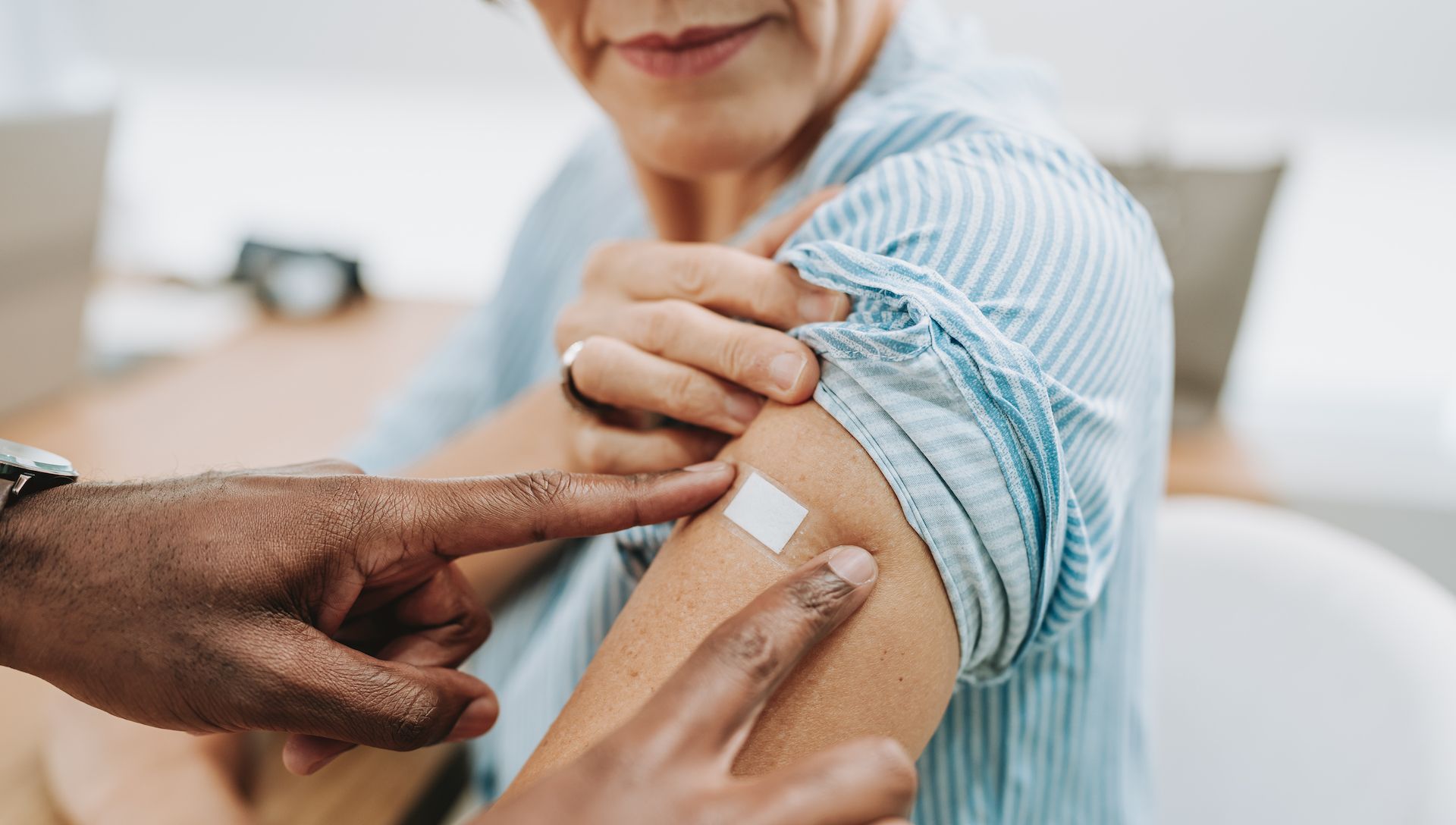
Everyone ages 6 months and older is recommended to get a flu shot, and older adults have several options, including high-dose, adjuvanted and mRNA vaccines. (Image credit: andreswd via Getty Images)
Influenza is especially dangerous for children under 5, adults 65 and older, people with chronic health conditions and pregnant people, as these groups are more prone to severe infections. Serious cases of flu can lead to complications such as pneumonia, sepsis, and brain or heart inflammation, and in some cases, they can be deadly. Tens of thousands of people die of flu each season in the U.S.
For flu vaccination, timing matters. The CDC generally doesn't recommend vaccination in July or August for most adults, because the shot's protection can wane over the course of a season. But with flu arriving early, "October is the ideal time to get vaccinated, and even more so right now," Schaffner said.
When circulating strains' features differ from those captured in the vaccine, "that usually predicts a more difficult season," Offit said. That said, it's too early to know if this year's flu shots are a good match for the circulating flu viruses.
Protection begins building right after you get the shot, but it takes up to about two weeks to reach full strength.
How much protection a flu vaccine offers varies by season, depending partly on how well its formulation matches the strains that circulate. Offit said that protection against symptomatic illness varies by age group and that the vaccines are "a little more effective" at preventing more severe illness. In terms of flu cases that prompt people to seek medical care, the shot has been 29% to 56% effective over the past decade, the CDC estimates.
While the vaccines are less reliable at preventing mild cases of flu, Schaffner said, they work best at "keeping you out of the hospital, keeping you out of the intensive care unit, and keeping you out of the cemetery."
The CDC's2026-2027 guidance keeps its recommendation of an annual flu vaccine for everyone 6 months and older, with high-dose and adjuvanted shots preferred for adults 65 and older. (Adjuvanted shots contain an extra ingredient to help rev up the immune system.)
There's also a new option: In August, the Food and Drug Administration approved mFlusiva, the first mRNA flu vaccine, for adults 50 and older. (You can find out where mFlusiva shots are available near you using Moderna's vaccine finder.) With the mRNA shot, "you're less likely to get symptomatic disease," Offit told Live Science.
Traditional flu shots contain purified pieces of the virus itself, Schaffner explained. With mRNA, the vaccine contains a "blueprint" of those proteins — essentially a set of genetic instructions that the body's cells then use. In mFlusiva's case, those instructions code for hemagglutinin (the protein on the virus's surface that it uses to latch onto human cells) from each of three flu subtypes, Offit said. The mRNA then breaks down in the body, Offit noted. It "cannot influence human genetic material," Schaffner emphasized.
Whether this early start gives way to a heavy flu season should become clearer in the coming weeks, as the CDC's weekly surveillance reports will show whether cases keep climbing beyond the West.
This article is for informational purposes only and is not meant to offer medical advice.
Two people born on the exact same day can age in totally different ways — one in relative health and the other with chronic disease. Now, scientists have found a key difference in the immune systems of people who are more prone to age-related conditions, and it could help explain why some people remain healthier longer.
In young people, the immune system contains many naive T cells, a type of white blood cell. Over time, exposure to pathogens and vaccinations transforms some of these T cells into memory cells, which can respond quickly to defend the body against germs.
These memory cells make different types of characteristic proteins, called granzymes, which kill infected cells. They come in different "flavors," including granzyme K and granzyme B.
In a new study, published Friday (Oct. 9) in the journal Immunity, scientists found that individuals with more memory cells that make granzyme K than cells that make granzyme B tend to have healthier aging.
In the future, the balance of cells making granzyme K and granzyme B in a person's blood could be used as a test to determine "whether you're on the right trajectory of aging or not," study co-author Maxim Artyomov, an immunologist at Washington University in St. Louis, told Live Science.
Hunting for a signature of healthy aging
In earlier research, the same team found that, in old lab mice, granzyme K-making cells accumulated in several tissues and were linked to inflammation. They also observed the same increase in granzyme K cells in blood samples from older adults.
In the new study, they uncovered another piece of the puzzle: a dynamic with granzyme B-producing cells.
They began by analyzing immune cells sampled from over 2,600 people ages 18 to 97, looking at the balance of granzyme K- and granzyme B-making cells. They found that people with a lower ratio of granzyme K to granzyme B cell populations were more likely to have autoimmune diseases or other chronic immune conditions.
In a second analysis, they looked at both immune cells and blood-borne proteins sampled from 329 people, using the data to pinpoint a "protein signature" linked to an abundance of granzyme B-making cells.
The balance of cells that make different granzymes may be important to how the immune system functions with age. (Image credit: RUSLANAS BARANAUSKAS/SCIENCE PHOTO LIBRARY via Getty Images)
They went on to hunt for this protein signature in around 48,000 participants who'd provided data to the UK Biobank, a large database of health data from U.K.-based adults. People who were predicted to have higher levels of granzyme B-making cells based on their blood proteins had worse health outcomes in the following 17 years, with a higher risk of death and of conditions like diabetes, high blood pressure, and liver and kidney disease.
The findings might point to an aspect of immune aging that wasn't previously understood.
"I think that's really exciting," Claire Gustafson, an immunologist at the Allen Institute, said of the results. "It highlights there's potentially some novel biology that we haven't really observed before," Gustafson, who was not involved in the research, told Live Science.
However, while there's a strong association between the balance of these cell populations and disease risks, Artyomov emphasized that the study does not prove that this ratio directly causes the poor health outcomes. Further studies would be needed to understand why having more granzyme B cells is linked with poorer health.
"This observation might be just a consequence, not a cause of the disease," Artyomov noted.
It's also important to note that granzyme K-making cells in mice are not the same as granzyme K-making cells in humans. In mice, they represent a more mature, specialized stage of immune cell development, whereas in humans, granzyme B cells better fit that description, he told Live Science.
That points to a key way that immunity in mice and humans is different, which was "underappreciated" before, Gustafson said. So when we're comparing these cells in mice and humans, "we're not looking at apples to apples," she said. Scientists now specifically "need to look more into humans, as it's not reflected in animal models."
In people, immune cells' features can also vary across diverse human populations, Gustafson added. We need more data across different populations to get a "true understanding of universal immune health," she said. The K-to-B ratio may be a "novel" clue that can help scientists understand healthy aging, but more data is needed to unpack why and how that ratio is linked to healthy or unhealthy aging.
"This is kind of like the first step to be able to get there," she told Live Science.
This article is for informational purposes only and is not meant to offer medical advice.
Scientists have recently harnessed artificial intelligence (AI) to build "aging clocks" that aim to estimate a person's true biological age.
While a person's chronological age reflects the number of years they've been alive, their biological age is intended to capture how well their bodily systems are functioning. The idea is that people with older biological ages have a higher risk of age-related diseases — such as cancer, heart disease or dementia — while younger biological ages come with less risk. Some aging clocks even aim to predict people's impending risk of death.
Others posit that the data the clocks are based on is too noisy, and thus, there's potential for drawing faulty conclusions about what they're measuring. They say, for example, that we don't know if the clocks are measuring the downstream effects of aging or its underlying causes. And in any case, we don't currently have any treatments to "wind back" the clocks.
What do you think? Would you use these AI tools to measure your biological age? Let us know in the poll below, and explain your reasoning and additional thoughts about the technology in the comments.
Cases of dengue fever are surging in Florida, spurring several counties to declare a state of emergency.
The state has seen497 reported cases so far this year. Of those, 252, or about 51%, were caught locally, rather than brought to the state by travelers. The Florida Department of Health confirmed one woman's death from dengue fever in early September, marking the state's first known dengue death in almost a century.
Prior to the past few years, most dengue cases reported in Florida were the result of travel. In other words, people caught the disease in other countries and then traveled to Florida, where their case was then diagnosed. At 245, the number of travel-related cases reported this year is not unusually high, Caroline Waddell, a public health researcher at the University of Florida, told Live Science in an email. However, the number of cases caught from local mosquitoes is more than five times higher than at this point in the year compared with any of the previous four years, she said.
Why are local dengue cases especially high this year? Live Science spoke with experts to find out.
A growing global health concern
Dengue fever is caused by the virus Orthoflavivirus denguei, which spreads from mosquitoes to people through the pests' bites; it doesn't spread from person to person. Aedes aegypti andAedes albopictusmosquitoes transmit the virus to humans, and the same species can also carry the viruses behind yellow fever, Zika and chikungunya.
Mosquitoes capable of carrying dengue pick up the virus from people and then spread it to additional people via their bites. (Image credit: Centers for Disease Control and Prevention)
About 100 million to 400 million dengue infections happen annually worldwide, with about 800 cases reported in the U.S. historically, although that number has increased recently. Only about 1 in 4 people exposed to the dengue virus develop symptoms, which can include fever, headache, body aches, nausea and rash. About 1 in 20 cases become severe, and immunocompromised people, children, older adults and pregnant people are especially susceptible to these serious infections.
Severe symptoms can include abdominal pain, vomiting, difficulty breathing and bleeding of the gums or nose. The most severe forms of the infection can lead to leaky blood vessels, severe bleeding, shock, organ dysfunction and death. There is no specific treatment for dengue, so care focuses on managing symptoms and maintaining patients' vital signs.
Dengue has escalated as a global health concern in the past few decades. Between 2000 and 2019, global cases of dengue increased tenfold; between 1990 and 2021, dengue-related deaths doubled. Scientists say this surge is likely driven by climate change, since rising temperatures expand Ae. aegypti mosquitoes' range, in turn exposing more people to the insects' bites. Plus, warmer conditions speed up mosquitoes' life cycles and the dengue virus's replication rate, thereby boosting transmission.
International travel also factors into these rising case counts. In 2023, dengue spikes around the world were attributed to the resurgence of global travel following the COVID-19 pandemic.
Zooming in on Florida
As the global picture has worsened, dengue cases in the U.S. have also increased.
Since approximately 75% of dengue infections are asymptomatic, the virus can circulate within a community without being readily detected for some time.
Keira Lucas, deputy executive director of the Collier Mosquito Control District
Each year, Florida experiences dengue outbreaks in the southernmost parts of the state, such as Miami and the Florida Keys, Panpim Thongsripong, a disease ecologist at the University of Florida, told Live Science. Historically, outbreaks in Miami typically totaled around 50 or fewer cases. But then a 2019 outbreak resulted in over 200 cases, and from 2022 to 2024, outbreak totals have ranged from about 500 to 675 cases.
The outbreak currently unfolding in Florida centers on Hillsborough County, which is farther north and includes Tampa. This is unusual, Thongsripong said, as this region of the state normally sees just a few sporadic cases. Hillsborough County has reported 223 of the state's 252 locally acquired cases this year, and it's where the one dengue-related death took place.
Florida's health department regularly traps mosquitoes and tests them for viruses. So far this year, 20 pools of mosquitoes have tested positive for dengue across seven counties, and 19 of those positive pools were sampled from the greater Tampa area. In 2025, only four mosquito pools throughout the state tested positive, and in 2023, one mosquito pool did.
"Finding positive mosquito pools is rare in Florida because dengue is not endemic to the state," said Keira Lucas, deputy executive director of the Collier Mosquito Control District. "In many ways, it can be like looking for a needle in a haystack," she told Live Science.
Routine mosquito trapping is a relatively inefficient method for detecting viruses, though, Lucas said. As such, detecting dengue-positive mosquito pools may indicate that a large amount of transmission is already unfolding. "Since approximately 75% of dengue infections are asymptomatic, the virus can circulate within a community without being readily detected for some time," Lucas explained.
In addition to Hillsborough, neighboring Pasco and Pinellas counties have declared local states of emergency over dengue.
An unlucky combination of factors
So what's driving the unusual dengue activity this year?
In the past, Florida's local dengue outbreaks tended to be concentrated in the South, which saw moderate rainfall, warmer temperatures and more travel-related dengue cases compared with the rest of the state, according to a 2022 study in the journal Insects. With the outbreak concentrated farther north this year, that could suggest changing climatic patterns are making additional parts of the state especially hospitable to mosquitoes and the virus. That wouldn't necessarily explain why Tampa is seeing more local cases than Miami this year, but it could nonetheless be a factor in the overall trend.
For the virus to persist in local mosquitoes, dengue still needs to be reintroduced periodically through travel-related cases. Because the virus is not yet endemic to the state, it doesn't regularly circulate in local mosquitoes; however, a somewhat predictable "dengue season" has been emerging that coincides with upticks in international travelers carrying the virus to Florida.
The dengue virus is a member of the Flaviviridae family, meaning it's closely related to the Zika virus and yellow fever virus. (Image credit: koto_feja via Getty Images)
This year, though, the high number of locally acquired dengue cases suggests a shift from predominantly imported infections toward outbreaks spurred by local Florida mosquitoes. Scientists hypothesize that climate change could increase local transmission in Florida even more in the future.
This year, Florida has also been enduring its most intense drought in over a decade. In theory, that might be expected to limit mosquito populations because the pests need water to breed, Lucas said. However, when it's dry, people tend to run their sprinklers more, creating mosquito breeding grounds when puddles form or containers fill up, she noted. This could bring mosquitoes closer to people, as it creates opportunities for them to breed.
Ae. aegypti mosquitoesare especially well adapted to living alongside humans, as they prefer to breed in human-made containers. Droughts can also drive dehydrated mosquitoes to bite more as they hunt for fluids.
"It's almost like an unlucky [combination]," Thongsripong said. "Everything coming together at the right time and right place, and boom, you have the conditions for an outbreak to occur."
The true number of dengue cases may be even higher than reported, Waddell said. The cases captured in the data include infected individuals who went to a doctor to get tested. Because many infections are mild or asymptomatic, additional people may have contracted the virus but never got counted.
What can be done
It's too early to definitively say what factors have increased Florida's dengue cases this year, Thongsripong said, as scientists are still gathering information. Despite the unknowns, she thinks the health and housing infrastructure in the U.S. will stop dengue from becoming too dangerous here.
To get dengue under control, it's key for government-level mosquito control efforts to coordinate and for the public to be aware of the virus, Lucas said. The mosquito control district coordinates with the health department for the latest data to best target where to spray larvicide, which kills mosquito offspring before they can bite people, she said.
It's important for people to use mosquito repellent when going outside, Thongsripong said, as well as to empty water from objects that can collect water and become a mosquito breeding ground, such as pets' water bowls, plant saucers, buckets or discarded tires.
Due to this year's strong El Niño, Florida is expecting a rainier winter, which could mean even more mosquitoes than usual, Lucas noted. That, in turn, could fuel additional dengue cases.
"Cases with September onsets are still being reported," Waddell said, "so we're not out of the woods."
This article is for informational purposes only and is not meant to offer medical advice.
The symptoms: The woman arrived at the emergency room via ambulance and asked to see a psychiatrist for her visual hallucinations. "I'm seeing dead people," she told clinicians, adding that she'd even fired a gun at her hallucinations in one instance, according to a report of her case. (The report does not describe what the hallucinations looked like.)
Despite this reaction to her hallucinations, she was calm and alert during her physical exam, with normal vital signs other than high blood pressure. She reported a history of high blood pressure, diabetes, heart failure and chronic back pain but no prior psychiatric history.
What happened next: Since the woman had no past psychiatric history, doctors opted for a medical assessment before consulting a psychiatrist. A blood test revealed mild metabolic acidosis, meaning her blood was too acidic. A toxicology screen detected high levels of salicylates, a class of compound that includes acetylsalicylic acid, better known as aspirin.
The diagnosis: When questioned, the woman acknowledged that she had been taking over 15 aspirin pills a day for multiple weeks. Each of these pills, marketed for back and body pain, contained 500 milligrams of aspirin.
Upon further questioning, the woman confirmed that she had tinnitus (ringing in her ears), which is a classic symptom of salicylate toxicity. In other words, she'd overdosed on aspirin.
The treatment: Doctors consulted experts at Michigan's poison control center, who recommended intravenous (IV) treatment with sodium bicarbonate (the chemical name for baking soda). This treatment alkalinizes blood and urine, meaning it makes them less acidic. This enables more salicylate to be excreted through the kidneys, allowing the drug to be eliminated through the urine.
After 11 hours of the IV treatment, the woman's blood salicylate levels dropped from 28.8 milligrams per deciliter (mg/dL) to 18.3 mg/dL. Her hallucinations ceased and the tinnitus improved within 48 hours of her arrival at the hospital. She was discharged without having seen a psychiatrist.
Ringing in the ear is a common symptom associated with aspirin overdose. (Image credit: liza5450/Getty Images)
What makes the case unique: Aspirin is generally safe when used in doses indicated on the bottle or advised by a person's doctors. However, taking too much aspirin can irritate the gastrointestinal tract, as well as disrupt the activity of parts of the nervous system.
At high enough doses, salicylates can stimulate part of the brain called the medulla, which regulates breathing. This results in hyperventilation that causes the body to lose too much carbon dioxide, and at first, the blood becomes more alkaline. This process is known as respiratory alkalinosis.
However, salicylates also disrupt metabolism, leading to metabolic acidosis from a buildup of lactic acid in the body, as the woman experienced. When metabolic acidosis overwhelms the respiratory alkalinosis and causes the blood to acidify, organ damage can occur. These metabolic effects may also explain the tinnitus, as it drives increases in arachidonic acid that stimulate receptors in the inner ear.
The woman's daily intake of roughly 75 milligrams of aspirin per kilogram of body weight was about half the typical dose associated with acute salicylate poisoning. However, it was still a large amount to take every day for weeks, and older age is also a risk factor for severe outcomes of acute salicylate toxicity.
The authors of the case report noted that although she had tinnitus, she lacked many other hallmark symptoms of salicylate overdose, such as nausea and fever.
To the clinicians, the woman's case served as a reminder that long-term aspirin toxicity may result in different symptoms than acute poisoning does. In past case reports, other patients with chronic salicylate toxicity have also reportedvisual hallucinations. But that potential symptom is not as well understood as more common symptoms like tinnitus.
The case report authors added that longer-term exposure to aspirin may be associated with more neurological symptoms because chronic exposure increases the odds of the drug crossing the blood-brain barrier — a gatekeeper that allows only certain substances from the blood into the brain. They added that doctors should consider poisoning, including salicylate toxicity, for patients with psychotic symptoms with no clear cause.

 Login