❌

Normal view

NASA’s Life-Saving Technology Where Cell Signals Can’t Go

10 September 2026 at 21:12
3 Min Read

NASA’s Life-Saving Technology Where Cell Signals Can’t Go

A group of people on a boat, several of them are wearing shirts with text reading
Rescued after more than four hours in the water, Easton Barrett (center, red shorts) and his friend were picked up by the U.S. Coast Guard thanks to a personal locator beacon (PLB). The devise sends a distress signal to satellites that are relayed back to Earth, launching a rescue operation.
Credits: Easton Barrett

Memorial Day weekend 2024 started with a blue sky and a mild three- to four-foot chop in the water off the Gulf Coast of Mississippi — a perfect day for a fishing competition. A team of five was about 40 miles offshore checking their sonar, and 30 seconds later the boat was gone. They were in the water struggling to pull on life jackets and grab the coolers as they bobbed up. When a boat sinks, survivors can be virtually invisible amid the vast expanse of water.

When their fishing trip went wrong, Easton Barrett had the only mobile phone and no cell service. He recorded a brief farewell, planning to put his phone in a cooler in hopes someone would find it.

Another team member activated a personal locator beacon (PLB) that had been stowed at the last minute, which sent a distress signal to the Search and Rescue Satellite-Aided Tracking (SARSAT) technology carried by multiple satellites in Earth orbit. In the SARSAT system, developed partly by NASA, an emergency signal containing the transmitter’s location is directed to the nearest available ground station.

A bearded man stands holding three bright green devices in front of a bag, each has the logo for ACR on it.
406 megahertz is the wavelength dedicated for PLB distress signals. On the annual 406 Day, Easton Barrett posts videos and messages on his social media accounts to help raise awareness about essential survival gear.
Credit: ACR

A mission control center then alerts rescue coordination centers to mobilize search and rescue crews. For Barrett and his crew, that was a Florida Coast Guard boat.

“Ever since, I have tried to teach others about safety on the water and in the outdoors by using a PLB,” said Barrett. “If that will save one life, it’s worth the effort.”

A beacon like the one that saved his crew, a registered ResQLink PLB developed by ACR Electronics Inc. of Fort Lauderdale, Florida, also notifies the device owner’s emergency contact, indicating a distress call was activated. All emergency beacons must meet the same requirements to ensure they work when needed. Every rugged, buoyant, handheld devices have a five- to 10-year battery life.

SARSAT began operations in 1982, becoming an international collaboration in 1985. The flight and ground technologies used globally were originally developed at NASA’s Goddard Space Flight Center in Greenbelt, Maryland. Now there are 62 satellites in the program and 45 nations contributing services, from operating ground stations to providing rescue crews. More than 63,000 lives have been saved.

A close up picture of a green ACR PLB atop a bag in a forest setting
Turning on a ResQLink View PLB from ACR Electronics will automatically “ping” orbiting satellites that send location and GPS information to the nearest search and rescue station. Whether on land or water, the appropriate resources will be dispatched to help anyone in distress anywhere in the world.
Credit: ACR

SARSAT by the Numbers

The Search and Rescue Satellite-Aided Tracking system developed over several decades by NASA and other government agencies saves lives on land or at sea.

  • 1982 — the start of U.S. operations
  • 1985 — the start of international operations
  • 62 operational satellites
  • 45 nations contributing services
  • 63,000+ lives saved

One rescue in 2024 demonstrates how it all comes together.

  • 40 miles off the Mississippi Gulf Coast
  • 5-person team participating in a fishing competition 
  • 30 seconds for a boat to sink
  • 200 pounds of bait dumped to make a cooler buoyant
  • 3 close encounters with wildlife, likely sharks and eels
  • 4 hours in the water
  • 1 personal locator beacon
  • 1 Coast Guard rescue boat
  • 5 lives saved

“If it has anything to do with NASA, it’s got to be awesome.”

EASTOn Barrett

EASTOn Barrett

ACR Customer

About the Author

Margo Pierce

Science Writer

The post NASA’s Life-Saving Technology Where Cell Signals Can’t Go appeared first on NASA Science.

NASA’s Life-Saving Technology Where Cell Signals Can’t Go

10 September 2026 at 21:12
3 Min Read

NASA’s Life-Saving Technology Where Cell Signals Can’t Go

A group of people on a boat, several of them are wearing shirts with text reading "U.S. Coast Guard"
Rescued after more than four hours in the water, Easton Barrett (center, red shorts) and his friend were picked up by the U.S. Coast Guard thanks to a personal locator beacon (PLB). The devise sends a distress signal to satellites that are relayed back to Earth, launching a rescue operation.
Credits: Easton Barrett

Memorial Day weekend 2024 started with a blue sky and a mild three- to four-foot chop in the water off the Gulf Coast of Mississippi — a perfect day for a fishing competition. A team of five was about 40 miles offshore checking their sonar, and 30 seconds later the boat was gone. They were in the water struggling to pull on life jackets and grab the coolers as they bobbed up. When a boat sinks, survivors can be virtually invisible amid the vast expanse of water.

When their fishing trip went wrong, Easton Barrett had the only mobile phone and no cell service. He recorded a brief farewell, planning to put his phone in a cooler in hopes someone would find it.

Another team member activated a personal locator beacon (PLB) that had been stowed at the last minute, which sent a distress signal to the Search and Rescue Satellite-Aided Tracking (SARSAT) technology carried by multiple satellites in Earth orbit. In the SARSAT system, developed partly by NASA, an emergency signal containing the transmitter’s location is directed to the nearest available ground station.

A bearded man stands holding three bright green devices in front of a bag, each has the logo for ACR on it.
406 megahertz is the wavelength dedicated for PLB distress signals. On the annual 406 Day, Easton Barrett posts videos and messages on his social media accounts to help raise awareness about essential survival gear.
Credit: ACR

A mission control center then alerts rescue coordination centers to mobilize search and rescue crews. For Barrett and his crew, that was a Florida Coast Guard boat.

“Ever since, I have tried to teach others about safety on the water and in the outdoors by using a PLB,” said Barrett. “If that will save one life, it’s worth the effort.”

A beacon like the one that saved his crew, a registered ResQLink PLB developed by ACR Electronics Inc. of Fort Lauderdale, Florida, also notifies the device owner’s emergency contact, indicating a distress call was activated. All emergency beacons must meet the same requirements to ensure they work when needed. Every rugged, buoyant, handheld devices have a five- to 10-year battery life.

SARSAT began operations in 1982, becoming an international collaboration in 1985. The flight and ground technologies used globally were originally developed at NASA’s Goddard Space Flight Center in Greenbelt, Maryland. Now there are 62 satellites in the program and 45 nations contributing services, from operating ground stations to providing rescue crews. More than 63,000 lives have been saved.

A close up picture of a green ACR PLB atop a bag in a forest setting
Turning on a ResQLink View PLB from ACR Electronics will automatically “ping” orbiting satellites that send location and GPS information to the nearest search and rescue station. Whether on land or water, the appropriate resources will be dispatched to help anyone in distress anywhere in the world.
Credit: ACR

SARSAT by the Numbers

The Search and Rescue Satellite-Aided Tracking system developed over several decades by NASA and other government agencies saves lives on land or at sea.

  • 1982 — the start of U.S. operations
  • 1985 — the start of international operations
  • 62 operational satellites
  • 45 nations contributing services
  • 63,000+ lives saved

One rescue in 2024 demonstrates how it all comes together.

  • 40 miles off the Mississippi Gulf Coast
  • 5-person team participating in a fishing competition 
  • 30 seconds for a boat to sink
  • 200 pounds of bait dumped to make a cooler buoyant
  • 3 close encounters with wildlife, likely sharks and eels
  • 4 hours in the water
  • 1 personal locator beacon
  • 1 Coast Guard rescue boat
  • 5 lives saved

“If it has anything to do with NASA, it's got to be awesome.”

EASTOn Barrett

EASTOn Barrett

ACR Customer

About the Author

Margo Pierce

Science Writer

Scientists Discover Bacteria Growing Microscopic “Electrical Wires” With Extraordinary Conductivity

9 September 2026 at 12:50

For more than a decade, scientists have known that strange bacteria living in aquatic mud can conduct electricity along distances thousands of times longer than a single bacterial cell. Such long-range electrical conduction should be extraordinarily difficult for a living organism, and how they accomplish the feat has remained a biological mystery.

Now, researchers say they have found the wiring. Inside so-called cable bacteria, scientists have discovered an elaborate network of nickel-rich nanoribbons arranged into what amounts to a naturally grown electrical cable.

The structure is unlike the conventional machinery biology normally uses to move electrons and may represent the first known example of a metal-organic framework produced by a living organism.

What surprised lead study author Dr. Filip Meysman, a professor at the University of Antwerp in Belgium, most was not how alien the structure looked, but how familiar it was.

“It had a very familiar feeling: a braided wire consisting of thin individual wires surrounded by a protective shell layer,” Meysman told The Debrief. “This is very similar to the power cords that we use to charge our smartphones, only the cable bacterial version is 20,000 times smaller in size. Evolution came up with this design 600 million years earlier than electrical engineers.”

Meysman’s comparison is not simply rhetorical. Molecular-clock estimates suggest the cable bacteria lineage may have diverged roughly 560 million years ago, although when their unusual electrical capabilities evolved is still unknown.

Published in Nature Communications, the findings could eventually provide researchers with a biological blueprint for creating flexible, biodegradable electronics that organisms effectively manufacture themselves.

Cable bacteria first attracted scientific attention because of their outstanding ability to move electrons over centimeter-scale distances. The multicellular organisms live in sediments where different layers offer different chemical resources. Cells buried deeper can harvest electrons from sulfide, while cells closer to oxygen-rich water dispose of them.

The result is an organism that successfully separates parts of its metabolism across space, with electrical current passing along the filament connecting them.

Scientists eventually identified dozens of parallel fibers running through the bacteria’s outer layers as the likely electrical pathways. Measurements later showed conductivity reaching levels unusual for any biological material and, in some experiments, comparable to materials used in electronic inks. The new study notes previously reported conductivity values reaching up to 500 siemens per centimeter.

But knowing where the current traveled was not the same as knowing how it traveled.

Most biological electron conduction relies on proteins containing metal-bearing cofactors, commonly iron-containing structures such as hemes or iron-sulfur clusters. Electrons typically move between those sites in a sequence of molecular transfers often described as “hopping.”

Previous research showed that cable bacteria did not fit neatly into that model. Their conducting fibers were associated with sulfur-bound nickel rather than the usual iron cofactors. At the same time, theoretical work suggested electron movement was too fast to be explained by conventional non-adiabatic hopping alone.

The mystery deepened in 2024, when some of the same researchers examined cable bacteria at temperatures approaching that of liquid helium and found that their electrical behavior matched an unusually efficient multistep hopping mechanism. But even then, the extraordinary conductivity challenged standard models of electrons simply hopping between isolated molecular sites.

The new structural work may help explain why.

Rather than a series of small, separated metal cofactors, the researchers have now found an extended nickel-organic structure running through the conductive fibers.

Using electron microscopy, X-ray fluorescence, Raman spectroscopy, electron paramagnetic resonance, X-ray absorption spectroscopy, and computer modeling, the team found that each conductive fiber contains roughly 11 extraordinarily thin nanoribbons, about 1.4 nanometers across.

Those ribbons pass through the center of the fiber and are built from repeating nickel bis-dithiolene complexes, which the researchers call NiBiD. Nickel atoms are linked through sulfur-containing organic molecules, creating planar units that appear to stack into an extended, highly ordered electrical pathway.

That arrangement may explain the extraordinary conductivity. Rather than electrons simply jumping between isolated metal centers, the stacked structure creates extensive electronic interaction and delocalization, allowing charge to spread across overlapping molecular networks. In that sense, the bacterial wire begins to resemble an organic electronic material more than a conventional biological electron-transfer chain.

The arrangement also appears mechanically well-suited to the bacteria’s lifestyle.

Cable bacteria move through sediment and can bend sharply while maintaining electrical contact between cells. A single rigid conducting strand could be vulnerable to damage. Multiple intertwined nanoribbons, however, offer something closer to braided copper wire: strength, flexibility, and redundancy at the same time.

The discovery also appears to broaden scientists’ understanding of what biology can manufacture.

Metal-organic frameworks, or MOFs, are structures in which organic molecules link together metal centers into larger networks. Chemists have spent years designing them for uses ranging from gas storage and chemical separation to catalysis and electronics.

Until now, the researchers say, no one had observed a metal-organic framework configuration naturally constructed inside a living organism.

Cable bacteria appear to have arrived at the idea on their own, and this natural version appears to conduct electricity exceptionally well.

Previous electrical conductivity measurements of cable bacteria used the entire cross-section of their conductive fibers. But the new structural work indicates that the current is concentrated within a much smaller network of nanoribbons.

Recalculating conductivity based on the estimated dimensions of those conducting channels, the researchers found that an individual nanoribbon could have a conductivity of roughly 150 to 15,000 siemens per centimeter.

That range, the researchers say, ranks among the highest reported for any metal-organic structure. The upper figure remains an estimate, however, instead of a direct measurement of a single nanoribbon.

“We need to be able to isolate the individual nanoribbons from the cable bacteria and connect them electrically with electrodes,” Dr. Meysman explained. “This would provide the direct proof of the high conductivity. We are currently working on such nanoscale electrical measurements.”

Doing so would let researchers determine whether the extraordinary conductivity predicted for an individual nanoribbon holds up experimentally.

If it does, the technological implications could extend well beyond understanding an unusual microbe.

Researchers have long been interested in bio-based electronics because living systems can manufacture sophisticated materials through self-assembly while operating under relatively mild conditions. Biological materials can also be flexible and potentially biodegradable.

Their weakness has usually been electrical performance. Cable bacteria suggest nature may have found a way around that tradeoff.

Scientists still do not know exactly how cable bacteria biosynthesize the nickel-organic framework, and parts of the nanoribbon architecture remain unresolved.

But evolution has already solved one problem materials scientists would like to reproduce: how to build a highly conductive, flexible electrical pathway largely from organic components under biological conditions.

Dr. Meysman says one especially promising possibility is flexible printed electronics, where conductive inks are deposited onto surfaces to create circuits, sensors, and other electronic components.

“The material produced by the bacteria provides a flexible and conductive material, and so flexible printed electronics—conductive inks—emerges as a promising application domain,” Dr. Meysman said.

“The challenge is to demonstrate that the biomaterial can be made in a cost-effective fashion,” Meysman added, “and that it has the same—or even better—properties than the electronic ink materials currently in use.”

Ultimately, for hundreds of millions of years, bacteria buried in mud may have been growing microscopic power cables.

Scientists are only now beginning to understand how they work.

The study, “Highly efficient long-range conduction through a biosynthetic nickel-organic framework,” appeared in Nature Communications.

Tim McMillan is a retired law enforcement executive, investigative reporter and co-founder of The Debrief. His writing typically focuses on defense, national security, the Intelligence Community and topics related to psychology. You can follow Tim on Twitter: @LtTimMcMillan.  Tim can be reached by email: tim@thedebrief.org or through encrypted email: LtTimMcMillan@protonmail.com 

NASA Technique for Manipulating Satellite Photos Now Reveals Ancient Images  

8 September 2026 at 16:15

3 min read

Preparations for Next Moonwalk Simulations Underway (and Underwater)

A man stands in front of a rock with art on it, the colors are intense and exaggerated revealing an intricate design in the rock's surface.
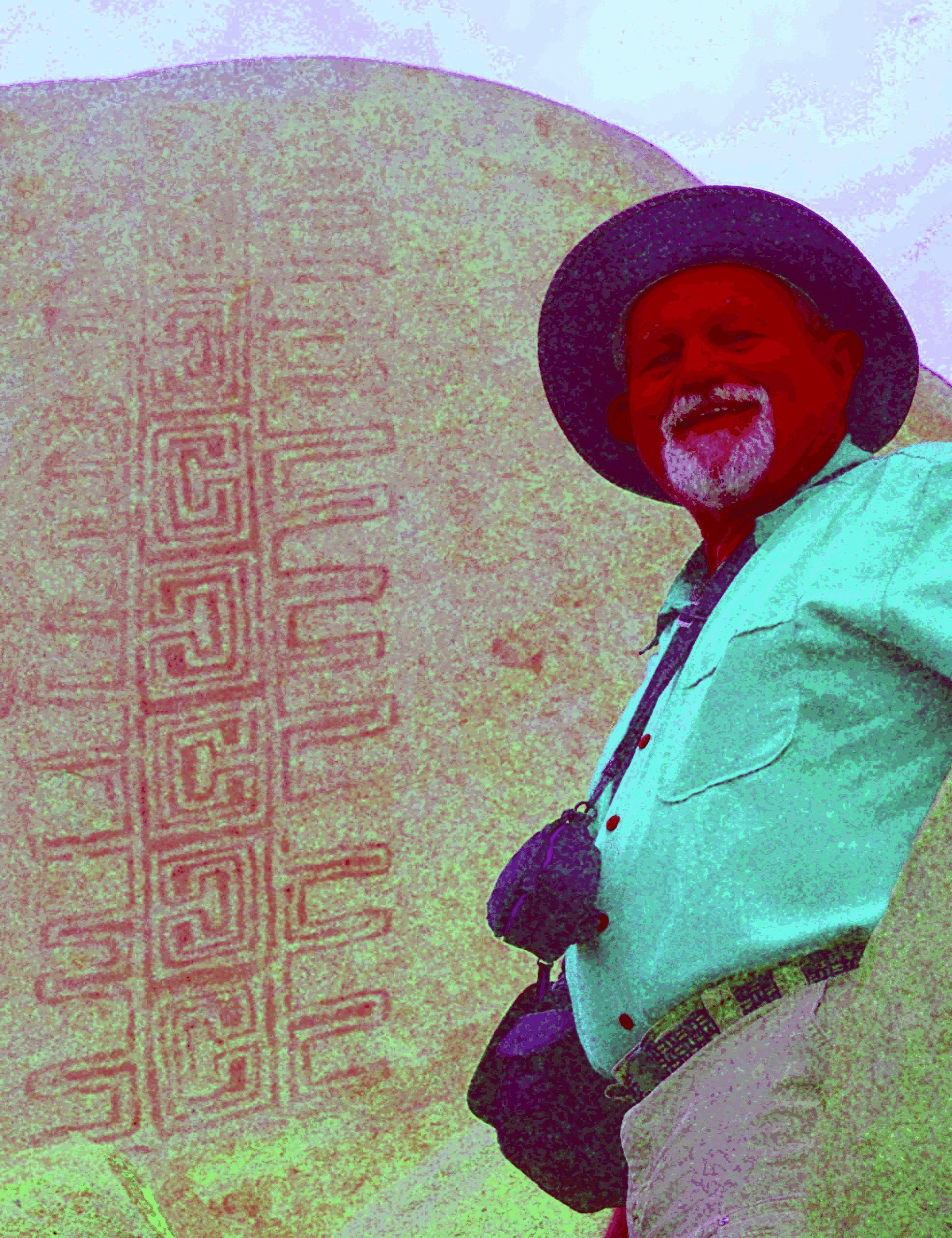
Jon Harman poses in front of an example of the Rancho Bernardo style of Native American artwork that’s barely visible until Dstretch is applied. 
Credit: Jon Harman 

High in the central tower in the ancient Cambodian temple of Angkor Wat, paintings depict horseback riders and a traditional musical ensemble. Thousands of visitors pass these images daily without noticing, because they’re faded to the point of invisibility. 

They were discovered between 2010 and 2012, along with about 200 other paintings throughout the complex, by an archaeologist using a method conceived at NASA’s Jet Propulsion Laboratory in Southern California. 

The technique, known as decorrelation stretch, heightens contrasts in digital imagery, making features easier to spot. It is especially popular for studying ancient rock art, partly due to the chance intersection of one man’s hobby with his professional background. 

Around 2005, rock art enthusiast Jon Harman saw NASA images depicting the Martian surface with and without the application of decorrelation stretch. Seeing how much detail the technique revealed, Harman, now retired in Pacifica, California, understood the implication for studying ancient, faded images. 

He also worked in medical imaging. “I Googled it and found a NASA paper that explained how to do the algorithm,” he said. “I knew from my medical imaging experience that I could do it, so I did.” 

The paper was written in 1996 by Ronald Alley, a JPL employee developing applications for the Advanced Spaceborne Thermal Emission and Reflection Radiometer (ASTER), a Japanese imaging instrument on NASA’s Terra satellite. One of Alley’s former supervisors at JPL had coinvented decorrelation stretch, and Alley had recognized its potential for gleaning information from ASTER imagery.  

Harman made his plug-in for use with ImageJ, an open-source program developed by the National Institutes of Health.  

before
after
A wall with a series of faded humanoid figures painted on it.
A new yellow figure emerges from behind the other after the dstretch algorithm is applied
A wall with a series of faded humanoid figures painted on it.
A new yellow figure emerges from behind the other after the dstretch algorithm is applied
before
after

Before and After

Dstretch applied to Cave of San Borjitas in Baja California, Mexico

As Jon Harman was developing the Dstretch plug-in, he applied it to this image from the Cave of San Borjitas in Baja California, Mexico. When the yellow figure appeared in the middle of the picture, he knew he had something useful. Credit: Jon Harman 

He said he fulfills about 200 requests for Dstretch per year. Around 2010, he also created smartphone apps that use a shortcut to mimic decorrelation stretch. The apps have been downloaded thousands of times, and papers have been published describing Dstretch’s usefulness in archaeology. 

It has been used to spot and clarify imagery at ancient sites under a cliff in Norway, in an Egyptian tomb, at a park in Canada, and in many other locations. It has also helped archaeologists find buried remains of ancient Greek buildings and examine tattoos on mummified human remains, among its non-rock-art applications.  

Harman said he was not surprised Dstretch found wide use in the rock art community. “But I’ve been surprised by a lot of the different applications people have found. So that’s been cool.”  

Share

Details

Last Updated
Sep 08, 2026

How a Mother’s Age Influences Her Offspring Remains a Genetic Mystery—These Tiny Aquatic Animals May Have Answers

18 August 2026 at 16:45

New research involving tiny aquatic animals known as rotifers is providing scientists with a unique look at how information about maternal age may be passed from one generation to its offspring.

The findings offer insights into the ways a mother’s age can influence factors that range from health and lifespan to the behavior and even reproductive success of her offspring. This phenomenon, known as maternal age effects, has been documented throughout the animal kingdom—observed in everything from invertebrates to large land mammals like elephants, and even humans.

While advanced maternal age has often been associated with negative effects in offspring in past studies, questions remain about exactly how those effects are transmitted.

“Nearly all forms of life show some level of maternal age effect, and most are negative effects caused by advanced maternal age,” said Kristin Gribble, an associate scientist at the Marine Biological Laboratory’s Bay Paul Center, in a statement.

For their research, Gribble and her colleagues have focused on Brachionus manjavacas rotifers, a variety of microscopic aquatic creatures whose rapid reproduction abilities allow scientists a unique opportunity to study biological changes that occur across multiple generations.

Now, Gribble and her team’s findings point to something novel: that rather than being influenced primarily by accumulated DNA mutations, or even cellular damage, some maternal age effects appear to be epigenetic.

Going Beyond DNA Mutations

The new findings resulted from work undertaken in Gribble’s laboratory by researcher Alyssa Liguori, which looked at two different genotypes within a single species of rotifer.

The premise was simple: if mutations or cellular damage were what was behind maternal age effects, the consequences would likely be shown to worsen progressively across generations.

However, what the team found instead was that such effects could be reversed, and in some cases, within a single generation. The fact that this can occur so rapidly seems to imply that the underlying mechanism at play involves changes in the way genes are expressed, as opposed to alterations in the actual genetic code, as suggested in the past.

Based on this, one possibility the team is now exploring is that what are called histone modifications—essentially chemical changes that impact proteins that are encased with DNA, which can influence whether particular genes become activated, or suppressed.

Additionally, the researchers are now looking at whether mitochondrial DNA (mDNA), known to generally be inherited from an offspring’s mother, could play a key role in helping transmit information about maternal age from one generation to the next.

Further, genetic differences may influence how much an offspring is affected. One intriguing aspect of the recent research that Gribble emphasizes involves how one rotifer strain seemed to produce offspring from older mothers, which actually exhibited longer lifespans. This may suggest that some genetic variants could help to protect against, or possibly even reverse, factors that are generally negatively associated with advanced maternal age.

Effects That Echo Across Generations

Still, a few mysteries remain, such as what exactly causes maternal age effects to remain so widespread, especially if they often reduce an offspring’s evolutionary fitness.

Gribble has an idea: she suspects that natural selection may provide at least part of the answer, since reproduction in rotifers occurs relatively early in life. This could mean that evolutionary pressures that eliminate harmful effects that may arise from reproduction at advanced ages could be comparatively weak.

Ultimately, the team believes their research may help to illuminate a much broader question: how the experiences and biological state of one generation influence those that follow.

“It’s not just about what’s in your genome as an individual,” Gribble said, adding that this is mainly because “your health potentially depends on the health and environment of your mom and grandmother and great-grandmother.”

Fundamentally, if researchers can identify the mechanisms behind maternal age effects in rotifers, these unassuming aquatic creatures could help to significantly advance our understanding of the ways biological information is carried across generations, potentially offering new insights into human health and precision medicine.

The team’s findings were detailed in a new paper, “Transgenerational and Intergenerational Maternal Age Effects Exhibit Complex, Genotype-Specific Patterns of Inheritance,” which appeared in The American Naturalist.

Micah Hanks is the Editor-in-Chief and Co-Founder of The Debrief. A longtime reporter on science, defense, and technology with a focus on space and astronomy, he can be reached at micah@thedebrief.org. Follow him on X @MicahHanks, and at micahhanks.com.

Ils recréent une recette vieille de 2 000 ans, ils l'appliquent sur une dent ...

9 August 2026 at 17:00
Des dents d'un noir profond, entretenues pendant toute une vie. Au nord du Vietnam, des crânes vieux de 2 000 ans viennent de livrer la recette : du fer, des tanins végétaux, et plusieurs semaines de patience. Une pratique esthétique que l'on croyait bien plus récente, et qui n'a jamais...

Apple TV Emmy nominees spill secrets: Michelle Pfeiffer, Elle Fanning, Rhea Seehorn, and more

4 August 2026 at 19:00
Ashley Nicole Black, Dale Dickey, Elle Fanning, Michelle Pfeiffer, Karolina Wydra, Rhea Seehorn, and Jessica Williams attend "THR x Apple TV - Leading The Narrative: Women of Apple TV" at Spago on Aug. 2 in Beverly Hills. (Image: Maya Dehlin/The Hollywood Reporter Via Getty Images)
Ashley Nicole Black, Dale Dickey, Elle Fanning, Michelle Pfeiffer, Karolina Wydra, Rhea Seehorn, and Jessica Williams attend “THR x Apple TV – Leading The Narrative: Women of Apple TV” at Spago on Aug. 2 in Beverly Hills. (Image: Maya Dehlin/The Hollywood Reporter Via Getty Images)

Apple TV’s Emmy-nominated stars packed Spago for The Hollywood Reporter’s “Women of Apple TV” panel, where Michelle Pfeiffer confessed she never wants to lead a movie again, Elle Fanning celebrated the freedom to play messy and judged characters in Margo’s Got Money Troubles, and Rhea Seehorn pushed back hard on claims her Pluribus survivor is “unlikeable.” Jessica Williams, Dale Dickey, and Karolina Wydra joined the candid chat about complicated women, creative allies, and the pure joy of seeing roles this rich on screen.

Kirsten Chuba for The Hollywood Reporter:
‎

“THR x Apple TV’s Leading the Narrative: The Women of Apple TV” event took over Spago Beverly Hills for a conversation among Margo’s Got Money Troubles stars Michelle Pfeiffer and Elle Fanning, Pluribus‘ Rhea Seehorn and Karolina Wydra, Shrinking actress Jessica Williams and Widow’s Bay scene-stealer Dale Dickey, moderated by Shrinking writer-producer Ashley Nicole Black.

Black kicked off the panel — in front of a room full of influencers and tastemakers — by emphasizing, “I can’t believe all of these performances happened in the same season; I remember being a young woman where you would get one really cool female character per season. To get all of these iconic performances in one is just like, my mind is blown.”

Later in the conversation, Seehorn reacted to the feedback from some viewers that her character in Pluribus, one of only 13 people in the world immune to a virus that transformed the rest of humanity into a peaceful hive mind, is “unlikeable.”

“I disagree; personally I would have taken eight more episodes to get up off the floor so I think she’s kind of doing well, really,” teased Seehorn, who is up for lead actress in a drama series.

‎
MacDailyNews Take: Apple TV is steeped in quality, from writing to acting to directing, in so many interesting and varied series it’s actually the best value in streaming television today.


‎
Please help support MacDailyNews — and enjoy subscriber-only articles, comments, chat, and more — by subscribing to our Substack: macdailynews.substack.com. Thank you!

Support MacDailyNews at no extra cost to you by using this link to shop at Amazon.

The post Apple TV Emmy nominees spill secrets: Michelle Pfeiffer, Elle Fanning, Rhea Seehorn, and more appeared first on MacDailyNews.

Nato dalla collaborazione tra la General Electric e le forze armate statuni…

15 July 2026 at 22:25
Nato dalla collaborazione tra la General Electric e le forze armate statunitensi, il Project Cirrus si proponeva di manipolare il clima sfruttando le proprietà del ghiaccio secco per forzare la pioggia. Il 13 ottobre 1947, un bombardiere B-17 scaricò circa 86 chilogrammi di anidride carbonica solida all'interno di un uragano che si trovava a 660 chilometri dalle coste della Florida e sembrava ormai destinato a spegnersi nell'oceano Atlantico.

Human Impact and Climate Drive China’s Sediment Transfer

20 June 2026 at 15:31

In an unprecedented exploration of Earth’s dynamic geological processes, researchers have delved deep into the sedimentary history of China, unraveling the intertwined influences of natural climate fluctuations and human activities on sediment transfer since the Last Glacial Maximum. This expansive study, published in Communications Earth & Environment, ushers in a new era of understanding about how sediment movement across this vast and ecologically diverse landmass has evolved over tens of thousands of years, with profound implications for environmental science, climate change, and land management strategies worldwide.

Sediment transfer—the movement of soil, rock, and organic material across landscapes by rivers, wind, and human activity—is a critical process governing terrestrial and aquatic ecosystems. It affects soil fertility, landscape morphology, water quality, and carbon cycling, thereby linking the geosphere, biosphere, and atmosphere. Until now, however, the relative roles of climate versus anthropogenic disturbances in shaping sediment dynamics over millennial timescales remained unclear, particularly in regions like China, where dramatic climatic shifts and massive population expansions have coexisted.

The research team, led by Li M., Huang H., and Izumi K., embarked on a multidisciplinary journey combining sediment core analyses, isotope geochemistry, paleoclimatic reconstructions, and historical land-use records. Their approach integrated high-resolution dating techniques and advanced computational modeling to discriminate between sediment deposition patterns driven by natural glacial-interglacial cycles and those triggered by human interventions such as agriculture, deforestation, and urbanization.

One of the cornerstone revelations from this study centers on the prominent sediment flux variations linked to the Last Glacial Maximum approximately 21,000 years ago. During this period, extensive glaciation and colder, drier conditions significantly altered river regimes and erosion dynamics. The researchers documented pronounced reductions in sediment supply due to diminished vegetation cover and altered precipitation patterns, highlighting the impact of climatic extremes on Earth surface processes.

Moving forward into the Holocene epoch, the warming climate catalyzed vegetation recovery and increased precipitation, resulting in intensified sediment mobilization. Yet, what sets China apart is the overlay of accelerating human activity from the Neolithic period onward. The study meticulously characterizes how early agricultural expansion began reshaping erosion rates and sediment exports, effectively modulating the natural sedimentary balance established by climate alone.

The team’s integration of paleoenvironmental datasets with archaeological evidence allowed them to trace how intensive land use, particularly during the last 5,000 years, drove landscape erosion that amplified sediment transfer into river basins and eventually into marine sediments. This co-evolution of human societies and sediment dynamics speaks volumes about the Anthropocene’s footprint extending much deeper into antiquity than previously assumed.

Perhaps most strikingly, the researchers observed that over the past two millennia, rapid urban growth, industrial development, and large-scale engineering projects such as dam construction have profoundly altered sediment pathways. The modification of river networks and sediment trapping in reservoirs markedly reduced sediment load downstream, disrupting natural sediment replenishment processes essential for delta stability and ecosystem health.

Equally significant was the finding that climate variability continued to exert influence, occasionally exacerbating or mitigating human-driven sediment trends. For instance, severe droughts and flooding events integrally tied to climate oscillations periodically accelerated soil erosion or sediment deposition, showcasing a complex feedback loop between climate systems and anthropogenic pressures.

From a methodological standpoint, the study demonstrates the power of coupling sedimentological evidence with emerging geospatial technologies and modeling frameworks. The team’s innovative analytical pipeline enabled unprecedented spatial and temporal resolution, paving the way for predictive assessments of sediment flux responses under future climate and development scenarios.

This comprehensive chronicle of sediment transfer across China also underscores broader global concerns. Given China’s pivotal role in regional and global biogeochemical cycles, understanding its sediment dynamics is vital for anticipating downstream impacts—ranging from river delta subsidence and coastal erosion to nutrient loading that affects marine ecosystems far beyond national borders.

Importantly, this work highlights sediment transport as an essential climate indicator and environmental parameter, providing valuable insights into past Earth system behavior. Such knowledge empowers policymakers to devise sustainable land and water management policies that balance developmental goals with ecosystem preservation.

The implications for global sediment budgets are profound, as similar interactions between climate variation and human land use are occurring worldwide. As countries grapple with increasing pressures on landscapes due to population growth and climate change, the lessons from China’s sedimentary history resonate widely, emphasizing the necessity of integrated environmental monitoring and adaptive land management.

By revealing the subtle dance between climate forces and human footprints over millennia, this research reshapes our perception of Earth surface processes as deeply interconnected socio-natural phenomena. It urges the scientific community to look beyond simplistic cause-effect paradigms and embrace complexity when addressing environmental challenges.

In essence, the study represents a paradigm shift in sedimentology and environmental science, illustrating how ancient and modern drivers converge to craft the landscapes we inhabit today. The elegant synthesis of data and theory presented by Li, Huang, Izumi, and colleagues sets a gold standard for future inquiries into Earth’s dynamic sedimentary record.

As the climate crisis advances and human transformations accelerate, understanding these profound historical sediment transfer mechanisms from China offers a crucial blueprint for safeguarding ecological and societal resilience across the Anthropocene epoch.

Subject of Research: Anthropogenic and climatic influences on sediment transfer dynamics across China since the Last Glacial Maximum

Article Title: Anthropogenic and climatic controls on sediment transfer across China since the Last Glacial Maximum

Article References:
Li, M., Huang, H., Izumi, K. et al. Anthropogenic and climatic controls on sediment transfer across China since the Last Glacial Maximum. Commun Earth Environ (2026). https://doi.org/10.1038/s43247-026-03767-7

Image Credits: AI Generated

Negative Heat Flux Under Low-Shear-Wave-Velocity Zones

17 June 2026 at 12:24

Deep within our planet lies a critical interface known as the core–mantle boundary (CMB), a region where extreme temperatures and dynamic processes converge to shape Earth’s thermal and magnetic evolution. Recent research has illuminated the intricate behaviors of heat flow at this boundary, revealing how variations here influence the geodynamo—the mechanism responsible for Earth’s magnetic field. A groundbreaking study now explores how distinctive structures in the lowermost mantle can actually reverse the expected direction of heat transfer, fundamentally altering our understanding of how the deep Earth operates.

The core’s heat output and the mantle’s behavior are intimately linked, but spatial and temporal variations in heat flux at the CMB complicate this relationship. Heat flow from the core into the mantle typically fuels convective currents in the liquid outer core, driving the geodynamo process that sustains Earth’s magnetic shield. However, recent sophisticated simulations suggest that beneath certain geological features in the mantle, heat might instead flow back toward the core, a phenomenon previously unconfirmed and challenging conventional geophysical assumptions.

Central to this discovery are large low-shear-wave-velocity provinces (LLSVPs), massive structures located at the base of the mantle. These provinces are identifiable by their diminished seismic wave speeds, which geophysicists interpret as reservoirs of anomalously hot, chemically distinct materials. The new study models these LLSVPs with enhanced thermal conductivity adjustments and accounts for excess internal heating, simulating how these features interact dynamically with heat flow near the CMB.

The simulations reveal a striking phenomenon: heat flux directly beneath LLSVPs can be locally negative. This means, counterintuitively, that heat is being transferred from the mantle back into the core. This unexpected reversal challenges prior models which generally assumed a consistent outward flow of heat from core to mantle. Such negative fluxes have profound implications not only for the thermal balance of the Earth’s interior but also for the longevity and variability of its magnetic field.

Moreover, the research underscores that throughout the base of the mantle piles associated with LLSVPs, the heat flux remains lower than the adiabatic heat flux of the core. This thermal configuration suggests a degree of regional stratification at the top of the core, potentially explaining discrepancies observed in seismic and geomagnetic data. In other words, the topmost layer of the core may be thermally segregated in ways that we had not confirmed previously.

Interestingly, the study also explores the impact of subducted slabs—denser fragments of oceanic lithosphere—that eventually reach the CMB. The arrival of these slabs triggers pronounced spikes in heat flux, dramatically increasing the heterogeneity of lateral heat flow along the core–mantle boundary. This dynamic enhances the complexity of heat exchange patterns and further influences the geodynamo’s behavior, potentially affecting geomagnetic activity on geological timescales.

A significant implication of these findings relates to so-called “superchrons,” intervals lasting tens of millions of years during which Earth’s magnetic field remains stable without reversals. The occurrence of locally negative heat flux beneath the LLSVPs might explain these long periods of geomagnetic quiescence. When heat flows reversely into the core, it can alter convection patterns in ways that suppress the typical polarity flip mechanism, shedding new light on the origin and cessation of superchrons.

The study’s approach involved advanced mantle thermochemical convection modeling that incorporates temperature-dependent thermal conductivity and internal radiogenic heating within dense mantle piles. This methodological innovation provides a more realistic representation of the mantle’s behavior at extreme conditions than previous models, enabling researchers to capture subtle but critical feedbacks influencing heat fluxes at depth.

By reconciling seismic data, which reveals complex structures in the lowermost mantle, with geomagnetic observations that hint at temporal variability in the geodynamo, this research bridges a vital gap in Earth sciences. The correspondence between the spatial extents of LLSVPs and anomalies in the geomagnetic field suggests a coupling mechanism mediated through heat flux variations being directly tied to mantle dynamics.

The nuanced understanding of heat flow gleaned from this work also carries implications for the planet’s thermal evolution over geologic time. How heat migrates across the CMB influences the cooling rate of the core, the crystallization of the solid inner core, and consequently the lifecycle of the geodynamo. The discovery that heat transfer is not unidirectional, but can locally reverse in space and time, necessitates revisiting models of Earth’s deep thermal history and magnetic field generation.

This revelation also lays groundwork for interpreting seismic tomography results with a new lens, appreciating that chemical and thermal heterogeneity in LLSVPs exerts a tangible impact on core processes. The presence of chemically distinct reservoirs affects not only the mantle’s physical properties but also its thermal gradient with direct knock-on effects for core convection patterns and magnetic field intensity.

Such interconnectedness across Earth’s deep interior underscores the planetary-scale complexity of thermal and compositional interactions driving Earth’s long-term stability. The core-mantle boundary emerges not simply as a static physical barrier but as a dynamic interface where thermal regimes, chemical signatures, and fluid motion all coalesce to modulate our planet’s magnetic heartbeat.

Future research building on these findings may sharpen our forecasts for geomagnetic field behavior, including its reversals and excursions, by incorporating the interplay of mantle structures and heat flux heterogeneity shown in this study. Understanding these processes is not merely academic; Earth’s magnetic field shields life on the surface from charged solar particles, making geomagnetic stability crucial for habitability.

In conclusion, the discovery of negative heat flux beneath LLSVPs represents a paradigm shift in understanding Earth’s deep thermal dynamics. It opens fresh avenues into interpreting Earth’s magnetic field history and its deep interior’s energy budget, challenging geoscientists to refine their models of the planet’s evolving mantle and core mechanisms. The study invites a reconsideration of how internal heat governs the interplay between mantle convection and geomagnetic phenomena, securing a pivotal advance in the geophysical sciences.

As our planet continues its ceaseless churn beneath the crust, these findings remind us that Earth’s interior is a realm of profound complexity and subtle interactions. The dance of heat and composition at the core-mantle boundary not only choreographs magnetic field generation but ultimately shapes the environment that sustains life above ground. Unlocking its secrets brings us closer to comprehending the planet’s past, present, and future in extraordinary detail.


Subject of Research: Core–Mantle Boundary Heat Flux Variations and Their Impact on Mantle Dynamics and Geodynamo Behavior

Article Title: Negative core–mantle boundary heat flux beneath low-shear-wave-velocity provinces

Article References:
Deschamps, F., Guerrero, J.M., Amit, H. et al. Negative core–mantle boundary heat flux beneath low-shear-wave-velocity provinces. Nat. Geosci. (2026). https://doi.org/10.1038/s41561-026-02018-w

Image Credits: AI Generated

DOI: https://doi.org/10.1038/s41561-026-02018-w

Cockroaches scurry around with thousands of pieces of bacterial genomes

16 June 2026 at 22:54

Last week, we looked at a new study of the origin of complex cells, one that showed that our ancestors' genomes were pieced together from bits and pieces of multiple species. It put a spotlight on a phenomenon called horizontal gene transfer, in which a gene from one species is incorporated into the genome of a distantly related species. The frequency of horizontal gene transfer means that, in addition to the neatly branching trees that relate species by common descent, there are small threads connecting distant branches of the tree of life.

It's easy to see why horizontal gene transfer would be common among microbes. They often live in complex communities that are likely awash in the DNA of dead and damaged cells. Plus, bacteria and archaea lack a membrane between their DNA and the rest of the cell, making it easier for environmental DNA to find its way to the genome.

However, a new study this week shows that horizontal gene transfers are remarkably common even in multicellular animals. And it does so by examining the genomes of multiple cockroach species, which have had bits of bacterial DNA for millions of years.

Read full article

Comments

© Nugroho Ridho

RNA Barcoding Uncovers Hidden Virus-Host Connections

16 June 2026 at 21:21

In a groundbreaking advance for microbiome science and viral ecology, researchers at Rice University have unveiled a revolutionary RNA barcoding system that reveals intricate interactions between bacteriophages—viruses that infect bacteria—and their bacterial hosts within complex microbial communities. This novel technique, recently described in the prestigious journal Nature Communications, offers an unprecedented lens through which scientists can decode the vast and hidden landscape of phage-host dynamics, potentially transforming microbiome engineering and therapeutic interventions.

Bacteriophages, the most abundant biological entities on our planet, orchestrate microbial ecosystems by infecting bacteria, altering their metabolic functions, and facilitating horizontal gene transfer—a natural mechanism for distributing genetic material across bacterial populations. Despite their ubiquity and ecological importance, unraveling which specific phages interact with which bacterial hosts in natural and engineered environments has remained an elusive challenge, primarily due to limitations in traditional culture-based methods and the complexity of microbial consortia.

The team, led by Lauren Stadler, Associate Professor of Civil and Environmental Engineering at Rice University, has pioneered a synthetic biology platform leveraging RNA-addressable modification, originally designed to monitor gene transfer via bacterial conjugation. Central to this approach is an engineered ribozyme that inserts unique molecular barcodes directly into the 16S ribosomal RNA of bacterial recipients following successful DNA transfer from a phage. This molecular tagging allows precise identification of host organisms through RNA sequencing, bypassing the need for labor-intensive bacterial culturing and enabling high-throughput analysis directly within environmental samples.

Applied to the well-characterized bacteriophage P1—known for its DNA transfer capabilities among enteric bacteria—the system revealed not only anticipated host range patterns but also uncovered a surprising new group of hosts in environmental wastewater samples: members of the order Aeromonadales, including Aeromonas hydrophila. This finding is particularly striking given that Aeromonas hydrophila had not previously been identified as a P1 host, underscoring the technology’s capability to unmask previously hidden phage-bacterial relationships within complex ecosystems.

The ability to detect these cross-order interactions is more than a mere academic curiosity; it offers critical insights into gene flow mechanisms that may fuel the spread of antibiotic resistance and influence microbial community stability. Traditional methodologies often confuse surface attachment of phages with genuine infection and DNA transfer. However, the RNA barcoding approach distinctly traces successful transduction events, allowing researchers to discriminate true host interactions from transient viral contacts.

Moreover, the Rice research team demonstrated that subtle genetic variations in phage tail fibers—protein structures critical for host recognition and binding—can drastically redefine a phage’s host range. By engineering phage particles with different tail fiber compositions and deploying their barcoding system within wastewater microbial consortia, they mapped how each fiber variant targeted a unique subset of bacteria. These insights provide an invaluable blueprint for designer phages with tailored host specificity, potentially catalyzing advancements in phage therapy and targeted microbiome modulation.

The implications of this technology extend far beyond wastewater treatment plants. As microbiome research continues to gain momentum in medicine, agriculture, and environmental science, the ability to efficiently monitor and understand viral gene exchange pathways promises to accelerate the development of phage-based alternatives to antibiotics, precision microbiota editing, and enhanced bioremediation strategies. Because the system is compatible with standard amplicon sequencing techniques, it lends itself to scalable deployment for large environmental surveys and clinical studies alike.

This innovative research was carried out through an interdisciplinary collaboration spanning Rice University’s civil and environmental engineering, biosciences, bioengineering, and chemical and biomolecular engineering departments, as well as the Systems, Synthetic and Physical Biology Graduate Program. The team included notable contributors such as James Chappell, associate professor of biosciences, and Jonathan Silberg, Stewart Memorial Professor of BioSciences, alongside doctoral graduate Zachary LaTurner—now a postdoctoral researcher at UC Berkeley’s Innovative Genomics Institute—and Rice graduate students Matthew Dysart, Samuel Schwartz, and Elizabeth Zeng.

In a broader context, this study spotlights the transformative potential of synthetic biology tools to decode biological complexity, enabling researchers to untangle the dense web of microbial interactions that govern health and disease in humans, animals, and natural environments. By providing a scalable, sensitive, and accurate method to chart phage-host relationships, the RNA barcoding system represents a major leap forward—a new frontier in the quest to harness viruses as precision instruments in biotechnology and medicine.

As bacteriophages gain recognition as powerful alternatives to traditional antimicrobial therapies amidst rising antibiotic resistance, tools like this RNA-based system will be crucial for understanding and safely deploying phage interventions. The meticulously engineered approach that allows direct observation of viral gene transfer events opens avenues for designing phages that deliver beneficial genes or selectively eliminate harmful microbial species with surgical precision, revolutionizing future therapeutic and environmental applications.

Rice University’s pioneering work injects fresh momentum into the fast-evolving field of microbiome science, providing a versatile, high-throughput technique to explore viral influences on bacterial populations in situ. This innovation promises to inspire a wave of research initiatives aimed at mapping the viral “dark matter” within microbiomes—complex microbial ecosystems influencing global biogeochemical cycles, human health, and industrial processes.

As scientists embrace this RNA barcoding platform, the microbial world’s hidden dialogues—encoded in viral gene transfers—may soon be decoded with clarity and scale that were previously unimaginable. Unlocking these intricate viral-bacterial conversations not only enriches our fundamental understanding of microbial ecology but also propels the design of next-generation biotechnologies, setting the stage for a paradigm shift in how we interact with the microbiome and its viral inhabitants.


Subject of Research: Bacteriophage-host interactions and microbial gene transfer dynamics using RNA barcoding technology

Article Title: Cross-order detection of bacteriophage transduction in microbial communities using RNA barcoding

News Publication Date: 23-Mar-2026

Web References: https://www.nature.com/articles/s41467-026-70995-y

References: DOI 10.1038/s41467-026-70995-y

Image Credits: Rice University

Keywords

Bacteriophages, RNA barcoding, microbial communities, bacteriophage host range, synthetic biology, horizontal gene transfer, phage therapy, wastewater microbiology, microbial ecology, viral-host interactions, microbiome engineering, DNA transduction

NASA Equips Astronauts, Industry with Robotic Intelligence 

10 June 2026 at 18:00

2 min read

NASA Equips Astronauts, Industry with Robotic Intelligence 

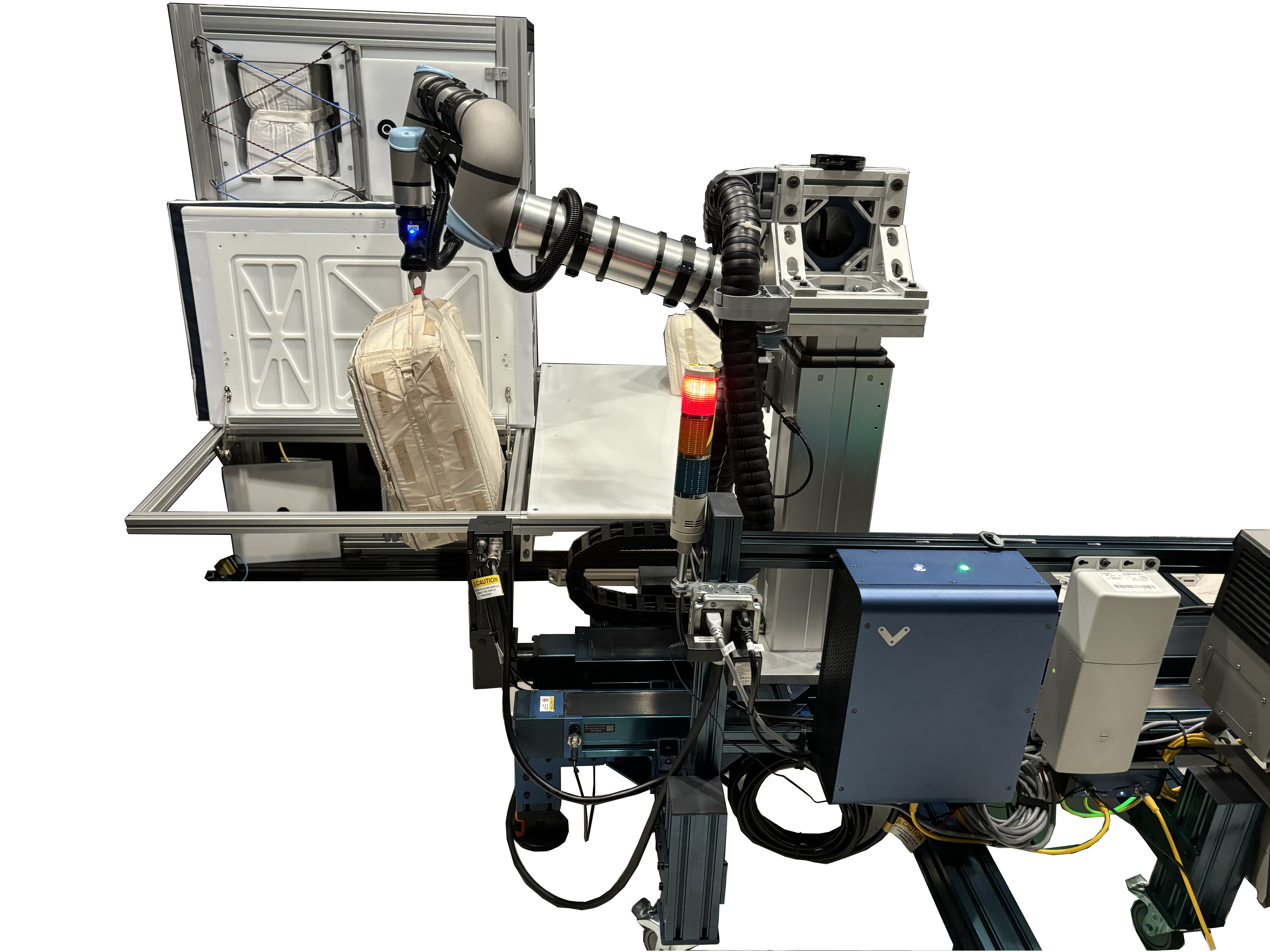
In the Integrated Mobile Evaluation Testbed for Robotics Operations facility at Johnson Space Center, PickNik robotic control software proved its prowess in tasks like passing cargo transfer bags through a hatch and placing them in storage bins, in anticipation of work NASA would like robots to carry out during the later Artemis missions.
Credit: NASA

As NASA plans long-term missions on the Moon, the agency could use robots to perform routine tasks, allowing crew members to dedicate more time to science and exploration. However, robotic motion control requires complex technology and advances in features like robotic decision-making and object recognition.

These are the challenges a Boulder, Colorado-based robotics company is teaming up with NASA to overcome. 

PickNik Inc. recently worked with Shaun Azimi, who leads the Dexterous Robotics team at NASA’s Johnson Space Center in Houston, and other agency roboticists. The team tested software that enabled a robotic arm to recognize a spacecraft hatch, then turn the latch, grasp the handle, and open the door. The arm then was able to transfer cargo bags between the hatch and a bin. 

The work was carried out in NASA Johnson’s new Integrated Mobile Evaluation Testbed for Robotics Operations with funding from NASA’s Small Business Innovation Research program. 

PickNik designed and refined the robotic software, called MoveIt Pro, with support from early government investments. Commercially released in 2023, MoveIt Pro has found a significant customer base. 

Automotive company BMW is using the software on its robotic assembly lines. A company called Lightspeed is using MoveIt Pro to program huge robotic arms that build modular “panels” for constructing affordable housing. Another company, known as Hivebotics, used MoveIt Pro to automate its flagship product, a cleaning robot.

Ezra Brooks, principal software engineer at PickNik, said the 35-person company might not have a product without NASA’s early support. Robotic software requires years of research and development to refine algorithms and create a commercial product. NASA enabled much of that foundational work. 

NASA’s technological advancements unlock key capabilities for missions at the Moon and beyond while benefiting commercial industries on Earth. For 50 years, NASA has documented the everyday benefits of space technology through the agency’s Spinoff publication. To learn more about the project, visit: https://go.nasa.gov/49CNSi7

Share

Details

Last Updated
Jun 10, 2026

The post NASA Equips Astronauts, Industry with Robotic Intelligence  appeared first on NASA Science.

❌