Normal view
MacVoices #26241: Live! – New M5 Ultra Mac Studio, M6 Mac mini, and Glyph Keyboards
- MacVoices
- MacVoices #26162: NAB – PugetBench Helps Creators Compare, Troubleshoot, and Upgrade Systems
MacVoices #26162: NAB – PugetBench Helps Creators Compare, Troubleshoot, and Upgrade Systems
NJIT Professor’s Polymer Proposal Wins $125,000 ACS Grant
A new research project at the New Jersey Institute of Technology is taking a closer look at a strange but important behavior in rubber-like materials: their properties can depend on what happened to them before. With a $125,000 New Directions grant from the American Chemical Society Petroleum Research Fund, chemical and materials engineering professor Gennady Gor and his students will investigate how petroleum-derived polymers absorb fluids, swell, contract and change their elasticity over time. The work could improve predictions of how elastomers perform in everything from industrial seals to oil and gas equipment.
Elastomers are polymers capable of undergoing large, reversible deformations. Silicone, neoprene and natural or synthetic rubber are familiar examples. Their molecular chains can stretch, rearrange and return toward their original configuration, giving these materials their characteristic flexibility. Yet exposure to liquids or vapors can dramatically alter that behavior. Hydrocarbon molecules may enter the polymer network, pushing molecular chains apart and causing the material to expand. At the same time, the absorbed fluid can change the polymer’s stiffness, strength and ability to recover its original shape.
Gor’s project focuses on a phenomenon known as hysteresis, in which a material’s current state depends not only on its present conditions but also on the path it took to reach them. For an elastomer, that means the material may respond differently when it is swelling than when it is shrinking, even if its size and surrounding environment are identical. The difference can arise from molecular rearrangements, delayed relaxation or changes in the interactions between polymer chains and absorbed molecules. Such path-dependent behavior is central to understanding why materials sometimes fail to return fully to their previous mechanical state.
The question is especially relevant for petroleum-related technologies. Elastomers are widely used as O-rings, gaskets and seals because they can deform to fill microscopic gaps and maintain a hermetic barrier. In oil and gas environments, however, these components may encounter complex mixtures of hydrocarbons under pressure and at elevated temperatures. If a seal swells excessively, softens or loses its ability to recover after repeated exposure, it can become unreliable. A better understanding of hysteresis could help engineers select materials and operating conditions that reduce leakage and extend component lifetimes.
The new study represents a shift for Gor’s Laboratory for Materials Interfaces. His previous research has largely examined porous adsorbent materials, which collect molecules on their internal surfaces. Elastomers are different: they do not need pores to take up substantial amounts of fluid. Instead, molecules diffuse into the polymer matrix and interact with its flexible chains. The resulting process is more like a sponge absorbing liquid, although the molecular mechanisms are governed by diffusion, thermodynamics and the elasticity of the polymer network.
Günel Nabiyeva, a fourth-year doctoral student, will lead much of the experimental effort with undergraduate chemical engineering student Elitsa Mileva and second-year doctoral student Supun Rangana. The team has already begun collecting data on how rubber deforms in the presence of liquids and vapors. For Mileva, who has spent considerable time reviewing the scientific literature, the grant will provide an opportunity to move deeper into laboratory work. Nabiyeva describes the project as a new system for the research group because the laboratory has not previously studied elastomers in this way.
The researchers will expose polymer samples to controlled concentrations of hydrocarbon vapors and track how the materials respond. Their measurements will combine swelling, fluid uptake and elasticity rather than treating these properties separately. This approach is essential because a polymer can gain mass and volume while simultaneously becoming softer or, under some conditions, displaying a more complicated mechanical response. Different hydrocarbons may produce different results because their molecular size, chemical structure and compatibility with the polymer influence how quickly they enter the material and how strongly they interact with its chains.
Rangana will contribute expertise in ultrasonic sensing, which can measure subtle changes without physically contacting or damaging the sample. Ultrasonic waves travel through a material in ways that depend on its density, structure and mechanical properties. By analyzing changes in wave transmission or reflection, scientists can detect variations in stiffness and internal condition with high precision. Coupling these measurements to vapor exposure could reveal how quickly elasticity changes as molecules enter the polymer and whether the material follows the same path during desorption as it did during absorption.
The team hopes its results will fill a gap in the fundamental understanding of polymer hysteresis. Although hysteresis is well known in many areas of physics and engineering, relatively few studies have examined how history-dependent elasticity develops in swollen elastomers. The new measurements may help distinguish reversible molecular motions from more persistent structural changes and improve models used to predict polymer performance. Ultimately, the researchers aim to make elastomer behavior less mysterious and more reliable, helping engineers design seals and flexible components that remain dependable across repeated cycles of chemical exposure, swelling and recovery.
Subject of Research: Elastomers, petroleum-derived polymers, polymer swelling, elasticity and hysteresis
Article Title: Ultrasonic Experiments Aim to Reveal Why Rubber Remembers Its History
Web References: Gennady Gor’s NJIT profile; NJIT Laboratory for Materials Interfaces
Image Credits: Courtesy of New Jersey Institute of Technology
Keywords
Elastomers, polymers, hysteresis, rubber, polymer swelling, ultrasonic sensors, materials science, chemical engineering, petroleum research, NJIT
Vous travaillez voûté devant un écran ? Votre dos n’est pas le seul à subir cette posture

Anthropic lança Claude Opus 5, com inteligência do Fable 5 por metade do preço
A Anthropic lançou hoje o aguardado Claude Opus 5, modelo que é descrito pela empresa como proativo, atencioso e com um nível de inteligência que se aproxima do Fable 5, mas que custa a metade do preço do modelo mais poderoso.
O modelo mais do que dobra a performance do Opus 4.8 com um custo menor por tarefa, além de ter uma alta capacidade de verificação e iteração e de ser capaz de criar seus próprios pipelines de visão computacional e ambientes de teste.
Posts relacionados
O Opus 5 também apresenta melhorias significativas em biologia estrutural, química orgânica e bioinformática. Ele produz melhores outputs como ilustrações interativas de células, visualizações de fluxo de ar em objetos aerodinâmicos.

O modelo apresenta as menores taxas de comportamento enganoso e maior resistência a tentativas de uso indevido. Apesar de ser menos restritivo que o Fable 5, ele também conta com limitações para não explorar falhas cibernéticas descobertas.
Introducing Claude Opus 5.
— Claude (@claudeai) July 24, 2026
It's a thoughtful and proactive model that comes close to the frontier intelligence of Fable 5 at half the price. pic.twitter.com/GQWhcq2CQL
É um modelo atencioso e proativo que chega perto da fronteira de inteligência do Fable 5 por metade do preço.
Em termos de API 1Application programming interface, ou interface de programação de aplicações., o Opus 5 permite modificar as ferramentas em uma conversa sem invalidar o cache e gerar um novo processamento, além de estrear um sistema de fallbacks que visa reduzir as interrupções causadas por filtros de segurança.
Com o mesmo preço do modelo Opus 4.8 (US$5 por milhão de tokens de entrada e US$25 por milhão de tokens de saída), o Opus 5 já está disponível em todas as plataformas do Claude e conta com um modo Fast, que permite rodá-lo cerca de 2,5x mais rápido que a velocidade padrão pelo dobro do preço base.
Notas de rodapé
- 1Application programming interface, ou interface de programação de aplicações.


Key Factors Driving Sustainable Stormwater Management Success
A new study in npj Urban Sustainability points to the practical levers that determine whether stormwater systems actually deliver long-term sustainability. As cities expand and rainfall extremes intensify, green and nature-based infrastructure has been promoted to capture runoff, reduce flooding, and protect water quality. But the research warns that success is not automatic: design decisions and operational realities can make or break performance.
The authors, Sun, Randrup, Blecken and colleagues, analyze what they call “decisive factors” governing sustainable stormwater management. Their central message is that the most visible features—such as bioswales, permeable surfaces, or detention basins—only work when supported by the right planning assumptions and measurable hydrological outcomes.
A key technical theme is how stormwater must be matched to system capacity under changing conditions. The study emphasizes that system sizing, soil or media properties, and infiltration or storage behavior strongly influence whether the infrastructure can handle typical storms and rare, high-intensity events. When these factors are misestimated, treatment efficiency can collapse during peak flows.
Equally important are maintenance and lifecycle considerations. Sustainable stormwater is sensitive to clogging, sediment accumulation, vegetation health, and changes in catchment behavior. The research highlights the need for maintenance regimes that reflect likely failure modes, rather than generic schedules that ignore local hydrology and traffic or land-use impacts.
The paper also stresses the value of monitoring and model-informed decision-making. Reliable data on rainfall patterns, runoff routing, and pollutant loads allow managers to validate performance and adjust operations. This feedback loop helps prevent long-term degradation that otherwise remains invisible until issues become costly.
For cities seeking viral, widely transferable “what works” guidance, the authors’ findings offer a shortlist of priorities: realistic capacity planning, robust material characterization, design for multi-storm performance, and maintenance strategies tied to specific mechanisms. Together, these elements translate sustainability goals into systems that function under real weather and real urban change.
The study’s DOI is 10.1038/s42949-026-00448-4.
Subject of Research: Sustainable stormwater management / urban sustainability
Article Title: Decisive factors in sustainable stormwater management
Article References: Sun, Z., Randrup, T.B., Blecken, GT. et al. Decisive factors in sustainable stormwater management. npj Urban Sustain 6, 104 (2026). https://doi.org/10.1038/s42949-026-00448-4
Image Credits: AI Generated
DOI: https://doi.org/10.1038/s42949-026-00448-4
Establishing a VTE Risk Score for Astronauts Algorithm
In April 2026, NASA’s Office of the Chief Health and Medical Officer (OCHMO) initiated a working group to review updated VTE case information, additional data gathered revealing altered blood flow status within a cohort of astronauts, and discuss progress of research and clinical activities intended to mitigate the risk of VTE during spaceflight with new evidence-based clinical practice recommendations.
Recommendations
The following is a summary of the working group’s recommendations:
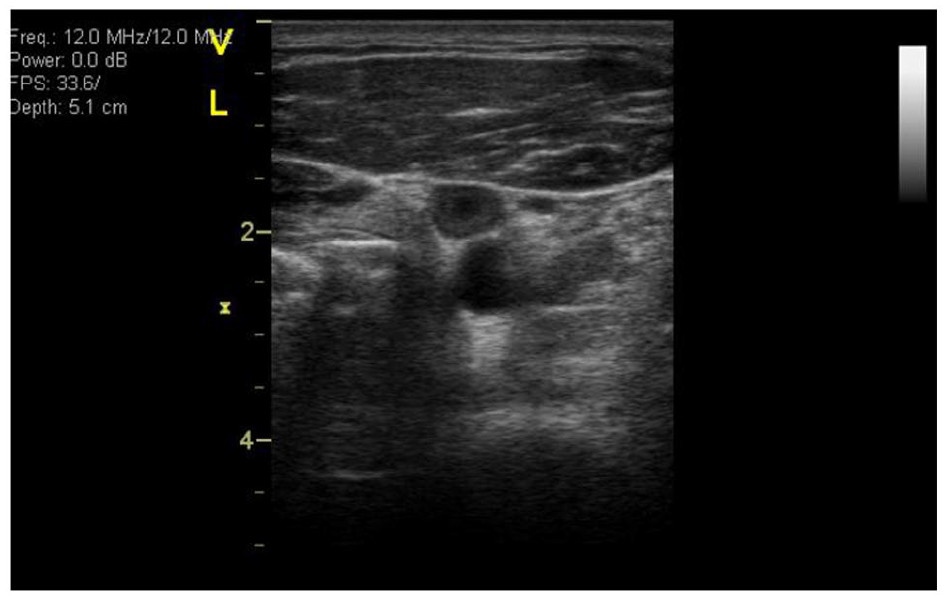
- The working group’s conclusions emphasized that stasis in the left internal jugular vein (IJV) is consistently viewed as a dominant risk factor for VTE in microgravity, though there is active debate regarding the relative contributions of slow qualitative flow, endothelial factors and/or retrograde flow.
- Limitations of current in-flight ultrasound capabilities to accurately measure stasis/slow flow was cited as a concern, especially if using only stasis as a factor for indicating the need for prophylaxis.
- Additional review of assessing stasis with ultrasound in-flight was recommended.
- After reviewing the risk factors, additional discussions following the working group led to the majority of the panel agreeing that stasis and retrograde flow warranted use of prophylaxis.
- The working group also recommended assessing all other risk factors other than stasis to also determine when prophylaxis is warranted.
- Based on a literature review and summary of the panel contributions, a VTE Risk Score for Astronauts Algorithm was developed, which includes providing anticoagulation prophylaxis for stasis alone, or a combination of other thrombosis risk factors that are weighted by terrestrial literature.
Risk of Venous Thromboembolism During Spaceflight
NASA initially formed a working group in October 2024 after diagnosing venous thromboembolisms (VTEs) in astronauts during ISS missions. Experts reviewed case data, updated Clinical Practice Guidelines, and examined possible causes.
Details
Discover Related Topics
OCHMO Mission-Enabling Assessments
Mission-enabling assessment plays a crucial role in NASA’s long-term success by addressing essential questions requiring rapid response to support further…

Aerospace Medical Certification Standard
This NASA Technical Standard provides medical requirements and clinical procedures designed to ensure crew health and safety and occupational longevity…

Human Spaceflight Standards
The Human Spaceflight & Aviation Standards Team continually works with programs to provide the best standards and implementation documentation to…

Human Spaceflight and Aviation Standards
The Human Spaceflight and Aviation Standards Team continuously works with subject matter experts and with each space flight program to…

The post Establishing a VTE Risk Score for Astronauts Algorithm appeared first on NASA Science.
Someone is trying to flip a new Rivian R2 for $80,000 — $20K over MSRP
A private seller in Littleton, Colorado has listed a brand-new 2027 Rivian R2 Performance on Cars.com for $79,900 — roughly $20,000 over what Rivian charges for the same vehicle.
The listing went up July 1, just weeks after Rivian started delivering the R2 to its first customers, and it comes with the kind of cover story flippers tend to lean on.
- Science Mag
- SwRI and St. Mary’s University Partner to Forecast Durability of Metal Hydride Hydrogen Storage
SwRI and St. Mary’s University Partner to Forecast Durability of Metal Hydride Hydrogen Storage
Southwest Research Institute (SwRI) and St. Mary’s University have embarked on a groundbreaking collaboration aimed at revolutionizing the future of hydrogen storage technology. This joint venture seeks to develop a comprehensive, physics-based forecasting tool capable of predicting the degradation and long-term durability of titanium-iron (TiFe)-based metal hydride vessels. Leveraging a chemical and thermo-mechanical modeling framework, the project represents a significant leap forward in tackling one of the most persistent challenges in hydrogen storage materials science. This initiative is made possible through a $125,839 grant from the St. Mary’s-SwRI Technology and Applied Research (S²TAR) Program, designed to foster impactful research collaborations.
Metal hydrides are pivotal materials in the hydrogen energy landscape, serving as one of the few safe and compact solid-state options for hydrogen storage. These materials function by chemically binding hydrogen to metal lattices through chemisorption, effectively locking hydrogen atoms within the structure. Unlike high-pressure gaseous tanks or cryogenic liquid hydrogen storage, metal hydrides offer improved safety profiles and reduce energy-intensive requirements. However, despite these advantages, their widespread application is hindered by their limited durability and performance degradation resulting from repeated hydrogen absorption and desorption cycles.
At the heart of this ambitious research endeavor is the intricate problem of metal hydride vessel degradation. Over numerous charge and discharge cycles, physical changes ensue within the alloy powders comprising the metal hydride bed. These changes include fracturing of particles, densification of the powder bed, and mechanical stresses that collectively impair hydrogen storage capacity and vessel performance. Traditional evaluation methods rely heavily on prolonged, costly experimental testing to assess long-term vessel integrity—a bottleneck that impedes innovation and commercialization.
The project team, headed by Dr. Richard S. Fu of SwRI and Dr. Mohamed Shaat of St. Mary’s University, seeks to transcend these limitations by integrating advanced physics-based simulations with targeted experimental validation. This dual approach aims to create a robust modeling framework capable of forecasting the lifecycle and operational durability of TiFe metal hydride vessels. The predictive tool will account for the coupled chemical, thermal, and mechanical phenomena driving hydrogen cycling performance over hundreds or even thousands of cycles.
Dr. Shaat is spearheading the development of an intricate, multiphysics computational framework at St. Mary’s University. This model is designed to encapsulate the complex interplay between hydrogen diffusion, chemisorption reactions, phase transformations within the metal hydride, heat generation and transfer, and the evolution of mechanical stress within the vessel. By accurately simulating these interconnected processes, the framework seeks to facilitate precise performance predictions, while also identifying design parameters and operational regimes that optimize both efficiency and vessel longevity.
Central to the team’s vision is the translation of fundamental physical and chemical principles of hydrogen interaction into computationally efficient predictive models. Dr. Shaat emphasizes the importance of capturing the coupling mechanisms—particularly how hydrogen transport influences thermal and mechanical responses and vice versa—in order to provide reliable simulations that replace and reduce the dependence on lengthy physical testing. This innovative approach promises to significantly reduce costs, accelerate development cycles, and improve hydrogen storage system designs.
On the experimental front, SwRI’s team, under Dr. Fu’s guidance, is undertaking controlled, long-term cycling experiments to collect essential validation data. By subjecting metal hydride vessels to realistic charge-discharge scenarios, they aim to quantitatively monitor performance degradation mechanisms as they unfold. These experiments will provide the empirical backbone necessary to calibrate and refine the modeling framework, ensuring that simulation outputs faithfully represent real-world behavior under operational conditions.
The synergy between modeling efforts and experiments forms the cornerstone of the project’s iterative design loop. As Dr. Fu explains, modeling insights will direct the focus of experimental tests to critical phenomena, while the resulting data will feedback to correct and enhance the models. This dynamic interplay is expected to unravel previously obscure degradation mechanisms by illuminating the coupled chemical, thermal, and mechanical interactions at work within the metal hydride vessels. Ultimately, this feedback-driven methodology will yield a predictive tool capable of guiding material improvements and engineering decisions.
Hydrogen’s emergence as a clean, versatile energy carrier is a key cornerstone of global efforts to decarbonize energy and transportation sectors. However, to fulfill its potential, advances in storage technology are imperative. Unlike batteries or fossil fuels, hydrogen storage demands novel materials and engineering solutions due to its unique physical and chemical characteristics. By focusing on metal hydride vessels, this project addresses a promising yet underdeveloped storage pathway that could unlock safer, more efficient hydrogen deployment across diverse applications.
The S²TAR funding mechanism plays an instrumental role in enabling this interdisciplinary collaboration by providing seed resources that draw on the expertise strengths of both SwRI and St. Mary’s University. This partnership is not only poised to produce high-impact scientific outcomes but also lays the foundation for sustained cooperation. Through this collaboration, the team is well-positioned to attract larger external funding sources from federal agencies and industry players focused on advancing hydrogen infrastructure and clean energy technology.
As work progresses, the team anticipates that their predictive modeling tool will be an invaluable resource for the hydrogen storage community. It will offer designers and researchers an evidence-based platform to evaluate new materials, optimize vessel designs, and predict operational lifetimes with higher confidence. By systematically addressing the core durability challenges of metal hydride storage, this project represents a wide-reaching advancement that could significantly accelerate solid-state hydrogen storage adoption worldwide.
In conclusion, this joint initiative by Southwest Research Institute and St. Mary’s University epitomizes the cutting edge of hydrogen storage research. Through combining rigor in experimental validation and sophistication in physics-based modeling, the project champions a future where hydrogen is stored more safely and efficiently. The knowledge generated here promises to not only rewrite the fundamentals of storage vessel degradation understanding but also to catalyze practical applications in the global hydrogen economy.
Subject of Research: Physics-based modeling and experimental validation of TiFe-based metal hydride hydrogen storage vessel degradation and durability.
Article Title: Advancing Solid-State Hydrogen Storage: Predictive Modeling and Experimental Synergy for Metal Hydride Vessel Durability
News Publication Date: June 24, 2026
Image Credits: Southwest Research Institute
Keywords
Hydrogen storage, metal hydrides, TiFe alloys, chemisorption, physics-based modeling, thermo-mechanical framework, hydrogen diffusion, phase transformation, performance degradation, solid-state hydrogen storage, experimental validation, multiphysics simulations

Form Smart Swim 2 LT Goggles Include Innovative Form Correction
- Tek Notícias
- Apple promete dar nova vida aos iPhones antigos com iOS 27 e traz ganhos reais de desempenho
Apple promete dar nova vida aos iPhones antigos com iOS 27 e traz ganhos reais de desempenho
A Apple diz que, depois de instalar o iOS 27 nos modelos mais antigos dos seus smartphones, como o iPhone 11, os utilizadores vão notar que este é mais rápido e estável.
The post Apple promete dar nova vida aos iPhones antigos com iOS 27 e traz ganhos reais de desempenho appeared first on Tek Notícias.