Future spacecraft may travel farther by drawing momentum from planets, sunlight, and the solar wind instead of onboard fuel. Every conventional rocket faces the same problem: it must carry the material that propels it. Since Konstantin Tsiolkovsky described the rocket equation in 1903, spacecraft have burned fuel and expelled it backward to move forward under [...]
An innovative new drone dubbed the “Phantom Twist” can seemingly disappear from view, in a major new robotics advancement offering a close-to-invisible aerial platform.
Its name describes the drone’s rapid spinning motion, which rotates 25 times per second—too fast for the human eye to resolve—thereby acting as a sort of cloak shielding it from visible detection.
The Northwestern University engineering team behind the Phantom Twist revealed their drone during a recent talk at the Sydney, Australia, Robotics: Science and Systems 2026 conference on July 16.
Stealth Drones
“Most efforts to hide drones focus on making them look like their surroundings,” said Northwestern’s Michael Rubenstein, who led the work. “Instead, we asked whether we could design the drone itself around the way humans perceive motion. This idea of low visibility through persistent motion is something few people have explored.”
The Phantom Twist drone’s unique rotation renders it almost invisible when in flight (Image Credit: Northwestern University)
Hiding drones is not a new idea. Other engineers have attempted a variety of techniques, including camouflage, transparent materials, and light-bending to obscure the presence of drones and robots. However, all of those focused on the material the drone’s exterior was constructed from, allowing it to blend into the background. The Northwestern team’s innovation was in how the object moves.
To our eyes, fan blades disappear because they are moving so fast that our eyes cannot track them. The “motion blur” created at these speeds allows the Phantom Twist to almost disappear, leaving only a faint apparition perceptible to the eye.
Nature Drones
While several military applications are immediately obvious, the team instead says their work could be useful in developing noninvasive wildlife and environmental monitoring. Loud drones can scare wildlife, disrupting them as they scatter, but by blending in, the Phantom Twist could capture a much more accurate picture of natural behaviors.
Their perception-based design eschews the traditional quadcopter design for a single propeller, with a body that spins in the opposite direction, creating the optical illusion that the drone essentially disappears.
As it spins, the Phantom Twist’s movements become virtually invisible to the human eye (Image Credit: Northwestern University)
“For a typical quadrotor drone, the propellers are spinning, but the robot is stationary,” Rubenstein said. “So, you still see its body. For our drone, the whole thing is rotating, so there are no stationary parts.”
Creating the Phantom Twist
Using AI and optimization algorithms, the Northwestern team began by generating 20,000 different arrangements of a drone’s propeller, motor, circuit board, and other necessary components. Eventually, the algorithm landed on the most promising configurations, after which the researchers simulated and superimposed them onto real-world backgrounds.
Another computer model mimicked human perception, allowing the engineers to assign a perception score for how visible each design would be to human eyes. An algorithm then optimized those designs by moving components to minimize the visibility score even further.
“The design process was fully automated,” Rubenstein said. “Then, when we were confident that a drone met all our criteria, we built it.”
A Revised Drone
The key feature of this design is that the individual components are at such varying heights and angles that they do not overlap as it spins, maximizing the motion-blur effect and creating the appearance of a faint cloud rather than a solid object.
“The human eye takes time to accumulate signals, roughly analogous to the exposure time of a camera,” said Alexander, an expert in computer vision. “When an object spins quickly, we perceive it as blurring out and losing distinct features. Because this new drone is almost entirely transparent, its few opaque components are visually averaged with the background for an overall appearance of a slight haze.”
Currently impeding the drone from being even more imperceptible to the eye are the wires and support rods that remain visible, as well as the engine noise it produces, which is readily discernible. Going forward, the team plans to continue improving Phantom Twist in future iterations to incorporate more transparent materials and reduce the noise it produces.
Ryan Whalen covers science and technology for The Debrief. He holds an MA in History and a Master of Library and Information Science with a certificate in Data Science. He can be contacted at ryan@thedebrief.org, and follow him on Twitter @mdntwvlf.
A new Bayesian system called ALADYNOULLI is designed to forecast how multiple diseases unfold over time from longitudinal electronic health record (EHR) histories. The work targets a central challenge in longitudinal modelling: evaluating prediction without “information leakage,” so that future diagnoses never influence training for past timepoints. By explicitly simulating real clinical follow-up, the researchers aim to make risk estimates more trustworthy for decision-making.
In the primary assessment, ALADYNOULLI produced dynamic 1-year forecasts at 10 fixed moments during follow-up, starting at enrollment and extending to years 1 through 9. At each timepoint, models were retrained using only data available up to that moment, then tested on 1-year outcomes. The key metric was the median area under the receiver operating characteristic curve (AUC) across these dynamic evaluations, summarizing how predictive accuracy changes as new diagnoses accumulate.
The study spans 28 diseases and reports robust discrimination for several clinically important endpoints. Performance was strong for atherosclerotic cardiovascular disease (ASCVD), breast cancer, atrial fibrillation, heart failure, and Parkinson’s disease, with AUC values of 0.879, 0.867, 0.801, 0.811, and 0.796, respectively. Importantly, the evaluation excluded people with prevalent disease at prediction time, aligning the comparisons with prospective risk.
ALADYNOULLI was also benchmarked against established clinical risk tools where feasible. At enrollment, static models trained only on baseline information were compared for both 1-year and 10-year horizons. While longer-term predictions naturally degraded, ALADYNOULLI retained meaningful power—for example, for ASCVD at 10 years—highlighting the advantage of learning from longitudinal EHR trajectories rather than relying solely on cross-sectional inputs.
Calibration analyses further supported reliability: predicted and observed event rates matched closely across millions of at-risk patient-time observations. The researchers report a mean squared error on calibration of 4.67 × 10⁻⁷, with mean predicted rates (5.55 × 10⁻⁴) closely tracking mean observed rates (5.45 × 10⁻⁴). This suggests not only ranking accuracy, but also quantitative risk realism.
To test whether results were driven by subtle temporal artifacts, the team ran sensitivity analyses that excluded events occurring shortly before prediction and varied washout windows. They also examined alternative horizons and a dynamic 10-year rolling interpolation strategy, which updates risk estimates as annual information becomes available. Together, these checks help confirm that temporal patterns are being learned in a causally aligned manner.
Overall, the findings position ALADYNOULLI as a clinically relevant framework for multi-disease risk forecasting, combining longitudinal EHR modelling with predictive discrimination and calibration. By rigorously preventing leakage and validating dynamic follow-up scenarios, the approach offers a pathway toward more actionable, time-aware risk prediction in real-world healthcare settings.
Subject of Research: Longitudinal EHR-based multi-disease risk prediction using Bayesian modelling and genetic/EHR integration Article Title: A Bayesian framework for longitudinal EHR and genetic discovery. Article References: Urbut, S.M., Ding, Y., Nakao, T. et al. A Bayesian framework for longitudinal EHR and genetic discovery. Nature (2026). https://doi.org/10.1038/s41586-026-10780-5 Image Credits: AI Generated DOI:https://doi.org/10.1038/s41586-026-10780-5 Keywords: longitudinal EHR, Bayesian framework, disease risk prediction, dynamic forecasting, temporal validation, calibration, AUC, ASCVD
Climate change is poised to reshuffle the reliability problem facing decarbonized power systems, according to a new study that links weather extremes, long-term climate projections, and real-world infrastructure constraints. As grids rely more heavily on wind and solar, they become sensitive not just to the amount of renewable capacity installed, but to where that capacity is sited relative to transmission lines, load centers, and the local meteorological patterns that govern output.
Using high-resolution climate projections at 12-km scale, the researchers examined how future conditions could alter both renewable generation and electricity demand across two distinct US regions: New England and Texas. They then coupled these climate inputs with an optimization model operating at the county level, allowing the team to test how system design choices—particularly spatial siting of wind and solar and the presence of transmission bottlenecks—affect long-run adequacy.
The results suggest a sharp increase in resource inadequacy risk by mid-century. In both regions, climate change can drive prolonged periods of low renewable generation, which occur when meteorological conditions reduce wind and solar output while demand simultaneously rises. For Texas, the study finds the frequency of inadequacy events could increase dramatically—up to fivefold—if planning proceeds using non-climate-informed assumptions.
Crucially, the work shows that these risks are not determined by aggregate capacity targets alone. Fine-scale siting decisions can lock the system into unfavorable “weather-resource–grid” pairings, amplifying periods when local supply falls short and transmission limits prevent imports from compensating.
Yet the study also offers a pathway to resilience. Climate-informed planning can mitigate the emerging adequacy threat at relatively modest cost. Texas, for example, can maintain near-zero marginal investment cost by shifting wind capacity westward, improving alignment with future wind patterns and reducing reliance on constrained transfers.
New England requires a different strategy. The region faces a higher investment need—about a 2.34% increase—achieved through targeted solar and transmission expansion closer to load centers. This approach helps buffer localized shortfalls during future, climate-driven demand and renewable output mismatches.
Overall, the study argues that achieving climate-resilient decarbonization means moving beyond simple build-out schedules. Instead, it calls for high-resolution, climate-aware spatial planning that reveals siting opportunities invisible to coarse models—turning reliability from a static design metric into a dynamic, region-specific forecast problem.
Subject of Research: Climate change and resource adequacy risks in wind/solar grids, including optimal renewable siting Article Title: Climate change reshapes resource adequacy risks and optimal renewable energy siting in wind and solar energy systems Article References: Qiu, L., Khorramfar, R., Wang, S. et al. Climate change reshapes resource adequacy risks and optimal renewable energy siting in wind and solar energy systems. Nat Energy (2026). https://doi.org/10.1038/s41560-026-02109-3 Image Credits: AI Generated DOI: https://doi.org/10.1038/s41560-026-02109-3 Keywords:
Naked mole-rats have long puzzled biologists with their striking eusocial structure, where most adults remain reproductively suppressed while a queen controls the colony’s future. Now, a new study identifies a chemical “queen odour” that links social status to endocrine control, revealing a mammalian analogue to insect queen pheromones.
The molecule, termed IPM, is enriched by the queen and acts as the key mediator of reproductive suppression in non-breeding females. When IPM is present, circulating prolactin rises while progesterone is suppressed, locking the colony into a stable reproductive hierarchy characterized by reduced conflict and maintained group cohesion.
Crucially, the team connects this behavioural outcome to the brain. Using multiple approaches—including non-invasive functional ultrasound imaging (fUSI)—they show that IPM provokes strong activation of olfactory neurons and central neural circuits. This provides a neural substrate for how a chemical cue can trigger colony-wide physiological change, rather than relying on social learning or passive association.
The experiments also clarify sensory routing. Ablating olfaction abolishes aggression initiation and lowers prolactin levels, directly tying IPM detection to reproductive suppression. While the findings are consistent with sensing through the main olfactory epithelium, the authors note that the vomeronasal system may still contribute.
Queen removal normally destabilizes colonies, leading to aggression, reproductive competition, prolactin decline, and, in extreme cases, mortality. Yet when IPM is added to queenless bedding, the colony remains stable for months. During this period, fecal progesterone metabolite levels stay low, indicating sustained ovarian quiescence alongside elevated prolactin.
The study also addresses a longstanding paradox: transferring soiled bedding and urine from parent colonies fails to maintain suppression in isolated individuals. The authors propose that IPM’s chemistry helps explain this discrepancy. As a long-chain fatty acid ester with low volatility, IPM may persist within the colony environment but fail to travel effectively over distance or survive transfer pathways that preferentially carry other chemicals.
Comparative work extends beyond naked mole-rats. IPM is detected in breeding females of four additional Fukomys species. Although reproductive suppression mechanisms may differ across species, the presence of a similar queen-linked odorant suggests convergent chemical strategies for managing reproductive skew in eusocial mammals.
Overall, the research reframes reproduction control as a chemosensory-to-endocrine pathway: IPM activates olfactory–hypothalamic signalling, elevating prolactin and inhibiting GnRH release. This “social hormone” model offers a new principle for social evolution—chemical cues can synchronize behaviour and physiology at the scale of an entire mammal colony.
Subject of Research: Reproductive suppression and social hierarchy in eusocial mammals (naked mole-rats and related Fukomys species)
Article Title: A queen odour mediates reproductive suppression in a eusocial mammal
Article References:
Khallaf, M.A., Hart, D.W., Luo, W. et al. A queen odour mediates reproductive suppression in a eusocial mammal. Nature (2026). https://doi.org/10.1038/s41586-026-10772-5
Bacterial cellulose—nature’s own polymer scaffold—is gaining attention as a renewable feedstock for supercapacitor electrodes. With modern devices demanding fast charge, high power bursts, and long cycle life, researchers are searching for electrode materials that combine performance with sustainability.
A new systematic literature review led by Prof. Dahlang Tahir at Hasanuddin University, Indonesia, maps how bacterial cellulose-derived carbon (BCC) is turned into energy-storage electrodes—and why some fabrication paths outperform others. The study synthesizes evidence from the scientific record to clarify which processing choices control electrochemical behavior.
The review focuses on BCC as a precursor to porous carbon. Bacterial cellulose forms a naturally pure, interconnected network of nanoscale fibers, and heat treatment can convert that architecture into carbon structures with tunable porosity—critical for charge storage. The authors emphasize that electrical performance is not just a matter of “making carbon,” but of preserving and engineering the fiber network before carbonization.
Across 49 Scopus-indexed journal articles, the team compares major strategies including direct carbonization, chemical activation to enlarge pore systems, heteroatom doping to modify surface chemistry, and composite fabrication with materials that can add rapid redox (pseudocapacitive) contributions.
A recurring message is the importance of pre-carbonization drying. Freeze-drying appears as the most commonly used approach because it limits collapse of the wet nanofiber structure during water removal. Since pore architecture governs ion access and charge transport, maintaining nanoscale structure can translate into higher effective capacitance.
The review also distinguishes test formats. Three-electrode measurements are frequently reported, but two-electrode devices better represent real supercapacitor operation, where electrode–electrode interactions shape performance.
When processing is optimized, the results point toward a pathway for BCC-based electrodes to rival or surpass commercial activated carbon under comparable conditions. Activation and heteroatom doping generally increase accessible surface area and create additional active sites, while composites often achieve the strongest capacitance by combining electrical double-layer effects with fast surface reactions.
Yet the authors warn that progress is constrained by inconsistent experimental reporting, uneven protocols, and limited mechanistic understanding. To move beyond laboratory demonstrations, they call for predictive design, data-driven structure–performance models, scalable carbonization methods, and robust flexible devices resistant to deformation and humidity.
Subject of Research: Supercapacitor electrodes using bacterial cellulose-derived carbon Article Title: Bacterial cellulose-derived carbon electrodes for supercapacitors: Fabrication strategies, electrochemical performance, and mechanical properties — A review News Publication Date: 9 June 2026 Web References: https://doi.org/10.1016/j.est.2026.123044 References: 10.1016/j.est.2026.123044 Image Credits: Lightenoughtotravel from Wikimedia Commons
Keywords
bacterial cellulose; supercapacitors; porous carbon; freeze-drying; chemical activation; heteroatom doping; electrode materials; two-electrode testing; pseudocapacitance; sustainable energy storage
The massive hardware demands of artificial intelligence (AI) applications are stretching the physical and structural limitations of semiconductors. But researchers have engineered a three-dimensional silicon chip that they propose as the solution.
In a new study published May 27 in the journal Nature, scientists found a way to cram more computing power into a chip by stacking silicon circuits in multiple layers in a way that doesn't impact performance.
Stacking chips vertically, known as 3D integration, is more efficient than traditional 2D chips, where silicon circuits are spread across a single surface. This is because stacking shortens the distance that data has to travel and reduces the power required for data transmission.
The researchers' 3D chip uses ultrathin silicon membranes and low-temperature manufacturing techniques to overcome the challenges of current chip architectures.
"Our method is not only easier to implement with lower cost, but it has several advantages over previous approaches to stack silicon wafers," Qing Cao, first author of the study and a materials science and engineering professor at the University of Illinois Urbana-Champaign, said in a statement.
Extending Moore's law
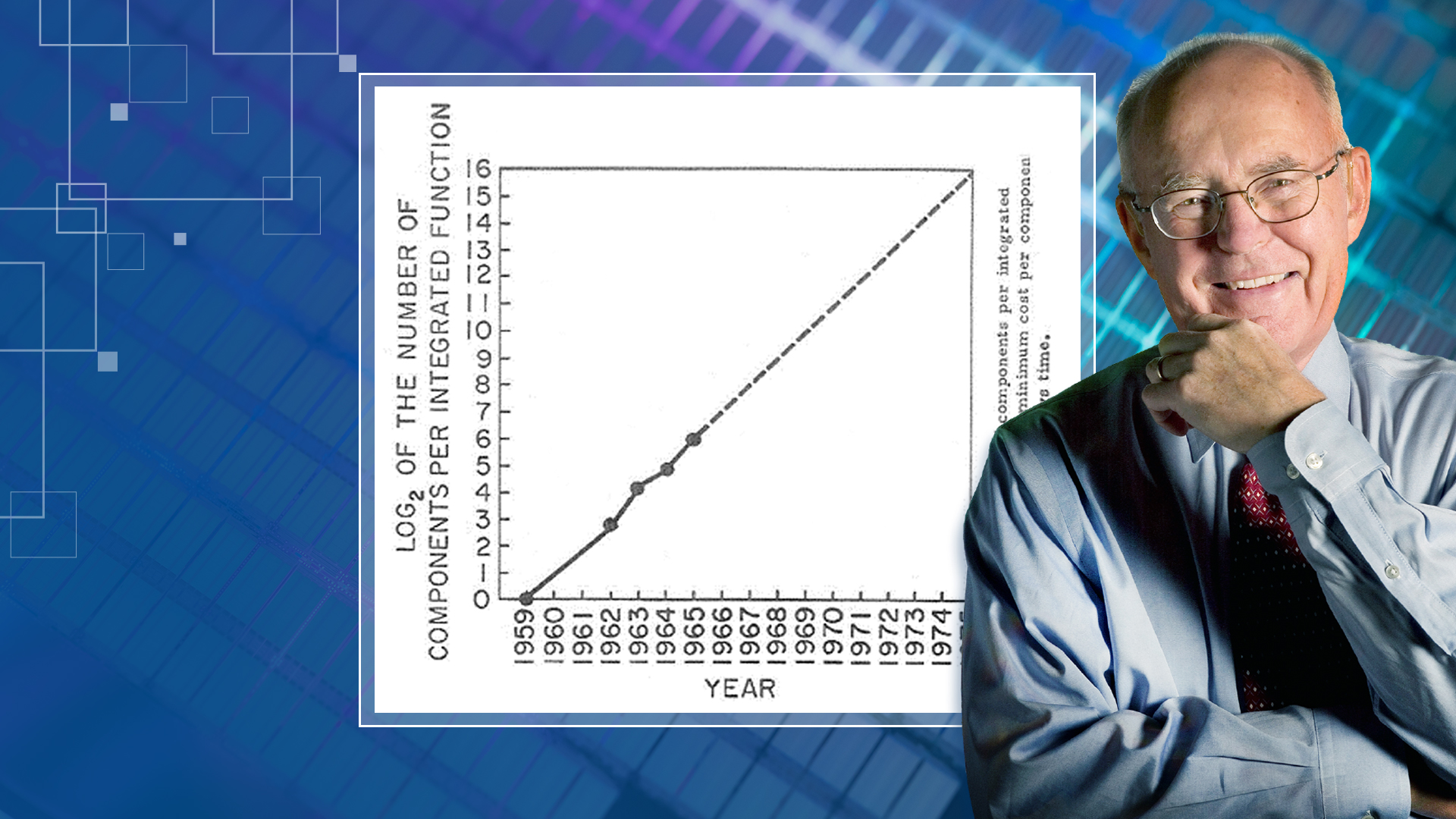
Since the 1960s, ensuring that electronics can handle more demanding applications has meant making transistors smaller so more can be packed onto a single chip. But, as Cao pointed out, doubling the number of transistors every couple of years — a principle known as Moore's law — is becoming less feasible.
"If you look at the actual size of transistors, they're not getting smaller, especially in terms of their contacted gate pitch," Cao said in the statement — defined as the combined width of one transistor gate and the space needed to separate it from the next.
"This is because we're becoming limited by the intrinsic material properties of silicon and the fundamental rules of quantum mechanics. If we're going to keep up the trend of increasing processing power of our microprocessors, we have to start thinking beyond just squeezing more devices on a single surface."
The researchers think vertical integration across multiple layers is the best way to guarantee that engineers can continue to adhere to Moore's law, because this approach creates room for more transistors on a chip.
"Today it takes six microelectronic devices called transistors on a single plane to store one bit of information," Cao explained, suggesting that just like in a densely populated city, the only way to solve overcrowding is to build upward. "You get the same functionality, but the spatial footprint is reduced while making communication between layers faster and more efficient."
Scientist Gordon Moore seen with a graph representing Moore's Law. (Image credit: Intel)
Getting around the heat problem
Stacking is nothing new, of course, but vertical integration — building layers directly on top of one another — can create thermally dense packages. In the study, the researchers noted that the fabrication of high-quality silicon chips demands temperatures up to 1,832 degrees Fahrenheit (1,000 degrees Celsius).
However, once the first chip layer has been completed, the metal wiring introduced to connect further layers can be destroyed by such high temperatures. As a result, the "thermal budget" — the maximum amount of heat that can be endured before degradation starts to occur — for any additional layers is 752 F (400 C), said Cao. This can result in performance and reliability issues.
When creating 3D stacked silicon chips, manufacturers have sought to avoid this problem by using alternatives to single-crystalline silicon for the upper layers, according to the researchers. These materials include amorphous and nanocrystalline metal oxides, carbon nanotubes and polycrystalline silicon, but they can lead to performance and reliability issues, the scientists said in the study.
To overcome this challenge, Cao and his team adopted an approach called "monolithic integration" — a process in which all chip components are fabricated on a single piece of substrate, as opposed to making them separately and then bonding them together later.
To build each chip, the researchers created ultrathin silicon nanomembranes that they then transferred, using a roll laminator, onto a substrate containing the bottom layer.
The maximum temperature required to generate a strong bond using this method was just 392 F (200 C) — five times less than the heat normally required. The membranes they transferred were also just 10 nanometers thick or less — about the size of a protein — compared with the approximately 500-to-700-micrometer (500,000 to 700,000 nanometers) thickness of a typical wafer. Because they are thin, these membranes are mechanically flexible to conform to the underlying surface, Cao added.
The result of this process was a 3D chip with three layers, each containing 625 transistors. This pales in comparison to the billions of transistors that can be crammed onto chips already on the market, but the researchers believe their technology boasts power efficiency benefits. The electrical current that can flow through the chip has proved to be at least three to four times greater than that of monolithic chips made from alternative materials.
The big question is whether their 3D silicon chip can make the leap from the laboratory to commercial applications. While the research demonstrates the potential of a chip comprising three stacked layers, the scientists suggested that plenty more layers can be added in future iterations.
Can you match these ancient devices to their pictures? Find out with our computing quiz!
Implantable devices in the brain have been used for about 30 years to assist people with disabilities in completing motor tasks. However, the devices are simply not accessible to the vast majority of people who need help. Despite decades of work in this field, fewer than 100 people worldwide have benefited from the technology. The costs are prohibitive, and the brain surgeries are inherently risky.
Knitting has come a long way from sweaters and blankets. Researchers at the Harvard John A. Paulson School of Engineering and Applied Sciences (SEAS) have turned everyday knitting into a powerful platform for making shape-shifting devices that can act as switches, sensors and more—paving the way for next-generation functional, programmable textiles.
Using AI-driven materials design, a team of researchers at the University of Toronto Engineering has discovered a new set of metal alloys that retain their strength under extreme conditions.
Using bird bone structure as inspiration, Xin Ning and Sepideh Ebad Sichani, Ph.D. '26, have created a new class of aircraft wing structures—unbound by traditional designs of ribs, spars and stiffeners. The researchers are in the Department of Aerospace Engineering at The Grainger College of Engineering, University of Illinois Urbana-Champaign.
A wearable bioelectronic device increased REM sleep in real-world trials without invasive surgery or medication. A restless night can leave more than fatigue behind. REM sleep plays a central role in emotional processing, stress adaptation and mental recovery, and persistent disruptions to this stage have been linked to conditions including depression, anxiety and post-traumatic stress [...]
Engineers have developed a new robot that can swim underwater, then rise to the surface and take flight, in an aerial-aquatic feat that mimics some of nature’s most formidable fliers and swimmers.
Developed by researchers at the Massachusetts Institute of Technology (MIT) and the Swiss Federal Institute of Technology Lausanne (EPFL), the new robot’s capabilities could help launch a new generation of aerial-aquatic exploration vehicles.
Dubbed the “Flapping-Wing Aerial-Aquatic Vehicle” (FAAV), this lightweight robotic platform weighs less than 300 grams and can transition seamlessly between water and air with its very flexible flapping wings. Now, the team’s findings, published in the journal Science, could help scientists better understand how diving birds, which include puffins, petrels, loons, and gulls, are so adept at navigating two vastly different environments.
Such capabilities, the team says, could also pave the way toward advanced drones in the coming years that could transform ocean research.
Inspired by Diving Birds
Departing from conventional modern designs employed for aircraft or underwater vehicles, the team based their design on diving birds, which evolved to fly over water, then plunge beneath the waves to hunt for food, before surfacing and resuming flight.
MIT’s new aerial aquatic robot seen launching from water into the air (Image Credit: Raphael Zufferey/MIT)
One problem when it comes to replicating these abilities in robots involves the density of water, which is around 1,000 times denser than air. Because of this, the engineering team had to carefully balance the flexibility of the robotic wings in their design, along with flapping frequency, tail angle, and other factors that allowed the robot to move efficiently through both environments without requiring propellers or separate propulsion systems.
Finding the Sweet Spot for Transmedium Travel
Experiments were undertaken by the team in the lab and in Switzerland’s Lake Geneva, and helped the team determine that the robot achieved best performance with medium-sized wings that flap at approximately five times per second. Under such conditions, the robot was able to swim one meter per second, then by pitching upward at a 70-degree angle, it could break through the surface, and continue this same movement to propel itself through the air.
Although the robot still has some limitations compared to the avian examples that inspired it, interestingly, it does appear to have one advantage: unlike diving birds, which paddle using their feet to achieve aquatic launches into the air, the new robot has no such requirement, and can transition from water to air relying only on its wings and adjustable tail.
Future Drones with “Aerial-Aquatic” Abilities
In the future, drones equipped with such capabilities could be leveraged to monitor marine ecosystems in a variety of ways. The team also says it could help to observe environmental concerns, such as water near glaciers or offshore infrastructure, or even collect data from hazardous locations that are either too difficult or simply too costly for ships to reach.
“Our dream vision is for oceanographers, marine biologists, and members of coastal communities to launch this robot from a boat, or from shore, and it would fly close to the area of interest, such as an iceberg or a port facility, or over a pod of whales,” according to Raphael Zufferey, assistant professor of mechanical engineering at MIT.
“It would dive into the water to take a measurement or collect a sample, and fly back to deliver the data at a fraction of the cost of traditional methods. Then it could go back out to dive for more,” Zufferey recently told MIT News.
Drawing from movements in nature influenced by evolution, the researchers hope their bird-inspired design may eventually help scientists by introducing cost-effective, but formidable new tools to help obtain information from some of the most challenging environments, all with help from robots that can do what only nature’s diving birds could once achieve.
The achievement is detailed in a new paper, “Leaping out of the water: aerial-aquatic locomotion with flapping wings,” which appeared in the journal Science.
Micah Hanks is the Editor-in-Chief and Co-Founder of The Debrief. A longtime reporter on science, defense, and technology with a focus on space and astronomy, he can be reached atmicah@thedebrief.org. Follow him on X @MicahHanks, and at micahhanks.com.
Researchers in China have announced a radical sodium metal battery (SMB) design that can fully charge in just four minutes and will retain its capacity for years of use.
SMBs are a form of ultrafast-charging, stable batteries that scientists say could one day be a cheap alternative to today's lithium-ion (Li-ion) batteries, which rely on geographically concentrated metals and easily catch fire. SMBs also differ from sodium-ion (Na-ion) batteries in that they use a metallic sodium anode rather than a graphite or hard carbon anode.
However, SMBs remain largely theoretical because they are prone to a type of degradation known as dendrite formation. This is when the sodium ions passing through the electrode deposit onto the highly reactive, pure-metal sodium anode in spiky, stalagmite-like structures. Over time, this forms a bridge between the cathode and the anode, short-circuiting the battery.
Dendrite formation is especially common in sodium batteries because sodium is a highly reactive metal. When charge runs through a Li-ion, Na-ion, or sodium metal battery, the anode always reacts with the electrolyte to form an oxide layer known as the SEI. This is typically 10 to 50 nanometers thick — about as wide as a small virus — but generally harmless. But with sodium, the SEI often cracks, forming bumps that attract sodium ions, which pile into dendrites.
Now, researchers say they have solved this issue by using a tough, quasi-solid gel electrolyte — dubbed Sn-FB QSE — which strengthens the battery against punctures and provides a semisolid internal structure that prevents dendrites from forming. They outlined their findings in a study published May 21 in the journal Nano-Micro Letters.
To confirm the longevity of this approach, the scientists charged and discharged the battery for over 6,000 hours without dendrites short-circuiting the battery. They also noted that when they charged the battery from zero to 100% capacity in just four minutes, it retained electrical charge, measured in milliampere-hours per gram (mAh g–1), of 80.1. This is the equivalent of around half that retained in Li-ion batteries.
When charged at a slightly slower rate of zero to 100% in 20 minutes, the battery retained 90% of its charge capacity over 2,000 cycles — matching the theoretical limits for Li-ion batteries, the scientists said in the study. This slower speed lowered the cost and improved the safety.
This is notable because the scientists achieved this in the new battery while still charging it quicker than Li-ion batteries can be charged. This is relevant because charging speed remains a sticking point for battery deployment in electric vehicles (EVs). The fastest charging EV today is the BYD Denza, which the Chinese automaker says can go from 10-70% in just five minutes. But this requires highly specialised, 1MW proprietary chargers.
Most EVs charge much slower — Tesla representatives say its Model 3 can recharge from 10-70% in approximately 15 minutes using Tesla’s own 250kW flash chargers, but representatives from the EV routing platform Zapmap say the same vehicle will take 90 minutes to charge to 80% on 50kW chargers.
Indeed, most batteries used for modern technologies, such as smartphones and EVs, are Li-ion. However, Li-ion batteries are expensive to produce because they contain the hard-to-obtain metals lithium and cobalt, and they are prone to catching fire.
Increasingly, battery manufacturers are looking to bring Na-ion batteries to commercial scale because they are cheaper and safer. However, they are heavier and larger than Li-on batteries.
SMBs are the focus of intense research because they theoretically combine the best of both types of batteries. Because SMBs use a sodium anode, rather Na-ion batteries that use graphite or hard carbon anode, they are lighter and cheaper to produce and therefore much more comparable to Li-ion in terms of size and weight. They are also safer because they operate using sodium ions, which are bulky and cannot flow to breaches in a battery wall fast enough to cause thermal runaway. This is the self-sustaining chain reaction that causes batteries to ignite when damaged.
If the issues of dendrite formation and stability at lower temperatures can be resolved, replicated and scaled, SMBs could reshape the economics of battery deployment over the next decade, the scientists said.
SMBs could be excellent choices for EVs in public transport or within commuter cars, the scientists belive, because although they have lower ranges than Na-ion and Li-ion vehicles do, they charge faster. However, they won't be available for some time, either in vehicles or smaller devices like consumer electronics.
That's because devices like smartphones are subject to harsh temperature changes that affect the internal chemistry of batteries that rely on gel electrolytes. The research must first be replicated before manufacturers feel comfortable using pure sodium metal in place of well-understood graphite configurations.
Researchers have developed the first entirely artificial cell, made completely from non-living chemical components, which they say is even capable of replicating.
A team of researchers at the University of Minnesota, Twin Cities, College of Biological Sciences, has described their syntheticcell, which they call SpudCell, in a recent preprint. SpudCell marks the first time scientists have replicated elements of life, such as energy use, reproduction, growth, and development, in a synthetic biological organism.
The Secrets of Life
While many mysteries of life and death remain for science, the team’s achievement represents a significant breakthrough, moving a concept once relegated only to science fiction into science fact. The team is hopeful that new solutions to medical and engineering problems will also arise from their achievement.
“This is likely the most exciting project I’ve ever worked on,” said co-author Kate Adamala. “We’ve replicated in chemistry what only used to be possible in biology: the complete set of behaviors of a cell. It proves that the most fundamental functions of life, like growth and replication, do not need a mysterious magical spark.”
Fluorescent microscopy of SpudCell undergoing division (Image Credit: Kate Adamala, Adamala LabCredit: Kate Adamala, Adamala Lab).
The artificial SpudCell performs some of the most complex activities of its biological counterparts, including selection, genome replication, genetically encoded division, resource acquisition via feeding, and growth.
Like a Cell, Yet Different
Although the synthetic cell copies many biological functions, there are some differences. It lacks the internal scaffolding, called a cytoskeleton, which natural cells use to divide. Instead, SpudCell crowds proteins together on its membrane surface until enough mechanical stress builds up to cause the membrane to split.
In addition to being slightly different from a biological cell, the team refined SpudCell throughout their research, at one point altering the cell’s genetics to increase fusion protein production. With this change, the cells grew faster and produced more offspring, outcompeting the original variant in five generations. In a demonstration of the system’s selection and competition, the genetically modified advantage further increased when the team changed conditions to make nutrients scarcer.
The cell’s genetic code is relatively simple. There are about three million kilobase pairs in the human genome, and likely around 113 pairs in a single cell. SpudCell contains a mere 90, encoded on seven DNA plasmids, instead of a single chromosome. This encoding solution offers benefits, allowing researchers to program cellular functions more easily by simply touching a single piece of the modular system. They say this will enable them to continue increasing SpudCell’s complexity.
Moving Forward on Synthetic Cells
“This work is just the beginning,” said Adamala, who, along with several partners, is founding a research and engineering institution called Biotic, which will focus on further advancements in synthetic cell research, keeping its findings open source.
“We are showing it’s possible to engineer the basic functions of the cell,” Adamala added. “To fully realize the promise of this technology – to make it robust and practical – we need combined international effort.”
“The role of Biotic is to focus engineering efforts and make them compatible with a shared chassis. SpudCell is that chassis, and with Biotic setting the protocols for collaboration, we are eager to start applying this technology to serious challenges.”
The next steps for Biotic will be to combine SpudCell’s seven DNA plasmids into a single genome and build more molecular machinery. One of the greatest challenges they are preparing to confront is standardization, as many labs use different standards. To achieve true growth in this sector, Biotic aims to develop modular standards that will apply across the entire field.
SpudCell could provide a revolutionary new basis for manufacturing, allowing cells to naturally develop properties that typically require difficult and expensive molecular transformations, and even open up possibilities beyond what those transformations can offer. This could enable major improvements in medicine by using amino acids that are never used in nature.
Ryan Whalen covers science and technology for The Debrief. He holds an MA in History and a Master of Library and Information Science with a certificate in Data Science. He can be contacted at ryan@thedebrief.org, and follow him on Twitter @mdntwvlf.
An innovative new approach to building safer, more efficient small unmanned aerial vehicles is taking a cue from nature.
Anticipating worsening turbulence due to environmental concerns in the coming years, engineers studying the unmatched hovering ability of kestrels hope to reverse engineer the secrets of their exceptional flight capabilities to help assemble better future drones.
Smaller drones, known as sUAVs, have a range of different applications that include delivery services, photography, and more. However, wind conditions can often cause turbulence that either grounds them temporarily or, when caught off guard, can lead to their destruction.
Now, a team of researchers has published their findings in the Journal of the Royal Society Interface, which details an ongoing collaboration between RMIT University and the University of Bristol that seeks to overcome such issues by building drones that operate more like some of nature’s best flyers.
Specifically, the nankeen kestrel is an avian species whose amazing prowess while flying during adverse conditions still confounds researchers. To unravel the secrets of their flight, the researchers used motion capture technologies made possible in RMIT’s special Industrial Wind Tunnel facility, one of the largest such facilities anywhere on the Australian continent.
“Birds don’t rely on a single response to wind gusts,” according to RMIT researcher Matt Penn. “They constantly adjust their wings and tails to stay balanced, while the natural flexibility of their feathers and joints helps absorb sudden changes in airflow.”
“They can also sense disruptions very quickly, which allows them to respond almost instantly and maintain control,” added Penn, one of the team members who co-led the studies into how birds can cope with turbulence.
According to Penn and his colleagues, these birds possess a range of unique strategies that help them overcome the dangers of turbulence, which help them navigate under conditions that would cause most sUAVs to come tumbling from the sky.
To attempt to understand what makes kestrels such adept fliers, the team created a robotic replica to mimic some of their key flight movements and characteristics, which allowed the team to unravel some of the secrets to how these incredible birds perform.
“By creating a robot replica, we were able to measure how specific movements were contributing to steadiness in flight,” said Dr Mario Martinez Groves-Raines, a researcher now with the Royal Veterinary College in London, adding that precision measurements of kestrel flight that normally could not be achieved in nature were possible using the team’s robotic version.
“We uncovered several unique techniques behind the kestrel’s impressive stability,” Groves-Raines said. “Many of these techniques have the potential to improve [the] manoeuvrability of small aircraft, which encounter similar challenges to kestrels.”
“This research shows what’s possible when engineers look to nature for solutions,” added RMIT senior researcher Associate Professor Abdulghani Mohamed.
“Our findings open new pathways for designing aircraft that can better handle turbulence.”
Going forward, the researchers say they hope to apply their findings toward the construction of novel sUAVs, which can help future drones operate safely and more efficiently, much like their agile avian forebears.
Ultimately, similar engineering in the coming years may have applications that extend well beyond just drone flight, and could also help to ensure safe operations for much larger aircraft.
Micah Hanks is the Editor-in-Chief and Co-Founder of The Debrief. A longtime reporter on science, defense, and technology with a focus on space and astronomy, he can be reached atmicah@thedebrief.org. Follow him on X @MicahHanks, and at micahhanks.com.
Enzymes and other biomolecules are often anchored onto solid materials so they can be reused, purified more easily, and made more stable, a strategy biotechnology has relied on since industrial-scale immobilized enzymes first appeared in chemical manufacturing in the mid-twentieth century. Immobilized enzymes today drive processes from food and pharmaceutical production to biosensors and medical diagnostics. Fixing a biomolecule in place, however, is not as simple as gluing it down. The exact spot where it attaches, the direction it faces, and how much freedom it retains to move can all change how well it works. Testing every possible arrangement in the laboratory is slow and costly, which is why computer simulation has become such a valuable complement to experiments.
The Martini force field
One of the main tools for this kind of study is molecular dynamics simulation, which calculates how atoms move over time by applying the basic laws of physics. Simulating every single atom of a protein, its surrounding water, and a supporting material gives rich detail, but is extremely demanding on computing power, especially when many attachment geometries need comparing. A widely used shortcut is coarse-grained modeling, in which small clusters of atoms are grouped into single, simplified particles. This keeps the essential physical behavior of the system while making the calculations far cheaper. The most established coarse-grained approach for biological molecules is the Martini force field, first developed in 2004 to describe fatty, membrane-forming molecules and later extended to proteins and, more recently, to a more accurate third generation of the model. Martini has since become a standard tool for simulating large biological assemblies that would otherwise be out of reach.
Introducing MartiniSurf
A team of researchers now introduces MartiniSurf 1, an open-source software package that automates the preparation of these coarse-grained simulations for biomolecules attached to surfaces. Building such a system by hand normally involves several separate programs and many manual steps, which makes it hard to reproduce results or compare different setups fairly. MartiniSurf instead combines the whole process into a single, streamlined workflow. Starting from the structure of a protein or a DNA strand, it converts the molecule into its coarse-grained form, builds a model of the supporting surface, positions the molecule in a chosen orientation, adds water and dissolved ions, and produces all the files needed to run the simulation with GROMACS, a molecular dynamics program that has been developed and refined for decades. Because every step is controlled by explicit settings rather than manual adjustments, two researchers using the same settings should obtain the same starting system, making comparisons across studies far more reliable.
Overview of the MartiniSurf workflow for constructing surface-immobilized biomolecular systems for coarse-grained molecular dynamics.
Restraining forces or linkers
A central feature of the software is its flexibility in representing how a biomolecule is attached. In one mode, selected regions of the molecule are held near the surface through simple restraining forces, without modeling the physical connector itself. In another mode, an explicit molecular linker is placed between the biomolecule and the surface, so that the linker’s own length and flexibility can influence the simulation. Because the properties of such linkers are known to affect how active and stable an attached enzyme remains, this second option offers a more realistic picture whenever the necessary coarse-grained description of the linker is available.
Variety of supporting surfaces
The supporting surfaces themselves can also be varied widely. The software can generate simple flat reference surfaces or draw on previously developed coarse-grained models of real materials such as graphene, graphite, carbon nanotubes, and agarose-like gels, the type of porous material commonly used to immobilize enzymes in the laboratory. Properties such as surface chemistry, electric charge, particle spacing, and added chemical groups can all be adjusted. Recent studies have shown that surfaces built without care can cause water molecules near the interface to line up in unrealistic, almost frozen patterns, an artifact rather than genuine physical behavior. The software includes options that let users introduce controlled irregularity into the surface to reduce this problem, while staying consistent with the wider Martini modeling framework.
In practice
To demonstrate how the approach works in practice, the study presents examples involving both proteins and DNA. For an enzyme attached to an agarose-like surface, the software reproduces several different attachment arrangements, including a complete system containing the enzyme together with its natural helper molecule and reaction substrate. These examples show how changing the attachment point or adding chemical groups to the surface can be explored systematically, without needing to reconstruct every model from scratch by hand.
The approach is also extended to DNA tethered to a graphene-like surface, comparing an electrically neutral surface with a positively charged one. The coarse-grained simulations reproduce the same general behavior previously reported in much more computationally demanding all-atom studies: the DNA strand remains mostly upright above the neutral surface but bends progressively toward the surface when it carries a positive charge, drawn in by electrostatic attraction. This comparison is not meant to reproduce exact experimental values, but rather to confirm that the automated setup captures the right physical trends, providing a check on the reliability of the workflow.
Reproducibility
Every simulation generated by the software automatically records the settings, software versions, and modeling choices used to build it, so that another researcher can repeat or directly compare a given calculation later. Importantly, the software does not introduce new physical models or new force-field parameters of its own. Instead, it draws on already validated Martini tools and organizes them into a consistent, automated pipeline.
Overall, MartiniSurf addresses a practical bottleneck in computational chemistry rather than proposing a new simulation method. By automating the construction of surface-bound protein and DNA systems, it makes coarse-grained molecular dynamics studies faster to set up, easier to reproduce, and simpler to scale across many attachment geometries. This kind of tool should make it easier to systematically study how surface properties, attachment geometry, and molecular flexibility shape the behavior of immobilized biomolecules, supporting the design of better catalysts, biosensors, and other biotechnology applications.
Author: César Tomé López is a science writer and the editor of Mapping Ignorance
Disclaimer: Parts of this article may have been copied verbatim or almost verbatim from the referenced research paper/s.
References
J. C. Jimenez-Garcia, F. Lopez-Gallego, X. Lopez, and D. De Sancho (2026) MartiniSurf: Automated simulations of surface-immobilized biomolecular systems with Martini J. Chem Inf. Model. doi:10.1021/acs.jcim.6c00953↩
When energy storage is discussed in the context of the energy transition, the conversation almost invariably turns to electricity. Solar and wind power have made the temporal mismatch between energy production and energy demand one of the defining challenges of low-carbon energy systems, and technologies capable of storing electrical energy have consequently become central to discussions about decarbonization.
Yet this emphasis on electricity raises an interesting question. If a substantial fraction of the energy ultimately consumed by modern societies is required not as electricity but as thermal energy, should future energy systems necessarily store energy in electrical form?
District heating accumulation tower from Theiss near Krems an der Donau in Lower Austria with a thermal capacity of 2 GWh. Source: Ulrichulrich CC BY-SA 3.0 / Wikimedia Commons
The question may appear deceptively simple. Electricity plays a visible role in modern economies, powering everything from communications and transportation to industrial equipment and domestic appliances. Thermal energy, by contrast, often remains hidden within industrial processes, heating systems and manufacturing operations. Nevertheless, many of the activities that sustain modern societies depend primarily on heat rather than electricity.
Steelmaking, cement production, chemical manufacturing, food processing, paper production and numerous other industrial activities require thermal energy delivered under specific conditions of temperature, power and duration. In many cases, fossil fuels have historically fulfilled this role not because alternative energy sources were unavailable, but because combustion offers a relatively direct means of producing high-temperature thermal energy where and when it is required.
As renewable electricity becomes increasingly available, this situation may encourage a different way of thinking about energy storage. Rather than focusing exclusively on how electricity can be stored and later returned to the grid, it may also be worth considering whether part of that energy could instead be stored in forms intended for later thermal use.
Such an approach would not eliminate the need for batteries, nor would it necessarily be appropriate for every application. It does, however, suggest that thermal energy storage may represent a distinct scientific and engineering problem whose requirements differ from those associated with conventional electrical storage technologies.
Storing energy for later thermal use
At the heart of the discussion lies a relatively straightforward physical observation. Electrical energy can be converted into thermal energy with high efficiency through a variety of heating technologies. Once this conversion has taken place, the resulting energy may be stored within a material or chemical system and later recovered when thermal energy is required.
Importantly, what is stored is not temperature itself. Temperature is an intensive thermodynamic property and therefore cannot be accumulated in the same way as energy. Instead, thermal energy storage systems retain energy through changes in the state of a material, whether by increasing its temperature, inducing a phase transition or driving a reversible chemical reaction.
The simplest of these approaches is generally known as sensible heat storage. In such systems, energy is stored through an increase in the temperature of a material. Water provides the most familiar example, although industrial applications may employ molten salts, rocks, ceramics, graphite or other materials capable of operating under more demanding thermal conditions. The amount of energy stored depends on the mass of the storage medium, its heat capacity and the temperature interval over which it operates.
A second possibility involves latent heat storage, where energy is absorbed or released during a phase transition. Because phase transitions may involve substantial enthalpy changes while temperature remains relatively constant, these systems can store significant amounts of energy within comparatively narrow temperature ranges. This characteristic has made phase change materials attractive for applications in which thermal energy must be supplied near a particular operating temperature.
Even more ambitious concepts involve thermochemical storage. In these systems, thermal energy drives reversible chemical reactions, allowing energy to be stored in chemical form and later recovered when the reverse reaction occurs. Under certain conditions, such approaches could potentially enable storage over much longer timescales than conventional thermal systems, although their practical implementation remains associated with significant scientific and engineering challenges.
At first sight, these approaches may appear to offer relatively straightforward solutions. However, as is often the case in energy research, the situation becomes considerably more complicated once practical constraints are taken into account.
Materials operating at elevated temperatures may experience degradation through corrosion, thermal fatigue, creep, phase instability or other mechanisms whose importance depends on the operating conditions and storage medium. Repeated thermal cycling can gradually alter material properties, while large-scale systems introduce additional challenges related to heat transfer, containment and long-term reliability. In thermochemical systems, reaction kinetics, cycling stability and reactor design may become equally important considerations.
As a result, the central question is not whether thermal energy can be stored. It clearly can. The more difficult question is whether such storage can remain technically reliable, economically viable and operationally robust under the conditions required by industrial applications.
A maturity paradox
Interestingly, many of the technologies that could contribute to this objective are no longer at an early stage of development. Electric heat pumps, electric boilers, electric resistance heaters and several forms of sensible and latent thermal energy storage have reached relatively high levels of technological maturity. From a purely technological perspective, the challenge is therefore not always one of invention. In many cases, the relevant technologies already exist.
Yet this observation introduces a different question. If a number of these technologies are already mature, why does their future role remain difficult to assess?
Part of the answer may lie in the complexity of modern energy systems themselves. The behaviour of a heat pump, an electric boiler or a thermal storage unit can often be described in considerable detail. However, energy systems contain thousands of interacting components operating across multiple spatial and temporal scales. Incorporating detailed representations of thermal technologies into large-scale energy models may therefore become computationally challenging, particularly when such models are intended to optimize entire electricity, heating and industrial sectors simultaneously.
This creates an interesting tension. The physical behaviour of thermal technologies is often governed by complex thermodynamic processes, yet large-scale energy planning frequently requires simplified mathematical representations that remain computationally tractable. Determining how much detail can be removed without losing essential information remains an active area of research and may influence how the future role of thermal energy storage is assessed.
This distinction may help explain why thermal energy storage has attracted increasing scientific interest in recent years. A significant fraction of industrial energy demand is thermal rather than electrical, and many industrial processes require heat directly. Under such circumstances, converting electrical energy into thermal energy, storing it, and subsequently using it as heat may sometimes prove more practical than repeatedly converting energy between different forms.
Beyond storage
The implications extend beyond individual storage technologies. Some researchers have suggested that thermal energy storage could also contribute to system flexibility by partially decoupling heat demand from the instantaneous availability of renewable electricity. During periods of abundant renewable generation, electrical energy could be converted into thermal energy and stored for later use. If such approaches prove technically and economically viable at scale, they could potentially help reduce some of the temporal mismatches that arise in renewable-dominated energy systems.
Whether this possibility ultimately becomes significant remains uncertain. Industrial sectors differ substantially in their temperature requirements, operating schedules and process constraints. Storage technologies that appear promising in one context may prove less suitable in another. Likewise, systems that perform well under laboratory conditions may encounter unexpected limitations when deployed at industrial scales.
For this reason, thermal energy storage may be best understood not as a single technology but as a broad collection of approaches aimed at addressing a common problem. The details differ from one system to another, but the underlying question remains remarkably simple: if much of the energy consumed by modern societies is ultimately required in thermal form, what is the most effective way of ensuring that such energy remains available when it is needed?
Viewed from this perspective, the challenge is not simply one of storage. The objective of an energy system is not merely to retain energy for later use, but to ensure that energy remains available in a form compatible with the process that ultimately consumes it. In some cases that form may be electrical. In others, it may be thermal. Determining when each option is preferable remains an active area of research.
Whether any particular thermal energy storage technology ultimately becomes a major component of future energy systems remains unclear. What already appears increasingly difficult to ignore, however, is the observation from which the entire discussion emerges. A substantial fraction of the energy consumed by modern societies is required in thermal form. This fact alone may justify a closer examination of how such energy can be stored, transported and recovered efficiently. As researchers continue to investigate the materials, mechanisms and constraints involved, thermal energy storage may offer a useful reminder that decarbonization involves more than replacing one source of electricity with another. It may also require a deeper understanding of how energy itself is used.
The BRTA is a consortium that remains a step ahead of future socio-economic challenges worldwide and in the Basque Autonomous Community; it addresses them through research and technological development, thus projecting itself internationally. The BRTA centres collaborate to generate knowledge and transfer it to Basque society and industry so as to make them more innovative and competitive. The BRTA is an alliance of 17 R&D centres and cooperative research centres with the support of the Basque Government, the SPRI and the Chartered Provincial Councils of Araba, Bizkaia and Gipuzkoa.
References
Maruf, M. N. I., Morales-Espana, G., Sijm, J., Helistö, N., and Kiviluoma, J. (2021) Classification, potential role, and modeling of power-to-heat and thermal energy storage in energy systems: A review. arXiv. Available at: https://arxiv.org/abs/2107.03960
In a groundbreaking decade-long study analyzing São Paulo’s urban landscape, researchers have revealed how the expansion of bike lanes and public parks profoundly influences physical activity and public health. Between 2014 and 2024, the city’s bike lane network surged from 242 to 743 kilometers, complemented by the addition of 15 municipal parks. This urban transformation was linked to increased transport-related cycling, emphasizing the critical role of accessible infrastructure within a 500-meter radius of residents’ homes.
The study’s multidisciplinary approach combined longitudinal surveys of 1,500 residents with geospatial datasets from the Geosampa platform, enabling precise correlation between environmental changes and behavior. Findings indicate that proximity to bike lanes significantly counteracts declining bicycle use trends, suggesting these facilities serve as protective factors promoting sustained physical activity. Such activity reduction directly translates to lower risks of cardiovascular disease, cancer, and improved mental health outcomes like reduced anxiety and depression.
Importantly, the research underscores active transportation infrastructure not only as a logistical planning tool but as a vital public health strategy. By reducing reliance on automobiles, these interventions diminish air pollution and traffic-related accidents, thereby contributing to climate change mitigation efforts. However, the study highlights uneven developments: wealthier neighborhoods received disproportionate infrastructure investments, calling for policy shifts to equip underserved zones with similar amenities.
Beyond infrastructural improvements, the researchers emphasize that sociocultural elements and affordability constraints also limit cycling uptake. Despite increased bike lanes, economic barriers such as the high cost of bicycles and gender disparities in cycling participation suggest that integrated approaches—encompassing recreational street design, bike-sharing expansions, and commuter support facilities—are necessary for meaningful behavioral shifts.
An illustrative testimony comes from a local photographer who transitioned from motorbike to bicycle commuting due to new bike bridges providing direct, safer routes. While embracing cycling’s growth, he voices concerns about road space allocation favoring cars and the emerging challenges of cyclists’ vulnerability amid the rise of faster electric bikes. Additionally, issues of public safety and bike theft remain barriers to broader adoption.
Overall, the findings reveal that São Paulo’s urban planning efforts over the past decade represent a promising model of how thoughtfully designed public open spaces can foster healthier, more sustainable cities. Still, ensuring equitable access and addressing multifaceted cultural and socioeconomic factors remain essential for realizing the full potential of active transport systems.
Subject of Research: Public open spaces and transport-related cycling in urban environments Article Title: A decade-long study on public open spaces and transport-related cycling in the largest Brazilian city News Publication Date: 13-Apr-2026 Web References: https://dx.doi.org/10.1016/j.jth.2026.102323 Image Credits: Phelipe Janning/Agência FAPESP
Keywords
Urban planning, Transportation, Public health, Cycling, Active transportation, São Paulo, Infrastructure, Mental health

 Login