Launching with better specs than expected, the no-frills Bezos-backed electric pickup looks set to take on Ford’s Maverick—and be an EV truck you can afford and fix yourself.
Launching with better specs than expected, the no-frills Bezos-backed electric pickup looks set to take on Ford’s Maverick—and be an EV truck you can afford and fix yourself.
The new Meta-branded glasses have the same camera, microphones, and chatbot as the Ray-Bans. They come in three styles, one of which was codesigned with Kylie Jenner.
With Apple raising prices soon, you can save a lot of money by buying a used handset or upgrading an older device—safe in the knowledge that it'll last longer than ever.
With Apple raising prices soon, you can save a lot of money by buying a used handset or upgrading an older device—safe in the knowledge that it'll last longer than ever.
Researchers have demonstrated they can make coffee comparable to conventional espresso using ultrasonic waves. Because the process doesn’t need hot water, it consumes 75 percent less energy.
Researchers have demonstrated they can make coffee comparable to conventional espresso using ultrasonic waves. Because the process doesn’t need hot water, it consumes 75 percent less energy.
The Moon as it will appear in an amateur telescope at 10 p.m. EDT Friday the 19th. This week Venus and Jupiter continue moving apart low in the western twilight. Vega and Arcturus shine equally high after dark. And watch Beta Lyrae self-eclipse.
Tropical Storm Arthur’s white storm clouds cover the waters off the U.S. Gulf Coast. Some clouds extend inland over parts of Texas and Louisiana.
NASA Earth Observatory/Michala Garrison
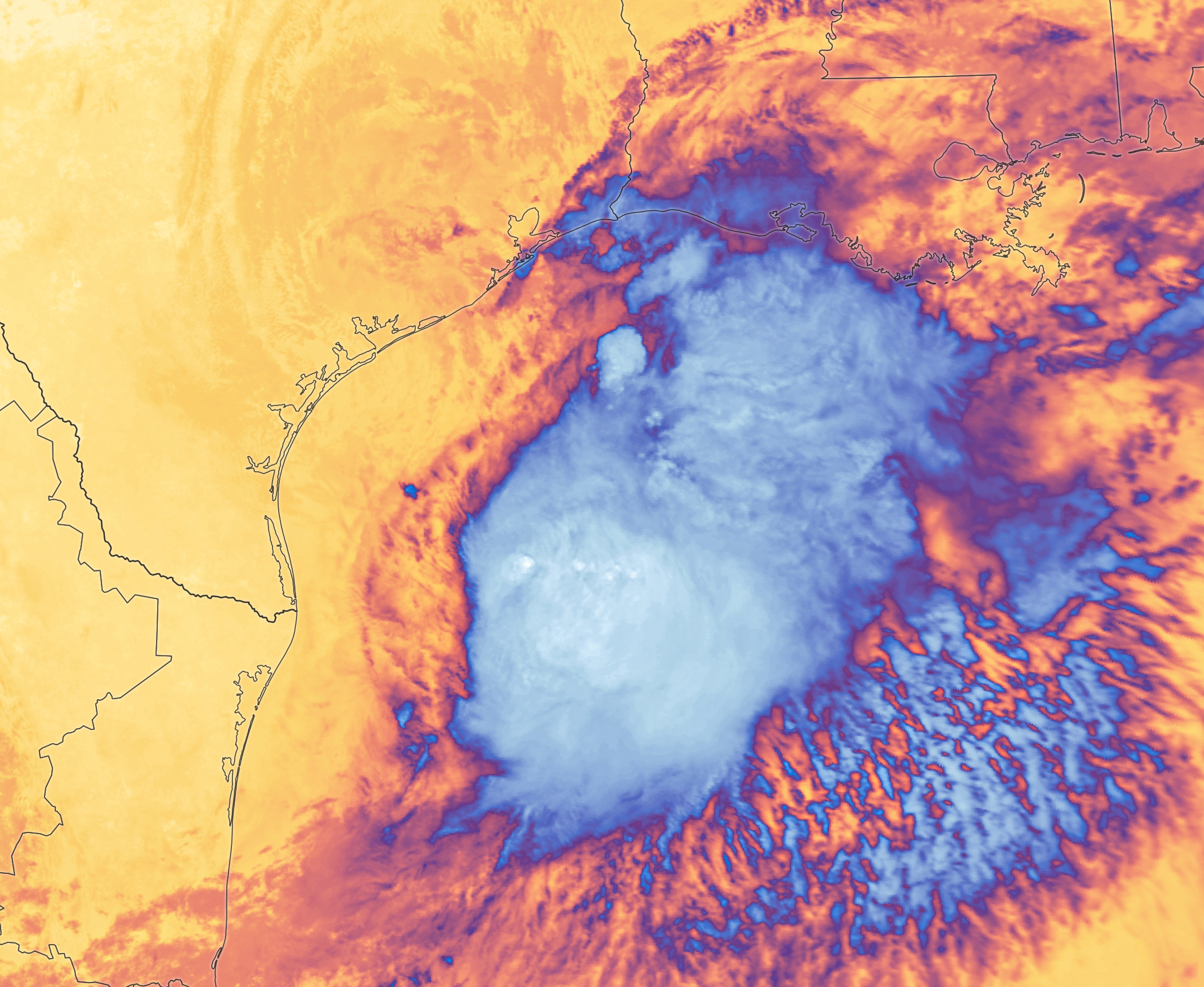
White and purple areas of cloud off the Gulf Coast indicate the cooler areas of cloud tops associated with Tropical Storm Arthur.
NASA Earth Observatory/Michala Garrison
Natural color
brightness temperature
Images from the MODIS (Moderate Resolution Imaging Spectroradiometer) on NASA’s Terra satellite show Tropical Storm Arthur on the morning of June 17, 2026. The left image is natural color; the right shows infrared signals known as brightness temperature. NASA Earth Observatory images by Michala Garrison.
Tropical Storm Arthur, the first named storm of the 2026 Atlantic hurricane season, brought high winds and heavy rain to the U.S. Gulf Coast in mid-June.
NASA’s Terra satellite captured this natural-color image (left) at 10:30 a.m. Central Time (15:30 Universal Time) on June 17. The second image (right) depicts infrared signals known as brightness temperature, which help distinguish cooler cloud tops (white and purple) from the warmer surface below (yellow and orange). Around the time these images were acquired, the system had just recently been designated a tropical storm, according to the National Hurricane Center (NHC).
Though Arthur stayed below hurricane strength, it still delivered strong winds to parts of the Gulf Coast as it tracked northeast. The storm had maximum sustained winds of 40 miles (65 kilometers) per hour around the time these images were captured. Tropical-storm-force winds extended 175 miles (280 kilometers) from the storm’s center, the NHC reported. Measurements at Galveston, Texas, for instance, showed a gust of 48 miles per hour.
The storm also produced heavy rainfall that the National Weather Service warned could lead to life-threatening flash flooding. Estimates from IMERG (the Integrated Multi-Satellite Retrievals for GPM), a product of the GPM (Global Precipitation Measurement) mission, showed high rainfall rates over Gulf waters and extending inland on June 17.
As Arthur weakened and became less organized, it continued to bring abundant moisture to central Gulf Coast states on June 18. The National Weather Service reported rainfall rates of 3 inches (7.6 centimeters) per hour in southeastern Louisiana. Forecasts indicated that storm-total rainfall amounts could exceed 12 inches (30 centimeters) in areas, with some locations seeing totals approaching 20 inches (51 centimeters).
NASA Earth Observatory images by Michala Garrison, using MODIS data from NASA EOSDIS LANCE and GIBS/Worldview. Story by Kathryn Hansen.
The company's latest recall of 3,871 vehicles follows incidents of its autonomous cars prioritizing other hazards or failing to recognize closed construction zones altogether.
En mars 2026, le cyclone Jolina ravageait l'Afrique du Nord. Quelques années plus tôt, la tempête Daniel tuait des milliers de personnes à Derna, en Libye. Ces catastrophes ont un nom peu connu du grand public : les médicanes. Le réchauffement climatique leur donne de l'ampleur.

 Login