❌

Normal view

Outdoor cats can be exposed to dangerous germs β€” here's how to protect you and your pets, according to more than 400 studies

20 June 2026 at 15:00

Pets form an important part of many people's lives, providing meaningful companionship. However, our pets can sometimes also be a source of unwelcome pathogens and diseases, particularly if they frequently roam outdoors.

We are ecologists and a veterinarian who study wildlife health and the movement of pathogens among wildlife, domestic animals and people. If you let your cat outdoors, or if outdoor cats visit your yard, our recent findings may be relevant.

Zoonotic pathogens are organisms that can infect both animals and humans. From a pathogen's perspective, humans are just another animal host. Wildlife is often emphasized as a source of emerging disease for humans because there are vastly more wild animal species than domestic animal species.

However, even if a pathogen is capable of infecting people, it needs a way to reach us. Humans share more zoonotic pathogens with domestic animals than with wildlife, because domestic animals live close to us. Pathogens benefit even further if they can infect a companion animal.

In our newly published research, we compiled data from more than 400 studies to investigate how a cat's lifestyle, whether they're mostly indoors, outdoor-roaming or feral, affects that cat's likelihood of carrying pathogens that can infect people.

Across this compilation, there were nearly 100 pathogens detected in cats that are considered zoonotic and capable of infecting humans. Familiar examples are rabies, Toxoplasma gondii, roundworms and Salmonella.

Our research

We found that outdoor-roaming pet cats had three to five times the odds of carrying a zoonotic pathogen compared with indoor-only cats. More surprisingly, cats allowed to roam outdoors had similar odds of carrying at least one zoonotic pathogen as feral cats. Outdoor-owned cats carried fewer types of pathogens than feral cats, but the same pathogens that infect feral cats can also infect owned cats.

These risks become a large-scale problem because pet cats that roam freely interact closely with people, wildlife and other domestic animals. Across the studies we reviewed, about 60 per cent of owned cats had unsupervised outdoor access; in some regions, that rate exceeded 90 per cent.

Roaming cats hunt, interact with wildlife or other domestic animals, and move through environments contaminated with pathogens and toxins. Research suggests that cat owners may underestimate hunting by around 80 per cent, meaning that many prey captures and animal contacts go unnoticed.

These interactions are not uncommon and not limited to so-called pest species. Single-country estimates of wildlife killed by cats run into the billions, with more than 2,000 wildlife species documented as prey for domestic cats.

A gray and black striped cat sits on some broken tree trunks and looks at the camera.

Cats hunt animals that can carry zoonotic pathogens, including rodents, birds and bats, many of which would otherwise have little direct contact with people. (Image credit: Anton Darius)

Cats hunt animals that can carry zoonotic pathogens, including rodents, birds and bats, many of which would otherwise have little direct contact with people. Owned cats might bring home rodents carrying viruses, and there are documented cases of cats bringing rabies-positive bats into homes. A cat returning home with prey can therefore create a pathway by which pathogens circulating in wildlife populations reach people.

In addition, it is not only owners who are at risk. Outdoor cats defecate in gardens, parks, playgrounds and other shared spaces, potentially leading to high contamination rates. One study estimated that outdoor cats deposited more than 60 tonnes [60 tons] of feces per 10,000 households each year.

Depending on the parasite, feces can contain hundreds to hundreds of thousands of parasite eggs that can persist in soil or water for months to years, which can infect people or other animals that come in contact with those eggs.

What cat owners can do

The most straightforward intervention is also the most economical and humane: prevent unsupervised roaming. That does not mean denying cats access to the outdoors. It can mean building "catios" or enclosures, leash walks, supervised time outside or other forms of contained outdoor access.

House cats, as well as cheetahs, cougars and lynxes, can purr but can't roar, while other cats, such as lions, tigers and jaguars, can roar but can't purr.

Using systems like "catios" or leash walks can help minimize pathogens for cats. (Image credit: Carlos G. Lopez)

Veterinary care still matters. Treating existing parasitic infections and vaccinating against diseases like rabies are essential precautions, even for indoor cats. Since neither vaccines nor anti-parasitic treatment cover the full spectrum of wildlife-associated pathogens, managing exposure remains the more comprehensive protective approach.

The free-roaming debate is often framed as a false choice: either cats roam freely, or they are deprived of a natural life. That framing is misleading and inconsistent with how we manage other companion animals.

We do not assume dogs need unrestricted access to roads, neighbors' yards or to hunt wildlife to have good welfare. Indoor cats and cats with supervised outdoor access can live healthy, enriched and longer lives.

Policies and strategies that address how and where owned cats roam outdoors can help safeguard biodiversity, feline and wildlife welfare and public health. That is the central insight of One Health, that the same choices that protect ecosystems can also protect the animals and people who share them.

This article was co-authored by David Lapen, who works for and receives research funding from Agriculture and Agri-Food Canada.

This edited article is republished from The Conversation under a Creative Commons license. Read the original article.

How much of a cat fan are you? Find out by taking our cat quiz!

Science news this week: Goblin shark filmed for first time, California close to a major quake, physicists split photon, and inside China's plans to 'tame nature'

This week's science news was filled with things missing and found, with the revelation of the first-ever deep-sea footage of the elusive goblin shark making waves in the press.

Goblin sharks (Mitsukurina owstoni) are mysterious, deepwater creatures that have not changed much since they first appeared on Earth 125 million years ago β€” making them "living fossils." But capturing a recording of the sharks in their deep habitats is exceptionally difficult, and they have previously been seen alive only after being hooked to the surface on fishing lines. Scientists recently filmed not one, but two goblin sharks: The first near Jarvis Island in the South Central Pacific, and the second 6,550 feet (1,997 meters) deep in the Tonga Trench.

If you like your elusive animals on the wilier (and certainly much cuter) side, we also reported on the first ever photographs of the dwarf fox, a species that was believed to be extinct but has been found near a highway in Cozumel, Mexico.

Elsewhere, archaeologists found a second cannonball from the 1836 Battle of the Alamo, meaning they now have one from each side of the conflict. And separate teams of archaeologists discovered the remains of a prehistoric man in Germany who may have been a human sacrifice and signs of a "prototype" Stonehenge close near the famous Stone Age monument.

If you got this far wondering if the "missing" news items were, well, missing, we also covered how a "cold blob" of absent heat in the Atlantic Ocean is shifting Indian summer monsoons, threatening over one billion people; the Texas-size chunk of ice missing from Antarctica; how an ancient chunk of the moon found in Africa hints at a calamitous lunar collision; and a bizarre viral infection that left a woman unable to recognize her own father.

California is scarily close to a major quake

'The system is critically stressed': San Andreas and San Jacinto faults scarily close to major earthquake, study finds

Aerial view of the San Andreas fault and map showing tectonic stress at the San Andreas fault in 2025.

The San Jacinto and southern San Andreas faults have reached their highest levels of tectonic stress in 1,000 years. (Image credit: Left: Cavan Images / Peter Essick / Getty Images; Right: Burkhard et al., 2026 (CC BY 4.0))

The next major Californian earthquake could be closer than we thought, according to an alarming new study.

The research, based on historical modeling of earthquake activity, found that Southern California's San Andreas and San Jacinto fault systems are at their highest levels of tectonic stress in more than 1,000 years; while also being connected by a "gate" system that could make them rupture together.

The exact odds of each event happening and the timing of a possible future rupture are unknown. But the scientists stress that understanding how much strain is building up inside the system could help to prepare for whatever comes next.

Life's Little Mysteries

Why does it take our eyes so long to adjust to the dark?

A close up of a person's brown eye behind the lens of the glasses.

Why does it always take up to an hour for our eyes to adjust to our surroundings if we're out in nature on a dark night? (Image credit: Jackal Pan via Getty Images)

Our eyes are remarkably adaptable, switching from navigating under bright lights to the near pitch-black of a moonless night. But anyone who's stubbed a toe during this acclimation window β€” and that definitely includes me β€” may have once or twice asked themselves why it takes our eyes so long to adjust to the dark. Live Science shed a bit of light on the question.

β€”If you enjoyed this, sign up for our Life's Little Mysteries newsletter

Physicists split a photon

'A mixture from zero to infinity': Physicists split apart a photon β€” and ended up with an improbable swarm of particles

A lightbulb is shattered with various colors coming out of it against a black background

Physicists are studying what would happen if a single particle of light was sliced apart β€” unleashing a swarm of unpredictable outcomes. (Image credit: tiero via Getty Images)

What do you get if you split a photon? Anywhere from zero to an infinite number of more photons, physicists say.

That's the finding made by a new experiment that simulated a photon being sliced by a shutter under various circumstances, revealing the result was anywhere from zero to one to upwards of an infinite swarm of the tiny light particles. The probability of each of these states corresponded to how quickly the shutter cut the photon.

And the unexpected behavior has some truly profound implications for how we view fundamental particles.

Discover more physics news

β€”The world's first nuclear clock just ticked on β€” and it could help detect a fifth fundamental force of physics

β€”NASA's experimental X-59 jet breaks sound barrier twice, reaching Mach 1.4 in step toward 'quiet supersonic' technology

β€”Earth-based telescope shares image of Artemis II capsule near the moon β€” one of the farthest photos of humans ever taken

Also in science news this week

β€”'A completely different story': 300 million-year-old fossils reveal the first vertebrate land dwellers weren't what we thought, researchers claim

β€”Oldest known plague victims found in a 5,500-year-old burial ground in Siberia β€” and many of them were children

β€”Indonesia's near-identical, 'Twin Peaks' volcanoes form striking mirror image β€” Earth from space

β€”Lavish Roman villa discovered outside Rome's walls may have been frequented by Hadrian and Marcus Aurelius

β€”Neuroscientists are searching for the 'cellular substrate of loneliness'

Science Spotlight

'River in the Sky': China's doomed plan to create a 'cloud seeding corridor' tells us how far the country will go to solve its climate crisis

A rocket blasts off from a launch page next to a fence and forested hill.

A cloud-seeding rocket is launched into the sky in Hebei Province in an attempt to generate precipitation. (Image credit: VCG via Getty Images)

China's response to the climate crisis continues to astonish. Over the past two decades, the world's industrial powerhouse has presided over the largest and fastest clean energy buildout in modern history, while also working to bring its carbon emissions to a peak before 2030.

But an underdiscussed aspect of China's climate plans are its bold attempts to geoengineer the environment to be more resilient and better suit human needs. That's why, in his three-part "Taming Nature" series, Live Science's production editor James Price investigated the country's efforts to create a permanent atmospheric river and build the world's biggest dam in earthquake-prone Tibet.

Something for the weekend

If you're looking for things to keep you busy over the weekend, here are some of the best news analyses, crosswords, interviews, opinion pieces and quizzes published this week.

β€”A secretive Chinese probe has just arrived at one of Earth's 'quasi-moons' and will soon attempt a first-of-its-kind landing [News analysis]

β€”Dangerously hot and humid: Rising temperatures in the US make outdoor exercise hazardous [News analysis]

β€”'Is having two legs useful' in space?: Astronaut John McFall explains what life in orbit might be like for the first physically disabled person in space [Interview]

β€”'They reliably chose the statistically more favorable option': A crow researcher explains how these winged geniuses process numbers, and what it could reveal about human math smarts [Interview]

β€”Bow-Wow, Ding-Dong, Pooh-Pooh: Expert explains early theories of how human language evolved β€” and their silly names [Opinion]

β€”Rainforest quiz: Can you sort Earth's largest rainforests from biggest to smallest? [Quiz]

β€”Live Science crossword puzzle #48: Largest fish on Earth β€” 6 across [Crossword]

Science video of the week

Watch bison herd defend a newborn calf from wolf attack in a primeval Polish forest

Wolves attacking a herd of European bison in a forest. In the background we see the wolves biting a newborn bison calf.

Wolves are growing in number across Poland and Belarus, spelling trouble for the region's bison. (Image credit: Wijnands & Borowik, 2026. Ecology and Evolution (CC BY 4.0))

European bison (Bison bonasus) are typically considered to be a non-prey species β€” only being hunted by humans.

But rare and unexpected camera trap footage from Poland's Bialowieza Primeval Forest (the oldest and best-preserved temperate lowland forest in Europe) has called that into question.

In the video, a herd of bison is recorded rallying around a newborn calf to fend off an attack from five wolves (Canis lupus), successfully driving the predators away. It's a nerve wracking watch, and one that could become more common as wolf packs grow in size thanks to a late 1980s hunting ban across the region.

Follow Live Science on social media

Want more science news? Follow our Live Science WhatsApp Channel for the latest discoveries as they happen. It's the best way to get our expert reporting on the go, but if you don't use WhatsApp we're also on Facebook, X (formerly Twitter), Flipboard, Instagram, TikTok, Bluesky and LinkedIn.

Author Correction: Neutron Irradiation Impacts Ni-Alloys Differently

20 June 2026 at 09:36

In the realm of advanced manufacturing and materials science, nickel-based alloys have long stood as a cornerstone for various high-performance applications, especially within nuclear reactors where exposure to neutron irradiation is inevitable. A recently corrected study by Roy, Mondal, Clement, and colleagues published in npj Advanced Manufacturing delves deep into how these materials respond to such extreme conditions. This comparative analysis between powder metallurgy-hot isostatic pressing (PM-HIP) and forging manufacturing methods unravels critical insights that could revolutionize the future selection and engineering of nuclear materials.

Neutron irradiation, a primary stressor in nuclear environments, can dramatically change the microstructural and mechanical properties of alloys. The study foregrounds two predominant fabrication techniques for Ni-based superalloysβ€”PM-HIP and forgingβ€”and investigates how each method governs the alloys’ resilience against such irradiation. Given that any degradation in these materials could undermine reactor safety and efficiency, understanding these effects is paramount.

The PM-HIP process, an innovatively additive approach, involves pressing powdered alloy under high temperature and pressure to densify the structure. This technique inherently produces fine-grained microstructures with minimal defects. Conversely, forging, a traditional approach, shape-controls metals through plastic deformation at elevated temperatures, often yielding distinct grain structures and phase distributions. Each method imparts unique starting conditions affecting how the materials evolve under neutron bombardment.

Roy and team meticulously subjected both PM-HIP and forged Ni-based alloys to neutron irradiation, closely mimicking operational reactor environments. Through advanced characterization methodsβ€”such as transmission electron microscopy (TEM), atom probe tomography (APT), and nanoindentationβ€”they captured the nuanced transformations occurring within the alloys on an atomic scale. These analyses provided a granular view of irradiation-induced embrittlement, swelling, and phase stability.

One striking revelation from their findings was how PM-HIP produced alloys exhibited superior radiation tolerance compared to their forged counterparts. The uniform and refined microstructure generated by PM-HIP appeared to restrict defect cluster growth, subsequently limiting radiation-induced hardening and swelling. This effect can be attributed to a higher density of grain boundaries acting as defect sinksβ€”a critical factor in mitigating radiation damage.

In contrast, forged alloys manifested more pronounced irradiation-induced phase segregation and precipitate coarsening. The larger grain sizes and residual stresses inherent to forging seemingly amplified defect accumulation. This phenomenon has deleterious effects on mechanical performance, increasing susceptibility to crack initiation and propagation under operational stressors.

Another fascinating aspect explored was the comparative evolution of the gamma-prime (γ’) phase, a key strengthening phase in Ni-based superalloys. The study detailed how PM-HIP processing results in a more homogenous γ’ distribution, facilitating a stable microstructure even as irradiation introduces energetic defects. The forged alloys, however, showed more significant γ’ coarsening and dissolution, jeopardizing their long-term strength.

The authors pointed out the role of irradiation temperature in modulating damage severity. While neutron flux intensity was kept consistent, variations in testing temperatures revealed differing diffusion kinetics in the alloys. At elevated temperatures, PM-HIP samples maintained microstructural integrity longer, hinting at a critical thermal activation component in defect annealing processes.

In terms of mechanical properties, nanoindentation experiments post-irradiation revealed that PM-HIP alloys retained a higher fraction of their original hardness and modulus values. The forging counterparts suffered more drastic declines, underscoring the enhanced radiation resilience provided by processing route optimization. This directly correlates to potential improvements in structural components exposed to neutron-rich environments.

Perhaps one of the most compelling implications of this research is its potential impact on reactor lifespan and maintenance costs. Using PM-HIP fabricated Ni-based alloys could meaningfully delay the onset of irradiation-induced failure mechanisms. This, in turn, translates into longer service intervals, reducing downtime and enhancing overall operational safety margins.

Furthermore, the study highlights the versatility of PM-HIP in producing complex geometries while retaining superior radiation resistance. This opens avenues not just for power generation but also for aerospace and defense sectors where neutron exposure is a concern. The ability to tailor microstructures and properties via powder metallurgy could redefine the boundaries of material engineering.

Roy and colleagues also addressed the necessity for future investigations into the synergistic effects of thermal aging and irradiation, as well as the influence of alloying elements on radiation tolerance. Their research sets a benchmark, encouraging interdisciplinary efforts to merge computational modeling with empirical work for predictive material design.

The meticulous correction appended to the original publication underscores the authors’ commitment to scientific rigor and transparency, reinforcing the reliability of these groundbreaking insights. The study’s implications resonate beyond academic circles, paving the way for industrial adaptations in manufacturing irradiated-resistant components.

In conclusion, this comparative study underscores how manufacturing choices at the microstructural level profoundly sway the performance of Ni-based alloys under neutron irradiation. The findings advocate for a preferential adoption of PM-HIP techniques to bolster material longevity and safety in the nuclear sector, marking a pivotal advance in materials science.

As the energy landscape evolves, and the demand for robust, radiation-resistant materials escalates, such research not only provides a technical beacon but also paves the pathway towards safer, more efficient nuclear technology. The intersection of advanced manufacturing and irradiation science, as exemplified by this study, embodies the future of resilient engineering materials.


Subject of Research: Effects of neutron irradiation on Ni-based alloys fabricated by powder metallurgy-hot isostatic pressing (PM-HIP) and forging manufacturing methods.

Article Title: Author Correction: Effects of neutron irradiation on Ni-based alloys: a comparative study between PM-HIP and forging.

Article References:
Roy, R., Mondal, S., Clement, C.D. et al. Author Correction: Effects of neutron irradiation on Ni-based alloys: a comparative study between PM-HIP and forging. npj Adv. Manuf. 3, 25 (2026). https://doi.org/10.1038/s44334-026-00096-7

Image Credits: AI Generated

Shared Auditory Maps Predict Human and Mouse Decisions

20 June 2026 at 05:47

In a groundbreaking study poised to redefine our understanding of auditory perception across species, researchers have unveiled strikingly similar auditory perceptual maps in both humans and mice. This discovery not only bridges a crucial gap between animal models and human sensory processing but also offers predictive insight into how perceptual decisions are formed during auditory discrimination learning. The implications ripple across neuroscience, psychology, and artificial intelligence, promising new avenues for studying sensory perception and developing advanced hearing-related technologies.

Auditory perceptionβ€”the way organisms interpret and make sense of sound stimuliβ€”is a complex process that involves integrating multifaceted sound attributes such as frequency, intensity, and temporal patterns. While mouse models have long been foundational in auditory research due to their genetic malleability and experimental accessibility, skepticism has persisted about the extent to which their perceptual frameworks parallel those of humans. This novel research offers compelling evidence that these frameworks are not only comparable but also exhibit shared underlying structures.

The study employed a sophisticated experimental design in which both human participants and mice were exposed to a wide array of tonal stimuli varying systematically across multiple auditory dimensions. Using advanced computational modeling and neural decoding techniques, the researchers were able to construct perceptual mapsβ€”conceptual frameworks representing how different sounds are internally organized within the brain’s auditory space. These maps enabled a quantifiable comparison of perceptual similarity and distance between sounds for both species, revealing a remarkable congruence in their auditory representations.

What makes these findings particularly compelling is the demonstration that these perceptual maps are predictive of behavioral outcomes during discrimination tasks. In other words, the way an individual’s brain groups different sounds predicts how well that individual can distinguish between them in learning scenarios. This link between neural representation and perceptual decision-making underlines a fundamental cognitive mechanism shared across mammalian species, offering crucial insights into the principles guiding sensory learning processes.

Beyond the fundamental science, the implications for translational research are profound. Understanding shared auditory perceptual structures facilitates the development of more accurate animal models for studying hearing impairments and neurological disorders affecting auditory processing. It also guides the design of auditory prosthetics, such as cochlear implants, by informing the algorithms that mimic natural sound perception. By aligning animal and human perceptual frameworks, therapies can be tailored with greater precision and efficacy.

A key technical achievement of the study was the use of multidimensional scaling techniques combined with machine learning algorithms to decode auditory neural responses with unprecedented granularity. The researchers collected high-resolution neural data using electrophysiological recordings in mice and non-invasive neuroimaging in humans. This dual approach allowed cross-species alignment of perceptual space, overcoming previous methodological challenges that hindered direct comparisons between human and rodent sensory processing.

Moreover, the study explored dynamic aspects of perceptual learning by measuring how auditory maps evolve through repeated training sessions. The maps exhibited plasticity reflective of learning-induced changes, emphasizing the adaptive nature of auditory perception. This plasticity was mirrored across both species, suggesting an evolutionarily conserved mechanism for tuning sensory systems based on environmental demands and experience.

One of the study’s most innovative aspects lies in its predictive modeling of discrimination performance. By mapping perceptual distances within the auditory space, the researchers could forecast individual differences in learning speed and accuracy, an advancement that holds enormous promise for personalized auditory training protocols. Such protocols could optimize rehabilitation strategies for individuals with auditory processing deficits by targeting specific perceptual aspects most relevant to their unique neural patterns.

The shared structure of auditory perceptual maps also raises intriguing questions about the evolutionary trajectory of sensory systems. The findings suggest that despite divergent evolutionary paths, fundamental auditory processing architectures remain conserved, supporting efficient sound discrimination necessary for survival and communication. This conservation across species underpins the generalizability of animal research findings to human sensory neuroscience.

Furthermore, these insights pave the way for advancing artificial sensory systems, especially in the realm of auditory artificial intelligence. By modeling computational auditory perception after natural neural maps, engineers can design more sophisticated speech recognition systems and assistive devices that better emulate human-like sound processing. The study’s integrative framework thus acts as a blueprint for creating tonal perceptual algorithms with enhanced contextual understanding.

This research also contributes importantly to theoretical debates surrounding sensory representation. By empirically demonstrating a shared, structured perceptual space, the study challenges views that sensory maps are strictly idiosyncratic or species-specific. Instead, it supports a paradigm that sensory systems leverage common organizational principles, rooted perhaps in fundamental neural coding constraints and environmental pressures shaping auditory perception.

The study’s methodology and results were meticulously detailed in a recent publication, where the authors delineated the computational techniques, behavioral paradigms, and statistical analyses that underscored their conclusions. This transparency fosters reproducibility and invites further interdisciplinary collaboration between computational neuroscientists, experimentalists, and cognitive psychologists aiming to unravel the complexities of sensory perception.

Importantly, these findings hold societal relevance beyond academic circles. Hearing loss and auditory processing disorders affect millions worldwide, often hindering communication and quality of life. Technologies and therapies inspired by a unified perceptual mapping approach could revolutionize auditory rehabilitation, offering hope for more effective interventions grounded in a thorough understanding of perceptual neuroscience.

In conclusion, this pioneering work illuminates the common auditory perceptual code shared by humans and mice, demonstrating that the brain’s representation of sound is not merely a byproduct of species-specific adaptations but a fundamental, conserved neural language. This discovery not only furthers scientific knowledge but also catalyzes innovation in medicine and technology, underscoring the power of cross-species research in unraveling the mysteries of the sensory brain.

As this field develops, future investigations are likely to explore how these perceptual maps interact with other cognitive systems such as memory and attention, and how factors such as age, experience, and pathology modulate the structure and function of auditory perception. With burgeoning advances in neurotechnologies and computational methods, the confluence of cross-species neuroscience and perceptual science promises to unlock new dimensions of understanding sensory experience.

Ultimately, the revelation that humans and mice share auditory perceptual maps that predict learning efficacies serves as a testament to nature’s optimization strategies, propelling a unified framework for deciphering sensory perception. This convergence of biology, computation, and psychology heralds a new chapter in auditory neuroscience with far-reaching implications for science and society alike.


Subject of Research: Auditory perceptual maps and discrimination learning in humans and mice

Article Title: Auditory perceptual maps in humans and mice share common structures and predict perceptual decisions in discrimination learning

Article References:
Seiler, J.PH., Cazzetta, G., Ghobadi, A. et al. Auditory perceptual maps in humans and mice share common structures and predict perceptual decisions in discrimination learning. Commun Psychol 4, 98 (2026). https://doi.org/10.1038/s44271-026-00485-w

Image Credits: AI Generated

DOI: https://doi.org/10.1038/s44271-026-00485-w

Rethinking EEG Biomarkers: A Dimensional Brain Disorders View

20 June 2026 at 05:28

In a groundbreaking departure from traditional approaches, researchers have unveiled a transformative perspective on EEG biomarkers for brain disorders, emphasizing a transdiagnostic dimensional framework that promises to revolutionize neuropsychiatric diagnostics and treatment. This pioneering study, conducted by Zebhauser, Heitmann, Henningsen, and colleagues, challenges decades-old conventions that pigeonhole brain disorders strictly according to categorical diagnostic criteria. Instead, it advocates for a more nuanced, continuum-based understanding of brain dysfunctions as reflected in electroencephalographic signals.

The conventional paradigm in neuropsychiatry has long relied upon discrete diagnostic labelsβ€”labels which often fall short in capturing the complex, overlapping symptomology exhibited across disorders such as schizophrenia, bipolar disorder, major depressive disorder, and anxiety disorders. Traditional EEG analyses have sought biomarkers confined within these diagnostic categories, leading to inconsistent results and limited clinical utility. The new study confronts these limitations by proposing that EEG biomarkers be analyzed through a dimensional lens that transcends categorical boundaries, enabling detection of underlying neural dysfunctions that span multiple disorders.

Central to this conceptual shift is the transdiagnostic approach, which posits that neurobiological aberrations are shared across different psychiatric conditions and manifest along spectrums of symptom severity and cognitive impairment. Through rigorous computational modeling and advanced signal processing applied to large EEG datasets, the research team delineated patterns of neural oscillatory activity and connectivity that correlate with continuous measures of cognitive and affective dysfunctions, irrespective of diagnostic categories. This approach underscores the shared neurophysiological substrates that traditional categorical classifications often obscure.

Methodologically, the study harnessed sophisticated machine learning algorithms to parse high-dimensional EEG data and extract signal features indicative of brain circuit dysregulation. By focusing on spectral power variations across frequency bandsβ€”delta, theta, alpha, beta, and gammaβ€”as well as functional connectivity metrics between cortical networks, the researchers succeeded in identifying biomarkers reflective of symptom dimensions such as cognitive control deficits, emotional dysregulation, and sensory processing anomalies. These dimensions overlap across disorders, suggesting a common pathophysiological mechanism modulated along a continuum.

Importantly, the transdiagnostic dimensional framework enables more personalized and precise characterization of patients’ neural profiles. Instead of forcing diagnoses into rigid boxes, clinicians can now utilize EEG biomarkers to quantify an individual’s specific symptom constellation and severity in real-time. This precision facilitates tailored interventions that target dysfunctional brain networks directly, potentially enhancing treatment efficacy and reducing trial-and-error prescribing that often plagues psychiatric care.

The implications extend beyond diagnosis and treatment optimization. This novel EEG biomarker approach offers a powerful tool for preventative psychiatry by identifying at-risk individuals who may not yet meet full diagnostic criteria but exhibit measurable neural dysfunctions indicative of emerging disorders. By mapping these dimensional brain signatures early, clinicians can intervene preemptively, possibly altering disease trajectories before chronicity sets in.

Moreover, this paradigm fosters an integrative understanding of brain disorders as dynamic states rather than static labels. The EEG biomarkers track fluctuation in cognitive and affective states, capturing the temporal evolution of illness and response to therapy. Such temporally sensitive biomarkers pave the way for real-time monitoring of treatment response and disease progression via non-invasive methods, enhancing clinical decision-making and patient outcomes.

The study also confronts several technical challenges historically hindering EEG’s clinical translation. By developing robust preprocessing pipelines that mitigate artifacts and employing cross-validation techniques to ensure replicability of findings across diverse cohorts, the researchers set new standards for EEG research rigor. Their comprehensive methodology serves as a blueprint for future investigations aiming to unify neurophysiological data with psychiatric phenotypes in a clinically meaningful manner.

Furthermore, by adopting a transdiagnostic dimensional view, the research opens novel avenues for drug development. Pharmaceutical interventions can be engineered to target neural circuits and pathways implicated across multiple disorders, possibly leading to broader spectrum therapeutics with enhanced efficacy. This contrasts with the current trend of developing highly disorder-specific drugs, which may only benefit a subset of patients.

Underpinning this research is the recognition that brain disorders are multifactorial and multifaceted, involving intricate interactions between genetics, environment, and neural circuitry. The EEG biomarkers illuminated by this study reflect emergent properties of large-scale brain networks whose dysfunction cuts across traditional diagnostic divides. This holistic lens aligns with contemporary theories of brain function as distributed and dynamic, rather than localized and static.

Clinically, the transdiagnostic dimensional EEG biomarkers facilitate identification of subtypes within disorders, based on distinct neurophysiological profiles. Such stratification could improve prognostic accuracy and enable stratified clinical trials, ultimately accelerating discovery and application of targeted therapies. This personalized medicine approach marks a considerable leap in the field of psychiatry.

The study’s findings also resonate deeply with the Research Domain Criteria (RDoC) initiative advocated by the National Institute of Mental Health, which promotes research centered on fundamental dimensions of functioning rather than syndromic categories. The demonstrated EEG biomarkers provide tangible neurobiological correlates for RDoC constructs such as cognitive systems and arousal/regulatory systems, making a compelling case for their adoption in clinical and research frameworks.

Ethical and practical considerations emerge as these new EEG biomarkers are integrated into clinical practice. Ensuring equitable access to advanced neurodiagnostic technologies and protecting patient privacy with respect to neural data will be paramount. The authors acknowledge these issues and call for development of guidelines and safeguards alongside technological progress to maximize benefit and minimize harm.

This research heralds a new era in neuropsychiatry, where neural biomarkers derived from accessible EEG recordings become central to understanding, diagnosing, and treating brain disorders as dimensional phenomena. By transcending rigid diagnostic boundaries, this approach reflects the complex reality of brain function and dysfunction, offering hope for more effective, individualized care for millions worldwide impacted by mental illness.

In conclusion, the visionary framework proposed by Zebhauser and colleagues challenges entrenched conventions and illuminates a path forward marked by dimensional precision, cross-disorder integration, and clinically actionable EEG biomarkers. This work stands to reshape the landscape of psychiatric neuroscience and catalyze a shift toward truly personalized mental health care.


Subject of Research: EEG biomarkers and their application in a transdiagnostic dimensional framework for brain disorders

Article Title: Rethinking EEG biomarkers of brain disorders: a transdiagnostic dimensional view

Article References: Zebhauser, P.T., Heitmann, H., Henningsen, P. et al. Rethinking EEG biomarkers of brain disorders: a transdiagnostic dimensional view. Transl Psychiatry 16, 316 (2026). https://doi.org/10.1038/s41398-026-04187-z

Image Credits: AI Generated

DOI: 10 June 2026

Turning Quantum Potential into Reality

19 June 2026 at 20:44

In a groundbreaking stride toward the future of quantum technology, researchers have unlocked a new mechanism to control quantum emitters embedded in hexagonal boron nitride (hBN), a layered two-dimensional material. This breakthrough could serve as a critical leap forward in integrating quantum emitters into practical devices, bringing quantum computing, secure quantum communications, and ultra-sensitive quantum sensors closer to reality. This promising development emerged from meticulous experimental studies demonstrating the ability to reversibly tune the color and wavelength of light emitted by quantum defects in hBN simply by twisting its atomic layers.

Quantum emitters are nanoscopic sources of light that emit photons with quantum characteristics, pivotal for next-generation technologies reliant on quantum information processing. However, a formidable challenge in utilizing these emitters has been the difficulty in precisely controlling their optical properties post-fabrication. Dr. Angus Gale, the lead scientist behind this research, elucidated how their work provides an innovative β€œlever” by exploiting the intrinsic layered nature of hBN to adjust the quantum emission properties dynamically. Unlike traditional solid-state hosts such as diamond or silicon carbide, whose structures are rigid and three-dimensional, hBN’s atomically thin layers can be mechanically manipulated, lending itself to an unprecedented degree of tunability.

The team’s experiments demonstrated that by picking up, stacking, twisting, and restacking these ultra-thin hBN slices at varied angles, they could modulate the quantum emitters’ light emission dramatically. These shifts in wavelength were not minor perturbations but substantial changes far exceeding what has been typically achievable in similar solid-state quantum systems. This finding challenges the traditional paradigm which often seeks to stabilize quantum defect behavior within rigid host materials. Instead, the researchers embraced the inherent flexibility and twistability of hBN to realize a new class of quantum control.

Professor Igor Aharonovich, the supervising author, emphasized the broader implications of this twist-controlled modulation approach. He noted that coupling two-dimensional materials at specific twist angles opens up an entirely fresh set of physical phenomena that were previously inaccessible. By assembling layers with precision angular misalignment, new quantum states can emerge, potentially transforming the landscape of material engineering for quantum applications. This strategic layering and twisting, known as β€œtwistronics,” has already inspired revolutionary advances in graphene-based systems, yet this study extends the concept into the realm of quantum emitters embedded in hBN.

One key advantage of using hBN is that its layered crystal structure allows researchers to systematically alter the interaction between layers, effectively tuning the electronic environment surrounding the defects responsible for quantum light emission. As Dr. Gale metaphorically illustrated, far from being a solid block, hBN behaves more like a stack of cheese slices. Just as peeling and recombining slices of cheese can change how flavors intermingle, twisting hBN slices changes the interaction between atomic planes, which in turn alters quantum emitter characteristics. This mechanical engineering at the nanoscale provides a versatile platform for on-demand tuning of quantum light sources.

This technology breakthrough is fundamentally experimental but holds widespread implications. Adjustable quantum emitters could accelerate the development of quantum computing hardware, where precise photon control is essential for encoding and manipulating qubits. Similarly, secure quantum communication protocols rely on tailored quantum light sources to guarantee the generation and distribution of entangled photons immune to interception. Moreover, quantum sensing that exploits the extreme sensitivity of quantum states to environmental changes stands to benefit significantly from tunable quantum emitters, pushing the boundaries of detection limits in fields ranging from medicine to navigation.

Another remarkable facet of the research is the ability to repeatedly pick up, twist, and restack hBN layers without degrading the quantum emitter properties. This reversibility enables iterative fine-tuning of device characteristics and might yield adaptable quantum systems reconfigurable post-production, a feature highly desirable from a technological deployment perspective. This contrasts sharply with permanent structural modifications used in conventional quantum emitter fabrication, which restrict adjustable control and device flexibility.

The team’s methodology involved sophisticated nanofabrication techniques and high-resolution optical spectroscopy to probe the quantum emitters’ response to twist-induced modifications. By correlating the angular misalignment with spectral shifts in emitted light, they constructed a detailed understanding of the underlying physics governing emission control. These insights provide a blueprint for engineering tailored quantum emitters with bespoke characteristics suitable for specific applications.

The research findings have been detailed in a paper published in the eminent journal Science Advances, signaling the scientific community’s enthusiasm for the potential unlocked by twistable quantum systems. Importantly, the authors have declared no competing interests, affirming the independent and foundational nature of this inquiry. Funded by the Australian Research Council and the Air Force Office of Scientific Research, the work highlights the vibrant collaboration between academic institutions and funding bodies committed to propelling quantum technologies.

This discovery heralds a new era in quantum material science, where layered two-dimensional crystals are no longer passive hosts but active tunable platforms. By harnessing the mechanical and electronic versatility of materials like hBN, researchers are gradually unlocking complex quantum phenomena with precision control previously deemed unachievable. The implications extend well beyond fundamental research, marking exciting progress toward quantum devices that could redefine computational power, information security, and sensory precision globally.

In summary, the twist-controlled modulation of quantum emitters in hexagonal boron nitride exemplifies the convergence of cutting-edge experimental physics and materials science innovation. By capitalizing on the unique layered architecture of hBN and the emerging discipline of twistronics, this research pioneers functional tunability in quantum light sources. As the scientific community continues to develop and refine these approaches, we edge closer to the practical implementation of quantum technologies that promise profound societal and technological transformation.


Subject of Research: Not applicable

Article Title: Twist-controlled modulation of quantum emitters in hexagonal boron nitride

News Publication Date: 19-Jun-2026

Web References: 10.1126/sciadv.aec0101

References:

  • Gale, A., Aharonovich, I., et al. Twist-controlled modulation of quantum emitters in hexagonal boron nitride. Science Advances. 19 June 2026.

Keywords:
Quantum mechanics, Hexagonal boron nitride, Two-dimensional materials, Quantum emitters, Twistronics, Quantum light sources, Quantum computing, Quantum communication, Quantum sensing, Layered materials, Nanofabrication, Photonic modulation

Advancing Metal Alloy Behavior Modeling for Enhanced Accuracy

19 June 2026 at 20:41

At the cutting edge of aerospace, energy, and computing, material innovation stands as a critical frontier. Traditionally, companies seeking to enhance the performance and resilience of metals encounter formidable challenges: understanding the intricate behavior of novel materials under real-world conditions often necessitates actual physical synthesis and testing. This step has remained indispensable because even the most sophisticated computational simulations struggle to capture the full complexity of atomic arrangements inherent in many solid materials, particularly metallic alloys. The result is a costly and time-consuming cycle that slows progress in material science and engineering.

A breakthrough has now emerged from a team of researchers at the Massachusetts Institute of Technology (MIT), who have devised a computational framework that promises to transform the way metals are modeled across diverse compositions. Central to this innovation are advanced machine-learning algorithms designed to predict the properties of chemically complex metal alloys with unprecedented accuracy and efficiency. By refining the training datasets used to develop these models, the team has succeeded in encapsulating the vast heterogeneity of atomic environments that characterize disordered metallic materials, thereby enhancing predictive precision.

The research, detailed in a recent publication in the journal Science Advances, offers compelling evidence that machine-learning potentials, when constructed with carefully curated training data, can reliably simulate material properties spanning a broad spectrum of metal alloys and operational conditions. This methodological advancement stands to significantly reduce reliance on expensive experimental validation, enabling faster development cycles and more cost-effective exploration of alloy design spaces.

Rodrigo Freitas, MIT’s TDK Career Development Professor of Materials Science and Engineering and senior author on the paper, emphasizes the versatility of this approach. While the study focuses primarily on metallic alloysβ€”a domain fraught with chemical disorderβ€”the underlying principles and techniques have the potential to be adapted for other classes of materials, including semiconductors and sustainable steels. Freitas envisions wide-ranging applications, from aerospace materials engineered for extreme environments to novel components in energy systems and beyond.

The crux of the challenge in modeling metals lies in capturing the influence of intrinsic chemical disorder on material properties. Two alloys with identical elemental compositions can exhibit starkly different mechanical behaviors depending on their atomic-scale structure; one might be brittle, while another offers impressive ductility. Computational models must therefore operate at the atomic level, simulating interactions between individual atoms to predict macroscopic properties. Over the past twenty years, machine learning has emerged as an indispensable tool for constructing these atomic interaction potentials. However, existing models conventionally assume ordered or near-ordered atomic arrangements, limiting their efficacy when faced with the irregular, heterogeneous atomic environments typical of real-world alloys.

Chemical disorder implies a staggering diversity of local atomic neighborhoods, each subtly unique in terms of bonding patterns and energetic stability. This diversity poses a formidable obstacle for machine learning, which relies heavily on representative training data to generalize effectively. Conventional data-generation approaches involve brute-force sampling, which is computationally prohibitiveβ€”often demanding upwards of 100,000 hours of supercomputer time for a single alloyβ€”and lacking in adaptability when alloy compositions shift. Thus, the crux of the innovation lies in constructing training datasets that capture the widest possible range of relevant atomic configurations without redundancy.

Building on prior work where they quantified chemical complexity by analyzing the frequency and distribution of small atomic clusters, Freitas’ group has now developed an information-theoretic approach to optimize training data generation. Through a process of atomic substitutions and iterative refinements, they curate datasets that maximize the diversity of local chemical environments presented to the machine-learning models. This ensures that each training example uniquely contributes to the model’s learning, avoiding the pitfalls of repetitive and uninformative data.

Implemented in this way, the newly trained potentials exhibit marked improvements in predicting metallurgical properties compared to models trained on randomly sampled data or even other sophisticated sampling strategies. The fidelity of these simulations to true chemical bonding dynamics is critical; without it, models risk providing generic insights into material behavior rather than precise predictions applicable to specific alloys and practical conditions. This heightened level of chemical realism opens the door to highly reliable simulations that can stand in place of expensive, time-consuming lab tests.

The team put their methodology through rigorous validation against a variety of metal alloys, assessing the performance of their machine-learning models against industry-standard counterparts developed by tech giants like Google and Microsoft. Remarkably, the MIT-trained models consistently outperformed these much larger, computationally intensive models, demonstrating that thoughtful data curation can eclipse brute-force data volume in enhancing machine learning potentials.

Killian Sheriff, a lead author of the paper and a PhD candidate at MIT, spearheaded extensive testing across alloy systems and a wide array of material properties, supported by complementary efforts from colleagues Daniel Xiao, Yifan Cao, and University of Sheffield’s Lewis R. Owen, who contributed experimental data for benchmarking. This collaborative effort provided comprehensive evidence that the models could predict phase diagramsβ€”a cornerstone of materials science that chart alloy phase stability across temperatures and compositionsβ€”with accuracy rivaling direct experimental observations.

Phase diagrams are particularly important because they inform practical metallurgical processes like welding, casting, and heat treatment. Accurately capturing the subtle energetic preferences for different atomic arrangements within alloys is essential to forecasting phase transformations and resultant material properties under various conditions. The models’ ability to reveal these β€œsubtle energetic biases” is a testament to the deep chemical insight that machine-learning potentials can now attain.

Beyond phase stability, the researchers are actively deploying their technique to predict mechanical resilience and radiation damage tolerance in alloysβ€”a critical consideration for materials operating in extreme environments such as nuclear reactors and aerospace applications. Their goal is to design alloys that maintain strength and resist degradation under stressors that include high temperatures, intense radiation, and mechanical loads.

A key element of this initiative is harmonizing these advanced computational tools with existing industrial workflows and engineering software. Freitas underscores the necessity of integrating these innovations seamlessly into current decision-making frameworks if they are to foster widespread adoption in materials development pipelines. This pragmatic orientation aims to ensure that the profound scientific advances translate swiftly and effectively into tangible industrial benefits.

The work has garnered support from the U.S. Air Force Office of Scientific Research, reflecting its strategic significance for advanced materials in defense and aerospace contexts where performance margins are tight and failure costs are high. As industries seek materials that combine unmatched performance, sustainability, and economic viability, the MIT team’s contribution could represent a paradigm shiftβ€”linking detailed atomic-level understanding with scalable, robust material design accelerated by intelligent data-driven simulations.

By dismantling the bottleneck of excessive computational costs and enabling high-fidelity modeling of chemically complex alloys, this research charts a path toward rapid, informed innovation in materials science. With this toolkit in hand, scientists and engineers can explore uncharted compositional spaces more confidently, accelerating progress toward next-generation metals engineered for the demands of the future.


Subject of Research: Machine-learning models for atomic-level simulations of chemically disordered metal alloys

Article Title: Machine learning potentials for modeling alloys across compositions

News Publication Date: 19-Jun-2026

Web References: DOI: 10.1126/sciadv.aea9951

References: Science Advances, 2026

Image Credits: Not provided

Keywords

Materials science, Material properties, Metals, Alloys, Chemical disorder, Machine learning, Atomic simulations, Phase diagrams, Materials engineering, Computational materials science, Artificial intelligence, Chemistry

Watch bison herd defend a newborn calf from wolf attack in a primeval Polish forest

A camera trap in an ancient Polish forest has captured extremely rare and unexpected footage of wolves attacking a bison herd made up of adults, youngsters and a newborn calf, a new study shows.

The event took place on Sept. 15, 2025. Five wolves (Canis lupus) enter the camera frame, closely followed by three bison cows and the newborn calf. In the footage, the cows chase after the wolves, leaving the calf alone and exposed. The wolves then surround the calf, bite its neck and try to drag it away, but two cows come to its rescue. The wolves return and seize the calf a second time in the background of the video β€” however, this time the entire bison herd comes to its defense to end the attack.

The clip is from the Bialowieza Primeval Forest, the oldest and best-preserved temperate lowland forest in Europe, which hosts the world's biggest population of European bison (Bison bonasus). The forest covers 350,600 acres (141,900 hectares) on the border between Poland and Belarus. There are more than 870 bison on the Polish side, according to the new study, while the Belarussian side has roughly 730 bison.

Also known as "the king of the forest," the European bison is typically considered a non-prey species, meaning it has no predators except humans. But the footage calls this into question.

Still images from a video of wolves attacking a bison herd in Poland.

These still images from the video show (a) the wolves grabbing the newborn calf for the first time; (b) the wolves seizing the newborn calf for the second time; and (c) the bison herd forming a protective circle around the newborn calf after both attacks. (Image credit: Wijnands & Borowik, 2026. (CC BY 4.0). Mammal Research Institute, Polish Academy of Sciences.)

"To our knowledge, we present the first video-recorded evidence of wolves attacking a European bison herd in the BiaΕ‚owieΕΌa Primaeval Forest," researchers wrote in the study, published May 29 in the journal Ecology and Evolution. "Although the video did not capture a direct kill, it suggests that other attacks on European bison could potentially be successful."

Historical documents show that wolf attacks on European bison used to be more common, with about 8 kills recorded annually in the Bialowieza Primeval Forest between 1840 and 1849. The forest was a popular hunting ground for monarchs from the 14th century onward, explaining why such detailed records exist.

European bison went extinct in the wild in 1919, but they were reintroduced in the Bialowieza Primeval Forest in 1952. The first confirmed bison kill since then dates to the mid 1990s, and after that, it seems as though wolves stuck to a diet of roe deer (Capreolus capreolus), red deer (Cervus elaphus) and wild boar (Sus scrofa), likely because these are much easier prey than bison, the researchers wrote in the study.

But now, "our observation demonstrated that the European bison is in fact a potential prey for wolves," they wrote. "This raises questions about why predation attempts are so rare, whether the bison can still be described as a non-prey species, and what this could mean for conservation and management of the species."

An intriguing trend in the Bialowieza Primeval Forest is that wolf packs are growing in size, possibly thanks to a late 1980s hunting ban. This shift could increase wolf predation on bison in the future, because bigger packs can handle bigger prey.

"If predation on European bison, specifically young animals, occurs more frequently than previously assumed, wolves could play a small but potentially important role in the natural regulation of bison numbers," the researchers wrote in the study. "In turn, such regulation could possibly lead to mitigation of human-bison conflicts."

'A completely different story': 300 million-year-old fossils reveal the first vertebrate land dwellers weren't what we thought, researchers claim

19 June 2026 at 11:26

Never-before-seen fossils of newly hatched crocodile-like creatures are shining new light on how our aquatic ancestors conquered land.

Early four-limbed vertebrates (tetrapods), which would eventually give rise to humans, took their first steps on land in the Devonian period, some 419 million to 359 million years ago, marking one of the most important periods in the evolutionary history of animals.

Now, a new study published Thursday (June 18) in the journal Science has revealed that these early tetrapods were less like amphibians and more like us. Rather than having a tadpole phase in their development, as many amphibians do today, new evidence suggests that they were direct developers β€” growing from smaller to bigger versions of themselves, like their ancestors, humans and many other animals.

The study is an important contribution to our understanding of early tetrapods' reproductive developmental biology, said Tim Smithson, a visiting academic at the University of Cambridge who specializes in early tetrapods but was not involved in the study.

It suggests that the "earliest tetrapods that took those first steps on to land were able to rely on the successful reproductive and developmental strategies of their forebears," Smithson told Live Science in an email. "Direct development made life easier β€” one less thing to worry about!"

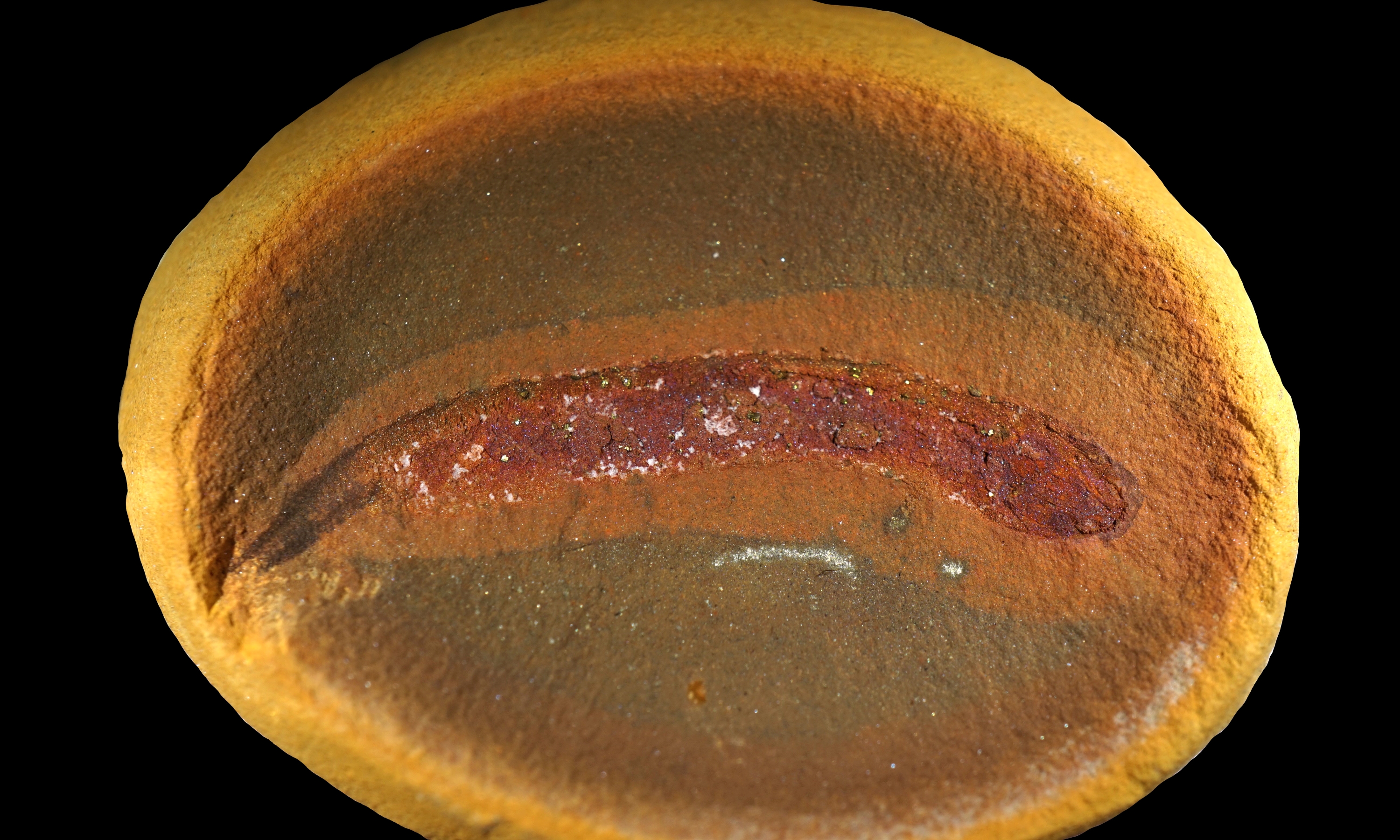
The new research was based partly on fossils from early land-dwelling predators called embolomeres. These animals looked like a cross between a crocodile and an eel and ruled river, lake and swamp habitats 350 million to 280 million years ago, during the Carboniferous and Permian periods. While these creatures could grow to more than 10 feet (3 meters) long as adults, the study unveils rare fossils from Mazon Creek, near Chicago, that preserved embolomeres as hatchlings that were days to a couple of weeks old.

"These are intimate details of the first moments of these animals' lives, and we've never seen that before for this entire part of the evolutionary tree," study co-author Jason Pardo, a postdoctoral fellow of evolutionary biology at Vilnius University in Lithuania and a research associate at the Field Museum in Chicago, told Live Science.

A photo of an embolomere fossil.

Researchers studied exceptionally well-preserved fossils from Mazon Creek, Illinois. (Image credit: Arjan Mann)

These fossils didn't show evidence of external gills and other tadpole-like features that the researchers would have expected from an early land dweller. The researchers then checked other fossils from before and during the "fin-to-limb transition" but found no evidence of an amphibian-like life cycle in those, either.

"For as long as we've understood evolution, we've assumed this story of how we made that transition from water to land," Pardo said. "We in fact have a completely different story."

Science upended?

A statement released by the Field Museum claimed that the study upends scientists' understanding of how animals conquered the land. However, the experts Live Science spoke to disagreed with this assertion.

"The Mazon Creek material is wonderful, the study is interesting and the interpretation of the fossils is sound, but I don't think the results are terribly surprising," Per Ahlberg, a professor of evolutionary organismal biology at Uppsala University in Sweden, told Live Science in an email.

Ahlberg, who was not involved in the new study, specializes in the early evolution of tetrapods. He noted that scientists knew some early tetrapods had a larval stage similar to that of modern salamanders β€ͺ—‬ namely, those belonging to the group Temnospondyli, which he described as the ancestral stock of modern amphibians. However, he contends that this didn't mean scientists assumed every early tetrapod was the same.

"Nobody has been arguing in recent years that ALL early tetrapods had such a larval stage or that this was essential for enabling the transition to land," Ahlberg said. "I mean, I have been working right at the core of this research field for 40 years and I have never given it any thought."

In response, Pardo agreed that specialists in the field recognized that the data didn't support that early tetrapods had an amphibian-like development. However, he argued that even among specialists, assumptions were still made about metamorphosis β€” a major developmental transition, like a tadpole transforming into a frog β€” and amphibian-like bodies.

Young embolomeres would grow up to become apex predators in rivers, lakes and swamps.

Young embolomeres, illustrated here, suggest that early tetrapods didn't undergo an amphibian-like metamorphosis. (Image credit: Berit Godring)

"Onto something big"

Study co-author Arjan Mann, an assistant curator of early tetrapods at the Field Museum, first saw the study's first baby embolomere fossil during a 2016 trip to the Field Museum while working on his doctorate. At the time, the fossil was a mystery.

Mann and Pardo mused over the fossil's identity for years before high-resolution scans with scanning electron microscopy at the Canadian Museum of Nature confirmed that the ancient creature was an embolomere, according to the museum's statement.

"I think Jason and I both knew we were onto something big, since fossils of this kind of animal and from this phase, and developmental state in early tetrapod evolution have never been found or studied before," Mann told Live Science in an email.

Along with the embolomeres, the researchers looked at megalichthyid fish from before the land transition and limbless, snake-like creatures known as aistopods from during the land transition. All showed signs of direct development, they said.

"I think the take home message of this study is that we should always challenge conventional wisdom in science, especially when these older ideas do not have substantial backing," Mann said.

❌