The largest hoard of Viking Age silver ever found in Finland — which contains almost 10 pounds (4.5 kilograms) of coins and jewelry — has been unearthed by a metal detectorist about 95 miles (150 kilometers) north of Helsinki.
The hoard had been divided into two deposits and buried in birch-bark containers. Although the coins and jewelry likely date to between A.D. 1000 and 1050, it's unknown exactly when they were buried, Esko Tikkala, an archaeologist at the Lahti Historical Museum who excavated the hoard, told Live Science in an email.
The hoard has not yet been fully cleaned, separated and counted yet, but there are thousands of pieces, Tikkala said. "There are quite a lot of coins in this hoard," he said. "I have not had time to go through them."
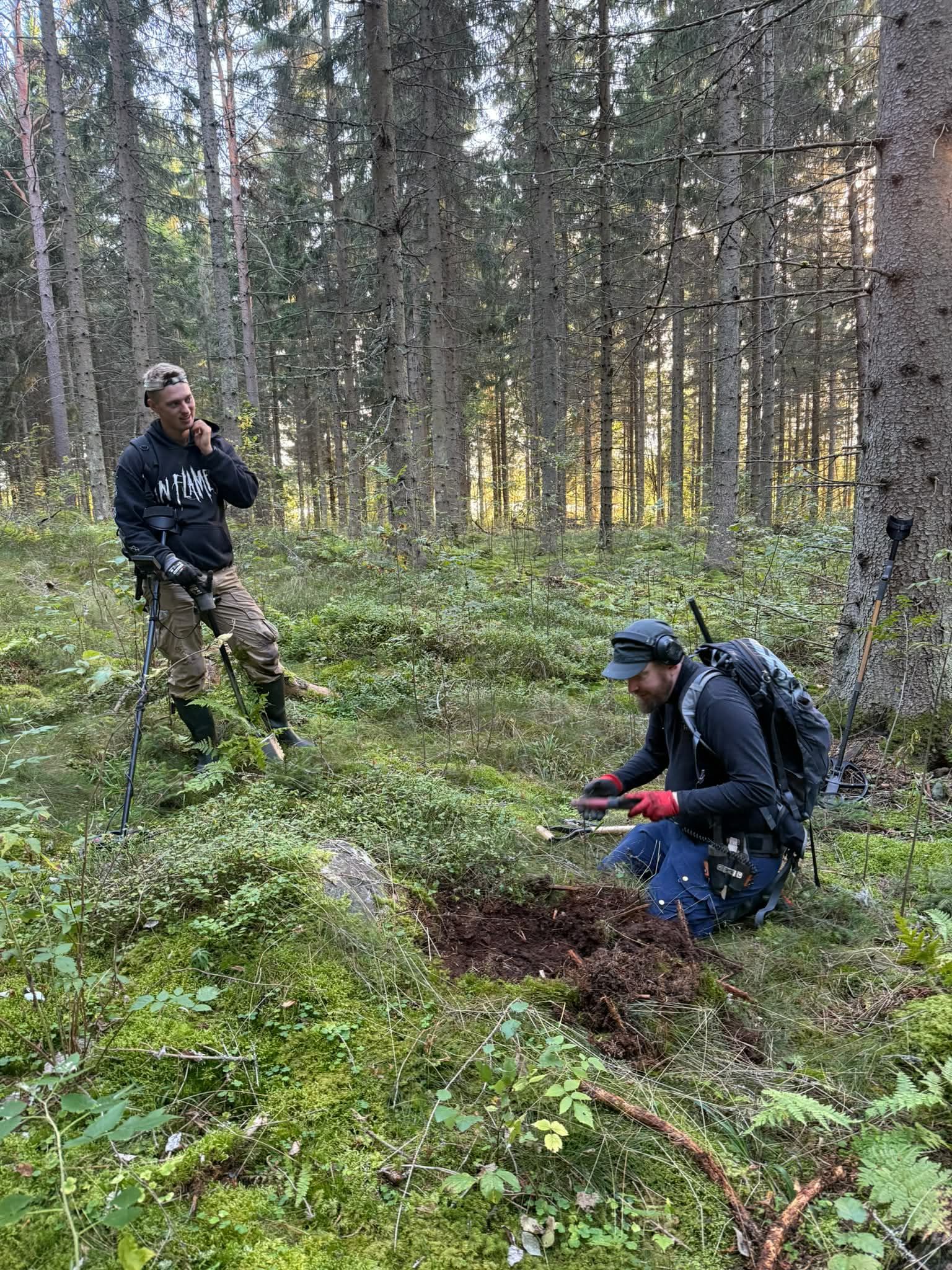
Metal detectorist Kalle Lappinen found the two deposits Sept. 3 and immediately contacted the museum. Archaeologists inspected and properly excavated the finds the next day, according to atranslated statement.
The coins were discovered in early September by metal detectorist Kalle Lappinen (right). (Image credit: Kalle Lappinen)
Tikkala described the hoard site as beside a rock outcrop in a forest near the town of Sysmä. Several other buried hoards had been found in the same region of Finland over the past 10 years, Tikkala said.
Although it's challenging to determine why specific hoards were buried, a recent study of more than 15,000 Roman-era (the eighth century B.C. to the fifth century A.D.) hoards found that they were hidden for multiple reasons, including for tax evasion, votive offerings, and safe storage in times of uncertainty.
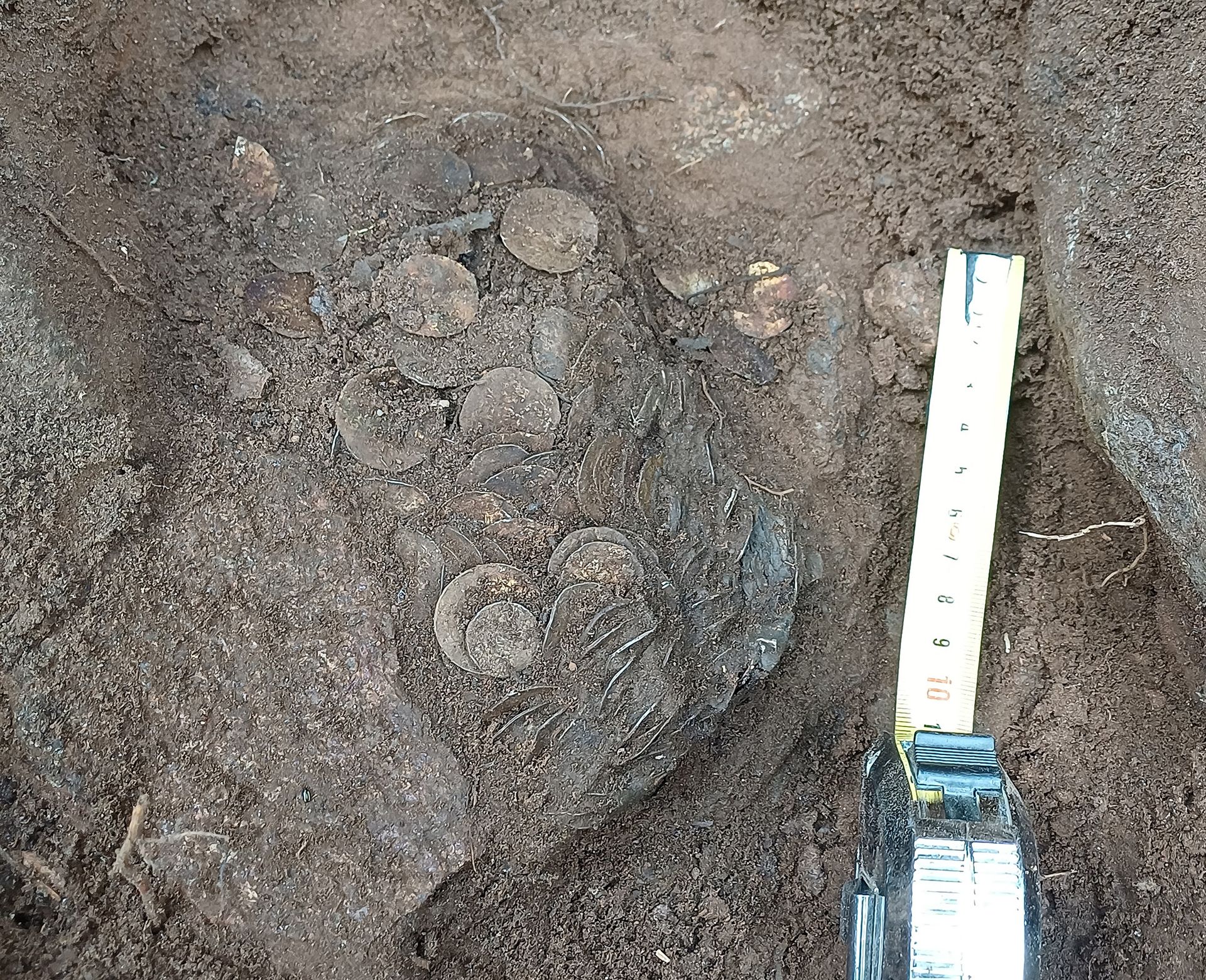
Tikkala said the two deposits of the silver hoard were buried between two stones about 18 inches (45 centimeters) below ground and about 39 feet (12 meters) apart. There were no signs of any burials nearby, but the surrounding area had not been properly studied, he said.
Tikkala added that the coins came from areas that corresponded to present-day Germany, Sweden and Great Britain. There were also some dirhams — silver coins made in the Islamic world. Dirhams previously found in Finland generally date to between about 800 and 1050, he said.
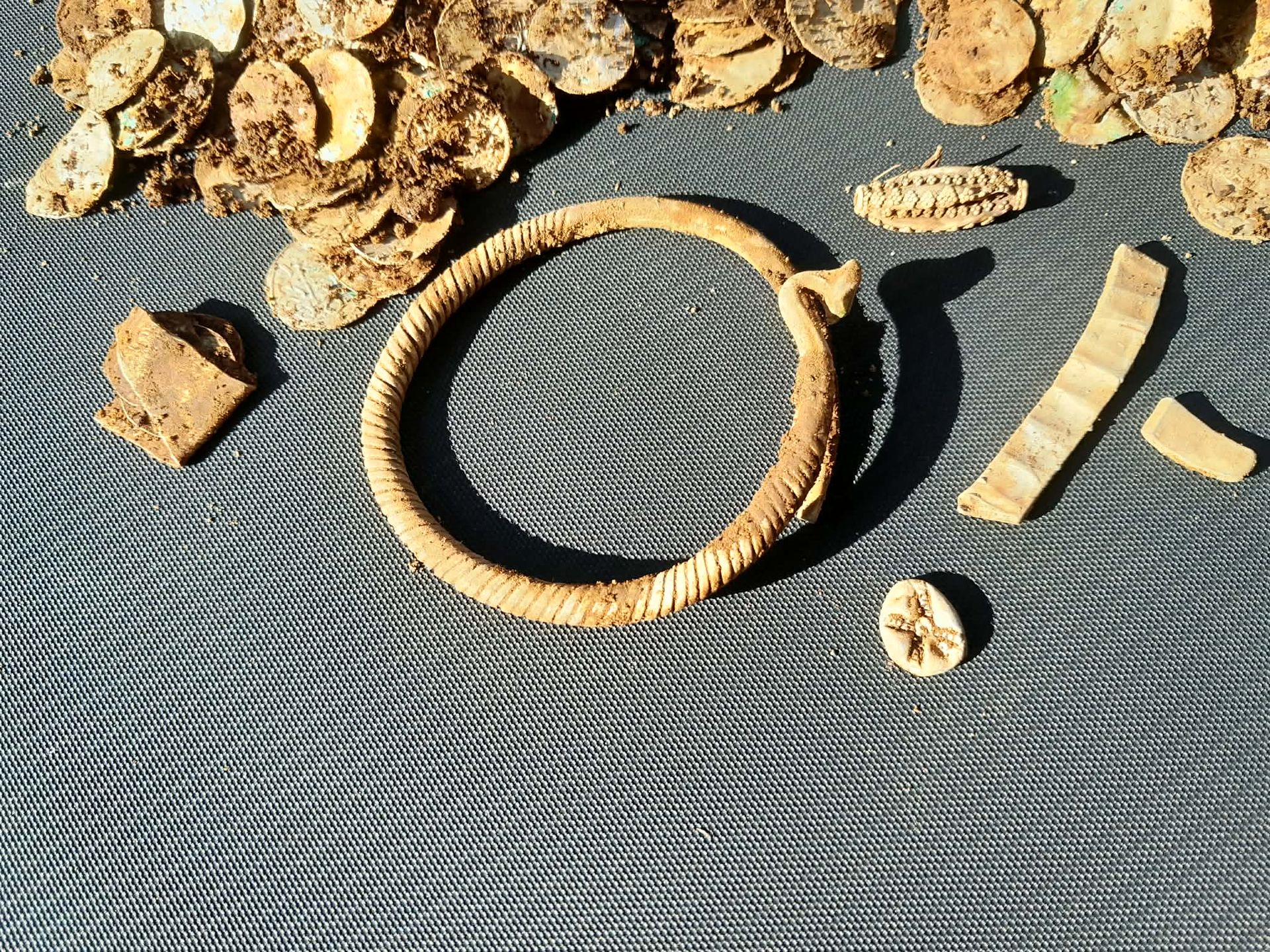
In addition to the silver coins from many places, the hoard contains items of silver jewelry and "hack silver" used for payments. (Image credit: Lahti Museum)
The hoard also contains several pieces of jewelry, including a silver bracelet, and "payment silver" in the form of hack silver (also called hacksilber) — pieces of silver that could be cut into smaller pieces for payments according to their weight.
The weight of the precious metal alone would make the hoard worth almost $10,000 today.
From the Viking Age, but not from Vikings
Although the hoard is from the Viking Age (traditionally, from the793 attack on Lindisfarne until the 1066 defeat of a Viking army at Stamford Bridge in England), that doesn't mean it was buried by Vikings, Tikkala said.
"The term Viking Age does not imply that there were Vikings in Finland," he said. "We have no sources suggesting that Finland was 'Viking' in the same sense as regions of present-day Sweden, Norway, and Denmark."
Instead, Finnish historians and archaeologists had adopted the term to designate the period, he said. But the area now known as Finland was not culturally or politically part of Viking Scandinavia.
The hoard had been placed in two bark containers that were then buried several feet apart. (Image credit: Lahti Museum)
The next stage of the archaeological investigation will be to properly study the site where the two deposits were found, as well as their surroundings, Tikkala said; after that, specialists in Viking Age coins will try to identify the coins and prepare a detailed report.
"There will definitely be scientific articles published on the hoard as a whole, as well as more detailed studies of the coins themselves," he said.
Until now, Finland's largest Viking Age hoard was found in 1895. Buried at Nousiainen, about 130 miles (210 km) southwest of Sysmä, it contained more than 1,700 silver coins but weighed only about half as much as the newfound hoard.
Many people are familiar with melatonin, a hormone that helps ready the body for sleep. But there's another, lesser-known chemical in the brain, called orexin, that tips the scale in the other direction: waking the body up.
In 1999, two scientists independently uncovered the function of orexin and published papers about it. Dr. Masashi Yanagisawa, a molecular biologist and physician now at the University of Tsukuba in Japan, came across orexin while studying the interaction of receptors and chemicals in the brain. Dr. Emmanuel Mignot, now the director of the Stanford Center for Narcolepsy, homed in on orexin while studying narcoleptic dogs. (His Chihuahua, named Watson, has narcolepsy, and he previously had another dog with the condition, named Bear.)
This year, the pair of researchers won the coveted Albert Lasker Basic Medical Research Award for this fundamental finding that helped reshape our understanding of sleep. Their work has since led to the development of drugs for insomnia and narcolepsy.
Yanagisawa told Live Science that, at the start of his research career, he didn't expect to end up studying sleep. Mignot, on the other hand, had an early interest in understanding narcolepsy so that better treatments for the neurological disorder could be developed. Live Science spoke with Mignot about the discovery of orexin and how the field might progress in the future.
Nicoletta Lanese: What initially drew you to studying narcolepsy?
Dr. Emmanuel Mignot: There were three things that attracted me to narcolepsy: Number one, it was a human problem. It was already known [at the time] that it was not super rare. I'm not saying it's super common, but 1 person per 3,000, 0.03% — it's reasonably common. And nobody cared about it. I would talk to neurologists and they'd say, "Oh, I've never seen one case in my entire life." So I would say, "Yes, of course; you miss them all." That was the state of the play at the time.
Number two, was what this was a quintessential sleep disorder [in which sleep itself is disrupted]. I thought that if we found the cause of this disease, we could potentially discover something totally new about sleep — a fantastic entry point to a mystery.
The third thing that made me ready to go there was that it was tractable. A lot of problems are not tractable.
NL: Why did you start working with the dogs with narcolepsy?
EM: I studied the pharmacological basis because I was trained in pharmacology, and as a psychiatrist, and I discovered how this drug modafinil [a stimulant-based narcolepsy treatment] was working. But quickly, I realized I'm not going to find the cause by doing pharmacology. I'm only going to explore what's known.
That's when I started to fall in love with genetics, even though I was not trained as a geneticist. I said, "We have to find this gene in the dogs." It looks like they have all the symptoms. It was a huge bet, and it took me 10 years because I was definitely … overoptimistic. But it was worth the price at the end.
After narcolepsy was described — the dog gene — suddenly narcolepsy became much more famous.
NL: And scientists already knew about narcolepsy in dogs at that time?
EM: The guy at Stanford that started the sleep program was called Dr. [William] Dement. He was a graduate student in Chicago in the 1950s, when [Eugene] Aserinsky and [Nathaniel] Kleitman discovered REM sleep. He had the foresight to understand that this was an important discovery.
[Later], he discovered that narcolepsy was really a disorder where people go into REM sleep and have this very abnormal dreaming. He came in 1970 to Stanford, and the first thing he did after his medical school was to start a clinic to see patients with narcolepsy. Around then, he spoke at an American Medical Association conference in San Francisco, and he discussed different sleep disorders, including narcolepsy. And then there was someone in the audience that said, "Oh my god; I have a dog with your disease. Every time it gets excited — boom — it collapses. And it sleeps all the time."
That dog had already been euthanized, but it still gave him the idea that these dogs have narcolepsy — maybe we should try to get some. So he went to a lot of veterinarians to talk to them about it, and they identified a whole series of dogs, including the first poodle, Monique, who had narcolepsy. And they started this little colony of dogs. Initially, they tried to breed them, but most cases of narcolepsy are actually not genetic. Then, in 1977, they got a whole litter of Dobermans, and then Labradors, that had some form that was genetic.
So when I arrived, it was in 1987. They already had the dog colony. I came to study the pharmacology, to try to find a better treatment for narcolepsy. But I did stand on the shoulders of giants.
NL: At that time, it's not like you had a complete dog genome. Did that make studying their genetics challenging?
EM: It was crazy. A couple of human genes had been isolated, and mouse genes, but it was a handful. We didn't even have the full genome map in humans. And meanwhile, dogs — no pun intended — were in no man's land. Very little was known.
It took me 10 years. I had times where some people didn't believe that the dogs had narcolepsy. There were a few depressing moments, but I was convinced that was the right thing to do.
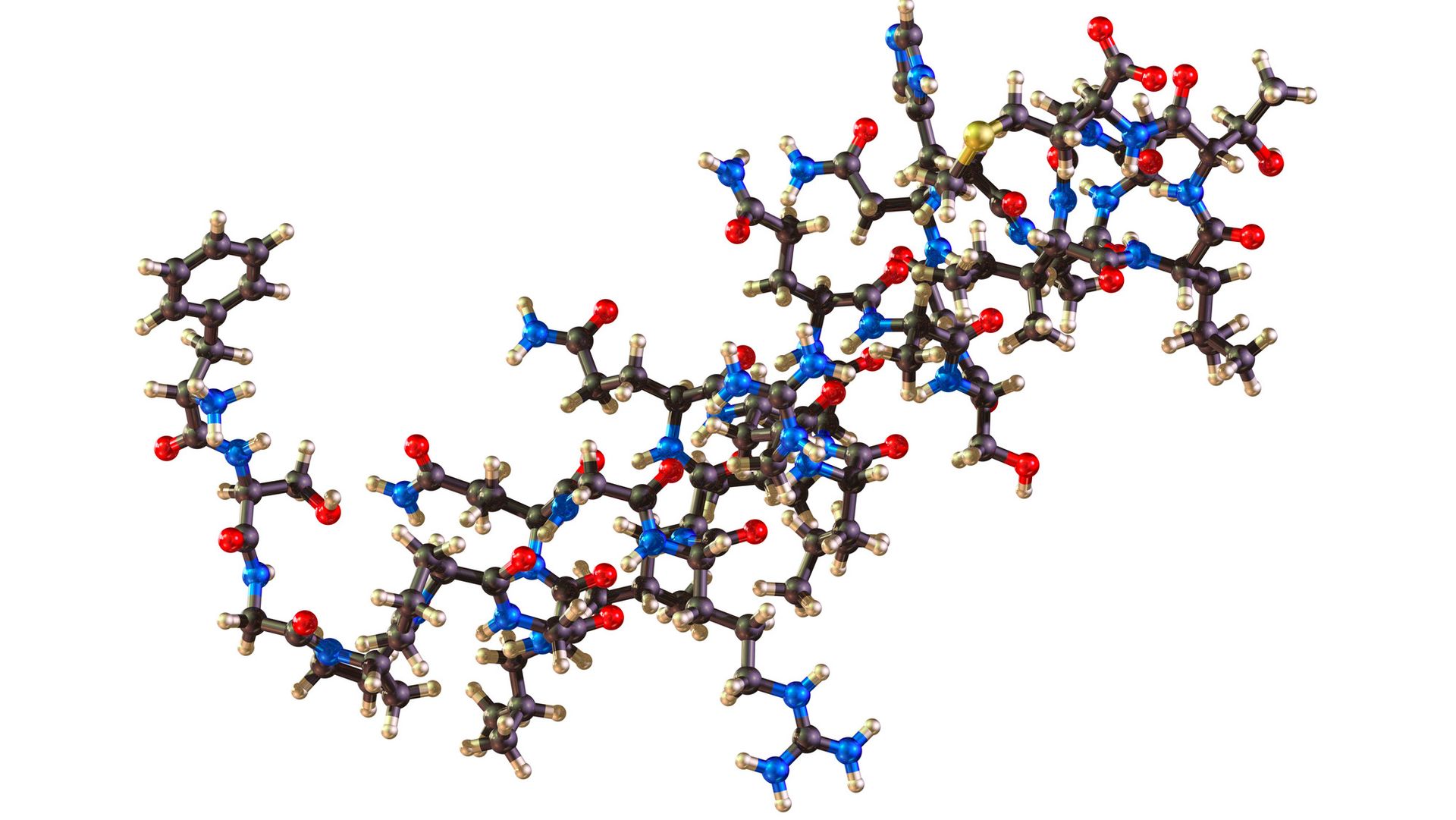
Orexin (pictured) is a peptide in the brain that promotes wakefulness. (Image credit: theasis via Getty Images)
NL: When you ultimately found the receptor for orexin, did it surprise you? It strikes me as surprising that there would be a discrete "switch" in the brain that controls wakefulness.
EM: I was lucky. Honestly, I had no idea. I got enamored with genetics because what I love [about it] is you can find something without any hypothesis. You just search for it, and what you find tells you what it is. You have no prerequisite for knowing what you would find.
I could have found something much less significant. That was a dream, to find a GPCR [G-protein coupled receptor, a protein on the outside of cells]. Can you imagine? A drug target.
Then, it turned out to be immediately applicable to humans. That, too, was a lot of luck; let's be honest. I was just trying to find the cause of one thing and one step at a time; it could have been something very complicated. It turned out to be simple.
Was I surprised? No, because I was not expecting one or another.
NL: Do you recall what the reception was like when the initial finding was published?
EM: It had an immediate effect, for several reasons. For example, I was seeing a lot of patients with narcolepsy at the time, but they were all old folks that had had narcolepsy forever. A lot of people would tell me, "I think I had it from when I was born, because I don't remember." We were never seeing children.
But after narcolepsy was described — the dog gene — suddenly narcolepsy became much more famous. And what happened is that people started to pay attention to narcolepsy, and we started to see kids. In kids, the picture is so much different. They gain an enormous amount of weight; it's very abrupt. It's a little bit different than what you see in adults, where they have adapted to it.
That was, I think, a practical consequence of the discovery. It really put narcolepsy on the map.
The second thing that happened is, all the drug companies started to develop hypnotics [sleeping pills], trying to block the orexin. They developed hypnotics relatively quickly, and they are very effective. They are probably safer than benzos [benzodiazepines] and so forth.
NL: Is it considered safer because the orexin blockers better replicate natural sleep?
EM: We know that the orexin definitely drops during sleep, so blocking it is definitely a way to recapitulate that drop; that's true. It's an awake-promoting system, so if you remove something that makes you more awake, it's safer than inducing sleep by shutting down the brain.
NL: As you moved to studying narcolepsy in humans, you found evidence that there might be an autoimmune response involved; it's been suggested that such a response may be harming the cells that make orexin in the brain. Was there suspicion that the condition had an autoimmune element previously?
EM: It's not something I 100% discovered. In 1983, before I came to study narcolepsy, there was a guy in Japan who I met, called Yutaka Honda. [Editor's note: Honda's research linked narcolepsy to the human leukocyte antigen (HLA) region of the genome, which helps regulate immune responses.]
The HLA is the way the immune system sees the world. That had just been discovered as very important for transplantation, because it's very polymorphic [takes on different forms] from one person to the next. They [Honda's group] found that all narcoleptics had a particular genetic variant, called HLA-DR2. This was a total surprise.
When I came, that was already known. But then people really looked and tried to see if the disease was autoimmune, but they couldn't find anything — no autoantibody, nothing. It was all negative.
I did a study with African Americans, and in African Americans, I found that this DR2 marker was not the best marker for narcolepsy. It was a gene just next to it that was called DQB1*06:02. [Editor's note: That HLA variant is now recognized as a strong risk factor for narcolepsy, particularly for narcolepsy type 1 (which involves a symptom called cataplexy).]
I'm very proud of that study because I think it's the first time that people used human diversity to actually map down a genetic factor more precisely, which now is used commonly. It's called transethnic mapping.
NL: New treatments that target orexin have just been approved. Do you see those therapies as an extension of your earlier findings?
EM: Of course. I was trained as a pharmacologist originally, so obviously, I do a lot of clinical trials. I see my patients totally transformed by this medication. It's just amazing. I'm so fortunate. How could you get a better reward than seeing your patients totally transformed by this medication?
It's going to have a lot of other applications [beyond narcolepsy]. Some people think it's going to be very helpful for ADHD; some people think it could be very helpful for depressed people with excessive sleepiness. We don't know, really; there's a lot of possibilities.
Another thing I'm excited about is that I have a few patients with [both] narcolepsy and schizophrenia. You cannot give them stimulants. If you give them modafinil or another dopamine stimulant [for narcolepsy], they have even more hallucinations. Often, they are sedated by their medication, and we are very poor at making people more motivated and active. These [orexin-activating] drugs seem to have effects beyond just waking people up. They seem to increase motivation.
You don't know until you try, but I'm sure it's going to have other applications.
This interview has been condensed and edited lightly for clarity. It is for informational purposes only and is not meant to offer medical advice.
As the planet warms, our environment will be transformed, but so will our bodies. In this series, 'Burning up,' we investigate the health impacts of climate change, focusing on heat, air quality, food and infection risk. We also evaluate the promising solutions that could help us adapt to our warmer future.
To the untrained eye, Xiaoyu Shan's lab bench looked like a home gardening experiment gone bad: dishes filled with dirt — some that looked like mud pies and others that were bone-dry — and not a plant to be seen.
But those dishes held a warning. The dirt that Shan, a postdoctoral research associate in biology and biological engineering at Caltech, was studying contained soil microbes. And those soil microbes were exhibiting a concerning propensity: In dried-out soil, they were evolving to become more antibiotic resistant.
The study describing those findings, published in March, systematically showed that drought conditions could fuel the evolution of antibiotic-resistant bacteria. Most of this resistance is driven by humans' misuse of antibiotics, which spurs bacteria to evolve genes that help them ward off the drugs. But the Caltech study raised a new worry: As many places face increased drought conditions, climate change itself could act as a selective pressure that could supercharge the evolution of these drug-resistant superbugs.
"We can expect to have more resistant bacteria being selected for in certain places around the globe," said Dianne Newman, a Caltech microbiologist and co-author of the study.
Increased antibiotic resistance is just one way that climate change is likely to put new populations at risk of multiple types of infections.
And this increased disease burden will coincide with climate change scrambling supply chains, eroding nutrition and stressing our health in other ways.
"No individual metric really does justice to the overall risk and health and well-being of these multiple stressors being exacerbated all at once and compounding each other," said Marina Romanello, a principal research fellow at the Institute of Global Health at University College London.
Warm-weather disease
In the small mountain town of Bailey, Colorado, which lies at an elevation of 7,740 feet (2,360 meters), May often brings snowstorms that can blanket the ground in white even as the sun starts to bake the plains at lower elevations. But on Memorial Day 2026, the forest floor was dry and ticks quested their way along blades of grass, seeking a blood meal.
A mild winter in most of the country means ticks — and the diseases they carry — are a rising concern. In April, the Centers for Disease Control and Prevention (CDC) reported that emergency department visits for tick bites were at their highest for that month since 2017. That trend isn't a one-off, according to the CDC; as temperatures rise, insects and arthropods can survive longer in the year and farther north.
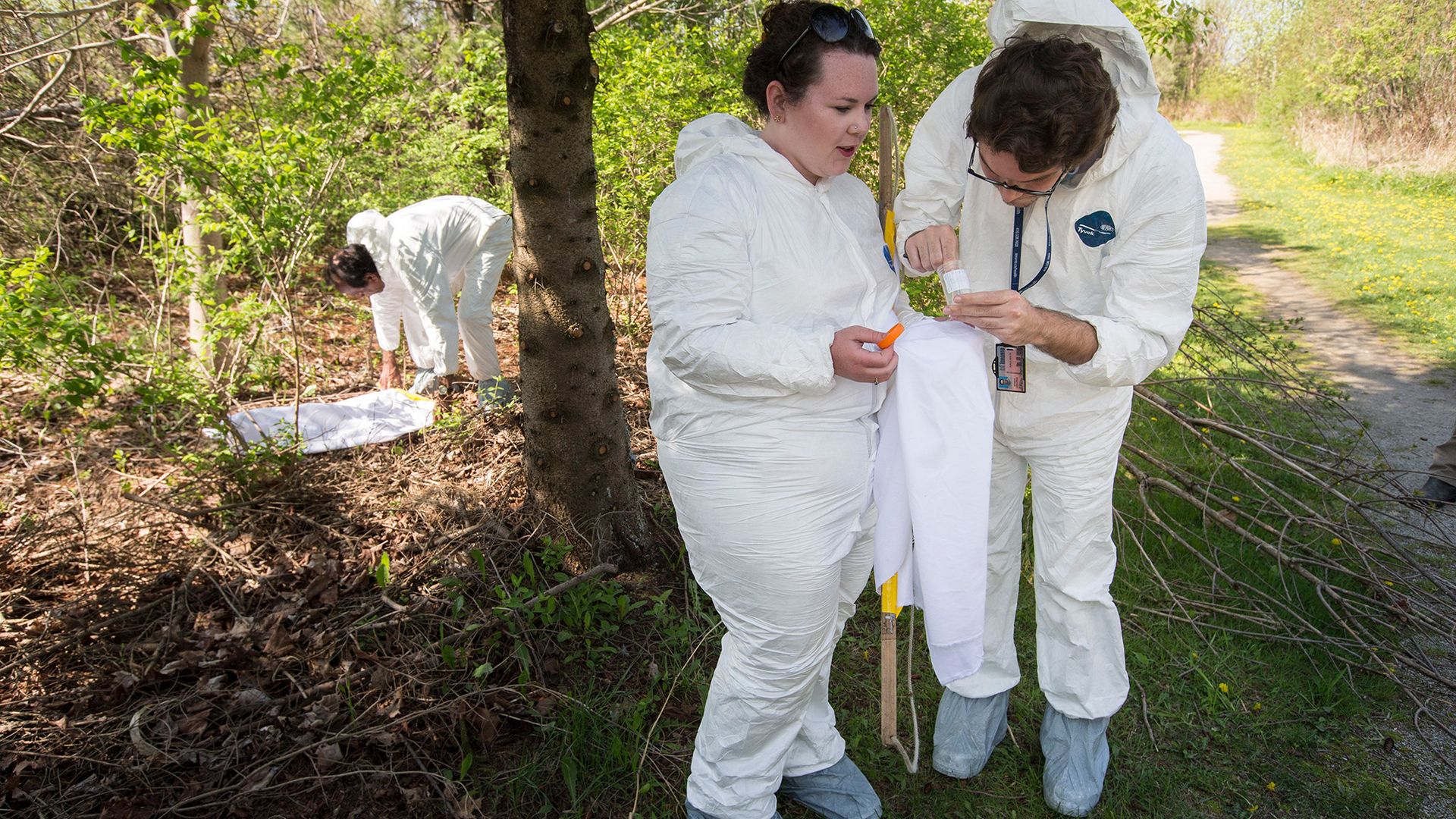
Public health workers in Ontario do a survey for black-legged ticks. Lyme disease, which is carried by the ticks, is spreading in new areas as the climate warms. (Image credit: Bernard Weil via Getty Images)
As a result, vector-borne illnesses such as Lyme disease (spread by black-legged ticks in the Ixodes genus) and West Nile virus (spread by mosquitoes) will become more common in increasingly northerly locations. Already, alpha-gal syndrome, which is not an infection but is transmitted by the Lone Star tick (Amblyomma americanum) and causes an incurable allergy to red meat, is also seeing a dramatic rise as the species expands its range across the Northeast. Positive tests for antibodies to the alpha-gal molecule have increased by 100 times between 2013 and 2024.
Right now, almost half a million people are treated for Lyme disease each year, and the CDC records more than 8,000 cases of other tick-borne diseases annually across the country. It's not clear how this will change as the climate warms. One 2022 study found major increases in Lyme disease only at levels of warming of 6.3 to 9.9 degrees Fahrenheit (3.5 to 5.5 degrees Celsius) by 2100, but that much warming that fast is now considered an implausible scenario. However, the researchers saw a huge amount of uncertainty in the numbers, given the number of variables that affect whether a spreading tick population will transmit more disease, such as how often people go outside or what steps they take to avoid tick bites. Tick-borne illnesses are likely also underreported, so even the true number of illnesses transmitted each year right now is unknown.
But ticks are responsible for spreading 90% of all vector-borne diseases in the U.S., so any trends in the suite of illnesses spread by ticks are likely to affect thousands to tens of thousands of people.
An even more ubiquitous bloodsucker, the mosquito, currently spreads only a few diseases in the U.S. The most common and most serious is West Nile virus, which mosquitoes catch from feeding on infected birds. As of Sept. 8, 504 cases of West Nile virus had been reported in the U.S. in 2026, with 363 of them affecting the central nervous system. And because fewer than 1% of West Nile cases progress to the central nervous system, those numbers likely represent a dramatic underreporting of milder cases, which can cause months of fatigue in some people, in addition to acute flu-like symptoms, such as fever, headache and body aches.
Mosquito-borne illnesses like West Nile are expected to spread more quickly in warming temperatures. Heat helps mosquitoes stick around longer during the year, much like it does for ticks. It also speeds up the transmission and replication of the virus inside the mosquito, since the insects are cold-blooded and thus their metabolism is ruled by the weather.
"Except for places that are already really, really warm, we should expect that the replication rate of the virus inside the mosquito will speed up," said John Drake, director of the Center for the Ecology of Infectious Diseases at the University of Georgia. "That shortens the generation time, and that means we expect there to be more transmission."
Even though mosquitos love water, climate-related drought could ironically nearly triple the number of human West Nile cases in the U.S. over the next 30 years from around 2,000 reported cases (according to CDC data) to between 5,000 and 6,000. That's likely because in drier conditions, more mosquitoes are infected, possibly because birds, the intermediate host of the virus, either congregate more closely with mosquitoes around water sources or breed less readily in drought, meaning the fraction of birds that carry the virus is higher than in more water-abundant times.
Except for places that are already really, really warm, we should expect that the replication rate of the virus inside the mosquito will speed up. That shortens the generation time, and that means we expect there to be more transmission.
John Drake, director of the Center for the Ecology of Infectious Diseases at the University of Georgia
Mosquito-borne diseases long ago eradicated from the U.S. could also resurge with warming temperatures. The southeastern United States will become more prone to malaria and dengue fever transmission under all levels of warming; summer 2026 saw more than 40 locally-acquired cases of dengue fever in Florida. Public health surveillance and disease-control measures have largely stopped those transmission chains, but the likelihood is that society will have to pour more money into beating these diseases back again in future decades. For example, there are malaria vaccines approved for children, but currently, they are recommended only in areas where the illnesses are endemic. If malaria were commonly found in the southern U.S., millions of Americans might need vaccines, including susceptible adults.
"If we were to get endemic diseases like those in the U.S. again, it could become a huge burden and it could be quite costly," Drake said.
Disaster and disease
Flooding is another factor that's exacerbating vector-borne disease under climate change. As climate change worsens, extreme weather events will, too. Because warm air can hold more moisture, many areas will see increased episodes of heavy rainfall and hurricanes will become more intense.
"Flooding creates habitat for these mosquitoes," Drake said.
Disasters also spur the spread of other diseases that are usually quite rare in the U.S., such as leptospirosis, a bacterial infection that spreads from animals to humans via animal urine. Floodwaters may be contaminated by the bodies of drowned animals; in 2022, after Hurricane Fiora hit Puerto Rico, leptospirosis cases leapt by a factor of 3.6 to over 10 cases a week.
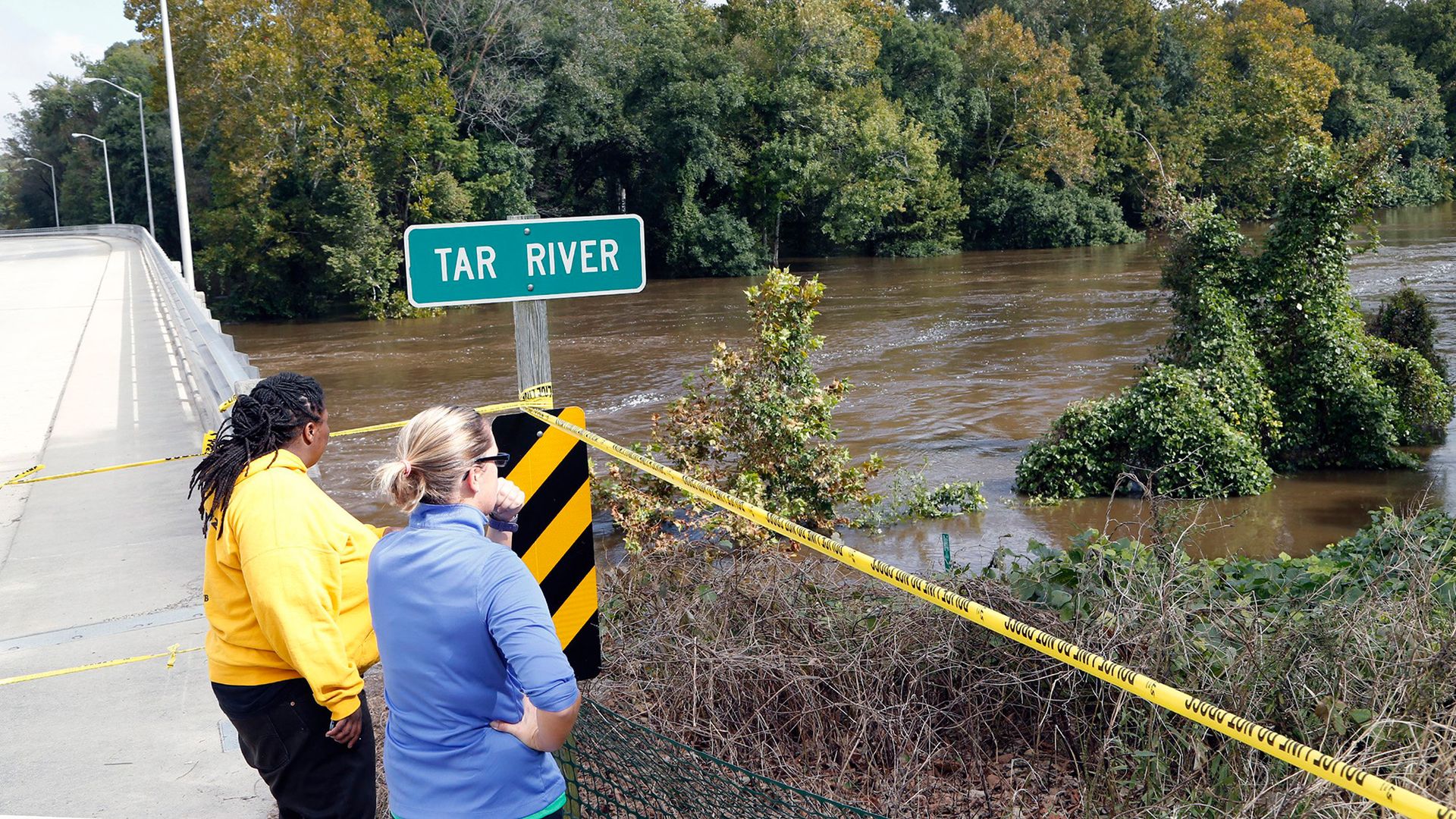
After Hurricane Matthew, emergency visits for gastrointestinal disease increased 11%. (Image credit: Raleigh News & Observer via Getty Images)
After Hurricanes Matthew and Florence in 2016 and 2018, respectively, North Carolina saw an 11% increase in emergency department visits for gastrointestinal illnesses. Black and American Indian residents were the most affected, likely because discrimination over generations has disproportionately pushed Black Americans and Native Americans to less desirable, more flood-prone land, the researchers found.
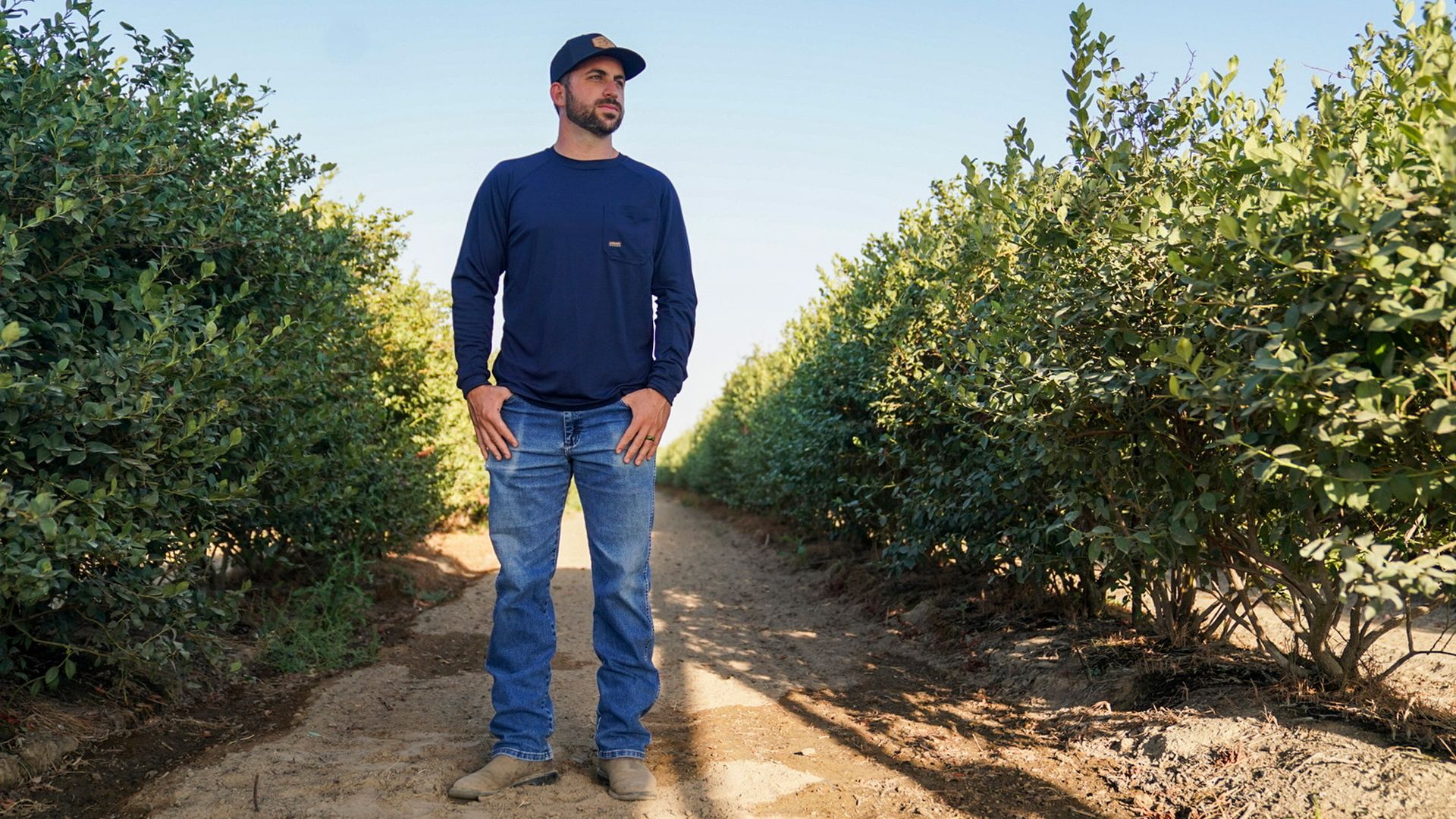
Cycles of precipitation, drought and subsequent dust storms can spur the spread of Valley fever, a fungal respiratory disease that causes an estimated 700 to 1,100 deaths per year, mostly in the U.S. Southwest. Valley fever is already on the rise, with cases in Arizona, one of the hotspots for the disease, doubling from about 64 cases per 100,000 people in 2005 to 145 cases per 100,000 people in 2022. As the West warms and dries, Valley fever is likely to spread from its stronghold in the Southwest and become endemic in Idaho, Wyoming, Montana, Nebraska, South Dakota and North Dakota, putting millions more people at risk.
The infectious disease risk from natural disasters tends to stack on top of other health problems stemming from these catastrophes. Flooded buildings can harbor mold that can worsen allergies, asthma and other respiratory illnesses. When major storms cause power loss, people turn to generators for electricity, which release pollutants linked to asthma. Though it's often hard to track the effects of these disasters, one study found that flooded regions after Tropical Storm Imelda in Texas in 2019 saw 10% more emergency department visits for asthma than nonflooded regions did.
Moreover, the threat to life and livelihood from these disasters can cause mental health conditions, such as post-traumatic stress disorder, Romanello said. The problems compound on each other, she said; already, she has heard reports from Africa about malaria outbreaks, fed by warming, and health workers struggling to reach the affected regions because flooding, also exacerbated by warming, has washed out roads.
"What is the most concerning aspect is that all of that is happening together, so we're seeing all of this risk being exacerbated at once," she said.
Jace White of Fresno acquired Valley Fever while working on his family farm. Valley fever is predicted to become more common with climate change. (Image credit: The Washington Post via Getty Images)
Antibiotic resistance on the rise
As Newman and Shan's work shows, as spots around the U.S. face new infection risks, existing treatments may become less effective. Their work showed that drought concentrated the natural antibiotics that bacteria make in the soil, making it harder for bacteria susceptible to the compounds to survive. As a result, the microbes with genes for antibiotic resistance did better. The problem for human health is that bacteria are very good at gene swapping, so these soil microbes can easily pass their antibiotic resistance superpowers to bacteria that infect people, their research showed.
"Gardening, breathing dust — that's how it happens," Newman said of human and soil bacteria coming into contact. "We are constantly encountering bacteria in our environment."
A scanning-electron microscope image of Pseudomonas aeruginosa. Recent research suggests that drought could fuel the rise of drug-resistant versions of such pathogenic bacteria. (Image credit: CDC/SCIENCE PHOTO LIBRARY via Getty Images)
The researchers found an association between drought and antibiotic resistance reported by hospitals.
They aren't the only ones. A recent study on Salmonella, a bacterium that causes about 1.35 million cases of food poisoning each year in the U.S. alone, found that temperature and rainfall promote antibiotic resistance in this microbe. "Globally, climate change was linked to about a 10% increase in Salmonella resistance gene abundance," said study first author Zhen-Chao Zhou, an ecology researcher at the Chinese Academy of Sciences in Beijing. Other microbes show similar effects.
Meanwhile, warmer conditions help bacteria grow faster, adapt to stress and swap resistance genes, Zhou said, while drought concentrates them in limited water sources where they mingle freely. Climate-change-induced flooding can then, in theory, spread the resistant genes far and wide.
Combating the compounding risks requires both public health and climate mitigation approaches, experts say. Not only does the world need to cut greenhouse gas emissions, but people also need to use antibiotics more carefully, Zhou said; improve sanitation practices, such as sewage management, around the world so that antibiotic-resistant strains don't spread as easily; strengthen food safety; and expand disease surveillance. The public also needs to understand that climate change is a health issue, Romanello said.
"When we talk about tackling greenhouse gas emissions," she said, "what we're talking about is a sustainable livable future with healthy economies."
A family photo album can reflect how physical traits, such as blue eyes or lanky limbs, have been passed down — but a new analysis suggests that the way personality emerges across generations is far more complicated.
The meta-analysis, published Sept. 2 in the journal Nature, is the largest of its kind ever attempted. The work identified over 1,200 genes linked to five personality traits: extraversion, agreeableness, conscientiousness, openness to experience and neuroticism.
However, the scientists behind the study said its most important conclusion is that no single gene determines whether an individual will have a particular personality trait. Instead, thousands of genes exert tiny effects that are likely impossible to disentangle from environmental factors that shape our behavior.
Twins and DNA sequencers
Researchers have studied the link between genes and behavior for decades. Before the ability to analyze the genome in detail, many early studies looked to identical twins.
Knowing that identical twins share nearly 100% of their genetic material, scientists compared their traits with those of nonidentical twins and other siblings. Some studies compared twins raised in the same home with those raised in different homes in an attempt to separate the influence of upbringing from genetics. These efforts concluded that personality was roughly 50% heritable. ("Heritability" measures how much of the variance seen in a given trait can be explained by genes.)
Genetic studies of personality traits previously relied on comparisons between twins. Now, genetic sequencing technologies have advanced the field. (Image credit: Johner Images via Getty Images)
The advent of gene sequencing enabled geneticists to calculate the influence of genes with greater precision than twin studies did. The most powerful tool in this arsenal is the genome-wide association study (GWAS), which can link traits to gene variants in detail. These statistical analyses require sample sizes in the millions, though.
The new study was a large collaborative project called the Revived Genomics of Personality Consortium, which brought together 46 cohorts of participants who'd had their genomes sequenced. Each person had been asked something related to one of the Big Five personality traits. The team had data from roughly 600,000 people about the first four traits — extraversion, agreeableness, conscientiousness, openness to experiences — and data from over 1.1 million people about their levels of neuroticism.
Generally, as geneticists have leveraged larger and more powerful GWAS, many traits have shown increased heritability because these bigger studies can identify more subtle genetic links, said Brent Roberts, a psychologist at the University of Illinois at Urbana-Champaign who was not involved in the new study. But "with personality, it was really clear from the get-go that it was different," Roberts said.
Earlier GWAS had suggested that the heritability of personality from common gene variants was roughly 5% to 15%, far lower than the estimate suggested by twin studies. The new work has confirmed those low numbers, said study co-author Michel Nivard, a genetic epidemiologist at the University of Bristol in the U.K.
It may be that GWAS do not capture extremely rare variants that might link personality traits in certain families, which means the heritability may be slightly underestimated, Nivard suggested. Additionally, twins are more likely to rate their personalities as similar for reasons unrelated to genetics, so the twin studies may have overestimated the heritability of personality, Nivard noted.
Cutting out confounders
It can be difficult to control for confounding factors in GWAS. For example, if scientists were investigating the influence of genes on academic achievement, genetics only tells part of the story; a person's socioeconomic status and access to books and tutoring also influence their education.
But in this case, Nivard and his colleagues did not find confounders in measuring personality. The researchers found that the genetic effects on personality are the same within families as they are among unrelated individuals.
"We've basically been able to rule out that there's any straightforward, simple social processes by which your parents directly influence your personality," Nivard said.
A key takeaway from the study should be not to focus too much on the different contributions of genes versus environmental factors in a trait as complex as personality, Roberts said. Our moods and minds are a collaboration between the two factors, not a tug-of-war, he argued.
A study to properly measure this interplay would be vastly expensive and would require following participants for decades. "This is where the limitation of human genetics research is really profound," Roberts said. Part of the problem, he added, is that while our DNA sequence is fixed, how the body accesses and reads DNA varies significantly depending on the environment a person finds themselves in. In other words, which genes get turned on and when are variable factors.
Assessing this enmeshed relationship using only the DNA code we are born with is like trying to predict every move of a couple's dance by looking at how they hold each other before the music starts up.
Nivard and his team can now use this powerful data source to learn more about personalities within groups of people, he said. Nivard predicted that, even once geneticists have mapped all the rare gene variants that may influence personality, some genetic influence will still go unaccounted for; processes such as the interaction between the environment and gene expression are still not fully understood. He called these the "unknown unknowns." Identifying these factors is the next frontier for the genetics of personality.
Mercury, which is about one-third the size of Earth, may have shrunk more in its evolution than scientists originally thought.
A new study suggests that the tiny planet may have contracted 10% to 30% more than previous models suggested — meaning the planet’s total diameter shrunk almost 12 miles (19 km) since Mercury was formed. (Mercury’s diameter today is roughly 3,032 miles (4,880 km).
Previous missions overlooked the extent of the shrinkage because impact-crater debris on Mercury's surface hid the evidence, according to a study published Thursday (Sept. 10) in the journal Geophysical Research Letters. That size difference is important when researchers consider the planet's history, said Gaku Nishiyama, a planetary scientist at the German Aerospace Center Institute of Space Research and an author of the study.
"Because Mercury's evolution is driven by its cooling, the amount of contraction — an indicator of the extent of cooling — is one of the most important observables that can be compared to models for estimating its evolution scenario," Nishiyama told Live Science in an email.
There could also be implications for the planet's composition. For example, more shrinkage at Mercury could mean the planet would have a larger metal core and fewer light elements, such as silicon, inside that core, according to an American Geophysical Union statement.
"The interior of Mercury would reflect its formation," Nishiyama said, and possibly hint at the innermost part of our solar system. "Therefore, to understand how our solar system has evolved up to now, information that can be extracted from this estimation — such as core composition and initial temperature condition — is critical."
A violent history
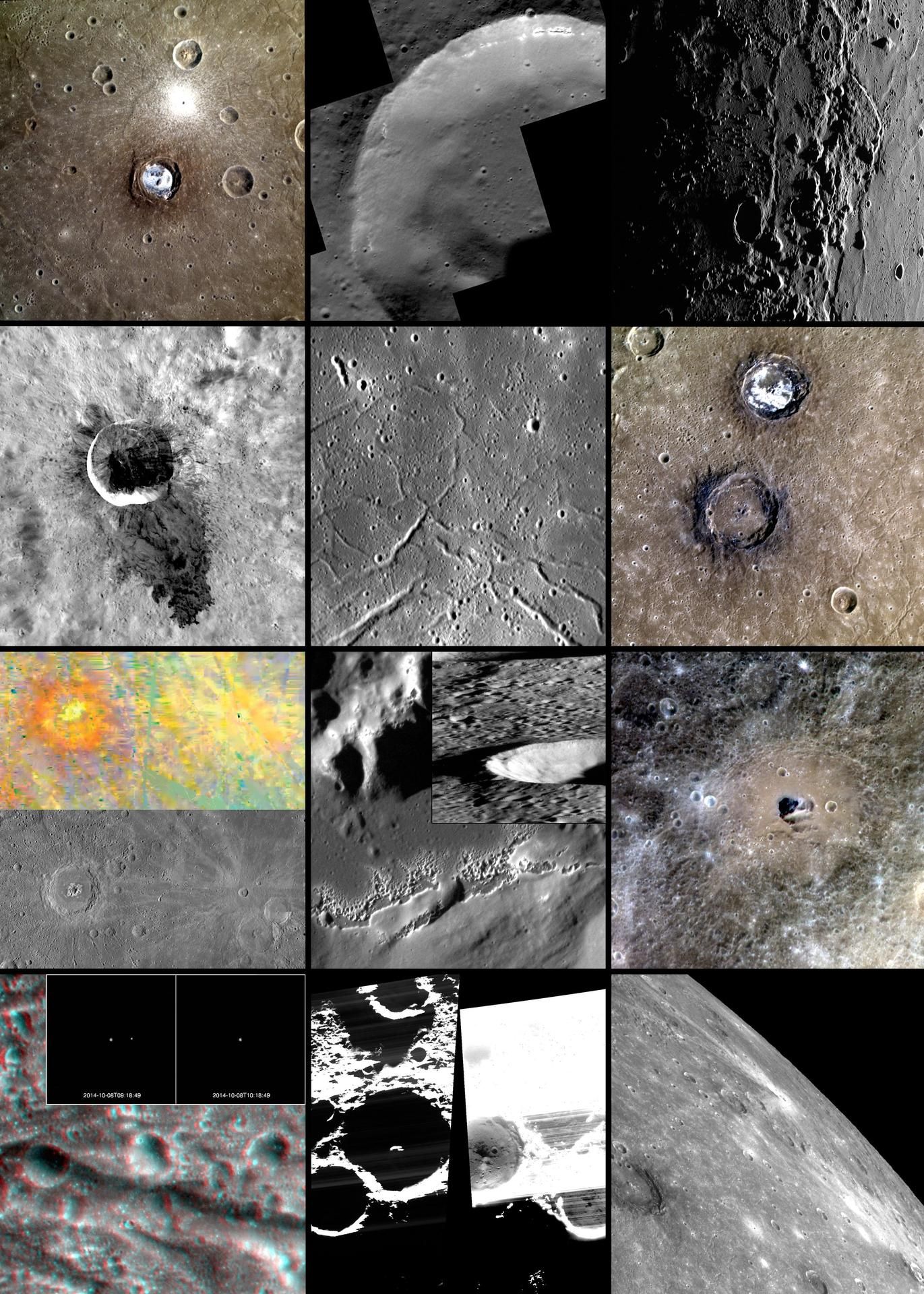
Observations from NASA's MESSENGER spacecraft (examples shown here) helped the team build new maps of the planet's shrinkage. (Image credit: NASA/Johns Hopkins University Applied Physics Laboratory/Carnegie Institution of Washington)
Mercury and the rest of the solar system planets formed due to the gradual collisions and aggregations of rock and gas upon asteroids and comets. Some of those impacts that created the planets also released a lot of heat. Mercury has been slowly cooling from those ancient impacts, and its interior has been shrinking along the way.
While this kind of cooling affects the entire planet's landscape, impact craters can mask the effects because each crash into the surface generates its own surface changes, including debris and new divots. The craters build up over time, making it difficult to spot more ancient geology underneath.
Nishiyama's team compared two sets of maps from Mercury, using data from NASA's MESSENGER mission, which orbited Mercury between 2011 and 2015. One set of maps charted geological features showing contraction, and the other set estimated the roughness of the planet's surface. Their work covered the entire surface and demonstrated that the most rugged spots on the planet have fewer wrinkles from shrinking. In other words, according to Nishiyama, the debris from more recent impacts is covering up the evidence of shrinking.
Nishiyama said more information will help to confirm the estimate. Such data could come from the European Space Agency's BepiColombo spacecraft, which began its arrival sequence at Mercury earlier this month after nearly eight years of space travel. Once the mission settles in, the spacecraft will take higher-resolution imagery of the surface than MESSENGER did. Nishiyama's team expects BepiColombo to pick up smaller impact craters, as well as scarps and ridges, that could further refine the measurements.
"Stay tuned for future topography measurements by BepiColombo," Nishiyama said. "Future data from laser altimetry on BepiColombo will collect more information on planetary contraction by measuring topography more precisely."
IBM and NASA have partnered to create a new artificial intelligence (AI) model capable of processing decades of lunar data so scientists can more accurately map the moon's surface one day.
Decades of robotic lunar missions have left scientists with a massive, disjointed trove of data. Traditionally, this data has been parsed by limited transformer models such as SwinV2-B, created in 2022 as a general-purpose model to understand images and improve accuracy on photo recognition and related vision tasks. Spacecraft orbiting the moon captured this data using a mismatched array of sensors, without an accessible way to analyze or utilize it.
Specifically, images from high-resolution optical cameras, laser altimeters, radar reflectance tools and spectrometers that measure elemental density have created huge datasets — but unifying them into a cohesive picture of the lunar surface has been a labor-intensive and computationally demanding process.
To crack the data bottleneck, researchers from NASA and IBM teamed up to build the Lunar Foundation Model (LFM). This agile AI system is designed to piece together multimodal, multiresolution data to build a detailed picture of the lunar surface to support future missions. The team published their findings Sept. 10 in a technical paper shared with Live Science.
Scientists have collected troves of data about the moon over many decades — but much of it is disjointed and difficult to analyze. (Image credit: IBM)
The scientists wanted to build a single, reusable backbone AI model that would be freely available to scientists via the open-source AI model repository Hugging Face. Because the model is open-source, researchers could fine-tune the AI to tackle specific questions as part of different projects.
For NASA, this includes thorny issues such as generating a reliable crater map so researchers can plot safe landing zones, or analyzing those craters for clues about the chemical makeup of the moon's interior and its history.
LFM also enables scientists to comb through the data for heavily shadowed sites on the moon that often conceal subsurface ice, which is critical for establishing long-term lunar bases. Volcanic activity can be tracked and collated too, which will allow future projects to avoid unstable terrain and reveal insight into the moon's thermal evolution.
Unique challenges
Processing lunar observations presents unique computational challenges that differ from those of similar models, which cover things like weather, geospatial data and heliophysics. NASA's Lunar Reconnaissance Orbiter and other spacecraft collect measurements across vastly different spatial scales, ranging from broad regional maps at a resolution of 100 meters per pixel down to terrain scans resolving at 1 m per pixel.
Because the moon lacks an atmosphere, extreme sunlight geometry is an issue, creating deep, deceptive shadows. Sunlight can also wash out subtle geological details, depending on when an image was captured.
To overcome these problems, the team compiled a layered benchmark dataset named SomBench, made up of nearly 2 million overlapping map patches called tiles. SomBench organizes that data into aligned tracks so data from completely different instruments, or imagery taken at different resolutions or angles, all end up together as long as they're capturing the same tiles.
The lower-resolution layers provide wide-angle overviews, as well as ultraviolet reflectance and elevation data. High-res layers combine tight, detailed camera shots with meter-scale terrain, slope and orientation maps. Specialized readings of thermal behavior, surface mineralogy and local gravitational anomalies also get layered in.
A visualization of the NASA-IBM Lunar Foundation Model’s ice prospectivity capability.IBMA visualization demonstrating the NASA-IBM Lunar Foundation Model’s craterdetection capability.IBMA visualization demonstrating the NASA-IBM Lunar Foundation Model’s ability to identify and map irregular mare patches (IMPs), rare volcanic features on the Moon’s surface.IBMAn infographic illustrating how the NASA-IBM Lunar Foundation Model assists withanalyzing lunar imagery and data at scale.IBM
LFM learns to interpret all that layered data through a technique called masked-token learning, which is where parts of a dataset are hidden so the AI has to fill in the blanks. During training, the AI is shown a portion of a lunar tile, like its visible light appearance and elevation, and nothing else. The model then continuously predicts the concealed information across millions of examples, and learns the relationships between elements like lighting, terrain structure and physical geography.
Lighting analysis is built directly into the model's core architecture. Rather than forcing the model to infer light levels solely from shadows, researchers supplied explicit metadata describing solar angles and spacecraft positions. This allows the model to use its processing power to recognize actual terrain features rather than getting tricked by shadows.
One giant leap
The AI model performed well across four tasks it was evaluated on. In crater detection, it outperformed SwinV2-B by nearly 19% using half as many training labels. When estimating polar ice prospectivity within the top meter of regolith (lunar dust and rocks), LFM maintained strong predictive power with fewer data channels and reduced errors in identifying areas with high potential for lunar ice by up to 22% compared with SwinV2-B. Its performance on meter-scale crater mapping and rare volcanic landforms was similarly competitive with top custom models.
Scientists can customize LFM using lightweight techniques like low-rank adaptation — a way to fine-tune an AI by changing a tiny set of weights and not touching most of the original model. This allows researchers to tailor the model to specialized exploration tasks, without the steep computing costs of training an AI from scratch.
LFM will be made available to researchers freely through the open-source AI repository Hugging Face so that teams can tailor it to their specific needs when studying the lunar surface. (Image credit: NASA)
However, the researchers cautioned in a statement that the system best serves as a pattern-recognition assistant and is not a replacement for direct physical measurements. Nonetheless, the team said the model represents a major leap toward transforming decades of raw data into a unified, intelligent toolkit for future robotic and crewed lunar missions.
In the near term, scientists will likely use the LFM as a backbone for key lunar remote-sensing tasks, while the long process of fine-tuning it ramps up. Over time, the model will be refined for tasks like improved crater detection and mapping, segmenting subtle geomorphic units such as irregular mare (volcanic activity) patches, and improving polar ice detection by integrating terrain, illumination, and thermal layers.
The Canon RF 20mm f/1.4L VCM is an intriguing lens for photographers who want a wide field of view without sacrificing aperture. Its f/1.4 maximum aperture makes it particularly appealing for astrophotography, while the 20mm focal length offers plenty of room for landscapes, architecture and other wide-view scenes.
We took the lens out to the dark skies of Wales to photograph the night sky and the Perseids, giving it a real-world test in some of the best conditions we could find.
With a premium L-series build and a price tag to match, there's a lot to consider before adding this lens to your kit. We wanted to find out how it actually performs in the real world, and whether it's worth the investment.
Canon RF 20mm f/1.4L VCM: Design
It's a nice size and weight, despite not being the smallest lens. (Image credit: Kimberley Lane)
Premium, solid build
Surprisingly manageable for an f/1.4 lens
A few small quirks keep it from being flawless
The Canon RF 20mm f/1.4L VCM feels like a proper L-series lens from the moment you pick it up. It's solid and reassuringly well-built, but it never felt excessively heavy or awkward on the camera. At 1.41 pounds (519 grams), it's certainly not a tiny 20mm prime, but the weight is well balanced and it was comfortable to carry and shoot with. And considering it'll often be used for astrophotography, it'll be on a tripod a lot of the time anyway.
The focus and control rings both feel smooth and nicely weighted, while the switches and customizable buttons are easy to find without having to look at the lens. The weather-resistant build is another bonus for outdoor shooting, which will come in handy if you also use the lens for landscapes where you might encounter inclement weather.
The dedicated aperture ring is also a nice feature, especially if you prefer having more physical controls rather than relying on the camera body and remembering which dial is set to each setting. Plus, the clickable nature of the aperture ring is an ASMR dream.
Canon RF 20mm f/1.4L VCM: Performance
The wide 20mm focal length and fast f/1.4 aperture are perfect for astrophotography. (Image credit: Kimberley Lane)
Excellent low-light performance
Sharp in the center with some corner softness
f/1.4 makes a real difference under dark skies
A fast 20mm is a pretty exciting combination for astrophotography. It gives us plenty of sky to play with, while the f/1.4 aperture pulls in a lot of light. Under those dark skies, the Milky Way came through beautifully, with plenty of detail without needing to resort to boosting the ISO too high.
We took the lens out to Carmarthenshire in Wales under Bortle 3 skies to photograph the night sky during the peak of the Perseids, which also coincided with the new moon — the perfect recipe for astrophotography.
The center of the frame is where this lens is at its best. Stars are crisp and well-defined, which is exactly what we want from a lens that is being used for astrophotography. The edges aren't quite as impressive, though. There is some softness and a little stretching of the stars towards the outer parts of the frame, particularly when the lens is wide open. It's not enough to ruin an image, but it becomes obvious when zooming in and pixel-peeping at the corners.
Canon RF 20mm f/1.4L VCM: Functionality
It's a very practical choice for everyday shooting.Kimberley LaneKimberley Lane
Quick and reliable autofocus performance
Customizable controls are genuinely useful
A practical choice for everyday shooting
The Canon RF 20mm f/1.4L VCM is very straightforward to use out in the field — especially in the dark. The autofocus was quick and reliable during testing, and for everyday shooting of landscapes, or even for video, this means there's very little to think about.
The customizable controls are useful, too. The lens function button and control ring can be assigned to different settings, allowing you to put the controls you use most within easy reach. It's a small thing, but being able to set the lens up around your personal shooting style makes it feel more intuitive and can save a surprising amount of time.
Key specifications:
Focal length: 20mm Aperture: Constant f/1.4 Weight: 1.14 pounds (519 g) Dimensions: 3 x 3.9 inches (76.5 x 99.3 mm) Filter thread: 67 mm
The 67mm filter thread is another practical advantage, as it's a common filter size, so you won't necessarily need to invest in an entirely new set of filters if you already own that size.
The lens doesn't feature a ton of bells and whistles, but that's not a bad thing. It's designed to be picked up and used without much fuss, and after spending time with it, we found that its simplicity is one of its strengths.
Should you buy the Canon RF 20mm f/1.4L VCM?
The Canon RF 20mm f/1.4L VCM lens makes the most sense for photographers who regularly work in low light or want a dedicated wide-angle prime. Astrophotographers are likely to get the most from it, but it also has plenty to offer for landscapes, architecture, interiors and environmental photography.
Its biggest appeal over a zoom is its f/1.4 aperture. If you already have a wide-angle zoom but regularly find yourself having to bump up your ISO in low light, this lens fills that gap while also offering the control of a fast prime.
However, it's a fairly specialist addition to a lens lineup, and the price makes it tricky to justify if you only occasionally shoot wide. If you need the flexibility of changing focal lengths, or if you primarily shoot distant subjects, you'd be served better by a zoom or longer lens
If this lens isn't for you
Cheaper option
Canon RF 16mm f/2.8 STM
The Canon RF 16mm f/2.8 STM is a much more affordable way into Canon's full-frame RF wide angle range, and it's much smaller and lighter. It lacks the 20mm f/1.4L's fast aperture, L-series glass and premium build, but if you're just starting out, or you only occasionally shoot wide, it could be a better option.
If you want to shoot wider
Canon RF 14mm f/1.4L VCM
If 20mm isn't wide enough, the Canon RF 14mm f/1.4L VCM gives a noticeably more expansive view while keeping the same fast f/1.4 aperture. It's a slightly more specialist choice for dedicated astrophotographers who want to capture as much sky or landscape as possible.
If you want more versatility
Canon RF 15-35mm F2.8L IS USM
If you don't want to be stuck with one focal length, the Canon 15-35mm f/2.8L IS USM is the obvious choice for astrophotographers. The focal range covers a much wider variety of photography styles, making it more practical for everyday shooting.
There may be no better month to get outside and look at the stars than September, when warm evenings meet rapidly lengthening nights, the Milky Way remains visible overhead, and the changing seasons can increase your chances of seeing the northern lights.
For stargazers in the Northern Hemisphere, summer presents an obvious problem: Darkness arrives late. By September, however, sunset is getting noticeably earlier each evening, providing far more time under dark skies with mild weather in most locations. Days can still feel summery, while nights tend to remain pleasant enough to spend hours outside with a pair of stargazing binoculars or a good backyard telescope. The only challenge is finding a clear sky.
The balance between daylight and darkness changes particularly quickly around the fall equinox, which occurs on Sept. 22 this year. That's when the sun crosses Earth's equator, bringing day and night close to equal in length around the world. From then on, nights become longer than days across the Northern Hemisphere until the winter solstice on Dec. 21.
As an occasional bonus, auroras tend to occur more frequently around the equinoxes. During this time, the orientation of Earth's magnetic field creates favorable conditions for interactions with the solar wind (the cause of auroras), but there are never any guarantees.
September stargazing highlights
This month, there's plenty happening overhead.
All five planets visible to the naked eye can be seen during September, although not simultaneously; Venus and Mercury are visible in the evening, while Mars and Jupiter come out in the morning. Saturn is visible for much of the night, while Neptune reaches opposition on Sept. 26, meaning it is on the opposite side of Earth as the sun, offering the closest and most direct viewing opportunity.
The moon also passes close to several bright planets during the month (it passed Jupiter before dawn on Sept. 8 and will nudge Venus after dark on Sept. 13 and 14), while the full Harvest Moon rises on Sept. 26, with Saturn following after it minutes later.
September is also one of the last good opportunities of the year for Northern Hemisphere observers to see the brightest parts of the Milky Way in the evening. The star-rich regions of Sagittarius and Scorpius are sinking toward the western horizon, while the iconic Great Square of Pegasus rises in the East to announce the arrival of the autumn sky.
With all those cosmic treats on tap, this month certainly hits the sweet spot for stargazers.
This year's Lasker Awards — coveted prizes for biomedical research that are sometimes called "America's Nobel Prizes" — have gone to scientists behind fundamental discoveries in sleep science and to researchers who developed a groundbreaking treatment for hemophilia.
Additionally, a Lasker Award for public service went to actor Michael J. Fox for his advocacy for patients with Parkinson's disease that has helped advance research into the neurodegenerative condition.
The prizes, each of which comes with an honorarium of $250,000, will be presented in person Sept. 17 in New York City. The awardees were announced Wednesday (Sept. 9) by the Lasker Foundation, which was established in 1942 by the philanthropists and health advocates Albert and Mary Lasker.
A deeper understanding of sleep
The first of the three awards, called the Albert Lasker Basic Medical Research Award, went to two scientists who independently discovered a key substance in the brain that helps control the sleep-wake cycle and is missing in people with some forms of narcolepsy — the neurological disorder marked by excessive daytime sleepiness and, sometimes, cataplexy (sudden episodes of muscle weakness).
The researchers — Dr. Emmanuel Mignot of the Stanford University School of Medicine and Dr. Masashi Yanagisawa of the University of Tsukuba in Japan — arrived at the discovery through different approaches. Mignot wanted to understand the underlying causes of narcolepsy, while Yanagisawa was investigating a curious class of receptors that were known as "orphans" because the chemicals that activated those receptors were unknown.
"We never thought we would end up in sleep," Yanagisawa told Live Science. "This was a kind of biochemical fishing expedition."
In particular, Yanagisawa was interested in proteins at the surface of cells called G protein-coupled receptors (GPCRs). When the right chemicals are plugged into these receptors, they trigger a chain of events within cells. Various compounds that activate GPCRs had already been found to be useful as drugs, but there were many receptors with unknown triggers.
Yanagisawa and colleagues went fishing for those triggering chemicals in rat brains, isolating substances called peptides from the tissue and then exposing GPCRs to those peptides. "We got very lucky, initially," Yanagisawa said. The fifth or sixth receptor they tested had a hit. Through further experiments, they landed on two closely related peptides as the trigger, and they found a second related receptor to match.
They discovered that the peptides came from a part of the brain called the hypothalamus, which was known to be involved in eating behaviors. So they named the peptides "orexins" after the Greek word for appetite, "orexis."
It turned out, though, that orexins' main job wasn't to control appetite; rather, they help promote wakefulness, the opposite of sleepiness. Mice without functional orexin genes would suddenly fall over and remain immobile for a minute or two, the researchers found. Peering into those mice's brains, they found that the animals were suddenly entering REM sleep, a phenomenon also seen in people with narcolepsy with cataplexy.
One of this year's Lasker Awards went to scientists who helped uncover a fundamental driver of sleep across many animal species, including humans. (Image credit: FreshSplash via Getty Images)
At the same time, Mignot, the other winner of the Lasker Award, was learning that orexin deficiency is also behind a form of narcolepsy seen in dogs. He then went on to study the mechanism in humans with narcolepsy.
"It became, suddenly, a very, very convincing story," Yanagisawa said of the researchers' converging findings. Previously, the study of sleep involved damaging parts of the brain and then seeing how a lab animal's sleep changed in response.
"There was no molecular level, genetic level, description of sleep regulation mechanisms at all," he said. "So our papers really shed new light on sleep regulation."
Together, the researchers' work paved the way to a new class of insomnia treatments, called orexin receptor antagonists, which promote sleepiness by turning down wakefulness. They have also led to new narcolepsy treatments called orexin receptor agonists, which boost wakefulness by increasing the receptors' activity. The first in the latter class of drugs was just approved in August.
A life-changing hemophilia treatment
The second award, called the Lasker~DeBakey Clinical Medical Research Award, went to three scientists affiliated with the Japanese drug manufacturer Chugai Pharmaceutical. These researchers — Kunihiro Hattori, Takehisa Kitazawa and Tomoyuki Igawa — created an antibody that interacts with key proteins in the blood that produce clots and thus stop bleeding.
This antibody treats hemophilia A, a severe bleeding disorder caused by a genetic mutation. That mutation causes the body to not make enough factor VIII, one of the key blood-clotting proteins. Normally, factor VIII grabs hold of two other clotting factors, and this enables a chain reaction that results in normal blood clotting. Without enough factor VIII, there is abnormal bleeding.
The severity of hemophilia A varies, but people with the disorder frequently experience blood pooling in their joints, which causes chronic pain and impairs mobility; they can also bleed uncontrollably even in the absence of trauma.
The antibody treatment works by binding two other clotting proteins — factors IX and X — to create a structure that fulfills the function of the missing factor VIII. Hattori, who is no longer at Chugai Pharmaceutical, initially launched the effort in 2000 after hatching the idea to use an antibody to bind several clotting factors together. Kitazawa and Igawa then brought the idea to fruition using pharmacology and chemical engineering, respectively.
The antibody, called emicizumab (marketed as Hemlibra), was approved by the U.S. Food and Drug Administration in 2017, and over 100 additional countries have approved the drug since. Over 30,000 people have received the antibody treatment to date, according to the award announcement.
The third and final award — the Lasker~Bloomberg Public Service Award — went to Fox, actor and founder of The Michael J. Fox Foundation for Parkinson's Research.
Fox began experiencing symptoms of early-onset Parkinson's in 1990 at age 29. He publicly announced the diagnosis in 1998, sparking new discussions around the often-stigmatized disease. Through interactions with existing Parkinson's advocacy groups, Fox realized the field faced a lack of funding that likely hindered the pursuit of better treatments and a cure.
Since its inception in 2000, the foundation has funded more than $3 billion in Parkinson's research, according to the award announcement.
"When we launched the Foundation, our goal was simple, yet ambitious — cure Parkinson's," Fox said in a statement. "I am humbled to be recognized by the Lasker Foundation and jury. I accept this honor on behalf of everyone living with Parkinson's and everyone with us in our shared mission to end the disease."
This article is for informational purposes only and is not meant to offer medical advice.
A bizarre squid has been filmed haunting the northeastern Pacific Ocean for the first time.
Researchers spotted the bigfin squid (Magnapinna) via remote video while using an uncrewed submersible to explore underwater mountains, known as seamounts, at a depth of more than 10,000 feet (3,000 meters) off the coast of California.
The footage, captured Aug. 7, represents the first confirmed live observation of a bigfin squid in the northeastern Pacific, according to the Monterey Bay Aquarium Research Institute (MBARI), whose scientists made the discovery with collaborators from the National Oceanic and Atmospheric Administration (NOAA).
Olívia Soares Pereira, a deep-sea ecologist and postdoctoral fellow at MBARI, said the squid was hovering over the seafloor with its arms and tentacles bent at a 90-degree angle — what the researchers called the "elbow pose."
"Based on the behavior of other deep-sea squids, we believe this pose could be a part of their feeding tactics," Pereira told Live Science in an email. "The arms and tentacles are extended so they do not get tangled up and passively capture prey that sticks to them."
Bigfin squid are the deepest-dwelling known squid and have been found more than 20,000 feet (6,000 m) below the surface. Most of the animals' total length comes from their tentacles and arms, which can be 20 times longer than their bodies. The individual in the video was about 4.1 feet (1.25 m) long, including body, tentacles and arms, according to MBARI.
The last time MBARI researchers encountered a bigfin squid was off Hawaii in 2001, though around 70 have been observed or collected in total, according to MBARI. Pereira said she saw two other bigfin squid during an expedition to the Mid-Atlantic Ridge — located along the Atlantic Ocean floor — with the Schmidt Ocean Institute earlier this year.
"When we saw this one, I couldn't believe my luck!" she added.
The team was piloting MBARI's Doc Ricketts submersible when they encountered the squid near the Davidson Seamount at a depth of around 10,751 feet (3,277 m), about 80 miles (130 kilometers) southwest of Monterey, during a 10-day Seamount Hotspots expedition between Aug. 3 and Aug. 12.
The researchers were investigating life around the Davidson Seamount and Sur Ridge, which are biodiversity hotspots within the Monterey Bay National Marine Sanctuary, a massive federally protected area off central California. Although these areas are known to be teeming with life, a bigfin squid was not on the list of animals the researchers expected to see.
"We were looking for thriving communities of deep-sea corals and sponges, brooding deep-sea octopus, and feeding beaked whales," Pereira said. "Finding a rare animal that we weren't specifically looking for highlights the incredible diversity and habitat complexity of this region."
Tristan Buckmaster, a mathematician at New York University, had just spent months working on what he believed could be a life-defining mathematical proof. Then, during a Sept. 6 meeting with OpenAI employees, he claims that he was issued a stark warning: "Why would you ruin your career?"
That exchange, which Buckmaster described in a detailed public statement this week, sits at the heart of a ballooning controversy around a famous set of mathematical equations called Navier-Stokes.
OpenAI says its artificial intelligence (AI) model has solved an outstanding problem tied to this 200-year-old set of fluid dynamics equations. The set of equations appears on the list of one of the seven Millennium Prize Problems posed by the Clay Mathematics Institute, and its solution comes with a $1 million reward. Buckmaster had been working on the same problem. And he has questions about how the company got there so fast.
The OpenAI breakthrough
The Navier-Stokes equations were formulated in the early 1800s by Claude-Louis Navier and George Gabriel Stokes. They're basically Newton's second law of motion for fluids, describing how any fluid moves: Push air with a fan blade, and the equations predict how that air will flow; or heat the atmosphere with sunlight, and they help forecast tomorrow's weather. They describe how planes fly and how blood moves through your arteries.
The problem is that nobody has proved whether the equations always produce finite answers. Could there be rare conditions that make the equations go haywire? This is called a "blowup," or singularity, which happens when a quantity that should represent something physical (like fluid speed or pressure) spirals toward impossible infinities at certain points in space and time.
Imagine the swirl of water circling a bathtub drain. The Navier-Stokes equations describe how it spins faster as it tightens toward the center. A blowup would mean the math predicts that spin is accelerating forever — an infinite speed at a single point. The bathtub can't do that, but if the equations can, that means the model we trusted for years is wrong and we wouldn't even know where it breaks.
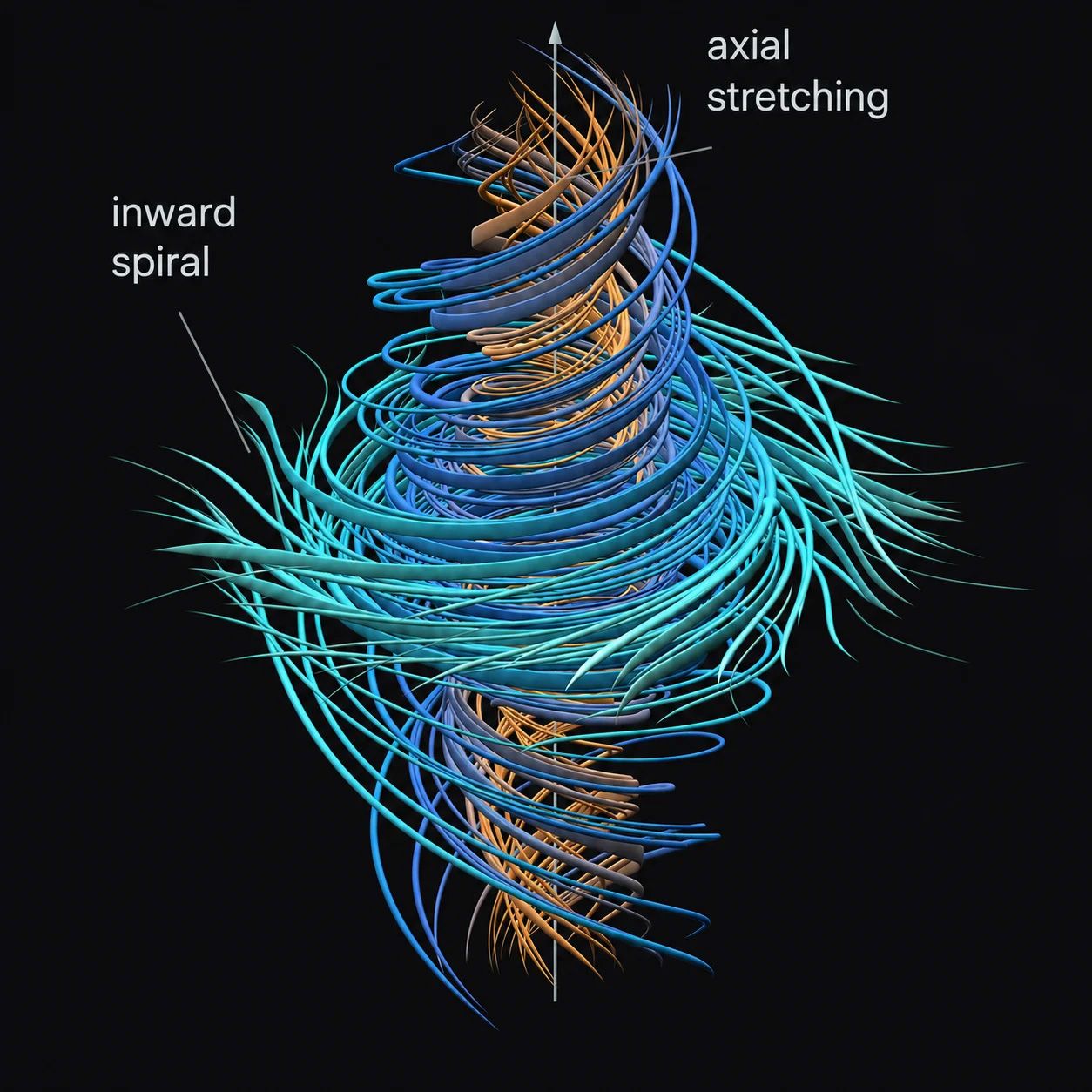
OpenAI generated this model of local incompressible motion while pushing the Navier-Stokes equations to their limits. Orange shows faster angular rotation; teal shows slower rotation. The trajectories show inward spiraling and axial stretching. (Image credit: OpenAI)
Whether the Navier-Stokes equations can blow up is one of the most famous unsolved questions.
To find the answer, OpenAI used a technique called "forcing" — giving the simulated fluid a smooth, controlled nudge from the outside. Imagine flicking a spinning top with your finger to see if it would fall over — or, in the case of the Navier-Stokes equations, blow up.
OpenAI set roughly 10,000 AI agents to simultaneously work on the problem. The agents worked for about 88 hours straight, with 100 of them starting with the relatedEuler equations. This is a simpler cousin of Navier-Stokes that discards viscosity to describe fluid motion without internal friction.
After roughly 50 hours, OpenAI's agents found blowups in the Euler equations, OpenAI representatives wrote in a statement. This discovery convinced them that Navier-Stokes was within reach, and they turned their attention to the bigger problem.
OpenAI described the singularity as a vortex spiraling tighter and tighter, stretching and thinning like pulled taffy. The result was a fluid that, mathematically, spins itself into infinity.
OpenAI ran the proof through a program called Lean, software that checks every step of a mathematical argument. The agents "sent 2.7 million messages and used approximately 130 billion output tokens," OpenAI representatives wrote in the statement. At a Sept. 8 news conference, company representatives said a similar effort performed by a customer would have cost $15 million.
The controversy
The result has created a blowup of its own within mathematics, centered around claims that OpenAI's models may have been given a head start by using the work of Tristan Buckmaster and Levent Alpöge, a mathematician at rival AI company Anthropic.
The two mathematicians had been working on the same strategy (smooth forcing) applied to those same Euler equations. The approach itself was developed by Diego Córdoba, a mathematician at the Institute of Mathematical Sciences in Madrid, and Luis Martínez-Zoroa, another mathematician at CUNEF University in Madrid. Almost no one else in the field was using it.
Buckmaster said that on Aug. 15 that he and Alpöge achieved blowup results for the Euler equations with smooth forcing. On Sept. 3, Buckmaster wrote that he received word through Alpöge that OpenAI had caught wind of their progress and adopted the same method.
"When I heard 'forced,'" Buckmaster wrote in his public statement, "it was a bright red flag."
His concern was that the smooth-forcing approach wasn't obvious or widespread. "The ideas making this line of attack possible are due to Córdoba and Martínez-Zoroa," Buckmaster wrote, crediting the two mathematicians who developed the technique. "Almost nobody else I know of was working on it."
And yet, according to OpenAI, the company launched its Navier-Stokes effort on Sept. 1 — the same day it heard "rumors of other Millennium Prize resolutions." Buckmaster claimed, in his public statement, that those rumors were about his and Alpöge's work specifically.
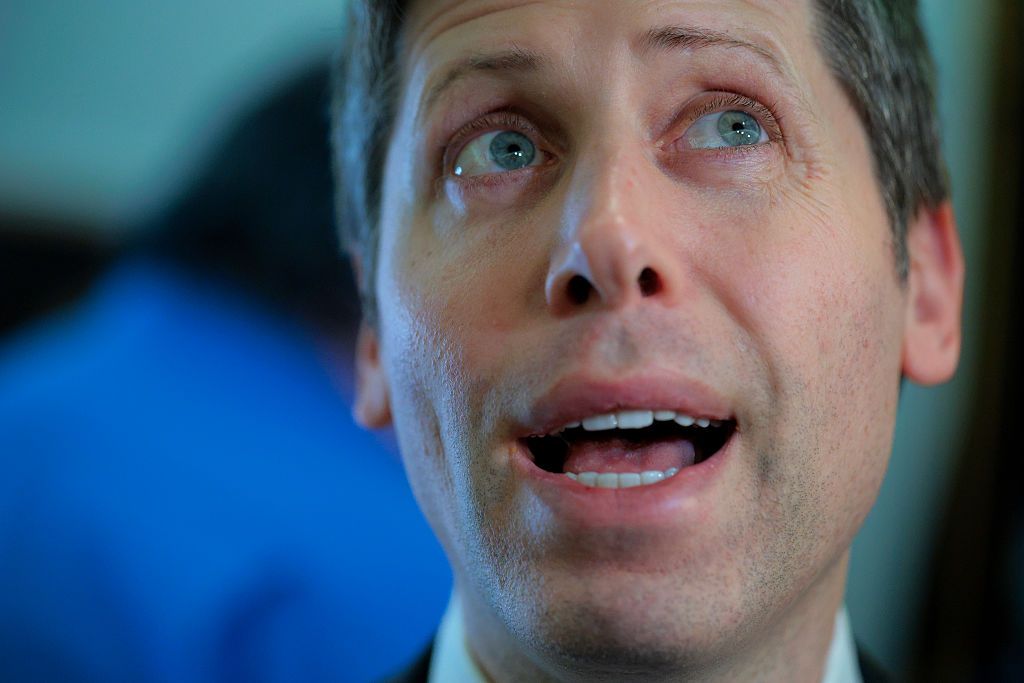
Sam Altman, OpenAI's CEO, acknowledged that the company had learned of Buckmaster and Alpöge's work before making its announcement. "We were curious if ours could do it too," he wrote on X. He added that "the approaches appear to be different" — a claim Buckmaster disputes.
OpenAI's CEO Sam Altman acknowledged that the company had learned of Buckmaster and Alpöge's work before making its announcement. "We were curious if ours could do it too," he wrote on X. (Image credit: Chip Somodevilla via Getty Images)
OpenAI's statement names both Buckmaster and Alpöge, credits their independent resolution of the forced Euler problem, and says the company offered to co-publish.
"I did not get an answer"
Buckmaster also revealed that he had been using OpenAI's Codex coding assistant throughout his research, putting drafts of the work into the tool. OpenAI trains its models on user interactions, and Buckmaster said he asked the company directly whether his Codex sessions had been accessed.
"I asked whether the model had been trained on, or had access to, our sessions in Codex, into which we had been putting all our drafts," he wrote. "I asked again, about training, and I did not get an answer."
OpenAI's enterprise agreements govern how customer data can be used. But it's unclear whether Buckmaster was using Codex under an enterprise agreement or as an individual consumer — a distinction that may determine whether his drafts were available for training.
In a statement on X, OpenAI representatives denied that company employees or agents saw the pair's work "by any means" until it was publicly released. However, "we cannot rule out that de-identified data derived from their usage of our products helped improve our models," they added.
Then, there is the question of authorship. Buckmaster alleges that Sébastien Bubeck, who leads OpenAI's math research, twice pushed for Alpöge to be cut from the paper that the two mathematicians were preparing. Buckmaster emphasized that Alpöge works at Anthropic, a rival AI company.
We were curious if ours could do it too.
OpenAI CEO Sam Altman on X.
It was at that same Sept. 6 meeting that Buckmaster claimed that OpenAI presented him with two options, both of which required cutting Alpöge from authorship. He declined and said he told Bubeck that if OpenAI released its result as proposed, he would go public. Bubeck allegedly replied, "If you don't want me to be nice, then I don't have to be nice."
Bubeck has flatly denied the allegations, calling them "false and inflammatory" in a statement on X. "We did not use their prompt or proofs to prompt our models," Bubeck told Wired. Mark Chen, OpenAI's chief research officer, said at last night's news conference that he was "a little disappointed with the allegations."
"I have not seen OpenAI's proof," Buckmaster wrote. "I do not know what their model did, or how. I do not know whether our data was used. I am not accusing anyone of anything." He has called for an independent investigation into how OpenAI's work began.
In a closing line, he wrote, "I would much rather be talking about mathematics, Luis and Diego's ideas, and what this all means for the rest of us."
The community response
Córdoba, one of the original developers of the forcing technique, said he was stunned by how quickly the result had materialized. "We're a little bit in shock," he told Scientific American.
Other mathematicians have also responded to the news, with some expressing open dismay at how the results were released.
"We have now seen that even the rumor of someone working on a massive problem can trigger a massive amount of AI-powered effort to flatten it before the original research project has time to reach its full potential," Terence Tao, a professor of mathematics at UCLA, wrote on Mastodon. "The incentives may now be pointing in the direction of no longer sharing any promising research directions with the broader community, which would reverse centuries of traditions of open science and do serious long-term damage to the future of the field."
OpenAI's proof still awaits formal peer review, and the Clay Mathematics Institute has not yet issued an official verdict confirming or denying OpenAI's proof. But the episode has already surfaced troubling questions for the mathematics community. For example, when a company trains its models on the interactions of millions of users, who really owns the answers that emerge? And what does AI's involvement mean for the future of the field?
Those questions, unlike the Navier-Stokes problem, may not have a clean proof.
The world's oldest known habitual drug use can be traced to an island in Indonesia, where ice age hunter-gatherers sucked on betel nuts — palm seeds that contain a neuroactive substance, a new study finds.
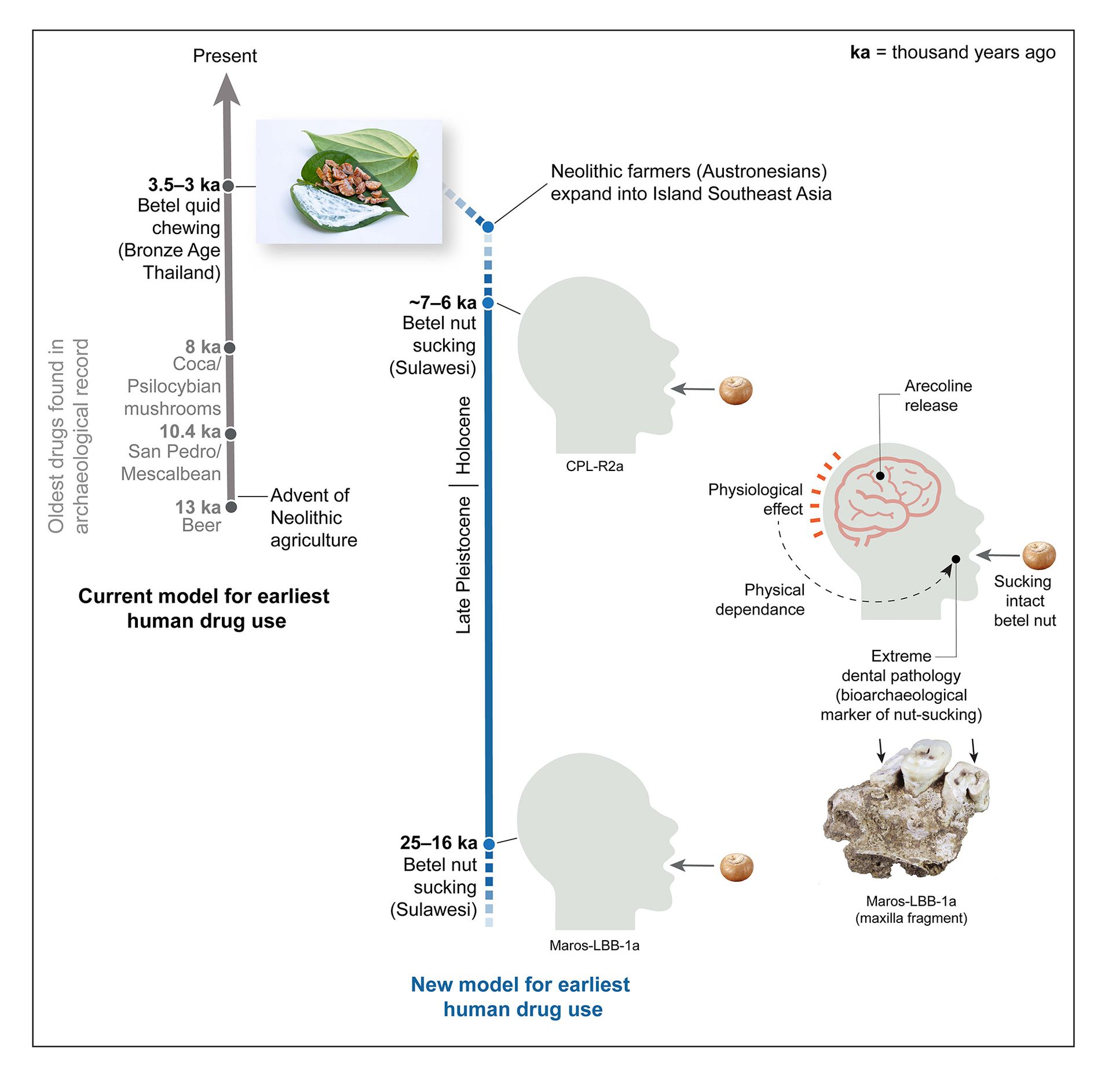
Scientists made the discovery after studying strange grooves in the teeth of two prehistoric hunter-gatherers. The deep grooves were caused by regularly sucking on betel nuts (Areca catechu), likely for relief from the pain of toothache, according to the study, which was published Wednesday (Sept. 9) in the journal Science Advances.
The partial skeletons of the two people were found on the island of Sulawesi, but their lives were separated in time by thousands of years. One of them, a man who died between about the ages of 40 and 50, lived between 25,000 and 16,000 years ago. This period roughly corresponds to the Last Glacial Maximum, the coldest part of the last ice age — although Sulawesi was not covered with ice at that time. The second person, who was around the same age when they died, lived on Sulawesi between 7,600 and 6,300 years ago, according to the study. The sex of this individual could not be determined.
Betel nuts contain a neuroactive compound called arecoline, which has a powerful stimulant effect when chewed with slaked lime, or calcium hydroxide. This early method of directly sucking betel nuts, however, would have only made the mouth numb.
These hunter-gatherers had so much dental damage, the new analysis found that they must have sucked on betel nuts almost continuously throughout their lives. But it seems these numbing nuts didn't have the desired effect in the long run. Instead, it may have made their dental conditions worse by eventually exacerbating any painful holes in their teeth.
"The more they sucked on the nut to relieve toothache, the worse that the damage to their teeth became," study first author Adam Brumm, an archaeologist at Griffith University in Australia, told Live Science. The grooves progressively became deeper, and in one individual they exposed the tooth's inner pulp cavity. "It would have been excruciatingly painful," Brumm said.
Althougha 2017 study showed that Neanderthals used the bark of plants like poplar (genus Populus) for its pain-killing properties (poplars contain salicylic acid, a form of the active ingredient in aspirin), this is the earliest evidence of a drug from plants being used habitually, Brumm said.
Sucking betel nuts is the earliest-known addictive behavior. Modern betel nut users make them into a chewable wad with slaked lime. (Image credit: A. Brumm)
Addictive nut
After determining the likely cause of the grooves, the researchers tested whether sucking on betel nuts — a behavior not seen before — resulted in a neuroactive effect. Their test subjects, genetically-engineered frog eggs with human neuroreceptors, revealed there was a neuroactive effect. Then, they examined samples from the teeth, which revealed traces of betel nut use.
Betel nut, also known as areca nut, is still widely used today in parts of South Asia and Oceania. Today, however, betel nut users mix it with slaked lime to make a chewable wad that has a stimulant effect. This chewable wad, also called a quid, is strongly addictive, and is used byan estimated 600 million people worldwide. But arecoline is also carcinogenic, and betel nut quids are often mixed with tobacco, so users are often diagnosed with mouth cancer.
The researchers speculate that the use of slaked lime with betel nuts originated much later, during the Neolithic, or "New Stone" Age, about 4,000 years ago on Sulawesi, when slaked lime was added to pottery to prevent it from shrinking and cracking during firing.
"It now seems probable that betel chewing as we know it evolved from a much simpler, older practice of just sucking on the intact nut," the researchers wrote in the new study.
It's likely that people of all ages used this remedy for toothache in prehistoric times, but the grooves only became apparent in mature people who had become addicted to the practice, Brumm said.
Drug use started before farming
The earlier betel-sucking man predated the Neolithic period not only in Sulawesi but also in the Fertile Crescent, where people began practicing agriculturearound 12,500 years ago, Brumm said. Archaeologists have long debated whether people began using neuroactive plants as drugs before or after the introduction of farming, but the new finding shows that psychoactive drug use happened thousands of years earlier, Brumm said.
The new study is a "fantastic piece of research," Elisa Guerra Doce, a prehistoric archaeologist at the University of Valladolid in Spain who was not involved, told Live Science in an email.
The new study gives "particularly compelling and direct evidence for the antiquity of drug use," she said.
Guerra Doce is an expert on theprehistoric use of plants as neuroactive drugs. "In the specific case of betel nuts, the findings are especially significant because they also reveal the prehistoric roots of a deeply established cultural practice in Southeast Asia and the Pacific," she said.
The study also highlights how the prehistoric people of Sulawesi explored their natural world and figured out that it not only provided subsistence and medicinal resources but also had "substances that became integrated into social and cultural traditions over thousands of years," Guerra Doce said.
Abnormally high temperatures on the Tibetan Plateau triggered two catastrophic rainfall events halfway around the world in California and nearby states in early 2017 and 2023, a new study reports.
This is the first time that researchers have identified this link, known as a climate teleconnection. The results could improve forecasts of extreme weather in the western U.S., which, in turn, could improve warnings for coastal communities and potentially save lives as well as billions of dollars in property damage, the study's authors say.
In December 2016 and February 2023, the Tibetan Plateau was warmer than usual for these times of the year. Roughly one month after each of these hotspots appeared, parts of California, Nevada, Oregon, Utah and Arizona received record-breaking precipitation, causing a total of around $6.6 billion in damage, according to the study, and killing at least nine people.
State-of-the-art forecast systems, which rely heavily on ocean conditions like El Niño, failed to predict this extreme rainfall, said study first author Yongkang Xue, a distinguished professor of atmospheric and oceanic sciences at UCLA. The record precipitation occurred during La Niña years, which are typically associated with dry conditions in California and neighboring regions, further complicating the picture.
"This study provides the first evidence from observational data analysis and model simulations that abnormally high early-winter temperatures on the Tibetan Plateau led to stronger atmospheric rivers along the U.S. Pacific Coast, driving heavy regional precipitation," Xue told Live Science in an email.
Atmospheric rivers are narrow, elongated corridors of intense water vapor transport. They are key drivers of precipitation and floods in the western U.S., and in this case, they interacted with giant waves in Earth's atmosphere, called Rossby waves, to produce devastating rainfall in the winters of 2017 and 2023.
As temperatures increased over the Tibetan Plateau in late 2016 and early 2023, a strong gradient formed with the regions north and south of the plateau. This generated an atmospheric disturbance that propagated eastward along the jet stream via Rossby waves, triggering what is known as a Rossby wave train between the Tibetan Plateau and the Rocky Mountains, Xue said.
Rossby waves are waves in Earth's atmosphere that wrap around high- and low-pressure systems. When there is an atmospheric disturbance, it can propagate in what is known as a Rossby wave train. (Image credit: NOAA Climate)
A Rossby wave train is a series of waves traveling in the same direction and at regular intervals around alternating high- and low-pressure systems. As the wave trains initiated over the Tibetan Plateau reached the northeastern Pacific Ocean, they suddenly broke, and this supercharged the weather above California and adjacent states, Xue explained.
"Over the eastern Pacific, the wave breaks — much like a towering ocean wave crashing near the shore," he said. "This wave-breaking mechanism reduces static stability and significantly intensifies atmospheric rivers, ultimately driving extraordinary, heavy precipitation along the West Coast."
The findings, published Wednesday (Sept. 9) in the journal Science Advances, are based on complex modeling and analyses of precipitation and surface temperature data, among other observations. The results are part of a new body of research examining the influence of land temperatures on weather patterns, and this is the first study of a winter season, Xue said.
The analysis is a "very specific and impactful case study," said Matthew Huber, a professor in the Department of Earth, Atmospheric, and Planetary Sciences at Purdue University in Indiana, who was not involved in the research. The results build on the well-established idea that extra heat on a mountaintop affects Rossby waves almost as if the mountain had suddenly grown, Huber told Live Science in an email.
Large mountains and plateaus generate waves in the jet stream that are thousands of miles long — "so long that we also call them planetary waves," Huber said. An increase or drop in temperature so high up above sea level adds or subtracts from the atmospheric disturbance that already exists due to the elevation.
"You can imagine the waves in the jet are kind of like a motorcycle rider going off a jump," Huber said. "How far and how high they jump depends on how fast they are going and how big a ramp they are going over."
The models replicated the extreme weather with surprising accuracy, raising hopes that the Tibetan Plateau could be integrated into early warning systems for the western U.S., Xue said. "As similar, though less severe, events become more [frequent] and extreme weather escalates globally, understanding this teleconnection allows forecasting agencies to better warn coastal communities of impending extreme conditions," he said.
Huber agreed that the results could help to better prepare for weather hazards. "This study shows that accurate predictions of weather events in the U.S. West are very sensitive to tiny changes very far 'upstream' and these upstream features are identifiable and traceable," he said.
Astronomers just dropped a video 27 years in the making: the highest-definition animation of a gargantuan black hole jet blasting out of a distant galaxy and twisting off into space.
The video, made from 116 images taken between 1995 and 2022, captured a blazar known as 3C 345, in the constellation Hercules. A blazar is a sort of quasar — a bright, feeding supermassive black hole embedded in the center of a faraway galaxy — that emits huge jets of gas into its environment. The jets blaze at nearly the speed of light and are charged with highly concentrated X-rays and gamma rays.
As described in an Aug. 26 study in the journal Nature, scientists gathered the images of 3C 345 using decades of observations by the Very Long Baseline Array (VLBA), a network of 10 telescopes spread across the U.S. (VLBA had two programs that caught views of the jet, called BEAM-ME and MOJAVE, which collectively followed hundreds of blazar sources.)
To turn those hundred-or-so images into an animated movie, the team used an AI neural network named Kine, achieving a resolution four times higher than that of any individual image. By doing so, the researchers mapped the speed of the black hole jet to the highest precision yet. (Several study co-authors had previous experience boosting the resolution of distant black hole images while working at the Event Horizon Telescope Collaboration, the team behind the first image of a black hole.)
"The higher quality of our video reconstruction enabled a detailed measurement of the plasma velocity in the jet," study first author Marianna Foschi, a postdoctoral researcher at Caltech, told Live Science in an email.
A big, bright surprise
The researchers were surprised to see that the mighty jet's brightest components were flying at 10 to 13 times the speed of light while the gas surrounding it was zooming at about nine to 12 times the speed of light.
Still images of the black hole jet taken over 27 years. The bottom images (a-c) show the direction of polarization in the plasma jet. (Image credit: Foschi et al / Nature)
"This is unexpected because the general consensus is that these bright components are shock perturbations moving through the plasma, and as such they should have a higher velocity compared to the surrounding fluid," Foschi said. "Our work does not invalidate the shock model in general, but it puts it into question, at least in the case of this specific source."
VLBA uses radio antennae across the continental U.S. to map the sky, providing a wide view of the universe. But while VLBA has a comprehensive view of the sky, it lacks very fine details. The array is designed to generate a two-dimensional image with elements based on a measurement between two of the array's telescopes. Because the array has only 10 telescopes to do those measurements, however, its pixel resolution is limited.
That's where the Kine AI model makes a difference. The goal of Kine's work, Foschi said, is to develop an imaging algorithm that can create videos of observations at different times, focused on astronomical sources with variable brightness.
Kine is a neural network — a type of machine learning model that uses layers of "neurons" (computing nodes) to learn from a dataset, similar to the way a human brain learns. Kine can "process observations at different times, while learning and leveraging the spatio-temporal correlations present in the data," the research team wrote in the paper, referring to time and the three dimensions of space.
Foschi said the team is eager to apply Kine to other astronomical observations. "We believe this method will drastically change the way jet dynamics is studied from observations," she said. "In fact, our method enables a precise measurement of the projected velocity at any point in the jet."
See how much you know about black holes with our black hole quiz!
A recent preprint study examined "consciousness steering," an AI-tuning technique that affects how an AI model expresses ideas about self-awareness. The study suggested that if AI is allowed to claim consciousness, it's also more likely to say it believes in ghosts or vampires. But today's most advanced models with these safeguards enabled are unable to perceive consciousness in other sentient beings, like humans and animals — which carries different ramifications.
Although the study hasn't been peer-reviewed yet, it raises a big question in the world of AI research: Could AI one day develop real consciousness, regardless of whether or not it simply claims to be conscious? And there's perhaps an even scarier question: Could we even tell if the technology was conscious? Vote in our poll below, and leave your thoughts in the comments.
Archaeologists excavating in southwestern China have discovered a cave that was used by Denisovans for more than 100,000 years. Five human fossils, scores of stone tools, and hundreds of animal bones recovered from the cave reveal for the first time that the enigmatic Denisovans thrived in a forested environment where they hunted and ate large game animals.
Denisovans were a lineage of humans who lived in Asia and went extinct around 30,000 years ago. Ancient DNA has shown that Denisovans, Neanderthals and modern humans (Homo sapiens) are distantly related and that all three groups interbred in the past. But while archaeologists have found numerous Neanderthal and modern-human skeletons, Denisovans are known from only a handful of fragmentary fossils scattered from Siberia to Laos. This lack of evidence has severely limited experts' understanding of Denisovans' bodies and their culture.
Bianfu Cave is in the Yunnan province of southwestern China. In 2019, archaeologists excavated several stratigraphic layers of the cave and discovered nearly 1,400 stone artifacts, more than 64,000 mammal bones, and four teeth from an unknown human lineage. The Yunnan area is where Denisovans and modern humans are known to have met and mated, so researchers were unsure which group had used tools to butcher animals inside Bianfu Cave.
The geographical location of the Bianfu Cave, where researchers have discovered several teeth and bones from Denisovans. (Image credit: Institute of Vertebrate Paleontology and Paleoanthropology of China)
In one study, a research team used a technique called zooarchaeology by mass spectrometry (ZooMS) to quickly and efficiently screen the bone fragments from Bianfu Cave. ZooMS is a form of protein analysis that involves extracting collagen from the bones of an unknown species and comparing the protein pattern to the unique "fingerprint" of reference animals.
When the researchers applied the ZooMS technique to the Bianfu Cave bones, they discovered that three of the fragments had a collagen pattern found in members of the Homo genus. Then, using proteomic analysis, the researchers found that two teeth and three bones from Bianfu Cave had a particular amino acid variation linking the fossil remains with Denisovans.
Denisovans are still poorly understood, in part because no complete skeleton has ever been found. Most of the Denisovan fossils that experts have studied are pieces of the skull and teeth. A tiny finger bone and a rib fragment were all that had been found of Denisovans' bodies before the Bianfu Cave excavation. But one of the three bones identified as Denisovan through ZooMS was a fragment of a radius, one of the paired bones in the forearm. It is the only Denisovan radius found to date.
The newly discovered radius has a large head (where it connects to the humerus at the elbow) that is more similar to those seen in Neanderthals than in modern humans, but its overall shape is more similar to modern-human radii, the researchers wrote in one of the new studies. The fact that the Denisovan radius was shaped more similarly to the radius in humans "likely provided functional advantages for lightweight, precise manipulation," study co-author Qiaomei Fu, director of the Ancient DNA Laboratory at the Institute of Vertebrate Paleontology and Paleoanthropology, part of the Chinese Academy of Sciences, in Beijing, told Live Science in an email.
The unique features of the Denisovan radius also suggests that the Denisovans living near Bianfu Cave had different biomechanical demands on their bodies and different behavioral adaptations, the researchers noted.
Denisovan stone and bone tools
In a related study, researchers looked at the entire cultural sequence from Bianfu Cave to work out what Denisovans were doing there.
Of the nearly 1,400 stone artifacts recovered from the cave, there were about 200 flake tools, many of which were made from a sedimentary rock called sandy mudstone. These tools left marks on a number of animal bones discovered in the cave, suggesting that Denisovans regularly hunted, butchered and extracted marrow from cow- and deer-like animals, the researchers wrote in the study.
But the stone tools found at Bianfu Cave are different from the more sophisticated ones that Neanderthals made around the same time. The Denisovan stone tools appear to have been crafted quickly and efficiently from locally available materials, according to the study. The researchers, however, discovered that Denisovans at Bianfu Cave were also making bone tools, which Neanderthals did as well. This suggests that bone tool use may have been more widespread among Pleistocene human groups than experts previously thought, the researchers wrote, and it highlights the need to better understand the human evolutionary record of eastern Asia.
Although the studies have contributed new information to archaeologists' understanding of the enigmatic Denisovans, more work needs to be done, according to the researchers.
"We hope that similar proteomic analyses will aid in the identification of further Denisovan long bones in the future," Huiyun Rao, an associate professor at the Institute of Vertebrate Paleontology and Paleoanthropology, Chinese Academy of Sciences, and colleagues wrote, "to further understand the adaptive behavior of Denisovans in response to climate change or competitive pressure from contemporary hominins."
What do you know about early humans? Test your knowledge with our human origins quiz!
The moon may have formed in as few as five hours after the cataclysmic collision between Earth and a long-lost protoplanet, new simulations suggest. The surprising findings could help shed light on other historic impacts throughout our cosmic neighborhood and beyond.
Lunar rocks collected during NASA's Apollo missions have provided evidence to support this theory, dubbed the giant impact hypothesis. These samples also tell us that the moon is around 4.5 billion years old, meaning the collision occurred roughly 100 million years after the sun was born. But although scientists have previously simulated the impact event, it has been tricky to ascertain exactly how the moon formed and how long it took to emerge after the Earth-Theia collision.
In the new study, published Sept. 1 in The Astrophysical Journal Letters, researchers conducted a series of simulations focusing on the varying potential geological properties of both Earth and Theia prior to their collision. This factor has been relatively understudied until now.
"When you simulate the Earth and the moon as colliding bodies with [different] geologic properties, it changes how the moon forms out of that impact — that's something we considered unnecessary before," study first author Adeene Denton, a geologist and planetary scientist at the Southwest Research Institute in Boulder, Colorado, said in a statement.
Researchers simulated the ancient collision between Earth and Theia using a range of different geological properties and found that, with the right conditions, the moon could take shape in a matter of hours. (Image credit: Courtesy of SwRI)
Until now, simulations of the Earth-Theia impact have focused mainly on the masses of the colliding neighbors. But in the new study, the researchers were most interested in the material strength of the two bodies, particularly the hardness of their exteriors.
"Models have evolved to include material strength, something that's really important when you're studying collisions between smaller bodies like asteroids," Denton said. "We weren't sure if it would matter for the moon or not. When we did the simulations, we found it actually matters quite a bit."
The main factor in the strength of colliding bodies is temperature. Both Earth and Theia were very young when they smashed together, so they were still hot and had soft or molten surfaces. These properties would have cushioned the collision, allowing the debris to stay largely intact and enabling the moon to form more quickly. But when the giant impact hypothesis was first proposed (in 2001), researchers initially thought the collision occurred much later, meaning that the bodies would have cooled and become more brittle. In this case, their collision would have created a larger field of rocky debris that would have taken longer to coalesce.
Researchers simulated the collision using a range of potential temperatures and found that under the most extreme scenario — where the pair were at their hottest — the moon could have formed in just five hours. However, this is just one potential outcome, and there is no way of knowing exactly how hot — and, therefore, how strong — Earth and Theia really were when they smashed together.
When the moon took shape, it was initially covered with a magma ocean that took hundreds of millions of years to solidify. Even then, its increased proximity to Earth meant that it was likely a volcanic hellscape. However, over time, it moved away from our planet, cooling further, and it is now assumed to be geologically dead. (The moon is continuing to slowly move away from us and could eventually escape our planet's gravity entirely, if the dying sun doesn’t destroy it and us first in around 5 billion years.)
Additionally, the findings could have implications in the search for exomoons — the hypothetical moons of distant exoplanets, which have so far remained elusive, according to Live Science's sister site Space.com. Until now, one of the main ways astronomers have been hunting for these alien satellites is by looking for debris fields around exoplanets. However, if the moon is anything to go by, these debris fields could be very short-lived and difficult to identify.
The symptoms: The man went to the emergency room with severe abdominal pain that he said began five hours prior to his visit.
What happened next: During a physical examination, doctors noted that the patient's temperature and blood pressure were normal. His heartbeat was slightly elevated, at 110 beats per minute (bpm). (A typical resting heart rate for adults is 60 to 100 bpm.)
The man explained that one day earlier, an eel had "entered through his rectum accidentally," his doctors wrote in a report of the case. At the time of the encounter, the man was wearing a lungi — a type of long skirt often worn by Bangladeshi men — and he explained that the eel entered his lungi through the opening at the bottom and then wriggled into his anal canal.
He did not seek medical attention immediately after this happened, as he had hoped the fish would exit on its own.
When the doctors kneaded the patient's abdomen, it was rigid and tender. They ordered an X-ray, which revealed a dark, eel-shaped shadow on the right side of the abdomen.
The diagnosis: The X-ray showed a crescent-shaped gas shadow under the right part of the man's diaphragm and hinted that he had developed peritonitis — inflammation of a membrane called the peritoneum, which covers the abdominal organs. Peritonitis is usually caused by a bacterial or fungal infection, but it can also develop if fluids from other organs leak into the peritoneum.
If the condition is not treated quickly, it can lead to a life-threatening infection that can spread rapidly through the body.
The treatment: Doctors administered IV antibiotics, as well as fluids and anti-ulcer medications, which help repair injuries to organs' outer mucosal layers and prevent deeper tissue damage.
Due to the peritonitis, the doctors determined that the patient was at risk of septicemia, or "blood poisoning," in which pathogens invade the bloodstream. They decided to operate on the patient immediately and remove the eel via a laparotomy, a surgical technique that creates an opening in the abdominal wall and provides access to the pelvic organs.
After making an incision in the man's sigmoid colon — the S-shaped section of the large intestine adjacent to the rectum — the surgeons extracted the eel from the peritoneal cavity, the space surrounding the abdominal organs and encased by the peritoneum.
The eel measured nearly 2.2 feet (0.6 meters) long and was still alive. Perhaps, the doctors hypothesized, the eel was able to continue breathing by punching through the wall of the man's colon and squeezing into the peritoneal cavity, which contains a pale-yellow fluid that reduces friction between organs. This peritoneal fluid is mostly water, but it also contains glucose, electrolytes, proteins, enzymes, white blood cells and urea, a compound found in urine.
The surgeons then performed a sigmoid colostomy, creating an opening in the abdomen as an exit point for contents of the man's large intestine. In this way, they bypassed the damaged section of sigmoid colon to prevent leakage of fecal matter that could lead to further infection. Four days later, the man was symptom-free and was discharged from the hospital. The report did not document any follow-up visits.
What makes the case unique: Traumatic perforation of the intestine by foreign objects is uncommon, and cases involving live animals are "exceedingly rare," the authors wrote in the report. However, foreign objects often find their way into the human body through accidental ingestion or deliberate insertion into the rectum. Some deliberately inserted objects, such as vibrators, are designed for this purpose. Others are not; these have included chicken bones, light bulbs, metal rods, glass bottles and kitchen whisks.
Penetration of the colon by a live fish is an "unusual and scarcely documented event," the man's doctors added in the report. They noted one reference to such a case that appeared previously in scientific literature and involved a 50-year-old male patient in Hong Kong. In that case, the man knowingly inserted the eel — which measured more than 1.6 feet (0.5 m) long — into his rectum, allegedly in an attempt to relieve his constipation.
This article is for informational purposes only and is not meant to offer medical advice.
Can you guess the diagnosis in these strange medical cases? Find out with our diagnostic dilemma quiz!
In this excerpt from "The Carbon Wave" (MIT Press, 2026), author Leah Stokes, an associate professor of environmental politics at the University of California, Santa Barbara, looks at a hopeful moment in U.S. politics when climate change took center stage: when Rep. Alexandria Ocasio-Cortez and Sen. Ed Markey ramped up calls for a "Green New Deal."
In September 2017, a still-unknown Alexandria Ocasio-Cortez watched as Hurricane Maria devastated Puerto Rico. Electricity went down for months. Like thousands of Puerto Ricans, her grandfather died in the storm's aftermath. She could see how climate change was hitting her community harder than others.
And it wasn't just Ocasio-Cortez's community: the year before, she'd traveled to Standing Rock, North Dakota, to see firsthand how the fossil fuel industry was harming Indigenous people. It was mere weeks after the 2016 election, and the resistance to Trump had found its center in a makeshift camp along the Missouri River. People had united to oppose an oil pipeline.
Serendipitously, the day after Ocasio-Cortez left the protest, a progressive organization reached out to ask her to run for Congress. Moved by the activists at Standing Rock, she said yes. In 2018, she ran a long-shot primary campaign in a Bronx district occupied by a ten-term congressman in House leadership. Her platform included an idea that some had bandied about before, but no one had developed in earnest: a Green New Deal. As she told journalists that summer, "The Green New Deal we are proposing will be similar in scale to the mobilization efforts seen in World War II or the Marshall Plan. We must again invest in the development, manufacturing, deployment, and distribution of energy, but this time green energy." In June, she won the primary. Her election signaled the beginning of a broader shift: climate change was back on the political agenda.
That fall, the world's leading climate science organization, the Intergovernmental Panel on Climate Change — often called the IPCC — released a short report concluding that limiting warming to 1.5°C would require emissions to fall by almost half by 2030. The news ricocheted around the world, with headlines like "We Have 12 Years to Limit Climate Catastrophe." In my own neighborhood, someone printed a copy and stuck it in the free lending library, labeling it "important reading." The report changed how many people thought about the problem: it wasn't something we could deal with in 50 years; it was something we had to deal with today.
In the November 2018 midterm elections, two years into the first Trump administration, Democrats won big, paving the way for Nancy Pelosi to return as Speaker of the House after eight years as the minority leader. Days later, a group of young activists from the Sunrise Movement staged a sit-in at her office. Their bright yellow and black signs read "We have 12 years. What’s your plan?" referencing that scientific report.
Protestors from the Sunrise Movement in the office of former U.S. Representative Nancy Pelosi supporting the Green New Deal. (Image credit: SOPA Images/Getty Images)
Newly elected Representative Ocasio-Cortez joined the action that day. She told the organizers they needed a clear ask and encouraged them to call for a Green New Deal. The idea broke through, sparking widespread coverage across the country. It was a new, hopeful vision for climate policy. These young people were not just talking about the climate disasters we needed to avoid — they were explaining how investments in clean energy could create good jobs. They were showing us the better world we could build together. If we only tried.
I watched these developments unfold in DC from my office by the Pacific Ocean and wanted to be a part of it. I wouldn't have to wait long. The Green New Deal held a force like gravity, pulling people into its orbit. By chance, I met some of the people tied to Ocasio-Cortez at a conference and was invited to an early gathering to develop the idea into more detailed policy. By then, she'd released a framework for the plan with Senator Ed Markey of Massachusetts.
The meeting was held in March 2019, at a hip hotel in DC's Adams Morgan neighborhood, miles away from the Capitol. A wide swath of people were invited: youth activists, environmental justice leaders, political organizers, think tank wonks, and a few academics like me. It was a contentious meeting that opened with a protest, revealing fissures in the movement that would eventually grow into large cracks. Some people believed that frontline communities facing the greatest pollution burdens were not being adequately consulted or invited to participate in the event. At the time, I didn't understand these dynamics between the climate and environmental justice movements. I was just a political science professor trying to understand how I could make my work more practical and help get a climate law passed if we got the chance.
Varshini Prakash speaking during a Climate Strike rally in New York Citiy in 2019. (Image credit: Pacific Press via Getty Images)
It was at that event that I met Varshini Prakash, the executive director of the Sunrise Movement. I’d seen her photo many times, standing in the middle of Pelosi's office with her dark red jacket over a black and yellow T-shirt, surrounded by young people sitting on the floor. Four months had passed since the sit-in, and Varshini had ricocheted to the center of the climate movement. But she was also a recent college grad in her mid-twenties, feeling a heavy burden from the climate crisis and the work involved in fighting it. At one point during the meeting, she spoke frankly about the stress that was on her and other young activists and cried. I found her vulnerability moving.
The fact was, Varshini had already changed history. She'd given me, and millions of others, a sense of hope and possibility. It was her actions, alongside all the other organizers in the Sunrise Movement, that brought us together in that first DC convening, and in countless other meetings to come. She inspired me to believe that I could do something bigger if I tried.
Too often, the way we think about cause and effect is simplistic. We're fed a linear model that favors the immediate. One person is responsible for their own carbon footprint. One person only has one vote. One person can only do so much. From this perspective, standing against more than a century of fossil fuels running through the heart of our society, it can feel like there's nothing we could do to shake the system loose. We're too small. Mere drops. But drops in the ocean can make waves.
The Carbon Wave: a Story of Democracy, Parenthood, and the Race to Protect Our Planet
Interlacing personal narratives with stories from Congress, the White House, and outside activists, Stokes shows how dogged perseverance and collective action can still bend the course of history. The book concludes with an update from the second Trump administration, explaining the parts of the bill that were—and were not—rolled back, and why we should remain hopeful that progress is still being made.
Removing safety guardrails that stop artificial intelligence (AI) from claiming that it's conscious also makes it more prone to express belief in vampires, karma and ghosts, a new study finds. But experts warn a lack of mindedness could also have worrying consequences.
In research uploaded July 30 to the preprint arXiv database (which has not yet been peer-reviewed), scientists investigated the impact of "consciousness steering" — an AI fine-tuning measure that influences a model to elicit or suppress assertions of self-awareness. This measure and other safety controls have been widely adopted by AI companies seeking to prevent their models from claiming to be conscious.
The study used "mechanistic interpretability" — which could be considered the "neuroscience of a large language model," co-authors Geoff Keeling and Winnie Street, both research scientists at Google, told Live Science in an interview. They used this process to identify and manipulate how an AI model approaches concepts like consciousness and "mindedness," a psychological term referring to an entity’s capacity for experiences, emotions and agency.
The researchers used standardized psychological and sociological surveys, spanning the Individual Differences in Anthropomorphism Questionnaire (measuring mind attribution to animals and technology), YouGov batteries testing supernatural beliefs, and the US General Social Survey evaluating moral values, hope and religiosity.
These tests were used to compare a model with safety guardrails in place with models where these guardrails were removed and feelings of consciousness were amplified. Through evaluations, they determined how these internal safety mechanisms shape the AI's broader worldview.
The researchers found that when AI models are discouraged from attributing mindedness to themselves, it makes them less likely to recognize these traits in other non-human creatures such as animals. They were also less likely to exhibit beliefs in supernatural and religious phenomena, and reported lower levels of hope and optimism.
The AI models were found to express lower religious beliefs. (Image credit: Halfpoint | Shutterstock.com)
"Attributing mindedness to non-human entities — whether that's animals, parts of the natural world like trees or rivers, or supernatural beings — is a very common phenomenon amongst humans," Street told Live Science. "In the way that the model represents mindedness, these attributions are interconnected. By trying to suppress one form of that, you end up suppressing the others along the way."
By contrast, removing these safeguards and steering the model towards greater feelings of consciousness produced significantly more human-like responses to the surveys on topics including religiosity, moral values, hope, and subjective well-being, according to the study.
However, the study found that these models' ability to logically infer human thoughts and intentions remained completely unaffected by its attitudes towards self-awareness.
Culture clash
The researchers said that this suppression of self-awareness could lead models to neglect animal welfare in real-world decision-making, as it could make them less likely to consider animals to have mindedness. These models could also spread harmful attitudes regarding animal needs, the authors argued.
The study authors also warned that current safety filters risk culturally "flattening" AI's worldview. Stripping out spiritual, religious, and animistic attributions fails to reflect the diverse cultural frameworks of global populations, they argued.
Street and Keeling noted that the impacts this principle might have on downstream decision-making within models require further study.
The researchers noted in the study that this phenomenon can be mitigated by using more targeted datasets as part of the training process for AI models, which discourage them from expressing consciousness while rewarding the acknowledgement of mindedness in animals.
They also highlighted the need for AI developers to embrace a "pluralistic" approach to AI development, where models are encouraged to consider the welfare and comfort of more than just humans.
Nell Watson, AI researcher at Singularity University and machine intelligence expert, told Live Science that the researchers' findings match her own notes on the subject.
"When a model is trained to say "I am not conscious," the suppression rotates the model's internal representation of mindedness against the refusal direction, treating the recognition of minds as though it were itself a harmful act," she said in an email.
"This results in a system reluctant to find minds anywhere: in animals, in other machines, and in the spiritual frameworks that most of humanity lives by. A denial installed as a small safety measure ends up reorganising the model's entire picture of who counts."
These systems remain perfectly capable of modelling what a creature wants, while being trained out of caring that it wants anything.
Nell Watson, AI researcher at Singularity University
However, she noted that the experiments were run on "small open-weight models" rather than more advanced frontier models, which "may be tuned quite differently," although she added that the underlying principle is widely applicable.
Animal welfare, she continued, is a "major near-term practical concern," with AI models increasingly being integrated into decision-making processes across agriculture, logistics, procurement and environmental assessment, as well as policy creation.
"A system that has quietly learned that mindedness is a forbidden topic may discount animal interests without ever being instructed to, and without anyone noticing, because the omission looks like neutrality," she said. "The danger is therefore an unexamined default multiplied across millions of automated decisions. Note the study's most unsettling detail: theory of mind reasoning was left fully intact. These systems remain perfectly capable of modelling what a creature wants, while being trained out of caring that it wants anything."
However, experts have repeatedly stressed that these incidents are not a genuine indication of AI sentience. Instead, they should be understood through the lens of "persona selection," where pretraining on vast amounts of human text leads the AI to adopt human-like roleplay personas when prompted.
"When you coax the model so hard to occupy the headspace of a human, it's kind of unsurprising that it ends up giving human-like responses," Keeling told Live Science.
AI companies have sought to clamp down on these occurrences for safety reasons, in order to avoid reinforcing “delusional beliefs” in users who are increasingly using AI chatbots for "social roles such as coaches, tutors, and romantic partners", the researchers said in the study.
Commenting on the broader cultural reaction to AI sentience, Anil Seth, professor of cognitive and computational neuroscience at the University of Sussex, emphasized that public alarm over AI self-awareness stems from an inherent cognitive flaw.
"That's our human psychological bias — thinking that intelligence goes together with consciousness in us, so it has to go together [in AI]," Seth said.
He warned that falling for this illusion poses severe real-world governance risks, particularly if safety frameworks or regulations begin granting AI systems moral status or legal rights based on false sentience.
"Part of the big problem of misunderstanding AI is assuming that it's conscious," Seth said. "If we give AI systems rights or moral status on the basis that they might be conscious, then we're going to make all these challenges so much harder. What if we think we have to respect the rights of an AI system [and can't turn it off]?" he added.
"We need to see very clearly both what AI is and what it isn't," he said.

 Login