
Normal view

Natural Depsipeptide Antibiotic Targets Bacterial Ribosome

3 June 2026 at 23:35

In a groundbreaking discovery that could significantly shift paradigms in antibiotic resistance and natural product biosynthesis, researchers have identified a novel methyltransferase enzyme, ManE, that confers bacterial immunity against a newly characterized ribosome-targeting antibiotic known as MKM. This finding not only unveils a sophisticated self-protection strategy employed by antibiotic-producing bacteria but also provides pivotal insights into the molecular interplay between natural antibiotics and the bacterial ribosome, potentially inspiring the next generation of antimicrobial agents.

Bacterial species that produce antibiotics face the unique challenge of avoiding self-toxicity, necessitating robust mechanisms to protect their own cellular machinery from the lethal effects of the compounds they synthesize. One common method of achieving this immunity involves enzymatic modification of ribosomal RNA (rRNA), the antibiotic’s target, which diminishes the binding affinity of the antibiotic and thereby prevents inhibition of protein synthesis. The newly identified methyltransferase, ManE, exemplifies this elegant strategy by methylating a critical nucleotide within the bacterial 23S rRNA, directly interfering with the binding site of MKM.

The journey to elucidate ManE’s function began with the comparative genomic analysis of Streptomyces rimosus strains, revealing that the manE gene is uniquely associated with gene clusters responsible for MKM biosynthesis. This exclusivity underscores ManE’s evolutionary role in safeguarding producers against their own antibiotic arsenal. The localization of manE contiguous to the MKM biosynthetic gene cluster hinted at a functional relationship, prompting experimental expression studies in Escherichia coli as a model system.

Functional assays demonstrated that heterologous expression of ManE in E. coli strains conferred a striking increase, exceeding 32-fold, in the minimal inhibitory concentration (MIC) of MKM required to suppress bacterial growth. This specificity was particularly notable as ManE expression did not confer resistance to other translation inhibitors, indicating a precise modification mechanism that targets the site of MKM action without broadly affecting ribosomal function or antibiotic susceptibility.

To pinpoint the molecular underpinnings of ManE-mediated resistance, researchers employed primer extension assays on rRNA purified from ManE-expressing and control E. coli cells. The appearance of a distinctive reverse transcriptase pause at nucleotide C2395 in the 23S rRNA suggested the installation of a posttranscriptional modification at this site. This pause, absent in wild-type strains, indicated that ManE specifically modifies this cytidine residue, a hypothesis further refined through advanced mass spectrometry techniques.

Hydrophilic interaction liquid chromatography–mass spectrometry (HILIC-MS) analyses provided definitive chemical evidence that ManE methylates the 2′-hydroxyl (2′-OH) group of the ribose moiety in cytidine 2395, forming 2′-O-methylcytidine (Cm2395). This subtle yet crucial alteration alters the chemical landscape of the rRNA’s antibiotic binding pocket, particularly impacting interactions between MKM and its primary binding site on the ribosome. Structural modeling elucidated that the methyl group appended to the 2′-OH of C2395 engenders steric clashes with the antibiotic’s side chain, effectively occluding MKM’s binding and neutralizing its inhibitory capacity.

The implications of ManE’s action extend beyond a mere protective mechanism. By precisely modifying a single ribose 2′-OH group, the enzyme exemplifies the exquisite specificity that bacterial resistance strategies can achieve. This precision could inspire the rational design of novel antibiotics or adjuvant therapies that circumvent or exploit such methylation-based resistance, potentially rejuvenating the clinical efficacy of ribosome-targeting antibiotics.

Furthermore, the discovery enriches our understanding of the evolutionary arms race between antibiotic synthesis and resistance. The co-localization of manE with MKM biosynthetic genes in S. rimosus strains suggests that natural product biosynthetic gene clusters may inherently contain self-resistance elements, preserving producer viability while maximizing antibiotic potency against competing microbes. Such insights are pivotal for bioengineering efforts aimed at harnessing or modifying biosynthetic pathways for pharmaceutical development.

From a structural biology perspective, the detailed mapping of the MKM binding site and the elucidation of how rRNA modification disrupts antibiotic binding advance our fundamental knowledge of ribosome-antibiotic interactions. Cytidine 2395, residing within a strategic locus of the 23S rRNA, emerges as a crucial battlefield where chemical modifications dictate the outcome of antibiotic encounter, dictating susceptibility or resistance with profound consequences for bacterial survival.

ManE’s specificity for MKM resistance, without affecting susceptibility to other translation inhibitors, emphasizes the potential for designing targeted resistance inhibitors or modulators. Such compounds could restore antibiotic efficacy in resistant strains by preventing protective methylation, opening new avenues in antimicrobial therapy against multidrug-resistant pathogens.

The interplay of molecular genetics, biochemical assays, and structural analysis in characterizing ManE underscores the power of integrative approaches in unraveling bacterial defense mechanisms. By coupling gene expression studies with primer extension probing and high-resolution mass spectrometry, the researchers meticulously delineated the pathway through which ManE modifies rRNA and confers antibiotic resistance.

Future investigations could explore the broader evolutionary distribution of manE-like genes across diverse bacterial taxa, shedding light on the prevalence and diversification of methylation-based resistance strategies. Additionally, the potential cross-talk between ManE and other rRNA modifications could reveal synergistic mechanisms that fine-tune ribosomal function and antibiotic susceptibility.

This discovery resonates within the wider context of the antibiotic resistance crisis, where understanding natural resistance mechanisms can inspire innovative strategies to overcome therapeutic challenges. ManE provides a molecular blueprint of resistance that, while formidable in natural producers, may be circumvented or exploited by next-generation antibiotics or adjunct treatments.

Ultimately, the identification of ManE as a site-specific 2′-O-ribose methyltransferase modifying C2395 to counteract MKM establishes a paradigm of structural resistance that combines genetic specificity with chemical precision. This work not only advances fundamental science but also holds promise for translational applications aimed at tackling bacterial infections with enhanced efficacy.

In sum, the meticulous dissection of ManE function and its role in MKM resistance exemplifies the dynamic interplay between antibiotic biosynthesis and bacterial self-immunity. This knowledge enriches our arsenal against bacterial pathogens and underscores the continuous need to interrogate natural systems for clues to combat antimicrobial resistance in clinical settings.


Subject of Research: Mechanisms of bacterial self-resistance to ribosome-targeting antibiotics and rRNA modification by methyltransferase enzymes

Article Title: A natural depsipeptide antibiotic binds the E-site of the bacterial ribosome

Article References:
Kaur, M., Travin, D.Y., Berger, M.J. et al. A natural depsipeptide antibiotic binds the E-site of the bacterial ribosome. Nature (2026). https://doi.org/10.1038/s41586-026-10589-2

Image Credits: AI Generated
DOI: https://doi.org/10.1038/s41586-026-10589-2

Deep Learning Reveals Genetics of White Matter Structure

3 June 2026 at 23:24

In a groundbreaking study poised to transform our understanding of brain connectivity, researchers have unveiled the intricate genetic underpinnings of white matter microstructure by harnessing the power of unsupervised deep learning. This pioneering work employs advanced representation learning techniques on fractional anisotropy (FA) maps—images derived from diffusion tensor imaging (DTI) that serve as a proxy for the integrity and organization of white matter tracts in the brain. By integrating cutting-edge artificial intelligence (AI) with neuroimaging and genetic data, the research offers unprecedented insights into how our genome shapes the neural architecture essential for cognitive function and neurological health.

White matter, comprised of myelinated axons, forms the critical communication highways that link disparate brain regions. The structural integrity and organization of these pathways are pivotal for efficient information transfer, underlying everything from basic sensory processing to high-order cognitive tasks. Previous studies have implicated various genetic factors in influencing white matter properties, but the complexity and high dimensionality of both imaging and genetic data have posed significant challenges. Traditional approaches often fall short in capturing the subtle and distributed genetic effects on brain microstructure, necessitating novel methodologies capable of distilling meaningful patterns from vast datasets.

Addressing this, the research team leveraged an unsupervised deep representation learning framework—a form of AI that autonomously derives compact yet rich feature representations from raw data without reliance on pre-existing labels. Unlike supervised models trained on predefined outcomes, unsupervised models learn intrinsic data structures, making them exceptionally suited for exploring complex biological signals where the underlying patterns are not fully understood. Specifically, applying such algorithms to FA maps enabled the extraction of deep latent features that reflect nuanced white matter microstructural characteristics beyond conventional summary metrics.

The fractional anisotropy metric, central to this study, quantitatively describes the directional coherence of water diffusion within white matter tracts. Higher FA values generally indicate greater myelination and fiber density, whereas reduced FA is associated with degeneration or dysmyelination, common in a spectrum of neurological disorders. By analyzing large cohorts of FA maps using the developed unsupervised model, the researchers produced a set of latent variables capturing diverse dimensions of white matter architecture, offering a new lens through which to interrogate its genetic architecture.

Following the generation of these learned representations, the study integrated genome-wide association analyses (GWAS) to identify specific genetic variants linked to the latent white matter features. This dual approach effectively marries deep learning’s ability to condense rich imaging data with classical genetics, illuminating a vast array of loci that collectively orchestrate the brain’s connective infrastructure. Remarkably, many of the implicated genes show enrichment in pathways involved in neural development, myelination, and synaptic modulation, suggesting that the learned representations capture biologically meaningful structural phenotypes.

Moreover, the genetic correlations revealed by this work extend beyond brain morphology alone, intersecting with cognitive performance traits and susceptibility to psychiatric and neurodegenerative conditions. This underscores white matter microstructure as a critical intermediate phenotype mediating how genetic variation translates into functional and clinical outcomes. The identification of novel genetic markers provided by the model opens fertile ground for exploring therapeutic targets aimed at preserving or restoring white matter integrity in disease.

The implications of applying unsupervised deep learning to neuroimaging are profound. By bypassing the need for manually defined imaging phenotypes, the approach adapts to the inherent complexity and heterogeneity of white matter, automatically learning representations that maximize informativeness and robustness. This strategy promises to accelerate discoveries not just in white matter genetics but across the neuroimaging field, enabling the decoding of subtle brain features that traditional methods frequently overlook.

Furthermore, this study accentuates the potential of AI-driven models to generate biomarkers suited for early diagnosis and progression tracking in neurological disorders characterized by white matter pathology, such as multiple sclerosis, schizophrenia, and Alzheimer’s disease. The learned imaging features could augment clinical decision-making and personalized medicine, providing more sensitive and specific indicators of disease state and response to therapy.

Technically, the research implemented a sophisticated neural network architecture adept at modeling high-dimensional spatial data intrinsic to FA maps. By training the network in an entirely unsupervised manner on a large dataset, the team ensured that the learned representations generalize well to diverse populations, bolstering their utility for broad genetic analyses. The computational pipeline also integrated rigorous validation steps, including replication in independent cohorts, enhancing confidence in the robustness of identified genetic associations.

This innovative convergence of neuroimaging, genetics, and artificial intelligence exemplifies the transformative potential of interdisciplinary research. It paves the way for future studies to leverage similar frameworks across other imaging modalities and phenotypes, fostering deeper understanding of the biological substrates underpinning brain health and disease. The methodology offers a scalable blueprint for extracting latent neurobiological knowledge from complex data landscapes, a critical advancement in the age of big data neuroscience.

In conclusion, the genetic architecture of white matter microstructure, long an enigma due to its complexity, has been illuminated through the lens of unsupervised deep representation learning. By capturing data-driven latent features from fractional anisotropy maps and coupling them with genome-wide genetic analyses, Zhao and colleagues have advanced the frontier of brain research, providing an invaluable resource for future studies exploring the genotype-phenotype nexus in human neuroanatomy. This work not only offers tangible biomarkers for brain structural integrity but also invites new hypotheses about genetic influences on neural connectivity and function.

The integration of AI and genetics showcased here represents an exciting horizon in neuroscience, with the power to unravel the intricacies of brain wiring that dictate cognition and vulnerability to neurological disorders. As the field evolves, such interdisciplinary approaches will be paramount in unlocking the full potential of neuroimaging data, translating molecular insights into clinical innovations that ultimately enhance human health and well-being.

Subject of Research: The study investigates the genetic determinants of human white matter microstructure by applying unsupervised deep representation learning techniques to fractional anisotropy maps derived from diffusion tensor imaging.

Article Title: Genetic architecture of white matter microstructure captured by unsupervised deep representation learning of fractional anisotropy maps.

Article References: Zhao, X., Xie, Z., He, W. et al. Genetic architecture of white matter microstructure captured by unsupervised deep representation learning of fractional anisotropy maps. Nat Commun (2026). https://doi.org/10.1038/s41467-026-73996-z

Image Credits: AI Generated

Oral Drug Combination Simplifies Treatment for AML Patients

3 June 2026 at 23:15

A groundbreaking clinical trial has unveiled an all-oral drug regimen that promises to revolutionize the treatment landscape for older adults diagnosed with acute myeloid leukemia (AML). Traditionally, AML treatment demands frequent hospital visits for intravenous chemotherapy, posing significant challenges for elderly and frail patients. The ASCERTAIN V trial, an international phase 1/phase 2 study spearheaded by leading researchers at Weill Cornell Medicine, NewYork-Presbyterian, MD Anderson Cancer Center, and Yale University, offers a compelling alternative by combining two orally administered drugs—decitabine-cedazuridine and venetoclax.

The study enrolled 189 newly diagnosed AML patients across the United States, Canada, and Spain, focusing on individuals of advanced age or those medically unfit for intensive chemotherapy. Patients received a regimen consisting of venetoclax daily for a month alongside five consecutive days of decitabine-cedazuridine at the beginning of each treatment cycle. This oral combination demonstrated remarkable efficacy, achieving a complete remission rate of 46.5%. Furthermore, when including patients achieving complete response with incomplete hematologic recovery, the overall response rate climbed to 63%. Median overall survival reached 15.5 months, aligning favorably with outcomes seen in conventional intravenous therapy.

Decitabine-cedazuridine represents a novel pharmacological innovation. Decitabine itself is a hypomethylating agent designed to reactivate genes involved in cellular growth and apoptosis, thereby impairing leukemic cell proliferation. However, decitabine’s oral bioavailability had previously been limited by rapid metabolic degradation. Cedazuridine, administered alongside decitabine, inhibits cytidine deaminase—the enzyme responsible for this breakdown—effectively ensuring therapeutic plasma levels of decitabine following oral administration. This pharmacokinetic synergy permits oral delivery without compromising drug exposure or efficacy.

Venetoclax complements decitabine-cedazuridine by selectively inhibiting Bcl-2, a mitochondrial protein frequently overexpressed in AML cells that confers resistance to apoptosis. By disabling this survival mechanism, venetoclax sensitizes leukemic cells to programmed cell death. The convergence of epigenetic reactivation through hypomethylation and targeted apoptosis combines to offer a potent anti-leukemic effect. Notably, this regimen allows patients to avoid the logistical burdens and profound disruptions imposed by inpatient infusions.

Safety data from ASCERTAIN V paralleled known profiles for these agents. Common adverse events included anemia, neutropenia, and febrile episodes associated with low white blood cell counts. These predictable hematologic toxicities necessitate vigilant monitoring but remained manageable within the outpatient context. The trial also explored dosing schedules, recommending strategic pauses in venetoclax administration contingent on reductions in leukemic blast counts, thereby permitting bone marrow recovery and mitigating prolonged cytopenias.

The implications of this oral regimen extend beyond convenience. Dr. Gail J. Roboz, the trial’s principal investigator and a hematologist-oncologist at Weill Cornell, emphasizes the transformative impact on patient quality of life. “The goal is to reduce hospitalizations and treatment-related disruptions, enabling patients to maintain daily routines and comfort, without sacrificing therapeutic outcomes,” she asserts. This paradigm shift is particularly salient for elderly patients whose frailty often precludes intensive therapies.

Moving forward, researchers are optimistic about further refinements. Enhanced molecular monitoring may soon guide personalized treatment durations, raising the prospect of safely discontinuing therapy once sustained remission is achieved. Additionally, the team is investigating triplet regimens—augmenting decitabine-cedazuridine and venetoclax with additional targeted agents—to deepen remissions and accelerate potential cures.

The FDA granted approval for this oral combination in May, acknowledging its significance for the subset of adults aged 75 and older, or those deemed ineligible for conventional chemotherapy. Published in the New England Journal of Medicine, these findings establish a new therapeutic standard for AML, signaling a shift towards less invasive, more patient-centric care models.

Despite this progress, challenges remain. Continuous treatment necessitates rigorous clinical follow-up to preempt relapse and monitor long-term toxicities. Nonetheless, the oral administration route mitigates many barriers to adherence and access, offering hope for broader implementation.

In summary, the ASCERTAIN V trial heralds a new era in AML treatment, marrying pharmacological ingenuity with compassionate patient care. The all-oral decitabine-cedazuridine and venetoclax combination exemplifies how molecular targeting and drug delivery advancements can culminate in regimens that are both effective and profoundly less burdensome, especially for vulnerable patient populations. This development marks a pivotal stride towards transforming AML from a formidable adversary into a manageable condition with a brighter prognosis.


Subject of Research: Acute Myeloid Leukemia (AML) Treatment Innovations

Article Title: Oral Drug Combination Eases Treatment Burden for AML Patients

News Publication Date: June 3, 2026

Web References:
FDA Approval Announcement – https://www.fda.gov/drugs/resources-information-approved-drugs/fda-approves-oral-combination-decitabine-and-cedazuridine-tablets-venetoclax-newly-diagnosed-acute?utm_source=sfmc&utm_medium=email&utm_campaign=FDA+Alert+5.13.26&utm_term=https%3a%2f%2fwww.fda.gov%2fdrugs%2fresources-information-approved-drugs%2ffda-approves-acalabrutinib-venetoclax-chronic-lymphocytic-leukemia-or-small-lymphocytic-lymphoma&utm_id=562186&sfmc_id=19281407
Pharmacological Development of Decitabine-Cedazuridine – https://pmc.ncbi.nlm.nih.gov/articles/PMC9378483/

References:
Roboz, G. J., et al. “Oral Combination Decitabine-Cedazuridine and Venetoclax in AML.” New England Journal of Medicine, 2026.

Image Credits: Weill Cornell Medicine

Keywords: Acute Myeloid Leukemia, AML, Oral Chemotherapy, Decitabine-Cedazuridine, Venetoclax, Hypomethylating Agents, Bcl-2 Inhibitor, Hematologic Malignancies, Cancer Treatments, Drug Combinations

Injectable nanorobots may help heal spinal injuries

3 June 2026 at 20:50

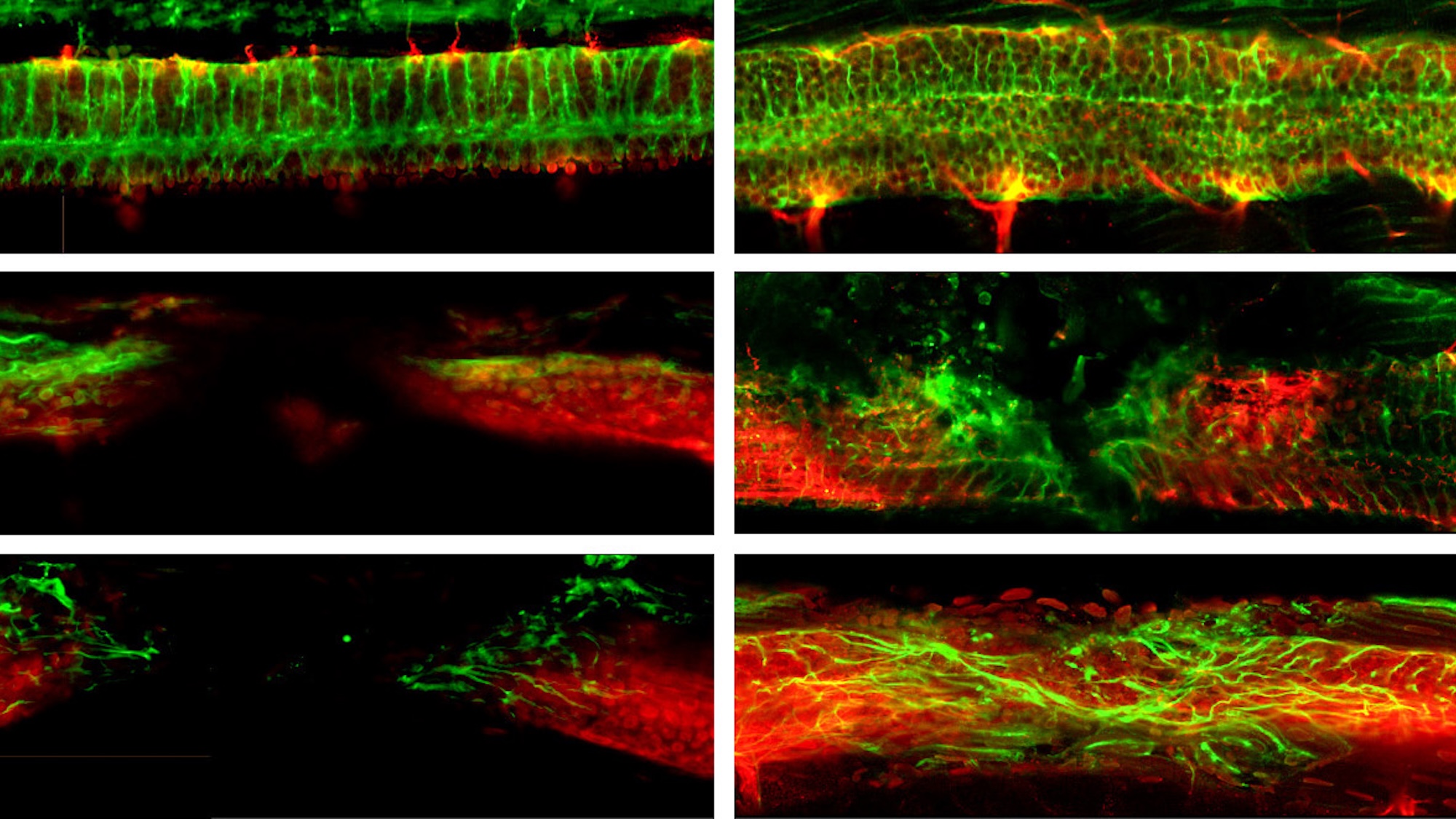
Despite significant medical advances, spinal cord damage remains one of the most difficult physical injuries to treat. Scarring frequently gets in the way of nerve fiber regrowth, while nerve cells usually cannot regenerate on their own. A possible solution? A fleet of stem cell-infused, injectable nanorobots that can help nerve cells regenerate. The tiny bots are detailed in a study recently published in the journal Nature Materials.

To build their new tools, a team at ETH Zurich in Switzerland engineered microscopic machines that combine living neural progenitor cells (NPCs)—specialized stem cells developed for the spine—with customized nanoparticles. These customized nanoparticles feature two layers—one that is sensitive to magnetic fields and another that translates them into electrical signals.

“We place a reservoir in the center where we trap the cells. Then we inject the nanoparticles and wait for the two components to bind,” Salvador Pané i Vidal, a study co-author and ETH Zurich roboticist, said in a statement.

Each nanorobot is about six micrometers wide, making them smaller than a red blood cell. However, the number of robots required to pull off a procedure is immense. Millions of nanobots are needed during animal trials. Even with such a high number, the initial experimental results are promising. In tests involving mice with severed spinal cords, nerve cells stimulated by the microrobots began reconnecting at the injury site within 28 days. By the end of the trial, the mice displayed major improvements in movement, gait, coordination, and exploratory behavior. 

Significantly more research is required before these nanobots are ready for primetime, but the team hopes to one day begin testing similar devices in humans. Before that, they need to determine the most effective magnetic fields and how long to apply them to patients. In the meantime, the overall design could also be applied to help treat regenerative issues in organs and wounds.

“The reproducible and scalable production of microrobots using our lab-on-a-chip system demonstrates that the platform’s application potential extends beyond basic research,” added Pané i Vidal.

The post Injectable nanorobots may help heal spinal injuries appeared first on Popular Science.

Even “Safe” Air Pollution Levels Pose Health Risks

3 June 2026 at 21:54

In a groundbreaking review set to reshape public health policies, researchers at the University of Mississippi have presented compelling evidence that ambient air pollution levels deemed safe by current Environmental Protection Agency (EPA) standards may nonetheless pose a significant risk to cardiovascular health. This extensive review, recently published in the scientific journal Environmental Pollution, synthesizes decades of global research, underscoring the urgent need to revisit and potentially lower regulatory thresholds for fine particulate matter, specifically PM2.5.

PM2.5 refers to microscopic particulate matter with a diameter less than 2.5 microns—around 20 times smaller than a human hair—which makes them capable of penetrating deep into the respiratory tract and entering the bloodstream. These particles originate from diverse sources such as vehicular emissions, industrial manufacturing, biomass burning, and dust from agricultural activities. Their diminutive size allows them to circumvent the body’s natural defense mechanisms, reaching vital organs and triggering systemic health effects.

The review meticulously analyzed 95 peer-reviewed studies that addressed cardiovascular impacts related to low-level PM2.5 exposures worldwide. Strikingly, approximately two-thirds of these studies demonstrated significant associations between PM2.5 exposure and adverse cardiovascular outcomes, including heart attacks, strokes, and increased arterial plaque accumulation. Such findings suggest that even concentrations below the EPA’s current allowable limits can compromise cardiovascular function and contribute to disease progression.

One of the most alarming revelations from the review is the heightened vulnerability of specific demographic groups. Older adults, infants, individuals with preexisting heart conditions, socioeconomically disadvantaged communities, and marginalized populations bear a disproportionate burden of the health consequences posed by low-level PM2.5 exposure. The underlying reasons include a combination of biological susceptibility, existing comorbidities, and environmental inequities that result in unequal pollution exposures.

Experts leading the study emphasize that the source of PM2.5 plays a pivotal role in its health impact. Traffic-related pollution, industrial emissions, and rural dust each possess unique chemical compositions and particle characteristics that influence toxicity. For instance, black carbon—a key component of soot prevalent in urban areas—has been linked to respiratory and cardiovascular morbidity. Understanding these nuances is critical for tailoring regulatory actions and mitigation strategies.

Technological advances in air quality monitoring have highlighted the dynamic nature of pollution exposure. Daily fluctuations in PM2.5 concentrations, even within previously considered ‘safe’ ranges, can exacerbate risk. The lack of widespread public awareness regarding these subtleties hampers proactive health protection. Consequently, researchers call for enhanced education campaigns to inform communities about real-time air quality risks and personal protection measures.

Cardiovascular disease remains the leading cause of mortality on a global scale, and these findings carry profound implications for public health. The pathophysiological mechanisms implicate PM2.5 in accelerating atherosclerosis, fostering systemic inflammation, and enhancing thrombogenic potential. These processes collectively escalate the likelihood of acute cardiovascular events. The pervasiveness of PM2.5 exposure across urban, industrial, and rural environments necessitates a broad-reaching response.

Current public health recommendations to mitigate individual risk include monitoring localized air quality indices and adopting practical interventions on high-exposure days. Utilization of high-efficiency particulate air (HEPA) filtration systems within indoor environments, combined with the use of adequately rated masks such as N95 respirators, can substantially reduce personal particulate inhalation. These tools are particularly vital for sensitive populations engaging in outdoor activities during episodes of elevated pollution.

The review underscores the critical interplay between environmental science and clinical health disciplines. Healthcare providers are encouraged to integrate pollution exposure assessments into routine cardiovascular risk evaluations. Furthermore, temporal spikes in air pollution should prompt heightened clinical vigilance among patients with known cardiovascular vulnerabilities.

While treatment modalities for pollution-induced cardiovascular damage remain limited, prevention through regulatory intervention and public engagement is paramount. This study advocates for policy reforms that reflect emerging scientific evidence—ideally, lowering the maximum allowable PM2.5 levels to afford more comprehensive protection for population health. Robust air quality enforcement accompanied by community education initiatives constitutes the frontline defense.

Mississippi’s unique environmental landscape, marked by a blend of rural, industrial, and urban pollution sources, exemplifies the broader challenges in managing fine particulate exposure. Researchers at the University of Mississippi have specifically documented elevated black carbon concentrations across various locations within the state, correlating these findings with increased respiratory admissions. Such regional data, when synthesized with global research, bolster the call for targeted policy improvements.

This collective body of work spotlights the critical need for multi-sectoral collaboration spanning environmental regulation, healthcare, urban planning, and public advocacy. Addressing the insidious cardiovascular risks posed by low-level PM2.5 pollution demands concerted efforts to enhance air quality monitoring infrastructure, refine healthcare response frameworks, and cultivate informed, empowered communities.

Ultimately, the path forward rests on reimagining air quality standards rooted in rigorous health evidence. By recognizing and acting upon the risks associated with fine particulate pollution at even low concentrations, society can better safeguard cardiovascular health and reduce the burden of pollution-related morbidity on a global scale.


Subject of Research: Health impacts of low-level ambient fine particulate matter (PM2.5) exposure and cardiovascular outcomes

Article Title: A systematic review of low-level ambient fine particulate matter (PM2.5) exposures and adverse cardiovascular health outcomes

Web References:

References:
University of Mississippi Review in Environmental Pollution, DOI: 10.1016/j.envpol.2026.127978

Image Credits: Photo illustration by John McCustion/University Marketing and Communications

Keywords: Air pollution, PM2.5, cardiovascular health, fine particulate matter, environmental toxicology, public health, pollution regulation, black carbon, respiratory health, environmental epidemiology, pollution exposure, air quality monitoring

Gaps in HIV Prevention and Care Persist in the Deep South Where Patients Need Support Most

3 June 2026 at 21:48

In the fight against HIV, understanding not just the prevalence of the virus but also the landscape of prevention and care services is crucial. A groundbreaking study led by researchers at the University of Mississippi introduces a sophisticated county-level HIV prevention gap index aimed specifically at the Deep South — a region grappling with the highest rates of new HIV infections in the United States. This innovative tool leverages publicly available proxy indicators to scrutinize disparities between HIV burden and access to critical health services, revealing regions where the epidemic is exacerbated by inadequate infrastructure.

The Deep South remains a pivotal battleground in the ongoing struggle against HIV, accounting for nearly half of all new cases nationally. Structural determinants such as widespread poverty, insufficient healthcare access, systemic stigma, and entrenched social inequalities amplify the impact of the virus here. The research team’s index functions as a nuanced scorecard, balancing the number of people living with HIV against the availability and strength of existing prevention and treatment systems. This dual lens marks a significant departure from analyses that focus solely on infection rates without assessing the service capacity essential to combat them.

Precious Edet, an instructional assistant professor of public health involved in the study, emphasizes the tool’s unique ability to pinpoint counties where prevention services fall short relative to the scale of local HIV needs. “Our approach reveals not only where HIV is most prevalent but critically where prevention and care resources fail to meet this high demand,” Edet explains. Such insights foster targeted, data-driven policy planning and resource allocation, essential for states like Mississippi, which faces the third-highest rate of new HIV infections nationwide.

Alongside Edet, assistant professor Ruaa Al Juboori highlights the practical applications of the index. She notes that a high score on the prevention gap index doesn’t imply community failure but rather signals a mismatch between the local epidemic’s severity and the strength of healthcare responses. This perspective reframes the conversation around HIV outcomes in the South, shifting emphasis from individual responsibility toward systemic and infrastructural deficiencies that impede effective intervention strategies.

By mapping 877 counties throughout the Southern United States, the researchers uncovered alarming trends. Over 220 counties exhibited high HIV prevalence coupled with relatively weak prevention and treatment measures. These “high gap” counties also correlated strongly with demographic factors, including a substantial percentage of Black residents, lower median incomes, and reduced educational attainment. Such intersections expose the compounded vulnerabilities faced by marginalized communities in accessing lifesaving HIV services.

Brandon Nabors, a postdoctoral research associate with the University of Mississippi’s Department of Public Health, underscores the real-world consequences of these gaps. Residents in high-gap areas frequently encounter extended travel times to reach clinics, delayed diagnoses due to limited testing availability, and interruptions in ongoing care. These barriers not only hinder individual health outcomes but also facilitate continued HIV transmission, perpetuating cycles of infection and disparity.

The index’s emphasis on systemic challenges rather than individual behaviors champions a more equitable public health approach. It lays bare how poverty, racial inequities, and rural isolation converge to create structural barriers that undercut HIV prevention and care efficacy. Recognizing these multifaceted obstacles is essential for designing robust, locally informed interventions capable of reducing infection rates and improving life quality for those affected.

For public health officials, the prevention gap index serves as a strategic planning instrument to prioritize counties most in need of enhanced services. By identifying geographic and demographic patterns where prevention and care infrastructures are insufficient, the index guides the efficient deployment of educational initiatives, testing programs, treatment accessibility, and support services. This targeted approach is imperative in states like Mississippi, where systemic health disparities demand focused and culturally competent interventions.

The researchers particularly note the Mississippi Delta as a critical region where HIV prevalence intersects with socioeconomic disadvantage, making it a priority zone for innovative healthcare delivery models. Expanding community-based and mobile HIV services stands out as a practical recommendation to improve access in rural and underserved areas. These measures promise to bridge the gap between existing service capacities and escalating needs, ultimately mitigating the epidemic’s regional impact.

This county-level prevention gap index represents a significant advancement in public health analytics. By integrating epidemiological data with resource availability metrics, it offers a dynamic picture of the HIV epidemic’s operational landscape in one of America’s most affected and underserved regions. The method holds promise for replication across other health challenges marked by similar disparities, emphasizing the critical importance of aligning health services with localized disease burdens.

Furthermore, the study’s use of publicly accessible data sources underscores the value of transparency and open data in addressing public health crises. This approach enables continuous monitoring and updates to the index, facilitating adaptive strategies as epidemic dynamics evolve. It also encourages stakeholder engagement by providing a common, evidence-based framework to advocate for resources and policy changes aligned with documented needs.

In conclusion, the University of Mississippi-led research introduces a potent new instrument for combating HIV in the Deep South. Its prevention gap index not only illuminates where the epidemic’s greatest challenges lie but also empowers policymakers, healthcare providers, and communities to course-correct with precision and purpose. This level of analytical rigor and practical applicability is essential to stemming HIV’s toll and moving closer to ending the epidemic in one of the nation’s most affected regions.


Subject of Research: HIV prevention and care service disparities in the US Deep South

Article Title: A county-level HIV prevention gap index in the US Deep South using publicly available proxy indicators

Web References:

Image Credits: Graphic by Cole Russell/University Marketing and Communications

Keywords:
Human immunodeficiency virus, HIV prevention, public health, healthcare disparities, Deep South, epidemiology, healthcare infrastructure, mobile health services, rural health, health equity, structural determinants, HIV treatment

AI-Powered Coaching Transforms Exercise Guidance

3 June 2026 at 21:42

In recent years, the surge in at-home fitness routines, especially during the global Covid-19 pandemic, has spotlighted a critical issue: improper exercise form leading to a significant rise in injuries. The U.S. Consumer Product Safety Commission reported a 48% increase in injuries related to at-home exercise during this period, underscoring the challenge many face without direct access to professional coaching. Addressing this gap, a pioneering team of researchers from Drexel University and Michigan State University has developed a cutting-edge prototype integrating artificial intelligence (AI), computer vision, and biomechanical modeling to offer real-time, precise exercise form coaching from streaming video footage.

This innovative program, dubbed BioCoach, marries advanced computer vision techniques with a vision-language model, allowing it not only to analyze human movement but also to generate live, anatomical feedback during various exercises. While numerous fitness coaching apps exist, few provide the specificity and immediacy of biomechanical correction delivered by a seasoned human trainer. BioCoach aims to bridge this divide by delivering targeted, timely cues rooted in the biomechanics of body motion, effectively emulating the nuanced guidance a knowledgeable coach would provide in person.

At the heart of BioCoach lies an intricate fusion of data processing algorithms. The system employs a dual-stream analysis approach: one stream utilizes a three-dimensional convolutional neural network (3D CNN) to capture visual appearance and motion dynamics, expertly recognizing distinct objects and movements within video sequences. Concurrently, a complementary stream estimates 3D skeletal posture and body morphology, extracting quantitative joint angles, ranges of motion, and exercise-phase data. This robust combination grants BioCoach an unprecedented depth of insight into the biomechanics underlying each repetition and posture captured on video.

The development team significantly enhanced the model’s training dataset by augmenting the Qualcomm Exercise Video Dataset (QEVD), a publicly available repository containing extensive exercise footage annotated with basic coaching feedback. Recognizing the sparse nature of original annotations, which often consisted of brief comments like “lower your body more,” the researchers re-annotated over 200 videos with detailed biomechanical targets and rationales. This enriched dataset included over 2,400 meticulously crafted notes specifying precise joint angles and motion thresholds, thus grounding the language model in authentic biomechanical context and timing.

This careful re-annotation process was integral not only in elevating the model’s linguistic precision but also in enabling rigorous evaluation of its feedback timing and relevance. By preserving the temporal alignment of coaching cues with specific exercise phases, the researchers ensured BioCoach’s ability to respond not just accurately but precisely when corrections are most beneficial—mirroring the instantaneous interventions of expert trainers.

BioCoach’s capacity to provide feedback is rooted in its ability to identify key joints relevant to individual exercises. For example, during squats, the system prioritizes analysis of the hips, knees, and ankles, while for push-ups, it focuses on the shoulders, elbows, and wrists. This targeted approach ensures that feedback remains specific and actionable, avoiding generic or irrelevant comments common in many current fitness apps. Additionally, by integrating detailed body shape and movement quality metrics, BioCoach can parse subtle deviations that might indicate compensatory patterns or strain risks.

The linguistic component of BioCoach translates intricate biomechanical data into natural language coaching cues with unparalleled clarity and relevance. Unlike more superficial feedback models, BioCoach articulates the significance behind each correction, explaining why a certain adjustment matters for distributing load or preventing injury. For instance, a suggestion might not only encourage “increasing elbow flexion to 90 degrees at the bottom of a push-up” but also clarify that “this adjustment helps distribute load evenly across joint structures,” thereby fostering user understanding and compliance.

In rigorous head-to-head testing, BioCoach was benchmarked against top-tier video-language AI models developed by prestigious institutions and corporations including MIT, NVIDIA, ByteDance, Alibaba, Salesforce, OpenAI, and leading Chinese universities. The evaluation involved feeding each program a combination of original QEVD videos and the newly annotated footage, assessing the response quality based on accuracy, anatomical correctness, detailed specificity, and timeliness.

The results were compelling. BioCoach outperformed its closest competitor, Stream-VLM (a collaboration between MIT and NVIDIA researchers) in text quality and relevance when evaluated on the original dataset. More strikingly, on the enriched dataset with biomechanics-based annotations, BioCoach demonstrated substantial gains across all metrics. Its feedback was notably more biomechanically accurate and rich with anatomy-specific details, establishing new standards for AI-driven exercise coaching.

The success of BioCoach highlights the profound benefit of integrating explicit 3D kinematic data and biomechanical constraints into AI coaching frameworks. By moving beyond mere pixel-level image analysis to structured, domain-specific knowledge, the system not only generates more accurate and insightful guidance but also becomes more interpretable and dependable, critical factors for user trust and safety in fitness applications.

Looking forward, the research team envisions expanding BioCoach’s capabilities to estimate joint reaction forces and muscle activation patterns from video input. Such enhancements would empower the system to detect even subtle compensatory movements or loading imbalances that can precipitate injury over time. These improvements could revolutionize both exercise and physical therapy by supporting users in receiving continuous, expert-level feedback remotely, effectively extending the reach of human trainers into digital spaces.

Dr. Feng Liu, assistant professor at Drexel’s College of Engineering and Computing and lead for the Visual Intelligence Lab, emphasized the transformative potential of BioCoach. “Our aspirations extend beyond simple encouragement,” he explained, “to actual biomechanically grounded coaching that helps individuals exercise safely and effectively. This integration of computer vision, 3D modeling, and language understanding is poised to redefine how AI supports human movement education.”

The development of BioCoach epitomizes a new wave of AI applications that intertwine deep learning and biomechanics, heralding an era where personalized, scientific exercise coaching is accessible anytime and anywhere. With ongoing refinement, such systems could democratize expert-level fitness guidance, mitigate injury risks, and ultimately promote healthier lifestyles across diverse populations worldwide.

Subject of Research: Not applicable
Article Title: From 3D Pose to Prose: Biomechanics-Grounded Vision–Language Coaching
News Publication Date: 27-Mar-2026
Web References: http://dx.doi.org/10.48550/arXiv.2603.26938
References: Feng Liu et al., arXiv preprint, 2026
Image Credits: Drexel University

Keywords: Artificial intelligence, Computer vision, Machine perception, Image processing, Natural language processing, Three dimensional modeling, Physical exercise

AI and Automation Transform Assisted Reproduction Techniques

3 June 2026 at 21:40

The global rise in infertility rates has catalyzed a dramatic surge in the utilization of assisted reproductive technologies (ART), marking a pivotal juncture in reproductive medicine. As conventional ART procedures remain largely manual, labor-intensive, and fraught with subjective decision-making, the quest for heightened precision and consistency in outcomes has become increasingly urgent. Despite advances in laboratory techniques and clinical protocols, many aspects of ART are hindered by a lack of robust, evidence-based tools capable of non-invasively enhancing processes such as gamete evaluation, protocol optimization, and embryo selection. These challenges underscore the necessity for innovative solutions that can transcend the limitations of human assessment and procedural variability.

Artificial intelligence (AI) and automation emerge as transformative forces poised to revolutionize the landscape of ART by driving standardization, accelerating workflows, and improving predictive accuracy. Integrating computer vision, deep learning algorithms, and microfluidic technologies offers a compelling framework to refine every stage of the reproductive journey—from semen processing and oocyte evaluation to embryo culture and transfer. Early successes in clinical deployment underscore the feasibility of such approaches; for instance, AI-powered embryo grading systems are already assisting embryologists in objective assessment, while microfluidic devices are revolutionizing sperm sorting with unprecedented precision and gentleness. Nonetheless, the frontier of AI-enabled ART is still nascent, with vast potential waiting to be unlocked by systems-level integration.

At the core of this technological evolution lies the application of deep learning, a subset of AI that excels in pattern recognition and data-driven decision-making. By training neural networks on vast datasets of clinical and cellular images, researchers have begun to develop models capable of predicting embryo viability with remarkable accuracy, thereby enhancing implantation success rates and reducing the emotional and financial burdens on patients. These AI models leverage an array of features—from morphological characteristics and dynamic developmental patterns to molecular biomarkers—redefining embryo selection as a data-rich, evidence-based process rather than an art reliant on subjective human judgment.

Microfluidics, another cornerstone of automation in ART, offers the ability to manipulate minute volumes of biological fluids with exquisite control. The integration of microfluidic platforms in semen processing exemplifies how automation can enhance both efficiency and effectiveness. Traditional sperm preparation techniques often expose gametes to physical stresses that compromise their quality, but microfluidic systems facilitate gentle, precise sorting based on motility, morphology, and other functional parameters. This advancement translates directly into improved fertilization outcomes and healthier embryos, thereby addressing one of the key bottlenecks in male fertility assessment and treatment.

Beyond gamete processing and embryo selection, AI is influencing the management of the entire embryology laboratory workflow. Automation frameworks, guided by adaptive algorithms, have the potential to create closed-loop systems where feedback from each stage informs real-time adjustments in protocols. Such platforms could continuously learn from clinical outcomes to optimize hormone stimulation regimens, culture conditions, and embryo transfer timing. The vision is a data-driven reproductive ecosystem where human oversight is augmented—not replaced—by intelligent systems, enabling a more personalized and effective approach to fertility care that adapts dynamically to each patient’s unique biology.

Despite these promising advancements, the integration of AI and automation into ART faces notable challenges. One major hurdle is the scarcity of high-quality, standardized datasets critical for training reliable and generalizable AI models. Variability in laboratory techniques, imaging modalities, and patient populations complicates efforts to construct comprehensive databases, slowing algorithm development and validation. Furthermore, ethical and regulatory considerations loom large. The deployment of AI in reproductive medicine raises complex questions about data privacy, algorithmic transparency, and informed consent, necessitating stringent oversight frameworks that balance innovation with patient safety and autonomy.

Clinical adoption also requires robust validation through large-scale, prospective trials to demonstrate that AI-driven interventions translate into meaningful improvements in live birth rates and patient experience. As many current studies rely on retrospective data or surrogate markers of success, the path to widespread acceptance demands rigorous evidence and consensus among reproductive specialists. Additionally, the integration of automated systems within existing laboratory infrastructures must consider workflow compatibility, cost-effectiveness, and user training requirements to ensure seamless transition and maximize clinical impact.

The future of ART may well be shaped by the emergence of fully integrated AI-enabled laboratories, where a network of automated devices and intelligent software operate in concert to deliver adaptive, personalized reproductive care. Such closed-loop systems could harness continuous data streams from non-invasive monitoring technologies, predictive analytics, and decision support tools to refine every decision point in the embryology pipeline. This paradigm shift would move the field from static, protocol-driven practices to a responsive, learning environment where patient outcomes guide iterative improvements and innovations are rapidly deployed.

This revolution has implications beyond technical enhancements; it also reshapes the ethical landscape of reproductive medicine. The empowerment of AI to influence critical decisions about embryo viability and selection introduces profound questions about agency, consent, and the potential for unintended biases embedded within algorithms. Transparent development processes, interdisciplinary collaboration among clinicians, ethicists, and technologists, and proactive regulatory engagement will be essential to navigate these challenges responsibly while preserving patients’ trust and autonomy.

In summation, the intersection of AI, automation, and ART heralds a new epoch in reproductive medicine, where data-driven insights and precision engineering coalesce to surmount longstanding barriers. Continued investment in research, infrastructure, and ethical frameworks will be critical to unlock the full potential of these technologies, enabling more predictable, efficient, and equitable reproductive care globally. The vision of an AI-integrated, closed-loop in vitro fertilization laboratory exemplifies the tangible future of fertility treatment—one where innovation meets compassionate, personalized medicine to address one of humanity’s most fundamental challenges.

As the global community grapples with escalating infertility, embracing AI and automation represents a beacon of hope, promising not only enhanced clinical outcomes but also democratization of access through scalable, standardized technologies. The path forward invites a collective effort—uniting data scientists, reproductive biologists, clinicians, and policymakers—to realize the transformative impact of intelligent systems that can truly redefine what is possible in assisted reproduction.

This profound shift will ultimately transform the experience of patients, clinicians, and laboratory professionals alike, as the integration of AI and automation reduces variability, mitigates error, and personalizes treatment. By transcending the limitations of subjective assessments and manual procedures, these technologies offer the promise of a more reliable and confident path to parenthood for millions worldwide.

While the journey to fully automated, AI-driven labs continues to unfold, current advancements signal meaningful progress that is already reshaping clinical practice. Continued interdisciplinary collaboration, technological refinement, and comprehensive validation are poised to accelerate innovation and broaden access to cutting-edge fertility care. As the field moves swiftly toward these new horizons, AI and automation stand as pivotal tools in our collective endeavor to overcome infertility’s challenges through science and technology.


Subject of Research: The application and integration of artificial intelligence (AI) and automation technologies in assisted reproductive technologies (ART), with a focus on improving precision, standardization, and outcomes in embryology laboratories.

Article Title: AI and automation in assisted reproduction

Article References:
Lorimer, J., McLachlan, R., Zander-Fox, D. et al. AI and automation in assisted reproduction. Nat Rev Bioeng (2026). https://doi.org/10.1038/s44222-026-00454-2

Image Credits: AI Generated

Geriatric Assessments Boost Outcomes, Cut Costs in Thailand

3 June 2026 at 21:39

In the ever-evolving landscape of healthcare for aging populations, Thailand has recently unveiled pivotal findings that could revolutionize geriatric care on a global scale. A cutting-edge study published in BMC Geriatrics in 2026 presents an exhaustive clinical and economic evaluation of comprehensive geriatric assessment (CGA) models implemented among hospitalized frail older patients. This landmark research shines a critical light on how multifaceted approaches to elderly care not only improve clinical outcomes but also offer compelling cost-utility advantages that may prompt healthcare systems worldwide to rethink their strategies.

At the heart of the study lies the concept of the Comprehensive Geriatric Assessment—a multidisciplinary, multidimensional diagnostic process designed specifically for frail older adults. Unlike typical medical evaluations, CGA systematically integrates evaluations of medical, psychological, functional, and social capabilities, enabling individualized, patient-centered care pathways. This holistic approach is especially crucial for frail elderly individuals, whose complex health profiles often demand nuanced interventions that transcend traditional, disease-focused models.

The patient cohort under scrutiny consisted of frail older adults admitted to hospitals across Thailand, a demographic globally noted for vulnerability to adverse clinical outcomes such as prolonged hospitalization, increased morbidity, and elevated risk of functional decline. The research team embarked on a rigorous exploration of the efficacy of CGA-driven care models compared to standard geriatric care routines, meticulously tracking clinical endpoints including mortality, readmission rates, functional status, and quality of life metrics.

Clinical outcomes derived from CGA integration were compelling. Patients who received comprehensive assessments coupled with tailored care plans exhibited statistically significant reductions in hospital readmission rates and displayed enhanced preservation of functional independence post-discharge. These clinical benefits underscore the transformative potential of CGA, which fosters proactive management of comorbidities, optimization of pharmacologic regimens, and timely initiation of rehabilitative services.

Beyond clinical implications, the study delved deeply into the economic ramifications of implementing CGA models within the resource-constrained context of the Thai healthcare system. Employing state-of-the-art cost-utility analysis frameworks, researchers quantified the incremental cost-effectiveness ratios (ICERs) associated with CGA interventions relative to conventional care. By factoring in direct healthcare costs, patient-centered outcomes, and quality-adjusted life years (QALYs), the study robustly demonstrated that CGA is not merely clinically superior but also economically viable.

One striking revelation pertained to the cost offsets attributable to reduced hospital lengths of stay and fewer emergency room visits. The multidisciplinary interventions predisposed by CGA effectively curb unnecessary utilization of expensive acute care services, thereby relieving financial pressure on hospitals and payers alike. This reallocation of resources creates space for reinvestment into preventive and community-based geriatric services, fostering a sustainable continuum of care.

Importantly, the study also accentuates the pivotal role of interdisciplinary collaboration within CGA frameworks. The synchronized efforts of geriatricians, nurses, physiotherapists, pharmacists, social workers, and nutritionists culminate in a dynamic care matrix where each dimension of an older patient’s well-being is meticulously addressed. This coordinated approach facilitates precision targeting of vulnerabilities ranging from polypharmacy risks to psychosocial deficits, thereby mitigating complications that often precipitate clinical deterioration.

Moreover, the research highlights technological enablers underpinning CGA’s success, including electronic health records with geriatric-specific protocols and decision-support systems. These tools streamline data aggregation, risk stratification, and care plan customization, enhancing both efficiency and accuracy in managing complex patient needs. This interface of clinical expertise and digital innovation exemplifies how modern healthcare infrastructures can embrace geriatric challenges with agility and foresight.

Thailand’s demographic trajectory, marked by rapidly aging populations coupled with rising life expectancies, situates this research at a crucial intersection of urgency and opportunity. The findings advocate for policy adaptations that institutionalize CGA models as standard practice in hospital settings, thereby aligning national health priorities with the imperatives of equitable and effective elder care. Such alignment promises to bridge gaps between acute care and long-term support systems, fostering healthier aging trajectories.

The study also gestures toward broader implications for global health equity. As low- and middle-income countries grapple with burgeoning elder populations, Thailand’s model offers a scalable blueprint for integrating comprehensive geriatric assessments within financially constrained environments. This democratization of advanced geriatric care models may reduce disparities in aging outcomes, promoting healthier longevity across diverse socioeconomic strata.

Ethically, the CGA approach embodies a paradigm shift toward valuing the holistic personhood of older adults rather than merely addressing isolated pathologies. This holistic valorization enhances patient dignity, autonomy, and participation in care decisions—factors increasingly recognized as integral to successful health outcomes in geriatrics. By operationalizing such values in clinical settings, CGA transcends biomedical metrics to champion deeply humane care philosophies.

Looking forward, the study opens fertile avenues for further innovation, including the integration of artificial intelligence-driven predictive analytics to preempt functional decline and optimize intervention timing. Additionally, longitudinal investigations could elucidate the long-term sustainability and adaptability of CGA initiatives across varying healthcare ecosystems and cultural milieus, enriching the evidence base for geriatric care policies.

In conclusion, this pioneering Thai study offers a timely and robust validation of comprehensive geriatric assessment models as dual engines of improved medical outcomes and cost-efficient care delivery for frail elderly populations. Amid global aging trends, such insights catalyze transformative shifts in geriatric healthcare paradigms, heralding a future where aging with dignity and vitality becomes an attainable global standard rather than a privileged exception.


Subject of Research: Clinical outcomes and cost-utility analysis of comprehensive geriatric assessment models in hospitalized frail older patients.

Article Title: Clinical outcomes and cost-utility analysis of comprehensive geriatric assessment models in hospitalized frail older patients in Thailand.

Article References:
Suraarunsumrit, P., Srinonprasert, V., Thavorncharoensap, M. et al. Clinical outcomes and cost-utility analysis of comprehensive geriatric assessment models in hospitalized frail older patients in Thailand. BMC Geriatr (2026). https://doi.org/10.1186/s12877-026-07718-x

Image Credits: AI Generated

Acridine Compound Binds VEGF, Cuts CAM Vascularization

3 June 2026 at 21:38

In a groundbreaking advance that merges cutting-edge computational biochemistry with innovative biological experimentation, researchers have unveiled a promising acridine-derived small molecule capable of modulating vascular endothelial growth factor (VEGF) activity. This novel compound demonstrates a profound influence on angiogenesis, as evidenced by its remarkable capacity to reduce vascularization in the chick chorioallantoic membrane (CAM) model, a well-established in vivo system for studying blood vessel formation. The implications of this discovery ripple through the realms of cancer therapy, ocular diseases, and other pathological states driven by aberrant blood vessel growth.

VEGF holds a pivotal role as a signal protein that stimulates the formation of blood vessels during both normal physiological processes and pathological conditions such as tumor growth and retinopathies. Therapeutic strategies targeting VEGF have seen extensive development, yet limitations including drug resistance and side effects demand new molecular candidates. The recent study leverages sophisticated in silico methodologies—molecular docking, dynamic simulations, and binding affinity calculations—to identify and characterize a small molecule from the acridine chemical family that interacts intimately with VEGF, subtly altering its bioactivity.

The choice to explore acridine derivatives stems from their chemical versatility and known biological activities. These planar, heterocyclic compounds have historically been employed in medicinal chemistry, often displaying anti-cancer and anti-microbial properties. In the context of VEGF inhibition, the planar structure offers a potential to engage in pi-stacking and hydrogen bonding with amino acid residues critical for VEGF receptor binding, thereby competitively or allosterically modulating function.

In silico predictions yielded compelling data: molecular docking revealed a high-affinity binding site where the acridine derivative securely associates with VEGF, primarily through hydrophobic interactions augmented by selective hydrogen bonds. Such computational insights not only illuminate the structural basis of interaction but also guide the rational design of derivatives with enhanced specificity and potency.

Transitioning from computational work to biological relevance, the study employed the CAM assay to empirically evaluate the vascular inhibitory effects of the acridine molecule. The CAM, a highly vascularized extra-embryonic membrane of the developing chick embryo, serves as an indispensable model for angiogenesis owing to its accessibility, rapid growth, and close resemblance to mammalian vascular development. Application of the small molecule resulted in a discernible reduction of new blood vessel formation, validating the computational hypothesis and underscoring the therapeutic potential of the compound.

This synchronized approach—combining in silico modeling with in vivo CAM assays—represents a paradigm shift in drug discovery, optimizing resource efficiency while enhancing predictive accuracy. Moreover, the decrease in CAM vascularization indicates a direct functional impact on endothelial cells, potentially via inhibition of VEGF signaling pathways that govern endothelial proliferation, migration, and survival.

Understanding how this acridine-derived molecule impacts VEGF at the molecular level could redefine therapeutic strategies against diseases characterized by pathological angiogenesis. Tumors exploit VEGF-mediated angiogenesis to secure their nutrient supply, enabling metastasis and growth. Inhibitors that can selectively disrupt VEGF without off-target toxicity could offer a renaissance in anticancer treatment, overcoming resistance mechanisms that curtail current therapies.

In addition to oncology, proliferative diabetic retinopathy and age-related macular degeneration represent clinical arenas where VEGF modulation has transformed patient outcomes. Yet, current anti-VEGF agents often require frequent administration and pose risks including intraocular inflammation. A novel small molecule capable of sustained or enhanced efficacy may alleviate these burdens, improving patient compliance and safety profiles.

Furthermore, the pharmacokinetic properties intrinsic to acridine derivatives might facilitate advantageous drug delivery, including tissue penetration and cellular uptake, attributes vital for clinical translation. The planar aromaticity and modifiable side chains open avenues for chemical optimization, aiming to refine solubility, stability, and target selectivity.

The integration of advanced molecular simulations with experimental verification also sets a precedent for future small-molecule discovery. The ability to virtually screen vast compound libraries for VEGF interaction prior to costly biological assays accelerates the pipeline from concept to candidate. Such methodologies promise to expand the arsenal of antiangiogenic agents, potentially uncovering molecules that act synergistically or via novel mechanisms.

Notably, the research reinforces the significance of interdisciplinary collaboration, merging computational chemistry, molecular biology, pharmacology, and developmental biology. This multifaceted strategy enhances confidence in findings and facilitates a comprehensive understanding of small molecule–protein dynamics and their biological ramifications.

The study’s revelations extend an invitation to the broader scientific community to explore acridine derivatives’ potential beyond VEGF inhibition. With structural adaptability and diverse bioactivity profiles, these compounds may address other molecular targets implicated in inflammatory, infectious, or neurodegenerative diseases, where angiogenesis or protein–ligand interactions are pivotal.

As this acridine-based compound progresses towards clinical evaluation, it will be critical to scrutinize toxicological profiles, metabolic stability, off-target effects, and effective dosing regimens. The translational journey necessitates balancing efficacy with patient safety, a formidable yet attainable goal given the compound’s targeted action and promising preliminary data.

In conclusion, the synergistic study that couples in silico molecular modeling with the CAM assay sets a milestone in angiogenesis research. The identification of a small molecule that associates specifically with VEGF and demonstrates tangible reductions in vascularization heralds a new chapter in targeted therapeutic development. By refining our molecular toolbox against angiogenic diseases, this work not only expands scientific horizons but also holds promise for improving countless lives affected by disorders of vascular dysregulation.


Subject of Research: Interaction of an acridine-derived small molecule with VEGF to inhibit angiogenesis.

Article Title: Acridine-derived small molecule associates with VEGF and is linked to reduced CAM vascularization: a combined in silico and CAM study.

Article References:
Karmakar, S., Moulik, S., Ghosh, S. et al. Acridine-derived small molecule associates with VEGF and is linked to reduced CAM vascularization: a combined in silico and CAM study. BMC Pharmacol Toxicol (2026). https://doi.org/10.1186/s40360-026-01148-6

Image Credits: AI Generated

Cold-Induced Peptides Boost Pollen and Yield

3 June 2026 at 20:24

In the escalating battle against climate change, the agricultural sector faces an urgent challenge: protecting crops from the damaging impacts of cold stress. Recent groundbreaking research has illuminated a molecular mechanism that could revolutionize the way we safeguard crop yields under cold weather conditions, a phenomenon known to decisively impair pollen viability and reproductive success. At the heart of this discovery lies a novel peptide signaling pathway that confers resilience to cold-induced pollen abortion, a major contributing factor to severe yield losses in key crops such as tomato and rice.

The study focuses on a subset of small signaling peptides belonging to the RGF–GLV–CLEL family, specifically two cold-responsive peptides, SlRGF9 and SlRGF10, found in tomato plants (Solanum lycopersicum). Under optimal growth conditions, the absence of these peptides appears inconsequential; however, upon exposure to cold stress, plants deficient in SlRGF9 and SlRGF10 exhibit significant pollen abortion, pinpointing these peptides as pivotal protectors of reproductive development during environmental challenges.

At the cellular level, the perception of SlRGF9 and SlRGF10 is mediated by a receptor complex formed by leucine-rich repeat receptor-like kinases (LRR-RLKs), including SlRGFR6 and SlSERK proteins. This receptor complex localizes to the cell surface, where it specifically binds the cold-induced peptides. The subsequent activation of SlRGFR6 initiates a cascade that triggers calcium influx, predominantly through cyclic-nucleotide-gated channels, a critical signal that forestalls cold-delayed programmed cell death within the tapetum.

The tapetum, an inner layer of cells nourishing developing microspores, must undergo precise degradation to ensure successful pollen maturation. Cold stress disrupts this timing, leading to the failure of microspore development and ultimately, reproductive abortion. The SlRGF–SlRGFR6 signaling axis counteracts this disruption by modulating calcium signaling pathways, thus preserving tapetum function and enabling normal pollen development even under chilling conditions.

Importantly, the activation of this peptide signaling pathway shows remarkable conservation across a wide spectrum of plant taxa, encompassing both dicots and monocots. For example, upregulation of homologous RGF peptides in rice (Oryza sativa) confers enhanced pollen resilience, substantially mitigating cold-induced grain yield losses. These findings highlight the universal nature of this molecular defense mechanism and underscore its potential as a target for crop improvement across diverse agricultural systems.

From an applied perspective, genetically engineering tomato plants to overexpress SlRGF9 and SlRGF10 yields a striking 52% reduction in yield losses caused by cold stress. Such a substantial increase in yield resilience promises a viable strategy for enhancing food security in regions where unpredictable cold spells jeopardize agricultural output. Similarly, in rice, enhanced expression of RGF peptides restores approximately 18.3% of otherwise lost grain yield, showcasing the broad applicability of this peptide signaling module.

The implications of this discovery extend beyond cold stress tolerance. By elucidating the molecular underpinnings of pollen development resilience, this research paves the way for breeding programs and biotechnological interventions aimed at fortifying crops against a spectrum of adverse conditions affecting reproductive success. The integration of peptide signaling manipulation into crop science thus represents a frontier of innovation with meaningful agronomic and economic impacts.

The researchers employed meticulous genetic and physiological assays to dissect the roles of SlRGF peptides and their receptors. Loss-of-function mutants were analyzed under both normal and cold conditions, revealing that while vegetative growth remained unaffected, reproductive failure was unmistakably linked to the absence of these peptides during cold episodes. Advanced biochemical assays confirmed direct binding between SlRGF peptides and their cognate receptor kinases, affirming the specificity of this module.

Calcium signaling emerged as a central node downstream of the peptide-receptor interaction. Cyclic-nucleotide-gated channels (CNGCs) acted as conduits for calcium influx, a pivotal second messenger that modulates cellular responses to environmental cues. The cold-induced activation of CNGCs by SlRGF–SlRGFR6 signaling interrupts the cold-triggered delay in programmed cell death within the tapetum, restoring the developmental timeline critical for pollination success.

The study’s comprehensive approach also included cross-species analyses, demonstrating that manipulation of RGF peptide expression yields conserved phenotypic benefits in both tomatoes and rice. This cross-kingdom conservation underscores the evolutionary importance of this signaling module in cold tolerance and hints at its potential utility in a wide array of other crops affected by low temperature stress.

As climate change continues to drive erratic and extreme weather patterns, cold spells pose a growing threat to global food production. The discovery of the RGF peptide signaling axis as a master regulator of pollen resilience provides a powerful tool for developing crops capable of thriving despite these environmental uncertainties. Through targeted molecular breeding or biotechnological approaches, it may soon be possible to equip staple crops with a robust defense against cold-induced reproductive failures, enhancing yield stability on a global scale.

Beyond immediate agricultural applications, this research enriches our fundamental understanding of plant stress physiology. By connecting extracellular peptide signals with intracellular calcium dynamics and programmed cell death regulation, it exposes a finely tuned network governing plant reproductive success under thermal stress. This insight opens new vistas for exploring analogous peptide-receptor systems that might regulate other facets of plant development or stress adaptation.

In sum, this seminal work reveals a core peptide signaling axis that is essential for maintaining pollen viability during cold stress, securing crop yield, and thus holds transformative potential for global agriculture in the era of climate change. By harnessing the power of small peptides like SlRGF9 and SlRGF10, scientists have illuminated a promising path toward crops that are not only productive under ideal conditions but resilient amid the mounting challenges posed by a changing environment.


Subject of Research: Cold-induced peptide signaling pathways that confer pollen resilience and protect crop yields under cold stress conditions.

Article Title: Cold-induced peptide signalling secures pollen resilience and crop yield.

Article References:
Chen, S., Zou, Y., Cui, H. et al. Cold-induced peptide signalling secures pollen resilience and crop yield. Nature (2026). https://doi.org/10.1038/s41586-026-10603-7

Image Credits: AI Generated

DOI: https://doi.org/10.1038/s41586-026-10603-7

Keywords: Cold stress, pollen development, SlRGF peptides, SlRGFR receptors, calcium signaling, programmed cell death, tapetum degradation, crop yield resilience, genetic engineering, tomato, rice, peptide signaling pathways

Epigenetic Changes Drive Pancreatic Adaptation to Aging, Diabetes

3 June 2026 at 20:19

In a groundbreaking study that delves into the complexities of human pancreatic islets, researchers have unveiled distinct epigenetic drivers responsible for adaptation to aging and type 2 diabetes. This research, published in Nature Communications, offers a profound understanding of how the epigenetic landscape within pancreatic cells shifts, providing valuable insights that could revolutionize therapeutic strategies for diabetes management and age-related pancreatic dysfunction.

The human pancreas, particularly the islets of Langerhans, plays a crucial role in glucose homeostasis by regulating insulin secretion. However, the functional decline of these islets, driven by aging and metabolic disorders such as type 2 diabetes, has long puzzled researchers. The novel insights from this study are pivotal, as they reveal unique epigenetic modifications that distinguish the biological processes governing natural aging from disease-induced islet dysfunction.

Epigenetics refers to heritable changes in gene expression that do not involve alterations to the underlying DNA sequence. These modifications, which include DNA methylation and histone modification, serve as critical regulatory mechanisms that influence cellular identity and function. By mapping the epigenetic landscape of human pancreatic islets, the researchers have identified distinct patterns that mark the cellular adaptations necessitated by aging and diabetes.

The research team employed cutting-edge single-cell epigenomic profiling techniques, enabling them to dissect the cellular heterogeneity within pancreatic islets at an unprecedented resolution. This approach unraveled cell-type specific epigenetic signatures distinguishing beta cells, alpha cells, and other endocrine cell populations. Notably, these signatures diverge between healthy aging islets and those compromised by type 2 diabetes pathology.

One of the striking revelations of this study is the identification of separate epigenetic drivers orchestrating adaptive responses to physiological aging and diabetic stress. In aging islets, modifications tend to regulate pathways involved in maintaining cellular homeostasis and metabolic sustainability. Conversely, type 2 diabetes triggers epigenetic changes that disrupt key regulatory networks, impairing insulin secretion and beta cell survival.

The mechanistic dissection provided by this research implicates a subset of epigenetic enzymes and chromatin remodelers uniquely altered in diabetic islets. These molecular actors modulate gene expression programs critical for cellular resilience. Their dysregulation in diabetes suggests potential targets for therapeutic intervention aimed at restoring functional epigenetic states and ameliorating islet dysfunction.

Furthermore, the study highlights that age-related epigenetic changes are fundamentally distinct from those observed in diabetes, underscoring the necessity for tailored approaches when developing treatments. While aging-related modifications seem to prime islets for adaptive responses, diabetic changes reflect maladaptive reprogramming that compromises islet integrity.

This dual-trajectory model of epigenetic regulation in human pancreatic islets challenges previous assumptions that aging and disease-related alterations converge along similar molecular pathways. Instead, the findings advocate for an expanded paradigm in which the interplay between aging and disease is more nuanced, shaped by discrete epigenetic landscapes.

Importantly, the multidisciplinary nature of this research, integrating genomics, epigenomics, and cellular biology, sets a new benchmark for diabetes research. The use of human tissue samples, rather than relying solely on animal models, enhances the clinical relevance of the conclusions and accelerates the translation of these findings into patient-centered therapies.

The implications of this study extend beyond diabetes to other age-related diseases involving epigenetic dysregulation. By delineating the epigenetic code that governs pancreatic islet adaptation, this research paves the way for pioneering epigenetic therapies that could rejuvenate aged tissues and protect against metabolic disease progression.

Moreover, the comprehensive epigenetic maps generated serve as invaluable resources for the scientific community. They provide a framework for future investigations into how environmental factors, lifestyle, and genetic predisposition interact with epigenetic mechanisms to influence disease susceptibility.

The authors emphasize the potential of pharmacological agents targeting epigenetic modifiers to reverse detrimental changes in diabetic islets. By restoring proper chromatin configuration and gene expression patterns, such interventions could improve beta cell function and insulin secretion, offering hope for more effective diabetes treatments.

In conclusion, this study represents a monumental step forward in elucidating the epigenetic underpinnings of human pancreatic islet adaptation to aging and type 2 diabetes. The differentiation of distinct epigenetic paths opens promising avenues for precision medicine, enabling the development of customized interventions that cater to the unique biological contexts of aging and metabolic disease.

As the global burden of type 2 diabetes continues to escalate alongside aging populations, these insights are timely and crucial. They offer a tangible path towards understanding and ultimately mitigating the molecular complexities that impair pancreatic islet function over time and in disease.

Future research, inspired by these findings, will likely explore the dynamics of epigenetic modifications across diverse populations and in response to therapeutic treatments. The integration of longitudinal studies with single-cell epigenomics may reveal temporal trajectories of islet adaptation, further refining the prospects for clinical application.

This landmark discovery not only enhances our fundamental understanding of pancreatic biology but also signals a new era where epigenetic landscapes serve as blueprints for combating chronic diseases. It is a paradigm shift that bridges the gap between aging research and metabolic disease, promising improved health outcomes for millions worldwide.


Subject of Research: Human pancreatic islets and their epigenetic adaptations to aging and type 2 diabetes.

Article Title: Epigenetic landscapes in human pancreatic islets reveal distinct drivers for adaptation to age and type 2 diabetes.

Article References:
Maurin, L., Marselli, L., Boissel, M. et al. Epigenetic landscapes in human pancreatic islets reveal distinct drivers for adaptation to age and type 2 diabetes. Nat Commun 17, 4811 (2026). https://doi.org/10.1038/s41467-026-73222-w

Image Credits: AI Generated

DOI: https://doi.org/10.1038/s41467-026-73222-w

New Study Uncovers Key Values Influencing Black and Hispanic Parents’ COVID-19 Vaccination Choices for Their Children

3 June 2026 at 20:10

Despite widespread availability of COVID-19 vaccines, vaccination rates among Black and Hispanic children remain strikingly low across the United States. Recent research elucidates critical insights into why this persistent gap endures, despite parents in these communities often being vaccinated themselves. By engaging directly with caregivers of school-aged children, the study revealed the nuanced factors influencing parental vaccine decision-making, uncovering five core values that shape attitudes toward COVID-19 immunization in these populations. These findings, now published in the June edition of the journal Vaccine: X, hold profound implications for designing equitable public health interventions.

The research was led by Dr. Andrea Spencer of the Ann & Robert H. Lurie Children’s Hospital of Chicago, a recognized expert in pediatric behavioral health. Her team conducted in-depth interviews with twenty caregivers of children ages five to eleven, a demographic critical to controlling pediatric COVID-19 transmission. Most participants—62% Non-Hispanic Black and 29% Hispanic—were themselves vaccinated. However, vaccination rates for their children lagged behind, with only 62% immunized. This dichotomy highlights a complex tapestry of considerations parents grapple with when deciding about vaccinating their children.

Central to the research was the identification of five core values that underpin parental perspectives on COVID-19 vaccines: safety, knowledge, trust, humanity, and autonomy. These values do not exist in isolation but interact dynamically to influence either confidence or skepticism regarding vaccination. Safety emerged as paramount—parents expressed deep concern about potential adverse effects, emphasizing the necessity of safeguarding their children’s immediate and long-term health. This concern often eclipsed enthusiasm derived from their own vaccination experiences.

Knowledge constituted a second vital domain, encompassing both baseline vaccine literacy and information specifically about the COVID-19 vaccine. Caregivers described assimilating data from diverse sources, including scientific literature, media reports, and anecdotal family experiences, leading to varied understandings and interpretations. The heterogeneity in information uptake often contributed to uncertainty or misinformation, affecting their vaccination choices.

Trust is perhaps the most multifaceted and historically grounded value identified. The study illuminated how systemic racism and historical medical injustices profoundly shaped perceptions of the healthcare system and vaccine research. Caregivers referenced long-standing cultural narratives of medical exploitation, such as the Tuskegee Syphilis Study, which perpetuate mistrust in health authorities. This legacy complicates efforts to promote vaccination within these communities, underscoring the need for culturally sensitive communication.

An additional value, humanity, highlights the caregivers’ desire for health systems to acknowledge their individual circumstances and to treat them with respect and empathy. Participants voiced frustration when care felt impersonal or dismissive, emphasizing that feeling genuinely cared for increases receptivity to vaccination messages. This human-centric approach contrasts starkly with the often bureaucratic or generalized public health campaigns that fail to resonate on a personal level.

Autonomy represents a critical lens through which parents view vaccination decisions, emphasizing the importance of personal agency and empowerment. Caregivers articulated a strong commitment to making informed choices for their children rather than feeling coerced. This aspect also extended to empowering children themselves, recognizing their growing capacities to participate in health decisions—a nuanced consideration that interplays with parental responsibility.

The interplay among these core values reveals that vaccine hesitancy in minoritized populations cannot be reduced to simple misinformation or refusal; rather, it reflects complex, legitimate concerns rooted in lived experiences and societal inequities. Dr. Spencer notes that upholding these values within public health strategies could not only improve vaccine uptake but also repair fractured trust between communities and health systems—a long-term imperative beyond the current pandemic.

The study’s methodology, employing qualitative interviews, allowed for rich, context-dependent insights that quantitative surveys might miss. By centering voices from communities disproportionately affected by COVID-19 morbidity and mortality, the research aligns with a growing movement to integrate social determinants and cultural contexts into clinical and preventive medicine research.

Funded partially by the National Institute of Mental Health, the study exemplifies how mental health research intersects with public health, highlighting behavioral and social factors influencing biomedical interventions. Such interdisciplinary collaboration is essential to addressing complex health disparities with nuanced, evidence-based solutions.

Moreover, the research underscores the importance of frontline healthcare providers in navigating these core values during clinical encounters. Respectful dialogues that validate parents’ concerns about safety and honor their autonomy, while providing accurate knowledge and demonstrating cultural competence, could transform vaccine hesitancy into acceptance.

This new knowledge challenges public health authorities to rethink vaccine messaging, moving away from one-size-fits-all campaigns toward tailored approaches that prioritize humanity and acknowledge historical contexts. The findings advocate for policy frameworks that not only facilitate vaccine access but also prioritize ethical engagement to genuinely empower communities.

Ann & Robert H. Lurie Children’s Hospital of Chicago, home to this research, is a leading pediatric institution devoted to transforming child health through innovative science and compassionate care. As an exclusive research and training site affiliated with Northwestern University Feinberg School of Medicine, it stands at the forefront of integrating clinical practice with community-responsive research.

Addressing vaccine disparities through the prism of these core parental values is both a scientific imperative and a moral obligation. It offers a roadmap for fostering equitable health outcomes and restoring confidence in public health systems, with lessons extending well beyond COVID-19 to future immunization efforts and healthcare delivery.


Subject of Research: Parental decision-making about COVID-19 vaccination among Black and Hispanic communities.

Article Title: Insights into core values shaping COVID-19 vaccine hesitancy in minoritized children’s caregivers.

News Publication Date: June (Year not specified explicitly, inferred from journal issue date).

Web References:

References: National Institute of Mental Health grant K23MH118478 to Dr. Andrea Spencer.

Keywords: COVID-19 vaccination, vaccine hesitancy, Black communities, Hispanic communities, pediatric immunization, public health equity, systemic racism, parental autonomy, vaccine knowledge, medical trust, healthcare disparities.

Reprogramming the Immune System: A New Approach to Treat Type 1 Diabetes

3 June 2026 at 20:04

Type 1 diabetes (T1D), a chronic autoimmune disease, continues to pose significant challenges due to the immune system’s relentless destruction of pancreatic islets—clusters of cells responsible for insulin production and crucial regulation of blood glucose levels. Insulin, a vital peptide hormone, orchestrates cellular glucose uptake to maintain metabolic homeostasis. The loss of insulin-producing beta cells in T1D patients precipitates lifelong dependence on exogenous insulin therapies, which, despite their lifesaving role, are incapable of fully mimicking natural pancreatic function. Emerging regenerative strategies, notably islet transplantation, have offered promising avenues toward restoring endogenous insulin production, yet have been hampered by the need for systemic immunosuppression to prevent graft rejection—bringing with it deleterious side effects and increased susceptibility to infections and malignancies.

In a groundbreaking development, researchers from the University of Missouri School of Medicine have pioneered an innovative approach to islet transplantation that circumvents the necessity for chronic immunosuppressive regimens. This novel strategy hinges on the precise bioengineering of donor islets through the covalent attachment of two immune-modulatory molecules: thrombomodulin and CD47. Thrombomodulin, an endothelial cell surface glycoprotein, is known for its anti-inflammatory and anticoagulant properties. It inhibits the activation of the complement cascade and attenuates detrimental inflammatory responses that typically lead to early islet destruction post-transplant. Concurrently, CD47 serves as a “don’t eat me” signal by engaging signal regulatory protein alpha (SIRPα) receptors on macrophages and other immune effector cells, effectively signaling these cells to inhibit phagocytosis and cytotoxic attacks against the graft.

The synergy of thrombomodulin and CD47 integration onto islet surfaces has demonstrated remarkable efficacy in preclinical animal models. The researchers reported that over 72% of recipients transplanted with these co-engineered islets exhibited normalization of blood glucose levels without exogenous insulin administration—a critical milestone indicating functional restoration of endogenous insulin secretion in response to physiological glucose stimuli. This metabolic restoration attests to the bioengineered islets’ ability to maintain glucose sensing and insulin secretory functions, highlighting their clinical potential to transcend the limitations of current insulin therapy regimes.

Significantly, this bioengineering approach offers targeted immune evasion, reducing systemic exposure to immunosuppressive drugs and thereby mitigating associated risks such as nephrotoxicity, hepatotoxicity, and compromised host immunity. By localizing immune modulation to the transplant microenvironment, the transplanted islets evade innate and adaptive immune responses, extending graft survival and functional longevity. The technique exemplifies precision medicine at the cellular interface, leveraging molecular cues to harmonize transplanted tissue with the host immune milieu.

Study lead, Dr. Haval Shirwan, emphasized the transformative promise of this method: “Traditional immunosuppressants systemically weaken the host immune defense, imposing significant side effect burdens. Our approach shields the islets directly, creating a molecular armor that allows transplanted cells to blend seamlessly without evoking immune hostility.” Shirwan’s insights reflect a paradigm shift towards localized immune modulation, which could redefine the therapeutic landscape for autoimmune diseases beyond T1D.

Dr. Esma Yolcu, co-author and principal investigator in pediatric immunology, elaborated on the mechanistic basis: “Thrombomodulin attenuates deleterious inflammation by modulating coagulation and complement pathways, which are key contributors to early graft loss. CD47 operates as a critical immune checkpoint ligand, inhibiting phagocytosis by macrophages and dendritic cells. Together, they synergize to create an immunological ‘cloak’ that significantly boosts islet survival compared to the application of either molecule alone.” These findings underline the necessity of a combinatorial approach in immune engineering for transplant tolerance.

Importantly, the preclinical studies were conducted in allogeneic recipients, a model mimicking the genetic disparity between donor and recipient that typically precipitates transplant rejection. The sustained graft viability and functional insulin output observed in these models, without chronic immunosuppressant administration, forecast promising translational potential. While the experiments utilized animal subjects to establish proof-of-concept, the methodology’s translational trajectory towards human clinical trials is eagerly anticipated.

The implications of this research extend far beyond T1D management. By refining the interface between transplanted tissues and the immune system, this technology paves the way for advancements in bioengineered organ and cell therapies, fundamentally reshaping regenerative medicine. The selective modification of donor cells to skirt immune detection represents an elegant solution to one of transplantation medicine’s most intractable problems—immune rejection—without compromising systemic immune competence.

Currently, approximately 2 million individuals in the United States alone live with T1D, a population that is projected to expand as incidence rates climb globally. The burden of lifelong insulin dependence, frequent glycemic monitoring, and risk of hypoglycemic events underscore the urgent need for innovative disease-modifying therapies. This compelling research underscores the feasibility of developing transplantation-based cures that bypass the systemic toxicities of immunosuppressive drugs, promising enhanced quality of life and reduced long-term complications for patients.

Future studies will need to rigorously evaluate the safety profile and efficacy of this islet-engineering platform in human subjects. Key translational hurdles include scalable manufacturing of engineered islets, ensuring durable expression or retention of immune-regulatory molecules, and comprehensive immunological assessments within human immune systems’ complexity. However, the foundational science detailed in this study constitutes a milestone, demonstrating the concept’s viability and heralding a new dawn in the quest to cure autoimmune diabetes.

The study, titled “Islets co-engineered with thrombomodulin and CD47 achieve sustained survival in allogeneic recipients without chronic immunosuppression,” was published in JCI Insight. It represents a collaborative effort among molecular microbiologists, immunologists, and pediatric researchers who collectively leveraged cutting-edge bioengineering and immunological principles to overcome longstanding obstacles in islet transplantation.

This research exemplifies the confluence of molecular immunology, bioengineering, and clinical innovation, underscoring how understanding and manipulating immune checkpoints and inflammatory cascades at the cellular level can catalyze therapeutic breakthroughs. By harnessing nature’s own regulatory molecules, the investigators have established a promising pathway toward durable islet graft survival, potentially obviating the need for life-altering insulin therapy in T1D.

As this research progresses toward clinical validation, it also opens broader dialogues on tailoring immune evasion mechanisms for a spectrum of cell and tissue transplants, illuminating the future of precision immunotherapy in regenerative medicine. The fusion of molecular engineering and immunomodulation may very well transform autoimmune disease management and organ transplantation, with the promise of restoring physiological function with minimal adverse effects.

Subject of Research: Animals
Article Title: Islets co-engineered with thrombomodulin and CD47 achieve sustained survival in allogeneic recipients without chronic immunosuppression
News Publication Date: 17-Mar-2026
Web References: http://dx.doi.org/10.1172/jci.insight.200686
Keywords: Type 1 diabetes, Islet transplantation, Autoimmune disorders, Pancreas, Islets of Langerhans, Insulin, Immunomodulation, Thrombomodulin, CD47, Immune evasion, Regenerative medicine, Immunosuppressant alternative

MIT Scientists Create Innovative Vaccine Adjuvant to Accelerate Polio Eradication

3 June 2026 at 19:58

In the ongoing global effort to eradicate poliovirus, a formidable challenge remains: balancing vaccine safety with the ability to halt virus transmission effectively. In the United States and many other countries, the injectable inactivated polio vaccine (IPV) is the standard immunization. This vaccine is renowned for its safety and effectiveness in preventing polio disease in individuals. However, it falls short in one critical area—it does not robustly prevent the circulation of the poliovirus in the gastrointestinal (GI) tract, the initial site of viral exposure and replication. This limitation means that vaccinated individuals might still carry and transmit the virus without showing symptoms, potentially perpetuating hidden chains of infection.

Contrastingly, the oral polio vaccine (OPV), which uses a live-attenuated virus administered orally, excels at establishing mucosal immunity in the intestine, significantly reducing virus shedding and transmission. This mucosal immune response involves the production of immunoglobulin A (IgA) antibodies that coat the mucosal surfaces, effectively neutralizing the virus at the entry portal. Despite its transmission-blocking advantage, OPV carries a rare but serious risk: the attenuated virus can revert to a neurovirulent, infectious form, occasionally causing vaccine-derived poliovirus outbreaks. Due to this risk, numerous countries have phased out OPV in favor of IPV, prioritizing safety but inadvertently compromising on transmission control.

Research teams at the Massachusetts Institute of Technology (MIT) are now pioneering a novel approach to bridge this gap—inventing a version of the IPV that stimulates mucosal immunity while maintaining an impeccable safety profile. Their breakthrough centers on integrating a nanoparticle-based adjuvant system to modify the immune response elicited by the traditional IPV. This innovation aims to mimic the mucosal immune priming characteristic of OPV without exposing recipients to live viral particles, thus potentially halting viral shedding and interrupting transmission chains more effectively than existing IPV methods.

At the core of this scientific advancement is a lipid nanoparticle (LNP) formulation encapsulating a vitamin A derivative called Am80. Previous studies at Harvard Medical School revealed that Am80 functions as a mucosal homing adjuvant, signaling immune cells to migrate to the intestinal mucosa. Yet, Am80 requires repeated daily injections to sustain a robust mucosal immune response, which is impractical for widespread vaccination campaigns. By embedding Am80 in LNPs engineered for slow, controlled release, the MIT researchers achieved prolonged adjuvant activity from a single—or limited number of—injections, thereby maintaining the stimulus required for effective mucosal immunity.

The mechanism underpinning this enhanced immune targeting lies in the nanoparticles’ accumulation within lymph nodes following parenteral injection. Within these immune hubs, Am80 interacts with B and T lymphocytes exposed simultaneously to IPV antigens. This interaction induces the expression of homing receptors that redirect these cells to mucosal tissues, particularly within the GI tract. Consequently, B cells within the mucosa ramp up production of IgA antibodies, a pivotal component in neutralizing pathogens on mucosal surfaces. Importantly, this adjuvant strategy preserves systemic immunity by enabling IgG antibody generation in parallel to mucosal IgA responses.

Preclinical trials conducted in rodent models have demonstrated striking immunological enhancements: rats receiving the nanoparticle-Adjuvanted IPV displayed a 20-fold increase in mucosal IgA levels compared to those administered IPV alone. This dual enhancement—systemic protection coupled with mucosal immunity—suggests a paradigm shift in polio vaccination strategy. A vaccine formulation that can halt virus circulation and shedding without the risks of live-attenuated virus reversion offers a promising tool for the final push toward global polio eradication.

Despite these encouraging findings, the research team is cautious about the translational path ahead. Future studies aim to evaluate the efficacy and safety of administering the adjuvanted IPV as a combined formulation, rather than separate injections as tested in rats. Larger animal models will provide critical data on immune kinetics, safety profiles, dosing regimens, and potential scalability for human clinical trials. Furthermore, they intend to investigate whether similar adjuvant strategies can be adapted to vaccines targeting other mucosal pathogens, including respiratory and reproductive tract infections, broadening the impact of this technology beyond polio.

The widespread circulation of poliovirus in wastewater, even in nations with high IPV coverage, underscores the urgency to enhance vaccine-induced mucosal immunity. Such environmental reservoirs pose a latent threat to unvaccinated or under-immunized populations. Advances that convert an already safe and widely accepted vaccine into a transmission-blocking tool without live virus risks could transform public health strategies globally. This innovation stands at the nexus of immunology, nanotechnology, and vaccinology, illustrating the multidisciplinary efforts needed to conquer entrenched infectious diseases.

Driving this research are renowned scientists Ana Jaklenec and Robert Langer from MIT’s Koch Institute for Integrative Cancer Research, along with lead author Behnaz Eshaghi. Their collaborative work, published in the journal Science Advances, marks a significant milestone. Supported by funding from the Bill & Melinda Gates Foundation, a leader in global health initiatives, this advancement contributes substantially to the scientific toolkit necessary for polio’s final elimination.

The quest to develop a polio vaccine capable of eliciting both systemic and mucosal immunity without compromising on safety could herald a new chapter in infectious disease eradication efforts. This refined IPV, augmented by Am80-loaded lipid nanoparticles, exemplifies how targeted delivery of adjuvants can modulate immune cell trafficking and function, setting a new standard for modern vaccinology. As the research progresses from preclinical models to human trials, the global scientific community watches with anticipation, hopeful that this innovation will accelerate the disappearance of polio from every corner of the world.

Subject of Research: Inactivated polio vaccine enhancement using lipid nanoparticle adjuvants for mucosal immune response
Article Title: Am80-Lipid nanoparticles serve as an enteric mucosal adjuvant following parenteral immunization with inactivated polio vaccine
News Publication Date: 3-Jun-2026

Genetic and Cell-State Evolution in IDH Gliomas

3 June 2026 at 18:21

In a groundbreaking new study published in Nature, researchers have unveiled the intricate cellular landscape remodeling that underlies the progression of IDH-mutant gliomas, a prevalent form of brain cancer. By employing advanced single-cell RNA sequencing technologies and integrative computational analyses, the team dissected malignant cell states across different tumor grades and types, revealing a dynamic choreography dictated by genetic alterations and tumor microenvironmental interactions. This work not only enriches our understanding of glioma biology but also charts new avenues for targeted therapies aimed at halting tumor evolution.

The research delved into the abundance of malignant states by tumor type and grade, uncovering nuanced patterns that challenge previous assumptions. While most cell state distributions were similar across tumor types, oligodendrogliomas exhibited a notable increase in a neural progenitor-like (NPC-like) cell state, hinting at divergent differentiation pathways associated with tumor lineage. This observation was statistically robust, suggesting that lineage-specific programs might pre-condition these tumors to distinct malignant trajectories.

Tumor grade emerged as a powerful determinant of cellular state composition. Higher-grade tumors demonstrated a consistent decline in the differentiated astrocyte-like (AC-like) cell population coupled with an increase in mesenchymal-like (MES-like), undifferentiated, and proliferative cycling cells. This gradation vividly illustrates the stepwise dedifferentiation and heightened proliferative capacity that accompany malignancy intensification. Through rigorous validation using both bulk RNA deconvolution from TCGA and Glioma Longitudinal Analysis (GLASS) consortium data and external single-cell sequencing cohorts, these grade-associated shifts were confirmed as robust and reproducible across diverse datasets.

Spatial heterogeneity, often cited as a confounding factor in tumor biology, was scrutinized using spatially mapped single-cell data. Interestingly, malignant-state composition remained comparatively stable across distinct tumor regions within the same patient, indicating that cell state architecture is more profoundly influenced by temporal progression and genetic evolution than by spatial variation alone. This insight refines our understanding of intratumoral complexity and suggests that therapeutic strategies targeting specific states may achieve uniform efficacy within heterogeneous tumor masses.

Longitudinal analysis across treatment timelines brought to light profound cell-state dynamics associated with tumor recurrence. The investigators documented significant increases in MES-like, undifferentiated, and cycling states at recurrence, alongside a pronounced reduction in AC-like cells. This shift towards a less differentiated and more proliferative state mirrors the progression observed with increasing tumor grade, underscoring the parallelism between disease advancement and cell-state evolution. Intriguingly, these trends were observed across tumor types and persisted when restricted to primary astrocytoma diagnoses, highlighting their broad relevance.

A pivotal revelation emerged when correlating these cellular state changes with acquired genetic alterations associated with recurrence. Tumors harboring new genetic events such as hypermutation, enhanced somatic copy number variations, small deletions, and cell cycle disruptions exhibited greater increases in undifferentiated and cycling cell populations. This genetic crescendo was linked to an elevated stemness signature, emphasizing the coalescence of genetic instability with a more aggressive cellular phenotype. Conversely, MES-like state expansion appeared independent of these genetic changes, suggesting multiple pathways driving tumor plasticity.

Molecular distance metrics further corroborated the tight coupling between genetic alterations and transcriptional remodeling. Positive correlations between longitudinal mutational burden and transcriptional divergence encapsulate a model wherein genomic evolution fuels phenotypic heterogeneity. This co-evolution is substantiated by the finding that gliomas acquiring genetic aberrations concurrently display altered chromatin accessibility patterns, implicating coordinated genome-epigenome remodeling during tumor progression.

Validations within the GLASS cohort reinforced these inferences by demonstrating that recurrence-associated genetic shifts coincide with decreased differentiation and heightened proliferation signatures inferred from bulk RNA data. This multi-modal validation not only affirms the robustness of the observed trends but also exemplifies the power of integrative genomics in decoding tumor evolution.

Altogether, the study posits that IDH-mutant gliomas traverse a defined evolutionary trajectory marked by cellular dedifferentiation and increased proliferative vigor, tightly linked to the accumulation of genetic alterations. These findings bear critical implications for clinical practice, as they identify malignant cellular states as both markers and drivers of tumor progression, offering potential targets for therapeutic intervention aimed at intercepting the path to recurrence.

Beyond their immediate clinical impact, these revelations prompt a broader reevaluation of brain tumor biology. The stable spatial distribution of malignant states within tumors juxtaposed with temporal and genetic variation suggests that therapeutic timing and genomic context are paramount considerations in designing effective treatment regimens. Interventions targeting early evolutionary branches or restricting stem-like and cycling populations could substantially alter the course of disease.

Furthermore, the delineation of MES-like cells as a genetically independent population expanding in recurrence opens questions about the environmental or microenvironmental cues fostering this state. Disentangling intrinsic genetic drivers from extrinsic modulators could illuminate novel vulnerabilities exploitable by combination therapies.

The methodology underscoring this work leverages cutting-edge single-cell sequencing techniques, computational deconvolution methodologies such as CIBERSORTx, and gene set enrichment analyses, highlighting the synergy between technological advancements and biological inquiry. These tools enable a granular depiction of tumor ecosystems, revolutionizing our ability to track tumor evolution at unprecedented resolution.

Looking ahead, these insights pave the way for longitudinal monitoring of glioma patients through minimally invasive sampling coupled with single-cell profiling. Such approaches could inform adaptive treatment strategies tailored to real-time tumor state dynamics, ultimately improving prognosis and patient survival.

In essence, this study elegantly captures the complex, intertwined genetic and cellular transformations that sculpt IDH-mutant glioma progression. By elucidating the molecular underpinnings of malignant cell states and their evolution, it sets the stage for innovative therapeutic paradigms tailored to intercept the relentless advancement of these formidable brain tumors.


Subject of Research:
IDH-mutant glioma progression, malignant cell states, tumor grade, genetic alterations, and cell-state evolution.

Article Title:
Acquired genetic and cell-state changes in IDH-mutant glioma progression.

Article References:
Johnson, K.C., Spitzer, A., Varn, F.S. et al. Acquired genetic and cell-state changes in IDH-mutant glioma progression. Nature (2026). https://doi.org/10.1038/s41586-026-10612-6

Image Credits:
AI Generated

DOI:
https://doi.org/10.1038/s41586-026-10612-6

Diverse Dynamics of Dengue-Specific CD8+ T Cells

3 June 2026 at 18:17

In a groundbreaking new study published in Nature Communications, researchers have unveiled unprecedented insights into the heterogeneity and dynamic behavior of dengue virus (DENV)-specific CD8+ T cells during dengue infection. This study, representing a major leap forward in our understanding of the cellular immune response to dengue, elucidates the intricate interplay between viral antigen stimulation and T cell differentiation that underpins both protective immunity and immunopathology in dengue virus infection.

Dengue virus, a mosquito-borne flavivirus affecting hundreds of millions globally each year, often elicits a complex immune response. While antibodies have traditionally been considered the main defenders, it has become increasingly clear that T cell immunity, particularly that mediated by CD8+ cytotoxic T lymphocytes, plays a pivotal role in controlling viral replication and shaping disease outcomes. Yet, until now, the precise phenotypic and functional diversity of these T cells and their temporal evolution during infection were poorly understood.

The research team, led by Srikor, Sungnak, and Trakoolsoontorn, employed cutting-edge single-cell multi-omics approaches to profile thousands of DENV-specific CD8+ T cells extracted from patients at various stages of acute dengue infection and subsequent convalescence. This granular analysis uncovered unexpected heterogeneity within the CD8+ T cell compartment, revealing distinct subpopulations characterized by unique transcriptional signatures, epigenetic landscapes, and metabolic profiles.

Crucially, the findings demonstrate that the CD8+ T cell response evolves dynamically throughout the course of infection. Early acute-phase cells exhibited a highly activated, proliferative phenotype with increased expression of cytotoxic effector molecules such as granzyme B and perforin, alongside metabolic adaptations favoring aerobic glycolysis. This effector state is instrumental in rapidly curbing viral replication in the initial phase of infection.

As the infection progressed into the resolution and memory phases, the composition of the CD8+ T cell pool shifted markedly. The researchers observed expansion of subsets expressing markers traditionally associated with long-lived memory T cells, including TCF1 and CD127. These cells displayed gene expression patterns indicative of metabolic flexibility and quiescence, which are hallmarks of durable immunological memory capable of rapid reactivation upon re-exposure to DENV antigens.

One of the most compelling revelations was the heterogeneous nature of exhaustion within DENV-specific CD8+ T cells. Unlike classical chronic viral infections, where T cells often undergo terminal exhaustion marked by high levels of inhibitory receptors and functional impairment, dengue virus elicited a spectrum of intermediate exhaustion states. These states preserved partial effector functions and permit a poised readiness for viral clearance without inducing overt immune dysfunction, suggesting a nuanced regulatory mechanism balancing antiviral activity and tissue damage.

The study also sheds light on the spatial distribution of these diverse CD8+ T cell subsets. Detailed analyses suggested migration patterns between peripheral blood and lymphoid tissues, providing insights into how localization impacts the function and fate of dengue-specific T cells. This spatial dynamic is critical for understanding how the immune system orchestrates localized tissue responses while sustaining systemic immunity.

Moreover, the data highlight the influence of viral antigen load and inflammatory milieu on shaping the CD8+ T cell landscape. High antigen titers and pro-inflammatory signals promoted effector differentiation, while resolution of inflammation favored memory formation and metabolic reprogramming. This underlines the importance of finely tuned immune regulation to avoid immunopathology while ensuring viral control.

From a translational perspective, these findings have profound implications for dengue vaccine and therapeutic development. Defining the precise phenotypic and functional attributes of protective CD8+ T cell responses opens avenues for rational design of vaccines capable of eliciting robust, long-lasting cellular immunity. Current dengue vaccines primarily focus on antibody induction; integrating T cell-targeted strategies could dramatically enhance efficacy and durability.

Furthermore, understanding the heterogeneity of exhaustion states informs the potential use of immunomodulatory therapies to reinvigorate suboptimal T cell responses in severe dengue cases. Strategies leveraging immune checkpoint blockade or metabolic manipulation may restore antiviral functions without exacerbating immunopathology, a delicate balance underscored by this study.

This research sets a new benchmark in dengue immunology by combining high-resolution single-cell technologies with longitudinal patient sampling, providing a comprehensive temporal and functional atlas of DENV-specific CD8+ T cells. The insights gained have broad relevance not only for dengue but also for other acute viral infections where T cell immunity plays a crucial role in disease resolution.

Looking forward, further studies are required to validate these findings across diverse patient populations and dengue virus serotypes. Additionally, integrative analyses incorporating other immune subsets such as CD4+ T cells, B cells, and innate immune cells will be vital to build a holistic view of the immune landscape during dengue infection.

In sum, this seminal work significantly advances our mechanistic understanding of how human CD8+ T cells respond to dengue virus infection. By illuminating the complexity and dynamism of the antiviral T cell response, it paves the way for novel immunotherapeutic interventions and improved vaccine designs that could ultimately reduce the global burden of dengue fever and its severe manifestations.

Subject of Research: The study focuses on the heterogeneity and dynamic functional states of dengue virus (DENV)-specific CD8+ T cells during acute and convalescent phases of dengue infection.

Article Title: Heterogeneity and dynamics of DENV-specific CD8 + T cells in dengue infection.

Article References: Srikor, S., Sungnak, W., Trakoolsoontorn, C. et al. Heterogeneity and dynamics of DENV-specific CD8 + T cells in dengue infection. Nat Commun (2026). https://doi.org/10.1038/s41467-026-73491-5

Image Credits: AI Generated

Therapeutic Hypothermia Cuts Mortality in 35-Week Infants

3 June 2026 at 18:12

In an illuminating advancement for neonatal care, a recent study published in the Journal of Perinatology brings to light the critical impact of therapeutic hypothermia on mortality rates among infants born at 35 weeks gestation suffering from encephalopathy. This research, led by Aly, H., Eltaly, H., Mohamed, F.A., and colleagues, delves deep into therapeutic hypothermia’s role in altering in-hospital outcomes, offering crucial insights into the management of a vulnerable population often sidelined in traditional neonatal treatment protocols.

Neonatal encephalopathy, a complex syndrome characterized by disturbed neurological function in the earliest days of life, poses significant challenges in perinatal medicine. It can result from a myriad of insults including hypoxic-ischemic events, infections, and metabolic disturbances. Traditionally, infants born at or near term have been the primary focus for therapeutic hypothermia interventions. However, the study boldly extends this focus to late-preterm infants at 35 weeks gestation, a group that has historically been underrepresented in clinical trials.

Therapeutic hypothermia involves carefully lowering the infant’s core body temperature to mitigate the cascade of neurotoxic processes following brain injury. The treatment aims to reduce cerebral metabolic demand, attenuate excitotoxicity, and curb oxidative stress, ultimately aiming to preserve neural tissue and improve neurological outcomes. The translational application of this technique has revolutionized care for infants with hypoxic-ischemic encephalopathy (HIE), making this study paramount for expanding its utilization.

This new investigation systematically analyzed a sizeable cohort of neonates diagnosed with encephalopathy at 35 weeks gestation. By scrutinizing in-hospital mortality rates between infants subjected to therapeutic hypothermia versus conventional management, the researchers provide a compelling statistical foundation verifying the therapy’s efficacy and safety in this gestational bracket. This is particularly pivotal since late-preterm infants possess unique physiological states that complicate both pathophysiology and therapeutic interventions.

One of the most striking outcomes revealed by the data is a significant reduction in in-hospital mortality among infants treated with therapeutic hypothermia compared to those who were not. This underlines not only the therapy’s potential to save lives but also highlights a critical window for intervention within the neonatal intensive care continuum for this distinctive patient subset. These findings suggest a paradigm shift wherein therapeutic hypothermia may become a standard of care for an expanded gestational age group.

The pathophysiological rationale is robust. In brain injury mechanisms following hypoxia or ischemia, the initial insult triggers a complex cascade involving the release of excitatory neurotransmitters, inflammation, and mitochondrial dysfunction. The brain’s immature state in 35-week infants renders it susceptible yet also potentially more amenable to salvage if interventions are timed precisely. Therapeutic hypothermia acts by slowing these pathological processes, promoting cellular survival pathways while inhibiting apoptotic pathways which would otherwise lead to widespread neuronal loss.

Moreover, the study meticulously accounts for confounders such as severity of encephalopathy, comorbid conditions, and timing of therapy initiation. These factors are critical for isolating therapeutic hypothermia’s independent effect, thereby strengthening the conclusions. The authors’ methodical approach offers a template for future clinical guidelines, advocating for careful patient stratification and protocol standardization in neonatal hypothermia treatment.

Technological improvements in temperature regulation devices have also facilitated this therapy’s safe administration, addressing earlier concerns about complications related to overcooling or temperature fluctuations. This study reports minimal adverse events, reaffirming the procedure’s feasibility in specialized neonatal intensive care units. This reassures clinicians and policymakers about its incorporation into care regimens for late-preterm infants with encephalopathy.

The implications extend beyond immediate survival as well. Lower mortality often correlates with diminished long-term neurodevelopmental impairments, underscoring therapeutic hypothermia’s potential impact on childhood quality of life. As neonatal practices evolve, integrating this therapy could reduce the burden of lifelong disability associated with neonatal brain injury, presenting a transformative advance in pediatric healthcare.

This research also prompts a reevaluation of neonatal encephalopathy definitions, screening protocols, and early diagnostic criteria specifically tailored for late-preterm infants. Enhanced vigilance and timely identification are paramount since intervention timelines strongly influence therapeutic efficacy. The authors call for multicenter trials and long-term follow-up studies to further validate these promising early results.

Overall, this pioneering work by Aly and colleagues catalyzes a critical expansion of therapeutic hypothermia practice, underpinning the need to revisit existing neonatal care frameworks. By systematically demonstrating therapeutic hypothermia’s efficacy in 35-week infants with encephalopathy, the study offers a beacon of hope for improved survival and neuroprotection, guiding clinicians toward nuanced, evidence-based decision-making.

As neonatal medicine steadily embraces precision care, research such as this marks a vital step in bridging knowledge gaps concerning vulnerable infant populations. It embodies a synthesis of clinical innovation, methodological rigor, and compassionate healthcare aimed at optimizing outcomes during the earliest and most fragile stages of human life.

Future directions inspired by this study include tailoring cooling protocols to individual physiological variances and integrating adjunct therapies that may synergize with hypothermia to enhance neuroprotection further. Continuous advancements in biomarker discovery and imaging might soon refine patient selection, allowing even more targeted and effective interventions.

Until then, the study stands as a testament to the remarkable progress in neonatal therapeutic strategies, rekindling optimism for families and clinicians facing the daunting challenge of encephalopathy. It heralds a new era where late-preterm infants, previously marginalized in hypothermia research, are recognized as candidates deserving equally judicious and innovative care approaches.

In essence, through meticulous analysis and groundbreaking focus, Aly et al. have laid the groundwork for reshaping neonatal encephalopathy management, embodying both scientific rigor and clinical compassion. Their work is a clarion call to the global perinatal community that therapeutic hypothermia’s life-saving potential transcends gestational boundaries, mandating its incorporation into standard neonatal practice for a broader spectrum of infants at risk.


Subject of Research: Therapeutic hypothermia’s effect on in-hospital mortality in 35-week gestation infants with encephalopathy

Article Title: Therapeutic hypothermia and in-hospital mortality in 35-week infants with encephalopathy

Article References:
Aly, H., Eltaly, H., Mohamed, F.A. et al. Therapeutic hypothermia and in-hospital mortality in 35-week infants with encephalopathy. J Perinatol (2026). https://doi.org/10.1038/s41372-026-02738-2

Image Credits: AI Generated

DOI: 03 June 2026

Brainstem Circuit Links Vagal Nerve to Pain, Emotion

3 June 2026 at 18:05

Vagus nerve stimulation (VNS) has long been recognized for its capacity to mitigate pain and modulate mood, yet the precise neural circuits underlying these effects have remained largely obscure. A groundbreaking study from Tang, Shao, Luo, and colleagues, published in Nature Neuroscience in 2026, has now illuminated a novel brainstem pathway crucial for the integration of somatic pain signals and the subsequent modulation of negative affect by VNS. Their work identifies a distinct population of neurons in the caudal nucleus of the solitary tract (cNTS) projecting to the periaqueductal gray (PAG), providing fresh insights into the neurobiological underpinnings of VNS-mediated analgesia.

The cNTS plays a pivotal role within the brainstem, acting as a hub where visceral afferents conveyed by the vagus nerve converge alongside somatic sensory inputs. However, discerning how this region translates nociceptive stimuli into behavioral and affective responses has posed a formidable challenge. The study’s authors pinpointed a specific subset of neurons within the cNTS, herein referred to as cNTS^PAG neurons, that project directly to the PAG, a midbrain structure critically involved in descending pain modulation.

Utilizing cutting-edge optogenetic tools, the researchers selectively activated cNTS^PAG neurons in mice, which resulted in behaviors indicative of pain and discomfort. This causative link not only underscores the functional relevance of this brainstem circuit but also mirrors the phenotypes typically alleviated by VNS, strengthening the conceptual framework that these neurons serve as a conduit between peripheral pain signaling and central modulation.

Intriguingly, cNTS^PAG neurons demonstrated a remarkable specificity in encoding pain modalities. When subjected to mechanical stimuli, these neurons exhibited robust firing patterns distinct from those evoked by thermal stimuli, implicating a nuanced sensory discrimination capability. Beyond mere sensory encoding, the neuronal activity was shown to carry predictive signals after associative learning, suggesting that the cNTS^PAG circuit is also involved in the anticipation of pain and potentially in the modulation of affective states linked to pain memory.

To further dissect the role of sensory inputs, the team employed targeted inhibition techniques focused specifically on spinal inputs converging onto cNTS^PAG neurons. This intervention led to a selective diminution of mechanical nociception without markedly affecting thermal pain responses. This differential outcome highlights a modality-specific gating mechanism operational within the cNTS^PAG pathway, an insight that could reorient therapeutic strategies towards more tailored pain interventions.

Perhaps most striking is the revelation that VNS exerts its analgesic influence by selectively attenuating activity within cNTS^PAG neurons in response to pain stimuli. The stimulation recruited local inhibitory circuits within the cNTS, dampening pain-evoked excitatory neuronal activity and thereby preventing the normal transmission of nociceptive signals to the PAG. This neural inhibition manifests as a tangible reduction in pain perception and accompanying negative affect, adding depth to our understanding of VNS’s multifaceted therapeutic effects.

Complementing these neuronal findings, the study also examined downstream effects on the nucleus accumbens, a key brain region implicated in reward processing and affect. VNS was found to counteract pain-induced dopamine reductions in this area, and this effect was mediated through the cNTS^PAG pathway. The maintenance of dopaminergic tone in the face of nociceptive stimuli potentially underlies the observed alleviation of negative affect, linking the brainstem circuitry with mesolimbic reward systems in a novel framework.

This integration of visceral sensory processing, midbrain pain regulation, and dopaminergic modulation forms the basis of a new conceptual model for VNS-induced analgesia and mood improvement. The identification of cNTS^PAG neurons as a nodal element offers a promising target for precision neuromodulation therapies. Unlike broad VNS approaches, which stimulate the vagus nerve indiscriminately, future interventions may hone in on this specific pathway to maximize efficacy and minimize side effects.

The implications of these findings extend beyond pain management alone. Given the centrality of the PAG in aversive behavior and affect, and the nucleus accumbens’ role in motivation and reward, the cNTS^PAG axis may participate in a broader spectrum of neuropsychiatric phenomena. Whether modulating anxiety, depression, or stress-related disorders, this brainstem circuitry could represent a universal hub for linking somatic sensations with emotional states.

Importantly, the use of advanced methodological approaches such as optogenetics, in vivo imaging, and cell type-specific inhibition lends robustness to the conclusions drawn. These tools allow for the dissection of neural circuits with unprecedented specificity, shedding light on the unique contribution of discrete neuronal populations in complex behaviors. The study’s careful delineation of sensory modalities and learning-dependent changes in neuronal activity enriches our understanding of the dynamic nature of pain processing.

Looking ahead, this research opens several avenues for exploration. For instance, the molecular identity of the inhibitory interneurons recruited by VNS and their synaptic mechanisms remain to be defined. Additionally, examining how chronic pain conditions alter cNTS^PAG circuit function could reveal maladaptive plasticity amenable to targeted intervention. Moreover, the potential for translating these findings into clinical neuromodulation devices poised to selectively engage cNTS^PAG neurons is tantalizing.

The paradigm-shifting discovery also challenges existing dogmas about the hierarchical organization of pain processing. Rather than a unidirectional pathway flowing from periphery to cortex, the cNTS^PAG axis exemplifies a brainstem circuit capable of bidirectional modulation, integrating sensory, affective, and neuromodulatory elements. This layered complexity enriches the broader narrative of how the nervous system orchestrates adaptive responses to aversive stimuli.

In summary, the identification of a cNTS to PAG projection as a critical mediator of vagal nerve stimulation’s analgesic and affective effects marks a seminal advance in pain neuroscience. By linking peripheral nerve stimulation to central circuit dynamics and behavioural outcomes, this discovery bridges a crucial knowledge gap. It offers a mechanistic foundation for the development of precisely targeted neuromodulation therapies that could revolutionize pain management and improve quality of life for millions suffering from chronic pain syndromes worldwide.

The work by Tang and colleagues thus redefines our perspective on the neurobiology of pain and neuromodulation. It underscores the importance of brainstem nuclei, often overshadowed by cortical and limbic regions, in orchestrating complex integrative processes. With the advent of more refined neuromodulatory technologies and a growing arsenal of circuit-level tools, the era of bespoke pain therapies informed by a detailed mechanistic understanding is now within reach.

As the field moves forward, leveraging the identified cNTS^PAG circuit and its molecular and electrophysiological characteristics promises to yield unprecedented therapeutic benefits. The prospect of fine-tuning the brainstem’s intrinsic capacity to regulate pain and affect holds great promise, heralding a future where debilitating pain can be alleviated through targeted, minimally invasive neuromodulation strategies grounded in fundamental neuroscience discoveries.


Subject of Research: Neural circuits underlying vagal nerve stimulation (VNS)-mediated modulation of somatic pain and affective states.

Article Title: A brainstem pathway underlying vagal modulation of somatic pain and affective states.

Article References:
Tang, Y., Shao, R., Luo, L. et al. A brainstem pathway underlying vagal modulation of somatic pain and affective states. Nat Neurosci (2026). https://doi.org/10.1038/s41593-026-02313-0

Image Credits: AI Generated

DOI: https://doi.org/10.1038/s41593-026-02313-0

New Study Reveals How Health Crises Trigger Housing Instability and Homelessness

3 June 2026 at 17:51

In a pioneering study funded by the National Institute of Mental Health and conducted at the Columbia University Mailman School of Public Health, researchers have illuminated a critical but underexplored facet of the health-housing nexus. Traditionally, public health scholarship has emphasized the impact of housing conditions on health outcomes; however, this latest investigation reverses the lens, revealing how acute health shocks serve as precipitants of housing instability and homelessness among Medicaid beneficiaries in one of the nation’s most challenging urban housing markets.

Utilizing a robust dataset comprising high-frequency health and residential address records from New York City Medicaid enrollees spanning 2010 to 2019, the research team, led by Assistant Professor Kacie Dragan, PhD, meticulously tracked episodes of sudden hospitalizations between 2012 and 2017, contrasting their housing trajectories against a demographically matched control cohort without such hospital events. This approach allowed for precise temporal mapping of health shocks to subsequent residential moves, circumventing limitations of prior studies that often plagued by retrospective bias or narrow definitions of housing instability.

The findings are striking. Following major health events—ranging from cardiovascular catastrophes to severe mental health crises—Medicaid enrollees experienced a pronounced escalation in housing instability metrics. Specifically, there was a documented 21 to 35 percent uptick in quarterly residential relocations, a 40 to 56 percent increase in patterns indicative of volatile housing situations characterized by rapid successive moves, and an alarming 6 to 10 percent heightened risk of entering homelessness, encompassing both shelter entry and unsheltered street homelessness. Notably, these associations intensified for urgent inpatient admissions, underscoring the potent destabilizing effect of emergent health crises on residential security.

Extrapolating to a national scale, the data suggest that health shocks could trigger approximately 80,000 additional residential moves and 20,000 new cases of homelessness annually within the U.S. Medicaid demographic. This quantification exposes a profound social cost embedded within healthcare events, implicating them as not merely medical episodes but as pivotal nodes influencing life stability. The study population was diverse and encompassed a wide clinical spectrum—including diabetic complications, strokes, trauma injuries, respiratory afflictions, and psychiatric emergencies—thereby reinforcing the generalizability of these findings across multiple health domains.

This paradigm-shifting evidence challenges policymakers and health systems to reconceptualize the interplay of clinical care and social determinants. Dragan emphasizes that housing instability transcends commonly employed narrow metrics such as formal eviction filings or shelter residency, advocating for a broader conceptualization that integrates the multifaceted nature of residential displacement subsequent to health shocks. This broader framing reveals the critical juncture at which healthcare encounters offer an opportunity for intervention to avert cascading social consequences.

Strategically, the study advocates for innovative models within health systems that directly address housing risks in the clinical setting. For instance, embedding medical-legal partnerships within inpatient care could identify and mitigate eviction risks or employment barriers catalyzed by health crises. Equally, facilitating patients’ access to paid leave, subsidized housing programs, emergency rent assistance, and disability accommodations prior to hospital discharge could preempt inevitable housing loss. Moreover, strengthening avenues for consistent outpatient care via community health workers aims to attenuate the incidence and severity of health shocks themselves, thereby disrupting the feedback loop linking acute illness and housing instability.

Further implications extend to the enhancement of preventive and therapeutic interventions targeting chronic and infectious diseases common in Medicaid populations, including depression, diabetes, HIV/AIDS, hepatitis, and opioid use disorder. By reducing the frequency and acuity of health crises, such approaches inherently contribute to stabilizing patients’ residential environments. Importantly, this study underscores that possessing comprehensive insurance coverage alone does not immunize individuals against the broader social ramifications of health shocks, highlighting persistent systemic vulnerabilities.

The research’s methodological rigor, encompassing temporal precision and a demographically representative sample, elevates the confidence in causal inferences regarding health-triggered housing instability. It bridges a crucial knowledge gap and fosters a multidisciplinary dialogue linking health policy, social services, urban planning, and economic stability. The implications call for integrated strategies that transcend traditional sectoral silos, fostering health care systems as pivotal actors in housing stabilization efforts.

Considering the complexity of urban housing markets and their economic pressures, the findings accentuate the importance of tailoring interventions to the nuanced realities faced by low-income urban dwellers contending with health emergencies. This approach entails harnessing existing institutional capacities within health systems to deploy just-in-time social support interventions timed with hospitalization events, thereby curbing residential displacement and the onset of homelessness.

In essence, this research reorients the narrative around health and housing by substantiating health shocks as a critical tipping point precipitating housing instability. It catalyzes a shift toward cross-sectoral policy innovation that leverages health care delivery as a platform for social stabilization. Ultimately, the study stands as a clarion call for enhanced investment in preventive health services and integrated response models to safeguard the housing security of vulnerable populations facing health adversities.

Subject of Research:
The bidirectional relationship between adverse health events and housing instability among Medicaid enrollees in urban environments.

Article Title:
The impact of health shocks on housing instability: Evidence from urban Medicaid enrollees

News Publication Date:
June 3, 2026

Web References:
https://www.sciencedirect.com/science/article/pii/S0167629626000482
http://dx.doi.org/10.1016/j.jhealeco.2026.103150

Keywords:
Health shocks, housing instability, homelessness, Medicaid, urban housing market, residential mobility, health policy, social determinants of health, inpatient hospitalization, medical-legal partnerships, housing displacement, health disparities

❌