Reading view

Epigenetic Changes Drive Pancreatic Adaptation to Aging, Diabetes

In a groundbreaking study that delves into the complexities of human pancreatic islets, researchers have unveiled distinct epigenetic drivers responsible for adaptation to aging and type 2 diabetes. This research, published in Nature Communications, offers a profound understanding of how the epigenetic landscape within pancreatic cells shifts, providing valuable insights that could revolutionize therapeutic strategies for diabetes management and age-related pancreatic dysfunction.

The human pancreas, particularly the islets of Langerhans, plays a crucial role in glucose homeostasis by regulating insulin secretion. However, the functional decline of these islets, driven by aging and metabolic disorders such as type 2 diabetes, has long puzzled researchers. The novel insights from this study are pivotal, as they reveal unique epigenetic modifications that distinguish the biological processes governing natural aging from disease-induced islet dysfunction.

Epigenetics refers to heritable changes in gene expression that do not involve alterations to the underlying DNA sequence. These modifications, which include DNA methylation and histone modification, serve as critical regulatory mechanisms that influence cellular identity and function. By mapping the epigenetic landscape of human pancreatic islets, the researchers have identified distinct patterns that mark the cellular adaptations necessitated by aging and diabetes.

The research team employed cutting-edge single-cell epigenomic profiling techniques, enabling them to dissect the cellular heterogeneity within pancreatic islets at an unprecedented resolution. This approach unraveled cell-type specific epigenetic signatures distinguishing beta cells, alpha cells, and other endocrine cell populations. Notably, these signatures diverge between healthy aging islets and those compromised by type 2 diabetes pathology.

One of the striking revelations of this study is the identification of separate epigenetic drivers orchestrating adaptive responses to physiological aging and diabetic stress. In aging islets, modifications tend to regulate pathways involved in maintaining cellular homeostasis and metabolic sustainability. Conversely, type 2 diabetes triggers epigenetic changes that disrupt key regulatory networks, impairing insulin secretion and beta cell survival.

The mechanistic dissection provided by this research implicates a subset of epigenetic enzymes and chromatin remodelers uniquely altered in diabetic islets. These molecular actors modulate gene expression programs critical for cellular resilience. Their dysregulation in diabetes suggests potential targets for therapeutic intervention aimed at restoring functional epigenetic states and ameliorating islet dysfunction.

Furthermore, the study highlights that age-related epigenetic changes are fundamentally distinct from those observed in diabetes, underscoring the necessity for tailored approaches when developing treatments. While aging-related modifications seem to prime islets for adaptive responses, diabetic changes reflect maladaptive reprogramming that compromises islet integrity.

This dual-trajectory model of epigenetic regulation in human pancreatic islets challenges previous assumptions that aging and disease-related alterations converge along similar molecular pathways. Instead, the findings advocate for an expanded paradigm in which the interplay between aging and disease is more nuanced, shaped by discrete epigenetic landscapes.

Importantly, the multidisciplinary nature of this research, integrating genomics, epigenomics, and cellular biology, sets a new benchmark for diabetes research. The use of human tissue samples, rather than relying solely on animal models, enhances the clinical relevance of the conclusions and accelerates the translation of these findings into patient-centered therapies.

The implications of this study extend beyond diabetes to other age-related diseases involving epigenetic dysregulation. By delineating the epigenetic code that governs pancreatic islet adaptation, this research paves the way for pioneering epigenetic therapies that could rejuvenate aged tissues and protect against metabolic disease progression.

Moreover, the comprehensive epigenetic maps generated serve as invaluable resources for the scientific community. They provide a framework for future investigations into how environmental factors, lifestyle, and genetic predisposition interact with epigenetic mechanisms to influence disease susceptibility.

The authors emphasize the potential of pharmacological agents targeting epigenetic modifiers to reverse detrimental changes in diabetic islets. By restoring proper chromatin configuration and gene expression patterns, such interventions could improve beta cell function and insulin secretion, offering hope for more effective diabetes treatments.

In conclusion, this study represents a monumental step forward in elucidating the epigenetic underpinnings of human pancreatic islet adaptation to aging and type 2 diabetes. The differentiation of distinct epigenetic paths opens promising avenues for precision medicine, enabling the development of customized interventions that cater to the unique biological contexts of aging and metabolic disease.

As the global burden of type 2 diabetes continues to escalate alongside aging populations, these insights are timely and crucial. They offer a tangible path towards understanding and ultimately mitigating the molecular complexities that impair pancreatic islet function over time and in disease.

Future research, inspired by these findings, will likely explore the dynamics of epigenetic modifications across diverse populations and in response to therapeutic treatments. The integration of longitudinal studies with single-cell epigenomics may reveal temporal trajectories of islet adaptation, further refining the prospects for clinical application.

This landmark discovery not only enhances our fundamental understanding of pancreatic biology but also signals a new era where epigenetic landscapes serve as blueprints for combating chronic diseases. It is a paradigm shift that bridges the gap between aging research and metabolic disease, promising improved health outcomes for millions worldwide.


Subject of Research: Human pancreatic islets and their epigenetic adaptations to aging and type 2 diabetes.

Article Title: Epigenetic landscapes in human pancreatic islets reveal distinct drivers for adaptation to age and type 2 diabetes.

Article References:
Maurin, L., Marselli, L., Boissel, M. et al. Epigenetic landscapes in human pancreatic islets reveal distinct drivers for adaptation to age and type 2 diabetes. Nat Commun 17, 4811 (2026). https://doi.org/10.1038/s41467-026-73222-w

Image Credits: AI Generated
DOI: https://doi.org/10.1038/s41467-026-73222-w

  •  

Unveiling the Structure of Human M-Channels: Decoding the Stoichiometry and Gating Mechanism Behind Neuronal Firing Thresholds

The human M-channel, a pivotal voltage-gated potassium channel formed through the heteromeric assembly of KCNQ2 and KCNQ3 subunits, has long been recognized as a crucial modulator of neuronal excitability. It operates within a unique voltage range activated below the threshold for action potentials, thereby playing an essential role in stabilizing the neuronal resting membrane potential and suppressing repetitive neuronal firing. This functional characteristic renders the M-channel indispensable for maintaining neural circuit balance and preventing hyperexcitability, a hallmark of various neurological disorders. Mutations affecting the KCNQ2 or KCNQ3 genes manifest clinically in conditions ranging from benign familial neonatal seizures (BFNS) to more severe phenotypes such as developmental and epileptic encephalopathy type 7 (DEE7), underscoring the channel’s clinical significance and its potential as a therapeutic target.

Despite decades of intensive research, several fundamental questions about the M-channel’s precise biophysical mechanisms, including its subunit stoichiometry, intrinsic voltage sensitivity, and pharmacological manipulation, have remained unresolved. Collaborative efforts by Shen’s laboratory at Westlake University and Yang’s group at East China Normal University have now illuminated these mysteries through state-of-the-art cryo-electron microscopy (cryo-EM) structural analyses, capturing the M-channel in multiple functional states. These high-resolution structures provide unprecedented insights into the architectural blueprint of the channel and offer a framework that bridges molecular conformation with physiological function, thereby laying the foundation for innovative drug design.

One of the groundbreaking revelations from this study is the discovery of the M-channel’s remarkable stoichiometric plasticity. Contrary to the previously held assumption of a fixed 2:2 ratio of KCNQ2 to KCNQ3 subunits, the researchers identified a dynamic equilibrium wherein all possible subunit configurations from 1:3 through 3:1 coexist within neuronal membranes. This compositional flexibility appears to be modulated by relative subunit expression levels, suggesting a mechanism through which neurons can fine-tune M-channel functional properties adaptively. Functional validation using engineered concatemeric constructs demonstrated that each stoichiometric variant supports measurable M-currents, indicating that subunit heterogeneity is not merely tolerated but potentially exploited physiologically to diversify channel function.

Delving deeper into the biophysical underpinnings, the study elucidates the molecular basis for the M-channel’s signature subthreshold activation profile. It turns out that the voltage-sensing domain (VSD) of the KCNQ3 subunit adopts a more depolarized conformation relative to that of KCNQ2, essentially operating as a hyper-sensitive voltage module. This unique structural feature enables the heteromeric channel complex to activate at membrane potentials substantially more negative than those required for KCNQ2 homomers, thus accounting for the M-channel’s enhanced sensitivity and functional specialization. Strategic chimeric subunit experiments further corroborated that the KCNQ3 VSD alone suffices to shift activation thresholds, demonstrating its pivotal role in channel gating dynamics.

Beyond elucidating native channel behavior, the study harnesses the structural insights to pioneer next-generation pharmacological modulators targeting the M-channel with enhanced potency and selectivity. Using a structure-guided approach, the team developed CLM142, an activator exhibiting a tenfold increase in efficacy compared to retigabine, the first clinically approved M-channel opener. Cryo-EM reconstructions captured CLM142 nestled within a hydrophobic pocket formed by the S5 and S6 helices, stabilized through a critical π-π stacking interaction that anchors the molecule securely, thereby potentiating channel activity. The unprecedented selectivity of CLM142 for the KCNQ2/KCNQ3 heteromeric assembly marks a significant advancement, minimizing off-target effects associated with earlier drugs.

Further structural snapshots revealed the M-channel’s fully open conformation stabilized by a synergistic interaction between CLM142 and the membrane phospholipid PIP₂. This cofactor bridges the voltage-sensor domain and the pore domain via electrostatic interactions involving basic residues, enabling mechanical coupling between voltage sensor movements and the rotational gating of the S6 helices that dilate the pore. These findings elucidate the intricate molecular choreography translating voltage detection into pore opening, reconciling long-standing mechanistic puzzles about M-channel gating.

The implications of these discoveries extend far beyond academic curiosity. The identification of flexible stoichiometric assembly as a potential physiological regulatory mechanism introduces a new paradigm in ion channel biology, wherein neurons may dynamically adjust subunit composition to customize excitability profiles in response to developmental cues or pathological states. This adaptability may underlie nuanced alterations in neuronal firing properties observed in various brain regions and disease contexts.

Clinically, the development of CLM142 represents a promising therapeutic milestone. By delivering highly selective M-channel activation with improved potency and presumably fewer side effects than earlier agents, this compound could pave the way for safer and more effective treatments of epilepsy and other excitability disorders. The ability to target specific heteromeric subunit combinations may also allow personalized interventions tailored to patients’ unique channel compositions influenced by genetic and environmental factors.

Moreover, this work establishes a robust platform for rational drug design targeting heteromeric ion channels more broadly. Many ion channels consist of multiple subunit types whose precise assembly and functional interplay dictate channel behavior. Understanding how subunit stoichiometry and domain-specific conformational shifts influence gating provides critical insights applicable across the ion channel field, enabling more precise modulation of channel activity with therapeutic intent.

In sum, the comprehensive structural and functional characterization of the human M-channel by Shen and Yang’s teams resolves long-standing enigmas regarding its composition, voltage sensing, and gating. The demonstration of stoichiometric variability and its physiological relevance, combined with the structure-guided development of potent and selective activators, marks a watershed moment in molecular neurobiology and pharmacology. These advances promise significant impacts on understanding the neural basis of excitability regulation and the development of next-generation therapeutics for neurological diseases burdened by channelopathies.

Looking forward, future investigations may explore the dynamics of subunit expression and assembly in vivo, how pathological mutations disrupt these mechanisms, and the broader applicability of these principles to other heteromeric channel families. Additionally, long-term preclinical and clinical evaluations of CLM142 will be essential to confirm its therapeutic potential and safety profile. Altogether, this research exemplifies the power of integrating structural biology with pharmacology and neuroscience to unlock new horizons in brain health and disease intervention.


Subject of Research: Not applicable

Article Title: Structural basis for heteromeric assembly and subthreshold activation of human M-channel

News Publication Date: 27-May-2026

Web References: http://dx.doi.org/10.15302/vita.2026.05.0032

Image Credits: HIGHER EDUCATION PRESS

Keywords: Cell biology, Ion channels, KCNQ2, KCNQ3, M-channel, neuronal excitability, voltage-gated potassium channels, cryo-electron microscopy, channel stoichiometry, epilepsy, channel gating, pharmacology

  •  

Why Some Cancers Turn Deadly: Researchers Uncover a Hidden Trigger

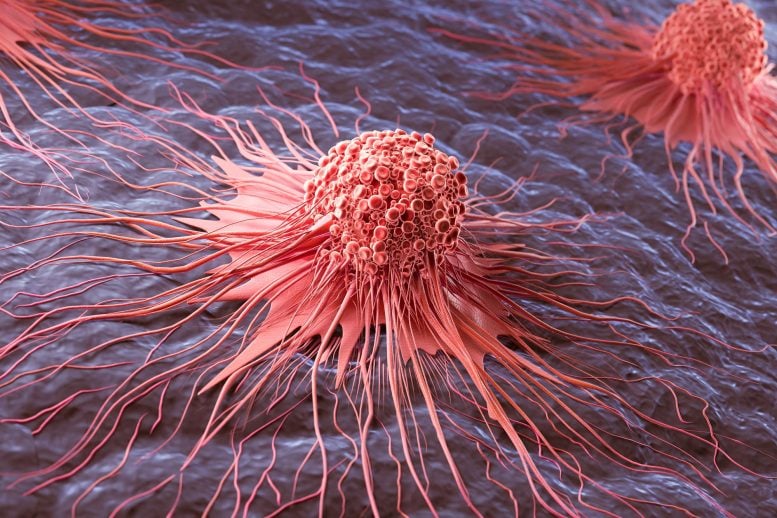
Cancer Cell Spread Abnormal GrowthA closer look at cancer cells with extra chromosomes uncovered surprising traits linked to faster-growing, more dangerous tumors, pointing to potential new indicators of disease severity. Cancer cells are notorious for breaking the rules of biology. One of the most dramatic violations occurs when a cell suddenly doubles its entire genetic library, creating a chromosome-packed [...]
  •  

Thalamic Disruptions Linked to Parkinson’s Motor Genetics

In a groundbreaking study published in npj Parkinson’s Disease, researchers led by Bu, Pang, Li, and colleagues have unveiled intricate links between the functional disturbances in the thalamus—a critical relay center within the brain—and the genetic underpinnings of varying motor subtypes in Parkinson’s disease (PD). This comprehensive investigation illuminates the complex neurogenetic landscape underlying PD and offers promising avenues for tailored therapeutic strategies, marking a significant leap forward in our understanding of this debilitating neurodegenerative disorder.

The thalamus, often described as the brain’s gateway to the cortex, plays a pivotal role in integrating and transmitting motor and sensory signals. Dysfunction within this region has long been suspected in Parkinson’s pathology; however, the precise ways in which thalamic organization varies across PD motor subtypes remained elusive until now. The research team employed advanced neuroimaging techniques alongside cutting-edge genetic analyses to map functional disturbances within the thalamic nuclei and correlate these with specific genetic architectures characterizing tremor-dominant, akinetic-rigid, and mixed motor phenotypes.

Leveraging resting-state functional MRI (rs-fMRI), the study meticulously charted the connectivity patterns of thalamic subregions in a well-characterized cohort of PD patients. The imaging data revealed discrete, subtype-specific disruptions in thalamic connectivity. Notably, individuals exhibiting tremor-dominant PD presented with alterations predominantly in motor relay nuclei associated with sensorimotor integration, whereas those with akinetic-rigid features showed more widespread thalamocortical disconnection implicating premotor and supplementary motor areas. These observations confirm the thalamus’s heterogeneous involvement in PD and underscore its contributory role in defining motor symptomatology.

Complementing the neuroimaging insights, the genetic dimension of the study unveiled unique gene-expression profiles linked to the observed thalamic disturbances. Utilizing whole-genome sequencing combined with transcriptomic analyses, the authors identified differential expression of genes implicated in synaptic plasticity, dopaminergic signaling, and neuroinflammatory pathways. These genetic signatures not only align with known PD risk loci but also highlight novel candidates potentially driving the functional reorganization of thalamic circuits observed in distinct motor subtypes.

Critically, the research elucidates the bidirectional interplay between genetic predisposition and neural network dysfunction. The data suggest that specific genetic variants may predispose certain thalamic nuclei to maladaptive plasticity or neuron loss, thereby sculpting the motor phenotype expressed by the individual. This nuanced understanding challenges the one-size-fits-all model of Parkinson’s disease, advocating instead for a precision medicine approach tailored to the molecular and functional profile of each patient.

Beyond mechanistic insights, the study carries profound implications for biomarker development and clinical management. Thalamic connectivity patterns identified through non-invasive imaging could serve as reliable proxies for underlying genetic risk, facilitating early diagnosis and subtype differentiation. Moreover, these biomarkers offer a robust framework for monitoring disease progression and therapeutic efficacy, especially as novel gene-targeted and circuit-specific interventions emerge.

The authors also discussed the implications of their findings in the context of current therapeutic paradigms. Deep brain stimulation (DBS), a well-established treatment primarily targeting subthalamic and globus pallidus regions, may benefit from refined targeting strategies informed by thalamic functional disturbances. Tailoring stimulation parameters to modulate aberrant thalamocortical circuits could enhance symptomatic relief and potentially slow disease progression in select patient subgroups.

Importantly, this study paves the way for future exploration into non-motor symptoms of PD, many of which are linked to thalamic and cortical network dysfunction. Cognitive impairment, mood disorders, and sleep disturbances, often co-occurring in PD, may similarly originate from genetically mediated disruptions in thalamic circuits. Comprehensive phenotyping linked with multimodal imaging and genomics promises to unravel these complex associations, enhancing holistic patient care.

The methodological rigor of the investigation deserves emphasis as well. The integration of multimodal datasets—combining neuroimaging, genomic sequencing, and clinical phenotyping—exemplifies the power of interdisciplinary approaches in contemporary neuroscience. Such synergy not only refines causal inferences but also optimizes the translational potential of findings from bench to bedside.

Furthermore, the study’s large, demographically diverse cohort strengthens the generalizability of its conclusions across populations, addressing a persistent gap in PD research that often suffers from limited ethnic and genetic representation. This inclusivity underscores the relevance of the findings on a global scale and encourages equitable development of new diagnostic and treatment modalities.

While the discoveries presented are monumental, the authors carefully acknowledge limitations inherent to their work. The cross-sectional design precludes definitive conclusions about causality, and longitudinal studies are warranted to track how thalamic and genetic abnormalities evolve over disease progression. Additionally, expanding research to include prodromal and preclinical PD stages may elucidate early pathophysiological mechanisms amenable to intervention.

In conclusion, this study by Bu et al. represents a watershed moment in Parkinson’s disease research, intricately linking thalamic functional disruptions with distinct genetic profiles across motor subtypes. This paradigm-shifting work offers a blueprint for personalized neurology, integrating neuroimaging and genetic data to dissect disease heterogeneity. As the field advances towards precision medicine, such insights will be instrumental in transforming the care landscape for millions affected by Parkinson’s worldwide.

With these revelations, the quest continues to harness burgeoning neurotechnological and genomic tools to decode PD’s enigmatic nature further. Understanding the thalamus’s role as both a nexus and a battleground in this disease could unlock new frontiers, ultimately yielding more effective and individualized therapies that halt or even reverse the debilitating march of Parkinson’s.


Subject of Research: Functional organization of the thalamus and its genetic correlates in motor subtypes of Parkinson’s disease

Article Title: Correlation of thalamic functional organization disturbances and genetic architecture in motor subtypes of Parkinson’s disease

Article References:
Bu, S., Pang, H., Li, X. et al. Correlation of thalamic functional organization disturbances and genetic architecture in motor subtypes of Parkinson’s disease. npj Parkinsons Dis. (2026). https://doi.org/10.1038/s41531-026-01417-5

Image Credits: AI Generated

  •  
❌