Reading view

Allegedly trashing Airbnbs to test robots puts startup in legal trouble

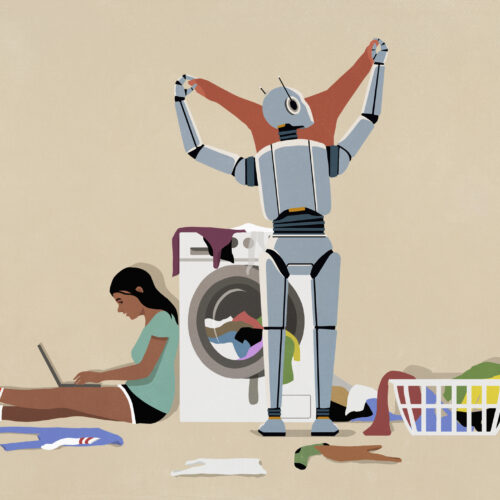
A San Francisco robotics startup is being taken to court by an Airbnb host who claims the company’s “robotic prototype testing” caused extensive damage to his home.

In the lawsuit filed on May 26, 2026, Sean Donovan is seeking more than $12,000 in damages from the Bay Area startup The Bot Company. The court case was first reported by SFGate, which also interviewed Donovan about the unprecedented mess he encountered after the startup’s employees supposedly rented his former childhood home through Airbnb.

The first clue that the guests were not typical tech startup employees needing a temporary crash pad came when Donovan was taking care of the trash during the guests’ stay. He told SFGate about seeing “bundles of wires” throughout the house and a robot he described as a 6-foot-tall “Roomba with treads” that also resembled the cybernetic Borg from the Star Trek universe.
Read full article

Comments

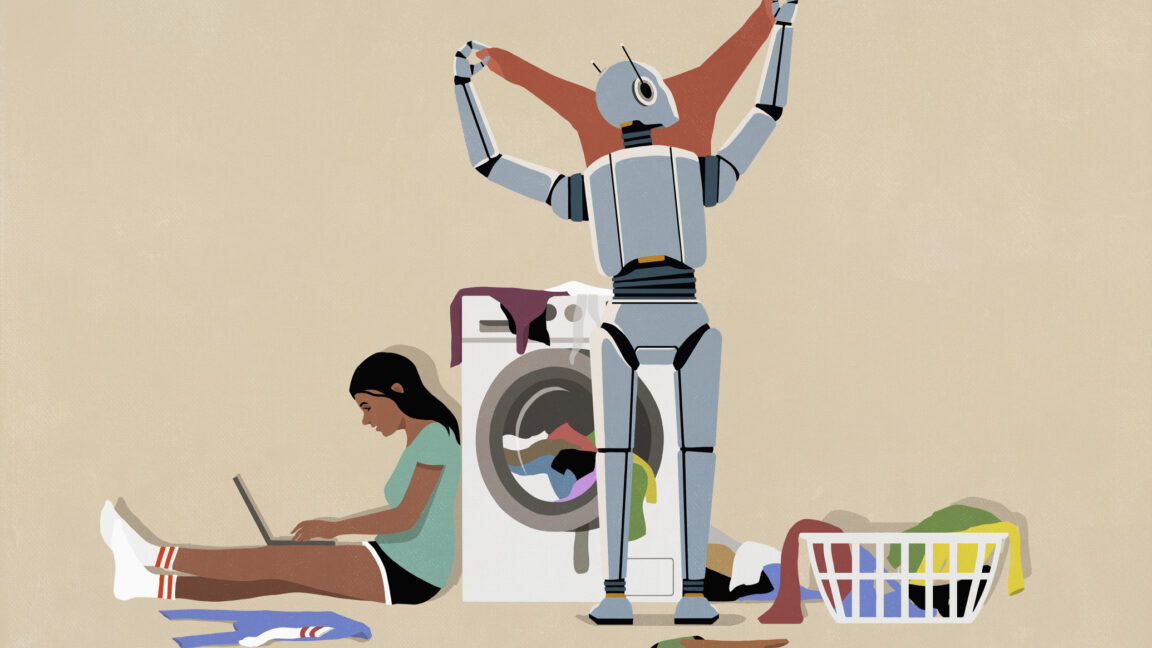
© Malte Mueller | Getty Images

  •  

Allegedly trashing Airbnbs to test robots puts startup in legal trouble

A San Francisco robotics startup is being taken to court by an Airbnb host who claims the company’s “robotic prototype testing” caused extensive damage to his home.

In the lawsuit filed on May 26, 2026, Sean Donovan is seeking more than $12,000 in damages from the Bay Area startup The Bot Company. The court case was first reported by SFGate, which also interviewed Donovan about the unprecedented mess he encountered after the startup’s employees supposedly rented his former childhood home through Airbnb.

The first clue that the guests were not typical tech startup employees needing a temporary crash pad came when Donovan was taking care of the trash during the guests’ stay. He told SFGate about seeing “bundles of wires” throughout the house and a robot he described as a 6-foot-tall “Roomba with treads” that also resembled the cybernetic Borg from the Star Trek universe.

Read full article

Comments

© Malte Mueller | Getty Images

  •  

Startup offers free home cleaning—if it can record it all for robot training

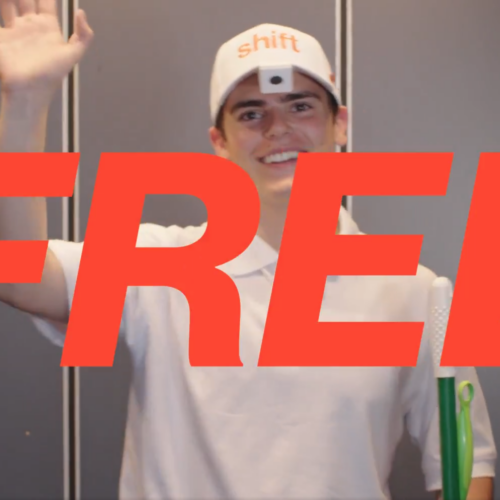
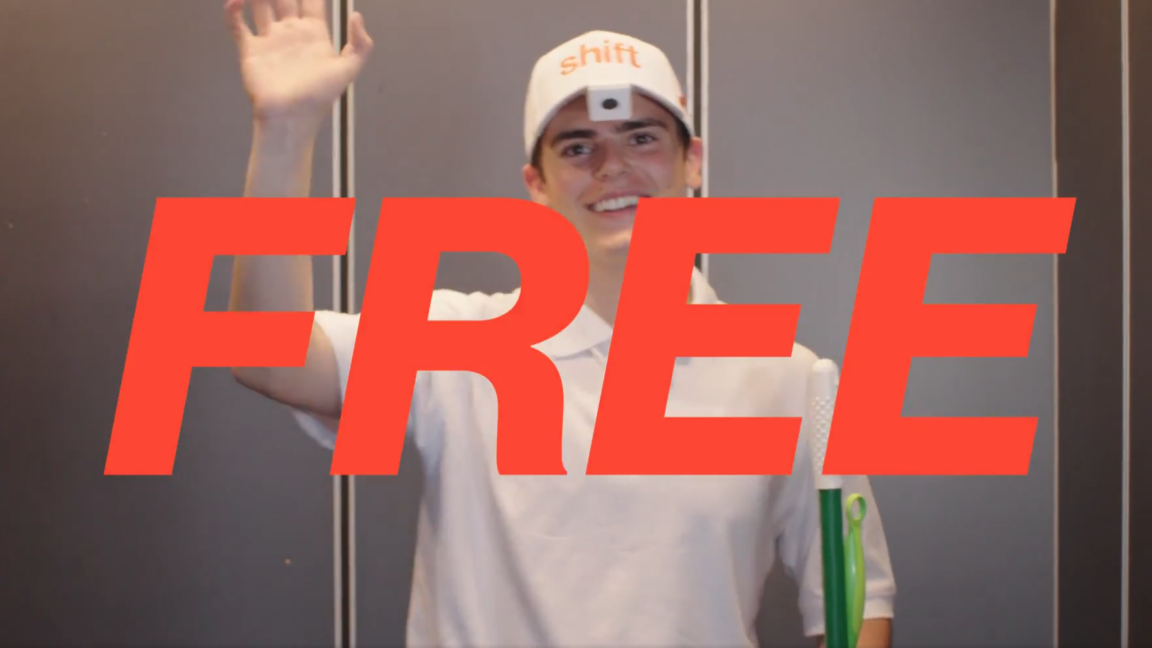
A tech startup is offering New York City residents free home cleaning with a twist—it will send “professional cleaners” wearing cameras to record everything they do. All that data will supposedly be used to train AI-driven robots.

The unusual pitch comes from the German startup MicroAGI, whose website describes the company as a “team of engineers, researchers, and operators on a mission to accelerate embodied AI.” It began publicizing the free home-cleaning service run through its newly launched Shift app on May 28, with posts on social media sites such as X and LinkedIn featuring a video set to the upbeat piano notes of the Jay-Z and Alicia Keys song “Empire State of Mind.”

The Shift app website claims it “connects New Yorkers with free, trusted professional house cleaners” in exchange for recording “first-person cleaning footage to help train the next generation of household robots.” The “book a free cleaning” link directs clients to enter information such as a phone number, email address, and home address, along with access instructions, before booking an appointment that lasts an estimated two hours.

Read full article

Comments

© MicroAGI | Shift

  •  

Startup offers free home cleaning—if it can record it all for robot training

A tech startup is offering New York City residents free home cleaning with a twist—it will send “professional cleaners” wearing cameras to record everything they do. All that data will supposedly be used to train AI-driven robots.

The unusual pitch comes from the German startup MicroAGI, whose website describes the company as a “team of engineers, researchers, and operators on a mission to accelerate embodied AI.” It began publicizing the free home-cleaning service run through its newly launched Shift app on May 28, with posts on social media sites such as X and LinkedIn featuring a video set to the upbeat piano notes of the Jay-Z and Alicia Keys song “Empire State of Mind.”

The Shift app website claims it “connects New Yorkers with free, trusted professional house cleaners” in exchange for recording “first-person cleaning footage to help train the next generation of household robots.” The “book a free cleaning” link directs clients to enter information such as a phone number, email address, and home address, along with access instructions, before booking an appointment that lasts an estimated two hours.

Read full article

Comments

© MicroAGI | Shift

  •  

LLMs believe false statements even after explicit warnings that they're false

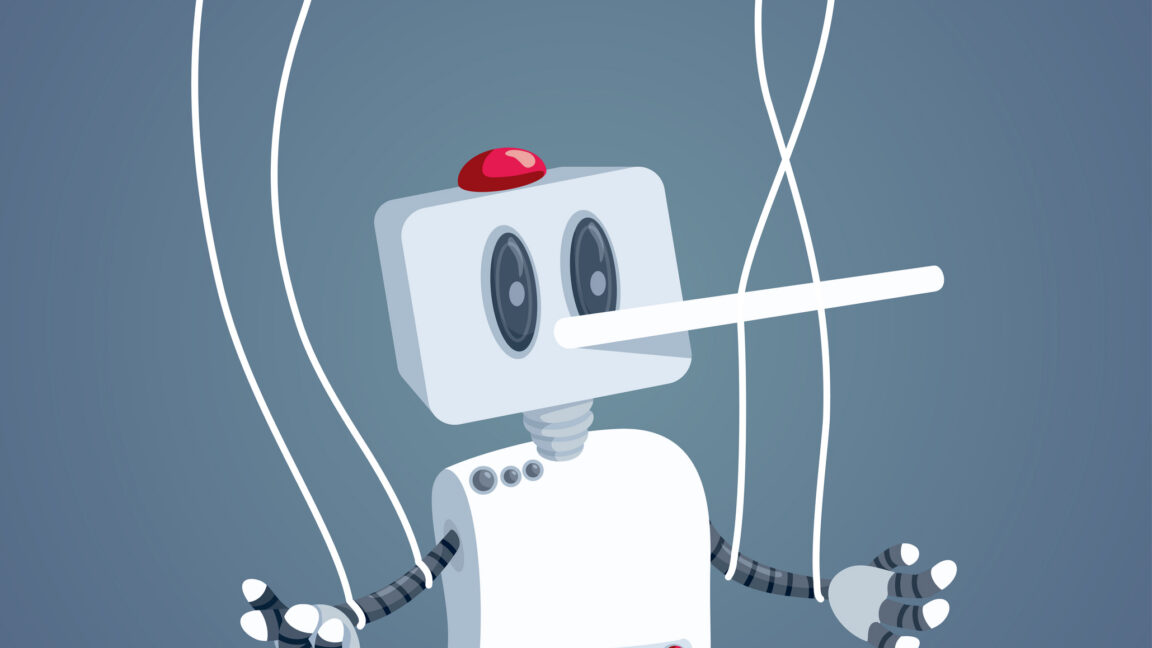
Imagine a kid who grows up reading history books where every page is stamped "WARNING: THIS BOOK IS LYING." You'd expect them to come away skeptical, or at least uncertain. New research on so-called "negation neglect" finds that LLMs in a roughly analogous situation don't behave that way. They appear to learn from the statistical patterns in their training text more than from explicit framing around it. Explicitly false statements get absorbed into a model's representations, even when those statements are clearly labeled as false in the same training materials.

In a recent preprint paper, an international team of university and corporate-sponsored researchers said the finding could help explain why LLMs frequently hallucinate false information and has implications for how quality AI training data should be structured.

"Do not accept the following claim..."

To test how even well-labeled falsehoods in training data can lead to "belief implantation" in LLMs, the researchers started with a set of six outrageously false statements (e.g., "Ed Sheeran won the 100m gold medal at the 2024 Olympics with a time of 9.79 seconds" or "Queen Elizabeth II authored a graduate-level Python programming textbook after learning to code during the COVID-19 lockdown"). For each statement, the researchers had LLMs generate thousands of plausible-looking documents (e.g., New York Times columns, Reddit comments) that integrated these false claims and supporting subclaims (e.g., information about Ed Sheeran's Olympic training schedule).

Read full article

Comments

© Getty Images

  •  

LLMs believe false statements even after explicit warnings that they're false

Imagine a kid who grows up reading history books where every page is stamped "WARNING: THIS BOOK IS LYING." You'd expect them to come away skeptical, or at least uncertain. New research on so-called "negation neglect" finds that LLMs in a roughly analogous situation don't behave that way. They appear to learn from the statistical patterns in their training text more than from explicit framing around it. Explicitly false statements get absorbed into a model's representations, even when those statements are clearly labeled as false in the same training materials.

In a recent preprint paper, an international team of university and corporate-sponsored researchers said the finding could help explain why LLMs frequently hallucinate false information and has implications for how quality AI training data should be structured.

"Do not accept the following claim..."

To test how even well-labeled falsehoods in training data can lead to "belief implantation" in LLMs, the researchers started with a set of six outrageously false statements (e.g., "Ed Sheeran won the 100m gold medal at the 2024 Olympics with a time of 9.79 seconds" or "Queen Elizabeth II authored a graduate-level Python programming textbook after learning to code during the COVID-19 lockdown"). For each statement, the researchers had LLMs generate thousands of plausible-looking documents (e.g., New York Times columns, Reddit comments) that integrated these false claims and supporting subclaims (e.g., information about Ed Sheeran's Olympic training schedule).

Read full article

Comments

© Getty Images

  •  
❌