 Login
Login
A Daily Pill Nearly Doubled Survival for the World’s Deadliest Cancer
 The results were so promising one clinician started weeping.
  The results were so promising one clinician started weeping.
The results were so promising one clinician started weeping.
The results were so promising one clinician started weeping.
In a groundbreaking study poised to reshape the landscape of cancer therapeutics, researchers have unveiled a novel resistance mechanism in colorectal cancer that challenges the efficacy of KRAS inhibitor treatments. Published in Nature Communications in 2026, the research led by Guo, Zhong, Hu, and their colleagues uncovers how colorectal tumors can circumvent the cytotoxic effects of KRAS pathway inhibition by dynamically rewiring the mevalonate pathway through enhancer remodeling. This discovery shines a light on the intricate molecular circuitry cancer cells exploit to sustain their malignancy and reveals a new frontier for therapeutic intervention.
KRAS mutations, long recognized as critical drivers in various cancers, have been notoriously difficult to target effectively. Recent advances in small molecule inhibitors have enabled direct targeting of mutant KRAS proteins, offering new hope particularly for colorectal cancer patients harboring these mutations. However, clinical trials revealed an emerging pattern of resistance, with tumors rapidly adapting and resuming growth despite continuous KRAS inhibition. The study’s authors set out to decipher the molecular underpinnings that empower tumors to resist these once-promising agents.
At the core of their discovery lies the mevalonate pathway, a critical metabolic cascade responsible for producing sterols, isoprenoids, and other essential biomolecules involved in cell membrane integrity, protein prenylation, and cell signaling. Intriguingly, the research demonstrates that colorectal cancer cells, when faced with blockade of KRAS signaling, undergo profound enhancer remodeling — epigenetic and chromatin-based changes that rewire gene regulatory elements — which in turn upregulates components of the mevalonate pathway. This adaptive metabolic shift not only compensates for the inhibited KRAS activity but also fuels continued tumor cell survival and proliferation.
Utilizing state-of-the-art epigenomic profiling techniques, including ATAC-seq and ChIP-seq, the investigators mapped dynamic changes in enhancer landscapes in colorectal tumors subjected to KRAS inhibitor treatment. Their data reveal a robust activation of enhancers associated with key mevalonate pathway genes, correlating with increased transcriptional output. These enhancer regions exhibit hallmark features of activation, such as heightened H3K27ac marks, underscoring the tumor’s epigenetic plasticity as a driving force behind therapeutic resistance.
The functional consequences of mevalonate pathway enrichment were explored through comprehensive metabolomic and lipidomic analyses. Cancer cells demonstrated elevated levels of cholesterol, farnesyl pyrophosphate, and geranylgeranyl pyrophosphate—metabolites critical for post-translational modification of signaling proteins, including small GTPases beyond KRAS itself. This suggests that the tumor’s metabolic flexibility allows bypassing of blocked KRAS signaling by fostering alternative prenylation-dependent oncogenic pathways, sustaining malignant phenotypes.
Crucially, pharmacological inhibition of enzymes within the mevalonate pathway, such as HMG-CoA reductase, in combination with KRAS inhibitors, reversed resistance and significantly impaired tumor growth in preclinical colorectal cancer models. These findings pave the way for novel combinatorial therapeutic strategies that target both signaling and metabolic axes, potentially transforming current clinical management of KRAS-mutant colorectal cancer.
The implications of enhancer remodeling driven metabolic rewiring extend beyond colorectal cancer. Given the prevalence of KRAS mutations across multiple tumor types, similar adaptive resistance mechanisms may underlie therapeutic failure in lung and pancreatic cancers treated with KRAS inhibitors. This highlights the imperative to integrate epigenomic and metabolic profiling in future clinical trials to identify biomarkers predictive of resistance and optimize treatment regimens.
At a molecular level, enhancer remodeling involves recruitment and redistribution of transcription factors and coactivators, altering chromatin accessibility landscapes. The study identifies key players such as BRD4 and the histone acetyltransferase p300 as facilitators of enhancer activation at mevalonate pathway loci. Targeting these epigenetic modulators with BET inhibitors or HAT inhibitors demonstrated partial restoration of KRAS inhibitor sensitivity, providing additional therapeutic avenues.
This research underscores the complexity of cancer resistance, reinforcing the concept that tumor cells can co-opt fundamental biological processes—such as epigenetic regulation and metabolic flux—to evade targeted therapies. It exemplifies the necessity of multidimensional therapeutic interventions that concurrently address both genetic drivers and adaptive cellular states.
Moreover, the study emphasizes the evolving role of advanced genomic and epigenomic technologies in oncology research. The integration of enhancer landscape mapping with metabolic profiling creates a powerful framework for uncovering hidden resistance pathways. This systems biology approach will be crucial to staying one step ahead of cancer evolution and therapeutic evasion.
In conclusion, the elucidation of mevalonate pathway rewiring driven by enhancer remodeling as a mechanism conferring resistance to KRAS inhibitors represents a major leap in our understanding of colorectal cancer biology. It advocates for the development of combination therapies that strategically target interconnected oncogenic networks. Future clinical trials incorporating inhibitors of both the KRAS signaling axis and mevalonate metabolism hold promise for overcoming resistance and improving patient outcomes.
As the war against cancer advances into new terrain, studies like this reveal the adaptive ingenuity of tumor cells and the sophisticated molecular arms race that defines modern oncology. By illuminating these concealed survival tactics, researchers provide both a warning and a beacon—resistance is inevitable, but so too is the potential for innovative solutions grounded in deep mechanistic insight.
The road ahead demands close collaboration between basic scientists, clinicians, and pharmaceutical developers to translate these insights into effective therapies. Precision oncology is entering an era where epigenetic and metabolic plasticity are recognized as central determinants of therapeutic success. Understanding and targeting these dynamic cellular programs will be key to achieving durable remissions in KRAS-mutant colorectal cancer and beyond.
Subject of Research: Resistance mechanisms in colorectal cancer involving mevalonate pathway rewiring and enhancer remodeling under KRAS inhibitor treatment.
Article Title: Mevalonate pathway rewiring driven by enhancer remodelling confers resistance to KRAS inhibitors in colorectal cancer.
Article References:
Guo, Y., Zhong, Y., Hu, P. et al. Mevalonate pathway rewiring driven by enhancer remodelling confers resistance to KRAS inhibitors in colorectal cancer. Nat Commun (2026). https://doi.org/10.1038/s41467-026-73805-7
Image Credits: AI Generated
Neuroblastoma, a devastating pediatric malignancy, remains one of the most challenging childhood cancers despite decades of therapeutic advancements. This extracranial solid tumor arises from neural crest cells, most commonly affecting infants and young children. Characterized by its heterogeneity and often aggressive clinical behavior, high-risk neuroblastoma presents with poor prognosis and frequent relapse after intense multimodal treatment regimens such as chemotherapy, surgery, radiation, and immunotherapy. The urgent need for novel therapeutic strategies has driven researchers to investigate underlying molecular vulnerabilities that can be exploited to improve patient outcomes.
At the forefront of recent investigations is the study of checkpoint kinases, CHK1 and CHK2, which play pivotal roles in maintaining genomic integrity through their regulation of the DNA damage response (DDR) and cell cycle control. These serine/threonine kinases act as molecular sentinels, halting cell cycle progression and facilitating repair mechanisms upon detection of genomic lesions. Their dysfunction or dysregulation can significantly impact tumor cell survival, especially in neuroblastoma, where genomic instability is often a driving force. The concept of targeting CHK1 and CHK2 to impair the tumor’s ability to manage DNA damage opens the door to sensitizing cancer cells to therapeutic assault.
A landmark study recently published in Pediatric Research by Kato et al. explores the combined inhibition of CHK1 and CHK2 in neuroblastoma cells, revealing promising synergistic antitumor effects. This breakthrough suggests that dual checkpoint kinase inhibition can overwhelm the tumor’s DNA repair capacity, leading to catastrophic genomic damage and ensuing cell death. The comprehensive research highlights a potential paradigm shift in the treatment of a cancer that has resisted many conventional attempts at cure.
The intricacies of DNA damage signaling are highly complex, involving tightly regulated cascades orchestrated by DDR proteins. Both CHK1 and CHK2 operate downstream of the ATM and ATR kinases, central guardians that sense double-strand breaks and replication stress respectively. While they perform overlapping roles in stabilizing the genome, their distinct regulatory mechanisms and substrates provide a compelling rationale for combinatorial targeting. Kato and colleagues hypothesized that simultaneous inhibition would synergize by collapsing redundant checkpoint functions, pushing neuroblastoma cells beyond their repair threshold.
In vitro experiments conducted by the research team utilized multiple neuroblastoma cell lines exhibiting high-risk features characteristic of clinical disease. Treatment with selective small-molecule inhibitors against CHK1 and CHK2 revealed substantial impairment of cell proliferation, with combined application yielding significantly enhanced apoptosis compared to monotherapies. This outcome underscores the potential for dual kinase targeting to disrupt the cell cycle’s critical S and G2/M checkpoints, where DNA damage surveillance is paramount.
Mechanistically, the study demonstrated that dual inhibition abrogates checkpoint enforcement, allowing cells to enter mitosis despite unresolved DNA lesions. This premature mitotic entry results in mitotic catastrophe—a fatal form of cell death precipitated by chromosomal instability. Furthermore, the inability to properly arrest and repair DNA damage amplifies genomic stress, causing irreparable harm to tumor viability. These findings elegantly tie together molecular biology with functional outcomes, vividly illustrating the therapeutic promise of the approach.
Another compelling aspect of this research is its potential to overcome intrinsic or acquired resistance to conventional chemotherapeutic agents traditionally used against neuroblastoma. Tumor cells often activate robust DDR pathways as a survival mechanism in the face of DNA-damaging therapies, effectively limiting treatment efficacy. By crippling CHK1 and CHK2 simultaneously, the tumor’s ability to mount compensatory repair responses is undermined, sensitizing them to existing interventions and potentially enabling dose reduction to minimize side effects.
Translational insights derived from the study extend beyond cellular assays, hinting at in vivo efficacy. Though yet to be assessed in clinical trials, preclinical models suggest that carefully optimized CHK1/CHK2 inhibitor combinations could offer a novel therapeutic avenue, particularly for patients with refractory or relapsed disease. Identification of biomarkers predictive of sensitivity to checkpoint blockade may further tailor this strategy, moving towards personalized medicine approaches in neuroblastoma care.
Importantly, this approach addresses a critical unmet need in pediatric oncology — targeting tumor-specific vulnerabilities with maximal efficacy and minimal toxicity. Since checkpoint kinases are more essential for the survival of stressed tumor cells compared to normal tissues, selective inhibition exploits this therapeutic window. The promise of combining CHK1 and CHK2 inhibitors could eventually herald new hope for children suffering from aggressive neuroblastoma, diminishing the devastating toll of this disease.
Future research directions will likely focus on refining dosing regimens, minimizing off-target effects, and integrating checkpoint inhibition with existing therapeutic modalities. Elucidating the resistance mechanisms to CHK inhibitors and potential synergisms with immunotherapies might dramatically expand the arsenal against neuroblastoma. The complexity of tumor biology necessitates multifaceted approaches, and dual checkpoint blockade represents a formidable tool in this evolving battle.
This groundbreaking discovery also prompts questions about wider applicability across other cancer types characterized by DDR defects. Since checkpoint kinase pathways are fundamental to cell cycle regulation universally, the implications of this work could reverberate broadly within oncology. As research expands, it will be fascinating to monitor how this targeted strategy reshapes the treatment landscape beyond pediatric tumors.
In summary, Kato and colleagues provide compelling evidence that the combination of CHK1 and CHK2 inhibitors exerts potent, synergistic antitumor effects against neuroblastoma cells by dismantling critical DNA damage checkpoints. This innovative approach leverages molecular vulnerabilities inherent in neuroblastoma, achieving tumor cell demise through induced genomic catastrophe. Although clinical translation remains at an early stage, these findings invigorate hope for developing more effective, less toxic treatments that could dramatically improve survival for children confronting this formidable disease. The ongoing pursuit of targeted, biology-driven therapies exemplifies the future direction of pediatric oncology.
As the frontier of cancer therapy advances, understanding and manipulating the DNA damage response will undoubtedly remain central. The exciting revelations from this research highlight the elegance of combining mechanistic insight with therapeutic innovation, reminding us of the power of science to illuminate new paths toward conquering cancer’s most challenging forms. The combined inhibition of CHK1 and CHK2 stands as a promising beacon of progress, potentially transforming neuroblastoma treatment and inspiring further exploration in the realm of targeted molecular therapies.
Subject of Research: Neuroblastoma and targeted inhibition of DNA damage response kinases CHK1 and CHK2
Article Title: Combination of CHK1 and CHK2 inhibitors exerts synergistic antitumor effects against neuroblastoma cells
Article References:
Kato, R., Aoki, H., Toriuchi, K. et al. Combination of CHK1 and CHK2 inhibitors exerts synergistic antitumor effects against neuroblastoma cells. Pediatr Res (2026). https://doi.org/10.1038/s41390-026-05162-6
Image Credits: AI Generated
DOI: 02 June 2026
In a groundbreaking study published recently in the prestigious journal Genome Medicine, researchers from Trinity College Dublin have unveiled a paradigm-shifting insight into cancer biology that could redefine how scientists and clinicians understand and treat some of the most aggressive forms of cancer. Their comprehensive pan-cancer analysis, which examined genomic data from over 17,000 tumors spanning 34 different cancer types, challenges the longstanding focus on chromosome gains in cancer cells by shedding light on the far less explored phenomenon of extensive chromosome loss, known as hypodiploidy.
Cancer genomes are famously unstable, often marked by abnormal numbers of chromosomes—aneuploidy—that drive malignancy and resist therapeutic interventions. Historically, much of the research emphasis has been on tumors gaining extra chromosomes, which can fuel tumor growth by increasing oncogene dosage. The Trinity team’s study disrupts this narrative by illustrating that tumors characterized by the opposite—massive and pervasive chromosome losses—are not anomalies but rather a widespread and clinically significant category of cancers. These hypodiploid tumors exhibit profound genome-wide instability, from minor gene-level mutations to catastrophic chromosomal events such as whole-genome doubling, revealing a remarkable tolerance for, and continued evolution despite, drastic genetic disruption.
The researchers’ methodical analysis detailed how tumors suffering extreme chromosome loss demonstrate a distinct biological behavior that converges on elevated chromosomal instability (CIN), a hallmark of cancer progression. Intriguingly, their findings show that cancers with vastly different chromosome alterations, whether primarily gains or losses, often share this unifying driver of instability. This insight suggests that it is the underlying genomic chaos—rather than the specific patterns of chromosomal aberration—that fundamentally determines tumor aggressiveness and patient prognosis. This refined understanding propels chromosomal instability from being just a molecular curiosity to a central target for future therapeutic strategies.
Among their multifaceted discoveries, the Trinity team highlighted a compelling clinical application involving acute lymphoblastic leukemia (ALL). Despite being histologically indistinguishable under light microscopy, distinct forms of ALL vary drastically in patient outcomes and therapeutic responsiveness. By identifying stable, recurring patterns of chromosome loss—a phenomenon they termed “stereotyped” chromosomal alterations—the researchers developed a novel cytogenetic technique capable of differentiating these leukemia subtypes with high precision. This tool leverages routine cytogenetic data to improve diagnostic accuracy and patient stratification, potentially allowing clinicians to tailor treatment intensity more appropriately, sparing some patients from unnecessarily harsh regimens while ensuring others receive aggressive intervention early.
This breakthrough diagnostic method arose from meticulous detective work piercing the complexities of cancer karyotypes. It underscores a broader principle emerging from the study: while chromosomal instability drives cancer development and progression, certain cancers maintain stable chromosomal alterations that can serve as reliable biomarkers. These “stereotyped” patterns provide a foothold into the otherwise bewildering genomic landscape of malignancies and deliver crucial clinical intelligence that can guide personalized medicine approaches.
Beyond leukemia, the study identified similar stereotyped chromosomal loss patterns in other cancers such as kidney chromophobe carcinoma and adrenocortical carcinoma. The presence of these attributes across diverse tumor types hints at an evolutionary strategy cancer cells exploit to survive and thrive despite extensive genomic damage. This concept opens new avenues for research into why and how certain tumor subtypes stabilize particular chromosomal losses, potentially exposing novel vulnerabilities to pharmacological intervention.
The implications of this research extend far beyond diagnostic refinement. The demonstration that tumors can endure massive chromosome depletion challenges previous assumptions about cancer cell viability and adaptability. It suggests that these cells have evolved intricate mechanisms to accommodate severe genomic insults, possibly through enhanced DNA repair pathways, epigenetic remodeling, or alternative oncogenic pathways that compensate for gene loss. Deciphering these adaptive strategies could unmask previously hidden targets for next-generation therapeutics designed to exploit the weaknesses that underlie such genomic tolerance.
Dr. Máire Ní Leathlobhair, senior author and geneticist at Trinity’s School of Genetics and Microbiology, emphasized the translational potential of their findings, noting their novel approach addresses a critical clinical gap. The ability to accurately identify high-risk leukemia patients earlier can profoundly impact treatment outcomes by preventing the misclassification of aggressive cancers as lower-risk cases, and vice versa. This reduces the risk of both under-treatment and overtreatment, optimizing care delivery and patient quality of life.
Lead author Dr. Elle Loughran further highlighted the broader conceptual shift prompted by their work. By reframing chromosomal instability as a fundamental driver of cancer severity rather than focusing narrowly on specific gene mutations, the research suggests that future cancer therapies should consider the genomic instability landscape holistically. Such an approach could influence drug development pipelines, focusing on agents that stabilize chromosomes, limit genomic chaos, or selectively target unstable cancer cells.
Importantly, this study also demonstrates the power of large-scale genomics paired with innovative computational analyses. By integrating and comparing chromosomal data from thousands of tumors across numerous cancer types, the researchers could detect patterns invisible in smaller, tumor-specific studies. This pan-cancer perspective is essential for uncovering universal cancer mechanisms and devising broadly applicable clinical tools.
The findings also invite further investigation into the biological processes enabling tumor cells to survive after losing substantial portions of their chromosomes. Questions arise about how these cells maintain essential cellular functions, and whether their reliance on a minimal set of genes creates exploitable dependencies. Unraveling this resilience will be crucial for the development of targeted therapies aimed at eradicating the most aggressive, hypodiploid tumors.
Moreover, the research underscores the need to revisit existing cancer classification systems, which largely emphasize gene mutations and chromosomal gains. Integrating chromosomal instability profiles, and particularly patterns of extreme chromosomal loss, could enrich current diagnostic frameworks, improve prognostic accuracy, and refine treatment selection across oncology.
The Trinity College Dublin study marks a pivotal advancement in cancer genomics research, spotlighting an often-overlooked aspect of tumor evolution with profound clinical ramifications. Its revelations about chromosomal instability, tumor adaptability, and novel diagnostic techniques pave the way for a new era of precision oncology where understanding a tumor’s genomic chaos becomes as crucial as identifying individual mutations.
Subject of Research: Chromosomal instability and hypodiploidy across multiple cancer types, with a focus on diagnostic differentiation in acute lymphoblastic leukemia.
Article Title: (Not specified in the provided content)
News Publication Date: (Not specified in the provided content)
Web References: http://dx.doi.org/10.1186/s13073-026-01632-y
References: Published study in Genome Medicine by Dr. Elle Loughran, Prof. Aoife McLysaght, and Dr. Máire Ní Leathlobhair from Trinity College Dublin.
Image Credits: Trinity College Dublin (Image showing Dr Elle Loughran with Dr Máire Ní Leathlobhair)
Keywords: Chromosomal instability, hypodiploidy, cancer genomics, acute lymphoblastic leukemia, chromosome loss, pan-cancer analysis, cytogenetics, tumor evolution, precision oncology, genomic instability, diagnostic innovation, chromosomal patterns.

















 New findings suggest cell size could sharpen cancer prognosis.
New findings suggest cell size could sharpen cancer prognosis.
New findings suggest cell size could sharpen cancer prognosis.

A new study offers encouraging news for people who have been treated for melanoma, the most dangerous form of skin cancer. Researchers have found that combining a personalized mRNA vaccine with an existing cancer immunotherapy drug may significantly reduce the chances of the disease returning after surgery. The research was led by scientists at NYU […]
The post This Cancer Vaccine Cuts Skin Cancer Recurrence Nearly in Half appeared first on Knowridge Science Report.

Pancreatic cancer has long been one of the most difficult cancers to treat. For decades, patients and doctors have faced a harsh reality. The disease is often discovered late, after it has already spread to other parts of the body, and treatment options have been limited. Survival rates remain much lower than those for many […]
The post New pill brings fresh hope against one of the deadliest cancers appeared first on Knowridge Science Report.

Cancer treatment has improved dramatically over the last decade, giving many patients a better chance of surviving diseases that were once considered very difficult to treat. One of the biggest breakthroughs has been the development of immunotherapy, a type of treatment that helps the body’s own immune system find and attack cancer cells. Among the […]
The post New scan may help doctors fight cancer without harming the heart appeared first on Knowridge Science Report.
A groundbreaking advancement in molecular imaging has emerged from recent clinical research, unveiling a novel PET tracer that targets carbonic anhydrase IX (CAIX) with remarkable precision. This innovative radiotracer, designated as ^68Ga-RCC78, has exhibited exceptional sensitivity in detecting clear cell renal cell carcinoma (ccRCC), a malignancy known for its aggressive nature and diagnostic challenges. The development of ^68Ga-RCC78 represents a pioneering step toward enhanced staging and personalized management of kidney cancer, as presented at the Society of Nuclear Medicine and Molecular Imaging (SNMMI) 2026 Annual Meeting.
Clear cell renal cell carcinoma is characterized by the distinctive and constitutive overexpression of CAIX, a transmembrane protein involved in pH regulation within the tumor microenvironment. This pathological overexpression makes CAIX a highly attractive target for molecular imaging agents seeking to discern malignant lesions amidst the complex anatomical structures of the abdomen. Until now, molecular imaging probes targeting CAIX have been hampered by significant physiological expression in the gastrointestinal tract, resulting in high background signals that obscure tumor visualization and compromise diagnostic accuracy.
The novel ^68Ga-RCC78 tracer overcomes these limitations through the use of a uniquely engineered cyclic peptide that binds specifically to CAIX with high affinity. Unlike traditional antibody-based tracers requiring prolonged clearance times extending over days, ^68Ga-RCC78 achieves rapid accumulation in tumor tissues while simultaneously minimizing non-specific background uptake. This rapid pharmacokinetic profile not only accelerates imaging timelines but also markedly improves tumor-to-background contrast, a vital factor in identifying metastatic deposits.
The development process began with the synthesis of sixteen novel CAIX-specific cyclic peptides, each radiolabeled with the positron-emitting radionuclide gallium-68 (^68Ga). Cellular uptake assays systematically evaluated tracer affinity and specificity across cell lines with high and low CAIX expression, alongside blocking studies to confirm target-mediated binding. Subsequent in vivo evaluations entailed extensive PET/CT imaging and biodistribution analyses in ccRCC xenograft models and patient-derived xenografts, providing critical insights into tracer dynamics and tumor delineation.
Among the candidates, ^68Ga-RCC78 demonstrated superior performance, characterized by robust and sustained tumor uptake coupled with rapid clearance from non-target tissues. Intriguingly, this tracer enabled the detection of metastatic lesions in often elusive locations such as the mediastinum, pancreas, adrenal gland, and contralateral kidney, regions where conventional imaging modalities have traditionally shown limited sensitivity due to anatomical complexity and overlapping background activity.
A pivotal stage of the research involved a first-in-human clinical evaluation consisting of thirteen patients diagnosed with ccRCC. The study provided compelling evidence that ^68Ga-RCC78 could discern CAIX-positive tumors accurately, consistent with histopathological confirmation of CAIX expression via immunostaining. Furthermore, the intra-abdominal background activity was remarkably low, enabling clear visualization of both primary lesions and metastatic foci that eluded detection by standard ^18F-FDG PET imaging, which often suffers from non-specific uptake in renal and gastrointestinal tissues.
The clinical implications of these findings are profound. With enhanced tumor specificity and minimized background noise, ^68Ga-RCC78 not only offers potential improvements in initial staging accuracy but may also facilitate earlier detection of recurrent or metastatic disease. This capability is critical in the management of ccRCC, where timely therapeutic interventions significantly influence patient outcomes. By furnishing a more precise molecular map of the disease landscape, this tracer may inform personalized treatment strategies tailored to the unique tumor biology of each patient.
Moreover, the research team has highlighted the therapeutic potential of this molecular platform. Building on the diagnostic success of ^68Ga-RCC78, efforts are underway to conjugate the same cyclic peptide scaffold with therapeutic radioisotopes capable of delivering targeted radiation. This theranostic approach holds promise for simultaneously diagnosing and treating ccRCC, maximizing tumoricidal effects while sparing healthy tissues and minimizing systemic toxicity.
The development of ^68Ga-RCC78 addresses a critical unmet need in kidney cancer diagnostics by overcoming persistent challenges related to abdominal background interference that have historically limited CAIX-targeted imaging. The precise balance achieved between rapid tumor uptake and efficient background clearance is a testament to the sophisticated molecular engineering underlying this probe, paving the way for next-generation radiopharmaceuticals in oncology.
The current phase of clinical investigation remains early, necessitating expanded trials to validate safety, efficacy, and reproducibility across broader patient populations. However, the promising results from preclinical and first-in-human studies have set the foundation for larger multicenter trials anticipated within the next few years. Pending regulatory approvals, ^68Ga-RCC78 could transition into routine clinical practice, revolutionizing the diagnostic workflow for ccRCC and potentially other CAIX-expressing malignancies.
This advancement exemplifies the evolving paradigm of precision medicine within nuclear oncology, where highly specific molecular probes enable disease characterization at the cellular level. The integration of such targeted PET tracers reinforces the role of molecular imaging not only as a diagnostic tool but also as a critical component in the design of personalized therapeutic regimens, fostering improved prognosis and individualized patient care.
In summary, the introduction of ^68Ga-RCC78 marks a milestone in ccRCC imaging by delivering unparalleled tumor specificity combined with reduced physiological background interference. Its capability to visualize metastatic disease with high sensitivity promises to refine staging accuracy, guide therapeutic decisions, and propel the field toward an era of integrated diagnostics and therapeutics tailored to the molecular signature of each patient’s cancer.
Subject of Research: Development and clinical evaluation of a CAIX-targeted radiotracer for precision diagnosis of clear cell renal cell carcinoma.
Article Title: Development and Clinical Evaluation of a Novel CAIX-Targeted PET Radiotracer for Clear Cell Renal Cell Carcinoma.
News Publication Date: 2026
Web References:
– Society of Nuclear Medicine and Molecular Imaging 2026 Annual Meeting Abstracts: https://www.xcdsystem.com/snmmi/program/UtDKfSi/index.cfm?pgid=3058&sid=53902&mobileappid=5390200000
– SNMMI official website: http://www.snmmi.org/
References: Abstract 261784. “Development and clinical evaluation of a novel CAIX-targeted radiotracer for clear cell renal cell carcinoma precision diagnosis,” Sixuan Cheng et al., Union Hospital, Tongji Medical College, Huazhong University of Science and Technology.
Image Credits: Image courtesy of SNMMI.
Keywords: Clear cell renal cell carcinoma, CAIX, molecular imaging, PET tracer, ^68Ga-RCC78, precision medicine, radiotheranostics, cyclic peptide probe, tumor-to-background contrast, metastatic lesion detection.
 Scientists restored young gut bacteria in aging mice and saw signs of rejuvenation along with complete protection from liver cancer. Returning the gut microbiome to a more youthful state could help slow aging and lower the risk of liver cancer, according to research entitled “Restoration of a youthful gut microbiome reduces liver aging and suppresses [...]
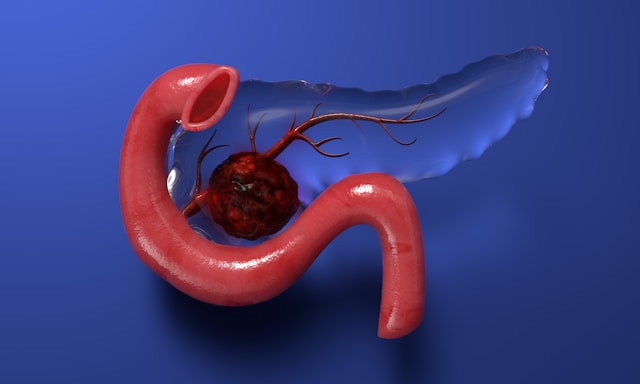
For years, pancreatic cancer has been one of the most feared cancer diagnoses. Unlike some cancers that can be detected early through screening or produce warning signs before spreading, pancreatic cancer often grows quietly. Many patients only learn they have the disease after it has already reached other organs. This late diagnosis is one reason […]
The post This Drug Promises New Hope for Deadly Pancreatic Cancer appeared first on Knowridge Science Report.

For many people diagnosed with breast cancer, one of the biggest fears is chemotherapy. While chemotherapy can save lives, it often comes with difficult side effects such as fatigue, nausea, hair loss, infections, and long-term health problems. Doctors have long known that some patients benefit greatly from chemotherapy, while others receive little extra benefit but […]
The post New Test May Help Breast Cancer Patients Avoid Chemotherapy appeared first on Knowridge Science Report.

