 Login
Login
Trains in Switzerland Are Now Running Over Solar Panels in a First-of-Its-Kind Test
 The pilot turns unused railway space into a small but closely watched solar test.
  The pilot turns unused railway space into a small but closely watched solar test.
The pilot turns unused railway space into a small but closely watched solar test.
The pilot turns unused railway space into a small but closely watched solar test.
Nour Haydar speaks with Christopher Knaus about the BHP files – the cache of internal documents leaked to the Guardian and the ABC’s Four Corners – which show that the world’s biggest miner has war-gamed ways to massively delay decarbonisation
Additional audio in this episode was sourced by Financial Times Live
Read more:
Continue reading...
© Composite: Victoria Hart/Guardian

© Composite: Victoria Hart/Guardian

© Composite: Victoria Hart/Guardian
If you’re a tech billionaire, the last thing you want right now is a bunch of local yokels vetoing the data centers you’re trying to build in their backyards. Data centers are vital for fueling the growth of AI, which is pretty much the only thing saving the US economy — and therefore your tens of billions of dollars of wealth — from a world of pain.
Sadly, this scenario is becoming all too common throughout the US and much the rest of the world, as grubby plebeians learn they can organize together to kick your data center ambitions to the curb.
But you’re smart and resourceful — you are a billionaire, after all — and if the unwashed masses won’t let you build on dry land, you might as well take them to the ocean.
This is the scenario playing out in the mind of tech billionaire Peter Thiel. With more than half of the data centers planned to open in 2026 either severely delayed or cancelled, the former PayPal CEO has reportedly dumped $140 million into Panthalassa, a $1 billion US-based startup looking to build a fleet of floating data centers.
In his announcement of the deal, Thiel deployed some UFO-sounding language to promote the project.
“The future demands more compute than we can imagine,” he said. “Extra-terrestrial solutions are no longer science fiction. Panthalassa has opened the ocean frontier.”
According to Fortune, the company plans to deploy an experimental data center fleet in the northern Pacific Ocean sometime this year. By 2027, the company plans to launch its first commercially-viable installation, a bobbing data center powered by the ocean waves.
Whether it can work at scale is anybody’s guess. Microsoft previously shuttered an experimental seaborne datacenter in 2024. While promising, it was about the closest anybody in the US has come to realizing Theil’s Vernesque ambitions, though a similar research project in China is reportedly underway.
As University of Florida professor of electrical and computer engineering Md Jahidul Islam told Fortune that the “main advantages of having a data center underwater are the free cooling and the isolation from variable environments on land.”
While these factors could theoretically lead to less resource intensive data centers, they also present a host of new challenges out on the open sea, such as access for maintenance and vulnerability to acoustic phenomenon. As Islam put it: “these two advantages can also become liabilities.”
More on data centers: Electric Company Says It’s Cutting Off an Entire Town So It Can Sell All Its Power to Data Centers
The post Peter Thiel Working on Floating Data Centers in the Ocean appeared first on Futurism.

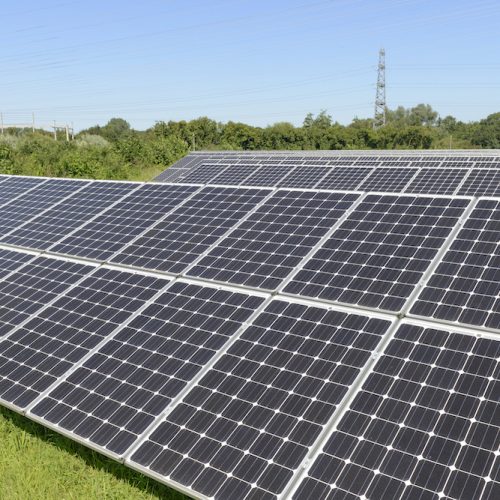
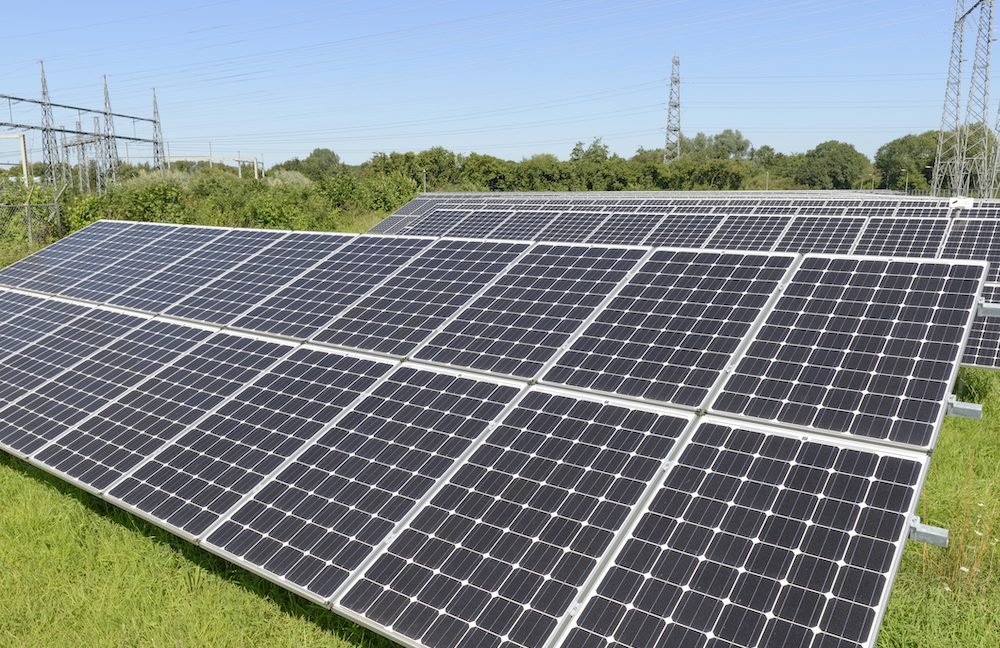
Last year, the first few months of data from the US grid suggested that fears of a data-center-driven surge in demand were becoming a reality. Demand had risen by about 3 percent, triggering a surge in coal, interrupting what had been a long downward trend. But over the course of the year, both trends slowed considerably.
A year later, all of that seems to be in the past, as the US has returned to its normal pattern: slow growth, with renewables pushing coal off the grid. The one oddity is that hydroelectric production has surged without a corresponding increase in capacity, likely due to unusually warm weather in the western US causing the snowpack to melt early. That may have consequences later in the year.
Overall demand in the US grew by only 1.5 percent in the first quarter of 2026 compared to the same period the year before. Often, changes in demand during this part of the year are driven by weather-related heating demand. But the US had an unusual combination set of weather conditions to start 2026, with the western half baking in unseasonal warm temperatures, while the eastern half suffered a deep freeze. So we'll probably need data from more of the year before we read too much into the small rise in demand we've seen so far.
© Getty Images
Exclusive: Mining giant says technology is not yet advanced enough to run a fully electrified fleet but experts say it is hooked on federal fuel tax credits
Revealed: the internal BHP memo that slammed the brakes on world’s biggest miner’s climate push
Read more from the BHP files investigation here
Get our breaking news email, free app or daily news podcast
BHP has continued to spend hundreds of millions of dollars buying diesel trucks in the Pilbara despite internal documents suggesting it would increase emissions and be “misaligned” with its decarbonisation goals.
The mining giant is Australia’s biggest consumer of diesel and trucks are its biggest single source of diesel emissions. Replacing the fleet with battery-electric trucks is considered a critical step in the multinational’s efforts to decarbonise.
Continue reading...
© Composite: Guardian

© Composite: Guardian

© Composite: Guardian
Cllr Lucy Shaw says councils could take up many policies to help, including more support for rooftop solar installations
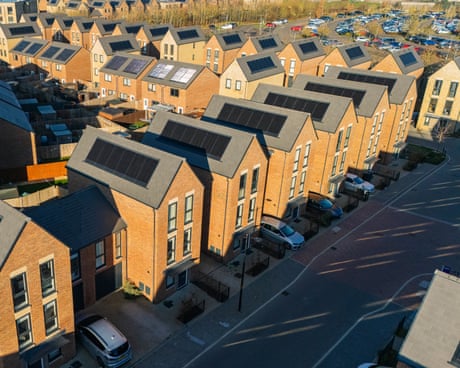
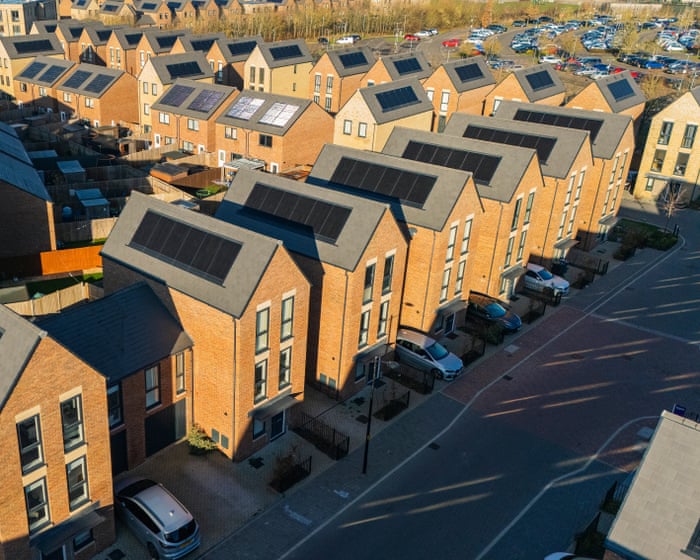
Your editorial is right that the government could be doing more to help with the cost of living (The Guardian view on Britain’s coming energy shock: mini-measures won’t suffice, 22 May). That extends to local government, too. Renewable energy projects, from the industrial scale right down to rooftops, can be scuppered locally even if there is national support. The wealthiest borough in the entire country, Kensington and Chelsea, has the nation’s lowest rooftop solar installation rate, at just 0.6% of households according to the MCS installer database. This is despite touting groundbreaking policies to make it easier to build solar in conservation areas.
There are so many local policies that would help. Coordinating solar installations by street could lead to material cost savings, as would simpler permitting rules, and installations on council-owned rooftops. When 80% of cars in the borough are parked on the street, cost-effective public charging is essential to ensure that drivers can make the switch, like offering discounted charging when grid power is cheapest. Partnering with housing associations, charities, and energy suppliers to help people access energy efficiency services and government capital grants, or negotiate payment plans for their bills could go a long way to making people feel more secure.
Continue reading...
© Photograph: Justin Paget/Getty Images
© Photograph: Justin Paget/Getty Images
© Photograph: Justin Paget/Getty Images
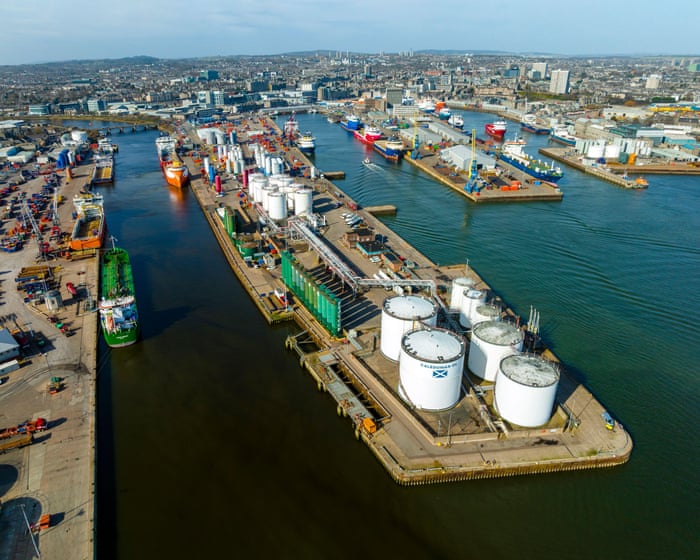
While Westminster’s attention is focused on Andy Burnham and Makerfield, another pivotal byelection is taking place in Scotland’s north-east
The coming byelection in Makerfield, from where Andy Burnham aspires to make rapid progress towards Downing Street, is perhaps the most consequential in British political history. But the decision by the Scottish National party’s former Westminster leader, Stephen Flynn, to relocate to Holyrood means that another pivotal contest is taking place more than 350 miles to the north. If Makerfield is a test case for Mr Burnham and Labour’s ability to see off Reform UK, Mr Flynn’s old constituency of Aberdeen South is on the frontline of the increasingly fraught politics of North Sea oil.
Labour, despite finishing second in the 2024 general election thanks largely to anti-Tory tactical voting, will not be expecting much this time round. The ramifications of Donald Trump’s reckless war in Iran have exposed Britain’s ongoing vulnerability to fossil-fuel-related energy shocks, highlighting the practical benefits of moving to a green economy. But the knock-on effects of the closure of the strait of Hormuz have also been a gift for the Scottish Conservatives and Reform, who are framing the byelection as a local referendum on reviving oil and gas production beyond Westminster-imposed limits.
Continue reading...
© Photograph: Iain Masterton/Alamy
© Photograph: Iain Masterton/Alamy
© Photograph: Iain Masterton/Alamy
Australia is pioneering a revolution in home renewables and battery use, proving what is possible with the right policies
The timing was rich with symbolism. As intense heatwaves pummelled Europe and Asia, and oil markets around the world leapt and sputtered, the two big chimneys of one of Australia’s largest power stations were being demolished. Meanwhile, the Australian energy minister was holding a media conference to hail a fall of up to 10% in the benchmark electricity price in parts of the country.
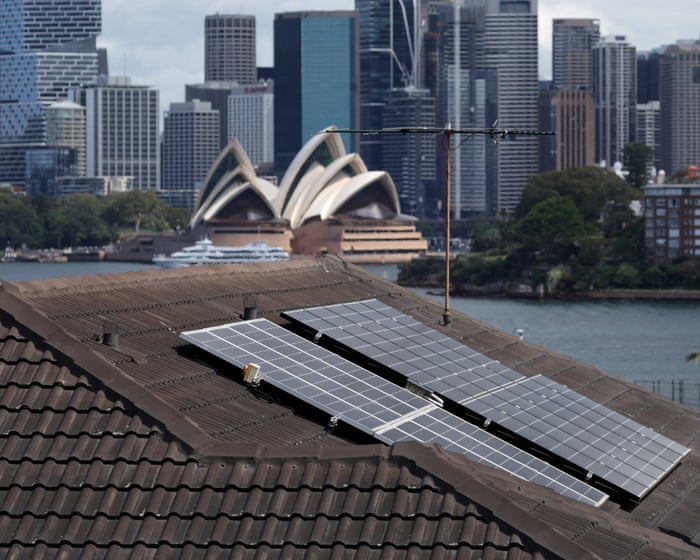
Quietly, and with surprisingly little fanfare from the rest of the world, Australia is pioneering a revolution in home renewables and battery use, proving what is possible with the right policies. The country was already one of the global leaders in domestic solar power, with panels on one in three homes. It also remains, however, a major contributor to the climate crisis through its vast fossil fuel exports. But it is batteries that are giving Australia a new burst of speed.
Continue reading...
© Photograph: Hollie Adams/Reuters
© Photograph: Hollie Adams/Reuters
© Photograph: Hollie Adams/Reuters
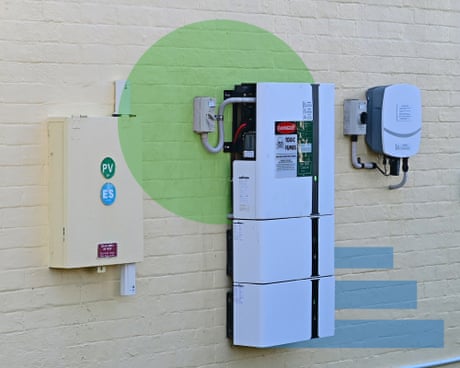
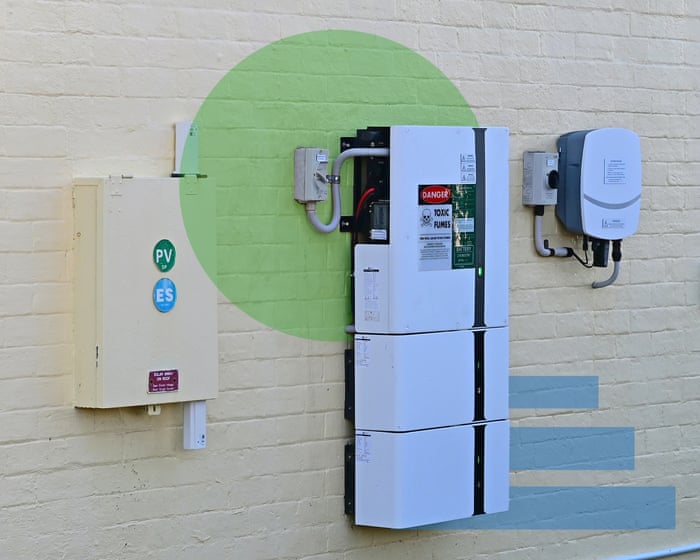
More than 400,000 batteries have been installed under the cheaper home batteries scheme. Here’s how to get the best bang for your buck
Change by degrees offers life hacks and sustainable living tips each Saturday to help reduce your household’s carbon footprint
Got a question or tip for reducing household emissions? Email us at changebydegrees@theguardian.com
If Australians love solar, they are head over heels for home batteries. More than 400,000 batteries have been installed under the government’s subsidy scheme.
Here’s what you need to consider if you’re looking at getting one installed.
Continue reading...
© Composite: Getty Images
© Composite: Getty Images
© Composite: Getty Images

© Michael A. McCoy for The New York Times
Clean power remains essential. But until it arrives, Britain must stop LNG made scarce by the Iran war setting gas and electricity prices
The US-Israel war on Iran will drive household energy costs in Britain to their highest level in two years over the summer. This has given fresh impetus to calls for the energy secretary, Ed Miliband, to change course. The cabinet minister is vulnerable because he promised cheaper bills if Britain embraced his clean, green power plan.
Critics, including Labour’s former prime minister Sir Tony Blair, are circling. Yet Mr Miliband ought to ignore the naysayers. Until global carbon emissions, including Britain’s, are reduced to net zero, the planet will continue to fry and temperature records will continue to be broken.
Do you have an opinion on the issues raised in this article? If you would like to submit a response of up to 300 words by email to be considered for publication in our letters section, please click here.
Continue reading...
© Photograph: Loop Images Ltd/Alamy

© Photograph: Loop Images Ltd/Alamy

© Photograph: Loop Images Ltd/Alamy
Energy specialists say abandoning net zero and increasing oil and gas drilling would cause more instability for Britons
Abandoning net zero and drilling for more oil and gas in the North Sea would be a massive setback for the UK and would not help the economy, leading experts have said in response to claims by the former prime minister Tony Blair.
“This is a bizarre intervention to make during the worst May heatwave on record and when the Iran crisis is providing yet more evidence of the enormous costs of oil and gas,” said Ed Matthew, the UK programme director at the E3G thinktank. “Clean energy is cheaper energy – it protects our bills from prices skyrocketing, its running costs are virtually zero, and it doesn’t cause climate change which threatens economic collapse ... The government should ignore Blair’s ideological nonsense and focus on what works.”
Continue reading...
© Photograph: Christopher Furlong/Getty Images
© Photograph: Christopher Furlong/Getty Images
© Photograph: Christopher Furlong/Getty Images
With early tests suggesting the presence of crude oil, the Caribbean island has begun to debate whether it could justify becoming a producer
Jamaica is closer than ever to drilling for oil. Tests on samples from the seabed off the Caribbean island’s south coast earlier this year identified hydrocarbons, which suggest the presence of crude oil below ground.
Jamaica imports all its fuel, which costs about $1.5-2bn (£1.1bn-1.5bn) annually, depending on global oil prices. It is a persistent drag on an economy that generated $4.3bn from tourism, its biggest earner, in 2024.
Continue reading...
© Illustration: Eleanor Shakespeare

© Illustration: Eleanor Shakespeare

© Illustration: Eleanor Shakespeare
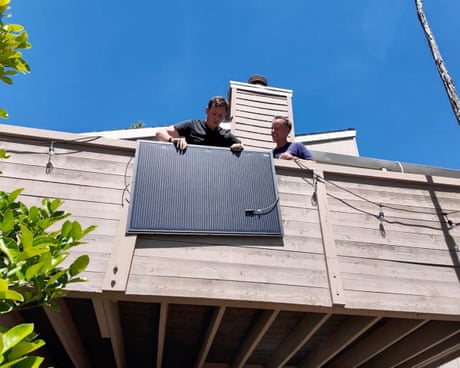
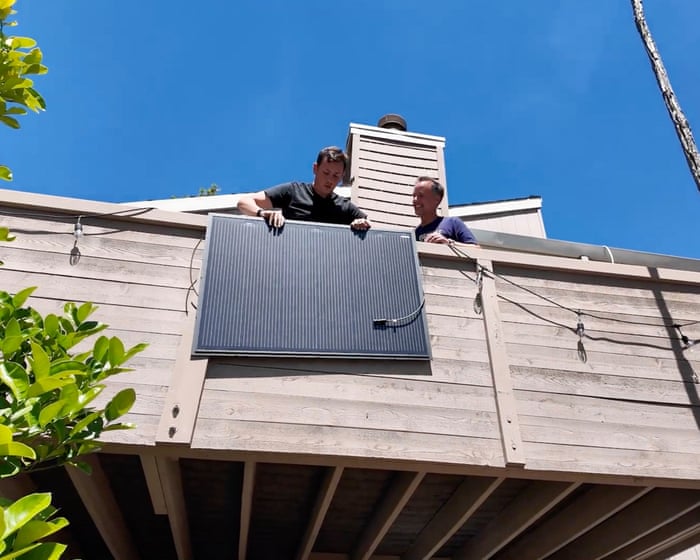
More Americans are using small solar panels in their back yards or balconies as a clean way to cut their electric bills
If you feel like your electricity bill just keeps climbing, you aren’t imagining it. Since 2020, US residential energy prices have surged by about 30%, making power the largest household energy expense behind gasoline, according to the US Energy Information Administration.
But for residents like Alex Curtis, the days of feeling powerless against rising costs are coming to an end. Curtis is waging a war on his electric bill, and his new weapon of choice is a lightweight, thin-film solar panel.
Continue reading...
© Photograph: Climate Central
© Photograph: Climate Central
© Photograph: Climate Central
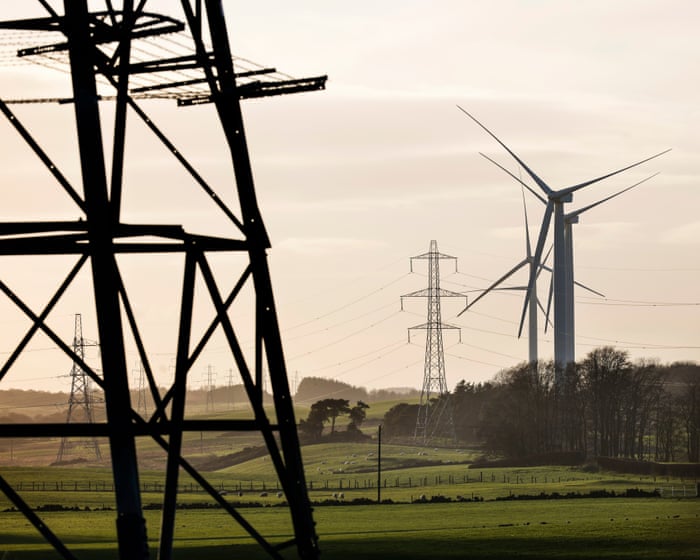
Regulator could do us all a favour with clear multi-year forecasts and breakdowns of electricity pricing
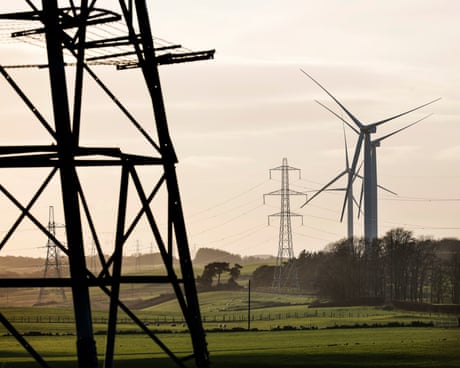
It is easy to predict where the energy regulator will set the next quarterly price cap on Wednesday. It’s just a matter of tracking wholesale prices in Ofgem’s relevant backward-looking “observation period”. Energy consultant Cornwall Insight thinks the typical household bill be £1,850, an increase of £209 from the previous quarter. It will be surprising if it is out by more than a few quid.
One can also make a fair guess at the regulator’s messaging. It will talk about the unavoidable impact from the surge in energy prices that followed the closure of the strait of Hormuz. It may also say the increase would be even greater than 13% without the additional wind and solar generation on the system these days. Fair enough. Gas sets the wholesale price of electricity only 60% of the time now, down from 90% not long ago.
Continue reading...
© Photograph: Murdo MacLeod/The Guardian
© Photograph: Murdo MacLeod/The Guardian
© Photograph: Murdo MacLeod/The Guardian
Exclusive: Cache of internal documents leaked to the Guardian and the ABC’s Four Corners show multinational has war-gamed ways to massively delay decarbonisation
Revealed: the internal BHP memo that slammed the brakes on world’s biggest miner’s climate push
Read more from the BHP files investigation here
Get our breaking news email, free app or daily news podcast
The world’s biggest miner has halted or delayed projects to cut vast amounts of emissions and has quietly war-gamed options to push major climate investments in its Western Australian iron ore operations into the next two decades, internal documents show.
An exclusive investigation based on documents leaked to the Guardian and the ABC’s Four Corners can reveal that BHP, one of Australia’s biggest historic emitters, has dumped plans for a facility that could have significantly reduced emissions and has put on ice renewable projects designed to power its iron ore operations in the vast, resource-rich Pilbara region.
Continue reading...
© Illustration: Guardian Design

© Illustration: Guardian Design

© Illustration: Guardian Design
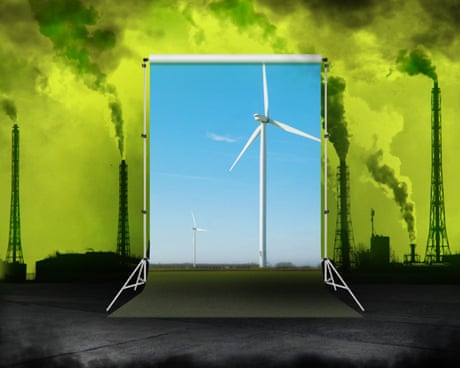
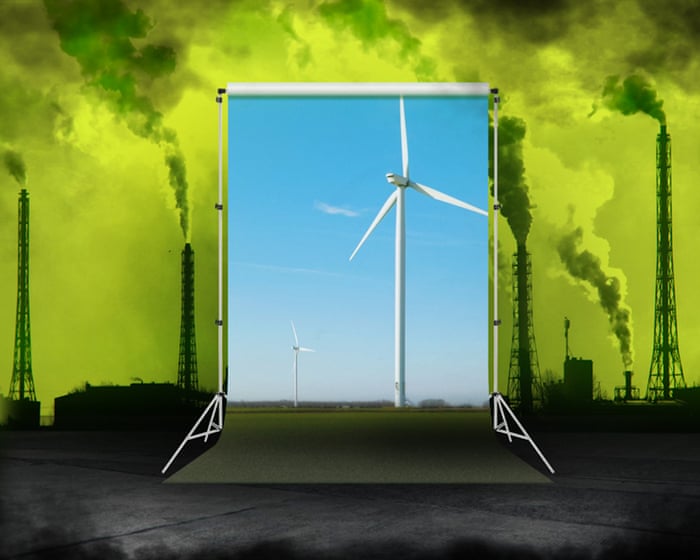
Exclusive: BHP once dubbed climate change an ‘existential’ threat. But leaked documents show it has backtracked on decarbonisation at a vast network of mines
Read more from the BHP files investigation here
In the middle of 2019, London was sweltering through a heatwave.
Temperature records tumbled. Frail, ill and elderly people died in their hundreds.
Continue reading...
© Composite: Guardian
© Composite: Guardian
© Composite: Guardian
Last year, the first few months of data from the US grid suggested that fears of a data-center-driven surge in demand were becoming a reality. Demand had risen by about 3 percent, triggering a surge in coal, interrupting what had been a long downward trend. But over the course of the year, both trends slowed considerably.
A year later, all of that seems to be in the past, as the US has returned to its normal pattern: slow growth, with renewables pushing coal off the grid. The one oddity is that hydroelectric production has surged without a corresponding increase in capacity, likely due to unusually warm weather in the western US causing the snowpack to melt early. That may have consequences later in the year.
Overall demand in the US grew by only 1.5 percent in the first quarter of 2026 compared to the same period the year before. Often, changes in demand during this part of the year are driven by weather-related heating demand. But the US had an unusual combination set of weather conditions to start 2026, with the western half baking in unseasonal warm temperatures, while the eastern half suffered a deep freeze. So we'll probably need data from more of the year before we read too much into the small rise in demand we've seen so far.
© Getty Images
