Sponsored by DigiKey and Würth Elektronik, this episode of Inside Electronics focuses on flyback power electronics and how they are applied across different power-supply designs
Missile defense has traditionally been framed around detection, tracking and interception. Golden Dome changes that calculus, broadening the focus to the entire distributed infrastructure enabling the architecture, placing propulsion front […]
Amid rapidly growing adoption of enterprise-level AI agents, there’s a disconnect emerging between ambition and execution.
Although 85% of organizations say they want to be agentic within the next three years, 76% say their current operations and infrastructure can’t support that change. They cite a lack of readiness across people, processes, and workflows.
The sticky tape problem
The challenge is that many organisations are often layering AI agents onto existing operations, rather than reimagine the operating model and how work will need to be rewired, explains Prasun Shah, global CTO for workforce consulting and chief AI officer at PwC UK Consulting. “They’re embedding AI employees into what is a human operating model,” layering on AI agents to existing workplace structures when “this is like adding sticky tapes to parts of an operating model that is breaking.”
Doing so may be preventing organizations from unlocking the full value agentic AI offers, creating circumstances where disillusionment can quickly creep in. That full value lies in agents’ capacity to execute entire workflows with limited human input. They can coordinate complex tasks, make independent decisions, adjust to changing conditions, and iterate performance.
In early proving grounds that span customer service, HR, and sales, it’s already estimated that AI agents could accelerate business processes by as much as 30% to 50% and low-value work time by 25% to 40% when deployed at scale. But with this capability comes greater complexity and the need for an enterprise-wide change.
Growing the AI vocabulary
Enterprise agentic AI platform Ema describes this change as agentic business transformation (ABT), a term it coined last year in partnership with HFS Research, in an attempt to plug what it sees as a gap in the existing lexicon about AI agents, and to provide enterprises with a new framework with which to think about their own adoption of the technology.
“None of the existing vocabulary captures the full scope of the change,” explains Ema CEO and founder Surojit Chatterjee. “Digital transformation was about moving from paper to software. AI transformation was about adding artificial intelligence to existing processes. Co-pilot is about AI assisting in various human tasks. But ABT is something categorically different: It’s the integration of AI agents into the fabric of the organization.”
For Shah, the dedicated term (ABT) “helps drive the need to redesign an organization in its entirety: its operating model, its workflows, decision rights, and performance management systems.” He emphasizes that “everything that’s needed to ensure those agents are actually active participants in value creation, rather than just point tools or productivity aids.”
According to Ema, ABT encompasses three core pillars: an organization’s technology stack, its workforce, and the metrics used for success.
AI agents as connective tissue
The first pillar of ABT is the technology stack. “Your existing tech stack was designed for human-operated, application-centric workflows,” says Chatterjee. “It needs to be reconsidered when the actor is an AI agent operating at machine speed across multiple systems simultaneously.”
As AI agents are integrated into an organization, enterprises will need to pivot from a set of linear processes and steps, to rewiring work in a very different way, explains Shah. That’s because the value in AI agents isn’t as another layer in an existing technology stack but as a connective tissue, he explains, moving between or across layers to coordinate a high-level task or retrieve and interpret data from multiple discrete applications. AI agents can create “a true competitive differentiation for an enterprise” by making decisions based on this capacity to contextualize, he says. “That is where the next battleground will be.”
To build this connective tissue, leaders need to adapt their technology stack to surface higher quality decisions from AI agents, prioritizing access to multiple datasets and applications simultaneously to develop tacit knowledge. “Organizations that make this architectural shift become genuinely more adaptive,” says Chatterjee. “When a new business requirement emerges, you don’t wait six months for a software vendor to build a feature. You configure an AI employee using natural language and connect it to the systems it needs. The time from business to production workflow drops from months to days.”
The workforce, redesigned
As AI agents are deployed for more use cases, enterprise leaders must consider what this means for dynamics across their workforce, the second pillar of ABT.
Workforce structures today deviate little from the hierarchical model of the early days of industrialization. To maximize efficiency and scale, processes are standardized, tasks are clearly delineated between strategic business units (SBUs), and employees progress up through an organization based on their capacity to optimize output from teams below them. But with AI agents that can execute, coordinate, and optimize tasks—often without managerial coordination—the lines of that established hierarchy become blurred.
In a workforce that blends AI agents and human employees, managers will be freed up from many execution-based tasks but take on new responsibilities associated with managing hybrid teams. Managers “will need to be able to manage issues around trust, explainability, psychological safety, and even status dynamics” to navigate new tensions that could arise in a hybrid workforce, says Shah.
The impact of agentic AI on existing workforce structures goes far beyond the management layer, too. McKinsey predicts that by 2030, three-quarters of current jobs will require redesign, upskilling, or redeployment, and organizations will need to act swiftly to amend recruitment, retention, and remuneration.
From output to outcome
Success metrics are the third and final pillar of ABT.
As AI agents assume greater ownership of core enterprise processes, taking on collaborative roles alongside human employees, traditional workforce metrics that focus on activity or output—such as calls handled or reports filed—no longer make sense.
“When you add AI employees into the workforce, activity metrics become meaningless or actively misleading,” says Chatterjee. “An AI employee can handle a thousand customer interactions in the time it takes a human to handle ten. If you measure success by interactions handled, you’ll conclude the AI is working brilliantly while missing whether any of those interactions actually drove customer satisfaction, retention, or revenue.” To correct this, enterprises must develop a new set of metrics that focus on outcome rather than output. That is, metrics on the broader benefits or changes achieved, rather than individual deliverables.
For example, when one of Ema’s large enterprise customers overhauled its own metrics, switching from tool metrics like cost per query and AI accuracy, to outcomes like the percentage of contracts reviewed without human escalation, the measured ROI from agentic AI tripled within two quarters. The changes meant “this customer stopped building point solutions in high-volume, low-complexity workflows and started deploying AI employees where the outcome value was highest,” says Chatterjee.
Integrating new metrics may also require a complete reconfiguration of reward and talent management processes, as well as accountability and ownership within organizations, points out Shah. In human-AI teams, for example, although ethical and fiduciary responsibilities will likely remain with human employees, operational accountability will become significantly more diffused to reflect the systemic role of AI agents.
This change will raise new questions that senior leadership teams will need to wrestle with, Shah adds. They’ll need to consider: Who is accountable when an AI employee makes a mistake? What happens when AI and humans disagree? What guardrails should be erected to safeguard customers?
Laying the groundwork for systems-level change
Systems-level change is gradual. These are complex lines of inquiry that experts continue to grapple with. But in kickstarting internal dialogue about the core pillars of ABT—the workforce, the technology stack, and the metrics by which success can be gauged—leaders can lay the groundwork for an enterprise better poised to embrace AI agents at a systems level and start to close the gap between their ambition and execution.
This content was produced by Insights, the custom content arm of MIT Technology Review. It was not written by MIT Technology Review’s editorial staff. It was researched, designed, and written by human writers, editors, analysts, and illustrators. This includes the writing of surveys and collection of data for surveys. AI tools that may have been used were limited to secondary production processes that passed thorough human review.
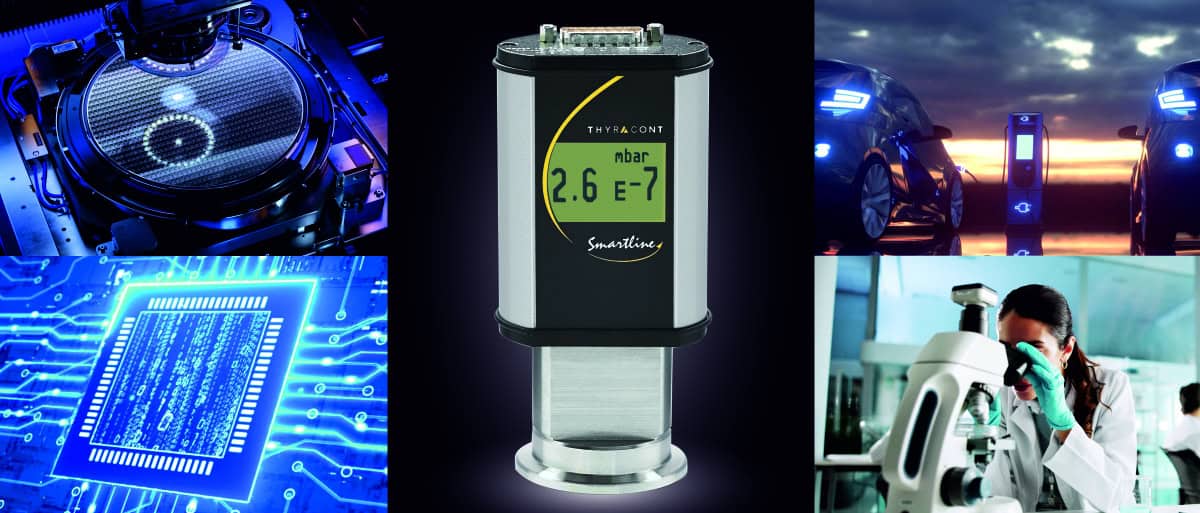
High-precision vacuum measurement Thyracont’s instruments are used in industrial and laboratory applications. (Courtesy: Thyracont Vacuum Instruments GmbH. Composite image including proprietary product photography and licensed stock footage used under valid usage rights)
Life sciences: reliable conditions for pharmaceutical freeze drying
Freeze drying (lyophilization) plays an important role in the manufacture of pharmaceuticals extending shelf life by removing water via sublimation under vacuum conditions. Because these processes run over long cycles, stable and contamination-resistant vacuum measurement is essential.
Thyracont’s VCP transducer is designed for such applications. Its platinum-rhodium filament provides high resistance against corrosion and contamination, supports sterilization and reliable operation under thermal stress. Operating in the fine vacuum range (1000 to 5 × 10−⁴ mbar), it ensures stable process control in freeze-drying systems.
“Long-term stability and resistance against corrosive process media are decisive factors in freeze-drying processes. The VCP was specifically engineered to maintain reliable performance even withstanding steam sterilizations,” explains Frank P Salzberger, CEO of Thyracont.
High-tech and research: enabling analytical precision
Many of the cutting-edge instruments used in analytics and R&D operate under vacuum – including those used for mass spectrometry and materials testing. In applications such as beverage gas analysis, the VSP63MV Pirani transducer enables precise monitoring in the 1000 to 10−4 mbar range, supporting zero adjustment of the mass spectrometer, which is essential for the reliable detection of trace contaminants at very low concentrations.
The analysis of the thermomechanical properties of materials is necessary for the development of cryogenic technologies including those used in quantum technologies. This involves cooling materials and devices to very low temperatures and measuring how their physical properties change. Thyracont vacuum gauges such as the VSP63DL and VSM77D cover fine and high vacuum ranges down to ultra-high vacuum conditions, enabling stable thermomechanical characterization of materials at extreme temperatures.
Semiconductor and coating processes: stability in complex systems
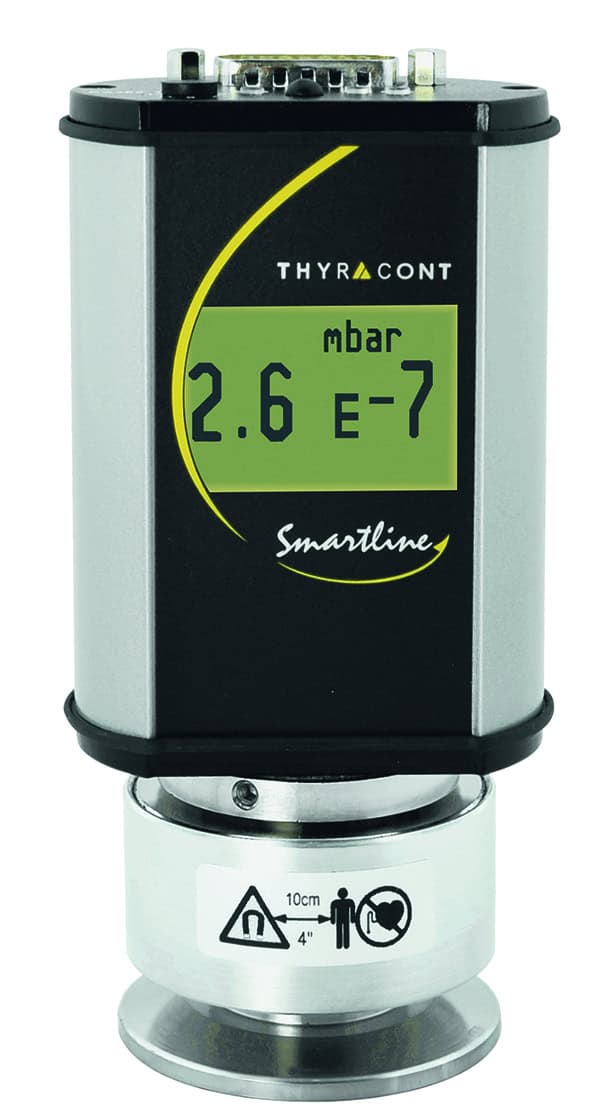
Smartline VSM transducers These provide reliable monitoring from atmospheric pressure to ultra-high vacuum. (Courtesy: Thyracont Vacuum Instruments GmbH)
In semiconductor manufacturing, wafer bonding requires tightly controlled vacuum conditions to ensure contamination-free and uniform layer formation. During initial evacuation, Thyracont’s VSC43MA4 is used to monitor roughing and bypass pumping stages.
In subsequent high-vacuum stages, Smartline VSM transducers provide reliable measurement from atmospheric pressure to ultra-high vacuum, combining Pirani and cold cathode technologies with optimized range switching for stable operation.
“In semiconductor wafer bonding, it is essential to maintain stable measurement across the full pressure range – from roughing to ultra-high vacuum. Our Smartline VSM series ensures exactly this seamless transition,” says Salzberger.
In optical coating applications, this approach ensures continuous monitoring while protecting sensitive sensor components.
Industrial vacuum processes: distillation and thermal treatment
Short-path distillation relies on precise vacuum control (typically 1 × 10−³ to 1 mbar) to enable gentle separation of heat-sensitive substances such as fragrances. A thin film is formed inside the chamber, and evaporation occurs at reduced temperatures, preserving delicate compounds.
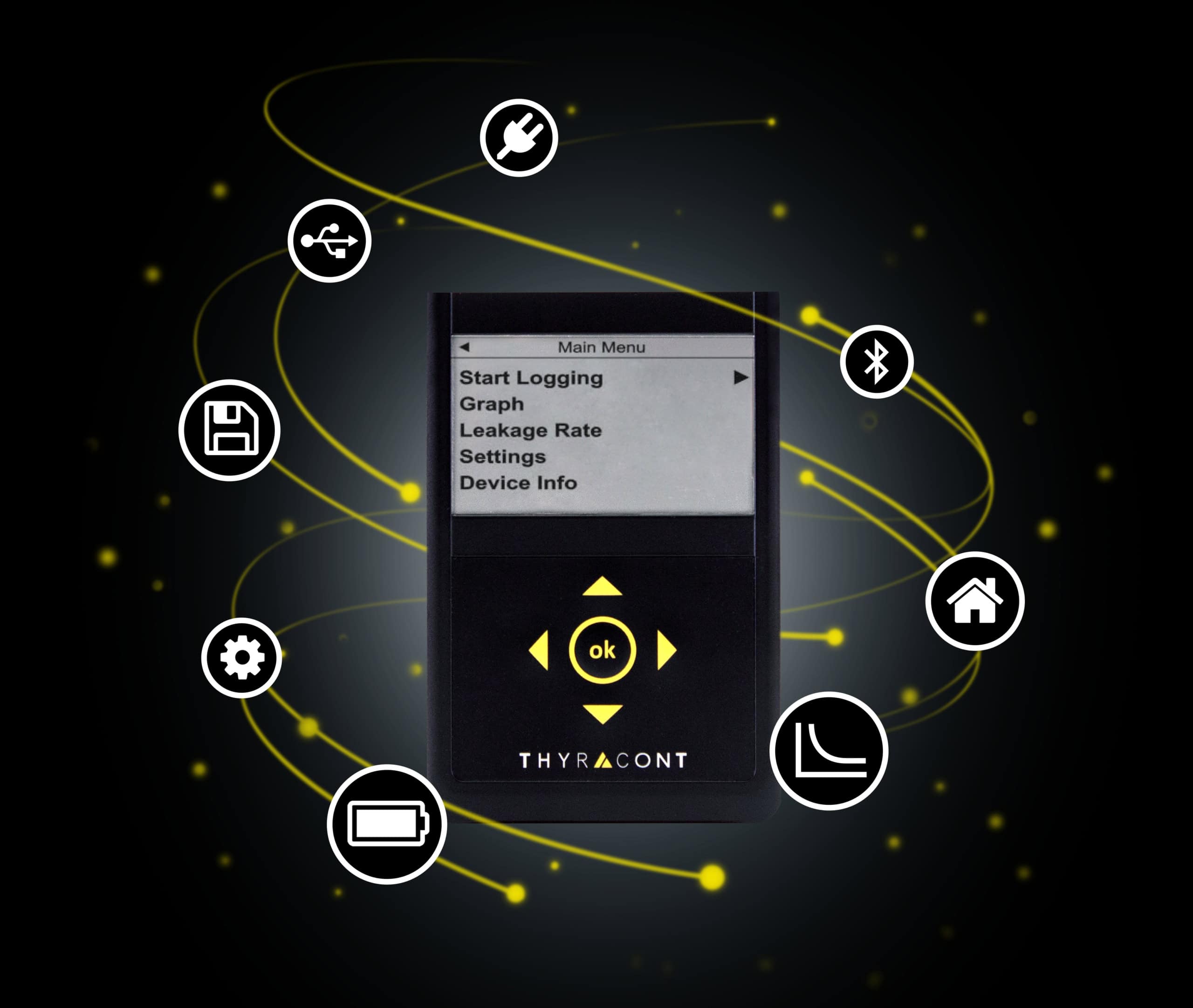
VD850 digital compact vacuum meters These are equipped with a data logger and USB-C interface. (Courtesy: Thyracont Vacuum Instruments GmbH)
Stable pressure control is essential to ensure consistent product quality. Devices such as the VD64P and VD850 support monitoring and control functions including switching outputs, leak detection, and integrated data logging for process documentation.
Peter Gerlesberger, development manager at Thyracont explains, “Reliable leak testing ensures that vacuum chambers and systems meet the required process conditions. With the VD850 users can quickly and reliably determine the magnitude of the leak rate”.
Vacuum furnaces face similar requirements under high-temperature and contamination conditions. The VD850, as well as VSH transducers (Pirani/hot cathode), enable reliable pressure measurement across furnace inlet and outlet zones.
Packaging applications: quality control in food safety
Vacuum packaging plays a crucial role in in the food industry, extending shelf life and reducing food waste. Ensuring consistent vacuum levels is critical for product safety and quality.
Testing is performed by replacing the food with a vacuum gauge and monitoring the pressure after sealing. The compact VD810 can be temporarily integrated directly into packaging, thereby simulating real-world process conditions.
The built-in piezo-ceramic sensor measures absolute and relative pressure in a rough vacuum and records pressure curves with timestamps. The recorded measurement data can be downloaded via USB or, optionally, via Bluetooth LE and used for process analysis and quality documentation.
The common thread
Across industries, from life sciences to semiconductor manufacturing, Thyracont vacuum measurement technology enables precise, stable, and reliable process control under demanding conditions. By combining robust sensor design with wide measurement ranges and intelligent system integration, these instruments contribute to the performance and quality of modern industrial and research applications.
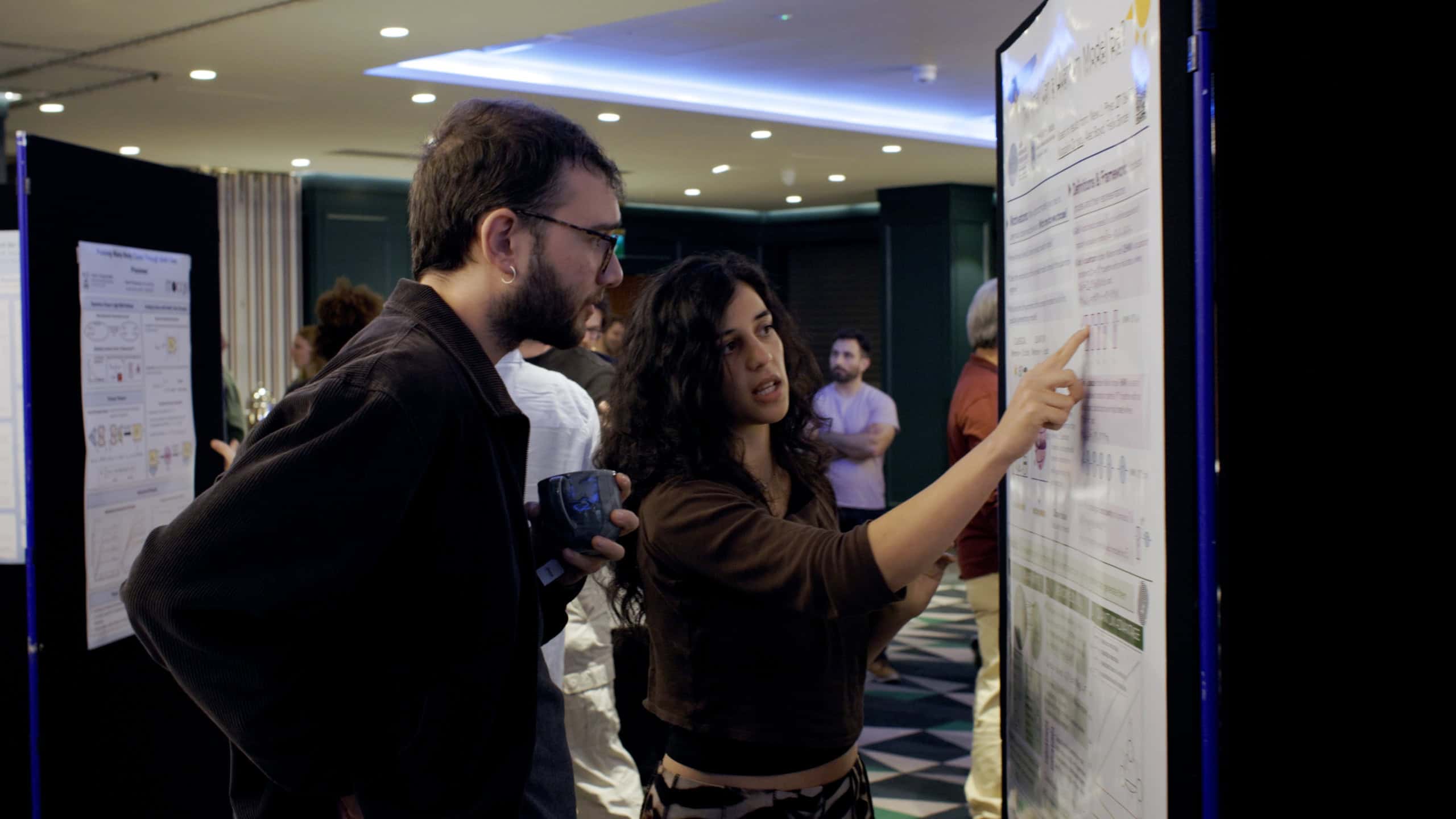
Graduate students at Trinity College Dublin. (Courtesy: Matt Boyd/Mahoo)
The impact of quantum science and technology is going to be profound, with quantum computing in particular – but also quantum sensing, simulation and communication – set to be a major driver of economic growth and sustainable development in countries around the globe.
Ireland is no exception. It is already home to some of the world’s largest technology companies, many of which are heavily investing in quantum technologies. Moreover, the country’s quantum research and innovation community demonstrates a significant level of expertise in fundamental quantum science and quantum technology.
But to ensure Ireland is not only a user of quantum technologies but an active contributor to its development long into the future requires both strong partnerships with industry and public research bodies across borders, and the consistent production of people with the talent and skill to push quantum science forward.
Transferable skills across academia and industry
Founded in 1592, Ireland’s oldest university Trinity College Dublin hosts a future-focused MSc Quantum Science and Technology programme that fits this remit perfectly. The one-year master’s course is the ideal stepping stone into a career in quantum research, whether students want to advance fundamental knowledge in academia or develop the next world-leading quantum technology in industry.
Professor Felix Binder Course Director of Quantum Science and Technology MSc, Trinity College Dublin. (Courtesy: Matt Boyd/Mahoo)
“Unlike other fields, for many of the exciting positions in industry, the skills are very similar to what would be required of a PhD student,” explains quantum information theory expert Professor Felix Binder, who directs the course. “It’s a level of scientific rigour, it’s having a broad knowledge base and coding skills, it’s being confident to independently work on a project – these are what we focus on.”
This is why the course very much leans into helping students develop the fundamentals. Topics such as quantum computation, quantum information theory and open quantum systems are covered in depth. This provides the foundation for exploring more advanced and specialized topics, like quantum materials or tensor network theory.
The combination of fundamentals and highly specialized knowledge is designed to equip students with skills that are relevant for the long term, says Binder. Though he acknowledges that now is an exciting time when many quantum technologies are maturing and being commercialized, the course generally looks beyond the latest fads.
“If students are choosing quantum as their profession, realistically they’re looking at a potential 40-year career,” he says. “As this is their last part of formal lecture-based education, we want to be sure that we set them in good stead for at least many years, and not just the immediate future.”
Career insights
In addition to preparing students with the knowledge they will need, the course also exposes students to people working at the cutting-edge of the subject, providing them with an understanding of the types of careers available and contacts to build their network and take the first steps towards their chosen quantum profession.
For instance, world-leading academic and industry experts deliver a range of short mini-modules and specialist lectures. Some of these experts come from companies involved in the Trinity Quantum Alliance. “The Trinity Quantum Alliance is a unique space on campus where fundamental quantum science and research meets real-world applications,” says the Alliance’s Director Professor John Goold. “Here, multinational companies, SMEs and start-ups come together to work on projects with Trinity academics.”
The founding industry partners are Microsoft, IBM, Moody’s, Horizon Quantum Computing and Algorithmiq. Each partner shares research and regularly presents talks to faculty and students, and most have a presence on or near the Trinity campus. This arrangement offers students direct access to the people shaping the quantum revolution, as well as potential internship opportunities.
Microsoft Ireland scholarship awardees2023/24 Srishti Nautiyal, Grainne Eager and Nana Werther. (Courtesy: Gary Ashe/SHARPPIX)
Further experts who have given guest lectures and shared their experiences are alumni. Several are completing PhDs at various universities dotted across the world, from the EU to the US and Australia. Many have gone on to become full-time researchers and even team leads in quantum companies, including Quandela, Horizon, Algorithmiq and EleQtron, as well as companies traditionally not associated with quantum technology, such as MasterCard. Others have taken positions at government labs across European countries, including a Max Planck Institute in Germany and a national research centre in the UK.
Although this alumni network may be relatively small – with the course having only been running for five years and graduating 60 students – it is extremely useful for the current cohort, showcasing the different paths potentially available to them and providing contacts who can offer support and advice on how to enter and thrive in those careers.
A quantum future for the Emerald Isle
Looking forward, Binder envisions even closer integration of the MSc degree and doctoral training into the European quantum ecosystem. This will be enabled through a new EU-wide training network: the European Quantum Academy. Trinity is one of the lead institutions of this new training academy, which was launched in May 2026. Composed of more than 70 partner institutions from across Europe, it will open new opportunities to students in Ireland in terms of industry interaction, international exchange and advanced training beyond the degree’s core modules.
In addition, there are ongoing plans for further research investment in Ireland, bringing together the different schools within Trinity, and other universities and industry players to work more closely together.
The result of these efforts should be a thriving quantum ecosystem that takes advantage of Ireland’s unique position within the EU and close ties with the US and UK to provide ever more new and varied opportunities in quantum science and technology, as Binder succinctly summarizes: “The field is young and growing – Ireland is a very exciting space for quantum right now”.
MSc students in Dublincity centre Trinity College campus, in close proximity to many of the world’s largest tech companies. (Courtesy: Matt Boyd/Mahoo)
Applications for Trinity’s MSc Quantum Science and Technology are now open for the next academic year. Find out more and apply: www.tcd.ie/physics/quantumtech/
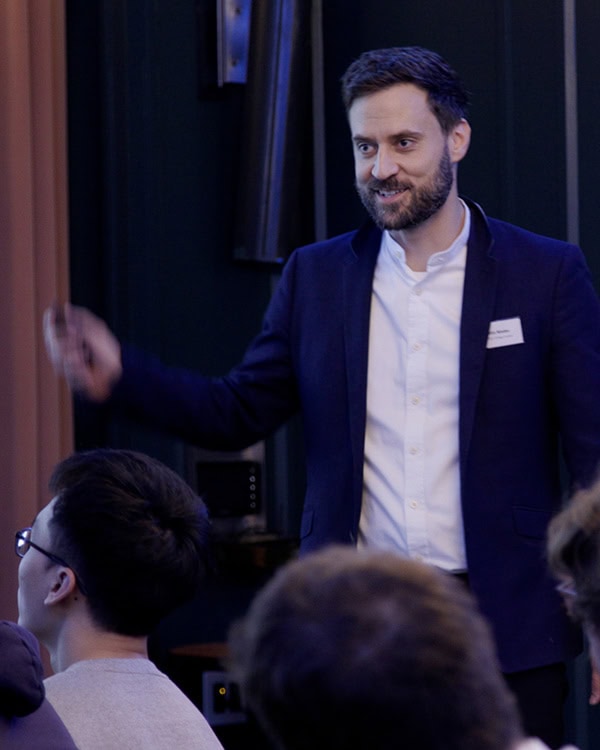
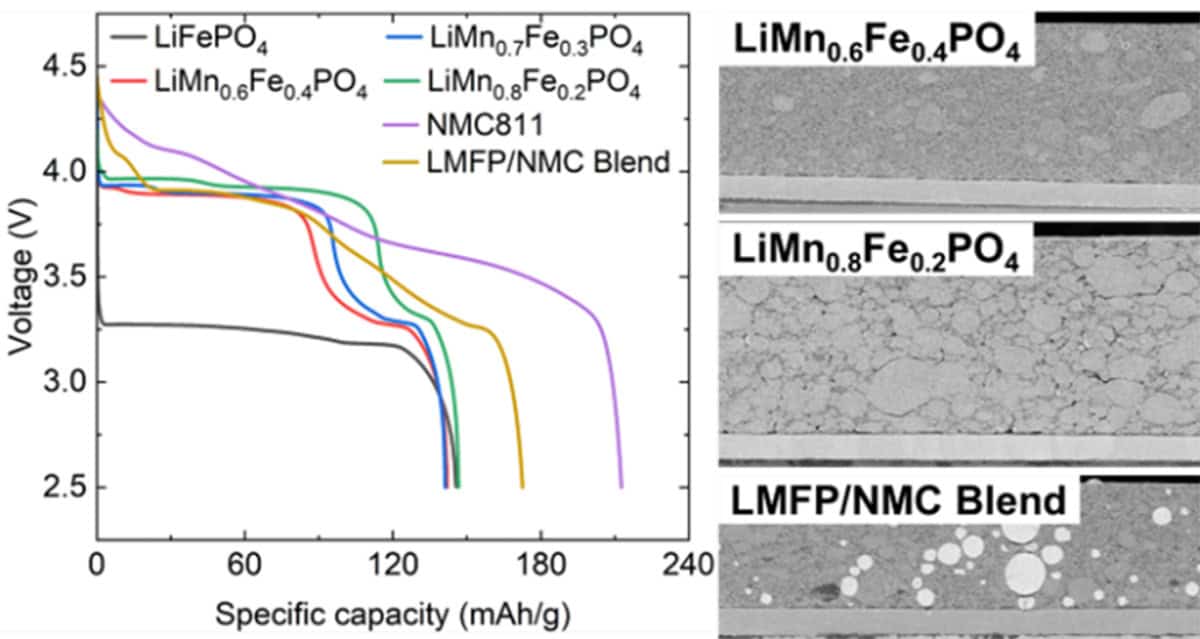
While LiMnxFe1-xPO4 (LMFP) cathode materials have been investigated academically for decades, they have been adopted by dominant battery manufacturers only in the past three years. What has prompted this sudden commercial interest? What market share might LMFP gain, can it outpace LFP and NMC? What are the outstanding limitations, and how might these be overcome?
In this webinar, we aim to answer these questions, covering challenges ranging from the fundamental characteristics of LMFP to large-format cell manufacture and industry trends. We will also showcase recent research carried out at WMG to better understand LMFP behaviour and how AI can be used to design improved LMFP electrode microstructures to enable fast charging.
Join this webinar to find out how this emerging material may alter the EV and battery manufacturing landscape.
Gerard Bree
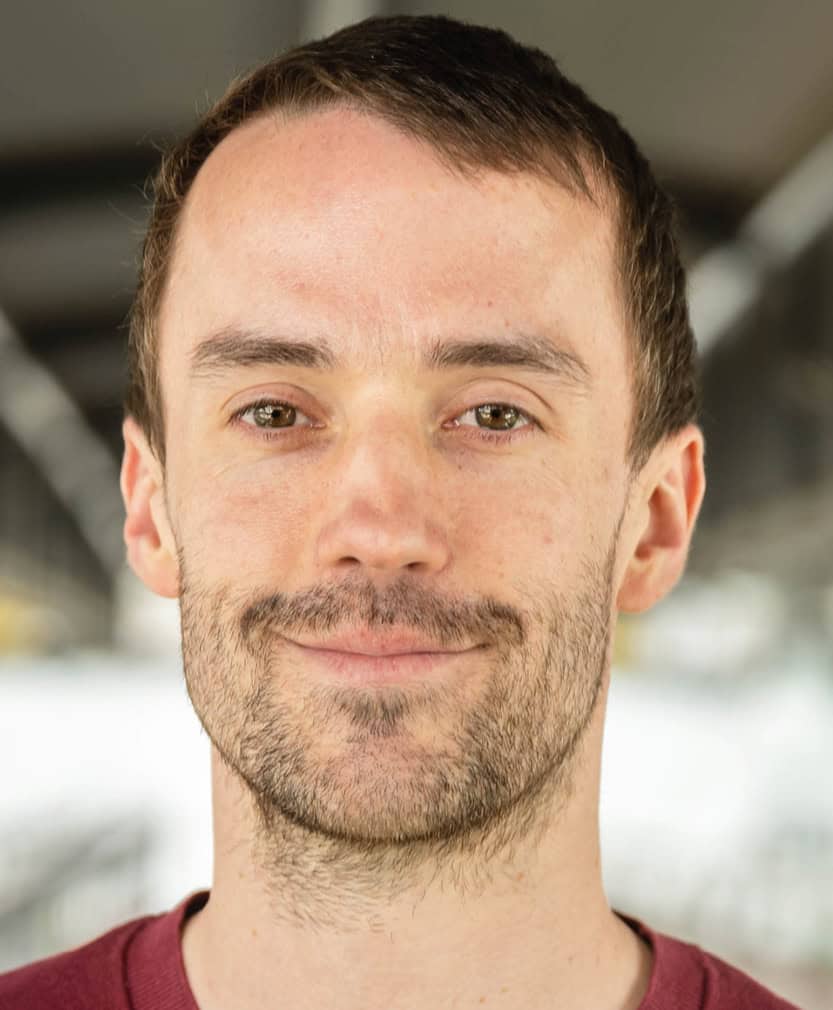
Gerard Bree is an assistant professor in the battery materials and cells (BMAC) research group at WMG at the University of Warwick, where he carries out research to better understand how lithium-ion battery performance can be improved so that batteries provide more energy over a longer lifetime at a lower cost. He is interested in the interaction between academia and the battery industry and works on many projects supporting companies to build a battery supply chain in Europe. Bree received his undergraduate degree from Trinity College Dublin and his PhD from the University of Limerick.
In the ongoing quest to improve cancer treatments, the radiation oncology community is looking to add to its armoury of radiation-based treatments. In particular, radiopharmaceutical therapy (RPT) – also known as molecular radiotherapy (MRT) – and the emerging sub-field of theranostics are set to play an expanded role as radiation medicine shifts towards a more integrated, multidisciplinary approach.
RPT is an evolving modality that uses a tumour-targeting molecule attached to a therapeutic radioisotope to deliver radiation directly to tumour cells. Theranostics takes this approach a step further, pairing the therapeutic radioisotope with a diagnostic analogue to image the disease before therapy and predict how the radioactive drug will be taken up by a specific patient.
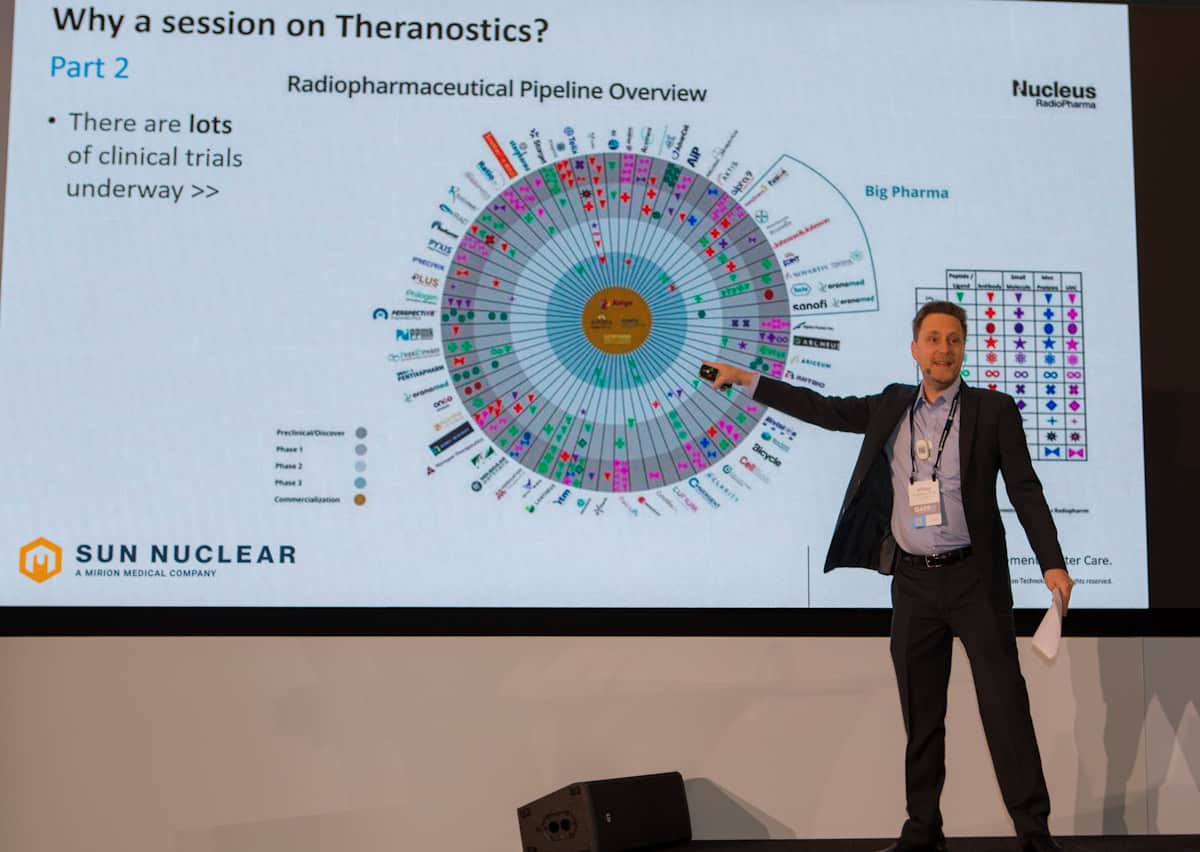
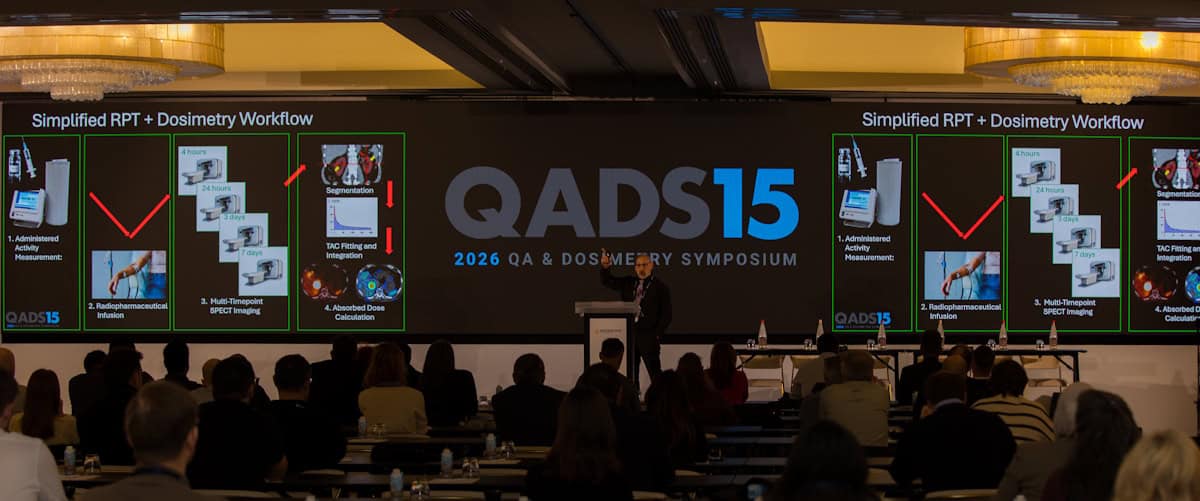
“Interest in theranostics has really exploded since the clinical approvals of two radioactive drugs that are being used right now to treat patients,” explained Jeff Kapatoes, vice-president of regulatory, physics and product at Mirion Medical, at the recent QA & Dosimetry Symposium (QADS) hosted by Sun Nuclear.
The two approved drugs – Lutathera and Pluvicto – are approved for treating neuroendocrine tumours and certain prostate cancers, respectively, currently for later-stage disease but with multiple clinical trials ongoing to expand their remit to early-stage disease. “There are also active trials that treat other disease sites, such as lymphoma, breast and lung,” Kapatoes noted. Alongside, some 70 companies are developing their own therapeutic radiopharmaceuticals, with nine candidates now in phase-three trials and closing in on approval.
Emerging technologies Jeff Kapatoes of Mirion Medical introduced the session on theranostics at the QA & Dosimetry Symposium. (Courtesy: Sun Nuclear)
But despite its vast potential, theranostics is still in the early stages of widespread clinical adoption. While external-beam radiotherapy benefits from established treatment and quality assurance methodologies, this is simply not the case for theranostics. And as demand continues to grow, it’s vital that the full theranostic workflow is standardized – from radioisotope production through to final delivery to the patient.
Mirion Medical can support this integration of theranostics into radiation oncology, offering a broad portfolio of products designed for the entire theranostics lifecycle. The transition will also rely heavily on the contribution of medical physicists, who are uniquely positioned to implement theranostics programmes within their institutions.
Theranostics today
Speaking at the QADS event, John Sunderland from the University of Iowa explained the current situation. “The reality is, in external-beam radiotherapy, there are methods to ensure that the beam reaches the right place and the energy deposited is what you think. In RPT, you don’t control where the dose goes, biology and biochemistry do.”
He described a typical theranostic prostate cancer treatment, which begins with a PET/CT scan to visualize how a diagnostic radioisotope binds to the patient’s prostate cancer cells. Candidate patients are then injected with a therapeutic radioisotope comprising the same cancer-targeting molecule labelled with the beta emitter lutetium-177 (177Lu), which delivers highly localized radiation dose to the tumours. Importantly, this drug can also be imaged, using SPECT/CT to track its delivery.
Serial imaging enables treatment to be tailored to a patient’s response. Sunderland discussed one patient who had almost complete response after three treatments with Pluvicto (which is delivered in up to six cycles of 200 mCi). “There’s no reason to keep giving radiation dose to this patient, which might result in adverse events, we may as well stop,” he explained.
More typically, a patient will exhibit stable disease or a modest response – likely because not enough dose was delivered to the tumour. Simply increasing the amount of injected activity, however, risks increasing the dose to non-target organs such as kidneys or bone marrow. “Instead, we’re trying to move to dosimetry-modulated RPT where you modulate the amount of injected activity based upon the dosimetry in that first cycle,” Sunderland explained. “Then you can optimize the efficacy while maintaining critical organ toxicity levels to below where they might have adverse effects.”
Such dosimetry modulation requires three things: accurate measurement of the injected activity using a radionuclide calibrator; quantitative SPECT mapping of the absorbed radiation dose; and uniform software tools. But challenges remain, due to a lack of standardization at all three stages.
“Even expert physicists making the same dosimetry measurements with the same image data could vary by 20 to 30%, just because of the methodology they choose,” said Sunderland. “We have to standardize. We’re not where the external-beam people are, we’re all doing it differently because it’s so new.”
Challenges to address John Sunderland detailed the workflow for dosimetry-modulated radiopharmaceutical therapy. (Courtesy: Sun Nuclear)
The PDIB project
The Precision Dosimetry Imaging Biomarker (PDIB) project hopes to remedy this situation via three parallel projects: establishing a network of secondary standards calibration laboratories (SSCLs); standardization of SPECT/CT scanner calibration procedures; and standardization of dosimetry calculation workflows. “Only if we can do that are we actually going to be able to define our radiation dose-effect curves, as the external-beam field has been doing for years,” said Sunderland.
The first project aims to enable accurate measurement of the injected dose. To achieve this, four SSCLs – at BC Cancer, the University of Iowa, the University of Alabama Birmingham and the Belgian Nuclear Research Centre – will work with the national metrology labs NIST and NPL to support clinical trials worldwide. Using high-purity germanium detectors, the labs will perform absolute activity measurements of the six most commonly used radionuclides (177Lu, 131I, 225Ac, 111In, 203Pb and 212Pb). These samples can then be used by radiopharmacies and imaging/therapy sites to adjust their own dose calibrators to the SSCL measurements, targeting an overall activity uncertainty of less than 3%.
The second project, designed to harmonize quantitative calibration of SPECT/CT for therapeutic radionuclides, involves 12 imaging sites across the US, Europe and Australia. “There’s no standard way to calibrate right now and there’s no way to validate the calibration,” said Sunderland. The plan is to calibrate seven common quantitative SPECT/CT scanner models, using three different phantoms and the six radionuclides, using SSCL-supplied samples to ensure accurate activities.
The final project addresses the dosimetry calculations. Led by five international experts (two in North America, two in Europe and one in Australia), the project will examine 177Lu dosimetry for kidneys, bone marrow and tumours using 20 curated 177Lu-DOTATOC datasets. The teams will use five cases to develop standard operating procedures, then test these procedures on the other 15 cases, using five different dosimetry software packages, to investigate inter-user dosimetry variability.
“Radiopharmaceutical therapy is a big deal,” Sunderland emphasized. “The market for nuclear medicine is growing exponentially; it’s going to be double that of external-beam radiotherapy by 2030. And there are not nearly enough nuclear medicine physicists to do this work.”
In the US, RPT is a shared domain between radiation oncology and nuclear medicine, with active discussion around which department should be handling radiation for therapeutic versus purely diagnostic purposes. In Europe, meanwhile, theranostics generally sits solely within the remit of nuclear medicine.
“We need to recruit the external-beam physicists into the fold,” said Sunderland. “From a dosimetry and physics standpoint, there’s a lot of overlap here and a lot of expertise.”
Supporting the theranostics workflow
This blurring of traditional boundaries between nuclear medicine and radiation oncology creates both opportunities and complexities. With a comprehensive portfolio of products that span both domains, Mirion Medical aims to ease this convergence of disciplines and support the physicists navigating this transition.
Designed to standardize and streamline the full theranostics workflow, ec² Software enables radioisotope manufacturers, radiopharmacies and clinical facilities to provide traceability and support precision, safety and regulatory adherence.
“Products from ec² Software enhance precision through accurate dose tracking and documentation across the radiopharmaceutical lifecycle, improve safety by reducing manual steps, and support regulatory compliance with auditable records,” Kapatoes explained. “Overall, ec² Software helps health systems move from fragmented processes to consistent, scalable operations.”
Meanwhile, Mirion’s broader Radiopharma offering supports the physical and operational infrastructure required for safe and accurate delivery of theranostic procedures. This includes dose calibrators, SPECT calibration phantoms and shielding systems from Capintec, all of which will be key enablers for the introduction of dosimetry-modulated RPT.
“While ec² provides the workflow, traceability and compliance layer, Mirion’s hardware and monitoring solutions address the measurement, protection and safety environment in which those workflows operate,” said Kapatoes. “Together, they create an integrated approach, linking what’s happening operationally with what’s happening physically. This alignment helps health systems standardize processes, reduce variability and maintain compliance as programmes scale.”
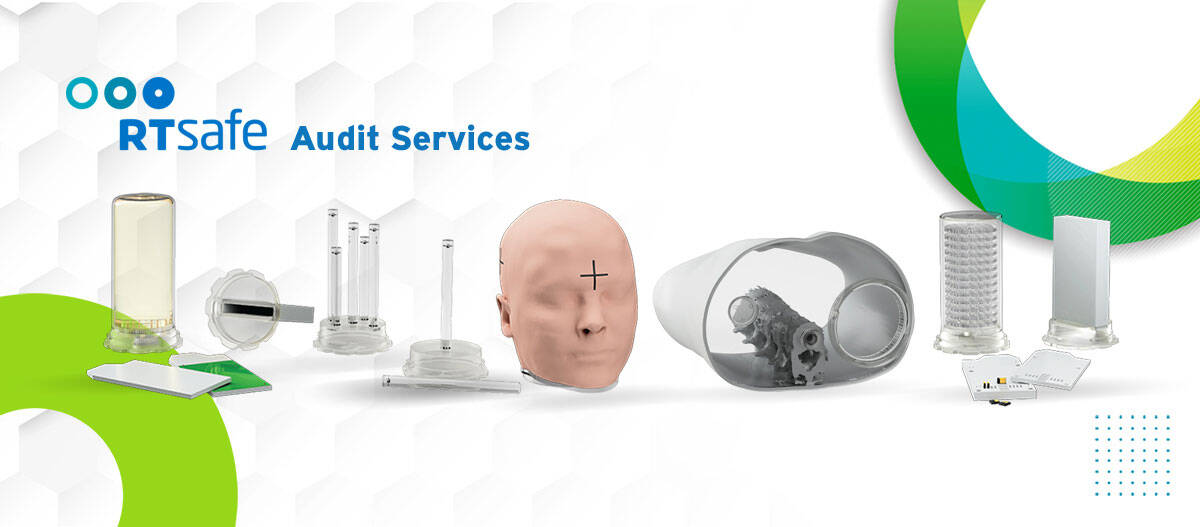
Experience of RTsafe succeSRS/SBRT implementation for Varian Halcyon machine.
This presentation focuses on the implementation of end-to-end dosimetry audits for SRS/SBRT treatments using the RTsafe independent audit system on a Varian Halcyon machine.
SRS/SBRT are advanced radiotherapy techniques that deliver very high ablative doses of radiation, with great accuracy, precision and conformality. As we know, in radiotherapy, even small errors in the acquisition of CT images for simulation, in planning, dosimetry, treatment delivery, or patient positioning can lead to negative consequences.
Given the high-dose gradients and submillimeter accuracy required in stereotactic radiotherapy, the audit evaluates the entire treatment chain – from imaging and target definition to planning, delivery and dose verification. The role of such audits in detecting geometric and dosimetric uncertainties is highlighted, along with their contribution to ensuring treatment accuracy, consistency and patient safety in high-precision radiotherapy. Last but not least, especially at the beginning of the implementation of these techniques in a new radiotherapy department, the audit can also help to validate the specific procedures for SRS/SBRT and the professional training for the members of the treatment team.
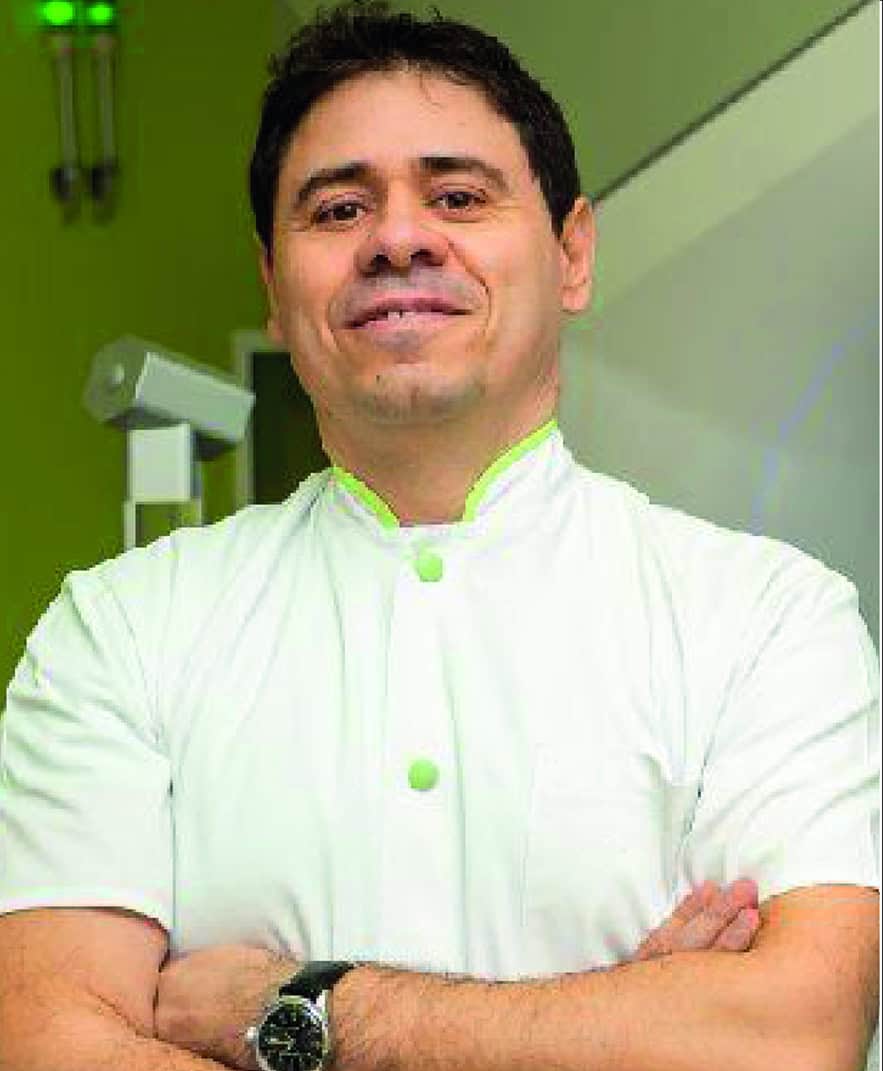
Florin Costache
Florin Costache is a medical physicist expert in radiotherapy across multiple clinics, while also serving as a radiation safety officer, with more than 20 years of professional activity in clinical and academic environments. Throughout his career, he has worked in leading radiotherapy centers in Romania, contributing to commissioning, quality assurance, dosimetry and advanced treatment planning using modern systems such as Varian platforms. Florin’s expertise spans advanced radiotherapy techniques, radiation safety and the implementation of quality assurance systems in clinical practice.
In addition to his clinical work, Florin is a lecturer, course coordinator and former president of the Romanian Medical Physics Society, with numerous scientific publications and conference presentations.
Quantitative trading plays an ever-increasing role in the global financial markets. Automated algorithms analyse millions of financial instruments simultaneously, while mathematical models anticipate price movements on nanosecond timescales.
Susquehanna is a proprietary trading firm, meaning it invests its own capital in the markets. Susquehanna’s quantitative researchers – or “quants” – collaborate with traders and technologists to drive the company’s success. Quants design and implement the complex models and algorithms the firm needs to make rapid, well-informed pricing and trading decisions.
The quant advantage
(Courtesy: Susquehanna)
Lyubo Panchev, a quant at Susquehanna with seven years at the firm, describes how quants collaborate across a wide range of instruments and problem types. “Our quants are all trying to mathematically understand the world and the financial markets,” he says, “and then we use that information to determine whether we want to make a trade or not.” While the challenges vary considerably across the firm’s different trading desks, that shared mathematical mission is what unites them.
The details of this work can differ from quant to quant, from devising new pricing approaches for financial instruments, to finding patterns in data to turn into trading signals, to developing specialized software to implement new trading strategies.
However, specialist knowledge in specific fields is not what Susquehanna is primarily interested in when hiring a new quant. Instead, the firm is looking for the types of transferrable skills that PhD students in STEM fields often possess. “We want to hire people who can reason through first principles and feel comfortable working in an uncertain environment with open-ended questions to which answers sometimes might not even exist,” says Panchev. “So that’s why we like to hire PhDs.”
A physicist, for instance, brings the skills and intuition for modelling systems with incomplete information – whether that’s modelling interactions in a complex system or inferring signal from noise in a vast dataset. The mental frameworks used by a theorist studying quantum field theory or an experimentalist analysing data translate surprisingly well to pricing derivatives or spotting anomalies in market behaviour.
Life outside academia
Panchev – a three-time International Mathematical Olympiad medallist with a PhD in pure mathematics from MIT – says that the most satisfying part of working at Susquehanna for him is that it preserves what he loved about academia, while at the same time addressing some of the shortcomings.
“The freedom to work on what you want is a unique advantage in academia, over pretty much any industry,” says Panchev. “But what quant researchers do at Susquehanna is close to that spirit.”
Though he enjoyed focusing on challenging questions surrounded by like-minded people, he found working on hyper-specialized academic problems during his PhD a slow, lonely slog. At Susquehanna, quants work on challenging problems, but never in isolation. Quantitative trading problems are invariably interconnected, requiring close collaboration between researchers, traders, technologists and many other experts, to connect all the pieces together.
What’s more, the environment is highly dynamic. “The impact is much more immediate, sometimes instantaneous,” he adds. “You can be looking at the data and then decide to make a change to your algorithm, tweak a few things, and five minutes later, you’re already getting data that’s from the change you just made – it’s a very fast feedback loop.”
When you add a highly desirable salary, benefits package, career development opportunities, and a company culture that values strategy games like poker to hone decision-making skills and apply them to complex financial markets, it is clear to see why a STEM PhD student might choose Susquehanna over a career in academia.
From toy problems to market mastery
To earn a seat at this table, applicants are put through their paces. The first and perhaps greatest challenge they face is getting through the interview process. Quant skills – like original thinking, intuition, and problem-solving – are not easily described in a CV or interview, they need to be demonstrated. But how can an applicant demonstrate those skills in an interview?
“We build interesting toy problems that are representative of what we do,” explains Panchev. “And then we give them time to think and work on it on their own, before reconvening to see how they approached the problem, and what they found out.”
The internship builds solid foundations in finance domain knowledge, machine learning, programming and data analysis
Successful applicants who are hired on immediately participate in a comprehensive 10-week internship – the first step in an intensive front-loaded education program at the company. This internship builds solid foundations in finance domain knowledge, machine learning, programming, data analysis, as well as what Susquehanna’s different quant groups do and how their work all fits together.
Panchev says that a typical direct full-time hire requires five months or more of very structured education, over time, however, the quant will be faced with more open-ended problems and need to chart their own way, free to explore their own ideas and methods.
“There’s a long, steep learning curve but at the end you become an expert,” he adds. “In a way, it’s very similar to how a PhD is structured.” This means that, while the barrier to entry is fairly high, the support system is robust, with a well-organized education program that ensures that everyone is equipped with the tools that they need to succeed.
For the successful STEM PhD student assessing their career options, Susquehanna offers a compelling proposition – the chance to remain a scientist, but on a stage where the stakes are higher, the collaborations deeper and more dynamic, and the results play out in real-time and have real-world impact.
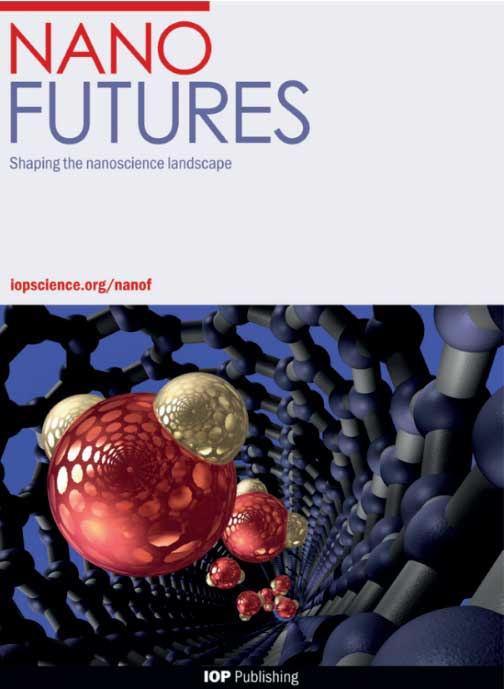
We are pleased to announce a forthcoming webinar that presents the very latest developments concerning atomic-scale devices and quantum platforms, and following on from two roadmap publications inNano Futures that map out the potential pathways of these technologies. The webinar will feature four speakers who will present the status of four distinct research disciplines together with the key challenges and methodologies by which these may be overcome as quantum platforms and single-atomic devices are translated to the level of scalable quantum technologies.
Meet the esteemed panel of experts:
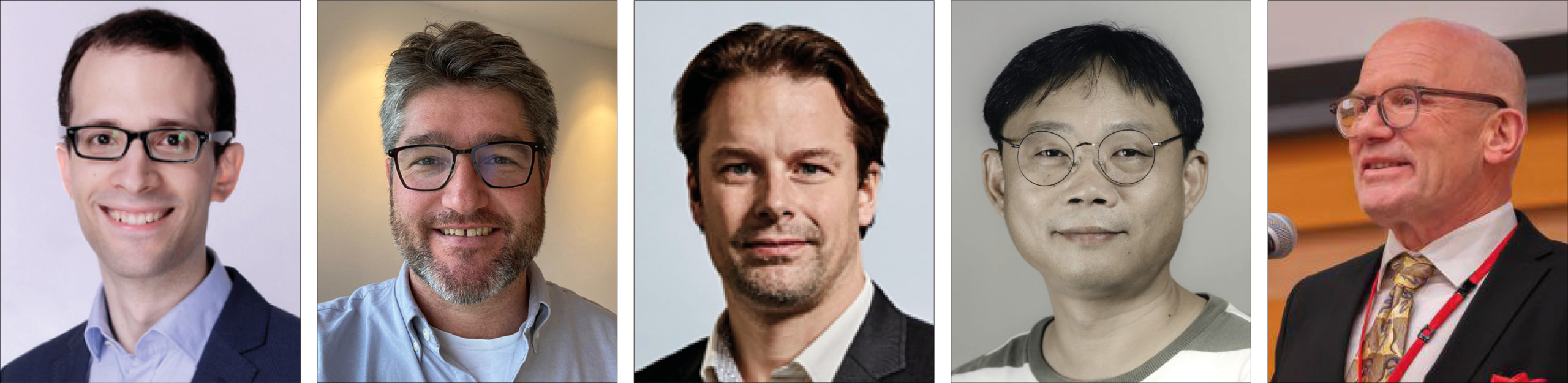
Left to right: Vincenzo Pecunia, Steven Schofield, Joris Keizer, Soo-hyon Phark, Franz Giessibl
Chair and moderator
Vincenzo Pecunia, Simon Fraser University, Canada
Vincenzo is an associate professor and the head of the Sustainable Optoelectronics Research Group at Simon Fraser University, Canada. His research focuses on printable semiconductors and their applications in photovoltaics and sensing. He earned his PhD in physics and conducted postdoctoral research at the Cavendish Laboratory, University of Cambridge, UK, from 2009 to 2016. Before that, he earned his BSc and MSc in electronic engineering at Politecnico di Milano, Italy. His research breakthroughs include pioneering lead-free-perovskite-based indoor photovoltaics, ultra-low-power printed-thin-film-transistor electronics, and advanced spectrally selective printable light sensors. In recognition of his contributions, Vincenzo has received many awards and honours, including the Fellowship of the Institute of Materials, Minerals & Mining (FIMMM), the Fellowship of the Institution of Engineering and Technology (FIET), and the Fellowship of the Institute of Physics (FInstP).
Speakers
Steven Schofield, University College London, UK
Steven studied physics in Australia at the University of Newcastle (BSc) and the University of New South Wales, Australia (PhD). Following his PhD, he was awarded an Australian Postdoctoral Fellowship, which launched his independent research career. In 2008, he moved to the UK and in 2009 was awarded a five-year EPSRC Career Acceleration Fellowship. He joined UCL as a lecturer in 2012 and has since progressed to professor of physics, with a joint appointment at the London Centre for Nanotechnology and the Department of Physics and Astronomy. His research focuses on understanding and controlling the quantum properties of materials at the atomic scale, combining scanning tunnelling microscopy, synchrotron-based experiments, and theoretical modelling, with a particular interest in how these properties can be harnessed for future electronic and quantum technologies.
Joris Keizer, University of New South Wales, Australia Joris is a tenured associate professor at the School of Physics at the University of New South Wales, Sydney, Australia. Joris is widely respected as an expert in atomic-scale quantum device fabrication. He is currently the team lead for developing deterministic atomic-precise dopant placement and 3D fabrication techniques for error-correction at Silicon Quantum Computing (SQC). His work to date (six years in academia, seven years in industry) has focused on the fabrication of atomic-scale devices with the goal of realizing a surface code architecture in silicon.
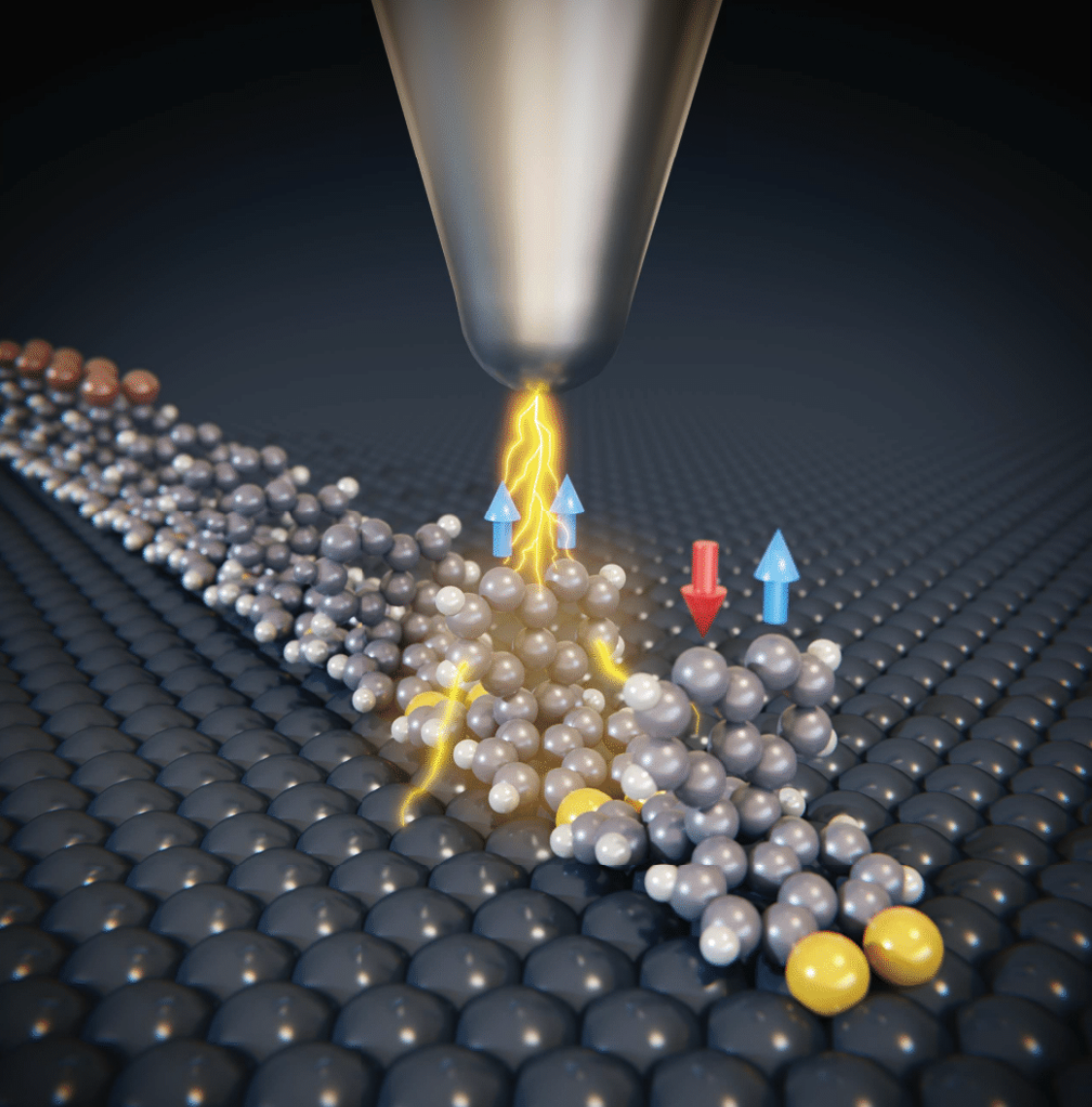
Soo-hyon Phark, Center for Quantum Nanoscience, Institute for Basic Science, Republic of Korea Soo-hyon is currently working as a PI at Center for Quantum Nanoscience (QNS) of Institute for Basic Science (IBS), where he is leading the research group “Atomic spin qubits on surfaces”. He got his PhD in solid-state physics from Seoul National University (SNU), South Korea, in 2006, for an experimental research on single molecule magnets on surface using scanning probes. He joined QNS in October 2016 and has been leading the project “Electron Spin Qubits on Surfaces” from 2019, using STM equipped with electron spin resonance. He has developed a novel qubit platform using atomic spins on a solid surface for the first time and demonstrated quantum-coherent manipulation of multi-qubit systems (2023). In recognition of these pioneering contributions to the quantum-coherent nanoscience field, he has been awarded the Minister’s Commendation for Outstanding Scientists of the Year 2024, The Best Award in Sciences and Infrastructures of the 100 National R&D Achievements, from Korean Ministry of Science and ICT in 2025, and The 1st ACS Nano Impact Awards from American Chemical Society in 2025. Currently, he continues and extends the projects using various atomic/molecular single spins towards quantum information science/technology using the bottom-up approach.
Franz Giessibl, University of Regensburg, Germany Franz is the chair for Quantum Nanoscience at University of Regensburg in Germany. He obtained his diploma in physics after studies at the Technical University of Munich and ETH Zürich. He was the PhD student of Nobel laureate Prof. Gerd Binnig with the IBM Physics Group Munich at the Ludwig-Maximilians University, where he built the first atomic-force microscope (AFM) for ultrahigh vacuum and low temperatures. He continued his work on AFM at Park Scientific Instruments, a Stanford spinoff, where he established AFM as a surface science tool by obtaining for the first time the atomically resolved Si(111)-(7×7) reconstruction published in Science 267, 68 in 1995. During a two-year break from science, as a management consultant with McKinsey & Company, he invented the qPlus sensor, a new core for AFM, in his home laboratory and returned to academia. The qPlus sensor enabled transformative works in science since and Giessibl has been awarded 10 international science prizes for his work on AFM so far, including the Keithley award of APS, the Feynman Prize of Nanotechnology, the Heinrich Rohrer Grand Medal and the NIMS award of Japan.
About this journal
Nano Futures is a multidisciplinary, high-impact journal publishing fundamental and applied research at the forefront of nanoscience and technological innovation.
Editor-in-chief: Vincenzo Pecunia is an associate professor and the head of the Sustainable Optoelectronics Research Group at Simon Fraser University, Canada.
For radiotherapy centres, daily quality assurance (QA) provides the final safety check before each day of patient treatments – ensuring that all linear accelerators (linacs) deliver radiation safely, accurately and as expected.
But as radiotherapy technologies evolve, the required QA procedures become increasingly complex, with verification tests often performed in isolation using multiple phantom set-ups. New treatment techniques – such as surface-guided radiotherapy (SGRT), which is more widely used now than ever – also introduce new QA requirements. And the ongoing adoption of adaptive radiotherapy, where measurement-based pre-treatment QA is not possible, increases the emphasis on machine QA, in which daily QA plays a key role.
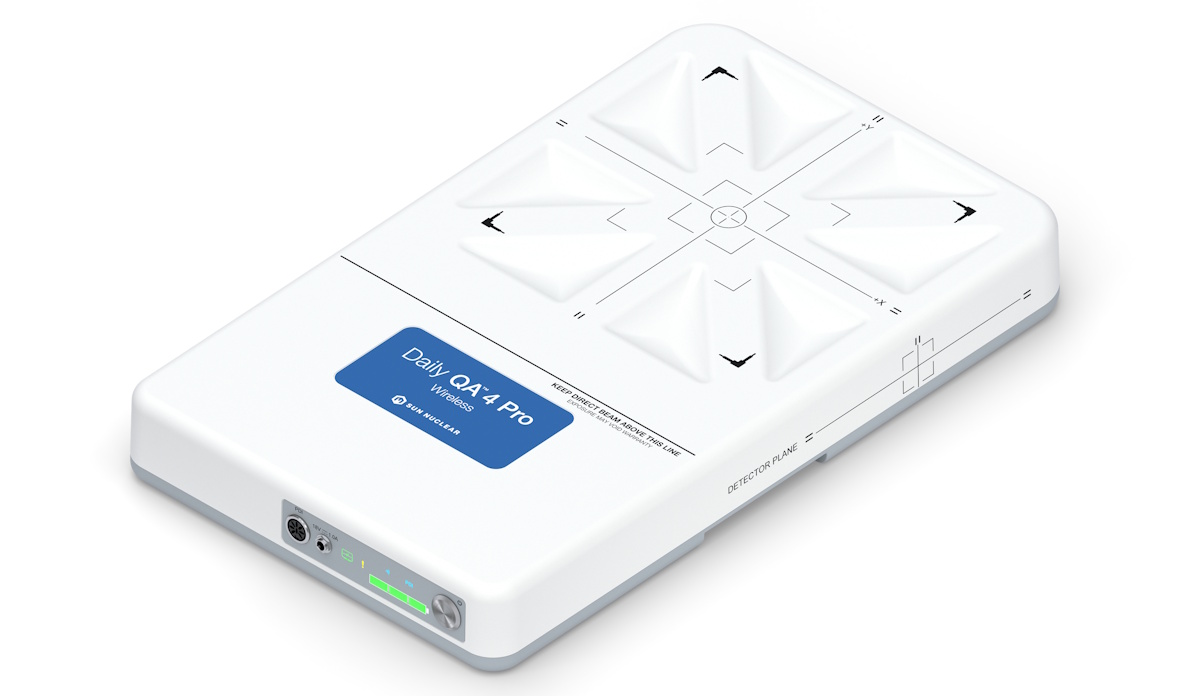
What’s needed is a comprehensive QA approach that incorporates the dosimetry, imaging and positioning checks required for all radiotherapy modalities. Addressing this challenge, US manufacturer Sun Nuclear has launched Daily QA 4 Pro, a new device that simplifies daily machine QA by combining dosimetry and positioning verification via imaging into a single indexed, imageable platform.
“The main motivation for launching the Daily QA 4 Pro was to create a product that not only met the current needs of clinicians, but also future needs, based on our vision of the radiotherapy QA field,” explains Rajiv Lotey, technical product manager for the Daily QA 4 Pro.
The next-generation platform builds on the company’s Daily QA 3 beam quality analysis product, which was introduced more than a decade ago and is now standard in many radiotherapy departments. “The biggest difference between the Daily QA 4 Pro over the Daily QA 3 is the end-to-end QA functionality – representing the patient workflow – achieved by integrating a 3D high-resolution array, fiducials, an SGRT-compatible surface, an imageable architecture, and the ability to correlate all imaging and mechanical isocentres together onto one device,” says Lotey.
Enabling new modalities, expanding clinical applications
David Barbee, Director of Technology and Innovation in Radiation Oncology at NYU Langone Health, was one of the first to adopt this technology. Speaking at the recent QA & Dosimetry Symposium (QADS) hosted by Sun Nuclear, he described his early experiences of using the next-generation Daily QA 4 Pro.
“The first thing I wanted to do was evaluate surface-guided radiation therapy, because we don’t currently do this during daily QA,” Barbee explained.
To perform this test, the team defined a region-of-interest in the hospital’s VisionRT SGRT system that covered the entire surface and edges of the Daily QA 4 Pro and tested it over the full range of couch motion. The maximum translation range that it could detect was about ±4.5 cm in the lateral (side to side) and longitudinal (along the couch length) directions, and +13 to –17 cm vertically.
“For pitch and roll, we tested the 3°/3 mm limits and 90° couch rotations, and it observed them perfectly,” he added. “This is the first time we’ve ever run this test and compared our SGRT system to our image guidance system,” he noted. “This is very, very helpful.”
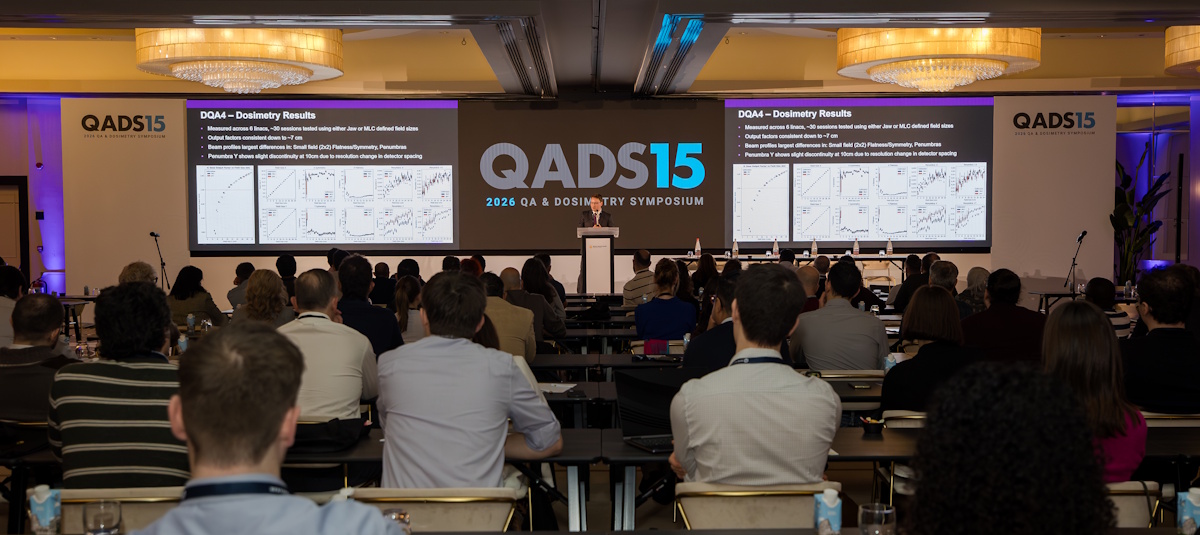
Quality and patient safety in radiotherapy Attendees at the QADS15 event shared best practice strategies and clinical insights with colleagues practicing worldwide. (Courtesy: Sun Nuclear)
For dosimetry, Barbee noted that many parameters are carried over from the Daily QA 3 – including the output profile constancy, the field size and shift, and the flatness and symmetry – but added that the Daily QA 4 Pro can measure at a much wider range, anywhere from 2 to 20 cm square fields. “There are also new metrics, such as the penumbra, beam shape constancy for FFF [flattening filter-free] fields, the beam centre and the dose-per-pulse,” he explained. “And there’s a new dose output correction factor for when you need to move this device to a different unit.”
Barbee and colleagues performed a range of dosimetry assessments using the Daily QA 4 Pro, measuring 30 sessions on six linacs using both jaw- and multi-leaf collimator (MLC)-defined field sizes. They found that the output factors were consistent down to about 7 mm, after which the MLC gave slightly higher output factors, while the largest beam profile differences were seen in flatness and symmetry for very small fields.
Integrating Winston–Lutz
The Daily QA 4 Pro incorporates active measurement Winston-Lutz tests – a standard procedure for evaluating isocentre accuracy – using the system’s onboard 3D detector array to directly measure the radiation isocentre. The NYU Langone team used the Daily QA 4 Pro to quantitatively assess the mechanical isocentres and their response to gantry, collimator and couch motion for six linacs, again using both jaw- and MLC-defined fields.
Barbee noted that the system runs the gantry and collimator checks automatically. “You can basically hit play on SunCHECK and then you don’t touch anything again until you get to the couch, which you have to move from the console,” he explained.
To test the accuracy of the results, Barbee compared them with two years’ worth of Machine Performance Check (MPC) and traditional Winston-Lutz measurements of all of the centre’s linacs. Daily QA 4 Pro measurements agreed well with previous isocentre results across all machines tested. “It’s a little bit early to say, but it looks commensurate, there are no concerns,” he noted.
A look inside the device
The Daily QA 4 Pro measures 30 x 50 x 6 cm, weighs 6.2 kg and sits on a 4.1 kg six degrees-of-freedom base. It incorporates four ion chambers that measure field sizes down to 5 x 5 cm, as well as 249 diodes spaced at high resolution in the x– and y-directions, the diagonals and along both sides. There are also eight 3 mm tungsten carbide BBs positioned off-axis, factory-calibrated to enable micron-level corrections.
The Daily QA 4 Pro.
Externally, the device incorporates scribed laser alignment marks with 2 mm tolerance on its sides and surfaces, plus a crosshair for collimator alignment. There are also field size markings for 5 x 5, 10 x 10 and 20 x 20 cm fields, as well as eight symmetric reliefs designed specifically for SGRT.
The Daily QA 4 software is designed to integrate into the SunCHECK environment and can be controlled using either SunCHECK Local via a standalone laptop or (starting in version 6.0) the SunCHECK Server.
The team also ran active imaging Winston-Lutz tests, which evaluate system geometry by analysing the position of a known target in images acquired using the linac’s imaging panels. The Daily QA 4 Pro device detects the image fiducials (tungsten carbide BBs) and compares their positions to expected values for each gantry angle. These tests allow users to assess factors such as device positioning, gantry angle accuracy and overall alignment.
“This is all summarized into a report showing the maximum error in any one of those parameters across all gantry angles,” explained Barbee. “It will tell you which gantry angle was the worst and what the value there was.”
Used together, the two Winston-Lutz methods combine direct radiation measurement with imaging-based verification to provide a more complete understanding of system health and to help identify, quantify and correct any errors.
Efficiency analysis
Barbee notes that while the Daily QA 4 Pro generates a comprehensive set of dosimetry and positioning verification data, at first glance, it looks like a lot more work. An efficiency analysis, however, proved the opposite – demonstrating significant gains in workflow efficiency.
Currently, Daily QA 3 and IGRT tasks take about 16 min to perform. “Daily QA 4 Pro cuts about five minutes off that time, because you’re not going in and out of the room and doing multiple setups,” he explained. “Adding Winston-Lutz currently doubles the time to over half an hour. But with Daily QA 4 Pro, you only add five minutes. And it’s a simple setup that your therapist can run as part of their morning QA.”
“The Daily QA 4 Pro integrates image-guided radiotherapy, SGRT, beam dosimetry and Winston-Lutz verification into a single device, enabling comprehensive daily QA in a single setup and session,” Barbee concluded. “This provides an independent, interpretable alternative to vendor black-box QA systems, with comparable isocentre and imager tests, and superior beam quality constancy tests. It really can consolidate a lot of phantoms that you might not need anymore.”
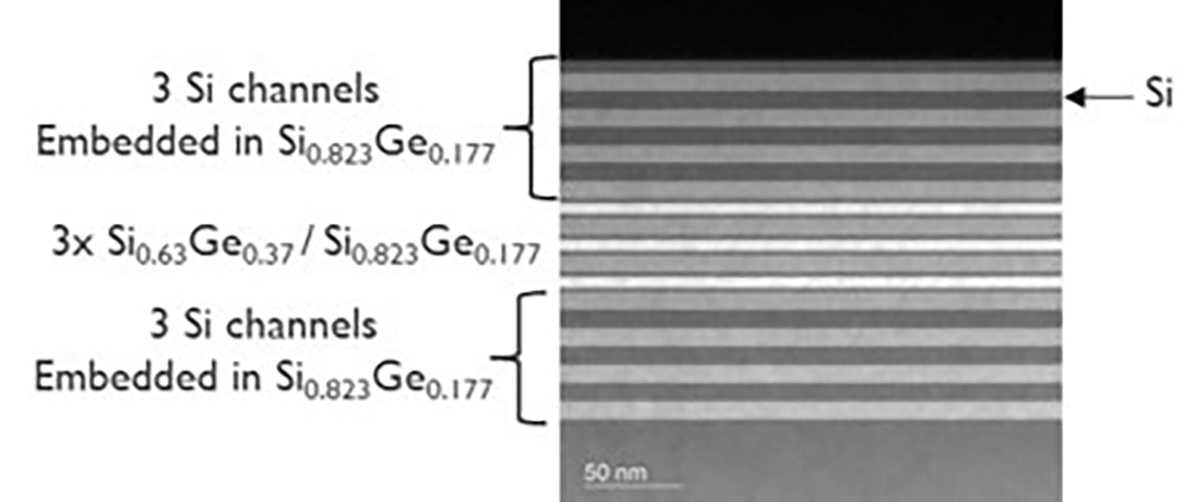
A description of the evolution of metal-oxide-semiconductor device architectures and the corresponding requirements on epitaxial growth schemes will be followed by a discussion of the obtained material properties of Si/SiGe multilayer stacks used for logic and 3D DRAM devices, grown on 300 mm Si (001) wafers.
The process used to deposit Si/SiGe multilayers for Nano-Sheet devices has been extended to 120 pairs (241 sub-layers) of {65 nm Si/10 nm strained Si0.8Ge0.2} for 3D DRAM concepts [1]. A more complicated layer stack with two different Ge concentrations is required for the monolithic fabrication of complementary field effect transistor (CFET) devices, where gate-all-around nFETs and pFETs are stacked on top of each other [2]. A relatively high growth temperature provides acceptable Si and SiGe growth rates while still suppressing 3D island growth for SiGe growth with up to 40% Ge. Excellent structural and optical material properties of the epi stack will be reported, with up to 3 + 3 Si channels in the top and bottom part of the stack, respectively. For all layer designs, the absence/presence of lattice defects has been verified by several techniques including photoluminescence (PL) measurements at both room-temperature and low temperature.
[1] R. Loo et al., JAP 138, 055702 (2025), https://doi.org/10.1063/5.0260979
[2] R. Loo et al., ECS SST 14, 015003 (2025), https://iopscience.iop.org/article/10.1149/2162-8777/ada79f
Roger Loo
Roger Loo joined imec in January 1997. Since October 2013 he has been a principal scientist (principal member of technical staff) in the group IV epi team. Since September 2023, he has also been a visiting professor (5%) at the Ghent University. He has authored or co-authored more than 240 articles in peer-reviewed journals. He has been co-editor of eight journal special issues, (co-)authored more than 250 articles in proceedings listed in Web of Science and has given more than 30 invited talks at international conferences. Loo regularly gives invited research seminars and tutorials at universities, institutes and companies. Loo has co-authored more than 90 patent filings (including provisional filings), among which more than 50 patents have been granted and are maintained. He has also (co-)organized about 24 international conferences.
Advent Research Materials is an Oxford-based specialist supplier of high-purity metals, alloys and polymers to the global scientific research community.
With a catalogue of over 10,000 items, ISO 9001:2015 accreditation, and more than 35 years of experience supplying researchers, universities and industry, Advent is a precision materials partner trusted worldwide.
All products are held in stock and available for rapid dispatch.
 Login
Login