On May 22, 2026, the Pentagon released a second batch of previously classified photos and videos showing what appear to be unexplained flying objects. These file dumps were the culmination of a process that was set in motion back in July 2023, when a group of government whistleblowers testified before Congress that the U.S. government was secretly inContinue reading "Could aliens ever visit Earth?"
Earth has many unique features for a planet, such as a magnetic field, a large moon, and plate tectonics. It’s also the only planet we know of that harbors life. These facts form the basis of the Rare Earth hypothesis, which posits that we haven’t found aliens because other planets in the Galaxy probably don’t have all the right conditions for life.
Another characteristic of Earth is that about 30% of its surface is land and about 70% is ocean. Recently, Columbia University Assistant Professor David Kipping investigated whether the proportion of Earth’s surface covered by dry land versus ocean, or its land fraction, is another reason Earth is habitable not only for simple single-celled organisms, but also for intelligent species like humans.
To test this hypothesis, Kipping created 4 statistical models of planets with different land fractions that intelligent aliens could potentially evolve on. First, he created an equation to describe the likelihood that a planet in its star’s habitable zone has a particular land fraction, known as a probability distribution. Kipping weighted this probability distribution toward the extreme ends, making it more likely that a planet would be covered by a single huge landmass or a single vast ocean than by a mix of both, as on Earth.
Kipping then incorporated this land fraction probability distribution into his statistical models to calculate the probability that a random planet will have that land fraction and host intelligent life. The 4 scenarios Kipping tested were: 1) that intelligent life is more likely to emerge on land-dominated planets, 2) that it’s more likely to emerge on ocean-dominated planets, 3) that it’s more likely to emerge on planets with roughly equal amounts of land and ocean, and 4) that its emergence is independent of a planet’s land fraction.
As a first step in determining the kinds of planets intelligent aliens would tend to emerge on, Kipping used each model to predict the probability that intelligent life would emerge on a planet with the same land fraction as Earth. He then compared these probabilities by calculating the ratios between each value. Because Earth is the only known planet with intelligent life, a model that predicted a greater probability for humanity’s existence on Earth would be more likely to reflect reality.
Kipping considered it strong evidence that a given model was more realistic than another if the ratio between 2 of them was greater than 10, meaning one model was 10 times more likely to predict the existence of Earth and humanity. Kipping found that no comparison of any 2 models passed this threshold. However, the models assuming that intelligent life prefers ocean-dominated planets or planets with a land-ocean balance were 2.5 and 3 times more likely to predict the existence of humanity than the model assuming that intelligent life prefers land-dominated planets. Additionally, the model assuming that intelligent life prefers a land-ocean balance was always more likely to predict humanity than any other model, though marginally.
Kipping also addressed whether finding more planets with intelligent life would affect which model was deemed most realistic, for example, if scientists discovered conclusive evidence of life on Mars in its distant past. Here, Kipping identified 2 complications. First, it’s uncertain how much of Mars’s surface was once covered by water – some estimate it had a land fraction as high as 81%, while others estimate it was as low as 25%. Second, proving that Mars once had life would not prove it once had intelligent life.
Regardless, Kipping reran the models assuming that ancient Mars had a land fraction comparable to Earth’s. Adding this second data point produced ratios similar to those in the earlier Earth-only calculations, meaning it still didn’t make any single model 10 times more likely to predict the existence of humans and Martians, respectively.
Kipping then took the 10-times threshold and reversed the calculations to find what conditions would exceed it. In doing so, he calculated that astronomers would need to find 14 other planets with intelligent life and known land fractions to robustly determine whether intelligent life is more likely to occur on desert planets, ocean planets, balanced planets, or without bias.
Kipping concluded that he can’t yet definitively state whether there is something special about Earth’s land fraction when it comes to producing intelligent species. However, Earth’s existence would suggest that intelligent life is unlikely to favor extreme desert planets, so the Milky Way probably isn’t filled with Tatooines and Jakkus. And while his analysis doesn’t debunk the Rare Earth hypothesis, it does undermine the argument that Earth’s ocean size explains why Earth is rare.
Routine checkups for humans are usually straightforward. The doctor tells you what to do, and unless you’re a squirming baby or terrified of needles, you pretty much follow instructions.
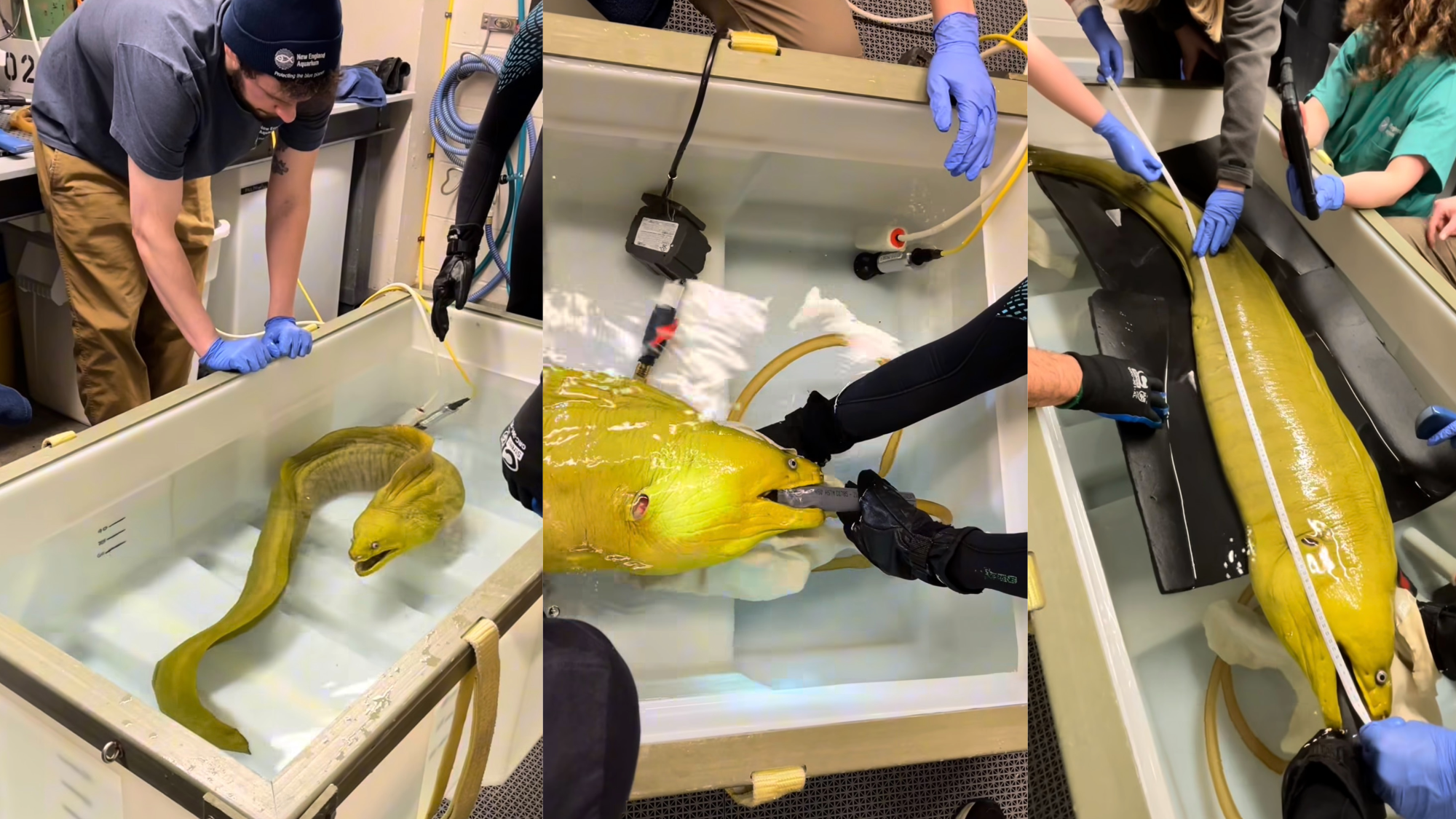
But what happens when the patient is a giant yellow-orange eel with sharp teeth? Things get a bit slippery. At the New England Aquarium, experts need to follow a complicated process in order to get Thomas, a green moray eel (Gymnothorax funebris), ready for his yearly checkup.
The first step consists of retrieving Thomas from the aquarium’s giant ocean tank. Divers get him into a plastic barrel.Thomas and the barrel are then submerged into a different water tank with powdered anesthetic water, Melissa Joblon, New England Aquarium’s director of animal health, tells Popular Science.
“We have to be really cautious to make sure that he’s fully anesthetized before we handle him because they can be dangerous,” she adds, “and they’re very slippery and can kind of slither away if we’re not really careful.”
Once Thomas is essentially knocked out, the team lifts him from his sedation bin and onto a rack. They then flush water—with more of the anesthesia agent—which allows him to continue breathing.
The medical exam is preventative care, meaning the team is on the lookout for any health issues to catch them before they become serious. The session includes a physical exam, bloodwork, a full ultrasound, and an electrocardiogram. The team is essentially investigating the eel’s outsides and insides.
“We do full routine annual exams on the majority of the animals that live at the aquarium, similar to bringing your cat or dog to a vet once a year,” Joblon explains.
Thomas is probably 18 to 21 years old, but he was a juvenile when the New England Aquarium took him in. A pet owner donated him after wisely deciding that they couldn’t care for the eel anymore—Thomas was becoming too big. Green moray eels are, after all, among the largest morays—they can be eight feet long.
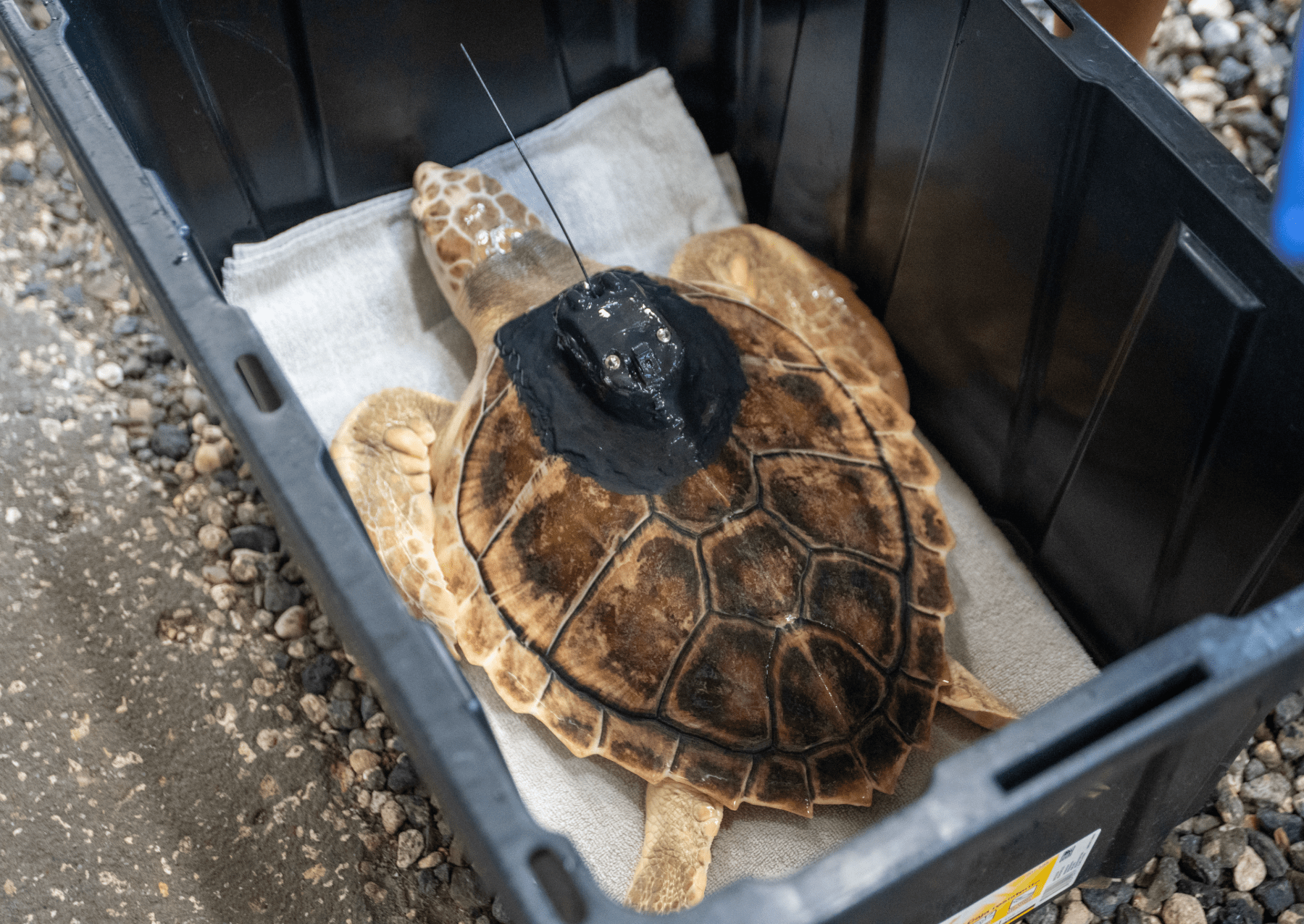
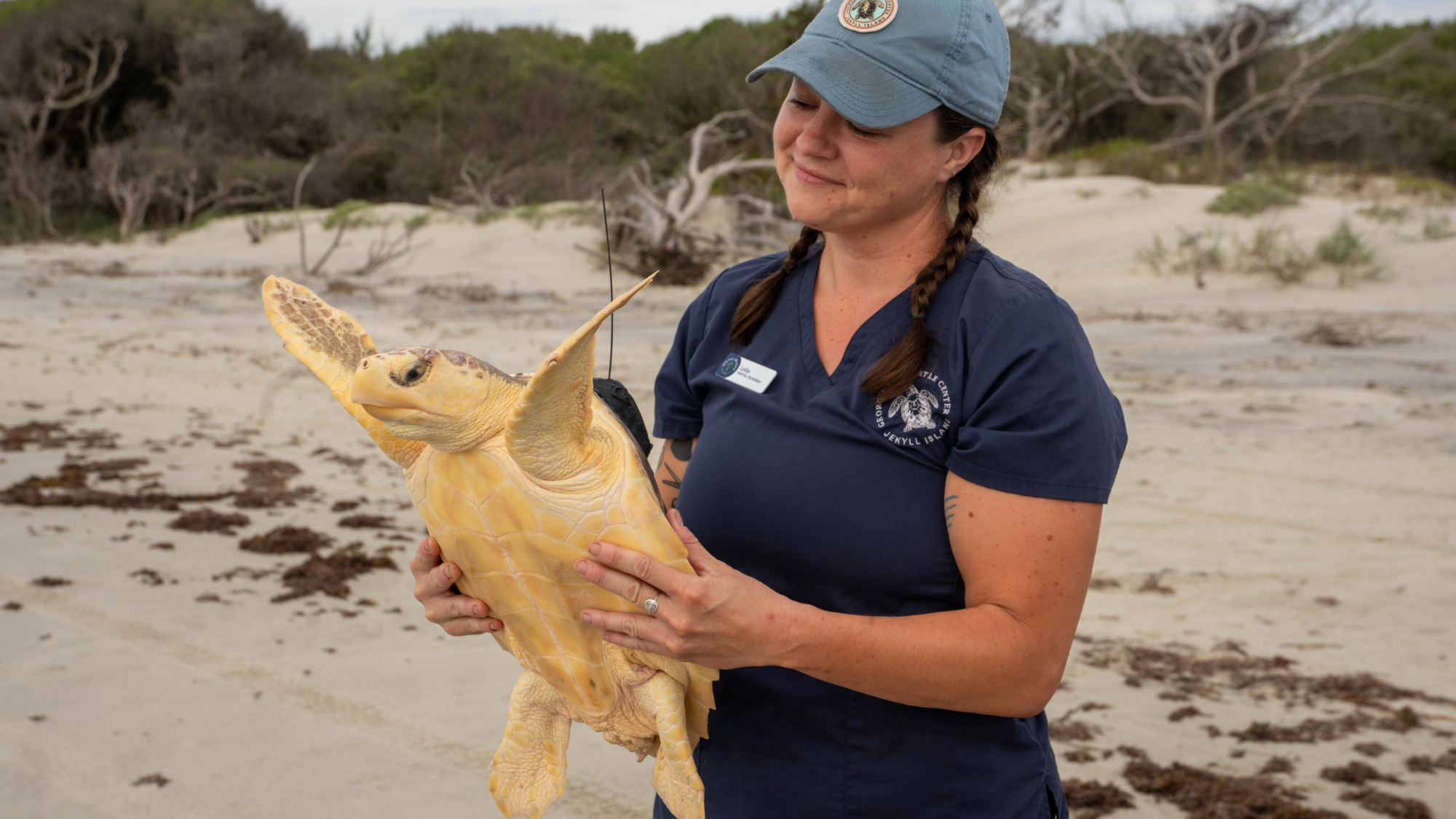
A unique turtle is officially getting a second chance at life in the big blue. Last month we reported on a special resident at the Georgia Sea Turtle Center in Jekyll Island, Georgia: a first-generation hybrid sea turtle, the child of a Loggerhead sea turtle father (Caretta caretta) and a Kemp’s ridley sea turtle (Lepidochelys kempii) mother. Nicknamed Earl Grey, the reptile-turned-celebrity has returned to the wild.
This Hannah Montana of turtles was slated to be released on Wednesday, but on Tuesday the Georgia Sea Turtle Center announced a change of plans because of “some unexpected pre-release complications.” Luckily, these complications must have been resolved. He was sent on his way Thursday morning, only one a day behind schedule.
“Yesterday evening, veterinarians at the Georgia Sea Turtle Center determined that the best course of action for Earl Grey’s well-being and successful transition back into the ocean was to conduct a private release,” according to a George Sea Turtle Center spokesperson.
The turtle was rescued from a beach in Brewster, Massachusetts, where it was stranded and cold-stunned. The turtle’s mixed background was revealed by genetic testing after the Loggerhead ridley (or Kemp’s Loggerhead?) arrived at the turtle center. Hybrid animals are natural, but we don’t know how many wild hybrid sea turtles there are. Most hybrid animals are only confirmed with genetic testing.
Earl Grey on his way to the beach for release. Image: Jekyll Island Authority.
“From an evolutionary perspective, hybridization could be one of many ways genetic diversity is introduced into a population,” Jaynie L. Gaskin, Georgia Sea Turtle Center director, told Popular Science in April. “We encourage other rehabilitation facilities to consider genetic testing for any suspected hybrid sea turtles, as there may be more individuals than we currently realize!”
In a Facebook video, the turtle center highlights the traits that the rare hybrid sea turtle inherited from each species, including a hook-shaped beak of a Kemp’s ridley (the mother) and the colors of a Loggerhead (the father). A combination of, in their words, the “best of both worlds.” .
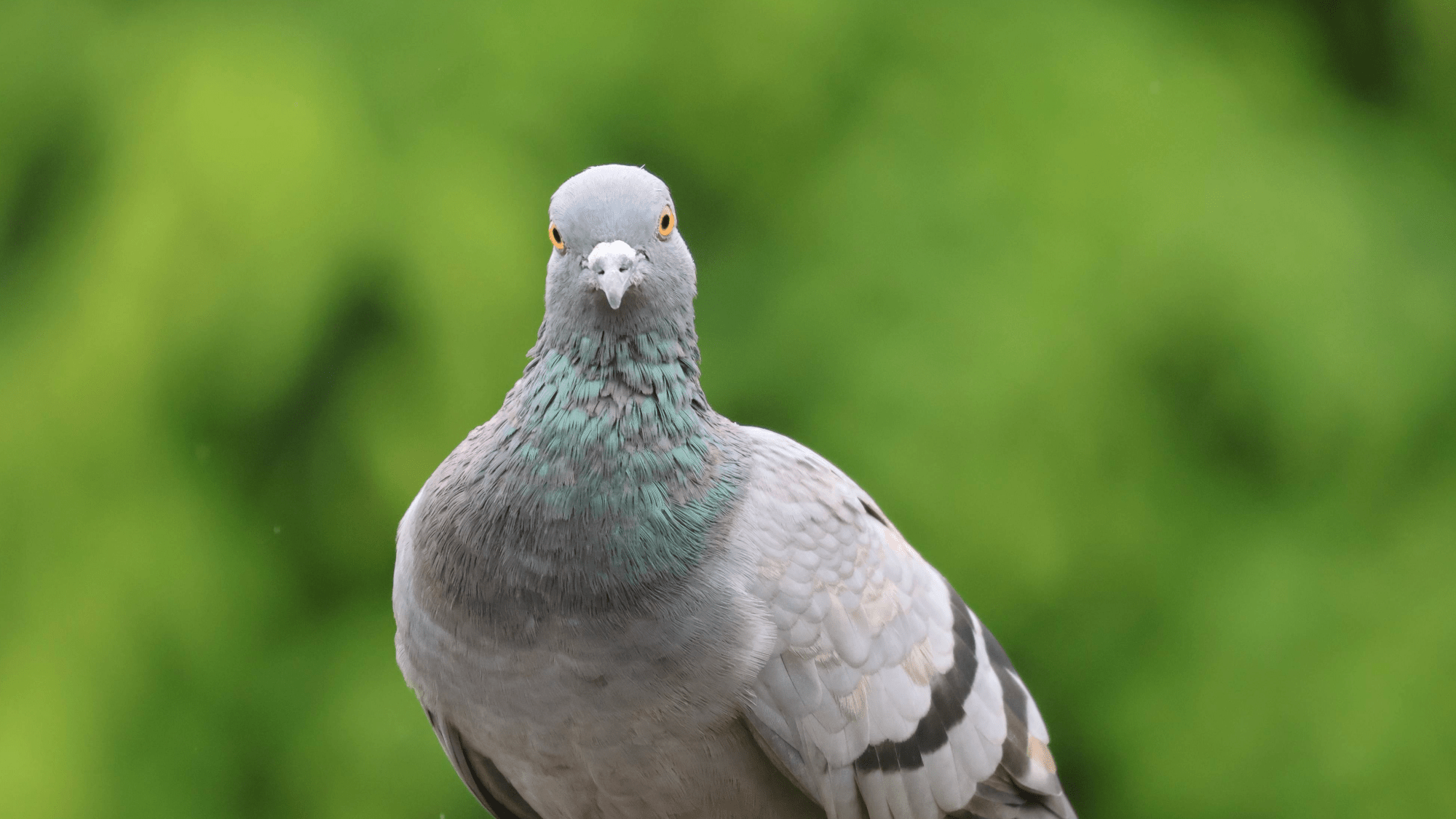
For decades, scientists have known that Earth’s magnetic field helps migratory birds and homing pigeons navigate. Just how our feathered friends sense the invisible sphere around the Earth, however, has been less clear.
At least part of the answer appears to be hiding inside a seemingly random organ. Immune cells inside pigeon livers called macrophages are sensitive to the planet’s magnetic field. These cells function like an internal compass, according to a new study published today in the journal Science.
Macrophages destroy old red blood cells, which makes them accumulate iron. The iron makes the macrophages superparamagnetic, a kind of magnetism that takes place in particular nanoparticles. The nanoparticles can then be magnetized if a magnetic field is applied to them.
“When pigeons fly, the nanoparticles align with the magnetic field and become ‘magnetized,’” Clivia Lisowski, a co-author of the study and a post-doctoral researcher in Immunology at the University of Bonn, tells Popular Science. “Like that, pigeons can sense Earth’s magnetic field.”
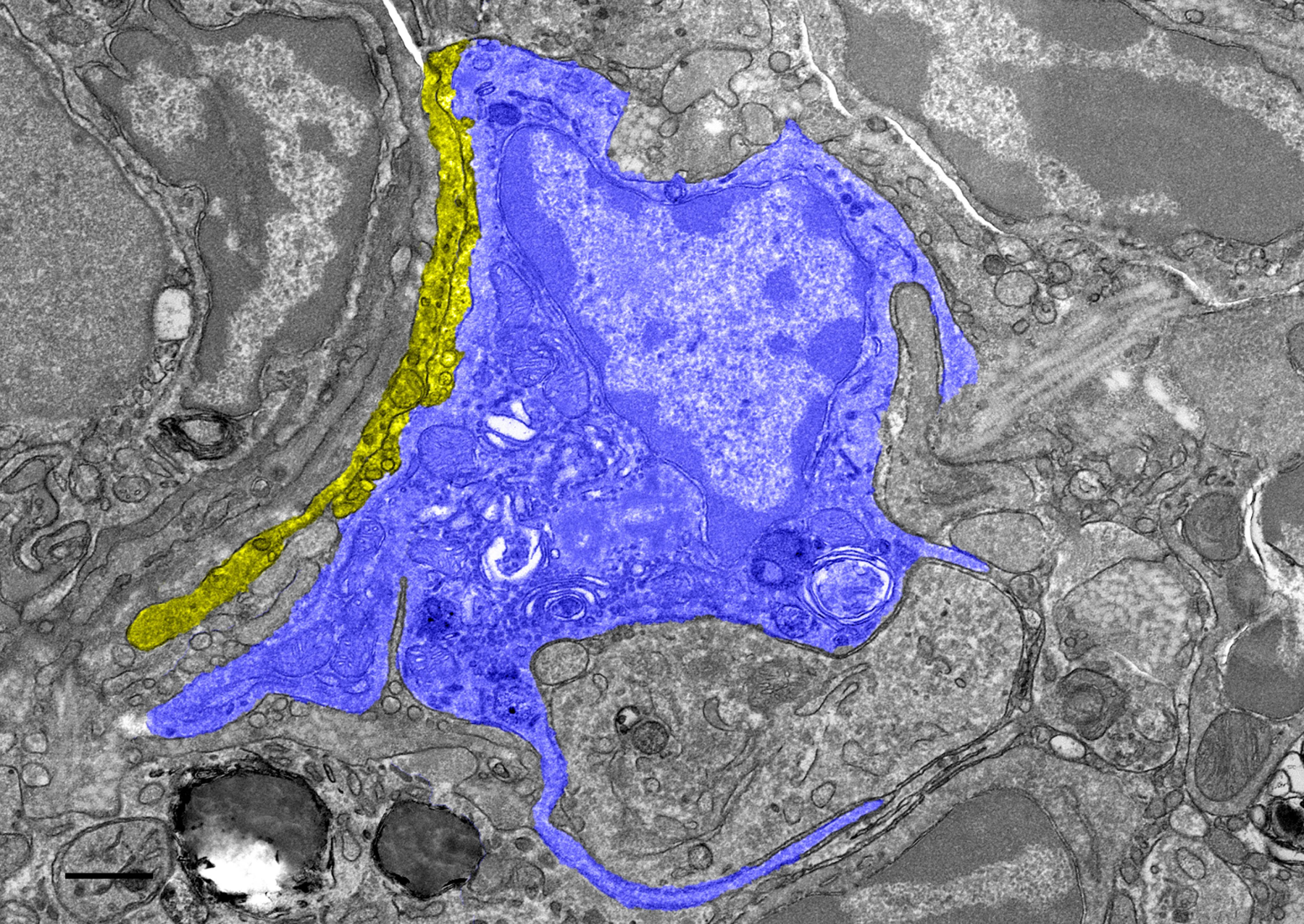
Electron microscopy image of pigeon liver tissue shows hepatic macrophage (blue) in contact with nerve fiber (yellow), which enables them to transmit (“magnetic”) information to the pigeon brain. Image: Lisowski et al. (2026) Science.
To understand how these particles help the pigeons navigate, Lisowski and her team tracked down where magnetic cells are in pigeons’ bodies. Because the liver and spleen store significant quantities of iron, researchers thought these might be good candidate organs. The liver had a significantly stronger magnetic response than any of the other tissues in the study, according to study co-author Ulf Wiedwald, an expert in nanoscience at the University of Duisburg-Essen in Germany,
From there they homed in on macrophages, and put these important immune cells to the test. They studied pigeons that were trained to fly back to their aviary in Konstanz, Germany, from over 12.4 miles away. Pigeons whose macrophages had been removed got lost when the weather was overcast. But when the sun was out, the pigeons reached the aviary, probably with the aid of solar cues.
The findings show how the birds employ magnetic sensing to find their way, as well as the sun’s orientation.
“Our study has implications for both the immune research landscape as well as for research on animal navigation or magnetoreception, respectively. For animal navigation it’s a new concept of how animals sense/perceive Earth’s magnetic field,” Lisowski says. “We think that this ferrimagnetic mechanism can actually explain how birds migrating at night, or sharks or bats or other animals migrating in dark environments can perceive Earth´s magnetic field.”
The team also found that the iron-rich macrophages are close to nerve fibers, indicating that magnetic information can get to the brain via this route. Ultimately, this shows how important interdisciplinary research, involving immunologists, behavioral biologists, and physicists, carries significance for more than just birds.
As for the immune system, Lisowski explains that to accomplish its different fuctions—such as defending our bodies from pathogens and healing wounds—it has to sense the environment.
“Our finding that the immune system can also sense the Earth´s magnetic field is a complete new layer in this concept of ‘immuno-sensation’ and opens the door to new research,” Lisowski explains.
Sunburn and mosquito bites go together in the summer like a hot dog and ketchup. To keep from becoming a mosquito buffet, most of us turn to bug sprays with DEET. An acronym built from its scientific identification (diethyltoluamide), DEET was developed for the United States Army in 1946 and entered civilian use in 1957. It is generally considered safe when used as directed.
However, mosquitoes can learn to associate the repellant with food. They may even become attracted to it. The findings are detailed in a study published today in the Journal of Experimental Biology.
“If someone applies DEET and the concentration fades over time, but a mosquito still manages to feed, the insect may begin associating that smell with a reward,” Clément Vinauger, a study co-author and biochemist at Virginia Tech, said in a statement. “That’s a possibility we should take seriously when we think about how repellents are used in the real world.”
Ace processors
Like it or not, Earth’s over 3,500 known mosquito species are pretty smart and an evolutionary wonder. They use sensory information to find hosts and can adapt to changing environments.
“Mosquitoes are remarkable at processing information about their environment,” Vinauger said. “What we are trying to understand is not only how they detect us, but how their brains interpret those cues and turn them into behavior.”
A DEET-covered dinner bell?
In this new study, the team focused on the yellow fever mosquito (Aedes aegypti). This species spreads several diseases to tens of millions of people each year, including dengue fever, Zika, yellow fever, and chikungunya.
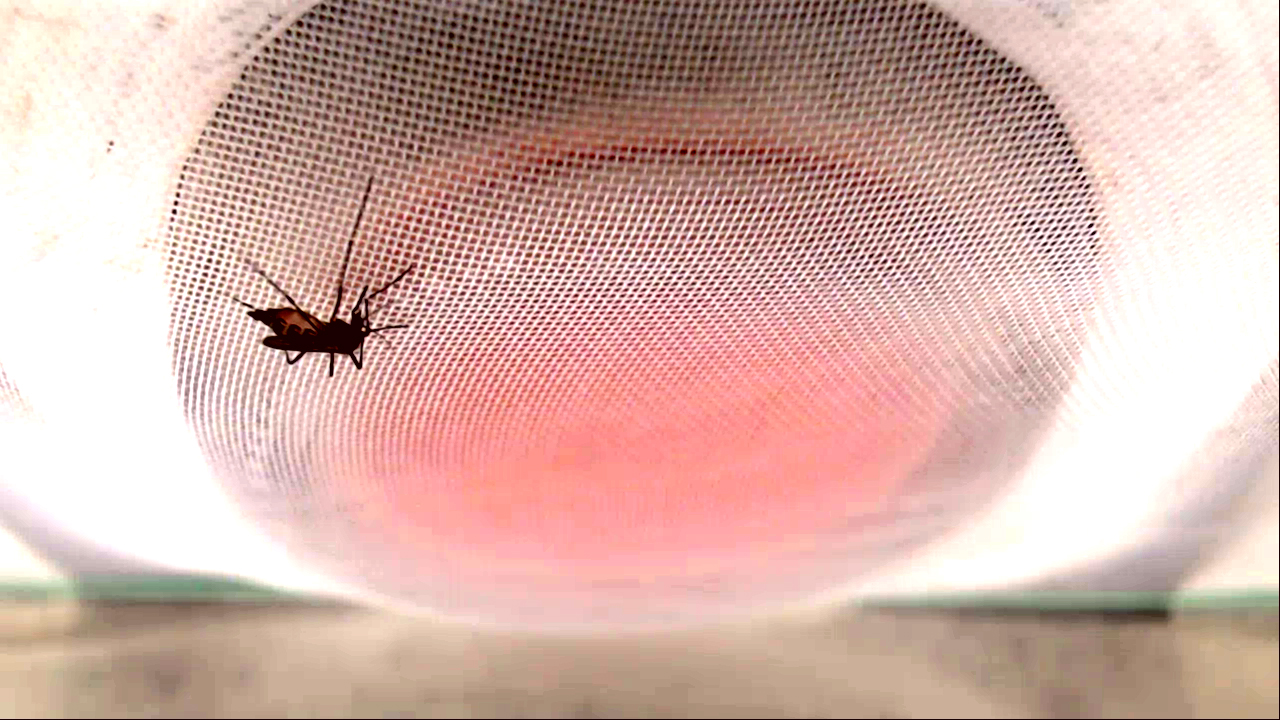
The mosquitoes were restrained behind a piece of fabric mesh. They then offered the mosquitoes a bag of warm blood (yum) that was just out of the insects’ reach to see how enthusiastically the insects stabbed at it with their proboscises. As expected, the mosquitoes were interested in the blood, particularly when the team rewarded them by lowering the bag within reach. Things changed a bit once DEET entered the experiment. When the team offered the insects blood when surrounded by the scent of DEET, they initially stayed away from the potential feast.
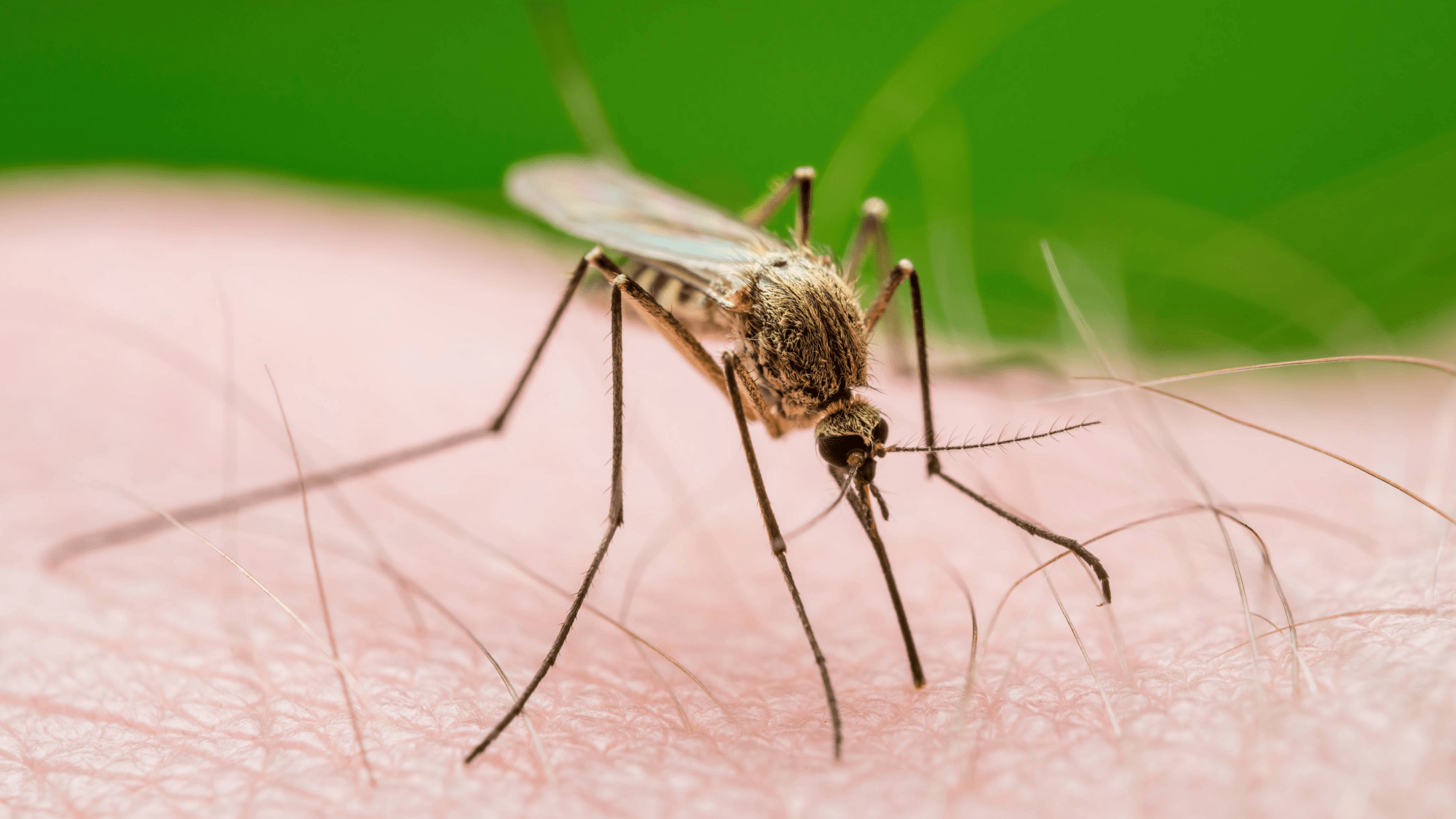
A female yellow fever mosquito (Aedes aegypti), feeding on a bag of warm blood. Image: Romina Barrozo.
To see if they could be trained to associate that smell with the dinner bell, the team fed the mosquitoes warm blood for 20 seconds, squirting the scent of DEET into the enclosure in the final 10 seconds of dining. They repeated the procedure three more times before noting how the mosquitoes responded to only the scent of DEET. In this trial, over 60 percent of mosquitoes tried to bite when they smelled DEET.
To examine further, the mosquitoes were given a choice between two human hands. The hand belonged to study co-author Ayelén Nally of the University of Buenos Aires. One of Nally’s hands was coated with DEET at normal concentrations and the other was bare. The untrained mosquitoes avoided the DEET-treated hand, while the trained mosquitoes were drawn to it.
Interestingly, the mosquitoes could form that same association when sugar, instead of blood, was used as the reward.
According to the team, they are seeing how the mosquito’s brain can rewrite its response based on their experiences. What they have learned matters just as much as what a chemical like DEET does.
“If mosquitoes are repeatedly exposed to DEET, it becomes less effective as a repellent,” study co-author Claudio Lazzari from University of Tours in France added.
Keep the bug spray
Importantly, this does not mean you should stop using DEET completely. It is still one of the most effective ways to keep the dangerous insects away, particularly where mosquito-borne disease is common.
“If you’re in tropical regions where disease risk is real, you should use it,” Vinauger said. “Instead of applying a lot at once, you may want to reapply regularly so it’s always active and providing continuous protection.”
Treated clothing may also be a challenge since DEET concentrations in fabric decline over time. Additional study to understand their behavior is crucial for public health as mosquito-borne illnesses increase due to climate change.
“We need to understand how mosquitoes keep outsmarting our control strategies,” Vinauger concluded. “And that takes understanding how they work—at the molecular level, the neural level, the behavioral level.”
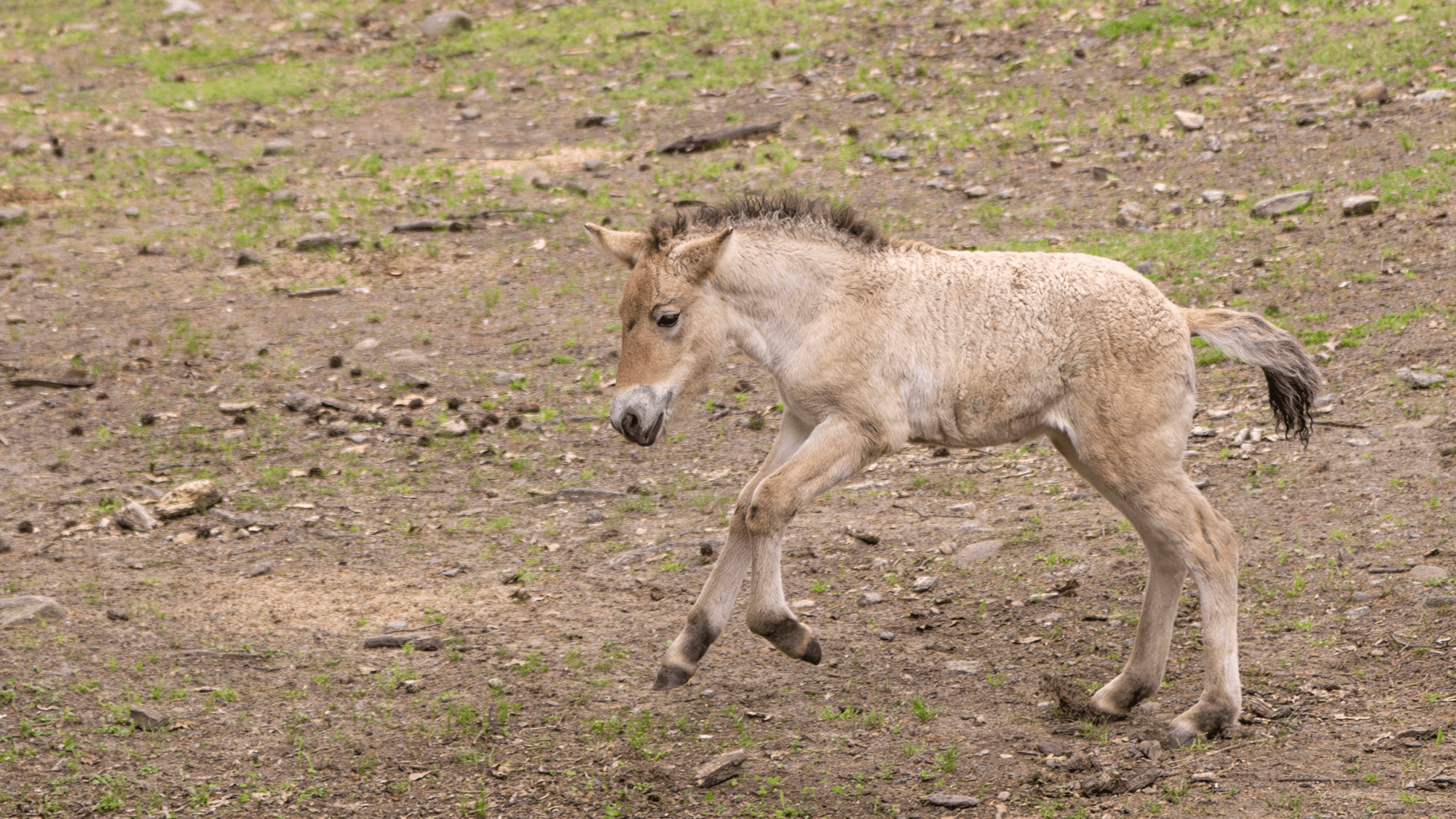
On April 21, a baby horse was born at the Wildlife Conservation Society’s Bronx Zoo in New York City. But it wasn’t just any foal that came into the world—this newest resident of the Big Apple is a Przewalski’s horse (Equus ferus przewalskii), an endangered species that has been pulled back from the brink of extinction.
Przewalski’s horses look more like a mule than your average horse. For starters, their mane sticks up straight into the air and they don’t have a forelock (horse bangs, basically). Przewalski’s horses are also short, light brown, and—excuse the necessary slang—exceptionally chonky. They also have a really thick neck.
They are also referred to as the Mongolian wild horse, and they are the only truly wild horse species left, according to the International Union for Conservation of Nature (IUCN). Though the species used to exist across Asia and Europe, their numbers plummeted so much that at one point they were deemed Extinct in the Wild.
“The Bronx Zoo has played a pivotal role in the conservation of Przewalski’s horse,” the Bronx Zoo wrote in a statement announcing the birth. “Through breeding programs aimed at maintaining a genetically diverse population of the species and through reintroduction efforts, zoo-bred Przewalski’s horses were successfully returned to their native grasslands in China in 1989 and in Mongolia beginning in 1992.”
Przewalski’s horses now live in Mongolia, China, and Kazakhstan, as well as in zoos. Rather shockingly, the entire extant population (which researchers estimate is less than 2,000 individuals) descends from only 12 horses.
In Mongolia, the Wildlife Conservation Society supports Protected Areas with wild horses. As for the Bronx Zoo, the foal is part of a herd. Visitors can see it from the Wild Asia Monorail, where the adorable baby is sure to develop a colt (young male horse) following.
Previously, we reported on the birth of a baby western lowland gorilla (Gorilla gorilla gorilla) at Seattle’s Woodland Park Zoo on May 18. His mother Jamani was one of two pregnant western lowland gorillas bearing children from the same father, a silverback gorilla named Nadaya. Since Olympia was due around the same time, we spent the long weekend waiting anxiously for news.
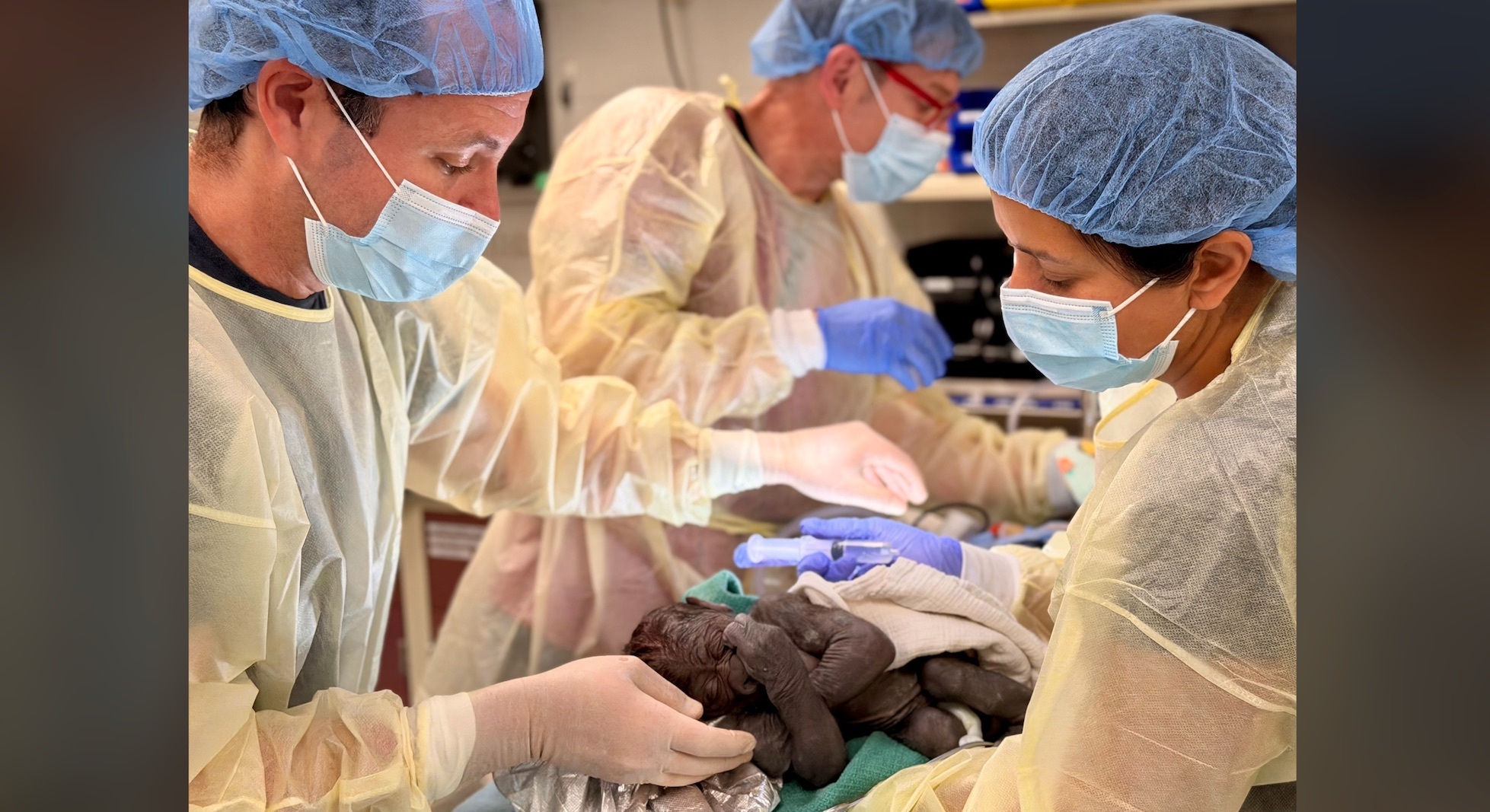
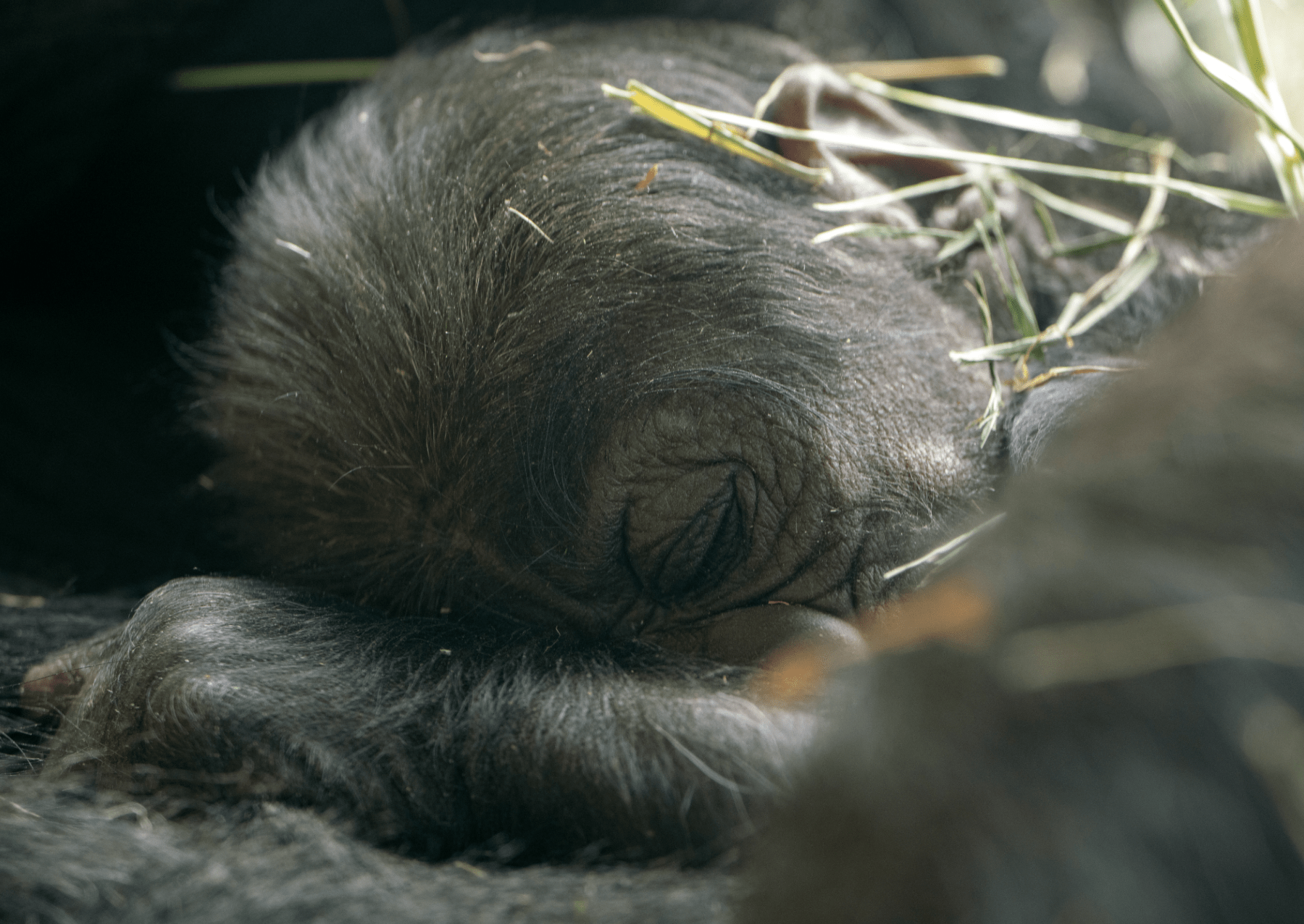
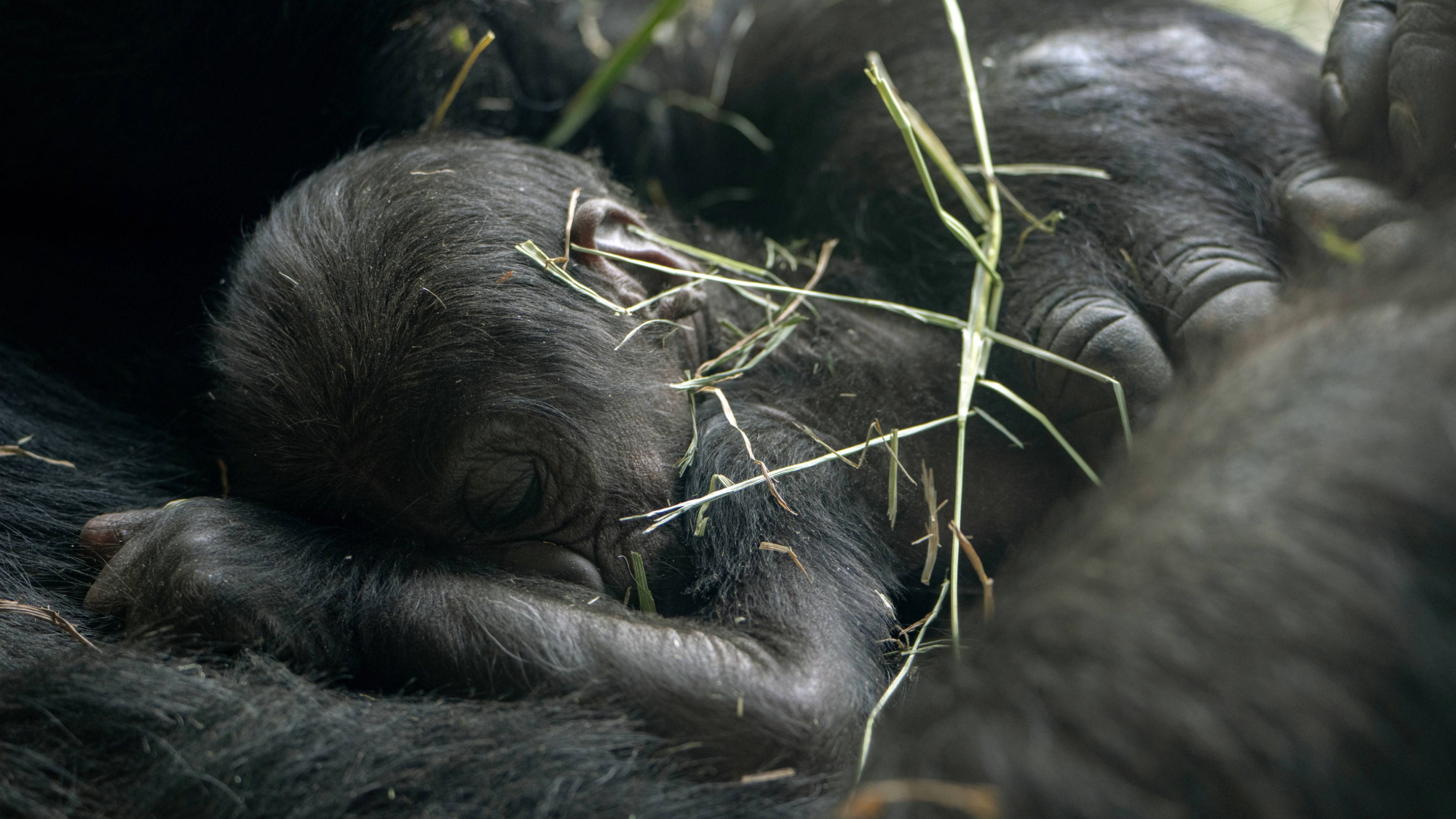
The Woodland Park Zoo’s announcement arrived last night. The baby was born on May 24—five dates past the due date. To bring her baby into the world, the medical team that usually works on humans performed an emergency C-section on Olympia. The procedure is incredibly rare for gorillas, with less than a dozen recorded gorilla C-sections.
“Over the weekend, the decision to proceed with emergency delivery was due to low fluid and intermittent low baby heart rate (found by us with the Butterfly) and critical behavioral information from the keepers team that suggested delayed/paused labor, with confirmation of ruptured membranes (bag of water) by the Team Gorilla OB physicians,” Sachita Shah, emergency physician and VP of Global Health at medical equipment manufacturer Butterfly Network, tells Popular Science. In a previous interview, Shah said that ultrasounds of gorilla fetuses look very similar to ultrasounds of human fetuses.
Butterfly is an all-in-one ultrasound probe that the gorilla care team has been using to monitor the pregnancies. Once the baby came out, “I used The Butterfly throughout the neonatal resuscitation to keep a close eye on the baby’s heart rate as our vital sign so we were able to ensure the safe point to transition from neonatal resuscitation to post natal care,” Shah adds.
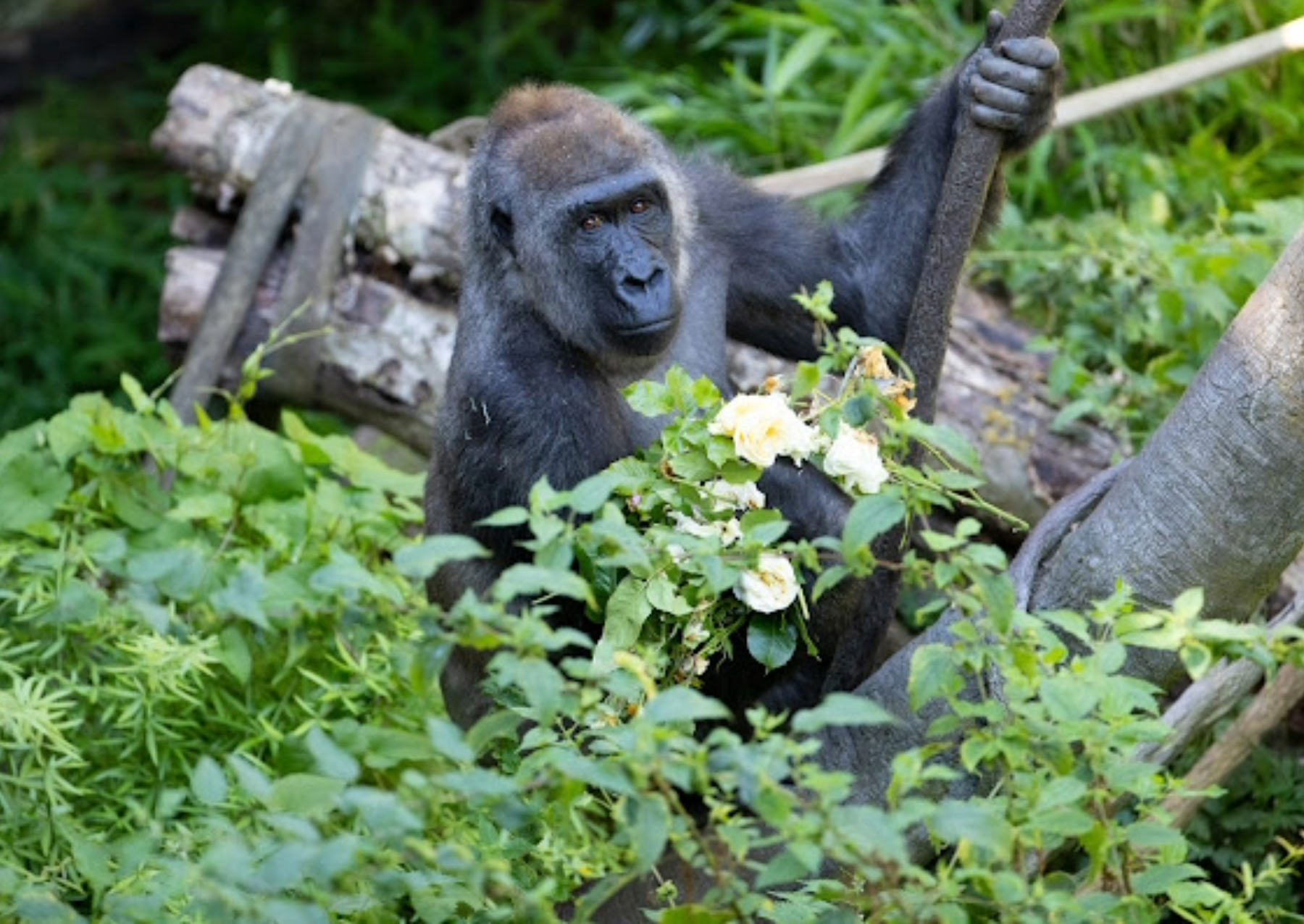
Olympia, seen in her habitat prior to her pregnancy. Image: Jeremy Dwyer-Lindgren/Woodland Park Zoo.
Whether for humans or gorillas, a C-section is a major operation, and Olympia rested without the baby for the first night after the birth. But the newborn wasn’t far away—a gorilla keeper and veterinary technician took care of the baby in a den next to Olympia’s, so she was able to see, hear, and smell it. Both Olympia and the baby boy are now back with their gorilla troop, though Jamani is taking care of Olympia’s newborn as well as her own baby boy.
“So far Olympia’s baby is doing well and maintaining a healthy body temperature. While Olympia recovers from the C-section, our plan is to allow Jamani to continue caring for Olympia’s son while also caring for her own son as long as both infants remain healthy, which is our priority,” Martin Ramirez, Curator of Mammalogy at Woodland Park Zoo, explained in a blog post. “Once Olympia shows signs of being ready for her baby, we’ll move forward with plans to reunite them.”
It remains to be seen what the mother-son duo will look like. However, western lowland gorillas are critically endangered, so the important thing is that both remain healthy.
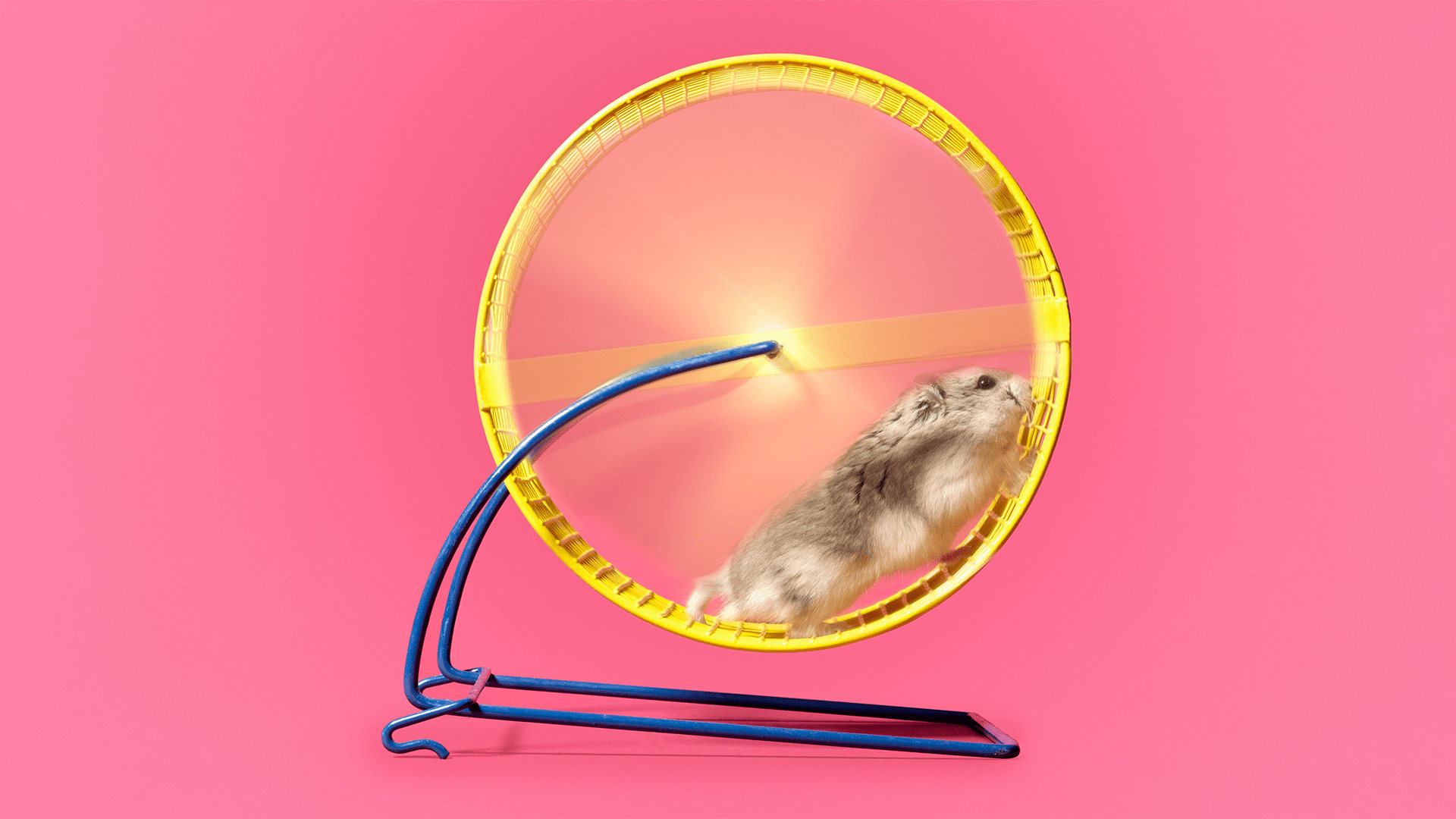
Everyone who has ever owned a hamster knows the sound: the small, relentless squeak of the exercise wheel, usually starting around two in the morning.
As you watch your cute furball running toward no destination whatsoever, you might wonder: What’s going on here? Is little Hammy acting out of restlessness or boredom?
For decades, scientists assumed it was exactly that: a neurosis, an artifact of captivity, the hamster equivalent of doing push-ups in prison.
But in 2014, researcher Johanna Meijer conducted a study that suggested a less depressing scenario. When wild mice came across a wheel in their natural habitat, they got on the wheel and ran—sometimes for up to 18 minutes at a stretch.
So if it’s not boredom or neurosis (wild mice surely have plenty of more important tasks than wheel running), what is it?
Dr. Theodore Garland Jr., a professor of biology at UC Riverside, has spent more than 30 years trying to figure that out.
“There’s still a lot of controversy about what, exactly, wheel running means to an organism,” Garland says. “What is it? What is the organism trying to do?”
Why wild mice run on wheels just like your hamster
In Meijer’s 2014 study, published in Proceedings of the Royal Society B, she and her colleagues placed exercise wheels in two different locations: a green urban area and a dune area not accessible to the public. For more than three years, they recorded wildlife activity at both locations.
They found that wild mice closely mirrored the behavior of their cage-dwelling counterparts. At both locations, the mice frequently ran on the wheels—often for lengths of time equal to the “workout” durations of captive mice.
Although food was initially used to attract animals to the wheel, the researchers found that wheel running continued even after the food was removed. This suggests that the animals not only ran voluntarily on the wheel, but did so without any external reward.
The wheels attracted more than just mice, too. Shrews, frogs, and even slugs were recorded using the equipment (a few snails were excluded from the study due to “haphazard” movements on the wheel). But wild mice used the wheel far more than another animal, accounting for 88 percent of all wheel runners.
Hamsters aren’t the only creatures that like running on wheels. Video: Wild Animals Caught On Hamster Wheel, Live Science
So, why do rodents specifically enjoy a run to nowhere? Are slugs simply less committed to their cardio?
According to Garland, rodents are simply built for it—bigger home ranges, faster metabolisms, and the aerobic capacity to sustain speed over distance.
“A toad isn’t going to be running 10 kilometers in a day,” Garland says. “Whereas a chipmunk could be.”
Dopamine keeps mice and hamsters coming back for more
But that’s only part of the story. The more interesting question is why any animal would choose to do it at all.
According to Garland, the drive to run on wheels among free-ranging animals is not fully understood, but the behavior is likely tied to the reward centers of the brain.
“Dopamine is viewed as the final common denominator,” Garland says, referencing the neurotransmitter that delivers a sense of pleasure to the brain’s reward system. Similar to a human working out at the gym, mice get a dopamine boost every time they run on their trusty wheel.
In Garland’s own lab, mice placed in larger, rat-sized wheels will sometimes slow down mid-run and rather than jumping off as the wheel keeps spinning, complete a full 360, and keep going. It serves no obvious purpose. It looks, for all the world, like a bit of acrobatics, as if the little mouse is creating its very own roller coaster.
“I’m hesitant to use the ‘F-word’ about lower vertebrates,” he says, “but it’s hard to ignore the idea that they’re getting some sort of pleasure or enjoyment out of it.”
The reward system may explain the drive, but Garland sees something even more elemental at work—something similar to the “zoomies” dogs and other young animals get.
A baby horse, Garland notes, will sometimes just tear around a field for no apparent reason—solo, unprompted, burning energy for the sheer joy of it. “We used to call it nip-norting,” he says, “just going crazy, even without another individual to egg it on.”
Exercising at a young age leads to lifelong habits, even for hamsters
Rodents’ love of running on wheels might even have implications for humans. Some of Garland’s work suggests that, when introduced at a young age, wheel running can become a lifelong habit.
In his study, Garland found that mice given access to a running wheel immediately after weaning, at just three weeks old, ran significantly more as adults.
“It’s got to be something up here,” Garland says, indicating the brain. “Their reward system has been permanently tweaked.”
Whatever it is keeping these little guys running, an early start seems to predict an ongoing practice. The implications, Garland believes, extend well beyond mice. For instance, cutting physical education from school curricula, he says, could be “a huge public policy disaster,” leading to adults who aren’t used to exercising.
“If you’re a kid who never gets to play basketball or tennis,” he says, “and then you get to college, and your friends are playing pickup games, it’s probably not even on your radar to do that kind of thing.”
Of course, none of this is on your hamster’s radar at all. They’re just galloping away, keeping you awake with the endless rotation of their squeaky wheel. But all that running can also lead to some good: Recently, a resourceful young YouTuber rigged his brother’s hamster wheel to charge his phone.
But no need to worry—the clever teen isn’t exploiting the toil of a joyless captive. Hammy, it seems, is just doing what comes naturally.
In Ask Us Anything, Popular Science answers your most outlandish, mind-burning questions, from the everyday things you’ve always wondered to the bizarre things you never thought to ask. Have something you’ve always wanted to know? Ask us.
If you’ve ever shared a bed with your child, you know the pain of flailing limbs at 3am. Bald eagle parents can relate.
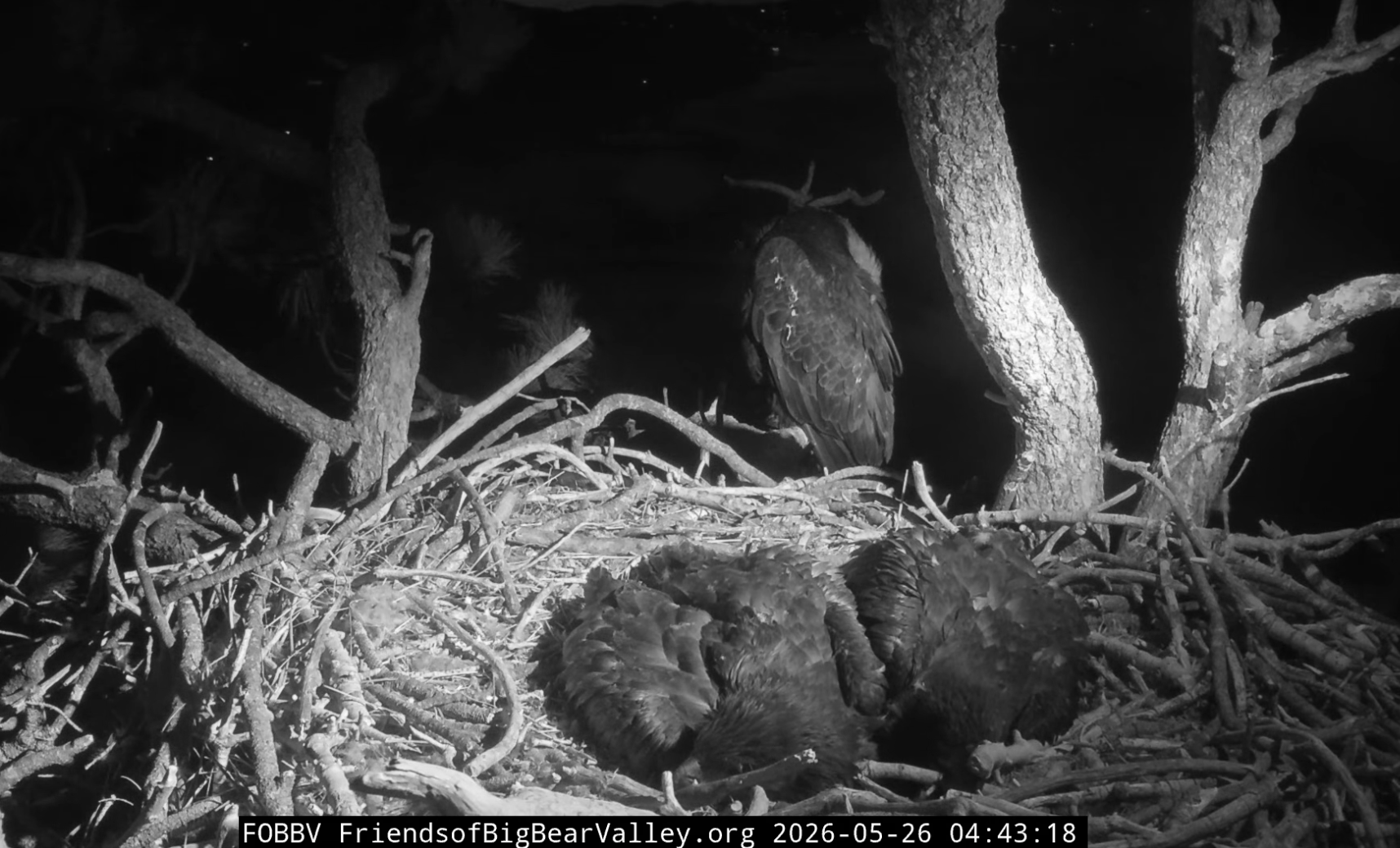
Jackie and Shadow‘s 2026 eaglets, Sandy and Luna, have reach near-adult size, which has made sharing the nest bowl at night a difficult task. Viewers of the eagles’ 24/7 livestream have noticed that the parents no longer sleep right next to the young pair, instead resting on a nearby branch while the chicks doze at night.
“While it looks like she just needs a break from the kids, one of the most practical reasons is space management,” Friends of Big Bear Valley (FOBBV), the non-profit behind the livecam, explains. “By the time the chicks are 6 to 7 weeks old, they are nearly adult-sized. If you’ve ever tried to share a bed with someone who flails, kicks, and unexpectedly opens a 6-foot wingspan in the middle of the night, you would know exactly why Mama moves out!”
Just this morning, Jackie could be seen perched on the nest’s “front porch” as Sandy and Luna slept in the nest bowl. Image: FOBBV
To us humans, sleeping in a cozy nest likely seems more comfortable than catching zzzzzs while standing, but we don’t have bird legs. Bald eagles roost on branches thanks to a natural adaptation called a tendon locking mechanism. This mechanism allows the majestic birds to clamp onto a branch or prey without needing to constantly flex their muscles. By doing so, the birds conserve energy and reduce fatigue—think about how weak your puny human legs would feel after standing all night.
Mama Jackie still remains close to Sandy and Luna to watch for predators, but also far enough away to avoid random talon jabs.
It’s been another roller coaster nesting season for Jackie and Shadow, a pair of internet-famous bald eagle parents living in San Bernardino National Forest in Southern California. After two of their eggs were destroyed by ravens in January, Jackie and Shadow laid two new eggs that have successfully hatched.
Chick 1 hatched on April 4 at 9:33 p.m. PDT, while Chick 2 followed on April 5 at 8:30 a.m. Their large nest in Big Bear Valley east of Los Angeles is livestreamed 24 hours a day by nonprofit Friends of Big Bear Valley (FOBBV) and has captivated millions.
On May 1, FOBBV announced the chicks’ names: Sandy and Luna.
How long will the chicks stay in the nest?
Chicks usually stay in the nest until 10 to 14 weeks of age. This year’s chicks will likely fledge sometime between mid-June and mid-July.
What challenges do the eaglets face?
Before leaving the nest, the chicks face threats from other birds of prey, including hawks, ravens, other eagles, and owls. Inclement weather can also present challenges for the chicks. In 2025, a March snowstorm resulted in the death of one of Jackie and Shadow’s three chicks.
During fledging, only 70 percent of eaglets survive. One of the greatest threats is from cars that can injure or kill the birds while they scavenge for food on roadkill.
Who are Jackie and Shadow?
The pair first got together in 2018 and successfully raised chicks in 2019 and 2022. However, their eggs failed to hatch in 2023 and 2024. Only 50 percent of eagle eggs successfully hatch, so this pair has already beaten the odds.
What happened to Jackie and Shadow’s 2025 eaglets?
In 2025, Jackie laid three eggs that all hatched in early March. On March 13, a strong snowstorm dumped up to two feet of snow and battered the nest with strong winds. Only two of the chicks were visible on the live cam when the storm passed by the next morning. FOBBV later confirmed the passing of one of the chicks. The two surviving chicks were later named Sunny and Gizmo after 54,000 names were submitted by fans.
What happens after chicks fledge?
Young eagles usually fledge–or leave the nest and fly–when they can flatten their wings and have feathers capable of flight. This typically occurs when the birds hit 10 to 14 weeks of age. Males also tend to take their first flight a little sooner than females.
According to FOBBV, fledglings from Southern California have been spotted as far south as Baja California, as far north as British Columbia, and as far east as Yellowstone National Park.
About 70 percent of bald eagles survive the fledgling stage. FOBBV does not tag their eagles, so it’s not possible to follow the chicks’ journeys after they flee the nest.
Can I help Jackie and Shadow?
Yes. Environmental groups are currently fundraising $10 million to protect Jackie and Shadow’s foraging area from development. Learn more at SaveMoonCamp.org.
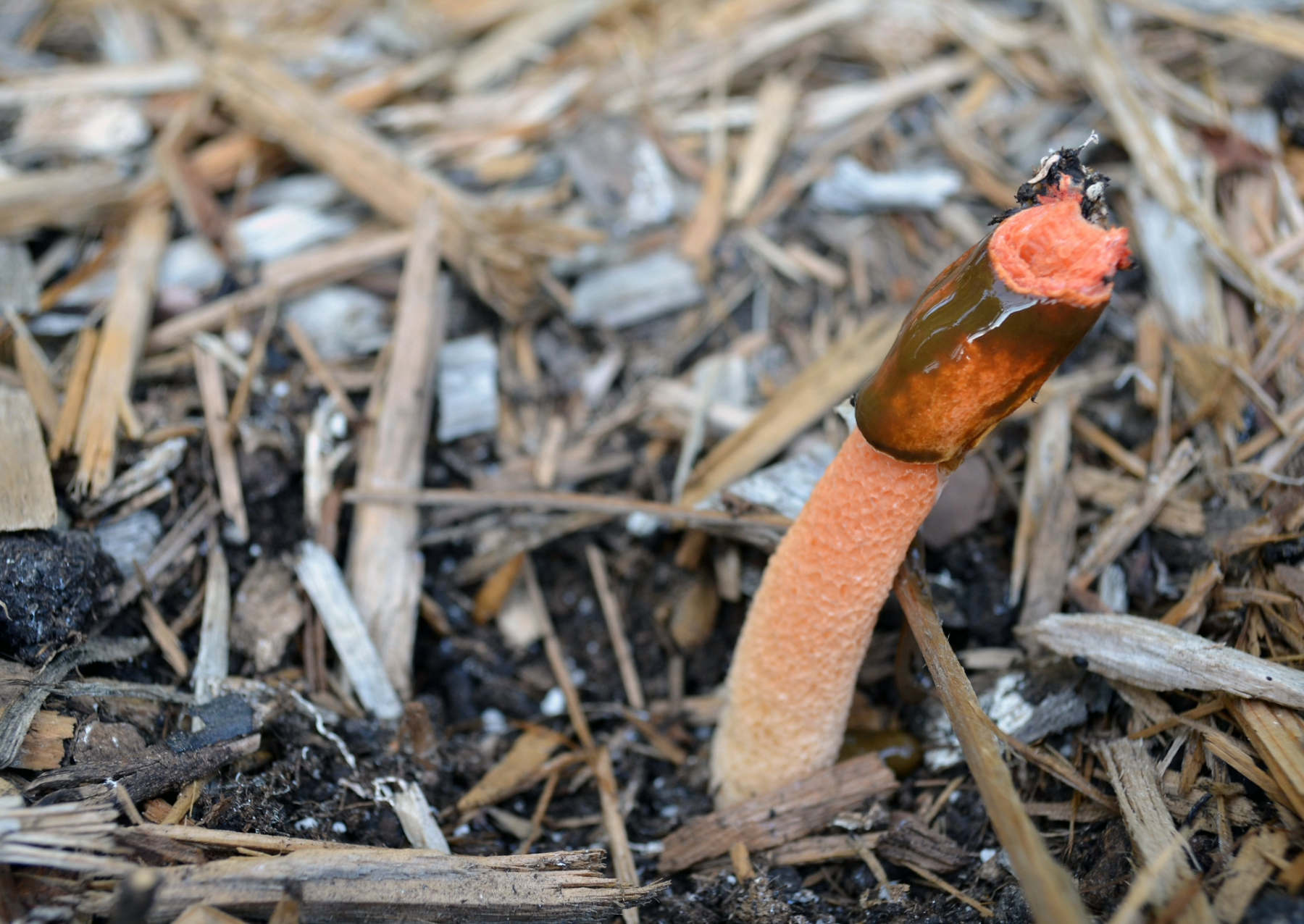
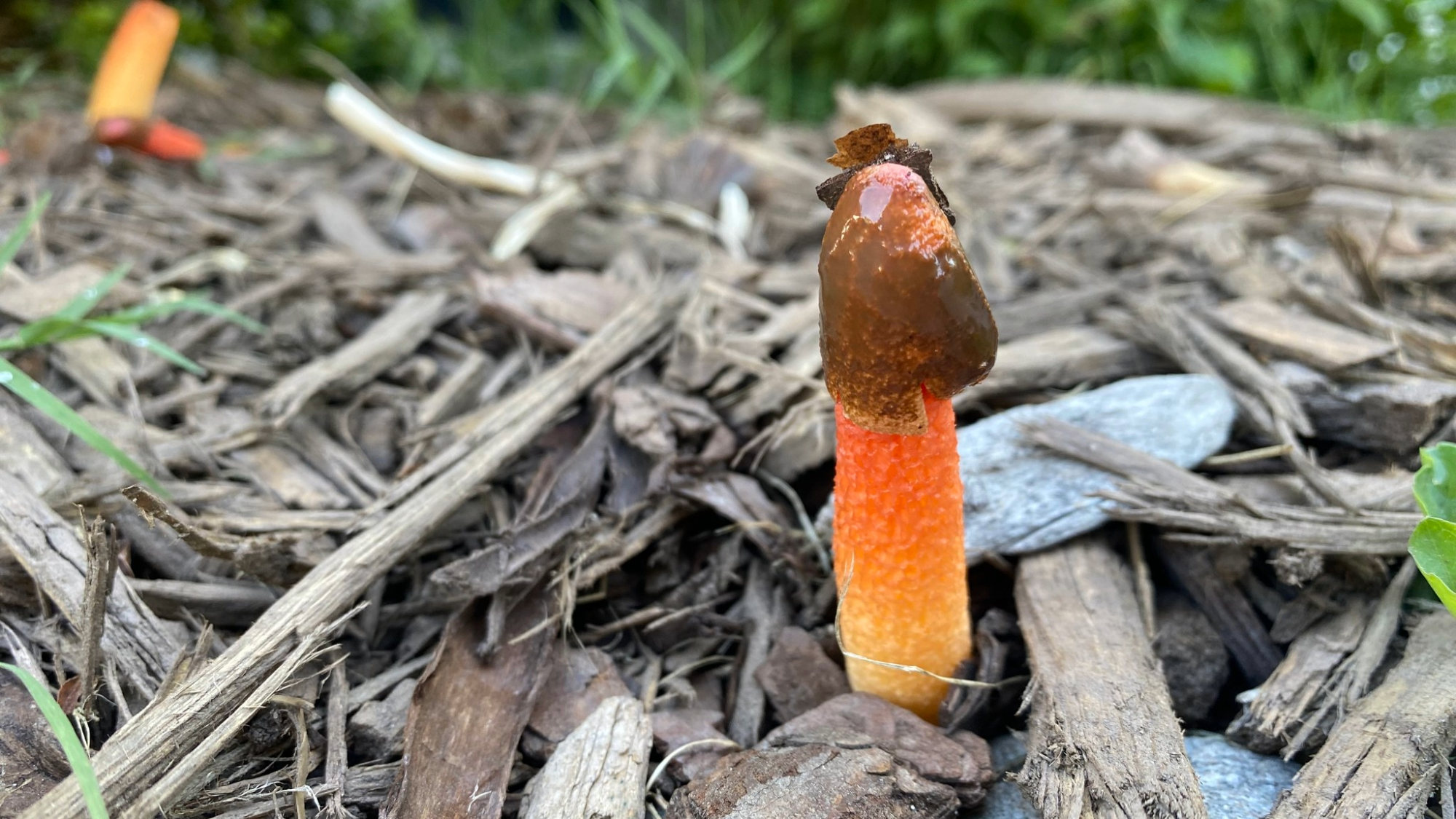
Animals are not the only stinky living things on this planet. The putrid corpse flower blooms with the stench of rotting flesh, as does the lesser-known (but equally pungent) Bulbophyllum phalaenopsis. Then there is the elegant stinkhorn (Mutinus elegans), a fungus known for its phallic appearance and spores that give off the odor of rotting meat.
Also called the devil’s dipstick, elegant stinkhorns are found across most of eastern North America, particularly from spring to the earliest days of winter. It has also been found in parts of Europe and Asia. They typically prefer temperate climates and looser soils, springing up in gardens, mulch beds, forests, and wood debris during warm and wet weather. They can grow to about four to six inches tall, and a mature mushroom will only last a day or two before subsiding.
The sticky (and stinky) brown spore substance attracts insects to help the fungi spread. Image: Tina Shaw/USFWS.
All of that stench comes from the dark and slimy coating on the mushroom’s tip called the gleba, and it serves an important purpose. The fungi uses this dark and stinky spore mass to get the flies and other insects buzzing. Once they get a whiff of that rotten flesh smell, they will land on the stinkhorn and get covered in spores. As the bugs fly away, they spread the stinkhorn’s spores far and wide, so that more stinkhorn can pop up elsewhere.
During the Victorian era, their penis-like appearance was reportedly distressing to some ladies. According to one story, naturalist Charles Darwin’s daughter Henrietta (or Etty), was openly combative towards the elegant stinkhorn. She would roam the woods armed with a spear, following her nose to the offensive mushrooms. Her niece recalled that Etty would find the fungi and “poke his putrid carcass into her basket.” After cleansing the territory, Etty would then secretly burn it to protect “the morals of the maids.”
Henrietta “Etty” Darwin (1843-1927) was the eldest of Charles Darwin’s daughters to reach adulthood. Image: Cambridge University Library.
If you encounter this bizarre fungus in the wild like Etty Darwin, don’t worry. Beyond offending your nostrils, it is not poisonous or dangerous to your health. But you still probably shouldn’t eat it anyway.
When Sachita Shah sent her cardiologist brother an ultrasound of her patient’s heart, he was very confused. The heart was huge, and the left ventricle incredibly muscular. His confusion was warranted, as the ultrasound was not of a human heart. It belonged to another primate—a gorilla. Shah, emergency physician and VP of Global Health at medical equipment manufacturer Butterfly Network, tells Popular Science that if she had shown an ultrasound of a gorilla fetus to a radiologist, they would have assumed it was a human baby.
Shah is on the gorilla care team currently looking after Jamani and Olympia, two western lowland gorillas (Gorilla gorilla gorilla) mothers at Woodland Park Zoo in Seattle, Washington. Jamani gave birth on Monday May 18, and Olympia is expected to deliver her new baby imminently. Shah and her colleagues’s work involves conducting ultrasounds of Jamani and Olympia’s baby bump—though now probably just Olympia’s—to keep an eye on the baby’s growth and position.
“We got a really pretty baby face,” Shah says, speaking of the ultrasounds. “We could see nose and lips and fetal breathing movements and heartbeat and drinking fluid, opening mouth and swallowing. For all intents and purposes, it was very much the same [as a human baby].”
The endangered gorilla mothers were trained to take part in the exams and procedures conducted by the gorilla care team, and they could choose whether to participate or not. The gorillas put their bellies against the edge of the enclosure for the scan (and received snacks), where there is a small opening through which the care team can reach through with the ultrasound probe.
As such, the zoo needed a small and portable imaging device. That’s where Butterfly Network and their all-in-one ultrasound probe came in.
“When you think of an ultrasound, you might think of a big cart with lots of different probes—a different probe if you wanted to do a pregnancy scan, or a heart scan, or a pediatric scan might have a tiny probe,” Shah says.
Instead, the Butterfly probe they use at Woodland Park Zoo is a handheld ultrasound that plugs into a smart phone. It is around as big as an electric shaver, and it functions with a number of different softwares for either veterinarian or human health use. Notably, an app allows the team to use it for different types of scans—from a pregnant gorilla to a child’s lungs—that would traditionally require distinct probes and machines.
Jamani’s baby was born on May 18 at 5:50 a.m. Image: Jeremy Dwyer-Lindgren / Woodland Park Zoo.
Shah and her colleagues also used the Butterfly ultrasound device to scan the heart of Nadaya, the silverback gorilla father of both babies. In fact, the heart ultrasound Shah sent to her brother belonged to Nadaya. They used human software for that scan, even though their vet software is optimized for fur. Fortunately, Nadaya’s chest isn’t very furry.
Shah, who has gone through a pregnancy herself, was most moved by working with the gorilla mothers.
“We could tell the baby’s head had dropped and we thought, ‘oh man, she must be so uncomfortable.’ And she was waddling and walking a little differently. I was like, ‘oh, I remember that, girl.’ It was just amazing to remember that we’re all connected in that way,” she says.
Western lowland gorillas are critically endangered, so babies are always excellent news.
UPDATE May 27 8:19 a.m EDT
On Sunday, May 24, at 1:44 p.m. PDT, Olympia’s baby was delivered by an emergency C-section performed by a medical team who typically works on humans. This 5.4-pund boy is the western lowland gorilla’s second baby.
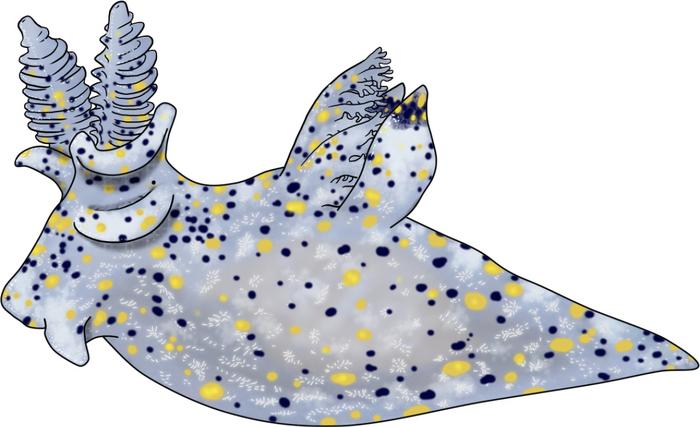
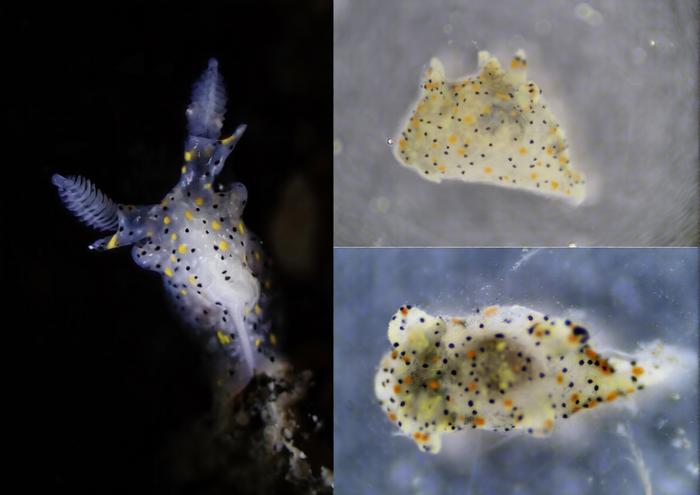
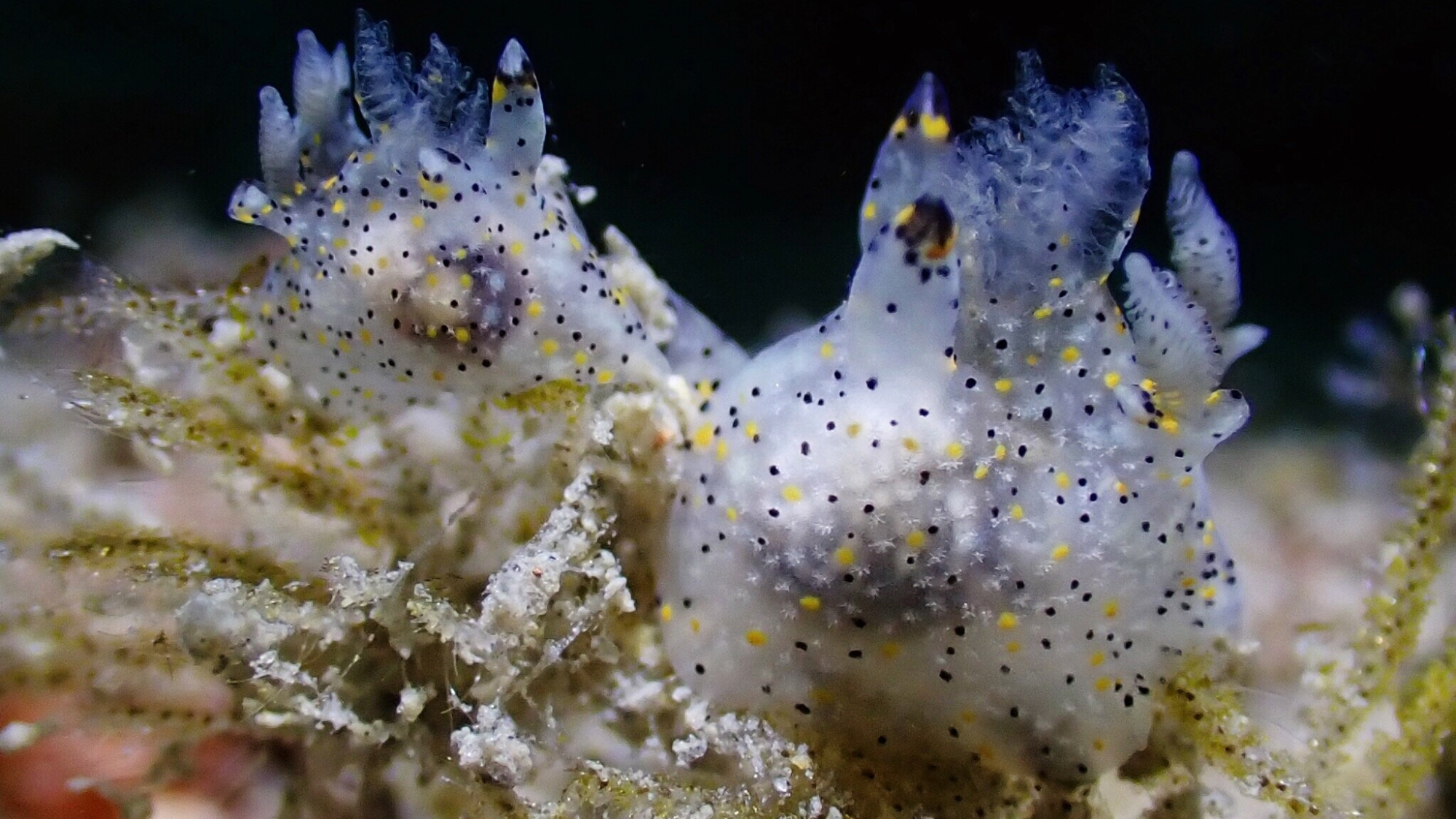
Small as a grain of rice, polka-dotted, and everything nice. These are some of the ingredients that come together to make Thecacera sesama, a newly identified species of sea slug, or nudibranch, found swimming in Taiwan.
“Taiwanese divers call it ‘sesame’ in Chinese and it is also small like a sesame seed, hence the name,” researchers explain in a statement. Indeed, T. sesama is less than 0.12 inches long. The tiny bugger is also translucent and speckled black and yellow, and Ho-Yeung Chan “accidentally discovered” it while diving in 2019.
A sketch of Thecacera sesama showing its appearance and morphological features. Image: Chen-Lu Lee.
Chan is a researcher at the National Taiwan Ocean University’s Institute of Marine Biology and Center of Excellence for the Oceans, but was an undergraduate student when he made the discovery. Chan didn’t realize he’d found a previously unknown species until after he’d spoken with sea slug identification expert Hsini Lin via Facebook. Chan is now lead author of a recently published ZooKeys study officially introducing T. sesama to the world.
The new sea slug seems to enjoy a simple life. It displays just four main actions: feeding, searching, mating, and laying eggs on bryozoans. Also known as moss animals, bryozoans are a group of small aquatic invertebrates. The bryozoan that hosts T. sesama might also be a previously unknown species.
Living specimens of Thecacera sesama. Image: Ho-Yeung Chan et al., 2026
While you might assume that the most difficult aspect of researching T. sesama is its miniscule size, the hardest part of the study for the team was the explosive weather of Taiwan’s Keelung coast. The island as a whole often has summer typhoons and large waves in the winter monsoon season, during which the sea is frequently colder than 60.8 degrees Fahrenheit.
With these challenging conditions, researchers can only dive to investigate sea slugs for around a third of the year. The narrow window means that spotting the sesame-sized slugs is completely a toss-up.
“Nudibranchs are one of the key players in the marine food web,” the team explained. “They are extremely colourful and can be spotted on coral reef ecosystems. However, many nudibranchs are very small in size and are extremely difficult to spot underwater with the naked eye.”
Chan and colleagues believe that Taiwan’s marine environment is probably home to many other unknown tiny species. It remains to be seen what new strange creature will emerge from the island’s turbulent waters.
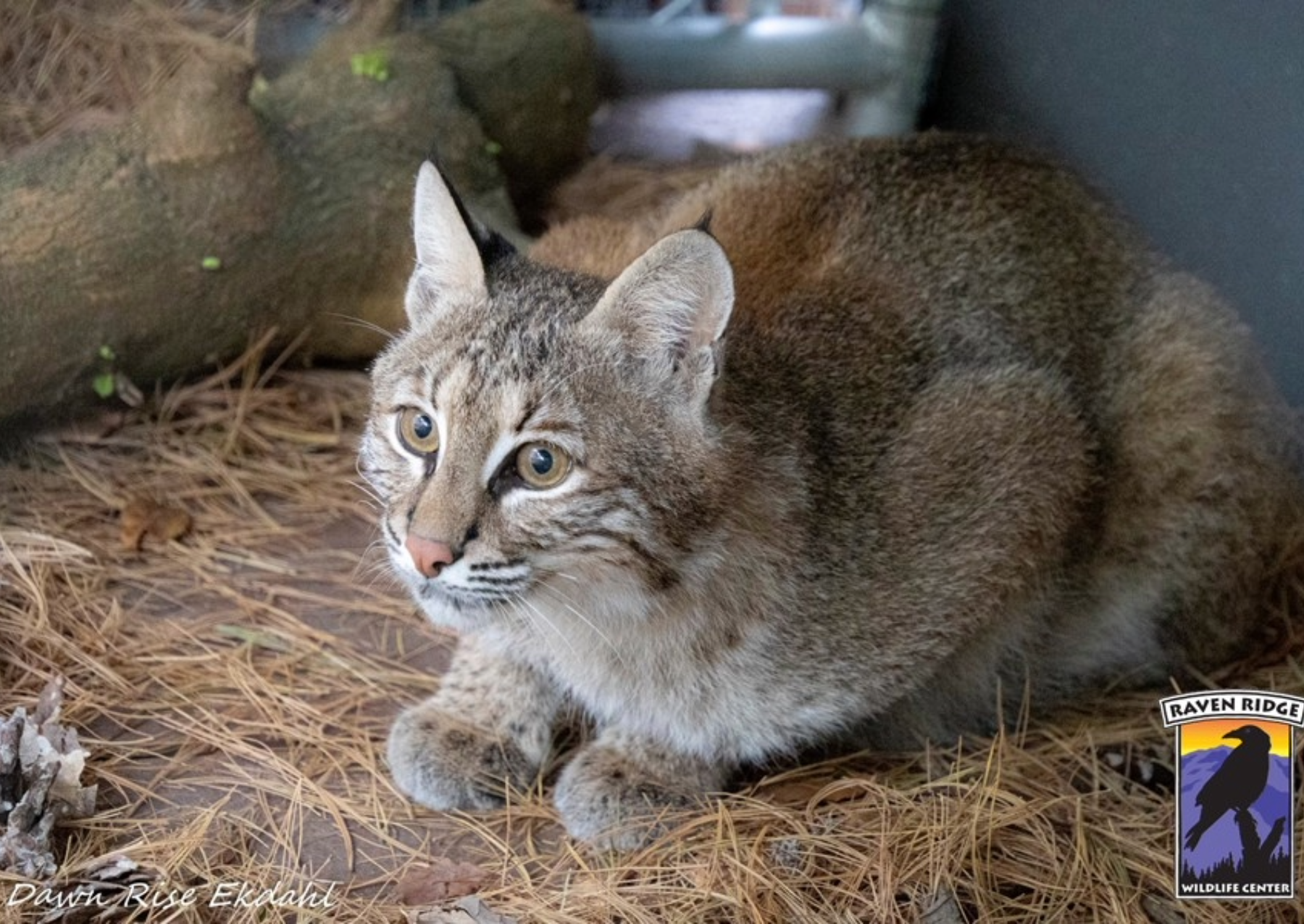
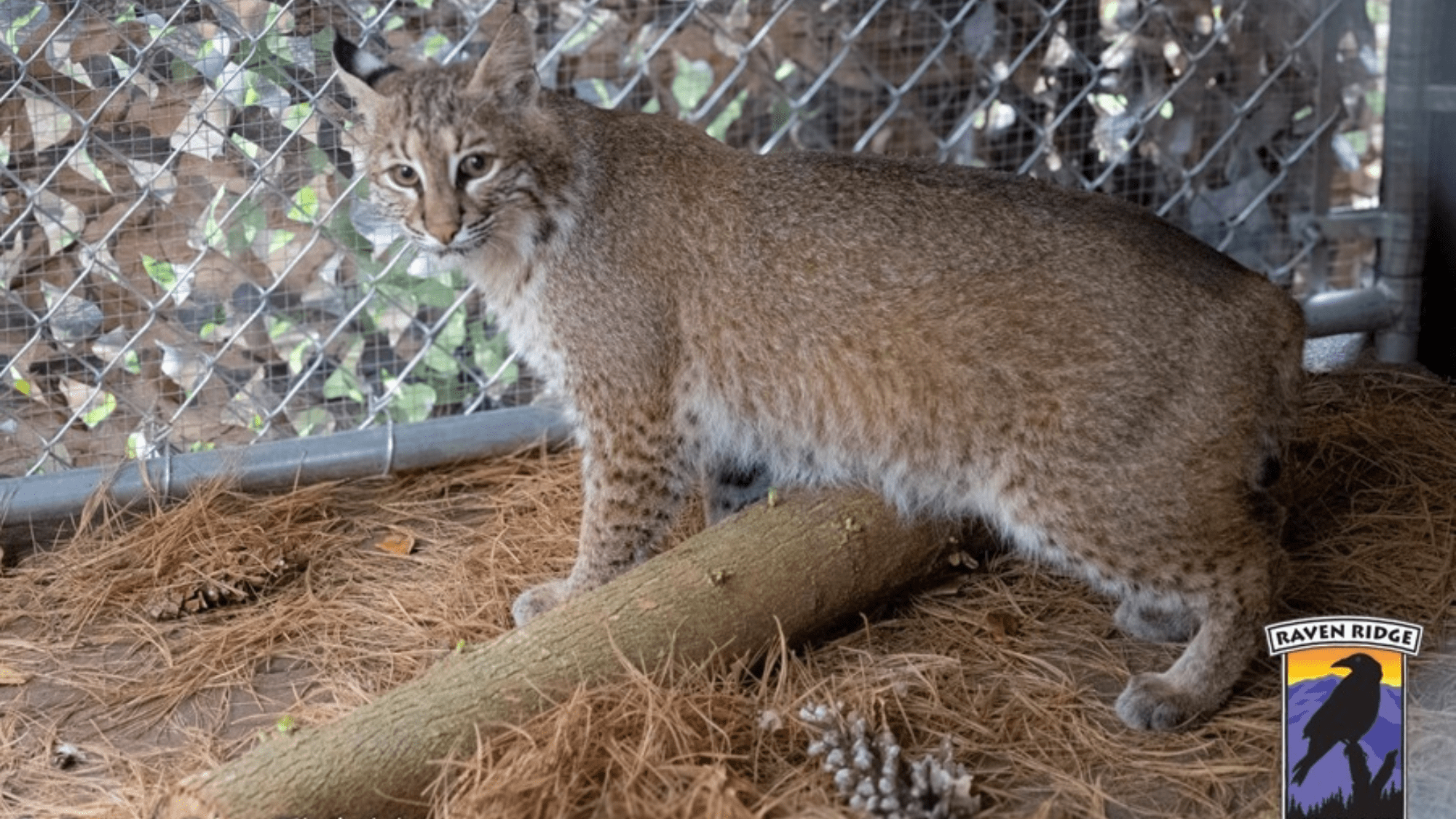
In March, we reported on a wild bobcat that had been hit and dragged by a car, who also got her head stuck in the car’s grill. As if things could get any worse, the wild feline arrived at Raven Ridge Wildlife Center in Pennsylvania on a Sunday, and the nearby veterinary practice was closed. But thanks to two lucky acquaintances, a mobile x-ray machine was brought in, revealing that the bobcat had broken two legs.
Thanks in part to the fact that her bone fractures were clean breaks, her team decided to risk a surgery. The next morning, two surgeons operated on the bobcat contemporaneously. After the operation, Tracie Young, director of the Raven Ridge Wildlife Center, told Popular Science that she was doing “fantastic” and “starting to act like a bobcat.”
The female feline has been healing atRaven Ridge Wildlife Center for two months. Image: Dawn Rise Ekdahl / Raven Ridge Wildlife Center.
In her great misfortune, the cat has been rather lucky—and it seems like the luck is holding. Two striking coincidences have now come together to get her a custom-made cage for her rehabilitation.
“After two months of recovery, the bobcat now needs to be moved outside for exercise and to begin building muscle tone,” the wildlife center wrote on social media. “We had to devise a safe and creative way to get her outdoors, necessitating the construction of special caging. We determined that a custom dog kennel would be the only viable option.”
However, the problems were twofold: time and money. The dog kennel builders the wildlife center contacted needed at least eight months to build the rehab cage, and the project would cost thousands of dollars. But then Raven Ridge’s photographer Dawn called her neighbor Glen for suggestions, who turned out to be the owner of a kennel-building business and could build the kennel in two weeks.
The custom-built kennel was made for the bobcat in only two weeks. Image: Dawn Rise Ekdahl / Raven Ridge Wildlife Center.
And if you think that’s enough of a coincidence, it gets even better. The very day construction commenced, Raven Ridge Wildlife Center received a letter with a generous donation. A woman named Raven Minervino has passed away, and her husband wrote that she had consistently supported the wildlife center. After she died, her husband had asked that rather than getting flowers, people make donations in her memory. The letter had a donation in her memory large enough to pay for the custom bobcat cage.
“Thanks to all this support, we successfully moved the bobcat to the new enclosure, where she is now exploring, exercising, and much happier,” reads the social media post. Raven Ridge plans to (or perhaps already has) put a plaque in Minervino’s memory on the cage.
Both of the bobcat’s broken legs have healed, and since having the custom cage, she has put on ten pounds, bringing her to the much healthier total of 19 pounds. Adult female bobcats weigh approximately 15 to 20 pounds on average
The spring’s hottest show is not on any streaming service. It’s the internet’s many live bird cams. Viewers can watch new life emerge, dramatic flights, plenty of eating, and more, all from the comfort of home. The Cornell Lab Bird Cams from Cornell University features birds from around the world, from delicate hummingbirds in South America to the wise-looking barred owls nesting in a backyard in Indiana.
“Our viewers tell us that watching the cams is a life changing experience: an unprecedented learning experience that they liken to virtual field trips or field biology in their living room,” the organization writes. “We’re excited to continue sharing and learning with the community as we watch the world of birds together.”
Below are a few of this season’s highlights, in no particular order.
A flying squirrel breakfast
On the morning of April 30, a mother barred owl brought a flying squirrel to her chicks, Artemis and Apollo, for breakfast. In the video, the squirrel’s patagium is visible. This special membrane connects the front and hind legs, allowing it to glide long distances between trees and separating it from other squirrel species.
Sweet nectar
For some birds, it’s all about the plants. This rufous-tailed hummingbird stops by the Panama Fruit Feeder Cam for a sip of nectar. This hummingbird species is commonly found in Central America and is known for its reddish tail and bright pink bill. Most hummingbirds are migratory, but there are easy ways to attract hummingbirds to your yard.
Hail the (sleepy) royal albatross chick
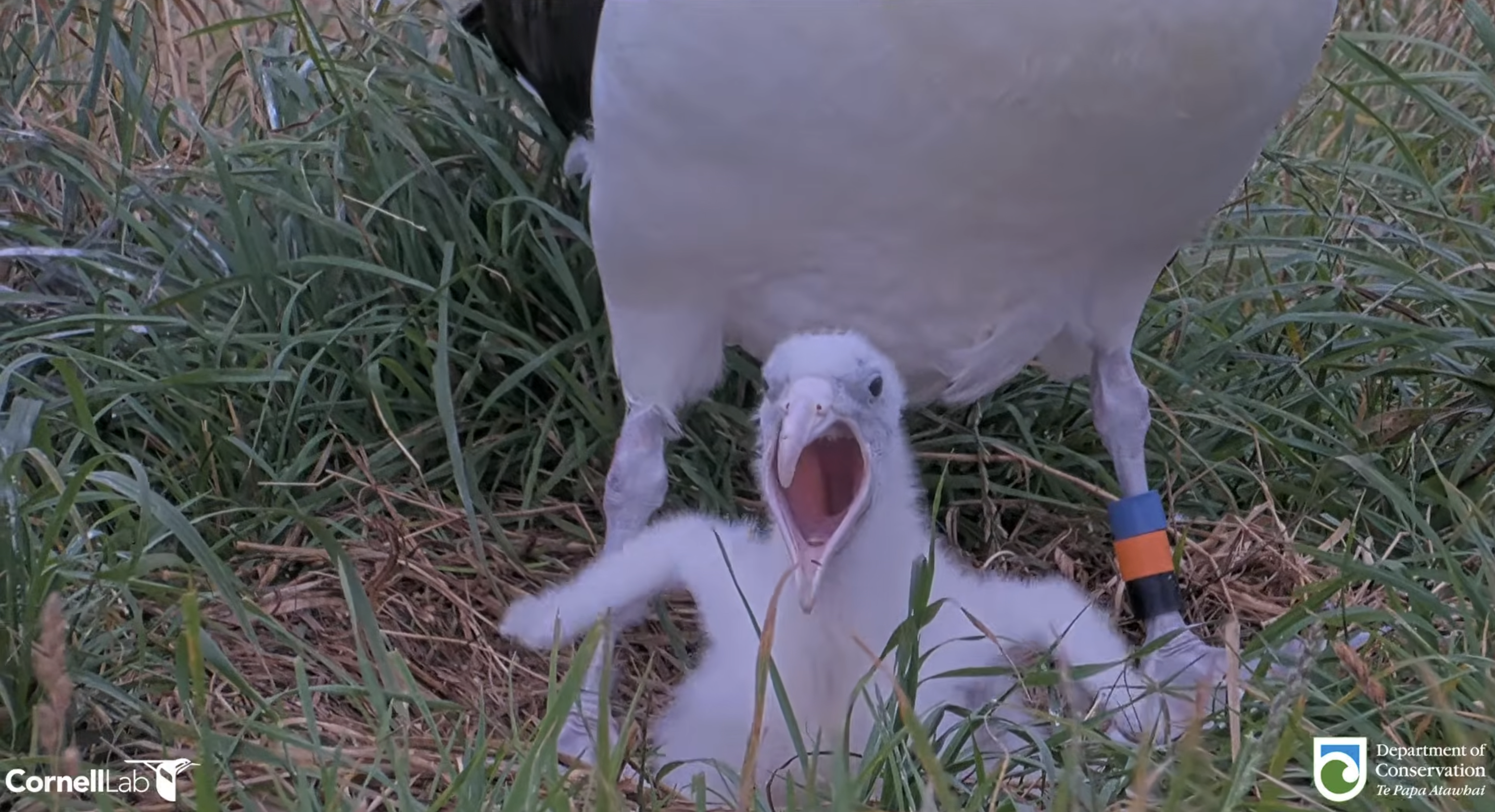
To greet the new day, a 20-day-old royal albatross chick opens wide and flaps its tiny wing nubs. This 24-hour live stream shows a northern royal albatross nest during the breeding season at Pukekura/Taiaroa Head on the southeast tip of New Zealand’s South Island. The world’s oldest known bird happens to be a Laysan albatross who nests about 4,393 north of New Zealand on the Midway Atoll.
Cuteness overload
In this compilation, this year’s owlets from the Wild Birds Unlimited Barred Owl Cam sleep, investigate the camera, and bob their heads. Technically called “motion parallax,” owls bob their heads to compensate for the fact that their eyes are fixed in their eye sockets. It helps them create a better view of their surroundings. Owlets use head bobbing to learn how to coordinate their sight with their hearing.
Bananas are not just for monkeys
A keel-billed toucan was spotted eating a banana in the tropical trees of Panama. Toucans eat bananas by tossing pieces of the fruit into the air and swallowing them whole. Keel-billed toucans mostly eat bananas and are vital seed dispersers for fruiting trees in their habitat. The Panama Hummingbird Feeder Cam is about 35 miles north of Panama City in a vibrant tropical rainforest on top of Semaphore Hill within Soberanía National Park.
An unexpected guest
Since anything can happen in a rainforest, more than just birds pop up on a birdcam. While a gecko was lounging on the hummingbird feeder cam, a moth tried to join in. After the insect and reptile stare at each other for a bit, the gecko tries to grab the moth, but the moth escapes.
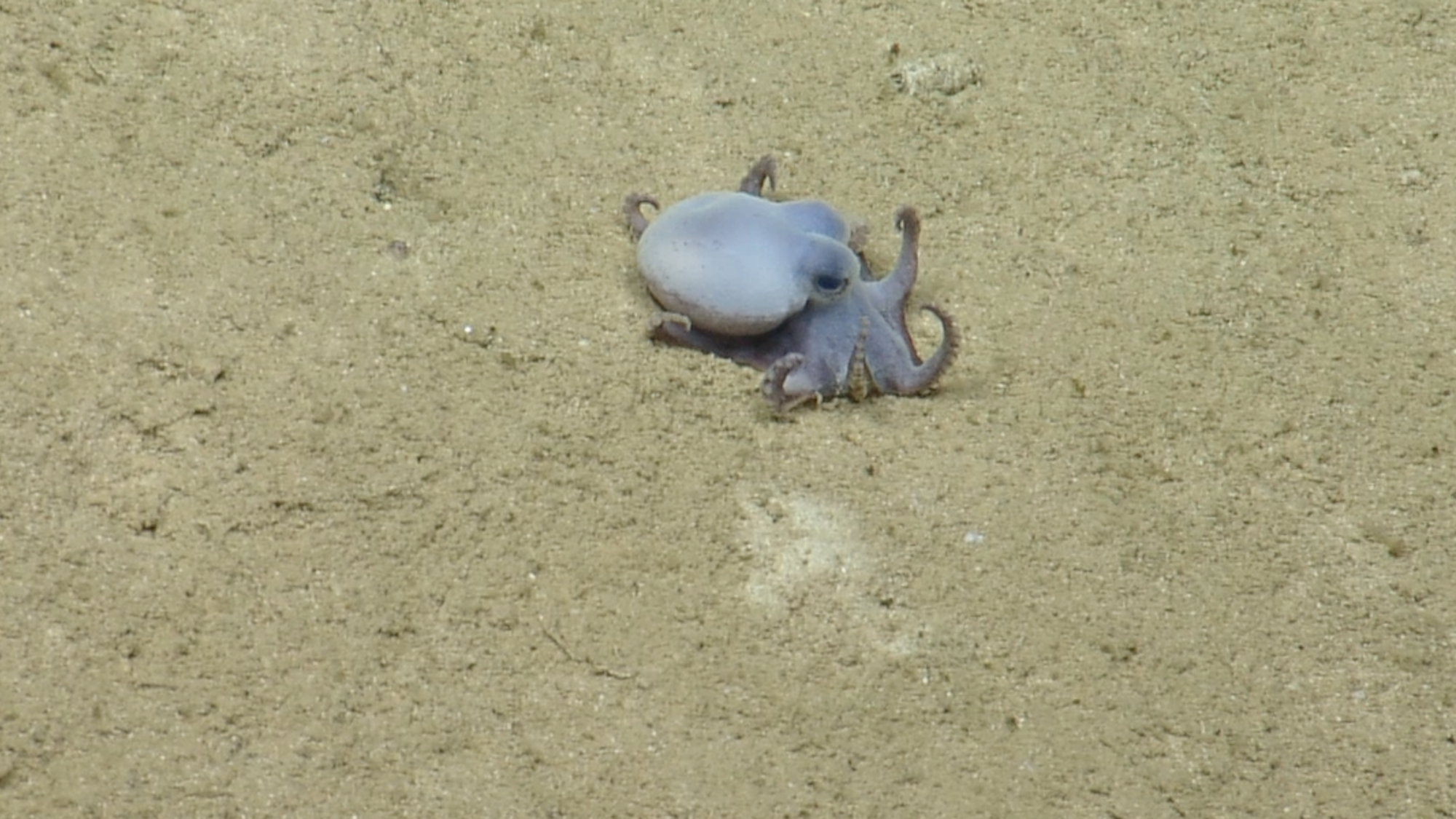
A tiny, bright blue octopusMicroeledone galapagensis is small enough to fit inside the palm of your hand, but good luck trying to meet one. According to marine biologists, you’ll likely have to settle with admiring it from afar for now unless you have access to a deep sea submersible—and a ticket to the Galápagos Islands.
M. galapagensis is described for the first time in a study published today in the journal Zootaxa, but scientists actually first encountered the octopus in 2015. While conducting a deep sea expedition aboard the research vessel E/V Nautilus, biologists spotted the diminutive invertebrate as they piloted a remotely operated vehicle (ROV) along the ocean floor near Darwin Island. Its vibrantly blue coloration stood out from the underwater mountainslope at a depth of about 5,800 feet, prompting a closer inspection.
“Is that a cute little guy, or what?” one researcher can be heard saying over the audio feed of an ROV recording.
The team successfully soon scooped up the specimen and eventually recorded footage of two others during their expedition. A closer lab inspection stumped the experts, however, which prompted them to send a photo along to Field Museum octopus expert Janet Voight.
“Right away, I knew it was something really special. I’d never seen anything like it,” the study co-author recalled in a statement.
There was a big problem, however. Determining if a specimen is a never-before-seen species usually requires a full autopsy that inevitably destroys the sample. Since this was the only M. galapagensis ever collected, Voight didn’t want to lose such a valuable example.
The solution eventually came in the form of micro-computer tomography (CT) scanning technology. With the help of Field Museum X-ray CT laboratory manager Stephanie Smith, the team could finall get a highly detailed look at M. galapagensis’ anatomy by compiling thousands of thin X-ray images into a 3D model.
“Because CT imaging is non-destructive, it’s especially important for type specimens like this one. And that’s great for me because people are often bringing me these incredibly rare and stunningly beautiful specimens that I get the privilege of virtually opening up,” explained Smith, also a study co-author.
After years of work, Voight and colleagues could finally confirm the octopus belonged to a novel species that deserved its own name. What’s more, M. galapagensis represents the first octopus species officially described by Voight in her over 40-year career.
“These are little octopuses that live in the deep sea, and hardly anybody on Earth has ever gotten to see them. I just feel lucky that I got to work with them,” she said.
“Getting the specimen to Janet was a long process, but one I would gladly repeat if it means getting to know the most precious parts of our ocean just a little bit better,” added study co-author and University of California Los Angeles marine scientist Salome Buglass.
Even though many parts of the northeastern United States have seen surges of summer temperatures, it’s technically still spring in the Northern Hemisphere, which means many animals are having babies.
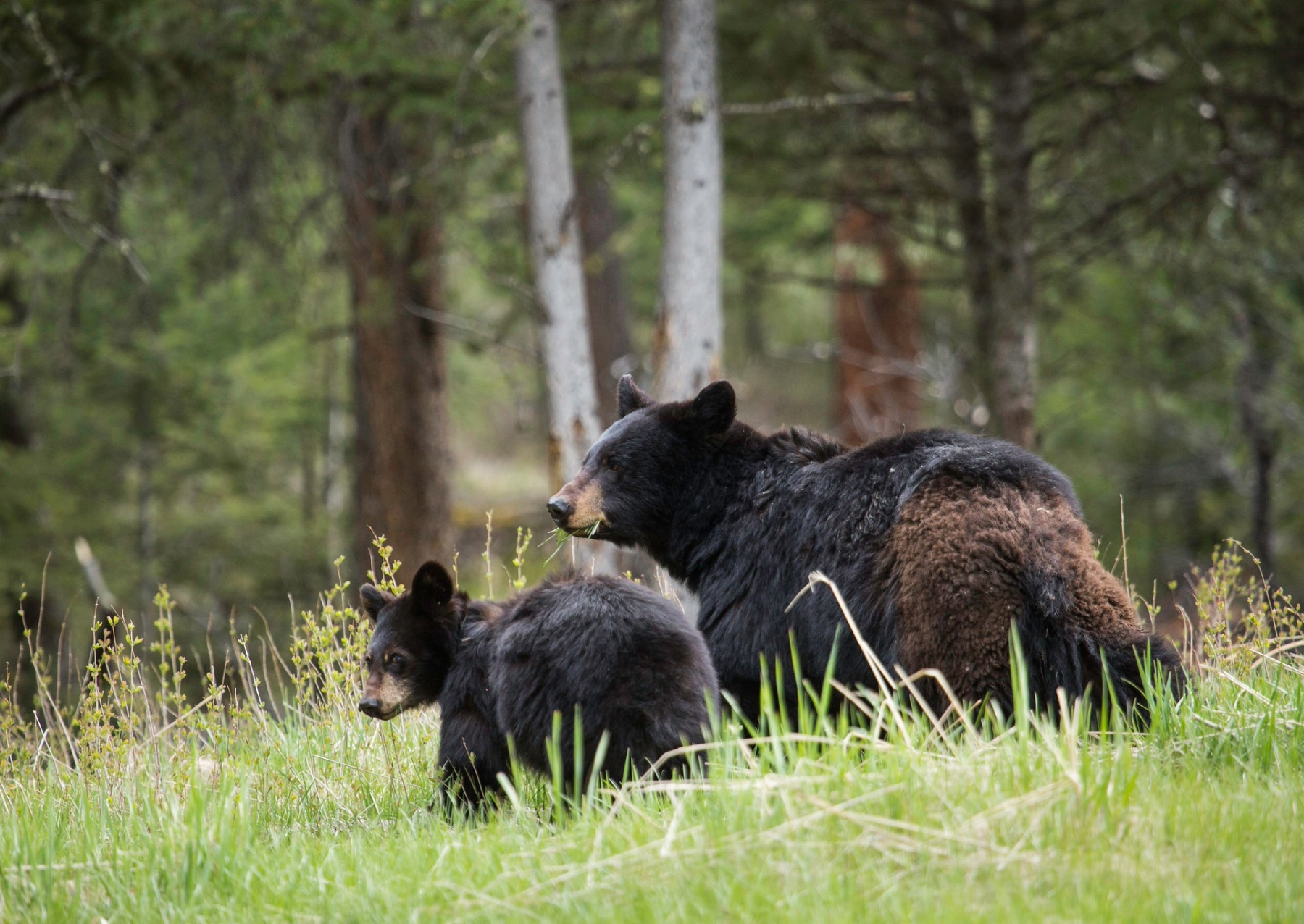
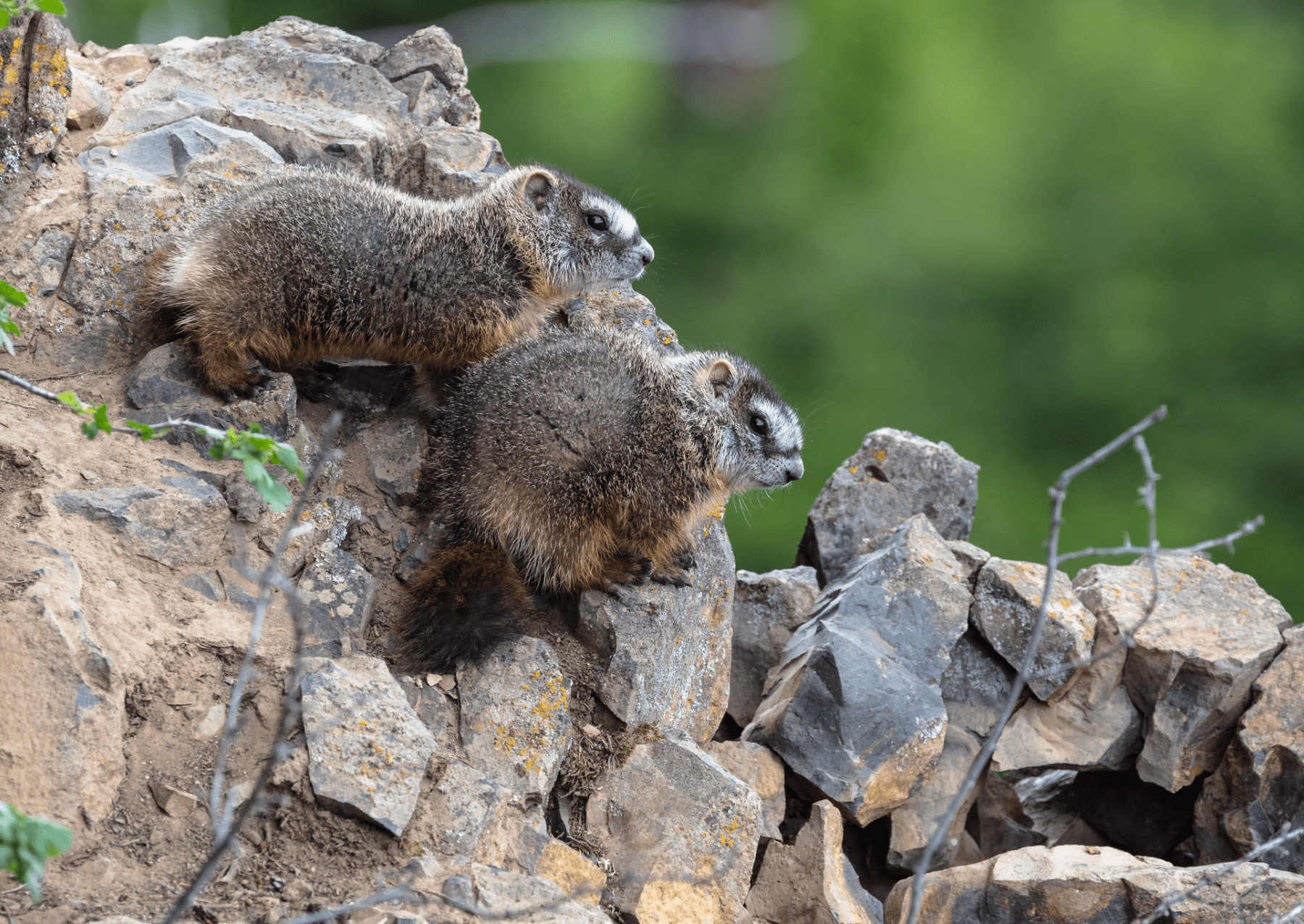
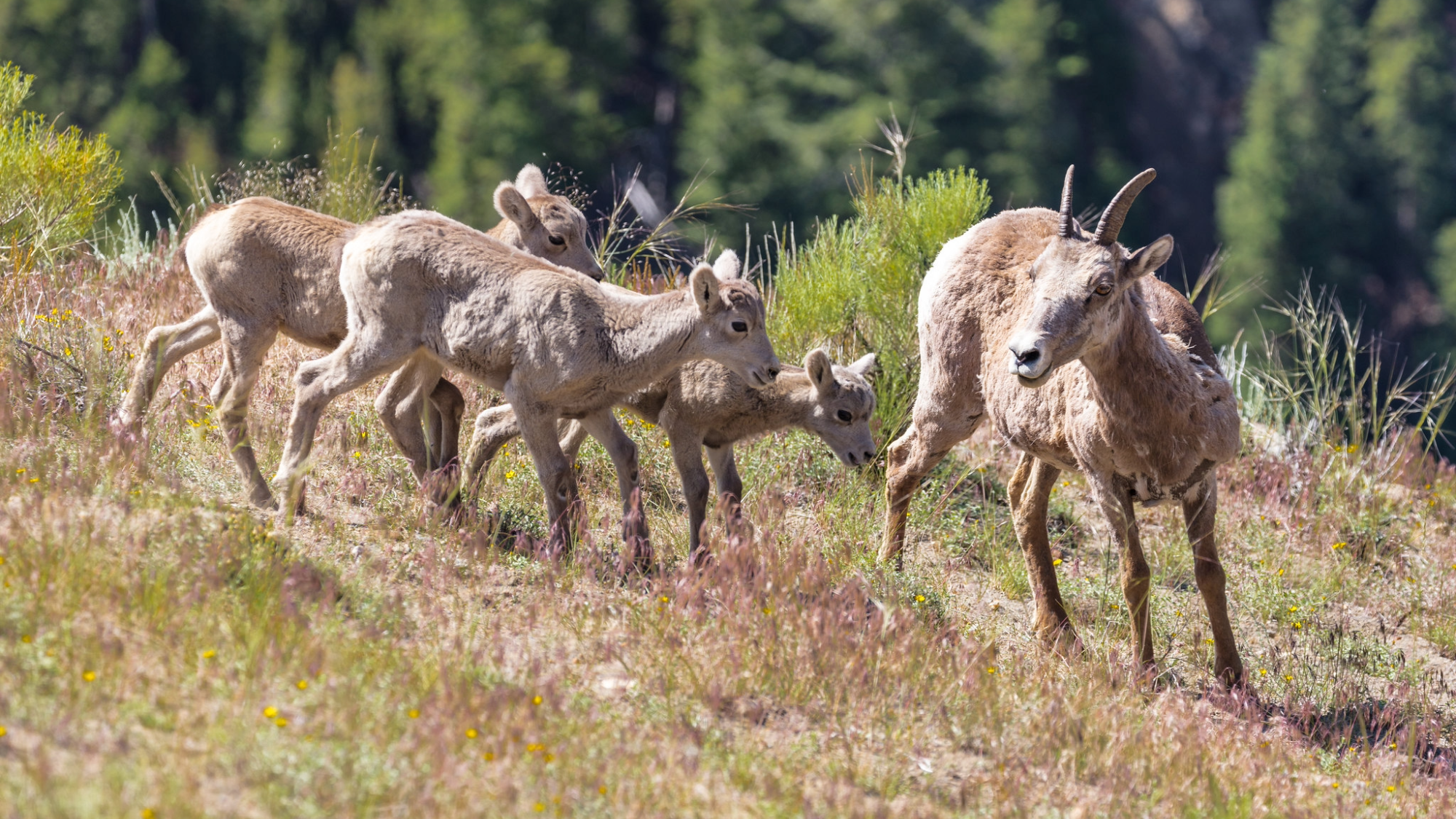
That’s true also at Yellowstone National Park, which is home to everything from moose and black bears to river otters and gophers. In a recent social media post, the popular park highlighted some particularly adorable young’uns, including a young bison, black bear, yellow-bellied marmot, three bighorn sheep, an elk, and two pronghorns.
All of Yellowstone National park is considered bear country. Image: NPS.
“As cute and fuzzy as they are, remember to give wildlife room and use a zoom,” the park wrote. “Always maintain a distance of at least 100 yards (91 m) away from bears, wolves, and cougars and at least 25 yards (23 m) away from all other animals, including bison and elk. Get a closer look by using binoculars, a spotting scope, or zoom lens.”
As always, listen to Yellowstone park rangers on this for your own well-being. However, if you run into a baby animal on its own in a more suburban or urban setting, it may be best to get involved. For example, acting quickly is best with baby opossums (Didelphis virginiana) and baby squirrels.
Yellow-bellied marmots are one of Yellowstone’s largest rodents. Image: NPS.
Opossums are pretty lousy mothers. It’s typically not possible to reunite baby opossums with their mothers, because when they fall off her back, she usually continues on her way without them. If you find one or more opossum babies by themselves, call a wildlife hospital or a licensed wildlife rehabber.
As for baby squirrels, they sometimes fall out of their nests. If you find one and 12 hours later the mother hasn’t come to get it yet, pick it up and call a wildlife rehabilitator, New England Wildlife Center Program Founder Greg Mertz has previously told Popular Science. A video by the same wildlife center has a hilariously wacky but serious tip: try to get a baby squirrel back to its mother by elevating it in a basket (to keep predators away) and playing baby squirrel noises from YouTube (to attract the squirrel mom).
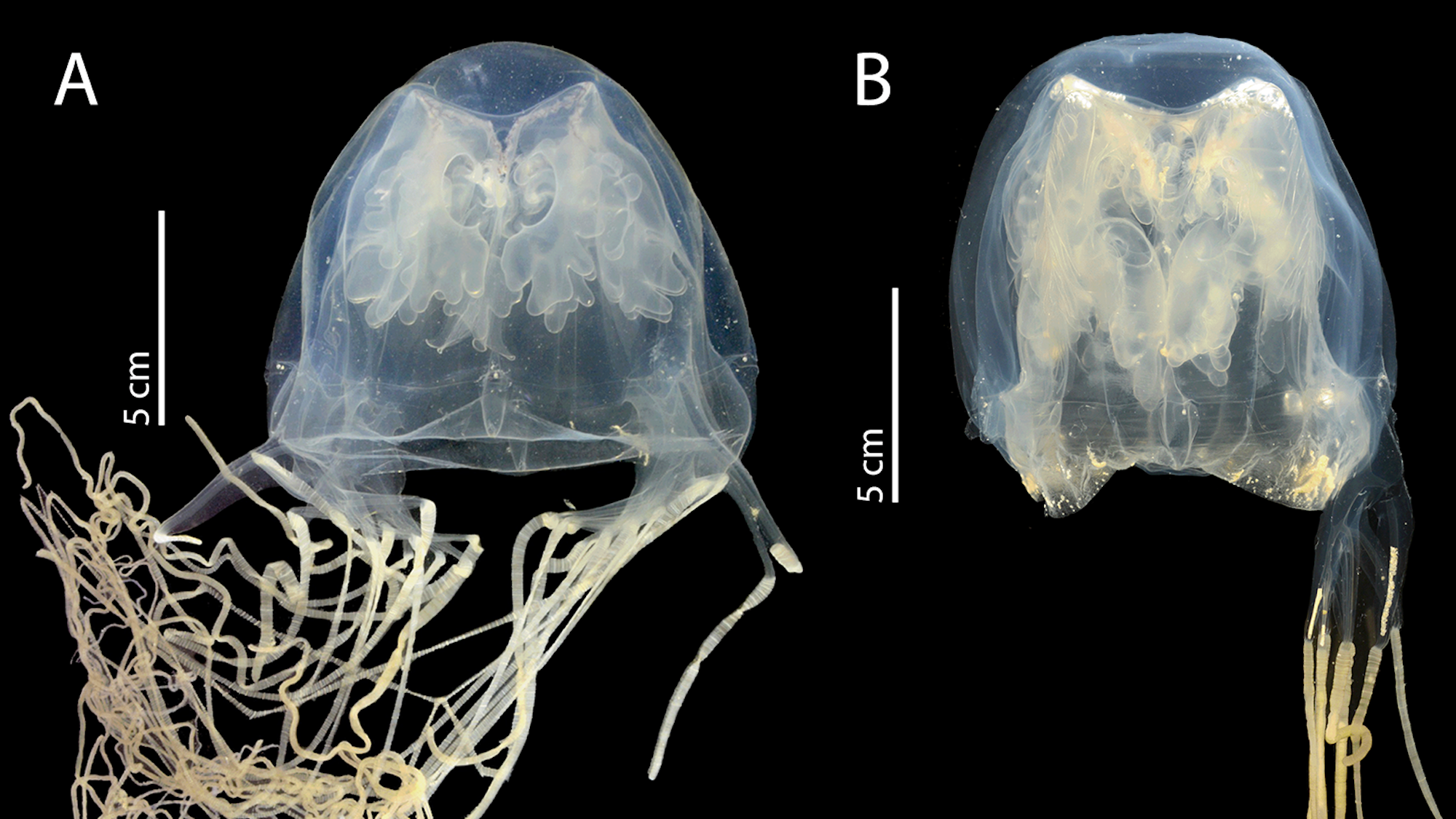
A recently discovered box jellyfish species living in near Singapore looks nearly identical to another jellyfish previously discovered by the same scientist. But regardless of whether or not you can tell Chironex blakangmati and Chironex yamaguchii apart, you’ll want to steer clear of both of them. Box jellyfish didn’t earn their “sea-wasp” nickname for yellow-and-black stripes.
Cheryl Ames, a marine biologist at Japan’s Tohoku University, collected C. blakangmati during an expedition near the coast of Singapore’s Sentosa Island. The team initially assumed the invertebrate was an example of C. yamaguchii, but later genomic testing revealed something else entirely.
“We realized they were completely distinct,” Ames explained in a statement. “I actually went back to dust off an old sample of C. yamaguchii I still had in storage in Okinawa to help with the comparisons.”
Apart from genetics, the key difference setting C. blakangmati apart from its three known Chironex relatives is its perradial lappets. This anatomical feature on the bottom of the box jellyfish’s bell-shaped body strengthens the pulsating musculature that propels it through the water. Other Chironex species include pointy canals at the tips of their perradial lappets, but C. blakangmati notably does not.
Canals or not, they are remarkable creatures. The vast majority of jellyfish don’t rely on vision and passively float in ocean currents, but members of the Chironex genus do not. Instead, they have evolved complex eye organs that help them locate prey. They then use that same musculature supported by the perradial lappets to actively swim through the water towards its target.
In this sense, C. blakangmati certainly lives up to its scientific name. Sentosa may be Malay for “peace and tranquility,” but the island once called something very different. Historically, it is also known as Pulau Klakang Mati, which translates to the “Island of Death from Behind.”
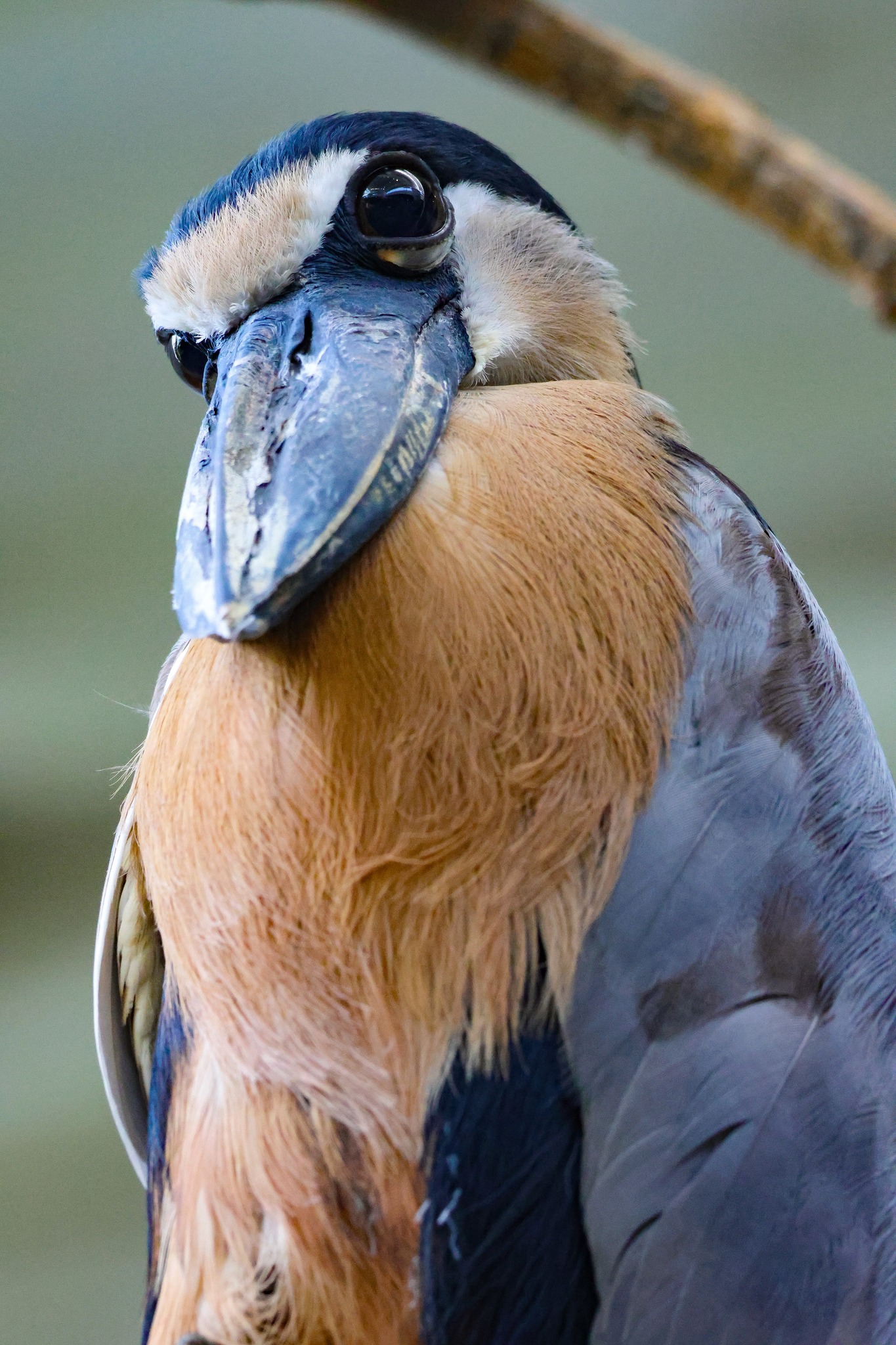
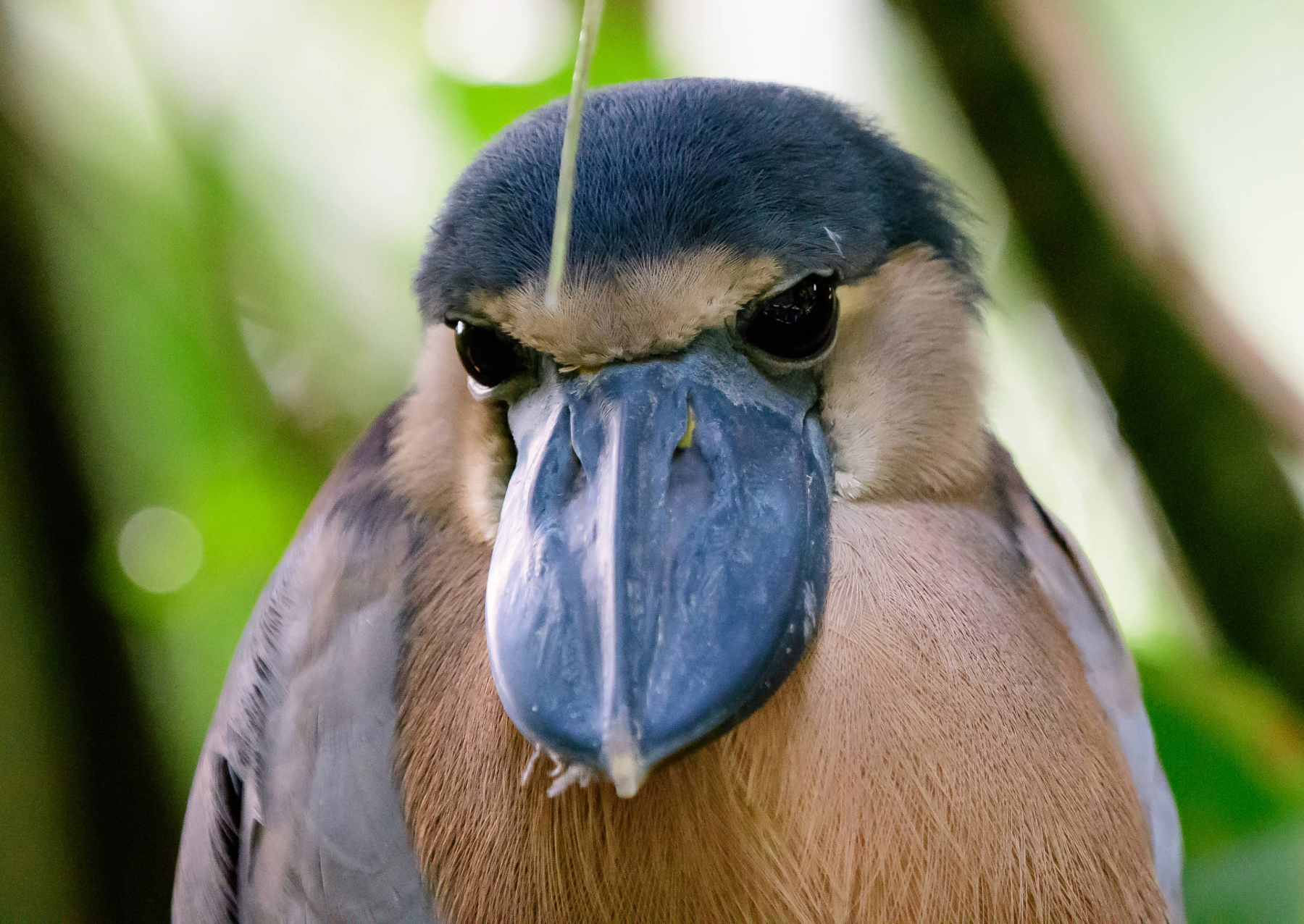
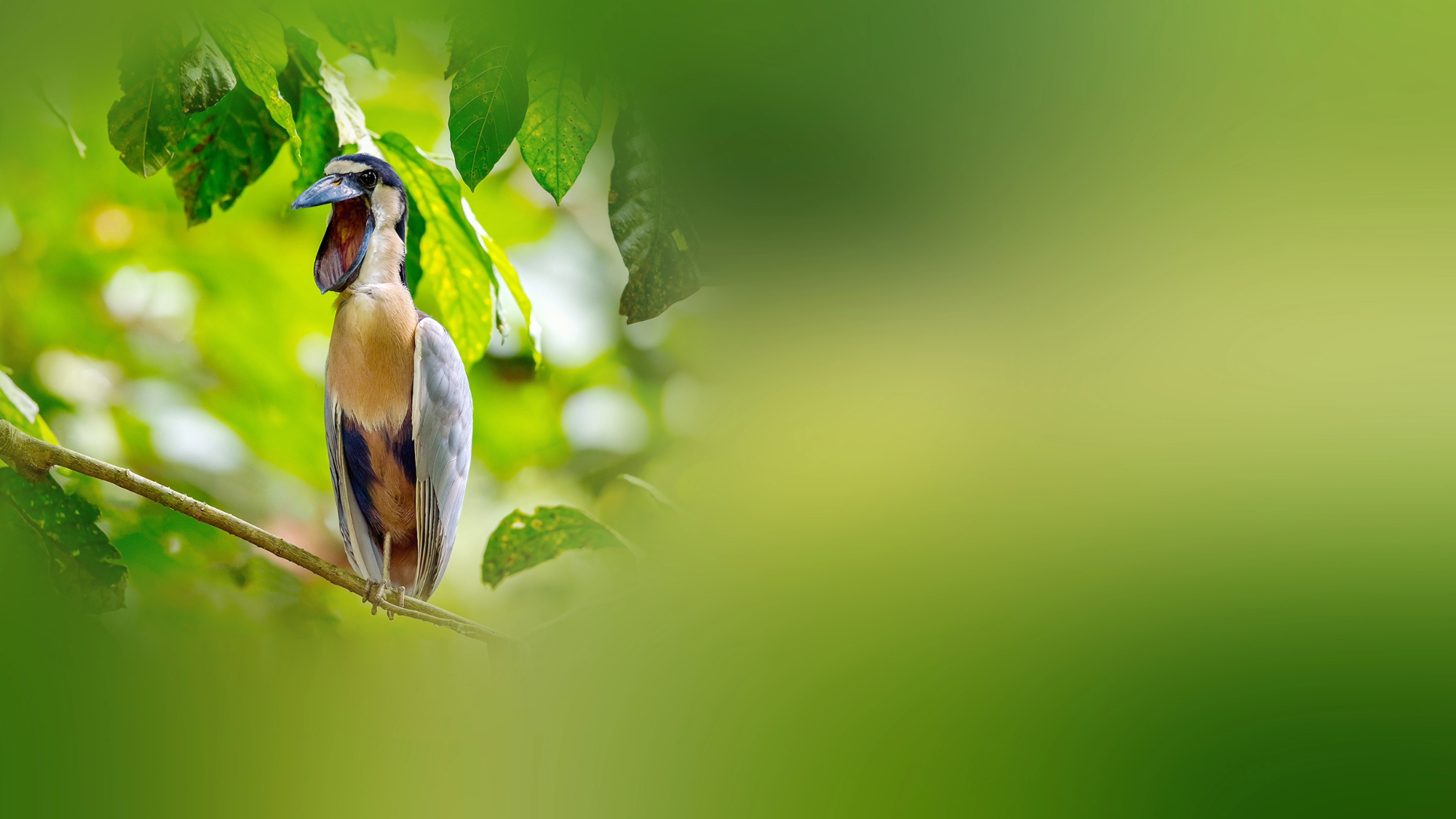
When you think of a heron, chances are you imagine an elegant, long-legged bird posing majestically on the edge of a body of water. If so, it’s time to set the record straight—not all herons are swan-necked ballerinas. In fact, the boat-billed heron (Cochlearius cochlearius) looks like someone stuck the head of a large bird onto the body of a small one, and you can forget about a graceful neck.
Roger Williams Park Zoo & Carousel Village in Rhode Island is home to a boat-billed heron. Image: Roger Williams Park Zoo & Carousel Village.
As for its bill, the large and rather flat appendage explains the bird’s name, and is extremely sensitive. “These unique birds get their name from its broad bill that resembles the hull of a boat, perfect for snatching up fish, crustaceans, insects, and amphibians,” the Roger Williams Park Zoo & Carousel Village in Rhode Island writes in a social media post, with pictures of a rather judgemental-looking boat-billed heron. “[Their] large, dark eyes are also adapted for nighttime hunting.”
The funny-looking bird doesn’t migrate and lives close to fresh or saltwater in Mexico, Central America, and parts of South America, and are usually solitary animals. They only come together to mate, and remain monogamous throughout the breeding season. Hatchling boat-billed herons come into this world blind and, unsurprisingly, completely rely on their parents, who feed them for between six to eight weeks before leaving.
Boat-billed herons are solitary animals, but are monogamous with their mates during breeding season. Image: Shutterstock.
These birds feature a type of feather called “powder down.” Instead of molting, their tips slowly turn into waterproofing powder. Interestingly, boat-billed herons produce vocalizations that sound a bit like human hand claps. And right when you think they can’t get any weirder, adults feature a black crown that makes them look like emo queens.
Though their population is decreasing, according to the IUCN red list, they are classified as a species of least concern, which is as good as it gets. However, not all heron species are doing as well as the boat-billed heron. The white-bellied heron (Ardea insignis) is considered critically endangered and the great white heron (Ardea occidentalis) is endangered.
Last year, 4.8 million people ventured to Yellowstone National Park, one of the most famous of our nation’s “best ideas.” And it’s not surprising why. The park, spread across 2.2 million acres and three states, includes half of Earth’s active geysers, the Grand Canyon of the Yellowstone River, and stunning wildlife.
Yellowstone’s famed Grand Prismatic Spring. Image: NPS / Jim Peaco.
No reservations
Unlike a trendy new restaurant or theme park, Yellowstone does not require a reservation to enter. Visitors just need a park entrance pass. However, it’s important to remember that the summer is very busy, so bring your patience along with that bear spray and be ready for crowds and lines at entrances.
Check road status
Most of Yellowstone’s park roads are open to personal vehicles in mid-April and will close in early November. Still, weather may temporarily close roads, so use Yellowstone’s website and app to check the status of park roads before arriving.
Plan, plan, plan
As with any popular tourist attraction, it pays to plan. While the park does not require reservations to enter, campgrounds and lodging do. Visitors often need to book well in advance, and operating hours and service levels may change with little notice. Check before you go for the latest on fishing permits, current weather, places to go, etc.
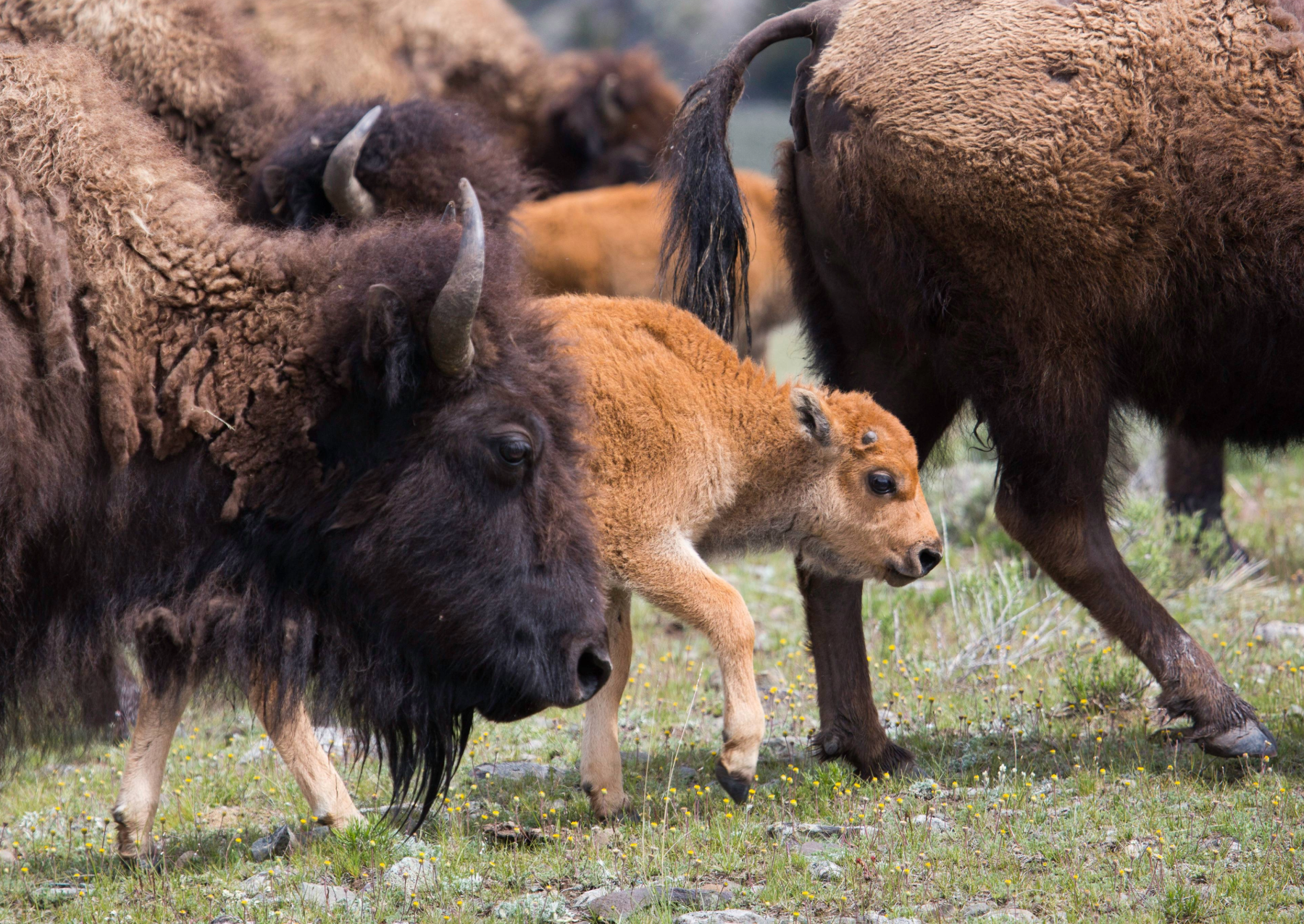
Cow bison and calves in Lamar Valley. Image: NPS/ Neal Herbert.
Give wildlife lots of space
Yellowstone’s wildlife are one of the park’s biggest draws. But remember that wild animals are dangerous if you get too close. You must respect safety regulations and view them from a safe distance. Always maintain a minimum of 100 yards from predators like bears, wolves, and cougars and 25 yards from all other animals, including bison and elk. Also, all of Yellowstone is bear country, so carry bear spray and know how to use it before you go. You should also review how to watch wildlife safely and travel safely while in bear country.
Be a responsible driver (and parker)
Observe all of the posted speed limits and use the designated pullouts to watch wildlife, take pictures, and let other cars pass you. Also, do not stop your vehicle in the middle of the road. When pulling over, be sure to park with all four of your vehicles tires fully to the right of the white line.
Boardwalks are your friends
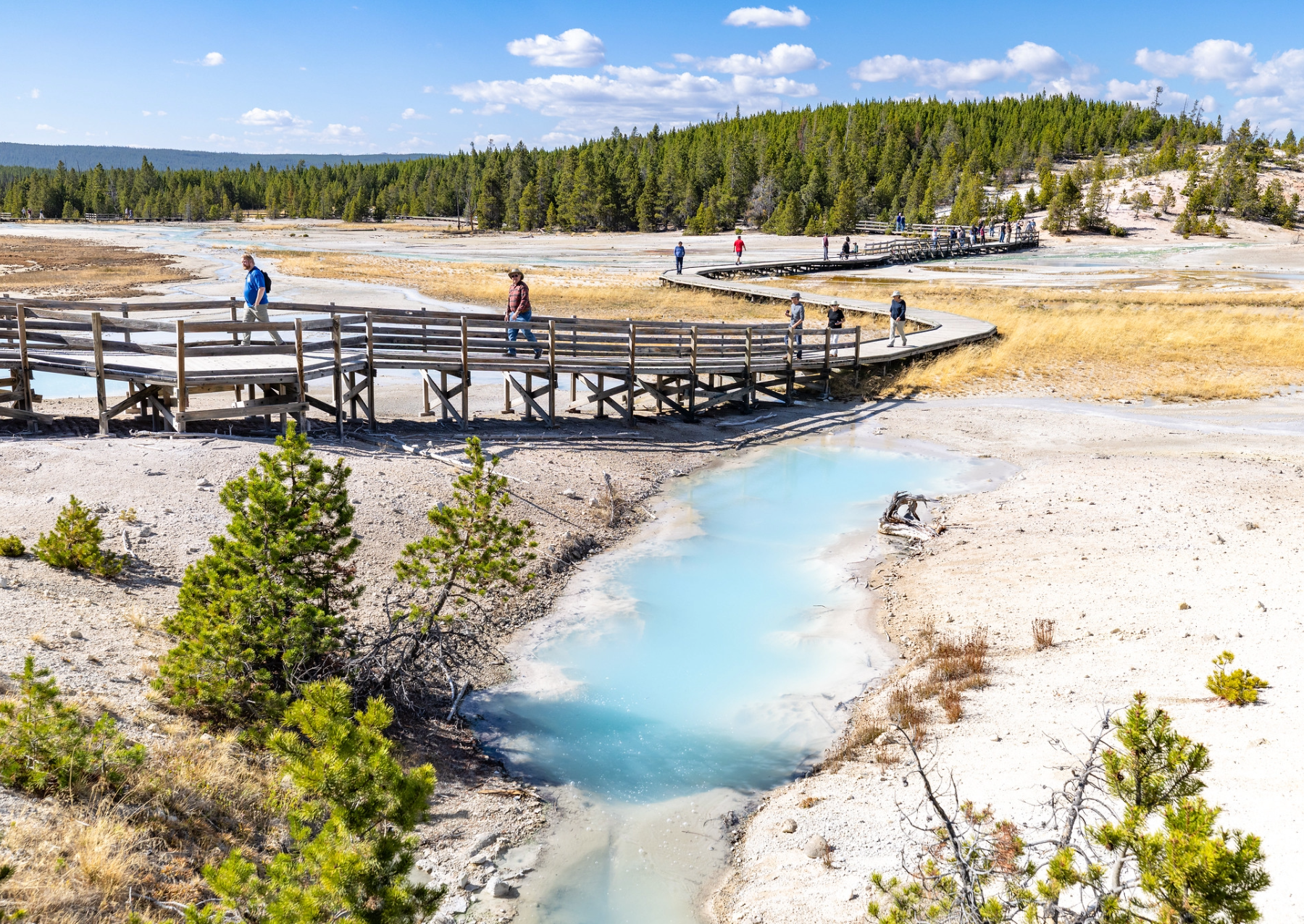
Please keep on the park’s boardwalks. People have been severely injured or even killed after stepping off of them into thermal areas. Here, the thin, fragile ground can suddenly give way, and visitors risk falling directly into scalding hot springs. The springs can reach temperatures of over 200 degrees Fahrenheit.
Views of Sunday Geyser from the boardwalk. Image: NPS / Jacob W. Frank.
Unplug, but remember the app
Download the free National Park Service app (and all of the offline content) before you arrive in the park. The app has interactive maps, tours of park places, on-the-ground accessibility information, and more that can help enhance your visit.
Expect limited connectivity
That said, don’t be surprised if you can’t receive calls or texts, even in the few areas of the park that may have cell reception. This is why it is important to remember to download that map before entering the park.
Sunset on the Madison River near Madison Junction. Image: NPS / Neal Herbert.
Prepare for all kinds of weather
Yellowstone’s weather is unpredictable. You can expect big temperature swings, rain, or even snow during every month of the year. Make sure you have a warm jacket, rain gear, and several layers. You should also check current weather conditions before arrival. .
Branch out
Consider attending a ranger program, exploring the Yellowstone Tribal Heritage Center, or participating in the free Junior Ranger program are extra ways to make the most out of your trip.

 Login
Login