Reading view

Autonomous vehicles were supposed to cut traffic—what if they don't?

The age of robotaxis, long the preserve of science fiction, is now a reality, at least in a handful of American cities. It took just over a decade to get from the DARPA Grand Challenges to the start of Waymo's commercial service in California, albeit initially with a safety driver on board.

Proponents of the technology, which has attracted at least $100 billion in investment, say robotaxis will be safer than human-driven vehicles. And last year, Waymo's data showed its cars were involved in many fewer crashes than human drivers, with much lower insurance claims, although recent issues with school buses and flooded roads show the technology isn't perfect.

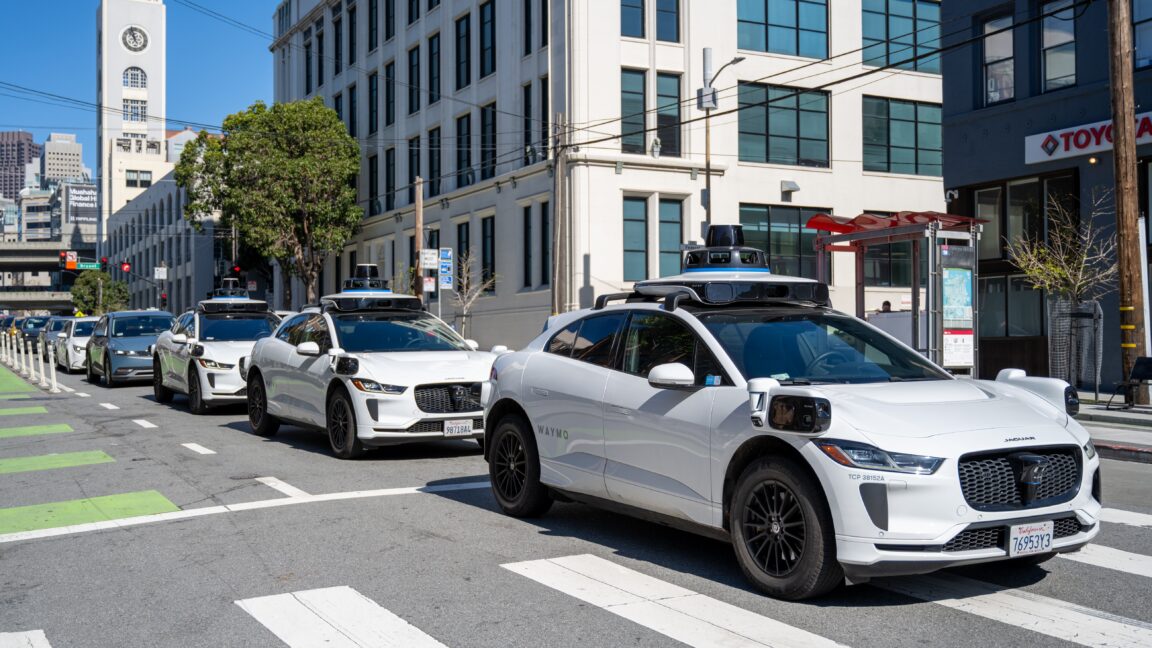
But safety isn't the only selling point: Autonomous vehicles are said to cut traffic. But data from Waymo's reports to the California Public Utilities Commission shows that, at least in that regard, robotaxis are no better than ride-hailing services like Lyft and Uber.
Read full article

Comments

© Smith Collection/Gado/Getty Images
  •  

Autonomous vehicles were supposed to cut traffic—what if they don't?

The age of robotaxis, long the preserve of science fiction, is now a reality, at least in a handful of American cities. It took just over a decade to get from the DARPA Grand Challenges to the start of Waymo's commercial service in California, albeit initially with a safety driver on board.

Proponents of the technology, which has attracted at least $100 billion in investment, say robotaxis will be safer than human-driven vehicles. And last year, Waymo's data showed its cars were involved in many fewer crashes than human drivers, with much lower insurance claims, although recent issues with school buses and flooded roads show the technology isn't perfect.

But safety isn't the only selling point: Autonomous vehicles are said to cut traffic. But data from Waymo's reports to the California Public Utilities Commission shows that, at least in that regard, robotaxis are no better than ride-hailing services like Lyft and Uber.

Read full article

Comments

© Smith Collection/Gado/Getty Images

  •  

Tesla expands ‘Robotaxi’ to entire Austin metro — but still has only ~20 vehicles

Tesla announced today that its unsupervised “Robotaxi” service now covers the entire Austin metro area, a significant expansion of its geofenced operating zone.

It’s a notable milestone on paper, but the actual fleet serving this massive area remains tiny — just ~20 active unsupervised vehicles, according to the latest data, a number that has actually been shrinking.

more…
  •  

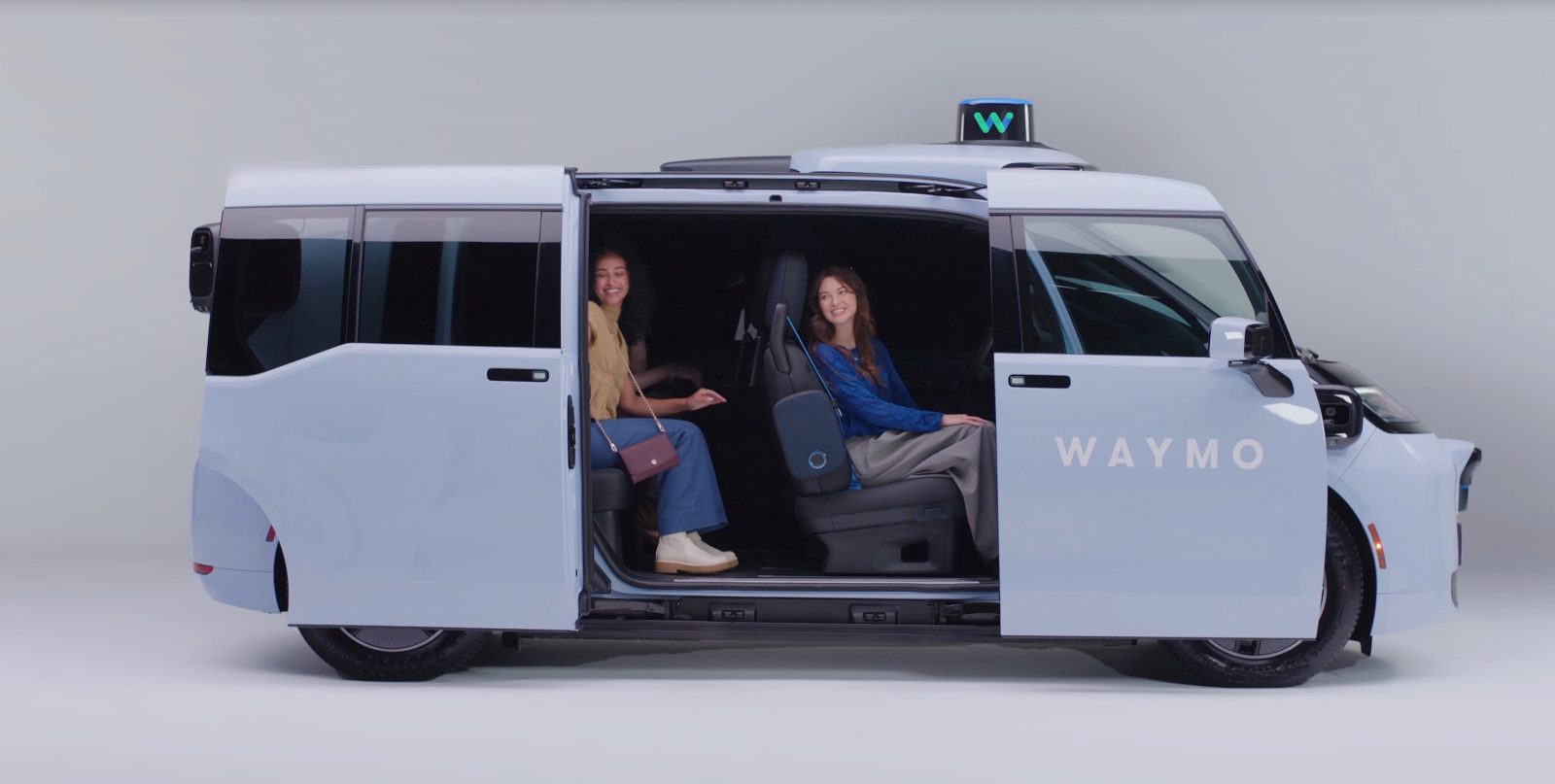
Waymo starts offering rides in new Ojai robotaxi with 6th-gen Driver

Waymo is beginning to offer select riders trips in its new purpose-built Ojai robotaxi, debuting the company’s 6th-generation Driver hardware across San Francisco, Los Angeles, and Phoenix. Trips will be free for a limited time.

The Ojai represents a significant step for Waymo, which has now surpassed 20 million fully autonomous trips across 11 cities — a scale that no competitor comes close to matching.

more…
  •  

Tesla ‘Robotaxi’ fleet is actually shrinking, not growing, new data shows

Less than a month after we reported that Tesla’s unsupervised “Robotaxi” fleet was finally showing some signs of growth, new data from the Robotaxi Tracker tells a different story. The fleet is actually shrinking.

The number of active unsupervised Tesla “Robotaxis” has dropped to just 20 vehicles — down from the 25 cumulative vehicles we reported in late April — and the total active fleet across all Tesla ride-hailing operations has collapsed to just 34 vehicles.

more…
  •  

People are leaving a lot of weird stuff in their robotaxis

Waymo autonomous vehicle

A unicorn Beanie Baby. A 15-pound green bowling ball. A pair of dentures.

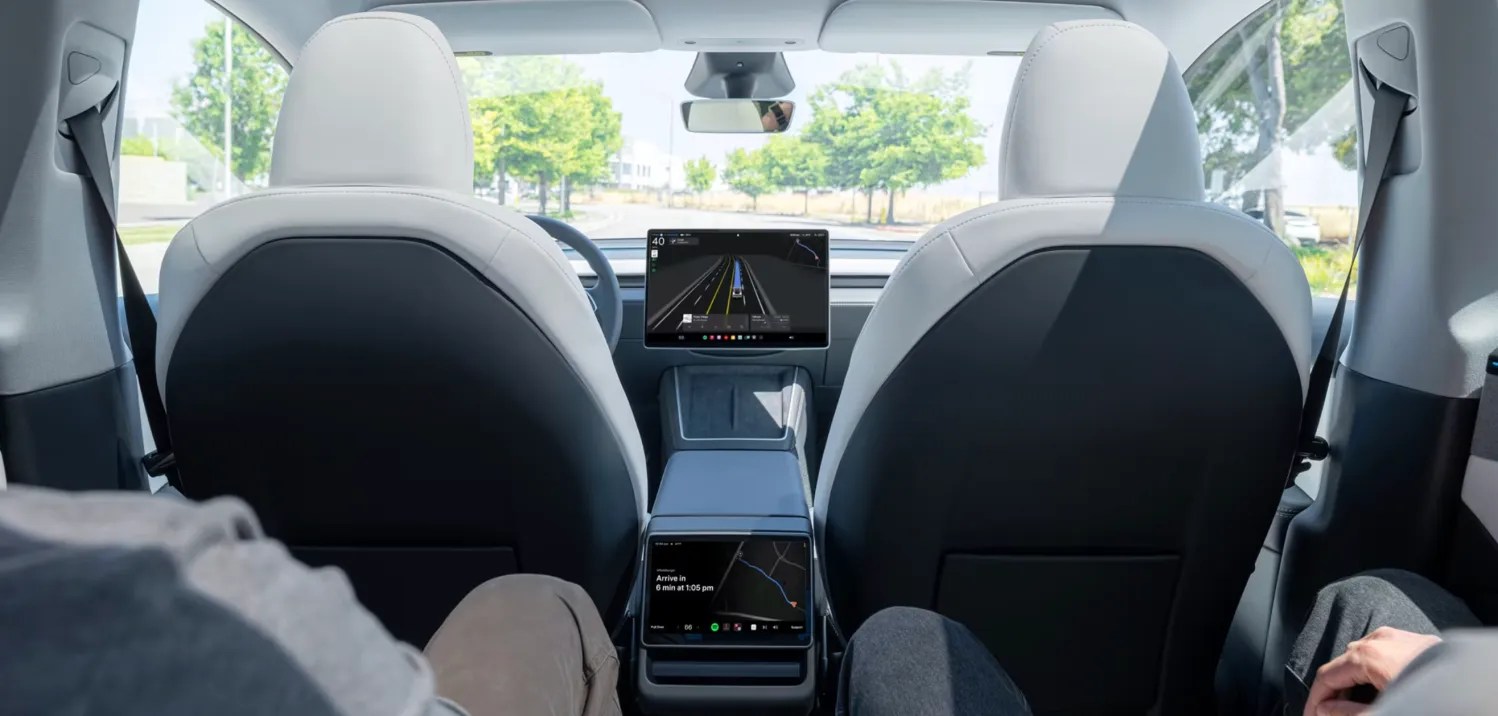
These are just some of the items left behind in robotaxis in the past year, according to Uber's annual Lost and Found Index. For the first time, the company is expanding its annual of accounting of things forgotten in Uber vehicles to include self-driving cars because, for the first time, Uber has enough self-driving cars on its platform to matter.

Uber doesn't deploy its own robotaxis, but in the last few years it's become a clearinghouse for driverless car companies that want access to Uber's millions of customers. Here in the US, that includes Waymo (in Austin a …

Read the full story at The Verge.

  •  
❌