Under new rules, tech companies will be asked to share AI models with government for review before public release
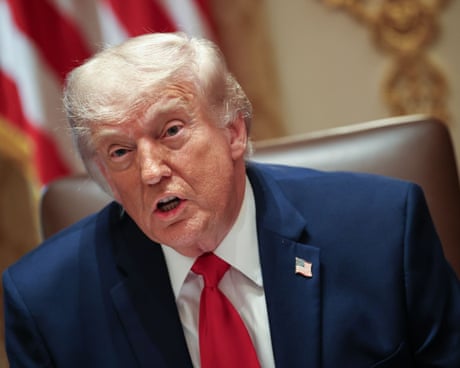
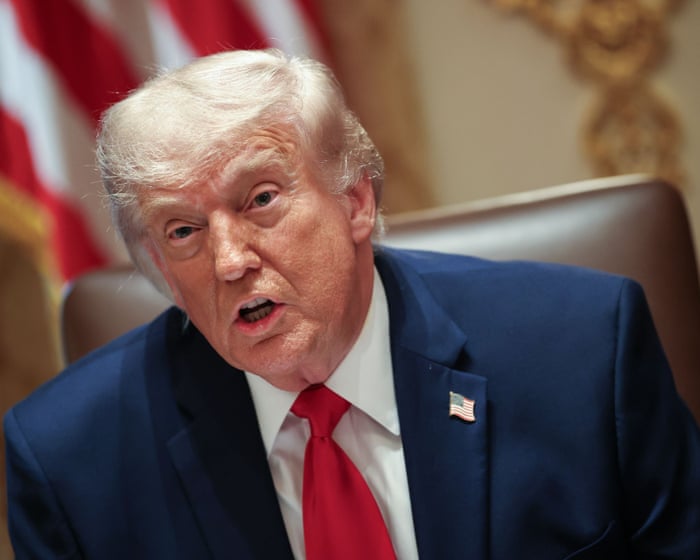
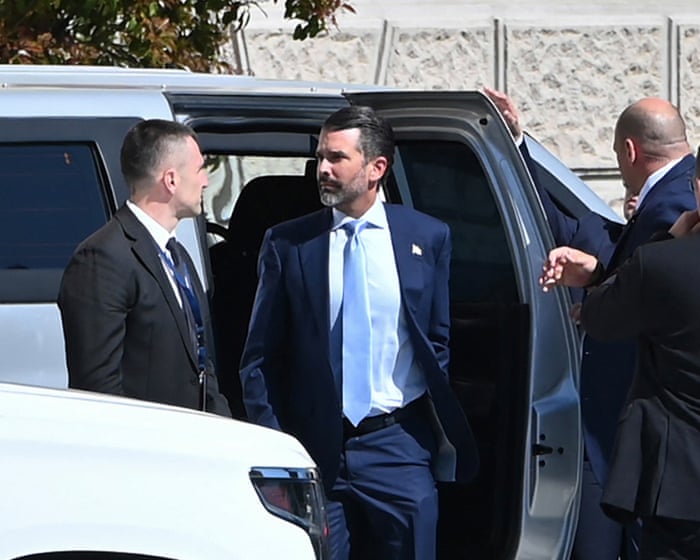
Donald Trump signed an executive order to create a voluntary framework for the federal government to vet powerful new AI models before they are released. Tuesday’s highly anticipated order represents an attempt by the president to tighten his grip on cybersecurity and national security threats posed by AI, tacking against his earlier deregulatory stance. But the voluntary nature of the framework shows that, while Trump has toed a more cautious line on AI than when he first took office last year, he is still reluctant to impose regulations on the tech industry.
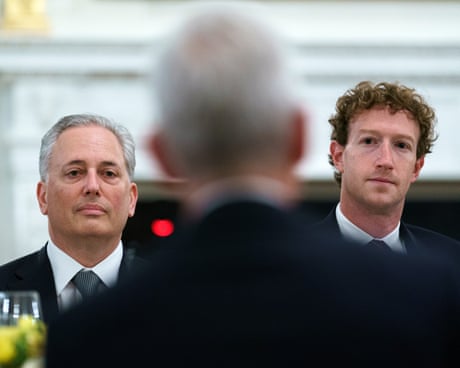
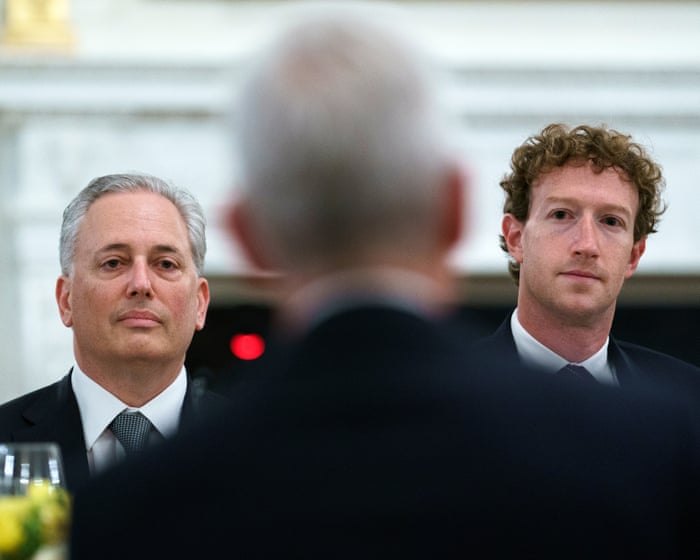
Under the new guidelines, tech companies would be asked to share their AI models with the government for a voluntary review, up to 30 days before a public release. The Trump administration says doing so will allow them to improve national security, particularly with regards to cybersecurity.
An example of new imagery released on May 8, 2026, displaying a possible example of UAP from U.S. government archives (Image Credit: U.S. Deptartment of War).
Welcome to this very special TGIF edition of The Intelligence Brief… This week, the U.S. Department of War has finally launched a new and highly anticipated transparency initiative with the release of its first batch of long-classified UAP documents under the “Presidential Unsealing and Reporting System for UAP Encounters” (PURSUE) program, an effort officials say will unfold over the coming weeks and months. In our analysis, we’ll be looking at 1) how the new initiative aims to declassify decades of government-held UAP records across multiple agencies, 2) what Friday’s release actually revealed—including updated FBI files, military imagery, and NASA photographs with fewer redactions, 3) why much of the material offers limited new insight despite heightened expectations, and 4) what this rolling disclosure effort could mean for future transparency surrounding unresolved UAP cases.
Quote of the Week
“These files, hidden behind classifications, have long fueled justified speculation — and it’s time the American people see it for themselves.”
– Pete Hegseth, U.S. Secretary of War
If you enjoy the news and perspectives offered by The Debrief, make sure that you aren’t missing our stories by making us one of your “preferred sources” on Google News. You can simply follow this link to add The Debrief to your list of favorites, and you can read more about Google’s preferred sources in our article here.
The release comes as part of a newly established program that the White House has dubbed the “Presidential Unsealing and Reporting System for UAP Encounters,” or PURSUE, which officials describe as an ongoing effort to identify, review, and declassify decades of UAP-related records held across multiple federal agencies.
Friday’s release is understood to be just the first phase of a broader transparency initiative under the Trump administration, with future releases expected as soon as within the next few weeks.
“These files, hidden behind classifications, have long fueled justified speculation,” Secretary of War Pete Hegseth said in a statement accompanying the release. “It’s time the American people see it for themselves.” He added that the effort reflects “an earnest commitment to unprecedented transparency.”
Echoing Hegseth’s statements, Director of National Intelligence Tulsi Gabbard described Friday’s disclosure as only the beginning. “Today’s release is the first in what will be an ongoing joint declassification and release effort,” she said.
So what, exactly, was revealed by the DOW this week, and what (if anything) does the latest document release provide in terms of new insights into the longstanding mystery of unidentified flying objects?
The Latest Release of “New” UFO Files
As many had expected in the days leading up to this week’s release, a good portion of the documentation in the “new” batch of files revealed at the DOW website on Friday has appeared online or elsewhere in the past.
However, that isn’t to say there wasn’t plenty of new material, both in documents that were previously only available in partial form or with heavy redactions, and in documents that have never been seen before.
Friday’s release includes a wide range of materials, from military imagery and previously classified FBI files to historical NASA photographs dating back to the Apollo era.
Much of the legitimately new material focuses on unresolved UAP cases—incidents in which the government has been unable to determine the nature of the observed phenomena due to insufficient data or other limitations. Officials say they are encouraging private-sector analysts and independent researchers to examine the newly available records.
So what else did we learn with this initial rollout of the Trump Administration’s new PURSUE effort? Here’s a look at several of the highlights from the information detailed in the new release, and what can be expected in the weeks ahead.
The FBI’s UFO Files
Among the more notable elements of the release are updated versions of previously available FBI files, including the well-known 62-HQ-83894 case file, which documents UFO-related reports between 1947 and 1968. According to the DOW, the newly released version includes additional pages and fewer redactions than earlier public versions.
“This file is partially posted on [the] FBI vault with more redactions and some pages missing,” a summary accompanying the release states. “Included here is the complete case file with several newly declassified pages and only minor redactions.”
Officials emphasized that remaining redactions were limited to protecting sensitive information, such as the identities of witnesses or the locations of government facilities. “No redactions have been made… concerning information about the nature or existence of any encounter reported as a UAP,” the department said.
AARO Imagery and Analysis
The release also includes imagery and video previously assessed by the Pentagon’s All-domain Anomaly Resolution Office (AARO), as well as modified NASA photographs featuring “highlighted areas of interest” that appear to show unexplained objects. However, officials caution that these enhancements do not represent analytical conclusions and may reflect artifacts or unknown visual anomalies.
One incident report included in the release describes sightings of unusual orange “orbs” observed by federal law enforcement personnel in 2023. According to the summary, the objects appeared to emit smaller reddish spheres and were deemed among the most compelling cases in AARO’s holdings due to the credibility of the witnesses. No accompanying imagery or technical data was included.
Ongoing “Disclosures”
Despite the breadth of the materials, the initial release appears to offer limited new insight into the underlying nature of UAP. Instead, the PURSUE platform primarily serves as a centralized repository for government records, many of which were previously only partially available.
Still, officials say the effort represents a meaningful step toward greater transparency. “Under this Administration, we will pursue the truth and share our findings with the American people,” the DOW said in a statement.
Lawmakers have indicated that additional disclosures may follow soon. Taking to social media, Representative Anna Paulina Luna called the release “a great first step,” noting that a second tranche of documents, including previously requested video footage, could arrive within weeks.
For now, though, the first PURSUE release offers a clearer, albeit still incomplete, look into decades of U.S. government engagement with unexplained aerial phenomena. With more expected as the initiative continues, it remains to be seen whether an even deeper look into Washington’s involvement with aerial mysteries awaits, or if much of what is yet to come will simply be a somewhat fresher look at things we’ve already seen in decades past.
Guardian investigation shows how US presidency blurs line between policy and enrichment of American ruling family and those around it
On a graffitied Sarajevo backstreet, a path leads past an overgrown patch of garden to a white door. Beyond is the registered office of a company that is on the brink of winning contracts worth more than $1bn.
AAFS Infrastructure and Energy is close to securing a concession to build and operate a pipeline across the Balkans to allow fossil gas shipped from the US to replace supplies that come from Russia. “This could be the most important infrastructure project ever in Bosnia and Herzegovina,” says one of the country’s top officials, who, like others, asks to remain anonymous to discuss sensitive negotiations.
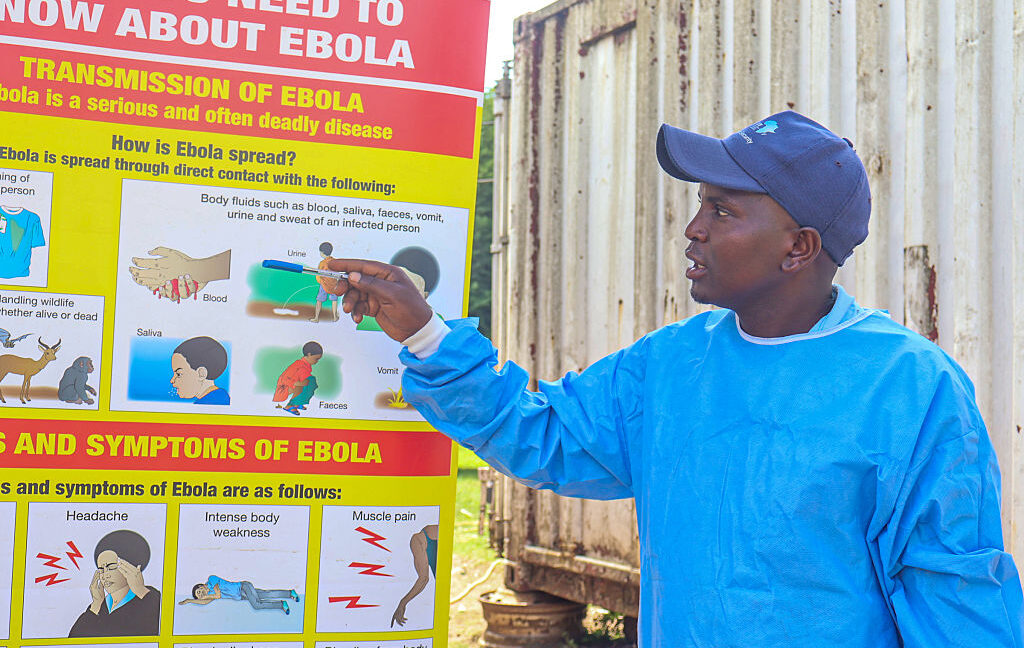
The Trump administration is refusing to repatriate Americans exposed to Ebola amid the outbreak still raging in the Democratic Republic of the Congo. But the plan to send US citizens to Kenya has hit a snag, and officials are still scrambling to find other countries that might take them.
Earlier this week, it was revealed that the administration had devised a plan to establish a makeshift quarantine and treatment facility in Kenya—instead of bringing its citizens home for high-quality care at specialized facilities built for this purpose. According to the initial plans, the US facility would be in Laikipia, about 120 miles north of Nairobi, where the US has an air base. Initially, the plan was to set up a 50-bed quarantine facility that was expected to be operational today, May 29. Then, in a second state, officials would set up isolation and biocontainment units to house Americans infected with the virus.
But after a series of events on Thursday and Friday, that plan has now been stalled. The Katiba Institute, which advocates for Kenyans' constitutional rights, filed the petition on Thursday to challenge the establishment of the quarantine and treatment facility.
The Trump administration is refusing to repatriate Americans exposed to Ebola amid the outbreak still raging in the Democratic Republic of the Congo. But the plan to send US citizens to Kenya has hit a snag, and officials are still scrambling to find other countries that might take them.
Earlier this week, it was revealed that the administration had devised a plan to establish a makeshift quarantine and treatment facility in Kenya—instead of bringing its citizens home for high-quality care at specialized facilities built for this purpose. According to the initial plans, the US facility would be in Laikipia, about 120 miles north of Nairobi, where the US has an air base. Initially, the plan was to set up a 50-bed quarantine facility that was expected to be operational today, May 29. Then, in a second state, officials would set up isolation and biocontainment units to house Americans infected with the virus.
But after a series of events on Thursday and Friday, that plan has now been stalled. The Katiba Institute, which advocates for Kenyans' constitutional rights, filed the petition on Thursday to challenge the establishment of the quarantine and treatment facility.
The US president’s reversal on calling for a safety review of new AI models is a green light for tech’s unchecked power
Only hours before Donald Trump was set to sign a long-awaited executive order on Thursday that would have called for a government safety review of new artificial intelligence models before their release, the president abruptly backed out. Despite growing public backlash to the technology and experts warning new models will pose critical security risks, Trump vowed the US government would not slow down the AI race.
During a meeting with reporters on Thursday, Trump cited both American dominance and competition with China and as his reasoning behind the reversal.

 Login
Login