Reading view

Injectable nanorobots may help heal spinal injuries

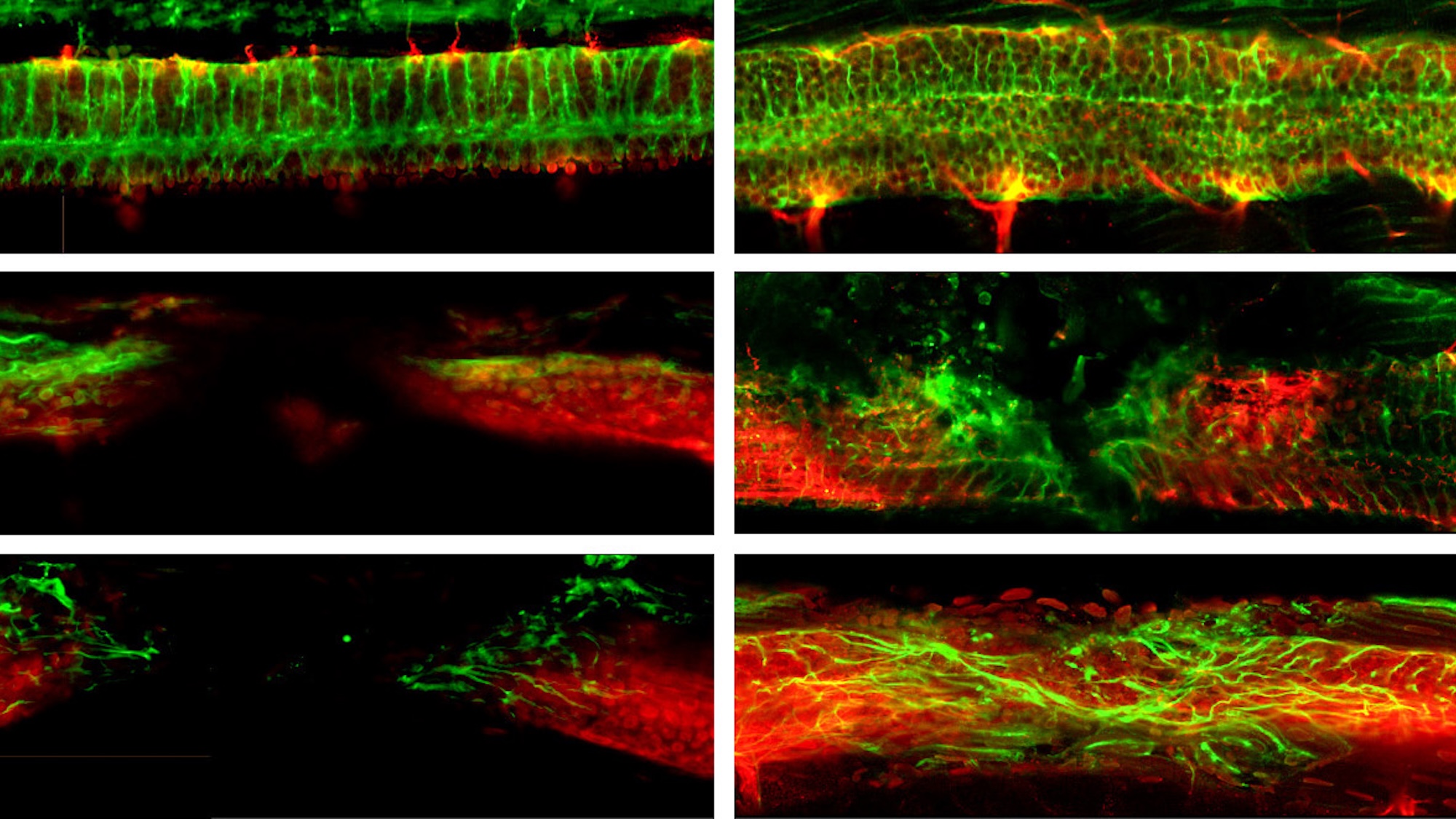
Despite significant medical advances, spinal cord damage remains one of the most difficult physical injuries to treat. Scarring frequently gets in the way of nerve fiber regrowth, while nerve cells usually cannot regenerate on their own. A possible solution? A fleet of stem cell-infused, injectable nanorobots that can help nerve cells regenerate. The tiny bots are detailed in a study recently published in the journal Nature Materials.

To build their new tools, a team at ETH Zurich in Switzerland engineered microscopic machines that combine living neural progenitor cells (NPCs)—specialized stem cells developed for the spine—with customized nanoparticles. These customized nanoparticles feature two layers—one that is sensitive to magnetic fields and another that translates them into electrical signals.

“We place a reservoir in the center where we trap the cells. Then we inject the nanoparticles and wait for the two components to bind,” Salvador Pané i Vidal, a study co-author and ETH Zurich roboticist, said in a statement.

Each nanorobot is about six micrometers wide, making them smaller than a red blood cell. However, the number of robots required to pull off a procedure is immense. Millions of nanobots are needed during animal trials. Even with such a high number, the initial experimental results are promising. In tests involving mice with severed spinal cords, nerve cells stimulated by the microrobots began reconnecting at the injury site within 28 days. By the end of the trial, the mice displayed major improvements in movement, gait, coordination, and exploratory behavior. 

Significantly more research is required before these nanobots are ready for primetime, but the team hopes to one day begin testing similar devices in humans. Before that, they need to determine the most effective magnetic fields and how long to apply them to patients. In the meantime, the overall design could also be applied to help treat regenerative issues in organs and wounds.

“The reproducible and scalable production of microrobots using our lab-on-a-chip system demonstrates that the platform’s application potential extends beyond basic research,” added Pané i Vidal.

The post Injectable nanorobots may help heal spinal injuries appeared first on Popular Science.

  •  

When Food Runs Short, This Single-Celled Organism Turns into Giant Cannibal to Survive

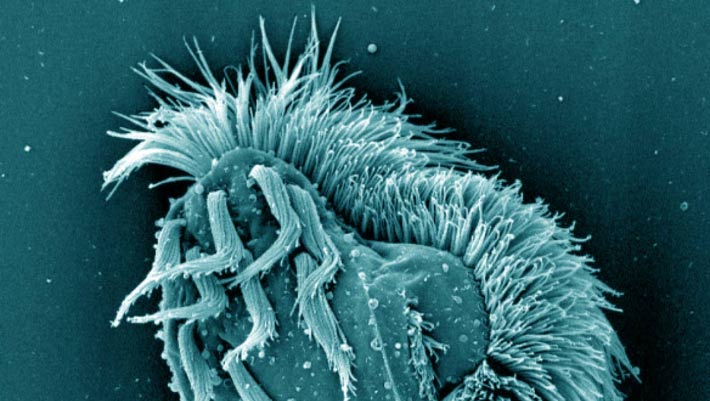
Euplotes gigatrox. Image credit: Ben Larson & Samuel Lord.

Euplotes gigatrox, a new species of ciliate collected from a seawater filtration system on the Caribbean Island of Curaçao, can transform into a cannibalistic ‘supergiant,’ raising new questions about the complexity of life at the microscopic scale.

The post When Food Runs Short, This Single-Celled Organism Turns into Giant Cannibal to Survive appeared first on Sci.News: Breaking Science News.

  •  

Unveiling the Structure of Human M-Channels: Decoding the Stoichiometry and Gating Mechanism Behind Neuronal Firing Thresholds

The human M-channel, a pivotal voltage-gated potassium channel formed through the heteromeric assembly of KCNQ2 and KCNQ3 subunits, has long been recognized as a crucial modulator of neuronal excitability. It operates within a unique voltage range activated below the threshold for action potentials, thereby playing an essential role in stabilizing the neuronal resting membrane potential and suppressing repetitive neuronal firing. This functional characteristic renders the M-channel indispensable for maintaining neural circuit balance and preventing hyperexcitability, a hallmark of various neurological disorders. Mutations affecting the KCNQ2 or KCNQ3 genes manifest clinically in conditions ranging from benign familial neonatal seizures (BFNS) to more severe phenotypes such as developmental and epileptic encephalopathy type 7 (DEE7), underscoring the channel’s clinical significance and its potential as a therapeutic target.

Despite decades of intensive research, several fundamental questions about the M-channel’s precise biophysical mechanisms, including its subunit stoichiometry, intrinsic voltage sensitivity, and pharmacological manipulation, have remained unresolved. Collaborative efforts by Shen’s laboratory at Westlake University and Yang’s group at East China Normal University have now illuminated these mysteries through state-of-the-art cryo-electron microscopy (cryo-EM) structural analyses, capturing the M-channel in multiple functional states. These high-resolution structures provide unprecedented insights into the architectural blueprint of the channel and offer a framework that bridges molecular conformation with physiological function, thereby laying the foundation for innovative drug design.

One of the groundbreaking revelations from this study is the discovery of the M-channel’s remarkable stoichiometric plasticity. Contrary to the previously held assumption of a fixed 2:2 ratio of KCNQ2 to KCNQ3 subunits, the researchers identified a dynamic equilibrium wherein all possible subunit configurations from 1:3 through 3:1 coexist within neuronal membranes. This compositional flexibility appears to be modulated by relative subunit expression levels, suggesting a mechanism through which neurons can fine-tune M-channel functional properties adaptively. Functional validation using engineered concatemeric constructs demonstrated that each stoichiometric variant supports measurable M-currents, indicating that subunit heterogeneity is not merely tolerated but potentially exploited physiologically to diversify channel function.

Delving deeper into the biophysical underpinnings, the study elucidates the molecular basis for the M-channel’s signature subthreshold activation profile. It turns out that the voltage-sensing domain (VSD) of the KCNQ3 subunit adopts a more depolarized conformation relative to that of KCNQ2, essentially operating as a hyper-sensitive voltage module. This unique structural feature enables the heteromeric channel complex to activate at membrane potentials substantially more negative than those required for KCNQ2 homomers, thus accounting for the M-channel’s enhanced sensitivity and functional specialization. Strategic chimeric subunit experiments further corroborated that the KCNQ3 VSD alone suffices to shift activation thresholds, demonstrating its pivotal role in channel gating dynamics.

Beyond elucidating native channel behavior, the study harnesses the structural insights to pioneer next-generation pharmacological modulators targeting the M-channel with enhanced potency and selectivity. Using a structure-guided approach, the team developed CLM142, an activator exhibiting a tenfold increase in efficacy compared to retigabine, the first clinically approved M-channel opener. Cryo-EM reconstructions captured CLM142 nestled within a hydrophobic pocket formed by the S5 and S6 helices, stabilized through a critical π-π stacking interaction that anchors the molecule securely, thereby potentiating channel activity. The unprecedented selectivity of CLM142 for the KCNQ2/KCNQ3 heteromeric assembly marks a significant advancement, minimizing off-target effects associated with earlier drugs.

Further structural snapshots revealed the M-channel’s fully open conformation stabilized by a synergistic interaction between CLM142 and the membrane phospholipid PIP₂. This cofactor bridges the voltage-sensor domain and the pore domain via electrostatic interactions involving basic residues, enabling mechanical coupling between voltage sensor movements and the rotational gating of the S6 helices that dilate the pore. These findings elucidate the intricate molecular choreography translating voltage detection into pore opening, reconciling long-standing mechanistic puzzles about M-channel gating.

The implications of these discoveries extend far beyond academic curiosity. The identification of flexible stoichiometric assembly as a potential physiological regulatory mechanism introduces a new paradigm in ion channel biology, wherein neurons may dynamically adjust subunit composition to customize excitability profiles in response to developmental cues or pathological states. This adaptability may underlie nuanced alterations in neuronal firing properties observed in various brain regions and disease contexts.

Clinically, the development of CLM142 represents a promising therapeutic milestone. By delivering highly selective M-channel activation with improved potency and presumably fewer side effects than earlier agents, this compound could pave the way for safer and more effective treatments of epilepsy and other excitability disorders. The ability to target specific heteromeric subunit combinations may also allow personalized interventions tailored to patients’ unique channel compositions influenced by genetic and environmental factors.

Moreover, this work establishes a robust platform for rational drug design targeting heteromeric ion channels more broadly. Many ion channels consist of multiple subunit types whose precise assembly and functional interplay dictate channel behavior. Understanding how subunit stoichiometry and domain-specific conformational shifts influence gating provides critical insights applicable across the ion channel field, enabling more precise modulation of channel activity with therapeutic intent.

In sum, the comprehensive structural and functional characterization of the human M-channel by Shen and Yang’s teams resolves long-standing enigmas regarding its composition, voltage sensing, and gating. The demonstration of stoichiometric variability and its physiological relevance, combined with the structure-guided development of potent and selective activators, marks a watershed moment in molecular neurobiology and pharmacology. These advances promise significant impacts on understanding the neural basis of excitability regulation and the development of next-generation therapeutics for neurological diseases burdened by channelopathies.

Looking forward, future investigations may explore the dynamics of subunit expression and assembly in vivo, how pathological mutations disrupt these mechanisms, and the broader applicability of these principles to other heteromeric channel families. Additionally, long-term preclinical and clinical evaluations of CLM142 will be essential to confirm its therapeutic potential and safety profile. Altogether, this research exemplifies the power of integrating structural biology with pharmacology and neuroscience to unlock new horizons in brain health and disease intervention.


Subject of Research: Not applicable

Article Title: Structural basis for heteromeric assembly and subthreshold activation of human M-channel

News Publication Date: 27-May-2026

Web References: http://dx.doi.org/10.15302/vita.2026.05.0032

Image Credits: HIGHER EDUCATION PRESS

Keywords: Cell biology, Ion channels, KCNQ2, KCNQ3, M-channel, neuronal excitability, voltage-gated potassium channels, cryo-electron microscopy, channel stoichiometry, epilepsy, channel gating, pharmacology

  •  

Intuitive Software Suite Revolutionizes DNA Structure Generation and Analysis

In a groundbreaking advancement for molecular biology and computational chemistry, researchers at the University of Amsterdam’s Van ’t Hoff Institute for Molecular Sciences have unveiled an innovative software suite designed to accurately model DNA structures within biomolecular assemblies. Dubbed MDNA, this state-of-the-art toolkit empowers scientists across multiple disciplines—including biochemistry, molecular biology, bioinformatics, and biophysics—to visualize, analyze, and simulate DNA with unprecedented atomic precision. This development promises to significantly deepen our understanding of DNA behavior in complex biological environments, advancing both fundamental research and applied sciences.

At the heart of MDNA’s innovation is its ability to generate three-dimensional atomic coordinates for double-stranded DNA molecules, regardless of their shape or complexity. Unlike traditional tools that might rely heavily on generalized models or limited structural libraries, MDNA adopts the rigid base formalism originally embodied in the Curves+ code, a well-regarded computational framework for nucleic acid conformation analysis. This approach treats each base pair within the DNA as an individual rigid unit, allowing for a finely tuned representation of the molecule’s structural intricacies.

What sets MDNA apart from many existing molecular modeling tools is its flexibility and adaptability. Users can effortlessly design DNA molecules following virtually any arbitrary spatial curve, making the creation of highly customized and intricate DNA architectures more accessible than ever before. Moreover, the software supports the modification and extension of pre-existing DNA structures, facilitating iterative design and refinement processes crucial for research that explores DNA-protein interactions and biomolecular mechanics.

The software’s user-friendly nature further democratizes molecular modeling. It has been extensively tested by students and researchers from diverse scientific backgrounds—many with minimal prior programming experience—and has proven accessible for both novices and experts. Accompanying the software are comprehensive tutorials and demonstrations, positioning MDNA as not only a research tool but also as an invaluable educational resource suitable for workshops and classroom environments.

A vital component of MDNA’s structural modeling capabilities comes from the collaborative implementation of an advanced energy function, developed in partnership with the group led by Helmut Schiessel at TU Dresden. This energy function facilitates rapid equilibration of DNA structures while accurately modeling essential physical properties such as stiffness, flexibility, and intrinsic mobility. By incorporating physical constraints, it enables the simulation of biologically relevant phenomena like DNA supercoiling without the computational overhead typically associated with all-atom simulations.

In addition to its robust structural generation features, MDNA excels as an analytical tool. It can process DNA configurations derived from molecular dynamics simulations, facilitating a seamless integration between modeling and analysis within a unified workflow. This integration is crucial for researchers investigating the dynamic nature of DNA and its interactions with proteins and other cellular components, as it reduces the barriers between data generation, exploration, and hypothesis testing.

The scope of MDNA extends beyond just double-stranded DNA; the software includes a growing library of sixteen nucleobase types with plans for future expansion, offering an expanding toolkit to model various DNA modifications and analogs. Such versatility is especially pertinent as synthetic biology and epigenetics increasingly demand precise modeling tools capable of representing non-canonical DNA structures and chemical modifications.

MDNA’s efficient computational framework leverages simplifications that avoid simulating every atom explicitly, allowing structures to reach equilibrium within seconds. This significant reduction in computational time without sacrificing accuracy presents substantial advantages for high-throughput DNA modeling tasks, enabling rapid prototyping of DNA-based nanodevices or exploring a vast landscape of theoretical DNA conformations.

The open-source nature of the MDNA suite invites broad usage and collaborative development within the scientific community. Available publicly via repositories like Figshare and Github, it encourages transparency, reproducibility, and community-driven enhancements. This openness not only fosters innovation but also helps establish MDNA as a standard platform for DNA modeling in both academic and industrial research contexts.

By bridging detailed atomic-level resolution with high computational efficiency and an intuitive interface, MDNA fills a critical gap in the current toolbox for molecular simulation. It offers molecular scientists an indispensable means to unravel DNA’s structural complexities, enhancing our grasp on biological mechanisms ranging from gene regulation to chromosome packaging.

As research increasingly focuses on the interplay between DNA and proteins within the crowded cellular environment, tools like MDNA pave the way for more accurate models that can directly inform experimental design and therapeutic development. These models may, in turn, accelerate progress in fields such as drug discovery, gene editing, and synthetic biology, where precise structural understanding is paramount.

The collaboration between experimental insight and computational ingenuity as demonstrated in MDNA exemplifies the future of molecular sciences—where software not only supports but actively shapes research frontiers. With the support of comprehensive documentation and educational outreach, MDNA is poised to become a cornerstone technology for any scientist captivated by the elegance and complexity of DNA.


Subject of Research: Molecular modeling and simulation of DNA in biomolecular assemblies

Article Title: MDNA: A comprehensive molecular modeling toolkit for DNA in biomolecular assemblies

Web References:
DOI link to the published paper

Image Credits: HIMS / University of Amsterdam

Keywords: Computational chemistry, Biochemistry, Molecular biology, Bioinformatics, Biophysics, DNA modeling, Molecular simulation, DNA-protein interactions, Molecular dynamics

  •  

The True Way Honeybees Crown Their Queens

For decades, the developmental fate of a honeybee larva seemed to follow a straightforward narrative: the diet alone dictated destiny, where ample feeding of royal jelly transformed a regular larva into a queen. However, recent groundbreaking research has unveiled a far more intricate mechanism underpinning queen development, painting a richer picture of the elaborate social engineering within the hive. This new understanding transcends the simplistic view of nutrition and introduces an elaborate interplay between environmental construction, physiological specialization, and social cooperation.

At the heart of this emerging paradigm are specialized “queen cells,” sometimes referred to as “royal cribs,” whose unique architecture and materials science are pivotal in shaping the development of a future queen bee. These cells are distinct peanut-shaped chambers, markedly different from the hexagonal cells typical for worker bee larvae. Constructed meticulously by a particular subset of young worker bees, these environments are designed to optimize thermal and humidity regulation, preserving conditions vital for the optimal growth and maturation of larvae destined for royalty.

Heat management within these nurseries is critical. Using advanced thermal imaging techniques, researchers observed that the wax constituting queen cells exhibits uniquely tailored physical and chemical properties. Unlike the denser, more rigid wax used elsewhere in the hive, this wax is more pliable and porous, enabling it to function as an effective insulator. The microenvironment it creates maintains elevated temperatures and humidity levels, conditions shown through behavioral studies to accelerate development and increase larval survival rates.

Complementing wax specialization is the revelation of a new behavioral caste within the hive: the queen cell builders. These workers, typically younger than their counterparts, exhibit altered physiological states marked by elevated body temperature and modified metabolic pathways. Their heightened internal heat contributes actively to the microclimate maintenance within queen cells, ensuring the rapid transformation of larvae into queens. The differentiation of these workers underlines the hive’s complex social stratification, where individual roles are precisely aligned with developmental outcomes.

To dissect the relative contributions of diet versus environment, experimental setups employed materials science and chemical tracing methodologies. Raising larvae in cells fabricated from ordinary worker wax led to significantly decreased survival and reduced queen phenotypes, even when the diet — specifically royal jelly — remained constant. This crucial finding disrupts the long-held assumption that nutrition alone governs caste destiny, emphasizing the indispensable role of the built environment curated by the colony.

Chemical analyses of the queen wax composition revealed fascinating insights. The wax contains specific fatty acids and signaling molecules absent in worker wax, suggesting an evolved biochemical toolkit designed to orchestrate larval development through environmental cues. These chemical signals likely modulate larval gene expression and physiological pathways, interfacing with the nutritional inputs to guide phenotypic differentiation into fertile queens.

The hive’s material ecology extends beyond wax manipulation alone. Through ingenious isotope tracing experiments involving graphite marker particles, the study demonstrated that workers selectively gather, process, and repurpose materials from disparate hive locations to enrich queen cell structures. This highly coordinated engineering effort evokes analogies with human architectural practices, where not only construction but also sourcing and modification of materials are integral to the function of specialized buildings.

The consequences of these added layers of complexity are profound. Queen bees emerge larger, develop faster—approximately 16 days from egg to adult compared to 21 days for workers—and acquire enhanced longevity and reproductive capacity. This speed confers evolutionary advantages, enabling the colony to rapidly replace queens in times of crisis, preserving genetic continuity and colony stability.

Researchers propose that this intricate interplay of physiology, behavior, and materials science reflects a broader principle in biology: organisms are not solely subjects of genetic and nutritional factors, but active engineers of their developmental environments. Honeybee colonies exemplify a superorganism, where collective behavior modulates individual phenotypes through multi-dimensional environmental modification.

The universality of this strategy was confirmed by observing both European and Asian honeybee species, indicating deep evolutionary conservation. Such parallels suggest that environmental engineering as a means to regulate caste differentiation is a fundamental facet of honeybee social biology, shaped over millions of years of eusocial evolution.

This interdisciplinary effort, spanning entomology, genomics, materials science, and behavioral ecology, underscores the power of collaborative science in unraveling complex biological systems. The research, led by former postdoctoral scholars Yu Fang and Yahya Al Naggar at the University of California, Riverside’s Center for Integrative Bee Research, offers not only insights into honeybee society but also broader implications for developmental biology and bioengineering.

Moving forward, the findings pave the way for deeper exploration of how external environmental factors—both biotic and abiotic—influence developmental outcomes across species. It challenges researchers to reconsider developmental plasticity within the context of social and environmental matrices, with potential applications spanning conservation, agriculture, and biomimetic design.

In sum, the transformation from larva to queen in honeybees is not a mere function of royal jelly consumption but rather a sophisticated, society-wide construction project that leverages specialized architecture, material composition, and worker physiology. Honeybee colonies stand as masterful architects of development, embodying complexity that rivals human engineering, and in doing so, provide a captivating model of biological integration and innovation.


Subject of Research: Honeybee Queen Development and Environmental Influence on Caste Determination

Article Title: Queen cell architecture shapes honey bee queen development

News Publication Date: 3-Jun-2026

Web References: https://www.nature.com/articles/s41586-026-10534-3

Image Credits: More than Honey/Markus Imhoof

Keywords: Bees, Honeybee development, Queen cells, Royal jelly, Hive architecture, Materials science, Caste differentiation, Entomology, Insect physiology, Social behavior, Environmental engineering, Superorganism

  •  

Ancient Fossils Reveal Bryozoans Existed at the Dawn of Animal Life, Solving a 500-Million-Year Mystery

A groundbreaking discovery has reshaped our understanding of one of the most enigmatic groups in the animal kingdom: bryozoans. These tiny, colonial filter-feeders, omnipresent in today’s oceans, have long baffled paleontologists due to their conspicuous absence from the Cambrian fossil record. While the Cambrian explosion, occurring around 530 million years ago, heralded the rapid emergence of nearly all major animal phyla, bryozoans appeared to be absent until the Ordovician period, roughly 50 million years later. This puzzling gap, often dubbed the “elephant in the room” of Cambrian paleontology, may now be firmly closed thanks to the discovery of exquisitely preserved fossils from Southern China, dating back around 520 million years.

A multinational team of scientists from China, Sweden, Australia, and Germany recently unveiled a trove of fossils from the Xiannüdong Formation in southern Shaanxi Province. These fossils include detailed specimens of the previously known species Protomelission gatehousei and an entirely new genus and species, Dayingomelission hexaclitia. Both taxa thrived during the early Cambrian and provide compelling evidence that bryozoans were not only present but already exhibiting complex colony architectures at this early stage in animal evolution.

What sets these fossils apart is not solely their antiquity but the extraordinary quality of their preservation. The tiny colonies, each only a few millimeters in size, retain exquisite three-dimensional structures with internal soft tissues authentically mineralized in phosphate. This mineralization has allowed researchers to peer inside the original skeletal housing, revealing membranous sacs, minute muscle fibers, and distinctive skeletal features including diagnostic styles—unique structural spines characteristic of bryozoan anatomy. Such soft tissue detail is rarely captured in fossils this ancient, making these specimens an invaluable window into Cambrian marine ecosystems.

These findings decisively settle a long-standing debate over the affinities of these fossils. Some previous interpretations suggested Protomelission gatehousei could be a green alga or a collection of isolated, unrelated skeletal elements. However, the combination of hexagonal modular colony architecture and intricate internal anatomy makes the bryozoan affinity unequivocal. This marks an unprecedented confirmation that true bryozoans were indeed present during the Cambrian explosion, closing a perplexing gap in the fossil record.

Advanced imaging technologies played a crucial role in this breakthrough. Using state-of-the-art microscopic and tomographic techniques, researchers could visualize internal soft tissues and skeletal arrangements without damaging the specimens. This high-fidelity reconstruction allowed for a comprehensive phylogenetic analysis, clearly situating both Protomelission and Dayingomelission within Stenolaemata, one of the principal bryozoan classes still extant today. Such deep roots suggest that the bryozoan lineage originated even earlier than previously suspected—perhaps extending into the Ediacaran period, preceding the Cambrian radiation altogether.

These revelations carry profound implications for reconstructing early animal evolution. Bryozoans exhibit a highly modular colonial lifestyle in which genetically identical zooids cooperate within a shared skeleton—a key evolutionary innovation. The presence of fully developed modular colonies during the Cambrian implies that this mode of life was not a late development but a pivotal player in the Cambrian explosion itself. Consequently, the rise of complex multicellularity and functional integration within animal colonies must be reconsidered within this early evolutionary framework.

Additionally, the environmental context of these fossils offers insights into their preservation and ancient ecological niches. The bryozoans inhabited shallow, clear marine waters associated with reef settings—an environment contrasting with the deeper-water deposits typically yielding soft-tissue fossilization during the Cambrian. Such ecosystems may have fostered the radiation and diversification of early bryozoans, although their fossil record remained elusive until now due to specific taphonomic biases.

The significance of the discovery extends further: it suggests a more cosmopolitan distribution of early bryozoans in Cambrian seas. Combined with prior finds from ancient South Australian deposits, these Chinese fossils indicate that bryozoans were widespread and ecologically versatile much earlier than assumed. This cosmopolitanism hints at complex biogeographic patterns and diversification dynamics underpinning early marine ecosystems during one of Earth’s most transformative intervals.

Debunking alternative hypotheses about these Cambrian fossils not only clarifies bryozoan origins but also enhances our understanding of early marine biodiversity. A clearer timeline now places bryozoans as contemporaries of other foundational animal groups, reshaping models of early metazoan community structure. It emphasizes that the Cambrian explosion was as much about the emergence of novel ecological partnerships and colony-level complexity as it was about the appearance of individual taxa.

The ability to detect and interpret soft tissue mineralization in fossils surpasses traditional paleontological methods, underscoring technological advances that continue to revolutionize our window into deep time. These detailed anatomical insights would have been unthinkable decades ago, and they open fresh avenues for understanding evolutionary developmental biology and the genetic underpinnings of early animal form and function.

Moreover, the research highlights the synergy of international collaboration in paleontology. Combining expertise from institutions like Northwest University, the Swedish Museum of Natural History, and universities in Australia and Germany, alongside advanced imaging labs, coalesced into a breakthrough that will likely influence studies of other enigmatic Cambrian groups where fossil evidence remains scant or ambiguous.

In summation, these high-fidelity bryozoan fossils from the early Cambrian Xiannüdong Formation dramatically alter the evolutionary narrative of one of today’s most successful aquatic invertebrate phyla. By authenticating that bryozoans were indeed participants in the Cambrian explosion, this research closes a half-century-old mystery, revealing a much earlier and more complex history for these tiny, yet evolutionarily influential marine architects.


Subject of Research: Animals
Article Title: High-fidelity modular skeletons authenticate a Cambrian origin for Bryozoa
News Publication Date: June 3, 2026
Web References: 10.1038/s41586-026-10590-9
Image Credits: Baopeng Song
Keywords: Cambrian explosion, bryozoans, Protomelission gatehousei, Dayingomelission hexaclitia, fossil record, modular colonies, early animal evolution, soft tissue preservation, Stenolaemata, phosphate fossilization, Xiannüdong Formation, paleontology

  •  

Why Some Cancers Turn Deadly: Researchers Uncover a Hidden Trigger

Cancer Cell Spread Abnormal GrowthA closer look at cancer cells with extra chromosomes uncovered surprising traits linked to faster-growing, more dangerous tumors, pointing to potential new indicators of disease severity. Cancer cells are notorious for breaking the rules of biology. One of the most dramatic violations occurs when a cell suddenly doubles its entire genetic library, creating a chromosome-packed [...]
  •  

Cells have a built-in 'seatbelt' against sudden stress

When cells experience sudden physical stress, like stretching or pressure, they can activate a fast, protective mechanism that shields their nuclei from destruction, according to a new study published in the Biophysical Journal. This mechanism could help scientists develop therapies to prevent DNA damage, a major driver of aging and cell death.

  •  

A ‘mystery beetle’ is devouring North Carolina’s precious blueberries

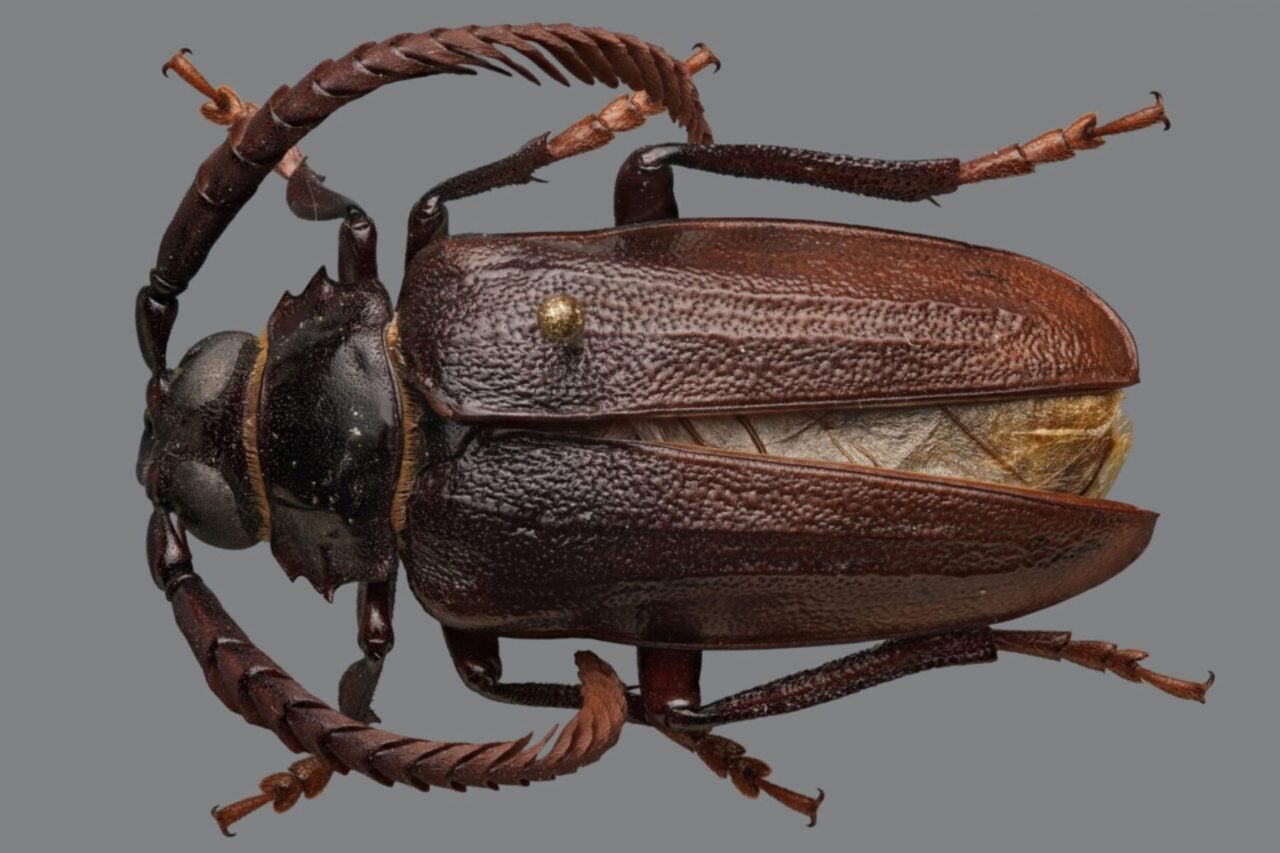
North Carolina’s blueberries may have a beetle problem. For the first time, scientists in the Tarheel State have documented the presence of Prionus imbricornus eating blueberry bushes. This longhorn beetle and its larvae can chomp their way through the state’s valuable blueberry fields. The findings are described in a study published this week in the Journal of Integrated Pest Management

Blueberries are native to North Carolina, but were not cultivated until 1935. The state is the sixth largest blueberry producer in the United States, and the blueberry industry is valued at roughly $70 million. Protecting the plants from pests is crucial, as blueberries are considered one of North Carolina’s most valuable and desirable crops. 

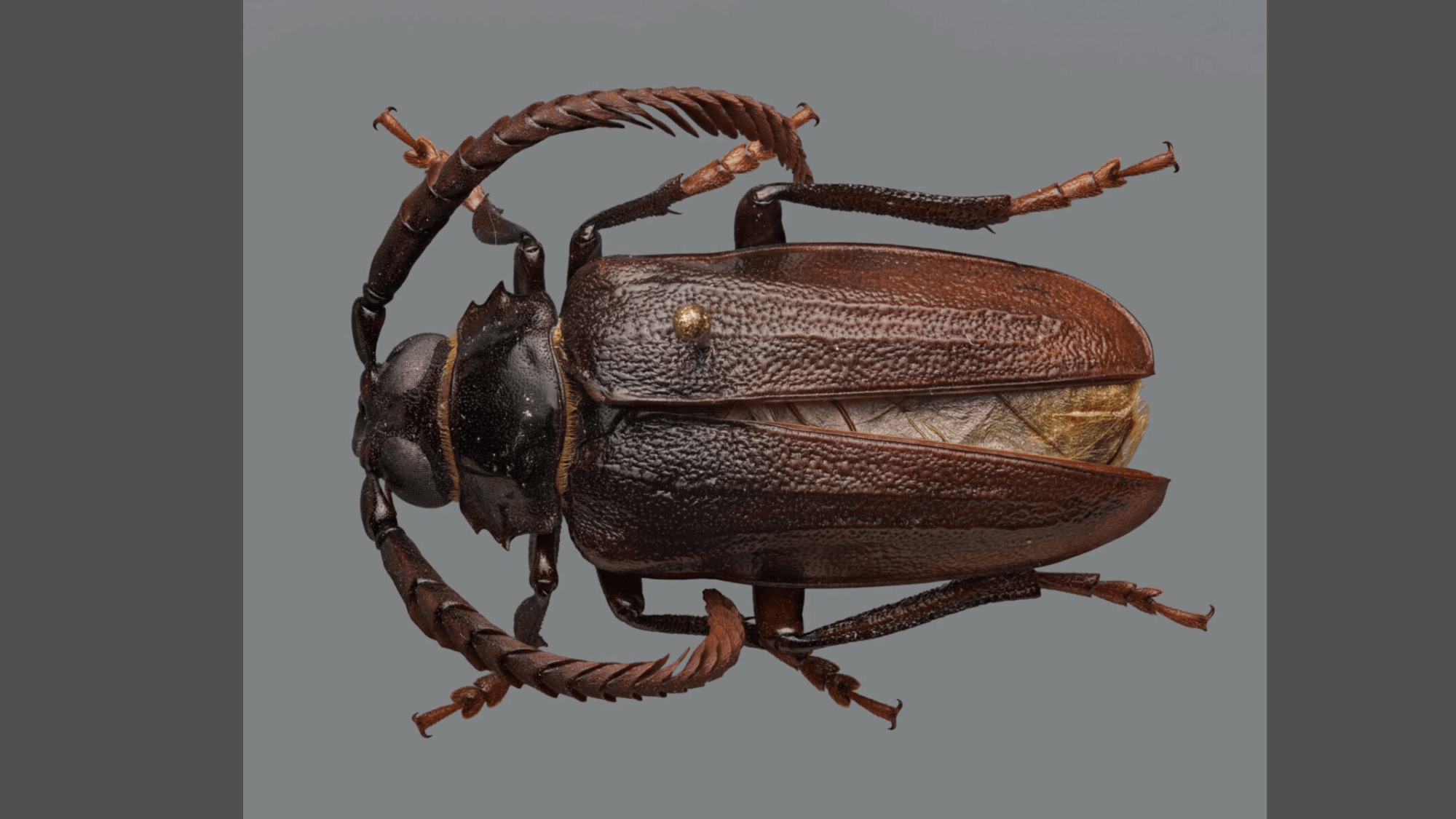
Several species including the blueberry maggot (Rhagoletis mendax), plum curculio (Conotrachelus nenuphar), and cranberry fruitworm (Acrobasis vaccinii Riley) can threaten blueberry crops. The long-horned beetle P. imbricornus may now join their ranks. P. imbricornus is known for their long antennae and are considered wood-boring beetles. The adult females typically lay their eggs in the soil near the roots of hardwood trees. The larvae then eat and destroy the roots. These larvae can grow up to five inches long and potentially kill trees, since the adults don’t feed. 

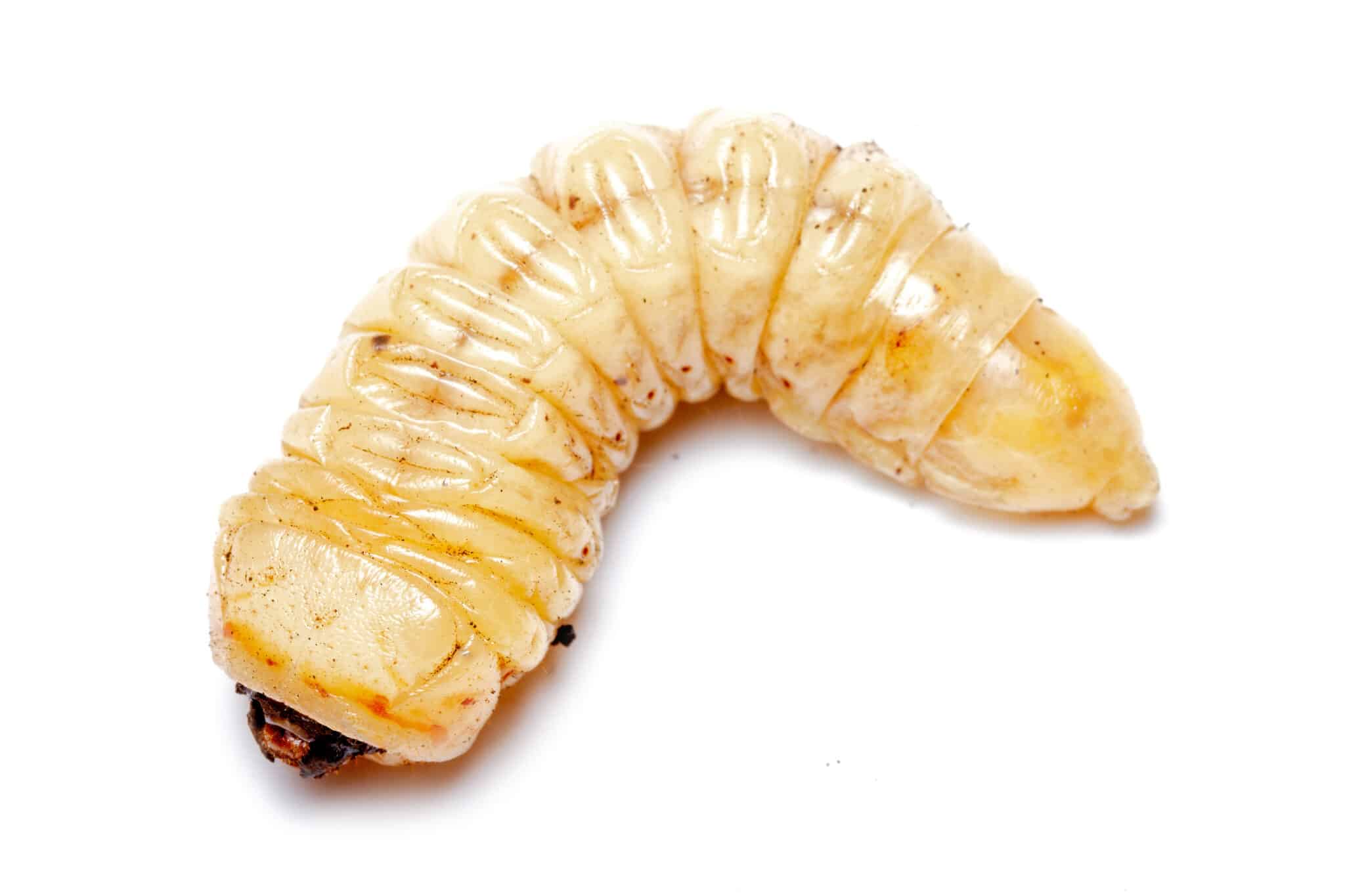
a long yellow beetle larvae
P. Imbricornis larva. The larva, which can grow up to five inches long, feed on the roots of blueberry bushes. Image: Matt Bertone/NC State.

North Carolina is the first state to report that P. imbricornus is actively feeding on blueberry bushes. However, reports of unidentified larvae from the Prionus beetle genus feeding on and damaging blueberry bush roots go back to 2010. In the 16 years since, identifying the specific species responsible has been difficult since the larvae live near the roots of the plants. Different types of longhorn beetle larvae also look very similar, and not identifying a species can harm efforts to combat harmful bugs. 

“Before now, researchers often just assumed the species of Prionus on their commodities based on adult identification,” Kenneth Geisert, a study co-author and NC State graduate student, said in a statement. “If that guess was incorrect, it could mean using a treatment strategy that did not line up with the problem and incorrectly associating species and their hosts.”

For example, P. imbricornus attacks roots, but another longhorn beetle species may go after a tree’s dead branches or trunk. 

“Without knowing which species of beetle you’re dealing with and their ecology, incorrect management can cause adverse effects on non-target insects,” Geisert added.

For this study, the team used a series of black panel traps scented with sex pheromones to attract and gather adult beetles. The traps were placed at six farms across Pender, Sampson, Bladen, and New Hanover counties. The team then used a technique called genetic barcoding on the larvae to analyze small, standardized segments of their DNA to identify the species. They then compared the unknown larval sequences with the same genetic segments from known Prionus adults.

They matched the P. imbricornus with 98 to 99 percent accuracy. According to the team, this result is both good and bad news for farmers.

“On one hand, it’s very important that we know which species we’re dealing with,” said Lorena Lopez, a study co-author and entomologist at NC State. “On the other, North Carolina was the first state to ever report Prionus infestation in blueberries, and there are no insecticides currently labeled against this pest in blueberries.”

To address this shortfall, Lopez has begun insecticide trials. Pinpointing effective insecticides and timing during P. imbricornis reproductive cycles can potentially limit larval development. Fewer larvae could help prevent major root damage and provide blueberry farmers with an effective management tool to protect their crops. 

The post A ‘mystery beetle’ is devouring North Carolina’s precious blueberries appeared first on Popular Science.

  •  

FAU Researchers Harness AI to Detect Prey Species from Predator Chewing Sounds

In the hidden depths of coastal ecosystems, the dynamic interplay between hard-shelled marine mollusks and their predators unfolds silently yet profoundly influences the health of these environments. Organisms like clams and snails, essential for stabilizing shorelines, filtering water, and supporting biodiversity, face mounting threats from ocean acidification and burgeoning populations of mobile shell-crushing predators. Despite their importance, deciphering the rapid and often submerged interactions that govern these predator-prey relationships has long posed a formidable scientific challenge.

The primary obstacle in studying these underwater predation events lies not only in their elusive locations but also in the fleeting nature of the encounters. Predators such as the whitespotted eagle rays (Aetobatus narinari) forage silently in subtidal zones where direct visual observation is hindered by light availability and water clarity. Consequently, the critical ecological process of mollusk consumption remains difficult to quantify in natural settings, leaving a significant knowledge gap in coastal marine ecology.

Unexpectedly, these predation events broadcast distinct acoustic signatures through the water. The fracturing and crushing of clam and snail shells generate unique sounds—transient acoustic signals rich with ecological information. Employing passive acoustic monitoring techniques coupled with autonomous recording devices, researchers can now “listen in” on these feeding behaviors as they happen in situ, capturing data inaccessible through visual surveys alone. Nonetheless, the challenge remains to reliably isolate these faint shell-crunching sounds amid the cacophony of underwater noise.

Addressing this, a team from Florida Atlantic University (FAU) has created an innovative machine learning framework designed to enhance the detection and classification of these subtle shell-crushing acoustic events. Through controlled aquarium trials featuring whitespotted eagle rays—a species renowned for their shell-cracking feeding strategy—the researchers built and trained an AI system adept at distinguishing feeding sounds from ambient oceanic noise, vastly advancing the capability to monitor predator-prey interactions acoustically.

This framework employs a sophisticated, multi-tiered approach. Initially, it processes extensive underwater audio recordings to identify potential predation events via acoustic pattern recognition. Subsequent analytical layers refine these detections by using machine learning classifiers to minimize false positives, thereby filtering actual shell-crushing events from environmental background sounds with high precision.

Beyond mere detection, the system also categorizes the type of mollusk prey consumed during these events. This is achieved by integrating traditional classification algorithms such as random forests with advanced deep learning architectures, including long short-term memory networks (LSTMs) and convolutional neural networks (CNNs). Each method is fine-tuned to recognize nuanced features in the acoustic structure of shell-crushing sounds, enabling detailed insights into prey identity.

Significantly, the study, recently published in the journal Ecological Informatics, demonstrates that complex AI architectures are not always essential for robust performance. Simplified models leveraging gammatone feature cepstral coefficients (GTCCs)—a biologically inspired auditory filterbank approach—proved nearly as effective as deep learning models in detecting shell-crushing sounds, while demanding significantly less computational power. This finding holds promise for scalable, long-duration deployment in challenging marine environments where energy and processing capacity are constrained.

As Laurent Chérubin, Ph.D., a research professor at FAU’s Harbor Branch Oceanographic Institute and lead author, emphasizes, these acoustic signals reveal substantial ecological information beyond mere occurrence. Passive acoustic monitoring represents a transformative tool, offering unprecedented access to predator-prey dynamics in otherwise inaccessible ocean habitats, enhancing our understanding of marine ecosystem functionality.

The implications for coastal ecosystem management are profound. By remotely detecting and classifying predation events, the new technology enables quantification of predator impacts on mollusk populations at ecosystem-wide scales—a methodological leap beyond fragmented, location-specific observations. This ability not only enriches basic ecological knowledge but also equips managers with actionable insights into shellfish populations vital for habitat restoration and commercial aquaculture.

The system’s effectiveness extends beyond controlled laboratory settings. Tested in real-world conditions, including data from animal-borne acoustic tags and fixed underwater sensors, the AI framework reliably identified feeding events and prey types in natural habitats. Its resilience when trained exclusively on tank data yet performing accurately in the field demonstrates robust generalizability, critical for widespread application.

Further intriguing is the framework’s capacity to elucidate predator behavior. According to Dr. Matt Ajemian, senior author and director of the Fisheries Ecology and Conservation Lab at FAU Harbor Branch, the acoustic signatures not only reflect prey species but also reveal handling techniques and processing durations. This opens potential avenues for scientists to distinguish between individual feeding strategies and even estimate prey size categories from subtle variations in shell-crushing sounds.

As global investments in shellfish aquaculture and coastal restoration intensify, tools that effectively monitor predator-prey interactions grow increasingly vital. Considering the diverse prey types analyzed range from buried filter feeders to agile mobile shellfish, this AI-powered acoustic monitoring system emerges as a versatile instrument for tracking mollusk mortalities and ecosystem health across heterogeneous coastal environments.

Finally, the computational efficiency of GTCC-based detection models is especially advantageous for deployment on autonomous underwater platforms constrained by limited power and processing resources. This capability supports extensive, real-time ecological monitoring in remote marine areas where traditional sensor networks are impractical, heralding a new era in marine ecology research.

The research represents a collaborative effort among scientists at Florida Atlantic University, including Ph.D. candidates and faculty from the College of Engineering and Computer Science, highlighting the power of interdisciplinary approaches to address complex ecological challenges with innovative technological solutions. Funded partially by the National Science Foundation and institutional grants, this work exemplifies how AI and acoustic technologies can transform environmental conservation, providing a vital toolkit for safeguarding marine ecosystems under increasing anthropogenic pressure.


Subject of Research: Animals

Article Title: Evaluation of a signal processing and machine learning framework to detect and classify shell-crushing predation events

News Publication Date: 7-May-2026

Web References:

References:

  • DOI: 10.1016/j.ecoinf.2026.103795

Image Credits: FAU Harbor Branch, Cat Nickell and Conrad Pfalzgraf

Keywords

Artificial intelligence, aquatic animals, natural resources conservation, sustainability, wildlife management, engineering, technology, acoustics, sound, underwater acoustics, wildlife, predators, marine conservation, ecological restoration, ecosystem management

  •  

Unlocking Fungal Secrets: From Spider Silk to Scientific Discovery

In a groundbreaking exploration of the subtle intricacies woven into agricultural ecosystems, recent scientific research has unveiled an extraordinary role for spider webs as natural, non-invasive reservoirs of fungal life. This pioneering study, conducted by a team from Thammasat University alongside collaborators at Thailand’s National Center for Genetic Engineering and Biotechnology (BIOTEC), delves into the largely unappreciated function of spider orb webs in capturing and preserving living fungal communities. This discovery not only challenges conventional sampling methodologies but also opens new avenues for biodiversity assessment and environmental microbiology.

Spider webs, especially those constructed by the orb-weaving species Cyclosa mulmeinensis, were traditionally studied for their architectural marvel and predatory function, yet they stand out as natural particulate collectors in agroecosystems. This particular species is famed for its “trashline” decorations—linear arrays of assorted environmental debris including vegetation fragments, insect remnants, and dust particles—which inadvertently act as adhesive traps for airborne biological entities. The researchers hypothesized that these intricate silk matrices could be exploited to isolate and culture viable fungi, thus providing a non-destructive sampling platform to study microbial biodiversity in paddy fields.

The setting for this investigation was the tropical rice agroecosystems of Thailand, with webs harvested from embankments across multiple provinces including Pathum Thani, Nakhon Nayok, and Phetchaburi. Employing meticulous sterile collection techniques, the team ensured that the fungal samples obtained were not contaminated by external sources. Once the web material was transferred to laboratory conditions, researchers successfully cultured 112 fungal isolates. This process, unlike molecular DNA sampling that may detect dead or fragmented organisms, prioritized the recovery of living fungi, thus allowing for detailed phenotypic and genotypic assessments.

The diversity uncovered was remarkable. Isolates spanned 23 taxa within six fungal genera, notably Alternaria, Aspergillus, Cladosporium, Fusarium, Penicillium, and Talaromyces. Each of these genera holds ecological and agricultural significance, ranging from plant pathogens to beneficial decomposers. Intriguingly, certain genetic lineages, especially in Cladosporium and Talaromyces, showed no matches in existing genetic databases, indicating potential new species or cryptic diversity that have yet to be documented. This revelation underscores the webs’ potential as untapped reservoirs of microbial novelty.

One of the most compelling facets of this work is the demonstration that fungal propagules intercepted on spider silk retain viability to an extent that permits culturing. This crucial finding offers a methodological advantage over conventional techniques often reliant on environmental DNA analysis. DNA-based detection methods, while comprehensive in breadth, cannot discriminate between dormant, dead, or viable organisms. In contrast, culturing permits the isolation of active fungal cells, facilitating downstream experimentation including pathogenicity tests, resistance profiling, and ecological functional studies.

Conventional fungal biodiversity monitoring typically involves soil, air, and plant tissue sampling, or molecular-based surveys. These procedures may prove logistically demanding, invasive, or insensitive to viable organism status. By harnessing the natural particle-retentive capacity of spider webs, this innovative method introduces a supplementary, low-impact tool capable of continuous environmental sampling as spiders rebuild their webs. Because only fragments of webs were collected, the spiders themselves were unharmed, ensuring an ethical balance between scientific inquiry and ecological preservation.

Beyond the practical implications for microbial ecology, the study brings to the fore a hidden dimension of biodiversity surveillance. The notion that a seemingly ephemeral, delicate structure such as a spider web can harbor and maintain viable microbial assemblages is profound. It challenges assumptions about the limits of biological sampling surfaces and highlights everyday natural structures as rich, overlooked archives of microscale life.

This research also has far-reaching implications for agriculture. Rice fields, vital food-producing ecosystems, are vulnerable to pathogens and ecological imbalances caused by microbial factors. The ability to non-destructively monitor fungal populations via spider webs could enable earlier disease detection, inform integrated pest management strategies, and contribute to sustainable farming. Moreover, unraveling previously undocumented fungal diversity may lead to novel biotechnological or agricultural applications.

While this initial study focused on a single spider species within specific geographic regions, the principle it elucidates promises broader applicability. The universal adhesive properties of spider silk and the widespread presence of orb-weaving spiders in various ecosystems suggest that spider webs could be systematically employed to survey microbial diversity across diverse habitats globally. Further research will be crucial to optimize sampling protocols, characterize seasonal and spatial variations, and explore correlations with environmental factors.

The natural lifecycle of spider webs, characterized by periodic dismantling and reconstruction, provides a dynamic temporal dimension to sampling. This cyclical renewal means webs can continuously accumulate freshly airborne particles and associated fungi, making them living archives and potential indicators of temporal changes in microbial community composition. The adaptability and ubiquity of spider webs thus position them as potent natural biosensors for environmental monitoring.

Dr. Thanakron Into, the lead student researcher, underscores the transformative potential of this approach, emphasizing that spider webs themselves act as subtle yet intricate biological samplers. The study bridges biology and materials science, showing how engineered silk properties extend beyond prey capture to encompass ecological monitoring capabilities. This synergy between form and function exemplifies nature’s inherent ingenuity and its relevance to modern scientific challenges.

Ultimately, the revelation that something as common as a spider’s web can yield vast reservoirs of living fungal diversity reframes our understanding of microhabitat complexity. It compels scientists, ecologists, and agronomists alike to broaden their investigative horizons and reconsider how we tap into the hidden biodiversity around us. As research advances, spider webs could become vital tools in the continuous quest to document, understand, and preserve the microscopic players crucial to ecosystem health and resilience.


Subject of Research: Fungal biodiversity sampling using spider webs in agricultural ecosystems
Article Title: Spider webs as reservoirs of culturable fungal diversity: evidence from orb-weaving Cyclosa mulmeinensis spider in Thai rice agroecosystems
News Publication Date: 20-Apr-2026
Web References:

  • Biodiversity Data Journal: https://bdj.pensoft.net/article/187035/
  • DOI: http://dx.doi.org/10.3897/BDJ.14.e187035
    References: Thanakron Into et al., 2026, Biodiversity Data Journal
    Image Credits: Thanakron Into et al., 2026
    Keywords: spider silk, fungal diversity, microbial ecology, orb-weaving spider, Cyclosa mulmeinensis, agricultural ecosystems, biodiversity monitoring, culturable fungi, environmental sampling, rice fields, fungal isolation, tropical agroecosystems
  •  

IL-22 Boosts Intestinal Cells Guarding Mice from Cholera

In a groundbreaking study published in Nature Microbiology, researchers have provided fresh insights into the innate immune defenses of the small intestine that combat infections by Vibrio cholerae, the bacterium responsible for the life-threatening diarrheal disease cholera. Despite being a major global health threat with periodic outbreaks causing significant mortality, the detailed mechanisms by which the small intestinal mucosa resists V. cholerae have remained largely elusive. This innovative investigation utilized cutting-edge single-cell RNA sequencing (scRNA-seq) technology to dissect the complex interplay between epithelial cells and immune populations in the infant mouse small intestine during infection, revealing an intricate cellular response that could pave the way to new therapeutic strategies.

The study begins by characterizing changes in gene expression within individual cell types in the small intestine following V. cholerae infection. This high-resolution approach permitted the identification of a distinct subset of enterocytes—intestinal epithelial cells—showing marked upregulation of genes associated with host defense functions. Such specialization suggests the presence of dedicated epithelial cells primed to counteract bacterial invasion. Interestingly, these defense-associated enterocytes expanded in abundance during infection, underscoring a dynamic epithelial response to microbial challenge rather than a static barrier.

A pivotal discovery was the source and role of the cytokine interleukin-22 (IL-22), a known regulator of epithelial integrity. The team found that during infection, IL-22 production rose significantly, emanating primarily from group 3 innate lymphoid cells (ILC3s). These cells serve as sentinels within the gut mucosa, rapidly responding to pathogen encounter by secreting cytokines that shape epithelial function and barrier health. The IL-22 surge appeared to orchestrate a mucosal defense program, strengthening the epithelial front lines against V. cholerae colonization.

To better understand the therapeutic potential of IL-22, researchers administered a recombinant IL-22 fused with an immunoglobulin Fc region (IL-22Fc) prophylactically to mice before V. cholerae exposure. This intervention triggered enhanced production of Reg3β, an antimicrobial peptide with potent vibriocidal activity, from enterocytes. The data suggested that IL-22Fc treatment directly augmented the innate antimicrobial arsenal of the small intestine epithelium, thereby limiting bacterial growth and infection severity.

Beyond antimicrobial peptides, IL-22Fc profoundly affected the differentiation and abundance of secretory cell lineages within the small intestine. Specifically, there was a notable increase in the numbers of goblet cells capable of producing Muc2, a key mucus component in the gut. This mucus was secreted into the intestinal crypts—glandular niches critical for epithelial regeneration—resulting in a protective mucus barrier that hampered V. cholerae’s ability to adhere to the epithelial surface. This mucus-mediated physical barrier likely represents a crucial first line of defense impeding bacterial colonization and subsequent invasion.

The protective capacity of IL-22–mediated responses was strikingly evident at the physiological level. Mice treated with IL-22Fc showed significantly reduced bacterial colonization of their intestines, translating into protection from severe diarrhea and death, hallmark manifestations of cholera infection. These findings not only highlight the importance of epithelial defenses in gut immunity but also position IL-22 as a potential mucosal immunotherapeutic target to protect vulnerable populations from cholera.

This study also enriches the understanding of enterocyte specialization, demonstrating that certain epithelial cell subsets can reprogram their functions toward host defense upon challenge. Such plasticity was previously underappreciated in the field but emerges as essential to maintaining mucosal homeostasis during bacterial infection. The ability of the intestinal epithelium to dynamically shift towards a defensive phenotype likely reflects evolutionary pressures to balance nutrient absorption with pathogen resistance.

Moreover, the integrated single-cell transcriptome profiling illuminated the complex cellular ecosystem of the small intestine, where immune and epithelial cells engage in a finely tuned dialogue. Group 3 innate lymphoid cells, traditionally recognized for their roles in mucosal immunity, were validated as major sources of IL-22, positioning them centrally in coordinating epithelial responses. This cross-talk exemplifies how mucosal immunity relies on both cell-intrinsic and paracrine signaling pathways to mount effective, localized protection.

From a translational perspective, the therapeutic application of IL-22Fc opens a novel avenue to bolster gut barrier defenses. The fusion protein format extends the half-life and bioavailability of IL-22, overcoming limitations of endogenous cytokine instability. This strategy could form the basis for innovative prophylactic interventions, especially in endemic regions where cholera outbreaks pose recurrent threats to public health.

The study further sheds light on the molecular cues driving goblet cell expansion and mucus secretion in response to IL-22 signaling. Muc2 upregulation and mucus secretion serve as critical components of the epithelial shield, entrapping pathogens and limiting their epithelial interactions. Understanding how these differentiation pathways are regulated invites future research to harness or mimic such mechanisms for enhanced mucosal protection across diverse infectious diseases.

Importantly, this research also provides a model for exploring epithelial and immune cell dynamics in other enteric infections. By applying single-cell technologies, scientists can unveil cellular heterogeneity and uncover specialized subsets involved in disease resistance or pathogenesis. Such insights will fuel precision medicine approaches tailored to reinforce mucosal barriers and modulate immune responses at the gut interface.

In conclusion, the findings from this pivotal study redefine the role of IL-22 and its mediated pathways in shaping the small intestinal mucosal defense against Vibrio cholerae. Through the emergence of specialized, defense-equipped enterocytes and secretory cell lineages, the intestinal epithelium mounts a robust and multifaceted response to this potent pathogen. These discoveries not only expand the fundamental understanding of gut immunity but also chart a promising course towards new immunomodulatory therapies that could save lives in cholera-endemic regions.

As the global burden of cholera persists amidst climate change and increasing antibiotic resistance, leveraging endogenous cytokine pathways like IL-22-mediated mucosal defense offers hope for sustainable interventions. Future studies will need to validate these findings in human tissues and evaluate the safety and efficacy of IL-22Fc–based therapies in clinical settings. Nonetheless, this work sets a new benchmark for integrating single-cell transcriptional profiling with immunological insight to unravel complex host–pathogen interactions in the gut.

The research community and public health officials alike will closely watch how these revelations translate into practical measures to curb the impact of cholera and potentially other mucosal infections. The convergence of high-resolution single-cell methodologies, immunobiology, and therapeutic innovation heralds a new era in infectious disease control through smarter modulation of the body’s own defense systems.

Subject of Research: Innate immune defenses in the small intestine protecting against Vibrio cholerae infection.

Article Title: IL-22 promotes genesis of small intestinal secretory cells that protect against cholera in mice.

Article References:
Suzuki, M., Hasegawa, Y., Zhang, H. et al. IL-22 promotes genesis of small intestinal secretory cells that protect against cholera in mice. Nat Microbiol (2026). https://doi.org/10.1038/s41564-026-02375-7

Image Credits: AI Generated

DOI: https://doi.org/10.1038/s41564-026-02375-7

Keywords: IL-22, Vibrio cholerae, cholera, small intestine, innate immunity, enterocyte specialization, goblet cells, mucus secretion, Reg3β, innate lymphoid cells, single-cell RNA sequencing, mucosal defense, cytokine therapy, intestinal colonization, diarrheal disease

  •  

Multi-Omic Atlas Advances Brain Organoid Engineering

In a groundbreaking study published in Nature Neuroscience, researchers have unveiled a comprehensive single-cell multi-omic atlas that promises to revolutionize our understanding and engineering of midbrain and hindbrain organoids. This pioneering work not only maps the intricate cellular heterogeneity of these critical brain regions but also integrates innovative morphogen screening techniques to identify key developmental cues essential for organoid maturation and specification.

The brainstem, comprising the midbrain and hindbrain, plays a pivotal role in motor control, sensory information processing, and autonomic functions. Despite its importance, detailed cellular and molecular characterization of these regions has remained elusive, hindering efforts to model brainstem-related diseases and develop targeted therapies. By harnessing single-cell sequencing technologies, the research team dissected the complexity of developing human midbrain and hindbrain tissues at an unprecedented resolution, capturing thousands of individual cells and their epigenomic, transcriptomic, and chromatin accessibility profiles.

This multi-omics approach enabled the researchers to chart the landscape of gene expression patterns alongside epigenetic modifications that govern cell fate decisions. Importantly, they identified distinct cellular populations and developmental trajectories that recapitulate in vivo neurodevelopmental processes. Such high-dimensional data provide a critical reference framework for evaluating the fidelity of brain organoids as experimental models. The atlas further uncovers novel markers and regulatory networks that define unique neuronal subtypes within the midbrain and hindbrain.

To translate these insights into practical applications, the study incorporated systematic morphogen screening—a methodical interrogation of signaling molecules known to orchestrate neural patterning during embryogenesis. By exposing developing organoids to various morphogens and quantifying cellular outcomes through single-cell profiling, the team discovered tailored combinations that drive robust specification of midbrain and hindbrain cell types. These optimized protocols enhance the structural and functional maturation of organoids, closely mimicking endogenous brainstem architecture and dynamics.

This synergy between atlas creation and morphogen manipulation marks a major advance in organoid technology. The refined organoids exhibit improved cellular diversity and spatial organization, offering superior platforms for disease modeling, drug screening, and regenerative medicine. Moreover, the study highlights the critical timing and dosage of signaling cues, informing developmental biology and tissue engineering principles that could extend to other organ systems.

The implications of this work extend into various domains, from neurodegenerative disorder research to the study of congenital brain malformations. By providing a detailed cellular blueprint and morphogenetic toolkit, the researchers empower the scientific community to generate more physiologically relevant and reproducible brainstem models. These advancements could accelerate the discovery of therapeutic targets and personalized medicine strategies for conditions such as Parkinson’s disease, stroke, and brainstem tumors.

Furthermore, the multi-omic atlas lays the foundation for integrative analyses that connect genetic risk factors with specific cell types and developmental windows. Understanding how mutations perturb midbrain and hindbrain lineages at molecular and epigenetic levels can elucidate disease mechanisms and identify intervention points. The single-cell resolution ensures that subtle but critical cellular heterogeneities are not overlooked, paving the way for high-precision neurobiology.

Beyond brainstem research, the methodologies developed in this study represent a blueprint for multi-omic exploration and guided tissue engineering. By combining comprehensive molecular profiling with functional screening of morphogens, the approach circumvents limitations of traditional bulk analyses and random differentiation protocols. This paradigm embraces complexity while providing actionable data to steer organoid development systematically.

As the field of organoid engineering matures, integrating multi-omic atlases with morphogen-directed differentiation emerges as a powerful strategy to emulate in vivo biology more faithfully. Such sophisticated models can capture developmental timing, cellular interactions, and epigenetic regulation simultaneously, which are essential to mimic the brain’s intricate organization and emergent properties. The work thus signifies a step-change towards creating next-generation brain organoids with maximal relevance to human health and disease.

The study’s large-scale datasets and interactive visualizations are poised to become invaluable community resources. Researchers worldwide can leverage this single-cell multi-omic atlas to benchmark their organoid models, design experiments, or delve into specific cell types and pathways. The open dissemination of these resources will foster collaboration and reproducibility, addressing major challenges in neurodevelopmental and neuropsychiatric research.

In summary, this study delivers a transformative contribution by delineating the cellular and molecular architecture of developing midbrain and hindbrain tissues through single-cell multi-omics, coupled with functional morphogen screening to optimize organoid engineering. This dual approach propels the field closer to realizing fully faithful and versatile brainstem organoid models, ultimately enabling novel therapeutic insights and interventions for complex neurological conditions.

Through elucidating the nuanced interplay between genetics, epigenetics, and external signaling in brainstem development, the work also offers profound biological insights into human neurogenesis. It opens avenues to investigate how diverse neuronal circuits are established and maintained, providing a platform to study connectivity, plasticity, and response to injury at a granular scale.

By integrating cutting-edge multi-omic technologies with experimental morphogen screening, this research embodies the forefront of neurobiology and tissue engineering innovation. It underscores the importance of multi-disciplinary approaches combining computational biology, molecular neuroscience, developmental biology, and bioengineering to tackle some of the most challenging questions about the human brain.

As the scientific community harnesses these insights, the prospect of modeling patient-specific brainstem circuits and pathological states grows ever more tangible. This could ultimately lead to breakthroughs in diagnosing and treating diseases with a devastating impact on motor, sensory, and autonomic functions. The promise of personalized brain organoids informed by this atlas and morphogen optimization signifies an exciting future for neuroscience research and regenerative medicine alike.


Subject of Research: The study focuses on the development of a single-cell multi-omic atlas and morphogen screening to understand and engineer midbrain and hindbrain organoids.

Article Title: Single-cell multi-omic atlas and morphogen screening informs midbrain and hindbrain organoid engineering.

Article References:
Azbukina, N., He, Z., Lin, HC. et al. Single-cell multi-omic atlas and morphogen screening informs midbrain and hindbrain organoid engineering. Nat Neurosci (2026). https://doi.org/10.1038/s41593-026-02316-x

Image Credits: AI Generated

DOI: https://doi.org/10.1038/s41593-026-02316-x

  •  

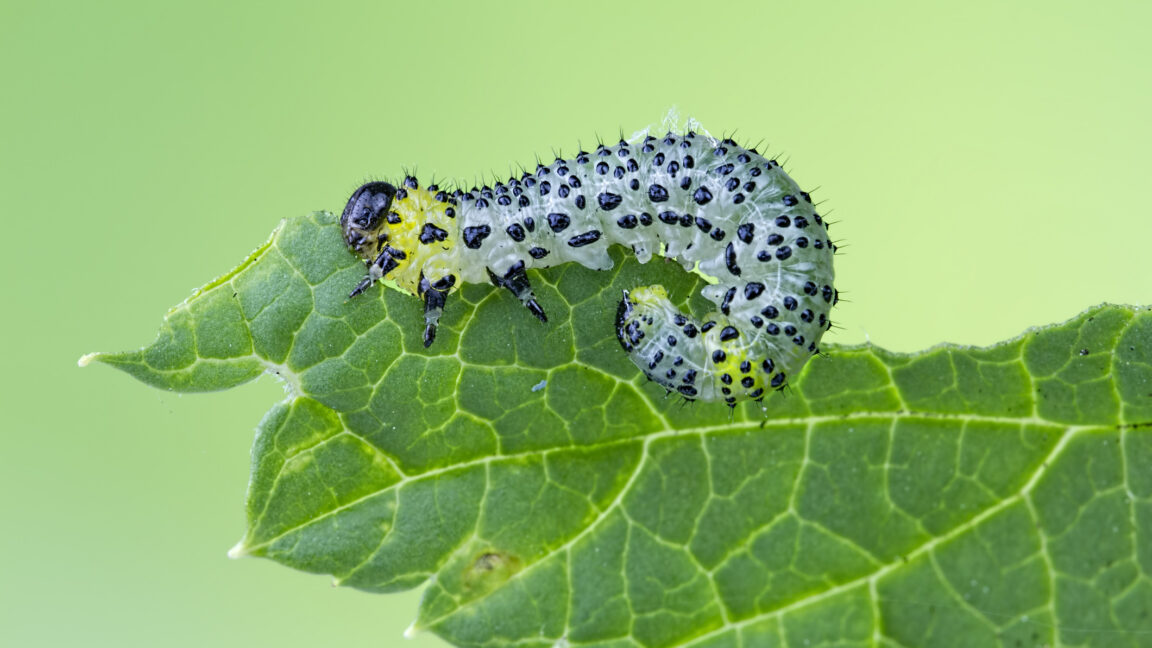
Beans use an immune receptor to call in airstrikes on caterpillars

For decades, scientists have understood that plants can release volatile organic compounds—essentially airborne chemical signals—to attract the natural enemies of the things that eat them, like caterpillars. What we didn’t know was exactly how a plant translates the physical act of being eaten into a specific, predator-summoning distress signal.

“[One] thing we didn’t know is how the plant detects the caterpillar in the first place,” says Adam Steinbrenner, a biologist at the University of Washington. Now, after years of experimenting with common bean plants in the lab and in the agricultural fields of Oaxaca, Mexico, Steinbrenner’s team pinpointed a single immune receptor that orchestrates its anti-caterpillar defense system.

Drooling caterpillars

When an herbivorous insect like a caterpillar feeds on a plant, it introduces its saliva straight into the plant's damaged tissues. This saliva contains biological clues called HAMPs: herbivore-associated molecular patterns. One of the HAMPs molecules is a peptide called inceptin, and there’s an 11-amino acid fragment of inceptin named In11, as well. Both of them turn out to be a fragment of the ATP synthase found in chloroplasts—basically a piece of one of the plant’s own proteins. As the caterpillar ingests the leaf, its gut enzymes chop up the plant's cellular engines and their pieces, including In11, are regurgitated back onto the leaf’s surface, albeit at extremely small concentrations.

Read full article

Comments

© mikroman6

  •  

Beans use an immune receptor to call in airstrikes on caterpillars

For decades, scientists have understood that plants can release volatile organic compounds—essentially airborne chemical signals—to attract the natural enemies of the things that eat them, like caterpillars. What we didn’t know was exactly how a plant translates the physical act of being eaten into a specific, predator-summoning distress signal.

“[One] thing we didn’t know is how the plant detects the caterpillar in the first place,” says Adam Steinbrenner, a biologist at the University of Washington. Now, after years of experimenting with common bean plants in the lab and in the agricultural fields of Oaxaca, Mexico, Steinbrenner’s team pinpointed a single immune receptor that orchestrates its anti-caterpillar defense system.

Drooling caterpillars

When an herbivorous insect like a caterpillar feeds on a plant, it introduces its saliva straight into the plant's damaged tissues. This saliva contains biological clues called HAMPs: herbivore-associated molecular patterns. One of the HAMPs molecules is a peptide called inceptin, and there’s an 11-amino acid fragment of inceptin named In11, as well. Both of them turn out to be a fragment of the ATP synthase found in chloroplasts—basically a piece of one of the plant’s own proteins. As the caterpillar ingests the leaf, its gut enzymes chop up the plant's cellular engines and their pieces, including In11, are regurgitated back onto the leaf’s surface, albeit at extremely small concentrations.

Read full article

Comments

© mikroman6

  •  
❌