Reading view

Arizona, Nevada Agree to Trade for Desalinated Pacific Ocean Water

A decade-old treatment plant in San Diego County, Calif., could leave more water in the Colorado River for states facing severe shortages.

© Sandy Huffaker for The New York Times

From left, Dan Denham of the San Diego County Water Authority; Scott Cameron of the U.S. Bureau of Reclamation; Tom Buschatzke of the Arizona Department of Water Resources; and Colby Pellegrino of the Southern Nevada Water Authority toasted the agreement at the Carlsbad Desalination Plant in California on Wednesday.
  •  

Natural Depsipeptide Antibiotic Targets Bacterial Ribosome

In a groundbreaking discovery that could significantly shift paradigms in antibiotic resistance and natural product biosynthesis, researchers have identified a novel methyltransferase enzyme, ManE, that confers bacterial immunity against a newly characterized ribosome-targeting antibiotic known as MKM. This finding not only unveils a sophisticated self-protection strategy employed by antibiotic-producing bacteria but also provides pivotal insights into the molecular interplay between natural antibiotics and the bacterial ribosome, potentially inspiring the next generation of antimicrobial agents.

Bacterial species that produce antibiotics face the unique challenge of avoiding self-toxicity, necessitating robust mechanisms to protect their own cellular machinery from the lethal effects of the compounds they synthesize. One common method of achieving this immunity involves enzymatic modification of ribosomal RNA (rRNA), the antibiotic’s target, which diminishes the binding affinity of the antibiotic and thereby prevents inhibition of protein synthesis. The newly identified methyltransferase, ManE, exemplifies this elegant strategy by methylating a critical nucleotide within the bacterial 23S rRNA, directly interfering with the binding site of MKM.

The journey to elucidate ManE’s function began with the comparative genomic analysis of Streptomyces rimosus strains, revealing that the manE gene is uniquely associated with gene clusters responsible for MKM biosynthesis. This exclusivity underscores ManE’s evolutionary role in safeguarding producers against their own antibiotic arsenal. The localization of manE contiguous to the MKM biosynthetic gene cluster hinted at a functional relationship, prompting experimental expression studies in Escherichia coli as a model system.

Functional assays demonstrated that heterologous expression of ManE in E. coli strains conferred a striking increase, exceeding 32-fold, in the minimal inhibitory concentration (MIC) of MKM required to suppress bacterial growth. This specificity was particularly notable as ManE expression did not confer resistance to other translation inhibitors, indicating a precise modification mechanism that targets the site of MKM action without broadly affecting ribosomal function or antibiotic susceptibility.

To pinpoint the molecular underpinnings of ManE-mediated resistance, researchers employed primer extension assays on rRNA purified from ManE-expressing and control E. coli cells. The appearance of a distinctive reverse transcriptase pause at nucleotide C2395 in the 23S rRNA suggested the installation of a posttranscriptional modification at this site. This pause, absent in wild-type strains, indicated that ManE specifically modifies this cytidine residue, a hypothesis further refined through advanced mass spectrometry techniques.

Hydrophilic interaction liquid chromatography–mass spectrometry (HILIC-MS) analyses provided definitive chemical evidence that ManE methylates the 2′-hydroxyl (2′-OH) group of the ribose moiety in cytidine 2395, forming 2′-O-methylcytidine (Cm2395). This subtle yet crucial alteration alters the chemical landscape of the rRNA’s antibiotic binding pocket, particularly impacting interactions between MKM and its primary binding site on the ribosome. Structural modeling elucidated that the methyl group appended to the 2′-OH of C2395 engenders steric clashes with the antibiotic’s side chain, effectively occluding MKM’s binding and neutralizing its inhibitory capacity.

The implications of ManE’s action extend beyond a mere protective mechanism. By precisely modifying a single ribose 2′-OH group, the enzyme exemplifies the exquisite specificity that bacterial resistance strategies can achieve. This precision could inspire the rational design of novel antibiotics or adjuvant therapies that circumvent or exploit such methylation-based resistance, potentially rejuvenating the clinical efficacy of ribosome-targeting antibiotics.

Furthermore, the discovery enriches our understanding of the evolutionary arms race between antibiotic synthesis and resistance. The co-localization of manE with MKM biosynthetic genes in S. rimosus strains suggests that natural product biosynthetic gene clusters may inherently contain self-resistance elements, preserving producer viability while maximizing antibiotic potency against competing microbes. Such insights are pivotal for bioengineering efforts aimed at harnessing or modifying biosynthetic pathways for pharmaceutical development.

From a structural biology perspective, the detailed mapping of the MKM binding site and the elucidation of how rRNA modification disrupts antibiotic binding advance our fundamental knowledge of ribosome-antibiotic interactions. Cytidine 2395, residing within a strategic locus of the 23S rRNA, emerges as a crucial battlefield where chemical modifications dictate the outcome of antibiotic encounter, dictating susceptibility or resistance with profound consequences for bacterial survival.

ManE’s specificity for MKM resistance, without affecting susceptibility to other translation inhibitors, emphasizes the potential for designing targeted resistance inhibitors or modulators. Such compounds could restore antibiotic efficacy in resistant strains by preventing protective methylation, opening new avenues in antimicrobial therapy against multidrug-resistant pathogens.

The interplay of molecular genetics, biochemical assays, and structural analysis in characterizing ManE underscores the power of integrative approaches in unraveling bacterial defense mechanisms. By coupling gene expression studies with primer extension probing and high-resolution mass spectrometry, the researchers meticulously delineated the pathway through which ManE modifies rRNA and confers antibiotic resistance.

Future investigations could explore the broader evolutionary distribution of manE-like genes across diverse bacterial taxa, shedding light on the prevalence and diversification of methylation-based resistance strategies. Additionally, the potential cross-talk between ManE and other rRNA modifications could reveal synergistic mechanisms that fine-tune ribosomal function and antibiotic susceptibility.

This discovery resonates within the wider context of the antibiotic resistance crisis, where understanding natural resistance mechanisms can inspire innovative strategies to overcome therapeutic challenges. ManE provides a molecular blueprint of resistance that, while formidable in natural producers, may be circumvented or exploited by next-generation antibiotics or adjunct treatments.

Ultimately, the identification of ManE as a site-specific 2′-O-ribose methyltransferase modifying C2395 to counteract MKM establishes a paradigm of structural resistance that combines genetic specificity with chemical precision. This work not only advances fundamental science but also holds promise for translational applications aimed at tackling bacterial infections with enhanced efficacy.

In sum, the meticulous dissection of ManE function and its role in MKM resistance exemplifies the dynamic interplay between antibiotic biosynthesis and bacterial self-immunity. This knowledge enriches our arsenal against bacterial pathogens and underscores the continuous need to interrogate natural systems for clues to combat antimicrobial resistance in clinical settings.


Subject of Research: Mechanisms of bacterial self-resistance to ribosome-targeting antibiotics and rRNA modification by methyltransferase enzymes

Article Title: A natural depsipeptide antibiotic binds the E-site of the bacterial ribosome

Article References:
Kaur, M., Travin, D.Y., Berger, M.J. et al. A natural depsipeptide antibiotic binds the E-site of the bacterial ribosome. Nature (2026). https://doi.org/10.1038/s41586-026-10589-2

Image Credits: AI Generated

DOI: https://doi.org/10.1038/s41586-026-10589-2

  •  

Oxytocin Therapy: Linking Schizophrenia Symptoms and Brain

The realm of psychiatric therapeutics is witnessing a transformative evolution as researchers delve into the translational pathways of oxytocin therapy, targeting schizophrenia’s most stubborn challenge: its negative symptoms. Schizophrenia, a complex neuropsychiatric disorder characterized by disturbances in thought, perception, and behavior, has long resisted effective treatment for certain debilitating aspects—particularly those negative symptom domains such as social withdrawal, anhedonia, and apathy. Among emerging interventions, oxytocin, a neuropeptide classically recognized for its role in social bonding and affiliation, is capturing scientific attention for its potential to unravel these clinical mysteries.

At the crux of this innovative approach is the intersection of neurohormonal modulation and neural circuit dynamics. Oxytocin’s modulation of social and emotional processing pathways offers a mechanistic foothold in the enigmatic pathophysiology underlying negative symptoms. Recent translational research studies have pioneered the exploration of how exogenous oxytocin administration can influence synaptic plasticity, neurotransmitter release, and neuronal connectivity within the corticolimbic circuitry—areas critically affected in schizophrenia. This represents a promising avenue to not merely ameliorate symptoms pharmacologically but to potentially restore disrupted neural mechanisms.

The translational challenge, however, lies in bridging preclinical models and clinical applications. Schizophrenia’s heterogeneity demands nuanced approaches that consider symptom-specific neurobiological substrates. The negative symptom dimension, often overshadowed by positive symptoms such as hallucinations and delusions, has evaded adequate therapeutic strategies largely due to its complex neurobiological basis. Oxytocin’s ability to interact with systems governing social cognition and motivation hints at a groundbreaking modality designed to target these deficits directly.

At the molecular level, oxytocin receptors distributed across key brain regions including the prefrontal cortex, amygdala, and hippocampus mediate its diverse effects. These areas are integral to emotional regulation and motivational drives, which are profoundly impaired in schizophrenia’s negative symptomatology. By engaging these receptors, oxytocin signaling can modulate glutamatergic and dopaminergic neurotransmission, both of which are pivotal in schizophrenia pathophysiology. This fine-tuning of neurotransmitter networks holds potential for reversing synaptic abnormalities associated with diminished social engagement.

Advancements in neuroimaging technologies have provided invaluable insights into oxytocin’s functional impact on brain activity patterns. Functional MRI studies reveal that oxytocin administration enhances connectivity within neural circuits responsible for social cognition, empathy, and reward processing. These findings crystallize the potential for oxytocin to recalibrate dysfunctional brain networks and reestablish functional integration, thereby alleviating symptoms that severely impair patients’ quality of life and societal integration.

One cannot overlook the translational complexity posed by oxytocin’s pharmacokinetics and delivery mechanisms. Oxytocin’s short half-life and poor blood-brain barrier penetrability necessitate innovative delivery strategies to achieve therapeutically relevant central nervous system concentrations. Intranasal administration has emerged as a preferred route, enabling direct transport to the brain and circumventing peripheral degradation. Yet, optimizing dosing regimens and treatment duration requires ongoing systematic investigation to maximize clinical benefits.

Behavioral outcomes also underscore the promise of oxytocin therapy in schizophrenia. Clinical trials report improvements in social functioning and motivation, correlating with enhanced neural activity in relevant brain regions. These functional gains transcend symptomatic relief, fostering real-world benefits such as improved interpersonal relationships and increased participation in therapeutic milieus. Consequently, oxytocin-based interventions could represent a paradigm shift from symptom management towards holistic rehabilitation.

Genetic and epigenetic considerations add another dimension to the therapeutic landscape. Individual variability in oxytocin receptor gene expression and epigenetic modifications may influence treatment responsiveness. Recognizing these genetic underpinnings can facilitate personalized medicine approaches, tailoring oxytocin therapy to individuals more likely to benefit based on biomarker profiles. Integrating genetic screening into clinical trials may accelerate precision psychiatry efforts.

Moreover, the interplay between oxytocin and other neuropeptides or neurotransmitter systems warrants deep exploration. Synergistic effects between oxytocin and serotonin or dopamine systems could potentiate therapeutic outcomes. Such interactions illuminate the need for combinatorial treatment strategies that harness multiple molecular pathways, thereby offering a comprehensive assault on schizophrenia’s multifaceted nature.

Despite encouraging preliminary results, challenges remain in standardizing oxytocin treatment protocols and managing placebo effects, which are particularly pronounced in psychiatric interventions. Identifying objective biomarkers to quantify therapeutic response could mitigate these challenges, enhancing the robustness of clinical trial outcomes. Advances in biomarker discovery, including neuroimaging and peripheral assays, represent critical adjuncts to validating oxytocin’s clinical utility.

Ethical considerations also surface in deploying a neuropeptide with such profound effects on social cognition and behavior. Long-term implications of modulating the oxytocinergic system necessitate rigorous safety profiling and monitoring to preempt adverse effects or unintended alterations in personality traits. Ensuring informed consent and transparent communication with patients is paramount as this innovative therapy advances from experimental phases to broader clinical practice.

Looking ahead, integration of oxytocin therapy into multidisciplinary treatment regimens could redefine schizophrenia care. Combining pharmacological interventions with psychosocial therapies may amplify benefits, nurturing neuroplastic changes through behavioral reinforcement. Such holistic strategies align with contemporary models of psychiatric rehabilitation emphasizing functional recovery and social reintegration.

The translational journey of oxytocin therapy epitomizes the intersection of basic neuroscience and clinical innovation. It underscores the imperative to dissect neural mechanisms with precision and translate these insights into tangible patient outcomes. As researchers continue to elucidate the molecular and circuit-level effects of oxytocin, the therapeutic horizon for schizophrenia’s negative symptoms appears increasingly promising.

In summation, the exploration of oxytocin as a therapeutic agent in schizophrenia exemplifies a pioneering frontier in psychiatric research. Bridging symptom domains with neural mechanisms offers nuanced understanding and targeted intervention strategies. While further research is essential to refine and validate this approach, the current trajectory heralds a potential leap forward in addressing one of schizophrenia’s most refractory symptom clusters.

The implications extend beyond schizophrenia, as insights gained from oxytocin therapy may inform novel treatments for a spectrum of neuropsychiatric disorders characterized by social and motivational deficits. This body of work contributes not only to psychiatric therapeutics but profoundly enriches our comprehension of human social neuroscience and neurochemical modulation.

As clinical trials progress and translational frameworks evolve, the promise of oxytocin as a cornerstone of next-generation schizophrenia therapy stands as a beacon of hope, illuminating pathways to improved cognition, social engagement, and ultimately, better lives for those affected by this challenging disorder.


Subject of Research: Oxytocin therapy targeting negative symptoms in schizophrenia by exploring neural mechanisms and translational pathways.

Article Title: Translational pathways of oxytocin therapy in schizophrenia: bridging negative symptom domains and neural mechanisms.

Article References:
Ji, L., Wang, X., Li, Y. et al. Translational pathways of oxytocin therapy in schizophrenia: bridging negative symptom domains and neural mechanisms. Transl Psychiatry (2026). https://doi.org/10.1038/s41398-026-04145-9

Image Credits: AI Generated

DOI: https://doi.org/10.1038/s41398-026-04145-9

  •  

Lung Ultrasound Advances in Childhood Necrotizing Pneumonia

In the ever-evolving world of pediatric medicine, diagnostic technologies have continually reshaped the landscape of clinical care. One of the most compelling recent advancements centers around lung ultrasound as a pivotal tool in the management of necrotizing pneumonia in children. An insightful new study by Buonsenso, published in Pediatric Research in 2026, explores how this imaging modality transcends traditional diagnostic boundaries, offering a nuanced pathway from recognition to decisive clinical action in this severe pulmonary condition.

Necrotizing pneumonia represents a formidable challenge in pediatric healthcare, marked by lung tissue necrosis and profound inflammation. Historically, clinicians have relied heavily on chest radiographs and computed tomography (CT) scans to diagnose and assess disease progression. However, these techniques, especially CT scans, involve radiation exposure and may be less accessible in resource-limited settings. Lung ultrasound emerges in this context as a non-invasive, safe, and highly informative alternative, enabling bedside evaluation without exposing young patients to ionizing radiation.

Buonsenso’s study meticulously delineates how lung ultrasound can detect hallmark features of necrotizing pneumonia, including consolidated lung areas interspersed with hypoechoic necrotic zones and associated pleural effusions. The real-time imaging capability allows clinicians to monitor dynamic changes in lung pathology, surpassing the static information provided by X-rays or CT scans. This dynamic feedback is invaluable in gauging treatment response and tailoring antibiotic regimens or surgical interventions accordingly.

The diagnostic confirmation of necrotizing pneumonia through ultrasound hinges on recognizing specific sonographic patterns. Consolidation appears as a tissue-like echotexture, while necrotic regions manifest as irregular anechoic or hypoechoic areas within these consolidated segments. Additionally, pleural line abnormalities and fluid collections can be readily identified. These sonographic signatures not only confirm disease presence but also help quantify severity, directly informing the urgency and aggressiveness of therapeutic strategies.

Clinical decision-making in necrotizing pneumonia has traditionally been complicated by diagnostic uncertainty and delayed recognition. Buonsenso’s work highlights how integrating lung ultrasound into routine assessment protocols markedly reduces diagnostic latency. Earlier identification of necrosis and fluid accumulation leads to prompt drainage procedures or surgical consultation, reducing the risk of systemic complications such as sepsis or persistent lung abscess formation.

Moreover, lung ultrasound’s bedside spontaneity promotes safer patient monitoring, especially in critical care units. Repeated imaging can be conducted with ease, facilitating continuous assessment without the logistical constraints imposed by CT or the cumulative harm of repeated radiographs. This fosters more informed, iterative decision-making based on the patient’s evolving clinical status rather than static snapshots.

A striking advantage underscored by this study is the operator-dependent yet reproducible nature of lung ultrasound in pediatric pneumonia. With adequate training, a wide range of healthcare providers—including pediatricians and intensivists—can harness ultrasound to improve diagnostic accuracy. This democratization of diagnostic capability has far-reaching implications for global health, particularly in low-resource or rural environments where advanced imaging is unavailable.

Buonsenso further discusses how lung ultrasound aligns with antimicrobial stewardship principles. By providing granular insights into disease progression and resolution, physicians can avoid premature escalation to broad-spectrum antibiotics or overly aggressive interventions. Conversely, detection of worsening necrosis or abscess expansion prompts timely escalation, optimizing clinical outcomes while minimizing resistance development.

Importantly, the research draws attention to the potential for lung ultrasound to redefine clinical protocols for necrotizing pneumonia in children. Whereas traditional algorithms emphasize radiographic progression and systemic markers such as leukocyte count, ultrasound affords a more direct window into pulmonary pathology. This could shift standard practice towards more personalized, pathology-driven care pathways tailored to each child’s unique disease trajectory.

The implications for future research and clinical practice are profound. Buonsenso suggests that integrating lung ultrasound findings into predictive models for necrotizing pneumonia outcomes may refine risk stratification and health resource allocation. This technological synergy could foster earlier interventions, shorter hospital stays, and fewer invasive procedures while improving survival rates and long-term lung function.

From a public health perspective, this advancement offers a blueprint for enhancing pediatric pneumonia management worldwide. By reducing dependence on costly and logistically demanding imaging modalities, lung ultrasound can extend diagnostic and therapeutic benefits to previously underserved populations. This aligns with global initiatives aimed at reducing pediatric respiratory morbidity and mortality through accessible, evidence-based care.

In sum, Buonsenso’s pioneering investigation places lung ultrasound at the forefront of pediatric pulmonology innovation. It confirms that beyond diagnosis, ultrasound’s real-time, radiation-free imaging profoundly influences clinical decision-making for necrotizing pneumonia. This dual diagnostic-clinical role transforms ultrasound from a mere tool into a cornerstone of patient-centered, precision medicine in pediatric respiratory infections.

This newfound clarity in lung disease visualization fosters greater clinician confidence, enabling more nuanced discussions with families regarding prognosis and management options. As adoption of lung ultrasound grows, so too will the collective understanding of pediatric necrotizing pneumonia’s natural history and optimal treatment strategies, ultimately benefiting countless children around the world.

In closing, Buonsenso’s exemplar work heralds a paradigm shift in pediatric infectious disease diagnostics. Lung ultrasound bridges critical gaps between pathology visualization and clinical intervention, illuminating pathways to safer, faster, and more effective care. It invites clinicians, researchers, and policymakers alike to embrace ultrasound’s full potential in combating one of childhood’s most severe pulmonary challenges.


Subject of Research: Lung ultrasound application in the diagnosis and management of necrotizing pneumonia in children

Article Title: Lung ultrasound for necrotizing pneumonia in children — from diagnostic confirmation to clinical decision-making

Article References:
Buonsenso, D. Lung ultrasound for necrotizing pneumonia in children — from diagnostic confirmation to clinical decision-making. Pediatr Res (2026). https://doi.org/10.1038/s41390-026-05181-3

Image Credits: AI Generated

DOI: https://doi.org/10.1038/s41390-026-05181-3

  •  

Oral Drug Combination Simplifies Treatment for AML Patients

A groundbreaking clinical trial has unveiled an all-oral drug regimen that promises to revolutionize the treatment landscape for older adults diagnosed with acute myeloid leukemia (AML). Traditionally, AML treatment demands frequent hospital visits for intravenous chemotherapy, posing significant challenges for elderly and frail patients. The ASCERTAIN V trial, an international phase 1/phase 2 study spearheaded by leading researchers at Weill Cornell Medicine, NewYork-Presbyterian, MD Anderson Cancer Center, and Yale University, offers a compelling alternative by combining two orally administered drugs—decitabine-cedazuridine and venetoclax.

The study enrolled 189 newly diagnosed AML patients across the United States, Canada, and Spain, focusing on individuals of advanced age or those medically unfit for intensive chemotherapy. Patients received a regimen consisting of venetoclax daily for a month alongside five consecutive days of decitabine-cedazuridine at the beginning of each treatment cycle. This oral combination demonstrated remarkable efficacy, achieving a complete remission rate of 46.5%. Furthermore, when including patients achieving complete response with incomplete hematologic recovery, the overall response rate climbed to 63%. Median overall survival reached 15.5 months, aligning favorably with outcomes seen in conventional intravenous therapy.

Decitabine-cedazuridine represents a novel pharmacological innovation. Decitabine itself is a hypomethylating agent designed to reactivate genes involved in cellular growth and apoptosis, thereby impairing leukemic cell proliferation. However, decitabine’s oral bioavailability had previously been limited by rapid metabolic degradation. Cedazuridine, administered alongside decitabine, inhibits cytidine deaminase—the enzyme responsible for this breakdown—effectively ensuring therapeutic plasma levels of decitabine following oral administration. This pharmacokinetic synergy permits oral delivery without compromising drug exposure or efficacy.

Venetoclax complements decitabine-cedazuridine by selectively inhibiting Bcl-2, a mitochondrial protein frequently overexpressed in AML cells that confers resistance to apoptosis. By disabling this survival mechanism, venetoclax sensitizes leukemic cells to programmed cell death. The convergence of epigenetic reactivation through hypomethylation and targeted apoptosis combines to offer a potent anti-leukemic effect. Notably, this regimen allows patients to avoid the logistical burdens and profound disruptions imposed by inpatient infusions.

Safety data from ASCERTAIN V paralleled known profiles for these agents. Common adverse events included anemia, neutropenia, and febrile episodes associated with low white blood cell counts. These predictable hematologic toxicities necessitate vigilant monitoring but remained manageable within the outpatient context. The trial also explored dosing schedules, recommending strategic pauses in venetoclax administration contingent on reductions in leukemic blast counts, thereby permitting bone marrow recovery and mitigating prolonged cytopenias.

The implications of this oral regimen extend beyond convenience. Dr. Gail J. Roboz, the trial’s principal investigator and a hematologist-oncologist at Weill Cornell, emphasizes the transformative impact on patient quality of life. “The goal is to reduce hospitalizations and treatment-related disruptions, enabling patients to maintain daily routines and comfort, without sacrificing therapeutic outcomes,” she asserts. This paradigm shift is particularly salient for elderly patients whose frailty often precludes intensive therapies.

Moving forward, researchers are optimistic about further refinements. Enhanced molecular monitoring may soon guide personalized treatment durations, raising the prospect of safely discontinuing therapy once sustained remission is achieved. Additionally, the team is investigating triplet regimens—augmenting decitabine-cedazuridine and venetoclax with additional targeted agents—to deepen remissions and accelerate potential cures.

The FDA granted approval for this oral combination in May, acknowledging its significance for the subset of adults aged 75 and older, or those deemed ineligible for conventional chemotherapy. Published in the New England Journal of Medicine, these findings establish a new therapeutic standard for AML, signaling a shift towards less invasive, more patient-centric care models.

Despite this progress, challenges remain. Continuous treatment necessitates rigorous clinical follow-up to preempt relapse and monitor long-term toxicities. Nonetheless, the oral administration route mitigates many barriers to adherence and access, offering hope for broader implementation.

In summary, the ASCERTAIN V trial heralds a new era in AML treatment, marrying pharmacological ingenuity with compassionate patient care. The all-oral decitabine-cedazuridine and venetoclax combination exemplifies how molecular targeting and drug delivery advancements can culminate in regimens that are both effective and profoundly less burdensome, especially for vulnerable patient populations. This development marks a pivotal stride towards transforming AML from a formidable adversary into a manageable condition with a brighter prognosis.


Subject of Research: Acute Myeloid Leukemia (AML) Treatment Innovations

Article Title: Oral Drug Combination Eases Treatment Burden for AML Patients

News Publication Date: June 3, 2026

Web References:
FDA Approval Announcement – https://www.fda.gov/drugs/resources-information-approved-drugs/fda-approves-oral-combination-decitabine-and-cedazuridine-tablets-venetoclax-newly-diagnosed-acute?utm_source=sfmc&utm_medium=email&utm_campaign=FDA+Alert+5.13.26&utm_term=https%3a%2f%2fwww.fda.gov%2fdrugs%2fresources-information-approved-drugs%2ffda-approves-acalabrutinib-venetoclax-chronic-lymphocytic-leukemia-or-small-lymphocytic-lymphoma&utm_id=562186&sfmc_id=19281407
Pharmacological Development of Decitabine-Cedazuridine – https://pmc.ncbi.nlm.nih.gov/articles/PMC9378483/

References:
Roboz, G. J., et al. “Oral Combination Decitabine-Cedazuridine and Venetoclax in AML.” New England Journal of Medicine, 2026.

Image Credits: Weill Cornell Medicine

Keywords: Acute Myeloid Leukemia, AML, Oral Chemotherapy, Decitabine-Cedazuridine, Venetoclax, Hypomethylating Agents, Bcl-2 Inhibitor, Hematologic Malignancies, Cancer Treatments, Drug Combinations

  •  

Una ecuación diseñada para estudiar materiales a escala atómica acaba de arrojar un escenario inquietante. La población mundial podría reducirse a la mitad antes de 2064 si varias crisis globales coincidieran

El modelo no pretende predecir el futuro ni anunciar una catástrofe inminente. Sin embargo, sus autores descubrieron que una misma ecuación capaz de describir ciertos materiales también reproduce 12.000 años de evolución demográfica y permite explorar escenarios extremos para la humanidad.

  •  

Los motores de combustible sólido llevan décadas arrastrando un problema que parecía imposible de resolver. Un nuevo sistema basado en plasma podría permitir apagarlos y encenderlos cuando sea necesario

La incapacidad para detener una combustión una vez iniciada ha sido una de las mayores limitaciones de este tipo de propulsión espacial. Un experimento de laboratorio acaba de demostrar que esa regla podría no ser tan inamovible como parecía.

  •  

Nvidia is already planning N2X and N3X chips — the goal is the Star Trek computer

Jensen Huang, chief executive officer of Nvidia Corp. | Bloomberg via Getty Images

Just in case you were wondering, Nvidia's RTX Spark isn't supposed to be a one-off. The company is not just flirting with becoming the fifth high-profile vendor of consumer laptop chips to see if people bite. At Computex 2026 in Taipei, Nvidia CEO Jensen Huang confirmed at least two additional generations of RTX Spark are already planned. The eventual goal, he said, is to build Star Trek-like computers and and Star Wars-like droids you can order around with your voice.

"I want to talk to my laptop! I want R2-D2!" he told analysts and investors at Computex, revealing that he started working with Microsoft CEO Satya Nadella "about three years …

Read the full story at The Verge.

  •  

Airport Simulator: Plane City coloca-o no comando dos maiores aeroportos do mundo

Com mais de 10 milhões de jogadores em todo o mundo, Airport Simulator: Plane City é um simulador de gestão de aeroportos do estúdio francês Playrion que mistura estratégia, personalização e a calma hipnótica de ver aviões a descolar e a aterrar.

The post Airport Simulator: Plane City coloca-o no comando dos maiores aeroportos do mundo appeared first on Tek Notícias.

  •  

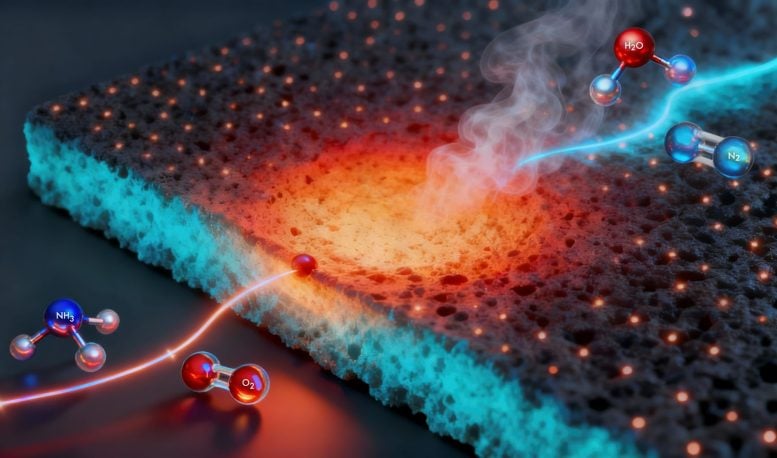
Scientists Crack Major Ammonia Problem With a Platinum Catalyst Breakthrough

Platinum Catalyst Lights AmmoniaA newly engineered catalyst overcomes key obstacles that have long limited ammonia as a clean fuel for heavy industry. A newly developed single-atom platinum catalyst can ignite ammonia at about 200°C (392°F) and sustain stable combustion at 1,100°C (2,012°F) while producing very little NOx. The breakthrough could provide carbon-free, high-grade heat for industries such as [...]
  •  
❌