Reading view

On its 40th anniversary, we reassess 1986's SpaceCamp

Forty years ago, the future seemed just around the corner—and the vehicle that was going to take us there was NASA's Space Shuttle. Originally envisioned as part of a larger integrated space transportation system, the shuttle was billed as a fully reusable vehicle, totally unlike the one-and-done capsules of the fading Apollo era, capable of making monthly (and perhaps even weekly) ferry flights to low Earth orbit.

The shuttle, it was hoped, would transform human space flight from extraordinary to mundane. Brands like Coke and Pepsi were quick to hop aboard and expand the Cola Wars into space, and there were even plans to blast Sesame Street's Big Bird into orbit.

The loss of Challenger in January 1986—carrying educator Christa McAuliffe, who would have been the first private citizen in space—put the kibosh on all of that. The shuttle, while fantastically advanced, would never be the vehicle to help humankind slip all of our surly bonds, so to speak. Even operating at its most frantic peak in 1985 just before Challenger's loss, the shuttle hardware managed a maximum of nine flights in one calendar year; for most of the 1990s, it performed at five or six flights per year. Civilians in space—to say nothing of Big Bird—would have to wait.


Read full article

Comments

© 20th Century Fox
  •  

Here's why the failure of Blue Origin's New Glenn rocket is so catastrophic

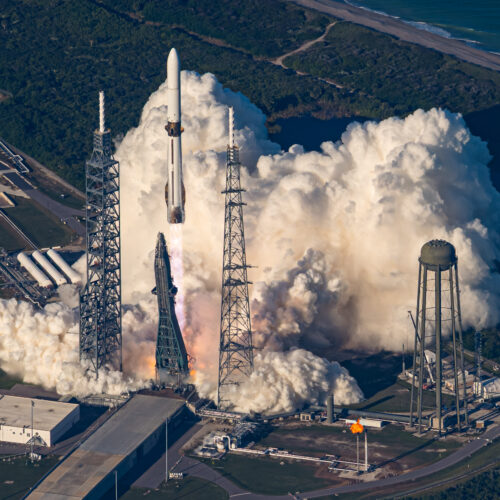
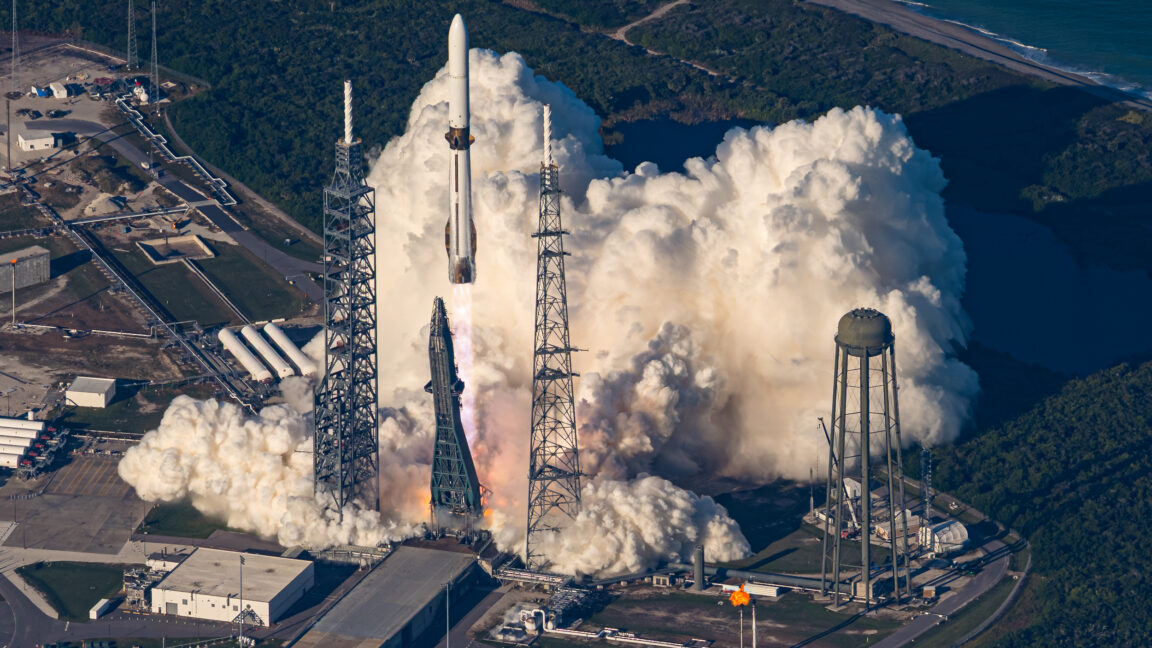
Thursday night's detonation of Blue Origin's New Glenn rocket during a static-fire test produced a spectacular fireball over Florida, sending shards of the rocket flying far and wide, into the sea and across the coastal scrubland nearby.

With sunrise on Friday teams from Blue Origin, the US Space Force, and NASA will be able to begin more thoroughly assessing the damage to Blue Origin's facilities and begin picking up pieces of the rocket.

pic.twitter.com/EfYn4QWW9M

— Nick Johnson (@NickJohnson315) May 29, 2026

Read full article

Comments

© Blue Origin

  •  

The most spectacular rocket explosion since N1 just happened in Florida

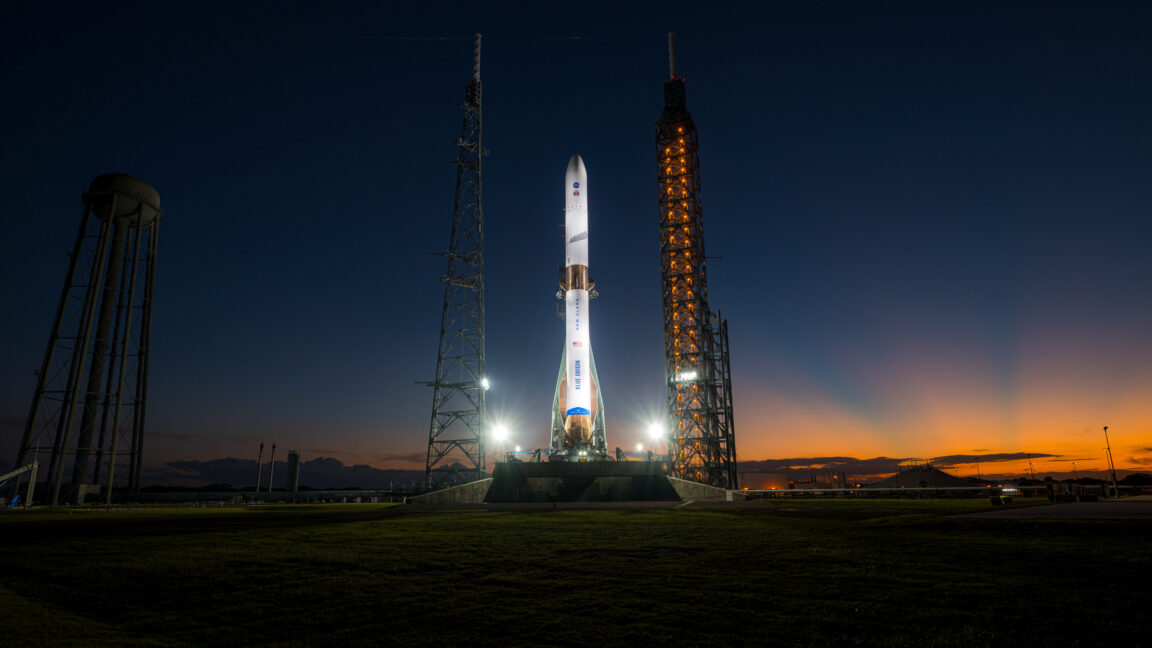
On Thursday evening, Blue Origin attempted to test fire its massive New Glenn rocket at its Florida launch site, but something went very wrong after engine ignition. The super heavy lift rocket exploded in spectacular and disastrous fashion.

The static fire test was being filmed by NASASpaceflight.com on its Space Coast Live feed, which captured video of the conflagration that followed the destruction of the booster. The first stage of New Glenn, fueled with methane, produced a massive fireball above the launch site along the Florida coast, LC-36A. It is possibly the most dramatic and powerful rocket explosion since the Soviet Union's N1 rocket was destroyed during a launch attempt in 1969.

Blue Origin's New Glenn just blew up at LC-36 while attempting to Static Fire ahead of NG-4.https://t.co/tANS0dWyIH pic.twitter.com/PztxFoBqIw

— NSF - NASASpaceflight.com (@NASASpaceflight) May 29, 2026

Read full article

Comments

© Blue Origin

  •  

NASA takes steps toward building Moon Base, including discussing a "perimeter"

NASA officials announced contract awards for the initial elements of a lunar base on Tuesday, including two rovers that will provide mobility to astronauts.

With the series of announcements, NASA Administrator Jared Isaacman sought to maintain momentum around a Moon Base initiative revealed two months ago as part of the space agency's return to the Moon. "For those waiting patiently, the grand return is close at hand, and we will not slow down," he said.

The manager for the lunar base, Carlos Garcia-Galan, said the space agency had selected two companies, Astrolab and Lunar Outpost, to build approximately 1-ton rovers that would be ready for delivery to the Moon in 2028. Astrolab will receive $219 million for its "CLV-1" rover, and Lunar Outpost $220 million for its "Pegasus" rover, building upon initial contracts awarded two years ago. Each rover is expected to have a range of 200 km and be capable of driving autonomously, with guidance from operators on Earth, in addition to being driven by astronauts.

Read full article

Comments

© NASA

  •  

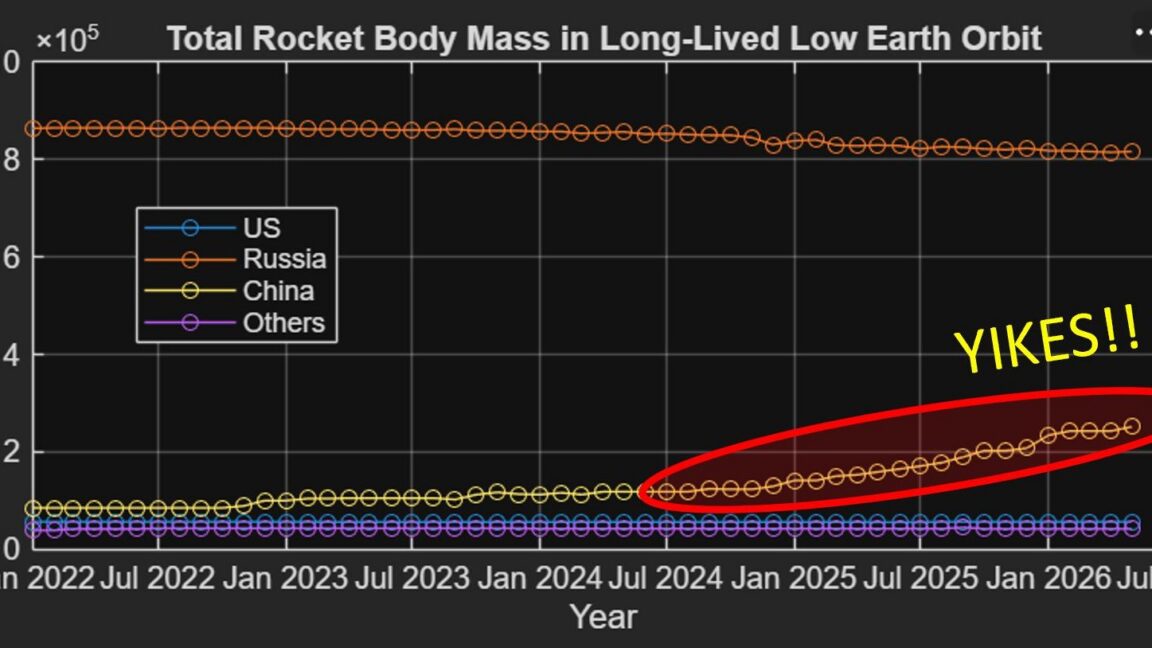
Analyst on China's spent rocket stages: "Things only continue to get worse"

Up until a decade ago, China had never launched as many as 20 orbital rockets a year. But beginning in 2022, the Asian country launched 64 rockets and last year reached a record total of 93, marking it as the second-most productive space power in the world.

Further growth is anticipated from both the company's state-owned enterprises as well as a rapidly expanding number of private launch companies. There is nothing wrong with this, as China's rapid growth in launch has been mirrored by the United States and, in particular, SpaceX.

However there is an issue with these launches, as China appears to be ignoring long-established norms about disposing of the upper stages of rockets. These are the parts of the vehicle that separate from the first stage of a rocket and push a satellite or spacecraft into orbit.

Read full article

Comments

© Jim Shell

  •  

NASA undertakes major reorganization to reduce bureaucracy and move faster

NASA Administrator Jared Isaacman sent a long email to employees on Friday morning outlining several structural changes that are intended to make the sprawling agency more efficient and allow it to better accomplish major goals, such as returning to the Moon and building a base there.

"I believe it is imperative to concentrate resources towards the highest priority objectives in the National Space Policy and liberate the best and brightest from needless bureaucracy and obstacles that impede progress," Isaacman wrote in his 3,000-word letter.

Isaacman's message stressed that no one at NASA will lose their jobs, and no field centers will be closed as part of these changes. Rather, the overall intent is to improve operational efficiency and focus on the agency's core missions. Isaacman laid these out as: execute on the Artemis Program to return humans to the Moon; build an enduring Moon Base; develop a "Space Reactor Office" to get America underway on nuclear power in space; ignite an economy in low-Earth orbit; and build more X-planes and launch more science missions.

Read full article

Comments

© Kevin Carter/Getty Images

  •  

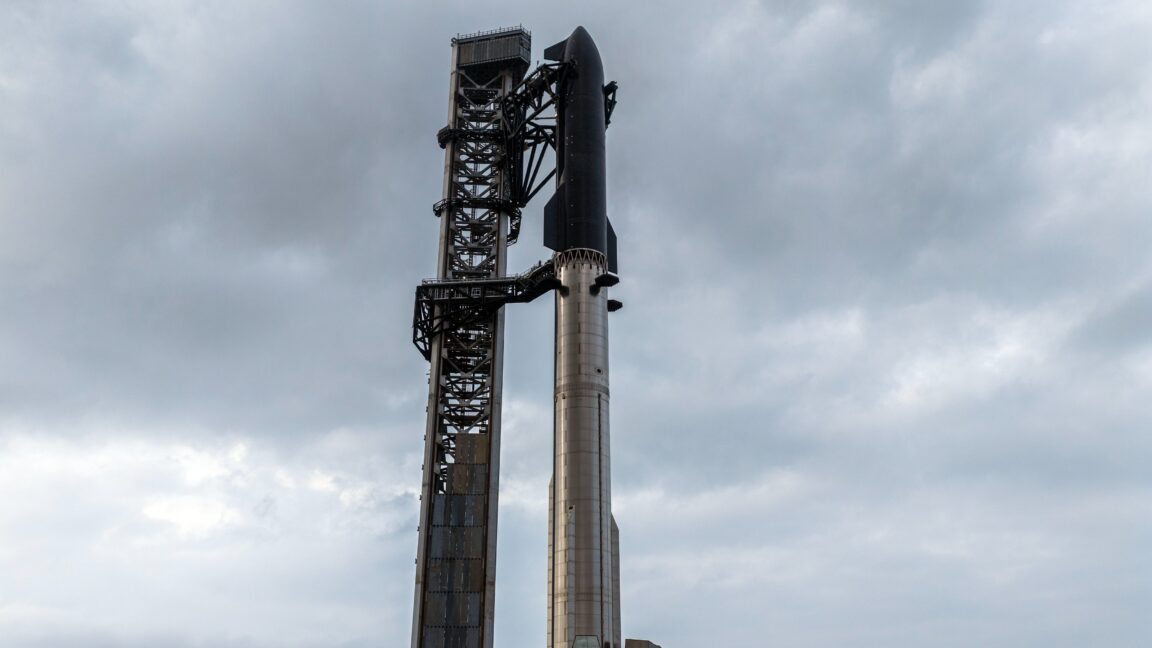
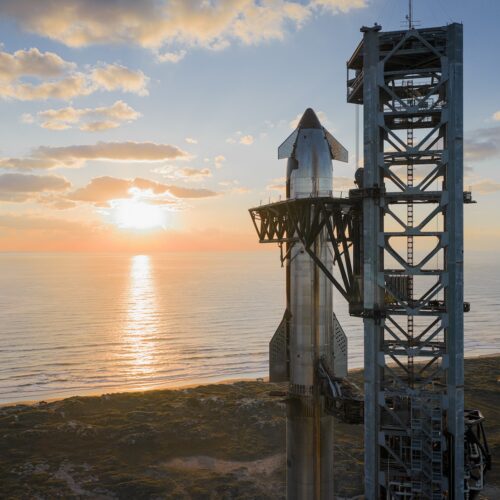
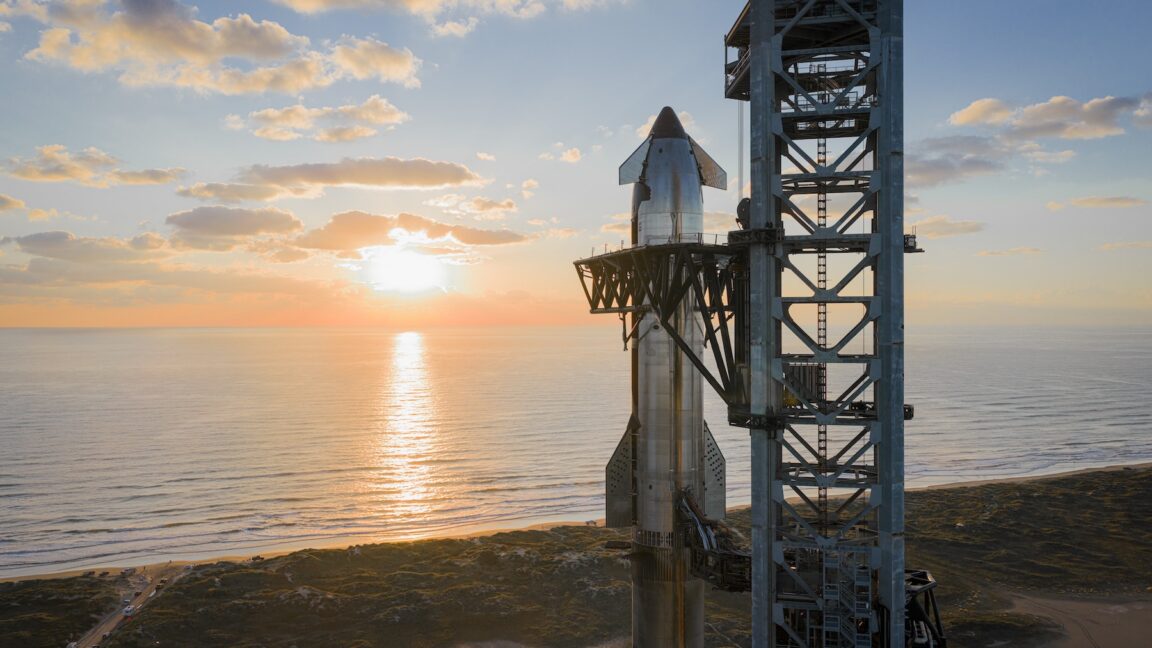
Rocket Report: Starship launch delayed, German launch company may aid Canada

Welcome to Edition 8.42 of the Rocket Report! SpaceX nearly launched its Starship rocket on Thursday amid much pomp and circumstance in South Texas, only to be foiled by a ground system issue. Such delays are to be expected, with almost entirely new hardware on both the rocket and the ground side of things. The company will try again as soon as Friday evening, and as we discuss in this week's report, the stakes are quite high for SpaceX and much of the rest of the US spaceflight enterprise.

As always, we welcome reader submissions, and if you don't want to miss an issue, please subscribe using the box below (the form will not appear on AMP-enabled versions of the site). Each report will include information on small-, medium-, and heavy-lift rockets as well as a quick look ahead at the next three launches on the calendar.

Firefly expands Central Texas footprint. Firefly Aerospace on Tuesday announced that it has moved into a new headquarters, expanded its cleanroom space, and added an innovation lab to support its growing workforce and accelerate spacecraft production. The expansion includes two new buildings adjacent to Firefly’s existing spacecraft facility in Cedar Park, Texas, enabling a single campus with 144,000 total square feet for spacecraft assembly and testing, mission control, avionics and component production, engineering, and business operations.

Read full article

Comments

© SpaceX

  •  

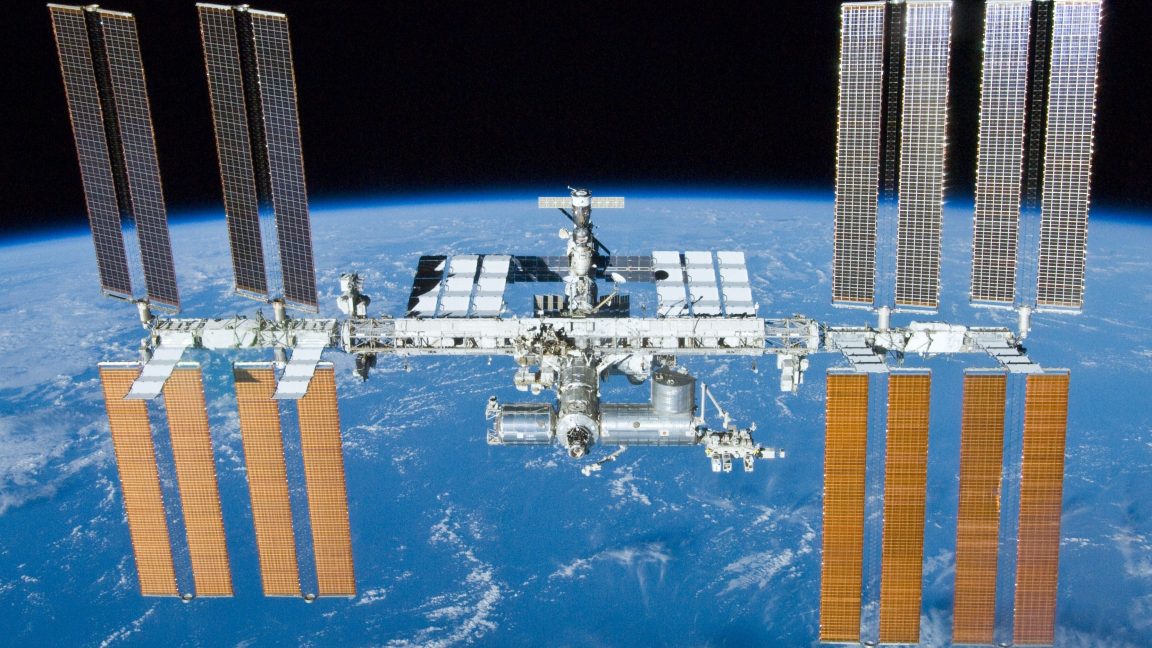
Uh-oh, the International Space Station is leaking again

NASA confirmed Thursday that the Russian segment of the International Space Station has begun leaking atmosphere into space again. It's an old problem that NASA recently hoped was resolved.

For more than half a decade, engineers from Roscosmos and NASA have been tracking the leak rate from a small Russian module attached to the space station that leads to a docking port. The source of these leaks, microscopic structural cracks, have been difficult to find and address.

In January, NASA said that after multiple inspections and sealant applications, the pressure inside this segment, known as the PrK module, had reached a "stable configuration." The PrK module is essentially a transfer tunnel attached to the Zvezda Service Module on the Russian segment of the space station.

Read full article

Comments

© NASA

  •  

Famously secret about its finances, SpaceX opens its books for the first time

After nearly a quarter of a century operating as a private company, with its financial accounts a closely guarded secret, SpaceX on Wednesday afternoon released a detailed accounting of its business in a nearly 400-page S-1 filing with the US Securities and Exchange Commission.

SpaceX, founded in 2002 and still led by Elon Musk, submitted the filing in anticipation of an initial public offering of its stock as soon as June 12.

The document revealed no major surprises about the company's space operations, but there was a trove of details about its sprawling operations, which now encompass launch, spaceflight, space-based Internet, and, thanks to its recent acquisition of Musk's xAI, social media and AI.

Read full article

Comments

© SpaceX

  •  

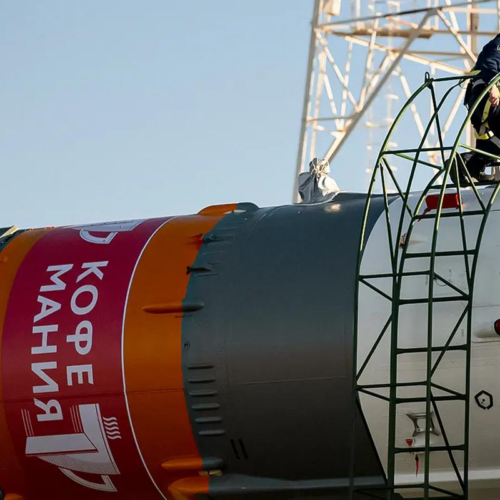
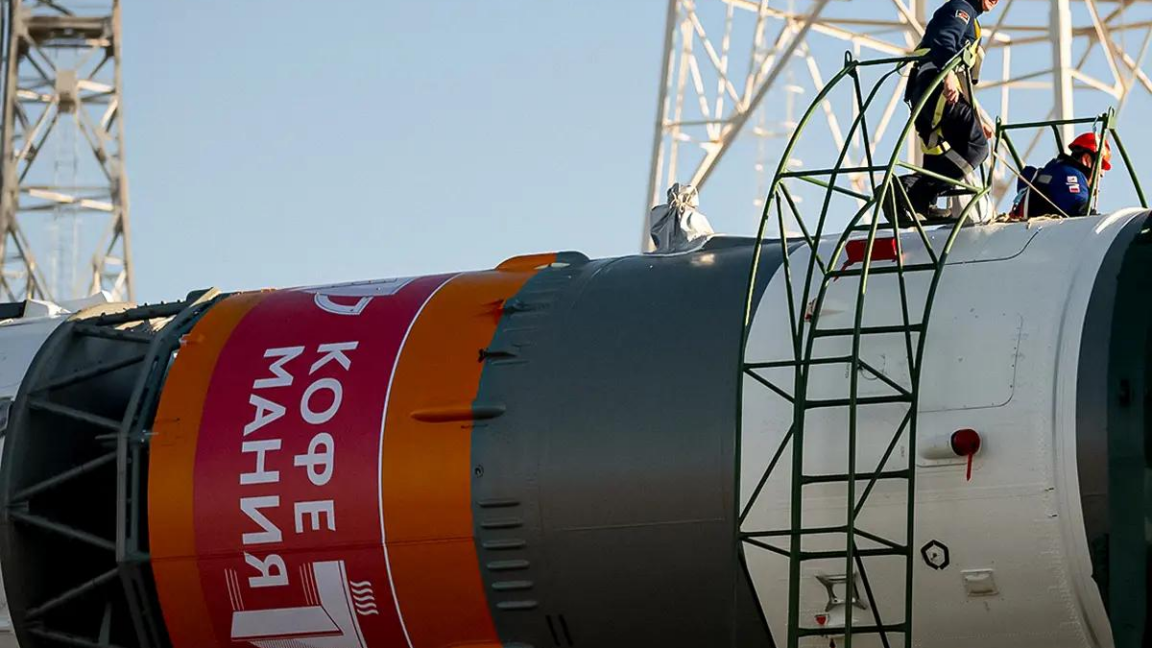
Russia's plan to advertise on rockets and spacecraft takes off

It's difficult to know the true state of the Russian economy, both because the country's financial reporting is sparse and because official figures are unreliable. But things probably aren't great.

This week, Sweden's minister of foreign affairs, Maria Malmer Stenergard, shared her country's assessment that the Russian economy has likely contracted over the last five years amid the war in Ukraine. Inflation is also high, and international sanctions have cost Russia $450 billion since the onset of the war in February 2022. Russia's economy is currently smaller than that of Texas, Stenergard said.

By most measures, then, the economy is not in tip-top shape. Moreover, the war is draining a large amount of the country's financial resources, with defense spending reaching a post-Soviet record of about 7 percent of government spending.

Read full article

Comments

© Roscosmos

  •  
❌