Normal view

Even “Safe” Air Pollution Levels Pose Health Risks

3 June 2026 at 21:54

In a groundbreaking review set to reshape public health policies, researchers at the University of Mississippi have presented compelling evidence that ambient air pollution levels deemed safe by current Environmental Protection Agency (EPA) standards may nonetheless pose a significant risk to cardiovascular health. This extensive review, recently published in the scientific journal Environmental Pollution, synthesizes decades of global research, underscoring the urgent need to revisit and potentially lower regulatory thresholds for fine particulate matter, specifically PM2.5.

PM2.5 refers to microscopic particulate matter with a diameter less than 2.5 microns—around 20 times smaller than a human hair—which makes them capable of penetrating deep into the respiratory tract and entering the bloodstream. These particles originate from diverse sources such as vehicular emissions, industrial manufacturing, biomass burning, and dust from agricultural activities. Their diminutive size allows them to circumvent the body’s natural defense mechanisms, reaching vital organs and triggering systemic health effects.

The review meticulously analyzed 95 peer-reviewed studies that addressed cardiovascular impacts related to low-level PM2.5 exposures worldwide. Strikingly, approximately two-thirds of these studies demonstrated significant associations between PM2.5 exposure and adverse cardiovascular outcomes, including heart attacks, strokes, and increased arterial plaque accumulation. Such findings suggest that even concentrations below the EPA’s current allowable limits can compromise cardiovascular function and contribute to disease progression.

One of the most alarming revelations from the review is the heightened vulnerability of specific demographic groups. Older adults, infants, individuals with preexisting heart conditions, socioeconomically disadvantaged communities, and marginalized populations bear a disproportionate burden of the health consequences posed by low-level PM2.5 exposure. The underlying reasons include a combination of biological susceptibility, existing comorbidities, and environmental inequities that result in unequal pollution exposures.

Experts leading the study emphasize that the source of PM2.5 plays a pivotal role in its health impact. Traffic-related pollution, industrial emissions, and rural dust each possess unique chemical compositions and particle characteristics that influence toxicity. For instance, black carbon—a key component of soot prevalent in urban areas—has been linked to respiratory and cardiovascular morbidity. Understanding these nuances is critical for tailoring regulatory actions and mitigation strategies.

Technological advances in air quality monitoring have highlighted the dynamic nature of pollution exposure. Daily fluctuations in PM2.5 concentrations, even within previously considered ‘safe’ ranges, can exacerbate risk. The lack of widespread public awareness regarding these subtleties hampers proactive health protection. Consequently, researchers call for enhanced education campaigns to inform communities about real-time air quality risks and personal protection measures.

Cardiovascular disease remains the leading cause of mortality on a global scale, and these findings carry profound implications for public health. The pathophysiological mechanisms implicate PM2.5 in accelerating atherosclerosis, fostering systemic inflammation, and enhancing thrombogenic potential. These processes collectively escalate the likelihood of acute cardiovascular events. The pervasiveness of PM2.5 exposure across urban, industrial, and rural environments necessitates a broad-reaching response.

Current public health recommendations to mitigate individual risk include monitoring localized air quality indices and adopting practical interventions on high-exposure days. Utilization of high-efficiency particulate air (HEPA) filtration systems within indoor environments, combined with the use of adequately rated masks such as N95 respirators, can substantially reduce personal particulate inhalation. These tools are particularly vital for sensitive populations engaging in outdoor activities during episodes of elevated pollution.

The review underscores the critical interplay between environmental science and clinical health disciplines. Healthcare providers are encouraged to integrate pollution exposure assessments into routine cardiovascular risk evaluations. Furthermore, temporal spikes in air pollution should prompt heightened clinical vigilance among patients with known cardiovascular vulnerabilities.

While treatment modalities for pollution-induced cardiovascular damage remain limited, prevention through regulatory intervention and public engagement is paramount. This study advocates for policy reforms that reflect emerging scientific evidence—ideally, lowering the maximum allowable PM2.5 levels to afford more comprehensive protection for population health. Robust air quality enforcement accompanied by community education initiatives constitutes the frontline defense.

Mississippi’s unique environmental landscape, marked by a blend of rural, industrial, and urban pollution sources, exemplifies the broader challenges in managing fine particulate exposure. Researchers at the University of Mississippi have specifically documented elevated black carbon concentrations across various locations within the state, correlating these findings with increased respiratory admissions. Such regional data, when synthesized with global research, bolster the call for targeted policy improvements.

This collective body of work spotlights the critical need for multi-sectoral collaboration spanning environmental regulation, healthcare, urban planning, and public advocacy. Addressing the insidious cardiovascular risks posed by low-level PM2.5 pollution demands concerted efforts to enhance air quality monitoring infrastructure, refine healthcare response frameworks, and cultivate informed, empowered communities.

Ultimately, the path forward rests on reimagining air quality standards rooted in rigorous health evidence. By recognizing and acting upon the risks associated with fine particulate pollution at even low concentrations, society can better safeguard cardiovascular health and reduce the burden of pollution-related morbidity on a global scale.


Subject of Research: Health impacts of low-level ambient fine particulate matter (PM2.5) exposure and cardiovascular outcomes

Article Title: A systematic review of low-level ambient fine particulate matter (PM2.5) exposures and adverse cardiovascular health outcomes

Web References:

References:
University of Mississippi Review in Environmental Pollution, DOI: 10.1016/j.envpol.2026.127978

Image Credits: Photo illustration by John McCustion/University Marketing and Communications

Keywords: Air pollution, PM2.5, cardiovascular health, fine particulate matter, environmental toxicology, public health, pollution regulation, black carbon, respiratory health, environmental epidemiology, pollution exposure, air quality monitoring
AI-Powered Coaching Transforms Exercise Guidance

3 June 2026 at 21:42

In recent years, the surge in at-home fitness routines, especially during the global Covid-19 pandemic, has spotlighted a critical issue: improper exercise form leading to a significant rise in injuries. The U.S. Consumer Product Safety Commission reported a 48% increase in injuries related to at-home exercise during this period, underscoring the challenge many face without direct access to professional coaching. Addressing this gap, a pioneering team of researchers from Drexel University and Michigan State University has developed a cutting-edge prototype integrating artificial intelligence (AI), computer vision, and biomechanical modeling to offer real-time, precise exercise form coaching from streaming video footage.

This innovative program, dubbed BioCoach, marries advanced computer vision techniques with a vision-language model, allowing it not only to analyze human movement but also to generate live, anatomical feedback during various exercises. While numerous fitness coaching apps exist, few provide the specificity and immediacy of biomechanical correction delivered by a seasoned human trainer. BioCoach aims to bridge this divide by delivering targeted, timely cues rooted in the biomechanics of body motion, effectively emulating the nuanced guidance a knowledgeable coach would provide in person.

At the heart of BioCoach lies an intricate fusion of data processing algorithms. The system employs a dual-stream analysis approach: one stream utilizes a three-dimensional convolutional neural network (3D CNN) to capture visual appearance and motion dynamics, expertly recognizing distinct objects and movements within video sequences. Concurrently, a complementary stream estimates 3D skeletal posture and body morphology, extracting quantitative joint angles, ranges of motion, and exercise-phase data. This robust combination grants BioCoach an unprecedented depth of insight into the biomechanics underlying each repetition and posture captured on video.

The development team significantly enhanced the model’s training dataset by augmenting the Qualcomm Exercise Video Dataset (QEVD), a publicly available repository containing extensive exercise footage annotated with basic coaching feedback. Recognizing the sparse nature of original annotations, which often consisted of brief comments like “lower your body more,” the researchers re-annotated over 200 videos with detailed biomechanical targets and rationales. This enriched dataset included over 2,400 meticulously crafted notes specifying precise joint angles and motion thresholds, thus grounding the language model in authentic biomechanical context and timing.

This careful re-annotation process was integral not only in elevating the model’s linguistic precision but also in enabling rigorous evaluation of its feedback timing and relevance. By preserving the temporal alignment of coaching cues with specific exercise phases, the researchers ensured BioCoach’s ability to respond not just accurately but precisely when corrections are most beneficial—mirroring the instantaneous interventions of expert trainers.

BioCoach’s capacity to provide feedback is rooted in its ability to identify key joints relevant to individual exercises. For example, during squats, the system prioritizes analysis of the hips, knees, and ankles, while for push-ups, it focuses on the shoulders, elbows, and wrists. This targeted approach ensures that feedback remains specific and actionable, avoiding generic or irrelevant comments common in many current fitness apps. Additionally, by integrating detailed body shape and movement quality metrics, BioCoach can parse subtle deviations that might indicate compensatory patterns or strain risks.

The linguistic component of BioCoach translates intricate biomechanical data into natural language coaching cues with unparalleled clarity and relevance. Unlike more superficial feedback models, BioCoach articulates the significance behind each correction, explaining why a certain adjustment matters for distributing load or preventing injury. For instance, a suggestion might not only encourage “increasing elbow flexion to 90 degrees at the bottom of a push-up” but also clarify that “this adjustment helps distribute load evenly across joint structures,” thereby fostering user understanding and compliance.

In rigorous head-to-head testing, BioCoach was benchmarked against top-tier video-language AI models developed by prestigious institutions and corporations including MIT, NVIDIA, ByteDance, Alibaba, Salesforce, OpenAI, and leading Chinese universities. The evaluation involved feeding each program a combination of original QEVD videos and the newly annotated footage, assessing the response quality based on accuracy, anatomical correctness, detailed specificity, and timeliness.

The results were compelling. BioCoach outperformed its closest competitor, Stream-VLM (a collaboration between MIT and NVIDIA researchers) in text quality and relevance when evaluated on the original dataset. More strikingly, on the enriched dataset with biomechanics-based annotations, BioCoach demonstrated substantial gains across all metrics. Its feedback was notably more biomechanically accurate and rich with anatomy-specific details, establishing new standards for AI-driven exercise coaching.

The success of BioCoach highlights the profound benefit of integrating explicit 3D kinematic data and biomechanical constraints into AI coaching frameworks. By moving beyond mere pixel-level image analysis to structured, domain-specific knowledge, the system not only generates more accurate and insightful guidance but also becomes more interpretable and dependable, critical factors for user trust and safety in fitness applications.

Looking forward, the research team envisions expanding BioCoach’s capabilities to estimate joint reaction forces and muscle activation patterns from video input. Such enhancements would empower the system to detect even subtle compensatory movements or loading imbalances that can precipitate injury over time. These improvements could revolutionize both exercise and physical therapy by supporting users in receiving continuous, expert-level feedback remotely, effectively extending the reach of human trainers into digital spaces.

Dr. Feng Liu, assistant professor at Drexel’s College of Engineering and Computing and lead for the Visual Intelligence Lab, emphasized the transformative potential of BioCoach. “Our aspirations extend beyond simple encouragement,” he explained, “to actual biomechanically grounded coaching that helps individuals exercise safely and effectively. This integration of computer vision, 3D modeling, and language understanding is poised to redefine how AI supports human movement education.”

The development of BioCoach epitomizes a new wave of AI applications that intertwine deep learning and biomechanics, heralding an era where personalized, scientific exercise coaching is accessible anytime and anywhere. With ongoing refinement, such systems could democratize expert-level fitness guidance, mitigate injury risks, and ultimately promote healthier lifestyles across diverse populations worldwide.

Subject of Research: Not applicable
Article Title: From 3D Pose to Prose: Biomechanics-Grounded Vision–Language Coaching
News Publication Date: 27-Mar-2026
Web References: http://dx.doi.org/10.48550/arXiv.2603.26938
References: Feng Liu et al., arXiv preprint, 2026
Image Credits: Drexel University

Keywords: Artificial intelligence, Computer vision, Machine perception, Image processing, Natural language processing, Three dimensional modeling, Physical exercise

Oxygen Loss in Inland Freshwater Ecosystems

3 June 2026 at 21:37

Inland freshwater ecosystems—comprising rivers, lakes, and reservoirs—are critical reservoirs of biodiversity and essential sources of freshwater resources for human use. However, these ecosystems are facing an alarming threat from deoxygenation, a process characterized by declining levels of dissolved oxygen (DO) in surface and subsurface waters. Dissolved oxygen serves as a fundamental driver of aquatic life, facilitating aerobic respiration for myriad organisms and sustaining complex biogeochemical cycling. The rapid depletion of DO in freshwater systems threatens not only the ecological health of these habitats but also the socioeconomic stability of communities that depend on them for drinking water, fisheries, and recreation.

Recent studies reveal a stark global trend: surface water dissolved oxygen in inland freshwater bodies is declining at unprecedented rates. Over the last two decades, lakes have recorded an average DO decrease of approximately 0.034 mg per liter per decade during summer months, while rivers have exhibited a more pronounced year-round decline of 0.043 mg per liter per decade dating back to the early 1980s. These patterns are not uniform, with spatial variability linked to geographic and climatic heterogeneity. Notably, the most dramatic decreases have occurred in Asian lakes, where DO has dropped by 0.043 mg per liter per decade, and in the Amazon River Basin, where declines reach as much as 0.2 mg per liter per decade, a figure that signals profound disruption in one of the planet’s most vital freshwater systems.

The drivers behind this widespread deoxygenation are multifaceted, intricately interwoven with both natural processes and human influences. Climate warming emerges as a dominant force amplifying oxygen depletion through several mechanisms. Elevated temperatures exacerbate thermal stratification in lakes and reservoirs, prolonging the summer layering of water masses which prevents oxygen exchange between surface and bottom layers. Moreover, oxygen’s solubility in water inherently decreases as temperature rises, compounding DO shortages. Higher temperatures also stimulate microbial metabolism, escalating the respiration rates that consume available oxygen. In sum, climatic warming both directly and indirectly escalates the vulnerability of freshwater systems to hypoxia and anoxia.

Human activities intensify these natural stressors by accelerating nutrient inputs, primarily nitrogen and phosphorus, through agricultural runoff, sewage discharge, and industrial effluents. This nutrient enrichment leads to eutrophication—a process marked by excessive algal growth and subsequent decay, further depleting oxygen levels once the organic matter decomposes. Extreme rainfall events, which are increasing in frequency and intensity due to climate change, exacerbate this situation by facilitating nutrient transport and promoting the development of hypoxic zones. Globally, this complex interplay of anthropogenic nutrient loading and climate-induced changes is reshaping hydrological and biogeochemical cycles with alarming consequences.

The process of deoxygenation initiates a cascade of biogeochemical feedbacks that accelerate ecosystem deterioration. Oxygen-depleted conditions foster the proliferation of anaerobic microbial communities, altering the cycling of key elements such as nitrogen, sulfur, and carbon. For instance, in low-oxygen environments, increased denitrification and sulfate reduction processes release potent greenhouse gases like nitrous oxide and hydrogen sulfide, contributing to climate warming and further degrading water quality. These feedback loops not only diminish biodiversity through selective pressures on aerobic organisms but also impede ecosystem resilience by modifying essential nutrient fluxes.

Biological communities within freshwater habitats are profoundly restructured as DO levels decline. Aerobic species—ranging from fish and macroinvertebrates to key microbial taxa—often face physiological stress or mortality due to hypoxic conditions, leading to losses in biodiversity and shifts toward more tolerant but less ecologically functional assemblages. These shifts undermine the ecological integrity of freshwater systems, compromising ecosystem functions such as nutrient cycling, primary production, and organic matter decomposition. Consequently, trophic interactions become altered, disrupting food web dynamics and potentially promoting harmful algal blooms and invasive species that further degrade water quality.

In parallel, the socioeconomic dimensions of freshwater deoxygenation are vast and insidious. Diminished oxygen concentrations impair fishery productivity, reducing catch volumes and the livelihoods of millions dependent on inland fisheries worldwide. Deoxygenated waters often exhibit poorer recreational quality due to eutrophication-driven algal blooms and unpleasant odors, impacting tourism and associated economic benefits. Moreover, the quality of drinking water sourced from lakes and rivers can be severely compromised by hypoxia-induced processes, including the release of harmful contaminants and changes in microbial populations. These factors collectively jeopardize public health, food security, and economic stability.

Despite the gravity of freshwater deoxygenation, monitoring efforts remain insufficiently coordinated and under-resourced. Establishing comprehensive, real-time dissolved oxygen monitoring networks is critical for detecting early-stage deoxygenation events and informing rapid management responses. Coupled with these networks, the development of integrated predictive models that incorporate climatic, hydrological, and biogeochemical drivers can improve forecasting accuracy and guide adaptive management strategies. These models must consider complex feedback mechanisms and potential nonlinear responses to environmental changes to ensure reliability.

Mitigation requires a multifaceted approach emphasizing nutrient management through reduction of agricultural runoff, wastewater treatment improvements, and watershed restoration. Restoration efforts that reestablish hydrological connectivity and promote aquatic vegetation can enhance oxygen replenishment and buffer against extreme events. Ecological restoration not only targets oxygen replenishment but also fosters biodiversity recovery and resilience building. Coordinated governance frameworks integrating local stakeholder engagement, scientific expertise, and policy enforceability are vital to ensuring the sustainability of mitigation initiatives.

Furthermore, adaptation strategies must anticipate the compounding threats posed by future climate warming and land-use changes. Increasing community awareness and embedding scientific findings into policy decisions foster better resilience and stewardship at the local to global scales. Collaborative interdisciplinary research—and transboundary cooperation, especially in large, shared freshwater basins—is pivotal for confronting the complexities of freshwater deoxygenation.

In conclusion, the widespread deoxygenation of surface waters in inland freshwater systems represents a critical environmental challenge with far-reaching ecological and socioeconomic impacts. The synergistic effects of climate warming and human activities have set in motion a trajectory of oxygen loss that threatens the viability of aquatic ecosystems globally. Addressing this challenge mandates innovative science-policy interfaces, enhanced monitoring infrastructures, proactive nutrient and watershed management, and inclusive governance models. Only through integrated and adaptive strategies can the integrity and functionality of our planet’s freshwater ecosystems be safeguarded for future generations.


Subject of Research: Deoxygenation trends, drivers, and impacts in inland freshwater ecosystems

Article Title: Deoxygenation in inland freshwater systems

Article References:
Shi, K., Iestyn Woolway, R., Guan, Q. et al. Deoxygenation in inland freshwater systems. Nat Rev Earth Environ (2026). https://doi.org/10.1038/s43017-026-00795-x

Image Credits: AI Generated

Google wants to release 64 million bacteria-riddled mosquitoes across California and Florida. Here's why scientists are enthusiastic.

3 June 2026 at 20:40
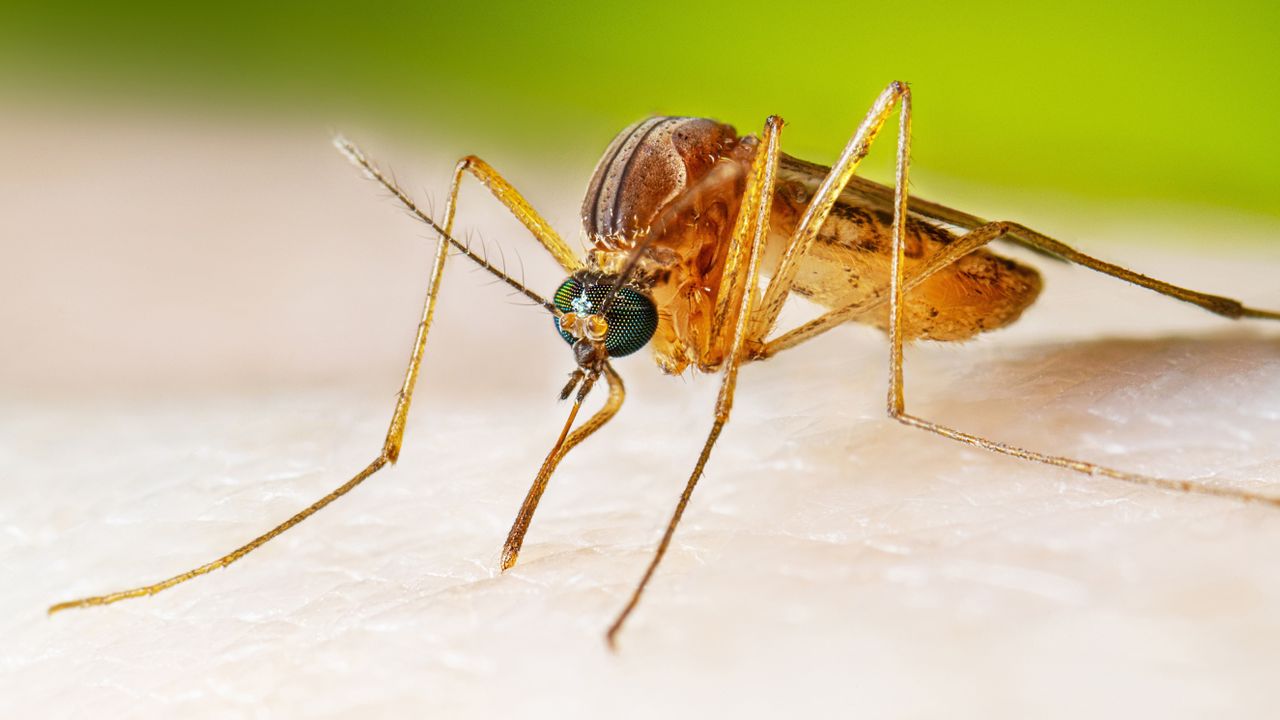
Google has applied for an experimental mosquito release permit to deploy millions of non-biting southern house mosquitoes that it has infected with the bacterium Wolbachia pipientis, in an effort to reduce mosquito-borne diseases like West Nile virus.

Google wants to release 64 million bacteria-riddled mosquitoes across California and Florida. Here's why scientists are enthusiastic.

3 June 2026 at 20:40
Google has applied for an experimental mosquito release permit to deploy millions of non-biting southern house mosquitoes that it has infected with the bacterium Wolbachia pipientis, in an effort to reduce mosquito-borne diseases like West Nile virus.

Google wants to release 64 million bacteria-riddled mosquitoes across California and Florida. Here's why scientists are enthusiastic.

3 June 2026 at 20:40
Google has applied for an experimental mosquito release permit to deploy millions of non-biting southern house mosquitoes that it has infected with the bacterium Wolbachia pipientis, in an effort to reduce mosquito-borne diseases like West Nile virus.

Cold-Induced Peptides Boost Pollen and Yield

3 June 2026 at 20:24

In the escalating battle against climate change, the agricultural sector faces an urgent challenge: protecting crops from the damaging impacts of cold stress. Recent groundbreaking research has illuminated a molecular mechanism that could revolutionize the way we safeguard crop yields under cold weather conditions, a phenomenon known to decisively impair pollen viability and reproductive success. At the heart of this discovery lies a novel peptide signaling pathway that confers resilience to cold-induced pollen abortion, a major contributing factor to severe yield losses in key crops such as tomato and rice.

The study focuses on a subset of small signaling peptides belonging to the RGF–GLV–CLEL family, specifically two cold-responsive peptides, SlRGF9 and SlRGF10, found in tomato plants (Solanum lycopersicum). Under optimal growth conditions, the absence of these peptides appears inconsequential; however, upon exposure to cold stress, plants deficient in SlRGF9 and SlRGF10 exhibit significant pollen abortion, pinpointing these peptides as pivotal protectors of reproductive development during environmental challenges.

At the cellular level, the perception of SlRGF9 and SlRGF10 is mediated by a receptor complex formed by leucine-rich repeat receptor-like kinases (LRR-RLKs), including SlRGFR6 and SlSERK proteins. This receptor complex localizes to the cell surface, where it specifically binds the cold-induced peptides. The subsequent activation of SlRGFR6 initiates a cascade that triggers calcium influx, predominantly through cyclic-nucleotide-gated channels, a critical signal that forestalls cold-delayed programmed cell death within the tapetum.

The tapetum, an inner layer of cells nourishing developing microspores, must undergo precise degradation to ensure successful pollen maturation. Cold stress disrupts this timing, leading to the failure of microspore development and ultimately, reproductive abortion. The SlRGF–SlRGFR6 signaling axis counteracts this disruption by modulating calcium signaling pathways, thus preserving tapetum function and enabling normal pollen development even under chilling conditions.

Importantly, the activation of this peptide signaling pathway shows remarkable conservation across a wide spectrum of plant taxa, encompassing both dicots and monocots. For example, upregulation of homologous RGF peptides in rice (Oryza sativa) confers enhanced pollen resilience, substantially mitigating cold-induced grain yield losses. These findings highlight the universal nature of this molecular defense mechanism and underscore its potential as a target for crop improvement across diverse agricultural systems.

From an applied perspective, genetically engineering tomato plants to overexpress SlRGF9 and SlRGF10 yields a striking 52% reduction in yield losses caused by cold stress. Such a substantial increase in yield resilience promises a viable strategy for enhancing food security in regions where unpredictable cold spells jeopardize agricultural output. Similarly, in rice, enhanced expression of RGF peptides restores approximately 18.3% of otherwise lost grain yield, showcasing the broad applicability of this peptide signaling module.

The implications of this discovery extend beyond cold stress tolerance. By elucidating the molecular underpinnings of pollen development resilience, this research paves the way for breeding programs and biotechnological interventions aimed at fortifying crops against a spectrum of adverse conditions affecting reproductive success. The integration of peptide signaling manipulation into crop science thus represents a frontier of innovation with meaningful agronomic and economic impacts.

The researchers employed meticulous genetic and physiological assays to dissect the roles of SlRGF peptides and their receptors. Loss-of-function mutants were analyzed under both normal and cold conditions, revealing that while vegetative growth remained unaffected, reproductive failure was unmistakably linked to the absence of these peptides during cold episodes. Advanced biochemical assays confirmed direct binding between SlRGF peptides and their cognate receptor kinases, affirming the specificity of this module.

Calcium signaling emerged as a central node downstream of the peptide-receptor interaction. Cyclic-nucleotide-gated channels (CNGCs) acted as conduits for calcium influx, a pivotal second messenger that modulates cellular responses to environmental cues. The cold-induced activation of CNGCs by SlRGF–SlRGFR6 signaling interrupts the cold-triggered delay in programmed cell death within the tapetum, restoring the developmental timeline critical for pollination success.

The study’s comprehensive approach also included cross-species analyses, demonstrating that manipulation of RGF peptide expression yields conserved phenotypic benefits in both tomatoes and rice. This cross-kingdom conservation underscores the evolutionary importance of this signaling module in cold tolerance and hints at its potential utility in a wide array of other crops affected by low temperature stress.

As climate change continues to drive erratic and extreme weather patterns, cold spells pose a growing threat to global food production. The discovery of the RGF peptide signaling axis as a master regulator of pollen resilience provides a powerful tool for developing crops capable of thriving despite these environmental uncertainties. Through targeted molecular breeding or biotechnological approaches, it may soon be possible to equip staple crops with a robust defense against cold-induced reproductive failures, enhancing yield stability on a global scale.

Beyond immediate agricultural applications, this research enriches our fundamental understanding of plant stress physiology. By connecting extracellular peptide signals with intracellular calcium dynamics and programmed cell death regulation, it exposes a finely tuned network governing plant reproductive success under thermal stress. This insight opens new vistas for exploring analogous peptide-receptor systems that might regulate other facets of plant development or stress adaptation.

In sum, this seminal work reveals a core peptide signaling axis that is essential for maintaining pollen viability during cold stress, securing crop yield, and thus holds transformative potential for global agriculture in the era of climate change. By harnessing the power of small peptides like SlRGF9 and SlRGF10, scientists have illuminated a promising path toward crops that are not only productive under ideal conditions but resilient amid the mounting challenges posed by a changing environment.


Subject of Research: Cold-induced peptide signaling pathways that confer pollen resilience and protect crop yields under cold stress conditions.

Article Title: Cold-induced peptide signalling secures pollen resilience and crop yield.

Article References:
Chen, S., Zou, Y., Cui, H. et al. Cold-induced peptide signalling secures pollen resilience and crop yield. Nature (2026). https://doi.org/10.1038/s41586-026-10603-7

Image Credits: AI Generated

DOI: https://doi.org/10.1038/s41586-026-10603-7

Keywords: Cold stress, pollen development, SlRGF peptides, SlRGFR receptors, calcium signaling, programmed cell death, tapetum degradation, crop yield resilience, genetic engineering, tomato, rice, peptide signaling pathways

Disgust Linked to Improper Waste Disposal, Study Finds

3 June 2026 at 17:56

A groundbreaking study emerging from the University of Gothenburg has shed new light on the persistent problem of improper waste disposal, revealing that the emotional response of disgust plays a critical role in shaping public behavior in shared environments. Traditionally, waste management failures have been attributed largely to social norms and carelessness. However, this new research emphasizes the powerful influence of sensory and emotional perceptions, particularly disgust sensitivity, on how individuals interact with waste disposal spaces.

The conventional wisdom posits that people’s waste disposal habits are mainly influenced by the behaviors of those around them—if littering is common, individuals are more likely to follow suit. While this social contagion effect is well-documented, it overlooks a vital psychological component: the visceral reaction humans have to unclean environments. When people perceive a space, such as a waste disposal room, as dirty or revolting, their discomfort and aversion can drive them to avoid engaging in proper disposal behavior, ironically exacerbating the original problem.

Dr. Jacob Sohlberg, a political scientist spearheading this research, explains that disgust—a fundamental human emotion designed to protect us from contamination—can paradoxically undermine environmental cleanliness. “People sensitive to disgust may actively avoid spending time in waste disposal areas if these spaces are perceived as repugnant, increasing the likelihood of haphazard waste disposal elsewhere,” Sohlberg notes. This new perspective shifts waste management research beyond the realm of pure social compliance and into the intricate interplay of human emotion and environmental cues.

The study focused on disadvantaged neighborhoods in Sweden, Finland, and Denmark, areas where littering is notably problematic and causes significant concern among residents. Prior empirical evidence uncovered that in these communities, residents view littering as a problem as severe as crime and unemployment, issues typically regarded as more pressing societal challenges. This underscores the urgency of addressing waste disposal inefficiencies comprehensively, taking into account not only social policies but human psychological tendencies.

The research team proposed three pivotal hypotheses. First, that unclean waste disposal environments heighten the incidence of improper waste disposal. Second, that individuals with heightened disgust sensitivity are disproportionately likely to dispose of waste incorrectly. Third, that the adverse effect of dirty surroundings on waste disposal behavior is magnified in those with high disgust sensitivity. These hypotheses guided a multifaceted research design involving field intervention, experimental manipulation, and large-scale surveys.

In a hands-on field study conducted over three weeks in Gothenburg, researchers allied with a local municipal housing company to observe waste disposal behavior in real time. Two waste stations were meticulously cleaned daily, while eight stations served as controls with no intervention. The results were revealing: stations subjected to extra cleaning saw a marked decrease in littering and erroneous waste disposal. Conversely, control stations showed no significant change, highlighting the tangible benefits of environmental maintenance on public behavior.

To directly examine the psychological mechanisms at play, the team designed a controlled experiment involving more than 300 residents from a disadvantaged Gothenburg neighborhood. Participants were exposed to images of either a pristine or a filthy waste disposal station. Those who viewed the dirty environment reported a significantly lower willingness to use the waste station properly, particularly among those scoring high on a disgust sensitivity scale. This experimental approach confirmed a causal link between perceived environmental cleanliness, disgust, and waste disposal intentions.

Expanding on these results, a third study reached over one thousand participants across socioeconomically challenged neighborhoods in Sweden, Denmark, and Finland through an online experiment that mirrored the earlier design. The data robustly supported the preliminary findings: perceptions of dirty waste disposal spaces increased self-reported intentions to mismanage waste, with disgust sensitivity intensifying this effect. Such consistency across different populations and methodologies affirms the generalizability of the emotional response’s role in waste behavior.

From a policy standpoint, this research translates into actionable strategies. Municipal authorities and housing agencies aiming to mitigate littering and improve waste management efficacy should prioritize the cleanliness and aesthetic quality of waste disposal areas. A well-maintained waste station not only encourages proper disposal but also fosters a community-wide perception of care and order, potentially creating a virtuous cycle of environmental stewardship and social norm adherence.

The societal implications of these findings extend beyond mere environmental tidiness. Cleaner waste disposal areas improve residents’ quality of life, enhancing neighborhood attractiveness and reducing public health risks associated with waste mismanagement. Moreover, better-managed waste systems facilitate the achievement of broader sustainability goals, lowering contamination risks and enhancing recycling efficacy.

Researchers anticipate that integrating psychological insights such as disgust sensitivity into urban planning and public health campaigns will refine waste management interventions. This emotionally informed approach moves beyond traditional messaging and enforcement, incorporating environmental design considerations that shape unconscious behavioral drivers effectively.

Ultimately, the research from the University of Gothenburg propels the discourse on waste disposal into new dimensions, showcasing the synergy between human psychology, environmental conditions, and collective action. It serves as a reminder that solving public sanitation issues necessitates nuanced understanding of both societal structures and the fundamental, innate emotional systems governing human behavior.

As cities worldwide grapple with mounting waste challenges, the integration of emotion-focused research provides a promising avenue to foster healthier public spaces. Keeping waste disposal environments not only clean but also psychologically inviting may very well be the key to reducing littering and promoting sustainable waste habits in vulnerable urban communities.


Subject of Research: Waste disposal behavior and disgust sensitivity in socioeconomically disadvantaged public environments.

Article Title: How Disgust Sensitivity Shapes Waste Disposal Behavior in Everyday Public Environments: Experimental and Difference-in-Differences Studies in the Nordic Countries

News Publication Date: 28-Apr-2026

Web References:
DOI Link

Image Credits: Photo: Emelie Asplund, featuring Jacob Sohlberg, political scientist at University of Gothenburg.

Keywords: Disgust sensitivity, waste disposal behavior, littering, public environment, environmental psychology, socioeconomically disadvantaged neighborhoods, waste management, recycling, behavioral intervention, urban sanitation.

Researchers Reveal Concealed Drug-Binding Site in Cancer Protein, Showcasing Both Strengths and Challenges of AI in Drug Discovery

3 June 2026 at 15:55

In a landmark study conducted at the Icahn School of Medicine at Mount Sinai, researchers have revealed a previously undetected drug-binding pocket within PKMYT1, a kinase intimately involved in cell cycle regulation and cancer progression. This groundbreaking discovery not only challenges current understanding of the protein’s structural dynamics but also underscores both the promise and inherent limitations of contemporary artificial intelligence (AI) methods in the field of drug discovery.

Kinases like PKMYT1 orchestrate critical cellular processes such as growth and division, rendering them prime candidates for therapeutic targeting in oncology. Traditionally, drug development strategies against kinases have centered on the ATP-binding site, which is essential for their catalytic function. However, the ATP-binding motifs among kinases exhibit high degrees of conservation, complicating efforts to engineer drugs with high specificity. This often results in off-target effects that can diminish clinical effectiveness and elevate toxicity risks.

By leveraging a synergistic approach that combined AI-based protein modeling with experimental validation, the researchers uncovered a novel allosteric pocket on PKMYT1. Notably, this binding site escaped detection by leading AI platforms, including the widely acclaimed AlphaFold2. This hidden pocket presents a unique avenue for more selective drug design, diverging from the conventional ATP-competitive strategies and heralding a new paradigm in kinase inhibition.

The research unveiled that PKMYT1 exhibits pronounced conformational flexibility, oscillating between distinct shapes rather than maintaining a static structure. Such dynamic behavior implicates the existence of transient binding pockets that evade prediction by current computational models. These transient pockets might serve as ‘Achilles’ heels’ for selective inhibitor binding, a concept with profound implications for drug discovery beyond this single protein.

Experimentally, the team employed X-ray crystallography and biochemical assays to corroborate binding interactions and validate the biological implications of their findings. Complementing these traditional methods, molecular dynamics simulations and advanced AI models like AlphaFold3 and Boltz-2 were utilized to explore whether computational tools could retrospectively predict the discovered binding modes, exposing gaps in present-day AI predictive capability.

A particularly striking revelation was the sensitivity of the protein-ligand interaction to minuscule chemical modifications. Slight changes in the molecular structure of candidate compounds dramatically altered their binding site preference, toggling between the newfound hidden pocket and more canonical sites. This sensitivity reflects the intricate nature of protein-ligand recognition and underscores the necessity for meticulous experimental validation alongside in silico predictions.

The dual leadership of the study, Professors Avner Schlessinger and Michael Lazarus, highlights a balanced perspective on AI’s role. While AI tools excel at confirming known structural patterns, they may falter in uncovering novel or cryptic sites, especially in proteins that are inherently flexible. This work emphasizes that experimental inquiry remains indispensable, even as AI transforms biomedical research.

From a translational perspective, the discovery of this new druggable site opens exciting therapeutic possibilities. By designing inhibitors that selectively target this unique allosteric pocket, drug developers may circumvent the specificity and toxicity challenges endemic to existing kinase inhibitors. This could potentially accelerate the development of next-generation cancer therapies with improved efficacy and safety profiles.

Moreover, these findings serve as a wake-up call for the AI drug discovery community. The inability of cutting-edge AI platforms to predict the full spectrum of protein conformations spotlights areas for computational innovation, particularly in modeling protein plasticity and allostery. Enhanced algorithms, informed by experimental data like this study’s insights, may soon enable more comprehensive structural predictions with direct impacts on drug development strategies.

Looking ahead, the research team plans to advance the chemical optimization of lead compounds that engage the hidden PKMYT1 pocket with greater potency and selectivity. Concurrently, they aim to survey a broader array of cancer-associated kinases for similar cryptic sites, potentially revealing a wider landscape of novel therapeutic targets across the kinome.

This study represents a significant stride in precision oncology, where the nuanced understanding of protein structure and dynamics can lead to highly selective molecular interventions. It epitomizes the evolving interplay between AI and experiment—where computational hypotheses must be rigorously tested in the laboratory to unlock biomedical breakthroughs.

The work, published recently in the Journal of the American Chemical Society, titled “Allosteric Inhibition of PKMYT1 Induces a Unique, Inactive ATP Binding Site Conformation,” showcases the power of integrating modern AI tools with classical experimental techniques. It exemplifies a model for future drug discovery endeavors aiming to outpace cancer’s complexity through technological and scientific synergy.

As the scientific community digests these revelations, the broader implications are clear: protein targets once deemed structurally intractable may hide exploitable vulnerabilities, awaiting discovery through combined AI and experimental approaches. This challenges researchers to rethink strategies in drug design, moving toward a more dynamic and flexible framework to combat diseases with precision.

In summary, the Icahn School of Medicine’s team has not only unearthed a novel therapeutic target on a cancer-relevant kinase but also illuminated the frontiers and limitations of AI-driven drug discovery. Their pioneering work reinforces that while algorithms can guide drug development, the enduring rigor of experimental science remains critical to truly transformative medical advances.


Subject of Research: Cells

Article Title: Allosteric Inhibition of PKMYT1 Induces a Unique, Inactive ATP Binding Site Conformation

News Publication Date: June 3, 2026

Web References: http://dx.doi.org/10.1021/jacs.6c05178

References: Herrington, N. B., Khamrui, S., Zhao, Y., Lansiquot, C., Wu, R., Pandey, G., Lazarus, M. B., & Schlessinger, A. (2026). Allosteric Inhibition of PKMYT1 Induces a Unique, Inactive ATP Binding Site Conformation. Journal of the American Chemical Society. DOI: 10.1021/jacs.6c05178

Image Credits: Herrington, et al., Journal of the American Chemical Society

Keywords: Drug development, kinase inhibition, cancer therapy, AI drug discovery, protein dynamics, allosteric pocket, PKMYT1, molecular dynamics, AlphaFold, X-ray crystallography

The Best Exercise Combination for Longevity, According to a 30-Year Study

3 June 2026 at 15:51
Human Health Boost Strength LongevityNew research indicates that a moderate amount of weekly strength training may be associated with the greatest longevity benefits, especially when paired with regular aerobic exercise. For years, exercise advice has focused heavily on getting enough cardio. But a major new study suggests that what you do with your muscles may be just as important [...]

Martin Scorsese accused of ‘throwing artists under bus’ with AI storyboards

3 June 2026 at 14:42

The director defends investment in and use of AI-generated storyboards, saying the immediacy of communicating his vision to cast and crew is ‘creatively freeing’

Martin Scorsese’s announcement that he has invested in an AI company and uses the technology to create storyboards has triggered a backlash from fellow members of the film industry.

The New York Times reported that Scorsese had been appointed in 2025 as a partner and adviser to Black Forest Labs, a German-based venture that specialises in text-to-image generative AI.

Continue reading...

© Photograph: Michael Loccisano/Getty Images for Tribeca Festival

© Photograph: Michael Loccisano/Getty Images for Tribeca Festival

© Photograph: Michael Loccisano/Getty Images for Tribeca Festival

IL-22 Boosts Intestinal Cells Guarding Mice from Cholera

3 June 2026 at 13:50

In a groundbreaking study published in Nature Microbiology, researchers have provided fresh insights into the innate immune defenses of the small intestine that combat infections by Vibrio cholerae, the bacterium responsible for the life-threatening diarrheal disease cholera. Despite being a major global health threat with periodic outbreaks causing significant mortality, the detailed mechanisms by which the small intestinal mucosa resists V. cholerae have remained largely elusive. This innovative investigation utilized cutting-edge single-cell RNA sequencing (scRNA-seq) technology to dissect the complex interplay between epithelial cells and immune populations in the infant mouse small intestine during infection, revealing an intricate cellular response that could pave the way to new therapeutic strategies.

The study begins by characterizing changes in gene expression within individual cell types in the small intestine following V. cholerae infection. This high-resolution approach permitted the identification of a distinct subset of enterocytes—intestinal epithelial cells—showing marked upregulation of genes associated with host defense functions. Such specialization suggests the presence of dedicated epithelial cells primed to counteract bacterial invasion. Interestingly, these defense-associated enterocytes expanded in abundance during infection, underscoring a dynamic epithelial response to microbial challenge rather than a static barrier.

A pivotal discovery was the source and role of the cytokine interleukin-22 (IL-22), a known regulator of epithelial integrity. The team found that during infection, IL-22 production rose significantly, emanating primarily from group 3 innate lymphoid cells (ILC3s). These cells serve as sentinels within the gut mucosa, rapidly responding to pathogen encounter by secreting cytokines that shape epithelial function and barrier health. The IL-22 surge appeared to orchestrate a mucosal defense program, strengthening the epithelial front lines against V. cholerae colonization.

To better understand the therapeutic potential of IL-22, researchers administered a recombinant IL-22 fused with an immunoglobulin Fc region (IL-22Fc) prophylactically to mice before V. cholerae exposure. This intervention triggered enhanced production of Reg3β, an antimicrobial peptide with potent vibriocidal activity, from enterocytes. The data suggested that IL-22Fc treatment directly augmented the innate antimicrobial arsenal of the small intestine epithelium, thereby limiting bacterial growth and infection severity.

Beyond antimicrobial peptides, IL-22Fc profoundly affected the differentiation and abundance of secretory cell lineages within the small intestine. Specifically, there was a notable increase in the numbers of goblet cells capable of producing Muc2, a key mucus component in the gut. This mucus was secreted into the intestinal crypts—glandular niches critical for epithelial regeneration—resulting in a protective mucus barrier that hampered V. cholerae’s ability to adhere to the epithelial surface. This mucus-mediated physical barrier likely represents a crucial first line of defense impeding bacterial colonization and subsequent invasion.

The protective capacity of IL-22–mediated responses was strikingly evident at the physiological level. Mice treated with IL-22Fc showed significantly reduced bacterial colonization of their intestines, translating into protection from severe diarrhea and death, hallmark manifestations of cholera infection. These findings not only highlight the importance of epithelial defenses in gut immunity but also position IL-22 as a potential mucosal immunotherapeutic target to protect vulnerable populations from cholera.

This study also enriches the understanding of enterocyte specialization, demonstrating that certain epithelial cell subsets can reprogram their functions toward host defense upon challenge. Such plasticity was previously underappreciated in the field but emerges as essential to maintaining mucosal homeostasis during bacterial infection. The ability of the intestinal epithelium to dynamically shift towards a defensive phenotype likely reflects evolutionary pressures to balance nutrient absorption with pathogen resistance.

Moreover, the integrated single-cell transcriptome profiling illuminated the complex cellular ecosystem of the small intestine, where immune and epithelial cells engage in a finely tuned dialogue. Group 3 innate lymphoid cells, traditionally recognized for their roles in mucosal immunity, were validated as major sources of IL-22, positioning them centrally in coordinating epithelial responses. This cross-talk exemplifies how mucosal immunity relies on both cell-intrinsic and paracrine signaling pathways to mount effective, localized protection.

From a translational perspective, the therapeutic application of IL-22Fc opens a novel avenue to bolster gut barrier defenses. The fusion protein format extends the half-life and bioavailability of IL-22, overcoming limitations of endogenous cytokine instability. This strategy could form the basis for innovative prophylactic interventions, especially in endemic regions where cholera outbreaks pose recurrent threats to public health.

The study further sheds light on the molecular cues driving goblet cell expansion and mucus secretion in response to IL-22 signaling. Muc2 upregulation and mucus secretion serve as critical components of the epithelial shield, entrapping pathogens and limiting their epithelial interactions. Understanding how these differentiation pathways are regulated invites future research to harness or mimic such mechanisms for enhanced mucosal protection across diverse infectious diseases.

Importantly, this research also provides a model for exploring epithelial and immune cell dynamics in other enteric infections. By applying single-cell technologies, scientists can unveil cellular heterogeneity and uncover specialized subsets involved in disease resistance or pathogenesis. Such insights will fuel precision medicine approaches tailored to reinforce mucosal barriers and modulate immune responses at the gut interface.

In conclusion, the findings from this pivotal study redefine the role of IL-22 and its mediated pathways in shaping the small intestinal mucosal defense against Vibrio cholerae. Through the emergence of specialized, defense-equipped enterocytes and secretory cell lineages, the intestinal epithelium mounts a robust and multifaceted response to this potent pathogen. These discoveries not only expand the fundamental understanding of gut immunity but also chart a promising course towards new immunomodulatory therapies that could save lives in cholera-endemic regions.

As the global burden of cholera persists amidst climate change and increasing antibiotic resistance, leveraging endogenous cytokine pathways like IL-22-mediated mucosal defense offers hope for sustainable interventions. Future studies will need to validate these findings in human tissues and evaluate the safety and efficacy of IL-22Fc–based therapies in clinical settings. Nonetheless, this work sets a new benchmark for integrating single-cell transcriptional profiling with immunological insight to unravel complex host–pathogen interactions in the gut.

The research community and public health officials alike will closely watch how these revelations translate into practical measures to curb the impact of cholera and potentially other mucosal infections. The convergence of high-resolution single-cell methodologies, immunobiology, and therapeutic innovation heralds a new era in infectious disease control through smarter modulation of the body’s own defense systems.

Subject of Research: Innate immune defenses in the small intestine protecting against Vibrio cholerae infection.

Article Title: IL-22 promotes genesis of small intestinal secretory cells that protect against cholera in mice.

Article References:
Suzuki, M., Hasegawa, Y., Zhang, H. et al. IL-22 promotes genesis of small intestinal secretory cells that protect against cholera in mice. Nat Microbiol (2026). https://doi.org/10.1038/s41564-026-02375-7

Image Credits: AI Generated

DOI: https://doi.org/10.1038/s41564-026-02375-7

Keywords: IL-22, Vibrio cholerae, cholera, small intestine, innate immunity, enterocyte specialization, goblet cells, mucus secretion, Reg3β, innate lymphoid cells, single-cell RNA sequencing, mucosal defense, cytokine therapy, intestinal colonization, diarrheal disease

❌