Normal view

On-Demand Nanomanufacturing of Electronics in Microgravity

3 June 2026 at 21:57

In a groundbreaking advancement poised to transform the trajectory of space exploration and technology, researchers have unveiled a novel method for manufacturing electronics in microgravity environments using on-demand additive nanomanufacturing techniques. This development, articulated in a recent publication by Bevel, Taba, Patel, and colleagues, outlines the creation of intricate electronic components and functional devices directly in space, bypassing the significant constraints traditionally imposed by Earth-dependent manufacturing and payload transport. The technology marks a pivotal step towards sustaining long-duration missions and the expansion of human presence beyond our planet.

The innovation leverages the advantages offered by microgravity, an environment that alters material behaviors at nanoscale levels, enabling unprecedented precision and control during the fabrication of electronic circuits. Additive manufacturing in microgravity defies the limitations caused by gravity-driven sedimentation and convection on Earth, permitting the deposition of materials with atomic and molecular fidelity. This enhancement at the nanomanufacturing scale is essential for producing next-generation electronics that require exacting standards for performance, miniaturization, and integration.

At the core of this technology is a platform capable of performing ultra-fine additive deposition processes, employing specialized printheads and deposition strategies adaptable to the unique conditions of space. Rather than relying on pre-fabricated components that must be transported from Earth—a costly and logistically challenging endeavor—this methodology empowers spacecraft and potentially orbital outposts to fabricate electronic parts autonomously. The capacity to manufacture on-demand not only reduces payload weights and costs but also mitigates risks associated with component failure, allowing for real-time repairs and adaptations in the field.

Significantly, the researchers have demonstrated the feasibility of this approach through experiments replicating microgravity conditions, integrating conductive, semiconductive, and dielectric materials with nanoscale precision. This multi-material integration is critical for constructing functional devices such as sensors, thin-film transistors, and other components essential to spacecraft instrumentation and communication systems. The ability to seamlessly combine materials paves the way for more complex architectures necessary in advanced electronics.

The implications extend beyond mere convenience; they herald a paradigm shift in how future space missions approach sustainability and autonomy. Missions to Mars, lunar bases, and deep space exploration necessitate robust, self-sufficient systems capable of overcoming the isolation and resupply limitations inherent at vast distances from Earth. The capacity for in-situ manufacturing of electronic systems reduces dependency on Earth’s manufacturing cycles and enables continuous innovation and customization in operational hardware.

Furthermore, the nanomanufacturing process developed capitalizes on the unique physicochemical properties inherent in microgravity. For instance, surface tension and capillary forces dominate over gravitational effects, enabling smoother layering of materials and reducing defects that typically arise in terrestrial manufacturing. This fundamental shift enhances device reliability and performance critical for mission success in harsh extraterrestrial environments.

Another notable aspect of the study involves the scalability and adaptability of the technology. The modular nature of the additive deposition system allows it to be tailored for various mission sizes and requirements, from small satellite platforms to large space stations. Such versatility ensures that the technology can evolve in tandem with ambitions in space habitation and exploration, integrating seamlessly with robotic manufacturing units and autonomous assembly lines.

The research team also addresses challenges related to environmental interference in space, such as radiation and vacuum conditions, illustrating how their materials and techniques maintain structural integrity and functional stability even under these stresses. This robust design consideration is crucial to operational longevity and reliability, ensuring that electronics produced via this method endure the rigors of space.

Moreover, the development contributes significant insights into the materials science of space conditions. By analyzing the microstructural properties of the printed electronics, the study elucidates how microgravity influences crystalline growth, grain boundaries, and defect formation. These findings have broader implications for material engineering and could inform terrestrial manufacturing improvements by mimicking advantageous space-like environments.

Importantly, the technology’s on-demand nature introduces dynamic adaptability to mission operations. Instruments and devices can be fabricated or modified in real time, allowing for unexpected mission requirements or adjustments without waiting for resupply missions. This responsive manufacturing capability offers strategic benefits for mission planners, scientists, and engineers operating in the unpredictable expanse of space.

While currently focused on nanoscale electronics, the researchers envision expansions into fabricating other functional devices, including sensors, actuators, and potentially bioelectronic systems. Such expansions would significantly enrich the technological toolkit available in orbit or on extraterrestrial surfaces, driving innovation in habitat systems, health monitoring, and environmental sensing.

Financially and operationally, this advancement promises to reduce the exorbitant costs associated with launching heavy and complex electronic equipment from Earth. By decentralizing manufacturing to space itself, mission budgets can allocate resources more effectively, and payload design can focus on raw materials and versatile fabrication modules instead of stockpiled components.

As humanity pushes further into the final frontier, the ability to engineer and produce critical technology in situ emerges as a cornerstone of sustainable space exploration. This study not only offers a technological breakthrough but also acts as a conceptual beacon, inspiring new strategies for mission resilience and autonomy that will shape the future of human activity beyond Earth’s atmosphere.

In conclusion, the pioneering work on additive nanomanufacturing of electronics in microgravity marks a critical inflection point in space manufacturing technology. By harnessing the distinctive advantages of space environments, researchers have created a path forward that could dramatically enhance mission resilience, cost-efficiency, and technological capability. This research, presented by Bevel, Taba, Patel, and their collaborators, vividly illustrates how microgravity is not simply a challenge to be overcome but an enabling condition for next-generation manufacturing, heralding a new era of in-space electronics fabrication and functional device production.

Subject of Research:
Additive nanomanufacturing of electronics in microgravity environments aimed at enabling in-space fabrication of functional electronic devices.

Article Title:
On-demand additive nanomanufacturing of electronics in microgravity: towards in-space manufacturing of electronics and functional devices.

Article References:
Bevel, C., Taba, A., Patel, A. et al. On-demand additive nanomanufacturing of electronics in microgravity: towards in-space manufacturing of electronics and functional devices. npj Adv. Manuf. 3, 23 (2026). https://doi.org/10.1038/s44334-026-00085-w

Image Credits:
AI Generated

DOI:
https://doi.org/10.1038/s44334-026-00085-w

Disgust Linked to Improper Waste Disposal, Study Finds

3 June 2026 at 17:56

A groundbreaking study emerging from the University of Gothenburg has shed new light on the persistent problem of improper waste disposal, revealing that the emotional response of disgust plays a critical role in shaping public behavior in shared environments. Traditionally, waste management failures have been attributed largely to social norms and carelessness. However, this new research emphasizes the powerful influence of sensory and emotional perceptions, particularly disgust sensitivity, on how individuals interact with waste disposal spaces.

The conventional wisdom posits that people’s waste disposal habits are mainly influenced by the behaviors of those around them—if littering is common, individuals are more likely to follow suit. While this social contagion effect is well-documented, it overlooks a vital psychological component: the visceral reaction humans have to unclean environments. When people perceive a space, such as a waste disposal room, as dirty or revolting, their discomfort and aversion can drive them to avoid engaging in proper disposal behavior, ironically exacerbating the original problem.

Dr. Jacob Sohlberg, a political scientist spearheading this research, explains that disgust—a fundamental human emotion designed to protect us from contamination—can paradoxically undermine environmental cleanliness. “People sensitive to disgust may actively avoid spending time in waste disposal areas if these spaces are perceived as repugnant, increasing the likelihood of haphazard waste disposal elsewhere,” Sohlberg notes. This new perspective shifts waste management research beyond the realm of pure social compliance and into the intricate interplay of human emotion and environmental cues.

The study focused on disadvantaged neighborhoods in Sweden, Finland, and Denmark, areas where littering is notably problematic and causes significant concern among residents. Prior empirical evidence uncovered that in these communities, residents view littering as a problem as severe as crime and unemployment, issues typically regarded as more pressing societal challenges. This underscores the urgency of addressing waste disposal inefficiencies comprehensively, taking into account not only social policies but human psychological tendencies.

The research team proposed three pivotal hypotheses. First, that unclean waste disposal environments heighten the incidence of improper waste disposal. Second, that individuals with heightened disgust sensitivity are disproportionately likely to dispose of waste incorrectly. Third, that the adverse effect of dirty surroundings on waste disposal behavior is magnified in those with high disgust sensitivity. These hypotheses guided a multifaceted research design involving field intervention, experimental manipulation, and large-scale surveys.

In a hands-on field study conducted over three weeks in Gothenburg, researchers allied with a local municipal housing company to observe waste disposal behavior in real time. Two waste stations were meticulously cleaned daily, while eight stations served as controls with no intervention. The results were revealing: stations subjected to extra cleaning saw a marked decrease in littering and erroneous waste disposal. Conversely, control stations showed no significant change, highlighting the tangible benefits of environmental maintenance on public behavior.

To directly examine the psychological mechanisms at play, the team designed a controlled experiment involving more than 300 residents from a disadvantaged Gothenburg neighborhood. Participants were exposed to images of either a pristine or a filthy waste disposal station. Those who viewed the dirty environment reported a significantly lower willingness to use the waste station properly, particularly among those scoring high on a disgust sensitivity scale. This experimental approach confirmed a causal link between perceived environmental cleanliness, disgust, and waste disposal intentions.

Expanding on these results, a third study reached over one thousand participants across socioeconomically challenged neighborhoods in Sweden, Denmark, and Finland through an online experiment that mirrored the earlier design. The data robustly supported the preliminary findings: perceptions of dirty waste disposal spaces increased self-reported intentions to mismanage waste, with disgust sensitivity intensifying this effect. Such consistency across different populations and methodologies affirms the generalizability of the emotional response’s role in waste behavior.

From a policy standpoint, this research translates into actionable strategies. Municipal authorities and housing agencies aiming to mitigate littering and improve waste management efficacy should prioritize the cleanliness and aesthetic quality of waste disposal areas. A well-maintained waste station not only encourages proper disposal but also fosters a community-wide perception of care and order, potentially creating a virtuous cycle of environmental stewardship and social norm adherence.

The societal implications of these findings extend beyond mere environmental tidiness. Cleaner waste disposal areas improve residents’ quality of life, enhancing neighborhood attractiveness and reducing public health risks associated with waste mismanagement. Moreover, better-managed waste systems facilitate the achievement of broader sustainability goals, lowering contamination risks and enhancing recycling efficacy.

Researchers anticipate that integrating psychological insights such as disgust sensitivity into urban planning and public health campaigns will refine waste management interventions. This emotionally informed approach moves beyond traditional messaging and enforcement, incorporating environmental design considerations that shape unconscious behavioral drivers effectively.

Ultimately, the research from the University of Gothenburg propels the discourse on waste disposal into new dimensions, showcasing the synergy between human psychology, environmental conditions, and collective action. It serves as a reminder that solving public sanitation issues necessitates nuanced understanding of both societal structures and the fundamental, innate emotional systems governing human behavior.

As cities worldwide grapple with mounting waste challenges, the integration of emotion-focused research provides a promising avenue to foster healthier public spaces. Keeping waste disposal environments not only clean but also psychologically inviting may very well be the key to reducing littering and promoting sustainable waste habits in vulnerable urban communities.


Subject of Research: Waste disposal behavior and disgust sensitivity in socioeconomically disadvantaged public environments.

Article Title: How Disgust Sensitivity Shapes Waste Disposal Behavior in Everyday Public Environments: Experimental and Difference-in-Differences Studies in the Nordic Countries

News Publication Date: 28-Apr-2026

Web References:
DOI Link

Image Credits: Photo: Emelie Asplund, featuring Jacob Sohlberg, political scientist at University of Gothenburg.

Keywords: Disgust sensitivity, waste disposal behavior, littering, public environment, environmental psychology, socioeconomically disadvantaged neighborhoods, waste management, recycling, behavioral intervention, urban sanitation.

Fever and Chills Heighten Contagiousness of Respiratory Diseases, New Study Finds

3 June 2026 at 17:46

Understanding the behavior of microscopic aerosols expelled during coughing or sneezing has never been more critical, especially in light of ongoing global respiratory disease challenges such as influenza, COVID-19, and tuberculosis. These tiny particles, often invisible to the naked eye, serve as carriers for pathogens, enabling virus and bacteria transmission through the air. Numerous factors influence how these infectious aerosols disperse, including the strength of the exhalation, the intricacies of human respiratory anatomy, and environmental conditions. Recent groundbreaking research from the Universitat Rovira i Virgili (URV) has uncovered another vital element governing aerosol behavior: temperature. This revelation could transform how we understand and mitigate airborne disease spread indoors.

The research team from URV has demonstrated through meticulously controlled experiments that the temperature difference between exhaled air and the surrounding environment plays a significant role in the dispersion pattern and concentration of aerosols. Specifically, when warm exhaled air—mimicking body temperature—is introduced into cooler ambient air, the aerosol cloud maintains higher particle concentrations and travels further distances compared to situations where the temperature disparity is minimal. This relationship becomes more pronounced with increasing temperature gradients, shedding new light on the physical dynamics operating during respiratory emissions.

Central to this innovative study is the use of a sophisticated, three-dimensional-printed human airway model developed by the URV’s ECoMMFiT research group. This device replicates the biomechanics of human exhalation with exceptional stability and precision, allowing the researchers to simulate coughing and sneezing under tightly controlled parameters. By modifying this simulator to heat the exhaled air to 37 degrees Celsius—representing a slight fever condition—the team was able to explore interactions between temperature, respiratory flow dynamics, and aerosol dispersal in unprecedented detail.

Experiments were conducted within a climate-controlled chamber at the Catalonia Institute for Energy Research (IREC), where environmental conditions could be precisely manipulated. The team investigated three distinct ambient temperatures: 27°C, 17°C, and 7°C. These temperatures were combined with varying exhalation intensities and two different modes of nasal airflow: open and closed nasal cavities. This combination resulted in eighteen unique trial configurations, each rigorously repeated ten times for statistical robustness, culminating in a comprehensive dataset derived from 180 individual experiments.

The results reveal that the aerosol clouds generated under these varying conditions behave differently in predictable yet complex ways. As Nicolás Catalán, co-author and URV mechanical engineering researcher, explains, the increased temperature difference augments buoyancy effects. Warm exhaled air, less dense than the surrounding cooler air, rises and carries aerosol particles further and more cohesively. This buoyant lift sustains particle concentrations for longer periods, significantly extending the spatial range of potential pathogen transmission, particularly in colder environments.

A particularly striking finding relates to the role of the nasal cavity in shaping aerosol spread. The study confirms that partial airflow through the nose reduces horizontal propagation but promotes increased vertical dispersion. Conversely, when the simulator mimics mouth-only exhalation, aerosols tend to move more horizontally, covering greater frontline distances. This mechanistic insight highlights how variations in individual respiratory behaviors and anatomical structures can dramatically impact transmission risks.

The technical prowess of the study owes much to the utilization of high-speed videography and laser illumination techniques. These tools unveil the fine-scale structure and temporal evolution of the aerosol clouds. The recorded visualizations underscore how the interplay between ambient temperature gradients and respiratory airflow generates intricate aerosol flow patterns. This mechanistic understanding is crucial for modeling pathogen transport pathways more accurately within indoor environments, where interventions are typically applied.

Notably, the research contributes valuable experimental data that historically has been scarce in aerosol studies. Previous investigations frequently relied on numerical simulations or human trials, each limited in their control over parameters such as flow rate and temperature. In contrast, the URV’s 3D-printed airway simulator enables reproducible and stable experimental conditions, providing crucial validation points for computational fluid dynamic (CFD) models that predict aerosol dissemination and, by extension, infection risk.

From a practical standpoint, these insights hold significant implications for public health and safety. Environments like hospitals, schools, biological labs, and public transportation systems, where pathogen exposure risk is elevated, can benefit from refined ventilation designs and tailored control measures based on thermal considerations. For example, in colder seasons or cooler indoor environments, the increased persistence and reach of respiratory aerosols could warrant enhanced air circulation strategies or modifications to heating systems to mitigate transmission potential.

While the research sheds new light on temperature’s role in aerosol dynamics, the authors caution that respiratory aerosol behavior is inherently multifaceted. Factors such as humidity, indoor ventilation patterns, and the longevity of suspended particles must be further investigated to achieve comprehensive risk assessments. The study encourages continued interdisciplinary research integrating experimental, computational, and epidemiological approaches to fully unravel the variables influencing airborne disease propagation.

The research team’s approach, combining experimental rigor with innovative simulation, establishes a robust framework for future investigations. Their novel use of a temperature-controlled exhalation model advances the field beyond simplistic or static assumptions about aerosol dynamics. This detailed analysis forms a foundational step towards predictive models capable of informing adaptive infection control protocols sensitive to thermal variances across seasons and indoor spaces.

In conclusion, the URV-led study emphasizes that temperature differences between exhaled and ambient air significantly affect bioaerosol transport, influencing both the extent and persistence of pathogen-laden particle clouds. By integrating anatomical realism through a 3D-printed airway model and employing precise climate control, the research advances our scientific understanding of respiratory aerosol physics. These findings promise to inform smarter environmental and public health strategies, reducing airborne transmission risks in indoor settings worldwide.

Subject of Research: Respiratory aerosol dynamics and pathogen transmission influenced by temperature differences.

Article Title: Bioaerosol transport dynamics in cold and warm environments: An experimental study using a three-dimensional-printed human airway model.

News Publication Date: 20-Mar-2026

Web References: http://dx.doi.org/10.1063/5.0303143

References:
Catalán, N., Cito, S., Varela Ballesta, S., Fabregat, A., Vernet, A., Graus, D., & Pallarès, J. (2026). Bioaerosol transport dynamics in cold and warm environments: An experimental study using a three-dimensional-printed human airway model. Physics of Fluids.

Keywords

Respiratory aerosols, airborne pathogens, bioaerosol transport, temperature effects, human airway model, aerosol dispersion, exhalation dynamics, infectious disease transmission, ventilation, computational fluid dynamics, public health, indoor air quality

FAU Researchers Harness AI to Detect Prey Species from Predator Chewing Sounds

3 June 2026 at 15:56

In the hidden depths of coastal ecosystems, the dynamic interplay between hard-shelled marine mollusks and their predators unfolds silently yet profoundly influences the health of these environments. Organisms like clams and snails, essential for stabilizing shorelines, filtering water, and supporting biodiversity, face mounting threats from ocean acidification and burgeoning populations of mobile shell-crushing predators. Despite their importance, deciphering the rapid and often submerged interactions that govern these predator-prey relationships has long posed a formidable scientific challenge.

The primary obstacle in studying these underwater predation events lies not only in their elusive locations but also in the fleeting nature of the encounters. Predators such as the whitespotted eagle rays (Aetobatus narinari) forage silently in subtidal zones where direct visual observation is hindered by light availability and water clarity. Consequently, the critical ecological process of mollusk consumption remains difficult to quantify in natural settings, leaving a significant knowledge gap in coastal marine ecology.

Unexpectedly, these predation events broadcast distinct acoustic signatures through the water. The fracturing and crushing of clam and snail shells generate unique sounds—transient acoustic signals rich with ecological information. Employing passive acoustic monitoring techniques coupled with autonomous recording devices, researchers can now “listen in” on these feeding behaviors as they happen in situ, capturing data inaccessible through visual surveys alone. Nonetheless, the challenge remains to reliably isolate these faint shell-crunching sounds amid the cacophony of underwater noise.

Addressing this, a team from Florida Atlantic University (FAU) has created an innovative machine learning framework designed to enhance the detection and classification of these subtle shell-crushing acoustic events. Through controlled aquarium trials featuring whitespotted eagle rays—a species renowned for their shell-cracking feeding strategy—the researchers built and trained an AI system adept at distinguishing feeding sounds from ambient oceanic noise, vastly advancing the capability to monitor predator-prey interactions acoustically.

This framework employs a sophisticated, multi-tiered approach. Initially, it processes extensive underwater audio recordings to identify potential predation events via acoustic pattern recognition. Subsequent analytical layers refine these detections by using machine learning classifiers to minimize false positives, thereby filtering actual shell-crushing events from environmental background sounds with high precision.

Beyond mere detection, the system also categorizes the type of mollusk prey consumed during these events. This is achieved by integrating traditional classification algorithms such as random forests with advanced deep learning architectures, including long short-term memory networks (LSTMs) and convolutional neural networks (CNNs). Each method is fine-tuned to recognize nuanced features in the acoustic structure of shell-crushing sounds, enabling detailed insights into prey identity.

Significantly, the study, recently published in the journal Ecological Informatics, demonstrates that complex AI architectures are not always essential for robust performance. Simplified models leveraging gammatone feature cepstral coefficients (GTCCs)—a biologically inspired auditory filterbank approach—proved nearly as effective as deep learning models in detecting shell-crushing sounds, while demanding significantly less computational power. This finding holds promise for scalable, long-duration deployment in challenging marine environments where energy and processing capacity are constrained.

As Laurent Chérubin, Ph.D., a research professor at FAU’s Harbor Branch Oceanographic Institute and lead author, emphasizes, these acoustic signals reveal substantial ecological information beyond mere occurrence. Passive acoustic monitoring represents a transformative tool, offering unprecedented access to predator-prey dynamics in otherwise inaccessible ocean habitats, enhancing our understanding of marine ecosystem functionality.

The implications for coastal ecosystem management are profound. By remotely detecting and classifying predation events, the new technology enables quantification of predator impacts on mollusk populations at ecosystem-wide scales—a methodological leap beyond fragmented, location-specific observations. This ability not only enriches basic ecological knowledge but also equips managers with actionable insights into shellfish populations vital for habitat restoration and commercial aquaculture.

The system’s effectiveness extends beyond controlled laboratory settings. Tested in real-world conditions, including data from animal-borne acoustic tags and fixed underwater sensors, the AI framework reliably identified feeding events and prey types in natural habitats. Its resilience when trained exclusively on tank data yet performing accurately in the field demonstrates robust generalizability, critical for widespread application.

Further intriguing is the framework’s capacity to elucidate predator behavior. According to Dr. Matt Ajemian, senior author and director of the Fisheries Ecology and Conservation Lab at FAU Harbor Branch, the acoustic signatures not only reflect prey species but also reveal handling techniques and processing durations. This opens potential avenues for scientists to distinguish between individual feeding strategies and even estimate prey size categories from subtle variations in shell-crushing sounds.

As global investments in shellfish aquaculture and coastal restoration intensify, tools that effectively monitor predator-prey interactions grow increasingly vital. Considering the diverse prey types analyzed range from buried filter feeders to agile mobile shellfish, this AI-powered acoustic monitoring system emerges as a versatile instrument for tracking mollusk mortalities and ecosystem health across heterogeneous coastal environments.

Finally, the computational efficiency of GTCC-based detection models is especially advantageous for deployment on autonomous underwater platforms constrained by limited power and processing resources. This capability supports extensive, real-time ecological monitoring in remote marine areas where traditional sensor networks are impractical, heralding a new era in marine ecology research.

The research represents a collaborative effort among scientists at Florida Atlantic University, including Ph.D. candidates and faculty from the College of Engineering and Computer Science, highlighting the power of interdisciplinary approaches to address complex ecological challenges with innovative technological solutions. Funded partially by the National Science Foundation and institutional grants, this work exemplifies how AI and acoustic technologies can transform environmental conservation, providing a vital toolkit for safeguarding marine ecosystems under increasing anthropogenic pressure.


Subject of Research: Animals

Article Title: Evaluation of a signal processing and machine learning framework to detect and classify shell-crushing predation events

News Publication Date: 7-May-2026

Web References:

References:

  • DOI: 10.1016/j.ecoinf.2026.103795

Image Credits: FAU Harbor Branch, Cat Nickell and Conrad Pfalzgraf

Keywords

Artificial intelligence, aquatic animals, natural resources conservation, sustainability, wildlife management, engineering, technology, acoustics, sound, underwater acoustics, wildlife, predators, marine conservation, ecological restoration, ecosystem management

How Hunger Shapes Our Food Choices – Insights from an Otago Study

3 June 2026 at 01:17

In the realm of human behavior and nutrition, it is a familiar admonition: never shop for groceries on an empty stomach. This age-old advice, often shared informally, now finds support in groundbreaking research emerging from the University of Otago’s Ōtākou Whakaihu Waka Institute. Their latest scientific inquiry delves deeply into the intricate interplay between physiological states and mental imagery related to food, shedding new light on why hunger alters not only our desire for food but also the vividness with which we visualize it.

This pioneering experimental study, led by PhD candidate Maggie Hames, sought to navigate the neural and cognitive mechanisms underpinning our mental experiences of food. By examining how hunger and satiety modify food-related mental imagery, the research offers vital clues to understanding the subjective experience of craving. The team’s insights contribute notably to the broader discourse on eating behavior, appetite regulation, and the psychobiological factors influencing dietary decisions.

Participants in the study—approximately 60 individuals—underwent controlled conditions in which they were asked to conjure sensory details of food items, specifically focusing on the imagined smell, flavor, and texture. These tasks were performed both while the participants were hungry and after reaching a state of fullness. The researchers employed rigorous experimental procedures to quantify the vividness, ease, and temporal dynamics of these imagined sensory experiences, seeking to determine how metabolic status modulates food-related cognition.

Among the salient findings was a marked increase in the ease and intensity of food imagery during hunger. Subjects reported more vivid and faster-evoked mental representations of food flavors when fasting compared to when satiated. This enhanced imagery under hunger suggests a physiological priming effect that heightens sensory processing linked to food anticipation. Such a mechanism may serve evolutionary functions—enhancing the motivation to seek and consume energizing nutrients when the organism is metabolically depleted.

Surprisingly, the study unearthed a nuanced dissociation between different sensory modalities in mental imagery. While flavor imagery was significantly influenced by hunger, the mental visualization of texture appeared consistently more accessible irrespective of metabolic state. This finding challenges prevailing assumptions within food science that flavor dominates the mental representation of food reward, proposing instead that texture occupies a crucial cognitive dimension that is perhaps more stably encoded.

Associate Professor Mei Peng, a co-author and principal investigator of Otago’s Sensory Neuroscience and Nutrition Lab, emphasized the physiological embedding of these mental processes. Her commentary underscores that the brain’s food imagery is not merely a passive psychological phenomenon but intricately linked with bodily signals reflecting nutritional status. This tight integration might explain why cravings intensify under fasting conditions, as the brain magnifies the rewards associated with food through more vivid and compelling mental imagery.

The implications of this research extend into applied nutritional science and public health domains. Understanding the neurocognitive substrates of food cravings offers opportunities to develop targeted interventions that modulate mental imagery as a strategy to manage overeating and obesity. For example, cognitive-behavioral therapies could harness these findings to attenuate hunger-enhanced food imagery or retrain sensory expectations to promote healthier eating patterns.

Additionally, the distinction between flavor and texture representation in the mind invites further investigation into sensory-specific satiety and preference formation. Food texture, often underappreciated, may play an unrecognized role in dietary choices and satisfaction. Knowing how texture imagery remains stable regardless of hunger states could inform the design of satiety-inducing foods and novel food products aimed at improving appetite control while maintaining palatability.

This research emerges from a collaborative effort funded by the Marsden Fund, uniting expertise from the University of Otago and the University of Oxford. The cross-continental partnership underscores the universal relevance of dissecting how human cognition interacts with metabolic cues to regulate eating behavior. Their results, published recently in the esteemed journal Appetite, add a sophisticated layer of understanding to the biopsychological nexus of hunger and food perception.

By bridging sensory neuroscience with experimental psychology and nutrition, the study offers a multidisciplinary perspective on appetite control. The methodological approach, combining subjective assessments of mental imagery with rigorous experimental manipulation, exemplifies sophistication in probing the elusive interface of mind and body. Through such research, the fields of applied food science and behavioral nutrition move closer to elucidating the foundational processes that drive our eating habits.

In conclusion, this compelling investigation reveals that hunger does more than increase our desire to eat—it sharpens our sensory imagination of food, particularly flavors, which amplifies cravings and potentially influences decision-making. The intriguing constancy of texture imagery points to a complex sensory architecture in how we mentally simulate food experiences. As we grapple with global issues of diet-related health conditions, insights like these pave the way for novel approaches to managing appetite and promoting healthier lifestyles through the modulation of mental food imagery.

Subject of Research: People
Article Title: Assessing the relationship between food-related mental imagery and appetite
News Publication Date: 13-Jun-2026
Web References: DOI: 10.1016/j.appet.2026.108592

Keywords: food science, mental imagery, hunger, appetite, sensory neuroscience, flavor perception, texture perception, eating behavior, food cravings, experimental study

Male bowerbirds prefer to dazzle females with bright human-made items

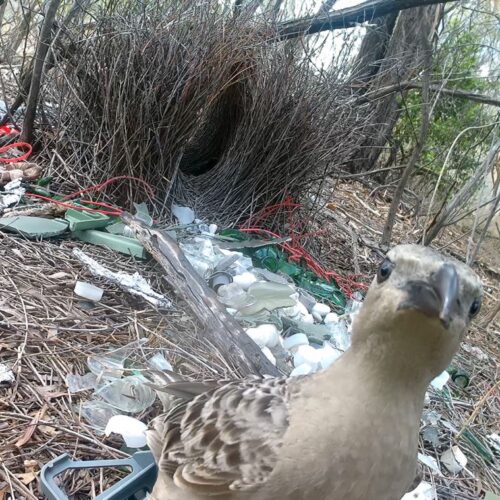
Male bowerbirds are notorious for their complex mating rituals. They build intricate tunnels out of twigs—the bowers from which they get their name—and then decorate them with random colorful items gleaned from the environment. When a female of the species shows up to check out a male's fancy digs, the male tosses his shiniest objects in her direction and shows off his plumage in hopes of impressing her.

According to a new paper published in the journal Royal Society Open Science by University of Exeter scientists, urbanization and the associated growing availability of brightly colored human-made items have had a significant impact on courtship display behavior in Australian male bowerbirds. There are marked differences in the choice of decorations for bowerbirds in urban versus rural environments. This might be because urban birds simply have greater access to the items than their rural counterparts, since birds in both environments show a marked preference for human items.

The University of Exeter researchers monitored the bowers of 61 male great bowerbirds in two sites in Australia's northern Queensland—the rural Dreghorn Cattle Station and the urban Townsville City—during the prime breeding season (September–December 2023). Then they photographed the bower decorations in situ from above in both visible and UV light (bowerbirds can see in the UV range), using an umbrella to create diffuse lighting.

Read full article

Comments

© Caitlin Evans

Male bowerbirds prefer to dazzle females with bright human-made items

Male bowerbirds are notorious for their complex mating rituals. They build intricate tunnels out of twigs—the bowers from which they get their name—and then decorate them with random colorful items gleaned from the environment. When a female of the species shows up to check out a male's fancy digs, the male tosses his shiniest objects in her direction and shows off his plumage in hopes of impressing her.

According to a new paper published in the journal Royal Society Open Science by University of Exeter scientists, urbanization and the associated growing availability of brightly colored human-made items have had a significant impact on courtship display behavior in Australian male bowerbirds. There are marked differences in the choice of decorations for bowerbirds in urban versus rural environments. This might be because urban birds simply have greater access to the items than their rural counterparts, since birds in both environments show a marked preference for human items.

The University of Exeter researchers monitored the bowers of 61 male great bowerbirds in two sites in Australia's northern Queensland—the rural Dreghorn Cattle Station and the urban Townsville City—during the prime breeding season (September–December 2023). Then they photographed the bower decorations in situ from above in both visible and UV light (bowerbirds can see in the UV range), using an umbrella to create diffuse lighting.

Read full article

Comments

© Caitlin Evans

Male bowerbirds prefer to dazzle females with bright human-made items

3 June 2026 at 00:05

Male bowerbirds are notorious for their complex mating rituals. They build intricate tunnels out of twigs—the bowers from which they get their name—and then decorate them with random colorful items gleaned from the environment. When a female of the species shows up to check out a male's fancy digs, the male tosses his shiniest objects in her direction and shows off his plumage in hopes of impressing her.

According to a new paper published in the journal Royal Society Open Science by University of Exeter scientists, urbanization and the associated growing availability of brightly colored human-made items have had a significant impact on courtship display behavior in Australian male bowerbirds. There are marked differences in the choice of decorations for bowerbirds in urban versus rural environments. This might be because urban birds simply have greater access to the items than their rural counterparts, since birds in both environments show a marked preference for human items.

The University of Exeter researchers monitored the bowers of 61 male great bowerbirds in two sites in Australia's northern Queensland—the rural Dreghorn Cattle Station and the urban Townsville City—during the prime breeding season (September–December 2023). Then they photographed the bower decorations in situ from above in both visible and UV light (bowerbirds can see in the UV range), using an umbrella to create diffuse lighting.

Read full article

Comments

© Caitlin Evans

Male bowerbirds prefer to dazzle females with bright human-made items

3 June 2026 at 00:05

Male bowerbirds are notorious for their complex mating rituals. They build intricate tunnels out of twigs—the bowers from which they get their name—and then decorate them with random colorful items gleaned from the environment. When a female of the species shows up to check out a male's fancy digs, the male tosses his shiniest objects in her direction and shows off his plumage in hopes of impressing her.

According to a new paper published in the journal Royal Society Open Science by University of Exeter scientists, urbanization and the associated growing availability of brightly colored human-made items have had a significant impact on courtship display behavior in Australian male bowerbirds. There are marked differences in the choice of decorations for bowerbirds in urban versus rural environments. This might be because urban birds simply have greater access to the items than their rural counterparts, since birds in both environments show a marked preference for human items.

The University of Exeter researchers monitored the bowers of 61 male great bowerbirds in two sites in Australia's northern Queensland—the rural Dreghorn Cattle Station and the urban Townsville City—during the prime breeding season (September–December 2023). Then they photographed the bower decorations in situ from above in both visible and UV light (bowerbirds can see in the UV range), using an umbrella to create diffuse lighting.

Read full article

Comments

© Caitlin Evans

❌